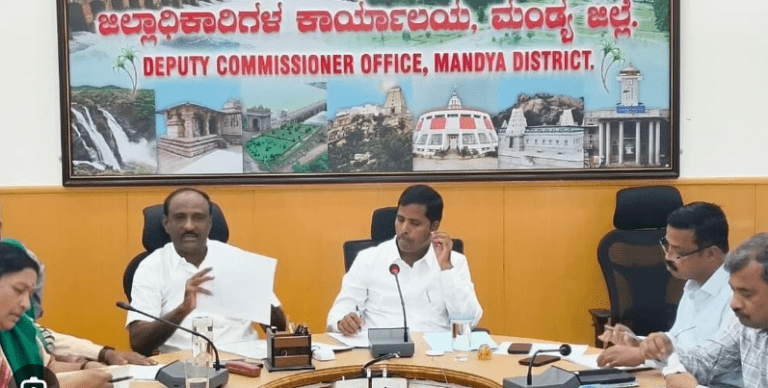
A high-level panel on Artificial Intelligence was convened by the Ministry of Electronics and Information Technology (MeitY) at the Emerging Science, Technology & Innovation Conclave (ESTIC) 2025, reflecting India’s commitment to harnessing AI as a transformative force for development. Key government, academic, and industry leaders discussed strategies for building a world-class, inclusive, and ethically governed AI ecosystem aligned with the nation’s Viksit Bharat 2047 vision.
AI as a Mission-Critical Catalyst for Progress
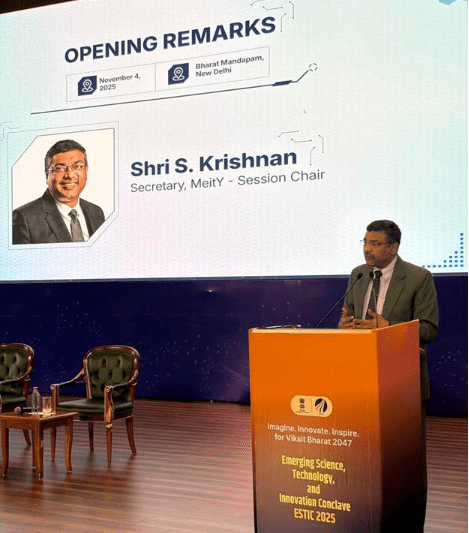
Opening the session, Shri S. Krishnan, Secretary, MeitY, emphasized that AI’s greatest value lies in its impact on society and its ability to improve quality of life. He asserted that AI is a seamless, cross-cutting enabler, now sitting at the heart of India’s roadmap towards becoming a developed nation by 2047. The panel saw a strong consensus around AI’s potential to accelerate innovation and bridge gaps in education, healthcare, industry, and public welfare.
IndiaAI Mission – Building Blocks of a Global-Standard AI Ecosystem
Shri Abhishek Singh, Additional Secretary, MeitY, highlighted the IndiaAI Mission’s integrated “seven-pillar” approach: affordable computing, accessible and quality datasets, foundation models, robust support for startups, and an overarching safe, trustworthy governance framework. Singh stressed that India’s demographic dividend, matched with these strategic measures, positions the country to develop globally competitive—yet resource-conscious—AI solutions that address both national needs and international standards.
DeepTech, Indigenous Innovation, and Empowering Social Impact
Panelists including Dr. Sridhar Vembu (Zoho), Dr. Geeta Manjunath (Niramai), Dr. Sriram Raghavan (IBM Research), and Dr. Amit Sheth (AI Institute, University of South Carolina) shared sectoral success stories from healthcare, energy, and manufacturing. They underscored the need for indigenous R&D, affordable diagnostics, India-focused language and multimodal AI platforms, and leveraging AI for good, especially for social equity and last-mile healthcare.
Panel Discussion: Evolving Governance and Global Partnerships
Moderated by Shri Shashi Shekhar Vempati (DeepTech for Bharat), the discussion featured leaders from Tata Consultancy Services, IIT Madras, BrainSightAI, NITI Aayog, and Amrita University. Together, they explored expanding digital public infrastructure, developing India-specific large language models, advancing ethical frameworks, and fostering international collaboration—all while keeping the focus on social inclusion and developmental priorities.
Conclusion: ESTIC 2025
The ESTIC 2025 panel on AI signaled a maturing ecosystem driven by mission-mode reforms, deepening infrastructure, and India’s unique approach to responsible, impactful AI. India is on track to build an AI landscape that not only delivers for its citizens but also sets global benchmarks in ethics, inclusivity, and innovation.
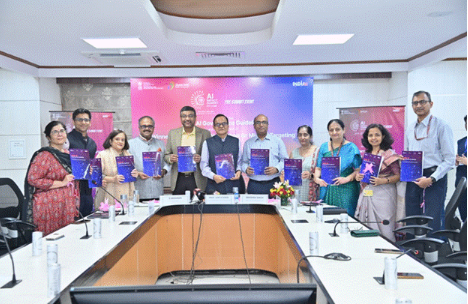
The Ministry of Electronics and Information Technology (MeitY) has announced the launch of the India AI Governance Guidelines under the IndiaAI Mission, marking a transformative moment in the responsible, safe, and inclusive adoption of artificial intelligence across sectors in India. This new framework aims to foster innovation and address ethical and societal risks associated with AI as India prepares for the India-AI Impact Summit 2026.
Principles and Pillars of AI Governance
The framework is anchored on seven guiding principles (“sutras”) for ethical and responsible technology, with ‘Do No Harm’ at its core and an emphasis on human-centric, inclusive development.
It draws heavily from collaborative input from stakeholders, leveraging existing legislation and focusing on transparency, fairness, accountability, and safety.
Six pillars structure the recommendations: Infrastructure, Capacity Building, Policy & Regulation, Risk Mitigation, Accountability, and Institutions.
Actionable Roadmap and Practical Guidelines
The guidelines offer a mapped action plan with short, medium, and long-term goals—ranging from enabling innovation sandboxes and risk classification to refining legal measures as technology evolves.
Practical sector-specific advice is provided for government, industry, and regulators to encourage responsible practices, self-regulation, and transparent oversight, ensuring continuous collaboration between government, academia, industry, and civil society.
The governance approach also prioritizes human oversight and capacity building, aiming for trustworthy and globally competitive AI.
Impact and Milestones: IndiaAI Hackathon and Inclusive Progress
The announcement celebrated winners of the IndiaAI Hackathon for mineral targeting, held with the Geological Survey of India, showcasing AI’s powerful impact on resource exploration and public sector innovation.
The rollout of India’s guidelines affirms its commitment to ethical guardrails, risk proportionality, and the harmonization of AI with national laws on data protection and cybersecurity, anticipating further consolidation under the upcoming Digital India Act.
Conclusion: MeitY
Launching the India AI Governance Guidelines sets a new benchmark for responsible, human-centric, and future-ready AI innovation in India. As the country steps toward hosting the India-AI Impact Summit 2026, it asserts leadership in crafting technology frameworks intended not just to fuel innovation but also to protect citizens and uphold democratic and ethical values within an adaptive digital ecosystem.
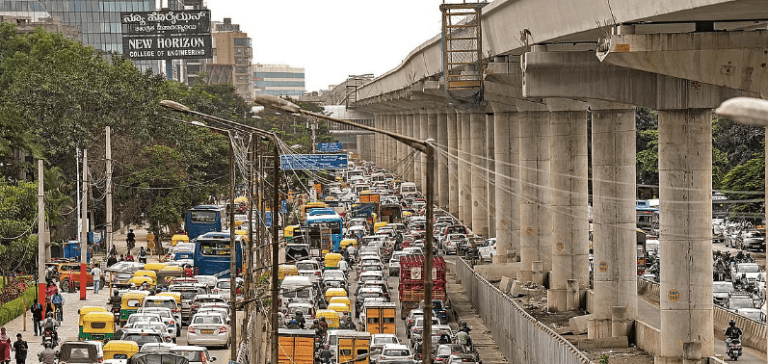
Bengaluru Traffic Police have launched a new field-level initiative called ‘Cobra Beat’ to counter rapidly rising micro-congestion across neighbourhoods, junctions, and internal roads. The effort aims to tackle choke points that are too granular to be solved by traditional traffic management, yet cumulatively cause significant delays. Officials said the plan is intended to make real-time, flexible deployment of personnel more effective during peak hours. The initiative comes as India’s technology capital continues to battle chronic gridlock, with narrow lanes, signal-free corridors, and unregulated on-street parking contributing to unpredictable traffic in commercial and residential pockets.
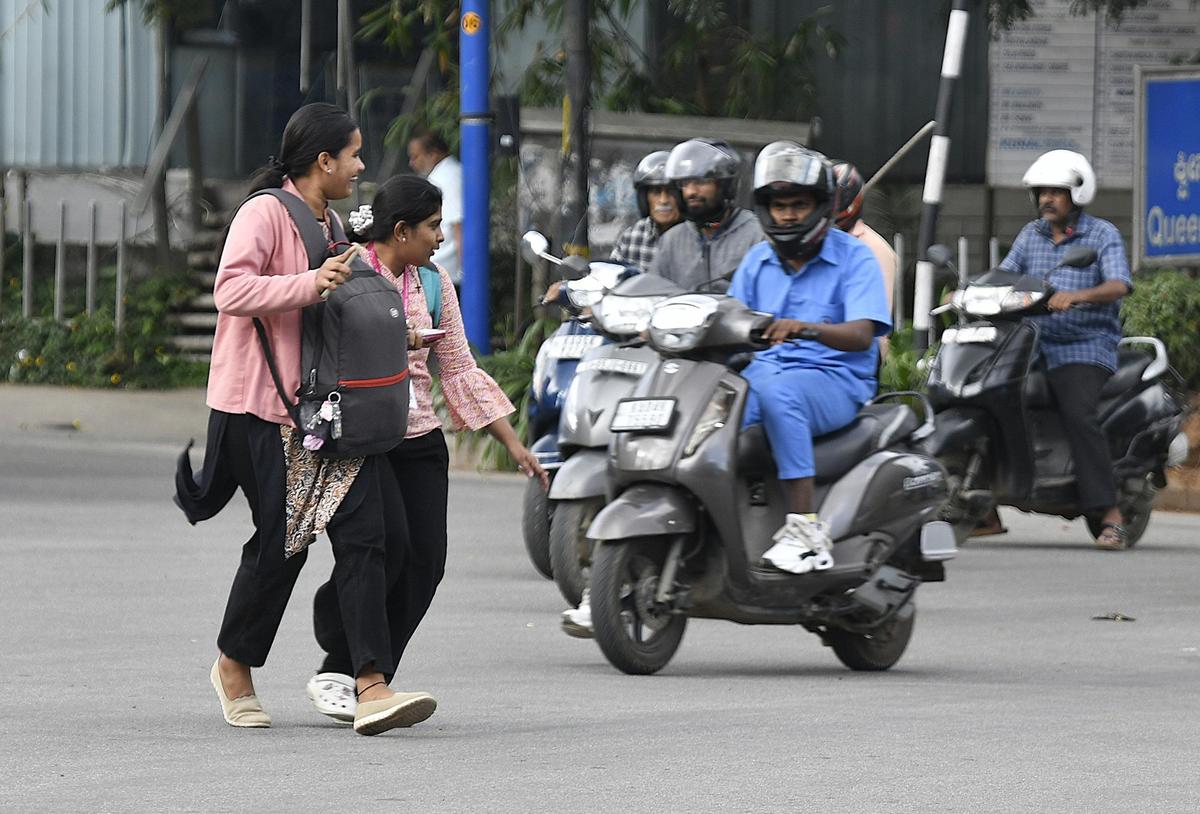
The Cobra Beat system will deploy specialised teams on two-wheelers, allowing officers to manoeuvre narrow lanes, respond quicker to local snarls, and divert vehicles before blockages spread. Unlike regular traffic personnel stationed at fixed points, beat units will operate dynamically, moving through predetermined problem zones. Officials believe this mobility can offer timely relief by clearing minor obstructions—illegally parked autos, haphazard loading activity, slow-moving goods vehicles, and vehicles waiting for rideshare customers. The model seeks to address overlooked micro-clogging that traditional signal-based operations fail to regulate. Officers argue that even small improvements can cumulatively enhance citywide mobility and commuter confidence.
Residents welcomed the launch, saying micro-clogging has become especially disruptive in high-density areas such as markets, school vicinities, apartment corridors, and emerging commercial layouts. Commuters note that traffic jams often emerge suddenly when three-wheelers queue, vans halt for deliveries, or cabs stop mid-lane. Because these disruptions are spontaneous, commuters feel helpless, especially on one-way roads with limited exit options. The Cobra Beat model, many residents believe, will hold violators accountable and discourage reckless halting. Citizens expressed that swift policing on two-wheelers could prevent pile-ups that eventually snowball into tailbacks several kilometres long, undermining public transport reliability.
Traffic officials said the initiative builds on earlier crowd-based mapping exercises that identified dozens of micro hot spots where short durations of blockage cause exaggerated congestion. These include intersections near tuition hubs, coding institutes, smaller hospitals, and street-food clusters—areas where traffic volume fluctuates unpredictably. The idea is to anticipate where congestion is likely and deploy Cobra teams at vulnerable hours. In addition, the beat officers will record recurring patterns—peak timings, vehicle categories, commercial triggers—to develop localised intervention plans. Authorities stressed that Bengaluru’s traffic issues cannot be solved uniformly; micro-zone profiling is central to targeted management.
Formal training was provided to personnel operating under the Cobra Beat programme. They were instructed to respond tactically—speeding towards bottlenecks, organising vehicle flows, ticketing violators, and ensuring safe pedestrian passage. The officers are also expected to coordinate with towing units to remove abandoned or illegally parked vehicles quickly. Their mandate includes documenting encroachments, especially roadside commercial setups that gradually narrow carriageways. Officials said the programme focuses on swift action but emphasises courtesy and communication to prevent escalation. Officers will carry body-cams to support transparent enforcement, with recordings helping document violations and conflict-resolution efforts.
Authorities have identified excessive waiting behaviour among ride-hailing vehicles as a primary cause of micro-congestion. Pick-ups near schools, offices, and metro stations often block the carriageway and disrupt movement. Under Cobra Beat, officers will nudge pick-ups into designated lay-bys and fine drivers who refuse to comply. School pick-up chaos—double parking, abrupt stopping, and informal loading—has similarly been prioritised. Beat officers will coordinate with schools to design staggered dispersal, pedestrian control, and parent-parking rules. Officials believe schools must collaborate to restore order, especially in dense, residential roads where children’s safety and public transit flow are both affected.
Targeting Hotspots, Redesigning Street Discipline
Business clusters, particularly in older neighbourhoods, often suffer congestion caused by vendors, goods vehicles, and narrow access paths. Cobra Beat units are tasked with regulating delivery timings and making sure trucks halt only in assigned lots. They will work with commercial associations to streamline loading practices, encourage early-morning logistics, and prevent blockages during peak commute hours. The city’s traditional markets—such as Cottonpet, KR Market, and Chickpet—present complex patterns where narrow lanes meet seasonal activity. Traffic police say that flexible beat deployment is likely to be more effective here than conventional red-light enforcement, given the density and spontaneity of movement.
Auto-rickshaw parking at intersections is another unresolved problem that Cobra Beat intends to tackle. Autos waiting to pick up passengers often queue next to junctions, block visibility, and force buses to swerve, creating cascading slowdowns. Beat officers will demarcate active and inactive zones, clearing illegal stands and assisting new queue systems. Auto-unions have expressed mixed responses: some support the idea of organised stands, while others fear revenue loss. Police say they will balance discipline and livelihood, but assert that public roads cannot function without regulated stopping. Officials believe steady enforcement will gradually normalise compliance.
Bengaluru Traffic Police said the programme will rely heavily on data-driven planning. Earlier, traffic teams lacked granularity; responses were reactive rather than predictive. Cobra Beat integrates feeds from helplines, traffic control rooms, GPS-mapped hotspots, and citizen reports. Over time, this information will help officers refine their hourly routes, focusing on problematic segments near metro construction zones, tech-park entry gates, and mall corridors. Authorities say that success depends on coordinated backend analytics that identify patterns in micro-clogs. The programme’s second phase will likely merge public transit schedules and rainfall predictions, recognising that weather significantly impacts bottleneck formation.
Early trials have indicated promising results. Traffic police tested two-wheeler beats near tech hubs in Bellandur, Whitefield, and Hebbal—zones infamous for surprise congestion. Officers observed quicker dispersal of vehicles when personnel arrived within ten minutes of a blockage. Waiting times near signal-free turns reduced, though challenges persisted where illegal parking re-emerged within hours. Officials say continued presence—not just emergency reactions—will help sustain discipline. Cobra Beat is therefore designed as an ongoing, high-frequency patrol model rather than a one-time intervention. Locals in pilot zones confirmed improvements, appreciating visible policing and faster response times.
Citizen participation has been flagged as essential. Chandigarh-style volunteer initiatives are being considered, wherein neighbourhood captains report hyper-local jams early through digital platforms. Bengaluru residents are already sending photos and GPS pins via social media channels, enabling quicker field dispatch. Police say data from community groups can strengthen Cobra Beat’s precision while fostering shared accountability. Complaints about construction waste, sudden barricading, and event parking are also expected to be routed more efficiently. Officials plan to hold periodic reviews with RWAs to assess compliance and redesign hyper-local rules tailored to specific road geometries.
Officials acknowledged that enforcement must be accompanied by cultural change. They noted that Bengaluru’s traffic chaos is partly behavioural—impatience, indiscipline, and lack of lane respect. Cobra Beat teams will therefore prioritise dialogue first, enforcement later. They hope the presence of roving officers will increase caution among motorists, especially two-wheeler riders who weave aggressively. Awareness campaigns highlighting how small violations cause citywide ripple effects are also underway. Public messaging stresses that micro-blockages affect ambulances and public transport, potentially endangering lives. The police believe sustainable relief can only emerge when safety and courtesy enter the commuter mindset.
Tactical Response for a Growing City
Experts say Cobra Beat demonstrates a shift from large-scale signal redesign to micro-interaction enforcement. Bengaluru’s infrastructure has expanded—flyovers, underpasses, and metro lines—but internal roads remain narrow, creating chronic stress points. The initiative is a concession that micro-management is as essential as big-ticket projects. Urban planners observe that the city’s mobility crisis is not limited to arterial roads; it emerges inside neighbourhoods where everyday life is lived. Domestic vendors, informal parking, school buses, and delivery networks all contribute to jam intensity. Recognising their combined effect, beat units provide a nuanced, ground-up approach.
However, critics argue that Cobra Beat, while novel, cannot replace structural reform. They say the city needs multi-modal estates, off-street loading bays, pedestrian-only markets, and disciplined last-mile connectivity. Policymakers acknowledge this but insist that immediate, tactical solutions are necessary to minimise commuter suffering. As major projects like Phase-III metro corridors and suburban rail push forward, micro-regulation buys relief. Police have urged BBMP to eliminate footpath encroachments and enforce merchant zoning, noting that without physical redesign, beat units may face repetitive workload cycles. Still, they believe that visible enforcement can set behavioural precedent for long-term compliance.
Commuters say the programme could improve punctuality, especially for office-goers reliant on buses and carpools. Micro-jams often delay BMTC buses, reducing frequency and discouraging public transit usage. Beat intervention could help restore scheduling discipline, making buses more dependable. This could have long-term benefits—shifting commuters away from private vehicles, reducing pollution, and improving street efficiency. For pedestrians, clearing micro-obstructions is equally critical. Bulldozed paths, double-parking, and restaurant queuing often force people onto roads. Cobra Beat teams are instructed to maintain walkability, recognising that safe pavements reduce chaos and signal-time wastage.
Delivery-based commerce has further complicated traffic. Groceries, e-commerce parcels, bottled water, and food delivery bikes stop frequently at residences, obstructing lanes. Cobra Beat will regulate peak delivery intervals in congested streets, possibly incentivising time windows or consolidated hubs. Traffic officials are exploring dynamic zoning—where loading permissions alternate by hour. While this may spark friction with logistics businesses, planners say structured delivery cycles are unavoidable as the city grows. The beat teams will test models and escalate findings to city planners. This coordination could guide future policy, especially in emerging micro-commercial corridors.
Transport experts believe the initiative could become a case study if backed by rigorous measurement. They recommend metrics—response times, clearance durations, lane recovery intervals, and citizen feedback—be made public. This will help identify precincts with effective deployment, need for additional teams, or policy redirection. Success could also justify replication in tier-2 Karnataka cities facing similar challenges. Authorities said early data suggests that micro-congestion clearance has significant psychological value; commuters feel reassured seeing active intervention. This sentiment, experts say, matters greatly in metropolitan governance, where faith in institutions is integral to public cooperation.
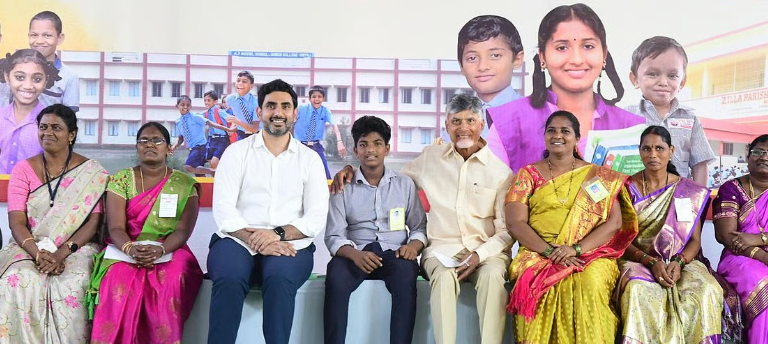
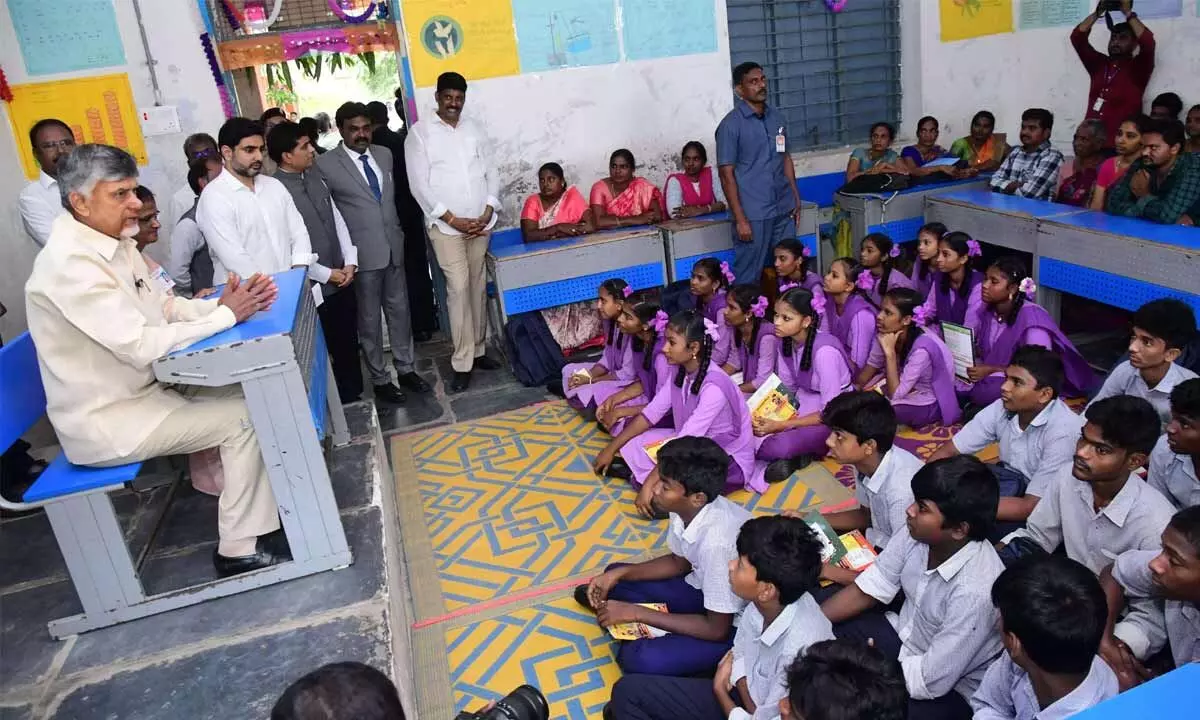
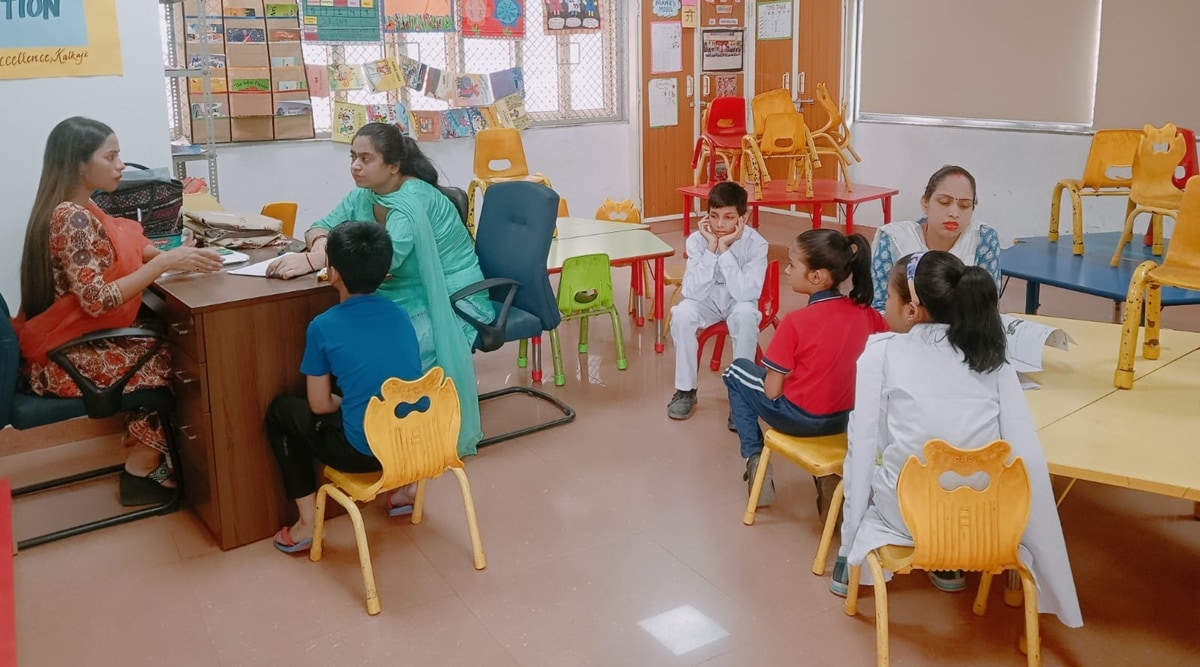
A mega parent-teacher meeting held on Children’s Day across Karnataka brought together thousands of families and educators to reflect on student development, holistic wellbeing, and classroom progress. Schools reported enthusiastic participation, with parents arriving early to interact with teachers, visit student work displays, and engage in collaborative discussions. Many institutions transformed classrooms into welcoming spaces featuring student art, science models, and activity boards. The atmosphere was festive but purposeful, underscoring the day’s dual focus—celebrating children while strengthening the parent-school relationship. Teachers said the event helped bridge communication gaps, align expectations, and build an ecosystem supportive of student growth.
Parents were invited to observe teaching methods, curricula, and assessment systems, gaining better insight into how schools nurture academic and personal development. For many, the interaction offered reassurance and clarity about their child’s learning style and areas requiring extra guidance. Several schools conducted brief presentations explaining changes in the syllabus, exam formats, and co-curricular programming. Teachers encouraged parents to provide consistent emotional support, emphasising that success depends not only on performance but also on confidence, curiosity, and mental wellbeing. The tone was collaborative, strengthening trust and reinforcing the shared responsibility of raising compassionate and resilient children.
Teachers expressed that such meetings allow them to understand a child’s home environment, behavioural patterns, and emotional state—factors that greatly influence learning outcomes. Conversations helped identify issues like social anxiety, concentration difficulties, digital distraction, and inconsistent study routines. Parents were encouraged to share observations about their children’s habits and interests, helping teachers personalise classroom engagement. Several educators said that post-pandemic behavioural shifts continue to impact students, making parent-teacher partnerships more crucial than ever. Recognising early signs of stress or disengagement, they noted, can prevent long-term learning gaps and ensure timely intervention.
Many schools conducted workshops to help parents support learning at home through healthy routines, reduced gadget dependence, and regular reading. Counsellors discussed strategies to create positive study environments and manage academic pressure without compromising emotional balance. Schools emphasised the importance of steady sleep schedules, nutrition, and extracurricular exposure. Parents responded positively, with many sharing that these sessions helped them reassess family habits. The focus on lifestyle resonated deeply, especially as rising competition, long commute times, and digital overload increasingly affect children’s wellbeing. Several parents expressed relief at receiving structured guidance to manage their children’s schooling experiences.
The event celebrated Children’s Day with cultural performances, speeches, and interactive games organised by student groups. Many students performed music, dance, drama, and poetry, receiving encouragement from their parents and teachers. Exhibitions displaying artwork, science experiments, and class journals demonstrated student creativity and academic exploration. These activities helped parents appreciate their children’s talents beyond exam scores. Teachers highlighted that such platforms build confidence, encourage expression, and deepen belonging within school spaces. For younger children new to school environments, the day offered reassurance that school is a fun, nurturing place that values individuality and imagination.
Stronger Home-School Partnerships Take Centre Stage
The mega interaction also brought forward conversations on personalised learning, inclusion, and classroom diversity. Teachers shared how they are adapting instruction for different learning needs and collaborating with parents to support children facing academic or emotional challenges. Schools showcased special-education programs and outreach initiatives for students requiring additional support. Parents commended efforts to provide fair opportunities and mentorship to all children, regardless of background or ability. Many schools highlighted social-skill building and empathy, noting that academics alone cannot define success. The day reaffirmed that consistent parent engagement can help shape more inclusive and compassionate school cultures.
In several districts, schools used the gathering to introduce new academic plans, co-curricular clubs, and community initiatives. Parents learned about upcoming cultural festivals, science fairs, talent competitions, and nature camps, many of which aim to expand learning beyond classrooms. Teachers encouraged parents to motivate children to participate, explaining that such exposure builds leadership, teamwork, and adaptability. Schools also discussed digital safety, urging families to monitor online behaviour and prioritise responsible technology use. Parents said that direct communication helped clear confusion, reduce anxiety, and create a sense of ownership over their child’s developmental journey.
The meeting became an important platform for discussing student mental health, which educators said requires collaborative attention. Experts addressed challenges such as comparison pressure, bullying, and social isolation. Schools are increasingly appointing counsellors, wellness educators, and peer mentorship groups. Parents were encouraged to speak openly about emotional struggles and approach schools early when children appear distressed. Several teachers noted that empathetic conversations at home can significantly improve classroom participation. Reinforcing emotional safety, they added, is essential to helping students build self-worth and academic confidence. These discussions resonated strongly, given rising concerns around adolescent mental health nationwide.
Some schools honoured parents who actively contribute to community learning, including volunteers assisting with libraries, gardens, sports coaching, and cultural activities. Administrators said that such participation expands learning networks and enriches school environments. Student leaders also spoke about how parent involvement motivates them to perform better and take pride in their academic journey. Recognising these contributions powered a sense of belonging among families, many of whom said they felt more connected and valued. Schools indicated that they will continue exploring new ways to include parents in year-round learning initiatives and community outreach.
Several institutions used the occasion to discuss infrastructure upgrades, such as new labs, libraries, playgrounds, and safety systems. Parents provided feedback on classroom ventilation, washroom maintenance, seating, transport, and mid-day meals. School authorities assured follow-up action and discussed funding priorities for the year. In some areas, local representatives attended, pledging support for school development projects. The collective discussion illustrated how parent participation can strengthen accountability and accelerate improvements. Many parents appreciated the transparency and noted that regular dialogue helps resolve challenges swiftly, ensuring that schools remain safe, resourceful, and child-centric learning spaces.
Celebrating Children, Nurturing Futures
The highlight of the day remained the emotional acknowledgment of children’s dreams, challenges, and individuality. Teachers reminded parents that every child’s progress unfolds at their own pace, and comparison only hinders growth. Stories of students overcoming difficulties in academics, language barriers, or confidence drew applause. Parents expressed that hearing such stories helped broaden their understanding of success. Schools emphasised fostering curiosity through exploration rather than competition, encouraging a culture where children feel inspired to learn. This shift, educators say, could redefine long-held academic expectations and prioritise purpose-driven learning over mere score-oriented benchmarks.
Student voices featured prominently, with interactive discussions allowing them to share classroom experiences, aspirations, and concerns. Many spoke about supportive teachers, favourite subjects, and friendships that define school life. Others highlighted areas where they wished to see changes—such as more playtime, art activities, or flexible study patterns. Administrators affirmed that these insights would guide future planning. Hearing children articulate their thoughts was emotional for many parents, reaffirming that education must place student agency at its core. Teachers reiterated that giving children the freedom to express themselves builds confidence and strengthens their sense of belonging.
The event also reinforced the need for career exposure at various stages. Educators discussed how curiosity-based learning, life-skills training, and early mentorship can help students explore interests without pressure. Some schools presented plans for workshops on financial literacy, entrepreneurship, environmental action, and creative arts. At the primary level, simple modules may include farm visits, local art appreciation, and basic scientific inquiry, enabling children to connect learning with daily life. Parents appreciated the vision, noting that such experiences help children develop early awareness of future pathways. Schools said the aim is not to force choices but inspire exploration.
Several speakers emphasised that family stability—emotional and social—remains central to academic success. Parents were encouraged to spend quality time, listen empathetically, and avoid using academic performance to measure worth. Teachers highlighted that children thrive when supported through encouragement rather than fear. Families were urged to prioritise healthy communication, even during conflict. Workshops showed ways to build trust, regulate screen time, and develop shared routines. Many parents said these insights were valuable, especially as shifting lifestyles challenge family bonds. Schools promised to continue such programmes to strengthen the parent-child relationship.
The day ended with collective messages of hope, unity, and celebration. Schools distributed certificates and small mementos to students, appreciating their participation and growth. Parents expressed gratitude to teachers for their dedication, particularly in managing diverse student needs. Several administrators said that such mega meetings will be held regularly to maintain strong engagement. As families dispersed, teachers remarked that the emotional conversations and collaborative spirit made the day meaningful. The event reaffirmed that nurturing children requires shared commitment, empathy, and continuous dialogue. For many parents, it was a reminder that education begins at school but thrives at home.
The day ended with collective messages of hope, unity, and celebration. Schools distributed certificates and small mementos to students, appreciating their participation and growth. Parents expressed gratitude to teachers for their dedication, particularly in managing diverse student needs. Several administrators said that such mega meetings will be held regularly to maintain strong engagement. As families dispersed, teachers remarked that the emotional conversations and collaborative spirit made the day meaningful. The event reaffirmed that nurturing children requires shared commitment, empathy, and continuous dialogue. For many parents, it was a reminder that education begins at school but thrives at home.
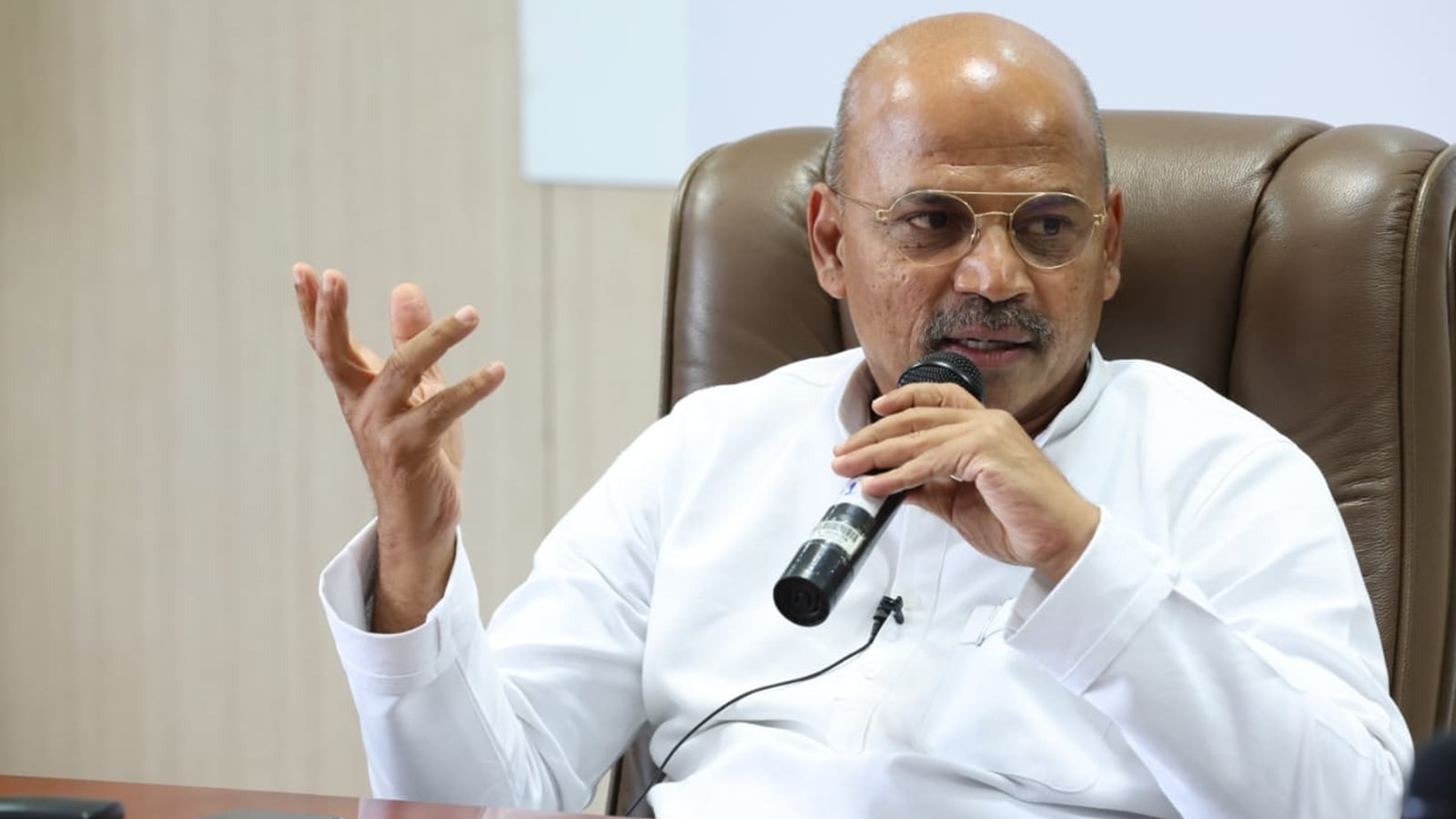
Karnataka’s need to restructure its academic framework has re-entered public debate after Higher Education Minister Sharanprakash Patil emphasised that school-level skilling must be prioritised to meet the demands of a rapidly evolving job market. He argued that India’s classrooms still reflect an outdated learning mindset, heavily reliant on rote memorisation and insufficient exposure to real-world tools. The Minister observed that global employment trends increasingly reward hands-on abilities, critical thinking, and technological familiarity. According to him, introducing skill-based learning at early stages can help transform student preparedness, bridge industry gaps, and build a more confident, employable youth workforce capable of adapting to modern challenges.
Patil noted that Karnataka has made progress in expanding technical institutions and innovation centres, but the benefits have yet to reach students at the foundational stage. Without early intervention, he argued, higher-education skilling programs arrive too late, leaving many young adults underprepared for competitive workplaces. The government’s emerging priority is to ensure that skill-building begins in school classrooms, not post-graduation, creating a long-term talent pipeline. Educators say that a strong practical base can help reduce anxiety around future career choices, enabling students to explore multiple domains before committing to specialised learning paths in college or vocational institutes.
Experts believe that the current curriculum lacks adequate components on digital literacy, basic financial awareness, problem-solving, and soft skills—areas considered central to modern employment and entrepreneurship. Patil highlighted that bridging this gap would not only strengthen employability but also prepare students for future uncertainties such as automation and shifting industry patterns. Stakeholders are optimistic that curriculum reforms could bring classrooms closer to real-world environments, where creativity, adaptability, and teamwork are valued. The focus on early-stage skilling is also expected to boost students’ socio-emotional development, building confident communicators able to collaborate with diverse groups.
Many educators argue that the shift must be structural rather than cosmetic. While several schools conduct occasional workshops, career camps, or digital literacy sessions, these short-term initiatives cannot replace systematic skill integration. Patil reiterated that long-form modules, industry partnerships, and frequent assessments are essential to embed skills meaningfully. Some schools in urban areas have started pilot programs on coding, robotics, and entrepreneurship, but these remain unevenly distributed across the state. Rural institutions, particularly those facing infrastructure deficits, require significant funding, teacher training, and resource support to implement similar offerings, ensuring equal exposure for students.
Teachers have expressed cautious optimism but urged the government to invest heavily in capacity building. Skilling education requires not only new content but also well-trained facilitators capable of teaching beyond textbooks. Patil acknowledged that teachers need dedicated professional training in modern pedagogy, digital tools, and hands-on demonstrations. Without adequate preparation, skilling modules risk becoming ritual exercises rather than transformative experiences. Teacher-training institutes too may need redesigning so they focus on project-based learning, collaborative teaching models, and industry immersion. This transformation would elevate classroom energy, making learning more engaging and applied rather than theoretical and exam-centric.
Industry leaders welcomed Patil’s remarks, emphasising that workforce shortages persist because graduates often lack practical abilities. According to them, employers spend significant time and resources training new hires in problem-solving, teamwork, and applied technical work. Early classroom exposure could reduce this burden, enhance productivity, and improve incomes for fresh graduates. Bringing companies into curriculum design, they suggest, can help align education with current market expectations. Some IT firms have begun mentorship programs with colleges, and similar collaborations extending to schools could create a more seamless educational journey, guiding students from basic exposure to domain specialization.
A major part of the reform vision includes strengthening vocational pathways, which Patil said must be treated on par with conventional academic streams. He stressed that the stigma around vocational training must be removed to help students embrace skills confidently. In many European countries, for instance, vocational programs are mainstream, flexible, and directly linked to well-paying jobs. Karnataka hopes that similar framing can boost student enrolment in technical, entrepreneurial, and skilled-trade programs. Advocates say that redefining career success beyond narrow academic benchmarks can nurture skilled artisans, technicians, creators, and professionals essential to a balanced economy.
(BIGGER) Renewed Push for Experiential Learning
Officials argue that Karnataka’s skilling model must move beyond digital literacy to cultivate creativity, critical reasoning, and applied science. Experiential classrooms—where students learn through experimentation, observation, and engagement—can transform educational outcomes. This includes laboratory-based inquiry, community projects, business simulations, and service-based learning. Patil pointed out that these approaches help students develop curiosity, analytical thinking, and practical judgment. They can connect classroom ideas to everyday realities, from running small ventures to understanding environmental issues, public health, or local governance. Such holistic learning experiences build agency, motivate participation, and encourage students to become problem-solvers within their communities.
However, critics caution that experiential learning must be inclusive. Students in remote or under-resourced schools often lack proper labs, workshops, or digital systems, creating uneven benefits. Ensuring equitable access requires physical infrastructure, mobile labs, digital kits, and sustained funding. Patil responded that policy change must accompany structural investment, prioritising disadvantaged regions in budget allocation. Several officials are exploring cluster-based models, where groups of schools share vocational centres, labs, and expert instructors. This could allow rural students to experience hands-on skilling without requiring every school to independently develop complex infrastructure.
Students who have participated in early skilling initiatives report improved confidence and clarity about future plans. Many say such programs help identify strengths early, reducing the pressure of late career decisions. Industry-linked workshops, hackathons, and entrepreneurship clubs allow teenagers to experiment with real-world problems, collaborate with peers, and get mentorship from professionals. These opportunities familiarise students with workplace expectations, helping them build networks while still in school. Experts say that these experiences not only support employment but also encourage innovation ecosystems, as young thinkers learn how to convert ideas into workable solutions.
Universities are also pushing for curriculum integration at earlier stages since they often struggle to compensate for gaps that emerge in school. Patil highlighted that students entering higher education face serious challenges mastering technical subjects without foundational skills. Early exposure could streamline university readiness and reduce dropout rates among students from varied schooling backgrounds. Several academic administrators are now evaluating bridge programs, interdisciplinary models, and elective clusters to strengthen learning continuity. Integrating humanities with STEM, for example, encourages ethical inquiry, empathy, and civic thinking—traits vital in an interconnected global world where technology intersects with social responsibility.
The Minister also mentioned that classroom skilling would fuel Karnataka’s emerging industries—artificial intelligence, biotechnology, green energy, design, and healthcare. These sectors require interdisciplinary thinkers who can adapt to rapidly shifting environments. Early skill integration could nurture local talent capable of entering high-growth fields without depending heavily on external hiring. Experts predict that such reforms could build a dynamic workforce that strengthens the state’s leadership in knowledge-based industries. Socially, the move could lower unemployment, reduce migration stress, and help rural students access upward mobility through high-skill career paths previously out of reach.
(BIGGER) Building an Inclusive and Future-Ready Workforce
Patil underscored that future skilling must be socially inclusive, uplifting girls, rural students, and economically weaker groups. A comprehensive framework must create equal opportunities by subsidising training, providing transportation support, and ensuring language accessibility. Many students in government schools hesitate to pursue technical skills because of cost, social norms, or limited awareness. Introducing skilling systematically—even in local languages—can bring cultural acceptance and improve participation. Special emphasis on girl students could enhance workforce diversity, especially in male-dominated fields such as engineering, manufacturing, or computing. Policymakers believe that expanding representation can foster creativity and dismantle harmful stereotypes.
He also addressed the demand for integrating mental well-being within classroom learning. Skilling frameworks must support emotional resilience, helping students cope with academic stress, uncertainty, and social pressure. Guidance counsellors, mentorship circles, and wellness programs could be part of this larger effort, building confidence and improving retention rates. Schools that prioritise student well-being, activists say, produce more adaptable and inventive individuals. A supportive environment encourages students to explore new skills without fear of failure. This mindset shift—from perfection to discovery—is central to ensuring that skilling becomes an engaging lifelong habit rather than a burden.
Students and parents have responded positively to Patil’s proposal, though some fear increased academic load. Officials clarified that the objective is not to add more subjects but to reshape how learning unfolds. Skill-based models integrate practical exposure within existing curriculum, replacing memorisation with hands-on participation. Parents who previously viewed skilling as a last-resort option are also becoming more receptive, especially as demand for skilled professionals rises globally. Many now believe that early training can secure stable futures for their children. Schools may even re-design timetables to balance academic theory, co-curricular activity, and applied learning practices.
Despite enthusiasm, policy transformation remains complex. Implementing curriculum changes requires coordination among multiple bodies—education departments, teacher-training boards, industry collectives, and academic councils. Patil acknowledged that large-scale reform must proceed gradually to ensure reliable execution. New assessment frameworks, textbooks, teacher guidelines, and certification systems must be drafted. The transition phase could present logistical challenges, including resource shortages, uneven adoption, and varying teacher readiness. Nonetheless, officials maintain that sustained commitment can help the reform succeed. Karnataka may begin with pilot districts before scaling reforms across the state, drawing feedback from schools, students, and families.
Public policy experts recommend that skilling programs align with district-wise employment ecosystems. Coastal regions may focus on maritime trade and fisheries, industrial hubs on manufacturing technologies, and forest belts on eco-tourism and conservation. Localisation can help students access relevant job markets without migrating extensively. This decentralised approach also encourages collaboration between schools and local industries—such as startups, farms, artisan networks, and manufacturing units. Such partnerships make learning context-specific while reinforcing regional economic identity. Experts say this strategic diversity could reduce regional inequality and seed micro-economies that strengthen the state’s overall financial stability.
Over the next decade, Karnataka hopes to position itself as a national leader in school-level skilling. While neighbouring states are experimenting with similar interventions, Patil believes Karnataka can leverage its strong tech ecosystem, startups, and research institutions to accelerate progress. He envisions schools partnering with universities and companies to create innovation labs, mentorship clubs, maker spaces, and specialised talent pipelines. This networked model could expose students to diverse industries early, empowering them to take strategic career decisions. If executed effectively, the reforms could transform Karnataka’s schooling culture from passive consumption to active creation.
Patil concluded that India’s demographic advantage depends entirely on how effectively the country nurtures its youth. A future-ready Karnataka must invest deeply in young minds, beginning from primary classrooms. He stressed that knowledge without skill fails to convert into progress, and skill without purpose does not sustain. The challenge ahead lies not in adopting new subjects but embracing a new mindset—one that values curiosity, experimentation, and social responsibility. Education, he said, must help students pursue meaningful careers aligned with collective well-being. The success of reforms will depend on society’s shared commitment to building capable and compassionate citizens.
In a landmark moment for Karnataka and the nation, renowned activist Akkai Padmashali has become the first transgender person from the State to be appointed to a Supreme Court–constituted panel, marking a crucial milestone in India’s evolving social justice landscape. This decision has been widely applauded across civil rights groups, political circles, and LGBTQIA+ communities as a step towards greater representation, signalling recognition of voices historically excluded from mainstream policymaking. Her inclusion is not simply symbolic; it reflects growing awareness about lived realities that require active participation from marginalised identities. As celebrations continue, many view this development as a catalyst for deeper institutional reform and broader inclusion.
Akkai Padmashali’s inclusion has also highlighted persistent legal, administrative, and financial barriers faced by transgender persons across Karnataka. Many community members still struggle to update identification documents, secure employment, or access safe housing due to bureaucratic hurdles and workplace discrimination. Activists emphasize that while representation in high-level bodies is essential, meaningful change requires robust implementation of anti-discrimination laws and sustained monitoring of violations. They argue that the panel’s recommendations must be binding, time-bound, and consistently reviewed. Local organisations say that Akkai’s appointment can help bridge institutional knowledge gaps and push for mechanisms that ensure dignity, equality, and secure livelihoods.
Civil society organisations have noted that the SC panel has a strong responsibility to counter systemic prejudice, particularly in rural spaces where transgender communities face widespread stigma. Concerns linger about social exclusion, especially in healthcare and education, where access often depends on personal discretion rather than policy enforcement. Padmashali has spoken about the emotional toll many people endure due to familial rejection and lack of financial independence. The panel’s mandate, therefore, not only necessitates legal attention but also demands cultural transformation. Inclusivity, activists say, cannot be achieved without reshaping public attitudes.
In recent years, Karnataka has implemented several policies aimed at improving transgender welfare, but gaps persist in delivery. Schemes intended to provide skill development, housing support, and financial assistance have reached only a limited portion of the population due to administrative delays and inadequate awareness. Padmashali’s presence on the SC committee is expected to ensure that these issues receive national recognition. Community members hope that she will highlight the growing need for accountability in government offices and demand transparent evaluation of welfare programmes. Her advocacy is anticipated to bolster gender-sensitive governance.
While many hail the appointment as a historic moment, Padmashali remains clear that symbolism alone is insufficient. She has repeatedly underscored the importance of expanded representation at district and taluk levels to ensure grassroots progress. Meaningful participation in policymaking, she argues, must extend beyond invitations to high-level meetings—it should involve sustained dialogue with community voices. Activists add that the panel must integrate lived experiences into its recommendations to avoid top-down approaches that overlook local needs. Her role may catalyse broader engagement, encouraging younger members of the transgender community to pursue leadership positions and contribute to institutional reforms.
Public reaction to the development reflects a mix of optimism and cautious realism. Many citizens have welcomed the step as a progressive move for social justice, acknowledging the courage and persistence of transgender activists whose advocacy brought visibility to structural discrimination. However, some express concern about potential delays in converting committee recommendations into policy action. Academics caution that without measurable timelines and enforcement mechanisms, committees may struggle to create long-lasting reforms. Nonetheless, Padmashali’s appointment signals a national recognition of Karnataka’s LGBTQ+ advocacy landscape, demonstrating how grassroots movements can influence institutional frameworks and reshape governance priorities.
For transgender communities in smaller districts and semi-urban areas, the biggest expectations revolve around healthcare reforms. Numerous reports describe the absence of gender-affirming care, lack of sensitisation among medical professionals, and difficulty in accessing insurance benefits. Padmashali is expected to push for integrated health rights, mandatory training for hospital staff, and community-friendly clinics. Activists also stress the importance of mental health services, citing the emotional distress caused by discrimination and social abandonment. Improved healthcare access, they argue, will significantly strengthen autonomy, reduce vulnerability, and facilitate better quality of life for transgender persons across Karnataka and beyond.
As communities reflect on the significance of the appointment, experts believe that Padmashali’s involvement can help build resilient institutional pathways for gender justice. They note that her track record in championing legal reforms, grassroots mobilisation, and political visibility places her in a unique position to translate community aspirations into national policy. While challenges remain, including resource constraints and societal bias, her perspective is expected to enrich deliberations and shape progressive frameworks for the future. Advocates hope that her tenure will pave the way for structural change, institutional empathy, and a more inclusive society rooted in dignity and equal citizenship.
A MONUMENTAL RECOGNITION
Akkai Padmashali’s journey to national prominence has been long and transformative. Born in Bengaluru and raised in a challenging socio-cultural environment, she emerged as a leading advocate for transgender rights through grassroots work, public campaigns, and legal engagement. Her appointment to the panel indicates acknowledgment of her decades-long commitment to uplifting transgender communities across India. Supporters say her presence will bring firsthand insight into policy discussions that often overlook nuanced experiences of gender minorities. This progression is especially significant because it places a transgender representative in a position of influence within the judicial sphere, highlighting the judiciary’s willingness to bring diverse perspectives into national conversations.
For years, trans activists have pushed for institutional presence beyond tokenism, emphasising that empowerment is incomplete without participation in decision-making roles. Padmashali’s selection, therefore, is celebrated not only as personal achievement but also as collective victory for the transgender community. Many credited her courage in publicly advocating for recognition, equality in employment, healthcare access, legal protection, and dignified treatment. Civil rights groups described the appointment as a hopeful signal that future policy formulation may adopt a more intersectional lens. Her activism aligns with a global movement demanding that marginalised identities be treated as stakeholders rather than merely subjects of policy decisions.
Her life story mirrors that of many transgender individuals who have faced exclusion at home, in schools, and later in workplaces. Padmashali has openly discussed her struggles, including familial rejection and social prejudice. However, she channelled these experiences into activism, founding organisations that supported community members through counselling, shelter, and legal guidance. Over time, she became a nationally recognised figure, addressing audiences in academic institutions and international human rights platforms. Her sustained advocacy contributed to broader social understanding of gender complexity. Her appointment, many say, validates not only her work but the everyday resilience of thousands of transgender people across the country.
The Supreme Court panel to which she has been appointed reportedly holds considerable responsibility in examining and advising on issues of national relevance. Although specifics of the new panel’s mandate are yet to be publicly elaborated, experts expect discussions to include matters of social justice, equality, and fundamental rights. Legal scholars believe Padmashali’s participation could add critical perspectives that strengthen future recommendations. They emphasised that acknowledging the value of lived experience is crucial when addressing sensitive issues like discrimination, welfare, and constitutional equality. Her role may ensure that policies reflect ground realities, particularly concerning marginalised communities whose voices often go unheard.
RENEWED HOPE FOR REPRESENTATION
News of her appointment triggered widespread jubilation, particularly among queer and civil rights communities across Karnataka. Many described the moment as historic—not only because of Padmashali’s personal achievement, but because India had once again demonstrated willingness to include diverse voices within high-level institutions. Younger activists expressed hope that this would motivate more transgender individuals to pursue leadership roles in law, administration, and politics. They underscored that visible representation can inspire people who have grown up internalising layers of rejection, encouraging them to imagine possibilities once deemed unreachable.
Various organisations used the occasion to highlight the need for broader institutional inclusion. They pointed out that despite progress, transgender individuals continue to face structural barriers in education, employment, and healthcare. Many praised the Supreme Court’s selection but stressed that equal opportunity must expand through legislative, executive, and private-sector initiatives. Activists argued that this appointment should serve as a blueprint for other national bodies. They further noted that her presence at the table could influence future generations of transgender people, building pathways for consistent representation beyond symbolic gestures.
Political leaders across parties offered congratulations while acknowledging that India’s progress on transgender inclusion remains incomplete. A few lawmakers stated that Padmashali’s participation could pave the way for reform-oriented collaboration between civil society and government policymakers. They pointed out that emerging legal challenges require guidance from communities with lived experience to ensure just outcomes. Some representatives added that while legislation like the Transgender Persons (Protection of Rights) Act provides a foundation, further amendments may be necessary to reflect practical needs. For them, Padmashali’s appointment represents an important bridge between constitutional ideals and social reality.
Scholars noted that Karnataka has long been a centre for inclusive activism. The State has witnessed multiple campaigns demanding reservation for transgender individuals, gender-neutral public services, and community healthcare systems. Padmashali’s appointment, they said, strengthens the State’s presence in national dialogues on rights-based reforms. Educators added that her visibility could bolster academic interest and research focusing on queer and transgender studies. With representation expanding, universities may revisit curricula to reflect more inclusive teachings. Scholars maintain that this development not only benefits students but also helps reshape future narratives on identity and equality across India.
Members of Padmashali’s close circle expressed immense pride, reflecting on her long road from vulnerability to national recognition. Friends recalled her early years of social work, often conducted in small informal gatherings addressing trauma and safety concerns. Many said her strength lay in her persistent belief that marginalised people deserve structural equality rather than charity. Her appointment, they believe, signifies that the country is finally acknowledging the depth of expertise that transgender leaders bring. They added that while the road ahead may present fresh challenges, Padmashali has consistently demonstrated resilience and clarity of purpose in advocacy.
CONCLUSION
Akkai Padmashali’s historic appointment to a Supreme Court–constituted panel marks a defining moment for transgender representation in India. It affirms the growing momentum towards inclusive governance and recognises years of activism that demanded dignity, equality, and participation for all citizens. Her presence brings invaluable lived experience into legal and policy discussions that shape India’s future. Across Karnataka and beyond, the announcement has ignited hope—particularly among transgender individuals who see new paths opening. While this achievement does not resolve long-standing social inequities, it stands as a powerful step toward institutional change. Her journey now symbolises a collective aspiration: that meaningful representation is both possible and transformative.
Allegations by MLA Basavaraj Tenginakai that the Karnataka government is withholding salary grants to the Hubballi-Dharwad Municipal Corporation (HDMC) have triggered widespread concern across the twin cities. The statement, made during a public interaction, suggested deliberate negligence and pointed to growing tension between the State administration and local representatives. The MLA claimed that the delay in releasing funds has placed hundreds of civic employees in financial distress, affecting not only individual households but also the delivery of essential public services. The controversy has quickly gained public attention, raising questions about governance, transparency, and prioritisation of civic welfare in Karnataka.
The situation has also sparked discussions among academic circles that study urban governance. Professors from regional universities pointed out that financial delays to municipal bodies create ripple effects that ultimately weaken local decision-making. They emphasised that when salary payments become uncertain, municipal officials may hesitate to plan new development projects, fearing instability in funding flows. This leads to inefficient progress and under-utilisation of resources that could otherwise support long-term growth. Scholars additionally warned that the Hubballi-Dharwad crisis could discourage young professionals from considering civic employment, undermining the talent pool required to meet evolving urban challenges across Karnataka.
Some legal experts examined whether the non-release of grants could be challenged in court. They noted that municipal workers are contractually entitled to timely salaries and that withholding funds, particularly without clear explanation, may violate administrative obligations. A few suggested that civic unions could file public interest litigation to compel the State to resume funding. While such legal action may take time, experts believe that judicial intervention could pressure policymakers to clarify their stance. They reiterated that the law should protect essential workers from political or administrative disruptions, ensuring uninterrupted compensation for labour performed.
Meanwhile, HDMC employees have begun organising peaceful demonstrations in front of municipal offices to demand immediate resolution. Participants have displayed placards urging the government to uphold its moral responsibility toward civic service providers. Protest leaders said they would escalate their movement if the State failed to commit to a payment timeline soon. They emphasised that their demonstrations were not politically aligned but solely aimed at ensuring financial security. Several family members joined the protests, sharing personal stories of hardship caused by salary delays. Their testimonies further intensified emotional appeal for swift government action.
MLA Tenginakai continued to criticise the government, presenting documents that he claimed demonstrated previous patterns of delayed payments. He argued that such recurring practices indicate neglect rather than temporary oversight. Addressing the press, he stated that the State’s reluctance to prioritise civic operations revealed a deeper disconnect between urban needs and political agendas. He warned that the situation could spiral into administrative instability if not addressed urgently. The MLA called on colleagues across party lines to stand united on the issue, insisting that civic welfare must transcend political divisions. His statements added further urgency to ongoing discussions.
Rumours have circulated that the State may release partial funds to temporarily defuse public ire. However, insiders cautioned that partial disbursement would not solve the underlying issue, which revolves around consistent and predictable payments. Worker representatives insisted that stability was more important than temporary relief, explaining that uncertainty makes it difficult for families to plan expenses. They stressed that the community requires structural changes in how funds are allocated and managed. Rumours of temporary measures have therefore faced scepticism, with many arguing that an immediate, long-term solution is needed to prevent repeated crises.
Local health officials expressed concern that interruptions in municipal service could compromise disease-control initiatives. Sanitation workers are crucial in preventing mosquito breeding and maintaining hygienic surroundings, particularly during monsoon seasons when infections rise. If their morale suffers due to delayed wages, they may lack motivation to perform tasks diligently, creating public-health risks. Doctors warned that waste accumulation could cause outbreaks that would burden hospitals already operating at capacity. They noted that prevention is far more cost-effective than treatment, highlighting the importance of sustaining sanitation services. The funding crisis, they said, therefore has broader implications for community well-being.
Religious and cultural organisations also joined the dialogue, acknowledging that their events rely heavily on support from municipal workers for crowd management and cleaning. Leaders noted that upcoming festivities could be affected if staff shortages continue. They urged the government to ensure timely salary payments to prevent disruption to community celebrations that hold social and emotional importance. Some organisations even offered temporary assistance to families of municipal employees, providing groceries and small financial contributions. While appreciated, these gestures underscored the urgency of resolving the issue through institutional channels rather than relying on voluntary charity.
The ongoing standoff has encouraged comparison with other cities in Karnataka where municipal finances appear more stable. Analysts pointed out that Bengaluru, despite its challenges, generally receives priority due to its economic significance. They warned that unequal resource distribution could widen developmental gaps across cities, reinforcing regional disparities. Hubballi-Dharwad, once considered a promising industrial hub, now faces barriers that could deter investors. The situation has therefore prompted renewed debate on balanced regional development, emphasising the need for equitable financial support across all municipalities. Stakeholders agreed that neglecting smaller cities threatens the holistic growth of the State.
STATE FUNDING ROW WORSENS
The MLA highlighted that the municipality depends heavily on State-backed salary grants to pay civic staff, ranging from health workers to sanitation teams. According to him, the sudden halt in payments has left employees unpaid for months, pushing several into debt while others struggle to afford basic necessities. For many families, municipal employment serves as their sole source of income, and the lack of financial continuity has severely disrupted their daily lives. Tenginakai described the situation as “unacceptable,” arguing that workers who ensure the city’s day-to-day functioning should not be deprived of timely compensation for political reasons.
Public reactions have been intense, particularly on issues related to sanitation, waterline maintenance, and local repairs that reportedly slowed down due to affected staff morale. The MLA accused the State government of engaging in politically motivated discrimination, alleging that Hubballi-Dharwad was being sidelined for not aligning with the ruling party’s political interests. Critics echoed this sentiment, claiming that the salary delays symbolised a broader lack of commitment to urban development outside Bengaluru. The MLA insisted that the administration take immediate corrective steps to prevent the crisis from escalating into a full-scale civic breakdown that could impact thousands of households across both cities.
Civic workers’ unions described the circumstances as the worst salary crisis they have faced in recent years. Many complained that despite raising repeated appeals to municipal leaders and the State administration, no clear timelines were provided for payment. As a result, several employees reportedly took personal loans at high interest rates to meet their monthly obligations. The unions argued that the State’s silence showed a lack of empathy for workers who continue to perform essential duties under difficult conditions. They added that the funding halt may also deter future civic recruits, weakening service delivery in cities already burdened by rapid expansion.
Sources within the HDMC administration admitted that financial flow has been sluggish, but argued that internal reserves are being tapped to address urgent requirements. However, they conceded that these reserves are insufficient for long-term salary commitments and emphasised the importance of State support. Some officials suggested that bureaucratic delays might be responsible for the slowdown rather than political interference. Despite these explanations, public frustration continued to grow. Several residents expressed anger on the assumption that budgetary mismanagement or rivalry within government bodies was being prioritised over civic well-being.
FEARS OVER CIVIC SERVICES GROW
As the controversy built momentum, local business owners expressed concerns about how irregular civic service could affect economic activity in Hubballi-Dharwad. They highlighted that sanitation and waste management disruptions could hamper business environments and increase health risks. Some traders reported delays in clearing waste near commercial hubs, which they said could discourage shoppers and reduce footfall. Others noted that even small maintenance backlogs could lead to infrastructural damage and additional expenses. They urged the State to expedite grant release, warning that long delays could indirectly impact revenue generation for both the municipality and the State government.
Social activists further criticised the situation, calling it an example of misplaced administrative priorities. They argued that civic workers form the backbone of urban development and that their neglect reflects broader governance shortcomings. Activists questioned why frontline staff must bear the brunt of administrative disputes, emphasising that the move undermines public dignity and sets an unhealthy precedent. Some pointed out that the same workers who were praised for their service during pandemic years are now being pushed into insecurity. Their statements fuelled public sentiment that the State government must address the crisis with urgency and compassion.
Opposition leaders quickly seized the opportunity, accusing the government of punishing municipalities that lack political alignment. They suggested that the pattern of financial neglect seemed targeted, particularly towards urban centres dominated by opposing parties. The MLA called for legislative intervention, urging fellow members to raise the matter within the Assembly. He insisted that collective political pressure could force the State to reconsider its decision and restore funds immediately. These comments added new dimensions to the ongoing friction between the State and local representatives, further intensifying the political undertone of the funding crisis.
Analysts noted that this dispute illustrates deeper challenges in the decentralised governance structure. They explained that municipalities often rely heavily on State allocations for day-to-day operations, an overdependence that leaves them vulnerable during financial standoffs. Experts repeated calls for greater financial autonomy at municipal levels, allowing cities to generate and retain more revenue rather than depend entirely on State decisions. Without such reforms, they warned, similar conflicts could paralyse civic operations in other districts as well. They further suggested that the crisis could spark long-term debate on urban funding models in Karnataka.
Residents of several neighbourhoods reported that community volunteers had stepped in to handle cleanliness activities and other basic tasks as a stopgap measure. While acknowledging their efforts, locals expressed disappointment that the situation demanded volunteer intervention in place of municipal duty. They stressed that while citizen participation is important, governance structures must ensure uninterrupted delivery of essential services. Many residents noted that their support was temporary and unsustainable without proper backing. They appealed to the State to recognise the severity of the situation and ease pressure on both workers and residents by releasing pending grants immediately.
CONCLUSION
The allegations made by MLA Basavaraj Tenginakai have opened a region-wide debate on funding priorities and the value placed on civic workers in Karnataka. As citizens, business owners, unions, and political leaders continue to express concern, pressure on the State to respond has increased significantly. The delays risk not only harming individual workers but also weakening public services that millions depend on. Whether bureaucratic or political in origin, the funding halt has magnified longstanding concerns over decentralised governance and accountability. The government’s response in the coming weeks will determine whether trust in civic institutions can be restored—or if the crisis worsens.
A viral photograph showing a police inspector in Yadgir celebrating his birthday alongside alleged history-sheeters has triggered widespread outrage, prompting citizens, activists, and political representatives to demand immediate action. The incident, which surfaced on social media earlier this week, has raised serious concerns about police integrity, favouritism towards criminals, and the erosion of public trust. At a time when the police force is expected to maintain high ethical standards, this incident has cast a shadow over the department’s credibility. The police hierarchy has been pushed to initiate inquiry procedures as criticism continued to grow both online and offline among residents of Yadgir.
PUBLIC OUTCRY INTENSIFIES
The photograph reportedly shows the police inspector attending a casual gathering where cake-cutting and celebration were taking place, surrounded by individuals with known criminal backgrounds. For many citizens, this was not simply an act of casual socialising; it symbolised a dangerous blurring of boundaries between law enforcement and individuals accused of serious criminal activities. Residents questioned how an officer sworn to uphold the law could be seen comfortably engaging with such elements. This sparked an uproar among local communities who felt betrayed, insisting that the police’s primary role is to protect society rather than fraternise with individuals known for harming it.
Opinion groups reacted swiftly, releasing statements expressing their alarm about what they described as an open display of camaraderie between the police and criminals. Many voiced concern that such behaviour would encourage criminal networks to expand, protected by officers who might share personal relationships with them. Social media discussions reflected frustration and disbelief, with users posting comments demanding moral accountability from the officer. The situation quickly grew beyond a mere photo controversy, gaining district-level attention as organisations began pushing for structural changes in police conduct to restore citizens’ confidence.
Various civil groups also organised discussions about the long-standing issue of police-criminal connections, insisting that the incident should serve as a wake-up call. They pointed out that this behaviour is not an isolated occurrence but indicative of deeper systemic problems that need urgent attention. Public sentiment hardened further when community leaders highlighted that such acts can undermine years of community policing efforts intended to build safer neighbourhoods. As voices amplified across platforms, it became evident that the matter required immediate institutional intervention, rather than being dismissed as a personal misjudgement.
DEMANDS FOR STRICT ACTION GROW LOUDER
Anger intensified as political representatives, activists, and district-level leadership called on the Home Department to initiate disciplinary action. Many stated that a mere inquiry would be insufficient, arguing that the officer must face suspension until investigations conclude. Pressure mounted on the Yadgir district administration to publicly reveal what measures were being taken to address the situation and prevent similar incidents in the future. Some activists urged a departmental overhaul, stating that ethical training within the force must be strengthened to preserve the sanctity of policing responsibilities.
Opposition leaders also criticised the incident, alleging that such episodes reflect the government’s inability to maintain discipline within its law-and-order machinery. They argued that if those responsible for safety appear to encourage criminals, then ordinary citizens lose faith in the justice system. Demands for transparency were repeatedly voiced, with leaders asking for the disclosure of the inspector’s record and clarification regarding his history of associations. Meanwhile, local residents expressed fear that history-sheeters seen in the photograph might benefit from this involvement, potentially receiving leniency during future investigations.
Police officials acknowledged the seriousness of the situation but urged the public to remain patient while an internal inquiry proceeds. According to sources within the department, senior officers are gathering statements from individuals present at the celebration to establish context. While police leaders expressed regret, they also defended procedural integrity, assuring that action will follow evidence. However, this statement offered little reassurance to residents who worried that the inquiry might simply delay justice without delivering meaningful consequences. Many called for an independent probe to ensure fairness, arguing that internal investigations are often influenced by hierarchical pressures.
Legal experts also joined the conversation, emphasising that associating with individuals facing criminal charges compromises the officer’s oath and can be grounds for disciplinary action under service conduct rules. They stated that moral judgement is as important as procedural correctness when it comes to law enforcement. According to them, the incident raises questions about whether such associations could influence ongoing or future cases involving these history-sheeters. They stressed the need for immediate suspension to ensure that the investigation proceeds unhindered, maintaining that impartiality is the cornerstone of justice delivery.
CONCLUSION
The viral photograph has triggered a wave of repercussions, exposing fragility within the policing system and demonstrating how quickly public trust can deteriorate. Citizens’ demands for clarity and accountability reflect an urgent need for transparent governance and ethical policing. While the inquiry has begun, the outcome will significantly impact public perception of the police department’s commitment to integrity. The officer’s fate—and the preventive measures that follow—will determine whether trust can be restored. Until firm action is taken, the controversy remains a stark reminder of the delicate balance required when law enforcement engages with vulnerable communities and criminal elements.
Community groups emphasised that the photograph’s circulation has damaged long-standing efforts to strengthen police–citizen relationships. Many volunteers who regularly collaborate with police for neighbourhood safety initiatives expressed concern that their credibility will be questioned by residents who now see uniformed officers as aligned with criminal elements. They fear that public hesitation to cooperate during investigations or provide tips may increase. Civic organisations stressed that the incident must be used as a catalyst to rebuild the reputation of the force, rather than allowing mistrust to widen. Their appeal focused on stronger engagement policies, better oversight mechanisms, and increased transparency.
Several advocates drew attention to the symbolic weight of the image, stating that visuals often leave stronger impressions than lengthy explanations. They argued that even if the context is later clarified, the perception of wrongdoing will remain deeply embedded. This perception, they warned, could influence how future crime-related information is interpreted by citizens and courts alike. The incident may provide defence lawyers opportunities to question the impartiality of the local police, especially if cases involving these history-sheeters come under scrutiny. As a result, many legal observers highlighted the need for prompt corrective steps to safeguard judicial credibility.
Amid growing pressure, demands also surfaced for comprehensive training programs focusing on ethical conduct and personal boundaries while interacting with local communities. Critics noted that in smaller towns, informal interactions between police personnel and familiar faces are common; however, they emphasised that such familiarity cannot cross into intimate celebrations with individuals bearing criminal records. Former officers argued that periodic refresher courses could sensitise personnel about reputational risks and reinforce standards. They suggested that every officer, regardless of rank, must be held to consistent codes of behaviour to prevent such ethical lapses from recurring.
The controversy has also drawn attention to the wider issue of policing culture in semi-urban and rural districts, where political pressure, inadequate staffing, and personal networks often blur professional lines. Analysts explained that such environments can make officers vulnerable to informal relationships with influential figures, including individuals with criminal backgrounds. They caution that while the current incident is under the spotlight, many similar associations may go unnoticed. Bringing sustained reform, they insisted, requires structural changes rather than issue-based reactions. Only then can the system meaningfully insulate police personnel from external dependencies and ensure unbiased policing at every level.
Residents, particularly youth, expressed disappointment that the incident contradicted their expectations of integrity within law enforcement. Many shared that growing up, they were taught to perceive police officers as symbols of authority and protection. Seeing such close interactions with history-sheeters challenged these long-held beliefs and raised questions about the fairness of law implementation. Some admitted feeling reluctant to report crimes or suspicious activities, fearing that their information might not be handled fairly. Educators and parents noted that such events can affect how future generations relate to the justice system, shaping long-term trust or distrust toward societal institutions.
Psychologists commented on the emotional toll public controversies can have on communities, especially when they involve trusted institutions. They explained that events like this ignite feelings of betrayal, anxiety, and uncertainty, particularly among vulnerable sections who already struggle with limited access to justice. These emotional responses, if left unaddressed, can lead to wider societal disengagement, where individuals choose not to participate in civic or policing initiatives. To prevent this, mental-health professionals urged authorities to communicate openly and consistently, acknowledging public concerns and outlining tangible steps being taken. Such clarity, they said, is essential for collective healing.
Political analysts were quick to highlight the timing of the incident, suggesting that it could influence upcoming administrative decisions within the district. With multiple civic issues already under debate, this controversy may offer opposition leaders an opportunity to question the ruling government’s oversight of local law-and-order bodies. They cautioned that prolonged silence or evasive statements could heighten political tensions and be used as ammunition in public forums. In contrast, swift and transparent measures could help authorities regain control of the narrative. They underlined that operational accountability will remain crucial in shaping public perception during future electoral cycles.
Amid all developments, many citizens underscored the need to separate individual accountability from generalised critiques of the police institution. They acknowledged that numerous officers perform their duties with dedication, often risking their lives for public safety. However, they insisted that shielding wrongdoing damages the morale of honest officers as well, making reform even more urgent. Their appeals urged authorities to treat this incident as an opportunity to introduce performance and conduct audits at regular intervals. Such mechanisms, they argued, would not only prevent ethical breaches but also honour the integrity of officers who consistently uphold the law with dignity and commitment.
Adoption trends in Kalaburagi district have taken a significant and emotional turn, with recent data revealing that more girls are being adopted than boys. This shift marks an encouraging change in long-standing social attitudes that once placed boys at the centre of family preference. Local adoption authorities, social workers, and child-welfare organisations interpret the development as evidence that community outlook toward girl children is evolving. While boy-preference remains deeply rooted in many regions, Kalaburagi’s numbers offer a hopeful window into a more equitable future—one where daughters are welcomed with pride, empathy, and equal opportunity.
The changing pattern appears to extend beyond mere statistical fluctuation. Social workers note that families approach the process with genuine emotional intent, often expressing excitement about welcoming a girl into their homes. Many adoptive parents say they value daughters for their warmth and strength, and some admit that previous biases were challenged through exposure to counselling and real-life narratives of successful girl adoption. Parents further say the emotional bond offered through adoption goes beyond gender expectations, reinforcing love, care, and familial belonging as the core of parenting.
Officials from district-level child-welfare agencies observe that steady awareness programmes have played a crucial role in encouraging families. Information sessions on lawful adoption procedures, foster-care systems, and post-adoption support have empowered more individuals to begin the process with confidence. These programmes include community dialogues, counselling sessions, and media campaigns that highlight the equal potential of girls. Such efforts have greatly contributed to reducing the stigma associated with adopting a girl—an issue that once restricted countless children from finding loving homes.
Kalaburagi, like several regions in Karnataka, has historically witnessed gender imbalance in child preference due to socio-economic factors. Boys were often perceived as breadwinners and carriers of lineage, while girls were seen as future financial burdens. However, parents’ perspectives are changing as more women receive education, inherit family property, and achieve financial independence. These structural changes reshape old stereotypes, making families more open to adopting girls without hesitation. District authorities welcome the change as a sign of collective cultural maturity.
Data also shows that many adoptive parents are first-generation decision-makers within their families. Their willingness to prioritise emotional well-being over traditional bias has sparked new conversations among relatives, neighbours, and social circles. Several families reported that their choice inspired others to consider adoption more positively. Social workers believe this ripple effect helps dismantle generational prejudices. When adoption stories become household conversations, they humanise experiences and foster empathy in local communities. As one counsellor said, “One adoption can transform many minds.”
Another notable factor contributing to the rise in girl adoptions is the increased support provided to adoptive families. From emotional counselling and financial planning to medical assistance and follow-up guidance, the district administration ensures that parents do not feel isolated after completing formalities. This support system encourages families to adopt more confidently, knowing that help is available if challenges arise. Such sustained engagement also strengthens children’s integration within their new homes, reducing the emotional stress of transition for both parents and children.
SHIFTING ATTITUDES, STRONGER FOUNDATIONS
Organisations working at the grassroots level note that girls entering the adoption system often come from vulnerable backgrounds—abandonment, orphanhood, or families unable to provide care. Adoption offers them a chance at dignity, stability, and education. The growing preference for girls ensures that more of these children receive the lifelong security they deserve. Activists describe this shift as a powerful affirmation that families increasingly recognise girls as individuals of equal worth, capable of joy, brilliance, and personal contribution.
The emotional dimension of adoption has touched many families. Parents recount how initial anxieties gave way to fulfilment once their daughters arrived. Several adoptive mothers in Kalaburagi say that raising a girl has deepened their sense of purpose, while fathers speak of newfound perspectives about gender and parenthood. Some describe their daughters as “life’s unexpected blessing.” This personal transformation challenges social biases from within, helping build a more accepting society where daughters are valued not because they were born but because they are loved.
Experts attribute this change partly to improved transparency in adoption procedures, which boosts trust among parents. Through centralised digital systems, families can track waiting lists, receive timely updates, and access verified guidance. This reduces reliance on unofficial channels and ensures that legal safeguards protect both the child and the family. Authorities also organise frequent orientation sessions to clarify emotional expectations, cultural sensitivities, and social adjustments that parents may face. This clarity encourages informed decision-making and promotes long-term commitment.
Educational campaigns shine a spotlight on the success stories of adopted girls. These narratives—featuring children excelling in studies, employment, or community service—help reshape outdated perceptions. Schools in Kalaburagi have partnered with welfare organisations to create inclusion spaces where adopted children can feel at ease, make friends, and explore talents. Teachers trained in sensitivity ensure that classrooms remain nurturing environments for all. When adopted girls thrive in academic and social settings, it sends a powerful message that their future is limited only by opportunity, not birth circumstance.
Interestingly, counsellors note that adoptive families often express fewer gender-based expectations when adopting a girl. Many say they choose daughters to nurture personal growth rather than uphold rigid social roles. This breaks from conventional thinking, where daughters are expected to adhere to narrow definitions. Instead, parents increasingly encourage them to pursue academics, sports, and vocational skills. Social workers believe such nurturing produces confident individuals who grow into independent women capable of leading change in their communities.
Another important shift is visible in inter-city adoption preferences. Families from Bengaluru, Mysuru, and other urban centres are approaching Kalaburagi authorities to adopt girls. The district has earned recognition for its transparent system and strong counselling networks. The growing success stories of cross-district adoptions have further supported this trend. More importantly, these collaborations strengthen statewide child-welfare ecosystems, ensuring that no child is left without proper support due to geographical constraints.
Economic empowerment programmes targeting women have indirectly influenced the adoption narrative. As local women achieve financial independence through vocational training and self-help groups, communities witness first-hand the value of investing in girls. These success stories challenge old assumptions and reshape aspirations. Parents raising girls see their potential reflected in the lives of empowered women around them, reinforcing belief in education and long-term development. This real-world evidence strengthens the emotional comfort of adopting a daughter.
A SUPPORTIVE ECOSYSTEM DRIVING SOCIAL CHANGE
Local Anganwadi workers, healthcare volunteers, and community counsellors have helped reshape family perspectives. Their regular interactions with parents allow them to dispel myths and encourage open dialogue. These frontline workers build trust, guiding families through emotional hesitation and helping them recognise adoption as a compassionate, fulfilling choice. Their patient engagement has been especially influential in rural pockets, where generational beliefs are slower to change. Such groundwork ensures that shifts in attitude do not remain limited to urban zones.
Courts in Kalaburagi have been appreciated for processing adoption cases efficiently. Although legal procedures remain thorough to safeguard children’s rights, judges ensure that families do not face avoidable delays. Efficient documentation, proper follow-up, and timely hearings reduce emotional strain. Social workers say this responsiveness builds confidence in the system, helping more families adopt without fear of bureaucratic hurdles. This administrative support strengthens the emotional journey of adoption, turning paperwork into a transformative life milestone.
Healthcare support for adopted girls has also expanded. District hospitals and child-care centres provide regular health assessments for children awaiting adoption. Once adopted, families receive immunisation guidance, mental-health support, and nutrition counselling. Medical teams coordinate with social agencies to track developmental progress. Such collaboration helps address health challenges early, ensuring that adopted girls receive equal medical care without financial barriers. These comprehensive efforts send a strong message that every child’s well-being is a shared responsibility.
The emotional impact of adoption extends beyond the family into the community. Celebrations of birth and milestones—school admissions, birthdays, festivals—become moments of shared joy. Neighbours often participate enthusiastically, reinforcing the idea that adoption creates a collective bond of care. Such gestures help normalise adoption, relieving parents of social anxiety. Communities that once questioned adoption now view it as a proud responsibility. This cultural shift demonstrates that emotional acceptance is just as vital as legal approval.
Another positive outcome is the rise of support groups for adoptive parents. Families come together to share experiences, discuss challenges, and exchange guidance. These support circles help parents better understand emotional behaviour, schooling needs, and identity questions that adopted children may face. Psychologists working with these groups observe that children thrive when their families remain emotionally prepared and well-connected. These safe spaces ensure that adoption becomes a lifelong journey of shared compassion rather than a solitary challenge.
Although progress is evident, experts caution that persistent awareness is essential to sustain change. Gender bias remains deeply embedded in many communities, and old stereotypes could resurface if social reinforcement weakens. Therefore, regular programmes in schools, colleges, and local associations are necessary to maintain momentum. Psychologists emphasise that building an equitable society requires consistent emotional investment, not one-time interventions. Kalaburagi’s example demonstrates success, but it must continue nurturing the same spirit to secure long-term transformation.
Public-private partnerships have added strength to district adoption work. NGOs collaborate with official agencies to conduct outreach, handle documentation, and organise family counselling. Their presence reduces workload on government departments, ensuring smoother operations. Some NGOs also work in early childhood care, providing emotional support to children awaiting adoption. These collaborations ensure that children receive cognitive stimulation, emotional closeness, and daily structure. Such early care prepares children to bond better once adopted, giving families a strong foundation for relationship building.
The success of girl adoptions in Kalaburagi has inspired conversations among local leaders about expanding incentives. Suggestions include educational scholarships, medical insurance, and community recognition for adoptive families. While such proposals remain under discussion, officials agree that encouraging families emotionally and socially is more powerful than purely financial motivations. They stress that adoption must be rooted in genuine compassion to ensure long-term stability for the child. However, structured support remains vital to ease transitions and empower families.
In many ways, Kalaburagi’s progress reflects a broader cultural re-imagination. It demonstrates that attitudes can change even in regions with strong traditional preferences. The district has become a living example of how community-led awareness, institutional support, and emotional willingness can transform the lives of vulnerable children. The growing embrace of girls in adoptive homes asserts that society’s most meaningful revolutions often happen quietly—inside homes, hearts, and shared belief systems.
The debate over the proposed flyover on Vinoba Road and J.L.B. Road in Mysuru has intensified after the city’s Member of Parliament publicly opposed the project, calling it unnecessary, disruptive, and misaligned with the city’s urban character. The MP argues that while Mysuru certainly requires mobility solutions, the proposed elevated corridor is not the right intervention to improve traffic movement in one of its most culturally sensitive neighbourhoods. The remarks have sparked a wave of discussions among engineers, planners, citizens, and heritage advocates about how a growing city should negotiate between development pressures and heritage preservation.
The MP asserts that Mysuru has its own unique rhythm that cannot be addressed through routine metropolitan templates. A flyover in this core zone, he says, would fail to fix congestion at its root while creating new physical and social challenges. Officials who back the project claim it will ease traffic between the Railway Station circle, Hunsur Road, and surrounding institutions. However, the MP counters that traffic flow patterns in the area do not justify a permanent, large-scale, high-cost structure that irreversibly alters the neighbourhood. He suggests alternative mobility tools offering incremental improvement instead of drastic infrastructure.
The controversy has widened into a dialogue about the future of Mysuru — whether it should emulate major Indian metros or carve its own planning philosophy rooted in balanced growth. The MP notes that Bengaluru-type solutions may not be appropriate, given Mysuru’s smaller scale, historic built form, and tourism-driven identity. At the heart of his argument is a belief that solutions must reflect local character. For him, heritage-sensitive planning is not anti-development; it is simply development done mindfully, acknowledging the delicate weave of history, ecology, and civic life.
The location proposed for the flyover is extremely sensitive: a zone filled with public institutions, dense residential clusters, small businesses, and heritage properties. Residents fear that a flyover would create a concrete tunnel effect, diminishing natural light, weakening property value, and creating long-term pollution concentration under the structure. Concerns also extend to pedestrian movement. The MP emphasises that Mysuru’s city centre must prioritise walking and equitable mobility before turning to large automobile-focused structures. He calls congestion a product of habitual car dependence rather than inadequate roads.
Heritage scholars have expressed strong disappointment about the project’s hasty conceptualisation. They argue that the area houses urban fabric that reflects Mysuru’s historic planning ethos — shaded avenues, low-rise structures, and pedestrian-friendly streets — all of which contribute to its status as a model Indian city. Installing a flyover, they warn, risks undoing decades of civic stewardship. The MP has amplified these sentiments, adding that Mysuru is celebrated by visitors precisely because it remains breathable and visually harmonious. Tampering with that balance, he suggests, may bring irreversible consequences.
Local traders, however, are divided. Some welcome the project, believing it will shorten travel time and ease deliveries. Others express fear that flyover construction will block storefronts, reduce footfall, and disrupt business long before the project’s completion. Restaurants, stationary shops, and small service establishments depend on walk-in customers. Many remain anxious about prolonged construction periods that often exceed initial timelines, bringing dust, noise, and accessibility nightmares. The MP says such anxieties must be addressed openly instead of being dismissed as collateral in the name of development.
A GROWING CITY’S TRANSPORT DILEMMA
Mysuru continues to experience population growth, partly driven by educational expansion, tourism, and Bengaluru spillover. As more residents rely on personal vehicles, existing junctions strain during peak hours. Planners argue that structural interventions like flyovers provide swift, long-term relief. The MP responds by questioning whether capacity-building for cars is the only measure. He advocates for stronger bus networks, corridor-based transit management, better signal synchronisation, and cycling infrastructure rather than heavy, irreversible construction that locks the city into automobile dependence for decades.
According to urban observers who support the MP’s stance, flyovers represent a bygone logic. Cities globally are turning to surface-based public mobility and people-first street design. They argue that constructing elevated corridors often induces more traffic rather than resolving it. Beneath such flyovers, poor lighting, unplanned parking, commercial encroachments, and safety risks emerge over time. Instead, investments in bus rapid transit, signal redesign, pedestrian smart zones, and staggered traffic timings often yield more equitable outcomes. The MP believes Mysuru could be a model for such progressive mobility.
Questions have also been raised about the project’s alignment with Mysuru’s Smart City goals. The city has recently invested in redesigning public spaces to support walking and cycling. Installing a flyover contradicts this direction, wiping out gains from earlier initiatives. The MP asserts that policy coherence is essential. A flyover is physical proof of car-first planning, while the city’s sustainability tasks demand the opposite — clean mobility, breathable streets, and accessible junctions. Critics note the contradiction could also invite administrative confusion and budget overlap.
Residents cite examples from India and abroad where flyovers ultimately failed to reduce congestion. Studies show that traffic frequently bottlenecks at the entry and exit points of flyovers, creating new hotspots. The MP points to these cases, insisting Mysuru must learn from lessons rather than repeat them because these structures appear visually modern. The congestion at major Bengaluru flyovers, for instance, features in many discussions as a cautionary tale; commuters endure unpredictable delays even with multi-level infrastructure. The MP warns that repeating mistakes wastes funds and erodes citizen trust.
Another dimension of the MP’s opposition emerges from environmental concerns. Trees lining Vinoba Road and J.L.B. Road help regulate temperature, improve air quality, and provide shade — elements crucial for Mysuru’s pleasant climate. The MP fears that a flyover may call for large-scale tree loss, contradicting ongoing environmental stewardship. Green cover forms part of Mysuru’s identity; residents enjoy streets softened by canopies. A concrete structure, he argues, will degrade this sensory experience. Tree loss, too, carries ecological and emotional cost seldom reflected in project documents.
The flyover’s proposed alignment cuts through high-pedestrian zones, including educational institutions and healthcare facilities. Parents are worried about student safety amid long-term construction. Noise and dust pollution near campuses could hinder learning, while restricted access might result in dangerous student spillovers into traffic. The MP brings attention to such lived realities, saying development should not create hazard for children, the elderly, and vulnerable groups. He encourages planners to prioritise Universal Design and accessibility — principles easily neglected in infrastructure-led conversations.
The MP has urged officials to conduct transparent studies before announcing major interventions. He notes that proper traffic audits must consider peak movements, pedestrian density, modal share, and projected growth before deciding on solutions. Critics observe that officials rushed into preliminary announcements, prompting confusion among residents. The MP insists that public consultation must precede even conceptual approval. For him, the absence of participatory planning raises serious concerns about institutional accountability.
HERITAGE, COMMUNITY, AND URBAN FUTURES
Mysuru’s appeal rests on its harmonious blend of heritage and modernity. The MP insists that any mobility project must respect this identity. He urges the administration to imagine traffic solutions that are subtle and reversible, rather than bold concrete gestures. Urbanists supporting this stance add that Mysuru’s low skyline, wide boulevards, and generous public space are invaluable assets. A flyover may interrupt the visual rhythm of these streets, reducing the city into mere convenience corridors rather than civic landscapes rich with culture.
The city’s tourism economy relies heavily on its graceful planning. Visitors arrive not only for monuments but also the unique calm of navigating streets shaded by decades-old trees. The MP argues this ambience is itself an economic asset. Future mobility plans must recognise such intangibles. If tourism declines because Mysuru begins resembling other overbuilt Indian metros, the city would lose far more revenue than what congestion relief could earn. Thus, protecting heritage is not just emotional—it is financially responsible.
Aesthetic consequences also matter. Flyovers often dominate skylines, imposing sculptural bulk that feels disconnected from surrounding architecture. Mysuru’s identity is shaped by Indo-Saracenic and colonial-era facades—curved verandas, pastel colours, and human-scaled design. A flyover, by contrast, brings hard angles, grey concrete, and industrial tone. The MP argues that cities build when they must—but they must also protect what makes them human. He believes civic beauty is not indulgence; it is the soul of a community.
This debate has inspired more nuanced thinking among residents. Many now argue for scaled solutions: micro-mobility infrastructure, school bus reforms, last-mile connectivity, parking regulation, and mixed-use zoning. Experts say these measures tackle congestion at source by reducing vehicle dependence. The MP champions this approach. He believes Mysuru’s sophisticated civic consciousness can embrace systems thinking over brute-force infrastructure. He reminds that leadership means listening, learning, and adjusting—not imposing.
On financial grounds, the MP questions whether the flyover is an efficient public investment. High-cost projects require strong justification through detailed feasibility study. Without conclusive data, such spending risks diverting funds from urgent needs like stormwater management, public health, and local entrepreneurship support. As public resources remain limited, careful prioritisation is essential. The MP warns against inertia-driven expenditure: projects pursued simply because funding became available. Instead, he urges building where benefit is genuinely transformative.
The debate has grown deeply personal because it touches everyday urban life. For many citizens, preserving the city’s atmosphere is non-negotiable. The MP finds resonance because his stance aligns with emotional connection residents feel toward these streets. They remember childhood walks, festival processions, and canteen stops along these roads. A flyover threatens to overwrite these memories, replacing them with faceless speed. In this sense, opposition is not just technical—it is emotional testimony.
As pressure mounts, officials have promised more deliberation. Committees may reassess feasibility and consult independent experts. The MP calls this a positive step. For him, successful cities evolve through dialogue, not decree. He acknowledges that traffic is a problem, but insists that solutions must honour community wisdom. The MP encourages young citizens to participate actively; after all, they inherit the outcome. He hopes civic conversation will lead to creativity rather than polarisation.