Saturday, May 16, 2026
Home Blog Page 346

Bangladeshi YouTuber Arrested in West Bengal for Overstaying Visa by Five Years: A Wake-Up Call on Cross-Border Digital Influencers and Immigration Oversight

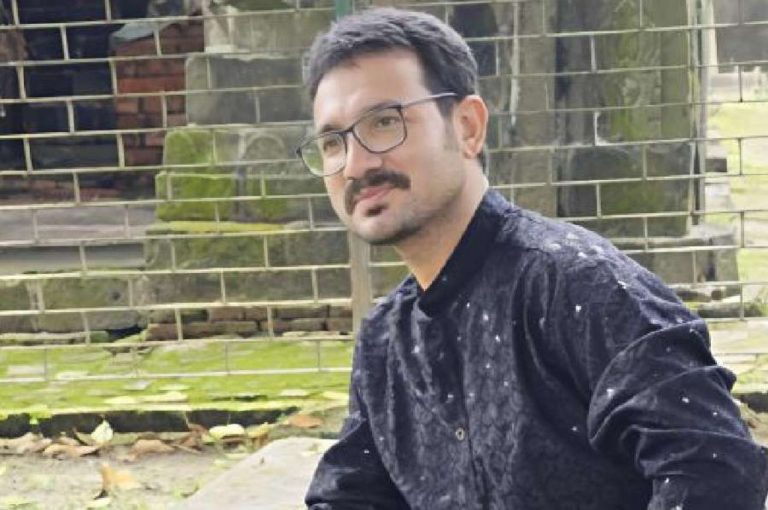
Bangladeshi YouTuber Arrested: In a case that has stirred conversations across both India and Bangladesh, a Bangladeshi YouTuber and liberal social media influencer was arrested in West Bengal after authorities discovered that his tourist visa had expired nearly five years ago. The arrest, carried out by the Special Branch of the Bengal Police, has exposed not only a grave violation of immigration law but also raised questions about digital influencers operating across borders without proper documentation.

The influencer, widely known in online circles for promoting liberal social commentary and cross-cultural exchange, had been living in Bengal’s North 24-Parganas district under the radar. According to officials, his visa expired in 2019, but he continued creating and uploading videos on Indian social and cultural life — collaborating with Indian content creators, appearing in events, and even accepting brand partnerships.

This incident sheds light on the growing gray area between digital content creation, cross-border movement, and visa regulations, and how law enforcement agencies are now tightening oversight in response to emerging trends of digital migration without legal compliance.


Bangladeshi YouTuber Arrested: How It Unfolded

According to intelligence reports, the YouTuber’s activities came to the attention of authorities after he appeared in several public videos alongside prominent Indian influencers, including travel and lifestyle vloggers based in Kolkata and Siliguri. His presence in local events raised red flags among immigration authorities, who cross-checked his visa records with the Bureau of Immigration (BoI) and found that his visa had long expired.

The Special Task Force (STF) coordinated with local police in Barasat to trace his location. The arrest was made quietly at a rented apartment where he had been staying since 2020. Officials recovered several digital devices, including cameras, hard drives, and laptops, believed to contain documentation of his content collaborations and financial transactions.

“He was staying illegally for more than five years. Despite multiple extensions being denied, he continued to remain and work here, violating the Foreigners Act,” said a senior officer involved in the investigation.

The influencer was booked under sections of the Foreigners Act, 1946, and produced before a Barasat court, which remanded him to judicial custody pending deportation proceedings.


Digital Footprint: From Liberal Voice to Legal Trouble

Before his arrest, the YouTuber had built a substantial following on YouTube and Instagram, focusing on topics such as freedom of expression, Bengali cultural unity, gender issues, and cross-border social understanding. His channel, with over 300,000 subscribers, often featured discussions on how India and Bangladesh share cultural similarities despite political divisions.

He became popular among young Bengali audiences for his balanced tone and humanist approach. However, his critics in Bangladesh accused him of being “too liberal” and aligning himself with Indian socio-political narratives, leading him to seek refuge in India in 2018 after facing online threats.

Sources suggest that he initially entered India legally on a tourist visa, but when renewal procedures stalled, he decided to “quietly continue” his work from Bengal — a decision that ultimately led to his downfall.


Police Investigation: National Security Angle Under Review

Authorities have not ruled out the possibility that the influencer might have been in contact with individuals or organizations in Bangladesh or elsewhere. While there is no direct evidence of espionage or political interference, investigators are reportedly reviewing his financial transactions and collaborations to ensure there are no violations of the Foreign Contribution Regulation Act (FCRA) or the Information Technology Act.

An immigration official stated:

“His presence itself is a violation, but when you add his digital outreach, foreign collaborations, and potential monetization through Indian advertisers, it becomes a matter of both financial and national scrutiny.”


Legal Proceedings: The Path to Deportation

Under the Foreigners Act (1946), overstaying a visa is a cognizable and non-bailable offense. The maximum penalty includes imprisonment up to five years and a fine, followed by deportation.

The Ministry of Home Affairs (MHA) has been notified, and coordination between India’s Ministry of External Affairs (MEA) and the Bangladesh High Commission in Kolkata has begun. Once formal verification of his nationality is complete, deportation procedures will follow.

“The process may take weeks, as verification of documents through the Bangladesh government is required. Until then, he will remain in judicial custody,” said a source from the Foreigner Regional Registration Office (FRRO) in Kolkata.


Public Reaction: Digital Community Divided

The arrest has triggered mixed reactions online. Many content creators and liberal thinkers have expressed concern, calling it a “crackdown on cross-border expression,” while others argue that the rule of law must be upheld irrespective of the individual’s popularity or ideology.

Indian YouTuber Rajat Barman, who had previously collaborated with the influencer, posted:

“He was not a threat. He was a storyteller who celebrated Bengali culture. But yes, he should have renewed his visa — rules apply to everyone.”

Meanwhile, some Bangladeshi online communities have criticized him for bringing “disrepute” to the country by violating another nation’s immigration laws.


Cross-Border Influencers: A Growing Trend

The case has brought into focus a larger regional trend — the rise of cross-border digital influencers from Bangladesh, Nepal, and Sri Lanka operating in India’s digital space. India’s cultural and linguistic proximity, especially in Bengal, makes it an attractive base for creators seeking a larger audience.

However, few are aware that monetizing Indian viewership while staying on tourist visas violates visa norms, as such activity constitutes “work” or “commercial engagement.”

“Influencers must use the proper visa categories — either a media visa or a business visa — if they are collaborating, earning, or appearing in Indian productions,” explained a senior officer from the Ministry of Information and Broadcasting.

This case is expected to push the government to establish clearer digital visa guidelines for foreign creators.


The Diplomatic Context: India–Bangladesh Relations

India and Bangladesh share a long history of cultural exchange and people-to-people contact, particularly across Bengal’s porous border regions. However, incidents involving illegal overstays or documentation lapses occasionally strain administrative cooperation.

While the arrest is being handled as a routine immigration violation, both countries are aware of its potential to stir online sentiments.

Diplomatic analysts believe the MEA and Bangladesh High Commission will manage the case delicately to prevent it from escalating into a political flashpoint.

“Bangladesh and India are both sensitive about issues that intersect culture, migration, and online identity. The response here will set a precedent,” said Professor Sayan Bhattacharjee, a political science scholar at Visva-Bharati University.


Immigration Oversight and Policy Challenges

The case exposes loopholes in the immigration monitoring framework, particularly regarding digital professionals who enter India on tourist visas but continue to operate commercially.

Authorities admit that monitoring digital work is difficult, since many influencers earn revenue from global platforms such as YouTube, Instagram, and Patreon, which are not confined to national boundaries.

The Bureau of Immigration and the Cyber Crime Cell are now considering a proposal for closer monitoring of social media-linked visa misuse, in collaboration with major online platforms.

“We are exploring AI-based tracking of foreign-based content creators who produce from Indian locations without the appropriate visa permissions,” confirmed an official from the Ministry of Electronics and IT (MeitY).


Cultural Identity and the Digital Border

Beyond the legal aspects, the arrest underscores the cultural complexity of digital borders. For Bengali-speaking creators, India and Bangladesh form a shared linguistic and emotional space, blurring national boundaries online.

The arrested influencer often spoke about the “Bengali identity that transcends borders,” a message that resonated deeply among viewers on both sides. Yet, his overstay has reignited the debate on whether cultural unity can justify legal violation.

Social media scholar Anindita Chatterjee commented:

“This case demonstrates that the digital world cannot escape the structures of the nation-state. Virtual borders are real when it comes to law.”


Impact on the YouTube Community in Bengal

The YouTube community in Kolkata and Siliguri has expressed concern that the arrest might invite stricter regulations for all international collaborations. Several Indian creators have now paused joint projects with foreign YouTubers pending clarification from authorities.

Content houses have also begun seeking legal vetting for cross-border projects, fearing that income derived from collaborations with foreigners could be scrutinized under FEMA or FCRA.


Bangladeshi Media Reaction

In Bangladesh, the story has received wide coverage. Prominent news outlets in Dhaka described the influencer’s detention as an “unfortunate consequence of ignorance rather than intent.” Editorials called for both governments to create legal pathways for cultural exchange rather than criminalize artistic collaboration.

However, nationalist voices online have accused him of using liberal activism as a pretext to remain abroad, calling for accountability under Bangladeshi law upon his return.


Broader Lessons for Influencers and Authorities

The incident offers key takeaways for both digital creators and governments:

  1. Visa clarity is crucial: Content creation, if monetized or collaborative, is a commercial activity requiring proper authorization.
  2. Governments must adapt visa categories: Current frameworks fail to accommodate digital professions that transcend geography.
  3. Cultural exchange should operate within law: Liberal activism and creativity flourish best when supported by legal clarity and mutual respect.

The Road Ahead: Deportation, Diplomatic Resolution, and Digital Reform

As deportation proceedings continue, the case is expected to conclude with the influencer being sent back to Bangladesh within the next few weeks. However, its implications will linger far longer — in legal reforms, diplomatic understanding, and the public discourse on digital sovereignty.

The Ministry of External Affairs (MEA) and the Bangladesh High Commission are reportedly in touch to ensure that the process remains transparent and devoid of unnecessary politicization.

Meanwhile, India is expected to introduce new visa guidelines for foreign digital creators to prevent similar situations in the future.

“The digital world needs new laws, not old assumptions,” said a senior MEA official. “Creators are the new ambassadors of culture, but even ambassadors need visas.”


Conclusion: Balancing Freedom, Culture, and Legality

The arrest of the Bangladeshi YouTuber in West Bengal is not just a story of a visa violation — it’s a mirror reflecting the evolving relationship between law, technology, and cultural identity.

In an era where borders are blurring online, the need for digital-age diplomacy and regulatory clarity has never been greater. While his detention may be a setback for cross-border creators, it also serves as a lesson — that cultural freedom must coexist with the rule of law.

The case will likely be remembered as a turning point, prompting both India and Bangladesh to rethink how they regulate — and celebrate — their shared digital future.


External Reference Links

Also read: Home | Channel 6 Network – Latest News, Breaking Updates: Politics, Business, Tech & More
BJP Coordination Glitch in Bengal: Leadership Miscommunication Exposes Party’s Internal Strain Ahead of 2026 Assembly Elections

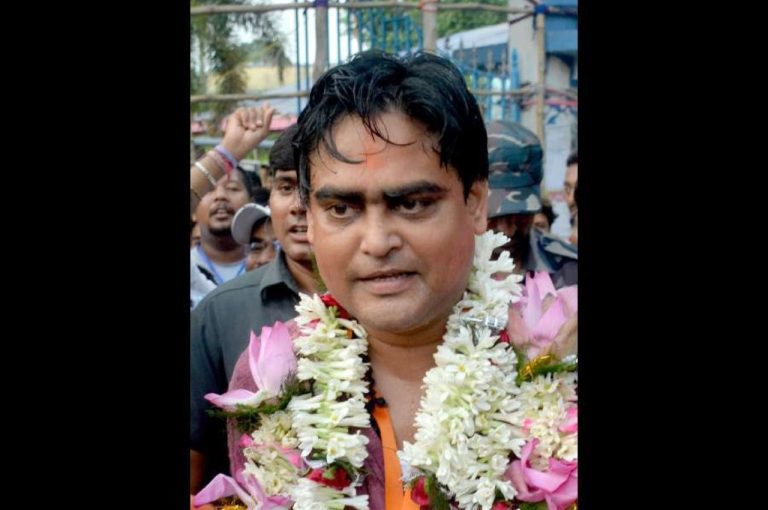
BJP Coordination Glitch in Bengal: In a revealing turn of events that has sparked discussions within political circles, the Bharatiya Janata Party (BJP) in West Bengal has reportedly faced a serious coordination glitch between its state and central units. The incident, involving a team waiting in New Delhi while a senior Member of Parliament (MP) reached Kolkata, has laid bare the internal miscommunication that threatens to undermine the party’s state-level momentum ahead of the 2026 Bengal Assembly Elections.

The confusion may appear administrative on the surface, but political analysts argue it signals a deeper disconnect between the BJP’s central leadership and its state machinery. With Bengal’s political climate heating up once again, this misstep comes at a crucial time when the BJP is trying to re-establish its footing after its mixed performance in the 2024 Lok Sabha elections.


The Misstep: Delhi Team Waits, Bengal MP Lands in Kolkata

According to insiders, a high-level coordination meeting was scheduled between the central observers and Bengal BJP leaders to review organizational preparations, candidate shortlists, and voter outreach plans for upcoming civic and Assembly polls. However, while a key group of BJP coordinators and strategists waited in Delhi expecting state leaders to join them, a prominent MP from Bengal — tasked with leading the discussions — flew to Kolkata instead, under the assumption that the meeting would take place there.

This miscommunication left the Delhi contingent stranded and the Kolkata team underprepared, delaying crucial strategic discussions by over 48 hours.

“It was a scheduling oversight, but it highlights a larger issue — the lack of synchronization between state and national communication channels,” admitted a senior BJP functionary, requesting anonymity.

While party spokespersons have downplayed the incident as “a minor logistical mix-up,” political observers interpret it as a reflection of the party’s organizational fatigue and fragmented internal structure in Bengal.


Background: BJP’s Bengal Strategy Post-2024 Elections

The BJP’s journey in West Bengal has been marked by fluctuating fortunes. After its dramatic rise in the 2019 Lok Sabha elections, where it won 18 of the 42 seats, the party appeared poised to challenge the Trinamool Congress (TMC) in the 2021 Assembly elections. However, despite an aggressive campaign, the BJP managed only 77 seats out of 294, while Mamata Banerjee’s TMC swept to victory with 213.

The 2024 general elections further revealed mixed results for the BJP — it retained its presence but failed to expand its influence beyond its existing strongholds in North Bengal, Medinipur, and select pockets of South Bengal.

Post-election analyses indicated that the party’s organizational coherence was weakening, largely due to internal factionalism, unclear leadership transitions, and limited regional autonomy. The recent coordination glitch between Delhi and Kolkata appears to confirm those concerns.


Leadership Dissonance: Central vs State Priorities

One of the recurring challenges for the BJP in Bengal has been the divergence of priorities between its central leadership and local cadre. While the Delhi-based strategists emphasize ideological consolidation and national messaging, Bengal’s ground workers push for regional adaptability, local issues, and cultural integration.

The coordination lapse between Delhi and Kolkata thus serves as a microcosm of the larger identity crisis the BJP faces in Bengal — whether to project itself as a national ideological movement or a regionalized political force capable of addressing Bengali sentiments.

“The BJP’s Bengal unit has capable leaders, but decisions are often top-down. The result is confusion, duplication of effort, and sometimes a lack of accountability,” said Dr. Sumit Bhattacharya, a political analyst at Jadavpur University.

This lack of coherence is not merely an organizational problem — it also affects the party’s grassroots confidence, where local workers feel sidelined in strategic planning.


Internal Tensions: A Struggle for Relevance

Reports suggest that within the Bengal BJP, factional divisions are deepening. The camp aligned with Sukanta Majumdar, the state president, is often seen as favoring a disciplined, Delhi-aligned approach, while another section led by Subhendu Adhikari, the Leader of the Opposition, pushes for more aggressive regional assertiveness.

The latest coordination misfire occurred amid this power tug-of-war, with both groups blaming each other for the lack of clarity regarding meeting schedules and logistical arrangements.

An internal communication reviewed by party sources revealed that while Delhi sent circulars for a joint review meeting, state-level secretaries received conflicting information about the date and location, leading to the split in travel plans.

“The confusion was symbolic of how disconnected our coordination chain has become. The right hand doesn’t always know what the left is doing,” said a mid-level BJP leader from North Bengal.


Electoral Implications: A Blow to Image and Morale

Although the incident may not directly affect electoral outcomes, the symbolic damage to the BJP’s image of discipline and efficiency is undeniable. The party that prides itself on tight organization and centralized control now finds itself grappling with visible lapses in communication.

Moreover, as the TMC continues to dominate Bengal’s political discourse with welfare schemes like Lakshmir Bhandar, Duare Sarkar, and Bangla Awas Yojana, the BJP cannot afford distractions within its ranks.

The coordination crisis has also exposed the need for better integration between the state IT cell, booth-level committees, and central election management teams, which must function seamlessly to counter the TMC’s well-oiled grassroots machinery.

Political commentator Ananya Mitra observed:

“BJP’s biggest challenge in Bengal is not the TMC — it’s internal clarity. Unless Delhi gives more autonomy to Bengal leaders and encourages local strategies, such errors will continue.”


BJP’s Public Reaction: Damage Control Mode

In response to media reports, BJP spokespersons have insisted that the issue was “blown out of proportion.”

“It was simply a communication delay, not a political dispute,” said Sambit Patra, the party’s national spokesperson. “Coordination between Delhi and Kolkata is strong, and Bengal remains a key priority for the BJP’s national strategy.”

However, privately, senior leaders have acknowledged the need for better inter-departmental alignment and real-time communication tools to avoid similar embarrassments.

Sources suggest that the BJP’s central office is planning to introduce a digital coordination dashboard, linking all state-level secretaries with the central command for scheduling, document sharing, and meeting management.


The Broader Context: Political Optics in Bengal

In West Bengal, optics matter as much as outcomes. The TMC has successfully projected itself as a party deeply rooted in Bengali culture, while the BJP continues to battle perceptions of being an “outsider’s party.”

Such organizational lapses feed into that narrative, allowing opponents to portray the BJP as disconnected from Bengal’s ground reality.

Political strategist Rajarshi Mukherjee pointed out:

“Even minor internal missteps can become political ammunition for the ruling party. In Bengal’s highly narrative-driven politics, control over optics is half the battle.”


TMC’s Reaction: Political Advantage

Unsurprisingly, the TMC seized on the BJP’s coordination confusion to mock its internal management.

“If they can’t coordinate a meeting, how will they coordinate a government?” quipped Kunal Ghosh, TMC’s state spokesperson. “Bengal doesn’t need confusion; it needs conviction.”

This verbal attack aligns with TMC’s ongoing strategy to depict the BJP as unfit for governance in a culturally nuanced state like Bengal, where local identity plays a defining political role.


The Road Ahead: Rebuilding Unity and Clarity

Despite these challenges, the BJP remains determined to strengthen its organizational grip on Bengal. The party plans to intensify its district-level training camps, revive booth connect programs, and assign clearer communication responsibilities across hierarchies.

A senior strategist revealed that Amit Shah’s office is expected to conduct a three-tier audit of state-level coordination mechanisms — focusing on clarity of messaging, leadership synergy, and grassroots outreach.

The RSS (Rashtriya Swayamsevak Sangh), which has traditionally provided ideological and logistical support to the BJP in Bengal, is also likely to step in to restore unity among factions.


Grassroots Workers: The Backbone Under Strain

At the booth level, BJP karyakartas (workers) express frustration over mixed signals from leadership. Many claim they are unsure whom to report to — the regional vice-presidents or the central observers.

“We get different instructions from different WhatsApp groups. The lack of a unified chain of command confuses us before every major campaign,” said Pranab Das, a booth president from Cooch Behar.

To address this, the BJP is reportedly drafting a state-level communication standard operating procedure (SOP) to streamline reporting lines and ensure hierarchical clarity.


Expert Opinion: The Cost of Poor Coordination

Political management experts argue that effective internal communication is the foundation of any successful electoral strategy. The BJP’s glitch is, therefore, a cautionary tale for national parties attempting to operate in highly localized political ecosystems like Bengal’s.

“In states with strong regional identities, central command-and-control models often falter. Adaptability and empathy toward local structures are critical,” said Dr. Prabir Roy, a political strategist based in Kolkata.

He added that if the BJP learns from this episode and adopts more decentralized decision-making, it could still regain momentum before the 2026 elections.


Conclusion: Lessons in Political Synchronization

The BJP’s recent coordination glitch in Bengal is not merely a scheduling error — it is a symptom of larger structural and cultural challenges that national parties face when operating in complex regional landscapes.

The incident underscores three key lessons:

  1. Clarity in communication is crucial for political credibility.
  2. Local autonomy strengthens organizational resilience.
  3. Political optics must align with internal coherence.

As Bengal’s political theatre grows increasingly competitive, every misstep can have amplified consequences. For the BJP, regaining trust, both within and outside the party, will require humility, discipline, and above all, coordination — not confusion.


External Reference Links for Further Reading

Also read: Home | Channel 6 Network – Latest News, Breaking Updates: Politics, Business, Tech & More
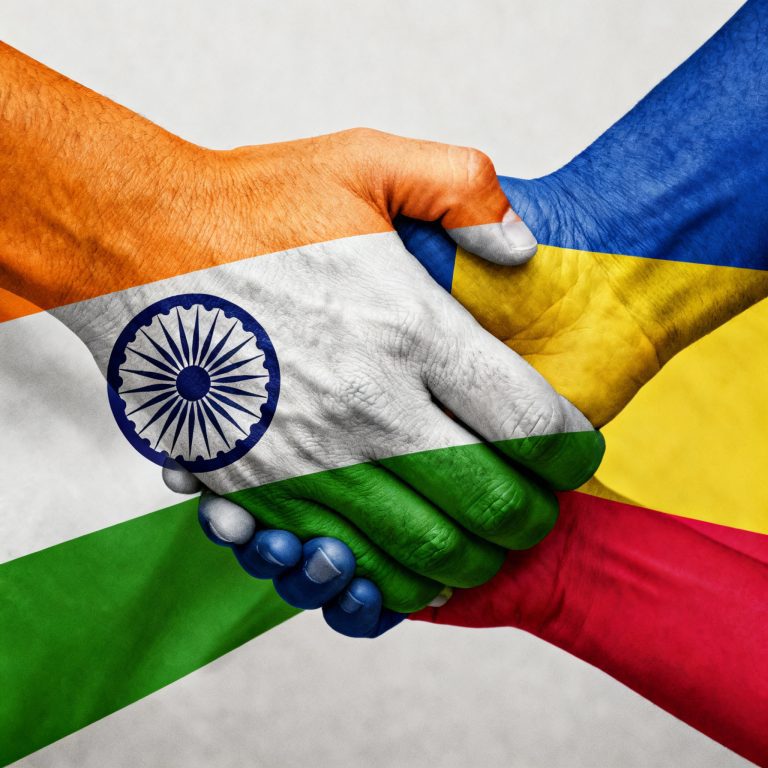
India Business Delegation at India–Romania Business Forum in Brașov lead by Shri Jitin Prasada: 2025

Shri Jitin Prasada, Minister of State for Commerce & Industry, led the Indian business delegation at the India–Romania Business Forum held in Brașov. Organised by the Chamber of Commerce and Industry of Brașov (CCIBv), in partnership with the Embassy of India in Bucharest and DPIIT, Government of India, the forum focused on expanding investment and industrial collaboration between India and Romania.

Focus on Priority Sectors

The forum brought together business leaders from key sectors such as automotive, aerospace, defence, renewable energy, engineering services, and ICT. Shri Prasada highlighted India’s position as one of the fastest-growing major economies, inviting Romanian enterprises to join India’s vibrant manufacturing and innovation ecosystem through initiatives like Make in India and the Production Linked Incentive (PLI) schemes.


Business Opportunities and Partnerships

A detailed presentation on “Business Opportunities in India” showcased recent policy reforms, ease-of-doing-business measures, and state-level incentives across industrial corridors. The event also featured the signing of Memoranda of Understanding (MoUs) and matchmaking sessions aimed at fostering joint ventures and technology partnerships between Indian and Romanian companies.

Strategic Importance of Brașov

Brașov symbolizes modern Romania where legacy industries blend with advanced technologies, and where MSMEs and startups thrive. This spirit resonates with India’s vision under Make in India and Digital India initiatives, positioning MSMEs and startups as engines of inclusive growth. The forum highlighted the vast potential for collaboration between Brașov’s industrial capabilities and India’s strengths in manufacturing, design, and engineering.

Conclusion

The India–Romania Business Forum in Brașov marks a significant milestone in strengthening economic and trade ties with Central and Eastern Europe. It reaffirms the commitment of both nations towards long-term sustainable industrial cooperation in manufacturing, green energy, and high-technology sectors, promising a prosperous partnership ahead.


For more real-time updates, visit Channel 6 Network.

Source: PIB

Vibrant Celebrations of Janjatiya Gaurav Varsh Pakhwada Continue Across the Nation: 2025

Across India, the Janjatiya Gaurav Varsh Pakhwada, observed from 1st to 15th November 2025, is being celebrated with great enthusiasm. This fortnight-long series of cultural, educational, and awareness activities commemorates the 150th birth anniversary of the legendary tribal leader Bhagwan Birsa Munda. The celebrations showcase India’s profound respect for its tribal heritage and recognize the vital contributions of tribal communities to the nation’s progress.

Nationwide Participation and Leadership: Janjatiya Gaurav Varsh

States and Union Territories are hosting diverse events involving tribal communities, students, and educational institutions, reflecting a shared spirit of pride and empowerment. The initiative is inspired and guided by Prime Minister Shri Narendra Modi’s visionary leadership and the efforts of Minister of Tribal Affairs Shri Jual Oram.


Highlights from Various Regions

  • Andaman & Nicobar Islands: A plantation drive in the Jarawa area emphasizes the bond between tribal communities and nature, promoting ecological conservation.

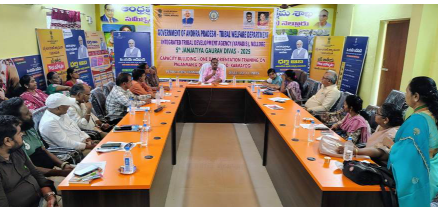
  • Andhra Pradesh: Educational initiatives including drawing competitions in Sirpur T, KB Asifabad, and orientation programs for officers on important tribal development schemes such as PM JANMAN and Adi Karmayogi Abhiyan.

  • Odisha: Artistic homage at a Painting Exhibition featuring tribal and contemporary artists portraying Birsa Munda’s courage and legacy.

  • Telangana: Birsa Munda Jayanti celebrated with floral tributes at the Government ST Girls College Hostel, Nagaram.

  • Sikkim: Tribal Students Sports Meet cum Health Camp at Khelo India Centre promoting fitness and health awareness.

  • Maharashtra: Eklavya Model Residential Schools engaging students with poem recitations, essays, and creative writing competitions exploring tribal history and pride.

Community Engagement and Cultural Pride

These celebrations inspire tribal youth and communities to reconnect with their history and culture while fostering a sense of unity and empowerment. The Janjatiya Gaurav Varsh Pakhwada is a national reaffirmation of commitment towards tribal empowerment through education, environment conservation, arts, and social awareness.


For more real-time updates, visit Channel 6 Network.

Source: PIB

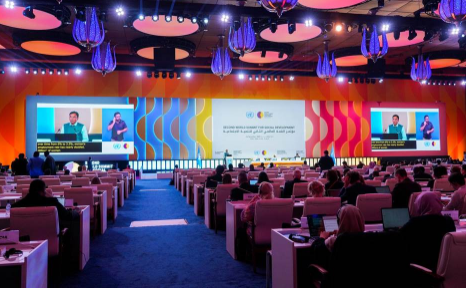
Dr. Mansukh Mandaviya Highlights India’s Transformative Progress in Poverty Alleviation and Social Security at Second World Summit for Social Development: 2025

Union Labour Minister Dr. Mansukh Mandaviya represented India at the Second World Summit for Social Development in Doha, Qatar, where he underscored the country’s remarkable achievements in poverty reduction and social security expansion under the leadership of Prime Minister Narendra Modi. He articulated that social progress is possible when people are placed at the center of policy-making and development is a shared national endeavor.

India’s Journey Guided by Philosophy of Antyodaya

Dr. Mandaviya emphasized India’s development trajectory is rooted in the principle of Antyodaya, meaning empowerment of the last person in the line. He described a lifecycle-based framework where children receive a healthy start, youth get educational and livelihood support, workers find decent employment, and the elderly enjoy dignity and income security.


Significant Achievements in Social Welfare

In the last decade, nearly 250 million Indians have been lifted out of multidimensional poverty through reforms, convergence of welfare schemes, and digital innovation.

  • 118 million schoolchildren receive nutritious mid-day meals.

  • Over 800 million citizens benefit from food security.

  • Health security is extended to 425 million people.

  • More than 37 million houses have been provided to low-income families.
    The unemployment rate declined from 6% to 3.2%, with women’s employment nearly doubling, supported by Self Help Groups empowered through credit.

Expanding Social Security Coverage

India’s social security coverage grew significantly from 19% in 2015 to 64.3% in 2025, recognized by the International Social Security Association with the “ISSA Award for Outstanding Achievement.” Efficient last-mile delivery is ensured through digital infrastructure leveraging bank accounts, Aadhaar, and mobile ownership.

Political Declaration and Global Cooperation

Dr. Mandaviya highlighted the alignment of India’s policies with the summit’s political declaration, which focuses on women-led development, traditional medicine, digital infrastructure, and cooperatives for inclusive growth. He firmly opposed unjustified remarks targeting India and reiterated India’s commitment to social justice and sustainable development goals. The Indian development model is presented as an example for countries in the Global South to emulate.

Conclusion: Dr. Mansukh Mandaviya

In his closing remarks, Dr. Mandaviya reaffirmed India’s commitment to inclusive social development under the vision of “Sabka Saath, Sabka Vikas” (Together with all, Development for all). He expressed readiness to share India’s best practices and strengthen global partnerships for creating a more just and inclusive world.


For more real-time updates, visit Channel 6 Network.

Source: PIB

DRI Strong Dismantle of Multi-State Drug Network by Busting a Clandestine Alprazolam Factory in Valsad: 2025

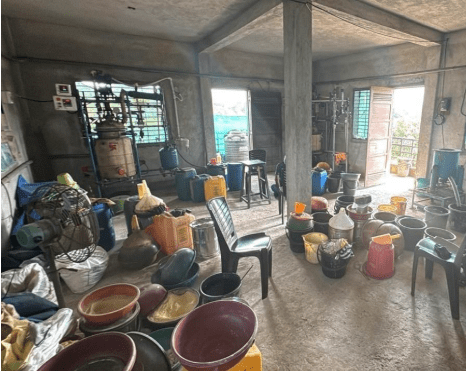
In a decisive action against synthetic drug manufacturing, the Directorate of Revenue Intelligence (DRI) busted a clandestine factory engaged in the production of Alprazolam, a psychotropic substance regulated under the NDPS Act, 1985. The factory was located in a sparsely populated area off Gujarat State Highway 701, Valsad, Gujarat. The operation, codenamed “Operation White Cauldron,” resulted in the seizure of drugs worth ₹22 crore and the arrest of four individuals linked to the network.

Intelligence-Led Raid and Significant Seizures

Acting on specific intelligence inputs, DRI officers conducted discreet surveillance of the manufacturing facility. On November 4, 2025, a swift and coordinated raid uncovered a full-scale illegal manufacturing unit. The seized items included:

  • 9.55 kg of finished Alprazolam

  • 104.15 kg of semi-finished Alprazolam

  • 431 kg of raw materials, including key chemicals such as p-Nitrochlorobenzene, Phosphorous Pentasulfide, Ethyl Acetate, and Hydrochloric Acid

  • A complete industrial-scale processing setup with reactors, centrifuge, refrigeration unit, and heating mantle


Arrests of Key Operators and Drug Recipient

The operation led to the arrest of two primary individuals directly involved in manufacturing and financing Alprazolam, one employee aiding production, and the recipient of the drugs who had traveled from Telangana to collect the consignment. The total arrests numbered four.

Investigations Reveal Drug Distribution Network

Preliminary investigations indicate that the illegally manufactured Alprazolam was destined for supply in Telangana, with plans to mix it in Toddy, an alcoholic beverage. This bust follows a similar DRI operation in August 2025 in Atchuthapuram, Andhra Pradesh, where 119.4 kg of Alprazolam intended for Telangana was seized.

Continued Vigilance in Drug Enforcement

This year alone, the DRI has dismantled four clandestine manufacturing facilities through intelligence-driven operations, reflecting continuous vigilance and operational excellence. These efforts align closely with the Government’s “Nasha Mukt Bharat Abhiyaan” initiative aimed at protecting citizens from the dangers of narcotic and psychotropic substances.


For more real-time updates, visit Channel 6 Network.

Source: PIB

Dr. Jitendra Singh Commends Rs 1 Lakh Crore RDI Fund Launch, Highlights ESTIC 2025 Success and India’s Innovation Trajectory

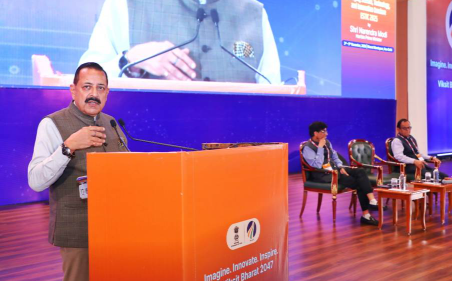
Union Minister of Science & Technology Dr. Jitendra Singh lauded the historic launch of the ₹1 Lakh Crore Research, Development, and Innovation (RDI) Fund Scheme by Prime Minister Shri Narendra Modi as a transformative milestone on India’s scientific journey. Speaking at the valedictory session of the pioneering Emerging Science, Technology & Innovation Conclave (ESTIC 2025), Dr. Singh expressed pride and optimism about the conclave’s success in fostering innovation and collaboration.

ESTIC 2025: A Nexus of Innovation and Collaboration

The three-day ESTIC 2025 event, held at Bharat Mandapam, was described as a “temple of innovation” where ideas met inspiration and research aligned with national relevance. Dr. Singh emphasized that the conclave exemplified the ‘Whole-of-Government, Whole-of-Nation’ approach, synergizing 13 Ministries and various stakeholders into a coordinated drive towards scientific excellence. Highlighting participation from Nobel Laureate Sir Andre Geim and world-class researchers, Dr. Singh noted that the conclave’s 11 technical thematic sessions and start-up showcases symbolized India’s emerging role as a global innovation hub under the vision of Viksit Bharat 2047.


RDI Scheme and ANRF: Steering Long-Term Research Growth

The ₹1 Lakh Crore RDI Fund Scheme aims to fuel India’s innovation ecosystem by providing long-term financing at low or nil interest rates to private sector players, particularly in strategic and sunrise domains such as artificial intelligence, biotechnology, clean energy, and more. The initiative is supported by the Anusandhan National Research Foundation (ANRF), facilitating strong academia-industry-government collaboration for sustainable research and innovation growth.

Empowering Youth and Strengthening Ecosystem

Dr. Singh praised the spirit of young researchers and deep-tech startups showcased during ESTIC 2025, highlighting their energy and ingenuity as pillars of New India’s innovation landscape. He proposed virtual workshops to enhance research presentation skills and recommended institutionalizing structured investor-startup interactions to translate innovations into impactful ventures. The minister also lauded the contribution of Indian-origin scientists through the VAIBHAV Fellowship, emphasizing the need to further engage this global community.

Conclusion: A New Chapter in India’s Scientific Evolution

Dr. Jitendra Singh concluded that ESTIC 2025 marks the beginning of a new chapter in India’s scientific and technological evolution. The insights and partnerships established are set to translate into actionable policies aligned with the national mission of Viksit Bharat 2047. Extending gratitude to ministries, research institutions, and industries, he reaffirmed India’s goal to become a global powerhouse of innovation and self-reliance, driven by collective effort and visionary leadership.


For more real-time updates, visit Channel 6 Network.

Source: PIB

Over 52 Lakh DLC Proudly Generated as Nationwide Digital Life Certificates Campaign 4.0 Launches

Union Minister of State Dr. Jitendra Singh formally launched the Nationwide Digital Life Certificate (DLC) Campaign 4.0 on November 1, 2025, marking a major advancement in simplifying pension certification for senior citizens across India. In just the first four days, over 22 lakh DLCs were generated, well on track to meet the ambitious month-long target of two crore certificates.

Face Authentication: Enhancing Ease and Dignity for Pensioners

Campaign 4.0 continues to promote Aadhaar-based Face Authentication technology, developed with the technical support of MeitY and UIDAI. This biometric innovation allows pensioners, including those with mobility constraints, to submit their life certificates effortlessly, even from home, adding convenience and dignity to the pension delivery process.


Extensive Nationwide Reach and Institutional Support

The campaign spans nearly 2,000 districts and urban centers with around 2,500 camps coordinated by 1,250 nodal officers, supported by 19 Pension Disbursing Banks and India Post Payments Bank (IPPB). IPPB contributes significantly through a network of 1.8 lakh postmen and Gramin Dak Sewaks delivering doorstep DLC services, especially prioritizing super-senior and differently-abled pensioners.

Impressive Impact and Inclusive Outreach

From the previous campaign 3.0 in 2024, over 1.62 crore DLCs were generated, including 52.73 lakh using face authentication. The campaign also stands out for reaching vulnerable groups with more than 85,000 pensioners above 90 years and over 2,200 centenarians digitally certified. Pensioners’ Welfare Associations play a vital role in mobilizing participation and organizing awareness workshops across the country.

Vision for Transformative Citizen-Centric Governance

Dr. Jitendra Singh highlighted that the Digital Life Certificate initiative epitomizes the government’s commitment to citizen-centric reforms, easing the pension process, and fostering digital empowerment among senior citizens. Crediting Prime Minister Narendra Modi’s leadership, he noted that this initiative is now a global success story studied internationally for its innovative governance model.

Conclusion

The DLC Campaign 4.0 exemplifies the fusion of technology, institutional collaboration, and social empathy to enhance public service delivery for millions of pensioners. With its transparent, accessible, and humane approach, it symbolizes India’s greater transition toward a digitally empowered, efficient administrative framework aligned with the vision of Viksit Bharat 2047.


For more real-time updates, visit Channel 6 Network.

Source: PIB

Indian Schools: Special Campaign 5.0 Drives Cleanliness and Efficiency

The Department of School Education & Literacy (DoSEL), Ministry of Education, successfully completed Special Campaign 5.0 from October 2 to October 31, 2025. This nationwide drive marked significant advances in school cleanliness, administrative efficiency, and the transformation of educational spaces, reinforcing the government’s commitment to Swachh Bharat and sustainable learning environments.​

Institutionalising Swachhata in Governance

Special Campaign 5.0 focused on enhancing efficiency and transparency within government offices and schools. Activities ranged from reviewing pending matters and digitizing records to eliminating obsolete files, fostering a more organized and responsive administrative culture. The campaign helped institutionalise cleanliness and accountability in governance, benefiting both officials and students through better-managed facilities.​


Visible Transformation in Schools

Schools across India underwent visible improvements through extensive cleaning drives, repairs, and beautification works. Key initiatives included:

  • Upgraded sanitation facilities and clean drinking water systems.

  • Whitewashing, painting, and repair of electrical fittings.

  • Creative mural and wall art projects, using BaLA (Building as Learning Aid) designs and local art forms like Madhubani and Warli.

  • Installation of functional infrastructure and interactive spaces for enhanced learning experiences.

Efforts were supported by the active participation of school communities, students, and administrators. Special recognition was given to Safai Mitras for their dedication in maintaining hygienic and welcoming school environments.​

Environmental Awareness and E-waste Management

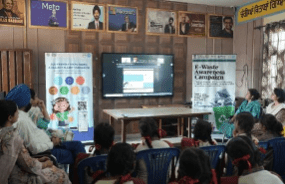
Environmental stewardship was a core component of the campaign. A national E-waste Awareness and Reduction webinar, chaired by Shri Sanjay Kumar, promoted responsible e-waste disposal practices. More than 99,000 students participated in workshops and collection drives under the Mission LiFE Eco Clubs, together collecting nearly 4,000 kg of e-waste. Innovative artworks and installations—created from recycled scrap at National Bal Bhavan—demonstrated creative reuse and sustainability values among youth.​

Conclusion

Special Campaign 5.0 showcased the power of multi-stakeholder collaboration in making schools across India cleaner, safer, and more efficient. Through targeted initiatives and active engagement, the Ministry of Education has furthered its resolve to transform educational ecosystems, prioritizing health, efficiency, and environmental consciousness.


For more real-time updates, visit Channel 6 Network.

Source: PIB

Indian Navy to Commission ‘Ikshak’, A Milestone in Indigenous Hydrographic Survey Capability: 2025

The Indian Navy is set to commission the survey vessel Ikshak, marking a significant advancement in India’s hydrographic survey capabilities and maritime self-reliance. Scheduled for formal induction on November 6, 2025, at Naval Base Kochi, the vessel represents a blend of precision, purpose, and indigenous strength, reinforcing India’s commitment to safeguarding its vast maritime frontiers.

Indigenous Excellence and the ‘Aatmanirbhar Bharat’ Initiative

Built by Garden Reach Shipbuilders and Engineers (GRSE) Ltd., Kolkata, Ikshak stands as a testament to India’s shipbuilding prowess, featuring over 80% indigenous content. This success exemplifies the government’s Aatmanirbhar Bharat vision, with active collaboration between GRSE and Indian Micro, Small, and Medium Enterprises (MSMEs). The name ‘Ikshak’, meaning ‘Guide’ in Sanskrit, perfectly encapsulates the vessel’s role as a sentinel of safety in Indian waters.


Advanced Capabilities and Multifaceted Role

Ikshak is designed for comprehensive coastal and deep-water hydrographic surveys of ports, harbours, and navigational channels. The ship is equipped with state-of-the-art hydrographic and oceanographic instruments including a high-resolution multi-beam echo sounder, Autonomous Underwater Vehicle (AUV), Remotely Operated Vehicle (ROV), and four Survey Motor Boats (SMBs). Additionally, the vessel features a helicopter deck broadening its operational reach.

Beyond its primary survey mission, Ikshak also serves dual functions as a Humanitarian Assistance and Disaster Relief (HADR) platform and can be configured as a hospital ship during emergencies. It has a displacement of approximately 3,400 tonnes, length of 110 meters, and complements a crew of 231 personnel.

Strategic Importance and Future Preparedness

The commissioning of Ikshak enhances the Indian Navy’s hydrographic and charting infrastructure crucial for maritime navigation safety and national security. With sophisticated onboard systems, the vessel ensures India can efficiently map its Exclusive Economic Zones and contribute vital maritime data for defence and civil applications. The vessel’s integration into the Southern Naval Command strengthens regional maritime surveillance and operational capabilities.

Conclusion

Ikshak symbolizes India’s stride towards technological self-reliance and maritime excellence. This induction not only advances hydrographic survey capacity but also aligns with national goals of strategic autonomy and maritime safety. As a beacon of indigenous innovation, Ikshak is poised to chart the unknown waters, ensuring safe navigation and reinforcing India’s position in maritime stewardship.


For more real-time updates, visit Channel 6 Network.

Source: PIB