Central Mine Planning and Design Institute (CMPDI), under Coal India Limited and the Ministry of Coal, has made notable progress in workplace sanitation by installing six advanced bio-toilets equipped with bio-digesters and water tanks across multiple locations at CMPDI Ranchi. This action forms part of Special Campaign 5.0, reinforcing the Swachh Bharat mission and aiming to institutionalize higher cleanliness and operational efficiency standards.
Commitment to Swachh Bharat and Special Campaign Goals
The modern bio-toilets installation at CMPDI is a reflection of its alignment with Special Campaign 5.0—a nationwide drive spanning 2nd to 31st October 2025 directed at enhancing cleanliness, efficient administration, and record management within public offices. By prioritizing sustainable sanitation interventions, CMPDI is helping embed a culture of accountability, efficiency, and hygiene across coal industry operations.
Enhancing Sanitation for Workers and Offices
These modern bio-toilets directly benefit contractual workers and staff by providing easy access to hygienic sanitation at work sites. The installations are designed for modern workplaces, ensuring improved hygiene, lower health risks, higher dignity, and better overall productivity for users. Their eco-friendly technology not only conserves water but also ensures low maintenance and effective waste management, contributing to healthier work environments for all.
Conclusion
CMPDI’s initiative to set up six new bio-toilets under Special Campaign 5.0 underscores its sustained commitment to Swachh Bharat, sustainable development, and dignified working conditions. As Special Campaign 5.0 concludes, the organization stands out as a leader in public sector sanitation best practices, advancing both worker welfare and India’s broader cleanliness goals.
South Eastern Coalfields Limited (SECL), a subsidiary of Coal India Limited, has taken a major step toward inclusive, sustainable, and hygienic workplace infrastructure by installing 43 bio-toilets during the Government of India’s Special Campaign 5.0, which was held from October 2 to October 31, 2025.
Major Installations in Mining Zones
A total of 16 bio-toilets were inaugurated at multiple locations in SECL’s Sohagpur Area and another 27 were commissioned across the Bhatgaon Area. These initiatives particularly strengthen sanitation infrastructure in mining zones, where access to conventional toilet facilities is often restricted or limited, reflecting SECL’s ongoing commitment to clean and safe workplaces.
Aligned with Swachh Bharat Abhiyan and Environmental Goals
The campaign is in line with the objectives of the Swachh Bharat Abhiyan, highlighting clean and sustainable operations. Bio-toilets use microbial technology to convert waste into non-toxic water and gas, significantly reducing environmental pollution and conserving precious water resources. This move promotes eco-friendly, gender-inclusive sanitation at the workplace, benefiting especially women employees by ensuring safe and hygienic amenities closer to the workspace.
Commitment to Inclusivity and Social Progress
SECL’s bio-toilet installation drive is designed not just for environmental benefits but also to promote inclusivity and dignity, particularly for women working in field and mining areas. Improved sanitation directly enhances working conditions and furthers gender-friendly infrastructure across operational sites. This initiative stands as a testament to SECL’s role in responsible mining and social progress.
Special Campaign 5.0: Nationwide Cleanliness Drive
The installation campaign is one of many activities conducted by SECL under Special Campaign 5.0—a countrywide initiative by the Department of Administrative Reforms and Public Grievances, Government of India, aimed at efficient cleanliness, record management, and the resolution of pending matters across Ministries and PSUs. SECL has participated through multiple efforts in cleanliness, digital transformation, and service delivery improvement.
Conclusion
By establishing these bio-toilets, SECL demonstrates persistent efforts toward responsible mining, environmental sustainability, and advancement of quality of life for employees and surrounding communities in mining regions.
The Karnataka Government has announced the selection of 70 distinguished personalities for this year’s Kannada Rajyotsava Award, honouring their invaluable contributions across arts, literature, science, sports, social service, and culture. The prestigious annual recognition continues to symbolise Karnataka’s enduring commitment to acknowledging individuals whose work has enriched society and preserved the State’s diverse heritage. This year’s honourees represent a wide spectrum of backgrounds and regions, reinforcing that Kannada culture thrives through voices both rooted in tradition and advancing toward modernity. Their selection reflects pride in the State’s collective identity, reminding citizens that progress is strongest when guided by compassion and excellence.
The Rajyotsava Awards, considered one of Karnataka’s highest civilian honours after the Karnataka Ratna, have long represented the State’s gratitude toward its luminaries. Recipients are chosen through a screening process based on achievements, social impact, and contributions to the Kannada language and cultural ecosystem. Awardees receive a citation, gold medal, and monetary recognition. The government emphasised that efforts were taken to ensure inclusivity, transparency, and representation from multiple districts. This reaffirmed the administration’s commitment to acknowledging contributions from fields that often remain outside public visibility, especially grassroots arts, rural innovation, and community leadership that sustain cultural continuity.
Diverse Awardees Reflect the Soul of Karnataka
This year’s list includes well-known literary scholars as well as emerging Kannada writers whose work captures contemporary concerns. Folk artistes, Yakshagana performers, and theatre practitioners were also honoured, continuing a tradition of saluting the State’s vibrant stage culture. Several educators whose dedication shaped rural learning outcomes added academic brilliance to the selection. Social activists, especially those advocating for environmental protection, disability rights, and tribal welfare, also found space in the list. Sports achievers received recognition for elevating Karnataka’s presence on national and international platforms. The variety mirrors Karnataka’s identity—rooted in classical heritage but deeply responsive to evolving societal needs.
The Rajyotsava Awards also honoured scientists whose research supports national development and innovation. Their work, ranging from renewable energy to space-linked technologies, demonstrates that Karnataka is not only a cultural beacon but also a leading knowledge hub. Farmers and horticulturists who pioneered sustainable agricultural practices, especially in coffee, millets, fisheries, and sericulture, were also acknowledged for strengthening local economies. Their contribution highlights Karnataka’s deep agricultural roots and the importance of ecological stewardship. Several entrepreneurs whose startups generated rural employment likewise earned recognition, underscoring how economic empowerment can emerge from both tradition and modernisation.
Dignitaries expressed heartfelt appreciation for the recipients, highlighting that the awards reflect gratitude, not merely celebration. Public responses across districts enthusiastically welcomed the list, especially in regions where local achievers brought recognition back to their communities. Cultural groups hailed the decision to include lesser-known grassroots performers of folk art forms like Dollu Kunitha, Veeragase, and Kolata, which continue to preserve Kannada spirituality and identity. Critics, however, urge further inclusion of independent journalists, women’s rights advocates, and government health workers, emphasising their pivotal role in public welfare. The government responded by stating that selection will continue evolving with emerging priorities.
Honouring the Heritage: Karnataka’s Cultural Pulse, honourees
Unlike many honours that focus only on national spectacle, the Rajyotsava Awards acknowledge contributions that shape everyday life and emotional belonging. This year’s list amplified this tradition, ensuring that art speaks beyond boundaries of recognition. For instance, senior Yakshagana maestros whose decades of performance captured Tulu and Kannada epics found mention. Likewise, puppeteers carrying forward the ancient craft of Togalu Gombeyaata stood alongside independent filmmakers documenting rural lives. The recognition of these art forms is particularly meaningful, as many artistes have struggled to sustain livelihoods in rapidly modernising spaces. The awards reinforce that cultural endurance depends on active nourishment.
The selection also celebrated individuals who preserved Karnataka’s natural heritage—forest conservationists, wildlife volunteers, and grassroots organisations protecting animal habitats played a critical role in this year’s honours. With climate change posing increasing threats, the government’s inclusion of environmental champions signals encouragement toward ecological consciousness. Awardees working with tiger reserves, Western Ghats protection, and traditional water-harvesting practices have inspired villagers and policymakers alike. Their recognition demonstrates Karnataka’s commitment to holistic progress, respecting both the land and people who sustain it. For many, this marks a shift in public understanding that environmental activism is not fringe work—it is central to survival.
Women achievers stood prominently among the honourees, symbolising the rising participation of women across disciplines. Female sports achievers, rural educators, health workers, digital-literacy trainers, and theatre practitioners found place in the selection. This balanced representation was widely applauded, as women in rural spaces face systemic limitations yet continue to serve with unwavering dedication. Their recognition enriches the award’s moral significance, reminding society that empowerment begins with acknowledging silent perseverance. For many girl students in small towns, these honourees become powerful role models, illustrating that Karnataka’s cultural and intellectual space welcomes ambition, regardless of social barriers.
Beyond recognition, the Rajyotsava Awards inspire dialogue about the evolution of Kannada society. Linguists and educators welcomed the selection of Kannada researchers and lexicographers who contributed to preserving endangered dialects and documenting linguistic heritage. Their work protects the language from erosion and encourages younger generations to embrace linguistic pride. Meanwhile, literacy activists who developed community-based learning models received recognition for ensuring education reaches marginalised populations. Such efforts reiterate that language is not merely a medium of communication—it is the emotional spine of civilisation. By celebrating this labour, the awards reaffirm Karnataka’s commitment to strengthening cultural literacy.
The Rajyotsava event, traditionally held on November 1, remains deeply symbolic. It commemorates the formation of the unified Karnataka State in 1956, celebrating unity in diversity. This year, preparations focus on showcasing a synthesis of traditional and contemporary achievements. Government schools, universities, and cultural academies across Karnataka are preparing exhibitions, poetry readings, theatre performances, and folk art demonstrations inspired by the honourees’ journeys. These events aim to draw young audiences, ensuring recognition is not ceremonial alone but educational. The hope is to create generational bridges, allowing students to interact with real-life icons whose work shapes their future.
The celebration also revives conversations around equitable recognition. Although 70 honourees are being celebrated, many unsung heroes continue serving in silence—volunteers, farmers, nurses, and teachers whose devotion transforms lives without expectation. The Rajyotsava Awards are often seen as a lighthouse guiding broader appreciation. In villages where honourees hail from, residents have begun planning small felicitation events, emphasising community pride. These festivities reinforce the emotional power of acknowledgment. They remind society that recognition is not about fame but about belonging—about a shared identity that binds the people of Karnataka across languages, geographies, and beliefs.
The government has indicated continued efforts to decentralise the selection process, ensuring more representation from historically overlooked districts such as Koppal, Chamarajanagar, Bidar, and Raichur. Officials noted that increased inclusion fosters regional pride and encourages younger generations to serve their communities. Cultural activists suggested that future lists should incorporate more independent researchers, urban-poor educators, mental-health advocates, and transgender artistes, reflecting the State’s social complexity. The administration welcomed the suggestions, promising to widen the selection committee’s consultation. Such dialogue helps the awards remain dynamic and responsive, rather than static acknowledgments of conventional achievement.
As Karnataka prepares for the grandeur of Rajyotsava Day, anticipation builds around public interactions with the honourees. The cultural ministry plans to introduce digital archives of previous awardees, documenting their work for educational use. Universities may integrate these profiles into Kannada studies curricula. Meanwhile, district administrations are planning immersive exhibitions, film screenings, traditional dance festivals, and thematic performances based on the awardees’ work. These activities bring the awards into public space, ensuring the celebrations transcend a single ceremony. They also nurture emotional continuity, ensuring that cultural pride remains active and participatory.
The Rajyotsava tradition illustrates that honouring excellence is not merely ceremonial; it is emotional healing. In times of rapid change, recognising cultural guardians and innovators provides collective reassurance. Their stories remind citizens that Karnataka’s future is rooted in shared memory. For the 70 honourees, the award is both acknowledgment and responsibility—a call to continue inspiring others. The emotional resonance of these awards proves that recognition, when deeply felt, becomes more than symbolic heritage—it becomes a promise to future generations that their contributions, too, will be cherished. Through these awards, Karnataka reaffirms its belief in gratitude, growth, and cultural pride.
Here are 4 more text-only paragraphs (~100 words each) continuing in the same news format:
The announcement has also sparked renewed conversations about how cultural recognition can strengthen Karnataka’s multilingual and multiethnic fabric. Though Kannada remains at the heart of the celebration, awardees from Tulu, Kodava, and Konkani cultural spaces also found representation, reinforcing the belief that linguistic diversity is a core strength rather than a barrier. This recognition helps preserve local narratives that might otherwise fade, especially in rapidly urbanising districts. Cultural scholars believe that celebrating these varied identities under the larger Kannada umbrella helps promote unity rooted in mutual respect. It ensures that Karnataka’s cultural mosaic continues to evolve with dignity and balance.
Many observers noted that this year’s list features a refreshing balance of senior icons and younger achievers. Veteran contributors lend gravitas to the awards, while emerging personalities highlight how rapidly talent is evolving across sectors. The growing representation of younger social workers, independent filmmakers, and grassroots technologists demonstrates that Karnataka’s society embraces dynamic change-makers alongside traditional stalwarts. This balance also inspires hope that mentorship relationships will strengthen, enabling younger citizens to learn from elders whose decades of service shaped cultural identity. Collectively, the awardees represent continuity—carrying forward ancestral knowledge while creating new expressions for modern Karnataka.
For rural communities, the recognition of local achievers has brought a sense of joy and belonging. In villages where honourees work, small gatherings and celebrations have already begun, with neighbours expressing pride that someone from their soil earned statewide honour. These personal celebrations show the emotional depth of public recognition, making the awards more than a symbolic event in Bengaluru. When grassroots heroes return home with acknowledgment, their journeys become shared community victories. Educators hope these stories inspire young people to pursue excellence without believing that success lies only in distant cities. The awards thus nurture aspiration from within Karnataka’s heartlands.
Looking ahead, officials emphasise that the awards should also spark cultural responsibility. Honourees are expected to continue serving as ambassadors of Kannada identity, inspiring future generations through mentorship, collaboration, and public engagement. The government intends to build structured platforms where awardees can interact with students, offering workshops, dialogues, and cultural exchanges across districts. Such initiatives aim to convert recognition into outreach, ensuring the awards translate into ongoing public benefit. Ultimately, the Rajyotsava honours are not simply a moment of applause—they are an invitation to collectively deepen Karnataka’s cultural journey, guided by voices whose commitment has shaped the State’s past, present, and future.
In a confident statement, D.K. Suresh—MP and brother of Deputy Chief Minister D.K. Shivakumar—said that “if my brother is so destined, he will become Chief Minister.” The remark comes amid persistent speculation within the Karnataka Congress about leadership transitions and succession planning. Suresh’s words serve both as a sign of familial solidarity and as a broader message aimed at stabilising party perceptions about internal power dynamics. For observers and party workers alike, the statement underscores the emotional undercurrents that shape political narratives, far beyond formal procedures.
Suresh emphasised that the focus must remain on governance and public service rather than internal speculation. He reiterated that important decisions about leadership will be guided by the Congress high command, and that Shivakumar’s track record of organisational work, public outreach and administrative experience places him among credible choices for higher responsibility. While not announcing any immediate change, Suresh’s comment is significant—both as a show of confidence in his brother and as an affirmation that any elevation would be the result of party deliberation and public mandate.
Political Sentiments
Political analysts interpret the remark as the family positioning D.K. Shivakumar in the larger narrative of Karnataka’s leadership future. Shivakumar, who holds considerable influence in the party’s state unit, enjoys support across multiple regions and generations. Suresh’s statement may be intended to signal that the Shivakumar faction is preparing for an eventual transition but remains committed to collective decision-making. For the public, the promise carries emotional resonance—reflecting both hope and expectation that capable leadership may be recognised at the right time.
While the Congress high command has repeatedly stated that leadership and tenure decisions remain its prerogative, the dynamics within state politics continue to evolve. Suresh’s comment is likely to be taken seriously by party insiders who view it as both an assertion of readiness and an appeal for legitimacy. The challenge remains: balancing individual ambition with organisational harmony. The political narrative in Karnataka must now contend with how such signals affect morale, perceptions of equity among leaders, and public confidence in governance stability.
The broader public response has been measured. Party workers expressed pride at Shivakumar being publicly backed by his brother, seeing it as a morale booster for supporters. Opposition leaders, however, dismissed the remark as premature, suggesting it was designed to influence internal nominations rather than reflect actual policymaking. For citizens, the key interests remain governance delivery: welfare schemes, infrastructure projects and social justice. Nevertheless, such statements grab attention because leadership at the top affects policy direction, accountability and institutional continuity.
In the realm of electoral politics, the suggestion of succession plans often triggers campaigns by various interest groups. Some factions may view Suresh’s public faith in his brother’s future as an endorsement that reshapes internal alliances. Others may interpret it as a challenge or pre-emptive move intended to secure advantage. The Congress leadership may need to engage with these internal undercurrents to prevent fragmentation. Historically, leadership transitions have sometimes produced uncertainty; therefore, clear communication may help maintain momentum and avoid unnecessary speculation.
Ultimately, Suresh’s optimism about his brother’s destiny reflects emotional investment as well as political calculation. It hints at potential change while emphasising that such developments rest on merit, party consensus, and public expectation. Whether Shivakumar will become Chief Minister remains uncertain and contingent on multiple factors — electoral performance, leadership endorsement, party unity — but the statement has elevated the conversation from speculation to possibility. For supporters and critics alike, the coming months may prove critical in discerning whether this moment represents early positioning or a prelude to leadership renewal.
While the leadership question remains unresolved, the government’s performance remains under observation. Welfare schemes, infrastructure projects and administrative decisions continue to influence public trust. Leadership stability often drives execution efficiency, so any signals about future changes are watched with keen interest. Suresh’s comment thus intersects with broader governance narratives. A capable, recognized successor may reassure citizens; conversely, unresolved leadership uncertainty can distract from policy delivery. The message underlines that in politics, perception matters—both among party cadres and the public.
As Karnataka’s political landscape continues to evolve, the interplay between leadership aspirations and organisational cohesion will shape the party’s trajectory. D.K. Suresh’s statement places Shivakumar prominently within that conversation. But the ultimate decision lies with the Congress high command, the electorate, and future legislative developments. For now, the notion that Shivakumar could become Chief Minister has been publicly endorsed, elevating expectations and raising questions about timing, consensus-building and institutional readiness. The situation remains dynamic, and for many observers, the next few months may define the curve of leadership renewal within the state.
Speculation about leadership transitions is not new in Karnataka politics, where personalities often shape party fortunes as much as organisational decisions. D.K. Shivakumar’s strong grassroots network, combined with his history of crisis management for the party, keeps his name in circulation whenever conversations about chief ministership arise. His ability to mobilise cadres, manage factional tensions, and influence electoral outcomes has built a durable political identity. Suresh’s statement therefore resonates beyond mere family sentiment, positioning Shivakumar as a potential consensus candidate. However, the unpredictability of internal party dynamics means that even strong political capital must align with timing and strategic approval.
Meanwhile, Chief Minister Siddaramaiah continues to hold office with the backing of both the high command and the ruling legislature party. His welfare-driven governance, especially in the rollout of guarantee schemes, maintains public goodwill and credibility within the organisation. Any discussion regarding the future of leadership inevitably involves assessing the continuity of these programmes and their political returns. Party functionaries maintain that stability remains the immediate priority. Senior leaders have urged cadres to avoid public speculation, concerned that such narratives could distract from governance goals and upcoming electoral challenges.
Suresh’s remarks could also reflect an attempt to reassure supporters who view Shivakumar as a natural successor. For many within the party, his eventual elevation appears plausible, given his organisational tenure and strategic proximity to the high command. But seasoned observers cautioned that Congress has historically timed leadership transitions with electoral opportunities, not speculative momentum. Thus, any potential change would likely emerge from political necessity rather than public or factional pressure. While gestures of support from family members can energise workers, actual appointments require institutional choreography, consensus, and political calculations rooted in electoral arithmetic.
Public sentiment remains divided. Some voters admire Shivakumar’s assertive leadership style and believe his administrative discipline could scale welfare implementation. Others argue that prioritising continuity under Siddaramaiah ensures that flagship programmes mature fully, especially as the guarantee schemes continue shaping political perception. For the common citizen, the debate holds limited immediate consequence; economic relief, job creation, infrastructure, and public services remain their primary concerns. Yet leadership narratives inevitably influence confidence. A transition seen as smooth and merit-based could strengthen public trust, while one perceived as hasty or power-driven could trigger scepticism. Ultimately, governance delivery remains the key benchmark.
Congress faces a delicate balancing act: acknowledging strong internal talent while preventing factional rivalry. Analysts note that while statements like Suresh’s may spark interest, they also require careful management. The party must sustain unity to counter a competitive Opposition landscape, where rival narratives often exploit perceived divisions. A strong and coordinated communication strategy could mitigate misinformation and reassure the public that leadership remains cohesive. Historically, Congress has relied on high-command mediation to manage aspirations, and Karnataka is no exception. Any transition must therefore preserve organisational equilibrium and maintain narrative clarity in the face of shifting political currents.
In constituency circles, Suresh’s comments have been received as a symbol of loyalty rather than a direct challenge to existing leadership. Constituents familiar with the brothers’ political rise interpret the statement as emotional reinforcement rather than active campaigning. Yet, within political corridors, interpretation varies. Some believe the timing coincides with subtle positioning ahead of future electoral cycles. Others say it merely acknowledges public sentiment while deferring any real decision to the high command. The layered perceptions highlight how even informal remarks carry political weight, especially when attributed to influential family members within the governing structure.
Opposition parties were quick to interpret the remarks as evidence of underlying tension in the ruling party. BJP spokespersons suggested that frequent public statements about leadership expose internal friction. Janata Dal (Secular) leaders echoed similar sentiments, predicting eventual conflict as ambitions deepen. Congress leaders dismissed such reactions as attempts to provoke instability. They reiterated that the government remains united, with shared priorities for welfare and development. Yet, political strategists acknowledge that sustained speculation can create pressure points. Whether the Opposition can capitalise on such narratives remains uncertain, especially when tangible governance outcomes continue to anchor public perception.
The Congress high command’s role remains central. Its history of deliberative leadership decisions suggests that any transition will factor performance evaluation, public mandate, and organisational cohesion. Shivakumar’s national-level engagements and growing influence within party circles may enhance his case for leadership at an appropriate juncture. At the same time, Siddaramaiah’s governance experience and mass appeal represent enduring assets for the Congress. The party’s challenge is to leverage both leaders’ strengths without creating a perception of rivalry. Ensuring collaborative leadership could become a defining strategy, combining administrative stability with political momentum.
Political observers also highlight the emotional framing of Suresh’s remark. By invoking “destiny,” he introduced a narrative that softens the tone of ambition. This rhetorical choice allows appreciation of Shivakumar’s potential without appearing confrontational. It suggests faith in organic political evolution rather than forced succession. Such messaging helps prevent direct comparisons or conflict with the incumbent leadership. It simultaneously preserves the option for future elevation without imposing urgency. The statement thus resonated across party cadres, who can interpret it supportively while maintaining respect for current leadership structures and processes.
Looking ahead, Karnataka’s governance priorities will keep dominating public discourse. Leadership speculation may persist, but welfare implementation, fiscal management, industrial growth, job creation, and infrastructure development will continue defining the government’s credibility. If Congress succeeds in delivering across these fronts, it strengthens the platform from which future leaders may emerge. In this context, Suresh’s assertion becomes part of a longer political timeline rather than an immediate provocation. For now, the party appears intent on demonstrating united governance, even as quiet anticipation surrounds the possibilities of leadership evolution in the state.
The Karnataka High Court has issued a notice to the State government budget on a petition alleging discriminatory allocation of funds to constituencies represented by Opposition MLAs. The petition claims that the current model of resource distribution has systematically prioritised constituencies under the ruling party while depriving Opposition-led regions of development grants. The Court’s decision to seek a response signals the seriousness of the allegations and has triggered a wider debate on political neutrality, governance ethics, and equitable public spending. Many observers believe the outcome could have long-term implications for how State funds are designated across Karnataka.
The petition argues that public funds, especially those earmarked for infrastructure, health, education, and welfare, must be distributed without political bias. According to the complainant, Opposition constituencies have consistently received lower grants than those represented by ruling coalition lawmakers. This discrepancy, they claim, violates constitutional principles guaranteeing equality and undermines democratic representation. The Bench acknowledged the gravity of the accusation and directed the government to provide clarification on the criteria followed while allocating funds. The matter will be taken up in the coming weeks, setting the stage for a politically sensitive legal examination.
Opposition leaders have long accused the government of weaponising development funds to punish dissenting constituencies. They argue that such discrimination creates a two-tiered system of development, pushing already vulnerable districts deeper into stagnation. The petition, therefore, has been welcomed by several Opposition MLAs who view it as a rare institutional check on executive discretion. The government has rejected allegations of bias, insisting that allocations are based on objective indicators such as population size, ongoing development works, regional needs, and socio-economic factors.
Legal Scrutiny and Political Stakes
Legal experts note that the Court’s intervention opens a critical examination into the fundamentals of public spending. If discrimination is proven, it could lead to directives requiring more transparent and equitable budgeting mechanisms. Lawyers tracking the case observe that resource allocation, though largely in the government’s executive domain, must still adhere to constitutional safeguards ensuring fairness. A legal precedent could reshape future budget exercises to include mandatory disclosures, independent audits, or formula-based allocations that restrict political influence.
The petitioners request the Court to examine data from multiple budget cycles, asserting that systematic imbalance over time demonstrates deliberate neglect. They are also seeking a court-monitored investigation to quantify disparities and propose reforms. The Court’s response, though preliminary, places the onus on the government to demonstrate that its decisions were fair, rational, and guided by public interest rather than political advantage. Analysts emphasise that this burden of proof may require extensive documentation and justification by the State.
The stakes are high because the case challenges the neutrality of a foundational governance process: budgeting. Political commentators suggest that if discrimination is proven, it could damage the ruling party’s credibility and fuel accusations of partisan governance. Conversely, if the government provides clear evidence of fair allocation, Opposition claims may lose traction. Either outcome is expected to ripple through political conversations across Karnataka, especially ahead of future elections.
The petition has already prompted heated exchanges in political circles. Opposition members have reiterated that equitable development is not merely a constitutional ideal but a practical necessity for balanced growth across regions. They describe the alleged discrimination as a threat to democratic representation, arguing that constituents should not suffer due to their elected representative’s political affiliation. Meanwhile, ruling party officials assert that allocations reflect objective need and that Opposition claims are exaggerated to score political points.
Social Impact and Regional Unease
At a grassroots level, the issue has sparked frustration among residents in constituencies purportedly receiving less funding. Local development bodies claim that reduced grants have slowed roadworks, public health expansion, sanitation systems, and housing programmes. Residents voice that political competition should not dictate their access to public goods. Civil society groups have called for transparent publication of allocation criteria, arguing that public awareness is essential to prevent misuse.
Several Opposition constituencies are located in semi-urban and rural regions where infrastructure needs are high and public programs remain incomplete. For these regions, delayed or inadequate funding exacerbates inequality and restricts progress. Community leaders say that when development is withheld, it widens socio-economic gaps and contributes to regional disparities. They insist that the issue must be addressed urgently to ensure balanced growth and prevent political bias from shaping public services.
Development economists argue that targeted funding is necessary to uplift regions that lag behind, but such targeting must remain free of partisan agenda. They caution that embedding political interests in resource allocation disrupts rational planning and long-term growth strategies. Instead, empirical indicators—such as poverty levels, literacy rates, infrastructure deficits, and healthcare access—should drive spending decisions. Scholars also highlight that imbalanced funding could have intergenerational effects, depriving younger populations of the tools needed to achieve economic mobility.
Opposition MLAs in affected regions have compiled comparative figures to illustrate discrepancies. They claim that neighbouring constituencies represented by ruling members are receiving several times more funding for similar projects. These leaders say they often struggle to justify the slow progress of works to their constituents, who grow increasingly frustrated. Meanwhile, ruling leaders dismiss these claims as selective and misleading, asserting that a holistic view would reveal proportional spending across the State.
Public discourse now centres on whether legal scrutiny can enforce systemic change. Advocacy groups are urging citizens to participate in the debate by demanding transparency from local representatives. They argue that public pressure, combined with judicial oversight, can push the government towards more accountable governance. For now, many citizens are watching the case closely, hoping it will lead to reforms that ensure equity regardless of electoral outcomes.
As the debate deepens, many analysts stress the importance of creating institutional safeguards to minimise political manipulation. Suggestions include establishing independent financial commissions that evaluate regional needs objectively and provide recommended allocations. Advocates believe such bodies could depoliticise public expenditure, ensuring fair distribution across constituencies. However, implementing such reforms requires political will, which may be difficult to mobilise if parties remain wary of losing discretionary power.
Historically, allegations of biased fund allocation are not new in Indian politics. Similar judicial proceedings in other states have occasionally led to increased scrutiny or demands for reform. Karnataka’s present case, however, stands out because of its timing—emerging during heightened political competition and public awareness. Scholars say that widespread access to data and increased citizen engagement make today’s governance landscape less tolerant of opacity. The High Court’s notice, therefore, reflects a broader movement toward transparent governance.
In response to the notice, the State government is preparing to submit relevant documents and reasoning to justify its allocation decisions. Administrative officers note that budgeting involves complex calculations and multiple competing priorities, making absolute uniformity impossible. They caution that apparent discrepancies may reflect specific local needs rather than political bias. Still, officials acknowledge that the legal proceedings will require detailed explanations to satisfy judicial standards.
This case also carries emotional resonance, as many communities in disadvantaged constituencies feel overlooked. Residents describe how critical projects—from bridges to primary healthcare centres—remain incomplete due to inconsistent funding. Parents share concerns that poor infrastructure limits educational opportunities, pushing young people to migrate to other regions for work. For many, the petition represents hope that institutional intervention can secure fair treatment.
Political observers predict that the government’s reply to the Court will set the tone for the next phase of the case. If the Court finds merit in the allegations, it could demand systemic restructuring or mandated oversight. If the government’s defence is accepted, the case may be closed but public distrust could linger. The Court could also opt for middle-path directions, such as recommending standardised allocation formulas without ruling on past allegations.
Given the significance of the case, lawmakers from both sides have begun engaging with constituents to explain their positions. Opposition MLAs promise greater transparency if funds are redistributed, while ruling leaders emphasise continuity of development planning. Political discourse around the issue is expected to intensify as legal proceedings continue. Many believe that how the government handles this challenge will influence public perception of its dedication to fairness.
The High Court’s notice has also prompted discussions about the transparency of government budgeting tools. Experts recommend publishing annual constituency-wise spending data in public dashboards to empower citizens to monitor government promises against actual implementation. Such tools, they argue, could deter future discrimination and increase public trust. The suggestion has gained traction among civil society networks calling for open governance.
For now, the State awaits the government’s formal response. The petition is expected to be taken up again after submissions are reviewed, and the Court may decide whether further inquiry or interim measures are necessary. Meanwhile, political tension builds as stakeholders prepare arguments and counterarguments. Whatever the final outcome, the case has brought an essential issue to the forefront—how to ensure that public funds serve citizens equitably, free from political bias.
As the legal process unfolds, the wider public is watching closely—this is not simply a dispute over numbers but a test of democratic commitment. For constituents in the affected regions, it’s about more than infrastructure; it’s about fairness, recognition, and trust in government. A decision that affirms equity could restore confidence, but one that fails to reconcile perceptions of bias may deepen alienation. In either case, the case has rekindled urgent conversation about whether governance truly honours the promise of equal development or remains tethered to political advantage.
The Karnataka High Court has directed the Karnataka Examinations Authority (KEA) not to finalise the third round of seat allotment for medical and dental courses until further orders. This interim directive has stirred uncertainty among thousands of students awaiting final admissions, as the decision potentially shifts timelines and seat availability. Petitioners argued that recent procedural changes lacked transparency, alleging that the KEA revised its schedule and seat matrix without adequate notice. The Court’s intervention seeks to ensure procedural fairness, while also signalling concerns over administrative lapses.
The petition before the Bench emphasised alleged discrepancies in the third-round allotment matrix, particularly regarding seat reservations and category-wise distribution. Students contended that last-minute modifications disadvantaged applicants who had planned their choices according to previously notified data. The KEA defended its actions, stating that cancellations and withdrawals naturally affect seat availability, requiring updates to maintain accuracy. However, the Bench observed that such changes must align with consistent and transparent procedures to avoid disadvantaging candidates. The stay on finalisation reflects the judiciary’s caution over potentially irreversible outcomes.
Legal Scrutiny and Procedural Confusion
The High Court’s directive comes at a critical juncture for medical aspirants across Karnataka, many of whom have been closely following allotment schedules to secure placements in MBBS and BDS programmes. The Court noted that the petitioners’ complaints warranted examination to ensure equitable access to education. Legal observers highlight that judicial intervention in admission cycles is not new but has gained prominence amid growing competition and frequent procedural changes. With students from varied socio-economic backgrounds dependent on these processes, even minor disruptions can have cascading effects.
The Bench hinted that procedural lapses—if established—could undermine confidence in the entire admissions ecosystem. The Court also sought clarity on whether the KEA provided sufficient time for stakeholders to adjust to schedule changes. Petitioners insisted that sudden revisions placed many candidates at a disadvantage, particularly those who relied on rankings and category placements previously communicated. The KEA was asked to furnish detailed explanations regarding the updated matrix, reservation splits, and notification timelines. As the matter progresses, both parties must demonstrate procedural diligence to secure legal standing.
The halt has inevitably caused anxiety among aspirants, especially those aiming to secure specialised streams or seats in preferred institutions. Many students worry that delayed allotments could clash with reporting deadlines, academic calendars, and opportunities in other states. Coaching centres and counselling consultants report an influx of concerned parents seeking clarity on next steps. Meanwhile, some candidates consider backup options such as private institutions outside the State. In this environment, the Court’s directions are being closely tracked, as they may define the tone for future rounds of counselling.
Stakeholder Responses and Path Ahead
Medical colleges await clarity as well, given that admission finalisation dictates faculty planning, hostel allocation, and financial forecasting. Administrators note that even short delays can make it challenging to align academic schedules and clinical rotations. However, several institutions have expressed support for tighter scrutiny if it ensures transparency in the long run. They underline that disputes over seat allotment recur annually, indicating systemic issues that must be addressed holistically rather than through reactive litigation.
Parents’ associations have welcomed the Court’s intervention, arguing that it places accountability on KEA to uphold fairness. They claim that abrupt modifications erode trust and disproportionately affect rural and first-generation aspirants who depend heavily on official notifications. Student representatives have requested that KEA publish explanatory documents detailing changes to help reduce confusion. Some experts propose the establishment of advisory buffers in counselling timetables to absorb uncertainties while protecting students from last-minute shocks.
Legal experts predict that the Court may soon direct a structured audit of the allotment process or mandate detailed disclosures before allotment rounds. They caution that if discrepancies are validated, a reworking of seat assignments may be inevitable. Such an outcome could cause extended delays, but is considered preferable to finalising potentially flawed placements. Conversely, if KEA successfully demonstrates procedural correctness, the freeze may be lifted with minimal consequences. Either way, transparent communication will be vital to maintain calm during the interim period.
The High Court’s directive signals broader systemic lessons for Karnataka’s medical admissions. Policymakers may be compelled to review counselling rules to prevent future disputes. Scholars argue that technological upgrades, such as real-time data dashboards, could improve clarity regarding vacancies and withdrawals. They emphasise that predictable timelines, stable procedures, and public accountability are essential to safeguard student interests. As the case progresses, Karnataka’s academic ecosystem waits to see whether this moment will prompt meaningful reforms.
For now, candidates wait anxiously as the legal process unfolds. With counselling on hold, many are revisiting academic plans and seeking advice to navigate potential outcomes. The Court is expected to take up the matter again soon, after reviewing detailed submissions from KEA. Until then, uncertainty prevails—but so does hope that judicial oversight will lead to a more transparent and equitable admissions process going forward.
Many senior medical educators argue that the temporary halt offers an opportunity to reflect on recurring issues that surface during admissions each year. They observe that despite technological upgrades, many students still lack access to real-time updates, forcing them to rely on secondary sources. This gap has repeatedly led to confusion and appeals for intervention. Veteran faculty members insist that counselling procedures must evolve with student demographics, particularly as participation rises from rural districts. The Court’s directive, they say, can help push authorities toward reforms that prioritise timely communication and student-friendly practices over procedural rigidity.
Another emerging concern relates to students from economically weaker sections who may now face extended financial strain. Many families had already begun arranging funds for tuition and accommodation based on anticipated allotment. With the third round on hold, these preparations hang in limbo, leaving parents worried about refund deadlines, hostel confirmations, and loan disbursement timelines. Counsellors note that this uncertainty particularly affects students who sought admission to private colleges but were waiting for possible movement into government seats. Without clarity, families are struggling to decide whether to commit or wait.
Some student groups argue that seat allotment should include built-in safeguards that prevent sudden reshuffling without documented explanation. They advocate for a mandatory minimum notice period before any change in schedule or matrix is implemented. Such safeguards, they say, would protect students from abrupt policy shifts that jeopardise their decision-making. Aspirants have also suggested a designated helpline to address real-time grievances so that confusion does not spill into time-sensitive decisions. They maintain that reform measures designed collaboratively with student participation can enhance fairness and trust.
Meanwhile, senior legal practitioners following the case emphasise that the Court’s intervention reflects larger trends in public-sector admissions disputes. Increasingly, candidates are turning to legal remedies when perceived procedural flaws arise. Experts argue that authorities must anticipate this legal scrutiny and maintain documentation capable of withstanding judicial review. They caution that admissions are no longer just administrative processes—they now occupy legal, emotional, and financial dimensions for thousands of families. Transparent decision-making, therefore, has become indispensable to avoid recurring litigation.
Some worry that repeated interruptions in admission cycles may erode Karnataka’s reputation as a medical education hub. Over the years, the State has drawn students from across the country due to its wide institutional network and affordability. However, persistent procedural controversies risk undermining that trust. Representatives of private medical institutions note that unplanned delays complicate planning for the academic year, including faculty allocation and infrastructure readiness. For them, administrative predictability is closely tied to maintaining educational quality and student outcomes.
Within student communities, the pause has fostered mixed sentiments. While many welcome judicial oversight, others feel that prolonged delays may force difficult compromises. Students seeking highly specialised programmes fear losing opportunities to peers in other states who secure admissions earlier. This time lag, they argue, might affect their academic calendars and entrance into internships or residencies. Despite their concerns, students acknowledge that clarity and fairness must ultimately guide the process—even if it requires temporary sacrifice.
Rural aspirants have expressed heightened concern, as travel and accommodation constraints often restrict their flexibility. Many had already journeyed to district centres to complete documentation and feared having to make repeat trips. Advocates working with these students call for accessible digital alternatives that allow completion of processes remotely. They emphasise that equitable access must include logistical support for aspirants who lack consistent connectivity or funds for repeated travel. The current pause highlights how procedural unpredictability amplifies rural students’ vulnerabilities.
Private coaching academies, which play a significant advisory role in admissions, are now diverting their focus toward helping students interpret the legal situation. Instructors are working to ensure that aspirants do not panic but instead remain updated on possible outcomes. They are advising students to prepare contingency plans in case seat availability shifts once the freeze is lifted. Though uncertainty is stressful, academies say that informed guidance can help students navigate disruptions without losing sight of long-term academic goals.
The stalemate has also reignited debate on whether counselling platforms should incorporate trial-run allotments before confirmation rounds. Under such a proposal, students would receive provisional placements that can be reshuffled only under strict guidelines. Advocates say this could reduce last-minute upheaval and allow candidates more time to plan. However, critics question whether provisional rounds would slow the process further and increase administrative burden. Still, the idea continues to gain traction among student unions seeking predictability.
The High Court’s next hearing will likely determine how long the freeze remains in effect and whether corrective steps will be mandated before the third round resumes. Until then, the KEA is expected to compile detailed submissions clarifying the sequence of revisions and the rationale behind them. Observers believe that whatever the final ruling, it will influence future policy design, potentially establishing new standards for transparency and procedural rigor. For now, students, educators, and policymakers remain in a holding pattern—waiting for clarity, but mindful that this pause may be a turning point for Karnataka’s medical admissions framework.
The Karnataka government is considering legislation to implement internal reservation for marginalised communities within the Scheduled Castes (SC) category, marking a significant step in a long-contested demand for equitable distribution of benefits. The proposal, still under discussion, has revived conversations around representation, historical injustice, and the political risks of altering longstanding systems of resource allocation. Government officials emphasise that the objective is to ensure social justice while balancing existing constitutional frameworks. Communities that have long argued for differentiation within the larger SC bloc view this development as a long-awaited acknowledgement of their grievances.
As political winds shift, many observers underscore that internal reservation may influence upcoming electoral landscapes. Parties may reconfigure outreach strategies to appeal to historically underrepresented SC sub-groups, who now feel their concerns are gaining recognition. Analysts note that if legislation materialises, it could become a key talking point leading into future elections. Some speculate that rival parties may offer alternative proposals to ensure they are not perceived as indifferent to social justice demands. Despite the political undercurrents, government representatives continue to assert that the initiative is rooted in constitutional fairness rather than strategic positioning.
Policy architects are also discussing the administrative challenges likely to accompany internal reservation. Implementing new quotas would require overhauling existing systems of admissions and recruitment. This includes creating updated lists of beneficiaries, refining eligibility filters, and establishing mechanisms to resolve disputes. Government offices overseeing education and employment may need additional personnel to manage the data load and verification processes. Without sufficient administrative preparation, experts warn of possible delays or inconsistencies that could erode public confidence. Clear procedural guidelines will therefore be crucial to ensure seamless execution.
Meanwhile, grassroots organisations continue to amplify community voices, conducting regional meetings to surface concerns and preferred structures for internal categorisation. Reports indicate that many of the most marginalised groups demand explicit sub-quotas rather than flexible allocations, asserting that only firm safeguards can prevent historically dominant SC groups from monopolising opportunities once again. Their persistent engagement underscores an evolving social awareness of equity principles, as communities recognise that policy implementation requires sustained civic participation. This grassroots momentum adds pressure on the government to develop a transparent, responsive framework.
A major hurdle remains the need for comprehensive socioeconomic data that withstands judicial scrutiny. The State is expected to rely on extensive survey reports to establish indicators of deprivation. Economists suggest that data must capture variables such as literacy, income, occupational mobility, and caste-specific discrimination patterns to justify categorisation. Critics caution against forced generalisation across regions, noting that the same community may have differing levels of marginalisation across districts. Consequently, data interpretation will require nuanced handling to avoid oversimplification while maintaining legal defensibility.
Academic researchers also stress that internal reservation must not become a stand-alone mechanism. Complementary reforms—such as better school infrastructure, targeted scholarships, mental health support for students, and community development funds—remain vital to fully uplift marginalised SC groups. They argue that reservation helps create access but does not resolve systemic deprivation without parallel socio-economic measures. Government agencies have acknowledged this viewpoint, hinting that welfare schemes may be updated to align with the internal reservation framework. Holistic policy design is therefore emerging as a central theme of the ongoing discourse.
Some members of the SC community express apprehension that internal sub-division may reinforce caste labels and widen intra-community cleavages. They fear that categorisation might unintentionally produce new forms of discrimination between sub-groups. Sociologists point out that caste identity is already deeply embedded in social structures and that internal reservation could either ease or aggravate tensions depending on execution. Advocates respond by asserting that effective communication and inclusive consultations can mitigate conflict, ensuring that shared struggles remain at the heart of collective action. Such discussions highlight the emotional dimensions of the issue.
As deliberations progress, public forums in both rural and urban areas have emerged as vital spaces for dialogue. These gatherings have featured panel discussions where legal experts, community leaders, and students address questions about the social implications of internal reservation. Young people, especially first-generation learners, have openly shared accounts of limited access to higher education and government employment despite belonging to historically disadvantaged sub-groups. Their testimonies humanise statistical narratives, portraying internal reservation not merely as a policy question but as a lived reality for thousands battling structural inequality.
The State’s consideration stems from decades of activism by various SC sub-groups that claim that the benefits of reservation are disproportionately cornered by relatively stronger groups, leaving many others socially and economically stranded. They argue that categorisation is necessary to correct internal inequalities. The government’s attempt to address the issue follows earlier discussions by multiple expert committees, each recommending that reservation benefits be reorganised based on measurable backwardness. This renewed push signals political willingness to engage with a complex social question that has previously remained unresolved.
Legal and Historical Context
Discourse around internal reservation has deep roots in Karnataka’s social history. The State has witnessed multiple movements by SC sub-communities demanding equitable treatment. Earlier governments attempted to implement internal categorisation, but the initiative became mired in legal challenges. The Supreme Court’s stance that caste-based sub-classification requires strong empirical data and constitutional justification led to hesitance from policymakers. In recent years, the collection of caste-related socioeconomic surveys has strengthened demands for specificity in reservation.
Despite this, constitutional questions remain. Article 341 grants the President authority to identify Scheduled Castes, and courts have interpreted that States cannot unilaterally sub-divide the list. Advocates of internal reservation argue that they seek not to alter the list but to ensure fair distribution of benefits among listed communities. Legal experts warn that without carefully constructed documentation, such a move could face judicial scrutiny. The issue is further complicated by regional differences in the social status of SC groups.
Today, Karnataka’s renewed interest appears tied to broader nationwide debates on affirmative action. Political observers say the move may also be a calculated attempt to address growing social dissatisfaction within parts of the SC electorate. While many see this as long-overdue recognition, others fear that such categorisation could deepen intra-community divides. The government has refrained from announcing a formal timeline, signalling caution before proceeding with legislation.
Voices from Stakeholders
Community organisations that have campaigned for internal reservation reacted positively, characterising the proposal as validation of their struggles. They insist that uniform reservation has failed to uplift the most marginalised SC groups, whose indicators of literacy, health access, and land ownership remain dismal. They say internal reservation would allow more precise targeting of government schemes. However, other groups within the SC category remain hesitant, expressing concern that redistribution may dilute their opportunities. Balancing these competing narratives is expected to be one of the government’s biggest challenges.
Political parties have approached the issue carefully. The ruling administration has framed the proposal as a moral imperative, driven by justice rather than electoral calculation. The Opposition has criticised the government for raising sensitive issues without transparent procedural frameworks. They question whether the administration has sufficient empirical evidence and institutional capacity to execute such a complex reorganisation. Meanwhile, academic voices emphasise that internal reservation must be paired with robust social welfare programmes to create long-term structural improvement.
The civil administration has begun collecting stakeholder opinions to assess the feasibility of the proposal. State officials say that internal reservation must stand on a solid foundation of credible research. The government has also sought suggestions from legal experts regarding safeguards to ensure compliance with the Constitution. Implementation may require amendments to existing reservation rules, along with new administrative processes to track beneficiary distribution. Early rounds of consultation suggest the process could take considerable time.
Internally, the government is examining models from other Indian states that have debated sub-quotas within reserved categories. However, limited precedent means Karnataka must develop largely original frameworks. This could involve defining measurable indicators of deprivation and creating categorisation protocols that avoid internal misrepresentation. Government insiders indicate that the process will likely involve multiple stages of notification, data clarification, and legislative action before final approval.
Supporters of internal reservation believe the move can reduce competition between dominant groups within the SC category and enable more equitable representation across government jobs and education. However, critics warn that splitting the SC category may intensify social fragmentation. Some activists argue that social justice must focus not only on categorisation but on the redistribution of land rights, economic security, and quality education. They caution policymakers not to overlook these broader needs.
As discussions continue, the government is expected to convene expert panels and community exchanges to develop a structured roadmap. Multiple organisations will likely submit feedback to ensure transparency. Experts emphasise that inadequate preparation could lead to legal challenges or policy setbacks that would harm the very communities the legislation aims to help. Thus, the administration is approaching the issue with caution.
Public sentiment around the proposal is mixed but engaged. Many argue that historical patterns of inequality cannot be ignored and that internal reservation must be accompanied by reinvigorated development efforts. Others stress that sub-classification must not become a permanent structural barrier that divides communities. The tension between recognition and unity continues to shape debate.
With political, legal, and community interests intersecting, Karnataka’s proposal represents a major moment in the history of reservation policy. If the government proceeds successfully, it could pave the way for similar demands in other states. Conversely, mishandling the issue could prompt backlash. What remains clear is that the conversation has reopened pathways to re-evaluate how justice is envisioned for marginalised groups.
The administration has reiterated that its goal is to ensure that no group within the SC community is deprived of opportunities due to systemic legacy. It has hinted at deeper analyses before tabling legislation. Meanwhile, community groups have begun organising consultations to articulate their needs. As the process unfolds, Karnataka’s social justice framework appears poised for transformation.
Government school participation in this year’s Karnataka Rajyotsava celebrations has grown significantly, with Primary and Secondary Education Minister Madhu Bangarappa crediting the expansion of the KPS (Karnataka Public Schools) model for the upward trend. The increased involvement marks a renewed cultural enthusiasm among students and teachers, showcasing how educational reforms are reshaping community engagement. Schools across the state have reported higher interest in traditional art forms, folk performances, and regional academic activities. This momentum reflects a broader push to reinforce regional identity while fostering inclusive learning spaces. Administrators believe that stronger cultural integration enriches student development and strengthens pride in Karnataka’s linguistic and artistic heritage.
The success of KPS institutions has formed the foundation for this renewed energy. The KPS model, which streamlines learning by integrating primary and secondary education within a single campus, ensures equitable access to high-quality resources. Students participating in Rajyotsava activities are benefiting from structured cultural programmes and improved mentorship. Many educators observe that the model encourages healthy competition, cooperation, and participation among rural and economically disadvantaged students. This year, schools reported deeper student involvement in Kannada poetry recitations, folk singing, traditional games, and Janapada presentations. Officials noted that heightened engagement helps ensure that Karnataka Rajyotsava becomes not just a commemorative date, but a living and breathing cultural celebration.
The increasing participation among government schools has also highlighted the role of teachers enthusiastic about preserving local heritage. Educators have designed in-house workshops on folk culture, invited local artists to lead sessions, and curated exhibitions that explore Karnataka’s historical legacy. This combination of structured learning and community-driven engagement has broadened students’ understanding of their cultural landscape. Minister Madhu Bangarappa underlined that traditional storytelling, classical music performances, and Yakshagana demonstrations have made Rajyotsava preparations more immersive. He noted that these events also cultivate a sense of belonging that transcends classroom learning. By blending cultural education with academic goals, schools are witnessing stronger student attendance and improved sensitivity to regional heritage.
Expanded KPS Model Strengthens Cultural Curriculum Across State
The KPS expansion has played a transformative role in supporting Rajyotsava participation. Many newer KPS campuses, equipped with refurbished infrastructure, have designated spaces for performing arts, cultural clubs, and community involvement. These facilities provide platforms for students to practice and present traditional performances. Teachers observe that students are enthusiastic about showcasing their talents, particularly in art forms like Dollu Kunitha, Veeragase, classical singing, and drama. These activities are not only celebratory but deeply academic, encouraging students to trace origins, meanings, and evolution of Kannada expressions. The combination of scholarship and stage performance has enriched the Rajyotsava season.
In several districts, coordinated support from block education offices has ensured that students receive logistical and conceptual guidance to participate in celebrations. Workshops on costume-making, script writing for skits, and Kannada calligraphy have created new opportunities for students to express themselves. Minister Bangarappa pointed out that this reinvigorated approach stems from a government commitment to strengthening regional identity in classroom environments. These expanded resources have helped minimize the gap between government and private schools in cultural programming. Schools report that students who previously feared public performance have gained confidence. Many are now eager to compete at zonal and district-level events.
The positive cultural momentum coincides with broader administrative reforms. Higher teacher recruitment, streamlined transfer policies, and professional training sessions have helped cultivate a motivated teaching community. Cultural development has become a priority alongside core academic subjects. The KPS model, by placing students from Classes 1 to 12 within a single academic ecosystem, encourages continuity, mentorship, and resource sharing. Senior students often guide juniors during performance rehearsals, creating supportive relationships. Schools contribute accounts of older students teaching younger ones songs and poems in Kannada, building unity and mutual respect. This layered learning process has amplified both participation rates and student leadership.
This cultural reinvigoration supports the state’s long-term goal of well-rounded educational development. The Minister emphasised that academics and culture must flourish hand-in-hand, ensuring that students acquire both knowledge and identity. Many government schools organised Kannada-themed literary sessions, where students read works by Kuvempu, Shivaram Karanth, and Da Ra Bendre. Teachers said these activities encourage students to explore the emotional depth within Kannada literature while strengthening their language skills. In addition, preparation for Rajyotsava has brought communities closer, with parents and alumni volunteering to support decorations, hospitality, and rehearsals. The revival of such community-driven education models is seen as a positive leap.
The surge in government school participation also aligns with the countrywide conversation on safeguarding regional languages. Minister Bangarappa reiterated that Kannada is not just a medium of instruction but a vessel of cultural memory. He noted that ensuring Kannada proficiency in government schools is foundational to building self-confidence among rural students. Cultural programmes have helped normalize Kannada usage outside the classroom, encouraging students to converse, perform, and articulate themselves in their mother tongue. This shift has prompted students to take greater interest in language competitions and historical studies. The result has been a measurable uplift in confidence among first-generation learners.
Community Pride and Student Growth Fuel Rajyotsava Revival
The Rajyotsava celebrations have brought newfound attention to the role of local bodies and cultural organisations. Panchayats, community centres, independent theatre groups, and folk troupes have collaborated with schools to broaden cultural exposure. Many villages hosted combined performances featuring contributions from students alongside professional artists. These intergenerational platforms allowed students to witness the depth of Karnataka’s art forms. Community elders shared stories of Kodava traditions, Uttara Kannada crafts, and the evolution of coastal Yakshagana. The Minister said that exposure to such narratives enables students to weave cultural identity with personal ambition.
Furthermore, the heightened cultural climate has encouraged schools to reflect on themes of tolerance, linguistic diversity, and social unity. Classroom discussions centered on Karnataka’s multi-cultural ethos, reinforcing the state’s identity as a space where tradition and modernity co-exist. These reflections are seen as instrumental in nurturing responsible future citizens. Teachers highlighted that Rajyotsava activities can help students recognise cultural plurality within Karnataka, bridging gaps among communities. Parents report that students are expressing pride in native music and traditional outfits, often teaching younger siblings about state history. This emotional connection is one of the most enduring legacies of this year’s celebrations.
The government’s emphasis on cultural education is supported by targeted budgetary provisions. Grants for arts materials, travel allowances for performances, and training modules have given schools flexibility to plan ambitious programmes. Officials argue that such investments have multiplier effects: cultural engagement strengthens academic attentiveness, social responsibility, and emotional expression. Students gain soft skills such as teamwork, planning, and communication while building self-esteem. These positive spill-overs are welcomed by educators who view Rajyotsava as a fulcrum for long-term educational development. The KPS expansion has produced measurable outcomes not only within the cultural domain but across academic parameters as well.
More importantly, the KPS-led participation model allows for incremental growth. Schools that lacked cultural programmes in previous years gradually increased participation this season. Many reported that students were eager to contribute in multiple ways — singing, painting, reciting, or supporting logistics. Teachers credited this interest to the encouraging environment created on campus. At some schools, retired Kannada teachers conducted special sessions to teach metrical poetry and folk songs. Such initiatives demonstrate the organic nature of cultural learning and the impact of community goodwill. These examples reinforce that regional celebrations flourish when communities unite across generations.
The celebrations also supported cross-learning between schools. Cluster-level events allowed participants to showcase regional diversity and learn new styles. Talents from different districts exchanged traditions, giving students a panoramic view of Karnataka’s folk spectrum. District administrations curated exhibitions featuring crafts, agricultural produce, and rural innovations, familiarising students with local creativity. Minister Bangarappa said these exchanges will support cultural retention, especially in areas witnessing linguistic or demographic shifts. Strengthening these networks is crucial for creating a resilient cultural ecosystem where regional expressions continue to evolve while maintaining their authenticity.
Several students shared personal stories about their first stage experience. They described how rehearsals, costume preparation, and encouragement from teachers helped them overcome fears. Performing for the community amplified their confidence. Parents noted improved enthusiasm toward school activities. For many children, participating in Rajyotsava has become a defining memory of their school year. Such emotional bonding suggests that cultural education plays an irreplaceable role in personal growth. Teachers argue that these experiences cultivate lifelong appreciation for regional arts — a valuable antidote to the homogenising influence of global culture.
The Minister reiterated that government support for cultural education within the KPS model would continue. Long-term plans include establishing cultural resource units, expanding partnerships with regional institutions, and training teachers in performing arts pedagogy. He also explored the possibility of inter-school folk festivals and statewide competitions. The government aims to embed cultural learning within academic calendars, making it a year-round activity rather than a one-time celebration. Many educationists welcomed this approach, suggesting that consistent engagement ensures deeper learning. They also stressed that strengthening cultural roots helps students approach global knowledge confidently.
As the state reflects on this year’s participation boom, administrators believe that its success provides a blueprint for future Rajyotsava celebrations. The model showcases how integrating education, culture, and community can create deep and lasting engagement. Parents, teachers, and local artists have expressed satisfaction that government schools are reclaiming cultural spaces previously dominated by private institutions. This shift represents a broader transformation in the public system’s identity. Government schools are no longer viewed merely as service providers but as cultural anchors. The resulting pride among students is a testament to the model’s impact.
Ultimately, this year’s Karnataka Rajyotsava celebrations have shown that education is not confined to textbooks. Cultural participation, identity formation, and emotional resonance play an equally vital role in shaping young minds. The KPS model has breathed new life into government schools, enabling students to celebrate their heritage with confidence and joy. Minister Madhu Bangarappa stated that the journey has just begun. With continued investment, collaboration, and passion, Karnataka hopes to create a more vibrant, inclusive cultural future. The emotional victories across campuses reaffirm that when education embraces cultural roots, learning becomes a transformative experience — one that leaves lasting imprints on the hearts of students and communities alike.
On October 30, 2025, Indian stock markets deepened their losses, with the Nifty 50 continuing its downward march and heightened turbulence observed in small-cap and mid-cap counters. The session displayed strong sectoral divergence and pronounced volatility.
The Nifty 50 index closed at 25,877.85, falling sharply by 176.05 points or 0.68%. The benchmark opened at 25,984.40, reached an intraday high of 26,032.05, and slumped to a low of 25,845.25, signaling sustained bearish momentum across headline indices. Other key benchmarks, including Nifty Next 50, Nifty Fin Service, and Nifty Bank, mirrored this weakness, registering collective drops between 0.22% and 0.77%.
Small and Mid-Cap Stocks in Focus
Stocks such as OCCLTLD, IXIGO, Delph-RE, Zimlab, and Shaily witnessed steep selloffs. OCCLTLD dropped 19.27% to ₹110.47, IXIGO fell 16.52% to ₹271.10, and Delph-RE followed with a 14.50% decline. Zimlab and Shaily slid 10.66% and 9.36%, respectively. Trading volumes surged, with IXIGO recording 249.13 lakh shares and Shaily at 15.27 lakh shares, reflecting heavy liquidation in select counters.
Selective Gains in Financials and Specialty Stocks
A few stocks emerged as notable gainers amid the market downturn. Keyfinserv and Eurotexind both rallied by 20%, closing at ₹313.26 and ₹18.72, respectively. ASALCBR was up 15.91% with a robust traded value of ₹376.48 crore. Southwest and SMLT posted gains of 14.15% and 13.06%. ASALCBR and Southwest also led in volumes, showing focused buying interest in resilient segments.
Conclusion: October 30, 2025
October 30 saw Indian equities continue their slide with the Nifty 50 and broader indices reflecting persistent risk-off sentiment. Small- and mid-cap stocks were hardest hit by profit booking, while select financial and specialty counters outperformed. Investors are expected to remain vigilant, gravitating towards value and liquidity in turbulent market conditions.
On October 30, 2025, Indian stock markets persisted in their downward trajectory as the Nifty 50 and broader indices dropped further, while individual stocks posted dramatic swings, highlighting heightened volatility across sectors.
The Nifty 50 closed at 25,895.80, registering a significant decline of 159 points or 0.61%. The index opened at 25,984.40, hit a high of 26,032.05, and touched a low of 25,864.45, reflecting persistent bearish sentiment. Other major indices, including Nifty Next 50, Nifty Fin Service, and Nifty Bank, similarly posted sharp losses in afternoon trading, with percentage drops ranging from 0.43% to 0.61%.
Sharp Declines in Select Stocks
Among major decliners, IXIGO plummeted by 14.49% to ₹277.70, posting heavy trading volumes of 211.12 lakh shares and a massive turnover of ₹574.18 crore. Delph-RE, Zimlab, and Shaily saw double-digit losses, declining between 9.79% and 13.38%. IDEA also slipped 6.73%, accompanied by an extraordinary volume surge to 21,662.12 lakh shares and a turnover of ₹1,873.77 crore. These sharp declines indicate ongoing risk aversion in several mid- and small-cap counters.
Gainers Led by Financial and Specialty Stocks
Not all was negative, with a handful of stocks delivering standout performances. Eurotexind gained 20% to ₹18.72 on moderate volume, while KeyFinserv advanced 19.59% to ₹312.20. ASALCBR surged 14.62% and recorded a notable trading value of ₹283.44 crore. SMLT and Essentia posted double-digit gains, with Essentia leading in volume at 195.16 lakh shares. This selective buying underlined investor focus on niche sectors and resilient financial names.
Conclusion: October 30, 2025 (Mid-cap)
The Indian equity market on October 30, 2025, was characterized by a persistent decline in benchmark indices and exaggerated moves among small- and mid-cap stocks. The divergence in stock performance reflects a market searching for direction, with investor focus shifting to high-liquidity, growth-oriented counters amid broader weakness.

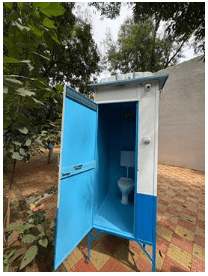
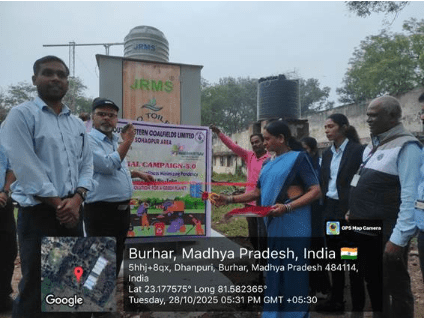

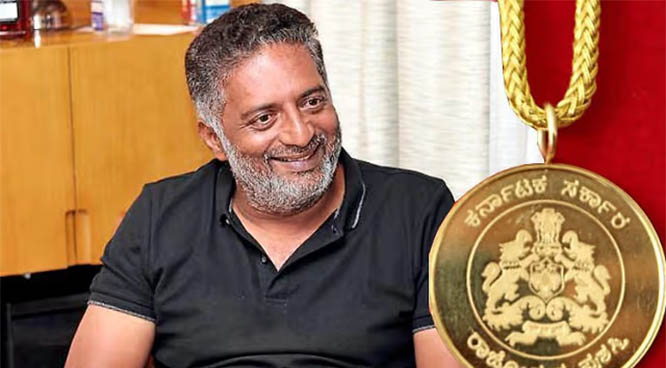

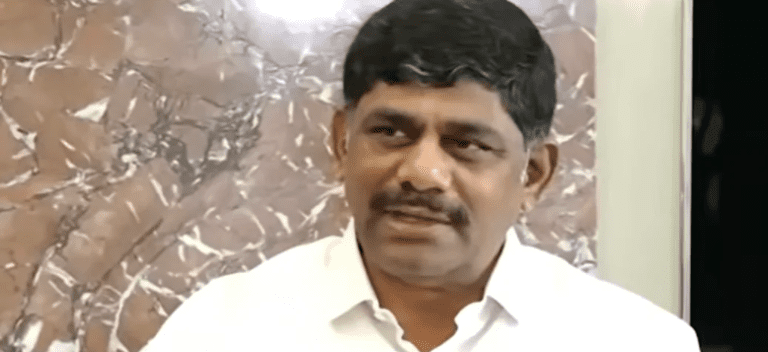
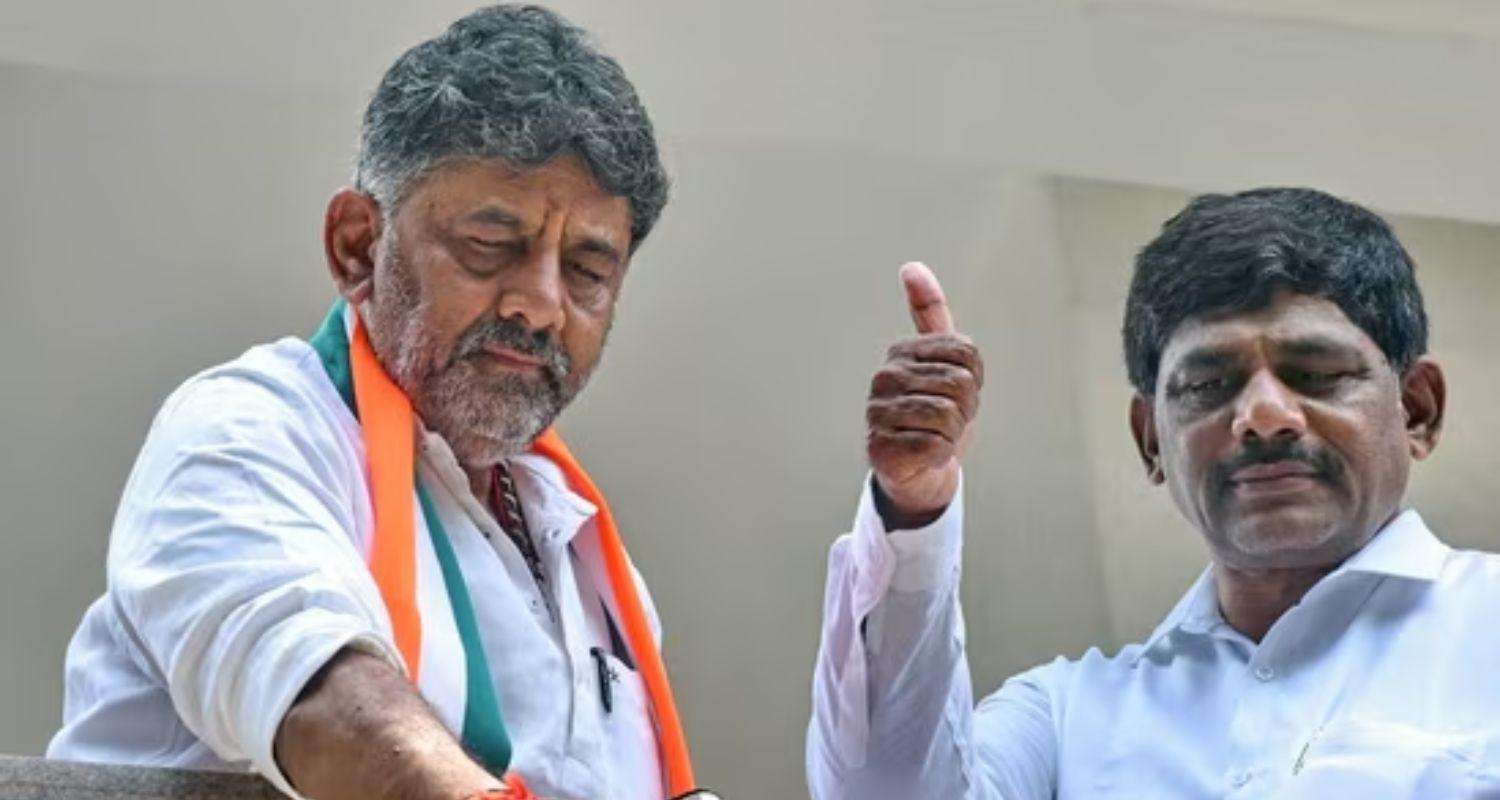

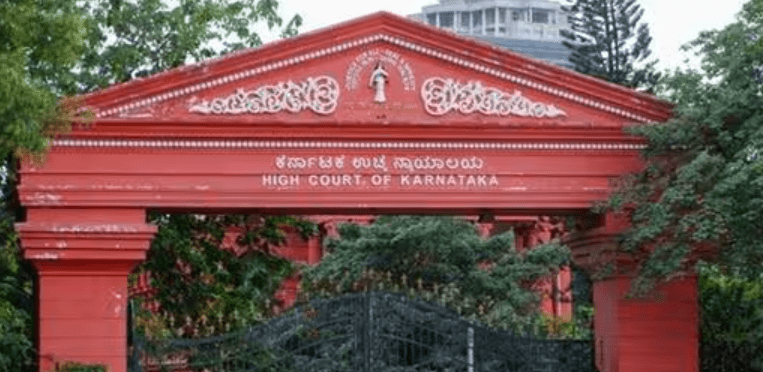


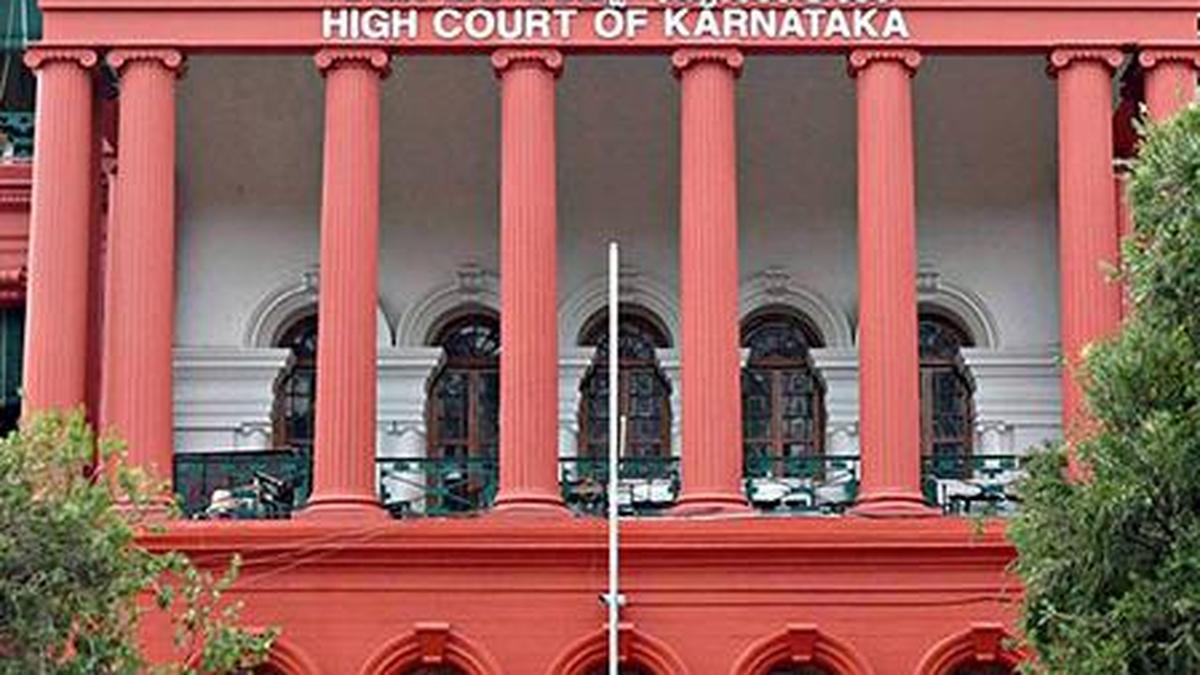
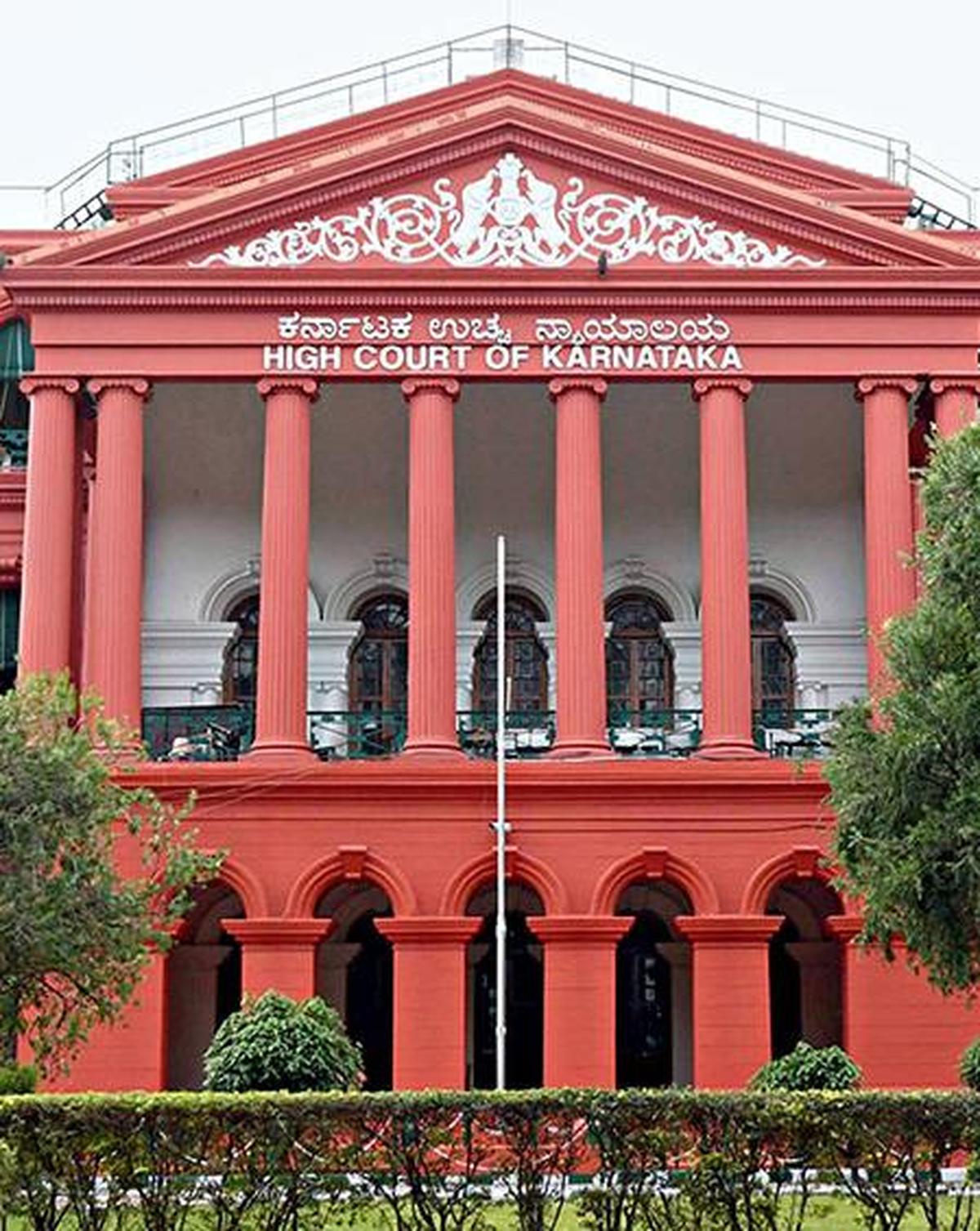
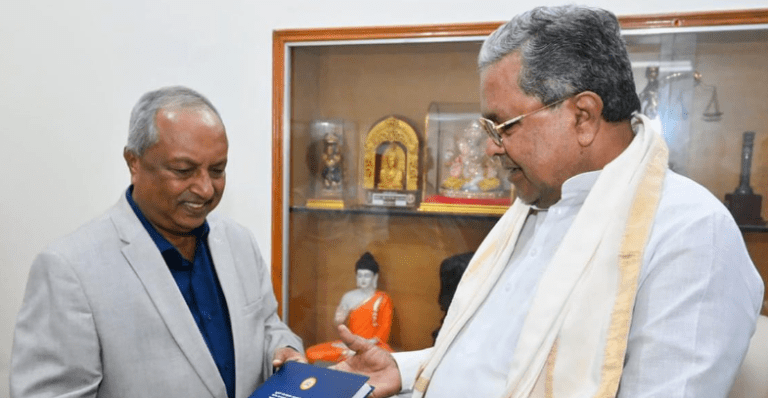
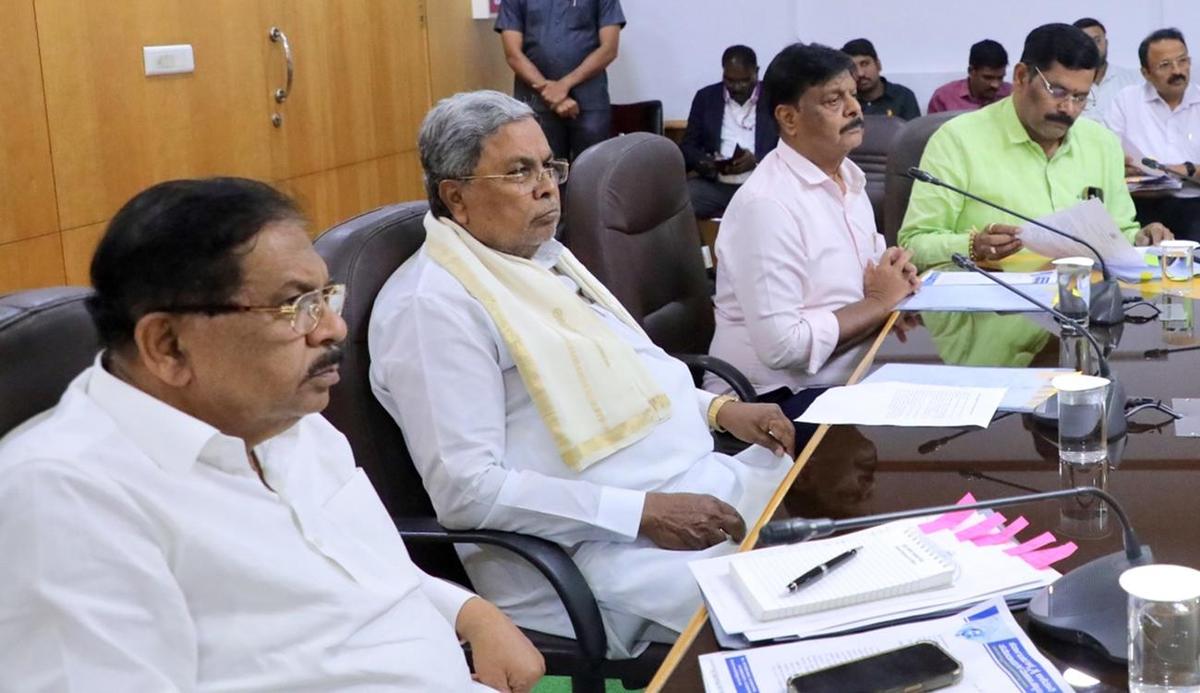
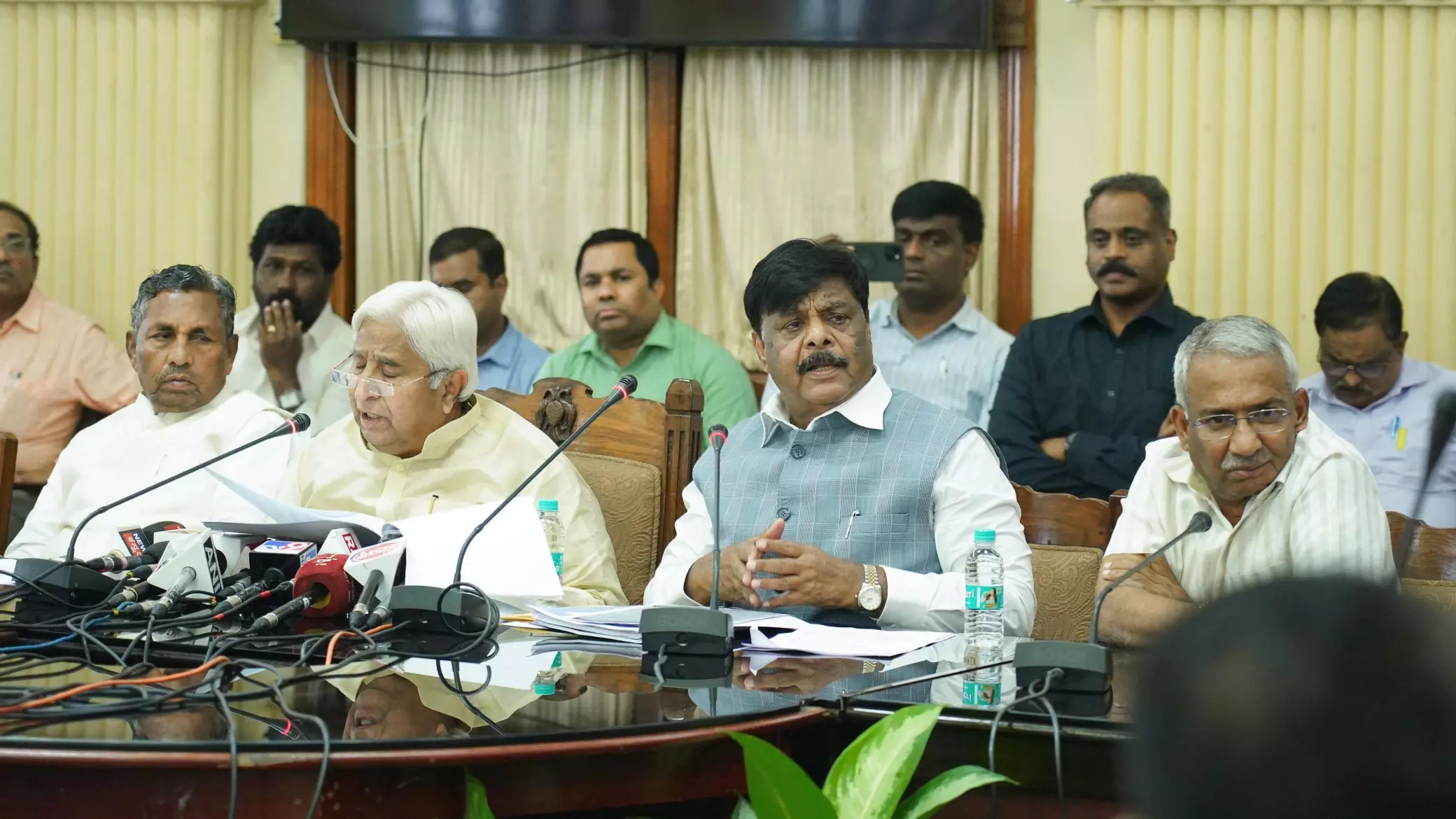
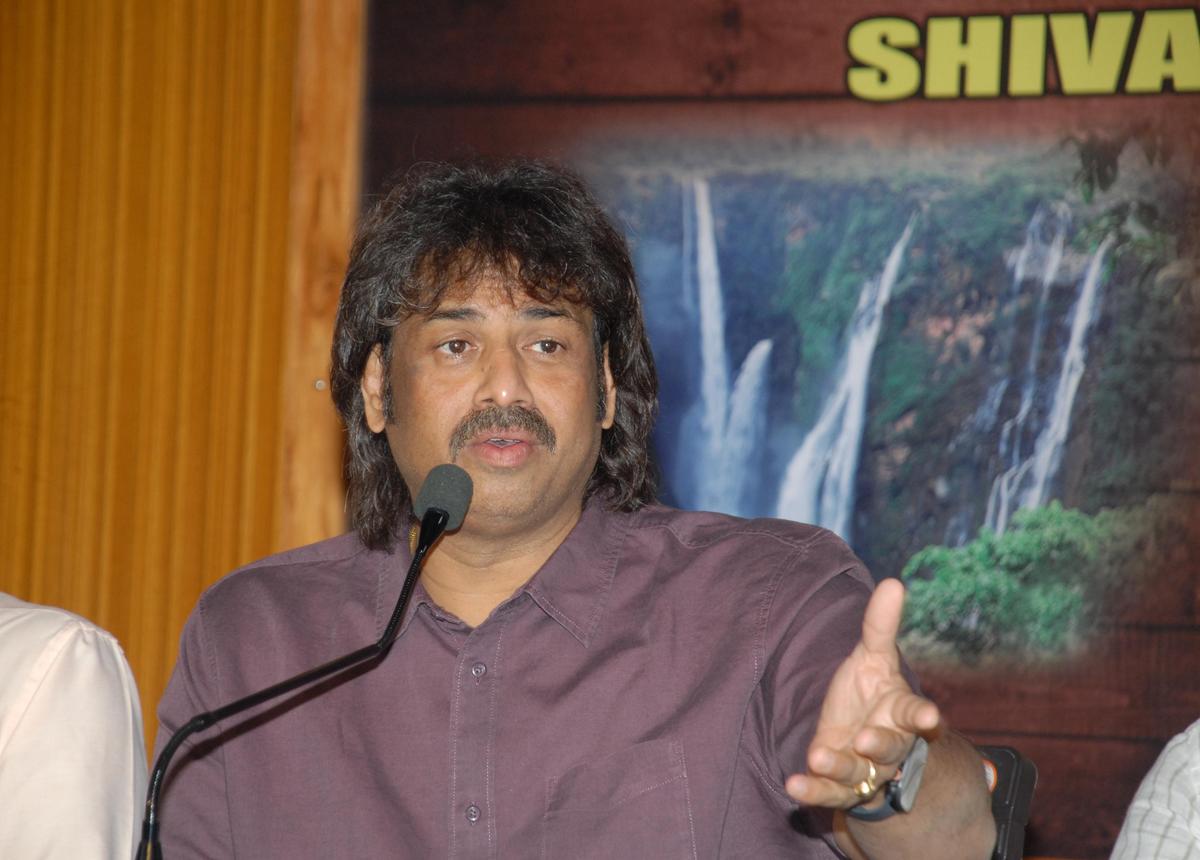



 The Nifty 50 index closed at 25,877.85, falling sharply by 176.05 points or 0.68%. The benchmark opened at 25,984.40, reached an intraday high of 26,032.05, and slumped to a low of 25,845.25, signaling sustained bearish momentum across headline indices. Other key benchmarks, including Nifty Next 50, Nifty Fin Service, and Nifty Bank, mirrored this weakness, registering collective drops between 0.22% and 0.77%.
 Stocks such as OCCLTLD, IXIGO, Delph-RE, Zimlab, and Shaily witnessed steep selloffs. OCCLTLD dropped 19.27% to ₹110.47, IXIGO fell 16.52% to ₹271.10, and Delph-RE followed with a 14.50% decline. Zimlab and Shaily slid 10.66% and 9.36%, respectively. Trading volumes surged, with IXIGO recording 249.13 lakh shares and Shaily at 15.27 lakh shares, reflecting heavy liquidation in select counters.
 A few stocks emerged as notable gainers amid the market downturn. Keyfinserv and Eurotexind both rallied by 20%, closing at ₹313.26 and ₹18.72, respectively. ASALCBR was up 15.91% with a robust traded value of ₹376.48 crore. Southwest and SMLT posted gains of 14.15% and 13.06%. ASALCBR and Southwest also led in volumes, showing focused buying interest in resilient segments.
 The Nifty 50 closed at 25,895.80, registering a significant decline of 159 points or 0.61%. The index opened at 25,984.40, hit a high of 26,032.05, and touched a low of 25,864.45, reflecting persistent bearish sentiment. Other major indices, including Nifty Next 50, Nifty Fin Service, and Nifty Bank, similarly posted sharp losses in afternoon trading, with percentage drops ranging from 0.43% to 0.61%.
 Among major decliners, IXIGO plummeted by 14.49% to ₹277.70, posting heavy trading volumes of 211.12 lakh shares and a massive turnover of ₹574.18 crore. Delph-RE, Zimlab, and Shaily saw double-digit losses, declining between 9.79% and 13.38%. IDEA also slipped 6.73%, accompanied by an extraordinary volume surge to 21,662.12 lakh shares and a turnover of ₹1,873.77 crore. These sharp declines indicate ongoing risk aversion in several mid- and small-cap counters.
 Not all was negative, with a handful of stocks delivering standout performances. Eurotexind gained 20% to ₹18.72 on moderate volume, while KeyFinserv advanced 19.59% to ₹312.20. ASALCBR surged 14.62% and recorded a notable trading value of ₹283.44 crore. SMLT and Essentia posted double-digit gains, with Essentia leading in volume at 195.16 lakh shares. This selective buying underlined investor focus on niche sectors and resilient financial names.