Sunday, May 17, 2026
Home Blog Page 369

Ennore Gets 10.6 cm Rainfall as Cyclone Montha Brings Overnight Showers to Chennai

0

Ennore Gets 10.6 cm Rainfall Amid Cyclone Montha Impact in Chennai

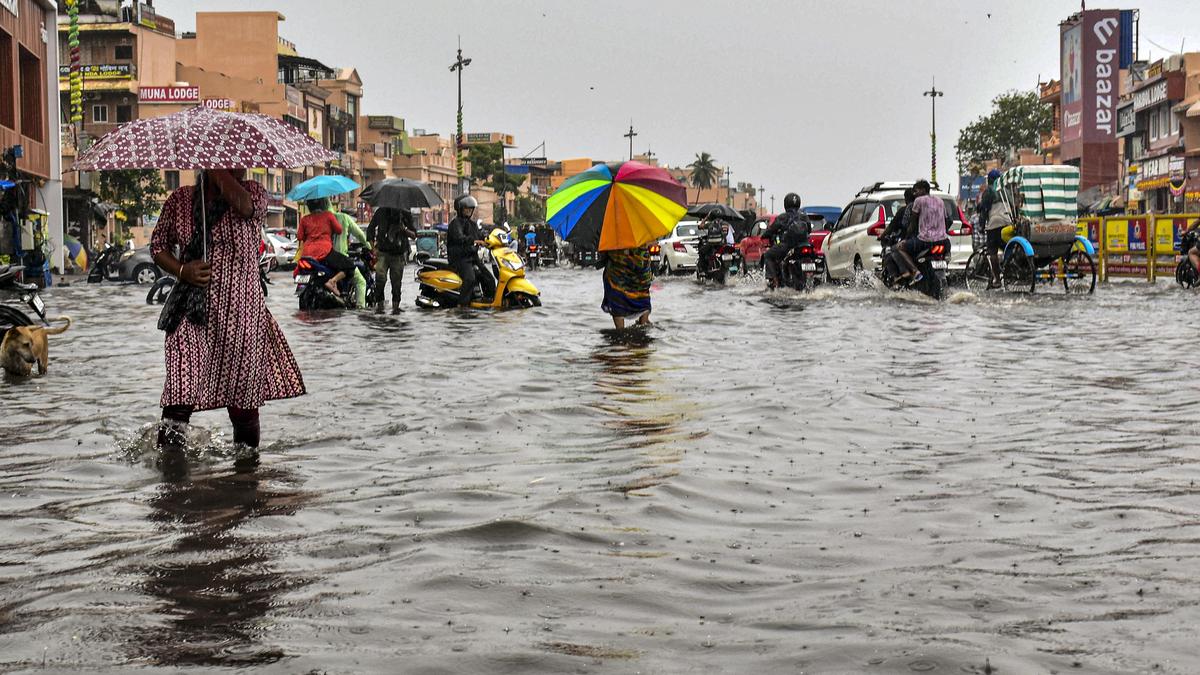
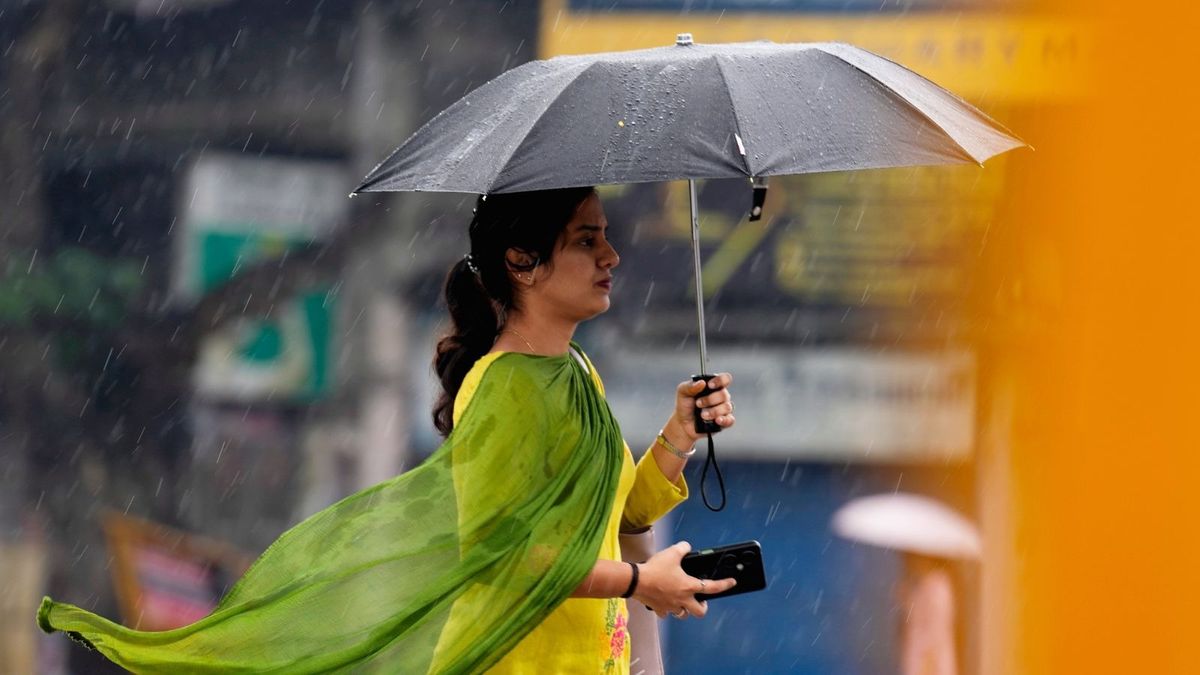
Ennore gets 10.6 cm rainfall as Cyclone Montha brought overnight showers across Chennai, leaving several parts of the city water-logged on Tuesday morning. While the impact of the cyclone was moderate in most areas, northern parts of the city such as Ennore, Manali, and Dwaraka Nagar experienced heavier rainfall and stagnation issues.Cyclone Montha: Ennore gets 10.6 cm of rainfall, water-logging in Manali

According to the weather observatories, Nungambakkam recorded 47 mm and Meenambakkam 35.2 mm of rainfall. However, the Ennore weather station reported 106.5 mm (10.6 cm), the highest in the region. The sudden downpour led to water accumulation in residential areas like Sholinganallur Junction, Choolaimedu, Vandikaran Street, and Elanthanur.

Residents from low-lying areas, particularly in Manali and Kannagi Nagar, reported issues of water leakage inside houses and damaged roads that worsened the situation. M. Kamalakannan, a resident of Dwaraka Nagar, shared that potholes and unpaved roads trap rainwater, making it difficult for vehicles to pass. “The problem isn’t just rainfall it’s poor road maintenance. The Corporation should urgently repair the damaged roads in Manali New Town,” he said

Heavy Rainfall in North Chennai and Water-Logging in Manali Areas

Ennore gets 10.6 cm: To manage the situation during the northeast monsoon, the Greater Chennai Corporation (GCC) deployed nearly 1,500 motor pumps across the city. On Tuesday alone, 22 tractor-mounted pumps and 19 diesel-powered pumps were used in the most affected zones. In addition, seven super sucker vehicles were stationed to remove silt and debris from stormwater drains to ensure smooth water flow.Cyclone Montha: Landfall process underway; nearly 76,000 people shifted to relief camps | India News – India TV

The GCC also reported that it has kept 457 tree-cutting machines ready to handle emergencies and has pruned more than 66,000 trees since July as a precautionary measure.

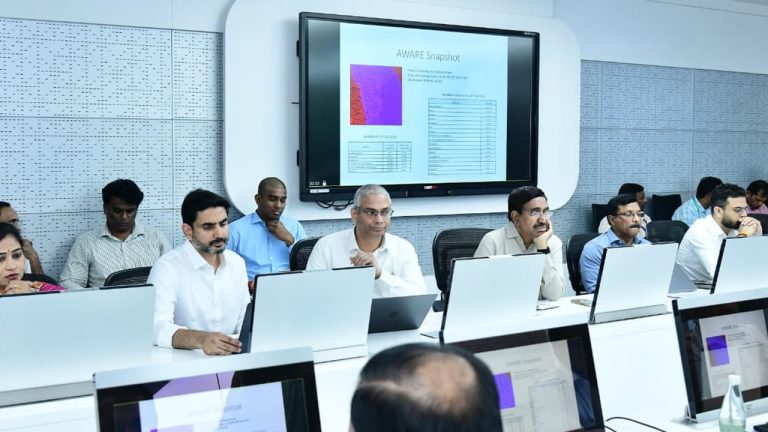
Ennore gets 10.6 cm: Amid the rainfall management efforts, Deputy Chief Minister Udhayanidhi Stalin conducted a surprise inspection at the GCC’s Integrated Command and Control Centre in Ripon Building around 1 a.m. on Tuesday. He reviewed real-time rainfall data, drainage management, and public complaints received through the 1913 helpline and official social media handles. Udhayanidhi personally verified whether grievances were recorded and resolved promptly.Cyclone Montha Highlights: Cyclone Montha weakens near Machilipatnam; Andhra braces for heavy rains and strong winds - The HinduBusinessLine

Ennore Gets 10.6 cm Rainfall, GCC Intensifies Drainage Operations

Officials said that water-logging in several parts of the city was brought under control by Tuesday evening. However, they cautioned residents that intermittent rains may continue in the coming days as the cyclonic system moves further inland.Cyclone Montha likely to intensify into severe cyclonic storm by Oct 28 morning

The Chennai Meteorological Department stated that Cyclone Montha, though weakened, continues to bring light to moderate showers across coastal Tamil Nadu. Local authorities have been instructed to remain on alert, especially in flood-prone zones of North Chennai.


View this post on Instagram


A post shared by Insydfeed (@insydfeed)

The combination of heavy rainfall in Ennore, blocked drains, and damaged roads once again highlights Chennai’s long-standing drainage challenges. Despite the civic body’s efforts, residents hope for a more permanent and sustainable solution to the city’s monsoon woes. Also Read: Chennai Pose Risk: 1 Major Flyover Turns Hazardous for Daily Commuters

Conclusion:
Cyclone Montha’s brief but heavy spell showed that Chennai’s northern neighborhoods, especially Ennore and Manali, remain vulnerable to water-logging. With Ennore getting 10.6 cm rainfall in a single night, the city’s infrastructure readiness and drainage systems continue to face scrutiny every monsoon.

Toilets in Chennai Remain a Struggle: Lack of Accessibility Puts Lives of Many at Risk in 2025

0

Toilets in Chennai Still Inaccessible for People with Disabilities

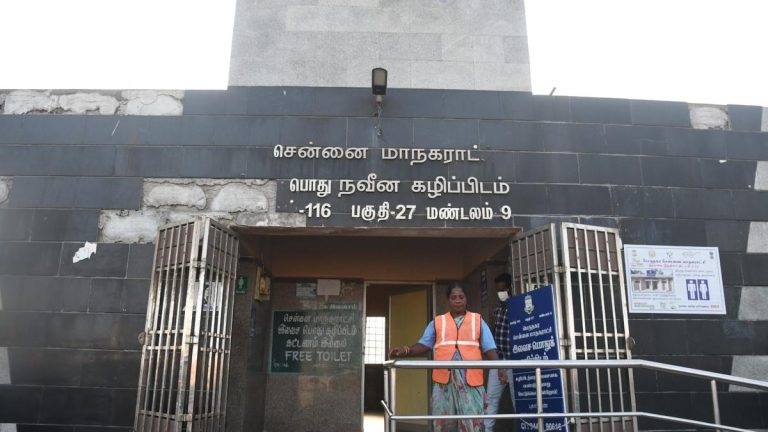
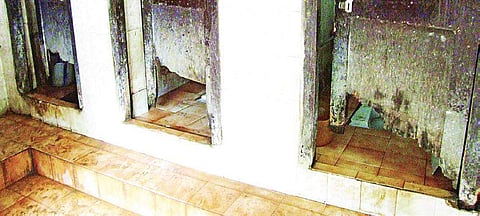
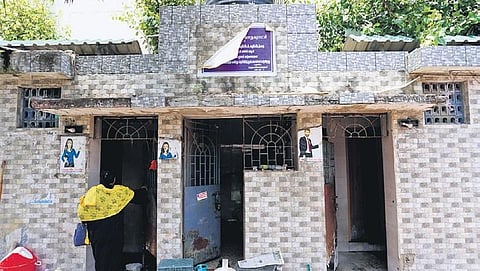
Toilets in Chennai remain a major concern for people with disabilities, with several individuals reporting that basic facilities are either unavailable or designed without accessibility in mind. Across schools, public places, and even government offices, people with disabilities continue to face distressing situations due to narrow entrances, missing ramps, or locked facilities.Accessible toilets a far-fetched dream for these Chennai women with disabilities

Aranga Raja, a visually impaired professor, shared how he restricts himself to using toilets only in familiar areas. “If I’m near the university, I use the one there. Otherwise, I avoid going altogether,” he said. He also mentioned the lack of braille signage or tactile pathways, which makes locating toilets extremely difficult. “At Beach railway station, there’s a braille map, but no indication of the toilet’s location. I searched for long and had to leave disappointed,” he added.

This situation highlights how something as simple as using a public toilet becomes a challenge for many, turning everyday routines into stressful experiences.

Toilets in Chennai Lack Basic Accessibility Features

For wheelchair users, toilets in Chennai often fail the most basic accessibility standards. M. Anusuya, who uses a wheelchair, said that many so-called accessible toilets are either too small or locked. “Even when they exist, the doors are too narrow, and I can’t take my wheelchair inside. Sometimes I’m forced to crawl just to use the toilet,” she said.This Tamil Nadu collector is building accessible toilets for homes with specially-abled members | Trending

She also pointed out that while handrails are installed in a few places, many toilets don’t have functional taps, making hygiene difficult for users with limited mobility.

Satish Kumar, a member of the Disability Rights Alliance, noted that metro station toilets are among the few that are comparatively accessible. “But Greater Chennai Corporation (GCC) toilets are not accessible at all. Even government offices like Ripon Buildings lack proper facilities. New buildings should not be approved unless they include accessible toilets,” he emphasized.

Toilets in Chennai Schools and Trains Add to the Challenge

The problem extends beyond public areas to schools and trains. Kalyani (name changed), a wheelchair user, explained that many schools claim to have “differently abled” toilets, but the reality is far from functional. “The doors are narrow, the ramps are steep, and sometimes there’s even a step at the entrance,” she said.Are public toilets in our city accessible, well-maintained?

Traveling long distances is no easier. Many train coaches still lack accessible toilets, forcing passengers with disabilities to endure discomfort. “Some even wear diapers while traveling because they can’t find usable toilets,” Kalyani added.

This reveals a deeper issue a lack of understanding and empathy in public infrastructure planning. Accessibility often remains an afterthought rather than a priority.

GCC’s Measures to Improve Toilets in Chennai

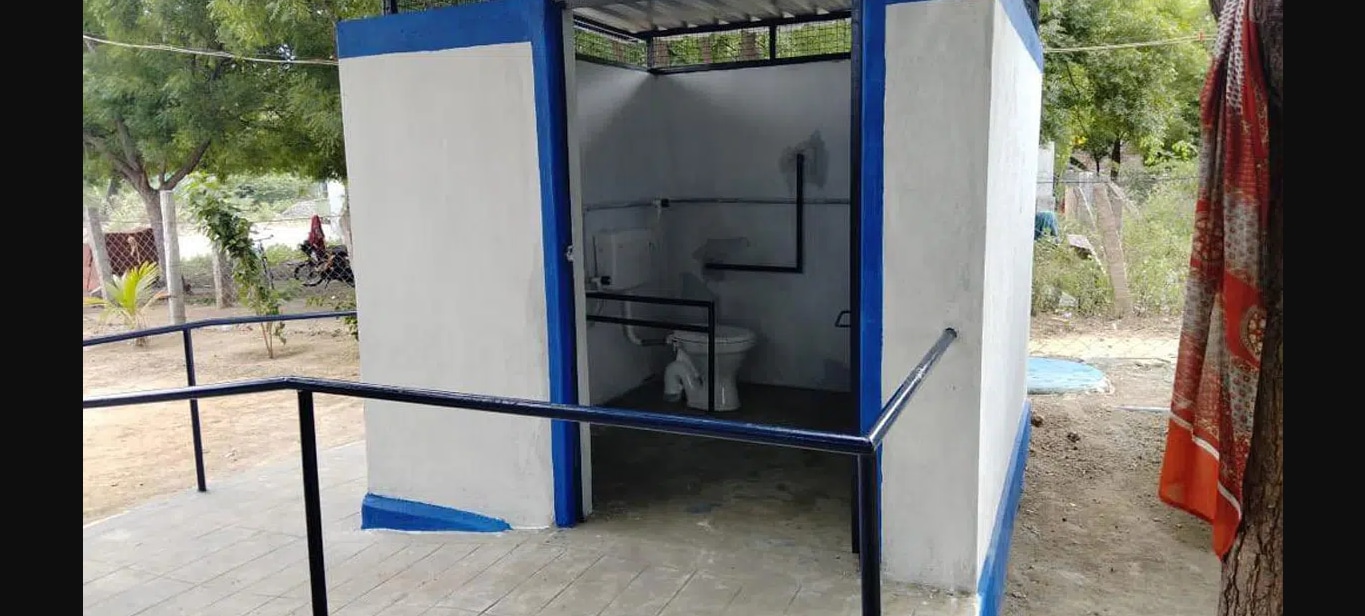
Responding to public concerns, Chennai Mayor R. Priya stated that all new toilets in Chennai built over the last year and a half include separate sections for persons with disabilities. “These toilets have wide doors, handrails, and ramps. Even old structures being reconstructed are following accessibility standards,” she said.Chennai Declares Itself Open Defecation Free, Hopes This Will Improve Its Swachh Survekshan 2018 Rank | News

However, activists argue that while policies sound promising, implementation is inconsistent. Many newly built toilets still lack basic usability. “On paper, everything looks good, but in practice, accessibility is about understanding real needs like enough space for turning a wheelchair or clear signage for the visually impaired,” said an activist.


View this post on Instagram


A post shared by DT Next | Daily News (@dt_next)

While GCC has assured that grievances reported by people with disabilities will be addressed immediately, the issue persists on the ground. Accessibility checks and regular audits remain limited, and feedback from users is rarely incorporated into design improvements. Also Read: Chennai Pose Risk: 1 Major Flyover Turns Hazardous for Daily Commuters

Conclusion:

The lack of accessible toilets in Chennai paints a concerning picture of urban inclusivity. While government bodies promise accessible infrastructure, many persons with disabilities still navigate a city that doesn’t fully accommodate their needs. From narrow doorways to missing ramps and poorly designed facilities, accessibility remains more a concept than a lived reality. For a city known for its growth and innovation, ensuring dignity and independence through inclusive public infrastructure should not be delayed. It’s not just about building toilets it’s about building access, equality, and respect.

Popular Restaurant Demolished: Rs 300 Crore Land Taken Over by Officials in Chennai

0

Popular Restaurant Faces Demolition After Court Order

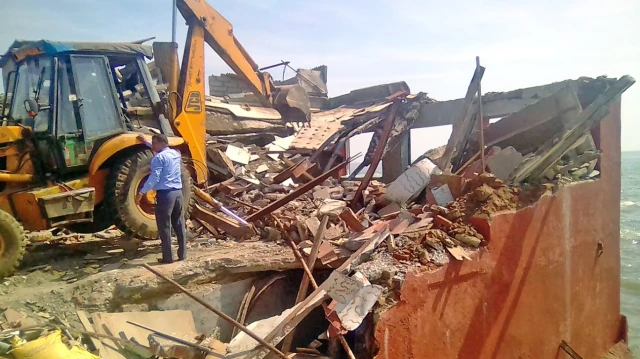
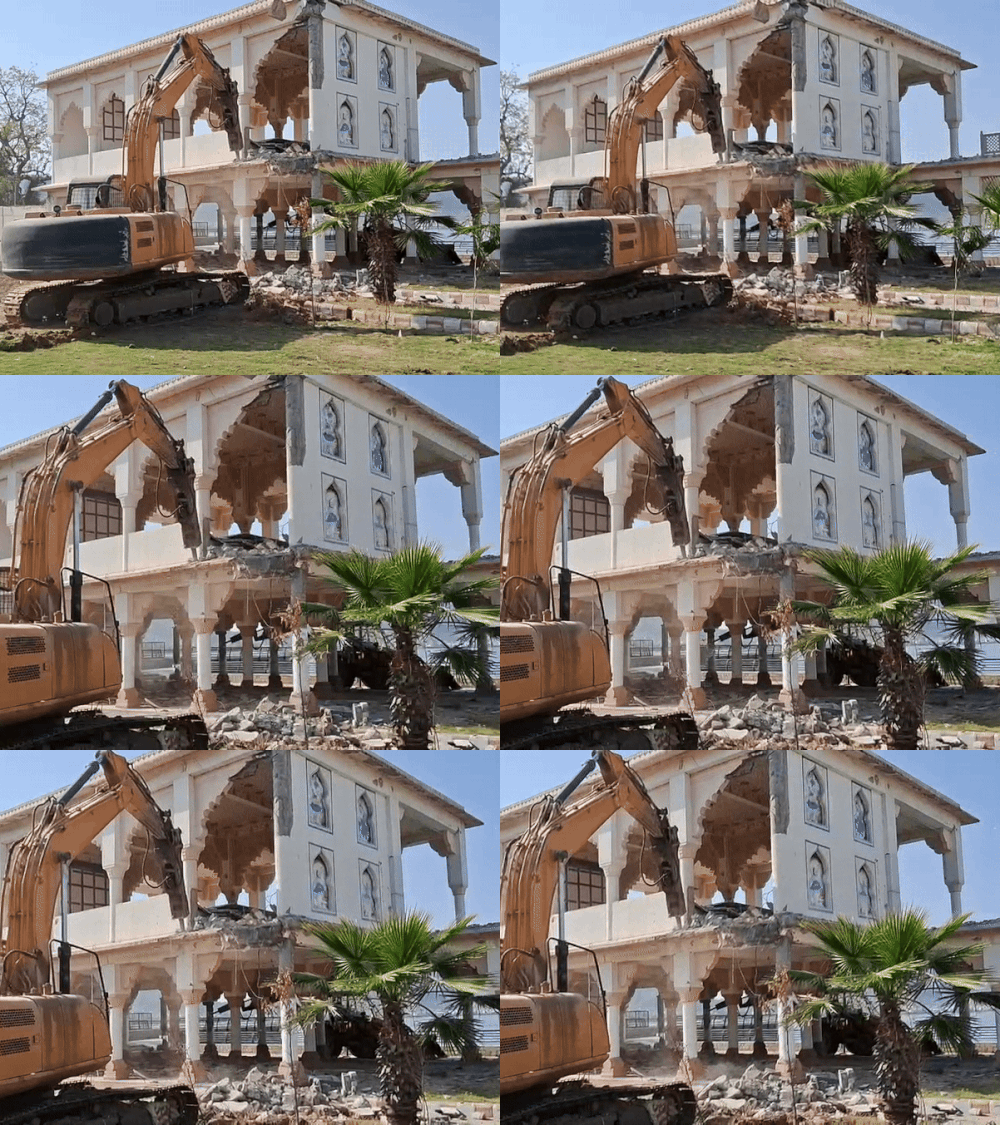
Popular restaurant Saravana Bhavan’s Alandur branch was demolished by the Chengalpattu district administration early on Tuesday morning following a court ruling that the land belonged to the Tamil Nadu government. The eviction and demolition drive began around 4 a.m., as officials arrived with heavy machinery to clear the 40,112-square-foot property located along GST Road near the Chennai airport.Popular Restaurant

According to sources, the disputed land is valued at around ₹300 crore and had been occupied by the popular hotel chain for several years. Revenue officials, supported by local police, evicted the staff present at the site before sealing the premises. Within hours, the structure was razed to the ground, and a government notice board was installed to prevent further encroachments.

Popular Restaurant’s Land Dispute Ends After Years of Legal Battle

The popular restaurant had been embroiled in a legal dispute with the Chengalpattu district administration for several years. The land, listed under Survey No. 1467/2, was officially classified as “poramboke” meaning it belongs to the government and cannot be used for private or commercial purposes without proper authorization.Calcutta High Court Halts Rooftop Café Demolitions Amid Legal Dispute – The  Legal Affair

Officials had earlier issued multiple notices to the hotel management, stating that the lease period had expired and instructing them to vacate the property. However, the management filed a petition before the Alandur Civil Court challenging the government’s claim. The case continued for several years until the court recently dismissed the petition and declared the land as state property.

Following the court’s ruling, revenue officials promptly carried out the eviction drive to reclaim government land. Sources in the administration said the demolition was part of an ongoing campaign to recover illegally occupied public properties across Tamil Nadu.

Popular Restaurant Eviction Draws Public Attention

The eviction of such a popular restaurant has sparked widespread public interest, especially among Chennai residents who frequently visited the location. Many commuters passing along GST Road stopped to witness the demolition as excavators brought down the once-bustling establishment.₹7 Crore food court faces demolition under smart city project - Ajmer News  | Bhaskar English

Employees working nearby said that officials acted swiftly and ensured the process went smoothly without any disruption to traffic. “They started very early in the morning. By the time the city woke up, the restaurant was gone,” said a local resident.

The restaurant’s staff, who were present during the operation, were reportedly cooperative and evacuated without resistance. Furniture, kitchen equipment, and signboards were removed before demolition began. By mid-morning, the land was cleared and sealed under government supervision.

Popular Restaurant Case Highlights Crackdown on Encroachments

The demolition of this popular restaurant comes amid a broader state effort to reclaim encroached government land. Officials have been identifying properties leased or occupied without valid extension or renewal documents. Similar eviction actions have taken place in other parts of Chennai, focusing on commercial buildings occupying state-owned plots.High Court order leads to demolition of eateries - The Hindu

Authorities stated that such measures are necessary to ensure transparency in land use and to prevent private entities from benefiting from public property. The Chengalpattu district administration emphasized that all evictions are being carried out following due legal process and court directions.

Meanwhile, local residents welcomed the move, saying it sets an example that even well-known names are not above the law. Some, however, expressed disappointment over losing a familiar landmark that had served the community for years. Also Read: Chennai Pose Risk: 1 Major Flyover Turns Hazardous for Daily Commuters

Conclusion:

The demolition of the popular restaurant at Alandur marks the end of a long-standing dispute and signals the government’s firm stance against encroachments. With land valued at ₹300 crore now under state control, the case reflects Tamil Nadu’s continued efforts to recover public property and enforce urban regulations. As authorities intensify their crackdown, similar cases across Chennai may soon face the same outcome ensuring that every piece of government land is returned to its rightful purpose.

Chennai Pose Risk: 1 Major Flyover Turns Hazardous for Daily Commuters

0

Chennai Pose Risk for Commuters on Koyambedu Flyover

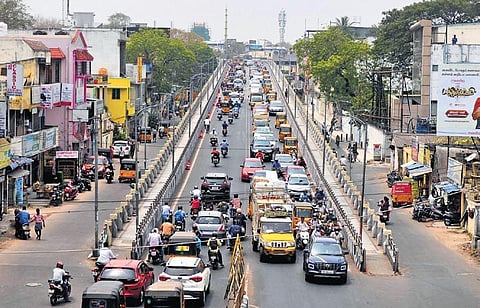
Chennai pose risk has become a real concern for hundreds of daily commuters using the Koyambedu flyover. Once built to ease traffic congestion, the structure is now turning into a safety hazard due to exposed steel rods, uneven surfaces, and deep potholes that have worsened over time. Drivers, two-wheeler riders, and pedestrians passing through the stretch say the flyover has not received proper maintenance for months, making it dangerous, especially during rain.Instead of more flyovers, Chennai requires better transport systems: Experts

The flyover, which connects major areas of the city, sees heavy vehicular movement throughout the day. Regular users claim that the situation is deteriorating fast, as open steel rods from the damaged road surface are visible across multiple points. Two-wheelers face the highest risk of skidding or losing balance when trying to avoid potholes or rusted metal parts sticking out of the surface.

Chennai Pose Risk as Flyover Neglect Sparks Public Outcry

Motorists using the Koyambedu flyover have raised repeated complaints about the worsening condition, yet repair work has been delayed. Many say that even temporary fixes have not been done for months, leaving large patches of the road uneven. Local residents fear that an accident could occur anytime if urgent maintenance is not carried out.Three new flyovers coming up in Chennai soon, traffic jams will be reduced:  Check route, project cost | Tamil-nadu News – India TV

One commuter mentioned that during night hours, the visibility on the flyover is poor, and the exposed rods are barely noticeable. “It’s scary to drive here after dark. You never know where the next pothole or sharp rod might appear,” said a regular two-wheeler rider. Auto drivers and cab operators echo the same sentiment, saying that despite frequent complaints, no immediate action has been taken.

The flyover’s railing and side barriers have also shown signs of wear, adding to the overall concern. Cracks and peeled-off surfaces indicate that structural maintenance has been ignored for a long time.

Chennai Pose Risk – Why Timely Action Is Crucial

Experts warn that neglecting such damage could lead to severe accidents. The combination of potholes, rusted rods, and uneven pavement increases the chance of vehicles losing control. In the monsoon season, these issues worsen as rainwater collects in the damaged portions, hiding potholes beneath puddles.How flyovers create more problems than they solve - Inmathi

A senior engineer from the Highways Department reportedly stated that a proposal for repair is under review and will soon be implemented. However, commuters insist that immediate patchwork and resurfacing are essential to prevent mishaps. Local activists have urged authorities to conduct a structural audit of the flyover and inspect other similar bridges in Chennai that might be in poor condition.

Civic groups have also requested the Greater Chennai Corporation to coordinate with the Highways Department for a joint inspection. According to reports, several areas in the city face similar issues, where neglect and delayed maintenance have made once-safe roads hazardous.

Chennai Pose Risk as Commuters Demand Safer Infrastructure

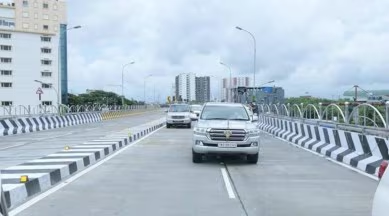
Public frustration continues to grow as residents point out that tax-paying citizens deserve safer roads. With Chennai being one of India’s largest metropolitan cities, infrastructure upkeep plays a vital role in ensuring smooth mobility and public safety.Chennai: Porur flyover thrown open, at last | Chennai: Porur flyover thrown  open, at last

Citizens demand stricter accountability and routine checks to prevent such situations in the future. Some commuters have even shared photos of the damaged flyover on social media to bring attention to the issue. The visuals show cracked surfaces, potholes, and broken railings, sparking online discussions and appeals for quick repair.

Commuters emphasize that preventive maintenance should be prioritized over reactive fixes after accidents occur. For a city known for its rapid urban expansion, neglecting such critical infrastructure poses not just a safety risk but also damages the city’s image. Also Read: MSDE Partners with ABCF and BITS Pilani to Launch Innovation and Start-up Challenge for NSTI Students: 2025

Conclusion:

The current state of the Koyambedu flyover clearly shows how Chennai pose risk has evolved into a growing urban safety concern. Exposed steel rods and deep potholes have transformed a busy commuter route into a potential accident zone. Authorities must act swiftly to repair the damage and restore public trust. As Chennai continues to expand, maintaining its essential infrastructure will be the key to ensuring that the city’s progress does not come at the cost of its people’s safety.

Priya Sachdev Kapur’s 1 Powerful Step to Continue Sunjay Kapur’s Legacy at Sona Comstar

Priya Sachdev Kapur Visits Sona Comstar’s Chennai Plant and R&D Centre

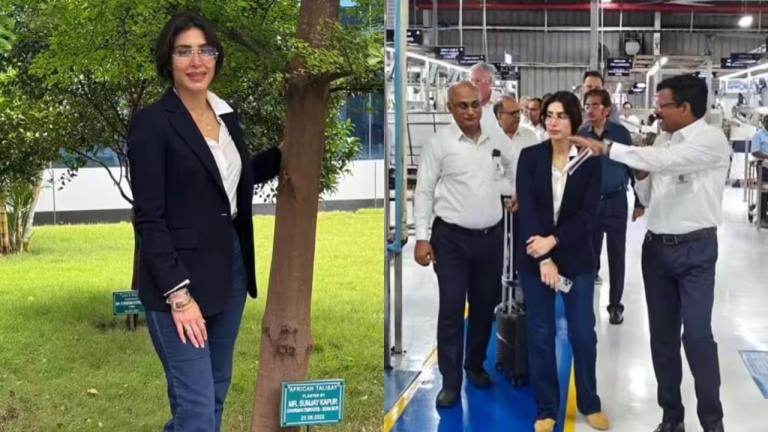
Priya Sachdev Kapur, widow of industrialist Sunjay Kapur, recently paid a two-day visit to the Chennai manufacturing plant and R&D centre of Sona Comstar. The visit signifies more than a routine inspection, it marks her deeper involvement in carrying forward a legacy built on excellence, innovation and human-centred leadership.Sunjay Kapur's wife Priya Sachdev Kapur spends two days at husband's company amid legal battle; ...

During her time at the facility, Priya spent hours walking the shop floor, interacting directly with engineers and technicians. She observed precision-machining work, posed questions about manufacturing processes and encouraged the team. She also stood by the tree planted by her late husband in 2022, a symbolic touchpoint that bridged his vision and the company’s future.

Priya Sachdev Kapur Blends Personal Tribute with Corporate Engagement

The visit carried two themes working in tandem: a heartfelt tribute to Sunjay Kapur’s values, and an active leadership role emphasising culture, people and growth. Priya underscored that the heart of the company lies not just in machines and techniques, but in the commitment of its people.Priya Sachdev's lawyer alleges 'trial by media' in case against Karisma Kapoor: 'No debate on assets in public domain' | Bollywood

Among highlights:

  • She asked team members to walk her through stages of production, praising the craftsmanship and innovation that maintain Sona Comstar’s global standing.
  • Reflecting on her husband’s guiding motto “In the pursuit of excellence” Priya reaffirmed that the company’s progress rests on integrity, continuous improvement and teamwork.
  • She stressed that leadership means presence and listening, not simply control a message resonating with staff who appreciated her hands-on and empathetic style.

Priya Sachdev Kapur Builds on Sunjay Kapur’s Vision of Innovation and Integrity

The employees welcomed her visit as both motivational and personal. Many recalled working with Sunjay Kapur and expressed pride in continuing the ethos he instilled. Priya’s affinity for the workforce turned the day into more than a formal inspection; it became an emotional reaffirmation of legacy and direction.Sunjay Kapur will dispute: Crucial Delhi HC hearing today amid row over non-disclosure of assets

All this comes amid a significant backdrop: Sona Comstar is part of a family-controlled empire valued at around Rs 30,000 crore, and the company’s succession and governance are under intense scrutiny. Priya Sachdev Kapur is navigating both operational responsibilities and a high-stakes legal dispute involving the late chairman’s children from his previous marriage to Karisma Kapoor.

Priya Sachdev Kapur Faces a High-Stakes Legal Challenge Alongside Leadership Duties

In past filings and media reports, her role has expanded, she is already a Non-Executive Director at Sona Comstar and holds directorship in the family trust and its investment vehicle. Her Chennai plant visit sends a message of continuity and active leadership even as the corporate strategy, culture and transparency of the group are being watched closely by shareholders, employees and the broader market.


View this post on Instagram


A post shared by Bar & Bench (@barandbench)

Priya Sachdev Kapur’s approach mixes empathy with accountability, a model she believes will carry the company forward. She closed her visit by saying she looked forward to seeing how the plant evolves, how new innovations take shape, and how the team upholds values while embracing change. Also Read: MSDE Partners with ABCF and BITS Pilani to Launch Innovation and Start-up Challenge for NSTI Students: 2025

Conclusion:
Priya Sachdev Kapur’s recent visit to Sona Comstar’s Chennai plant is a powerful statement: she is not only honouring a legacy but actively shaping the next chapter. In times of legal uncertainty and organisational challenge, her presence on the floor and her voices to innovation and people-led leadership set a tone of stability and purpose.

Assault Allegations Against INTTUC Leader at Malda Medical College: Workers Claim Threats, Demand Institutional Action and Safety Reforms

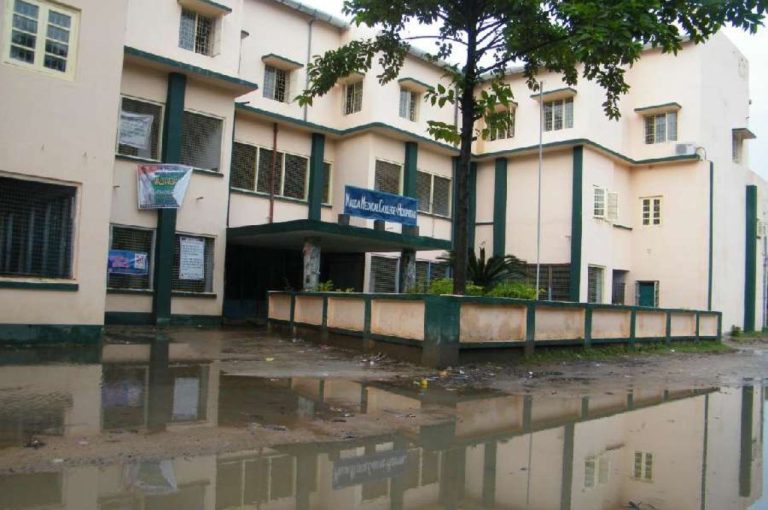
Assault Allegations Against INTTUC Leader: A recent confrontation at the Malda Medical College and Hospital (MMCH) in West Bengal has triggered widespread concern over the safety and dignity of contractual workers, particularly women on night duty. The alleged involvement of an INTTUC (Indian National Trinamool Trade Union Congress) district vice-president and local political figure in an incident of assault and intimidation has placed the hospital administration, private contracting agencies, and the district labour authorities under scrutiny.

According to several hospital staff members, the union leader — identified as Jayanta Bose — allegedly entered the staff quarters at night with a few associates and verbally abused and threatened several employees. The confrontation, they claimed, stemmed from a demand for a large sum of money reportedly directed at the private agency that manages group-D workers at the institution.

The episode highlights deep-seated problems that plague many public health institutions across India — the vulnerability of contractual employees, the overlap between politics and trade-union influence, and the gaps in grievance redressal and institutional protection mechanisms.


Allegations and Worker Accounts

Workers stationed in the residential quarters at MMCH reported that the incident occurred late in the evening when the accused and a small group allegedly entered their accommodation area without prior notice. Witnesses described the situation as tense and chaotic, with several employees feeling physically and verbally threatened.

One worker explained that the leader and his companions appeared to be under the influence of alcohol and demanded that the workers “convey a message” to their agency regarding payment of money. When some resisted, they were allegedly pushed and shouted at. Another staff member claimed that the accused threatened to make their work lives “difficult” if they failed to comply.

Employees said that around 135 group-D contractual staff are employed through a private agency, of which approximately 50 are women. These workers handle critical support roles including sanitation, patient transport, and maintenance. They said that the incident has left them anxious and fearful, especially those who work night shifts.

A female employee expressed that since the altercation, women on the night roster feel unsafe staying in the quarters. “We work through the night in the wards, and our accommodation is close to the main gate. After what happened, most of us feel scared to stay back alone,” she said.

The workers collectively urged the hospital administration to ensure their security, demanding installation of additional security lights, a 24-hour guard near the quarters, and formal protection from harassment or political interference.


Profile of the Accused and Contextual Background

Jayanta Bose, the accused in the case, holds multiple affiliations that complicate the situation. He is both a contractual employee of MMCH and the district vice-president of INTTUC, the labour wing of the state’s ruling party. Additionally, his spouse is a councillor of the Englishbazar Municipality, representing the same political organisation.

Such intersections between political authority and union influence within public institutions raise concerns about accountability and fairness. Several staff members privately indicated that they were reluctant to lodge a formal complaint out of fear of political retaliation or loss of employment.

Reports from within the hospital suggest that the conflict may have originated from tensions between the union and the private agency responsible for hiring. The union had previously accused the agency of replacing workers every six months, a practice it claimed was exploitative. While raising labour concerns is legitimate union work, the alleged methods used in this case have drawn criticism from both within and outside the institution.


Institutional Response and Administrative Position

The Malda Medical College and Hospital administration has acknowledged awareness of the incident. Senior officials confirmed that an internal review has been initiated to assess the workers’ safety and the validity of the allegations. However, no formal police complaint or FIR had been filed at the time of writing.

An official from the hospital’s administrative section noted that the matter is “under observation” and that the management will take action once verified information is received. The official also stated that the hospital would work with the contracting agency to ensure that all employees feel secure at their workplace and accommodation.

Labour officials from the district have indicated that they may examine the contractual practices at MMCH to ensure compliance with state labour norms. If retrenchment every six months is indeed occurring, that would contravene the West Bengal Contract Labour (Regulation and Abolition) Rules, 1972, which require continuity of employment and fair treatment of workers under outsourced arrangements.
👉 View official rules here


Broader Institutional Issues: Contractual Employment in Healthcare

This incident is part of a growing pattern of contractual employment vulnerabilities in Indian public healthcare institutions. The practice of outsourcing non-medical services such as cleaning, patient transport, and security has become common, allowing hospitals to operate with lower fixed costs. However, this often leaves workers without the protection and benefits enjoyed by permanent staff.

Key vulnerabilities include:

  • Job insecurity due to short-term contracts and frequent renewals.
  • Lack of direct grievance mechanisms, since agencies act as intermediaries.
  • Dependence on local political or union figures for continued employment.
  • Limited access to benefits, such as maternity leave, health insurance, or pensions.

In MMCH’s case, the workers’ accommodation and night-shift duties make them especially exposed to harassment or intimidation. The hospital’s current system reportedly has only one night guard for the staff quarters, leaving female employees particularly uneasy after the alleged intrusion.

Labour experts suggest that institutions like MMCH should maintain direct liaison committees with worker representatives instead of relying solely on agency or union intermediaries. Such a structure could prevent future clashes and strengthen accountability.


Assault Allegations Against INTTUC Leader: Political and Trade-Union Overlap

The role of trade unions in West Bengal’s healthcare and education institutions has historically been significant. However, experts note that union activity is meant to defend labour rights, not to intimidate the very workers it represents. When a union leader also functions as an employee and political operative, conflict of interest can arise.

Local observers point out that the INTTUC leadership in the district has often been involved in mediating disputes between private contractors and workers. However, there is limited transparency on how funds, recruitment, and renewal processes are negotiated. In some instances, union intervention has been viewed as coercive rather than representative.

In this specific case, the union defended the leader’s actions, claiming he was “protesting unfair retrenchment practices.” Nonetheless, the workers’ testimonies indicate that his approach instilled fear rather than solidarity. This disconnect underscores how trade-union power can sometimes transform into an instrument of control rather than protection.

For effective unionism, democratic accountability within the organisation is essential. Labour scholars argue that unions must function autonomously from political patronage, allowing workers’ grievances to be expressed without coercion or bias.


Gender and Safety Dimensions

Among the most concerning aspects of this episode is the sense of insecurity expressed by female contractual workers. Many of them perform sanitation and support duties at night, often in isolated hospital areas or dormitories near the periphery of the campus.

The alleged intrusion into their quarters and verbal intimidation have exacerbated anxiety among this group. Worker representatives said that since the event, women staff members prefer to stay in groups or request day shifts whenever possible.

Experts on workplace safety suggest that MMCH and other hospitals should adopt the guidelines on prevention of sexual harassment and intimidation in workplaces under the Sexual Harassment of Women at Workplace (Prevention, Prohibition and Redressal) Act, 2013.
👉 Government guidelines link

These guidelines apply not only to private offices but also to hospitals and educational institutions, and they mandate the formation of Internal Complaints Committees (ICC) to address safety grievances. The hospital administration’s forthcoming actions will reveal whether such a committee exists and whether it can function effectively for contractual staff.


The Legal Perspective

If proven, the allegations could constitute violations under multiple sections of the Indian Penal Code (IPC), including:

  • Section 352 (assault or use of criminal force),
  • Section 506 (criminal intimidation), and
  • Section 441 (criminal trespass).

However, for these provisions to be invoked, an official complaint from the victims or the institution is necessary. Workers have reportedly expressed hesitation to go to the police directly, fearing potential backlash. Legal experts note that under the Whistleblower Protection framework and labour welfare provisions, the state must ensure that workers who report harassment are not victimised.
👉 See Ministry of Labour and Employment portal

The absence of a formal complaint, therefore, raises questions about institutional support mechanisms and the need for anonymous reporting systems within large public hospitals.


Labour Precarity and Structural Vulnerabilities

The Malda incident represents a recurring pattern across several Indian states: contractual workers performing essential tasks without the backing of secure employment or social protection. The International Labour Organization (ILO) has repeatedly observed that informal and semi-formal employment in India accounts for over 75 percent of total non-agricultural jobs, a figure that directly impacts healthcare support services.
👉 ILO India Labour Overview

At MMCH, contractual workers often handle cleaning infectious waste, assisting nurses, and transporting patients — all while lacking the job security and benefits of regular staff. In such settings, the intervention of politically connected individuals can further destabilise worker morale.

A labour policy expert from Kolkata commented that “contractual workers often exist in a grey zone between public employment and private outsourcing. Their dependence on both the agency and local power networks makes them extremely vulnerable to coercion.”


Possible Institutional Reforms

To prevent future conflicts and protect workers, the following steps are being recommended by governance analysts and trade-union specialists:

  1. Formal grievance cell within the hospital for contractual staff.
  2. Joint review committee including hospital officials, worker representatives, and a neutral labour officer.
  3. Fixed-term contracts that ensure continuity beyond six months and prohibit arbitrary retrenchment.
  4. Mandatory background checks and code-of-conduct training for all union and agency representatives operating inside hospitals.
  5. Improved campus safety infrastructure, including CCTVs, lighting, and night-guard deployment near staff quarters.
  6. Clear separation between political representatives and employee management, to ensure neutrality in institutional operations.

These measures, if implemented, could transform MMCH into a model of transparent and accountable labour governance in the state’s public health sector.


The Political Implications

The incident has subtle yet significant political undertones. The accused’s proximity to a municipal councillor and his dual role as a union official and hospital employee illustrate how party-affiliated labour fronts can become enmeshed in public-sector functioning.

Political analysts note that such overlaps often generate informal power hierarchies, where employment decisions, contract renewals, or daily operations are influenced by political allegiance rather than merit or procedure. The optics of a union leader allegedly threatening colleagues reinforce concerns about unchecked influence within government institutions.

While no major political party has publicly commented on the issue, civil society groups and rights organisations have begun to question whether state labour mechanisms are sufficient to protect low-income contract workers from political intimidation.


Impact on Worker Morale and Healthcare Delivery

Though routine hospital functions at MMCH have continued, insiders say the morale among contractual staff remains low. Many fear that without visible disciplinary action or protection, such incidents may recur.
This low morale can, in turn, affect hospital hygiene, patient transport, and other critical support services.

Public hospitals rely on the efficiency and reliability of their support staff. When those employees operate under fear or coercion, both productivity and patient safety are at risk. This makes it essential for the administration to act decisively not only to protect individuals but also to safeguard the institutional mission of healthcare delivery.


Community and Social Reactions

Local residents and patients’ relatives, who frequently interact with these workers, expressed concern that the dispute could distract hospital management from service delivery. Community leaders have called for mediation between the union, the hospital administration, and the agency to ensure a peaceful resolution.

Social activists have also stressed that such incidents reflect the broader erosion of workplace ethics in government institutions and called for sensitisation workshops on worker rights and responsible unionism.


Long-Term Lessons and Broader Significance

Beyond the immediate investigation, the Malda episode serves as a case study in how power, politics, and precarious labour intersect in public healthcare. It reveals that improving physical infrastructure alone is insufficient; the human infrastructure of governance, ethics, and accountability must also be strengthened.

Key takeaways include:

  • Political-union overlap can undermine institutional integrity if not properly regulated.
  • Worker insecurity fuels dependency and weakens their ability to resist exploitation.
  • Transparent grievance systems are essential for trust and morale.
  • Gender-sensitive safety policies must be implemented in all healthcare institutions.

Conclusion

The allegations surrounding Jayanta Bose at Malda Medical College encapsulate a crisis of confidence in how contractual labour is managed in public institutions. Workers claim intimidation and fear; the administration remains cautious; the political dimension clouds objectivity. Yet, this is not an isolated case — it reflects a nationwide trend of fragile labour relations in government-funded sectors.

For MMCH and the Malda district, the incident should become a catalyst for reform. Transparent investigation, strong worker protections, and a clear separation between politics and institutional operations are the only ways to rebuild trust. Whether these steps are taken will determine not just the future of one hospital but also the credibility of labour governance in West Bengal’s public health system.


External Reference Links (for verification and context)

Also read: Home | Channel 6 Network – Latest News, Breaking Updates: Politics, Business, Tech & More

MSDE Partners with ABCF and BITS Pilani to Launch Innovation and Start-up Challenge for NSTI Students: 2025

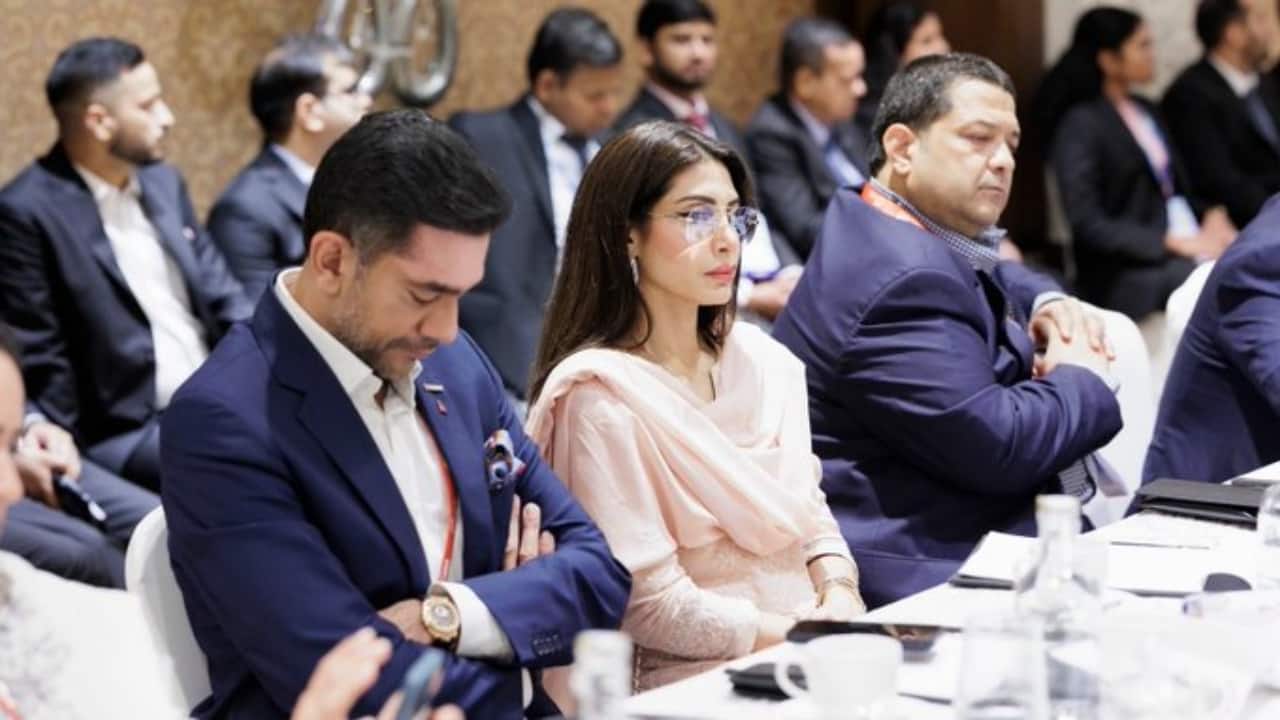
The Directorate General of Training (DGT), operating under the Ministry of Skill Development and Entrepreneurship (MSDE), has collaborated with the Aditya Birla Capital Foundation (ABCF) and Pilani Innovation and Entrepreneurship Development Society (PIEDS) of BITS Pilani to launch an Innovation and Start-up Challenge for students in all National Skills Training Institutes (NSTI) across India.

Innovation Challenge Details

The challenge, titled ‘Navonmesh Protsahan Spardha: Kaushalta se Udyamita’, aims to foster skill-based innovation among the 10,000+ students enrolled at 33 operational NSTIs nationwide. These institutes provide vocational training under schemes such as Crafts Instructor Training Scheme (CITS) and Craftsmen Training Scheme (CTS), catering also to a focus on women’s vocational education through designated NSTI(W).

Designed as the first-of-its-kind initiative in the technical and vocational education sector, the challenge provides mentoring, prizes, access to resources, and further incubation support to transform innovative ideas into viable enterprises. The program mainly concentrates on students with projects in IT/ITeS, Automotive, Apparel, Electronics & Hardware, Power, Capital Goods, and Manufacturing sectors.


Organizational Roles and Support

Pilani Innovation and Entrepreneurship Development Society (PIEDS), the incubator at BITS Pilani, manages the program, while ABCF supports it through Corporate Social Responsibility initiatives. The collaboration aims to convert trainees into job creators by channeling their technical expertise into entrepreneurial ventures.

About DGT and Partner Organizations: MSDE

The Directorate General of Training coordinates vocational training policy and quality assurance across over 14,500 ITIs, 33 NSTIs, and other institutes, focusing on modern trades including AI, IoT, Mechatronics, Renewable Energy, 3D Printing, and Drone Technology. It promotes industry-linked training and employability skills to prepare a future-ready workforce.

Aditya Birla Capital Foundation focuses on inclusive growth and supports programs mainly targeting women empowerment, healthcare, education, and sustainable livelihoods. Pilani Innovation and Entrepreneurship Development Society nurtures early-stage startups with deep-tech solutions and supports entrepreneurs, especially from Tier 2 and Tier 3 urban and rural areas of India.

Conclusion

This initiative marks a significant step in empowering India’s vocational students with innovation and entrepreneurial skills, contributing towards the government’s vision of an ‘Aatmanirbhar Bharat’, where skilled individuals become drivers of sustainable economic growth and job creation.

For more real-time updates, visit Channel 6 Network.

Source: PIB

Role of Pune Grand Tour 2026 in Promoting Sports Tourism and Fit India Movement

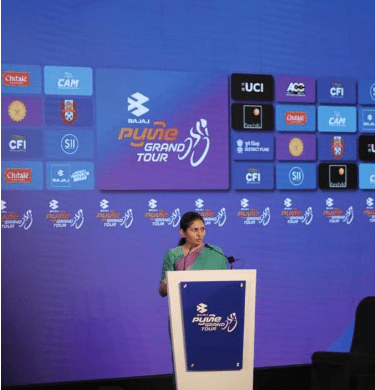
The highly anticipated ‘Bajaj Pune Grand Tour 2026’, India’s first international UCI 2.2 Stage Cycling Race, had its logo and jersey unveiled at a ceremony in Pune. Co-organized by the Government of Maharashtra, Pune District Administration, and the Cycling Federation of India, the event celebrates Pune’s cultural and sporting heritage.

Event Highlights and Vision

Union Minister of State for Youth Affairs & Sports, Smt. Raksha Nikhil Khadse, linked the event with Prime Minister Shri Narendra Modi’s vision of hosting the Olympic Games in 2036 and emphasized how the race supports the Fit India Movement by encouraging mass participation in cycling. The ‘Sundays on Cycle’ initiative, now active in over 5,000 locations with nearly 5 lakh cyclists weekly, is transforming fitness culture and community bonding.


Statements from Leaders

Maharashtra Chief Minister Shri Devendra Fadnavis highlighted the event’s role in showcasing Pune’s historic and cultural landmarks while boosting tourism and tackling pollution. He praised Pune’s legacy as the “City of Cycles” and its potential for international professional cycling stature.

Deputy Chief Minister and Guardian Minister Shri Ajit Pawar termed the tour a grand challenge spanning 200+ villages across the Sahyadri ranges, inspired by the Tour de France. He celebrated it as a festival of health, employment, tourism, and development.

Preparations and Support

The Pune District Administration, led by District Collector Shri Jitendra Dudi, was commended for timely and efficient event execution, with calls for world-class infrastructure development along the route. The event has widespread support from officials including ministers, cyclists, and prominent local leaders.

Logo, Jersey, and Mascot

The mascot ‘Indu’, inspired by the endangered Indian Giant Squirrel native to Bhimashankar forests, symbolizes agility, resilience, and ecological harmony, complementing the newly unveiled logo and jersey.

Conclusion: Pune Grand Tour

The Pune Grand Tour 2026 represents a significant milestone in promoting sports, tourism, and fitness. It embodies India’s growing commitment to sports-led development and aims to inspire youth towards health, environmental consciousness, and international cycling excellence.

For more real-time updates, visit Channel 6 Network.

Source: PIB

India’s Growth Anchored in Energy and Maritime Power: Hardeep Singh Puri at India Maritime Week 2025

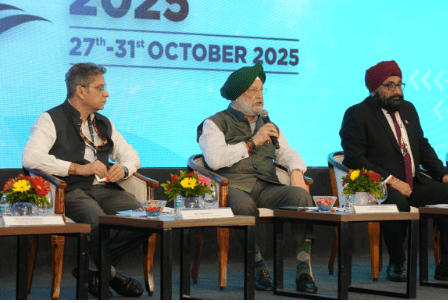
Union Minister for Petroleum and Natural Gas, Shri Hardeep Singh Puri, highlighted the vital synergy between India’s energy security and maritime strength at the ‘Revitalizing India’s Maritime Manufacturing Conference’ in Mumbai, a flagship event of India Maritime Week 2025.​

Economic and Energy Landscape

India’s rapid economic expansion, with GDP at $4.3 trillion, is powered by vigorous trade and energy demands. Nearly half of the national GDP stems from the external sector, underscoring the importance of shipping and maritime logistics. India’s energy consumption now reaches about 5.6 million barrels of oil per day—a figure projected to hit 6 million soon. The International Energy Agency estimates India will drive nearly 30% of global energy demand growth over the next two decades.​


Shipping, Imports, and Strategic Vision

India annually imports nearly 300 million metric tons of crude and petroleum products, while exporting around 65 million metric tons. Oil and gas constitute 28% of all port-handled cargo, making the shipping sector an essential link in national energy security. Yet, only 20% of total cargo is carried on India-flagged or owned vessels, creating both a policy challenge and an opportunity to boost indigenous ship ownership and manufacturing.​

To address this, the government is leveraging schemes like Ship Owning and Leasing (SOL), a Maritime Development Fund, and Shipbuilding Financial Assistance Policy 2.0 (with emphasis on LNG/ethane carriers). PSU cargo aggregation, affordable vessel financing, and long-term charters are designed to promote a modern fleet under Indian ownership.

Maritime Manufacturing and Infrastructure Growth

Major reforms have expanded port capacity from 872 MMT in 2014 to 1,681 MMT today, with cargo volume surging from 581 MMT to 855 MMT. Efficiency has improved, with turnaround time reduced by 48% and idle hours by 29%. Projects worth Rs 5.5 lakh crore, including Sagarmala and dedicated maritime corridors, are modernizing infrastructure. India’s shipyards—public and private—are building world-class vessels, forging partnerships with entities like L&T, Daewoo, and Mitsui OSK to bring advanced tech to India’s maritime sector.

Investment, Jobs, and Global Integration

The maritime sector is poised to attract Rs 8 trillion in investment and create 1.5 crore jobs by 2047. With initiatives like the India–Middle East–Europe Economic Corridor and North-South Transport Corridor, India is actively reshaping global trade routes and investing in next-generation green shipping.​

Conclusion

India’s holistic strategy—spanning port modernization, domestic shipbuilding, and global engagement—is transforming its maritime and energy sectors. With a focus on security, self-reliance, and sustainable growth, India’s oceans are becoming vital corridors of national prosperity and global influence.

For more real-time updates, visit Channel 6 Network.

Source: PIB

India-Nepal Ink Landmark Cross-Border Transmission Agreements to Strengthen Power Sector Cooperation: 2025

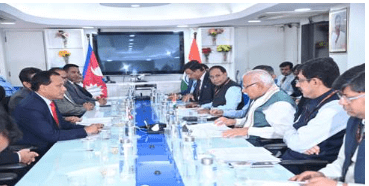
India-Nepal have further strengthened their energy partnership through key agreements for cross-border power transmission signed on October 29, 2025, in New Delhi. Nepal’s Minister of Energy, Water Resources and Irrigation H.E. Kulman Ghising, and India’s Union Minister for Power and Housing & Urban Affairs Shri Manohar Lal led strategic discussions aimed at regional grid connectivity and sustainable development.​

Agreements Enhance Regional Grid Connectivity

Joint Venture and Shareholders’ Agreements (JV&SHA) were signed between India’s POWERGRID and the Nepal Electricity Authority (NEA), establishing two joint venture entities—one in each country—for the development of high-capacity transmission corridors. The agreed projects include:

  • Inaruwa (Nepal) – New Purnea (India) 400 kV Double Circuit (Quad Moose) Transmission Link

  • Lamki (Dododhara) (Nepal) – Bareilly (India) 400 kV Double Circuit (Quad Moose) Transmission Link
    These cross-border transmission systems will allow substantially higher and more reliable electricity exchange, improve grid resilience, and bolster regional energy security.​


Diplomatic and Developmental Significance

The ministers reviewed the progress on Nepal’s hydropower projects and discussed broader regional connectivity, reaffirming a shared commitment to enhancing clean energy integration and security. Once operational, these new transmission corridors are expected to promote sustainable economic growth and deepen long-standing diplomatic ties between India and Nepal.

India currently imports power from Nepal and supports hydroelectric generation; these infrastructural upgrades will create a robust platform for greater two-way electricity trade and future renewable energy initiatives.​

Conclusion: India-Nepal

The signing of cross-border transmission agreements marks a pivotal step in India-Nepal energy cooperation. By boosting capacity for electricity exchange and supporting grid resiliency, both nations advance toward energy security, economic growth, and clean energy integration in South Asia.​

For more real-time updates, visit Channel 6 Network.

Source: PIB