Sunday, May 17, 2026
Home Blog Page 371

Heartfelt Artistry in Hubballi: 1 Majestic Showcase Celebrates Memorable Tribute

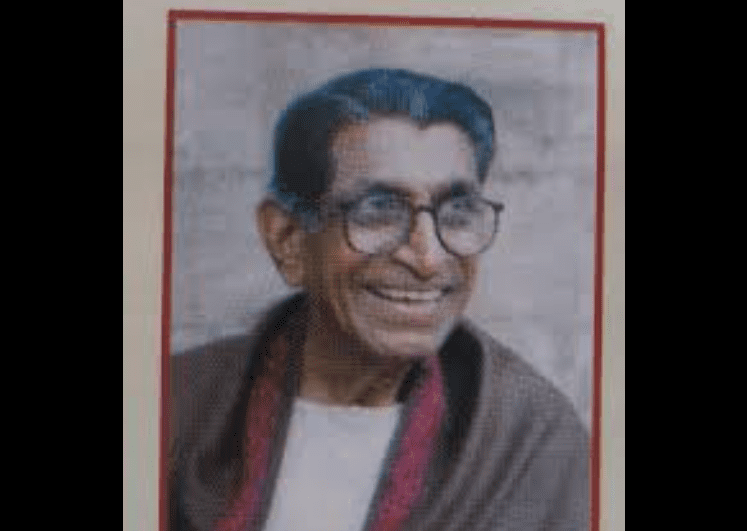
A remarkable cultural moment unfolded in Hubballi as the city welcomed an evocative painting exhibition by veteran artist N.C. Desai. Known for his deeply rooted artistic philosophy and an enduring relationship with colour, memory, and rural emotion, Desai’s latest showcase drew art lovers, critics, students, and curious visitors alike. The exhibition became a bridge between generations, celebrating a lifetime of creative exploration while inspiring fresh interpretations of everyday life. Through his gentle brushwork and compelling narrative style, the veteran painter once again demonstrated that art can speak without noise, moving the viewer toward introspection and collective remembrance. This event has strengthened Hubballi’s position as a vibrant artistic hub where tradition and contemporary perspectives coexist gracefully.

Desai’s artwork — sensitive, observational, and honest — stood out for its ability to wrap deeply personal experiences within universal themes. His selection included familiar motifs of rural Karnataka, everyday labour, and the spiritual nuances of ordinary existence. What made this exhibition special was not just the mastery of technique but the emotional sincerity embedded in every canvas.

Visitors felt an instant connection, discovering their own memories within his portrayals of fields, rivers, animals, and affectionate community bonds. His palette echoed nostalgia and longing, bringing once-forgotten landscapes back to life. As the exhibition commenced, it was clear that this was far more than a gallery event; it was a journey of reflection guided by an artist who has spent decades conversing with simplicity, resilience, and humanity.

The event organisers emphasised the exhibition’s mission: to honour a distinguished painter while making fine art more accessible to everyday communities. Over the decades, N.C. Desai has been revered as a mentor and cultural chronicler, capturing the shifting sands of rural lifestyles, disappearing occupations, and fast-changing village dynamics. His new works continued to echo these themes, presented with an old-world touch yet contemporary relevance. For many attendees, the exhibition felt like stepping into a well-loved archive where colours, emotions, and stories breathed freely. Students of art engaged in long discussions before each canvas, sketching and taking notes, learning how deliberate spaces on canvas can help viewers unfurl their imagination.Painting exhibition of veteran artist N.C. Desai in Hubballi - The Hindu

A Soulful Reinterpretation of Rural Lives and Landscapes

A distinctive strength of N.C. Desai’s work lies in its ability to humanise subjects that mainstream art often overlooks. He has long used his art to celebrate labourers, farmers, village women, and pastoral communities — transforming ordinary lives into extraordinary expressions. His characters, though rendered in modest strokes, communicate vivid inner worlds. Their faces, often depicted with quiet eyes and gentle postures, seemed to hold unspoken conversations. In this exhibition, Desai shifted his lens slightly, bringing into focus the evolving narratives of rural landscapes. Fields once green and abundant now mirror new concerns — mechanisation, migration, and altered identity. Yet, Desai’s interpretation remains compassionate, tenderly guiding viewers to see resilience embedded within these transformations.

One of the standout canvases was a timeless depiction of a lone farmer walking home against a sunset sky. The strokes were light yet firm, reflecting mood, movement, and memory. Nearby, another evocative piece presented a woman seated on a verandah with a child, their expressions contemplative yet hopeful. These works demonstrated Desai’s preference for stillness, capturing the quiet dignity of people who rarely see themselves framed in art galleries. Visitors spent long minutes in front of each canvas, pulled into the scenes by the subtle way he hinted at stories behind expressions, postures, and surroundings. The canvases reminded many of their ancestral homes, summers spent in family fields, and the warmth of familiar voices — stirring emotional nostalgia.

The exhibition also highlighted landscapes that transcended simple representation. Desai’s affinity for the natural world was evident. Trees offered shade not only to villagers but to memories; rivers reflected more than sunlight — they carried stories. Even the depiction of a simple bullock cart became a metaphor for life in motion. Critics noted how Desai’s restrained palette and softly shifting hues created naturally illuminated scenes that felt both immediate and timeless. With every piece, viewers could sense the artist’s deep respect for place and time, reminding them that rural landscapes are more than scenery; they are repositories of collective identity.

Further deepening the emotional experience were Desai’s small-format sketches. Charcoal and ink drawings that might have appeared simple at first glance carried the weight of decades. In quick strokes, he captured the wrinkled faces of elders, the mischievous eyes of children, the swirling dust under a speeding bicycle, and a cow grazing in a solitary field. These works served as visual notes from a personal diary — filled with musings that invite gentle reflection. For younger artists, the sketches demonstrated how honest observation can produce profound art without requiring exaggeration or flair. The minimalism of these pieces opened conversations about discipline, restraint, and sensitivity in artistic practice.Painting exhibition of veteran artist N.C. Desai in Hubballi - The Hindu

The exhibit also drew attention to Desai’s evolving style. Though deeply nostalgic, his latest compositions carried subtle cues about changing times — a new building standing awkwardly behind lush fields, electric poles replacing ancient village trees, a motorbike overtaking a bullock cart. These symbols of modernity appeared quiet but purposeful, indicating the artist’s conversation with social change. Rather than resisting modern elements, he integrated them sensitively, exploring how villages adapt without entirely losing identity. This delicate balance sparked thoughtful dialogue about cultural preservation in a fast-moving era.

A Cultural Homecoming for Hubballi’s Art Community

For Hubballi, the exhibition marked more than a gallery display; it was a cultural homecoming. The city has long nurtured artistic talent, and veterans such as N.C. Desai continue to anchor its creative spirit. Visitors described the event as a blessing — a rare opportunity to witness decades of artistic evolution through the eyes of a humble yet visionary painter. The gallery halls buzzed with emotion as art enthusiasts expressed their admiration, many of whom considered Desai’s works a representation of shared heritage. His paintings reminded the audience of the roots that shaped their identities, even as life moved toward urban rhythms.

Teachers from local art schools used the opportunity to introduce students to traditional styles, demonstrating how storytelling through composition builds cultural consciousness. They emphasised that Desai’s approach embodies patience, empathy, and attentiveness — values that define artistic maturity. Students engaged in discussions with senior artists, learning how the evolution of style is shaped not merely by skill but by personal history, environment, and sensitivity toward one’s surroundings. The exhibition provided a platform for intergenerational dialogue, strengthening Hubballi’s artistic ecosystem.

The painter himself was present during portions of the exhibition, interacting with visitors and sharing anecdotes. His humility and warm demeanour created an inviting environment. He spoke about how each painting contains threads of personal memory — market roads seen during childhood, quiet riverbanks where he once sat sketching, festive gatherings where colours danced. By grounding his works in lived experience, Desai made his art relatable, ensuring that viewers felt connected regardless of background. Elderly visitors recalled simpler times, sharing stories that echoed the paintings’ sentiments. Younger attendees found fresh inspiration, seeing how deeply rooted narratives can still resonate in modern contexts.

Art historians attending the event emphasised Desai’s ability to straddle traditional themes while maintaining universal appeal. They noted how his works preserve rural cultural memory, offering visual documentation of rapidly changing Kannada social structures. As cities expand and lifestyles transform, these canvases serve as emotional archives. Critics appreciated how the artist avoided romanticising rural hardship, instead presenting scenes with dignity and honesty. His works neither glorify nor diminish the challenges of rural life; they simply honour it through earnest depiction.

Several paintings were inspired by folk traditions. Bright costumes, religious gatherings, and rhythmic dances featured prominently. These canvases captured the mood of annual temple fairs — where music, colour, and devotion blend into a unified cultural experience. Desai’s portrayal of such events was layered, focusing not just on visual vibrancy but on underlying sentiments: faith, excitement, community bonds. Through these vibrant works, he drew attention to traditions that continue to define the socio-cultural fabric of Karnataka.

Organisers concluded that the exhibition reaffirmed the importance of showcasing artists who carry cultural memory forward. They highlighted the need for more platforms to celebrate veteran painters who often work quietly, away from commercial galleries. Many visitors purchased prints and catalogues, hoping to take home a fragment of the emotional landscape that Desai had carefully woven. The exhibition thus created an economic opportunity for local artists, galleries, and cultural institutions.Painting exhibition of veteran artist N.C. Desai in Hubballi - The Hindu

The event also sparked conversations on nurturing cultural spaces in Tier-2 cities like Hubballi. Local leaders, students, and art patrons expressed interest in developing sustainable platforms for regular exhibitions, workshops, and exchanges. They argued that art should not remain confined to metropolitan cities but reach smaller towns where it can influence young minds at formative stages. The success of Desai’s exhibition serves as a testament to the appetite for meaningful artistic experiences in diverse communities.

As the exhibition drew to a close, attendees left with hearts full of nostalgia and gratitude. Many spoke of how the paintings stayed with them — long after they stepped out of the gallery. They described the event as a gentle reminder of life’s quieter rhythms, urging them to reconnect with their roots. While Desai’s canvases celebrate the charm of the past, they also encourage viewers to cherish cultural transitions with grace. In capturing these subtle exchanges, he reinforces that art is not merely representation but a living conversation between past and present.

N.C. Desai’s exhibition stands as a testament to the enduring power of memory, observation, and emotion in art. His works urge viewers to slow down, absorb their surroundings, and listen to the stories that landscapes and people whisper. As Hubballi celebrated this momentous cultural offering, it also honoured an artist who has dedicated decades to chronicling Karnataka’s heartlands with compassion. The showcase will be remembered not only for its artistic merit but for its ability to unite people in shared heritage. Through colour, composition, and quiet storytelling, Desai once again demonstrated that art’s truest purpose is to touch lives — sincerely, tenderly, and timelessly.

Follow: Karnataka Government

Also read: Home | Channel 6 Network – Latest News, Breaking Updates: Politics, Business, Tech & More
Critical Civil Ruling: 1 Significant Stay Signals Stronger Civil Freedoms in Karnataka

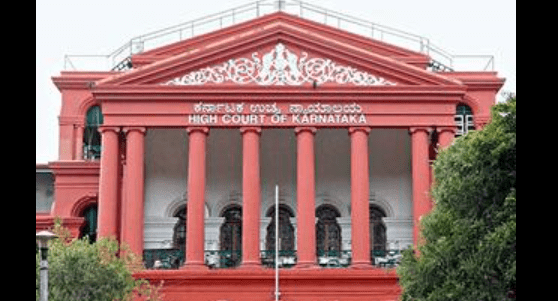
The Karnataka High Court’s recent decision to stay the State government’s order restricting the use of public properties by private organisations has emerged as a defining moment for civil liberties in the region. The ruling has placed the spotlight on the delicate balance between administrative authority and constitutional freedoms, particularly those that enable citizens to gather, express themselves, and participate in public life.

The order in question had sought to mandate explicit prior approval for any event conducted by private groups on government-owned lands, including parks, roads, playgrounds, and other listed public spaces. While the government framed this approach as a regulatory mechanism, critics argued that it carried sweeping implications for fundamental rights. With the court’s intervention, the debate now centres on whether the executive can curtail democratic rights without the backing of legislative action.

The case was initiated by a civil society group that challenged the State’s notification, arguing that it infringed upon constitutional protections ensuring freedom of speech and peaceful assembly. The petition contended that the government, by declaring gatherings of more than ten individuals without prior permission as unlawful, effectively suspended basic civil guarantees. In hearing the matter, the court held that the order failed to justify such sweeping restrictions and appeared to exceed the permissible limits of executive authority. With this temporary stay in place, individuals and organisations are no longer bound by the new approval requirements, restoring a sense of normalcy to civil activities across public spaces.

The ruling has drawn national attention not only due to its immediate implications but also because it raises larger questions about the increasing tendency of governments to impose restrictions on public gatherings. By challenging the assumption that executive notifications can determine permissible forms of assembly, the High Court has reinforced the principle that any modification to fundamental rights must be borne out of legislative processes rather than unilateral directives. Civil society members have welcomed the decision, emphasising that rights granted by the Constitution cannot be diluted simply to facilitate administrative convenience. The ruling underscores the judiciary’s role as a guardian of constitutional protections and reflects the ongoing vigilance required to preserve democratic freedoms.High Court stays Karnataka government's order restricting use of public  properties by private organisations - The Hindu

The State government, however, has defended its original order by arguing that unauthorised events in public places had become common, making regulation essential for maintaining order and preventing misuse of public property. It claimed that the directive’s objective was not to curb civil rights but to ensure accountability and prevent public spaces from being monopolised by select groups. Nevertheless, the court found that the order lacked clarity, legal foundation, and proportionality, placing it at odds with constitutional norms. The stay highlights the importance of designing policies that regulate public resources while still protecting democratic freedoms.

The stay has immediate practical consequences, particularly for cultural, educational, and charitable organisations that routinely rely on public spaces to conduct programmes, community meetings, and awareness initiatives. The requirement of prior permissions, coupled with the risk of events being deemed unlawful, had created anxiety within these groups, prompting concerns that activities essential to public engagement might be stifled. The High Court’s intervention thus provides temporary relief, allowing organisations to continue operations under pre-existing norms while the matter undergoes detailed judicial review. The decision ensures that public spaces remain accessible for citizens to express themselves freely within constitutional boundaries.

The legal community has welcomed the High Court’s stance, interpreting it as a reaffirmation of constitutional values. Lawyers and academics have noted that executive orders cannot overshadow freedoms guaranteed under Article 19. They have emphasised that while the State does possess the authority to regulate assemblies to maintain law and order, such regulation must occur through statutes that provide clear checks and balances. The ruling reinforces the importance of legislative scrutiny in matters involving rights, ensuring that decision-making processes remain transparent and accountable. This safeguards citizens from arbitrary curtailments and offers avenues for public debate.

The petitioning organisation had also expressed concern regarding the practical implications of the government order. The directive, by categorising gatherings exceeding ten persons without approval as unlawful, raised fears that even social or cultural events such as school functions, neighbourhood celebrations, or awareness campaigns would require bureaucratic clearance. This, petitioners argued, would not only burden civil engagement but also discourage citizens from utilising public spaces for community development. The court recognised these concerns and noted that the order, if implemented unchecked, could lead to unintended consequences that might undermine community activities.

The ruling gains further significance when placed within the context of increasing contestation over the use of public spaces. In recent years, government authorities across several states have attempted to regulate public assembly more stringently, often justifying such measures on grounds of public order. However, activists argue that such directives disproportionately affect marginalised communities and restrict democratic participation. The Karnataka High Court’s decision adds to a growing body of judicial interventions that challenge arbitrary directives and reaffirm constitutional freedoms. By asserting that restrictions must be enacted through formal legislation, the ruling establishes an essential safeguard against unchecked executive action.

The government, on the other hand, has indicated that it may contest the stay. It has reiterated that the order was introduced with the intent of protecting public facilities and preventing misuse by organisations that, it claims, often utilise public lands without accountability. Officials have stated that public assets must be managed responsibly and that the directive was aimed at bringing structure to the management of event-driven activities. Yet, the High Court’s response highlights the need for such regulation to remain within the legal and constitutional framework, encouraging the State to present a more nuanced and legally sound approach if it wishes to pursue similar measures.In setback to Karnataka govt, high court stays new order for use of public  spaces | Latest News India


A Turning Point for Public Spaces and Civil Society

The case has become a touchstone for assessing the evolving relationship between the State and civil society. Public spaces have long been regarded as platforms for expression, debate, and cultural exchange. Efforts to regulate their use must balance the imperative of maintaining public order with the responsibility of safeguarding freedoms. The Karnataka High Court’s intervention suggests that the judiciary recognises the importance of this balance, especially in a context where civic participation forms the backbone of democratic governance.

Community organisations have pointed out that access to public spaces remains critical for grassroots initiative. Whether conducting health camps, cultural festivals, or civic awareness programmes, the ability to gather without onerous requirements fosters social inclusivity. The temporary stay now allows these activities to proceed without uncertainty. It also opens up discussions on how governance structures can be redesigned to support rather than hinder community participation, especially in a rapidly changing social landscape where collective action remains vital.

The ruling also underscores the evolving nature of administrative oversight. While governments seek to introduce regulatory frameworks aimed at ease of management, the lack of inclusive consultation often leads to friction. Civil society representatives have reiterated that policies affecting public access must be drafted transparently, with opportunities for meaningful engagement. Doing so ensures not only compliance but also public trust, which lies at the core of effective governance. The case highlights the need for collaborative governance, where planning and policy come with due consultation.


Constitutional Boundaries and the Road Ahead

At the heart of the ruling lies a core constitutional question: To what extent can the State restrict the rights to free expression and peaceful assembly? The court’s response has clarified that fundamental rights cannot be curtailed merely through executive notification. Any limitation must follow due legislative process, ensuring that elected representatives examine and debate the measures. This underscores the fundamental principle that the Constitution remains the primary source of civil protections, and any administrative measure that attempts to supersede it will meet judicial scrutiny.

Critics of the government order also highlighted the lack of clarity surrounding the term “unlawful assembly” within the context of the directive. The potential for misinterpretation stood high, especially when communities frequently come together for simple, non-political gatherings. The fear that such gatherings could attract penal consequences risked discouraging civic participation. The court’s stay thus protects ordinary citizens and organisations from potential harassment, offering reassurance that constitutional rights remain intact.

Civil rights advocates have celebrated the ruling as a step in protecting citizens from the gradual erosion of freedoms. They argue that policies which restrict civil participation without clear justification reflect an increasingly centralised approach to governance. The court’s rejection of such measures reaffirms the need for continued vigilance. As societies evolve, rights must not be diluted but strengthened to meet new challenges. The decision is therefore seen as a victory for democratic values, reinforcing that rights remain grounded and inviolable.

Looking ahead, the State is expected to present a revised version of the order or pursue a legislative route. Should it seek to introduce a bill in the Assembly, it would be required to justify the restrictions and demonstrate proportionality. Public consultation would play a crucial role in determining acceptance. Observers note that any future legislation must carefully delineate permissible limits, ensuring that regulation does not morph into control. This would enable the State to manage public spaces without stifling civil expression.Setback for Siddaramaiah: Karnataka HC stays order on restrictions for  activities of private organisations | Latest News India

The ruling may also influence policy in other states, where debates over public spaces are ongoing. As public mobilisation continues to shape social and political discourse, governments are becoming more sensitive to the power of collective action. The Karnataka decision serves as a reminder that administrative decisions cannot silence voices that use public platforms responsibly. The judiciary’s role in safeguarding these rights remains central, particularly at a time when civil society seeks greater space for participation.

In the broader context, the case contributes to the growing legal discourse on civil freedoms, particularly relating to public assembly. It reflects the importance of judicial oversight in ensuring that governments remain within constitutional boundaries. The ruling reinforces the notion that democracy thrives when citizens are free to gather, express, and organise, without undue interference. By advocating for responsible and rights-based governance, the High Court has sent a strong message regarding the principles that should guide public administration.

Finally, the matter is set for further hearing, during which the State will have an opportunity to defend its directive. The outcome may shape how public spaces are utilised for years to come. For now, the stay provides welcome relief and reasserts the constitutional guarantee that civil rights cannot be suspended arbitrarily. As Karnataka navigates this legal landscape, the ruling stands as a testament to the enduring strength of democratic institutions and the continuous efforts required to protect civil freedoms.

Follow: Karnataka Government

Also read: Home | Channel 6 Network – Latest News, Breaking Updates: Politics, Business, Tech & More

Tea Growers Seek No-Plucking Dates in West Bengal & Assam Amid Winter Dormancy to Safeguard Quality and Livelihoods

Tea Growers Seek No-Plucking Dates: In a significant move for India’s tea industry, the Confederation of Indian Small Tea Growers’ Associations (CISTA) has formally appealed to the Tea Board of India (TBI) to announce clear “no-plucking” periods — both the final date for this year’s harvesting and the start date for next season — in the key tea-growing regions of West Bengal and Assam. The request is driven by agronomic considerations, quality concerns during the winter dormancy period, and the financial realities of small growers.

Tea Growers Seek No-Plucking Dates

According to CISTA president Bijoygopal Chakraborty, while the Tea Board has in earlier years issued clear cut-off dates for plucking that coincide with the onset of dormancy, this year there has been no such directive yet. Growers argue that the absence of an officially sanctioned freeze creates uncertainty for pruning, maintenance and harvesting planning.

More than just a scheduling matter, the proposal carries deep implications for the livelihoods of small tea growers who collectively contribute a majority share of India’s tea output and operate under tight agronomic cycles and market pressures.


Tea Growers Seek No-Plucking Dates: Why This Matters

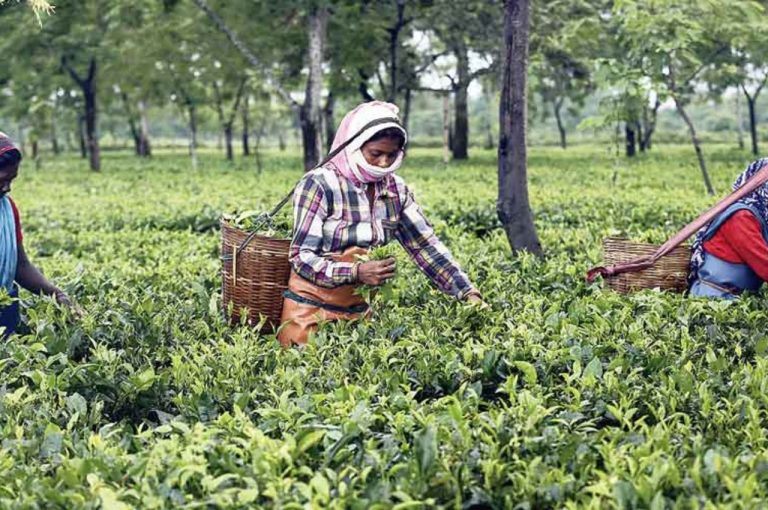
Winter months in India’s north-tea belts — particularly in northern West Bengal and Assam — present a unique agronomic challenge: as temperatures drop and plant metabolism slows, bush-growth enters a near-dormant phase. In this state, fresh shoots become scarce, leaf quality deteriorates, and harvesting becomes less efficient and more prone to producing low-quality outputs. A well-timed no-plucking period helps ensure that only high-quality leaves are harvested, protects the next flush by allowing bushes to recuperate, and safeguards the reputation of Indian tea in domestic and export markets.

Small tea growers are especially vulnerable in this scenario. Many cultivate on smaller plots, rely on bought-leaf factories rather than processing their own produce, and have less flexibility in adjusting labour, inputs and harvesting schedules. Thus, clarity on when plucking must stop, and when it may resume, is not simply administrative but foundational to their operational planning.


What Growers Are Asking

In its letter to the Tea Board, CISTA has proposed the following dates for this year:

  • West Bengal: Last date for plucking – 25 December
  • Assam: Last date for plucking – 20 December

For reference, last year the cut-off date was fixed at 30 November. Growers say that leaf remained marketable well beyond that date, and hence the earlier deadline meant forgone harvesting opportunities. They contend that pushing the cut-off later aligns more realistically with current agronomic growth patterns and enables better income capture.

In addition to setting an end date, the growers also ask the Tea Board to specify a commencement date for the next season’s plucking. This allows them to plan pruning, bush maintenance, fertilisation, labour scheduling and other off-season work with clarity.


The Sector Background

The Indian tea industry is undergoing structural stress and transformation. Some salient points:

  • Small tea growers (STGs) — defined by the Tea Board as those cultivating up to a certain acreage (e.g., up to 10.12 hectares in some definitions) — numbered around 247,887 as on 31 March 2024 and contributed about 53.42% of India’s total tea production.
  • The Tea Board’s ambitious “Tea Development & Promotion Scheme 2021-26” emphasises the plantation development of small tea growers, value-addition, worker welfare and improved quality to make Indian tea globally competitive. (teaboard.gov.in)
  • Regulatory oversight such as setting plucking schedules, defining small-grower benefits, registration, and financial aid are part of the Tea Board’s mandate. (teaboard.gov.in)

The significance of small growers is not just numeric: they operate in regions where bought-leaf factories dominate (i.e., factories that purchase leaves from growers rather than owning plantations themselves). Their operations are sensitive to changes in scheduling, quality protocols, labour availability and market timing.


Regional Snapshots

North Bengal (West Bengal)

In the tea belts of north Bengal (such as Jalpaiguri, Darjeeling hills and the Dooars), small tea growers form a large portion of the growing base. Their fields often operate on tight margins, fluctuating climatic conditions and labour dynamics. Growers say that leaves remain harvest-worthy later in the year than the previously enforced end-of-November date. An extension to 25 December would allow them to capture that additional window rather than losing income due to an early mandated halt.

Assam

Assam is the largest tea-producing state in India and features both large estates and many small growers. Climatic patterns, flush cycles and dormancy timing differ somewhat from north Bengal. CISTA’s proposed date of 20 December for Assam acknowledges these regional variations while still allowing a later window than current precedents.


The Case for Later Dates

Growers provide several arguments:

  1. Leaf availability – Many plantations assess that fresh shoot growth continues into December, meaning the enforced November cut-off leaves valuable harvest unplucked.
  2. Income impacts – For small growers, every additional plucking round contributes to income, and losing a month can mean significant lost revenue.
  3. Maintenance window clarity – If the no-plucking period is announced in advance, growers can plan pruning, fertilisation and labour deployment more efficiently, reducing idle time and costs.
  4. Quality preservation – A formal freeze gives bushes rest and ensures the next flush begins robustly; catching the window neatly helps maintain the next season’s quality.
  5. Market signals – A predictable schedule allows bought-leaf factories, processing units and exporters to plan capacity, sourcing and quality control rather than operating reactively.

Why the Tea Board’s Decision Matters

The Tea Board sets the regulatory framework for scheduling, quality, certification (including for small growers and mini-factories), export promotion and scheme implementation. Its issuance of a no-plucking circular is more than an administrative formality: it provides a signal to the entire value chain — growers, factories, labour networks, exporters and buyers. A delay or ambiguity in that order can:

  • Leave growers uncertain about when they must stop harvesting, complicating labour and field-operations planning.
  • Allow some processing units to continue plucking into dormancy, which may lead to lower quality tea entering the market, undermining India’s reputation.
  • Undermine the purpose of a planned “rest” period for bushes and soils, potentially reducing the quality of the next flush or increasing costs for rejuvenation.
  • Distort supply-timing, which can affect domestic auctions, exporter contracts and pricing dynamics.

Challenges & Considerations

While the growers’ request is compelling, various complexities must be factored:

  • Regional variation: Flush cycles differ by geography (altitude, rainfall, soil, micro-climate). A one-size schedule may not suit all zones equally.
  • Enforcement: Issuing a freeze date is one thing; ensuring that factories and growers comply (especially regarding purchased leaves during dormancy) is another.
  • Market dynamics: Buyers and exporters may have expectations of supply, and shifting harvest windows may require renegotiation of contracts or adjustment of processing logistic timelines.
  • Quality vs volume trade-off: If plucking continues into a slower growth period, there is risk of obtaining lesser quality leaf even if quantity is available. The Board must balance quantity gains with quality assurance.
  • Labour and input cost: Even if leaves are available later, labour & inputs may cost more or be harder to source in off-season, reducing net benefit.

What Growers Hope For

The growers’ ask can be summarised thus:

  • A public declaration by the Tea Board of the last permissible date for plucking this year (with proposed 25 December for West Bengal and 20 December for Assam).
  • A public declaration of the start date for next year’s plucking, enabling planning for the off-season tasks like pruning, field maintenance, fertiliser application and soil‐resting.
  • Region-wise clarity signalling — rather than national blanket date — to reflect local agronomy.
  • Advance notice so that processors and growers align operations accordingly.

With these dates in place, growers expect to better plan operations, adjust labour deployment, schedule maintenance, and capture harvesting revenue while preserving quality and abiding by dormancy-cycles.


Broader Implications for the Indian Tea Industry

This specific scheduling issue ties into larger dynamics:

  • India’s quality imperative: With global competition from Kenya, Sri Lanka, Vietnam and others, preserving the reputation of Indian tea — especially the orthodox and speciality segments — is critical. Scheduling care, quality control and production discipline all feed into this.
  • Small growers’ livelihoods: More than half the tea produced in India is by small growers. (The Sentinel) Policies affecting harvest cycles directly impact their income and economic stability.
  • Regulatory-market alignment: The issuance of no-plucking windows must align with scheme support (for maintenance, worker welfare, inputs) so that smaller units do not suffer from enforced idleness without support. The Tea Board’s scheme documents emphasise such support. (teaboard.gov.in)
  • Climate change and agronomy: Changing weather patterns may shift flowering, shoot‐growth and dormancy timing. Growers claim they are seeing fresh leaf into December, underscoring the need for flexibility in scheduling rather than rigid legacy calendars.
  • Value chain coordination: Planning of factories, bought‐leaf procurement, processing capacity, export contracts — all require alignment with harvesting windows. Clear scheduling improves supply‐chain efficiency and reduces risk of quality lapses or abrupt shutdowns.

Possible Outcomes

Depending on how the Tea Board responds, several scenarios could materialise:

  • Scenario A – Board accepts dates: The Board issues a circular fixing 25 December for West Bengal and 20 December for Assam as last plucking dates, along with a start date for next cycle, region-wise. Growers proceed with planned off-season work; processors schedule capacity accordingly, and the supply-chain aligns.
  • Scenario B – Board issues later but different dates: The Board might set a different timeline (earlier or later) based on agronomic data or regional variation. Some growers may accept, others may feel disadvantaged if dates don’t align with their field conditions.
  • Scenario C – Board delays decision or issues no fixed date: Uncertainty persists; grower/processor planning remains ad hoc; some may pluck anyway, possibly producing lower-quality leaf or causing scheduling chaos; the chain may face quality/market risks.

What Growers Should Do Now

Given the situation, small growers are advised to take the following steps:

  • Monitor official communications from the Tea Board for the circular specifying no-plucking and restart dates.
  • Internal planning: Prepare for pruning, fertilisation, bush maintenance, labour contracts and equipment service during the anticipated no-plucking window.
  • Coordinate with bought-leaf factories or processing units to align supply expectations and avoid surprises.
  • Keep track of leaf growth conditions in their own fields — measure whether shoots are still viable in December, and be prepared for possible supplementary plucking if permitted.
  • Be aware of quality standards: Even if permitted later plucking, leaf quality must not be compromised, so avoid harvesting when bushes are truly dormant or foliage is weak.

Conclusion

The request by small tea growers, via CISTA, for clearly defined no-plucking and restart dates is more than a calendar matter — it is inherently linked to agronomy, quality assurance, livelihood, and the global competitiveness of Indian tea. For an industry in which small growers provide the lion’s share of production and yet face significant operational vulnerabilities, scheduling clarity can unlock better planning, higher incomes, improved quality and stronger positioning in export markets.

The role of the Tea Board is critical: by issuing the dates in a timely and region-sensitive manner, it provides the operational anchor for the entire value chain to move from uncertainty into rhythm. In the absence of clear signals, the risk of opportunistic plucking into dormancy, reduced quality, chaotic labour and field scheduling remains real.

For growers in West Bengal and Assam, the coming weeks may determine whether the upcoming season begins on strong, disciplined grounds — or whether ambiguity drags operations into reactive mode. The voice of small tea growers is loud and clear: “When do we stop harvesting, and when do we start again?” Getting that answer matters for their fields, their families, their factories — and for the future of Indian tea.


External links for further reference:

Also read: Home | Channel 6 Network – Latest News, Breaking Updates: Politics, Business, Tech & More
Swiss Firms, 1 Strategic Move Elevates Karnataka’s Quantum Future: 1 Bold Ambition

Karnataka’s ambition to build a world-class Quantum City has taken an important leap forward as Swiss research institutions and major technology-driven companies have expressed keen interest in collaborating with the State. According to Minister for Science and Technology N. S. Boseraju, preliminary discussions during a recent delegation visit to Switzerland generated encouraging responses from leading organisations recognised globally for their pioneering work in quantum science and engineering. Their willingness to explore partnerships in research, hardware development, knowledge exchange, and skill development is being viewed as a defining moment in Karnataka’s journey to become a key force in India’s deep-tech domain.

Karnataka, which has long been considered the country’s leading innovation cluster, is positioning Quantum City as an ecosystem that brings together academia, startups, global manufacturing, and indigenous R&D. The government believes that interest from Swiss partners reflects international confidence in Bengaluru’s scientific talent and its capacity to build scalable quantum technologies. Minister Boseraju stated that these talks will assist in accelerating infrastructure creation and adopting global best practices, particularly those involving the transformation of research prototypes into viable products. The announcement has generated fresh optimism across technology circles, with many anticipating a new wave of research-driven entrepreneurship.Swiss firms, research institutions have shown interest in Karnataka's  Quantum City development: Minister N.S. Boseraju - The Hindu


Origins of Quantum City

The Quantum City project originated from Karnataka’s desire to remain ahead in deep-tech innovation. For years, the State has invested in fundamental research networks, especially in Bengaluru, home to prestigious science institutions, thriving startups, and multinational R&D centres. Quantum City is envisioned as the next stage of this legacy: a specialised zone that nurtures quantum hardware, sensing, communication, security, and allied technologies. It aims to build an integrated facility featuring fabrication units, shared laboratories, cloud-based computing access, and incubation clusters. The project is expected to drive long-term technology leadership, while also offering training to students, researchers, and professionals entering this complex discipline.

Initial planning has identified land in Hesaraghatta on the outskirts of Bengaluru to establish the first phase of infrastructure. Technical documentation emphasises the need for a fabrication line (Fab-Line) so that quantum processors and related hardware can be manufactured domestically. Officials have also highlighted the intention to establish a translational-research structure so that knowledge generated in laboratories can be converted into market-ready solutions. Startups, MSMEs, and university-based innovators are expected to be central stakeholders. The State believes that this combination of policy support, infrastructure, global partnerships, and talent will help realise its aspiration of becoming India’s quantum innovation capital.


GLOBAL INTEREST IGNITES VISION FOR QUANTUM GROWTH

International Collaborations

Swiss institutions are widely regarded for their excellence in quantum research, bridging theoretical science and practical hardware development. During the ministerial visit, delegates surveyed multiple facilities specialising in quantum instrumentation, high-precision measurement systems, and chip-level manufacturing. Researchers and industry leaders discussed potential exchanges involving student training, joint development of laboratory infrastructure, co-creation of hardware prototypes, and development of high-efficiency quantum sensors. Their willingness to explore collaborative models signals trust in Karnataka’s long-term technological vision, as well as recognition of Bengaluru’s existing research strength.

These global interactions are particularly significant because quantum technology is still in its formative stage worldwide. Expertise in hardware engineering, fabrication, and precision instrumentation is concentrated among only a few research hubs. Karnataka hopes that tapping into such international pools of knowledge will accelerate the establishment of local quantum manufacturing capabilities. Minister Boseraju highlighted that foreign partners have shown interest in helping build a talent pipeline by welcoming student interns, co-funding research projects, organising specialised workshops, and guiding the development of laboratory protocols. This direct exposure, he believes, will help young researchers translate theoretical knowledge into experimental proficiency.

Karnataka’s Existing Strengths

Karnataka’s established innovation environment has contributed significantly to the positive reception from international partners. Bengaluru already hosts well-known scientific institutions, world-class engineering colleges, and a vibrant startup network. Over the last two decades, the city’s intellectual landscape has expanded dramatically, with advancements in precision engineering, communication technology, and deep computational sciences. These competencies align naturally with quantum technology, which requires multidisciplinary expertise. Academic laboratories in Bengaluru are exploring various quantum directions, including superconducting qubits, photon-based communication, encryption standards, and high-resolution sensing.

The State’s existing technology clusters also provide necessary support infrastructure such as advanced computing facilities, skilled fabrication services, and access to venture capital. Bengaluru’s reputation for being an open, collaborative, and experimental community has helped attract young scientists, industry R&D units, and global innovation centres. Venture ecosystem platforms are also beginning to explore funding for early-stage quantum startups. Government-backed programmes that target semiconductor development and quantum-security initiatives have further strengthened Karnataka’s claim as the natural choice for deep-tech investment. Minister Boseraju believes that these longstanding advantages are what persuaded Swiss institutions that Karnataka is ready to enter the global quantum landscape.MC Interview: 'Karnataka unfazed by Andhra in Quantum race; Bengaluru gives  us edge,' says Minister NS Boseraju


INFRASTRUCTURE, ROADMAP, AND THE BROADER IMPACT

Institutional Framework and Workforce Development

The State has emphasised a strong policy and institutional framework to ensure the success of the Quantum City project. Plans include partnering with universities, setting up interdisciplinary laboratories, and subsidising research facilities for startups. One key priority is workforce development. The government aims to design training programmes tailored for quantum engineering, networking, instrumentation, and software development. These programmes will involve hands-on learning inside shared R&D spaces, ensuring that students and researchers gain practical experience. By building a workforce proficient in both hardware and applications, Karnataka hopes to avoid dependency on imported expertise.

The State is also working on frameworks that support translational research. Quantum technologies often demand long development cycles because they require experimental verification, advanced equipment, and iterative testing. The government intends to provide grants, reduced-cost facility access, and mentorship networks so that teams can move from laboratory validation to functional prototypes more easily. Officials believe that having a smooth progression from research to market will create an ecosystem where new ideas evolve into patented technologies, products, and companies. The presence of global partners is expected to strengthen this pathway by guiding and benchmarking new initiatives against international practices.

Potential Challenges

Despite its promise, the project faces several challenges. Building quantum infrastructure requires precision engineering and highly specialised components that are not easily sourced. The State must also ensure uninterrupted funding to support laboratories, startup incubation, and hardware development. Another challenge is talent availability. Even though Bengaluru hosts a strong research community, the global quantum talent pool is still limited. Effective training pipelines and international collaborations will therefore be essential. A further challenge is the need to convert research into commercially viable products, which requires entrepreneurship support, clear regulatory frameworks, and sustained market demand.

There is also competition from other Indian states that have announced quantum-technology development plans. Karnataka, however, believes that its advantage in technological maturity and international connectivity will help it maintain leadership. Minister Boseraju stated that the government is not overly concerned about competition because Bengaluru’s scientific infrastructure, startup experience, and global networks provide a stronger starting point. Still, experts argue that success will depend on timely execution. Delays in setting up quantum fabrication facilities or incubators might slow down innovation. Policymakers are therefore prioritising efficient implementation and collaborative governance to avoid slowdowns.

Long-Term Impact

If executed effectively, Quantum City will reshape Karnataka’s and India’s strategic technological profile. Quantum-based hardware, communication devices, cybersecurity solutions, and sensing systems are expected to become critical tools for sectors ranging from national security to climate monitoring. Quantum computing, in particular, could revolutionise pharmaceutical modelling, logistics, and large-scale data optimisation. The State hopes that developing these technologies locally will reduce India’s dependency on foreign hardware and provide a fresh platform for export-oriented manufacturing.

The State also anticipates significant economic spill-over effects. A successful quantum ecosystem could generate thousands of high-skilled jobs and attract large domestic and international investments. It would also strengthen India’s capability in frontier technologies, enabling participation in emerging global markets. The presence of Swiss partners is likely to encourage additional foreign players to consider Karnataka as an investment destination. This momentum could create a self-reinforcing cycle in which research and industry collaborate, capital flows in, and innovation accelerates. Policymakers view this as a foundational investment in India’s deep-tech future.Swiss firms, research institutions have shown interest in Karnataka's  Quantum City development: Minister N.S. Boseraju - The Hindu


Conclusion

The strong interest shown by Swiss firms and research institutions marks a pivotal moment in Karnataka’s effort to build India’s first Quantum City. It validates the groundwork the State has laid in science, innovation leadership, and talent development. With an ecosystem designed to provide high-quality infrastructure, research translation, and startup support, Karnataka hopes to position itself as a global quantum hub. While challenges persist, the commitment of international partners signals growing confidence in the region’s capabilities. If the State can maintain momentum, Quantum City may transform Bengaluru into a world-leading centre for quantum research, manufacturing, and entrepreneurship — shaping not only Karnataka’s economic future, but also India’s role in global high-technology development.

Beyond the Swiss engagement, Minister Boseraju emphasised that the global interest opens doors to science diplomacy as well as economic opportunity. The delegation’s meetings in Switzerland included discussions not just around research exchange but also sector-specific pilot projects aligned with sustainable development goals, such as quantum sensing for climate resilience and healthcare diagnostics. These dialogues are intended to evolve into memoranda of understanding, technology-licensing frameworks, and joint innovation labs.

By linking Karnataka’s Quantum City with international standards and global networks, the government aims to ensure that local startups and academia are not just participants in global research, but contributors and collaborators. The minister believes that this global-local bridge will place Karnataka on the quantum map and elevate its identity from “innovation hub” to “innovation anchor.”

Follow: Karnataka Government

Also read: Home | Channel 6 Network – Latest News, Breaking Updates: Politics, Business, Tech & More

President Murmu Rafale Pilot: Powerful Message to Pakistan With Squadron Leader Singh

Ambala – President Droupadi Murmu‘s visit to the Ambala airbase on Wednesday morning, where she flew in a Rafale fighter jet and posed with Squadron Leader Shivangi Singh, carried far more significance than a routine photo opportunity. The President Murmu Rafale pilot interaction delivered a pointed diplomatic message to Pakistan, particularly given Islamabad’s false claims about capturing the same pilot during India’s military operation in May 2025.

President Murmu Rafale Pilot Squadron Leader Singh Tour

President Murmu Rafale pilot

The President Murmu Rafale pilot meeting showcased Squadron Leader Shivangi Singh, a Varanasi-born officer who gave the President a comprehensive tour of the new Rafale multi-role fighter aircraft at the Indian Air Force base in Haryana. This public interaction directly countered Pakistan’s propaganda narrative from earlier this year, when Islamabad claimed to have captured Singh during Operation Sindoor.

The deliberate choice to highlight the President Murmu Rafale pilot encounter through official photographs and statements underscored India’s commitment to exposing Pakistan’s disinformation campaigns and celebrating its defense capabilities.

Pakistan’s False Claims During Operation Sindoor

The significance of the President Murmu Rafale pilot photograph becomes clear when examining Pakistan’s propaganda efforts during Operation Sindoor in May 2025. When India launched this military response to the terror attack in Jammu and Kashmir’s Pahalgam by Pakistan-based Lashkar-e-Taiba that killed 26 people, Islamabad’s narrative-spinners and media outlets falsely claimed to have captured Squadron Leader Shivangi Singh, who pilots Rafale aircraft.

These claims immediately proved to be fabricated, representing yet another instance of Pakistan’s attempts to control the narrative through disinformation. The President Murmu Rafale pilot meeting on October 29 served as a definitive rebuttal to these false assertions.

Pakistan’s Elaborate Propaganda Campaign

During Operation Sindoor, Pakistan’s false claims extended beyond the President Murmu Rafale pilot narrative that would later be publicly refuted. Islamabad’s propaganda machine alleged that it had downed Indian jets, including Rafale aircraft, and was holding Indian soldiers as “prisoners of war.” These sweeping claims were designed to project strength and salvage national pride following India’s successful military strikes.

The Indian military and the Narendra Modi government systematically dismantled these claims, providing concrete evidence that contradicted Pakistan’s version of events. The subsequent President Murmu Rafale pilot photograph served as a visual reminder of Pakistan’s credibility deficit on military matters.

India’s Response to Pakistani Disinformation

Indian authorities countered Pakistan’s propaganda by providing comprehensive data and visual evidence demonstrating the actual outcome of Operation Sindoor. Air Chief Marshal AP Singh revealed that Pakistan’s losses included six aircraft: four US-made F-16 fighter jets and two China-provided JF-17 fighter jets. This disclosure, combined with the later President Murmu Rafale pilot public appearance, effectively demolished Pakistan’s false narrative.

India emphasized that after sending a strong message by neutralizing a large number of terrorists, it chose to effect a truce upon Pakistan’s request, demonstrating both military capability and diplomatic maturity.

President Murmu’s Historic Rafale Flight

The President Murmu Rafale pilot story reached its culmination when Supreme Commander Murmu actually flew in a Rafale fighter jet on Wednesday. The sortie, piloted by Group Captain Amit Gehani, saw Air Chief Marshal Singh simultaneously piloting a separate Rafale aircraft, leading a formation that demonstrated India’s aerial capabilities.

Also Read: Sharif Trump Flattery: Shocking Criticism From Ex-Pak Diplomat Praised by Tharoor

President Murmu waved from inside the jet before the aircraft took off at 11:27 AM. The sortie lasted approximately 30 minutes, covering about 200 kilometers before returning to the Air Force Station. The fighter jet flew at a height of about 15,000 feet above sea level at a speed of approximately 700 kilometers per hour, according to a statement from the President’s office.

President’s Reflections on Defense Capabilities

Following the flight, the President Murmu Rafale pilot experience drew enthusiastic praise from the Supreme Commander. “The sortie on Rafale is an unforgettable experience for me. This first flight on the potent Rafale aircraft has instilled in me a renewed sense of pride in the nation’s defence capabilities,” President Murmu stated through her official account.

She congratulated the Indian Air Force and the entire team at Air Force Station Ambala for successfully organizing the sortie, highlighting the professionalism and capability of India’s military aviation forces.

Historical Context of Presidential Flights

The President Murmu Rafale pilot sortie represents the second time the President has experienced frontline Indian military aircraft. Earlier, on April 8, 2023, President Murmu flew in a Sukhoi Su-30MKI fighter jet from Tezpur Air Force Station in Assam, demonstrating her commitment to understanding and showcasing India’s defense capabilities firsthand.

These presidential flights serve multiple purposes: boosting military morale, demonstrating civilian control of the armed forces, and projecting India’s defense strength to both domestic and international audiences.

Strategic Messaging Through Military Diplomacy

The President Murmu Rafale pilot photograph and flight experience represent sophisticated strategic messaging. By publicly highlighting Squadron Leader Shivangi Singh’s role and the President’s confidence in India’s Rafale capabilities, New Delhi sent an unmistakable message to Pakistan: disinformation campaigns will be systematically exposed and countered with facts.

The timing of this event, months after Operation Sindoor, demonstrates India’s deliberate approach to narrative control in military affairs. Rather than engaging in immediate tit-for-tat propaganda exchanges, India chose to respond through substantive demonstrations of capability and truth.

Significance for India’s Defense Posture

The President Murmu Rafale pilot event underscores India’s growing confidence in its military modernization and its willingness to publicly showcase advanced capabilities. The Rafale multi-role fighter represents a significant enhancement to India’s air power, and the President’s personal experience with the aircraft sends a powerful message about national resolve and military readiness.

As India continues to face security challenges from hostile neighbors, such displays of capability combined with effective counter-propaganda efforts strengthen national deterrence while building public confidence in defense institutions.

Rahul Gandhi PM Modi: Fierce Attack Says ‘Will Dance for Votes’ Ahead Bihar Polls 2025

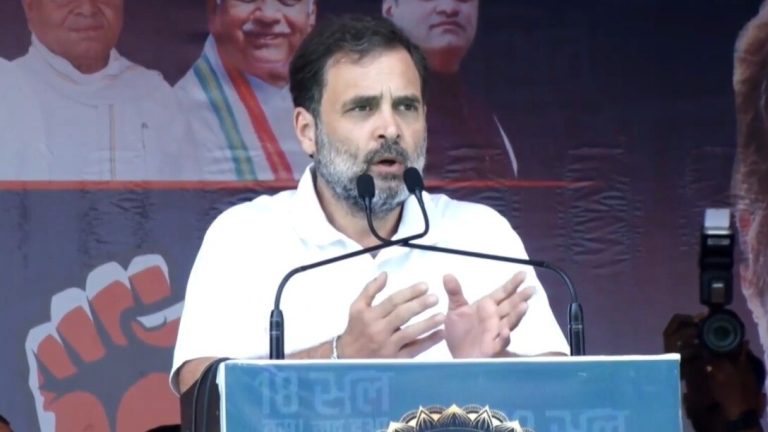
Bihar – Congress leader Rahul Gandhi launched a fierce verbal assault on Prime Minister Narendra Modi during a Mahagathbandhan rally in Bihar’s Muzaffarpur on Wednesday, claiming that the prime minister “can do anything for votes.” The confrontation between Rahul Gandhi PM Modi has intensified as Bihar’s assembly elections approach, with the opposition leader making controversial statements about the prime minister’s commitment to securing electoral victories.

Rahul Gandhi PM Modi Confrontation at Muzaffarpur Rally

Speaking at the Mahagathbandhan rally where opposition leaders including chief ministerial candidate Tejashwi Yadav were present, the Rahul Gandhi PM Modi dispute reached new heights when the Congress leader made provocative remarks about the prime minister’s electoral strategies. Gandhi told the gathering that Modi would even perform dramatic actions to secure votes from the electorate.

“If you tell Modi ji to do drama for votes, he would do. If you tell him that you would vote for him and ask him to come to the stage and dance, he would dance,” Gandhi stated, drawing attention to what he characterized as the prime minister’s desperation for electoral success. This sharp rhetoric in the Rahul Gandhi PM Modi exchange reflects the heightened political tensions ahead of Bihar’s crucial assembly elections.

Remote Control Governance Allegations

Beyond his direct comments in the Rahul Gandhi PM Modi confrontation, Gandhi also targeted the state government’s functioning under Chief Minister Nitish Kumar. He alleged that while Kumar serves as the chief minister, the actual control lies with the BJP, describing it as “remote control” governance that undermines Bihar’s autonomy.

“I agree with Tejashwi Yadav, who spoke just before me, that the government in Bihar is being run through remote control. They are simply using the face of Nitish Kumar,” Gandhi asserted, suggesting that the BJP manipulates state governance despite not holding the chief minister’s position.

This dimension of the Rahul Gandhi PM Modi political battle extends beyond personal attacks to encompass broader questions about governance structures and political alliances in Bihar.

Caste Census and Social Justice Debate

The Rahul Gandhi PM Modi clash also centered on the contentious issue of caste census, with Gandhi accusing the prime minister of deliberately avoiding this democratic exercise. He revealed that he had directly confronted the prime minister about conducting a caste census in the Lok Sabha, but received no response.

“Three or four people control it. BJP controls it. They have the remote controller in their hands, and they have nothing to do with social justice. I said in front of the Prime Minister in the Lok Sabha that you should get the caste census done. He did not say a single word,” Gandhi claimed.

According to Gandhi, the Rahul Gandhi PM Modi disagreement on caste census reflects the BJP’s fundamental opposition to social justice. “BJP is against social justice. They do not want it,” he declared, positioning this issue as a central distinction between the opposition alliance and the ruling party.

Also Read: Tejashwi Yadav BJP Bold Accusation Ahead Bihar Polls 2025: Claims Nitish Kumar Won’t Be CM

BJP’s Sharp Counterattack

The Rahul Gandhi PM Modi verbal duel quickly drew a strong response from BJP leaders, who condemned Gandhi’s statements as disrespectful and inappropriate. Party leader Pradeep Bhandari characterized Gandhi’s remarks as those of a “local goon,” suggesting that the Congress leader’s language was unbefitting of national politics.

In a post on social media platform X, Bhandari wrote: “Rahul Gandhi speaks like a ‘Local Goon’. Rahul Gandhi has openly insulted every poor of India, & Bihar who has voted for PM Narendra Modi ji! Rahul Gandhi has mocked voters and Indian democracy.”

This BJP response to the Rahul Gandhi PM Modi controversy attempts to reframe Gandhi’s criticism as an insult not just to the prime minister but to millions of voters who have supported Modi in previous elections.

Missing Leader Accusations

The Rahul Gandhi PM Modi political battle has also featured BJP allegations that Gandhi has been absent from active campaigning. Earlier on the same day as the Muzaffarpur rally, BJP leader Amit Malviya shared a post on X featuring a poster showing Rahul Gandhi as “missing for 59 days,” suggesting that the Congress leader had not been adequately engaged in Bihar’s electoral politics.

This accusation forms another front in the ongoing Rahul Gandhi PM Modi rivalry, with the BJP attempting to portray Gandhi as an inconsistent campaigner who appears only sporadically to make controversial statements.

Context of Mahagathbandhan Rally

Gandhi’s strong remarks during the Rahul Gandhi PM Modi confrontation came during a significant Mahagathbandhan rally that marked the culmination of the ‘Voter Adhikar Yatra’ in Muzaffarpur. The rally featured several opposition leaders united in their challenge to the NDA government, with Tejashwi Yadav serving as the alliance’s chief ministerial candidate.

The presence of multiple opposition leaders at this rally demonstrates the coordinated effort to challenge the BJP and its allies in Bihar, with the Rahul Gandhi PM Modi verbal battle serving as a central theme of the opposition’s campaign strategy.

Electoral Timeline and Stakes

The heightened rhetoric in the Rahul Gandhi PM Modi political conflict comes as Bihar prepares for crucial assembly elections scheduled in two phases on November 6 and 11, with results to be declared on November 14. The timing of Gandhi’s controversial statements reflects the intense competition for Bihar’s electorate, where every statement and counter-statement carries significant weight.

Democracy and Voter Respect

The Rahul Gandhi PM Modi dispute has raised questions about the boundaries of political discourse and respect for voters. While Gandhi’s supporters view his remarks as legitimate criticism of the prime minister’s electoral tactics, BJP leaders have characterized them as insulting to voters who have democratically chosen Modi in previous elections.

As the Rahul Gandhi PM Modi confrontation continues to dominate Bihar’s political narrative, both parties are intensifying their efforts to convince voters that their approach represents the true path to development, social justice, and democratic governance in the state.

Widespread Citizenship-Anxiety and the “NRC Suicide” in Agarpara: Focus on “NRC Fear Drives West Bengal Suicide Amid SIR Electoral Revision”

Widespread Citizenship-Anxiety: In a shocking and distressing incident, a 57-year-old trader, Pradeep Kar, from the Agarpara (North 24 Parganas) area of West Bengal ended his life on Tuesday morning, leaving a handwritten note that reportedly blamed the National Register of Citizens (NRC) for his death — an event that has ignited a fierce political storm and renewed debate over citizenship, electoral roll revision, migration and mental-health in the state.


Widespread Citizenship-Anxiety: What Happened and How

According to police records, local authorities received a call early Tuesday from a residence in Mahajyoti Nagar (Ward 9, Khardaha Municipality) when neighbours discovered that Kar was not responding to calls. On entry, his body was found hanging in his flat in the second-floor unit of Uma Apartments. Officials recovered a diary or note nearby that contained a line: “NRC is responsible for my death.”

Police Commissioner Murlidhar Sharma of Barrackpore cited the family’s statement that Kar had grown increasingly anxious following the announcement of the special intensive revision (SIR) of electoral rolls. The note, combined with his behaviour, has triggered the classification of the case as an unnatural death and initiated investigations.


Why This Incident Matters: Context of NRC & SIR

To understand the significance of this incident, it is important to situate it within the broader context:

  • The NRC is a register of Indian citizens that was first completed in a major way in Assam, where over 1.9 million people were excluded from the final list.
  • The SIR (Special Intensive Revision) of electoral rolls is a periodic exercise by the Election Commission of India to update, clean and revise voter lists. In West Bengal, this exercise has been controversial, with accusations that it may act as a “back-door NRC”.
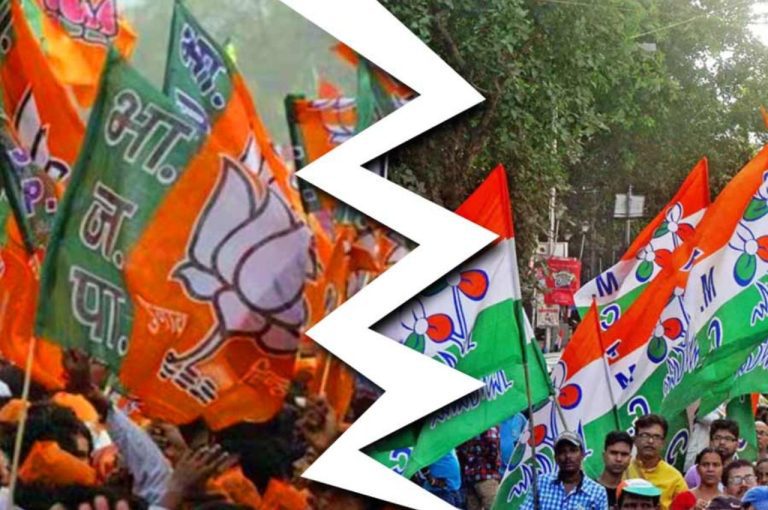
  • In the weeks prior to this incident, the ruling All India Trinamool Congress (TMC) in West Bengal had been vocally opposing the SIR and alleging that it was being used to stoke fear especially among marginalised communities. Meanwhile the Bharatiya Janata Party (BJP) countered that NRC was not being implemented in the state and that fear-mongering was politically motivated.

The convergence of these factors set the stage for heightened anxiety in communities with migration backgrounds or uncertain documentation — a context that Kar’s death painfully illustrates.


The Political Fallout: Blame Game Between TMC and BJP

The suicide quickly became a political flashpoint:

  • The TMC leadership, including party national general secretary Abhishek Banerjee, demanded that an FIR (First Information Report) be lodged naming the Union Home Minister and the Chief Election Commissioner, claiming they bear responsibility for the death.
  • Chief Minister Mamata Banerjee took to social-media (via X) to say the incident was a direct result of the BJP’s “politics of fear and division”, arguing that ordinary citizens were being driven to despair by constant talk of exclusion.
  • The BJP-state unit retaliated, stating that NRC is not active in West Bengal and asserting that the TMC’s anti-NRC campaign was itself creating panic. They held Mamata Banerjee responsible for spreading misinformation and fear.
  • Other opposition parties such as the state Congress and the CPM weighed in, blaming both the Centre and the Election Commission for procedural opacity and citizens’ fear, and simultaneously criticising the TMC for politicising the tragedy.

Thus the case became not only a matter of investigation but a symbol of deepening divides over citizenship, rights and electoral processes.


Family & Local Insight: What Kar’s Life and Death Reveal

Behind the politics lies a human story:

  • Pradeep Kar had lived in the Agarpara/Panihati area for decades; he ran a small‐scale bedding/furnishing business, held valid Aadhar and PAN card, and his name appeared on electoral rolls.
  • His family, however, revealed that he had become increasingly restless since the SIR announcement. He spent hours reading articles, discussing NRC, and writing notes about “being taken away”, “not belonging”, “fear of being declared alien”.
  • On Monday evening he had dinner as usual; later he went to his room. The next morning his wife’s brother’s wife tried to call him several times and found no response; neighbours helped unlock the door and found his body.
  • The recovered diary contained multiple entries about migration, citizenship, “what if I’m excluded”, and on one page, “Amar mrityur jonyo NRC daayi (NRC is responsible for my death)”.

Neighbours say there were other residents of similar background who also reported sleepless nights and anxiety over the SIR/NRC pronouncements; yet nothing so tragic had been seen.


Administrative & Investigative Response

Following the incident:

  • The Barrackpore Police Commissioner visited the site, collected the body for autopsy, and logged the case as suspected suicide. Investigations into possible triggers are underway.
  • The Chief Electoral Officer of West Bengal held an all-party meeting in which the suicide case was raised as part of concerns about electoral roll revision and its impact on citizens.
  • The state government ordered awareness notices on mental health outreach, emphasising counselling and helplines in districts with migration concerns.
  • Temple and community groups in the area began outreach to discussion of citizenship rights, documentation support and identifying vulnerable households.

Underlying Issues: Citizenship, Fear and Identity

The Agarpara tragedy highlights interconnected issues:

Citizenship Anxiety

For many residents in fringe urban areas of West Bengal — especially the children or grandchildren of migrants from erstwhile East Pakistan/Bangladesh — documentation gaps, ambiguous status and membership of electoral rolls have been sources of latent anxiety. The NRC exercise in Assam revived fears of exclusion. Kar’s note suggests he internalised these fears.

Electoral Revision & “Back-door NRC” Narrative

The SIR exercise is usually standard administrative practice, but in West Bengal it has been heavily politicised. The TMC’s assertion that SIR equates to NRC, and the BJP’s rejection of that claim, have created a climate where ordinary citizens may not distinguish between the two and feel existential anxiety.

Mental Health & Vulnerability

The case underscores how policy uncertainty, fear of exclusion, and identity stress can impact mental health. Experts say that when individuals feel their right to belong is at risk, the psychological toll can be substantial.

Information & Communication Gap

Ambiguity, incomplete communication and mixed political signals can generate fear. If citizens aren’t sure what the SIR process will mean for them, or what documentation they must furnish, anxiety multiplies.


Human Cost: Lives at the Margin

The tragedy is a human cost of policy and politics:

  • For Kar’s family and neighbours, the death is a devastating personal loss and a reminder of vulnerability they may not have felt before.
  • The incident damages trust in public systems: if someone with valid documents feels excluded or un-safe, many others may live with similar fear.
  • Reliance on political messaging instead of administrative clarity has allowed fear to spread.
  • While the suicide may be exceptional in its outcome, the underlying anxiety is likely more widespread — among traders, low-income migrants, seasonal workers, families without complete paperwork.

What Happens Next: Watch-Points

In the coming days and weeks, key developments to monitor:

  • The autopsy and investigation outcome: whether the suicide note is validated, whether mental-health dimensions are probed, whether any institutional culpability is identified.
  • Whether Kar’s family files an FIR naming central officials, as requested, and how police respond.
  • How the Election Commission addresses the concerns about SIR and citizenship fears — whether clarifications, public outreach or documentation drives are initiated.
  • Whether the TMC uses this incident in its election narrative and whether the BJP responds with policy commitments or counterarguments.
  • Whether mental-health services and citizen documentation support drives are ramped up in vulnerable areas.
  • Whether similar incidents occur in other districts with migration or documentation-vulnerable populations.

Broader Implications for West Bengal and India

This incident is symbolic of deeper structural challenges:

  • West Bengal, with its long migration history and diverse population, must grapple with identity, belonging and rights in ways that go beyond simple administrative exercises.
  • For India overall, citizenship registers, electoral revision and migration control are fraught with political, social and psychological dimensions. When persons feel their existence is uncertain, the consequences can be tragic.
  • Governance must embrace not just paperwork but empathy: clarity of process, assurance of rights, mental-health support, and non-politicised communication.
  • Policymakers and political actors must recognise that routine exercises like SIR cannot be treated purely technically—they impact real lives.

Voices from Ground Zero

Neighbours of Kar said:

“He used to tell us he feared he would be sent away… though he had all his papers. After the SIR announcement he looked restless.”
“We thought he was just worried, but no one expected this.”

Local party workers and residents expressed frustration:

“Why must our identity always become a battleground for politics?”
“We need clear communication, not fear.”


Concluding Thoughts

In concluding, the suicide of Pradeep Kar in Agarpara forces us to reflect: citizenship, identity and belonging are not merely legal statuses—they are lived experiences. When a person, with valid documents and long residence, fears exclusion so deeply that he ends his life, it shows a failure of multiple systems—administrative, political, social, mental-health.

The death is tragic. The blame-game that followed is unsurprising. But more importantly, the lesson must be that no citizen should live in fear that their right to belong may be questioned. For West Bengal, the immediate tasks are: reassure its citizens, clarify process, bolster mental health support, ensure documentation drives, and depoliticise the conversation. For India broadly, this is a reminder that policy frameworks around citizenship cannot ignore the human dimension — the sense of home, identity and security.

The political fallout will continue. The investigation will proceed. But fundamentally the conversation must shift from who is to blame to how do we ensure every citizen feels safe, counted and included. For Kar’s family, there must be support—not just words. For the community, there must be reforms—not just rhetoric. For the polity, there must be empathy—not just electoral calculation.


Here are some government / official external links relevant to the topics of National Register of Citizens (NRC), the Citizenship Amendment Act (CAA), and the Special Intensive Revision (SIR) of electoral rolls:

Also read: Home | Channel 6 Network – Latest News, Breaking Updates: Politics, Business, Tech & More

Widespread Temple Robberies in Kolkata Suburbs: Six Temples and Household Shrines Burgled Overnight in “temple ornament theft” Spree

Widespread Temple Robberies in Kolkata: In a shocking and coordinated theft spree during the early hours of Wednesday, six temples and household shrines in the Dhakuria / Debnagar neighbourhood of south Kolkata were burglarised. Thieves broke into both public worship places and private household shrines, making away with ornaments adorning the idols as well as emptied donation boxes. Early investigations estimate the value of stolen gold and silver ornaments in at least one case at around ₹1.5 lakh, with further losses likely once full inventories are assessed.


Widespread Temple Robberies in Kolkata: How the Thefts Unfolded

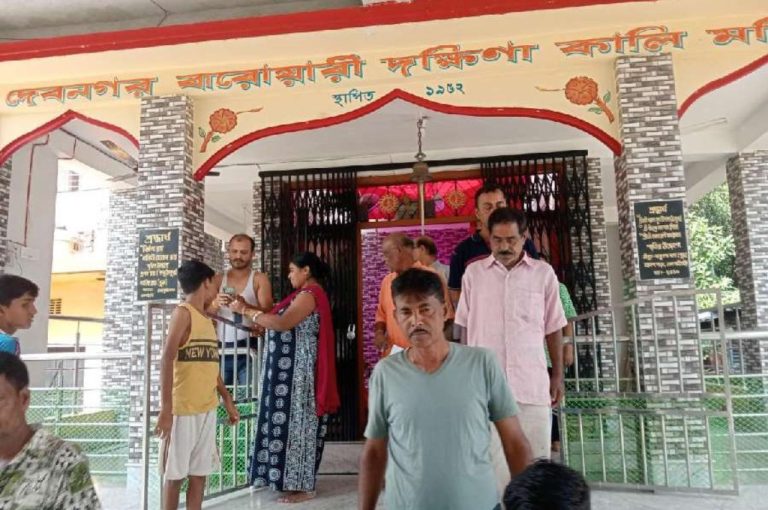
Around dawn, temple caretakers at the Debnagar Barowari Dakshina Kali Temple discovered that locks had been forced and the idol’s gold and silver ornaments were missing. In a nearby household shrine of a Mangalchandi temple, located inside a private premises, the homeowner found that gold ornaments had been stolen. Reports indicate that the thieves targeted at least six locations in the same zone, striking sometime during the night when footfall was minimal.

In the Hanuman temple across from Debnagar Satish Lahiri Vidyalaya, thieves removed the gold ornament on the idol’s forehead and also stole the donation box. At three smaller temples in the locality, similar incidents of ornament theft and donation box looting were reported.

Local police have registered complaints and begun investigations into how the robbers executed multiple hits in one night, underscoring both the audacity and planning behind the spree.


Scale of Loss & Nature of Items Stolen

While the full extent of losses across all six sites remains under evaluation, initial data include:

  • At the Mangalchandi household‐shrine: Gold ornaments valued at approximately ₹1.5 lakh were reported stolen.
  • At the Dakshina Kali temple: A silver crown, a gold crown, two gold mangalsutras and two gold earrings were reportedly taken.
  • Additional thefts at smaller temples included removal of idol accessories (crowns, chains), and clearing out donation boxes.

Beyond tangible value, the stolen items carry deep cultural and spiritual significance: many were offerings from devotees, integrated into the ritual worship of the deities, and thus their loss affects not only finances but also the devotional ambiance and trust of the faithful.


Why This Incident Raises Alarms

The fact that six religious sites—public temples and private shrines—were struck in a single night signals a worrying escalation of temple‐ornament thefts, especially in densely populated urban neighbourhoods. Key concerns include:

  • Targeting of sacred items: The thieves specifically removed idol accessories (crowns, earrings, mangalsutras) and donation boxes, showing knowledge of where valuables are kept and how to strike.
  • Urban vulnerability: Many assume that temples in busy neighbourhoods are safer due to activity and visibility; this incident shows that assumption may be misplaced.
  • Cultural impact: Temples are not just buildings; they are community hubs and spiritual centres. Violations of their sanctity damage trust and emotional security of devotees.
  • Pattern of increasing temple thefts: Similar incidents in other states of India suggest this is part of a broader trend of religious sites being singled out by thieves for precious metal ornaments.

Investigative Challenges & Possible Modus Operandi

Investigators and security experts are focusing on several likely avenues:

  • Reconnaissance and timing: The thieves appear to have struck when volunteer presence was minimal (late night / pre-dawn). They likely surveyed the targets in advance, identified weak security or unlit zones.
  • Access method: Forcing or bypassing locks, possibly using insider knowledge of temple routines, door access, keys, or night-watch schedules.
  • Selective theft: Rather than indiscriminate looting, the thefts appear calculated—targets were the idol ornaments and donation boxes, which are mobile and valuable.
  • Quick disappearance of stolen items: Once removed, such ornaments can be melted, modified, or sold off, making recovery difficult.
  • Insider involvement possibility: Because these items are often in less-secured areas and the thieves seemed to know their location, investigators are not ruling out inside help or complicity.

The investigation will likely include gathering CCTV footage from adjacent shops/residences, forensic examination of entry points, questioning temple volunteers/staff, and tracing suspicious gold jewellery trades in the area.


Community & Devotee Reaction

Devotees and local residents expressed deep dismay at the incident:

“To see the idol’s ornaments missing is unsettling. We come here daily for peace and prayer; this has shaken our faith in safety,” said one regular devotee at the Kali temple.

One temple committee secretary remarked that the theft had exposed the weak link in their security arrangements. Local residents voiced concern about the vulnerability of smaller shrines and household temples, which often lack full-time guards or surveillance systems.

Local businesses and residents responded by discussing the need for neighbourhood watch initiatives, improved lighting, and temple coordination to ensure that such sacred spaces are protected.


Institutional Response & Security Measures Being Taken

In the immediate aftermath:

  • The local police station has registered FIRs and begun investigations into each theft site.
  • Temple committees are reviewing and upgrading locks, considering installation of CCTV cameras, motion-sensors and lighting around premises.
  • Committees are also instructing volunteers to monitor night activity, restrict access, and conduct regular checks of donation boxes and storage of ornaments.
  • A proposal is underway for a temple network watch where multiple neighbouring temples coordinate patrols, share information about suspicious activity, and maintain a shared log of incidents.
  • Some household shrine owners in the area have been advised to store high‐value offerings (gold/silver ornaments) in secured vaults when not in active ritual use.

Broader National Context: Temple Theft Trends

This incident links into a pattern emerging nationally. For example:

  • In a district of Odisha, five temples were burgled in one night; value of losses around ₹20 lakh.
  • In a Tamil Nadu city, a Jain temple heist saw thieves scaling walls and stealing nearly half‐a kilo of gold plus 10 kg of silver from a temple.
  • Multiple gangs specialising in temple thefts have been arrested across states, indicating an organised network targeting religious institutions.

These cases point to:

  • Religious sites being considered lucrative targets for thieves because of valuable ornaments, metal idols and cash donations.
  • Weak deterrence: many smaller temples and household shrines do not have modern surveillance or heavy security.
  • Community vulnerable: In many cases, the local populace and volunteers may not anticipate such coordinated thefts, especially in “safe” neighbourhoods.

Lessons & Preventive Protocols for Temples and Shrines

Based on expert advice, the following should become standard practice for places of worship:

  • Maintain a detailed inventory of ornaments, including photographs, donor details, weights, unique identifiers.
  • Store high‐value items in secure safes or vaults when the temple is closed/unattended.
  • Install CCTV cameras at all key points: sanctum, storage rooms, external doors—retain footage for at least 30 days.
  • Employ adequate lighting and motion detectors for outside premises, especially around night hours or low activity periods.
  • Ensure volunteer training around night‐watch routines, key control, donation box handling, locking/unlocking procedures.
  • Explore neighbourhood watch networks among nearby temples and community residences to alert each other about suspicious behaviour.
  • Collaborate with local police for periodic inspections, intelligence sharing on theft trends, and awareness sessions for temple management.
  • Encourage donors to consider replica ornaments for display and keep the originals in secure storage, particularly for older items of high value or heritage significance.
  • Budget for security – allocate funds specifically for surveillance, locks, alarms rather than treating it as optional.

Impacts Beyond Monetary Loss

While the immediate focus is on the stolen ornament value and material damage, the broader impacts include:

  • Ritual disruption: Missing ornaments may delay certain pujas or change how devotees perceive the sanctity of the idol.
  • Emotional distress: Devotees who donated the ornaments may feel personal loss or betrayal seeing their offering gone.
  • Reputation & trust: Temple committees and local administration may face questions on oversight and security, which can erode trust.
  • Local commerce effects: If visiting devotees reduce activity or feel unsafe, surrounding businesses may feel the ripple effect.
  • Cultural heritage risk: Some ornaments are heritage‐items or part of long-established ritual traditions; their loss is harder to replace.

Investigative & Legal Follow-Up

Over the next several weeks, the following can be expected:

  • Review of CCTV footage from nearby properties and potential identification of suspects or vehicles.
  • Forensic examination of physical break-in points (locks, door frames etc.).
  • Interviews with volunteers, key holders, staff and neighbours to ascertain timeline, security lapses, and possible insider knowledge.
  • Tracking of gold/silver jewellery markets in the region to detect unusual trades of items matching the stolen ornament descriptions.
  • If arrests are made, the legal process will include recovery of stolen items, prosecution under relevant theft/robbery/WP offences, and community notification.
  • Temple committees may bring in external security consultants to audit their premises and issue mandatory improvements.

Conclusion

The temple‐robberies at Dhakuria / Debnagar are a wake-up call for urban religious institutions and their managing bodies. The fact that six sites—including public temples and household shrines—were struck in one night shows that mere presence in a busy neighbourhood is not sufficient security.

The stolen ornaments may be recovered eventually or they may vanish into the black market—but the deeper concern is about protecting the sacred space, the devotional trust of the community, and the cultural heritage invested in these shrines.

Robust prevention, active community policing, modern surveillance, volunteer training, and institutional budgeting for security are no longer optional—they are essential.
As temple committees and devotees rebuild from this breach, the hope remains that they emerge with stronger protections, better awareness, and a renewed sense of communal defence for the places of worship they cherish.


External Links for Further Reading

Also read: Home | Channel 6 Network – Latest News, Breaking Updates: Politics, Business, Tech & More
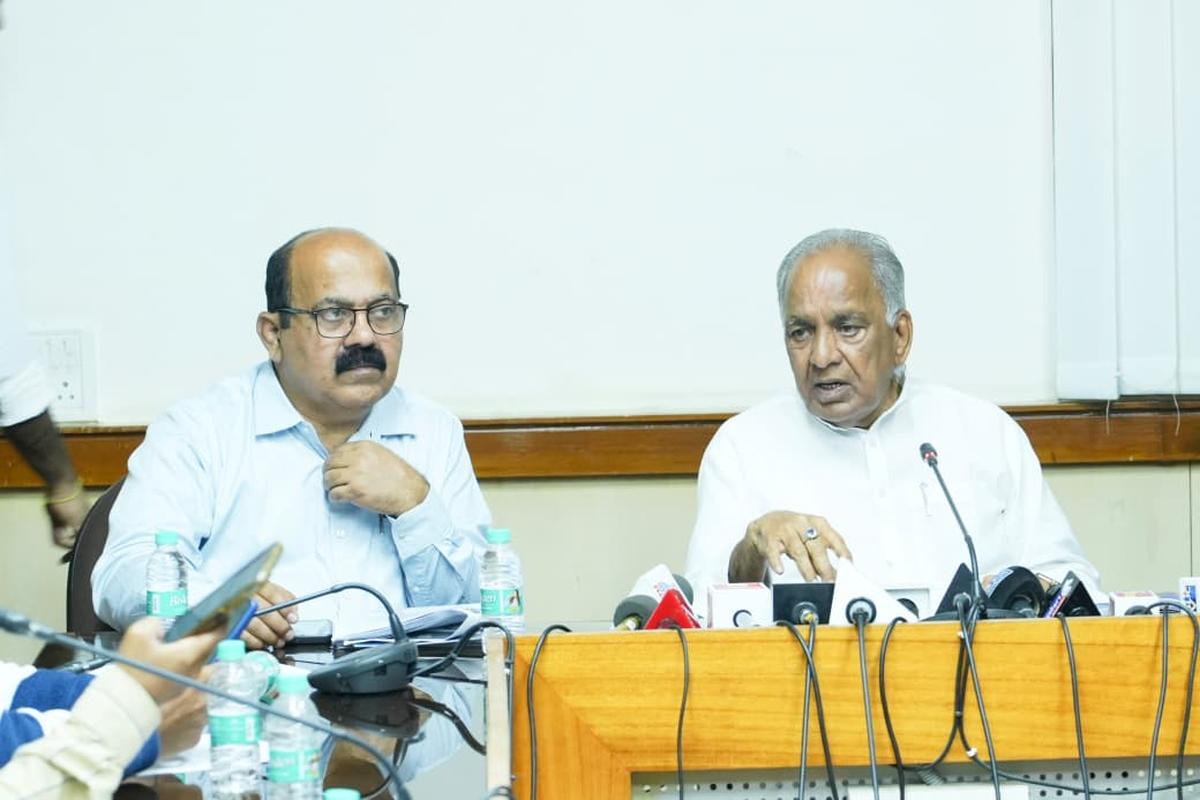
Massive Early-Morning Blaze at SBI Branch in Dhakuria, Kolkata: Focus on Fire Safety Preparedness as Six Fire Tenders Battle Flames — “Fire Breaks Out at SBI Branch in Dhakuria” Incident Raises Infrastructure Concerns in Busy Commercial Zone

Massive Early-Morning Blaze at SBI: An early-morning fire erupted at the State Bank of India (SBI) branch located in Dhakuria, on the bustling Gariahat Road stretch in south Kolkata, prompting swift deployment of six fire tenders to control the situation. The incident, which was detected at around 6:12 a.m., fortunately resulted in no casualties, according to fire brigade and police officials.

Although the blaze was brought under control and cooling operations were carried out promptly, the incident has triggered deeper conversations about urban fire-safety compliance, maintenance of electrical systems, and infrastructure readiness within India’s largest bank branches situated in densely populated commercial corridors.


What Happened in Dhakuria: A Closer Look

Eyewitnesses living in the vicinity reported smoke emerging from the lower section of the bank building before dawn. Security personnel on duty initiated alerts, following which the fire brigade rushed six tenders to the spot. The firefighting teams acted quickly to prevent the flames from spreading to:

✔ Adjacent commercial establishments
✔ Residential buildings located behind the main road
✔ ATM kiosks and banking equipment zones

Although early morning hours meant low footfall, the blaze reportedly caused:

  • Damage to furniture, electronics, and document sections
  • Temporary halt to physical banking operations
  • Disruption of access for senior citizens and customers reliant on the branch

An officer at the location stated that the actual cause of the fire remains under investigation, although preliminary suspicion circles around an electrical short-circuit—a common trigger in commercial fires in older buildings.


Why Dhakuria Fire Matters: Commercial Density & Fire Risk

The SBI Dhakuria branch is strategically located in a very high-footfall zone, surrounded by:

  • Retail shops
  • Residential complexes
  • Small eateries and vendor kiosks
  • Public transportation hubs

The prime location also brings safety concerns:

Risk Factor Why It Matters
Old electrical networks Often overloaded due to modern appliance use
Dense construction Fire can spread horizontally and vertically fast
Narrow access roads Fire trucks struggle to maneuver in peak hours
Limited emergency exits Evacuation challenges during crowded hours

Luckily, as the blaze struck before regular operations, disaster was avoided.


Massive Early-Morning Blaze at SBI: Possible Causes Under Examination

Investigators are currently evaluating key aspects:

  1. Wiring condition — Was the system upgraded to meet modern load requirements?
  2. Air-conditioning equipment — A leading cause of commercial electrical fires
  3. ATM and server area risks — Heat buildup in high-power electrical components
  4. Fire alarm infrastructure — Was automatic detection triggered?

Authorities are expected to run a full forensic audit to ensure similar vulnerabilities are addressed in nearby branches.


No Casualties — Why Kolkata Was Lucky This Time

Fire officials praised the timely alert and controlled situation. Key reasons behind the safe outcome were:

✅ Branch closed to public during ignition
✅ Fire spotted quickly due to security presence
✅ Rapid deployment of six fire tenders
✅ Compartmentalization around high-value areas helped containment

Yet, as experts warn, luck cannot substitute regulatory compliance and proactive maintenance.


Operational Interruption: What Customers Should Expect

The branch may temporarily reduce or shift operations. Customers may face:

  • Offline services being redirected to nearby SBI branches such as Jodhpur Park / Golpark
  • ATMs temporarily out of service
  • Delay in passbook printing or cheque processing

SBI is expected to release advisories ensuring smooth business continuity.


Fire Safety Concerns in Major Banks: A National Lens

This incident mirrors several earlier fires seen in:

🔥 ATMs
🔥 Bank basements storing bulky paperwork
🔥 Buildings with outdated systems

Why banking infrastructure is vulnerable:

  • Heavy reliance on electrical servers & UPS units
  • Large paper inventory (passbooks, forms, TDS records)
  • Frequent AC usage in all sections
  • Public access with inadequate evacuation preparedness

Many metro cities including Mumbai, Delhi and Chennai have documented similar risks.


Inside the Investigation: What Officials Will Focus On

Authorities are expected to conduct:

📌 Structural damage inspection
📌 Machinery & server room safety review
📌 CCTV check to trace exact ignition point
📌 Analysis of sprinkler & alarm responses
📌 Full electrical audit

Maintenance logs and certificate renewals of the building will be cross-checked.


Local Business & Community Effects

The Dhakuria market belt thrives on constant customer circulation. Impact includes:

  • Adjacent shops losing business during barricading
  • Vendors prevented from setting up outside the branch
  • Reduced pedestrian movement affecting sales for the day

Residents expressed relief but also anxiety about infrastructure ageing around them.


Voices from Ground Zero

A resident living opposite the bank stated:

“We saw smoke at sunrise. Thankfully, the fire engines arrived fast. But buildings here are old — a bigger fire could be devastating.”

A vendor who operates outside said:

“Morning hours are usually quiet, but if this happened later, hundreds would be here.”

Employees arrived later to find entry restricted, concerned about workload delays and service resumption.


Urban Safety Outlook: Kolkata Must Act Proactively

Kolkata’s older commercial clusters like Gariahat Road, Burrabazar, and parts of Park Street witness:

  • Overloaded power networks
  • Neglected fire exit infrastructure
  • Hazardous signboards and AC ducting

Officials have frequently flagged the lack of compliance audits by building owners.

What must change:

✅ Mandatory annual electrical load testing
✅ Smart fire detection installations
✅ Training of bank staff for emergency evacuation
✅ Stricter municipality monitoring and fines


Bank Accountability & Insurance Mechanisms

It is expected that SBI:

  • Files insurance claims for damaged infrastructure
  • Reports compliance data to regulators
  • Reviews similar-layout branches for preventive fixes

Insurance assessors will estimate the financial loss, including:

📌 Machinery repairs
📌 Document recovery processes
📌 Earnings lost due to downtime


A Wake-Up Call for Public Safety

While the “Fire Breaks Out at SBI Branch in Dhakuria” story ended without casualties, experts reiterate that:

“Each fire must be treated as a red alert, not a one-off event.”

The incident should trigger:

  • Building-wise safety inspections throughout Gariahat Road
  • Awareness campaigns for staff & visitors
  • Modernization of outdated infrastructures

Kolkata Fire Brigade has already advised nearby establishments to check wiring and emergency routes.


✅ External Useful Links (as you requested)

These are generic fire-safety resources — not other channel/Telegraph sources:

Also read: Home | Channel 6 Network – Latest News, Breaking Updates: Politics, Business, Tech & More

Cooperative-Led Blue Economy Strong Acceleration: Union Fisheries Secretary Reviews Raigad Cluster, Maharashtra: 2025

The cooperative-driven Blue Economy received a major boost as the Raigad Fisheries Cluster in Maharashtra emerged as a compelling model for integrated value-chain development. Union Fisheries Secretary Dr. Abhilaksh Likhi visited the cluster on October 28, 2025, engaging directly with stakeholders and reviewing progress on sustainable fisheries-based livelihoods. The review focused on scaling infrastructure, creating market linkages, and aligning development initiatives with flagship schemes like PMMSY and the Fisheries Infrastructure Development Fund.​

Cluster-Based Development and Government Commitment

The Raigad Fisheries Cooperative Cluster, notified under PMMSY, represents one of 34 clusters driving India’s Blue Economy transformation. These clusters promote collective growth by integrating marine, freshwater, and brackish-water fisheries, aquaculture, deep-sea fishing, processing, and marketing. Dr. Likhi’s visit underscored the government’s commitment to empowering cooperatives, encouraging innovation, and enhancing the sector’s competitiveness and financial viability. He assured that stakeholder-prioritized needs such as fishing jetties, ice plants, cold storages, and dredging facilities would receive attention in upcoming project proposals.​


Capacity Building, Market Linkages, and Innovation

The Secretary directed the National Fisheries Development Board (NFDB) to conduct awareness, training, and grievance redressal camps across Raigad. These efforts aim to expand the reach and effectiveness of government schemes, foster technology-driven growth, and strengthen market access for cooperative members. Participating officials, including Joint Secretaries Sagar Mehra and Neetu Kumari, advocated convergent, multi-ministry partnerships, technology adoption, and the development of Standard Operating Procedures for harbour management.​

Roadmap and Stakeholder Engagement

NFDB Chief Executive Dr. B.K. Behera outlined a five-year plan targeting cold chain expansion, processing infrastructure, market integration, and welfare initiatives aligned with Maharashtra’s fisheries growth strategy. The dialogue involved 251 representatives of 156 Primary Fisheries Cooperative Societies and 9 Fish Farmer Producer Organizations (FFPOs), along with fishers from diverse segments, local administration, and financial institutions. Stakeholders highlighted infrastructure gaps, women-centric initiatives, credit needs, and best-practice sharing via exposure visits.​

Broader Impact and National Vision

The Raigad cluster is an anchor for Sahkar se Samriddhi (prosperity through cooperation) and Atmanirbhar Bharat, advancing India’s goal for a competitive, inclusive, and resilient fisheries sector. Multi-level collaboration with the Ministry of Cooperation, NCDC, NFDB, MPEDA, NABARD, industry and local administration is fostering holistic development, innovation, and sustainable economic growth through cooperative strength.​

Conclusion

The Raigad Fisheries Cluster showcases the potential of a cooperative-led approach to drive innovation, infrastructure upgrades, livelihoods, and inclusive growth across India’s Blue Economy. As a model for integrated development, it demonstrates how collaboration, technology, and stakeholder engagement can transform local value chains and national fisheries outcomes.​

For more real-time updates, visit Channel 6 Network.

Source: PIB