Sunday, May 17, 2026
Home Blog Page 377

India Approves Rs 5,532 Crore Electronics Manufacturing Projects: Strategic Boost to Components Sector

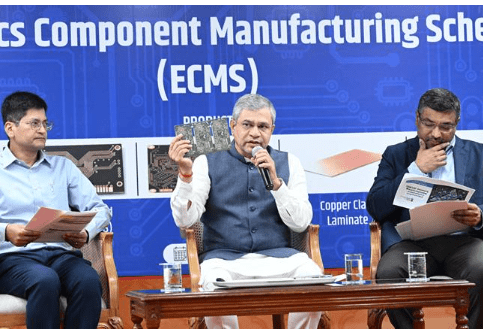
The Government of India has granted approval to the first batch of seven projects under the Electronics Manufacturing Component Scheme (ECMS), unlocking an investment of over ₹5,500 crore. These projects are set to catalyze domestic production, generate more than 5,100 direct jobs, and establish India as a key player in the global electronics supply chain.​

Major Projects and Economic Impact

The sanctioned units, spanning Tamil Nadu, Andhra Pradesh, and Madhya Pradesh, will contribute to the domestic manufacture of multi-layer and High-Density Interconnect (HDI) Printed Circuit Boards (PCBs), camera modules, copper clad laminates, and polypropylene films. In total, these projects are estimated to produce components worth ₹36,559 crore, meeting 100% of India’s demand for copper clad laminates, 20% for printed circuit boards, and 15% for camera modules. Notably, over 60% of this production is intended for export markets, helping reduce the nation’s import dependence and support its Atmanirbhar Bharat vision.​


Advanced Manufacturing and Supply Chain Benefits

The ECMS-driven investments will enable for the first time in India the making of key base materials like copper clad laminates—an essential component in multi-layer PCBs currently imported. Camera modules, vital to smartphones, medical instruments, drones, and automotive systems, will also be produced domestically. By fostering the growth of such high-value electronic components and materials, these projects will strengthen trusted supply chains across core sectors like defence, telecom, electric vehicles, and renewable energy.​

Conclusion: Electronics Manufacturing Projects

India’s latest approvals under the ECMS mark a significant transformation from assembling finished electronic products to mastering the production of critical components and materials. This move will not only boost manufacturing and technological capability but also foster the creation of high-skill jobs and balanced industrial growth across regions.

For more real-time updates, visit Channel 6 Network.

Source: PIB

Fisheries Department Advances Training for Island Fishermen; Focus on Sashimi-Grade Tuna and Export Skills: 2025

The Department of Fisheries has announced plans to boost fishermen training and skill development in the Andaman & Nicobar and Lakshadweep Islands, with particular emphasis on sashimi-grade tuna handling and export-oriented competencies. The initiative aims to empower local communities with modern post-harvest practices and connect India’s island fisheries to global premium tuna markets.​

Strategic Importance of Island Fisheries

Union Secretary Dr. Abhilaksh Likhi highlighted the distinct advantages of Lakshadweep and Andaman & Nicobar Islands for marine fisheries, noting their potential for tuna and other oceanic species. Active collaboration was encouraged among institutions like Fishery Survey of India (FSI) and Central Institute of Fisheries Nautical and Engineering Training (CIFNET) to deliver comprehensive training and maximize the export competitiveness of local marine products.​


Capacity Building: Advanced Training and Overseas Exposure

To minimize post-harvest losses and improve product standards, highly motivated and skilled island fishermen will be offered advanced overseas training in sashimi-grade tuna handling, processing, and cold chain techniques. Exposure to international standards is expected to help India tap premium markets, notably Japan and the United States, where fresh tuna fetches higher prices.​

Hands-on Initiatives and Technical Programs

FSI and CIFNET have presented detailed outreach activities, including specialized technical courses, hands-on field demonstrations, and technology dissemination drives. These are tailored to enhance practical and theoretical skills of fishermen and personnel, ensuring quality improvements across the value chain in the islands.​

Conclusion

By strengthening island fisheries with modern skills and export orientation, the Department of Fisheries is taking decisive steps toward livelihood enhancement and value addition for local communities. Stakeholder cooperation and targeted training will play a pivotal role as India looks to become a global leader in sashimi-grade tuna exports.

For more real-time updates, visit Channel 6 Network.

Source: PIB

Union Health Minister Leads Integrity Pledge for Vigilance Awareness Week 2025

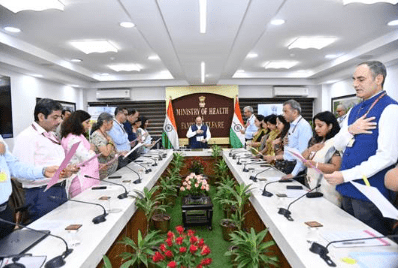
Union Health Minister Shri J.P. Nadda administered the Integrity Pledge to officers and staff of the Ministry of Health and Family Welfare, marking the commencement of Vigilance Awareness Week 2025. This observance highlights the government’s ongoing efforts to foster integrity, transparency, and accountability across public services while emphasizing ethical governance and preventive vigilance.

Vigilance Awareness Week 2025: Theme and Observance

Vigilance Awareness Week 2025 is being observed nationwide from 27th October to 2nd November 2025 with the theme “सतर्कता: हमारी साझा जिम्मेदारी” (“Vigilance: Our Shared Responsibility”). The initiative aims to inspire integrity and collective accountability against corruption within public life. The week’s activities align with the Central Vigilance Commission’s directive focusing on integrity, transparency, and ethical conduct in all government departments.​


Emphasis on Institutional Vigilance and Ethical Governance

During the pledge ceremony, Shri Nadda underscored the importance of making vigilance an institutional habit. He advocated for clear guidelines and regular training to empower staff with knowledge, preventing unintentional errors and fostering a pro-vigilance culture. The Minister also spotlighted recent directives for a three-month Preventive Vigilance campaign, prioritizing disposal of complaints, case management, asset oversight, capacity building, and digital governance enhancements.​

Commitment to Transparency and Accountability

Senior officers and staff reaffirmed their pledge to ethical service during the event, reiterating the importance of integrity in public welfare. Through this initiative, the Ministry seeks to intensify outreach and awareness, ensuring that vigilance, probity, and accountability remain at the forefront of India’s public governance model.​

Conclusion

The observance of Vigilance Awareness Week 2025, under the theme of shared responsibility, marks a renewed commitment by India’s Health Ministry to uphold ethical standards, enhance institutional vigilance, and nurture a transparent administrative culture focused on public trust and good governance.​

For more real-time updates, visit Channel 6 Network.

Source: PIB

Cyclone Montha Landfall: Critical Alert as Severe Storm Hits Coast Today

Andhra Pradesh – Coastal regions of Andhra Pradesh, Odisha, and Tamil Nadu have been placed on red alert as Cyclone Montha landfall is anticipated along the Andhra Pradesh coast during the evening and night of October 28. The India Meteorological Department has warned that the cyclonic system churning over the West Central and Southeast Bay of Bengal is expected to intensify into a ‘Severe Cyclonic Storm’ before making its impact on the eastern coastline.

Cyclone Montha Landfall Timing and Location

According to the India Meteorological Department, Cyclone Montha landfall is likely to occur between Machilipatnam and Kalingapatnam along the Andhra Pradesh coast during Tuesday evening and night. The Andhra Pradesh State Disaster Management Authority managing director Prakhar Jain confirmed that Cyclone Montha landfall was expected by Tuesday evening, prompting massive evacuation and preparedness efforts across vulnerable coastal areas.

“As the cyclone nears the coast, wind speeds along the coast are forecast to reach up to 90 to 110 kilometres per hour,” Jain stated, highlighting the potentially dangerous conditions accompanying the Cyclone Montha landfall.

High Alert Declarations Across Multiple States

The Cyclone Montha landfall has triggered red alert declarations across coastal Andhra Pradesh, Odisha, and Tamil Nadu, signaling the highest level of weather warning for these regions. The Rayalseema region of Andhra Pradesh, along with Tamil Nadu and Puducherry, have been placed on orange alert for heavy rains, with additional warnings issued for strong winds in Tamil Nadu and Puducherry.

This multi-state alert system ensures that authorities and residents are adequately prepared for the Cyclone Montha landfall and its subsequent impacts on infrastructure, agriculture, and human safety.

Chief Minister Directs Emergency Measures

In view of the approaching Cyclone Montha landfall, Andhra Pradesh Chief Minister N. Chandrababu Naidu has directed officials to take immediate action to safeguard lives and minimize damage in coastal areas. People residing near coastal areas have been evacuated to safer locations in anticipation of the Cyclone Montha landfall and its associated hazards.

Chief Minister Naidu ordered the appointment of special officers to oversee the functioning of cyclone shelters and relief centers. He emphasized that “precautions must be taken to prevent the pollution of drinking water,” recognizing the secondary impacts that often follow such severe weather events.

Expected Impact on Vidarbha Region

Beyond the immediate coastal areas where Cyclone Montha landfall will occur, Maharashtra’s Vidarbha region is very likely to receive moderate to heavy rain between October 28 and 30. A yellow alert along with forecasts of heavy rainfall, thunderstorms accompanied by lightning, and gusty winds with speeds reaching 40-50 kmph has been issued for isolated places over Chandrapur, Gadchiroli, Wardha, Washim, Yavatmal, Bhandara, Gondia, and Nagpur.

Scientist Praveen Kumar from the Regional Meteorological Centre in Nagpur confirmed that the Cyclonic Storm Montha over southwest and adjoining areas of West Central and Southeast Bay of Bengal had moved north-northwestwards, expanding its area of influence beyond the immediate Cyclone Montha landfall zone.

Weather Warnings for Additional States

While the primary concern remains the Cyclone Montha landfall along the Andhra Pradesh coast, several other states have been placed on yellow alert for rains. These include Madhya Pradesh, Maharashtra, West Bengal, Gujarat, Karnataka, Kerala, Rajasthan, and Goa, indicating the widespread impact of this severe weather system across the Indian subcontinent.

The cascading effect of the Cyclone Montha landfall demonstrates how such powerful weather systems can influence meteorological conditions across vast geographical areas, affecting millions of people far from the actual landfall location.

Also Read: Odisha Cyclone Alert: Urgent Warning Issued as Bay of Bengal Storm Intensifies

Comprehensive Relief and Rescue Operations

Recognizing the serious threat posed by the Cyclone Montha landfall, authorities have deployed extensive relief and rescue resources. For rescue and rapid response operations, 11 National Disaster Response Force (NDRF) teams and 12 State Disaster Response Force (SDRF) teams have been strategically positioned across vulnerable areas.

These specialized teams have been equipped with Fire Services personnel, trained swimmers, OBM boats, life jackets, and emergency equipment deployed across coastal zones. The 108/104 ambulance network has been activated, and medical camps have been established in all cyclone shelters to provide immediate healthcare support to affected populations during and after the Cyclone Montha landfall.

Intensification into Severe Cyclonic Storm

The India Meteorological Department has predicted that before the Cyclone Montha landfall occurs, the system will intensify into a ‘Severe Cyclonic Storm’ (SCS) category. This classification indicates sustained wind speeds that can cause significant damage to infrastructure, uproot trees, damage power lines, and create life-threatening situations for those in exposed areas.

The intensification prior to Cyclone Montha landfall necessitates enhanced preparedness measures and strict adherence to evacuation orders issued by local authorities.

Safety Measures and Public Advisories

As the Cyclone Montha landfall approaches, authorities have issued comprehensive safety advisories for residents in affected areas. People have been urged to stay indoors, secure loose objects, stock essential supplies including food, water, and medicines, and avoid coastal areas and low-lying regions prone to flooding.

Fishermen have been specifically advised not to venture into the sea, as the Cyclone Montha landfall will create extremely dangerous conditions with high waves and strong currents that pose severe risks to maritime activities.

Preparedness and Infrastructure Protection

The coordinated response to the Cyclone Montha landfall reflects lessons learned from previous cyclonic events. State governments have taken proactive measures to protect critical infrastructure, ensure continuity of essential services, and minimize loss of life and property. Electricity departments have been placed on standby to restore power quickly after the storm passes, while communication networks have been strengthened to maintain connectivity during the emergency.

As the Cyclone Montha landfall unfolds, continuous monitoring by the India Meteorological Department and coordinated action by disaster management authorities will be crucial in managing this severe weather event and protecting vulnerable populations across multiple states

Staged Acid Attack Delhi: Shocking Arrest of DU 20-Year Old Student’s Father

0

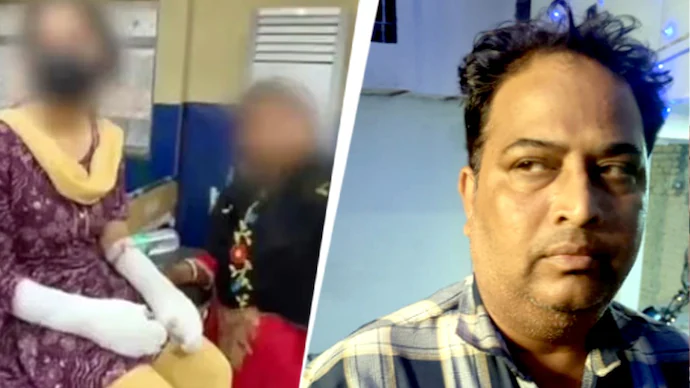
New Delhi – In a dramatic turn of events, Delhi Police arrested the father of a 20-year-old Delhi University student on Monday for allegedly orchestrating a staged acid attack Delhi incident that shocked the city just a day earlier. The investigation into the alleged attack near Laxmibai College in north-west Delhi revealed a complex web of personal disputes, false accusations, and fabricated evidence that led authorities to conclude the entire incident was meticulously planned.

Father Admits to Orchestrating Staged Acid Attack Delhi Incident

During interrogation, the arrested father admitted that his daughter had “faked the incident” by splashing toilet cleaner on her hands to simulate burn injuries consistent with an acid attack. This confession marked a significant breakthrough in the staged acid attack Delhi case that had initially prompted a massive police response and public outcry.

The student had originally accused three men—Jitender, Ishan, and Arman—of attacking her near Laxmibai College, triggering a full-scale criminal investigation. However, as police delved deeper into the allegations, inconsistencies began to emerge that ultimately exposed the staged acid attack Delhi scheme.

Sexual Assault Complaint Against Student’s Father

The investigation into the staged acid attack Delhi case took an unexpected turn when police discovered that Jitender’s wife had filed a complaint three days prior to the alleged attack at Bhalswa Dairy police station. In her complaint, she accused the student’s father of sexual assault, alleging a pattern of abuse that occurred while she worked at his socks manufacturing factory between 2021 and 2024.

According to the complaint, the woman alleged that the student’s father not only sexually assaulted her but also blackmailed her using private photos and videos. “The complainant made serious allegations of sexual assault and blackmail against the student’s father, which are being probed,” a senior police officer stated, connecting these accusations to the motive behind the staged acid attack Delhi incident.

Technical Evidence Exposes Staged Acid Attack Delhi Fabrication

Police investigation revealed crucial technical evidence that helped expose the staged acid attack Delhi conspiracy. According to technical surveillance data, Jitender—one of the three men accused in the alleged attack—was not present near the scene when the incident supposedly occurred.

“According to technical surveillance, Jitender was doing a gig at a house in Karol Bagh” at the time of the alleged attack, the investigating officer confirmed. This alibi provided concrete proof that the primary accused could not have been involved, casting serious doubt on the student’s account and further supporting the theory of a staged acid attack Delhi incident.

CCTV Footage Analysis

While the specific location where the alleged attack took place did not have CCTV cameras installed, police accessed footage from roads leading to the spot. This surveillance footage proved instrumental in unraveling the staged acid attack Delhi case, as the accused individuals were not seen in any of the recordings during the timeframe of the alleged incident.

The absence of the accused from CCTV footage, combined with the technical surveillance data, provided compelling evidence that the attack had been fabricated, leading investigators to focus their attention on the student and her father as potential conspirators in the staged acid attack Delhi scheme.

Investigation of Other Accused in Staged Acid Attack Delhi Case

Police efforts to investigate the staged acid attack Delhi incident extended to tracing the locations of the other two accused individuals, Ishan and Arman, who were found to be outside Delhi at the time of the investigation. Authorities summoned both men for questioning on Tuesday to gather their statements and further piece together the circumstances surrounding the false allegations.

According to police sources, Ishan and Arman are brothers and distant relatives of the student. “While the brothers and the student’s family are involved in a land dispute that is sub judice, they are not linked to Jitender,” the police officer explained, revealing another layer of complexity in the staged acid attack Delhi case involving family conflicts and legal disputes.

Motive Behind Staged Acid Attack Delhi Incident

Investigators believe the staged acid attack Delhi incident was orchestrated to preemptively discredit Jitender’s wife and her sexual assault allegations against the student’s father. By falsely implicating Jitender and his associates in a serious criminal offense, the father and daughter allegedly hoped to undermine the credibility of the sexual assault complaint filed days earlier.

This calculated attempt to manipulate the legal system through a staged acid attack Delhi incident represents a serious abuse of the criminal justice process and has resulted in significant charges against the father for filing a false complaint and orchestrating the elaborate deception.

Legal Consequences and Ongoing Investigation

The arrest in the staged acid attack Delhi case highlights the serious legal consequences of filing false complaints and fabricating criminal incidents. Police have formed dedicated teams to thoroughly investigate both the false acid attack allegations and the sexual assault complaint filed against the student’s father.

The staged acid attack Delhi incident also raises important questions about the misuse of serious criminal allegations and the impact such false reports have on genuine victims of acid attacks and sexual assault. Law enforcement officials emphasized their commitment to pursuing justice in both aspects of this complex case.

Broader Implications

This staged acid attack Delhi case serves as a reminder of the challenges faced by law enforcement in distinguishing genuine criminal complaints from fabricated ones. The incident underscores the importance of thorough investigation, technical evidence, and corroborating testimony in establishing the truth behind criminal allegations.

As the investigation continues, authorities remain focused on ensuring accountability for the staged acid attack Delhi deception while simultaneously examining the serious sexual assault allegations that may have prompted this elaborate scheme. The case demonstrates the complex intersection of personal disputes, legal battles, and the misuse of criminal justice mechanisms for personal vendettas.

Heavy Metals Delhi Air: Alarming CPCB Report Reveals Toxic Presence Of PM10 Levels

0

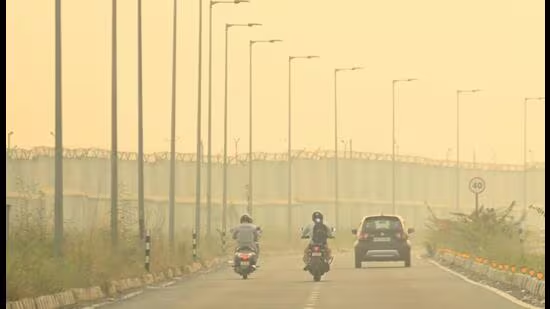
New Delhi – The Central Pollution Control Board has submitted a comprehensive report to the National Green Tribunal revealing the presence of heavy metals Delhi air contains, with concentrations of copper, zinc, chromium, and molybdenum ranging between 0.1% and 2% of the total particulate matter (PM10) concentration in the region. This significant finding highlights a growing environmental concern in the national capital and underscores the complex nature of air pollution affecting millions of residents.

Detection of Heavy Metals Delhi Air Through Systematic Sampling

The CPCB’s investigation into heavy metals Delhi air involved collecting samples from Delhi and nine other metropolitan cities during June and July 2025. In Delhi specifically, samples were systematically taken from four strategic locations: Pitampura, Siri Fort, Janakpuri, and Shahdara. These locations were selected to provide a representative picture of air quality across different parts of the capital, ensuring comprehensive data on heavy metals Delhi air quality.

The report, which was uploaded on October 26, represents the culmination of months of analysis following the National Green Tribunal’s directive to investigate the presence and potential health implications of these metallic pollutants in urban air.

Background of NGT Investigation

The National Green Tribunal had taken suo motu cognisance of a news report published in September last year that cited a study highlighting the presence and rising trend of heavy metals in east Delhi’s air. Recognizing the potential health hazards associated with heavy metals Delhi air exposure, the tribunal directed the CPCB to conduct a thorough analysis of the data and submit comprehensive findings.

This proactive approach by the NGT demonstrates the judiciary’s increasing concern about air quality issues beyond traditional pollutants and its commitment to addressing the full spectrum of environmental health threats facing Delhi’s population.

Multi-City Study on Heavy Metals Delhi Air and Beyond

The CPCB expanded its investigation beyond Delhi, conducting ambient air quality monitoring for particulate matter (PM10) and metals—including zinc, chromium, copper, and molybdenum—across 10 metropolitan cities. The study encompassed Jaipur, Bhopal, Lucknow, Ahmedabad, Nagpur, Kolkata, Bengaluru, Visakhapatnam, and Chennai, providing valuable comparative data on heavy metals in urban air quality across India.

This broader scope allows researchers and policymakers to understand whether the heavy metals Delhi air contains represent a unique problem or part of a wider urban environmental challenge affecting multiple Indian cities.

Critical Findings on Heavy Metals Delhi Air Composition

The CPCB report revealed crucial information about how heavy metals Delhi air quality is affected. “Results indicate that these metal parameters are generally bound to particulate matter (PM10) in the ambient air, and their percentage fraction in PM10 was found to range between 0.1% and 2.1%,” the report stated.

This binding relationship between heavy metals and particulate matter suggests an important correlation: reducing PM concentrations should simultaneously lower the levels of these metallic parameters in ambient air. This finding offers a potential pathway for addressing the heavy metals Delhi air pollution through existing particulate matter reduction strategies.

Also Read: Yamuna Cleaning Machines: Revolutionary Equipment to Transform Delhi’s Polluted River

Specific Concentration Levels of Heavy Metals Delhi Air

According to the CPCB data, the average PM10 concentration during the monitoring period in Delhi was 130 micrograms per cubic metre. Within this particulate matter, the heavy metals Delhi air contains were present at the following average concentrations:

  • Copper: 55.13 nanograms per cubic metre (ng/m³)
  • Chromium: 12.25 ng/m³
  • Molybdenum: 0.91 ng/m³
  • Zinc: 243.5 ng/m³

For context, one microgram per cubic metre equals 1,000 nanograms per cubic metre, meaning these metals exist in trace but measurable quantities within Delhi’s atmosphere.

Zinc Emerges as Dominant Heavy Metal

Among the heavy metals Delhi air monitoring revealed, zinc showed the highest concentration at 243.5 ng/m³, significantly exceeding the levels of other metals detected. This elevated zinc concentration warrants particular attention from environmental health experts, as zinc exposure through air inhalation can have various health implications depending on exposure duration and concentration levels.

Copper emerged as the second-most prevalent heavy metal at 55.13 ng/m³, followed by chromium at 12.25 ng/m³, while molybdenum appeared in the smallest concentrations at just 0.91 ng/m³.

Absence of Regulatory Standards

A critical gap highlighted by the heavy metals Delhi air investigation is the current absence of defined standards or thresholds for heavy metals in ambient air in India. This regulatory vacuum means that while the CPCB can detect and measure these pollutants, there are no official benchmarks to determine whether current levels pose significant health risks or require immediate intervention.

This absence of standards represents a significant challenge for environmental regulators and public health officials seeking to protect citizens from potential heavy metal exposure through air pollution.

Health and Environmental Implications

The presence of heavy metals Delhi air raises important health concerns, as prolonged exposure to these elements can lead to various adverse health effects. Heavy metals can accumulate in human tissues over time, potentially causing neurological problems, respiratory issues, and other chronic health conditions.

Copper, chromium, molybdenum, and zinc—the four heavy metals Delhi air contains according to the CPCB study—each carry different health risk profiles depending on exposure levels and duration. While some of these metals are essential nutrients in trace amounts, excessive exposure through air pollution can prove harmful.

Path Forward for Addressing Heavy Metals Delhi Air

The CPCB’s recommendation focuses on reducing overall PM10 concentrations as a strategy to simultaneously lower heavy metals Delhi air levels. Since these metals bind to particulate matter, comprehensive particulate pollution control measures should effectively address both traditional air quality concerns and heavy metal contamination.

This integrated approach suggests that existing air quality improvement initiatives, if properly implemented and intensified, could provide dual benefits in reducing both particulate matter and associated heavy metal pollution in Delhi’s atmosphere.

Delhi Chhath Puja: Grand Celebrations Transform 1,000 Yamuna Ghats

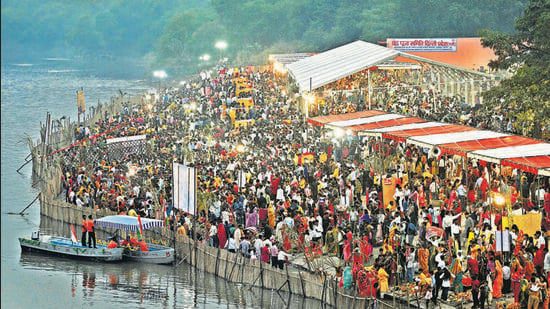
New Delhi – Thousands of devotees gathered across more than 1,000 ghats, canals and banks of the Yamuna River on Monday to celebrate the third day of Delhi Chhath Puja, worshipping the setting sun in what Delhi Chief Minister Rekha Gupta described as the grandest celebration in the Capital’s history. The massive Delhi Chhath Puja festivities reflected the city’s growing cultural unity and the significant influence of the Purvanchal community in the national capital.

Chief Minister Participates in Delhi Chhath Puja Celebrations

Chief Minister Rekha Gupta actively participated in the Delhi Chhath Puja celebrations, visiting multiple ghats throughout the day before concluding at Vasudev Ghat near Kashmiri Gate. She took a boat ride from Pushta to several locations including the Sports Complex, Ram Ghat and Shyam Ghat in Sonia Vihar, joining devotees at each site and offering prayers alongside families gathered for the festival.

“Today, while offering prayers to the setting sun on the banks of the Yamuna in Sonia Vihar, I wished that the light of happiness, prosperity and progress may always remain in the life of every Delhi resident,” Gupta said, emphasizing that the Delhi Chhath Puja represents not just faith but “a celebration of discipline, devotion and folk culture that have made Delhi a symbol of unity in diversity and modernity in tradition.”

Elaborate Infrastructure for Delhi Chhath Puja

The Delhi government facilitated the Delhi Chhath Puja celebrations by establishing 17 model Chhath ghats from Palla to Kalindi Kunj along the Yamuna, once again allowing temporary facilities on the floodplains. Officials reported that these ghats were comprehensively equipped with tents, lighting, sanitation facilities, drinking water, toilets and medical assistance to ensure devotees could perform rituals comfortably and safely.

Many ghats featured cultural performances, folk songs and dances during the Delhi Chhath Puja, with active participation from MLAs, MPs and ministers who joined their constituents in the celebrations, demonstrating the festival’s political and cultural significance.

Political Leaders Join Delhi Chhath Puja Festivities

Public Works, Water, and Irrigation and Flood Control Minister Parvesh Verma hosted a Delhi Chhath Puja ceremony at his official residence at Windsor Place, where a ghat was specially set up within the premises to provide space for devotees from nearby areas.

“Chhath Puja is not just a ritual, but a symbol of faith, discipline and gratitude toward nature. I wanted to celebrate this sacred festival with the people of my constituency, like one big family. That is the true spirit of our festivals,” Verma said, attending the ceremony with his family.

Delhi Bharatiya Janata Party president Virendra Sachdeva joined the Delhi Chhath Puja celebrations at Bapudham, Mangolpuri, while party MPs, MLAs, councillors and office bearers across Delhi marked the festival in their constituencies and extended greetings to the Purvanchal community. MP Manoj Tiwari visited Sonia Vihar Pushta, while South Delhi MP Ramvir Singh Bidhuri met devotees at ghats in Rajnagar, Kailashpuri Chowk (Sadhnagar Palam), Badarpur and Tughlakabad.

Yamuna Water Quality Improvements for Delhi Chhath Puja

This year’s Delhi Chhath Puja festivities were accompanied by notable improvements in Yamuna water quality. Political discussions emerged over the use of a defoaming agent to reduce froth at Kalindi Kunj, where significantly lower pollution levels were observed compared to previous years.

Also Read: Yamuna Cleaning Machines: Revolutionary Equipment to Transform Delhi’s Polluted River

Officials attributed the improvement to better coordination with the Haryana government, which released a larger volume of fresh water into the Yamuna to flush out pollutants instead of diverting it to the eastern and western canals. According to Central Water Commission data, since last Tuesday minimal water had been diverted to either canal, with canal flow increasing from zero to 14.4 cumecs on Sunday, rising further to 34.2 after two gates of the WJC canal were reopened.

Political Significance of Delhi Chhath Puja

With an estimated four million Purvanchali voters in Delhi, the community has evolved into a major cultural and political force over the past decade. Public observance of Delhi Chhath Puja—held six days after Diwali—has expanded proportionally, and the festival has frequently become a flashpoint between political parties, each seeking to appeal to this sizable vote base.

Political Exchanges Intensify Around Delhi Chhath Puja

With Bihar polls on the horizon, political exchanges intensified during this year’s Delhi Chhath Puja. The Aam Aadmi Party accused the BJP government of using the same defoamer solutions it had earlier opposed while in Opposition, flagged high faecal coliform levels in the Yamuna, and alleged that an “artificial” Vasudev Ghat had been created, disconnected from the river.

On Monday, AAP’s Delhi chief Saurabh Bharadwaj also criticized the Delhi government for not declaring the festival a dry day, adding another dimension to the political discourse surrounding the Delhi Chhath Puja celebrations.

Cultural Unity and Tradition

The grand scale of this year’s Delhi Chhath Puja underscores the festival’s importance in the Capital’s cultural landscape. Chief Minister Gupta’s assertion that this was the first time the festival was being celebrated on such a grand scale in Delhi reflects the growing recognition of the Purvanchal community’s cultural contributions and the city’s commitment to accommodating diverse religious traditions.

The presence of thousands of devotees across 1,000 ghats, the elaborate infrastructure arrangements, and the participation of political leaders from various parties all demonstrate how the Delhi Chhath Puja has become an integral part of the city’s festive calendar. The festival serves as a powerful reminder of Delhi’s character as a melting pot of cultures, where traditional festivals from different regions of India find expression and celebration, bringing communities together in shared devotion and cultural pride.

Voter Roll Revision SIR: Bold Nationwide Drive Begins in 12 States

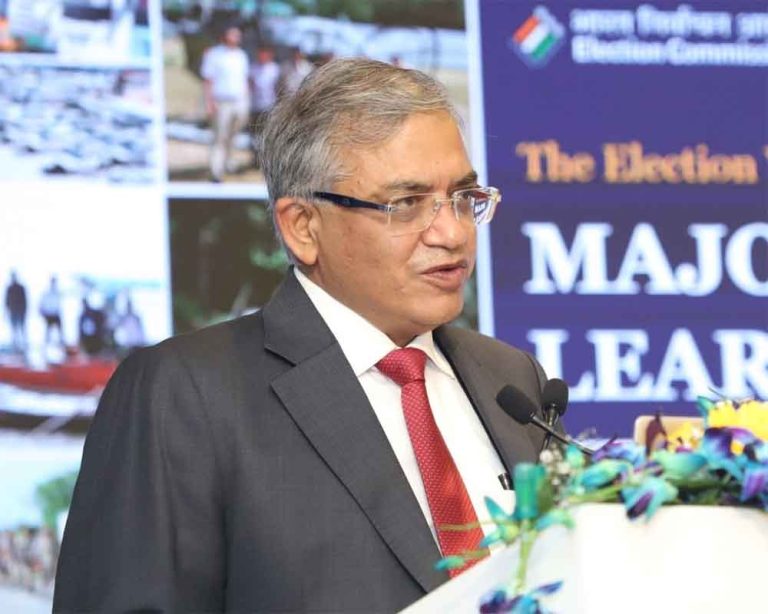
New Delhi – The Election Commission of India has announced a comprehensive nationwide voter roll revision SIR (Special Intensive Revision) starting October 28, 2025, marking the first such exercise in over two decades. Chief Election Commissioner Gyanesh Kumar revealed at a press conference in New Delhi on Monday that this massive voter roll revision SIR will initially cover 12 states and union territories, representing Phase 2 of the initiative, with the recently concluded Bihar exercise constituting Phase 1.

Historical Context of Voter Roll Revision SIR

The last voter roll revision SIR was conducted over 20 years ago, CEC Gyanesh Kumar emphasized during the announcement. He noted that such comprehensive electoral roll revisions have been carried out only eight times between 1951 and 2004, underscoring the significance of this latest initiative. The voter roll revision SIR aims to ensure accuracy and completeness of electoral rolls across the country, removing ineligible voters while ensuring no eligible elector is excluded.

Complete List of 12 States and UTs Covered

The voter roll revision SIR beginning October 28 will encompass the following states and union territories:

  • Andaman and Nicobar Islands
  • Chhattisgarh
  • Goa
  • Gujarat
  • Kerala
  • Lakshadweep
  • Madhya Pradesh
  • Puducherry
  • Rajasthan
  • Tamil Nadu
  • Uttar Pradesh
  • West Bengal

This diverse geographical coverage ensures that the voter roll revision SIR touches millions of voters across various regions, from major states like Uttar Pradesh and West Bengal to smaller union territories like Lakshadweep and Puducherry.

Critical Timeline for Voter Roll Revision SIR

The Election Commission has established a detailed timeline for completing the voter roll revision SIR across these 12 states and union territories:

Printing and Training Phase: October 28 to November 3, 2025 Booth-level officers will receive training and materials necessary for conducting the enumeration.

House-to-House Enumeration: November 4 to December 4, 2025 This crucial phase involves door-to-door verification by booth-level officers (BLOs) who will visit each household at least three times to ensure comprehensive coverage.

Draft Electoral Rolls Publication: December 8, 2025 Preliminary voter lists will be made public for review.

Claims and Objections Period: December 9, 2025 to January 8, 2026 Citizens can file claims for inclusion or objections to incorrect entries.

Notice Phase: December 9, 2025 to January 31, 2026 Election authorities will process and respond to claims and objections.

Final Electoral Rolls Publication: February 7, 2026 The completed voter roll revision SIR will culminate with the release of updated, finalized electoral rolls.

Verification Process and 2003 Electoral Rolls

A key feature of this voter roll revision SIR involves matching current voters against the 2002, 2003, or 2004 voting lists. As the first step beginning immediately, voters in the 12 covered states will be cross-referenced with these historical records. Citizens who are found—or whose parents are found—in the 2003 rolls need not provide additional documentation; only the enumeration form would suffice. These historical rolls are accessible on respective state and union territory election websites.

Also Read: Pan India SIR: Urgent Warning From Omar Abdullah on Electoral Roll Revision

Door-to-Door Enumeration Methodology

The voter roll revision SIR employs a comprehensive door-to-door approach. Booth-level officers will visit each residence at least three times to accommodate voters who may have temporarily migrated or remain busy during office hours. For added convenience, those unable to meet with BLOs can fill out enumeration details online themselves, ensuring maximum participation in the voter roll revision SIR.

Aadhaar Usage and Supreme Court Compliance

Following Supreme Court directions issued during the Bihar voter roll revision SIR, Aadhaar will be used exclusively as identity proof in this nationwide exercise. This limitation ensures compliance with privacy concerns while maintaining the verification process’s integrity.

Acceptable Documentation for Voter Roll Revision SIR

The Election Commission has specified numerous acceptable proofs for the voter roll revision SIR, with provisions to expand this list as needed:

  1. Identity cards or Pension Payment Orders issued to central/state government employees or PSU personnel
  2. Identity cards or certificates issued by government authorities, banks, post offices, LIC, or PSUs prior to July 1, 1987
  3. Birth certificates from competent authorities
  4. Valid passports
  5. Matriculation or educational certificates from recognized boards or universities
  6. Permanent residence certificates from state authorities
  7. Forest rights certificates
  8. Caste certificates (OBC/SC/ST) from competent authorities
  9. National Register of Citizens entries (where applicable)
  10. Family registers maintained by state or local authorities
  11. Land or house allotment certificates from government
  12. Aadhaar cards

Objectives and Expected Outcomes

Chief Election Commissioner Gyanesh Kumar emphasized that the voter roll revision SIR aims to achieve two primary objectives: “SIR will ensure no eligible elector is left out and no ineligible elector is included in poll rolls.” This dual focus on inclusion and accuracy represents the fundamental purpose of undertaking such an extensive electoral exercise.

The comprehensive nature of this voter roll revision SIR, covering diverse states from West Bengal in the east to Gujarat in the west, and from Uttar Pradesh in the north to Tamil Nadu in the south, demonstrates the Election Commission’s commitment to maintaining updated, accurate electoral rolls across India. With the process set to conclude by February 7, 2026, millions of voters across these 12 states and union territories will have their electoral credentials verified and updated through this historic initiative.

Pan India SIR: Urgent Warning From Omar Abdullah on Electoral Roll Revision

Jammu & Kashmir – Jammu and Kashmir Chief Minister Omar Abdullah has strongly advised the Election Commission of India to postpone any decision on implementing a pan India SIR (special intensive revision) of electoral rolls until the Bihar assembly elections are completed. Speaking to reporters in his assembly office chamber in Srinagar on Monday after House proceedings were adjourned, Abdullah raised serious concerns about rushing into such a nationwide exercise.

Concerns About Timing of Pan India SIR

Pan India SIR

The chief minister’s statement came as officials indicated that the Election Commission was likely to announce a pan India SIR of the voters’ list on Monday evening. Abdullah emphasized that there are already significant apprehensions about the special intensive revision in Bihar, making it crucial to evaluate its impact before implementing it nationwide.

“There are already apprehensions about SIR in Bihar. It is not clear yet whether there will be any benefits of this exercise for those undertaking it. Let the elections in Bihar be completed, then we will see whether it was beneficial at all. Then we can talk about implementing it in the rest of the country,” Abdullah stated, highlighting the need for a measured approach to pan India SIR implementation.

Warning Against Rushed Implementation of Pan India SIR

Abdullah explicitly advised the poll body not to “rush into a nationwide SIR,” expressing concerns that hasty implementation could damage the Election Commission’s credibility and independence. His caution about the pan India SIR reflects broader anxieties about electoral processes and their potential political implications.

“Otherwise, it will seem as if the ECI has lost its independence and is working under pressure from a particular political party. We have seen this before as well,” the chief minister warned, drawing parallels with past electoral exercises that he believes favored specific political interests.

Delimitation Precedent Cited Against Pan India SIR

To support his argument against rushing the pan India SIR, Abdullah referenced the delimitation exercise conducted in Jammu and Kashmir, which he characterized as politically motivated rather than being in the public interest.

“Delimitation in Jammu and Kashmir was not done for the benefit of the people but for a political party. The way new seats were divided and new seats created; it directly benefited only one political party. The EC should not make this kind of mistake,” Abdullah said, suggesting that the pan India SIR could follow a similar problematic pattern if not carefully considered.

Clarification on BJP Relations and Rajya Sabha Polls

Beyond the pan India SIR issue, Abdullah addressed speculation about his party’s relationship with the Bharatiya Janata Party, particularly regarding the recent Rajya Sabha elections in Jammu and Kashmir where the National Conference won three seats and BJP secured one.

Abdullah firmly dismissed suggestions of any understanding between the NC and BJP for the four Rajya Sabha seats. “There was no understanding with the BJP on RS polls. Please understand that the National Conference is the only party in Jammu and Kashmir which takes the BJP head-on. Nobody else is doing that,” he asserted.

Also Read: Tejashwi Yadav JDU Realignment: Bold Declaration Rules Out Nitish Alliance Amid Bihar Polls 2025

Transparency in Political Alliances

The chief minister emphasized that his party operates with complete transparency in political dealings. “We are not those who enter into secret pacts. If we had to do it, we would have done it openly. I did not support the Vajpayee government behind closed doors; I joined the NDA. Whether it was right or wrong, is another issue,” Abdullah explained.

He made a clear distinction between governmental relations and party relations, stating that while he wants cordial relations between his government and the Centre for effective governance, “there is no relation between the NC and the BJP, and it will not form in future also.”

Response to Match-Fixing Allegations

Addressing Handwara MLA Sajjad Lone’s accusation that the Rajya Sabha polls were a “fixed match,” Abdullah questioned why someone would comment on an election they refused to participate in. “Let him first say what was his compulsion to help the BJP. If he did not want match fixing to take place, he should have used his vote,” the chief minister countered.

Abdullah revealed that four votes went in favor of the BJP while three were deliberately destroyed. “The difficulty started with the Handwara MLA sitting out. The BJP needed only 29 after that, and they had 28. One or two would have been easy for them, but I didn’t think they would get four,” he said.

Call for Accountability

The NC leader expressed his desire for the names of MLAs who cross-voted or deliberately wasted their votes to be made public. “Now those four who sold their conscience will have to answer to Allah or Bhagwan,” Abdullah said, emphasizing moral accountability.

“Clearly, the BJP attempted to lure people. On what basis they were lured, only the BJP can answer,” he added, suggesting that inducements may have influenced the voting outcome.

Media’s Role in Election Narrative

Abdullah also questioned the media’s apparent surprise at the Rajya Sabha poll results. “You had declared the outcome much before the voting began. Were you also part of the match-fixing? We still fought it out,” he remarked, challenging journalists’ pre-election coverage.

The chief minister’s comprehensive statement on the pan India SIR issue, combined with his clarifications on Rajya Sabha polls and party relations, underscores his commitment to electoral transparency and institutional independence. His call to delay the pan India SIR until Bihar elections conclude reflects pragmatic political wisdom and concern for democratic processes.

Tejashwi Yadav JDU Realignment: Bold Declaration Rules Out Nitish Alliance Amid Bihar Polls 2025

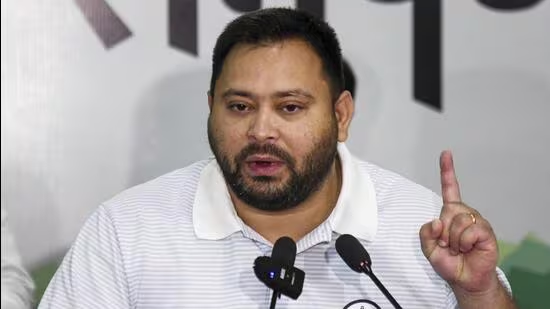
Bihar – Rashtriya Janata Dal leader and former deputy chief minister Tejashwi Prasad Yadav has categorically dismissed any possibility of future political realignment between his party and the Janata Dal (United), making the Tejashwi Yadav JDU relationship a central talking point in Bihar’s electoral landscape. In a comprehensive interview during the Chhath festival, the 35-year-old Mahagathbandhan chief ministerial face addressed crucial questions about Bihar’s future, employment promises, and political alliances.

Tejashwi Yadav JDU Alliance Prospects Firmly Rejected

When questioned about speculation regarding post-poll realignment, the Tejashwi Yadav JDU relationship was definitively addressed. “First, there is no question of any realignment with the JD(U) or CM Kumar in the near future,” Yadav stated emphatically. He went further to predict that “after the polls, the JD(U) will be finished and the party will cease to exist,” making any discussion of Tejashwi Yadav JDU cooperation entirely moot.

This strong stance on the Tejashwi Yadav JDU dynamic marks a significant shift in Bihar’s political narrative, as the RJD leader has ruled out any possibility of working with Nitish Kumar’s party going forward.

Ambitious Employment Promise for Every Household

Yadav has made employment generation the cornerstone of his campaign, promising government jobs to every household in Bihar not currently covered under government employment. This ambitious plan, covering approximately 20 million households, has drawn criticism from the BJP as mere poll rhetoric, but Yadav defended it vigorously.

“I am here to do politics for a long time and I fully understand that talking about frivolous things or making some half-baked promises will not help me,” Yadav explained. He cited his track record as deputy chief minister for 17 months in the Mahagathbandhan government from August 2022 to January 2024, when his administration provided jobs to 500,000 people including teachers.

The RJD leader revealed that his team has consulted with experts and prepared a comprehensive blueprint addressing funding arrangements and revenue generation strategies. “We will unveil the blueprint in the next few days and put it before the people. It will be done before the elections,” he promised.

Development Vision and NDA Criticism

While the Tejashwi Yadav JDU relationship remains antagonistic, Yadav focused his criticism on the broader NDA alliance’s development record. He pointed to Union Home Minister Amit Shah’s admission that industries in Bihar cannot be set up due to land availability problems, highlighting persistent migration and unemployment issues despite the NDA’s 20-year rule in Bihar and 11 years at the Centre.

Yadav accused the NDA of copying the Mahagathbandhan’s vision, citing examples where the ruling alliance offered free power of 125 units after his promise of 200 units, and introduced the ₹10,000 Mukhya Mantri Rojgar Yojana for women as a loan-based program in response to his Mai Bahin Maan Yojana proposal.

Ticket Distribution Strategy and Women Voters

The RJD has strategically distributed tickets beyond its traditional Muslim-Yadav base, giving representation to Kushwahas, extreme backward classes, and women. “We have in fact given 24 tickets to women from all sections, which is one of the highest number of tickets given to women by any party in Bihar this election,” Yadav noted.

Regarding women voters, who form a substantial portion of Bihar’s 75-million electorate and have traditionally supported Nitish Kumar’s JD(U), Yadav expressed confidence: “I am confident women voters would wholeheartedly support us as we have tried to understand their issues.”

Assessment of Nitish Kumar’s Challenge

The Tejashwi Yadav JDU confrontation extends to a direct challenge against Chief Minister Nitish Kumar. Yadav claimed that Kumar “is not in good health and has lost control over the administration” and boldly predicted: “He is not coming back. He will be finished after the polls. There is no challenge at all.”

He noted that the NDA’s failure to declare a chief ministerial face makes the picture clear about Kumar’s diminished prospects. “There is no question of CM Kumar returning as his party will cease to exist after the polls. I can vouch for it,” Yadav asserted, reinforcing his stance on the Tejashwi Yadav JDU future relationship.

Countering Jungle Raj Allegations

Addressing BJP’s claims that an RJD-led government would bring back “jungle raj,” Yadav cited 2023 NCRB data showing Bihar among the top two crime-prone states. “For me, maintaining law and order will be the foremost priority. To attract investment in Bihar, law and order and energy are paramount,” he stated, promising no compromise on crime and corruption.

Family Politics and Alliance Unity

When asked about his elder brother Tej Pratap Yadav fielding a candidate against him in Raghopur, Tejashwi displayed maturity: “This is the beauty of democracy. Everybody has the right to fight polls. My brother has formed his party and is contesting polls. There is nothing wrong. He is still my own brother.”

Regarding reported friction with Congress, Yadav downplayed concerns, saying friendly contests happen in coalitions and “all allies are united in this election.”

Waqf Act Implementation Stance

Yadav committed to not implementing the Waqf (Amendment) Act, 2025, in Bihar if elected, citing West Bengal Chief Minister Mamata Banerjee’s similar stance and noting that states have rights regarding implementation.

With the Tejashwi Yadav JDU alliance firmly off the table and clear majority prospects ahead, Bihar’s political landscape appears set for significant transformation.