New Delhi – Former Pakistani ambassador to the United States Husain Haqqani delivered a scathing critique of Prime Minister Shehbaz Sharif’s excessive praise of US President Donald Trump on Monday, describing the Sharif Trump flattery as worthy of an Olympic gold medal. The sharp commentary, which quickly gained traction on social media, was notably reposted by Indian Congress MP Shashi Tharoor, highlighting the bipartisan concern over Pakistan’s diplomatic approach.
Haqqani’s Sharp Commentary on Sharif Trump Flattery
In a pointed post on social media platform X, Haqqani referenced Indian-American journalist Fareed Zakaria’s observation about the “Olympic sport of flattering Trump” when commenting on the ongoing Sharif Trump flattery. The former ambassador wrote, “Pakistan’s PM still in the lead for Gold in what Fareed Zakaria surmised might be the Olympic Sport of flattering Trump,” suggesting that Sharif’s praise of the US president has reached unprecedented levels.
The timing of Haqqani’s criticism coincided with yet another instance of Sharif Trump flattery, as the Pakistani Prime Minister posted effusive praise for the American president’s diplomatic efforts across multiple regions.
Latest Instance of Sharif Trump Flattery
The most recent example of Sharif Trump flattery came through a post on X where the Pakistani Prime Minister lauded Trump for what he described as an “instrumental role” in formalizing an agreement between Thailand and Cambodia to manage their border dispute. Sharif’s message extended far beyond this single diplomatic achievement.
“My deep appreciation to President Donald Trump for his instrumental role in advancing peace through the KL Accord, the Gaza Peace Plan, and his resolute efforts for peace and stability in the Middle East and South Asia – saving millions of lives across the globe,” Sharif wrote, demonstrating the extent of the Sharif Trump flattery that has become characteristic of his public statements.
Shashi Tharoor’s Endorsement of Criticism
The criticism of Sharif Trump flattery gained additional prominence when Indian Congress MP Shashi Tharoor reposted Haqqani’s commentary on his own social media account. This endorsement from a prominent Indian politician underscored how the Pakistani Prime Minister’s approach to US-Pakistan relations has drawn attention and raised eyebrows across South Asian political circles.
Tharoor’s decision to amplify Haqqani’s critique of Sharif Trump flattery suggests that observers across the political spectrum view the Pakistani PM’s approach as excessive and potentially counterproductive to Pakistan’s diplomatic standing.
Pattern of Excessive Praise
The recent post represents just the latest in a series of instances where Sharif Trump flattery has dominated headlines. In recent months, Shehbaz Sharif has repeatedly showered praise on Donald Trump on multiple occasions, raising questions about the strategic value of such an approach to international diplomacy.
Earlier this month, during the Peace Summit in Egypt, Sharif engaged in what many observers characterized as extreme Sharif Trump flattery by calling Trump “a man of peace” and revealing that Pakistan had nominated the US president for the Nobel Peace Prize. This announcement itself generated significant controversy and debate about Pakistan’s diplomatic strategy.
The Sharif Trump flattery reached new heights when the Pakistani Prime Minister disclosed Pakistan’s nomination of Trump for the Nobel Peace Prize. During his speech at the Egypt summit, Sharif referred to Trump as a “great president” and praised his “exemplary leadership,” further cementing his reputation for excessive praise of the American leader.
“I genuinely feel that he is the most genuine and most wonderful candidate for the Peace Prize because he has brought not only peace in South Asia, saved millions of people…” Sharif stated, exemplifying the continued pattern of Sharif Trump flattery that has drawn criticism from diplomatic observers.
Social Media Backlash
The persistent Sharif Trump flattery has not gone unnoticed by social media users, with several commentators criticizing the Pakistani Prime Minister’s approach. Following his speech at the Egypt Peace Summit, numerous users on social media platforms expressed disappointment and embarrassment, suggesting that Sharif had made a mockery of Pakistan through his attempts to flatter the US president.
Critics argued that the excessive Sharif Trump flattery undermines Pakistan’s diplomatic credibility and reduces the country’s stature on the international stage. The commentary suggested that such obsequious behavior fails to serve Pakistan’s national interests and instead portrays the nation as overly dependent on American approval.
Diplomatic Implications
The ongoing controversy surrounding Sharif Trump flattery raises important questions about Pakistan’s diplomatic strategy and its relationship with the United States. While maintaining positive relations with Washington remains crucial for Islamabad, critics argue that the level of praise directed at Trump crosses professional boundaries and may not yield the desired diplomatic benefits.
Haqqani, drawing on his extensive experience as Pakistan’s former ambassador to the United States, understands the delicate balance required in diplomatic relations. His criticism of Sharif Trump flattery reflects concerns that the current approach may actually damage Pakistan’s international standing rather than enhance it.
Conclusion
As the debate over Sharif Trump flattery continues, with endorsements from figures like Shashi Tharoor amplifying the criticism, questions remain about whether Pakistan’s Prime Minister will adjust his approach to diplomatic communication. The bipartisan nature of the criticism, spanning both Pakistani and Indian political observers, suggests that the concern transcends traditional regional rivalries and reflects genuine apprehension about diplomatic protocol and national dignity in international relations.
Malaysia – External Affairs Minister S Jaishankar delivered a pointed message about global trade challenges at the East Asia Summit in Malaysia on Monday, emphasizing that energy trade constricted by current policies has created significant market distortions. Speaking at the summit held on the margins of the Association of Southeast Asian Nations (ASEAN) meetings in Kuala Lumpur, Jaishankar articulated India’s growing concerns about supply chain reliability and market access restrictions.
Energy Trade Constricted by Market Distortions
Jaishankar’s remarks came against the backdrop of mounting strains created by the Donald Trump administration’s trade policies and sanctions regime in the United States. The minister highlighted that energy trade constricted through various measures has resulted in serious market distortions that affect global commerce and energy security.
“Energy trade is increasingly constricted, with resulting market distortions. Principles are applied selectively and what is preached is not necessarily practiced,” Jaishankar stated, making an apparent reference to the 25% tariff imposed by the Trump administration on India over Russian oil purchases and recent sanctions affecting energy trade with Russia.
Growing Concerns About Supply Chain Reliability
The external affairs minister emphasized that energy trade constricted by current policies has raised fundamental questions about the reliability of global supply chains. “There are growing concerns about the reliability of supply chains and access to markets. Technology advancement has become very competitive, the quest for natural resources even more so,” Jaishankar explained, though he avoided directly naming the US trade policies that have created this turbulence.
India has faced multiple challenges in recent months. The Indian government has expressed concerns about restrictions imposed by China on exports of rare earth minerals and heavy machinery, adding another layer of complexity to the situation where energy trade constricted by various factors threatens economic stability.
Impact of US Tariffs and Sanctions on India
The context of Jaishankar’s statement about energy trade constricted becomes clearer when examining recent US actions. President Donald Trump imposed a 25% penalty on India in August, following an earlier 25% reciprocal tariff on Indian goods. Despite ongoing trade discussions between Indian and American officials, Trump imposed fresh sanctions last week on Russia’s two largest oil companies, Rosneft and Lukoil, directly affecting energy supplies to India.
Russian crude has accounted for more than a third of India’s energy imports in 2025, with purchases significantly increased after Western sanctions following Russia’s invasion of Ukraine. New Delhi has consistently maintained that its energy purchases are guided by market conditions and aimed at safeguarding consumers’ interests in an increasingly volatile global environment.
India’s Response to Changing Global Dynamics
Jaishankar indicated that the situation where energy trade constricted will inevitably trigger responses from the international community. “Adjustments will be made, calculations will come into play, fresh understandings will be forged, new opportunities will emerge, and resilient solutions will be devised,” he said, suggesting that nations will adapt to the new reality.
He emphasized that fundamental economic realities cannot be ignored. “At the end of the day, the realities of technology, of competitiveness, of market size, digitisation, connectivity, of talent and of mobility cannot be ignored. Multipolarity is not just here to stay but to grow,” Jaishankar stated, reinforcing India’s position on the evolving global order.
Call for Zero Tolerance on Terrorism
Beyond discussing how energy trade constricted affects global stability, Jaishankar addressed security concerns, describing terrorism as a “continuous and corrosive threat.” He called for the world community to “display zero tolerance” with “no room for ambivalence” towards terrorism, asserting that “our right of defence against terrorism can never be compromised.”
Conflicts Threatening Food and Energy Security
The minister highlighted that ongoing global conflicts have significant repercussions beyond the battlefield. He noted that these conflicts have undermined food security, threatened energy flows, and disrupted trade—all contributing factors to why energy trade constricted has become such a pressing concern.
“India, therefore, welcomes the Gaza peace plan. We also seek an early end to the conflict in Ukraine,” Jaishankar said, connecting conflict resolution to broader economic and energy security objectives.
India’s Regional Commitments and Cooperation
During his participation at the East Asia Summit, which brings together ASEAN member states with eight key dialogue partners including India, Australia, China, Japan and the United States, Jaishankar reaffirmed India’s commitment to regional cooperation. He pledged India’s support for activities ensuring a peaceful and prosperous future for the region.
This includes bolstering maritime cooperation in line with the ASEAN Outlook on the Indo-Pacific and the United Nations Convention on the Law of the Sea (UNCLOS).
Myanmar Highway Project and Cyber Scam Concerns
Jaishankar also provided updates on regional infrastructure projects, noting that the India-Myanmar-Thailand trilateral highway “continues to progress.” However, he raised concerns about cyber scam centres in the region that have entrapped Indian nationals, with hundreds believed to have been lured to facilities along Myanmar’s border with Thailand.
The minister’s comprehensive address underscored that while energy trade constricted remains a critical challenge, India continues to pursue regional cooperation, infrastructure development, and security partnerships to navigate an increasingly complex global landscape.
Washington D.C. – Chinese Premier Li Qiang delivered sharp criticism of unilateralism and protectionist trade policies on Monday, warning against returning to “the law of the jungle” in international commerce. His remarks at the Association of South East Asian Nations Summit in Kuala Lumpur came just one day after significant developments in the China US trade deal negotiations, with Washington confirming that the threatened 100% tariff on Chinese goods is now “off the table.”
Initial Consensus Reached on China US Trade Deal
The timing of Li’s statement is particularly significant as it follows announcements from both Beijing and Washington that they have reached an “initial consensus” on a potential China US trade deal. This breakthrough emerged after intensive two-day negotiations between Chinese Vice Premier He Lifeng and the US delegation, led by Treasury Secretary Scott Bessent and US Trade Representative Jamieson Greer, on the sidelines of the ASEAN summit.
China confirmed through official channels that a “basic consensus” has been established regarding the China US trade deal framework, marking a crucial step forward in resolving the prolonged trade tensions between the world’s two largest economies.
Premier Li’s Strong Message Against Unilateralism
Speaking at the summit, Premier Li emphasized that “economic globalisation and multipolarity are irreversible,” adding that “the world should not return to the law of the jungle where the strong bully the weak.” Though Li did not explicitly mention the United States, his comments were widely interpreted as a direct reference to the Trump administration’s tariff policies that have affected numerous countries, particularly China.
These remarks underscore China’s position that the China US trade deal must be based on mutual respect and multilateral principles rather than coercive measures. Li’s statement reflects Beijing’s broader strategy of positioning itself as a defender of free trade and international cooperation.
100% Tariff Threat Eliminated
US Treasury Secretary Scott Bessent provided crucial details about the China US trade deal progress in an interview on Sunday, confirming that President Donald Trump’s threat to impose an additional 100% tariff on Chinese goods “has gone away.” This represents a significant de-escalation in trade tensions.
Bessent explained that the proposed tariffs were originally Trump’s response to Beijing’s expanded export controls on rare earth materials, which are critical for global industries including electronics and defense. “I would believe that the—so it would be an extra 100% from where we are now, and I believe that that is effectively off the table,” Bessent stated. “I would expect that the threat of the 100% has gone away, as has the threat of the immediate imposition of the Chinese initiating a worldwide export control regime.”
Trump-Xi Meeting Set for Thursday
The progress on the China US trade deal sets the stage for a crucial face-to-face meeting between President Donald Trump and Chinese President Xi Jinping scheduled for Thursday in South Korea. This high-stakes summit aims to finalize an agreement that would effectively end the ongoing trade war between the two nations.
Trump expressed optimism about reaching a comprehensive China US trade deal during his travel to Japan, a close US ally. The president indicated his hopefulness about the Thursday meeting’s outcome, suggesting that both sides are committed to finding common ground.
Significance of the Two-Day Negotiations
The recent two-day meeting between Chinese and American officials proved instrumental in advancing the China US trade deal. The discussions addressed multiple contentious issues, including tariff structures, export controls, and broader trade framework agreements. Both delegations worked intensively to bridge gaps and establish a foundation for the upcoming Trump-Xi summit.
The negotiations took place during the ASEAN Summit in Malaysia’s Kuala Lumpur, providing a neutral setting for these critical discussions. The choice of venue during a multilateral gathering underscored the global significance of the China US trade deal and its potential impact on international trade dynamics.
Global Implications
The potential China US trade deal carries enormous implications for the global economy. As the world’s two largest economies, any agreement between Washington and Beijing would likely stabilize international markets, restore business confidence, and potentially reshape global supply chains that have been disrupted by years of trade tensions.
The resolution of trade disputes through the China US trade deal could also signal a return to more predictable international trade relations, benefiting not only the two nations directly involved but also countries throughout Asia, Europe, and beyond that have been affected by the trade war’s spillover effects.
With Thursday’s meeting approaching, the international community watches closely as Trump and Xi prepare to potentially conclude one of the most significant trade negotiations in recent history.
In a significant address at a ceremony in Mumbai, Union Home Minister Amit Shah articulated the Bharatiya Janata Party’s comprehensive roadmap for India’s future, highlighting the BJP’s ideological achievements that have defined the party’s governance over the past decade. The address marked a pivotal moment in the party’s strategic communication, particularly as India approaches crucial electoral cycles. Shah’s emphasis on completed ideological commitments and the transition toward development-centric governance signals a calculated shift in the BJP’s political messaging, positioning the party as both a guardian of cultural nationalism and an architect of economic progress.
The Mumbai ceremony provided a platform for Shah to enumerate what the party considers landmark accomplishments while simultaneously unveiling the party’s vision for India’s centenary of independence. This dual focus on past achievements and future aspirations reflects the BJP’s attempt to consolidate its political base while expanding its appeal to development-conscious voters. The speech underscored that the BJP’s ideological achievements represent not merely political victories but fundamental transformations in India’s constitutional and social landscape.
At the heart of Shah’s address was a comprehensive enumeration of what the BJP leadership considers its defining BJP ideological achievements. The Union Home Minister emphasised that under Prime Minister Narendra Modi’s leadership, the party has successfully implemented commitments that were once considered politically unattainable or constitutionally complex. These achievements, according to Shah, represent the fulfilment of the party’s ideological mandate and demonstrate the government’s resolve in executing its electoral promises.
The abrogation of Article 370, which granted special status to Jammu and Kashmir, stands as one of the most significant achievements cited by the BJP as an ideological accomplishment, according to Shah. This constitutional amendment, implemented in August 2019, fundamentally altered the relationship between the erstwhile state and the Union government. The decision to reorganise Jammu and Kashmir into two Union Territories was presented as a measure to combat separatism, enhance security, and accelerate development in the region. The move reflected the BJP’s longstanding ideological position that Article 370 was a temporary provision that had outlived its purpose and hindered the complete integration of the region with the rest of India.
The construction of the Ram Mandir in Ayodhya represents another cornerstone of the BJP’s ideological achievements. Following the Supreme Court’s 2019 verdict that resolved the decades-old Ayodhya dispute, the Modi government facilitated the temple’s construction, which was inaugurated in January 2024. This development fulfilled a central promise of the BJP’s ideological agenda and holds profound cultural and religious significance for a substantial section of the Indian population. The temple’s construction was portrayed not merely as a religious project but as the restoration of a historical and cultural landmark.
The implementation of the Citizenship Amendment Act (CAA) in 2019 marked another significant milestone in the BJP’s ideological journey. The legislation, which provides expedited citizenship to persecuted religious minorities from Pakistan, Bangladesh, and Afghanistan, was presented as a humanitarian measure rooted in India’s civilizational ethos. Despite generating considerable controversy and opposition, the government’s passage and subsequent implementation of the CAA demonstrated the party’s commitment to its ideological framework regarding citizenship and religious minorities.
Shah also highlighted the ban on triple talaq as evidence of the BJP’s commitment to gender justice and social reform. The legislation criminalising the practice of instant triple talaq in Muslim personal law was positioned as a progressive measure protecting Muslim women from arbitrary divorce practices. This reform, the government argued, aligned with constitutional principles of gender equality while addressing a longstanding social issue that had implications for women’s rights and dignity.
Additionally, Shah noted that several states governed by the BJP have implemented the Uniform Civil Code, another item on the party’s ideological agenda. The push toward a common civil code represents the BJP’s vision of legal uniformity across religious communities, though implementation remains state-specific and has generated substantial debate regarding religious freedom and cultural diversity.
The Strategic Pivot: From Ideology to Development
The most significant aspect of Shah’s Mumbai address was his declaration that with the completion of these ideological commitments, the party’s focus has now shifted decisively toward “Viksit Bharat 2047″—the vision of a developed India by the nation’s centenary of independence. This strategic pivot represents a calculated repositioning of the party’s messaging framework, acknowledging that the BJP’s ideological achievements, while foundational to the party’s identity, must now be complemented by a robust development narrative to sustain electoral momentum.
The concept of Viksit Bharat 2047 encompasses comprehensive development across multiple dimensions—economic growth, technological advancement, infrastructure development, social welfare, and global positioning. By emphasising this forward-looking vision, Shah effectively signalled that while the party’s ideological agenda has been substantially addressed, the focus must now turn to tangible improvements in citizens’ quality of life and India’s standing on the global stage.
This strategic communication reflects an understanding that electoral success increasingly depends on demonstrating governance competence and delivering measurable development outcomes. While the BJP’s ideological achievements resonate strongly with the party’s core constituency, expanding and consolidating electoral support requires addressing broader concerns about employment, economic opportunities, infrastructure, healthcare, and education.
The transition from ideological fulfilment to development focus also allows the party to appeal to younger voters who may prioritise economic opportunities over ideological positions. By positioning the BJP’s ideological achievements as completed chapters, the party attempts to create space for a governance narrative centred on progress, innovation, and prosperity.
Electoral Implications and Political Messaging
Shah’s articulation of BJP ideological achievements and the pivot toward Viksit Bharat 2047 carries profound implications for the party’s electoral strategy. The address in Mumbai was not merely a retrospective assessment but a carefully crafted political communication designed to shape voter perceptions ahead of crucial electoral contests. By consolidating the narrative around completed ideological missions, the party seeks to energise its core base while simultaneously projecting a governance-focused image to moderate and undecided voters.
The emphasis on the BJP’s ideological achievements serves multiple strategic purposes. First, it reinforces the party’s credibility with its traditional supporters by demonstrating that electoral promises translate into concrete policy actions. Second, it distinguishes the BJP from opposition parties by highlighting decisive governance and policy implementation. Third, it creates a foundation for future electoral campaigns by establishing a track record of fulfilling commitments.
The forward-looking emphasis on Viksit Bharat 2047 allows the party to shift the political discourse from potentially divisive ideological debates to aspirational development goals that transcend communal or regional divisions. This messaging strategy recognises that sustained electoral dominance requires building coalitions across diverse demographic segments, necessitating a narrative that balances ideological commitments with developmental promises.
Shah’s assertion that the BJP operates on democratic principles and provides opportunities for workers to rise through merit, citing his own trajectory and that of Prime Minister Modi, reinforces the party’s organisational strength and meritocratic ethos. This organisational narrative complements the ideological and developmental messaging, presenting the BJP as a well-structured political machine capable of executing its vision.
The emphasis on defeating the opposition so thoroughly that they are “not seen even with the help of binoculars” reflects the party’s aggressive approach to consolidating political dominance at all levels of governance. This rhetoric signals the BJP’s ambition to expand beyond national and state-level success to establish comprehensive control over local governance structures.
Challenges and Critical Perspectives
While the BJP’s communication framework emphasises its ideological achievements and developmental vision, several challenges and critical perspectives merit consideration. The implementation of the BJP’s ideological achievements has generated substantial controversy, with critics arguing that certain measures have implications for India’s secular fabric, minority rights, and constitutional principles. The abrogation of Article 370, for instance, was accompanied by security restrictions and communication blackouts that raised questions about democratic processes and civil liberties.
The Ram Mandir construction, while celebrated by many, remains a sensitive issue for India’s religious minorities, particularly Muslims, who view the demolition of the Babri Masjid in 1992 as a traumatic historical event. The Supreme Court’s verdict, while legally conclusive, did not eliminate the underlying communal tensions associated with the dispute.
The CAA faced significant opposition from various quarters, including students, civil society organisations, and opposition parties, who argued that the legislation discriminates on religious grounds and violates constitutional principles of equality. The implementation process has been slower than initially anticipated, partly due to the massive protests that followed its passage.
The triple talaq ban, while welcomed by many women’s rights advocates, has been criticised by some as intrusive into religious personal laws and potentially motivated by political considerations rather than genuine concern for women’s welfare. The broader question of the Uniform Civil Code remains contentious, with concerns about imposing majoritarian legal frameworks on diverse religious communities.
The transition from ideological focus to developmental emphasis also faces practical challenges. India continues to grapple with significant economic challenges, including unemployment, agrarian distress, income inequality, and infrastructure deficits. The ambitious vision of Viksit Bharat 2047 requires sustained economic growth, massive investments in human capital development, technological innovation, and effective governance—outcomes that depend on complex policy implementations beyond political messaging.
Critics also point to potential contradictions between the BJP’s development rhetoric and certain policies that may impact economic growth or social cohesion. The challenge for the party is to demonstrate that the BJP’s ideological achievements complement rather than constrain the development agenda, and that the two can coexist without creating social tensions or economic distortions.
Conclusion: Navigating Political Transformation
Amit Shah’s Mumbai address represents a significant moment in the BJP’s political evolution, marking the claimed completion of its core ideological agenda and the strategic pivot toward comprehensive national development. The enumeration of BJP ideological achievements—Article 370 abrogation, Ram Mandir construction, CAA implementation, triple talaq ban, and progress toward Uniform Civil Code—reflects the party’s self-assessment as having delivered on longstanding political promises.
The emphasis on Viksit Bharat 2047 signals recognition that sustained political success requires demonstrating governance competence and improving citizens’ material conditions. This strategic communication framework attempts to balance ideological consolidation with developmental aspiration, appealing simultaneously to the party’s core constituency and broader segments of the electorate.
As India navigates complex political, economic, and social challenges, the BJP’s ability to translate its ideological achievements into tangible developmental outcomes will determine the credibility of its Viksit Bharat 2047 vision. The party’s strategic messaging, as articulated in Shah’s address, provides a roadmap for its political communication, but the ultimate test lies in policy implementation, economic performance, and inclusive governance.
The coming electoral cycles will reveal whether this strategic pivot resonates with voters and whether the BJP’s ideological achievements serve as a foundation for developmental success or remain contested political narratives. Shah’s declaration that all ideological stands have been cleared and the focus has shifted to development marks not an end but a new chapter in India’s political journey, one where the intersection of ideology, governance, and development will shape the nation’s trajectory toward its centenary of independence.
Mumbai’s coastal landscape stands on the threshold of international recognition as three beaches within the metropolitan region have completed essential processes toward achieving the coveted Mumbai Blue Flag certification. Beginning October 27, 2025, the Brihanmumbai Municipal Corporation has initiated a comprehensive safety audit at these beaches, representing a significant advancement in environmental governance and civic administration. This initiative reflects the growing commitment of local authorities toward sustainable coastal management and positions Mumbai among India’s leading cities in pursuing globally recognised environmental standards.
The Mumbai Blue Flag certification process involves rigorous evaluation across multiple parameters, including water quality, environmental management, safety infrastructure, and educational initiatives. This certification, awarded by Denmark’s Foundation for Environmental Education, serves as an internationally recognised eco-label that distinguishes beaches meeting the highest standards of cleanliness, sustainability, and visitor safety. For Mumbai, a city with approximately 7.4 million residents directly connected to its coastal resources, this certification represents more than environmental validation—it signifies a transformation in how civic bodies approach coastal resource management.
Understanding the Blue Flag Certification Framework
The Mumbai Blue Flag certification initiative aligns with global standards established by the Foundation for Environmental Education, which has certified over 5,000 sites worldwide across 51 countries. The certification framework encompasses 33 stringent criteria distributed across four primary categories: environmental education and information, water quality, environmental management, and safety and services. Each criterion demands documented compliance and continuous monitoring, ensuring that certified beaches maintain excellence throughout the certification period.
To achieve Mumbai Blue Flag certification, beaches must demonstrate exceptional water quality through regular testing and monitoring programs. Environmental management protocols require comprehensive waste management systems, including recycling facilities, proper sewage treatment, and measures to prevent pollution. Safety services mandate the presence of trained lifeguards, first-aid equipment, emergency action plans, and clear signage indicating water conditions and potential hazards. Additionally, environmental education components require beaches to display information about local ecosystems, conservation efforts, and responsible beach behaviour.
The certification process typically spans one to three years, during which beaches undergo infrastructure development, staff training, and systematic improvements to meet international benchmarks. Once awarded, the Mumbai Blue Flag certification remains valid for one season and requires annual renewal based on continued compliance with all criteria. This ongoing evaluation ensures that certified beaches maintain their standards and continue improving their environmental and safety protocols.
The Municipal Audit: Ensuring Compliance and Safety
The safety audit conducted by the Brihanmumbai Municipal Corporation represents a critical phase in Mumbai’s pursuit of Blue Flag certification. Municipal authorities examine various aspects of beach infrastructure, safety protocols, and environmental management systems to ensure alignment with international standards. This audit encompasses detailed assessments of lifeguard services, emergency response capabilities, water quality monitoring systems, waste management infrastructure, and visitor facilities.
Beach safety infrastructure receives particular attention during the audit process. Evaluators examine lifeguard coverage, rescue equipment availability, communication systems, and emergency medical facilities. The audit also reviews training protocols for beach safety personnel, ensuring they possess appropriate certifications and maintain regular skill updates. Signage systems undergo scrutiny to verify that warning indicators, safety information, and educational materials meet visibility and comprehension standards for diverse visitor populations.
Environmental management systems face a comprehensive evaluation during the municipal audit. Assessors review waste collection and disposal systems, examining bin placement, collection frequency, and recycling capabilities. Water quality monitoring programs receive detailed examination, including testing protocols, laboratory facilities, and record-keeping systems. The audit also evaluates pollution prevention measures, including sewage treatment systems, stormwater management, and controls on potentially harmful activities near beach areas.
Environmental Benefits and Ecological Impact
Pursuing Mumbai Blue Flag certification generates substantial environmental benefits extending beyond immediate beach areas. The certification process necessitates improved waste management systems that significantly reduce marine pollution and protect coastal ecosystems. Enhanced water quality monitoring identifies contamination sources early, enabling prompt corrective actions that safeguard both marine life and human health. These improvements contribute to the restoration and preservation of Mumbai’s coastal biodiversity, supporting various species dependent on healthy marine environments.
The environmental education component of Mumbai Blue Flag certification raises awareness among beachgoers about coastal conservation. Informational displays explain the importance of marine ecosystems, highlight threats facing coastal environments, and promote responsible behaviour among visitors. This educational approach creates a culture of environmental stewardship, encouraging citizens to participate actively in conservation efforts and adopt sustainable practices in their daily lives.
Long-term ecological benefits include improved habitat quality for marine organisms, reduced plastic pollution, and enhanced resilience of coastal ecosystems. Proper waste management prevents harmful materials from entering marine food chains, protecting species at all trophic levels. Controlled beach access and designated activity zones minimise habitat disturbance, allowing sensitive species to thrive. These ecological improvements enhance Mumbai’s natural capital while creating opportunities for eco-tourism and environmental research.
Economic Implications for Coastal Tourism
The economic potential associated with Mumbai Blue Flag certification extends across multiple sectors of the city’s economy. Certified beaches attract domestic and international tourists seeking high-quality, environmentally responsible destinations. This increased visitor traffic generates revenue for local businesses, including hotels, restaurants, transportation services, and recreational activity providers. Tourism growth creates employment opportunities in hospitality, lifeguard services, beach maintenance, and environmental education.
Infrastructure improvements required for Mumbai Blue Flag certification enhance property values in coastal areas, benefiting residents and commercial property owners. Well-maintained beaches with excellent facilities become premium destinations, justifying higher pricing for accommodations and services. This economic premium encourages private sector investment in coastal areas, leading to improved facilities and enhanced visitor experiences that further strengthen Mumbai’s position in the competitive tourism market.
The certification process also stimulates local economies through construction and maintenance activities. Infrastructure development creates jobs in engineering, construction, and environmental services. Ongoing maintenance requirements ensure sustained employment for local communities. Additionally, environmental monitoring and compliance activities generate opportunities for scientific and technical professionals, contributing to skill development and knowledge transfer within local populations.
Civic Governance and Institutional Coordination
The successful pursuit of Mumbai Blue Flag certification requires effective coordination among multiple governmental and non-governmental entities. The Brihanmumbai Municipal Corporation serves as the primary implementing agency, coordinating with state environmental authorities, coastal zone management agencies, and national-level oversight bodies. This multi-tier governance approach ensures comprehensive oversight while leveraging specialised expertise from different institutional levels.
Local ward committees and community organisations play crucial roles in maintaining beach standards and promoting environmental awareness. These grassroots entities facilitate communication between municipal authorities and residents, ensuring that certification efforts reflect community priorities and incorporate local knowledge. Community participation enhances the sustainability of certification efforts by creating local ownership and encouraging voluntary compliance with environmental regulations.
Institutional capacity building represents a critical component of certification efforts. Municipal staff receive training in environmental management, water quality monitoring, safety protocols, and visitor management. This capacity enhancement strengthens the municipality’s ability to maintain certification standards independently, reducing dependence on external expertise. Training programs also create career advancement opportunities for municipal employees, improving workforce motivation and retention.
Challenges and Implementation Considerations
Pursuing Mumbai Blue Flag certification presents various challenges requiring careful planning and resource allocation. Financial requirements for infrastructure development, equipment procurement, and staff training demand substantial budgetary commitments from municipal authorities. Securing adequate funding while maintaining other civic services requires strategic financial planning and potentially exploring public-private partnership models or seeking grant support from environmental programs.
Technical challenges include establishing reliable water quality monitoring systems, implementing effective waste management solutions, and maintaining consistent safety standards across large beach areas. These challenges require specialised expertise, appropriate technology, and systematic management approaches. Municipal authorities must develop or acquire necessary technical capabilities while ensuring sustainable operational models that function effectively beyond initial certification periods.
Behavioural change among beach visitors represents another significant challenge. Establishing compliance with waste disposal regulations, respecting designated activity zones, and following safety guidelines requires consistent enforcement and ongoing public education. Changing established patterns of beach use demands patience, clear communication, and sometimes enforcement actions that may temporarily reduce visitor satisfaction before new norms become established.
Future Prospects and Expansion Possibilities
Achievement of Mumbai Blue Flag certification for these three beaches establishes precedents and methodologies applicable to other coastal areas throughout the city. Mumbai’s extensive coastline includes numerous beaches with potential for certification, creating opportunities for systematic expansion of the Blue Flag program. This expansion would multiply environmental benefits, enhance tourism infrastructure across broader areas, and establish Mumbai as a leader in sustainable coastal management.
Integration of Mumbai Blue Flag certification efforts with broader urban environmental initiatives creates synergies and amplifies impacts. Connections with waste management programs, water quality improvement projects, and climate adaptation strategies enhance resource efficiency and create comprehensive approaches to urban environmental challenges. These integrated approaches position Mumbai’s coastal certification efforts within larger frameworks of sustainable urban development.
Technological advancements offer opportunities to enhance certification maintenance and continuous improvement. Real-time water quality monitoring systems, automated waste tracking, digital visitor education platforms, and data analytics capabilities can improve the efficiency and effectiveness of environmental management. Adopting these technologies positions Mumbai at the forefront of smart coastal management while demonstrating innovative approaches applicable to other cities pursuing similar certifications.
Conclusion: A Milestone for Mumbai’s Coastal Future
The pursuit of Mumbai Blue Flag certification represents a transformative moment in the city’s relationship with its coastal resources. Through rigorous safety audits, infrastructure improvements, and systematic environmental management, Mumbai demonstrates a commitment to international standards of excellence in coastal stewardship. This certification journey transcends mere environmental validation, embodying principles of good governance, community engagement, and sustainable development that benefit current and future generations.
As the Brihanmumbai Municipal Corporation conducts safety audits beginning October 27, the city moves closer to joining an elite global community of certified beaches. Success in achieving Mumbai Blue Flag certification will validate years of planning, investment, and dedication by civic authorities, environmental professionals, and engaged citizens. More importantly, it will establish frameworks and precedents for continued environmental excellence, positioning Mumbai as a model for other Indian cities pursuing sustainable coastal development. The journey toward certification exemplifies how local governance, when aligned with global standards and community aspirations, can create lasting positive change in urban environments.
The Kharghar water shortage has reached a critical juncture, with residents and Congress party workers staging a massive demonstration demanding an immediate end to the “tanker regime” that has plagued this rapidly developing suburb. The protest, which drew hundreds of participants, underscores the mounting frustration over a civic crisis that has persisted for years despite Navi Mumbai’s reputation as a planned urban centre.
The agitation commenced at Sai Mantra in Sector 34 and culminated at the CIDCO office, where demonstrators raised slogans of “Tanker-Mukt Kharghar” (Tanker-Free Kharghar). This mobilisation represents not merely a civic complaint but a fundamental challenge to the infrastructure planning that was supposed to distinguish Navi Mumbai from the chaos of older urban centres.
The Kharghar water shortage has become emblematic of broader failures in urban governance, where rapid residential development has consistently outpaced the provision of essential services. Residents paying municipal taxes find themselves dependent on expensive private water tankers for their daily needs, creating both financial hardship and questions about administrative accountability.
Political Mobilisation and Civic Demands
The demonstration was led by former corporator Haresh Keni, Kharghar Congress Block President Vishwanath Chaudhary, and other local political leaders who channelled resident grievances into an organised protest movement. The political involvement signals that the Kharghar water shortage has transcended pure civic administration to become a potent electoral issue with implications for upcoming municipal elections.
The protesters submitted a comprehensive charter of demands to the City and Industrial Development Corporation (CIDCO), the planning authority responsible for Navi Mumbai’s development. These demands ranged from immediate relief measures to structural reforms in water distribution systems. The charter specifically called for regular, equitable water supply to all households, elimination of dependency on private tankers, and transparent accountability mechanisms for water management.
Congress leaders addressing the gathering emphasised that residents paying taxes should not be forced to depend on private water tankers, calling the situation fundamentally unacceptable. This framing positions the Kharghar water shortage not as a temporary inconvenience but as a violation of the basic social contract between citizens and municipal authorities.
The protest organisers explicitly committed to sustained agitation until every household receives clean and sufficient water, signalling that this movement extends beyond a single-day demonstration. Such sustained mobilisation could significantly impact the political landscape in Navi Mumbai, particularly if ruling parties fail to deliver concrete solutions before the upcoming elections.
Systemic Infrastructure Failures
The Kharghar water shortage has particularly impacted Sectors 11, 13, 19, 20, and 21, as well as Kharghar and Murbi villages, where many households have experienced no water supply for two to three consecutive days. This pattern of acute scarcity in specific zones suggests not just supply limitations but fundamental distribution infrastructure problems.
Residents have reported that in twelve villages within the Kharghar node, water is available for just thirty minutes twice daily, and often not at all for multiple consecutive days. These conditions exist despite Maharashtra experiencing adequate monsoon seasons and reservoir levels that should theoretically support a reliable municipal supply.
The chronic nature of the Kharghar water shortage raises questions about infrastructure planning and maintenance. Multiple instances of emergency pipeline repairs have required the complete suspension of water supply for extended periods across Dronagiri, Ulwe, Kharghar, and Taloja nodes, suggesting that the underlying distribution network may be fundamentally inadequate for current population levels.
Residents have pointed to a troubling paradox: while CIDCO claims that water scarcity justifies a limited supply, private water tankers operate seamlessly throughout the affected areas daily. This observation has fueled suspicions that the Kharghar water shortage may involve more than simple resource limitations, potentially including systemic inefficiencies or mismanagement in public distribution systems.
Economic Impact on Residents
The financial burden imposed by the Kharghar water shortage extends far beyond inconvenience. Residents reported that tanker costs are consuming significant portions of household budgets, with one resident specifically noting that these expenses are “eating up all our funds”. For middle-class families in rapidly developing suburban areas, this represents a substantial and unexpected recurring expense.
The economic dimension of the Kharghar water shortage creates particular hardship for fixed-income households, senior citizens, and families with young children who require reliable water access for basic hygiene and health. The unpredictability of supply compounds financial pressures, as families cannot plan budgets around intermittent tanker needs and must often pay premium prices for emergency supplies.
Private tanker operators have effectively become parallel infrastructure providers, with residents noting that their business has flourished precisely because official supply mechanisms have failed. This privatisation-by-default raises equity concerns, as wealthier households can more easily afford supplementary tanker water. At the same time, economically vulnerable families face impossible choices between water access and other essential expenses.
Administrative Response and Accountability
CIDCO officials, recognising the intensity of public anger and the large turnout at the protest, reportedly agreed to meet key demands raised during the demonstration. This concession, described by protest leaders as “the first significant step toward ensuring rightful water access,” suggests that sustained public pressure can compel administrative action on the Kharghar water shortage.
CIDCO’s Joint Managing Director acknowledged the crisis and assured residents that conditions would improve once a key phase of the Balganga Dam project is completed, with the authority also fast-tracking work on the Nhava Sheva Phase 3 pipeline. However, these long-term infrastructure promises offer little immediate relief to families currently struggling with daily water scarcity.
The administrative response to the Kharghar water shortage highlights a recurring pattern in urban governance: authorities acknowledge problems when faced with organised protests but often fail to implement preventive measures before crises emerge. This reactive approach leaves residents bearing the consequences of planning failures while waiting for promised infrastructure improvements.
In related protests in neighbouring Taloja, government officials provided written commitments to convene urgent meetings with agitators within days, with outcomes to be communicated to the Urban Development Minister and potentially escalated to Deputy Chief Minister Eknath Shinde. This high-level political involvement suggests that the Kharghar water shortage and related issues across Navi Mumbai have become matters of statewide political concern.
Broader Regional Context
The Kharghar water shortage exists within a broader pattern of infrastructure challenges across Navi Mumbai’s rapidly developing nodes. Taloja residents staged a parallel protest, submitting an eight-point charter of demands to CIDCO, with demonstrators noting that water supply has remained stagnant despite rapid population increases and new housing developments. This regional pattern suggests systematic planning failures rather than isolated local problems.
Residents specifically questioned how CIDCO and Panvel Municipal Corporation together plan to address water needs, given the rapid development in the Kharghar and Taloja areas with numerous new housing projects. This fundamental question challenges the entire model of urban expansion in Navi Mumbai, where residential construction consistently precedes infrastructure capacity.
The regional dimension of the Kharghar water shortage creates opportunities for coordinated political pressure but also complicates administrative solutions. Multiple authorities share overlapping jurisdictions across these areas, potentially creating accountability gaps where no single agency takes full responsibility for ensuring a reliable supply.
Political Implications and Electoral Calculations
The Kharghar water shortage has emerged as a significant political liability for incumbent authorities and a mobilisation opportunity for opposition parties. Congress party involvement in organising protests demonstrates strategic recognition that civic infrastructure failures provide compelling campaign issues, particularly in suburban areas where middle-class voters prioritise quality-of-life concerns.
The protest organisers’ explicit framing of “Tanker-Mukt Kharghar” creates a memorable political slogan with clear accountability metrics. Either the authorities successfully eliminate tanker dependency or opposition parties can point to concrete unfulfilled promises during election campaigns. This binary framing makes the Kharghar water shortage particularly potent as an electoral issue.
For ruling parties at the state and municipal levels, failure to resolve the Kharghar water shortage before the upcoming elections could prove costly. Suburban areas like Kharghar represent key demographic groups—educated, middle-class families who expect efficient governance and may be particularly sensitive to perceived administrative failures in basic service delivery.
The Congress party’s strategic mobilisation around the Kharghar water shortage suggests opposition parties view civic issues as viable pathways to electoral gains in areas where they may lack traditional organisational strength. By championing resident concerns through street protests and formal demands, opposition parties can build grassroots credibility that transcends traditional party loyalties.
Long-term Solutions and Structural Reforms
Addressing the Kharghar water shortage requires more than emergency measures or temporary supply augmentation. Residents and activists have called for comprehensive reforms, including transparent metering systems to prevent theft, infrastructure capacity matched to current population levels, and accountability mechanisms ensuring officials face consequences for planning failures.
The fundamental challenge involves reconciling rapid urban growth with infrastructure development timelines. CIDCO and other planning authorities must either slow residential construction approvals until water supply infrastructure catches up or dramatically accelerate infrastructure projects to match development pace. The current approach—allowing construction to proceed while promising future infrastructure—has demonstrably failed.
Technological solutions, including water recycling, rainwater harvesting mandates for new construction, and smart distribution systems, could supplement supply expansion. However, these measures require both capital investment and administrative capacity that authorities have struggled to demonstrate regarding the Kharghar water shortage.
Political will represents perhaps the most critical factor in resolving the Kharghar water shortage. With organised resident movements and opposition party involvement, the issue has achieved sufficient political salience that electoral calculations may finally compel the sustained administrative attention and resource allocation that technical solutions require.
Conclusion: Accountability and Urban Governance
The Kharghar water shortage protest represents more than a single-issue demonstration; it exemplifies fundamental tensions in India’s rapid urbanisation process. As cities expand and new suburban nodes develop, the gap between aspirational planning and actual service delivery creates legitimate grievances that can quickly translate into political mobilisation.
For residents of Kharghar and similar developing areas, the message is clear: civic infrastructure should not be treated as an afterthought to residential construction. The Kharghar water shortage demonstrates what happens when planning authorities prioritise development metrics over ensuring basic service capacity for expanding populations.
The coming months will reveal whether authorities respond with substantive solutions or temporary palliatives designed to defer the problem past election cycles. For now, the “Tanker-Mukt Kharghar” movement has successfully elevated water supply from a bureaucratic issue to a political imperative, ensuring that the Kharghar water shortage remains in public and political consciousness until a genuine resolution is achieved.
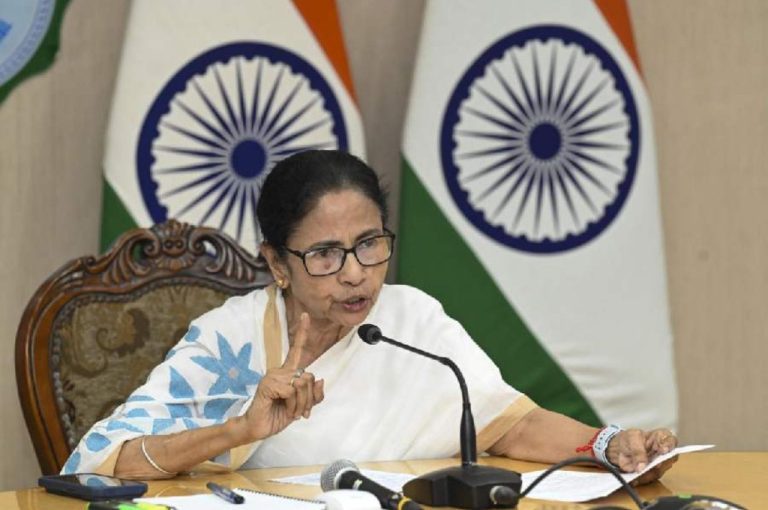
Chief Minister Mamata Banerjee — In a rare public expression of frustration, Chief Minister Mamata Banerjee on Saturday questioned why the state’s health department — one of the portfolios she directly oversees — continues to witness multiple, serious incidents, particularly in state-run hospitals. At a meeting convened to address hospital safety, outsourced staffing and security protocols, Banerjee asked: “Why have so many incidents been happening in only one department — the one headed by me? This should also be looked into.” Her remarks highlight mounting pressure on governance, administrative control and departmental accountability in Bengal’s healthcare sector.
Chief Minister Mamata Banerjee: What triggered the CM’s outburst?
Major hospital incidents
Two high-profile incidents triggered alarm: the rape and murder of a junior doctor at R.G. Kar Medical College & Hospital and a recent alleged sexual assault of a minor by a casual employee at SSKM Hospital. The latter reportedly involved a Group D worker hired via a third-party contractor. These crimes have fuelled criticism from opposition parties and heightened scrutiny of hospital safety under Banerjee’s leadership.
Concentration of portfolios
Banerjee holds charge of multiple key departments — including Home, Police and Health & Family Welfare. Officials say the health department, with its vast delivery network, complex staffing issues and frontline risk profile, receives less sustained attention than needed. One senior bureaucrat noted: “One person cannot devote equal attention to every important department.”
Governance and administrative issues exposed
Outsourced staffing risks
The CM, in her remarks, implicitly raised concerns over the use of outsourced and contract staff in state hospitals. She questioned why her government should be blamed for lapses by such staff, revealing a potential governance gap. The SSKM incident, involving a casual worker via contractor, underscores this issue.
Large vacancies and system stress
Public data show significant gaps in staffing across West Bengal’s health system. According to a workforce-study report, many districts report shortfalls in medical officers, paramedics and support staff. (National Health Systems Resource Centre) The resulting stress increases the chance of oversight failure.
Centralised control, weak delegation
The health department’s structure — reporting directly to the CM along with multiple other portfolios — may hinder responsive decision-making. Experts say that in a large department such as health, delegation and empowered local leadership are key.
Political dimensions: Governance under election-year lens
Opposition reaction
Opposition parties, including the Bharatiya Janata Party and Communist Party of India (Marxist) (CPI-M), have seized on the CM’s statement as confirmation of deeper governance failures. They argue that hospital safety and staffing crises reflect systemic weakness rather than isolated cases.
Electoral stakes
With next year’s Assembly elections on the horizon, the health sector is emerging as both a service delivery challenge and a political liability. Hospital security failures and staffing difficulties could shift public perception of the state’s governance competency — particularly in urban and semi-urban centres.
What must change: Policy prescriptions and administrative reforms
Strengthen recruitment and reduce contract dependence
Filling vacancies across medical, nursing and support roles remains urgent. Transitioning from high-risk contract staffing to regular appointments, with clear training and oversight, is essential.
Improve hospital security protocols
Tertiary hospitals must adopt comprehensive security systems: CCTV, proper vetting of outsourced staff, night-duty supervision, emergency alarms and child-safe zones. A transparent incident-reporting mechanism can help rebuild trust.
Decentralise power and enhance accountability
Granting more decision-making authority to hospital directors and district health officers may improve responsiveness. Streamlining approval and reducing choke-points can lead to faster problem-resolution.
Public transparency and monitoring
Publishing periodic safety and staffing dashboards for state hospitals — including vacancy rates, incident counts, contract vs regular staff ratios — can strengthen accountability. Civil-society participation and audit mechanisms should be encouraged.
Election readiness through healthcare delivery
With elections approaching, showing visible improvement in staffing, hospital safety, patient-care protocols and infrastructure can be politically advantageous for the government. Tangible results matter more than promises.
Broader context: Health system capacity in West Bengal
West Bengal’s healthcare infrastructure and manpower metrics show both progress and persistent challenges. According to data:
The state hosts over 12,000 beds in 13 medical-college hospitals. (Wikipedia)
Data portals also highlight thousands of health facilities being certified under quality standards, but many still marginally staffed. (Indiastat)
Such figures underline that while infrastructure exists, the human-resource and oversight pieces remain unstable.
Conclusion: Accountability, delegation and delivery now
By publicly drawing attention to repeated failures in the health department, Chief Minister Mamata Banerjee has acknowledged a governance challenge that extends beyond individual hospital incidents. The health-portfolio crisis reflects larger structural issues: concentration of power, contract-staff dependence, inadequate staffing, and insufficient oversight.
What happens next will determine not only the state’s healthcare delivery but also political credibility in an election year. For patients, doctors and support staff alike, the hope is that acknowledgment translates into action — fewer contract staff without training, robust security measures, empowered local leadership, and clearer accountability.
If the government fails to deliver visible change, the credibility cost may prove heavy. However, if it moves rapidly with reforms, the CM’s admission may mark the beginning of meaningful transformation in Bengal’s health sector.
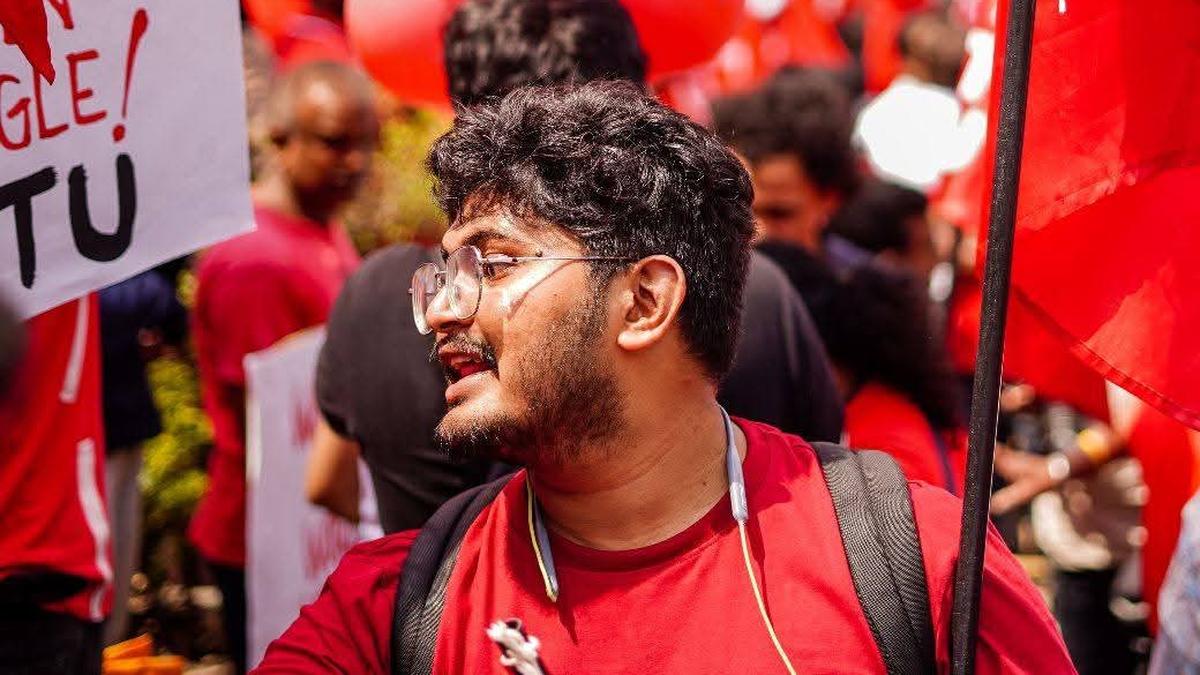
Tension gripped parts of Bengaluru on Sunday after two activists from the Communist Party of India (Marxist) were arrested during a local campaign event. The incident, which unfolded in the northern part of the city, has sparked outrage among party members and civil rights groups, who allege that the police action was politically motivated. The activists, identified as long-time CPI(M) volunteers, were taken into custody while distributing pamphlets and addressing residents on local civic issues.
The Bengaluru police have arrested two activists affiliated with the Communist Party of India (Marxist) during a public campaign drive in the city, leading to tension among local party cadres. The arrests were made late Saturday evening as the activists were distributing pamphlets and engaging residents in political discussions near Majestic Circle. Police cited violation of election norms as the reason for the detention, while the CPI(M) claimed the arrests were politically motivated and part of an attempt to stifle dissent. The activists were taken to the nearby police station for questioning and later released on bail.
CPI(M) Condemns Arrests, Calls It Suppression of Rights
Party leaders condemned the action, stating that the arrests reflected growing intolerance toward peaceful political activity. CPI(M) Bengaluru District Secretary Ramesh Babu accused the authorities of trying to intimidate their workers. He said the activists were engaged in an awareness campaign about unemployment, price rise, and social justice when they were detained without prior warning. The party has called for a protest outside the police commissioner’s office, demanding an apology and assurance that such incidents will not recur.
CPI(M) members alleged that the police disrupted their lawful campaign despite prior intimation to the authorities. “We had obtained permission to conduct the campaign, yet the officers acted as if we were breaking the law,” said a senior party functionary. The activists were reportedly distributing leaflets urging citizens to support workers’ rights and oppose corporate exploitation. Party leaders maintain that such actions fall within the constitutional right to free expression and peaceful assembly, protected under democratic norms.
Following the arrests, several trade union groups expressed solidarity with the detained activists. Leaders from various labour unions affiliated with the CPI(M) gathered at Freedom Park, demanding transparency and accountability from the police. They criticized what they described as an increasing pattern of targeting grassroots campaigns. “This is not just about two arrests; it’s about the right of citizens to raise their voice without fear,” said one trade union leader, emphasizing that democratic participation should not be criminalized.
The city police defended their actions, stating that the activists violated specific sections of the Karnataka Police Act concerning public assembly and distribution of pamphlets without clearance in sensitive zones. A senior police official clarified that the arrests were procedural and aimed at maintaining public order, not political suppression. He further mentioned that the activists were released after routine verification. “We are committed to ensuring law and order, and no political bias is involved in this case,” he asserted.
The incident has reignited debate about the shrinking space for political discourse in public places. Civil society groups and rights activists have called for clear guidelines to prevent misuse of law during peaceful campaigns. Legal experts pointed out that while authorities have the right to regulate gatherings for safety, arbitrary arrests may amount to a violation of civil liberties. They urged the state government to uphold democratic principles and allow non-violent political expression without interference.
Opposition Parties Join in Criticism
Opposition leaders from various parties, including the Aam Aadmi Party and the Janata Dal (Secular), also criticized the arrests. They claimed that the government was using the police to silence criticism and control street-level political activities. “If campaigners are detained for distributing pamphlets, then what message are we sending to the youth who wish to engage politically?” asked a JD(S) spokesperson. The opposition has called for an inquiry into the incident and urged the Home Minister to issue clear instructions to prevent such occurrences.
Public reaction to the arrests has been mixed. While some residents felt the police were simply following procedure to maintain order, others viewed the incident as an excessive display of authority. Social media platforms saw a surge of debate, with hashtags supporting the activists trending across local forums. Many netizens posted messages emphasizing the need to protect democratic freedoms, while others cautioned against allowing political groups to operate unchecked in congested urban zones.
CPI(M) announced plans to stage a statewide demonstration demanding justice for the detained members and protection of citizens’ democratic rights. The party leadership said it would take up the issue with the State Election Commission and the Human Rights Commission. “We will continue to campaign fearlessly. No amount of pressure will silence us,” stated the CPI(M) state secretary. The party also demanded that police officers involved in the arrests be reprimanded for what they called an unnecessary show of force.
As the controversy grows, political analysts note that such incidents could intensify discussions about freedom of political expression in Karnataka. With elections nearing in several local bodies, parties across the spectrum are increasingly active on the streets, heightening friction between campaigners and authorities. The CPI(M) case may set a precedent for how law enforcement balances public order with citizens’ right to mobilize peacefully. The government is yet to issue an official statement on the matter.
Police officials, however, maintain that the arrests were made due to a violation of public order norms. They claimed that the activists were holding an unauthorised gathering that led to traffic disruption and public inconvenience. The CPI(M) has strongly refuted these claims, saying that their campaign was peaceful and conducted with prior intimation to the authorities. The arrests, they allege, are part of a growing pattern of suppression against left-leaning political voices in the city. The incident has reignited debate about freedom of political expression in Karnataka’s capital.
Party leaders immediately rushed to the police station demanding the activists’ release. They argued that the arrests violate constitutional rights of peaceful assembly and speech. “Our volunteers were simply engaging citizens about issues like unemployment, price rise, and women’s safety,” said a CPI(M) spokesperson. “If talking about public welfare has become a crime, then democracy itself is under threat.” The party has called for a citywide protest demanding accountability and a formal explanation from the police department.
Clash Between Activism and Policing
Eyewitnesses at the site described a tense atmosphere as police personnel arrived midway through the campaign, instructing the group to disperse. When the activists refused, insisting on their right to hold a public meeting, an altercation reportedly broke out. Videos circulating on social media show police escorting two individuals into a van as fellow campaigners chant slogans demanding their release. The footage has fueled widespread criticism online, with many Bengaluru residents expressing concern over what they see as shrinking democratic space in urban areas.
Legal experts have noted that the use of public order provisions to curb peaceful demonstrations has become a recurring issue. According to them, while police have the authority to manage gatherings, detentions should only occur when there is a tangible threat to security. “The distinction between lawful dissent and unlawful assembly must be respected,” said a senior advocate from the Karnataka High Court. “Otherwise, it risks eroding public faith in law enforcement institutions.” The CPI(M) is now consulting legal counsel to explore the possibility of filing a complaint against the officers involved.
The incident also highlights a larger struggle between grassroots activism and administrative control in Bengaluru’s civic landscape. CPI(M) cadres have been increasingly vocal about local infrastructure problems, including poor waste management, rising rent, and transport costs. Their street campaigns, often targeting working-class neighborhoods, aim to mobilize citizens around issues that mainstream politics sometimes overlooks. Party members claim that such activism threatens entrenched interests, leading to administrative pushback. The arrests, they say, are a deliberate attempt to discourage direct public engagement.
Political Reactions and Public Backlash
Following the arrests, opposition parties across the spectrum expressed solidarity with the CPI(M) activists, condemning what they described as “an alarming misuse of state power.” Leaders from several social movements also joined the chorus of criticism, stating that dissent cannot be criminalised in a democratic society. The Congress party, while not directly allied with the CPI(M), urged the government to uphold constitutional freedoms and ensure that political differences are not met with police action. “When peaceful voices are silenced, the state loses credibility,” remarked a senior Congress MLA from Bengaluru.
Meanwhile, the Bengaluru Police Commissioner defended the department’s actions, stating that no political bias was involved. “The gathering violated permission norms and obstructed public movement,” he said. “Our officers acted strictly according to the law.” The Commissioner added that the detained activists were released later in the day after completing formalities, and that further inquiry would determine whether a case needs to be registered. However, CPI(M) leaders maintain that the arrests were unnecessary and carried out in an intimidating manner.
Civil society groups have called for an independent review of the incident. Members of human rights organisations argue that even brief detentions send a chilling message to ordinary citizens who wish to participate in political activity. “It normalises fear,” said one activist associated with a Bengaluru rights forum. “If the state begins to treat political campaigns as law-and-order problems, civic engagement will wither.” Many of these groups are now preparing to submit memorandums to the Chief Minister and the Home Department seeking guidelines to protect peaceful assemblies.
Political analysts believe the episode reflects growing tension within Karnataka’s political ecosystem ahead of upcoming local body elections. With rising competition between regional and national parties, independent movements and smaller parties often face scrutiny. “Bengaluru’s civic politics is increasingly polarised,” said a political scientist from Bangalore University. “Incidents like these suggest that administrative neutrality is becoming harder to sustain, especially when campaigns challenge urban governance narratives.”
Within the CPI(M), the arrests have become a rallying point for renewed mobilisation. The party has announced plans for a statewide awareness campaign titled “Our Rights, Our Streets,” aimed at reclaiming public spaces for dialogue and activism. Senior leaders have framed the incident as symbolic of broader struggles across India, where they claim civil liberties are being curtailed under the guise of maintaining order. Rallies are expected to be held across district headquarters in the coming weeks to highlight the issue.
As public debate intensifies, the focus has shifted to the state government’s response. The Home Department has sought a preliminary report from the Bengaluru Police Commissioner detailing the circumstances of the arrests. The Chief Minister’s office, too, is monitoring the situation closely amid rising criticism from various quarters. The outcome of the inquiry could influence how future political campaigns are regulated in urban Karnataka.
The controversy has reignited conversations about citizens’ right to dissent — a cornerstone of democracy often tested in moments like these. For the CPI(M), the arrests are both a challenge and an opportunity: a moment to reaffirm its ideological commitment to public participation and workers’ rights. For Bengaluru’s residents, it is a reminder that civic activism remains an essential part of the city’s democratic character — one that must be defended even when it becomes inconvenient for those in power.
As the dust settles, what remains is a lingering question — how far can the state go in policing public speech before it risks silencing the very spirit of democracy? The answer, many say, will depend not just on government policy or legal rulings, but on whether citizens continue to stand up for their right to speak, assemble, and question — the rights that make Bengaluru not just a tech capital, but a living, breathing democracy.
As the comprehensive Social and Educational Survey progresses across Karnataka, the state government has directed that the enumeration for the Greater Bengaluru Authority area be expanded to include “closed” and “refused” households. The move, officials say, is intended to ensure that every household within Bengaluru’s vast metropolitan boundaries is accurately represented in the final data. The Karnataka State Commission for Backward Classes, which oversees the survey, aims to prevent undercounting in urban regions where frequent migration and locked homes often distort statistics.
Officials overseeing the revisits have outlined that special focus will be given to the peripheries of the Greater Bengaluru Authority area, where rapid urbanisation has created hybrid settlements that often fall outside formal data coverage. These transitional zones — where village panchayats meet expanding city limits — have seen a surge in population over the last decade, yet remain statistically underrepresented. The new instructions ensure that households in such zones, even those temporarily vacant or under construction, will be accounted for through provisional listings, thereby eliminating the risk of omission.
Field supervisors are also expected to maintain a rigorous monitoring schedule to track revisits, employing a digital timestamping system to validate field activity. Every enumerator’s movement will be logged using GPS to prevent fake entries and ensure coverage authenticity. The Backward Classes Commission has made it clear that falsification or negligence during enumeration will lead to disciplinary action. By reinforcing accountability mechanisms, officials aim to strengthen the credibility of the final report, which is expected to serve as a foundational document for policy decisions over the next decade.
Revisiting Trust Between Citizens and Government
For many residents of Bengaluru, the decision to revisit homes is not merely a bureaucratic correction but an opportunity to rebuild public trust. Previous surveys have been criticised for overlooking sections of the population, particularly tenants and low-income migrants. The Commission now seeks to repair that image through transparency and empathy. Enumerators have been advised to introduce themselves clearly, show valid identification, and explain why revisits are necessary. This people-first approach, officials believe, will encourage participation and dispel fears of data misuse.
Sociologists note that urban citizens often resist surveys due to privacy concerns, especially when asked about income, property, or caste. To address this, the Commission has designed simplified questionnaires that limit intrusive questions while still collecting essential data. For households that remain hesitant, respondents can choose to answer only specific sections. This flexible design acknowledges urban sensitivities while ensuring no demographic category is excluded entirely. Such adaptations, experts say, reflect an evolving understanding of how modern governance must balance data needs with citizens’ comfort.
The exercise has also prompted renewed interest in community-based participation. In several wards, local leaders have volunteered to accompany enumerators, ensuring smoother access to gated communities and apartment complexes. RWAs, which previously expressed skepticism, are now cooperating actively after the government clarified the survey’s non-political intent. This collaboration between citizens and administrators is being hailed as a sign of civic maturity — a reminder that data collection succeeds only when grounded in mutual respect and communication.
To enhance accessibility, the Commission has introduced multilingual support within the survey software. Given Bengaluru’s cosmopolitan nature, questionnaires are now available in Kannada, English, Hindi, Tamil, and Telugu. Enumerators trained in regional languages are being deployed in mixed-language wards to ensure that residents fully understand the questions before responding. Officials believe that language inclusivity will play a key role in reducing non-response rates, particularly among migrant workers and non-native speakers residing in industrial zones and informal housing clusters.
Urban Governance and Policy Implications
The expanded data coverage is expected to significantly influence urban planning strategies under the Greater Bengaluru Authority. Planners anticipate using the survey’s findings to better map disparities in access to education, healthcare, and sanitation. A more accurate understanding of household density and income distribution will also help local governments identify areas most in need of infrastructure upgrades. For instance, by mapping “closed” and “refused” households, civic bodies can cross-reference gaps in service delivery that often discourage citizen engagement with public programs.
Policy analysts argue that the true strength of this survey lies in its potential to create dynamic databases rather than static reports. With periodic updates, the data can serve as a living tool for tracking social change. The government has expressed interest in linking survey outcomes with ongoing initiatives such as the National Family Health Survey and the Census to eliminate redundancy. Integrating datasets could also reveal how economic mobility, education, and caste overlap within Bengaluru’s evolving population — offering nuanced insights for policy intervention.
Economists highlight that the survey’s comprehensive approach could help refine subsidy allocations, scholarships, and employment schemes. For instance, the inclusion of low-income renters who are often excluded from welfare due to lack of documentation could make state assistance more equitable. Similarly, updated educational data may influence future budgeting for schools, mid-day meals, and digital literacy programs. “Data inclusion translates directly into social inclusion,” said one Bengaluru-based economist, emphasising that accurate enumeration is fundamental to fair governance.
The Backward Classes Commission has also indicated that once completed, the survey’s Bengaluru data will be made publicly accessible in summarised form, enabling citizens, researchers, and NGOs to analyse patterns independently. Transparency, officials assert, is the cornerstone of trust in such large-scale projects. Public dashboards displaying anonymised results — such as literacy rates, household income groups, and access to amenities — will help citizens see how their participation contributes to shaping city policies.
Addressing Urban Enumeration Gaps
According to officials from the Backward Classes Commission, over 15 percent of the initially listed households in the Greater Bengaluru region were marked as “closed” or “refused.” This anomaly was particularly high in high-rise localities, where residents were often unavailable during survey hours. The revised protocol now allows enumerators to make at least three visits at different times of the day before marking a household as unresponsive. Field supervisors will also monitor daily progress digitally to ensure consistent reporting.
Officials explained that Bengaluru’s urban density, estimated at over 11,000 people per square kilometre, requires a more flexible survey structure than in rural areas. The Commission has authorised local ward officers to coordinate with resident welfare associations (RWAs) and apartment committees to gain access and build trust. Awareness drives have also been planned through Kannada media and community radio stations to explain the purpose of the survey and assure citizens of data confidentiality.
Enumerators have been instructed to collect data digitally to minimise manual errors and prevent duplication. Tablets equipped with a secure data entry system are being used to upload responses in real time to a central server. Officials added that households initially marked as “refused” will be revisited by senior field officers, who will attempt to resolve concerns. Only after repeated attempts will such households be listed under the final “non-participating” category.
Strengthening Data Credibility and Welfare Targeting
The government’s renewed emphasis on inclusivity in the survey process comes as policymakers prepare for future welfare frameworks that depend heavily on accurate social data. The Social and Educational Survey, described as the largest of its kind in the state, seeks to map income levels, caste demographics, literacy, and housing conditions. For the Greater Bengaluru Authority area, the findings will guide major decisions on urban development, affordable housing, education, and healthcare access.
Officials stressed that excluding “closed” or “refused” households could distort the data, especially in urban pockets with mixed socioeconomic conditions. For instance, the contrast between slum clusters and affluent layouts within a single ward may misrepresent inequality levels if data from certain sections are missing. Therefore, the government has called for a “zero-gap policy” — ensuring no household is left uncounted. The policy reflects Karnataka’s growing commitment to evidence-based governance, particularly in Bengaluru, where population trends directly influence state planning.
The Backward Classes Commission has also requested additional funds to strengthen manpower and logistics in the Bengaluru division. Nearly 3,000 enumerators are being deployed for revisits, supported by a supervisory team to oversee compliance. Training sessions are being held to improve interpersonal communication and address public apprehension about privacy and data misuse. Officials said that in most cases, refusals stemmed from lack of awareness, not hostility, and that positive engagement can reverse non-participation.
Civil society organisations have welcomed the government’s move, calling it an important step toward “data equity.” Advocacy groups argue that comprehensive enumeration helps in fair allocation of welfare benefits and education reforms. “Many urban poor families remain invisible in planning because they were simply not recorded,” said one Bengaluru-based social researcher. “Including ‘closed’ and ‘refused’ homes will ensure that everyone’s story is counted, not just the accessible ones.”
At the same time, some data experts have warned about maintaining the quality and integrity of revisited entries. They emphasised that enumerators must maintain strict adherence to verification protocols to avoid inflated figures or unverified submissions. For accuracy, revisited data will be geo-tagged and cross-checked against official records like Aadhaar and voter databases. The Commission has assured that all digital tools used comply with data privacy standards.
Urban planners have pointed out that Bengaluru’s growing migrant population, estimated at nearly 45 percent of its total residents, adds another layer of complexity. Migrants often live in shared accommodations or move frequently, making it difficult to locate them during standard survey cycles. For this reason, the new directive includes cooperation from employers, labour unions, and local NGOs to track temporary and seasonal workers. Officials hope that this collaboration will lead to more holistic data that reflects the city’s actual diversity.
The survey’s progress has also drawn attention from political circles, with some parties urging that the process remain free from bias. Opposition leaders have called for transparency in data release, while government representatives insist that the survey aims purely at social development planning, not electoral analysis. The Backward Classes Commission has clarified that the data will be used to improve education, employment, and social welfare policies, not for political profiling.
Public response to the announcement has been largely positive, especially among citizen groups that have long demanded better inclusion in state data initiatives. Many Bengaluru residents have taken to social media to share their experiences with survey enumerators, highlighting the need for clear communication. In some wards, volunteers have stepped up to assist officials in reaching gated communities. Such collaboration, experts believe, could set a benchmark for future large-scale surveys in metropolitan India.
The government plans to complete the revisits within six weeks and release a consolidated report by early next year. Once finalised, the data will provide granular insights into Bengaluru’s socioeconomic fabric — from literacy patterns and caste distribution to income disparities and access to education. For Karnataka’s policymakers, this exercise is not just about numbers but about recognition. As officials emphasise, the true goal of the survey is to ensure that every household, regardless of status or accessibility, finds its rightful place in the story of Bengaluru’s growth and governance.
Karnataka has been placed on high alert as the India Meteorological Department (IMD) issued a yellow warning for 11 districts following the formation of Cyclone Montha over the Bay of Bengal. The cyclone, currently moving northwestward, is expected to bring heavy rains, strong winds, and thunderstorms to several regions of the state over the coming days. The affected districts include Dakshina Kannada, Udupi, Uttara Kannada, Shivamogga, Kodagu, Hassan, Chikkamagaluru, Bengaluru Rural, Tumakuru, Chitradurga, and Davangere. Authorities have advised residents to remain cautious and avoid unnecessary travel.
With rainfall intensifying across several districts, the Karnataka State Disaster Management Authority (KSDMA) has been working closely with district commissioners to monitor real-time weather data and ground conditions. Control rooms in each affected district are operating round-the-clock to respond to distress calls and coordinate relief efforts. The government has also directed local officials to stock sandbags and water pumps in flood-prone areas, particularly in the coastal belt, to mitigate the risk of flash floods and waterlogging in residential zones.
In Mangaluru and Udupi, the local administrations have urged citizens to avoid venturing near open drains and low-lying bridges. Police personnel have been deployed to manage traffic and prevent accidents on slippery roads. In Kodagu, coffee planters have expressed concern over the heavy rains damaging both crops and drying yards. Agricultural officers have been visiting plantations to assess potential losses and provide guidance on preventive measures. The state has also planned to dispatch relief funds in case of significant damage reports.
Meanwhile, Bengaluru has witnessed moderate showers, accompanied by thunder and strong winds in several areas. The Bruhat Bengaluru Mahanagara Palike (BBMP) has activated emergency teams to clear fallen trees and unclog stormwater drains. Civic authorities have also issued advisories warning citizens to stay indoors during peak rainfall and avoid parking vehicles under large trees or electric poles. The Bangalore Electricity Supply Company (BESCOM) has readied additional personnel to respond to power disruptions.
The Karnataka Power Transmission Corporation Limited (KPTCL) has assured that power infrastructure in vulnerable areas is being monitored continuously. Engineers are on standby to handle transformer failures or snapped lines, which often occur during heavy downpours. In the past, storm-induced outages have disrupted communication networks, so telecom companies have also been asked to keep backup power systems functional to maintain connectivity. This is particularly crucial for remote rural areas where communication lines are often limited.
Agriculture and Rural Preparedness
The Department of Agriculture has set up field monitoring units to provide immediate support to farmers affected by heavy rain. Extension officers have been directed to record crop damage and recommend compensatory measures under state and central insurance schemes. The government has also urged farmers to shift harvested produce to elevated storage areas and secure livestock. In hilly regions like Chikkamagaluru and Hassan, agricultural experts have warned that landslides and runoff could wash away topsoil, affecting coffee and spice plantations.
In the coastal and Malnad regions, paddy fields are at risk of flooding. To prevent complete crop loss, the authorities have advised early harvesting in areas forecasted to receive heavy rainfall. The Horticulture Department has issued alerts to fruit and vegetable growers to take preventive steps against fungal diseases that thrive in damp conditions. Experts have stressed the importance of using protective coverings and maintaining proper drainage in farms. Rural communities have also been encouraged to store dry food and clean water supplies in anticipation of temporary isolation during severe weather.
Public Awareness and Communication
To ensure public safety, the state has intensified its awareness campaigns. Mobile vans equipped with loudspeakers are circulating in vulnerable areas to broadcast weather warnings in Kannada and regional dialects. The IMD’s alerts are being shared through the ‘Varunamitra’ app, which provides live rainfall updates, flood forecasts, and emergency contact numbers. Social media platforms are being used by the government to counter misinformation and provide verified updates. Officials have urged people not to circulate unverified videos or panic-inducing messages.
In educational institutions, awareness sessions on disaster preparedness are being conducted. Teachers are instructing students on emergency protocols, such as how to respond to flooding and electrical hazards. Schools in Kodagu and Dakshina Kannada have temporarily postponed outdoor activities until the alert is lifted. NGOs and community groups have joined hands with local administrations to assist in setting up shelters and distributing food kits in low-lying villages.
The Health Department has also stepped in to prevent post-rain illnesses. Health officers have been deployed to monitor potential outbreaks of vector-borne diseases like dengue, malaria, and chikungunya, which often rise after heavy rainfall. Drinking water sources are being chlorinated, and mobile health units have been dispatched to rural areas. The department has advised people to boil water before consumption and maintain hygiene to prevent gastrointestinal infections.
Forecast and Long-Term Implications
Meteorologists expect Cyclone Montha to weaken gradually after landfall, but warn that Karnataka could continue to receive scattered rainfall for several days due to the trailing moisture bands. The KSNDMC has cautioned that another low-pressure system could form in the Bay of Bengal next week, potentially extending the wet spell. Experts have suggested that such frequent cyclonic activities are indicators of changing climate patterns that require adaptive infrastructure and long-term planning.
Economists and policy analysts have called on the government to review the disaster mitigation framework, citing the growing frequency of extreme weather events in Karnataka. They have emphasised the need for investments in resilient roadways, improved urban drainage systems, and early warning technologies. Environmentalists have further highlighted the necessity of protecting natural wetlands, which act as buffers during heavy rainfall, and restoring mangroves along the coast to reduce storm surge impact.
As the situation unfolds, the collective response from citizens, officials, and emergency services will determine the state’s resilience. With clouds thickening and winds intensifying, Karnataka stands prepared yet cautious. The coming days will reveal the true extent of Cyclone Montha’s influence — a reminder of nature’s power and the importance of preparedness in an era of growing climatic uncertainty.
According to the IMD, Cyclone Montha intensified from a deep depression late on Sunday night and is expected to make landfall near the Andhra Pradesh–Odisha coast within the next 48 hours. Though Karnataka is not in the direct path of the cyclone, its outer bands are likely to bring widespread rain and gusty winds, particularly in the coastal and Malnad regions. Meteorologists have also predicted moderate rainfall in interior parts of the state, including Bengaluru, over the next three days.
Chief Minister Siddaramaiah chaired an emergency meeting with officials from the Revenue and Disaster Management Departments to review preparedness measures. District administrations have been instructed to activate control rooms, deploy disaster response teams, and ensure availability of emergency supplies in vulnerable areas. The Chief Minister emphasised that precautionary steps must be taken in advance to avoid loss of life or property. “We cannot underestimate the threat, even if it’s an indirect impact. Every life matters,” he said.
Coastal Districts Brace for High Tides and Flood Risks
Along the coast, high tides and strong winds have already been reported in parts of Mangaluru and Udupi, prompting fishermen to suspend operations. The Department of Fisheries has issued an advisory prohibiting deep-sea fishing until further notice. Coastal villages have been urged to move boats and nets to safer grounds. District authorities have also warned tourists to stay away from beaches and riverbanks, as tidal surges could occur unexpectedly.
In Dakshina Kannada, officials have begun clearing stormwater drains and removing obstructions from canals to prevent urban flooding. NDRF and SDRF teams have been put on standby in low-lying areas such as Ullal, Surathkal, and Mulki. Udupi district officials have identified temporary shelters in schools and community halls in case of evacuation. The local administration is also coordinating with hospitals to ensure medical support in emergencies.
The IMD has cautioned that wind speeds could reach 50 to 60 kmph in coastal and hilly areas, with isolated gusts exceeding 70 kmph. Such conditions could cause damage to weak trees, power lines, and temporary structures. Residents have been urged to secure loose objects and stay indoors during heavy rainfall. Power utilities have been instructed to prepare for potential outages and mobilise repair crews for quick restoration.
Government Steps Up Precautionary Measures
The state’s Disaster Management Authority has begun disseminating alerts through radio, SMS, and public address systems in vulnerable districts. Farmers have been advised to delay harvesting of crops, particularly paddy and maize, to prevent losses due to rain and strong winds. The Agriculture Department has also issued advisories on protecting livestock and storing harvested grains safely. In hilly districts such as Kodagu and Chikkamagaluru, forest officials have warned about the possibility of landslides and advised residents to remain vigilant.
Transport departments have been directed to monitor road conditions and restrict movement in landslide-prone zones. State transport buses are being rerouted in certain areas where heavy rain is expected to cause flooding. The Public Works Department has deployed machinery and personnel for clearing debris and repairing damaged roads. Educational institutions in some districts have been given discretion to close if conditions worsen.
Officials from the Karnataka State Natural Disaster Monitoring Centre (KSNDMC) have stated that the next 48 hours will be critical in determining the severity of the cyclone’s impact on the state. They have also emphasised that Cyclone Montha could trigger intense weather patterns even after landfall, depending on how the system interacts with the southwest monsoon currents. The public has been urged to rely only on official weather updates and avoid rumours on social media.
Emergency helplines have been set up across all 11 districts, and medical teams have been deployed in coordination with local health departments. Hospitals have been instructed to keep ambulances ready for emergencies. In several taluks, revenue officials are conducting door-to-door awareness drives, especially in areas near rivers and lakes that are prone to flash floods. Officials are also working with Gram Panchayats to identify vulnerable families for possible relocation if the situation worsens.
The Education Department has directed schools and colleges in coastal districts to remain on alert. If rainfall intensity increases, physical classes may be suspended, and online sessions could be introduced temporarily. Officials have also appealed to citizens to avoid venturing out for non-essential purposes, particularly during the night when visibility is poor and roads may become slippery or flooded.
Meteorologists believe that the effects of Cyclone Montha could continue until the end of the week, with gradual reduction in rainfall after the system weakens inland. While Bengaluru and other interior districts may experience moderate showers and cloudy skies, the coast and Western Ghats are expected to bear the brunt. Lightning and thunderstorm activity may also intensify during evening hours, making caution essential.
Economists have expressed concern about the potential impact of heavy rains on agriculture and transport. Coastal Karnataka is a key hub for logistics and fisheries, and disruptions due to weather could affect local trade. Farmers are particularly worried about standing crops that are ready for harvest, as heavy rain can cause waterlogging and spoilage. The government has promised to assess crop damage and offer compensation where necessary.
Environmentalists have highlighted that extreme weather events such as Cyclone Montha underscore the growing unpredictability of climate patterns in South India. They argue that urban expansion, deforestation, and poor drainage systems are worsening the effects of heavy rainfall. Experts have called for better long-term planning, including restoring natural waterways, strengthening coastal defences, and enforcing strict zoning laws in flood-prone areas.
As Karnataka braces for Cyclone Montha’s impact, the focus remains on readiness and resilience. From coastal communities to inland districts, the state’s response will be a test of coordination between agencies and public cooperation. For now, as dark clouds gather over the horizon and winds begin to rise, Karnataka stands watchful — hoping preparation will be enough to weather yet another test from nature.

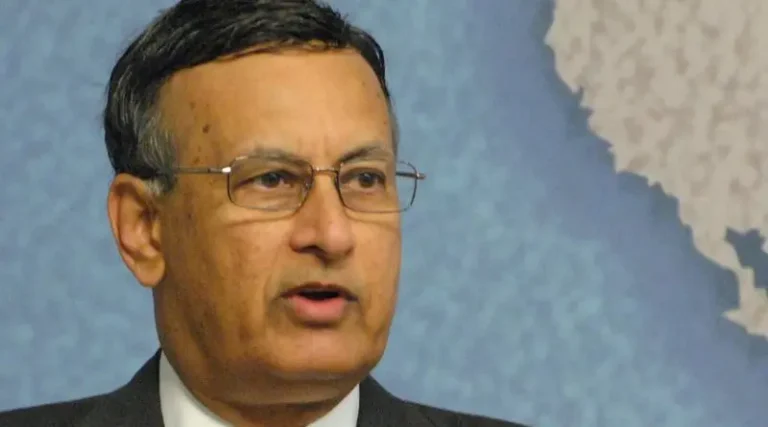
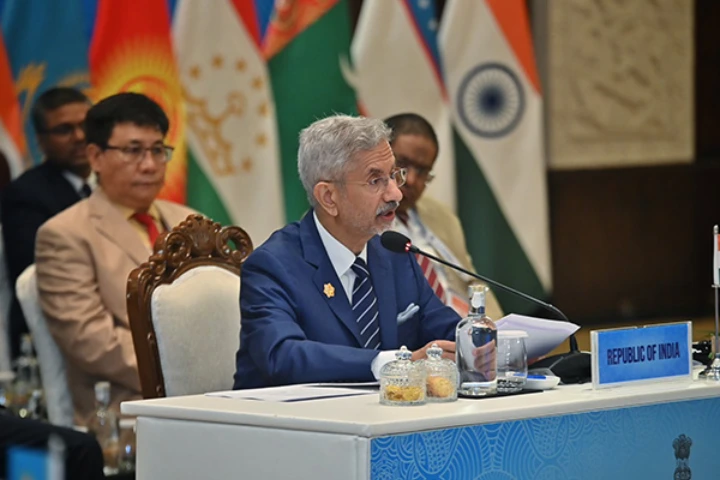
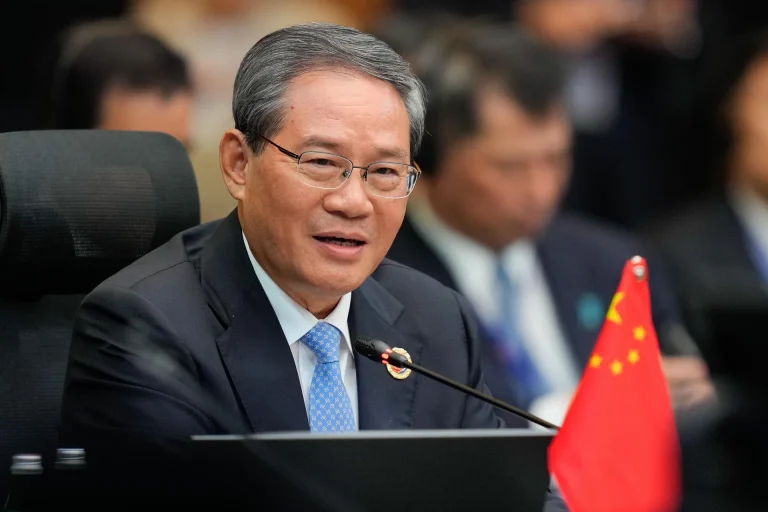
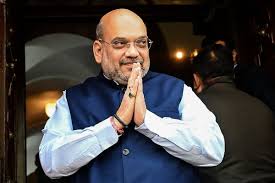 Also Read:
  Challenges and Critical Perspectives
 Conclusion: Navigating Political Transformation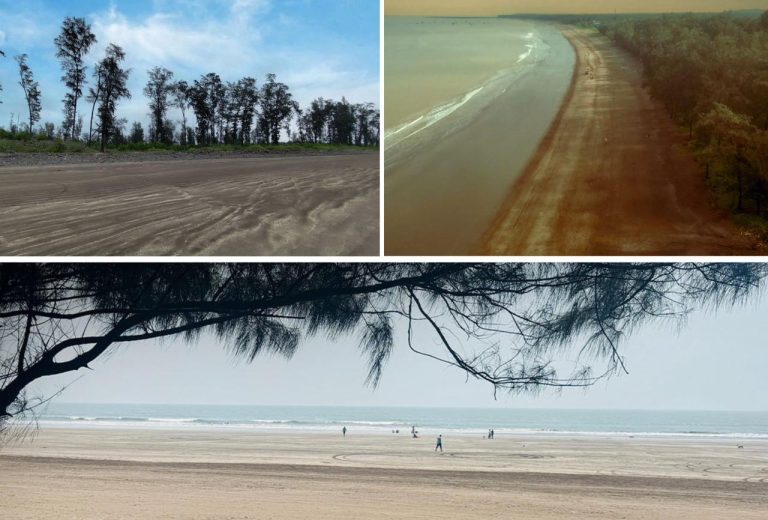
 Also read:
 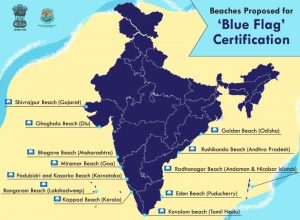 Environmental Benefits and Ecological Impact
 Challenges and Implementation Considerations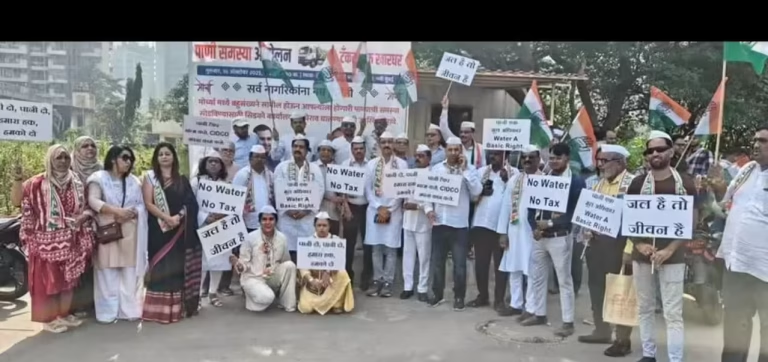
 Also Read:
  Economic Impact on Residents
 Political Implications and Electoral Calculations