Sunday, May 17, 2026
Home Blog Page 379

Farmers Confront Forest Minister Eshwar Khandre After 1 Mysuru Tiger Attack Leaves Village in Panic

Tension gripped parts of Mysuru district after a tiger attack claimed the life of a farmer earlier this week, sparking anger and protests among local residents. When Forest Minister Eshwar Khandre visited the affected village to assess the situation, he was met with emotional outbursts and strong criticism from farmers who accused the government of neglecting rural safety. The villagers demanded swift action to capture the animal and stronger measures to prevent similar incidents in the future.

According to forest officials, the tiger, believed to have strayed from the Bandipur or Nagarahole reserve, attacked the farmer near his field early in the morning. The victim, identified as a 42-year-old resident of Hediyala, had gone out to inspect his crops when the incident occurred. The attack led to widespread fear in surrounding villages, with several farmers now refusing to venture into their fields until the big cat is captured.

Minister Khandre, accompanied by senior forest department officers, faced an angry crowd during his visit. Farmers surrounded the official convoy, questioning why the forest department had failed to respond to earlier sightings of the animal. Many alleged that repeated complaints about cattle being killed in the area were ignored. Khandre appealed for calm and assured that all efforts were being made to locate the tiger, but his explanations were met with frustration and disbelief.

Farmers Voice Anguish, Demand Accountability

The atmosphere in the village remained charged as hundreds gathered to express their anger. Farmer associations accused the department of acting only after tragedy struck, saying that preventive patrolling and surveillance had been insufficient. Villagers claimed that despite living near forest boundaries, they rarely see active monitoring teams or protective measures in place. The attack, they said, reflected a deeper failure in managing human-wildlife conflict.

The aftermath of the attack has also prompted a broader discussion on Karnataka’s wildlife management policies. Many farmers and rural leaders argue that while the state takes pride in its tiger conservation record, the same focus is not extended to ensuring the safety of communities living near reserves. They believe that the government must now review its conservation framework to include both ecological and human concerns. The incident, they say, exposes the urgent need to integrate local participation into decision-making processes involving wildlife management and conflict mitigation.

Forest officials, on their part, maintain that relocation and capture operations are being conducted with utmost precision. Tranquilising a tiger in open terrain, especially near populated areas, poses a significant risk both to the animal and the people involved. Experts stress that the goal is to avoid panic-triggered mistakes and ensure a safe capture. The department has also brought in additional veterinarians, trained marksmen, and forest trackers to support the ongoing operation across Mysuru’s forest belt.

The incident has reignited debate among conservationists and policymakers about how India’s success in increasing tiger numbers is leading to higher human-animal conflicts. Karnataka, home to one of the largest tiger populations in the country, faces a delicate challenge — preserving its conservation achievements while preventing rural distress. Experts suggest developing “corridor mapping” strategies to allow safe movement of wildlife between habitats, reducing encounters with humans. This, they say, will help create a long-term balance between conservation goals and community safety.

Farmers in Mysuru and Chamarajanagar districts have also demanded insurance schemes for crop and livestock losses caused by wildlife. Many said that existing compensation programs are either delayed or insufficient. They called for immediate reforms in payment mechanisms and quicker verification of claims. “We cannot keep waiting months to receive what we are owed while our livelihoods collapse,” one farmer said, echoing a sentiment shared widely across the region.

Meanwhile, the government has directed district administrations to strengthen coordination between forest and revenue departments. Emergency response protocols are being reviewed to ensure faster deployment of personnel during wildlife incidents. The use of drones, radio collars, and GPS-based monitoring is expected to become more widespread as part of a renewed technological approach to conflict management. These advancements, officials believe, can help detect potential threats before they escalate into tragedies.

Political tensions have also deepened in the wake of the attack. Opposition parties have accused the ruling government of mishandling the crisis, alleging that warnings from villagers were ignored. They have demanded an independent review of the forest department’s functioning and the Minister’s response. Ruling party leaders, however, have defended Khandre’s actions, calling his visit to the site a sign of accountability and responsiveness. The political sparring reflects how wildlife issues often intertwine with governance and rural politics.Mysuru tiger attack: Forest Minister Eshwar Khandre faces farmers' ire -  The Hindu

Environmental activists, while sympathetic to the farmers, caution against demands for the tiger’s killing. They argue that fear should not override scientific reasoning. Tigers, they insist, play a vital role in maintaining ecological balance, and every effort should be made to rescue, not destroy, them. They urge the government to promote awareness programs about safe coexistence, particularly in areas adjoining wildlife sanctuaries. These campaigns, they argue, can prevent panic and misinformation during future incidents.

Sociologists studying rural-forest relationships note that emotional responses to wildlife attacks stem from both economic vulnerability and a sense of neglect. For many farmers, the tiger represents not just danger but the state’s failure to protect their livelihoods. This emotional disconnect, experts warn, could erode public support for conservation programs if not addressed through inclusive policies that prioritise both people and wildlife equally.

Some residents broke down in tears while narrating their fears, especially for children and elderly people who work in nearby fields. Women in the village pleaded with the Minister to install fencing or alarm systems around vulnerable farmlands. “Every time there’s an incident, we hear the same assurances,” said a local farmer. “But the tiger goes free, and we live in fear again.” The raw emotion on display underscored the sense of helplessness that has long existed among communities living on the forest fringes.

Minister Khandre, addressing the gathering, acknowledged that the tiger’s movement had been detected earlier but insisted that tracking wild animals is a complex task requiring precision and caution. He stated that the forest department had deployed three teams with tranquilising experts, drones, and camera traps to locate the animal. “We will not rest until the tiger is captured safely,” Khandre said, adding that no decision would be taken to harm the animal unless absolutely necessary.

The Minister also announced an immediate compensation of ₹15 lakh to the victim’s family, promising that the amount would be released without bureaucratic delay. He assured villagers that the government would strengthen the forest division’s response systems, including adding more staff, vehicles, and night-patrol units. “We understand your pain,” he said, “and the government stands with you in ensuring this never happens again.”

Forest Department’s Action Plan and Public Pressure

Meanwhile, forest officials have intensified search operations across the region. Teams from Bandipur and Nagarahole have been mobilised, and experts from the Wildlife Institute of India have been consulted. Traps with bait have been placed at multiple locations, and movement patterns are being monitored using camera footage. However, officers admitted that the tiger’s unpredictable movement and dense forest cover have complicated the process.

Despite the ongoing search, tension has escalated as villagers claim to have heard growls and spotted pugmarks near water sources. Fear has paralysed agricultural activity in several hamlets, with many families refusing to step out after dusk. Local markets, which usually thrive on farm produce, have reported lower attendance, signalling the economic impact of the crisis.

Environmentalists have urged restraint, cautioning against knee-jerk reactions that could lead to the animal’s killing. They have emphasised the need for coexistence strategies and scientific tracking methods instead of panic-driven operations. However, the argument has met resistance among farmers, who say they have already lost too much and can no longer risk their lives for wildlife protection policies.Mysuru tiger attack: Forest Minister Eshwar Khandre faces farmers' ire -  The Hindu

Opposition leaders seized the opportunity to criticise the government, accusing it of neglecting rural safety. They demanded accountability from the Forest Department and sought a detailed report on the frequency of tiger sightings and incidents across Mysuru and Chamarajanagar districts. “If wildlife management is failing, it’s the people who are paying the price,” one legislator said, adding that long-term mitigation measures must replace ad-hoc responses.

Wildlife experts, meanwhile, have pointed out that incidents like this are symptoms of shrinking habitats and increasing human activity near forest zones. Expanding agricultural land, road construction, and sand mining have reduced the tiger’s territory, forcing it to wander into villages in search of prey. They suggest establishing buffer zones, installing early-warning systems, and promoting community awareness as key preventive strategies.

In response to the growing outrage, the Forest Department has also set up a 24-hour helpline for villagers to report sightings. Mobile teams with tranquilising equipment have been stationed at key entry points near the forest. The government has also requested additional support from the state’s Special Tiger Task Force, which specialises in capture and relocation operations.

Minister Khandre later met with senior officials to review the situation, instructing them to submit a detailed report within three days. He stressed that both human safety and animal welfare must remain priorities. “This is not just a tragedy—it’s a wake-up call,” Khandre told reporters. “We must find long-term solutions so our farmers can live without fear and our wildlife can survive without conflict.”

Animal welfare organisations, while acknowledging the human loss, have urged authorities to examine how ecological imbalances contribute to such incidents. They advocate for landscape-level conservation planning and the use of technology, such as satellite mapping, to track animal corridors. “Conservation and community protection must go hand in hand,” said a representative of a Bengaluru-based NGO.

As dusk falls on the affected villages, the atmosphere remains tense but hopeful. The sound of vehicles, once rare in the quiet countryside, now echoes through the fields as patrol teams move through the night. For the residents, each rustle in the dark is a reminder of the danger that still lurks nearby. For the government, the Mysuru tiger attack stands as a test of its ability to balance compassion with action, conservation with safety, and policy with accountability.Mysuru Tiger Deaths: 5 Tigers Found Dead Under Suspicious Circumstances in  Male Mahadeshwara Wildlife Sanctuary, Karnataka Forest Minister Eshwar  Khandre Orders Probe (Watch Videos) | 📰 LatestLY
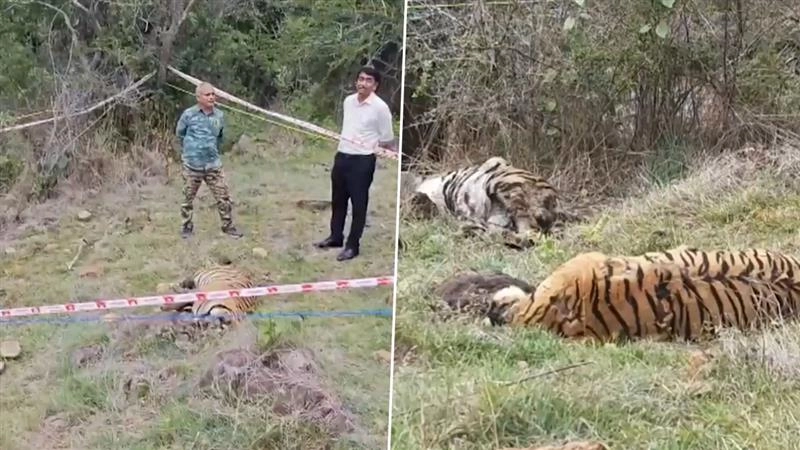
Until the tiger is captured and relocated, uncertainty continues to hang over the region — a haunting reminder that the fragile boundary between human settlements and the wild is growing thinner with each passing year.

Follow: Karnataka Government

Also read: Home | Channel 6 Network – Latest News, Breaking Updates: Politics, Business, Tech & More
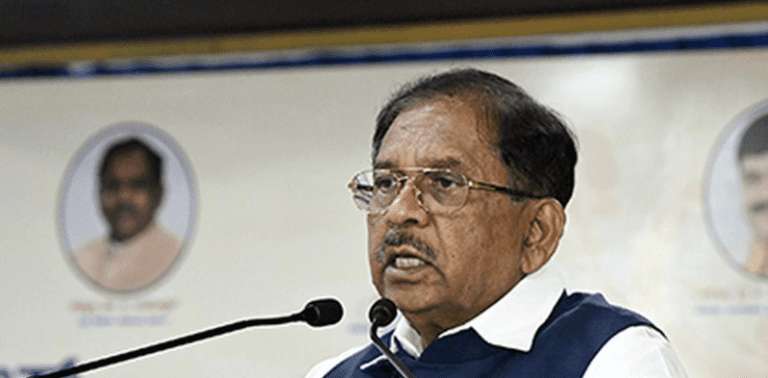
SIT Probe into Dharmasthala Case Nears Deadline Amid 1 Rising Public Concern: Truth and Accountability

Karnataka Home Minister G. Parameshwara announced that the Special Investigation Team (SIT) probing the controversial Dharmasthala case has been directed to submit its detailed report by the end of October. Speaking to reporters in Bengaluru, Parameshwara emphasised that the investigation has reached an advanced stage and that the government is committed to ensuring transparency, fairness, and accountability. He reiterated that the case, which has drawn significant public attention, will be handled without political interference or bias.

The Home Minister stated that the SIT had already collected crucial evidence, including forensic analyses, witness testimonies, and digital data, which are currently being compiled for the final report. The investigation, which has been ongoing for several months, was formed in response to widespread public demand for an impartial inquiry into the case. Parameshwara asserted that no individual, regardless of their social or political standing, would be exempt from scrutiny.

The Dharmasthala case has sparked a series of political and social debates, with opposition leaders alleging attempts at a cover-up and citizens demanding justice through peaceful demonstrations. The Home Minister addressed these concerns directly, stating that misinformation or speculation would not influence the investigation’s course. “We have a responsibility to the people of Karnataka to ensure that the truth emerges in full clarity,” he remarked.Dharmasthala case: SIT asked to submit probe report by October end, says  Home Minister Parameshwara - The Hindu

SIT’s Progress and Findings So Far

According to sources familiar with the probe, the SIT has made considerable progress in identifying key events and individuals linked to the case. The team has reportedly reconstructed timelines, reviewed surveillance footage, and examined communication records to verify claims made by witnesses. Forensic experts were also brought in to validate physical evidence collected from the site. Officials confirmed that several leads have been cross-verified to eliminate inconsistencies and prevent tampering of facts.

Senior officials indicated that the investigation faced challenges in its early stages due to delays in obtaining some official documents and reluctance from a few witnesses. However, the SIT, under the supervision of senior IPS officers, managed to overcome these hurdles through persistent efforts. The team has been functioning independently, maintaining coordination with both the Home Department and forensic agencies to ensure accuracy.

Political analysts suggest that the timing of the SIT report could have implications for state politics, especially with mounting pressure from both ruling and opposition parties. The government’s handling of the case has become a matter of credibility, with citizens closely watching whether justice will prevail. Parameshwara’s insistence on a deadline, therefore, signals the administration’s intent to bring closure while maintaining public confidence in law enforcement mechanisms.

Public Sentiment and Political Context: Dharmasthala

Public sentiment surrounding the Dharmasthala case has been intense. Civil society groups, student organisations, and rights activists have demanded greater transparency in the proceedings. Candlelight vigils and social media campaigns have called for accountability, urging authorities to ensure that no aspect of the case is diluted. Many have highlighted the emotional impact on the affected families, stressing the importance of justice not only as a legal outcome but as a societal reassurance.

Opposition leaders have criticised the state government for what they term as “delays and opacity” in releasing updates about the investigation. They argue that the lack of regular communication has led to public suspicion and eroded faith in the system. Responding to these claims, Parameshwara clarified that the SIT has maintained procedural confidentiality as required by law and that premature disclosures could compromise the integrity of the investigation.

Meanwhile, law enforcement officers involved in the probe maintain that their efforts have been thorough and evidence-driven. They argue that complex investigations, especially those involving multiple testimonies and forensic analyses, naturally take time. The SIT’s focus, according to officials, remains on establishing the factual sequence of events and ensuring that all findings are backed by verifiable evidence.

Human rights organisations have urged the government to make the SIT’s report public once it is submitted, citing the importance of public trust in sensitive cases. They argue that withholding details or releasing only partial findings could lead to speculation and further unrest. Parameshwara, however, noted that any public release of information would be subject to legal provisions and government discretion after the report is reviewed.SIT to submit Dharmasthala probe report by Oct end: K'taka HM Parameshwara

Legal experts have also weighed in, stating that the SIT’s findings could pave the way for future reforms in investigative procedures in Karnataka. Many have pointed out that the case underscores the need for timely and independent investigations, free from administrative influence. Some have proposed institutional mechanisms to ensure that similar cases are handled with speed, transparency, and empathy toward victims’ families.

If the SIT submits its report as scheduled, the government will likely face renewed scrutiny over its next steps. The findings could either reinforce public confidence in the administration or reignite demands for accountability if perceived lapses are identified. For now, all eyes remain on the end of October, when the long-awaited report is expected to reveal the truth behind one of Karnataka’s most closely watched cases.

In his concluding remarks, Home Minister Parameshwara reiterated the government’s stance: “Our commitment is to truth and justice. The people of this state deserve nothing less.” The statement encapsulated the larger sentiment — that only a transparent and impartial outcome can restore faith in both governance and law enforcement. With anticipation building across Karnataka, the final report of the SIT is set to become a defining moment in the state’s pursuit of justice and public trust.

The Home Department has indicated that once the SIT’s report is submitted, it will undergo a legal and procedural review before any public announcement is made. This review will determine if there is sufficient ground for further legal proceedings, arrests, or administrative action. Sources suggest that the Chief Minister’s Office has been receiving regular updates from the Home Minister on the progress of the probe, underscoring the high-level attention the case continues to attract.

In districts surrounding Dharmasthala, public sentiment has remained tense but peaceful. Local leaders have been urging residents to maintain calm and trust the investigation process. Many community members have expressed hope that the SIT’s findings will bring closure to lingering doubts and restore confidence in the justice system. Posters, petitions, and open forums have emerged in the region, reflecting how deeply the issue has resonated with the people.

Political observers believe that the government’s handling of the case could influence public perception ahead of upcoming local elections. The opposition has already indicated plans to highlight the case as a symbol of administrative delay and alleged opacity if the report does not meet public expectations. Meanwhile, supporters of the ruling coalition argue that the decision to set a firm deadline and form a specialised team demonstrates accountability and a willingness to confront sensitive issues head-on.

The SIT’s investigation has also spurred wider conversations about the structure and functioning of special investigative units in Karnataka. Experts have called for enhanced autonomy, better funding, and protection from political interference to ensure such teams can conduct independent and unbiased inquiries. The Dharmasthala case has, in many ways, become a litmus test for how effectively these teams can balance public pressure with procedural integrity.

Officials close to the investigation say that the SIT’s report will likely include recommendations on systemic improvements in law enforcement and administrative coordination. It may also propose reforms to prevent procedural lapses in future cases of similar sensitivity. These recommendations, if implemented, could mark a significant step toward strengthening Karnataka’s investigative institutions.

Public confidence in the police and judiciary has been a recurring theme in discussions about the case. Many citizens feel that transparent investigations are critical for maintaining trust between the state and its people. Advocacy groups have argued that restoring faith in the system requires visible accountability, timely updates, and the swift implementation of corrective measures based on investigative findings.

Media coverage of the Dharmasthala case has been extensive, with television debates, editorials, and citizen forums closely tracking developments. While this has helped maintain public interest, it has also led to concerns about misinformation and premature conclusions. The government has repeatedly appealed to journalists to exercise caution and report responsibly until the official findings are released.Dharmasthala case: SIT likely to submit probe report by Oct end, says Home  Minister Parameshwara | Udayavani - Latest English News, Udayavani Newspaper

Legal practitioners suggest that once the SIT’s report is submitted, its findings could either validate the existing investigative framework or expose areas that need major overhaul. They predict that the judiciary’s response, depending on the evidence presented, could set an important precedent for future probes. The balance between public accountability and legal confidentiality will be central to how the case progresses beyond October.

Several senior politicians across party lines have cautiously commented on the case, urging that justice must be prioritised over political gain. They have acknowledged that the case’s sensitivity demands restraint and respect for the investigative process. This rare show of bipartisan agreement reflects how deeply the issue has penetrated public consciousness and political discourse alike.

As the October-end deadline approaches, Karnataka stands at a critical juncture. The SIT’s report is expected not only to clarify the truth behind the Dharmasthala case but also to serve as a benchmark for future governance and law enforcement. Whether it succeeds in meeting public expectations will depend on the thoroughness of the findings and the government’s commitment to act decisively on its conclusions. The state awaits the report with a mix of hope, anxiety, and determination that justice will prevail, reaffirming trust in the democratic and judicial institutions of Karnataka.

Follow: Karnataka Government

Also read: Home | Channel 6 Network – Latest News, Breaking Updates: Politics, Business, Tech & More
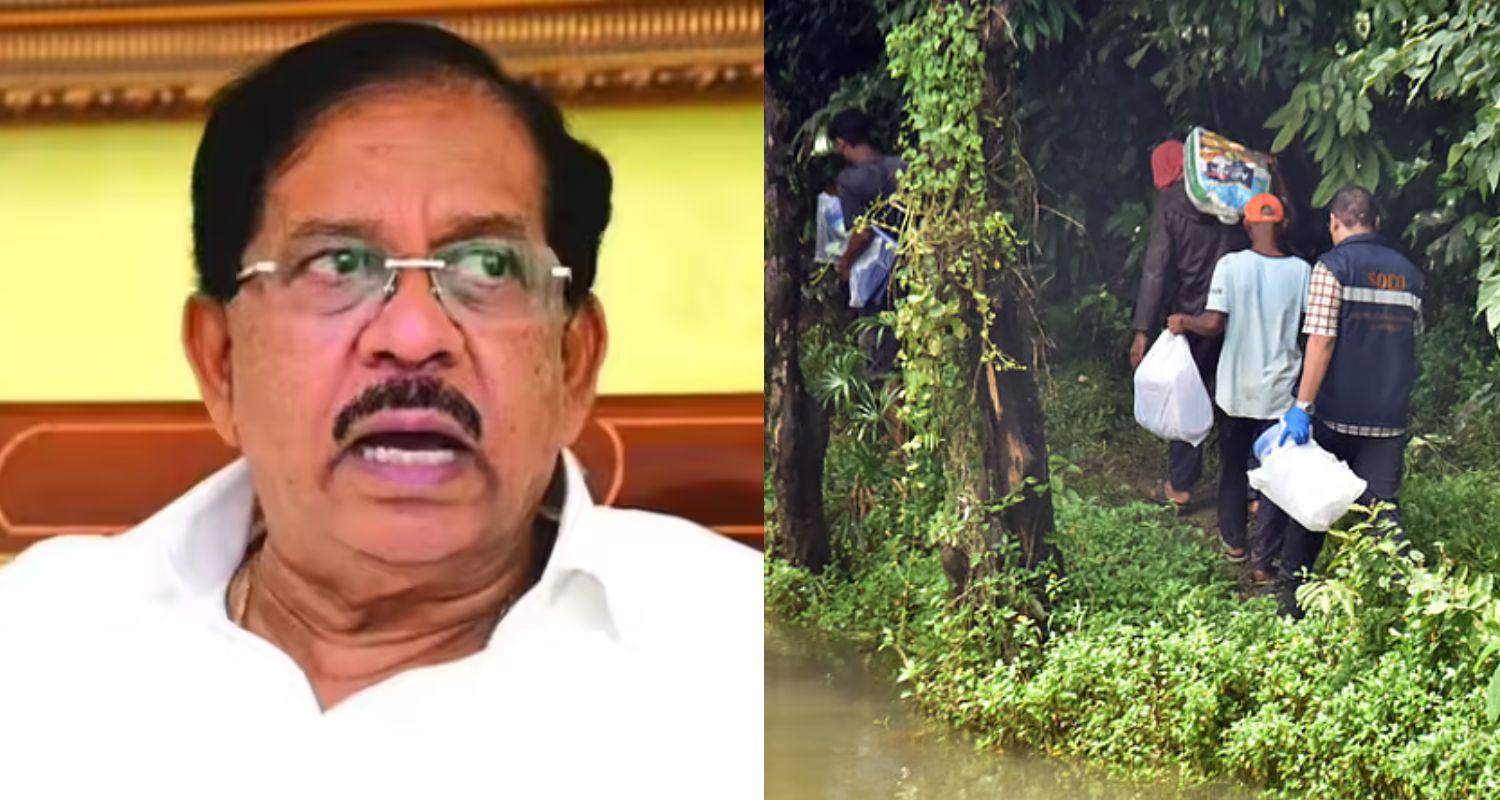
1 astonishing Silence: How Giant Black Holes Halt the Birth of Millions of Stars, Reveals New Study

In a groundbreaking astronomical discovery, scientists have found that supermassive black holes at the centers of galaxies are actively suppressing the formation of new stars around them. The study, published this week by an international team of astrophysicists, sheds new light on how these powerful cosmic giants influence the evolution of galaxies. According to the findings, the intense energy and radiation emitted from material falling into black holes heat surrounding gases, preventing them from cooling and collapsing to form stars — effectively silencing the galaxy’s stellar nursery.

The team’s observations have also challenged long-held assumptions about the direct relationship between a galaxy’s mass and its star formation rate. Traditionally, astronomers believed that larger galaxies, containing more gas and dust, should produce more stars. However, the new study reveals that the most massive galaxies often have the lowest star formation activity because their supermassive black holes exert greater influence. These black holes generate energy outflows so powerful that they disrupt the internal structure of their host galaxies, halting the stellar birth process despite abundant raw material.

In one striking example, scientists analyzed a galaxy located 10 billion light years away, where nearly all star formation had ceased despite the presence of dense molecular gas. Infrared and X-ray readings revealed a central black hole producing enormous energy jets. These jets heated the gas to millions of degrees, effectively sterilizing the galactic core. “It’s like having all the ingredients for life but locking them inside a furnace,” said co-author Dr. Peter Lang from the University of Cambridge. “The gas simply cannot cool down enough to collapse into stars.”

The team compared galaxies with active black holes against dormant ones and found that those with ongoing black hole activity were forming stars at only a tenth of the expected rate. This sharp contrast underscores the dominant role that these cosmic engines play in shaping galactic life cycles. The findings could also help explain why star formation in the universe peaked around 10 billion years ago and has been gradually declining since then. As more galaxies developed supermassive black holes, their collective feedback may have slowed the cosmic star-making process.

Researchers also discovered that this suppression effect isn’t uniform across a galaxy. The outer regions, farther from the central black hole, continue to form stars — though at a slower rate — while the inner regions become barren. Over time, this imbalance alters a galaxy’s structure, making it appear puffier and less vibrant. This observation could clarify why many elliptical galaxies lack the bright, star-filled spirals typical of younger galaxies. The process of black hole feedback essentially transforms galactic architecture from dynamic disks into smooth, aging spheres.

Galactic Ecology and the Balance of Creation

This revelation adds a new dimension to the understanding of cosmic ecology — how different celestial systems coexist and evolve in balance. Astrophysicists liken it to a natural cycle, where black holes act as regulators ensuring the galaxy does not grow too rapidly. “Without black holes, galaxies might collapse under their own weight, forming stars uncontrollably,” explained Dr. Mehta. “By releasing immense energy, these black holes prevent that chaos and maintain a kind of cosmic order.” The concept has given rise to the term “galactic feedback ecosystem,” now a key focus in astrophysical studies.

The study’s authors also note that the energy emitted from black holes contributes to cosmic recycling. The same winds that expel hot gas can eventually push it into intergalactic space, where it cools and later returns to form stars in other regions. This cycle of ejection and re-accretion could explain why some galaxies experience bursts of renewed star formation after long dormant periods. “Black holes might delay star birth, but they don’t end it forever,” said Dr. Lang. “In the vast timescales of the cosmos, even destruction leads to rebirth.”

The results have reignited scientific interest in observing so-called “quenching galaxies” — those transitioning from active star formation to dormancy. These galaxies offer crucial insights into the turning point of cosmic evolution when black holes begin to dominate over stellar birth. Researchers plan to conduct deeper observations with next-generation telescopes, including the upcoming Thirty Meter Telescope and the Extremely Large Telescope in Chile, both expected to provide unprecedented detail of galactic cores.

Another exciting avenue of research involves understanding how these processes affect black hole growth itself. As black holes feed on infalling matter, their increasing mass enhances their feedback power, setting off a feedback loop. The more they consume, the more they suppress star formation, and the less fuel eventually becomes available to sustain their growth. This self-limiting cycle might explain why black holes, despite their immense appetite, stop growing beyond certain thresholds relative to their host galaxies.

Philosophical Reflections on a Silent Cosmos

Beyond the scientific implications, the discovery has stirred philosophical reflection about the dual nature of black holes. Once seen solely as cosmic destroyers, they now emerge as architects of balance — shaping galaxies and moderating creation itself. In this light, their role mirrors broader patterns of equilibrium found throughout nature, where destruction and creation are inseparable. “The universe is not built on chaos alone,” said Dr. Mehta. “Even the darkest entities serve a purpose, reminding us that silence and absence can also be forms of creation.”

As astronomers continue to explore the depths of the cosmos, studies like this remind humanity of how interconnected every celestial force truly is. From the death of a single star to the pull of a black hole billions of light years away, each event contributes to the rhythm of existence that defines our universe. The suppression of star birth around black holes is not merely a story of destruction — it is the universe’s way of maintaining harmony across incomprehensible scales of time and space.

The research utilized data from multiple space observatories, including the James Webb Space Telescope and the Chandra X-ray Observatory, combining infrared and X-ray measurements to map the flow of energy from black holes. The team focused on several massive galaxies located billions of light years away, where star formation appeared abnormally low. Their observations revealed that the regions near the supermassive black holes were flooded with high-energy jets and shockwaves that kept the interstellar medium too warm to condense into new stars.

Energy Jets and Cosmic Regulation

At the heart of every large galaxy lies a supermassive black hole, sometimes millions or billions of times the mass of the Sun. Far from being silent voids, these black holes are among the most energetic objects in the universe. As matter spirals toward them, it heats up and releases enormous bursts of radiation. This phenomenon, known as feedback activity, is now believed to be the main regulator of galaxy growth. Researchers found that these bursts generate powerful winds capable of expelling star-forming gases from the galactic core, creating a kind of “dead zone” for new star birth.

Lead author Dr. Ananya Mehta from the Indian Institute of Astrophysics described the discovery as a turning point in understanding galactic evolution. “We’ve long known that black holes consume matter, but what’s fascinating is how they also dictate what happens around them,” she said. “The energy they release doesn’t just vanish — it transforms the galaxy’s ecosystem, controlling the rate at which stars can form.” The study found that even moderate activity from a black hole could reduce star formation in its vicinity by up to 80%.IIA astronomers' groundbreaking study confirms black hole activity  suppresses the birth of new stars - Telangana Today

Scientists used advanced computer simulations to visualize how the black hole’s jets interact with interstellar gas. The results revealed huge cavities carved into the gas clouds, like bubbles in boiling water, where no new stars can emerge. These cavities can span thousands of light years and remain stable for millions of years. Over time, such suppression leads to galaxies aging faster, becoming dominated by older stars. Astronomers call these “red and dead” galaxies — systems where star formation has nearly ceased due to black hole feedback.

While the destructive power of black holes may seem ominous, researchers note that their role in the cosmic balance is essential. Without this regulation, galaxies could grow uncontrollably dense, leading to instability. The delicate interplay between star formation and black hole activity ensures that galaxies evolve at a sustainable rate. Dr. Mehta explained, “It’s almost like nature’s thermostat — black holes prevent galaxies from overheating or overgrowing.” This self-regulating mechanism has helped shape the universe’s large-scale structure over billions of years.IIA astronomers' study confirms black hole activity suppresses the birth of new  stars - The Tribune

Insights into the Milky Way and Beyond

Interestingly, scientists believe the same mechanism might also operate within our own galaxy, the Milky Way. Sagittarius A*, the supermassive black hole at its center, is currently in a relatively quiet state. However, evidence suggests that it once emitted powerful outbursts of energy capable of affecting star formation across thousands of light years. Astronomers have identified remnants of such activity — enormous gamma-ray bubbles extending above and below the galactic plane — that may have once altered the Milky Way’s star formation cycle.

The study’s findings also help explain why many massive galaxies observed in the distant universe appear dormant. Despite having vast amounts of gas, they show surprisingly low rates of star formation. The researchers argue that periodic outbursts from central black holes could account for this phenomenon. When these galaxies were young, intense feeding episodes would have released energy equivalent to billions of supernovae, shutting down their star factories for extended periods. Over cosmic timescales, this process gradually transformed vibrant, blue galaxies into mature, red ones.

The discovery holds important implications for the study of cosmic evolution and the future of space research. Astronomers are now planning to observe galaxies at various stages of black hole activity using the James Webb Space Telescope and the upcoming Athena X-ray observatory. These missions will allow scientists to trace how black holes evolve alongside their host galaxies and determine whether the suppression of star formation is temporary or permanent. The data could also refine existing models that predict the life cycle of galaxies.

Another intriguing aspect of the research is its potential connection to dark matter and cosmic energy distribution. By understanding how black holes redistribute energy through their jets and winds, scientists hope to gain insight into how galaxies maintain stability over billions of years. Some theoretical models even suggest that feedback from black holes could influence the large-scale structure of the universe, shaping the cosmic web of galaxies that stretches across space.IIA astronomers' groundbreaking study confirms black hole activity  suppresses the birth of new stars

In the future, researchers aim to extend the study to smaller black holes and dwarf galaxies to test whether similar feedback processes occur on a lesser scale. If confirmed, it could mean that black holes of all sizes play a universal role in shaping their surroundings. The team is also collaborating with data scientists to apply machine learning techniques for analyzing vast datasets from sky surveys, enabling faster detection of galaxies showing signs of suppressed star formation.

Follow: Karnataka Government

Also read: Home | Channel 6 Network – Latest News, Breaking Updates: Politics, Business, Tech & More
How New Yolk-Free Technology is Set to Transform Buffalo Breeding in India: 1 Revolutionary Leap

Follow: Karnataka Government

Also read: Home | Channel 6 Network – Latest News, Breaking Updates: Politics, Business, Tech & More

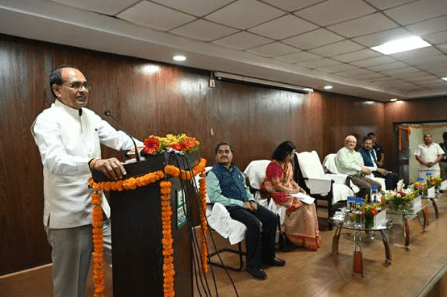
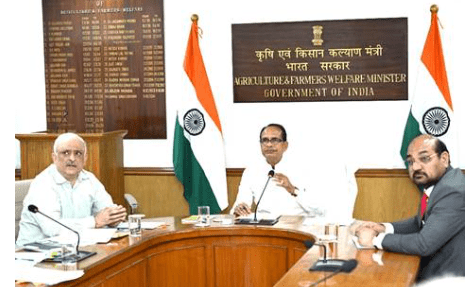
Agriculture Minister Inaugurates Advanced NSC Seed Processing Plants Across India: 2025

Union Minister for Agriculture & Farmers’ Welfare and Rural Development, Shri Shivraj Singh Chouhan, inaugurated the National Seeds Corporation’s (NSC) state-of-the-art vegetable and flower seed processing and packaging facility at Pusa Complex, New Delhi on October 27, 2025. This major advancement marks a pivotal step towards modernizing India’s agricultural infrastructure and ensuring farmers’ access to quality seeds nationwide.​

Virtual Launch and Nationwide Coverage

In addition to the flagship facility in New Delhi, Shri Chouhan virtually inaugurated five NSC seed processing plants located at Bareilly, Dharwad, Hassan, Suratgarh, and Raichur. The Beej Bhawan unit in Delhi boasts a one-tonne per hour processing capacity, while each of the other five plants can process up to four tonnes per hour. These high-capacity, technology-equipped plants are tailored to deliver high-quality seeds and elevate production standards across India.​


Launch of Seed Management 2.0 and Online Booking

During the program, Shri Chouhan launched the ‘Seed Management 2.0’ system and a dedicated online seed booking platform for farmers. These innovative services ensure easy, transparent, and accessible booking of seeds, particularly focusing on small and marginal farmers who are the backbone of Indian agriculture. The Minister emphasized the need for quality seeds to efficiently address farmers’ complaints regarding spurious and substandard seeds, gathered during recent agricultural outreach campaigns.​

Commitment to High Standards and Inclusive Growth

Shri Chouhan asserted that the role of NSC transcends mere business, contributing directly to strengthening the nation’s grain reserves and driving a self-reliant agricultural system. The Minister encouraged NSC to introduce innovations in regional languages and improve the functioning of State Seed Development Corporations, ensuring greater accessibility and curbing arbitrary private practices. The event saw attendance from leading officials in agriculture administration, reflecting the government’s holistic commitment to agricultural prosperity and seed quality advancements.​

Conclusion

The inauguration of six state-of-the-art seed processing plants and the launch of technological platforms sets a new benchmark in India’s agricultural landscape. With strengthened infrastructure and farmer-centric innovation, NSC is poised to enhance the supply of quality seeds countrywide, driving higher productivity and sustainable growth in the sector.​

For more real-time updates, visit Channel 6 Network.

Source: PIB

Strong Record Procurement Plan for Pulses and Oilseeds in Four States Innaugrated: 2025

Union Agriculture Minister Shri Shivraj Singh Chouhan has approved a landmark procurement plan worth ₹15,095.83 crore for pulses and oilseeds in Telangana, Odisha, Maharashtra, and Madhya Pradesh for the upcoming Kharif 2025–26 season. This move aims to provide assured returns and stable incomes to lakhs of farmers across these key agricultural states, boosting self-reliance and safeguarding farmers from market fluctuations.​

Details of the Procurement Scheme

The procurement approvals were sanctioned under the Pradhan Mantri Annadata Aay SanraksHan Abhiyan (PM-AASHA) and other central schemes following detailed discussions with state officials. Highlights include:

  • Telangana: 4,430 metric tonnes of moong under Price Support Scheme (PSS) at ₹38.44 crore, 100% procurement of urad, and 25% procurement of soybean.

  • Odisha: 18,470 metric tonnes of arhar (red gram), representing 100% of state production, at ₹147.76 crore under PSS.

  • Maharashtra: 33,000 MT moong, 3,25,680 MT urad, 18,50,700 MT soybean under PSS, totaling ₹12,690.17 crore—this is the largest ever government procurement in the state.

  • Madhya Pradesh: 22,21,632 MT soybean under Price Deficiency Payment Scheme (PDPS) with a financial implication of ₹1,775.53 crore.​


Farmer-Centric Outcomes and Government’s Commitment

Shri Chouhan emphasized that the direct benefit of these procurement plans must reach the farmers, with strict monitoring to ensure transparency and accountability. The initiatives guarantee Minimum Support Price (MSP) and are executed via NAFED and NCCF, thereby securing farmers’ incomes and promoting dignity. This bold move aligns with the Modi government’s commitment to building an
Atmanirbhar Bharat (self-reliant India), focusing on farmer prosperity and holistic agricultural development.​

Broader Economic and Social Impact

The procurement strategy is expected to drive record productivity, assure steady market returns, and promote resilience against price volatility. By prioritizing pulses and oilseeds—crucial for nutritional security and crop diversification—the plan helps fortify national grain reserves and rural livelihoods. It reflects the Centre’s unwavering priority to advance a farmer-focused, human-centric growth model.

Conclusion

The approval of ₹15,095.83 crore for pulses and oilseeds procurement in Telangana, Odisha, Maharashtra, and Madhya Pradesh marks a major step towards empowering Indian farmers and achieving national agricultural self-sufficiency. This strategic intervention not only secures the income of farmers but also sets a benchmark for transparent and inclusive governance in Indian agriculture.​


For more real-time updates, visit Channel 6 Network.

Source: PIB

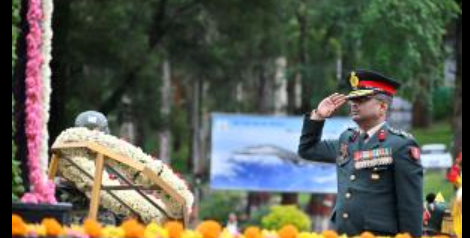
Infantry day: Thousands Gather at MLIRC Belagavi to Celebrate 77 Glorious Years

The Maratha Light Infantry Regimental Centre (MLIRC) in Belagavi marked the 77th Infantry Day with great pride, tradition, and emotion on Sunday, paying homage to the bravery and sacrifice of the Indian Army’s infantry soldiers. The day commemorates October 27, 1947, when Indian troops from the 1st Battalion of the Sikh Regiment were airlifted to defend Kashmir against invading forces — a historic event that marked the first military action of independent India. The celebrations at MLIRC blended solemn remembrance with patriotic fervour, as veterans, officers, and civilians came together to honour the spirit of the infantry.

The celebration at MLIRC also served as an opportunity to highlight the Indian Army’s modernization efforts and its focus on preparing the infantry for future challenges. Officers emphasized that while technology and automation are transforming warfare, the role of the infantry remains irreplaceable. “Ultimately, it is the soldier on foot who holds ground and ensures victory,” said Brigadier Rajeev Sinha, addressing young recruits. He pointed out that the infantry’s adaptability, discipline, and physical endurance continue to be decisive factors in both conventional and asymmetric warfare scenarios faced by the Indian Army today.

The training curriculum at MLIRC was showcased to visiting dignitaries and students during guided tours of the training complex. Demonstrations included weapon handling, tactical manoeuvres, and survival drills — each reflecting the intense preparation soldiers undergo before deployment. Commanders highlighted how the regiment’s training now integrates cyber-awareness, communication technology, and drone operations to align with modern battlefield realities. “Our men must be as adept with digital systems as they are with rifles,” noted one instructor, underlining the evolving face of infantry operations.

Veterans attending the event expressed pride in witnessing the progress of their regiment. Many remarked on the transformation of MLIRC from a traditional training establishment into a modern defense institution that balances heritage with innovation. “The spirit of the Maratha Light Infantry remains unchanged — fearless, loyal, and grounded,” said Major (Retd.) Sunil Kulkarni, who served in the 1971 war. He added that seeing young cadets march with confidence and precision was a reminder that the future of India’s infantry is in capable hands.

The event also witnessed a special moment when the families of martyred soldiers were felicitated for their courage and resilience. Each family was presented with a commemorative plaque and a shawl by senior officers, acknowledging their immense contribution to the nation. Emotional scenes unfolded as widows and parents of fallen soldiers stood beside officers and cadets, receiving salutes of honour. “They are the true strength behind our uniform,” said Lt. Gen. Kumar. “Every soldier draws courage from the love and pride of families who understand the cost of duty.”Infantry Day at MLIRC in Belagavi - The Hindu

Another highlight of the day was the unveiling of a new memorial stone dedicated to soldiers who lost their lives during peacekeeping missions abroad. The inscription, etched in both English and Marathi, paid homage to the universal values of duty and sacrifice that Indian soldiers uphold beyond national borders. The unveiling ceremony was followed by a silent march past by young recruits, symbolizing the torch of bravery being passed from one generation to the next. The atmosphere was solemn yet uplifting, blending grief with pride.

As evening approached, a ceremonial retreat marked the closing of the day’s events. The regimental band played “Abide With Me” as the sun dipped below the horizon, casting long shadows across the parade ground. The lowering of the national flag was conducted with impeccable precision, followed by a salute to the Tricolour. The ceremony captured the very essence of military discipline — calm, coordinated, and deeply symbolic of service to the nation. For many, it was a moving conclusion to a day steeped in reverence and patriotism.

In Belagavi, where the Maratha Light Infantry has long stood as a symbol of strength and tradition, Infantry Day reaffirmed the unbreakable bond between the Army and the people. The echoes of marching boots, the resonance of bugles, and the fluttering of the flag reminded everyone that the story of India’s infantry is not written only in history books but also in the enduring spirit of every soldier who stands ready to defend the nation — in war, in peace, and always, with pride.

The event began early in the morning with a wreath-laying ceremony at the War Memorial inside the MLIRC campus. Senior officers, including Lieutenant General Ajay Kumar, Commandant of MLIRC, paid floral tributes to the fallen heroes who laid down their lives in service of the nation. The ceremony was followed by a two-minute silence as the buglers sounded the “Last Post,” evoking deep emotion among those gathered. The parade ground, adorned with regimental colours and flags, stood as a silent witness to the legacy of courage that defines India’s infantry soldiers.

In his address, Lt. Gen. Kumar highlighted the significance of Infantry Day as a reminder of the Army’s readiness and resilience. He praised the contributions of the infantrymen, who form the backbone of the Indian Army, serving in some of the most challenging terrains — from the icy heights of Siachen to the dense jungles of the Northeast. “Infantrymen embody the highest ideals of courage, discipline, and sacrifice. Their indomitable spirit continues to inspire every generation of soldiers,” he said, drawing thunderous applause from the audience.

Honouring Veterans and Their Legacy

A key highlight of the celebration was the special felicitation ceremony for war veterans and gallantry awardees. Several retired officers and soldiers from different regiments attended the event, many wearing their medals and insignias with pride. Among those honoured was Subedar Major (Retd.) Ramesh Patil, a veteran of the Kargil conflict, who received a standing ovation for his service. “It feels like coming home,” he said emotionally. “The uniform may fade, but the bond we share as infantrymen never breaks.” The moment underscored the deep sense of brotherhood and continuity that binds soldiers across generations.

The parade showcased the regimental discipline and precision for which the Maratha Light Infantry is renowned. Smartly turned-out troops marched in perfect synchrony as the military band played patriotic tunes. A special contingent representing the Infantry School displayed modern infantry equipment, including advanced assault rifles, night-vision systems, and communication gear, reflecting the evolution of warfare and India’s growing self-reliance in defence production. Spectators, including students from local schools, watched with admiration as the soldiers demonstrated live-drill formations and battlefield manoeuvres.

Colonel (Retd.) Vishwanath Deshmukh, who served in multiple counter-insurgency operations, spoke about the emotional significance of the day. “Infantry Day is not just about celebrating victories; it’s about remembering those who never returned. It’s about reaffirming the oath we took to defend our nation at any cost,” he said. His words echoed across the parade ground, reminding everyone of the human stories behind the uniforms — stories of sacrifice, courage, and quiet pride.Agniveers give an impressive attestation parade at MLIRC in Belagavi - The  Hindu

The MLIRC also organized a photo exhibition chronicling the rich history of India’s infantry regiments. The display included rare photographs from key battles such as the 1947-48 Kashmir War, 1971 Bangladesh Liberation War, and Operation Vijay in Kargil. The exhibition attracted a large crowd, especially young cadets and schoolchildren who listened attentively as veterans narrated first-hand accounts of battlefield experiences. “It’s important for the next generation to know the price of our freedom,” said Lt. Gen. Kumar, while inaugurating the exhibit.

Youth Participation and Community Involvement

In a special outreach initiative, the Infantry Day celebrations this year also included civil-military events to strengthen community relations. Local school students participated in essay and painting competitions on themes such as “Courage Beyond Borders” and “The Soldier’s Sacrifice.” A blood donation camp organized jointly by the regimental medical unit and district health officials saw enthusiastic participation from soldiers and civilians alike. The event reflected the Indian Army’s ethos of Service Before Self not just on the battlefield but in everyday life.

The celebration concluded with a vibrant cultural programme featuring performances by the regimental band, traditional Maratha folk dances, and patriotic songs. The tunes of “Sare Jahan Se Achha” and “Aye Mere Watan Ke Logon” filled the air, moving many in the audience to tears. A short documentary showcasing the contributions of the infantry in peacekeeping missions across the world was also screened. The event ended with the national anthem, as tricolour balloons were released into the sky, symbolizing hope, pride, and unity.

Officers and dignitaries later interacted informally with the troops and their families. The mood was one of celebration mixed with reflection, as stories of heroism and hardship were exchanged over cups of tea. Commandant Lt. Gen. Kumar, addressing the gathering, remarked, “As we celebrate our achievements, we must remember that our duty is eternal. Every soldier standing guard at the border today carries forward the same legacy that began in 1947.” His words encapsulated the enduring spirit that continues to define India’s infantry.Infantry Day at MLIRC in Belagavi - The Hindu

The Infantry Day observance at MLIRC not only paid tribute to past and present soldiers but also reaffirmed the Army’s unbreakable connection with the people it protects. As the sun set over the regimental grounds, the rhythmic beat of the drums echoed across Belagavi, carrying with it a timeless message — that the courage of the Indian infantry is not bound by time, and their service remains the steadfast heart of the nation’s defence.

Follow: Karnataka Government

Also read: Home | Channel 6 Network – Latest News, Breaking Updates: Politics, Business, Tech & More

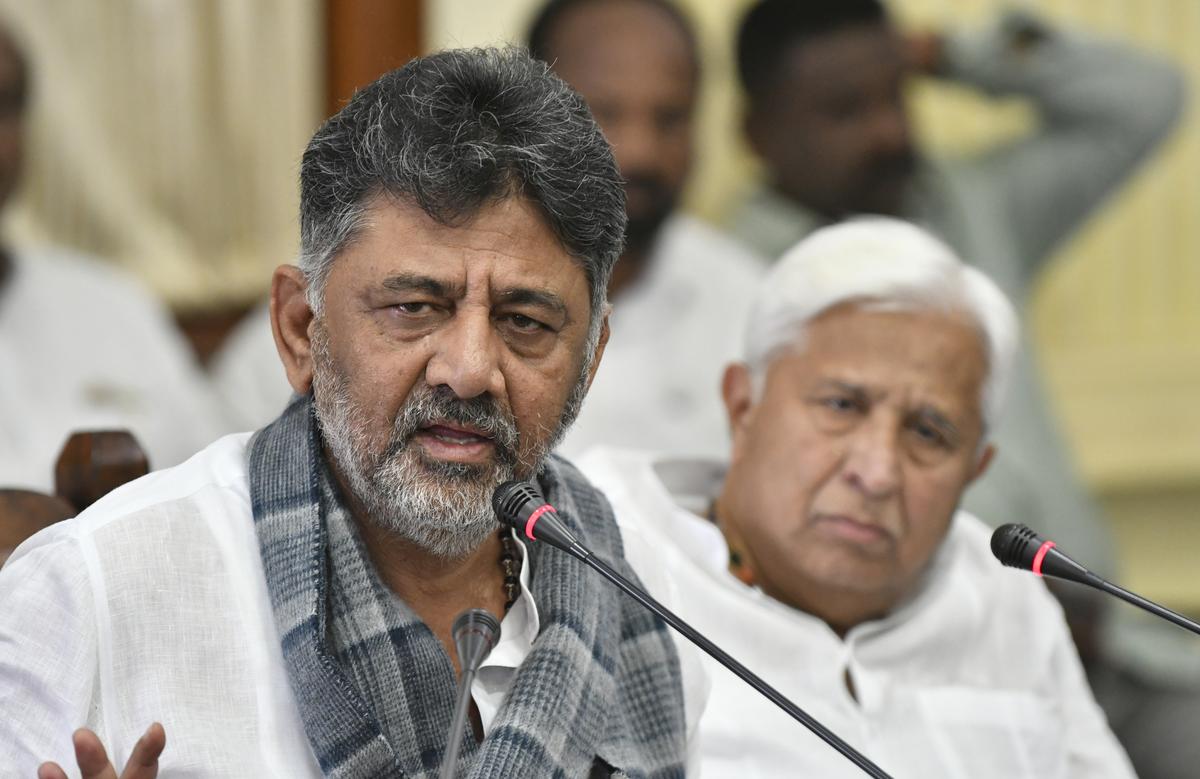
Why D.K. Shivakumar’s Delhi Visit Holds Heavy Weight: Shocking Power, 1 Politics, and Bold Patience

In the latest political development stirring Karnataka’s corridors of power, Deputy Chief Minister D.K. Shivakumar’s visit to New Delhi has become the focal point of speculation within the ruling Congress. His arrival in the capital, amidst ongoing murmurs of a leadership tussle with Chief Minister Siddaramaiah, has sparked curiosity among party leaders, political analysts, and supporters alike. Although officially termed a “routine meeting” with central leadership, the timing of the trip — coinciding with internal unrest and ministerial discontent — has lent it an unmistakable air of significance.

As D.K. Shivakumar’s Delhi visit extends into multiple meetings with Congress’s central leadership, party insiders say discussions are taking place at several levels — political strategy, state administration, and the sensitive issue of leadership stability. The central observers reportedly aim to evaluate how well coordination between the Chief Minister and his deputy is functioning on the ground. A senior AICC functionary shared that reports from the state unit have indicated occasional communication gaps that need urgent correction to prevent misunderstandings from escalating into visible factionalism.

Meanwhile, Karnataka’s political corridors have been buzzing with speculation over whether Shivakumar is pressing for more autonomy in administrative decisions. Insiders suggest he is seeking greater say in key departments like Energy, Urban Development, and Revenue — areas central to the Congress government’s performance narrative. Such a move, analysts say, could strengthen Shivakumar’s position ahead of the Lok Sabha elections while also consolidating his grip on local governance. However, any such redistribution of portfolios could risk unsettling the existing balance carefully crafted by the high command.

In private conversations, several Congress MLAs have admitted that the uncertainty surrounding leadership has led to confusion among grassroots workers. District-level cadres, often aligned with one or the other leader, have reportedly expressed concerns about mixed messaging during campaign preparations. The party’s central leadership, aware of these undercurrents, has prioritized restoring unity before the Lok Sabha polls. “The Congress cannot afford internal fractures now,” a senior strategist remarked. “Our national image depends on Karnataka’s stability as the party’s stronghold in the South.”

Adding to the complexity, D.K. Shivakumar’s growing national profile has attracted both admiration and unease. His role in managing the state’s finances and in rallying MLAs during political crises has strengthened his credibility. At the same time, his open ambition and straightforward manner have occasionally made senior leaders wary. Yet, few deny his unmatched organizational capabilities. Political observers believe that if Congress performs strongly in Karnataka during the upcoming general elections, Shivakumar’s claim for the top post will gain natural legitimacy, making it harder for the high command to ignore.

Chief Minister Siddaramaiah, however, remains an influential figure with an enduring mass base. His welfare-driven policies, particularly schemes like Anna Bhagya and Gruha Lakshmi, have fortified his public image as a pro-people leader. His supporters maintain that stability under his leadership is essential for the government to complete its full term without disruptions. They point out that Siddaramaiah’s administrative experience ensures consistency and discipline in governance — qualities the high command deeply values as it works to project the Congress as a party of steady governance in contrast to its rivals.

The Delhi meetings are also expected to address the coordination challenges between ministers loyal to each camp. Reports indicate that some ministers have been accused of bypassing collective cabinet decisions, leading to administrative overlap and confusion. The Chief Minister’s Office is said to have submitted notes to the high command outlining instances of parallel decision-making. The leadership is likely to issue strict directives emphasizing unity in governance, shared accountability, and communication transparency between the CM and DCM offices.

Party insiders reveal that Shivakumar’s itinerary includes discussions with senior Congress leaders regarding Cabinet reshuffles, district-level strategies, and preparations for upcoming Lok Sabha elections. However, whispers within the state’s political circles suggest that the visit also serves as a bid to reaffirm his claim as the party’s natural successor in Karnataka. Over the past few months, Shivakumar’s growing assertiveness and the increasing influence of his loyalists have reignited the power balance debate within the state unit, with both camps trying to consolidate their positions quietly.

Political Temperature Rising in Congress Circles

Sources close to the leadership indicate that the high command has grown increasingly cautious about the delicate equilibrium between Siddaramaiah and Shivakumar. Both leaders have played crucial roles in ensuring Congress’s sweeping victory in the 2023 Assembly elections, but internal strains have begun to surface over administrative decisions and political appointments. Siddaramaiah’s firm grip on governance and Shivakumar’s control over the party machinery have created a dual power centre that the high command has been striving to manage without open confrontation.D.K. Shivakumar's Delhi visit amidst leadership tussle is being keenly  watched - The Hindu

Observers say the Delhi visit could be pivotal in determining how Congress navigates this balance in the months ahead. “It’s not about replacing anyone immediately,” said a senior party strategist, “but about ensuring that both leaders work in sync before the Lok Sabha elections. The leadership wants clarity on coordination, messaging, and campaign control.” The high command is expected to remind both factions that unity, not rivalry, will be key to retaining public trust and countering the BJP’s renewed organizational efforts in Karnataka.

Meanwhile, Shivakumar’s loyalists maintain that his visit reflects commitment, not confrontation. “He is going to discuss administrative progress, election strategies, and pending developmental approvals,” one of his aides said. However, political watchers note that this is not the first time such a visit has sparked similar conjecture. Every few months, Shivakumar’s Delhi trips seem to reawaken the leadership debate, revealing how deeply embedded the succession narrative has become in the Congress ecosystem.

Beyond party politics, the meeting is expected to include discussions on major development schemes that have been pending central clearances. These include large-scale irrigation and urban infrastructure projects, for which Shivakumar has been lobbying to secure financial support. Sources add that he intends to project himself as a results-oriented administrator capable of bridging state-centre coordination gaps, thereby reinforcing his image as a proactive leader ready for greater responsibility within the party structure.

A Delicate Balancing Act

Political analysts note that the Congress high command’s primary concern is preventing internal friction from spilling into public view. With the Lok Sabha elections fast approaching, visible discord could undermine the party’s narrative of stability and governance. The leadership has so far followed a strategy of balancing both camps — retaining Siddaramaiah’s administrative experience while nurturing Shivakumar’s mass appeal and organizational prowess. However, this balancing act has grown increasingly precarious, especially as whispers of rotational chief ministership continue to circulate in the background.Not afraid of contractors or their warnings: Karnataka Deputy CM D.K.  Shivakumar - The Hindu

In several districts, particularly in the Old Mysuru region, Shivakumar’s supporters have been vocal in demanding recognition for his leadership. Posters, public speeches, and social media campaigns have subtly projected him as the “future face of Karnataka Congress.” The party’s central leadership has reportedly taken note of these developments, cautioning local leaders against actions that could appear as factionalism. Still, the undercurrents remain strong, especially as Shivakumar’s camp argues that his organizational skills and vote-pulling power make him indispensable for the 2026 Assembly and beyond.

Siddaramaiah’s camp, on the other hand, continues to assert that governance must remain the priority. His administration has rolled out flagship welfare schemes that have been well received among various voter groups, helping consolidate the party’s base. Supporters argue that frequent speculation about leadership changes distracts from the government’s progress and could embolden the opposition. “The Congress came to power under his leadership — that fact cannot be erased,” said a senior MLA aligned with Siddaramaiah.

Amid this internal tension, the BJP and JD(S) have been quick to seize the narrative, framing the Congress government as divided. Opposition leaders have claimed that Shivakumar’s Delhi visit signals a lack of cohesion in the ruling alliance. They allege that governance has taken a backseat to power struggles, even as the state grapples with economic and agricultural challenges. Congress leaders, however, have dismissed these claims, emphasizing that internal consultations are part of routine democratic functioning.

Back in Karnataka, the atmosphere among party cadres remains watchful but restrained. Senior Congress leaders in the state have downplayed reports of any rift, reiterating that the Deputy Chief Minister’s Delhi trip is a “scheduled coordination meeting.” Yet, the speculation persists, partly fueled by Shivakumar’s growing visibility on national platforms. His recent statements hinting at his long-term ambitions have only deepened curiosity about whether this visit marks a turning point in his political journey.

Political commentators point out that the Congress high command has traditionally managed such internal rivalries through time-bound compromises and calibrated communication. In this case, too, the leadership is expected to reassure both camps of their importance while firmly setting the focus on the 2024 elections. “The goal is to preserve unity until the national polls are over,” one political observer said. “Any talk of change will likely be deferred until after the Lok Sabha results, when the party reassesses its internal structure.”Want no support: Shivakumar's big directive to legislators amid CM seat ' tussle' | Latest News India

Shivakumar’s supporters believe that his assertive leadership style, combined with his ability to mobilize grassroots workers, will make him indispensable in the coming election season. They argue that his fundraising skills, organizational discipline, and personal rapport with party workers across districts give him an edge. On the other hand, Siddaramaiah’s enduring popularity, particularly among backward communities, continues to anchor the government’s mass appeal — a factor the Congress can ill afford to destabilize.

The high command’s response to this visit, therefore, will be crucial. A positive signal could strengthen Shivakumar’s standing within the party, while a neutral stance would indicate the leadership’s preference to maintain status quo. Either way, the visit underscores how leadership aspirations in Karnataka are intertwined with the party’s broader national calculations. The Congress cannot afford to alienate either of its powerhouses as it battles to retain its foothold in the South.

As the Delhi meetings unfold, both camps will be watching every gesture, statement, and outcome for clues about the central leadership’s intent. For now, D.K. Shivakumar continues to walk a fine line — projecting loyalty while asserting influence, balancing ambition with patience. The outcome of this visit could subtly shape the Congress’s internal dynamics for months, if not years, to come. What remains clear is that in Karnataka’s political chessboard, every move counts, and this one may prove decisive in defining the state’s next chapter of leadership.

Follow: Karnataka Government

Also read: Home | Channel 6 Network – Latest News, Breaking Updates: Politics, Business, Tech & More
TMC MLA Humayun Kabir Bold Challenge to Apurba Sarkar: A Deep Dive into the Political Rift in Murshidabad Ahead of the 2026 West Bengal Assembly Elections

TMC MLA Humayun Kabir Bold Challenge: In a significant political development in West Bengal, Trinamool Congress (TMC) MLA Humayun Kabir from Bharatpur constituency has publicly declared his intention to defeat his party colleague, Apurba Sarkar, in the upcoming 2026 West Bengal Assembly elections. This announcement has sent ripples through the political landscape of Murshidabad district, raising questions about intra-party dynamics, electoral strategies, and the future of the TMC in the region.


TMC MLA Humayun Kabir Bold Challenge: Background of the Conflict

Humayun Kabir, a seasoned politician with a history of switching parties, has been a member of the West Bengal Legislative Assembly since 2021, representing the Bharatpur constituency in Murshidabad. Prior to his tenure with the TMC, Kabir was associated with the Congress party and briefly with the Bharatiya Janata Party (BJP). His political journey reflects a pattern of realignment based on personal and ideological considerations.

Apurba Sarkar, on the other hand, is the sitting MLA from the Kandi constituency and serves as the district president of the TMC in Murshidabad. Sarkar has been a prominent figure in the district’s political scene, holding various positions within the party and the state government.

The rift between Kabir and Sarkar is not a recent phenomenon. Over the years, there have been reports of disagreements and power struggles within the TMC’s Murshidabad unit. Kabir’s recent statements have brought these underlying tensions to the forefront.


Kabir’s Public Declaration

On October 26, 2025, Humayun Kabir addressed a gathering in Murshidabad, where he made a bold declaration regarding the upcoming elections:

“In the 2026 Assembly election, in no way will Apurba Sarkar win the Kandi seat.”

Kabir further emphasized his determination:

“If necessary, I will join hands with Adhir Ranjan Chowdhury to defeat Apurba Sarkar. I will negotiate seats with him… Having the last word in politics does not matter, but I will make Apurba Sarkar a common man.”

These statements have been interpreted as a direct challenge to Sarkar’s political standing and an indication of Kabir’s readiness to take extreme measures to achieve his goal.


Implications for the TMC

The public feud between two sitting TMC MLAs raises several critical issues:

  1. Party Unity: The TMC has long prided itself on its organizational strength and unity. Internal conflicts of this nature can undermine the party’s image and cohesion.
  2. Electoral Strategy: Murshidabad is a key district in the state’s electoral landscape. A divided TMC could provide an opportunity for opposition parties to make inroads.
  3. Leadership Response: The manner in which TMC leadership addresses this conflict will be crucial. A failure to mediate and resolve the issue could lead to further fragmentation.

Kabir’s Political Trajectory

Humayun Kabir’s political career has been marked by several significant developments:

  • Party Switches: Kabir’s transitions between the Congress, BJP, and TMC highlight his adaptability and strategic decision-making based on the political climate.
  • Formation of a New Party: In July 2025, Kabir announced plans to launch a new political party, aiming to contest 50–52 seats in the 2026 elections. This move underscores his dissatisfaction with the current political environment and his desire to influence change from outside the established parties.

Apurba Sarkar’s Position

Apurba Sarkar has remained relatively silent in the face of Kabir’s allegations. However, his position as a seasoned politician and district TMC president suggests that he is likely to mount a strong defense. Sarkar’s response will be pivotal in determining the course of this intra-party conflict.


Potential Consequences

The escalating tension between Kabir and Sarkar could have several outcomes:

  • Formation of Alliances: Kabir’s willingness to collaborate with Congress leader Adhir Ranjan Chowdhury indicates a potential realignment of political forces in Murshidabad.
  • Voter Sentiment: The public feud may influence voter perceptions, potentially swaying undecided voters or those disillusioned with internal party conflicts.
  • Impact on TMC’s Prospects: A split within the TMC could diminish its chances in the 2026 elections, especially if opposition parties capitalize on the situation.

Conclusion

The unfolding political drama between Humayun Kabir and Apurba Sarkar serves as a microcosm of the broader challenges facing the TMC in West Bengal. As the 2026 Assembly elections approach, the party’s ability to manage internal conflicts and present a united front will be critical to its success. The resolution of this dispute will not only shape the future of the TMC in Murshidabad but also set a precedent for handling intra-party dissent in the state’s political arena.


External Links

  1. Humayun Kabir’s Political Profile
  2. Apurba Sarkar’s Political Profile
  3. West Bengal Legislative Assembly Overview
  4. Upcoming 2026 West Bengal Legislative Assembly Election Details
  5. Murshidabad District Constituency Information

Also read: Home | Channel 6 Network – Latest News, Breaking Updates: Politics, Business, Tech & More

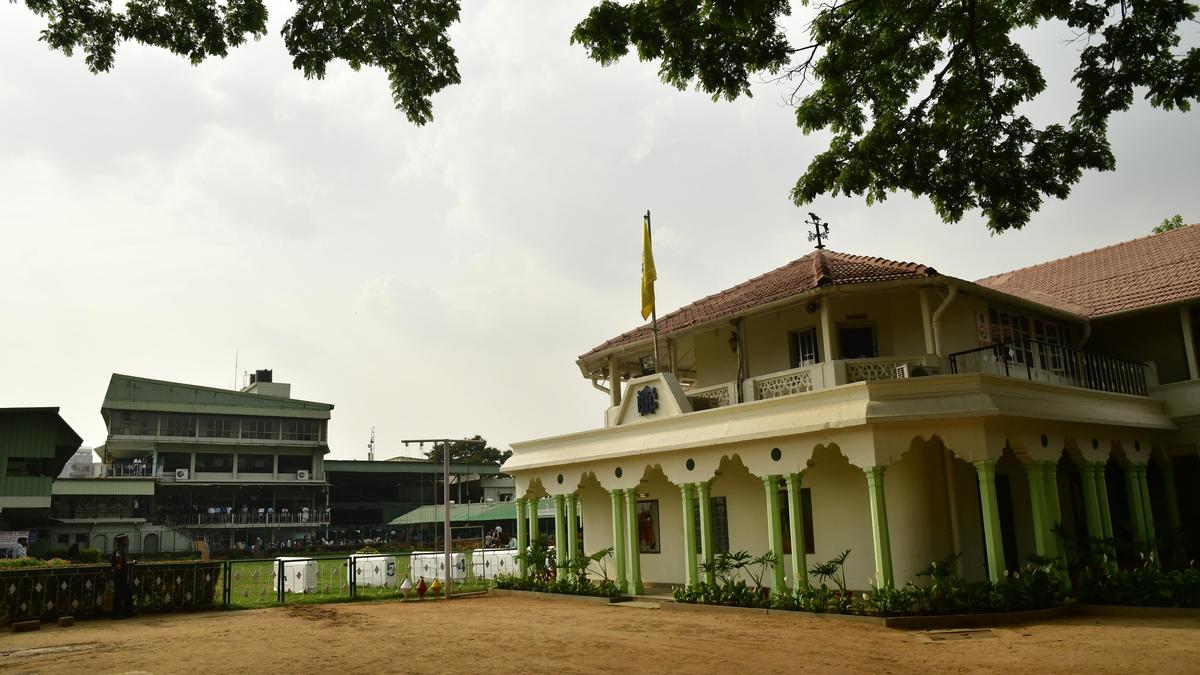
Kunigal, CM Tells BTC to Vacate Premises in 2 Years and Move to Kunigal Stud Farm: Bold Statement

Follow: Karnataka Government

Also read: Home | Channel 6 Network – Latest News, Breaking Updates: Politics, Business, Tech & More