Sunday, May 17, 2026
Home Blog Page 381

DU Student Acid Attack: Shocking Assault by Stalker Outside College Gates

New Delhi – A devastating DU student acid attack has sent shockwaves through Delhi’s academic community after a 20-year-old second-year student became the victim of a brutal assault by a persistent stalker and his two accomplices in northwest Delhi’s Ashok Vihar area. The young woman, pursuing Bachelor of Commerce at Delhi University’s School of Open Learning and attending classes at Lakshmibai College, suffered burn injuries on her hands and stomach in the calculated attack that occurred outside her college premises.

This DU student acid attack represents a frightening escalation of harassment cases in the capital and exposes systemic failures in protecting women from persistent stalkers despite repeated complaints to authorities.

Coordinated Attack Outside Educational Institution

The DU student acid attack unfolded around noon when the victim was walking toward Lakshmibai College for an extra class. According to DCP (northwest) Bhisham Singh, three men—Jitender, Ishan, and Armaan—arrived at the scene on a motorcycle with the clear intention of carrying out the assault.

In this carefully planned DU student acid attack, the roles were deliberately divided: Ishan allegedly handed a bottle containing acid to Armaan, who then threw the corrosive substance on the unsuspecting student. The coordinated nature of this DU student acid attack indicates premeditation, with each perpetrator executing a specific part of the criminal plan.

Following the assault, all three accused fled immediately, leaving the victim in excruciating pain on a public street outside her educational institution. The DU student acid attack occurred in broad daylight, highlighting the brazenness of the attackers and their disregard for consequences.

Victim’s Courageous Quick Thinking

Despite the traumatic circumstances of the DU student acid attack, the victim’s immediate defensive response potentially saved her from catastrophic facial injuries. She instinctively used her bag and hands to shield her face, preventing the kind of permanent disfigurement that typically results from such assaults.

Recounting the terrifying moments of the DU student acid attack, the victim stated, “It all happened in seconds. They came and threw acid on me. I was able to save my face with my bag and phone. However, my phone was completely burnt. I couldn’t even call anyone.”

The young woman, a Mukundpur area resident who has lived there with her parents and two siblings for over 11 years, described crying in pain and shouting for help after the DU student acid attack. An elderly man who witnessed the aftermath took her to Deep Chand Bandhu Hospital and contacted her parents, providing critical assistance when she was unable to call for help herself.

Following initial treatment, she was transferred to RML Hospital where she continues to receive medical care for burns sustained during the DU student acid attack.

Also Read: Gold Smuggling IGI: Shocking Arrest as Passenger Hides Rs. 18 Lakh in Bottle Cap

Year-Long Pattern of Harassment and Stalking

The DU student acid attack did not emerge suddenly but represents the violent culmination of systematic harassment spanning approximately one year. According to police investigation, the primary accused Jitender—a married man working at a thread factory in Mukundpur—had been persistently stalking the victim, repeatedly pressuring her to “befriend” him despite her consistent rejections.

The victim had firmly refused Jitender’s unwanted advances multiple times, leading to heated confrontations between them on at least four or five separate occasions before the DU student acid attack. DCP Singh confirmed that “a heated argument had taken place between them about a month ago,” demonstrating escalating tensions that preceded the violent assault.

Approximately one month before the DU student acid attack, the victim took the courageous step of confronting Jitender’s wife about his stalking behavior, hoping to resolve the situation through family intervention. However, instead of receiving understanding or assistance, she was publicly humiliated by the accused’s wife, who made disparaging remarks about her character in front of others.

Serious Allegations of Police Negligence

Perhaps the most disturbing aspect of this DU student acid attack case involves allegations that it could have been prevented through proper police intervention. The victim’s younger brother revealed that the family had previously approached law enforcement about Jitender’s harassment and even reported a physical altercation related to the stalking.

“We even went to the police but the beat staff asked us to compromise,” the brother stated, suggesting that officers failed to recognize the severity of the threat before it escalated into the DU student acid attack. He expressed ongoing fear for his sister’s safety, noting that the accused remained at large even days after the brutal assault.

The victim herself described attempting to address the harassment directly by visiting Jitender’s house, only to face threats from his family members. “I was too scared to do anything after that. Nobody helped me,” she said, describing her isolation before the DU student acid attack occurred.

Investigation and Legal Proceedings

Police received notification of the DU student acid attack when Deep Chand Bandhu Hospital called around noon to report that a woman with burn injuries had been admitted. The Crime Team and Forensic Science Laboratory team have inspected the crime scene as part of the ongoing investigation.

“On the basis of her statement and the nature of injuries, a case under relevant sections of Bharatiya Nyaya Sanhita has been registered, and investigation is in progress,” DCP Singh stated. However, the family remains anxious as authorities have yet to arrest any of the three accused men involved in the DU student acid attack.

Gold Smuggling IGI: Shocking Arrest as Passenger Hides Rs.18 Lakh in Bottle Cap

0

New Delhi – A sophisticated gold smuggling IGI case came to light when customs officials at Indira Gandhi International Airport arrested an Indian national attempting to smuggle precious metal worth ₹18 lakh into the country. The incident, which occurred on Saturday at Terminal-3, showcased an innovative concealment technique that involved hiding gold inside a tampered plastic beverage bottle cap, demonstrating the evolving methods employed by smugglers to evade detection.

This gold smuggling IGI case highlights the vigilance and expertise of customs officers who successfully intercepted the illegal consignment despite the smuggler’s clever attempt to disguise the contraband as an ordinary travel item.

Flight Details and Initial Surveillance

The gold smuggling IGI operation unfolded when the passenger arrived at Terminal-3 via Air India flight AI-996 from Dubai, a route frequently monitored by customs authorities due to its history of smuggling attempts. Acting on a credible tip-off, customs officials initiated discreet surveillance of the suspect from the moment he disembarked from the aircraft.

In this gold smuggling IGI case, an officer followed the passenger carefully from the flight gate, maintaining a low profile to avoid alerting the suspect while gathering observational evidence. The passenger proceeded toward the exit through the green channel, typically used by travelers who have nothing to declare, before being intercepted by customs officials.

The strategic interception in this gold smuggling IGI incident demonstrates the department’s ability to conduct targeted operations based on intelligence inputs while maintaining normal airport operations.

Detailed Inspection Reveals Hidden Contraband

When stopped at the green channel exit in this gold smuggling IGI case, the passenger was asked to undergo comprehensive baggage and physical inspection. Customs officials subjected his luggage to X-ray examination, a standard procedure that proved crucial in detecting the smuggled goods.

“The man was asked to undergo a baggage and physical inspection. During an X-ray of his baggage, officers noticed suspicious images and decided to examine his belongings further,” explained a customs official involved in the gold smuggling IGI investigation.

The X-ray images revealed anomalies that warranted deeper scrutiny, prompting officers to conduct a meticulous physical examination of the passenger’s belongings. This multi-layered inspection approach in the gold smuggling IGI case ensured that the concealed gold could not escape detection despite the smuggler’s sophisticated hiding technique.

Novel Concealment Technique Exposed

Upon carrying out a detailed inspection in this gold smuggling IGI case, officials discovered that the plastic cap of a beverage bottle had been skillfully tampered with. Inside the seemingly innocent bottle cap was a small cylindrical piece of gold, precisely crafted to fit snugly within the cap’s interior dimensions in an attempt to make detection extremely difficult.

“A cylindrical piece of gold was concealed under the cap of a PET bottle in a very ingenious manner which the passenger was carrying,” the senior customs official stated, highlighting the sophistication of this gold smuggling IGI attempt.

The concealment method in this gold smuggling IGI case required considerable planning and technical skill. The gold had to be shaped into a specific cylindrical form that would fit perfectly inside the bottle cap without creating obvious bulges or weight distribution issues that might raise suspicion during casual observation.

Also Read: Delhi ISIS Module Bust: Critical Terror Plot Foiled by Police Leads To 2 Arrests

Value and Quantity of Seized Gold

The total weight of gold recovered in this gold smuggling IGI case was 170 grams, valued at approximately ₹18 lakh based on current market rates. While customs officials noted that the quantity was relatively small compared to some major smuggling busts, they emphasized the novel nature of the concealment technique.

“Though the quantity was small, the concealment technique was novel,” the senior customs official remarked, indicating that this gold smuggling IGI case represents an evolving trend in smuggling methodologies that requires enhanced vigilance from enforcement agencies.

The ₹18 lakh valuation in this gold smuggling IGI case reflects not just the monetary loss to government revenues through duty evasion but also represents potential links to broader illegal financial networks that often underlie smuggling operations.

Legal Proceedings and Further Investigation

Following the discovery in this gold smuggling IGI case, both the recovered gold and the passenger were taken into custody by customs authorities. The arrested individual now faces prosecution under relevant provisions of the Customs Act, which prescribe stringent penalties for attempting to smuggle goods into the country while evading applicable duties and taxes.

Officials confirmed that the gold smuggling IGI case will be investigated further to determine whether the arrested passenger was acting independently or as part of a larger smuggling network. Such investigations typically examine the source of the gold in Dubai, the intended recipient in India, and any middlemen involved in facilitating the illegal transaction.

Broader Implications for Airport Security

This gold smuggling IGI case underscores the ongoing challenge faced by customs and airport security personnel in detecting increasingly sophisticated smuggling attempts. The use of everyday items like beverage bottles to conceal contraband requires officers to maintain high levels of alertness and employ advanced detection technologies.

The successful interception in this gold smuggling IGI case demonstrates the effectiveness of intelligence-based operations combined with thorough inspection protocols. As smugglers continue developing innovative concealment methods, customs authorities must remain adaptive and vigilant to protect national borders and prevent revenue losses through such illegal activities.

Yamuna Cleaning Machines: Revolutionary Equipment to Transform Delhi’s Polluted River

New Delhi – The Delhi government has announced a significant initiative to procure advanced Yamuna cleaning machines designed specifically for dredging and desilting operations in the national capital’s most polluted waterways. This project, estimated to cost approximately ₹5 crore, represents a comprehensive effort to address the severe pollution challenges facing the Yamuna river and larger drainage systems, particularly the Najafgarh drain.

Senior government officials confirmed that these specialized Yamuna cleaning machines will be amphibious excavators capable of operating in difficult marshy and swamp conditions, marking a technological upgrade in the city’s river restoration efforts.

Technical Specifications and Capabilities

The Yamuna cleaning machines being procured possess sophisticated technical specifications designed to handle diverse cleanup challenges. These amphibious excavators will feature a boom length of six meters and an unloading height capability from 4.5 meters above water level, enabling efficient operation in various water depth conditions.

According to officials explaining the features of these Yamuna cleaning machines, the equipment will be specifically engineered to function in narrow areas for removing silt, sludge, and floating materials that have accumulated over years of neglect. A particularly innovative feature of these Yamuna cleaning machines is their foldable hydraulic arms, which will allow the equipment to navigate beneath low-height bridges commonly found across Delhi’s drainage network.

The versatility of these Yamuna cleaning machines extends beyond simple excavation to include desilting, solid waste removal, elimination of unwanted vegetation, and even landscaping work along riverbanks and drain corridors.

Procurement Process and Timeline

The Irrigation and Flood Control Department has taken the lead in procuring these Yamuna cleaning machines, inviting bids that include not just equipment acquisition but also four years of comprehensive operations and maintenance services. This integrated approach ensures sustained functionality and optimal performance of the Yamuna cleaning machines throughout their operational lifecycle.

The estimated cost for these Yamuna cleaning machines stands at ₹4.4 crore, with each machine expected to operate continuously for 54 months. Officials indicate that the bidding process is likely to reach finalization by next week, suggesting rapid implementation of this critical infrastructure project.

This procurement timeline demonstrates the government’s urgency in deploying Yamuna cleaning machines to address the river’s deteriorating condition, particularly following controversies surrounding recent Chhath Puja celebrations.

Comprehensive 45-Point Action Plan Context

The acquisition of these Yamuna cleaning machines forms part of a broader rejuvenation strategy announced in June, when the Delhi government launched a comprehensive 45-point action plan aimed at restoring the Yamuna within a two-year timeframe. This ambitious blueprint includes multiple technological interventions beyond just excavators.

The action plan proposes deploying floating skimmers to collect surface debris and installing floating pontoons in major drains that discharge into the river, creating barriers to trap waste before it enters the Yamuna. The Yamuna cleaning machines will complement these measures by addressing accumulated sediment and embedded pollutants that surface-level interventions cannot remove.

Danish Dredging Technology Addition

In a parallel initiative announced last Wednesday, Water Minister Parvesh Verma revealed plans to bring state-of-the-art Yamuna cleaning machines from Denmark by December. This equipment, identified as the “Watermaster Classic IV,” will significantly augment the capital’s desilting and dredging capabilities for both the Yamuna and Najafgarh drain.

Manufactured by a Finland-based private company, this specialized addition to Delhi’s Yamuna cleaning machines arsenal is an amphibious multipurpose dredger capable of operating seamlessly both on land and in water, from dry ground to depths of six meters. The machine’s versatility allows it to perform multiple functions including excavation, suction dredging, piling, and raking, effectively replacing several single-purpose machines.

Also Read: Artificial Yamuna Row: Explosive Political Battle Erupts Over Chhath Puja in Delhi

Advanced Features of Watermaster Classic IV

The technical sophistication of this particular Yamuna cleaning machine is noteworthy. Powered by a turbocharged six-cylinder Caterpillar C7.1 diesel engine, the Watermaster Classic IV boasts a suction capacity of up to 600 cubic meters per hour, making it one of the most powerful Yamuna cleaning machines in the proposed fleet.

The equipment can discharge removed silt up to 1.5 kilometers away through metal pipes, addressing the logistical challenge of disposing of dredged material. Its built-in stabilizers enable independent anchoring in water without requiring support vessels, enhancing operational efficiency of these Yamuna cleaning machines.

An air-conditioned cabin for operators ensures year-round functionality even under Delhi’s extreme weather conditions, from scorching summers to foggy winters. The machine employs a sophisticated cutter and suction system to remove compacted silt, converting it into semi-solid sludge before transferring it away from the work site.

Comprehensive Cleanup Capabilities

Beyond dredging, these advanced Yamuna cleaning machines can scoop floating waste and feature crane mechanisms to assemble their modular components, providing flexibility in deployment across different locations along the river and drain networks.

Strategic Implementation Timeline

With the bidding process for the initial two Yamuna cleaning machines nearing completion and the Danish equipment scheduled for December arrival, Delhi’s river restoration efforts are poised for significant acceleration. The coordinated deployment of multiple specialized Yamuna cleaning machines represents the most comprehensive technological intervention in the Yamuna’s cleanup history, offering hope for meaningful improvement in the river’s long-degraded condition and demonstrating the government’s commitment to environmental restoration through sustained investment in advanced cleanup infrastructure and long-term maintenance frameworks.

Dr Sudhir Kumar Warns: 3 Common Medicines That Can Dangerously Lower Blood Sodium Levels

Dr Sudhir Kumar Cautions About Hidden Dangers in Common Medicines

Dr Sudhir Kumar, senior neurologist at Apollo Hospitals, Hyderabad, has warned that several commonly used medications can cause a dangerous drop in blood sodium levels, a condition known as hyponatremia. This imbalance can lead to fatigue, dizziness, confusion, muscle weakness, and in extreme cases, seizures or coma. According to Dr Sudhir Kumar, the three major culprits are thiazide diuretics, SSRIs, and carbamazepine/oxcarbazepine, which are frequently prescribed for blood pressure, mental health, and neurological conditions.Dr Sudhir Kumar

Dr Sudhir Kumar Identifies Thiazide Diuretics as a Major Trigger

Dr Sudhir Kumar explained that thiazide diuretics, such as hydrochlorothiazide and indapamide commonly given for high blood pressure can lead to excessive sodium loss through urine. The risk is especially high among elderly patients who are more sensitive to sodium fluctuations. Prolonged use without medical supervision may cause fatigue, confusion, or seizures when sodium levels fall below safe limits. Regular blood tests and medical monitoring are essential for those using these medications.

Dr Sudhir Kumar Highlights Risks of SSRIs and Antiseizure Drugs

The neurologist further cautioned that Selective Serotonin Reuptake Inhibitors (SSRIs) like sertraline and escitalopram, used to treat depression and anxiety, can also disturb sodium balance. These drugs increase the release of antidiuretic hormone (ADH), which retains excess water in the body and dilutes sodium concentration. Dr Sudhir Kumar noted that this side effect is more pronounced in older adults or those taking other diuretics.Top doctor suggests 10 changes in lifestyle to heart disease and cancer -  The Economic Times

He also mentioned carbamazepine and oxcarbazepine, prescribed for epilepsy and mood disorders, as another major cause of low sodium. These drugs can trigger SIADH (Syndrome of Inappropriate Antidiuretic Hormone secretion), a condition that leads to chronic hyponatremia if not addressed promptly.

Dr Sudhir Kumar Explains Symptoms and Prevention of Hyponatremia

According to Dr Sudhir Kumar, symptoms of low sodium often begin subtly with nausea, headache, and fatigue, but can quickly escalate to muscle cramps, confusion, seizures, and even coma. He stressed the importance of awareness, especially for patients already on multiple medications. Anyone experiencing sudden dizziness, weakness, or unusual tiredness while on these drugs should get their blood sodium checked immediately.CMC Vellore-trained doctor finds the hidden reason behind Bihar man's  swollen, red foot. Not an infection or injury, but a hidden chemical  culprit - The Economic Times

He advised that treatment depends on identifying and addressing the root cause, either by adjusting the medication, limiting water intake, or using intravenous saline under medical supervision. Regular check-ups and following dosage guidelines are vital steps to prevent severe complications. Also Read: Dr. Rajagopalan’s Revolutionary Idea That Changed India’s Roads Forever in 2025

Dr Sudhir Kumar’s Final Word on Patient Safety

In his message, He urged both patients and doctors to treat sodium monitoring as a routine part of long-term medication use. Many cases of hyponatremia, he noted, go unnoticed until they become critical. By staying alert to early warning signs and conducting regular medical reviews, individuals can avoid serious health consequences.

Conclusion: Dr Sudhir Kumar’s warning serves as an important reminder that even common medicines can have serious side effects if not monitored properly. Awareness, timely medical consultation, and regular health checks are key to ensuring safety while managing chronic conditions.

Waqf Act Controversy: Explosive Promise Ignites Political Firestorm in Bihar Elections 2025

Bihar – The Waqf Act controversy has emerged as a major flashpoint in Bihar’s electoral landscape after INDIA bloc’s chief ministerial candidate Tejashwi Yadav made a provocative promise to “throw the Waqf (Amendment) Act into the dustbin” if his alliance comes to power. This statement, delivered during rallies in Muslim-majority districts, has triggered fierce political debate and drawn sharp criticism from the BJP, escalating tensions in the already heated electoral atmosphere.

The Waqf Act controversy represents more than just campaign rhetoric; it highlights fundamental differences between the ruling NDA and opposition INDIA bloc over religious rights, constitutional powers, and the relationship between central and state legislation.

Tejashwi’s Statement in Muslim-Majority Regions

The Waqf Act controversy intensified when Tejashwi Yadav addressed rallies in the Muslim-majority districts of Katihar and Kishanganj, areas where his statement was clearly calculated to resonate with specific voter demographics. During these addresses, the RJD leader launched a comprehensive attack on Chief Minister Nitish Kumar, accusing him of supporting communal forces.

“Nitish Kumar has always supported such forces, and it is because of him that the RSS and its affiliates are spreading communal hatred in the state as well as in the country. The BJP should be called ‘Bharat Jalao Party’. If the INDIA bloc comes to power in the state, we will throw the Waqf Act into the dustbin,” Tejashwi stated, making the Waqf Act controversy a central campaign issue.

By positioning the Waqf Act controversy within a broader narrative about constitutional protection and communal harmony, Tejashwi attempted to frame the upcoming election as a choice between secular and communal governance models.

Understanding the Waqf Amendment Act

To fully comprehend the Waqf Act controversy, it’s essential to understand what the legislation entails. The Waqf (Amendment) Act, passed by Parliament in April, has been championed by the BJP-led NDA as a transparency measure that empowers backward Muslims and women while reforming the management of Waqf properties across India.

However, the opposition has consistently criticized the legislation, alleging it infringes upon Muslim community rights and undermines the autonomy of Waqf boards. This fundamental disagreement over the Act’s purpose and impact forms the core of the current Waqf Act controversy, with each side presenting dramatically different interpretations of its implications.

BJP’s Legal and Constitutional Counterargument

The Waqf Act controversy prompted swift and forceful responses from BJP leaders who questioned both the feasibility and legality of Tejashwi’s promise. BJP national spokesperson Syed Shahnawaz Hussain delivered a particularly pointed critique, dismissing the RJD’s position as legally uninformed.

“RJD people are from the era of jungle raj. They do not know that the law (Waqf Amendment Act) passed by the central parliament has also been approved by the Supreme Court… Such statements are being made to mislead the public… The Waqf Amendment Act has been passed… RJD is completely disappointed and frustrated,” Hussain stated, attempting to delegitimize the Waqf Act controversy as mere political theater.

BJP MP Manoj Tiwari also weighed in on the Waqf Act controversy, emphasizing the constitutional limitations of state governments. “These people are already confusing the public. The Waqf Board bill is passed in Parliament, not in the assembly… One should speak according to one’s capacity… You should talk about what is in your capacity,” Tiwari remarked, highlighting that state assemblies cannot override central legislation.

Also Read: Tejashwi Bihar Pitch: Big Promises, 50 Lakh Insurances for Panchayat Leaders Announced

Origins of the Current Controversy

The Waqf Act controversy didn’t begin with Tejashwi’s recent statements but erupted initially on Saturday when RJD MLC Mohammad Qari Sohaib claimed that if Tejashwi Yadav becomes Bihar Chief Minister, “all bills will be torn apart, including the Waqf bill.” This original statement set the stage for the escalating Waqf Act controversy, providing BJP leaders with an opening to question the opposition’s understanding of constitutional governance.

The BJP-led National Democratic Alliance has since consistently criticized these statements, questioning how a state government could possibly override or nullify legislation passed by the central Parliament and upheld by the Supreme Court.

Family Legacy and Constitutional Protection Narrative

Within the Waqf Act controversy, Tejashwi Yadav invoked his father Lalu Prasad Yadav’s political legacy, claiming that the RJD supremo never compromised with communal forces. He framed the upcoming election as “a fight to protect the Constitution, democracy, and brotherhood,” attempting to position the Waqf Act controversy within a larger narrative about protecting minority rights and secular values.

Interestingly, even within Tejashwi’s own family, the Waqf Act controversy has produced nuanced responses. His brother Tej Pratap Yadav, chief of Janshakti Janata Dal, offered a measured statement: “What he (Tejashwi Yadav) will do or not is his choice, but an atmosphere that Muslim brothers are being targeted should not be created.”

Electoral Stakes and Strategic Calculations

The Waqf Act controversy unfolds against the backdrop of crucial electoral arithmetic in Bihar. The Mahagathbandhan has named Tejashwi Yadav as its Chief Ministerial candidate, with Mukesh Sahani of the Vikassheel Insaan Party as Deputy CM candidate. The elections will witness a direct contest between the NDA and Mahagathbandhan, while Prashant Kishor’s Jan Suraaj Party plans to contest all 243 Assembly seats.

With voting scheduled in two phases on November 6 and 11, and counting on November 14, the Waqf Act controversy may significantly influence voter behavior, particularly in Muslim-majority constituencies where such promises carry substantial electoral weight, even as questions about their constitutional feasibility remain unresolved.

Tejashwi Bihar Pitch: Big Promises, 50 Lakh Insurances for Panchayat Leaders Announced

Bihar – Rashtriya Janata Dal leader Tejashwi Yadav unveiled an ambitious Tejashwi Bihar pitch on Sunday, promising substantial financial benefits for Panchayat representatives across the state. As the INDIA bloc’s chief ministerial candidate for the upcoming Bihar elections, his comprehensive welfare package includes doubling allowances, providing ₹50 lakh insurance coverage, and introducing pension schemes for Panchayati raj system functionaries.

This bold Tejashwi Bihar pitch represents a strategic attempt to win support from the state’s extensive network of rural governance representatives, who play crucial roles in grassroots administration and could significantly influence electoral outcomes in their respective constituencies.

Doubling of Monthly Allowances Promised

At the heart of the Tejashwi Bihar pitch is the commitment to double the monthly allowances currently received by representatives of Bihar’s three-tier Panchayati raj system. If the INDIA bloc secures power, all elected functionaries—from gram panchayat mukhiyas to zila parishad adhyakshas—will see their compensation significantly increase.

Tejashwi Yadav stated that this component of his Tejashwi Bihar pitch addresses the financial challenges faced by rural governance leaders who dedicate substantial time and resources to public service. The proposal builds upon recent allowance increases implemented by the Nitish Kumar government in June, when zila parishad presidents saw their monthly compensation raised from ₹20,000 to ₹30,000, vice presidents from ₹10,000 to ₹20,000, and mukhiyas from ₹5,000 to ₹7,500.

Under the Tejashwi Bihar pitch, these already enhanced allowances would be doubled again, representing a substantial financial commitment that could significantly improve the economic circumstances of thousands of Panchayat representatives across Bihar.

Comprehensive Insurance and Pension Benefits

A distinctive feature of the Tejashwi Bihar pitch is the proposed ₹50 lakh insurance coverage for all Panchayat representatives. This substantial insurance benefit would provide financial security for rural governance leaders and their families, offering protection against unforeseen circumstances and demonstrating the alliance’s commitment to their welfare beyond just salary enhancements.

Also Read: BJP Slams RJD: Fierce Attack on Opposition’s “Empty Promises” Before Bihar Polls

Additionally, the Tejashwi Bihar pitch includes pension provisions for Panchayat functionaries, creating long-term financial security for those who serve in rural governance roles. This pension component represents a significant policy innovation, as such benefits have not traditionally been extended to Panchayat-level representatives, making the proposal particularly attractive to current and aspiring rural leaders.

Enhanced Support for Public Distribution System Distributors

The comprehensive Tejashwi Bihar pitch extends beyond Panchayat representatives to include substantial improvements for Public Distribution System (PDS) distributors. Tejashwi Yadav announced that margin money per quintal for PDS distributors would be “substantially increased” under an INDIA bloc government.

Currently, PDS distributors in Bihar receive ₹258.40 per quintal as commission for their role in delivering essential commodities to beneficiaries. The Tejashwi Bihar pitch promises enhanced compensation, recognizing the critical role these distributors play in ensuring food security for vulnerable populations across the state.

Interest-Free Loans for Traditional Artisans

Demonstrating the breadth of the Tejashwi Bihar pitch, the RJD leader also announced plans to provide ₹5 lakh interest-free loans to barbers, pottery workers, and carpenters across Bihar. This component targets traditional artisan communities who often struggle to access formal credit facilities and face financial constraints in expanding or modernizing their businesses.

By including these occupational groups in his Tejashwi Bihar pitch, Tejashwi Yadav signals the INDIA bloc’s commitment to supporting traditional livelihoods and ensuring that economic development benefits extend to all sections of society, particularly those engaged in service and craft-based occupations.

Understanding Bihar’s Panchayati Raj Structure

To appreciate the full scope of the Tejashwi Bihar pitch, understanding Bihar’s Panchayati raj system is essential. The state operates a three-tier rural governance structure consisting of zila parishads at the district level, panchayat samitis at the block level, and gram panchayats at the village level.

Their elected heads—adhyakshas, pramukhis, and mukhiyas respectively—form the backbone of rural administration. Currently, Bihar operates 8,053 gram panchayats, 533 panchayat samitis, and 38 zila parishads, collectively representing tens of thousands of elected representatives who would benefit from the Tejashwi Bihar pitch proposals.

Each gram panchayat also hosts a gram kachahari to deliver justice at the doorstep of rural residents, further emphasizing the importance of these institutions in Bihar’s governance framework.

Electoral Strategy and Implementation Timeline

The timing of the Tejashwi Bihar pitch is strategically significant, coming after Tejashwi Yadav’s formal designation as the INDIA bloc’s chief ministerial candidate. The 243-member Bihar assembly will conduct elections in two phases on November 6 and November 11, with results scheduled for announcement on November 14.

The comprehensive nature of the Tejashwi Bihar pitch—covering Panchayat representatives, PDS distributors, and traditional artisans—demonstrates an attempt to build a broad coalition of support among rural communities and working-class populations. Whether these promises can translate into electoral success remains to be seen, but the Tejashwi Bihar pitch has certainly injected new energy into the opposition campaign and set the agenda for debate in the remaining campaign days before Bihar voters cast their ballots.

The DMK Raises Strong Allegations Against BJP and AIADMK Over Tamil Nadu Voter List Revision in 2026

The DMK Accuses BJP and AIADMK of Voter Deletion Plans Ahead of Tamil Nadu Elections

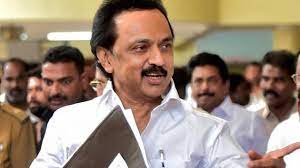
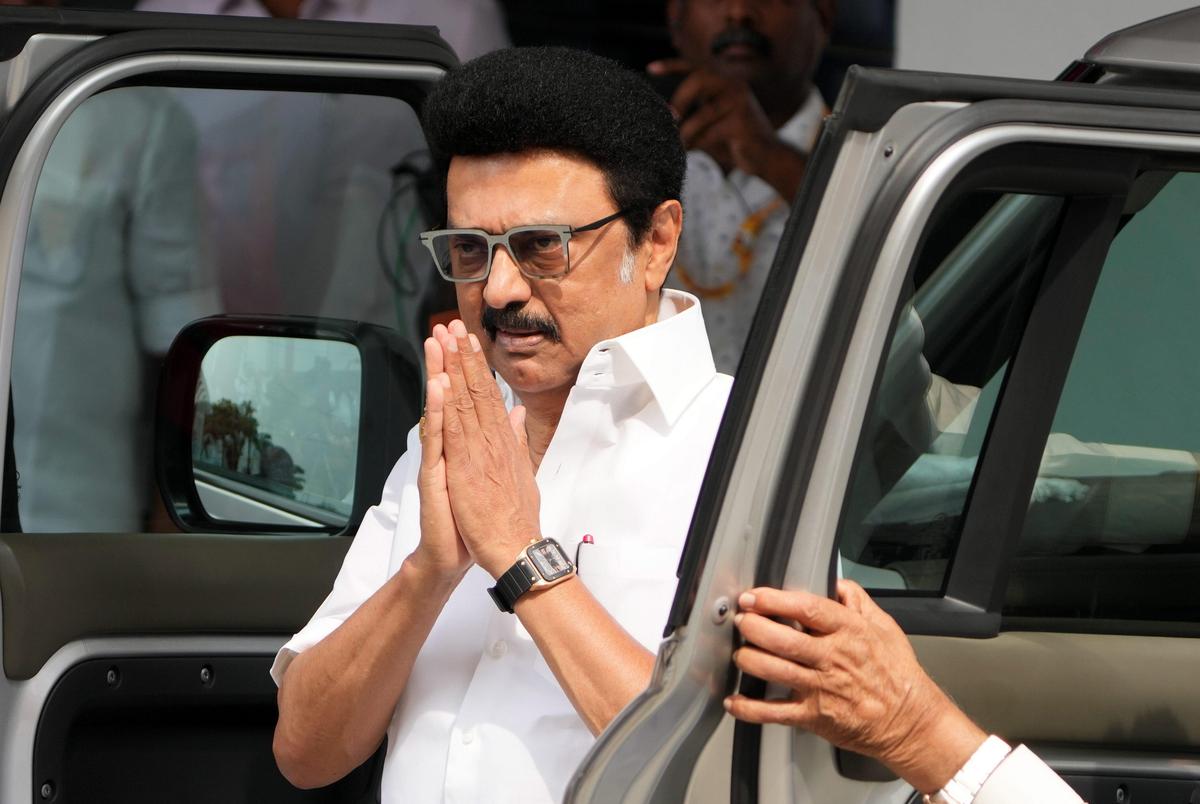
The DMK has accused the BJP and AIADMK of attempting to manipulate the upcoming Tamil Nadu Assembly elections by removing the names of working-class voters, minorities, Scheduled Castes, and women through the Election Commission of India’s Special Intensive Revision (SIR) of electoral rolls.BJP, AIADMK's calculation is to delete voters' names through SIR: Tamil Nadu  CM Stalin - The Hindu

Tamil Nadu Chief Minister and DMK president M.K. Stalin made these strong allegations on Sunday, asserting that both the BJP and AIADMK lacked the strength to win the people’s support democratically and were instead relying on the SIR process to deprive citizens of their voting rights. Stalin stated that the ruling DMK, along with the INDIA bloc parties, had repeatedly cautioned that similar actions had been carried out in Bihar, where around 65 lakh voters were allegedly removed from the rolls, and that Tamil Nadu could face the same situation.

The DMK Warns of Political Strategy Behind Special Intensive Revision

According to Stalin, the DMK has already submitted a representation to the Election Commission of India, urging it to abandon the SIR process. He added that if the ECI decides to move forward, the party will not hesitate to seek legal remedies and mobilize people’s support to safeguard democratic rights. “We will pursue every legal and constitutional option available to protect the right to vote,” he said in a statement.Historic' for Stalin, 'delusional drama' for BJP: CMs' meet in Tamil Nadu  on delimitation | Latest News India

The Chief Minister emphasized that this issue is not just political but a direct attack on democracy and equality. He pointed out that removing the names of marginalized groups, women, and minorities from the voter list would damage the core principles of representation and inclusion that form the foundation of the Indian democratic system.

The DMK Vows Legal Action and Public Campaigns to Protect Voter Rights

At the same time, the DMK reaffirmed its commitment to strengthening its connection with the people through awareness campaigns. The party has already launched a major outreach program titled Tamil Nadu under One Camp (Oraniyil Tamil Nadu), highlighting the success of the DMK government’s welfare schemes. Stalin noted that these efforts have reached every corner of the state, helping people understand how the DMK government has implemented development programs despite the lack of financial support from the BJP-led central government.BJP-AIADMK planning electoral win thru SIR, won''t fructify: Stalin | India  News - Business Standard

He further revealed that the DMK has successfully enrolled over two crore members as part of its expansion drive. However, he added that the work was far from over, emphasizing that protecting the democratic rights of voters was now the party’s top priority.

In his address, Stalin urged party workers to remain vigilant about the SIR process at every level. He warned that the AIADMK, “having surrendered its independence to the BJP,” was unlikely to oppose voter suppression tactics and had shown little concern for the people’s rights. “The DMK and its allies bear the moral and political responsibility to safeguard every voter’s right,” he said.

Reports indicate that the Election Commission has informed the Madras High Court that the Special Intensive Revision of electoral rolls in Tamil Nadu will begin within a week. This move has raised concerns among opposition parties, especially the DMK, which sees it as a politically motivated exercise rather than a routine update of voter lists.

The DMK Highlights Welfare Schemes Amid Political Tensions

Political observers believe the DMK’s strong response reflects its determination to prevent any attempts to alter the state’s political balance through non-democratic means. With the Assembly elections approaching, the issue of voter list revisions could become a central political debate in Tamil Nadu. Also Read: GCC Official Confirms Suspension After Chennai Girl Lands in ICU Following School Assault in 2025

Stalin also highlighted how the DMK government has continued implementing social welfare measures for all communities, despite what he described as financial neglect from the Centre. He mentioned that the state government’s schemes have benefited millions and proven the DMK’s ability to govern effectively even in challenging circumstances.

In conclusion, the DMK has made it clear that it views the SIR process as a direct threat to democratic participation in Tamil Nadu. The party plans to monitor the entire revision closely, challenge any irregularities, and take legal action if necessary. As political tensions rise, the coming weeks could determine how this voter list controversy shapes the narrative for the 2026 Assembly elections.

BJP Slams RJD: Fierce Attack on Opposition’s “Empty Promises” Before Bihar Polls

Bihar – The political temperature in Bihar has escalated significantly as BJP slams RJD with blistering criticism just days before the crucial state assembly elections. Bihar Bharatiya Janata Party President Dilip Jaiswal launched a scathing attack on the Rashtriya Janata Dal, dismissing the opposition party’s statements as meaningless and accusing them of making empty promises that hold no credibility with Bihar’s electorate.

This aggressive stance where BJP slams RJD comes in response to controversial statements made by RJD leader Qari Sohaib, who claimed that the party’s Chief Ministerial candidate Tejashwi Yadav would “scrap the Waqf law” if elected as Bihar Chief Minister. The timing of these attacks underscores the high-stakes nature of the upcoming electoral contest.

Accusations of Empty Promises and Lack of Credibility

BJP slams RJD

In his pointed remarks where BJP slams RJD, Dilip Jaiswal emphasized that whatever the opposition party says carries no weight or importance in the eyes of Bihar’s voters. He specifically characterized both RJD and Congress as entities that traffic in hollow commitments without any intention or capacity to fulfill them.

“Whatever RJD says holds no importance. These (RJD and Congress) are people who deal in empty promises. The people of Bihar do not trust such promise-mongers,” Jaiswal stated emphatically, suggesting that voters have learned from past experiences not to believe opposition rhetoric.

This narrative where BJP slams RJD for being “promise-mongers” appears to be a strategic effort to undermine the credibility of the Mahagathbandhan alliance and position the ruling NDA as the only reliable option for Bihar’s continued development and progress.

Development Narrative Under Modi-Kumar Leadership

Countering opposition claims while BJP slams RJD, Jaiswal presented a contrasting vision of Bihar’s trajectory under current leadership. He asserted that the state is steadily progressing toward becoming a developed region under the combined guidance of Prime Minister Narendra Modi and Chief Minister Nitish Kumar.

“Today, Bihar is moving towards becoming a developed state under the leadership of Prime Minister Narendra Modi and Chief Minister Nitish Kumar,” Jaiswal declared, positioning the current government as architects of Bihar’s transformation.

He further reinforced this development theme by referencing statements from Union Home Minister Amit Shah, noting that “under the rule of Nitish Kumar and Prime Minister Modi, Bihar’s structure is being built from the foundation to the top.” This messaging where BJP slams RJD simultaneously promotes the ruling alliance’s achievements and governance record.

Also Read: JD(U) Expels Leaders: Big Decision Rocks Nitish Kumar’s Party Ahead Polls 2025

Confident Electoral Predictions from BJP Leadership

The aggressive approach where BJP slams RJD extends beyond mere criticism to include confident predictions about electoral outcomes. BJP MP Dinesh Sharma expressed strong conviction that the National Democratic Alliance will secure more than a two-thirds majority in the upcoming Bihar Assembly elections.

Sharma went further in his assessment, claiming that the opposition Mahagathbandhan—even with combined support from Congress, RJD, AIMIM, and potentially Samajwadi Party—would fail to reach triple-digit seat counts. “We are going to secure more than a two-thirds majority, and even if Congress, RJD, AIMIM, and potentially SP support them, they are unlikely to win three-digit seat counts collectively,” he stated.

This bullish projection while BJP slams RJD suggests that the ruling alliance believes it has successfully consolidated its support base and anticipates a decisive electoral mandate from Bihar’s voters.

Tejashwi Yadav’s “Limited Happiness” Jibe

The sustained campaign where BJP slams RJD has also included personal attacks on opposition leaders. Dinesh Sharma specifically targeted Tejashwi Yadav following his announcement as the Mahagathbandhan’s Chief Ministerial face, suggesting that his celebration would be short-lived.

“Tejashwi Yadav’s happiness over the announcement is for a limited time, as I believe Congress and its allies won’t achieve a majority. They can’t reach triple digits,” Sharma remarked, attempting to deflate opposition morale and enthusiasm heading into the final campaign stretch.

The Electoral Battlefield Takes Shape

The context in which BJP slams RJD becomes clearer when examining the competing alliances vying for power. The 2025 Bihar Assembly elections feature a direct contest between the NDA and Mahagathbandhan coalitions, with each representing distinct political ideologies and governance visions.

The NDA comprises the Bharatiya Janata Party, Janata Dal (United), Lok Janshakti Party (Ram Vilas), Hindustani Awam Morcha (Secular), and Rashtriya Lok Morcha. Meanwhile, the Mahagathbandhan, led by the Rashtriya Janata Dal, includes Congress, Communist Party of India (Marxist-Leninist) Liberation led by Dipankar Bhattacharya, Communist Party of India, Communist Party of India (Marxist), and Mukesh Sahani’s VIP.

Adding complexity to the electoral landscape, Prashant Kishor’s Jan Suraaj Party has announced its intention to contest all 243 Assembly seats in the state, potentially splitting votes and affecting outcomes in key constituencies.

Critical Election Timeline

As BJP slams RJD in these final campaign days, both alliances are intensifying their outreach efforts. The Bihar Assembly elections will unfold in two phases on November 6 and November 11, with vote counting scheduled for November 14. This compressed timeline means that every statement, attack, and counter-attack in the remaining days could significantly influence voter perceptions and ultimately determine which alliance forms the next government in Bihar.

Review: Haruki Murakami’s ‘The City and Its Uncertain Walls’ Unlocks a Haunting Journey Beyond Reality in 2025

0

Review, Murakami’s The City and Its Uncertain Walls Blurs the Line Between Dream and Reality

Review: Haruki Murakami’s The City and Its Uncertain Walls is a hypnotic and immersive novel that invites readers to leave logic behind and step into a realm where the boundaries between reality and fantasy dissolve. It is not merely a book; it’s an experience that consumes you, provided you are willing to surrender to its quiet rhythm and layered mystery.The City and Its Uncertain Walls : Murakami, Haruki, Gabriel, Philip:  Amazon.in: Books

The story begins with a teenage boy who falls deeply in love with a girl who claims that her real self lives beyond a high-walled city. She tells him stories about that hidden world, warning that if he ever finds her true self, she might not recognize him. Her disappearance leaves a void in his life a haunting absence that follows him into adulthood. Years later, he finds himself drawn into a surreal walled city filled with unicorns, memoryless people, and a gatekeeper who controls entry. There, he becomes a “dream reader” in a library, surrendering his shadow and almost his sight. The woman he meets there resembles his first love, but she feels unfamiliar, like a dream slipping away.

Murakami’s storytelling has always been about the tension between the known and the unknowable, and this review finds that balance perfectly reflected here. The walled city itself becomes a symbol of memory, isolation, and the inner walls humans build around their emotions. The duality between the inner and outer worlds mirrors the struggle between self and soul, between attachment and detachment.

Review – A Story of Love, Loss, and the Search for Meaning Behind the Walls

In the second part, the protagonist works at a small-town library called Z**, where he communicates with a dead librarian and meets a mysterious boy, M**, who can literally absorb books. The boy’s disappearance deepens the protagonist’s journey and ties back to his search for the city beyond the walls. This section is slow, deliberate, and introspective qualities that define Murakami’s best work.The City and Its Uncertain Walls : Murakami, Haruki, Gabriel, Philip:  Amazon.in: Books

The review notes that while the novel can feel confusing and aimless at times, that disorientation is intentional. Murakami does not lead his readers by the hand; he lets them wander through his intricate labyrinths, where meaning is often felt rather than found. His writing demands patience and for those who give it, he rewards them with moments of quiet brilliance and deep emotional resonance.

Review – The Enigmatic World That Reflects Our Inner Solitude

One of the most striking aspects of the novel is its use of libraries one filled with books, another with dreams. Both serve as sanctuaries of knowledge, silence, and introspection. They reflect Murakami’s recurring fascination with the intersection of intellect and imagination, solitude and connection. The review observes that these spaces become metaphors for the human mind, where stories, memories, and dreams coexist in uncertain harmony.

Interestingly, The City and Its Uncertain Walls was inspired by an earlier short story Murakami published in the 1980s. Dissatisfied with that version, he revisited and expanded the idea during the pandemic, crafting a novel that feels deeply introspective and relevant. The walled city, in many ways, mirrors the global isolation of lockdown years a time when people withdrew into private worlds, surrounded by invisible barriers. The dying unicorns each winter seem to echo the quiet grief and loss of that period.Book Review: 'The City and Its Uncertain Walls,' by Haruki Murakami - The  New York Times

Murakami’s prose is poetic and meditative, filled with lines that linger. One particularly resonant quote reads, “There isn’t just one reality. Reality is something you have to choose by yourself, out of several possible alternatives.” It captures the essence of the novel that life is not a single truth but a collection of choices, perceptions, and dreams.

Review – A Quiet, Lingering Tale That Demands Complete Surrender

The ending of The City and Its Uncertain Walls leaves questions hanging, as is typical of Murakami. The review highlights how the open-ended finale, though frustrating to some, is part of the author’s charm. Readers are left wondering will the man’s shadow ever return? Will the boy become the next dream reader? Does love ever truly end, or does it transform into something beyond recognition?

Despite moments of repetition, the novel stands out as one of Murakami’s most ambitious works in recent years. It is contemplative, layered, and emotionally rich, reminding readers that not every story needs resolution some only need reflection.  Also Read: GCC Official Confirms Suspension After Chennai Girl Lands in ICU Following School Assault in 2025

In conclusion, this review finds The City and Its Uncertain Walls to be a haunting, thought-provoking journey through love, memory, and identity. It is a book that asks you to get lost because in losing yourself within its pages, you might just find something real. Murakami once again proves that his magic lies not in answers but in the lingering silence of the questions he leaves behind.

JD(U) Expels Leaders: Big Decision Rocks Nitish Kumar’s Party Ahead Polls 2025

Bihar – In a significant political development, Bihar Chief Minister Nitish Kumar‘s Janata Dal (United) party has taken stern disciplinary action as JD(U) expels leaders for engaging in anti-party activities. The sweeping action against 11 prominent party members comes at a critical juncture, just days before the state assembly elections, signaling the party’s zero-tolerance approach toward internal dissent and indiscipline.

The decision by JD(U) expels leaders who were allegedly working against the party’s interests and defying its core ideology during the crucial pre-election period. This move underscores the party leadership’s determination to maintain unity and discipline within its ranks as Bihar prepares for a keenly contested electoral battle.

High-Profile Names Among Those Expelled

The list of individuals affected when JD(U) expels leaders includes several prominent political figures who once held significant positions within the party and the state government. Former minister Shailesh Kumar stands out as the most high-profile name among those facing expulsion, highlighting that the party’s disciplinary action spares no one regardless of their previous standing or contributions.

The action when JD(U) expels leaders also encompasses former Members of Legislative Assembly (MLAs) Shyam Bahadur Singh and Sudharshan Kumar, both of whom had represented the party in the state legislature. Their expulsion indicates the seriousness with which the party views their alleged anti-party activities during this sensitive electoral period.

Additionally, the decision by JD(U) expels leaders extends to former Members of Legislative Council (MLCs) Sanjay Prasad and Ranvijay Singh, further demonstrating that the disciplinary measures cut across different levels of party representation and leadership. These expulsions suggest a comprehensive housecleaning effort designed to eliminate potential sources of internal conflict before the elections.

Suspension from Primary Membership

The severity of the action becomes evident as JD(U) expels leaders not just from their positions but also suspends them from the party’s primary membership. This dual punishment was formally announced through a statement issued by JD(U) state general secretary Chandan Kumar Singh, giving official weight to the disciplinary measures.

The statement clarifying why JD(U) expels leaders emphasized that “the party took disciplinary action after it found that all 11 leaders were indulging in anti-party activities in the state.” This explanation suggests that the decision followed an internal investigation or assessment of the members’ activities, rather than being an arbitrary or hasty action.

By suspending primary membership when JD(U) expels leaders, the party has effectively severed all formal ties with these individuals, preventing them from claiming any association with the party or using its name and symbols during the upcoming elections.

Also Read: Opposition Manifesto Bihar: Bold Strategy to Counter Jungle Raj Allegations

Allegations of Working Against Official Candidates

A senior JD(U) leader provided crucial context for understanding why JD(U) expels leaders at this particular moment. According to the leader, “These expelled leaders were working against the officially declared candidates of the party and other NDA alliance partners. They were defying our ideology.”

This explanation reveals that the decision by JD(U) expels leaders stems from concrete allegations that these members were actively undermining the party’s electoral strategy. Working against officially declared candidates represents one of the most serious violations of party discipline, particularly during election season when unity is paramount for electoral success.

The reference to National Democratic Alliance (NDA) partners in the statement about why JD(U) expels leaders indicates that some of the expelled members may have been working against not just JD(U) candidates but also candidates from allied parties like the Bharatiya Janata Party. Such actions could potentially damage the broader alliance’s electoral prospects, making swift action necessary.

Ideological Defiance Cited as Key Reason

Beyond tactical electoral considerations, the statement explaining why JD(U) expels leaders also mentions “defying our ideology” as a significant factor. This suggests that the expelled members’ activities were not merely about supporting rival candidates but represented a deeper divergence from the party’s fundamental principles and political philosophy.

The emphasis on ideological adherence when JD(U) expels leaders reflects Nitish Kumar’s longstanding focus on maintaining the party’s distinct political identity within the NDA alliance. The party has historically positioned itself on issues like social justice, prohibition, and good governance, and any deviation from these core principles appears to have warranted strict disciplinary action.

Electoral Context and Timing

The timing of when JD(U) expels leaders is particularly significant given the imminent Bihar assembly elections. The 243-member Bihar assembly will conduct polls in two phases on November 6 and November 11, with results scheduled for announcement on November 14. This compressed timeline left little room for the party to address internal dissent through prolonged dialogue or reconciliation efforts.

By taking decisive action as JD(U) expels leaders just days before polling, the party leadership has sent a clear message to remaining members about the consequences of anti-party activities. This preemptive strike aims to prevent any further internal sabotage during the critical final campaign phase and ensure that all party resources and workers remain focused on securing electoral victory for officially nominated candidates across Bihar’s constituencies.