Sunday, May 17, 2026
Home Blog Page 391

103 Bengaluru Bus Stops Get Relocated: 7 Critical Shifts

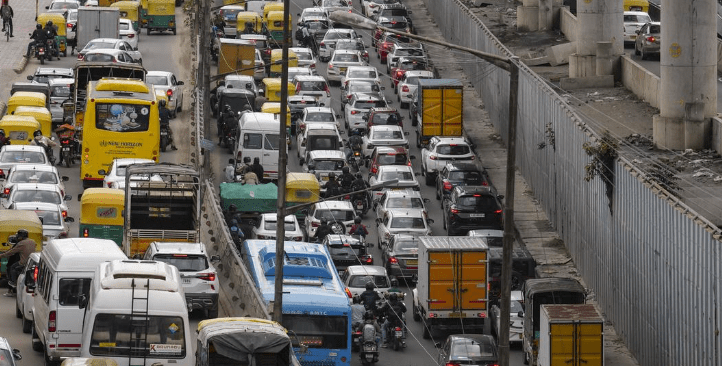
Bengaluru is set for a major traffic overhaul as authorities announce the relocation of 103 bus stops across the city to ease congestion. The initiative aims to streamline public transport, reduce bottlenecks on busy roads, and improve commuter safety. With urban mobility challenges mounting due to population growth and increased vehicle numbers, city planners are implementing strategic changes to enhance traffic flow. Public transport users, motorists, and local residents are closely monitoring the development, anticipating both short-term disruptions and long-term benefits. The move highlights the city’s focus on improving infrastructure and urban transport efficiency.

Background
Bengaluru has long struggled with traffic congestion, particularly during peak hours, causing delays and increasing pollution levels. Many existing bus stops were located in high-traffic zones, obstructing road space and contributing to gridlock. Transport authorities conducted detailed surveys, identifying bus stops that interfere with traffic movement and pose safety risks. The relocation plan involves moving stops to safer, more accessible areas, while ensuring minimal inconvenience to passengers. The initiative aligns with broader urban planning goals, including improving pedestrian safety, streamlining traffic, and modernizing public transport infrastructure to accommodate the city’s growing population.

Relocation Strategy
The Bengaluru Metropolitan Transport Corporation (BMTC) and city traffic authorities have coordinated a comprehensive relocation strategy. Stops will be shifted based on traffic density, road width, and passenger demand patterns. Temporary signage and route adjustments will guide commuters during the transition. Authorities emphasize that relocated stops will maintain proximity to key residential, commercial, and institutional areas, ensuring commuter convenience. Experts note that careful planning, combined with public awareness campaigns, is essential to prevent confusion and ensure smooth implementation. The strategy aims to balance traffic decongestion with accessibility, reducing wait times and minimizing disruption to daily commutes.

Stakeholder Reactions
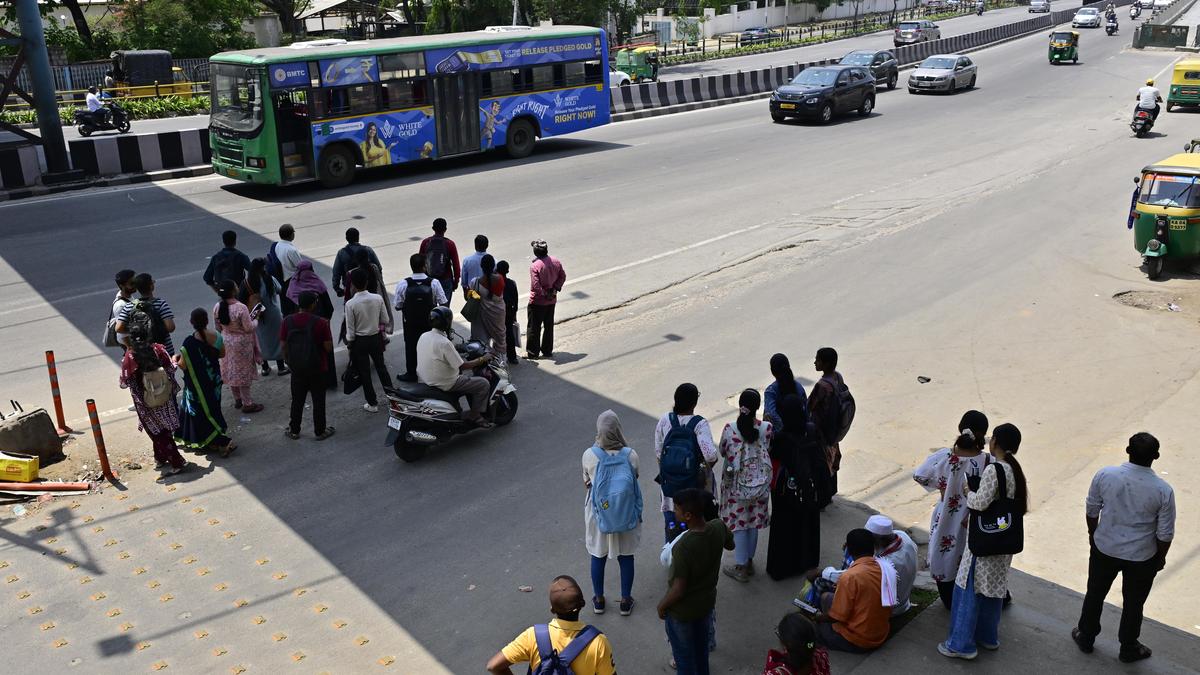
The announcement has elicited mixed reactions from stakeholders. Commuters express cautious optimism, appreciating the potential for smoother traffic flow but concerned about familiar stops being moved. Local businesses worry about potential drops in footfall near relocated stops. Civic groups and urban planners generally support the initiative, highlighting its long-term benefits for road safety and congestion reduction. Public feedback is being solicited through consultations and online platforms to incorporate citizen perspectives. Experts emphasize that proactive communication and phased implementation will be critical in gaining public trust and ensuring the success of the relocation program.103 Bengaluru bus stops to be relocated to decongest city - The Hindu
 Traffic Decongestion and Safety Goals

The primary objective of relocating 103 bus stops is to reduce traffic congestion and enhance commuter safety. Many existing stops were positioned in high-density zones, causing frequent bottlenecks and increasing the risk of accidents. By moving these stops to designated areas, authorities aim to maintain smoother vehicle movement while ensuring safe boarding and alighting for passengers. Traffic engineers also plan to redesign pedestrian crossings, waiting areas, and approach roads to minimize hazards. Analysts argue that these measures, combined with better enforcement and awareness campaigns, can significantly improve traffic efficiency and contribute to a safer urban transport environment.

Current Status
As of October 25, preparatory work for relocating bus stops is underway. Authorities are installing temporary signs, rerouting buses, and informing commuters of changes through digital platforms, mobile apps, and local media. Ground-level teams are coordinating with traffic police to manage transition zones and prevent congestion during the shift. Commuters are being advised to plan journeys in advance, and information desks have been set up at key locations. Officials assure that the relocation process will be phased, minimizing disruption while ensuring that safety, accessibility, and commuter convenience remain top priorities.

Expert Opinions

Some commuters have raised concerns regarding the relocation plan, particularly about familiar stops being shifted farther from residential or commercial areas. Elderly passengers and daily commuters fear increased walking distances and temporary confusion in navigation. Authorities have assured that relocations are carefully mapped to minimize inconvenience, with alternative stops positioned within reasonable proximity. Mobile apps, route maps, and public information campaigns aim to guide passengers effectively. Experts emphasize that proactive communication and real-time updates will be crucial in building commuter confidence and ensuring that public transport remains accessible, convenient, and reliable during the transition period.

Local businesses near relocated stops have also expressed apprehension about potential drops in customer footfall. Street vendors, small shops, and food outlets reliant on commuter traffic worry about reduced sales and economic impact. Authorities are exploring mitigation measures, including temporary signage, awareness drives, and minor adjustments to stop locations to support affected businesses. Urban planners note that integrating commercial considerations into relocation planning can maintain economic activity while achieving traffic decongestion goals. Collaboration with local business associations ensures that economic concerns are considered alongside public transport efficiency and commuter safety objectives.

Traffic management experts suggest that the relocation initiative should be accompanied by complementary measures to maximize benefits. Recommendations include synchronized traffic signals near relocated stops, dedicated bus lanes on major corridors, and stricter enforcement of parking regulations. These measures can further reduce congestion, improve bus punctuality, and enhance overall road safety. Observers note that combining physical relocation with systemic traffic interventions provides a holistic approach to urban mobility challenges. Long-term monitoring of traffic patterns will help authorities refine strategies, ensuring sustained improvement in travel times and commuter experience across the city.Traffic Fix Bengaluru: Bus Bays Can Ease Congestion — If Used Right

The relocation initiative also presents an opportunity to modernize bus stop infrastructure. Authorities plan to install well-designed shelters, seating, lighting, and real-time display systems at new stops. Accessible ramps and tactile guides for differently-abled passengers are being considered to enhance inclusivity. These upgrades aim to improve commuter comfort and encourage greater use of public transport. Experts argue that improving the overall experience can boost ridership, reduce reliance on private vehicles, and contribute to a more sustainable urban transport ecosystem, aligning with Bengaluru’s broader goals of reducing congestion and promoting eco-friendly mobility.

Environmental analysts highlight the indirect benefits of bus stop relocation on city sustainability. Reduced idling and smoother traffic flow can lower vehicular emissions, improving air quality in congested corridors. Better-organized stops also minimize pedestrian conflicts and reduce road hazards, contributing to a safer and cleaner urban environment. Authorities are exploring green initiatives such as solar-powered lighting, rainwater harvesting, and tree plantations near relocated stops to enhance environmental sustainability. Observers suggest that these measures, combined with improved public transport efficiency, contribute to a holistic urban planning approach, balancing mobility needs with environmental responsibility.

Looking ahead, authorities plan to assess the impact of the relocations through commuter feedback, traffic monitoring, and operational efficiency studies. Lessons learned will inform future urban transport projects, ensuring that the city adapts to evolving mobility needs. Continuous engagement with citizens, businesses, and transport operators will be crucial to maintaining transparency and trust. Experts believe that if implemented effectively, the relocation of 103 bus stops could serve as a model for other congested urban centers, demonstrating how strategic planning, stakeholder involvement, and infrastructure modernization can improve public transport, road safety, and overall quality of life.


Urban planning and transport experts have welcomed the relocation initiative, emphasizing the importance of systematic traffic management. They note that relocating bus stops is a proven method to reduce road congestion, improve travel times, and enhance public transport efficiency. Experts also recommend complementary measures, such as synchronized traffic signals, dedicated bus lanes, and increased pedestrian facilities, to maximize benefits. Observers argue that the project could serve as a model for other congested cities, demonstrating how strategic urban planning and public transport optimization can coexist, improving mobility and overall quality of life in rapidly growing urban centers like Bengaluru.

Timeline of Relocations
The relocation process is expected to occur in multiple phases over the coming months. Initial phases involve high-density areas with severe congestion, followed by intermediate zones and peripheral regions. Authorities are coordinating with bus depots, route planners, and traffic police to minimize disruption. Public information campaigns will run parallel to physical relocation, ensuring commuters are well-informed. Monitoring mechanisms are being put in place to assess the impact on traffic flow, commuter convenience, and road safety. Phased implementation allows authorities to make adjustments based on real-time feedback, ensuring a smoother transition and long-term operational efficiency.

Commuter Convenience and Urban Planning Impacts

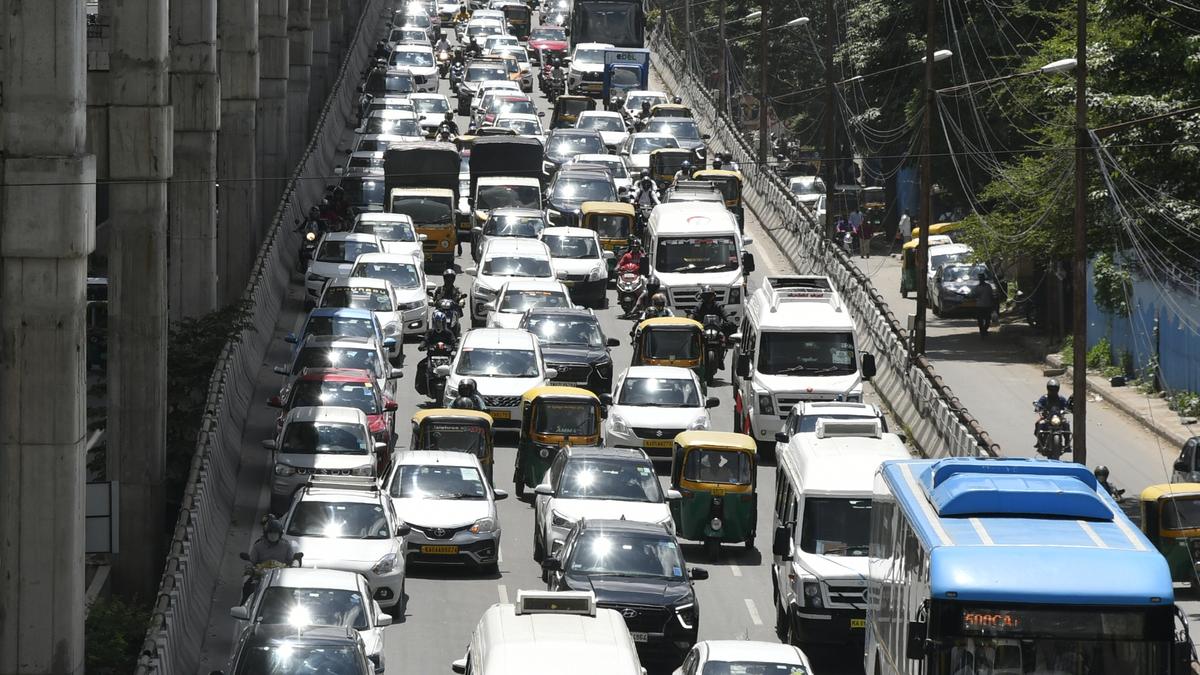
The relocation of bus stops has implications beyond traffic decongestion, affecting urban planning and commuter convenience. Authorities plan to integrate relocated stops with pedestrian pathways, bicycle lanes, and feeder transport networks, ensuring seamless connectivity. Improved signage, shelters, and seating areas aim to enhance passenger experience. Experts suggest that such initiatives encourage public transport use by making commutes more predictable and comfortable. Urban planners note that coordinated relocation, combined with future infrastructure upgrades, can create a more organized, efficient, and safe public transport system, fostering sustainable mobility and reducing reliance on private vehicles.One hour to cross 2 km, BMTC bus breakdown turns ORR traffic into nightmare  - The Hindu
Social and Environmental Considerations
Reducing traffic congestion through bus stop relocation has positive social and environmental implications. Smoother traffic flow decreases vehicle idling, cutting emissions and improving air quality in dense urban corridors. Enhanced pedestrian safety reduces accident risks, benefiting residents and commuters alike. Authorities are also exploring green infrastructure, including shaded waiting areas, rainwater harvesting, and energy-efficient lighting at relocated stops. Analysts highlight that the initiative aligns with broader goals of sustainable urban development, improving livability, promoting public transport adoption, and contributing to Bengaluru’s climate action and road safety objectives.

Government and Institutional Role
The success of the relocation project depends on coordination between multiple government agencies, including BMTC, the Bengaluru Traffic Police, municipal authorities, and urban planning departments. Policy enforcement, monitoring, and stakeholder engagement are crucial to ensuring compliance and smooth execution. Experts stress that long-term success requires continuous assessment, feedback integration, and iterative improvements. Authorities are committed to transparency and public consultation, ensuring citizens are informed and can provide input. Collaboration between institutions, citizens, and civil society organizations is central to achieving sustainable urban mobility, demonstrating a comprehensive approach to solving complex traffic challenges.

Conclusion
The relocation of 103 bus stops in Bengaluru represents a major step toward addressing the city’s chronic traffic congestion and enhancing commuter safety. By strategically shifting stops, authorities aim to improve traffic flow, reduce bottlenecks, and streamline public transport operations. Effective communication, phased implementation, and complementary urban planning measures are crucial to ensuring the initiative’s success. As authorities monitor impact and incorporate public feedback, the project could serve as a benchmark for other cities grappling with congestion. For residents and commuters, these changes promise a safer, smoother, and more efficient urban transport experience.

Follow: Karnataka Government

Also read: Home | Channel 6 Network – Latest News, Breaking Updates: Politics, Business, Tech & More

Bengaluru’s ‘Our Digital Futures Fest’ Kicks Off: 5 Inspiring Highlights

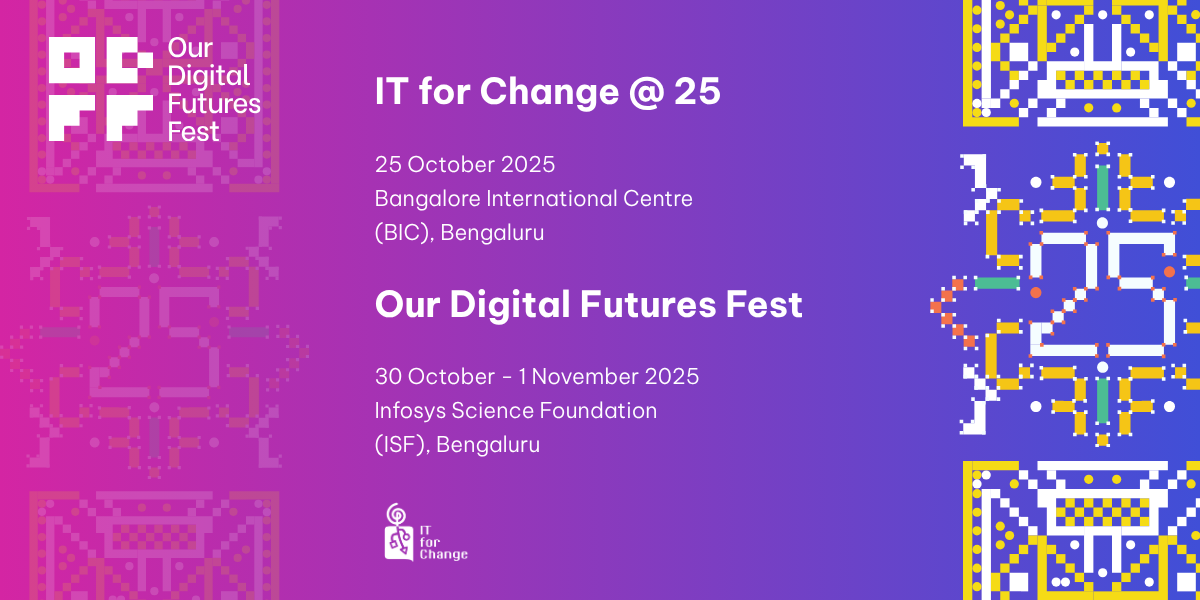
Bengaluru is set to witness a dynamic convergence of technology, innovation, and community engagement as the NGO-led event ‘Our Digital Futures Fest’ begins on October 25. Organized by a Bengaluru-based non-profit, the festival aims to promote digital literacy, emerging technologies, and collaborative problem-solving among youth, professionals, and educators. Over several days, participants will engage in workshops, panel discussions, hackathons, and exhibitions designed to showcase technological advancements and foster creative thinking. The festival has attracted widespread attention from tech enthusiasts, educators, and civil society, positioning it as a platform for knowledge exchange and exploration of future digital trends.

Participants at the festival have expressed excitement over the hands-on workshops and interactive sessions. Students and young professionals are particularly enthusiastic about coding, robotics, and AI projects, which allow them to apply theoretical knowledge to practical challenges. Many attendees noted that the festival provides a rare opportunity to interact directly with industry experts, mentors, and innovators. Feedback indicates that these experiences enhance problem-solving skills, creativity, and confidence. Organizers believe that by combining learning with active engagement, participants are more likely to retain knowledge and be inspired to pursue careers or projects in emerging digital fields.

Several startups and tech innovators have showcased their solutions during the festival, highlighting applications in education, healthcare, sustainability, and civic engagement. Exhibitions allow participants to explore how technology can address real-world problems and improve community well-being. Observers note that showcasing such innovations encourages collaboration between young talent and established professionals, potentially leading to future partnerships. The festival also provides a platform for startups to gain visibility, receive feedback, and connect with mentors, investors, and potential collaborators, reinforcing Bengaluru’s position as a hub for technological innovation and entrepreneurial growth.

Workshops focused on digital ethics, cybersecurity, and responsible technology use have drawn significant attention. Facilitators emphasize the importance of understanding data privacy, ethical AI, and safe online practices. Participants engage in discussions about the societal impact of technology, including potential risks and benefits. Experts argue that equipping learners with ethical awareness is as important as technical skills in preparing them for careers in technology. Observers highlight that integrating ethics into digital literacy programs ensures that participants not only innovate but also consider the broader implications of their work on communities and society at large.

Community engagement remains a key aspect of the festival, with local schools, NGOs, and volunteer groups actively participating. Outreach programs aim to include students from underrepresented backgrounds, ensuring equitable access to learning opportunities. Volunteers facilitate hands-on activities, mentoring sessions, and collaborative projects, bridging gaps in technical knowledge and exposure. Organizers stress that fostering inclusive participation helps cultivate a culture of collaboration and shared learning. Observers suggest that community-focused initiatives not only empower participants but also strengthen social cohesion, creating networks of learners and innovators committed to collective problem-solving and knowledge sharing.

The festival also emphasizes skill development for educators, providing workshops and resources to integrate technology effectively into classrooms. Teachers learn strategies for using digital tools, designing interactive lessons, and fostering creativity among students. Experts argue that empowering educators is critical to sustaining long-term digital literacy and innovation in schools. By building capacity among teachers, the festival ensures that its impact extends beyond participants, influencing teaching practices and inspiring a new generation of students to explore technology confidently and responsibly.Our Digital Futures Fest: Celebrating 25 Years of IT for Change | IT for  Change

Looking forward, organizers aim to build on the success of ‘Our Digital Futures Fest’ by creating year-round programs, mentorship networks, and digital resource hubs. Participants are encouraged to continue collaborating on projects, attend follow-up workshops, and share knowledge with peers. Experts believe that maintaining engagement beyond the festival will foster a sustainable ecosystem of digital literacy, innovation, and social impact. By connecting participants, mentors, and community organizations, the initiative hopes to cultivate a generation capable of leveraging technology for creative problem-solving, entrepreneurship, and positive societal transformation.

Background
‘Our Digital Futures Fest’ was conceived to address the growing need for digital skills and technological awareness in India, particularly among young learners. Bengaluru, often called the nation’s tech hub, provides an ideal backdrop for such an initiative. The NGO behind the event has previously conducted programs focused on bridging digital divides, fostering innovation, and empowering communities through technology. This year, the festival emphasizes emerging fields such as artificial intelligence, cybersecurity, data analytics, and digital creativity. Organizers aim to inspire participants to explore innovative solutions, develop critical thinking, and understand the societal impact of technological advancements.

Event Highlights
The festival’s schedule features a diverse lineup of activities tailored for multiple age groups and professional backgrounds. Interactive workshops allow participants to gain hands-on experience in coding, robotics, and AI-driven projects. Expert-led panel discussions will focus on ethical tech use, sustainable digital practices, and the role of technology in education. Hackathons provide a platform for collaborative problem-solving, encouraging participants to create practical solutions for social challenges. Exhibitions showcase innovations by startups, students, and community projects, highlighting the intersection of technology, creativity, and social impact. Organizers hope these activities will promote knowledge sharing and community building.

Stakeholder Reactions
The festival has garnered enthusiastic support from educators, corporate partners, and government representatives. Schools and colleges in Bengaluru have encouraged student participation, highlighting the importance of digital literacy in the 21st century. Industry professionals have volunteered as mentors and judges for competitions, bridging the gap between academia and industry. Civil society leaders emphasize the festival’s potential to inspire innovation while fostering responsible digital citizenship. Participants have expressed excitement about networking opportunities, skill development, and exposure to cutting-edge technologies. Analysts suggest that such initiatives can play a crucial role in preparing the workforce for a rapidly evolving digital landscape.IT for Change | LinkedIn

Promoting Digital Literacy and Innovation

A primary objective of ‘Our Digital Futures Fest’ is to enhance digital literacy among participants while encouraging innovation. Workshops on programming, data analytics, and AI aim to equip attendees with skills relevant to modern workplaces. In addition, creative labs enable participants to explore design thinking, gamification, and interactive media, fostering problem-solving and critical thinking. Organizers emphasize inclusivity, ensuring that resources and guidance are accessible to diverse communities, including students from underrepresented backgrounds. By combining practical skill development with exposure to emerging technologies, the festival seeks to prepare a digitally competent generation capable of addressing real-world challenges and contributing meaningfully to society.

Current Status
As of October 25, the festival has officially commenced with a formal inauguration attended by dignitaries, educators, and industry leaders. Initial workshops and exhibitions have drawn significant crowds, reflecting public interest and engagement. Organizers report smooth coordination across multiple venues, with health and safety measures in place. Social media channels have amplified festival activities, enabling virtual participation and broader reach. Attendees are already participating in hands-on sessions, interactive discussions, and networking events. Early feedback indicates high enthusiasm and positive reception, setting the stage for several days of learning, collaboration, and technological exploration.

Expert Opinions
Education and technology experts have praised the festival’s approach to blending skills development with creative exploration. Analysts note that hands-on workshops and collaborative activities can significantly enhance understanding and retention of complex digital concepts. Emphasis on ethical technology use and social impact aligns with broader goals of responsible innovation. Observers highlight that exposure to real-world applications, mentorship from industry professionals, and interactive competitions provide valuable experience that extends beyond traditional classroom learning. Experts argue that such festivals can serve as catalysts for fostering a culture of innovation and entrepreneurship, particularly among young participants in technology-driven economies like Bengaluru.

Timeline of Key Activities
The festival spans several days, with each day dedicated to specific themes and activities. Day one focused on digital literacy workshops, introductory coding sessions, and technology exhibitions. Subsequent days will include hackathons, panel discussions on ethical technology, innovation showcases by startups, and skill-building sessions for educators. Closing sessions will feature award ceremonies, recognition of outstanding projects, and discussions on next steps for continued engagement. Organizers emphasize structured scheduling to balance learning, networking, and interactive experiences, ensuring participants derive maximum benefit while fostering a collaborative environment for exploration and discovery.

Community Engagement and Future Prospects

‘Our Digital Futures Fest’ also emphasizes community engagement, aiming to bridge gaps in access to technology and educational resources. Local schools, colleges, and community centers have partnered with organizers to facilitate participation for students who might otherwise lack exposure to digital skills initiatives. Volunteers from the tech industry mentor participants, promoting intergenerational learning and skill transfer. Organizers plan to document outcomes, feedback, and innovations to inform future editions of the festival. Observers believe that sustained engagement through workshops, mentorship, and collaborative projects can create a lasting ecosystem of innovation and digital empowerment across Bengaluru and beyond.IT for Change | LinkedIn

Social and Educational Implications
The festival underscores the importance of integrating technology with education and social development. By equipping participants with digital competencies, it aims to enhance employability, entrepreneurial thinking, and problem-solving abilities. Initiatives focusing on ethical use of technology foster responsible digital citizenship, emphasizing societal impact alongside skill acquisition. Participants gain exposure to collaborative innovation processes, encouraging teamwork, creativity, and cross-disciplinary learning. Experts argue that fostering digital literacy and innovation through community-centered events like this contributes to equitable development, preparing participants to navigate a future where technology is central to personal, professional, and societal growth.

Government and NGO Role
Government representatives and NGOs play a pivotal role in supporting the festival, providing resources, guidance, and outreach to diverse communities. Collaboration ensures that the initiative aligns with national digital literacy goals and regional development priorities. Partnerships with educational institutions, tech companies, and civil society organizations enable a multi-stakeholder approach, combining expertise, funding, and mentorship. Experts note that such coordinated efforts enhance the festival’s impact, fostering sustainable engagement beyond the event itself. The model demonstrates the potential for public-private-NGO collaboration in creating inclusive, scalable programs for digital skill development and technological awareness.

Conclusion
The launch of Bengaluru’s ‘Our Digital Futures Fest’ marks an important step in promoting digital literacy, innovation, and community engagement. By blending hands-on learning, mentorship, and interactive showcases, the festival empowers participants to develop critical skills for the digital age. Inclusive planning, structured activities, and focus on ethical technology use position the event as a model for similar initiatives nationwide. As the festival progresses, organizers, participants, and stakeholders aim to create a lasting impact, fostering a generation of tech-savvy, socially responsible individuals capable of shaping India’s digital future with creativity, collaboration, and innovation.

Follow: Karnataka Government

Also read: Home | Channel 6 Network – Latest News, Breaking Updates: Politics, Business, Tech & More
Indian Navy Boosts Undersea Defences with ‘Mahe’ Anti-Submarine Warfare Shallow Water Craft: 2025

The Indian Navy took a major step in enhancing its coastal security with the delivery of ‘Mahe’, the first of eight Anti-Submarine Warfare Shallow Water Crafts (ASW SWC) constructed by Cochin Shipyard Limited (CSL), Kochi. Named after the historic port town of Mahe in Puducherry, the vessel is a milestone in India’s Aatmanirbhar Bharat program and demonstrates rapid advances in indigenous naval shipbuilding.

Mahe: Symbol of Indigenous Naval Power

‘Mahe’ is 78 metres long and displaces around 1,100 tons, reflecting India’s increasing self-reliance in advanced warship design and construction. The vessel has over 80% indigenous content, featuring advanced monitoring, electronic warfare systems, and a robust armament suite. Equipped for underwater surveillance, it is tailored for Low Intensity Maritime Operations (LIMO), Anti-Submarine Warfare in coastal areas, and mine laying, enhancing the security of India’s littoral waters.​

State-of-the-Art Technology and Armament

The ASW SWC Mahe is fitted with a formidable array of anti-submarine weaponry, including lightweight torpedoes, Multifunctional Anti-Submarine Rockets, and advanced radar and sonar suites. It utilizes a Diesel Engine-Waterjet propulsion system—the largest of its kind in the Indian Navy—to enable swift manoeuvring in shallow coastal zones, making it highly effective against submarine threats and autonomous underwater vehicles.​

Strategic Edge in Coastal Operations

The induction of Mahe and its sister ships will substantially augment the Indian Navy’s anti-submarine capabilities. The ship’s ability to operate closely along the coastline and participate in coordinated fleet operations or search-and-rescue missions bolsters India’s preparedness for a variety of maritime security contingencies. Its induction is expected to deter hostile submarine activity and safeguard key maritime assets.​

Aatmanirbhar Bharat: The Drive for Naval Self-Reliance

The delivery of Mahe sets a new benchmark for indigenisation in Indian naval manufacturing. By crossing 80% indigenous content and leveraging Indian-made sensors, armaments, and propulsion systems, the program exemplifies the government’s commitment to Make in India and self-sufficiency for national defence.​

Conclusion

The delivery of the ASW SWC ‘Mahe’ marks a new era in India’s maritime security, signalling both technological prowess and the deepening pursuit of a self-reliant defence industrial base. As more such vessels join the fleet, coastal waters will become significantly safer and more secure for India’s growing maritime interests.


For more real-time updates, visit Channel 6 Network.

Source: PIB

DoT Hosts Cyber Security Awareness Webinar to Strengthen Telecom Sector Resilience: 2025

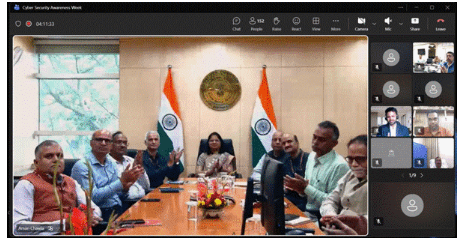
The Department of Telecommunications (DoT) organized a national webinar on October 24, 2025, as part of National Cyber Security Awareness Month, highlighting urgent cyber threats and collective strategies to fortify India’s telecom infrastructure. The event saw leading experts, industry professionals, and senior government officials stress the importance of a cyber-aware and vigilant digital ecosystem, especially in the face of rising phishing and AI-enabled threats.​

Experts Spotlight Phishing, AI, and Deepfake Threats

Cyber Security Expert Dr. Rohit Gautam underscored that phishing remains the most common and damaging cyberattack, responsible for nearly 90% of breaches globally. He elaborated on the evolution of attack methods, with criminals now leveraging phishing, vishing (voice phishing), and sophisticated deepfake technology to exploit user trust—causing worldwide losses that exceed $9.5 trillion each year. The session offered practical strategies to spot social engineering, recognize suspicious communications, and defend against AI-powered phishing attempts.​


Governance and Telecom-CSIRT Initiatives

DG Telecom, Ms. Sunita Chandra, emphasized the shared responsibility of users, organisations, and the state in ensuring telecom cyber safety. Additional DG Suresh Puri reviewed DoT’s progress in launching the Telecom-CSIRT (Computer Security Incident Response Team), a new national network focused on quick response and preparedness against cyber incidents within the telecom sector. The session stressed the importance of collective engagement and proactive actions by all telecom field units and service providers.​

Evolving Mobile and Governance Risks

Industry Expert Sh. Abhijit Tripathy simplified Governance, Risk, and Compliance (GRC) concepts that form the backbone of resilient organizations. He highlighted the critical interplay of skilled personnel, robust processes, and secure technology in prevention and cyber risk minimization. Cyber Security Expert Sh. Sampat Ray covered the rising wave of AI-driven threats, from deepfake-generated messages to fake mobile apps and vishing scams, urging constant vigilance and adoption of up-to-date countermeasures.​

Building a Resilient Digital Ecosystem

The webinar successfully reinforced the DoT’s commitment to resilient telecom governance, stakeholder engagement, and a secure national infrastructure. Officials and experts alike called for a sustained culture of cyber awareness, informed decision-making, and enhanced readiness as digital threats become more multifaceted.​


For more real-time updates, visit Channel 6 Network.

Source: PIB

24 October 2025: Indian Stock Market Wrap: Nifty 50 Drops, Big Swings in Smallcaps and Midcaps

The Indian stock market closed lower on 24 October 2025, as the Nifty 50 extended its losses and volatility continued to dominate trading action. Diverging performances in smallcap and midcap stocks characterized the session, with both sharp rallies and deep cuts evident across sectors.

Also Read: October 24, 2025 (mid-cap): Indian Stock Market Dips Further: Nifty 50 Slides, Wide Divergence in Stock Performances

Nifty 50 Ends in the Red, Broader Indices Dip

24 october 2025The Nifty 50 fell by 96.25 points, or 0.37%, to settle at 25,795.15 at the end of the trading day. The index failed to sustain morning gains and tracked global cues, closing below the opening level of 25,935.10 and swinging between a high of 25,944.15 and a low of 25,718.20. Major indices like Nifty Next 50, Nifty Financial Services, and Nifty Bank also ended the day lower, reflecting widespread selling and risk-off sentiment.​



Top Gainers: Frenzied Buying in Select Stocks

Screenshot 2025 10 24 211557Amidst the weak overall trend, certain stocks staged powerful rallies. EPACKPEB soared by nearly 20% to finish at ₹278.00, clocking a massive trade value of ₹2,035.40 crore on an equally staggering volume of over 780 lakh shares. UTKAR-RE advanced 39.91% to ₹6.10, while ADVANCE, UTKARSHBNK, and ARROWGREEN also delivered double-digit gains, driven by robust participation and momentum-based trading.​

Symbol LTP % Change Volume (Lakhs) Value (₹ Cr)
UTKAR-RE 6.10 39.91% 194.76 7.46
EPACKPEB 278.00 19.79% 780.21 2,035.40
ADVANCE 146.00 18.46% 77.85 110.62
UTKARSHBNK 21.51 17.16% 1,490.69 313.19
ARROWGREEN 637.65 16.07% 20.88 132.74

Top Losers: Sharp Corrections in Others

Screenshot 2025 10 24 211624On the flip side, several stocks took a beating. ARIHANTCAP slumped 12.40% to ₹99.00, SIKKO dropped 10.01%, and XELPMOC declined by 9%. CAPTRU-RE1 and KELLTONTEC also finished in the red, indicating selective profit-taking and broader outflows from weaker counters.​

Symbol LTP % Change Volume (Lakhs) Value (₹ Cr)
ARIHANTCAP 99.00 -12.40% 375.88 416.82
SIKKO 111.78 -10.01% 72.70 85.83
XELPMOC 126.40 -9.00% 0.53 0.71
CAPTRU-RE1 5.49 -7.26% 0.85 0.04
KELLTONTEC 20.52 -6.68% 140.42 29.46

Sentiment and Market Outlook

The slide in index values, coupled with heavy churn in small- and midcap stocks, highlighted the dominance of volatility and tactical trade flows. Robust gains in select pockets contrasted with sharp declines in others, showcasing actionable opportunities for active traders but also increased risks for unhedged investors.​

Conclusion: 24 October 2025

 24 October 2025, saw Indian equities remain on the back foot. The Nifty’s decline and marked divergence in individual stock movements reflected a market wrestling with global cues, sectoral shifts, and a pronounced risk-off stance.


For real time stock Updates, visit NSE website.

October 24, 2025 (mid-cap): Indian Stock Market Dips Further: Nifty 50 Slides, Wide Divergence in Stock Performances

The Indian equity market extended its slide in the afternoon session on October 24, 2025, with the Nifty 50 dropping sharply and broader indices following suit. Increased volatility and selective buying characterized the session as investors reacted to global cues and stock-specific triggers.

Also Read: October 24, 2025 (Opening): Indian Stock Market Update: Nifty 50 Slides, Volatility Hits Smallcaps and Midcaps

Nifty 50 Sees Steep Decline

october 24The Nifty 50 was down 168.40 points, or 0.65%, closing at 25,723.00 by 13:50 IST. The index opened at 25,935.10, hit a high of 25,944.15, and touched a low of 25,718.20 during the session. Key sectoral indices like Nifty Next 50, Nifty Fin Service, and Nifty Bank all posted declines, reflecting broad-based selling pressure.​



Top Losers: Selling Intensifies in Select Counters

Screenshot 2025 10 24 135108A number of stocks suffered steep declines amid the market weakness. SIKKO lost 9.42% to end at ₹112.51, while INDOFARM and CAPTRU-RE1 also slipped by 6-12%. Heavy volumes were seen in FCSSOFT and UTKAR-RE, indicating aggressive profit-taking and increased trading activity among retail-focused counters.​

Symbol LTP % Change Volume (Lakhs) Value (₹ Cr)
CAPTRU-RE1 5.22 -11.82% 0.50 0.03
SIKKO 112.51 -9.42% 65.31 77.55
UTKAR-RE 4.01 -8.03% 124.55 3.84
INDOFARM 240.15 -6.81% 6.29 15.43
FCSSOFT 2.35 -6.37% 82.97 1.98

Top Gainers: Sharp Moves in Select Stocks

Screenshot 2025 10 24 135100Despite the overall downside, several stocks bucked the trend with strong gains. ARROWGREEN soared 16.14% to ₹638.00, while ADVANCE surged 20% to ₹147.90. UTKARSHBNK, ROML, and PFS recorded double-digit percentage rises, underpinned by robust trading volumes and strong investor appetite.​

Symbol LTP % Change Volume (Lakhs) Value (₹ Cr)
ADVANCE 147.90 20.00% 69.76 98.68
ARROWGREEN 638.00 16.14% 14.98 94.43
UTKARSHBNK 21.05 14.65% 596.44 119.94
ROML 57.73 13.87% 4.32 2.51
PFS 39.78 13.82% 476.19 188.71

Persistent Volatility and Stock-Specific Action

The session highlighted the ongoing divergence between falling index stocks and outperforming small- and midcap counters. While index heavyweights contributed to the overall slide, pockets of significant buying remained, showing continued rotational trading and speculative interest.​

Conclusion: October 24, 2025 (mid-cap)

On October 24, 2025, Indian equities experienced another round of sharp declines, with Nifty 50 and major indices sinking amid widespread selling pressure. However, select stocks showed resilience and delivered substantial gains, reflecting ongoing volatility and stock-specific opportunities.


For real time stock Updates, visit NSE website.

October 24, 2025 (Opening): Indian Stock Market Update: Nifty 50 Slides, Volatility Hits Smallcaps and Midcaps

The Indian stock market experienced significant volatility on October 24, 2025, with the benchmark Nifty 50 index closing lower. Traders witnessed sharp swings in several smallcap and midcap stocks, underscoring the ongoing cautious market sentiment and profit booking pressure.

Also Read: 23 October 2025: Indian Stock Market Wrap: Modest Gains for Nifty 50, Select Stocks See Sharp Ends

Nifty 50 Ends Lower; Sectoral Indices Mixed

october 24The Nifty 50 fell by 62.30 points, or 0.24%, to settle at 25,833.45 as of 10:40 IST. After opening at 25,935.10 and touching a high of 25,944.15, the index dropped to an intraday low of 25,816.10. Most sectoral indices, including Nifty Bank and Nifty Fin Service, also traded in the red, while Nifty Next 50 managed a slight positive close, hinting at selective buying in broader markets.​



Top Losers: Smallcap Turbulence

Screenshot 2025 10 24 104103Several prominent smallcap and midcap stocks suffered heavy losses. UTKAR-RE plunged 40.14% to close at ₹2.61 after a sharp sell-off. SIKKO and CAPTRU-RE1 also declined steeply, losing over 8% each, while INDOFARM and FCSSOFT fell by more than 5%. High trading volumes in names like UTKAR-RE and SIKKO signaled pronounced volatility and speculative activity among retail investors.​

Symbol LTP % Change Volume (Lakhs) Value (₹ Cr)
UTKAR-RE 2.61 -40.14% 51.02 1.38
CAPTRU-RE1 5.43 -8.28% 0.19 0.01
SIKKO 113.99 -8.23% 27.35 34.81
FCSSOFT 2.37 -5.58% 61.34 1.48
INDOFARM 243.76 -5.41% 2.81 6.96

Top Gainers: Select Stocks Defy Market Trend

Screenshot 2025 10 24 104055Amidst the broad weakness, a few stocks bucked the trend. EPACKPEB jumped 12.27% to ₹260.54 on massive volumes of 226.64 lakh shares, registering a trade value of ₹573.54 crore. ROML, PFS, ARTNIRMAN, and GTECJAINX also recorded notable gains, indicating pockets of strength and rotational interest among traders.​

Symbol LTP % Change Volume (Lakhs) Value (₹ Cr)
ROML 59.03 16.43% 1.89 1.09
PFS 39.70 13.59% 297.86 117.62
EPACKPEB 260.54 12.27% 226.64 573.54
ARTNIRMAN 64.27 9.99% 0.35 0.22
GTECJAINX 27.75 9.77% 0.07 0.02

Market Sentiment and Outlook

Friday’s session highlighted persistent volatility, with stock-specific action dominating headlines. While index heavyweights shaped overall direction, select smallcaps and midcaps saw outsized moves, both positive and negative. The divergence reflects heightened caution among investors and traders amid global and domestic uncertainties.​

Conclusion: October 24, 2025 (Opening)

On October 24, 2025, Indian equities ended with broad losses, driven by Nifty’s decline and intense volatility in small and midcap segments. However, strong performances from select gainers provided brief respite, signaling ample stock-picking opportunities amid ongoing choppiness.


For real time stock Updates, visit NSE website.

A House of Dynamite Ignites OTT Buzz: Kathryn Bigelow’s Intense Thriller Set for Global Streaming in 2025

0

A House of Dynamite Showcases Kathryn Bigelow’s Signature Tension and Realism

A House of Dynamite, the latest creation from Academy Award-winning director Kathryn Bigelow, is now gaining attention for its gripping storytelling and high-stakes tension ahead of its OTT release. Known for directing powerful films like The Hurt Locker and Zero Dark Thirty, Bigelow once again explores the chaos and consequences of global conflict with her new dramatic thriller. The screenplay, written by Noah Oppenheim, adds depth and urgency to a storyline that keeps audiences on edge from start to finish.Netflix Sets Fall Release for Kathryn Bigelow's 'A House of Dynamite'

Set against the backdrop of an unexpected international crisis, A House of Dynamite begins with a shocking event, an unidentified missile is launched toward the United States. What follows is a tense race among military officials, political leaders, and intelligence agencies to uncover who is behind the attack before the situation escalates into a full-blown catastrophe. The film captures the fragile balance between fear, strategy, and responsibility, reflecting Bigelow’s trademark ability to portray realism with cinematic precision.

A House of Dynamite Showcases Kathryn Bigelow’s Signature Tension and Realism

Kathryn Bigelow has long been praised for her authentic and high-pressure filmmaking style, and A House of Dynamite continues this legacy. The film combines emotional storytelling with political and moral complexity, giving viewers an inside look at how leaders react under extreme circumstances. Every frame builds on the tension between truth and power, making it not just an action-filled drama but also a deep reflection on human judgment during crisis.Kathryn Bigelow unveils nuclear thriller 'A House of Dynamite' at Venice  Film Festival | The Seattle Times

The direction is marked by Bigelow’s signature style fast-paced sequences, powerful dialogues, and intense realism that makes audiences feel part of the unfolding crisis. The cinematography enhances the sense of urgency, while the background score mirrors the chaos that runs through the story. A House of Dynamite doesn’t just depict a missile crisis it becomes a study of how modern nations navigate threats and uncertainty.

A House of Dynamite Cast Brings Powerful Performances to the Screen

The film features a stellar ensemble cast led by Idris Elba, Rebecca Ferguson, Gabriel Basso, Jared Harris, and Greta Lee. Each actor delivers a grounded and compelling performance that complements the film’s layered narrative. Idris Elba takes on the role of a top U.S. defense official who must make impossible decisions with limited information, while Rebecca Ferguson portrays a senior intelligence officer determined to uncover the truth behind the missile’s origin.Kathryn Bigelow Says Her Netflix Thriller 'A House Of Dynamite' Is An  Urgent Call For Nuclear Disarmament: “How Is Annihilating The World A Good  Defensive Measure?” — Venice

Jared Harris adds emotional weight as a political strategist torn between duty and morality, and Greta Lee’s performance brings quiet intensity as a communications expert trying to prevent misinformation from spiraling out of control. Together, the cast brings authenticity to a story that feels both cinematic and alarmingly real.

A House of Dynamite Marks a New Chapter in Modern Political Thrillers

With A House of Dynamite, Kathryn Bigelow once again proves her mastery in combining realism with suspense. The movie doesn’t just aim to thrill it also raises questions about global security, leadership responsibility, and the thin line between peace and chaos. It’s a film that reflects today’s uncertain world, where technology and politics intersect in unpredictable ways.Kathryn Bigelow: 'House of Dynamite' Is Nuclear Annihilation Warning

The writing by Noah Oppenheim gives the narrative a sharp edge, balancing emotional moments with analytical tension. As the story unfolds, viewers are drawn into the complexity of decision-making during national emergencies how even a single wrong move could change the course of history.

A House of Dynamite has already earned critical praise for its direction, performances, and thought-provoking script. With its OTT release expected soon, the film is anticipated to attract both thriller enthusiasts and audiences who appreciate realistic, character-driven storytelling. Also Read: OTT Release Film Update: Dhanush’s Idli Kadai Confirms Digital Premiere After Box Office Success in 2025

Conclusion:
A House of Dynamite stands out as one of Kathryn Bigelow’s most powerful works to date. With its thrilling premise, outstanding performances, and intelligent writing, it’s set to leave a lasting impact on viewers once it hits OTT platforms. This film is not just another political thriller it’s a reminder of how fragile global peace can be, and how every decision in times of crisis carries explosive consequences.

Karthik Narain Takes a Big Leap: Former Accenture CTO Joins Google Cloud in a Key Global Role in 2025

0

Karthik Narain Strengthens Google Cloud’s Leadership With AI-Focused Vision

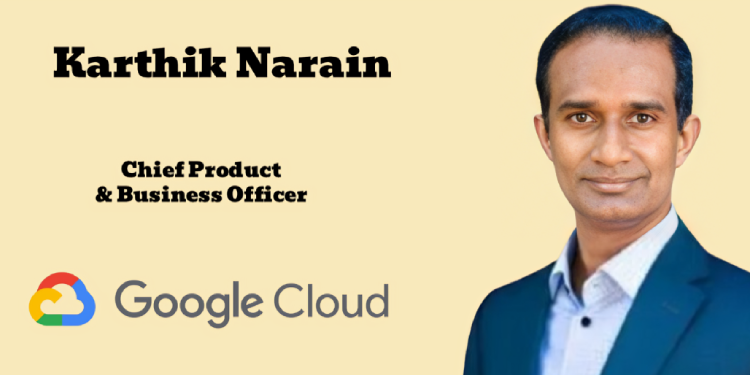
Karthik Narain, a well-known name in the technology and consulting world, has joined Google Cloud as its new Chief Product and Business Officer. The announcement, made by Google Cloud CEO Thomas Kurian, was soon followed by a warm welcome from Google CEO Sundar Pichai, who praised Karthik’s expertise in enterprise technology and artificial intelligence.Google Cloud Appoints Karthik Narain as Chief Product and Business Officer to Drive Global Growth and Innovation - CXO Digitalpulse

Sundar Pichai shared his excitement on LinkedIn, saying that Karthik Narain will play a major role in helping businesses transform using AI. He added that Narain’s experience would help Google Cloud continue its strong growth momentum, especially after the recent introduction of Gemini Enterprise. Pichai expressed confidence that Narain’s arrival marks a new phase of innovation for Google’s cloud division.

Karthik Narain Strengthens Google Cloud’s Leadership With AI-Focused Vision

Thomas Kurian, in his LinkedIn announcement, said that Karthik Narain will lead the company’s product and engineering teams across various domains such as cloud, developer platforms, data, applied AI, and go-to-market strategies. He will also collaborate with the Google Public Sector team to expand services and strengthen customer relationships globally. Kurian described Narain as a leader with deep experience in creating enterprise technology solutions, emphasizing that his leadership would help accelerate customer adoption of AI-driven tools and systems.Google Cloud Appoints Karthik Narain as Chief Product and Business Officer

Responding to the announcement, Karthik Narain expressed enthusiasm for this new chapter of his career. He said that after spending over 25 years in the technology consulting industry, this move to Google Cloud presents an incredible opportunity to combine his technical expertise with Google’s cutting-edge AI technologies. Narain mentioned that he looks forward to helping clients unlock new value and drive digital transformation through Google Cloud’s products and platforms.

Karthik Narain’s Career Journey From Infosys to Accenture to Google Cloud

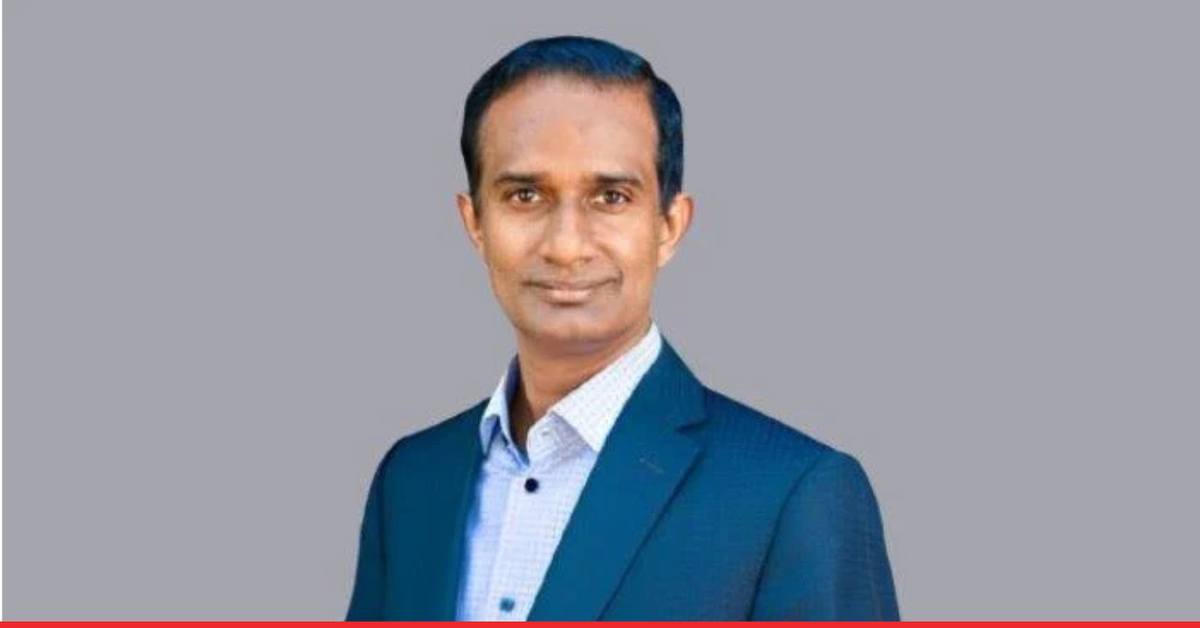
Before joining Google Cloud, Karthik Narain built an impressive career across leading technology companies. He previously served as the Chief Technology Officer (CTO) at Accenture, where he played a major role in driving innovation and technology modernization for global clients. He was also the Group Executive for Accenture Technology, overseeing digital transformation strategies and technology delivery.Ex-Accenture CTO Karthik Narain Joins Google Cloud as CPO & CBOAC

His career began at Infosys, where he worked for five years as a Senior Relationship Manager in Financial Services between 2000 and 2005. Later, he joined HLCTech, serving as Vice President and Vertical Head for High Tech, Software & Platforms, and Automotive from 2005 to 2015. His experience across these roles helped him gain a strong understanding of enterprise systems, customer needs, and large-scale business operations.

A graduate of Bharathidasan University in Tiruchirappalli, Karthik Narain holds a Master’s degree in Computer Systems and Business, giving him both technical and managerial expertise that has guided his career success. His mix of consulting background and business insight positions him well to lead Google Cloud’s global product and business strategy. Also Read: Meet Peter Fung And Usha Ray: The 80-Year-Old Indian Woman Who Proves It’s Never Too Late To Learn

Karthik Narain to Lead Product, Engineering, and AI Growth at Google Cloud

At Google Cloud, Karthik Narain will oversee multiple teams responsible for cloud infrastructure, AI applications, and customer engagement. His goal will be to create stronger links between Google’s product innovation and the business transformation needs of clients. Under his leadership, the company aims to expand its AI-driven solutions and strengthen its enterprise partnerships across sectors.

His appointment reflects Google Cloud’s continued focus on advancing artificial intelligence, data analytics, and cloud computing for businesses worldwide. With AI becoming central to enterprise growth, Narain’s combination of strategic vision and industry knowledge is expected to further boost Google Cloud’s position in the global market.

Conclusion:
Karthik Narain’s move from Accenture to Google Cloud marks a significant moment in the tech industry. With over two decades of experience in consulting and technology leadership, his new role signals Google Cloud’s commitment to deepening its AI and enterprise capabilities. His leadership is expected to shape the next phase of Google Cloud’s growth, reinforcing the message that innovation and transformation never stand still in the world of technology.

Meet Peter Fung And Usha Ray: The 80-Year-Old Indian Woman Who Proves It’s Never Too Late To Learn

0

Meet Peter Fung And His Indian Counterpart Who Redefined Age And Education

Meet Peter Fung and India’s very own Usha Ray two remarkable individuals who have shown the world that age is just a number when it comes to learning. At 80, Usha Ray has become India’s senior-most MBA graduate, earning her degree in Hospital and Healthcare Management from Dr. D.Y. Patil Vidyapeeth Centre for Online Learning in Pune. Her achievement has drawn comparisons to Peter Fung, the 76-year-old neurologist from California who completed his executive MBA from UC Berkeley Haas School of Business.Usha Ray: 79-Year-Old Woman Joins MBA - What's Her Secret?

Meet Peter Fung And His Indian Counterpart Who Redefined Age And Education

Usha Ray, a two-time cancer survivor and CEO of Lovee Shubh Hospital in Lucknow, began her MBA journey at 77. Despite coming from a science background with an M.Sc. in Zoology, she took on the challenge of learning business management a completely new field for her. She admits the journey wasn’t easy: economics and statistics were unfamiliar subjects, and online learning was another hurdle since she was not tech-savvy. Yet, she faced every obstacle with courage and commitment.

Her passion for knowledge mirrors that of Meet Peter Fung, who pursued an MBA in his 70s after decades of practicing medicine. Both individuals share a belief that education doesn’t have an age limit and that learning should continue as long as curiosity exists.

Meet Peter Fung Inspires Seniors As Usha Ray Becomes India’s Oldest MBA Graduate

Usha Ray’s story stands as a testament to resilience. She worked as a teacher for decades in India, England, and Yemen before retiring in 2009. After joining her hospital’s administration, she noticed that many professionals around her had MBAs and her curiosity drove her to enroll in one herself.Oldest MBA Degree Holder | Meet India's senior-most woman MBA, 80-year-old Usha Ray - Telegraph India

Her routine was strict and disciplined. After long hours at work, she studied in the evenings and even woke up at 3 a.m. to revise. She said that memory wasn’t always on her side, but repetition and determination helped her score above 80% in her final exams.

Like Meet Peter Fung, who balanced his professional commitments while studying, Usha too managed her hospital duties and coursework efficiently. Both serve as inspirations to people across generations, proving that the human mind never loses its ability to grow.

Meet Peter Fung’s Global Influence Reflects In Usha Ray’s Determined Journey

Success Story: 79 की उम्र में कर रहीं MBA, जॉब के साथ-साथ करती हैं पढ़ाई, कैंसर को भी दे चुकी हैं मात | Success Story Oldest MBA Student Usha Ray doing MBAIn 2003, while working in Yemen, Usha Ray battled stage-four chest cancer. Years later, during the COVID-19 pandemic, the disease returned but she defeated it once again. “If I can triumph over this disease, I can win any battle,” she said. Her strength, combined with her pursuit of education, makes her story not just about degrees, but about defying limits.

Meet Peter Fung’s accomplishment inspired many senior citizens worldwide to return to classrooms, and Usha Ray’s journey adds an Indian voice to that same global movement. Her experience shows that education is not just about career growth it’s about staying alive to new ideas, self-improvement, and purpose.

Meet Peter Fung And Usha Ray Showcase That Learning Has No Expiry Date

Now at 80, Usha continues to lead her hospital and mentor others. Her colleagues call her an inspiration, not just for her professional achievements but for her courage and love of learning. She has been invited to speak at university webinars and was even offered a chance to pursue a PhD an offer she politely declined, saying, “An MBA is enough.”

Her love for teaching remains unchanged. She plans to open a nursing institute to train students for ANM and GNM exams. For her, every day is a new opportunity to learn and teach. Both Meet Peter Fung and Usha Ray have proven that age cannot define ambition. They’ve redefined what it means to pursue higher education later in life and shown that passion and perseverance can achieve what many believe impossible. Also Read: Maitreyi Ramakrishnan Shines in 2025: Living Her Best Timeline with Purpose and Positivity

Conclusion: The inspiring journeys of Meet Peter Fung and Usha Ray remind us that true learning knows no barriers of age, health, or circumstance. Whether in California or Lucknow, their stories echo the same message the pursuit of knowledge is timeless, and the will to grow can make anyone feel “on top of the world.”