Sunday, May 17, 2026
Home Blog Page 395

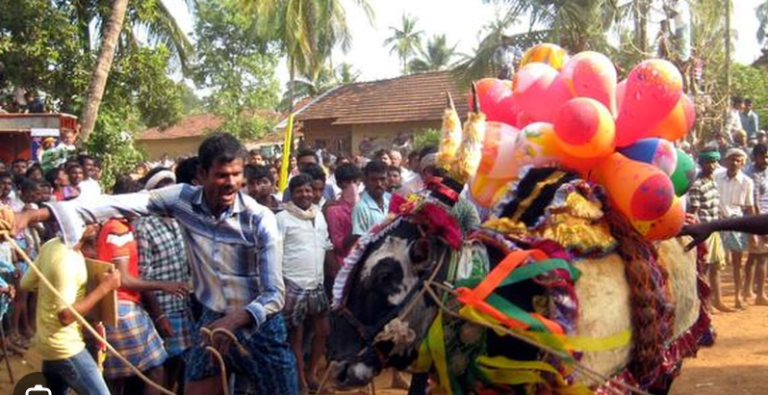
3 Lives Lost in Kobri Hori During Deepavali in Haveri: Tragic Chaos

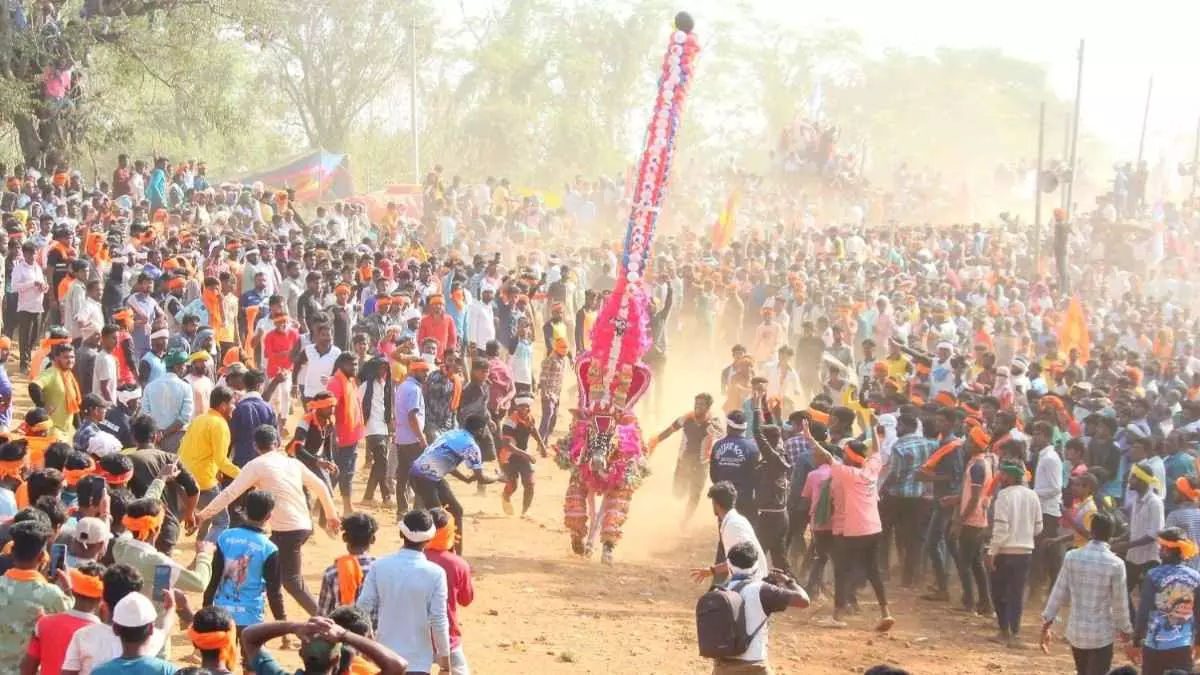
Haveri district witnessed a tragic turn during the Deepavali festivities as three people lost their lives in incidents related to Kobri Hori celebrations. Authorities reported that a combination of crowd mismanagement, mishandling of explosives, and local disputes escalated into fatal outcomes. The incidents occurred across different locations in the district, raising concerns about safety protocols during festive events. Families of the deceased have been left devastated, and district officials have pledged to provide immediate assistance. Local authorities have also launched investigations into whether negligence or unlawful practices contributed to the deadly occurrences.

Eyewitnesses described chaotic scenes during the fatal events, noting that initial excitement quickly turned into panic as explosions occurred unexpectedly. Many residents ran to safety while others tried to assist those injured. Several bystanders reported hearing loud blasts and seeing smoke rise from multiple locations, heightening confusion. Police and first responders had to navigate dense crowds to reach victims, highlighting the challenges of managing public safety in traditional celebrations. Officials emphasized that crowd control measures and public awareness could have significantly mitigated the impact, reinforcing the need for proactive planning during high-risk festive events.

Community members expressed deep sorrow over the loss of life, with local leaders organizing condolence meetings and memorial gatherings. Families of the deceased received immediate support from authorities, including financial aid, counseling, and assistance in completing legal and administrative procedures. Religious and civic leaders called for responsible celebration practices to prevent further tragedies, emphasizing that cultural festivities should never compromise human safety. The incidents have sparked a broader conversation within the district about modernizing traditional practices and educating participants on the risks associated with unauthorized explosives and large public gatherings.

Police and fire department officials highlighted the importance of preparedness and quick response in reducing fatalities and injuries. They noted that coordination between medical teams, law enforcement, and volunteers was critical in reaching victims promptly. Emergency protocols, including the strategic placement of ambulances and first aid stations, helped manage the situation despite the chaos. Authorities stated that continuous training and simulation exercises for high-risk events, coupled with public compliance, are essential to preventing such incidents in the future, particularly during festivals involving pyrotechnics and large crowds.

Local authorities have announced plans to review existing safety regulations and implement stricter controls for future Deepavali celebrations. Measures include designated zones for Kobri Hori, mandatory permits for fireworks, and increased public awareness campaigns targeting participants of all ages. Officials also plan to collaborate with schools, cultural organizations, and community groups to educate residents about the dangers of homemade explosives and unsafe crowd practices. The objective is to preserve the cultural essence of the festival while ensuring that public safety remains paramount, preventing further tragedies and promoting responsible celebrations in Haveri and surrounding districts.

Witnesses described chaotic scenes as celebrations escalated with the use of improvised explosive devices, commonly known as Kobri Hori. Residents reported panic, stampedes, and injuries before emergency services could respond. Police and medical teams were deployed immediately, but the intensity of the events made it difficult to control crowds and prevent casualties. Local officials emphasized that while the festival is traditionally marked by fireworks and gatherings, strict adherence to safety guidelines is critical to prevent such tragedies, highlighting a growing concern about public awareness and enforcement of regulations during major festivities.

The deceased included two men and one woman, aged between 25 and 45, who were participating in or nearby the Kobri Hori events. Authorities confirmed that investigations are underway to determine the precise sequence of events and whether explosives were handled in compliance with legal safety standards. Family members expressed grief and outrage, demanding stricter regulation and accountability. Police assured the public that those responsible for any negligence or unlawful activities leading to the fatalities would face prosecution under relevant provisions of Indian law, including those covering dangerous acts causing death.Bull Taming Tragedy: Three Killed in Haveri District Events


Investigation and Safety Measures

District officials convened an emergency meeting to assess festival safety protocols and prevent further incidents. Police, fire departments, and medical services reviewed existing measures and identified gaps in crowd control, warning systems, and first aid availability. Authorities emphasized that coordination between local administration, event organizers, and community leaders is crucial for managing public safety during high-risk celebrations involving explosives. Recommendations include designated safe zones, professional handling of pyrotechnics, and real-time monitoring of large gatherings to reduce potential hazards.

Medical teams and hospitals reported treating over a dozen injured individuals, primarily for burns, lacerations, and minor trauma. Officials urged victims to seek immediate care, highlighting the importance of timely medical intervention in preventing fatalities. Ambulances and emergency response units were strategically deployed across major event locations to reduce response times. Authorities also instructed local residents to avoid congregating near high-risk zones and to follow guidelines issued by district officials, stressing that public cooperation is key to ensuring safe celebrations.

Police have registered cases under sections related to negligent conduct, unlawful possession of explosives, and causing death by negligence. Investigators are collecting witness statements, CCTV footage, and other evidence to reconstruct the chain of events leading to the fatalities. Authorities have also seized materials suspected to be used in illegal fireworks and Kobri Hori devices for further examination. Legal experts note that such cases can result in strict penalties for organizers or individuals found responsible, serving as a deterrent against unsafe practices during festivals.

Community leaders have expressed concern over the increasing use of homemade and unregulated explosives during traditional celebrations. Many emphasized the need for public awareness campaigns and stricter enforcement of safety regulations. Officials announced plans to conduct workshops and outreach programs to educate residents about risks associated with Kobri Hori and other fireworks. They stressed that the festival’s cultural significance should not override the importance of public safety, advocating for responsible celebrations that minimize the risk of accidents and fatalities.


Public Reaction and Community Grief

Local residents gathered at the sites of the incidents to offer condolences and support to grieving families. Emotional appeals for stricter regulation and enforcement echoed across social media and community forums. Religious and community leaders urged calm and emphasized adherence to safety norms in ongoing Deepavali celebrations. Authorities worked to reassure the public that thorough investigations were underway and that lessons would be learned to prevent recurrence, seeking to restore confidence in festival management and community safety.

Schools and colleges in the district observed temporary closures or implemented safety advisories to ensure student protection. Authorities requested educational institutions to conduct awareness sessions on festival safety, stressing the dangers of unauthorized fireworks and crowd mismanagement. Parents were advised to supervise children and avoid high-risk areas during peak festivities. Such measures aim to reduce potential injuries and instill a culture of responsible participation in traditional events, emphasizing that vigilance and education are crucial for safeguarding lives during celebratory occasions.Three men killed in separate bull-related incidents during festival events  in Haveri

Local hospitals commended first responders for their swift action, noting that rapid intervention helped save multiple lives. Burn units and trauma centers were placed on high alert, coordinating with district authorities to ensure resource availability. Medical teams highlighted the importance of pre-planned emergency protocols and community cooperation in reducing the severity of injuries. Officials stressed that preparedness, public awareness, and professional oversight are indispensable in preventing tragedies during events involving hazardous materials like Kobri Hori.

Authorities indicated that enforcement of fireworks regulations will be strengthened for the remainder of the Deepavali period. Police conducted inspections of vendors, seized unauthorized pyrotechnics, and reminded residents of the legal consequences for violating safety laws. Officials emphasized that safe disposal and professional handling of fireworks are essential to protect both participants and bystanders. They also noted that ongoing monitoring and proactive action are critical to maintaining public trust and preventing future accidents, particularly during high-traffic celebrations.


Cultural Context and the Need for Reform

While Kobri Hori is a traditional aspect of Deepavali in Haveri, experts stressed the need to adapt cultural practices to modern safety standards. Authorities and cultural commentators highlighted that balancing tradition with safety is crucial to preserving festivals while protecting lives. Workshops and training sessions for communities on safe handling of fireworks and alternatives to high-risk practices were suggested. Public education campaigns, combined with regulatory oversight, are expected to reduce fatalities while maintaining the cultural vibrancy of local celebrations.

Officials acknowledged that many families and communities continue to use home-made explosives without understanding the risks. They emphasized the importance of structured awareness campaigns in schools, workplaces, and community centers. Police also encouraged the public to report illegal fireworks activities, ensuring enforcement is both proactive and community-supported. The district administration plans to implement stricter permits and designated safe zones for Kobri Hori, aiming to reduce the likelihood of casualties in future celebrations while respecting cultural traditions.

Cultural and civic organizations have offered support to the bereaved families, providing financial and emotional assistance. Officials praised such community efforts, noting that social support systems are essential in the aftermath of tragedies. The incidents have sparked dialogue about integrating safety education into traditional celebrations, ensuring that future festivities can honor cultural heritage without endangering lives. Experts emphasized that collective responsibility between authorities, organizers, and participants is necessary for sustainable and safe festival practices.ದೀಪಾವಳಿಯ ಹೋರಿ ಹಬ್ಬ: ಹಾವೇರಿ ಜಿಲ್ಲೆಯಲ್ಲಿ ಮೂವರು ಬಲಿ
Law enforcement agencies have vowed to maintain heightened vigilance in Haveri during the remainder of Deepavali. Special teams are being deployed to monitor high-risk areas and prevent unlawful use of fireworks. Police stressed that lessons from these incidents would inform future safety protocols and regulatory frameworks. Authorities called upon residents to prioritize safety, cooperate with officials, and ensure that cultural celebrations remain joyous, memorable, and free from preventable tragedies, highlighting a shared responsibility in preserving life and tradition.

Follow: Karnataka Government

Also read: Home | Channel 6 Network – Latest News, Breaking Updates: Politics, Business, Tech & More
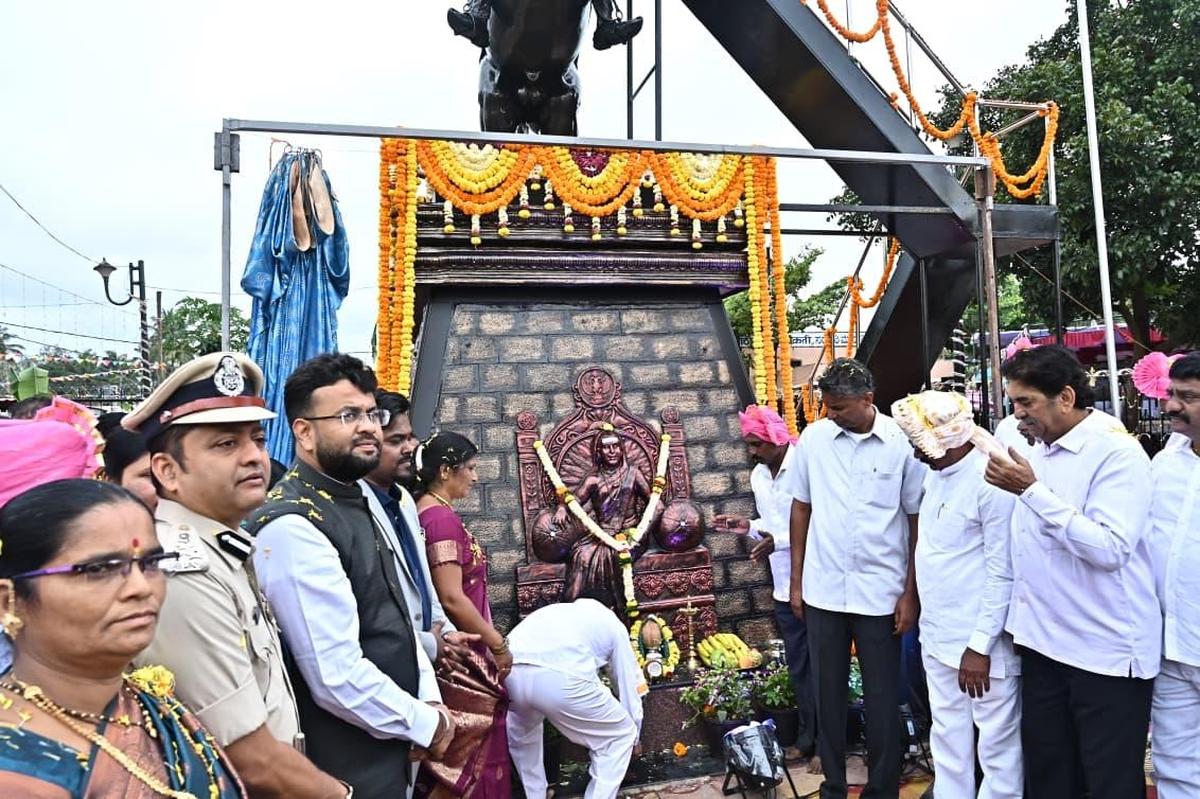
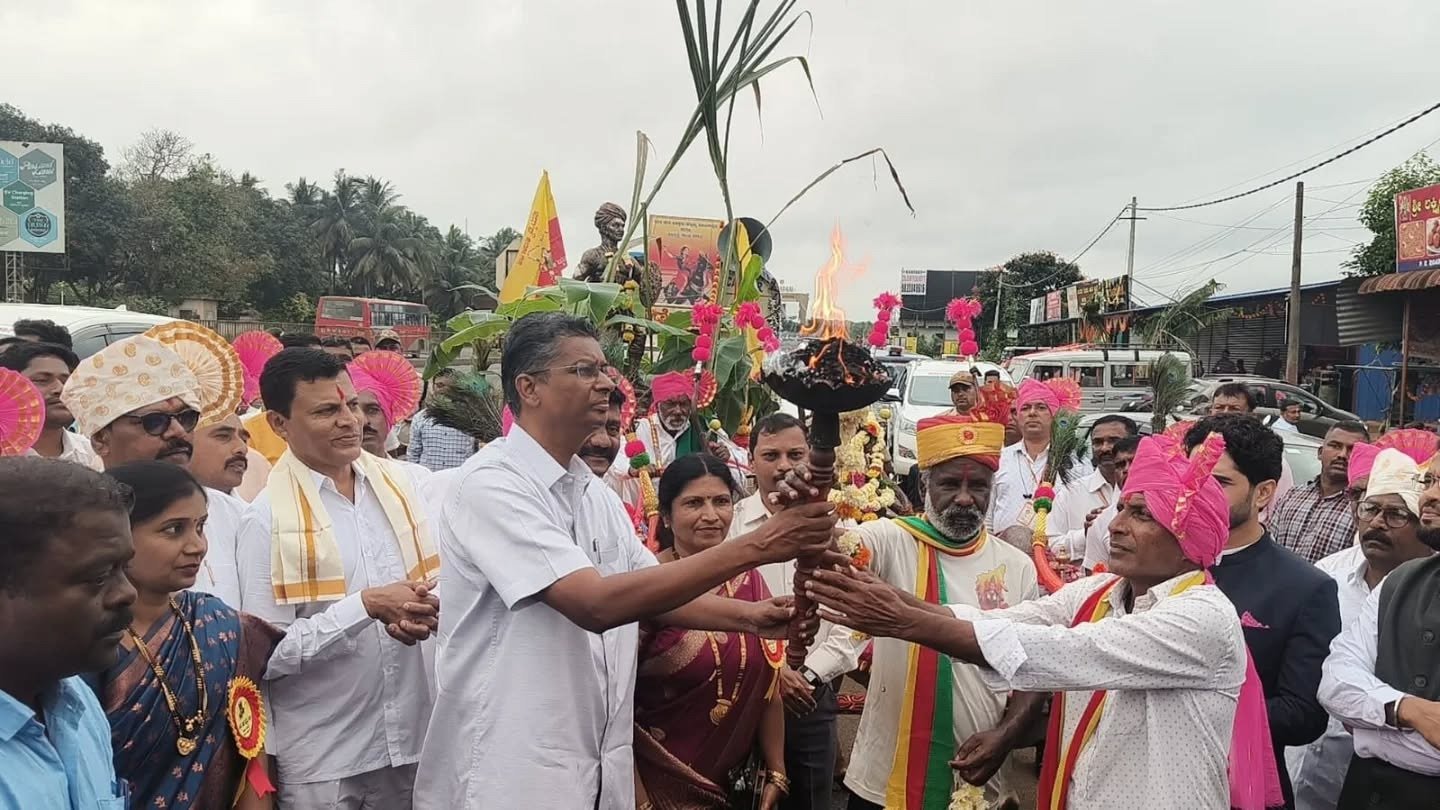
Historic Celebration: 5 Days of Kittur Utsav Ignite Pride in Kakati

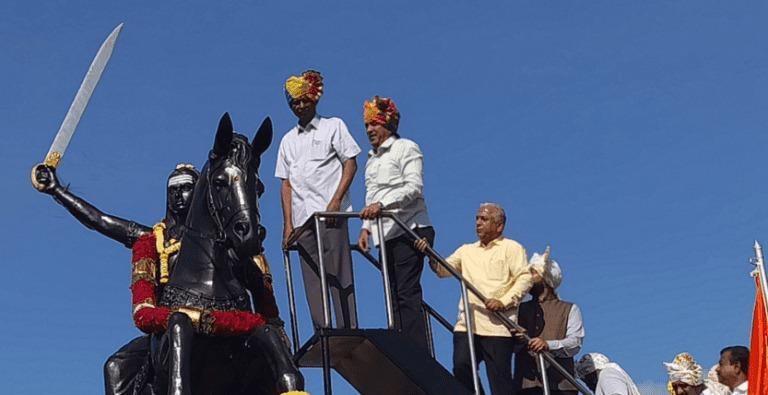
The historic Kittur Utsav was inaugurated in Kakati, Kittur, with a grand ceremony that drew thousands of locals, tourists, and dignitaries. The five-day festival, celebrating the legacy of Rani Chennamma and the valor of Kittur warriors, commenced with traditional rituals, cultural performances, and a ceremonial flag hoisting. District officials and local representatives highlighted the festival’s significance in preserving Karnataka’s rich historical heritage. Attendees witnessed a blend of devotion, patriotism, and cultural pride as the town of Kakati transformed into a hub of festivities, drawing history enthusiasts, students, and artisans from across the state.

The inauguration saw performances by folk artists showcasing Yakshagana, Dollu Kunitha, and other traditional art forms. School children participated in fancy dress competitions, dramatizing episodes from Kittur’s past. Local authorities emphasized that the festival aims not only to commemorate historical valor but also to promote cultural tourism, offering artisans and performers an opportunity to showcase regional crafts. The five-day schedule includes processions, exhibitions, and competitions, creating a lively atmosphere and reinforcing the community’s connection to its historical roots.

The festival’s second day featured a vibrant procession through the town, with participants dressed as historical figures from Kittur’s past. Spectators lined the streets, cheering as performers enacted scenes of valor and leadership led by Rani Chennamma. Local schools and youth groups joined the parade, showcasing handmade banners, folk dances, and musical performances. Organizers noted that such interactive events help connect history with the community, making lessons about bravery and leadership accessible to all ages. Officials emphasized that public participation is key to keeping heritage alive, fostering pride and collective memory within the town and surrounding districts.

Art and craft workshops attracted large crowds, particularly students eager to learn traditional techniques in weaving, pottery, and folk painting. Master artisans demonstrated intricate designs, explaining their historical significance and methods. Attendees were allowed to create their own pieces under guidance, combining hands-on learning with cultural appreciation. Organizers highlighted that these workshops not only preserve traditional knowledge but also provide practical skills that can support livelihoods. Participants expressed excitement at the opportunity to engage with living traditions, emphasizing the value of preserving crafts while encouraging creative expression among younger generations.

Food and cultural stalls also played a major role in engaging visitors during the festival. Traditional dishes from the region were prepared and served, giving attendees a taste of Karnataka’s culinary heritage. Folk performances, including drumming, singing, and storytelling, accompanied the food stalls, creating a lively, festive atmosphere. Officials emphasized that integrating cuisine, art, and performance ensures a holistic cultural experience. Local vendors reported a surge in sales, highlighting the festival’s economic as well as cultural impact. Organizers noted that such initiatives help sustain local traditions while offering visitors an immersive, educational, and enjoyable experience.

As the festival progressed, local historians conducted guided tours of key historical landmarks in Kittur, including forts, memorials, and the palace complex associated with Rani Chennamma. Tour participants, ranging from students to tourists, learned about strategic battles, architectural features, and the socio-political significance of the sites. The tours emphasized both historical knowledge and the importance of preservation, inspiring attendees to take active interest in heritage conservation. Authorities plan to make these tours a permanent feature of the festival, providing year-round educational engagement and promoting Kittur as a center for heritage tourism in Karnataka.

The festival also featured a special exhibition dedicated to Kittur Rani Chennamma, highlighting her resistance against colonial forces. Archival photographs, sculptures, and artifacts were displayed, drawing attention from historians and students alike. Officials noted that such displays are crucial for educating younger generations about Karnataka’s history and inspiring civic pride. The exhibition, alongside live performances and traditional rituals, created an immersive experience, blending education, culture, and entertainment for the attendees.


Cultural Revival and Community Engagement

The Kittur Utsav has become a focal point for reviving and preserving folk traditions that are gradually fading in modern society. Local cultural organizations, alongside government departments, collaborated to organize workshops on traditional music, dance, and handicrafts. Artisans set up stalls offering handcrafted jewelry, textiles, and pottery, providing visitors an opportunity to engage directly with Karnataka’s vibrant craft heritage. Officials emphasized that supporting local artisans through such festivals contributes to the preservation of culture while promoting sustainable livelihoods.

Youth participation was one of the highlights of the festival. College and school students actively engaged in organizing events, performing in cultural shows, and guiding visitors. Educational institutions collaborated with the festival committee to conduct quiz competitions and storytelling sessions about Rani Chennamma and the historical significance of Kittur. These initiatives aimed to foster a sense of pride and awareness among younger generations, ensuring that the legacy of the town remains alive and relevant in contemporary society.Kittur Utsav inaugurated in Kakati, Kittur - The Hindu

The festival’s opening ceremony also included speeches by historians, cultural scholars, and government representatives. They highlighted the strategic importance of Kittur in Karnataka’s history and emphasized the need for preserving such historical sites. The speeches reflected on the bravery of Rani Chennamma and her efforts to uphold sovereignty against colonial forces. Officials stated that the festival serves as both a tribute to past heroes and a platform for cultural education, instilling respect for history among attendees of all ages.

Organizers ensured that the festival was accessible to all, with arrangements for senior citizens, differently-abled individuals, and families with children. Volunteers guided visitors, managed crowd flow, and assisted in scheduling events. Security arrangements were enhanced to ensure a smooth and safe experience. Additionally, local healthcare units were stationed on-site to provide immediate assistance if required. Authorities emphasized that inclusive planning is essential for creating a festival that resonates with the entire community.

Tourists visiting Kakati during the festival expressed enthusiasm for the vibrant cultural displays and historical exhibitions. Many remarked that the combination of performances, exhibitions, and workshops offered a unique opportunity to engage with Karnataka’s heritage. Visitors from neighboring districts noted that such festivals not only entertain but also educate, fostering an appreciation of history, arts, and community values. Local hotels and eateries reported increased business, reflecting the festival’s positive impact on regional tourism and the economy.


Education, Tourism, and Heritage Promotion

The Kittur Utsav also included heritage walks guided by local historians, providing participants with in-depth insights into the town’s landmarks, forts, and memorials associated with Rani Chennamma. These walks attracted students, history enthusiasts, and researchers eager to explore historical sites firsthand. Authorities stressed that heritage tourism initiatives like these foster awareness while generating revenue that can be reinvested into preserving monuments and cultural infrastructure, ensuring that history remains tangible and accessible for future generations.

Local schools and colleges actively participated in art and craft competitions themed around Karnataka’s history. Children created paintings, models, and craftwork representing scenes from Kittur’s past. Organizers highlighted that such activities cultivate creativity while reinforcing historical knowledge, blending learning with enjoyment. Teachers and parents appreciated the festival for encouraging practical engagement with history, rather than limiting education to textbooks, creating memorable experiences for young learners.Kittur Utsav inaugurated in Kakati, Kittur - The Hindu

Food festivals were another key feature of Kittur Utsav, showcasing traditional Karnataka cuisine. Visitors enjoyed regional delicacies prepared by local families and culinary groups. These culinary exhibits not only delighted attendees but also highlighted the cultural diversity within Karnataka’s cuisine. Organizers emphasized that integrating food, craft, and performance under one festival umbrella provides a holistic cultural experience that celebrates all aspects of regional identity.

The festival also witnessed a significant online presence, with live streaming of key events and performances. This initiative allowed people unable to travel to Kakati to witness the celebrations virtually. Social media engagement enhanced public awareness and participation, encouraging younger audiences to connect with history through digital platforms. Officials noted that combining traditional festivals with modern technology ensures broader reach and strengthens cultural visibility at state and national levels.

Officials and organizers highlighted the importance of community involvement in the festival’s planning and execution. Local committees, volunteers, and cultural groups played crucial roles in coordinating logistics, managing events, and promoting participation. This collaborative approach not only ensured smooth execution but also strengthened community bonds, instilling a sense of ownership and pride among residents. Authorities emphasized that Kittur Utsav serves as a model for participatory cultural celebrations that honor heritage while fostering unity.

Local historians emphasized that festivals like Kittur Utsav are vital for sustaining regional identity in an era of globalization. The celebration of historical figures, traditional arts, and local customs fosters a sense of belonging and pride among residents. By integrating historical education with entertainment, the festival ensures that cultural knowledge is passed on effectively. Authorities expressed hope that the event would inspire similar initiatives in other districts, promoting cultural preservation across Karnataka.


Legacy, Pride, and Future Plans

The Kittur Utsav concluded with a ceremonial procession retracing key historical events associated with Rani Chennamma’s resistance. Performers dressed in period attire dramatized pivotal moments, bringing history alive for spectators. Organizers noted that such processions help contextualize historical knowledge, making it accessible to both young and older audiences. The event also included a felicitation ceremony for artisans, students, and volunteers who contributed significantly to the festival’s success, recognizing their role in keeping tradition vibrant.

Officials announced plans to expand the festival in coming years, introducing workshops on traditional music, dance, and local history. They aim to invite scholars and cultural enthusiasts from across India to participate, fostering wider recognition of Kittur’s heritage. Proposed initiatives include collaborative projects with schools and universities, training programs for artisans, and research scholarships focused on Karnataka’s historical sites. Authorities emphasized that these steps would ensure the festival evolves as both a cultural celebration and an educational platform.

Tourism departments highlighted the economic benefits of Kittur Utsav, noting increased occupancy in local hotels, higher footfall in markets, and growing interest in regional crafts. Artisans reported a surge in sales of handcrafted items, textiles, and souvenirs. Officials emphasized that promoting heritage-based tourism not only preserves culture but also generates sustainable livelihoods for local communities. They reiterated that such initiatives must be planned thoughtfully to balance commercial benefits with conservation of historical sites.Kittur Utsav 2025 Celebrations Kick Off at Kakati, Belagavi

As the curtains fell on the first day of the festival, residents and visitors alike expressed a sense of pride and cultural fulfillment. The Kittur Utsav, through its combination of history, art, education, and community participation, has emerged as a significant annual event in Karnataka. Authorities emphasized that the festival serves as both a tribute to Rani Chennamma’s enduring legacy and a platform for fostering civic engagement, cultural pride, and heritage appreciation, ensuring that the spirit of Kittur remains alive for generations to come.

Follow: Karnataka Government

Also read: Home | Channel 6 Network – Latest News, Breaking Updates: Politics, Business, Tech & More
Defence Procurement Manual 2025: Revolutionary Changes Transform India’s Military Acquisition

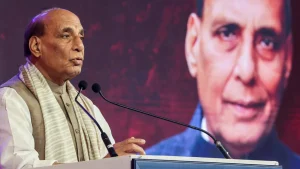
The Defence Procurement Manual 2025 represents a transformative milestone in India’s defence acquisition framework, as it was officially released by Defence Minister Rajnath Singh and will become effective from November 1, 2025. This comprehensive revision arrives after sixteen years, replacing the outdated 2009 manual with a modernised framework designed to address contemporary defence challenges. The Defence Procurement Manual 2025 governs revenue procurement worth approximately ₹1 lakh crore annually for acquiring goods and services essential for daily operations, maintenance, and readiness of all Defence Services and Ministry of Defence establishments. The political-administrative significance of this policy reform cannot be overstated, as it fundamentally restructures how India’s armed forces procure operational necessities while advancing the nation’s self-reliance agenda in defence manufacturing.

Defence Procurement Manual 2025Also Read: Defence Procurement Manual 2025

Other: Trump Russia Sanctions

Understanding the Scope and Purpose

The Defence Procurement Manual establishes comprehensive rules for acquiring goods and services needed for daily operations, maintenance, and readiness of all Defence Services and Ministry establishments, distinct from the Defence Acquisition Procedure, which governs capital acquisitions. While capital procurement addresses major platforms like fighter aircraft and naval vessels, the Defence Procurement Manual 2025 focuses on sustenance requirements, including ammunition, spare parts, fuel, clothing, repair services, and logistical support that keep military operations functioning efficiently.

The manual aims to foster jointness among the three Services, maintain the highest level of military preparedness through expeditious decision-making, ensure the timely availability of requisite resources to the armed forces at appropriate cost, and leverage the potential of the domestic defence market by ensuring active participation of private players, MSMEs, and Defence Public Sector Undertakings. This comprehensive approach addresses both operational efficiency and strategic autonomy simultaneously.

Key Structural Reforms and Innovations

The Defence Procurement Manual 2025 has been organised into two volumes, with Volume I containing fourteen chapters, including three entirely new chapters dedicated to Promoting Self-reliance through Innovation and Indigenisation, Information and Communication Technology Procurement, and Consultancy and Non-Consultancy Services, while Volume II contains all forms, appendices, and government orders. This structural reorganisation reflects a strategic shift toward comprehensive policy integration.

The decentralisation of procurement authority represents one of the most significant administrative reforms. Key decision-makers designated as Competent Financial Authorities have been granted expanded autonomy to approve purchases, extend deadlines, and make procurement decisions without waiting for clearance from higher-ups. This delegation of power to field-level authorities promises to dramatically reduce procurement timelines and eliminate bureaucratic bottlenecks that have historically plagued defence acquisitions.

Promoting Indigenous Defence Manufacturing

The Defence Procurement Manual 2025 places unprecedented emphasis on indigenisation and self-reliance. A transformative reform involves abolishing the requirement for No Objection Certificates from Defence Public Sector Undertakings before issuing open tenders, ensuring fair competition and creating a level playing field for private sector participants. This elimination of the NOC requirement dismantles a significant barrier that previously favoured DPSUs and restricted market competition.

latest current affairs 2025 09 15T212134.344To facilitate industry participation, the manual offers guaranteed orders for up to five years with potential extensions to ten years in special circumstances, introduces handholding measures where the Armed Forces assist companies by sharing technical knowledge and existing equipment, and significantly relaxes penalties during development stages. These provisions specifically address working capital challenges and risk concerns that have deterred private sector investment in defence manufacturing.

Penalty Reforms and Industry-Friendly Provisions

The Defence Procurement Manual 2025 implements substantial relaxation of liquidated damages, capping maximum penalties at 10 per cent only in cases of inordinate delay, while indigenisation projects receive exceptional treatment with only 0.1 per cent penalty per week instead of the standard 0.5 per cent applicable in other cases. This graduated penalty structure explicitly incentivises domestic development and acknowledges the inherent uncertainties in indigenous innovation.

During the design and prototyping phase, no penalties will be levied, and even post-development, penalties remain minimal at 0.1 per cent, with maximum penalties reduced to per cent and a 10 per cent cap reserved only for cases involving significant delays. These provisions recognise that innovation involves risk and that punitive measures should not discourage genuine attempts at indigenous development.

Strategic Alignment and Modernisation

The Defence Procurement Manual 2025 has been specifically aligned with updated provisions of the Ministry of Finance’s Manual for Procurement of Goods to ensure fairness, transparency, and accountability while incorporating greater use of technology in procurement processes. This synchronisation with central government procurement standards establishes uniform practices across ministries while maintaining defence-specific requirements.

The manual addresses the requirements of modern warfare by enabling faster procurement cycles and facilitating access to emerging technologies through streamlined procedures and enhanced industry collaboration. In an era where technological superiority increasingly determines military effectiveness, these provisions ensure that procurement systems do not become obstacles to capability enhancement.

Implementation Timeline and Transition Provisions

All cases where Requests for Proposal have already been issued or will be issued up to October 31, 2025, will continue to be governed by provisions of DPM 2009 as amended, while cases where an RFP was issued in the past but has been retracted and needs reissuing on or after November 1, 2025, will be governed by DPM 2025 provisions. This transitional framework balances continuity for ongoing procurements with progressive adoption of new procedures.

DPM 2025 ApprovalSupporting Ecosystem and Innovation Initiatives

The Defence Procurement Manual 2025 operates within a broader ecosystem of indigenisation initiatives. The Innovations for Defence Excellence scheme, launched in 201,8, engages startups and MSMEs by providing grants up to ₹25 crore under the ADITI sub-scheme, resulting in more than 430 contracts and procurement of 43 items worth ₹2,400 crore. These complementary programs create a comprehensive support structure for defence innovation.

The SRIJAN Portal, launched in 202,0, lists imported items for indigenisation with more than 38,000 items uploaded and over 14,000 already indigenised, while five Positive Indigenisation Lists issued between 2020 and 2025 cover over 5,500 items of which more than 3,000 have been indigenised. This systematic approach to import substitution demonstrates committed institutional support for domestic manufacturing capabilities.

Challenges and Implementation Considerations

Despite widespread recognition as positive reform, implementation faces potential challenges, including the necessity for cultural shifts in traditionally compliance-heavy procurement organisations where risk-averse habits must be overcome through structured training. Behavioural transformation in bureaucratic institutions requires sustained leadership commitment and institutional incentive restructuring.

Implementation could encounter difficulties if the domestic industry proves unable to meet the technical requirements or quality standards of the armed forces, necessitating handholding by the Services and government incentives to ensure the industry rises to these challenges. The success of indigenisation ultimately depends on genuine industrial capability development rather than merely preferential procurement policies.

DPMConclusion: Transformative Potential for National Security

The Defence Procurement Manual 2025 represents far more than administrative refinement; it constitutes a strategic reorientation of India’s defence acquisition philosophy. By simultaneously addressing procurement efficiency, indigenous capability development, and operational readiness, the manual establishes an integrated framework for building a self-reliant and responsive defence ecosystem. As modern warfare becomes increasingly fast-paced and technology-driven, the Defence Procurement Manual 2025 provides a strong foundation for ensuring India’s Armed Forces remain equipped, efficient, and future-ready. The ultimate success of this transformative initiative will depend on consistent implementation, sustained political commitment, and the domestic industry’s capacity to deliver quality products that meet stringent military specifications. The Defence Procurement Manual 2025 has established the policy framework; translating this potential into operational reality remains the critical challenge ahead.

Gambling Crackdown: 7 Arrested and ₹42,000 Seized in Kalaburagi Raid

In a significant crackdown on illegal gambling activities, Kalaburagi police, in coordination with the Crime Control Branch (CCB), arrested seven individuals, including Divya Hagaragi, during a well-planned raid at a private residence. Authorities seized ₹42,000 in cash, suspected to be proceeds from ongoing gambling operations. The arrests follow several intelligence inputs regarding clandestine betting networks operating in the city, targeting both local residents and visitors. Officials confirmed that the suspects were actively engaged in games of chance, violating the Karnataka Police Act and other relevant provisions of the law governing gambling and financial offences.

The operation, conducted late at night to prevent public interference, involved multiple teams strategically positioned to secure the premises. Investigators reportedly intercepted betting slips, electronic devices, and cash counted in bundles, which were immediately taken into evidence. The CCB, which specializes in curbing organized crime, emphasized that the raid was part of an ongoing effort to dismantle underground gambling rings in the district. Police sources noted that the seized cash and equipment would be examined for links to broader networks and to trace patterns of illegal betting transactions across the region.

Divya Hagaragi, identified as one of the key facilitators, has a history of minor offences linked to unregulated gaming. According to police reports, she allegedly coordinated the logistics for participants and managed the financial records of the operation. The remaining six arrested individuals were reportedly involved as operatives and participants, including middlemen who helped attract players through word-of-mouth referrals. Authorities believe the suspects had been running the operation for several months and may have collaborated with other gambling networks in neighboring districts.

Residents in Kalaburagi have expressed a mixture of relief and curiosity following the high-profile arrests. Many locals stated that gambling, while often considered a private activity, had created tension in neighborhoods due to noise, disputes, and the presence of unknown outsiders. Some families admitted that young adults in the community were particularly vulnerable, sometimes being lured by promises of quick gains. Community leaders emphasized the need for ongoing vigilance and collaboration with authorities to ensure such clandestine operations do not recur, reinforcing the idea that public awareness is as critical as law enforcement in combating illegal gambling.

Social workers highlighted the psychological and financial impact of underground gambling on participants. Addiction, debt, and strained family relationships are common consequences that remain hidden until law enforcement intervenes. Experts argue that arrests alone cannot address these long-term effects; they stress the importance of counseling services and rehabilitation programs for those affected. Authorities have reportedly begun assessing the need for community-based support initiatives aimed at reducing gambling dependency and guiding individuals toward legal avenues for entertainment and income generation.

Local business owners and vendors also reacted to the crackdown, noting that while gambling generated illicit cash flow in certain quarters, it often undermined legitimate economic activity. The presence of underground betting networks sometimes discouraged responsible social spending and created fear of petty crimes in surrounding areas. By disrupting the operation, authorities have effectively removed an element that negatively impacted the local economy. Officials believe that maintaining a safe environment encourages broader participation in lawful business and community activities, which indirectly strengthens neighborhood cohesion and financial stability.

Legal experts analyzing the case have underscored the significance of the evidence seized during the raid. Cash, betting slips, and digital devices will form the basis for prosecution and may reveal connections to larger networks, potentially extending beyond Kalaburagi. These findings are crucial for demonstrating intent and systematic involvement in gambling, which can result in stiffer penalties. Observers note that in India, successful prosecution in such cases is often challenging, making thorough documentation and investigative rigor key to ensuring that justice is both swift and sustainable.Kalaburagi: Divya Hagaragi among seven arrested by CCB for gambling, ₹42,000  cash seized in raid - The Hindu

Psychologists and sociologists note that gambling often thrives in contexts where social pressures and financial aspirations intersect. They suggest that community education campaigns emphasizing responsible financial planning, awareness of legal consequences, and social support can reduce the demand side of illicit gaming. Officials in Kalaburagi are reportedly collaborating with NGOs and educational institutions to design targeted awareness programs for youth, emphasizing that participating in illegal gambling exposes individuals to legal risk and long-term socio-economic harm.

Police officials involved in the operation emphasized the role of intelligence in modern law enforcement. Covert monitoring, informant networks, and data-driven analysis allowed authorities to identify and act on the illicit operation efficiently. They noted that similar tactics could be employed in other districts to combat organized crime and underground activities. Officers also encouraged citizens to come forward with information about suspicious gatherings, highlighting the shared responsibility between communities and law enforcement in creating safe and lawful urban spaces.

Experts believe that the raid in Kalaburagi could serve as a model for similar operations across Karnataka. Coordinated action between the CCB, local police, and intelligence units demonstrates that targeted interventions, combined with community awareness, can successfully dismantle underground networks. They emphasized that continuous follow-up, surveillance, and legal prosecution are necessary to ensure that arrests have a lasting deterrent effect, rather than simply being an isolated action. This multi-pronged approach reflects modern strategies in tackling organized and clandestine crime.

Finally, the broader social lesson emerging from the Kalaburagi raid is the importance of vigilance and collective responsibility. Illegal gambling may appear localized or trivial, but its ripple effects touch families, communities, and local economies. The arrests of Divya Hagaragi and her associates highlight that law enforcement, when guided by intelligence and supported by public cooperation, can act decisively against illicit operations. As investigations continue and prosecutions proceed, the raid stands as a reminder that organized crime, even in seemingly minor forms, will not be tolerated, sending a strong message to communities across the state.


Coordinated Efforts and Legal Procedures

The CCB’s raid was carefully coordinated with local police to ensure procedural compliance and safety. Teams were assigned to secure the perimeter, handle suspects, and document evidence. Officers wore body cameras to ensure transparency during the operation, and all confiscated items were immediately logged in official inventories. Senior officials explained that coordinated raids like these help prevent the rapid dispersal of suspects and destruction of evidence, which often hampers prosecutions. The operation demonstrates the increasing emphasis on proactive intelligence-led policing to tackle organized illicit activities in urban and semi-urban areas.

Officials emphasized that gambling, though often perceived as a recreational activity, carries significant socio-economic risks. Illegal betting and games of chance can lead to financial losses, addiction, and criminal entanglements. Karnataka law strictly prohibits such operations without proper licensing, and violations attract both imprisonment and heavy fines. Authorities have warned the public against engaging with underground gambling networks, urging citizens to report suspicious activities through designated helplines or local police stations. The CCB plans to intensify monitoring in the city following this raid.Kalaburagi: Divya Hagaragi among seven arrested by CCB for gambling, ₹42,000  cash seized in raid - The Hindu

According to police, the arrested individuals will face charges under multiple sections of the Karnataka Police Act, including illegal gaming and possession of proceeds from unlawful activities. Investigation officers will also scrutinize digital devices and communication logs seized during the raid to uncover any links to larger networks or online gambling platforms. Authorities noted that the operation could potentially reveal organized rings operating across district borders, indicating a more systemic approach to gambling than previously assumed.


Community Concerns and Awareness Initiatives

Residents of the area expressed relief following the arrests, citing concerns about gambling-induced tensions and local disturbances. Many welcomed the police action as a step toward reclaiming neighborhood safety. Social workers and community organizations have been advocating for increased awareness about the risks of illegal gambling, particularly among youth. Officials echoed these concerns, stating that combating gambling requires both enforcement and education to prevent vulnerable individuals from falling prey to such illicit activities.

The CCB has announced plans to organize workshops and awareness campaigns highlighting the legal and social implications of gambling. These sessions are expected to target schools, colleges, and community centers to educate citizens about the penalties associated with illegal betting and the broader consequences for families and communities. Officers emphasized that early intervention and awareness can significantly reduce the incidence of such offences, complementing strict law enforcement measures.

Authorities highlighted that advances in technology have made illegal gambling networks more difficult to track. Mobile apps, encrypted messaging, and online payment platforms allow operators to conceal transactions and maintain anonymity. The Kalaburagi raid underscores the need for sophisticated surveillance, intelligence gathering, and inter-agency cooperation to tackle modern-day illicit operations. Police also urged the public to remain vigilant and report suspicious gatherings or unlicensed betting activities in their neighborhoods.

Legal experts suggest that swift prosecution is critical to sending a clear deterrent message. Delays in trials often embolden operators, allowing gambling networks to proliferate. Courts in Karnataka have previously reinforced the state’s commitment to curbing illegal gambling, handing down significant penalties to repeat offenders. Authorities stressed that following arrest, the suspects would be presented before a magistrate for remand and further investigation, in line with due process under Indian law.

The seizure of ₹42,000 in cash is significant not only for its monetary value but also as evidence of the scale of operations. Police believe this sum represents only a fraction of the proceeds, with additional funds likely being circulated through informal channels. Investigators are tracking transactions, including online remittances and local transfers, to determine the extent of financial networks connected to the suspects. Experts note that dismantling such systems requires persistent follow-up beyond the initial raid.

Social activists argue that gambling often exploits economically vulnerable populations, who may see participation as an opportunity to supplement income despite the risks. Authorities echoed these concerns, noting that targeted awareness campaigns could help curb demand, in addition to reducing supply through law enforcement. Community support, they emphasized, is essential in reporting illicit operations and protecting at-risk individuals from falling victim to criminal elements.PSI Recruitment Scam: Key accused Divya Hagaragi arrested | Bengaluru


Looking Ahead: Policy and Enforcement

The Kalaburagi raid is expected to catalyze stronger enforcement across the district and neighboring regions. Police officials indicated that intelligence teams will continue to monitor hotspots and track emerging gambling hubs. The CCB plans to coordinate with state-level authorities to map illegal gaming patterns and identify repeat offenders. Such measures, officers contend, are crucial to dismantling organized operations that often evade detection through mobility and covert communication.

Experts believe that public awareness, coupled with consistent law enforcement, can gradually reduce the prevalence of illegal gambling. Policy makers have been encouraged to introduce stricter monitoring of financial transactions associated with high-risk activities, implement mandatory reporting requirements for suspicious gatherings, and facilitate community-based reporting mechanisms. In addition, integrating modern technology, such as real-time tracking and data analytics, is seen as a vital step in preempting future gambling operations.

The arrests of Divya Hagaragi and her associates have sparked public debate about the social impact of gambling and the responsibility of authorities. Civic leaders noted that addressing such activities requires a multi-pronged approach — combining legal action, public education, and rehabilitation programs for individuals addicted to gambling. Officials emphasized that awareness campaigns must target both potential operators and participants to prevent the re-emergence of underground networks.

Police officials concluded that raids like the one in Kalaburagi serve as a reminder that law enforcement remains vigilant against organized crime. While ₹42,000 and seven arrests represent an immediate victory, authorities stress that the battle against illegal gambling is ongoing. Residents are encouraged to remain alert, cooperate with investigations, and participate in awareness programs. The raid, experts note, not only disrupts current operations but also strengthens community trust in the state’s commitment to law, order, and public welfare.

Follow: Karnataka Government

Also read: Home | Channel 6 Network – Latest News, Breaking Updates: Politics, Business, Tech & More
3 Rare Discoveries Bring Hope to Karnataka’s Flora: Green Wonder

A team of botanists from Davangere University has made an extraordinary contribution to India’s botanical records by discovering three new species of plants and reporting another for the first time in Karnataka. The breakthrough, achieved after years of extensive fieldwork in the Western Ghats and semi-arid regions, has been hailed as a moment of pride for the state’s scientific community. The newly identified species belong to genera that are crucial indicators of biodiversity health and environmental balance, underscoring the ecological richness still waiting to be documented across Karnataka’s diverse landscapes.

Following the announcement, the Karnataka State Biodiversity Board has expressed its intention to felicitate the Davangere research team during its upcoming biodiversity conclave. Officials noted that such field discoveries are vital for policy framing, as they help identify ecologically sensitive areas requiring stronger legal protection. The Board has also proposed a collaboration with universities to map lesser-known ecosystems using AI-assisted analysis. This approach, combining technology with traditional field expertise, could help the government prioritize conservation funding and anticipate regions at risk of ecological degradation before irreversible losses occur.

In recognition of their contribution, the Ministry of Environment, Forest and Climate Change has reportedly sought detailed data from the researchers for inclusion in national biodiversity registers. Scientists emphasized that recognition at the national level is crucial for securing grants that sustain long-term research and conservation efforts. The Ministry’s involvement is also expected to strengthen Karnataka’s bid for UNESCO’s proposed “Biodiversity Heritage Site” tag for certain forest tracts. Such recognition would not only ensure stronger protection but also promote eco-tourism rooted in education and sustainability rather than exploitation.

Meanwhile, several universities across South India have reached out to Davangere University to explore collaborative research on plant ecology and genetics. Scholars believe that the discovery marks the beginning of a new chapter in inter-institutional cooperation aimed at documenting the hidden flora of the Deccan region. Plans are already underway to organize a joint symposium where young botanists can present their field observations, share methodologies, and discuss the ethical dimensions of species collection. The initiative is expected to nurture an academic culture of curiosity-driven exploration across multiple ecological zones.

As Karnataka’s forests continue to reveal their secrets, the discoveries remind policymakers, scientists, and citizens alike of the delicate interdependence between humans and nature. Each species found becomes a mirror reflecting both environmental richness and human responsibility. The Davangere botanists’ work stands as a tribute to perseverance and scientific rigor — a legacy that will inspire future generations of researchers. For now, these tiny green miracles continue to thrive silently in their natural habitats, embodying the timeless truth that nature, when respected, always gives more than it takes.


Meticulous Exploration and the Joy of Discovery

Led by Dr. S. Manjunath and his research associates, the team embarked on field expeditions spanning over two years, focusing on less-explored forest zones and hilly terrains. Their careful documentation, specimen collection, and morphological analysis revealed three previously unidentified plant species, each exhibiting unique adaptations to microclimates and soil variations. The discovery process combined traditional taxonomy with modern genetic sequencing to confirm the novelty of the species. According to the researchers, this blend of classical botany and contemporary molecular tools represents a model for future ecological research in the state.

Each of the new plant species has been tentatively named in honor of regional habitats and local conservation heroes who have dedicated their lives to environmental protection. This symbolic gesture, the botanists say, reflects not just scientific achievement but also gratitude toward the communities safeguarding Karnataka’s green heritage. The plants were found thriving in ecologically sensitive pockets of the Western Ghats — a region globally recognized as a biodiversity hotspot. Their presence reaffirms the need to conserve these fragile habitats that harbor species found nowhere else on Earth.

The fourth plant reported is not a new species but has been recorded in Karnataka for the first time, significantly expanding its known distribution range in India. Earlier, it was believed to grow only in the Eastern Ghats and parts of Maharashtra. This new finding suggests that Karnataka’s microclimatic variations and elevation patterns could provide conducive environments for several rare species that may have gone unnoticed due to limited exploration. The research team emphasized that such discoveries often reshape scientific understanding of species migration and regional ecosystem diversity.Botanists from Davangere discover three new plant species; another reported  for the first time in Karnataka - The Hindu


Ecological Significance and Conservation Implications

Experts note that each new discovery carries immense ecological significance, especially at a time when habitat loss, deforestation, and urbanization threaten biodiversity. The plants discovered by the Davangere team include a flowering shrub, a medicinal herb, and a climbing vine — all critical to their ecosystems. These species contribute to pollination networks, serve as microhabitats for insects, and maintain the food web stability essential to forest health. The findings have drawn attention from conservation authorities, who are now considering the designation of specific protection zones for these newly identified habitats.

The team has also submitted detailed herbarium specimens to national repositories, ensuring that future researchers can study them for potential pharmacological and ecological applications. Preliminary analysis suggests that one of the newly discovered herbs contains bioactive compounds with anti-inflammatory properties, opening potential avenues for medicinal research. The Department of Science and Technology is reportedly considering additional funding to support further exploration in adjacent regions, acknowledging the critical link between biodiversity documentation and sustainable development.

Dr. Manjunath emphasized that fieldwork in remote areas remains both challenging and rewarding. Harsh weather, limited accessibility, and the need for local collaboration often test researchers’ perseverance. However, such challenges also build lasting partnerships between scientists, forest officials, and indigenous communities. In several areas, local villagers guided the researchers to hidden forest patches where the plants were later found. This collaboration highlights the vital role of traditional ecological knowledge in guiding modern science toward new discoveries.

Beyond the scientific triumph, the discovery also draws attention to Karnataka’s environmental policy priorities. Experts argue that recognizing and documenting new species is only the first step; the greater challenge lies in ensuring their protection. Unregulated development, mining, and agricultural expansion in forest fringes continue to threaten delicate ecosystems. Environmentalists are urging the state government to integrate such discoveries into updated biodiversity management plans, aligning conservation goals with sustainable livelihoods for local residents.Botanists from Davangere discover three new plant species; another reported  for the first time in Karnataka - The Hindu

The research team’s findings will soon be published in an international peer-reviewed journal specializing in plant taxonomy. The peer review process, currently underway, involves global experts who verify the morphological distinctions and molecular data supporting the classification. Once officially accepted, these species will enter global botanical databases, cementing Karnataka’s growing reputation as a center for biodiversity research. This global acknowledgment, the scientists believe, will inspire more young researchers to pursue field botany and conservation science in India’s western and southern regions.


Public Awareness and the Road Ahead

Educational institutions across Karnataka are already planning exhibitions and awareness programs based on the discovery. Davangere University has announced its intention to organize a “Green Discoveries Week,” where students, teachers, and environmental activists can learn about the importance of field-based research and the value of plant diversity. The initiative aims to cultivate curiosity about the natural world and emphasize that conservation begins with awareness. By showcasing the newly discovered species through photographs and preserved specimens, the university hopes to inspire a new generation of environmental stewards.

The discovery also comes at a time when the state’s biodiversity boards are intensifying their documentation drives under the National Biodiversity Mission. Officials stated that identifying new species enhances Karnataka’s biological index, which plays a vital role in assessing ecosystem health and guiding conservation investments. With each addition to the flora list, the region’s ecological importance becomes more evident, reinforcing the argument for stricter protection against deforestation and habitat fragmentation.Botanists from Davangere discover three new plant species; another reported  for the first time in Karnataka - The Hindu

Local communities living near the discovery sites have expressed pride in their surroundings, often referring to the new plants as “treasures of the hills.” Many see this as recognition of their efforts in protecting forest areas from encroachment and overexploitation. Community-based conservation initiatives are now being considered, wherein local residents could serve as custodians of these rare species under government-supported eco-tourism or educational projects. Such partnerships may create sustainable income opportunities while ensuring the long-term protection of natural resources.

Environmental experts also point out that these discoveries hold lessons beyond science — they remind society of nature’s resilience and the urgency of preservation. The plants’ survival in isolated ecosystems, despite changing climates and human interference, demonstrates the intricate balance of life that thrives in unnoticed corners. Scientists believe that documenting such species can help track environmental shifts, serving as natural indicators for studying climate change impacts on regional flora and fauna.

For students and young researchers, the success of the Davangere botanists serves as an inspiring example of what persistence and curiosity can achieve. Universities across Karnataka are being encouraged to introduce specialized fieldwork programs and collaborate with forest departments for hands-on research. The integration of modern techniques like drone mapping, satellite imaging, and DNA barcoding is expected to accelerate species discovery, making Karnataka a leader in biodiversity studies within India.

The newly discovered plants, though small in size, carry immense symbolic weight — they represent the unexplored beauty of Karnataka’s environment and the collective effort of those striving to protect it. Scientists hope that the enthusiasm surrounding these discoveries will extend into concrete policy changes that prioritize habitat conservation and ecological research funding. As Karnataka continues to expand its urban and industrial footprint, the findings serve as a timely reminder that progress and preservation must coexist in balance.

In a concluding statement, Dr. Manjunath reflected that every new species discovered is not merely an addition to scientific records but a testament to nature’s enduring creativity. He expressed gratitude to his team, the university, and the forest department for their unwavering support throughout the project. “Each plant tells a story of adaptation and survival,” he said. “Our responsibility is to ensure that these stories continue for generations to come.”

The discovery stands as a symbol of hope — a reminder that even amid deforestation and climate challenges, nature still reveals its secrets to those who seek them with patience and respect. For Karnataka, it marks another proud milestone in its journey toward environmental stewardship, scientific innovation, and the preservation of its green heritage.

Follow: Karnataka Government

Also read: Home | Channel 6 Network – Latest News, Breaking Updates: Politics, Business, Tech & More

Jogeshwari West Fire: Critical Analysis of Building Safety and Civic Compliance in Mumbai’s Commercial High-Rises

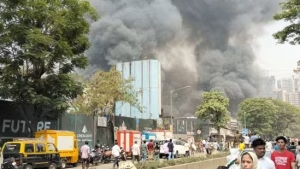
On October 23, 2025, a massive fire erupted at the JMS Business Centre in the Jogeshwari West area of Mumbai, transforming an ordinary Thursday morning into a nightmare for occupants and rescue personnel. The blaze originated at the building located on SV Road in Behrampada, near Gandhi School in Jogeshwari West, with authorities receiving the first alert at 10:51 AM. The fire engulfed the 9th, 10th, 11th, and 12th floors of the 13-storey glass-facade commercial building, with flames shooting out from multiple levels.

Jogeshwari West fireAlso Read: Jogeshwari West fire

Other: Massive Fire engulfs House

The Jogeshwari West fire quickly escalated from a Level-II to a Level-III emergency, indicating its severity and the substantial resources required for containment. Twenty-four people were safely evacuated from various floors through the staircase, with firefighters donning breathing apparatus sets to conduct rescue operations. Fortunately, no casualties were reported, though the incident exposed significant vulnerabilities in Mumbai’s commercial building infrastructure.

Immediate Response and Rescue Operations

The Mumbai Fire Brigade’s response to the Jogeshwari West fire demonstrated both the capabilities and limitations of the city’s emergency infrastructure. Firefighters, along with police personnel, ambulance teams, and Public Works Department staff, promptly reached the site to manage the emergency and prevent the fire from spreading. Multiple fire tenders were deployed, and rescue operations were conducted through ventilation procedures and manual evacuation through staircases.

A neighbouring resident, Saliq Khan, described the harrowing scene: “When we woke up this morning, we saw fire on the top four floors of the building. It was a massive fire. I called the PCR, and the fire team arrived”. The fact that people were stranded on the top floor highlights the critical importance of functional evacuation systems and emergency protocols in commercial buildings.

The Broader Context: Mumbai’s Fire Safety Crisis

The Jogeshwari West fire is not an isolated incident but rather symptomatic of a larger crisis afflicting Mumbai’s built environment. This incident occurred against a backdrop of escalating fire emergencies across the city. This marked Mumbai’s second high-rise fire in two consecutive days, with a fire breaking out in a seven-storey building in Malad West the previous day, leaving one resident and a fire official injured.

The frequency of such incidents raises fundamental questions about building safety standards, compliance monitoring, and the effectiveness of existing regulatory frameworks. In Mumbai, around 90 per cent of residential buildings do not comply with fire norms, and 50 per cent of schools do not have any fire safety mechanisms in place. While these statistics relate to residential structures, they reflect systemic compliance failures that extend to commercial buildings like the one affected by the Jogeshwari West fire.

fire at Mumbais Jogeshwari West buildingRegulatory Framework: Laws Without Enforcement

Maharashtra has comprehensive fire safety legislation through the Maharashtra Fire Prevention and Life Safety Measures Act, 2006. Under this Act, building owners must maintain fire safety measures and submit a ‘Form B’ certificate twice a year regarding the maintenance of existing fire prevention equipment and safety measures. This certification, issued by licensed agencies, confirms that firefighting systems are operational and compliant with statutory requirements.

However, despite these regulations, compliance remains dismally low. Over the last two years, it has been observed that firefighting systems in 39 per cent of high-rises are non-operational. This alarming statistic suggests that nearly two out of every five tall buildings in Mumbai could be death traps waiting for a spark. The Jogeshwari West fire serves as a stark reminder of what can happen when these systems fail or are inadequately maintained.

The Compliance Gap: Why Buildings Ignore Safety Norms

The disconnect between regulation and reality stems from multiple factors. Building owners and housing societies often view fire safety investments as unnecessary expenses rather than essential life-saving infrastructure. A fire official noted that people spend a humongous amount of money on interiors but compromise their safety. This misalignment of priorities reflects a broader cultural attitude that undervalues preventive safety measures until tragedy strikes.

Enforcement mechanisms have traditionally been weak, with penalties insufficient to deter non-compliance. The law allows 120 days for rectifying any deficiencies, with repairs required to commence within 30 days of notification. Despite these provisions, non-compliance remains widespread, with many housing societies ignoring warnings from the Mumbai Fire Brigade.

Recent Enforcement Initiatives

In response to recurring fire incidents like the Jogeshwari West fire, civic authorities have begun implementing stricter measures. The BMC has proposed to the Director of Maharashtra Fire Services to impose fines on violators through property tax bills. This innovative approach links fire safety compliance directly to property taxation, making it harder for building owners to ignore their obligations.

In December 2024, the MFB inspected 641 establishments, including malls, hotels, lodges, and restaurants, finding that three had non-functional firefighting systems and promptly issued notices for immediate repairs. Common violations include blocked staircases, missing sprinklers, non-functional fire alarms, and defective smoke detectors—precisely the deficiencies that can transform a manageable incident into a catastrophic Jogeshwari West fire scenario.

mumbai 1678693889678 1678693889884 1678693889884Mandatory Safety Requirements for Commercial Buildings

The regulatory framework established under the Maharashtra Fire Prevention Act mandates specific safety installations based on building height and usage. Fire extinguishers are required at prominent places, along with hose reels, wet risers, down comers, sprinkler systems, courtyard hydrants, and smoke and fire alarm systems. Underground static water storage tanks are required with corresponding water pumps, and separate terrace tanks must store water specifically for firefighting purposes.

For glass-facade buildings like the JMS Business Centre affected by the Jogeshwari West fire, additional requirements apply. Smoke seals made of non-combustible material must be laid between the building structure and the glass facade, and there must be an automatic water curtain system on each floor to restrict the spread of fire. Each ceiling must have pop-up vents integrated with smoke detection systems, and glass walls must be designed to resist fire for at least two hours.

Governance Implications and Civic Accountability

The Jogeshwari West fire raises critical questions about governance effectiveness and civic administration accountability. The Brihanmumbai Municipal Corporation, through its Mumbai Fire Brigade, bears primary responsibility for building safety oversight. However, the persistence of non-compliant structures suggests systemic failures in inspection, enforcement, and penalty mechanisms.

Political will and resource allocation remain central concerns. Fire prevention receives inadequate attention compared to more visible development projects, despite its fundamental importance to public safety. The civic administration must transition from reactive firefighting to proactive fire prevention through regular audits, stringent penalties for violations, and public awareness campaigns.

Conclusion: Lessons from the Jogeshwari West Fire

The Jogeshwari West fire serves as another wake-up call for Mumbai’s civic authorities, building owners, and residents. While fortunate that no lives were lost, the incident exposed vulnerabilities that could prove fatal in future emergencies. Comprehensive reform requires stronger enforcement of existing regulations, meaningful penalties for non-compliance, regular third-party safety audits, and cultural change that prioritises prevention over aesthetics.

The path forward demands collaboration between civic authorities, building management, and residents to create a safety-first culture. Only through sustained commitment to compliance, backed by robust governance mechanisms, can Mumbai prevent the next Jogeshwari West fire from becoming a tragedy rather than a near-miss. Building safety is not merely a technical requirement—it is a fundamental civic responsibility and a measure of governance effectiveness in protecting citizen lives and property.

3 Arrests After Decoy Operation Exposes Illegal Sex Determination in Mysuru: Silent Betrayal and Justice

In a major breakthrough, Mysuru district authorities uncovered an illegal sex determination racket following a successful decoy operation conducted by health officials and the district police. Three individuals, including a lab technician and an intermediary, were arrested for allegedly conducting prenatal gender tests in violation of the Pre-Conception and Pre-Natal Diagnostic Techniques (PCPNDT) Act. The operation, executed after weeks of surveillance, exposed a network that exploited expectant mothers’ vulnerabilities for profit. Officials hailed the sting as a crucial step toward dismantling unethical practices that continue to endanger the rights of unborn girls in Karnataka.

The decoy operation was planned after officials received specific intelligence about a diagnostic centre in Nanjangud suspected of conducting clandestine gender determination tests. Acting on a tip-off, a pregnant woman volunteered to pose as a client under the supervision of health authorities. The suspects allegedly demanded ₹20,000 for revealing the foetus’s sex, violating national laws that strictly prohibit such disclosure. Once the transaction was confirmed, officials moved in, catching the accused red-handed. The entire process was documented as evidence for prosecution under the PCPNDT Act and related penal provisions.

Authorities said that the accused had been operating discreetly for several months, using word-of-mouth referrals and encrypted messaging to contact clients. Preliminary investigation revealed that the technician colluded with an intermediary who connected families seeking gender identification with unauthorized medical personnel. Officials suspect that the racket extended beyond one clinic and may have links to similar illegal operations in neighbouring districts. The accused are now in judicial custody, and further investigation is underway to identify others involved in the network.Decoy operation foils illegal sex determination in Mysuru district - The  Hindu

Covert Planning and Swift Execution

The operation involved close coordination between the Mysuru District Health Office, the Department of Medical Education, and the local police. A special surveillance team tracked communication trails and verified intelligence before launching the sting. Officials stated that such operations require meticulous preparation since perpetrators often adopt sophisticated tactics to evade detection. The decoy mother was trained to interact with the suspects naturally, ensuring the credibility of the trap. Once the illegal activity was confirmed, authorities ensured that all procedural protocols were followed to prevent legal loopholes during prosecution.

Deputy Commissioner Shilpa Nag commended the team for their vigilance and commitment. She emphasized that the crackdown reflected the district administration’s zero-tolerance policy toward gender-based discrimination and illegal medical practices. “Female foeticide is not just a crime—it is a moral and social tragedy,” she remarked, calling for community vigilance and stricter enforcement. Officials from the Health Department added that periodic inspections of diagnostic centres and increased public awareness would continue to ensure that Mysuru remains vigilant against such unethical medical conduct.

Health experts explained that despite stringent laws, illegal sex determination practices persist due to societal preference for male children and financial greed. The PCPNDT Act of 1994 prohibits any attempt to reveal or determine the sex of a foetus, prescribing imprisonment up to three years and heavy fines for offenders. However, enforcement challenges remain, especially in rural and semi-urban areas where regulation and monitoring are often inadequate. Activists argue that awareness campaigns must be intensified to counter the deep-rooted gender biases fueling such crimes.

A Deep-Rooted Social Challenge: Arrest

Sociologists emphasize that curbing such practices requires more than legal deterrence. They argue that persistent gender discrimination, dowry pressures, and patriarchal attitudes drive the demand for sex determination. In several families, economic concerns and cultural beliefs make male children appear more desirable. As a result, illegal operators exploit emotional and social insecurities for financial gain. Experts underline that true change will come only when gender equality becomes ingrained in education, policy, and everyday social behaviour, supported by consistent community outreach programs.

The district’s Women and Child Development Department has now launched a series of awareness drives targeting antenatal clinics and rural health centres. Posters, community talks, and radio broadcasts are being used to educate families about the legal and ethical implications of gender-based abortions. Local anganwadi workers and ASHA staff are playing a key role in disseminating information and reporting suspicious activities. Officials say that building community trust is critical, as fear of social stigma often prevents whistle-blowers from alerting authorities about such operations.

Medical associations have also urged for stronger regulation of ultrasound machines, arguing that stricter tracking mechanisms could reduce misuse. The Health Department plans to introduce a centralized database to monitor ultrasound usage across private and public facilities. Regular audits, surprise inspections, and cross-verification of patient data are being considered to plug existing gaps. Experts believe that advanced digital monitoring and transparent licensing systems can help identify irregularities early, deterring potential offenders and strengthening accountability within diagnostic networks.

Women’s rights activists across Karnataka hailed the Mysuru operation as a model for other districts. They stressed that coordinated efforts between law enforcement and healthcare professionals were essential for success. Many activists expressed concern that in several cases, perpetrators manage to evade punishment due to lack of concrete evidence or procedural lapses. The Mysuru sting, they said, sets a benchmark by combining community intelligence with legal precision, offering a replicable framework for future enforcement across the state.Health News, Wellbeing Tips, Diseases, Treatment and Nutrition - The Hindu

Health workers involved in the operation shared that the success was due to months of patient groundwork. They conducted background checks, verified multiple reports, and maintained secrecy to avoid leaks. “It was emotionally draining because we knew lives were at stake,” said one officer. “Every time such a crime is prevented, it means one girl child’s right to live is restored.” Their statement resonated across social media, where citizens applauded the team’s courage and the moral weight of their mission.

Legal experts caution, however, that convictions under the PCPNDT Act often take time due to the complexity of evidence required. They suggest that strengthening the judicial process through fast-track courts and specialized training for prosecutors could ensure quicker justice. Public prosecutors must also be equipped to handle medico-legal cases with precision, given the technical nature of such offences. Streamlining investigation-to-trial timelines could help maintain deterrence and reinforce faith in the rule of law among citizens.

The operation also revealed the critical role of ethics in medical practice. Senior doctors from Mysuru Medical College condemned the misuse of diagnostic equipment for gender discrimination. They reiterated that medicine must serve life, not prejudice. The Karnataka Medical Council has been urged to review ethical training modules in medical education, emphasizing gender sensitivity and social responsibility. By nurturing moral integrity among healthcare professionals, authorities hope to prevent ethical lapses that facilitate such criminal acts.

Officials are now conducting follow-up checks on other diagnostic centres to ensure compliance. Surprise inspections, documentation audits, and licence reviews are underway. The district health office has also requested the state government to sanction more staff and resources for continuous monitoring. Authorities believe that sustained vigilance, coupled with public participation, is essential to create a fear-free reporting system. Citizens are being encouraged to use anonymous helplines to report suspicious clinics or middlemen involved in prenatal gender testing.

The National Health Mission (NHM) has lauded Mysuru district for executing one of the most effective decoy operations in recent months. The success has prompted other districts to replicate similar models using interdepartmental coordination. NHM officials emphasized that awareness and enforcement must progress together, as the fight against female foeticide cannot be won through legal measures alone. They stated that Mysuru’s example highlights how proactive governance and public cooperation can reinforce India’s ongoing efforts to achieve gender equity in healthcare.

Psychologists have noted that social messaging around childbirth still glorifies male heirs, subtly reinforcing discriminatory practices. They call for cultural transformation that celebrates daughters equally and dismantles outdated notions of lineage and inheritance. Cinema, education, and social media campaigns are seen as powerful tools in shaping public perception. Experts propose that positive representation of women’s achievements, coupled with grassroots engagement, can create long-term attitudinal change. The Mysuru incident, they say, should spark renewed dialogue on the dignity and rights of the girl child.

As investigations continue, authorities remain determined to trace the full extent of the network. Forensic audits of seized devices and financial records are underway to uncover potential accomplices. The government has promised strict punishment for all those involved. For Mysuru’s citizens, the case serves as both a shock and a wake-up call—a reminder that even in progressive districts, old prejudices persist in hidden forms. Yet, the swift and successful operation stands as a beacon of hope in the continuing fight against gender injustice.Karnataka health officials uncover prenatal sex determination racket in  inter-state decoy operation

A Victory for Law, A Lesson for Society

The decoy operation’s success has not only prevented a crime but reignited public conversation about ethics, equality, and justice. The courage of the officials involved symbolizes a larger moral victory against the silent violence of discrimination. As Mysuru returns to its normal pace, the echoes of this sting continue to resonate across Karnataka. It stands as a testament to how vigilance, empathy, and teamwork can challenge deep-rooted biases. The fight against illegal sex determination remains ongoing, but each such operation strengthens the foundation of a society where every girl child’s life is valued equally.

Follow: Karnataka Government

Also read: Home | Channel 6 Network – Latest News, Breaking Updates: Politics, Business, Tech & More
PDP Supports National Conference: Strategic Alliance Shapes Rajya Sabha Polls in Jammu & Kashmir

Strategic Political Alliance Emerges in Jammu & Kashmir

In a significant political development that has captured attention across the union territory, the Peoples Democratic Party has announced its decision to back the ruling National Conference in the upcoming Rajya Sabha elections scheduled for October 24, 2025. This strategic alignment represents a critical juncture in Jammu & Kashmir’s political landscape, as regional parties unite to shape the territory’s representation in the Upper House of Parliament.

PDP supports National Conference
Omer Abdullah

Also Read: PDP supports National Conference

Other: Trump Indian Oil Purchase

PDP president Mehbooba Mufti confirmed during a press conference in Srinagar that her party’s legislators would cast their votes in favour of National Conference candidates. The announcement came after extensive deliberations with party leadership and MLAs, following a formal request from the National Conference seeking electoral support. This decision marks a tactical convergence between two major regional parties that have historically occupied different political spaces in Kashmir’s complex political ecosystem.

The Rationale Behind PDP’s Decision

The PDP supports the National Conference decision stems from what party leadership describes as a larger strategic objective. Mehbooba Mufti explicitly stated that the primary motivation behind this alliance is to prevent the Bharatiya Janata Party from gaining additional seats in the Rajya Sabha from Jammu & Kashmir. The former Chief Minister emphasised that while the National Conference may not ideologically align with PDP positions on all matters, the decision serves a greater purpose in the current political climate.

During her press conference, Mufti articulated that the party’s support is driven by the need to keep what she termed “fascist forces” away from dominating the region’s political representation. This statement reflects the PDP’s concern about maintaining regional autonomy and protecting local interests within the broader framework of national politics. The decision underscores how regional parties in Jammu & Kashmir are prioritising opposition unity over historical rivalries.

Electoral Mathematics and Seat Distribution

The Rajya Sabha elections in Jammu & Kashmir involve a complex electoral arithmetic that makes each vote crucial. The National Conference, which currently heads the government in the union territory, is contesting for multiple seats and has sought support from various parties, including the PDP, Congress, and independent legislators. The PDP’s three MLAs in the Jammu & Kashmir Legislative Assembly represent votes that could prove decisive in determining the outcome.

According to official directives issued by PDP Chief Whip Fayaz Mir, all party members in the Legislative Assembly have been strictly instructed to remain present during the polling scheduled for October 24, 2025. The whip explicitly directs legislators to cast their votes in favour of National Conference candidates, with warnings that any violation would be treated as a breach of party discipline and attract necessary action under relevant provisions.

voter turnout reaches 1160 per cent in third phase of jammu and kashmir elections 010046116 16x9 1Background Negotiations and Conditions

The announcement that PDP supports the National Conference came after several rounds of negotiations between the two parties. National Conference candidate Shammi Oberoi personally met Mehbooba Mufti at her residence to seek support, indicating the high-stakes nature of these elections. Earlier discussions had revealed that the PDP initially linked its support to certain conditions, particularly regarding private member bills introduced by its MLAs in the Legislative Assembly.

The PDP had submitted two significant bills in the Jammu & Kashmir Assembly addressing regional concerns. One bill aimed at ending what the party characterised as “bulldozer politics,” while another sought regularisation of daily wagers and casual labourers. PDP president Mehbooba Mufti had indicated that support for the National Conference in Rajya Sabha polls would be contingent upon the government’s willingness to consider these legislative proposals during the next assembly session.

Opposition Unity Against the BJP

The fact that PDP supports the National Conference represents a broader trend of opposition consolidation in Jammu & Kashmir politics. The National Conference has actively appealed to various parties, including the PDP, Congress, People’s Conference, and independent legislators, to unite against the BJP in these elections. This appeal reflects the polarised political environment where regional parties perceive a need to present a unified front.

The BJP, with its 28 votes in the Legislative Assembly, remains a formidable contender for the contested seats. The fourth Rajya Sabha seat is expected to witness intense competition between the National Conference and BJP candidates, making every vote from allied parties critically important. The Congress party’s decision not to contest for the fourth seat, citing electoral arithmetic and internal considerations, has further complicated the political calculations.

InShot 20251002 155053062Implications for Regional Politics

The announcement that PDP supports the National Conference carries significant implications for the future trajectory of politics in Jammu & Kashmir. This tactical alliance demonstrates that despite past differences and competing political narratives, regional parties can find common ground when facing what they perceive as larger challenges to regional interests. The cooperation between the PDP and the National Conference in the Rajya Sabha polls may set precedents for future electoral contests in the union territory.

However, the PDP’s clarification that its support extends only to the third seat and not the fourth reveals the conditional nature of this alliance. This nuanced approach suggests that while PDP supports the National Conference on shared strategic objectives, the party maintains its independent political identity and continues to evaluate support on a case-by-case basis.

Looking Forward

As Jammu & Kashmir prepares for the Rajya Sabha elections on October 24, 2025, the political dynamics reveal a region where electoral outcomes are shaped by complex alliances and strategic considerations. The fact that PDP supports the National Conference underscores the evolving nature of political relationships in the union territory, where pragmatic calculations often override ideological differences.

The election results will not only determine Jammu & Kashmir’s representation in the Rajya Sabha but also signal the effectiveness of opposition unity in countering the BJP’s electoral strength. For residents of Jammu & Kashmir, these elections represent more than mere seat distribution; they reflect broader questions about regional representation, political autonomy, and the balance of power in the union territory’s governance structure.

The coming days will reveal whether the alliance where PDP supports the National Conference proves effective in achieving its stated objectives. Regardless of the outcome, this development has already demonstrated that Jammu & Kashmir’s political landscape remains dynamic, with parties willing to forge new alliances in pursuit of shared strategic goals. As the region continues its political evolution following its reorganisation into a union territory, such tactical partnerships may become increasingly common features of its electoral politics.

Jubilee Hills Bypoll: KTR Intensifies Campaign Against State Government’s Governance Failures

The political temperature in Hyderabad has reached unprecedented levels as K. T. Rama Rao (KTR), Working President of the Bharat Rashtra Samithi (BRS), intensified his campaign for the Jubilee Hills bypoll scheduled for November 11, 2025. Through a series of strategic meetings and public addresses at Telangana Bhavan, KTR has positioned the Jubilee Hills bypoll as a critical referendum on the Congress government’s two-year tenure in Telangana. The election, necessitated by the untimely demise of sitting MLA Maganti Gopinath, has become a battleground for competing visions of Telangana’s future.

Jubilee Hills bypollAlso Read: BRS Working President Launches Aggressive Campaign Strategy

Other: PM Modi ASEAN Summit

The Jubilee Hills bypoll has emerged as more than just a local constituency election. KTR has framed this electoral contest as a decisive moment for Telangana’s political trajectory, arguing that voters face a fundamental choice between development and what he characterises as misgovernance. During his address, the BRS leader emphasised that this bypoll represents the first opportunity for citizens to hold the Congress government accountable for its alleged failures in fulfilling electoral promises.

Systematic Critique of Government Performance

KTR’s campaign strategy for the Jubilee Hills bypoll centres on documenting what he describes as comprehensive governance failures. The BRS Working President has accused the Congress administration of halting all development initiatives started by the previous BRS government. He specifically highlighted that approximately 1.67 crore women have been deprived of the promised Rs 2,500 monthly financial assistance, while senior citizens continue to wait for Rs 4,000 Aasara pensions that were promised during the election campaign.

The criticism extends beyond welfare schemes to encompass broader governance concerns. During his campaign activities related to the Jubilee Hills bypoll, KTR alleged that the Congress government has not initiated a single people-oriented program in two years of rule. Instead, he claimed, the administration has focused solely on propaganda while accumulating debts exceeding Rs 2.30 lakh crore without any tangible development to show for these expenditures.

Allegations of Electoral Malpractices and Democratic Subversion

The Jubilee Hills bypoll campaign took a controversial turn when KTR announced BRS’s decision to approach the Telangana High Court over allegations of voter fraud and irregularities. The party submitted formal complaints to the Chief Electoral Officer, citing specific instances of suspicious voter registrations that raised questions about electoral integrity. KTR presented documented cases, including a resident of Sircilla who discovered himself listed as a voter in Jubilee Hills despite having no connection to the constituency.

Further allegations regarding the Jubilee Hills bypoll included an address that reportedly carried 42 registered voters despite the house not existing in reality. KTR also claimed that the brother of Congress candidate Naveen Kumar Yadav had been registered under three separate voter entries. These allegations have added a layer of complexity to the Jubilee Hills bypoll, with BRS questioning why the Election Commission had not acted on these reported irregularities despite the party identifying them within days.

HYDRAA Controversy and Urban Development Concerns

A significant component of KTR’s Jubilee Hills bypoll campaign involves criticism of the Hyderabad Disaster Response and Asset Protection Agency (HYDRAA). The BRS leader has accused the state government of using HYDRAA as a tool for political intimidation and financial extortion. He characterised the Jubilee Hills bypoll as a choice between the car symbol (representing development) and the bulldozer (representing the destruction of poor people’s homes).

Jubilee Hills bypollDuring campaign meetings for the Jubilee Hills bypoll, KTR alleged that HYDRAA has been selectively targeting poor and middle-class citizens while sparing the wealthy and influential. He claimed that the agency was being misused to blackmail builders and extract money, with these funds allegedly being deployed to influence the Jubilee Hills bypoll outcome. This narrative has resonated with voters concerned about urban development policies and their impact on vulnerable communities.

BRS Candidate and Legacy Politics

The Jubilee Hills bypoll gained emotional significance when BRS nominated Maganti Sunitha, widow of the late MLA Maganti Gopinath, as the party candidate. KTR emphasised that Gopinath had served Jubilee Hills tirelessly for three terms, strengthening both the constituency and the party’s presence in Hyderabad. The decision to field his widow was presented as a continuation of his developmental work and commitment to the constituency’s welfare.

Former Chief Minister K. Chandrashekhar Rao personally asked party leaders to support Gopinath’s family and campaign on behalf of Sunitha in the Jubilee Hills bypoll. This personal endorsement from the BRS founder added weight to the party’s campaign, positioning the election as both a tribute to a dedicated public servant and a test of the Congress government’s credibility. KTR described the Jubilee Hills bypoll as the first step in BRS’s political comeback and the beginning of Chandrashekhar Rao’s return to power.

Economic Policies and Public Burden

The Jubilee Hills bypoll campaign intensified when KTR attacked the Congress government’s economic policies, particularly the controversial increase in TGSRTC bus fares. He led the “Chalo Bus Bhavan” protest, criticising what he called the government’s double standards of offering free bus travel to women while significantly hiking fares for other passengers. KTR calculated that the fare increase imposed a daily burden of nearly Rs 1 crore on Hyderabad residents, with individual commuters facing an additional monthly expense of Rs 500.

This economic critique became central to the Jubilee Hills bypoll narrative, with KTR arguing that the Congress government was deliberately pushing the state transport corporation into losses with privatisation objectives. He recalled that the BRS government had extended Rs 1,500 crore in grants to RTC and regularised staff as government employees, contrasting this with what he characterised as the current administration’s anti-people policies that directly impact Jubilee Hills constituents.

Healthcare System Deterioration Claims

During the Jubilee Hills bypoll campaign, KTR expanded his critique to include the healthcare sector. He visited Basti Dawakhanas in the constituency and alleged that staff had not received salaries for four to six months, contradicting the Chief Minister’s claims that all government employees receive timely payments. The BRS Working President highlighted the absence of essential medicines, noting that these facilities should stock approximately 108 types of medicines that were reportedly unavailable.

These healthcare concerns were incorporated into the Jubilee Hills bypoll narrative as evidence of systemic governance failure. KTR warned that if corrective action was not taken, BRS would escalate the issue through public protests. Reports emerged during his inspections that expired medicines were being administered to patients, raising serious questions about healthcare management under the current administration—issues that became talking points in the Jubilee Hills bypoll campaign.

IMG K.T. Rama Rao 2 1 G6BO8G84Political Alliances and Opposition Unity


The Jubilee Hills bypoll has exposed the complex dynamics of Telangana politics, with KTR dismissing the BJP as “a party of no relevance in Telangana.” He warned voters that supporting either Congress or the BJP would be futile, urging them to recognise BRS as the only credible alternative. This strategy aimed at consolidating opposition votes and preventing a split that could benefit the ruling party in the Jubilee Hills bypoll.

KTR also addressed the issue of BC (Backwards Class) reservations during the Jubilee Hills bypoll campaigning, accusing Chief Minister Revanth Reddy of deliberately misleading people. He argued that the Chief Minister staged political drama, knowing that reservation laws must be passed in Parliament rather than the state Assembly, representing another instance of what BRS characterises as Congress’s deceptive politics relevant to Jubilee Hills bypoll voters.

Campaign Momentum and Public Meetings

The Jubilee Hills bypoll campaign saw BRS organising multiple public meetings and door-to-door campaigns. Senior BJP leader Cherka Mahesh from the Shaikpet division within Jubilee Hills constituency joined BRS during one such meeting, which KTR cited as evidence of growing support. The BRS Working President claimed that internal surveys showed BRS ahead of Congress across the constituency, though independent verification of these claims remained unavailable.

Throughout the Jubilee Hills bypoll campaign, KTR consistently emphasised that this election transcends individual candidates or local issues. He positioned it as a battle between transparent governance and corruption, between pro-farmer policies and what he termed a predatory regime. This framing aimed to elevate the Jubilee Hills bypoll from a mere by-election to a statement about Telangana’s political direction and the Congress government’s performance evaluation.

Conclusion: High Stakes Political Battle

The Jubilee Hills bypoll scheduled for November 11, 2025, represents a critical juncture in Telangana politics. KTR’s aggressive campaign strategy has transformed this constituency election into a broader referendum on governance, with allegations ranging from unfulfilled promises to electoral malpractices. Whether these campaign messages resonate with voters will become clear when results are announced on November 14, potentially shaping the political narrative for upcoming elections and determining whether BRS can mount an effective comeback against the ruling Congress party.

October 23, 2025 (Mid-cap): Indian Stock Market Update: Nifty 50 Stays Firm, Midcaps Lead Gains on

The Indian stock market continued its upward trajectory in the afternoon session on October 23, 2025, led by notable gains in major indices and significant activity in select midcap stocks. Market sentiment remained buoyant, supported by robust volumes and broad-based participation across sectors.

Also Read: October 23, 2025 (Opening): Indian Stock Market Today: Nifty 50 Climbs, Select Smallcaps Shine Amid Volatility

Nifty 50 Maintains Momentum

october 23The Nifty 50 rose by 217.35 points, or 0.84%, to reach 26,085.95 as of 12:36 IST. The index opened at 26,057.20, recording a high of 26,099.70 during the session, while the low remained at 25,991.70. Likewise, Nifty Bank and other sectoral indices such as Nifty Next 50 and Nifty Financial Services reported steady gains, highlighting sustained investor optimism in large-cap stocks.​



Top Gainers: Massive Volumes, Double-Digit Returns

Screenshot 2025 10 23 123626Several midcap and smallcap stocks delivered outsized returns, buoyed by impressive volumes. EPACKPEB led the charge with a remarkable rally of 16.10% to Rs. 236.20, amassing a trading value of Rs. 544 crore on volumes of over 231 lakh shares. Coastcorp and FCSSOFT both soared by nearly 20%, closing at Rs. 44.80 and Rs. 2.53, respectively. KITEX and BAGFILMS also showed substantial percentage gains, reflecting a surge in investor interest in value and turnaround bets.​

Symbol LTP % Change Volume (Lakhs) Value (₹ Cr)
EPACKPEB 236.20 16.10% 231.62 544.00
COASTCORP 44.80 19.98% 34.01 15.17
FCSSOFT 2.53 19.91% 397.72 9.90
KITEX 215.60 15.43% 79.15 167.82
BAGFILMS 7.87 14.72% 6.12 0.46

Notable Decliners: Profit Booking Visible

Screenshot 2025 10 23 123635Despite the market strength, some counters saw sharp corrections. Gallantt declined over 10% to Rs. 535.25, while Yatra and CAPTRU-RE1 tumbled more than 7%, indicating selective profit booking and rotation into outperforming sectors. ZEEMEDIA also slipped 9.51% even on heavy volumes, showing a divergence from the broader trend.​

Symbol LTP % Change Volume (Lakhs) Value (₹ Cr)
CAPTRU-RE1 6.29 -10.65% 0.90 0.05
GALLANTT 535.25 -10.13% 6.21 34.66
ZEEMEDIA 10.28 -9.51% 137.02 14.35
KERNEX 1,235.10 -7.26% 2.42 30.27
YATRA 156.35 -7.06% 15.47 24.74

Sectoral Focus and Trading Sentiment

The trading session underscored significant appetite for midcaps, driven by renewed retail and institutional flows. The high trading values in select names—especially EPACKPEB and KITEX—suggest targeted accumulation. Meanwhile, the sharp reversals in Gallantt and ZEEMEDIA point to ongoing volatility and sector-specific rotation, warranting a careful stock-picking approach in the coming days.​

Conclusion: October 23, 2025 (Mid-cap)

On October 23, 2025, Indian equity benchmarks sustained their gains, boosted by strong momentum in key indices and a rally in select midcap stocks. While the majority of sectors participated in the rally, several counters saw notable corrections, highlighting the need for a balanced investment approach amid optimism and volatility.


For real time stock Updates, visit NSE website.