(India-Germany) Union Minister of Commerce and Industry, Shri Piyush Goyal, held a productive meeting in Berlin on October 23, 2025, with German Federal Minister of Economy and Energy, Ms. Katherina Reiche. This engagement follows their video conference on August 7, 2025. The discussions focused on enhancing cooperation in trade, investment, technology, green energy, and skilling. Shri Goyal also met Dr. Levin Holle, Economic and Financial Policy Advisor at the Federal Chancellery and Germany’s G7 & G20 Sherpa, to discuss ways to further deepen the bilateral economic relationship.
Roundtable with German Mittelstand Companies
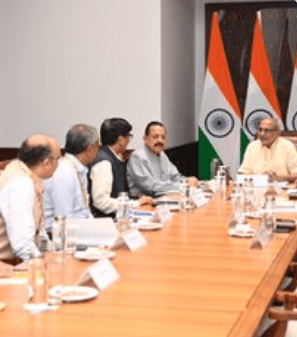
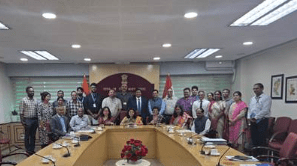
Later, Shri Goyal chaired a roundtable at the Indian Embassy with CEOs and leaders of German Mittelstand companies, who expressed keen interest to expand their business and investments in India. The Minister highlighted the immense opportunities available in India and the robust measures taken by the Government of India to facilitate investments and foster ease of doing business. Discussions explored synergies and stronger business-to-business linkages, particularly in areas such as innovation, sustainability, and advanced manufacturing.
Continued Engagements and Future Plans: India-Germany
Later in the day, Shri Goyal was scheduled to meet Mr. Xavier Bettel, Deputy Prime Minister and Minister of Foreign Affairs and Trade of Luxembourg, along with one-on-one meetings with CEOs of leading German companies including Infineon Technologies, Schaeffler Group, Renk, Herrenknecht AG, Enertrag SE, and Mercedes Benz Group. His engagements continue on October 24, 2025, with a panel discussion at the Berlin Global Dialogue and further meetings with German industry associations.
The 14th India-Bhutan Meeting on Border Management and Security was held in Thimphu, Bhutan from October 16–17, 2025. The Indian delegation was led by Dr. Rajendra Kumar, Secretary, Department of Border Management, Ministry of Home Affairs, while the Bhutanese side was headed by Mr. Sonam Wangyel, Secretary, Ministry of Home Affairs.
Key Discussions and Collaborative Reviews
The Indian delegation included officials from the Sashastra Seema Bal, Land Ports Authority of India, Department of Telecommunications, Narcotics Control Bureau, Survey of India, Customs, and representatives from Assam, West Bengal, Sikkim, and Arunachal Pradesh. Both sides reviewed bilateral security cooperation and border management matters, discussing important issues such as mobile signal spillover, future roadmap for Integrated Check Posts (ICPs), maintenance of boundary pillars, and cross-border movement. The meeting also focused on capacity building for Bhutan’s police force.
Strengthening Bilateral Cooperation
Both delegations expressed satisfaction with the cordial and constructive discussions, reiterating their commitment to work together towards ensuring a safe, secure, and prosperous border region. Reaffirming their longstanding friendship, India and Bhutan committed to deepening cooperation across traditional and emerging areas. Their enduring partnership, grounded in shared geography, culture, and strong people-to-people ties, continues to serve as a model for regional cooperation.
A Model of Regional Cooperation: India-Bhutan
The meeting, the first since 2019, reaffirmed the close collaboration between India and Bhutan in managing their shared border and enhancing security. The discussions underscore the importance of continued partnership in addressing evolving challenges and fostering peace and development in the border areas.
“Operation Sindoor was a symbol of India’s will power and capability, and a message to the world that we’re always ready to respond to every challenge,” said Raksha Mantri Shri Rajnath Singh while addressing the Naval Commanders’ Conference in New Delhi on October 23, 2025. He commended the Indian Navy for creating a deterrent posture that forced Pakistan to remain confined to its harbor or close to its coast, highlighting the Navy’s operational readiness, professional capability, and strength demonstrated during the operation.
Indian Navy’s Strategic Deterrence and Regional Leadership
Shri Rajnath Singh described the Indian Navy’s presence in the Indian Ocean Region (IOR) as a source of “comfort for friendly nations” and “discomfort for those who seek to destabilize the region.” He pointed out that the IOR has become the center of contemporary geopolitics, evolving from passivity to an area marked by competition and cooperation. In the past six months, the Navy has deployed ships, submarines, and aircraft at an unprecedented scale, providing safe passage to approximately 335 merchant vessels carrying roughly 1.2 million metric tons of cargo valued at $5.6 billion. This accomplishment underlines India’s growing stature as a trusted and capable partner in global maritime commerce.
India’s Push for Self-Reliance and Innovation in Defence
Describing the Navy as the cornerstone of a confident and powerful nation, the Raksha Mantri praised the Navy’s push towards Aatmanirbhar Bharat through indigenous equipment and technology. Over the last decade, 67% of the Navy’s capital acquisitions have been sourced from Indian industries, showcasing a decisive shift from import dependence. The Navy is actively engaged in 194 innovation and indigenization projects under initiatives like iDEX, TDF, SPRINT, and Make-in-India, involving MSMEs, startups, and private sector participation.
This indigenization drive has created approximately 127,000 jobs in shipyards including MDL and GRSE, aligning defence production with national economic and youth employment goals. Importantly, the Navy has made several innovations in its aviation sector through projects such as the Multi-role Maritime Reconnaissance Aircraft, Utility Helicopters, Twin-engine Deck Fighters, and Naval Shipborne Unmanned Aerial Systems, closing capability gaps and reinforcing technological self-sufficiency.
Balanced Focus on Strategy, Technology, and Agility
The Raksha Mantri emphasized that modern warfare demands a synthesis of strategy, advanced technology, and human judgment. While fleet size and modernization matter, tactical usage, agility, and adaptability are crucial components of effective naval operations. He highlighted the importance of integrating technology-driven, network-centric, and autonomous systems to counter evolving threats and leverage India’s manufacturing potential.
Future Outlook and Collaborative Strength
He called for a synergy of capability, people, and partnerships to enhance the Navy’s reliability and power. “Capability means technology and strength; people means sailors and their families; and partnerships mean industries, academia, and international cooperation,” he remarked. The conference, attended by Chief of Defence Staff General Anil Chauhan, Chief of Naval Staff Admiral Dinesh K Tripathi, and other senior officials, aimed to fine-tune naval strategies to meet complex geo-strategic challenges and promote India’s vision of MAHASAGAR—Mutual and Holistic Advancement for Security Across all Regions.
Conclusion: Operation Sindoor
Operation Sindoor proved India’s preparedness and naval dominance, establishing the Navy as a key driver of self-reliance and innovation. Its strategic presence in the IOR fosters regional stability and asserts India as a preferred security partner, strengthened by indigenous capability and comprehensive national vision. This accomplishment underlines India’s growing stature as a trusted and capable partner in global maritime commerce. This indigenization drive has created approximately 127,000 jobs in shipyards including MDL and GRSE, aligning defence production with national economic and youth employment goals. Operation Sindoor proved India’s preparedness and naval dominance, establishing the Navy as a key driver of self-reliance and innovation.
India’s Ministry of Electronics and Information Technology (MeitY) has put the spotlight on artificial intelligence (AI) as a transformative tool for inclusive societal progress, ahead of the Emerging Science, Technology, and Innovation Conclave (ESTIC) 2025. At a Curtain Raiser event, MeitY leadership emphasized responsible, people-centric AI development and unveiled plans for the upcoming ‘AI for Social Impact’ session, central to India’s vision for Viksit Bharat 2047.
Harnessing AI for Nationwide Social Upliftment
Speaking at the event, Shri S. Krishnan, Secretary, MeitY, highlighted that for India to achieve developed nation status, it must harness state-of-the-art technologies like AI to drive growth that reaches every citizen. The approach is centered on advancing AI in ways that provide tangible social benefits—focusing on accessibility, empowerment, and real-world impact. The philosophy guiding this movement is “AI for All,” ensuring that digital advances uplift all segments of society and contribute to collective prosperity.
ESTIC 2025: AI for Social Impact Session
ESTIC 2025 will take place from November 3–5 at Bharat Mandapam, New Delhi, serving as India’s flagship platform for scientific dialogue and collaboration. On November 4, MeitY will host a dedicated ‘AI for Social Impact’ session. This event will gather government officials, academic leaders, industry pioneers, and top innovators to showcase India’s scalable, multilingual, and context-aware AI solutions. Flagship projects such as Bhashini, BharatGen, and India’s National Sovereign AI Ecosystem reflect this mission to apply AI in diverse sectors and languages for broader societal good.
Synergy Between Sectors, Focus on Last-Mile Impact
Experts at the Curtain Raiser, including leaders from IIT Bombay, the private sector, and the Deep-Tech ecosystem, stressed the importance of strong digital public infrastructure, last-mile access, and domestic innovation. India’s advancements via Aadhaar, UPI, and indigenous AI platforms were cited as key enablers for scalable and inclusive solutions that reach the underserved and empower Indian startups and industry.
Notable Participants and Next Steps
The session will feature a keynote by Dr. Sridhar Vembu (Zoho), and contributions from prominent figures in technology, academia, and policy. Following ESTIC 2025, MeitY will convene the India–AI Impact Summit 2026, furthering the dialogue on AI’s role in driving equitable, sustainable, and growth-oriented progress, guided by the pillars “People, Planet, and Progress”.
Conclusion: artificial intelligence as social good
India’s clear commitment to responsible, inclusive, and scalable AI development positions it as a global leader in AI for social good. By uniting government, industry, and academia, ESTIC 2025 and its ‘AI for Social Impact’ session exemplify the country’s drive to ensure that advanced technology propels transformative, broad-based development.
India’s rapid advancement in science and technology was in the spotlight as Dr. Jitendra Singh, Union Minister of State (Independent Charge) for Science & Technology and Earth Sciences, called on Vice-President Shri C. P. Radhakrishnan at Parliament House. The meeting focused on India’s strategic breakthroughs in research, technology, and innovation, which have helped elevate the nation’s position on the global stage.
Key Initiatives and Technological Leap: Dr. Jitendra Singh
The Vice-President was briefed on various ministerial programmes aimed at boosting scientific research, technology commercialization, biotechnology innovation, quantum computing, cyber-security, meteorological advancements, and disaster risk management. India’s ongoing efforts are backed by robust government initiatives like Digital India, Make in India, and Atmanirbhar Bharat, which have accelerated domestic R&D, promoted startups, and enabled public-private collaborations.
Global Recognition and Frontier Technologies
Vice-President Radhakrishnan lauded India for soaring from 81st place in 2015 to 38th in the Global Innovation Index 2025, highlighting the nation’s surge in patents, scientific publications, and impactful technology ventures. Significant milestones include the development of the indigenous quantum processor, the BharatGenAI language model, breakthroughs in vaccine technology, and quantum communications achievements.
Ethical Research, Youth Engagement, and Industry Collaboration
Emphasizing the importance of ethical practices in biotech, the Vice-President stressed fostering a research culture guided by responsibility, transparency, and public interest. He called for greater engagement of youth in science, promotion of STEM careers, and closer ties between academia and industry. The Vice-President also noted India’s progress in weather forecasting, the vast potential of the blue economy, and the investment in cutting-edge fields like AI, green hydrogen, and next-gen renewable energy.
Focus on Global Partnerships
Vice-President Radhakrishnan concluded by highlighting the need for continued global partnerships, ensuring India remains a leader in scientific and technological innovation. He recognized the critical role international collaborations play in domains such as space, clean energy, semiconductors, and advanced healthcare—fortifying India’s reputation as a global hub for emerging technologies.
Conclusion
India’s rise in the innovation ecosystem demonstrates a commitment to ethical, collaborative, and youth-driven research. As the country accelerates towards becoming a science and technology powerhouse, the focus remains on sustaining growth through strategic reforms, international partnerships, and inclusive engagement in frontier research.
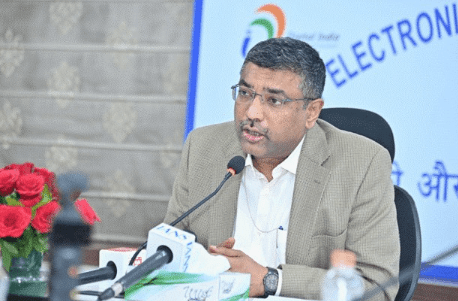
In a major step to strengthen India’s preparedness for chemical hazards, the Union Health Secretary has launched comprehensive training modules on Public Health Management of Chemical Emergencies. The aim is to provide public health professionals and emergency responders with the tools, knowledge, and practical skills needed for swift and effective action during chemical incidents, supporting India’s vision for a resilient and self-reliant nation.
Modules Target National Preparedness
Launched at Nirman Bhawan, New Delhi, the program was attended by senior officials, experts from various ministries, national agencies, private sector, academia, and representatives from the World Health Organization (WHO India), emphasizing a whole-of-government approach. Developed by the National Centre for Disease Control (NCDC) under the Ministry of Health and Family Welfare (MoHFW) in collaboration with the National Disaster Management Authority (NDMA) and technical support from WHO India, the initiative demonstrates coordinated action to confront evolving chemical threats.
Three-Pronged Training Approach
The newly introduced framework comprises three specialized modules, each targeting key stages and stakeholders in chemical emergency management:
Module 1: Preparedness, Surveillance, and Response for Public Health Management of Chemical Emergencies—Strengthens early warning, coordination, and rapid response.
Module 2: Pre-Hospital Management of Chemical Emergencies—Equips first responders and paramedics to handle triage, decontamination, PPE use, and safe evacuation.
Module 3: Medical Management of Chemical Emergencies—Focuses on in-hospital care, diagnosis, victim management, and healthcare worker safety.
Alignment with Global Health Security: Health Secretary
These modules are aligned with the International Health Regulations (IHR 2005), ensuring India’s compliance with global standards for managing public health threats, including chemical, biological, and radiological emergencies. The initiative is designed to build capacities nationwide, promote inter-agency coordination, and enhance India’s ability to manage the consequences of chemical disasters quickly and efficiently.
National Commitment and Future Steps
Officials reaffirmed the government’s commitment to building a “self-reliant resilient nation.” The modules are expected to serve as a national standard, offering scalable, updatable, and certifiable training resources for professionals, and ensuring accountability and systematic preparedness as industrialization advances across India.
Conclusion
The launch of these training modules marks a milestone in India’s strategic approach to safeguarding public health against chemical hazards. With stakeholders working in concert and robust capacity-building mechanisms in place, India moves closer to a safer, more prepared future.
The Indian equity market ended with slight gains on 23 October 2025, as Nifty 50 hovered near flat lines in late trading while several small and midcap stocks experienced extreme swings. Market sentiment reflected cautious optimism, with pronounced divergences among top gainers and losers.
Nifty 50 concluded the session at 25,891.40, up just 22.80 points or 0.09% from previous close. The index opened at 26,057.20 and touched a high of 26,104.20, while the lowest point recorded was 25,862.45. Sectoral indices displayed mixed trends, with Nifty Next 50 slipping by 0.12% even as Nifty Bank and Nifty Financial Services made incremental advances.
Key Gainers: Stellar Rallies in Select Names
Despite broader index consolidation, a few stocks demonstrated extraordinary upward movement. Bhageria and Sikko both soared by 20%, closing at Rs. 233.59 and Rs. 124.21 respectively, on robust trading volumes. FCSSOFT, Coastcorp, and Kitex maintained the day’s trend of high double-digit gains witnessed in their earlier sessions, with Kitex closing at Rs. 215.02 after a 15.12% surge. These moves point to ongoing investor focus on high-beta stocks and potential momentum plays.
Symbol
LTP
% Change
Volume (Lakhs)
Value (₹ Cr)
BHAGERIA
233.59
20.00%
87.74
194.34
SIKKO
124.21
20.00%
14.06
16.80
COASTCORP
44.80
19.98%
34.43
15.36
FCSSOFT
2.53
19.91%
638.11
15.95
KITEX
215.02
15.12%
138.75
296.51
Top Losers: Deep Cuts in Select Counters
On the losing end, CAPTRU-RE1 slumped 17.33% to Rs. 5.82, and ZEEMEDIA dropped over 10% despite heavy trading interest. IFBAGRO lost 9.55%, and both Gallantt and Krishana saw steeper falls of more than 9%, which included significant value turnover in Gallantt (Rs. 86.63 crore) and Krishana (Rs. 26.40 crore). This highlights aggressive profit-taking and waning momentum in certain pockets.
Symbol
LTP
% Change
Volume (Lakhs)
Value (₹ Cr)
CAPTRU-RE1
5.82
-17.33%
1.19
0.07
ZEEMEDIA
10.21
-10.12%
180.72
18.81
IFBAGRO
1,015.20
-9.55%
0.57
6.08
GALLANTT
540.00
-9.34%
15.95
86.63
KRISHANA
532.85
-9.33%
4.77
26.40
Trading View: Cautious Optimism, High Volatility
The session’s marginal index gain underscored cautious market sentiment, with traders balancing risk amid uncertain global and local cues. Intense activity in both advancing and declining counters suggests continued stock-specific trading, where only high-conviction themes continued to attract substantial investment flows.
Conclusion: 23 October 2025
23 October 2025’s closing bell marked a session of subdued index movement but remarkable volatility in several stocks. While key indices barely advanced, sharp upswings and steep drops in select names exposed both the opportunities and hazards in the current Indian market landscape.
On 23 October 2025, the European Council adopted key European defence & security conclusions, jointly with the formal adoption of the EU’s 19th sanctions package against Russia (and Belarus) for actions in Ukraine. These twin developments mark a clear signal of the Union’s intensified strategic posture: ramping up readiness, reducing strategic dependencies, strengthening border defence and emphasising dual-use assets. In depth, this article explores the European defence & security conclusions, the sanctions package, how they interlink and the implications for the EU’s future security.Also Read: European defence & security conclusions.
European defence & security conclusions: strategic priorities In its conclusions, the European Council emphasised four major priorities: increasing readiness, reducing strategic dependencies, strengthening border defences and enhancing dual-use assets. First, readiness is assessed via the call for an annual defence readiness report, prepared by the European Defence Agency (EDA) and the Commission. Second, the conclusions focus on reducing strategic dependencies by mobilising joint investment, production and procurement across the EU defence industry, particularly for small and mid-cap firms. Third, border defence is framed as a critical dimension in light of hybrid threats and eastern-flank vulnerabilities. Fourth, dual-use assets and innovation are emphasised as necessary to transform Europe’s defence industrial base for disruptive technologies. Through these steps, the European Council aims to build a coherent “European defence & security conclusions” agenda that strengthens the Union’s resilience and autonomy.
Defence-industrial mobilisation & procurement The European defence & security conclusions place particular emphasis on boosting the defence industry via joint development and procurement. Member States are urged to gear investment towards common projects, use economies of scale, standardised requirements and support SMEs and mid-caps. The EDA is to be strengthened to play a full role in capability development, research and acquisition, with a report due by the end of 2025 on the required measures. This means the European defence & security conclusions are not merely declaratory but pressed into implementation mechanisms. Funding options are being reviewed, the European Investment Bank (EIB) is encouraged to simplify and accelerate support for defence-security companies, and innovation is targeted through a roadmap for industrial transformation. In short, the “European defence & security conclusions” set the framework for a more integrated, strategically-oriented defence industry across the EU.
Readiness and capability gaps The European defence & security conclusions also address readiness in terms of capability gaps, mobilising joint initiatives and ensuring oversight. Member States are tasked with normalising annual readiness reporting and coordinating through CARD (Coordinated Annual Review on Defence). The conclusions recall the existential challenge posed by the war in Ukraine and the need to prepare for future threats. They stress that a stronger and more capable EU in security and defence will contribute to global and transatlantic security, with NATO being reaffirmed. Thus, the “European defence & security conclusions” signal a step change: moving from planning to implementation, closing capability gaps and strengthening resilience.
Germany’s Chancellor Friedrich Merz (R) listens to European Council President Antonio Costa after their arrival for a European Council meeting gathering the 27 EU leaders to discuss Ukraine, European defence, recent developments in the Middle East, competitiveness, housing and migration, in Brussels on October 23, 2025.
Strategic dependencies and dual-use assets Another core element of the European defence & security conclusions is reducing strategic dependencies—particularly in supply chains, dual-use technologies and defence-critical infrastructure. The Council calls for full mobilisation of the SAFE and EDIP instruments (defence investment, defence industrial policy) to this end. Cross-border access to supply chains is emphasised, with an aim to integrate SMEs and mid-caps into a pan-European ecosystem. The dual-use element means that technologies which serve both civilian and military uses—such as drones, advanced electronics, cyber and space systems—are at the heart of the new strategy. By doing so, the European defence & security conclusions pave the way for a technologically advanced, interdependent but resilient industry. In sum, the “European defence & security conclusions” address more than military hardware—they reflect the full spectrum of strategic supply, innovation and industrial autonomy.
The 19th sanctions package: scope and significance On the same day, the EU adopted its 19th sanctions package against Russia (and Belarus)—a move that underpins the strategic context of the European defence & security conclusions. The package comprises 69 new individual listings and sweeping economic restrictive measures targeting Russian energy, finance, military-industrial sectors, banks, crypto exchanges and third-country intermediaries, including entities in China and India. It also includes additional measures on Belarus for its support of Russia’s war effort. Most notably, the package introduces a ban on imports of Russian liquefied natural gas (LNG) into the EU: short-term contracts to end within six months, long-term contracts ceasing from 1 January 2027. In addition, the “shadow fleet” of Russian tankers is further sanctioned: 117 more vessels added, bringing the total to 557 designations, creating more pressure on Russian export revenues. The movement of Russian diplomats is curtailed via new travel restrictions across the EU. Therefore, the sanctions package shows how the European defence & security conclusions are embedded in a broader strategic effort to deny Russia revenue, degrade its war economy and reduce Europe’s dependency.
Interlinking defence strategy and sanctions By aligning the European defence & security conclusions with the sanctions package, the EU demonstrates a comprehensive approach: strengthening internal defence posture while externally denying the aggression-perpetrator (Russia) the means to fuel its war. The readiness, industry, dual-use and border-defence priorities are informed by the threats arising from Russia’s war in Ukraine and hybrid threats emanating from the east. The sanctions assist the strategic aim of reducing dependencies: energy imports, supply-chain vulnerabilities and third-country enabling of the Russian economy. Meanwhile, the defence posture built under the European defence & security conclusions aims to reduce Europe’s strategic exposure and strengthen resilience. In short, the policy package is coherent: the European defence & security conclusions and the 19th sanctions package are two halves of the same response—internal preparedness and external pressure.
Implications and next steps Going forward, the European defence & security conclusions will require sustained implementation: Member States must invest jointly, strengthen the EDA, participate in capability-building, streamline procurement and support innovation. The annual readiness report will monitor progress. Funding mechanisms (such as via the EIB) must be operationalised. On the sanctions front, enforcement will be crucial: the LNG ban phases, the shadow fleet sanctions, intermediary designations and diplomatic movement restrictions all require rigorous follow-through. Moreover, monitoring third-country enabling of Russia’s economy remains vital. For the EU, this dual track means overcoming internal fragmentation—member states must align defence industrial strategy and budgetary commitments—and executing external policy with speed and precision. The European defence & security conclusions serve as a blueprint, and the sanctions package reminds us that strategic autonomy and external pressure are intertwined. Finally, this marks a moment of heightened ambition: it shows that European leaders view defence, security and economic tools as part of the same strategic fabric. The European defence & security conclusions set the internal agenda; the sanctions package sets the external pressure. Together, they reflect a new chapter in the EU’s response to Russia’s aggression and the need for stronger European security.
On 23 October 2025, the European Union adopted its European defence & security conclusions and simultaneously rolled out the 19th sanctions package against Russia (and Belarus). The conclusions emphasise readiness, strategic dependency reduction, border defence and dual-use assets; the sanctions target Russian energy, finance, shadow-fleet logistics, and diplomatic mobility. Together they embody a strategic shift in Europe’s posture: enhancing resilience from within while denying aggressors the means to attack. As implementation begins, the effectiveness of both tracks will shape Europe’s security environment for years to come.
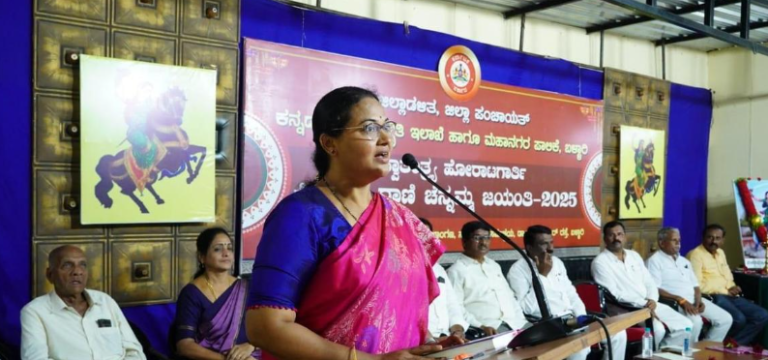
The legacy of Kittur Rani Chennamma, the 19th-century queen who led her people against colonial forces, continues to inspire women across Karnataka in their fight for justice and equality. Activists, students, and community leaders often invoke her courage as a symbol of empowerment. Discussions, seminars, and cultural events highlight her bravery and vision, encouraging women to challenge social injustices. From grassroots campaigns to policy advocacy, Chennamma’s story serves as a reminder that leadership and resilience are not limited by gender, and her historical fight against oppression resonates strongly with contemporary struggles for women’s rights.
Several women entrepreneurs in Karnataka attribute their success and confidence to Chennamma’s legacy. During business workshops and women’s empowerment programs, mentors often cite her determination to overcome adversity and lead her people. Microfinance groups and cooperative societies use her story to encourage women to take financial initiatives, start small businesses, and manage resources independently. These sessions emphasize leadership, resilience, and calculated risk-taking as tools for empowerment. Officials and trainers have observed that linking historical inspiration with practical guidance motivates participants to pursue economic independence while instilling a sense of responsibility and pride rooted in cultural heritage.
Grassroots movements across rural Karnataka actively invoke Chennamma during campaigns against social injustices. Women’s collectives and neighborhood associations organize meetings and rallies highlighting her bravery in standing up against oppression. These groups address issues such as domestic violence, gender discrimination, and access to education. Community leaders report that framing contemporary struggles through the lens of Chennamma’s historical resistance strengthens collective morale and builds solidarity. Residents express that the queen’s story validates their efforts, providing moral authority and inspiration, encouraging women to confront challenges and assert their rights with confidence in local governance and community initiatives.
Chennamma’s influence is also visible in youth activism. College students, particularly women, have organized cultural fests, debate competitions, and essay writing sessions centered on her life. These initiatives emphasize critical thinking, leadership, and civic engagement. By participating, students learn to translate historical inspiration into practical action, including community service, advocacy, and awareness campaigns. Educators note that such activities foster a sense of empowerment and social responsibility among young women, enabling them to actively contribute to society while internalizing the values of courage, integrity, and resilience exemplified by Chennamma’s resistance against colonial authority.
Political leaders frequently cite Chennamma’s legacy to highlight women’s participation in public life. During campaign speeches, policy discussions, and social welfare programs, references to her courage serve as moral and symbolic motivation for women voters and activists. Officials noted that her story helps frame the narrative of gender equality in leadership positions. By showcasing historical female leadership, politicians aim to inspire women to pursue active engagement in governance, civic participation, and community decision-making, bridging historical inspiration with contemporary political advocacy while emphasizing the importance of female agency in shaping society.
Women leaders across Karnataka credit Chennamma’s courage as a guiding force in their activism. Legal professionals, educators, and social workers cite her unwavering resolve when addressing gender-based discrimination, caste-based injustices, and violence against women. Institutions have begun integrating her story into educational curricula and community programs to highlight female leadership. Local NGOs report that referencing Chennamma during workshops inspires participants to overcome personal and systemic challenges. The queen’s historical defiance demonstrates that societal change often begins with fearless individuals willing to stand up against established hierarchies.
Cultural Resonance and Educational Initiatives
Cultural performances and storytelling events celebrating Chennamma’s life have become increasingly popular. Folk theatre, music, and dance performances in schools and public spaces dramatize episodes from her resistance against colonial rule. Educators emphasize that such activities engage students emotionally and intellectually, helping them understand the complexities of leadership, sacrifice, and social justice. Officials and cultural organizations have collaborated to ensure these narratives reach urban and rural audiences alike, making Chennamma’s legacy accessible to women from diverse socio-economic backgrounds.
Educational institutions have organized workshops, debates, and essay competitions centered around Chennamma’s life and values. Students are encouraged to analyze her strategies, decisions, and ethical stances, drawing parallels with contemporary social movements. Teachers report that such exercises enhance critical thinking and promote leadership qualities among young women. By contextualizing historical figures in present-day struggles, educators aim to inspire action while fostering a deep understanding of the societal impact of courageous leadership. Students also learn the importance of resilience, community engagement, and the pursuit of justice, reflecting the enduring relevance of Chennamma’s example.
Women’s rights activists frequently reference Chennamma in campaigns addressing legal, social, and economic disparities. From organizing protests against domestic violence to advocating for equal opportunities in education and employment, activists draw strength from her story. Community gatherings often include discussions on gender equity, using Chennamma’s resistance as a model of empowerment. Officials note that highlighting historical female leaders reinforces societal recognition of women’s contributions, helping challenge lingering patriarchal norms. The integration of her legacy into advocacy work has strengthened public awareness and support for gender equality initiatives across the state.
Local governments and cultural bodies have launched programs celebrating women inspired by Chennamma. Awards and recognition ceremonies honor female leaders in education, social work, law, and public administration. These initiatives aim to encourage young women to pursue leadership roles while acknowledging the historical continuum of female empowerment. Officials emphasize that celebrating contemporary achievers alongside historical figures creates a powerful narrative connecting past courage with present-day action, motivating communities to recognize and support women who challenge injustices in their own contexts.
Community Impact and Grassroots Movements
In rural areas, women’s self-help groups cite Chennamma’s legacy when organizing campaigns against social evils, including child marriage, dowry practices, and caste-based discrimination. Meetings often begin with stories of her leadership, followed by practical strategies for collective action. Officials note that connecting historical narratives to modern-day activism encourages community participation and fosters solidarity among women. By framing social challenges through Chennamma’s example, grassroots movements gain cultural legitimacy and moral inspiration, reinforcing their efforts to enact tangible change.
Students and young professionals have embraced Chennamma’s story to advocate for educational and workplace equality. Workshops in colleges and workplaces focus on leadership skills, conflict resolution, and ethical decision-making inspired by her life. Participants highlight that understanding her resilience and strategic thinking motivates them to challenge obstacles in academic and professional spheres. By fostering a culture of mentorship and support, institutions aim to create environments where women feel empowered to assert their rights and pursue leadership roles in diverse sectors.
Women-led NGOs frequently organize exhibitions and public displays highlighting Chennamma’s achievements. These exhibitions include historical documents, photographs, and interactive storytelling sessions. Organizers report that public interest has grown significantly, drawing participants from urban and rural areas alike. The displays also serve as educational tools for children, ensuring that future generations recognize and celebrate female historical figures. Officials emphasize that such initiatives build awareness of gender equality issues while honoring historical examples of courage and leadership.
Social media campaigns have amplified Chennamma’s influence, reaching audiences across India and beyond. Hashtags, videos, and digital storytelling platforms showcase her legacy and connect it with contemporary movements for women’s empowerment. Influencers and activists highlight parallels between her resistance and modern campaigns for justice, equality, and representation. Digital initiatives also provide a forum for discussion and collaboration, enabling women to share experiences, strategies, and successes inspired by Chennamma’s life. Officials view this integration of digital platforms as a vital extension of cultural and educational efforts.
Political and Legal Inspirations
Politicians and legal advocates frequently invoke Chennamma’s story when addressing women’s rights issues. Parliamentary debates, legal seminars, and policy discussions often reference her legacy to illustrate leadership, courage, and moral authority. Female legislators cite her example when advocating for laws against domestic violence, harassment, and gender-based discrimination. Observers note that connecting historical figures with modern legislative efforts strengthens public support and emphasizes the ongoing relevance of historical role models in shaping contemporary governance and social policy.
Law enforcement and judiciary training programs have also incorporated lessons from Chennamma’s life. Officers and lawyers are educated about the importance of courage, fairness, and community leadership. Case studies referencing her resistance help contextualize ethical decision-making and advocacy skills. Officials highlight that such programs encourage professionals to act decisively in protecting women’s rights while maintaining integrity and accountability. The historical narrative becomes a framework for understanding challenges, promoting proactive leadership, and cultivating societal respect for gender equality.
Community dialogues often focus on empowering women to participate in political and social decision-making. Chennamma’s story is used to illustrate the importance of courage, negotiation, and resilience in public life. Leaders emphasize that her legacy challenges traditional gender norms and demonstrates that women’s leadership is both possible and necessary for social progress. Workshops, seminars, and mentorship programs encourage women to take active roles in governance, civic engagement, and community development, bridging historical inspiration with practical empowerment strategies.
Scholars highlight that Chennamma’s enduring legacy has shaped Karnataka’s cultural identity and continues to influence national discourse on women’s empowerment. Universities and research institutions conduct studies analyzing her strategies, leadership style, and societal impact. Findings are integrated into curricula, public lectures, and publications, ensuring that her story informs both academic inquiry and community activism. Officials note that connecting historical leadership with contemporary social challenges strengthens cultural pride while providing practical lessons for women navigating modern obstacles in their personal, professional, and political lives.
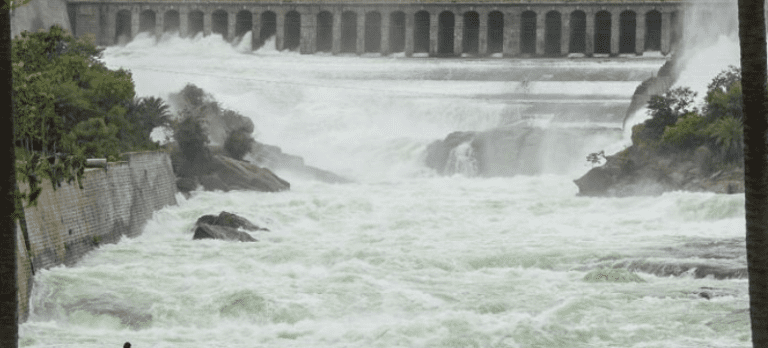
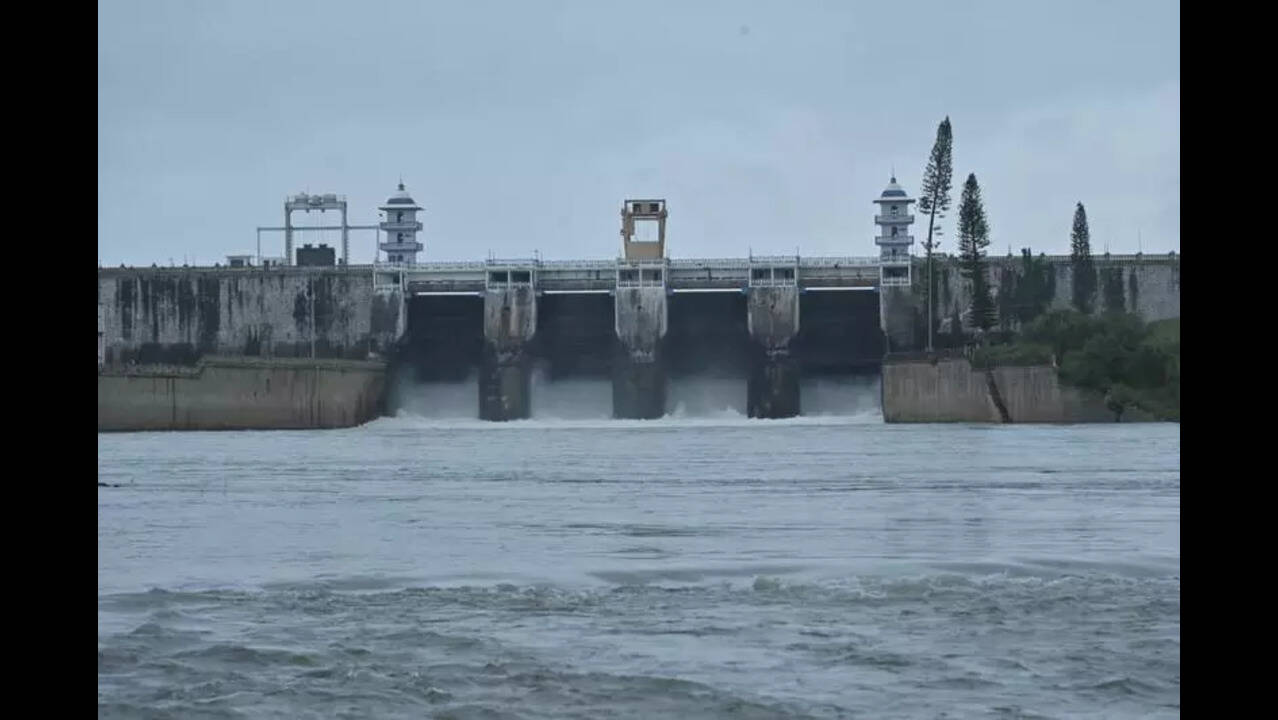
Authorities have issued a flood warning as the outflow from the Krishna Raja Sagara (KRS) reservoir is expected to rise in the coming days. Officials reported that heavy rainfall in upstream catchment areas has significantly increased inflow into the reservoir, prompting precautionary measures to safeguard downstream populations. The warning affects multiple taluks and villages along the Krishna river basin, urging residents to remain alert and follow official instructions. District authorities have coordinated with local panchayats, police, and disaster management teams to ensure preparedness, emphasizing that early action is critical to minimizing potential loss of life and property.
The KRS reservoir, a crucial water source for Mysuru and Mandya districts, has historically required careful monitoring during monsoon and post-monsoon periods. Officials noted that rising outflow levels can lead to sudden increases in river water downstream, affecting agricultural lands, settlements, and low-lying areas. Authorities stressed that real-time monitoring of rainfall, inflow, and outflow data allows for timely alerts. Villagers and farmers were advised to secure livestock, move valuables to safer locations, and remain vigilant, highlighting the importance of preparedness in flood-prone areas to prevent large-scale disruption.
Meteorological reports indicated that upstream catchment areas experienced continuous rainfall over the past 48 hours, contributing to the reservoir’s increased inflow. The Karnataka State Natural Disaster Monitoring Unit emphasized that localized flooding in low-lying areas is a real possibility, particularly in Mandya, Mysuru, and surrounding districts. Officials urged residents to avoid venturing near riverbanks or irrigation channels and to adhere strictly to evacuation instructions if necessary. The warning also highlights the interconnectedness of water management, agricultural planning, and community safety in the region.
Preparedness and Evacuation Measures
District administrations have activated disaster response teams to monitor vulnerable areas along the Krishna river. Police and local volunteers are stationed in flood-prone villages, equipped to assist residents in case of sudden water rise. Emergency helplines have been established for affected communities to report distress or seek immediate assistance. Authorities emphasized that prompt communication and local coordination are key to preventing casualties. Evacuation plans have been reviewed and rehearsed, with temporary shelters prepared in schools, community centers, and higher ground areas to accommodate displaced families safely.
Agricultural communities downstream of KRS have been urged to safeguard crops and secure irrigation equipment. Officials noted that sudden water release can inundate paddy fields and other seasonal crops, potentially causing significant financial losses. Farmers were advised to harvest vulnerable crops early where possible and relocate valuable tools or machinery. Cooperative societies and local agricultural offices are assisting in disseminating information and supporting families in flood-prone zones. Officials stressed that preventive measures can substantially reduce the impact on livelihoods while maintaining river management protocols.
Water authorities indicated that controlled release from KRS is necessary to maintain reservoir stability and prevent dam-related emergencies. Engineers are monitoring gate operations, reservoir levels, and downstream river flow to optimize water discharge. The outflow is being coordinated with regional water management units to ensure safe distribution while minimizing risk to populated areas. Officials reassured residents that while precautionary measures are essential, the controlled outflow is intended to prevent catastrophic overflow, illustrating the delicate balance between water resource management and public safety.
Local schools and colleges have been instructed to keep students indoors or suspend activities in flood-vulnerable areas. Authorities emphasized the importance of keeping children away from riverbanks, canals, and low-lying regions during periods of high outflow. Public transport operators have also been advised to monitor route safety and avoid flooded or risky stretches. Officials urged residents to rely on verified official communications rather than rumors, noting that accurate information is critical for effective disaster management and community preparedness.
Community Awareness and Safety Initiatives
Community leaders have been actively involved in flood preparedness campaigns, educating residents on emergency protocols and evacuation routes. Awareness drives include distribution of pamphlets, door-to-door guidance, and public announcements over local radio and community loudspeakers. Officials emphasized that informed communities can significantly reduce risk, highlighting the role of local engagement in mitigating flood-related damage. Residents are urged to remain calm, follow instructions, and assist vulnerable individuals, including the elderly, differently-abled, and children, ensuring collective safety during periods of heightened outflow.
Meteorologists have predicted continued rainfall in upstream regions over the next 48 hours, which may further elevate reservoir inflow. Authorities emphasized that the flood warning remains in effect until the situation stabilizes. Regular updates are being issued to district collectors, local administrators, and media outlets to ensure timely dissemination of information. Officials stressed that coordinated monitoring and prompt community action are essential to prevent potential disasters and minimize loss of life, underscoring the value of proactive disaster management systems in riverine areas.
Public health officials have warned of secondary risks associated with flooding, including waterborne diseases and disruption of essential services. Temporary shelters have been equipped with clean drinking water, medical aid, and sanitation facilities. Teams are on standby to address health emergencies, ensuring that displaced residents receive timely medical attention. Authorities emphasized the need for personal hygiene, safe drinking water, and protective measures against mosquito-borne illnesses, highlighting the multifaceted approach required for effective flood management.
Local administration is coordinating with state-level disaster management authorities to ensure adequate supply of emergency resources, including food, clean water, blankets, and medical kits. Warehouses have been stocked in strategic locations to facilitate rapid deployment. Officials stressed that preparedness and swift response are critical in minimizing human suffering during flood events. Residents were urged to follow official instructions, maintain communication with local authorities, and avoid attempting to cross flooded roads or areas, emphasizing the importance of caution and patience during natural disasters.
Impact on Livelihoods and Future Planning
The expected rise in outflow from KRS may have significant implications for agriculture, fishing, and local businesses along the Krishna river. Authorities have urged farmers to take preventive measures, including relocating livestock and securing property. Fishermen have been advised to suspend river activities until water levels stabilize. Officials noted that while controlled releases are essential for reservoir safety, balancing economic impacts with public safety is a constant challenge, highlighting the importance of comprehensive planning and local engagement in flood management strategies.
Environmental experts emphasized that the current situation underscores the need for sustainable water management practices. Proper watershed management, reforestation, and maintenance of check dams upstream can mitigate flood risks. Authorities stated that lessons from previous flood events are being incorporated into planning, including better communication systems, early warning mechanisms, and community preparedness programs. Such measures aim to reduce vulnerability and enhance resilience, ensuring that both human populations and ecological systems are protected during periods of high water discharge.
Local residents expressed concern over property and crop losses but acknowledged the necessity of precautionary measures. Many stated that prompt warnings and community coordination helped families move to safer locations and avoid casualties. Officials emphasized that continued vigilance is necessary until water levels recede. Community cooperation, timely information dissemination, and adherence to safety guidelines have been cited as key factors in reducing risk, demonstrating the importance of civic engagement alongside official disaster management efforts.
Authorities reiterated that while the flood warning is temporary, vigilance must be maintained until outflow stabilizes. Teams are monitoring gate operations at KRS, river levels downstream, and rainfall patterns in upstream catchments. Officials emphasized that responsible behavior, adherence to guidelines, and cooperation with authorities are essential for public safety. The ongoing monitoring and communication strategy aims to prevent surprises and ensure that residents, farmers, and communities along the Krishna river can navigate the situation safely until conditions normalize.
Local authorities in downstream villages have been conducting door-to-door visits to ensure residents are aware of evacuation routes and safety measures. Volunteers are helping elderly and differently-abled individuals reach higher ground and temporary shelters. Schools and community centers have been designated as relief points, equipped with food, water, and first-aid facilities. Officials emphasized that community participation is crucial for preventing loss of life, urging residents to cooperate with authorities and avoid returning to low-lying homes until the flood alert is officially lifted. Early preparedness is being credited with reducing potential casualties.
Farmers along the Krishna river basin have taken precautionary measures to protect crops and livestock. Many moved cattle to elevated areas and relocated harvested crops to secure storage. Irrigation channels and pumps have been monitored to prevent damage from sudden water surges. Agricultural extension officers are coordinating with local farmers to provide real-time information about water levels and expected outflows. Officials emphasized that proactive planning can mitigate economic losses and preserve livelihoods while ensuring community safety during periods of high reservoir discharge.
Emergency response teams, including fire, police, and medical personnel, have been stationed strategically along key river points. Patrols are monitoring flood-prone zones, ensuring no one enters dangerous areas. Temporary checkpoints have been established to guide villagers and travelers away from flooded stretches. Communication channels, including local radio, SMS alerts, and public announcements, are being used extensively to keep residents informed. Authorities stressed that coordinated action and timely response are critical for managing the situation effectively and preventing accidents.
Meteorological officials have advised continued monitoring of rainfall in upstream catchments, as further precipitation could exacerbate the outflow from KRS. Real-time data is being shared with district administrations to update flood warnings promptly. Officials also stressed the importance of adhering to official instructions rather than rumors circulating on social media. Public cooperation, combined with careful management of the reservoir and strategic deployment of relief resources, is expected to help mitigate risks. Authorities assured residents that all necessary measures are being taken to safeguard lives, property, and livelihoods until water levels stabilize.





 Nifty 50 concluded the session at 25,891.40, up just 22.80 points or 0.09% from previous close. The index opened at 26,057.20 and touched a high of 26,104.20, while the lowest point recorded was 25,862.45. Sectoral indices displayed mixed trends, with Nifty Next 50 slipping by 0.12% even as Nifty Bank and Nifty Financial Services made incremental advances.
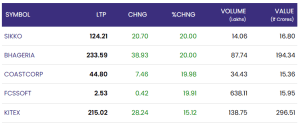 Despite broader index consolidation, a few stocks demonstrated extraordinary upward movement. Bhageria and Sikko both soared by 20%, closing at Rs. 233.59 and Rs. 124.21 respectively, on robust trading volumes. FCSSOFT, Coastcorp, and Kitex maintained the day’s trend of high double-digit gains witnessed in their earlier sessions, with Kitex closing at Rs. 215.02 after a 15.12% surge. These moves point to ongoing investor focus on high-beta stocks and potential momentum plays.
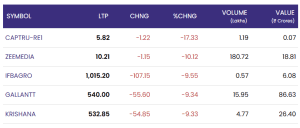 On the losing end, CAPTRU-RE1 slumped 17.33% to Rs. 5.82, and ZEEMEDIA dropped over 10% despite heavy trading interest. IFBAGRO lost 9.55%, and both Gallantt and Krishana saw steeper falls of more than 9%, which included significant value turnover in Gallantt (Rs. 86.63 crore) and Krishana (Rs. 26.40 crore). This highlights aggressive profit-taking and waning momentum in certain pockets.
 Also Read:
 Implications and next steps
 On 23 October 2025, the European Union adopted its European defence & security conclusions and simultaneously rolled out the 19th sanctions package against Russia (and Belarus). The conclusions emphasise readiness, strategic dependency reduction, border defence and dual-use assets; the sanctions target Russian energy, finance, shadow-fleet logistics, and diplomatic mobility. Together they embody a strategic shift in Europe’s posture: enhancing resilience from within while denying aggressors the means to attack. As implementation begins, the effectiveness of both tracks will shape Europe’s security environment for years to come.