Sunday, May 17, 2026
Home Blog Page 397

Assault on Civil Engineer and Friend in North 24-Parganas Sparks Renewed Calls for Strengthened Women’s Safety Measures: Government Resources and Support Systems Highlighted

Assault on Civil Engineer and Friend: In a disturbing incident that underscores the persistent vulnerability of women in public spaces, a civil engineer and her companion were brutally assaulted by a group of youths in Chandpara, North 24-Parganas, West Bengal, on the night of October 21, 2025. The attack occurred around midnight on the approach road to the railway station, highlighting the urgent need for enhanced safety measures and proactive government intervention to protect women across the state.


Assault on Civil Engineer and Friend: Details of the Incident

The victims were returning from a Kali Puja pandal when they were confronted by a group of men who made lewd remarks. When the woman and her friend protested, the assailants escalated the situation, physically attacking them and throwing stones. One attacker even attempted to drag the woman away, biting her wrist in the process.

The situation worsened when the civil engineer’s cousin, an assistant professor at Calcutta Medical College, arrived with friends to help. He too was assaulted, sustaining severe facial injuries. The assailants fled before police arrival, leaving the victims physically and emotionally traumatized.


Police Response and Legal Action

Local authorities registered a complaint and launched an investigation. Four individuals were arrested, though authorities are still pursuing several others who remain unidentified. Police efforts are ongoing to ensure that all perpetrators are brought to justice.

The police have emphasized that timely reporting and community cooperation are critical in apprehending offenders and preventing repeat incidents.


Public Outrage and Political Reactions

The attack has sparked widespread public outrage. Local residents and political figures have expressed deep concern about the safety of women in public spaces. Bikash Ghosh, president of the BJP’s Bongaon district committee, condemned the incident and called for stricter enforcement of law and order, stating that repeated attacks highlight a climate of lawlessness in the state.

This assault follows a similar incident the previous day, when a female doctor was attacked at a hospital in Uluberia and threatened with rape, reinforcing the urgency of protective measures for women in both public and professional spaces.


Government Support Systems and Resources for Women

To address issues of women’s safety and provide immediate assistance to victims, several government resources and initiatives are available:

1. West Bengal Commission for Women (WBCW)

The WBCW is tasked with safeguarding women’s rights and providing support in cases of assault, harassment, or domestic violence. Victims can lodge complaints and seek counseling and legal assistance.

  • Website: wbcw.co.in
  • Email: wbcw.org@gmail.com
  • Address: Jalasampad Bhawan, 10th Floor, Block – DF, Sector – 1, Salt Lake City, Kolkata – 700091

2. SHe-Box (Sexual Harassment Electronic Box)

Managed by the Ministry of Women and Child Development, SHe-Box enables women to report workplace harassment online, ensuring timely action.

3. West Bengal Police

The official portal provides access to services for reporting crimes, including assaults on women, along with safety tips and information about Women’s Police Stations.

4. Bangla Sahayata Kendra (BSK)

BSKs across West Bengal help citizens access public services, including legal aid and support for women facing safety threats.

5. National Commission for Women (NCW)

The NCW provides a national-level platform for women to report grievances related to harassment, assault, and safety, offering guidance and legal assistance.


Broader Implications and Need for Systemic Reform

This incident is emblematic of a broader pattern of assaults on women in West Bengal. Experts argue that systemic reforms are urgently needed, including:

  • Strengthening law enforcement presence in public spaces, especially during nighttime.
  • Implementing safety audits and surveillance systems in vulnerable areas.
  • Running community awareness campaigns to change societal attitudes toward women and promote safe behavior.
  • Establishing rapid response teams and helplines for immediate assistance during attacks.

Ensuring women’s safety requires a multi-pronged approach involving government agencies, local authorities, community organizations, and individual vigilance.


Conclusion

The assault on the civil engineer and her companion is a stark reminder of the ongoing safety challenges faced by women in West Bengal. While arrests have been made, the incident underscores the need for long-term preventive measures, effective law enforcement, and public awareness initiatives. Government-supported resources such as the WBCW, SHe-Box, West Bengal Police, and NCW are vital in providing immediate relief, but sustained efforts are required to ensure women can navigate public and professional spaces without fear of harassment or assault.


External Government Resources for Women’s Safety

Also read: Home | Channel 6 Network – Latest News, Breaking Updates: Politics, Business, Tech & More
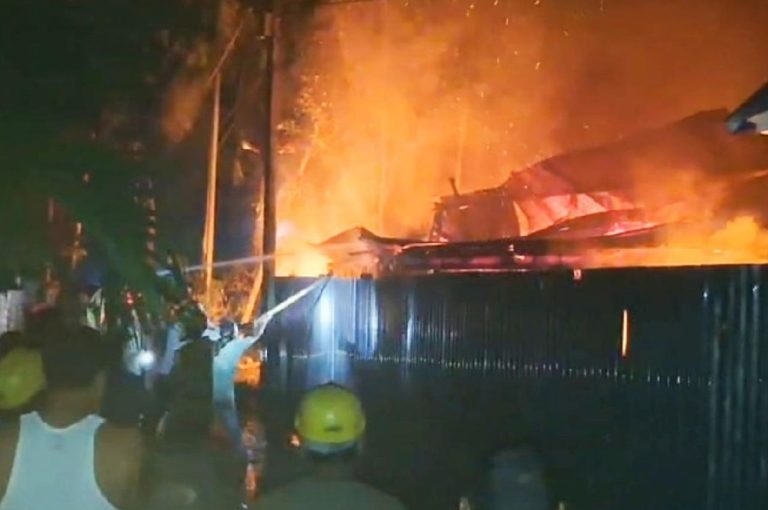
Massive Fire Engulfs House and Godown on Sahebganj Road in Dinhata, Cooch Behar: Highlights Urgent Need for Improved Fire Safety Measures and Emergency Preparedness

Massive Fire Engulfs House and Godown: In a devastating incident that has shaken residents of Dinhata town in Cooch Behar district, a house and an adjoining godown on Sahebganj Road went up in flames on the night of October 20, 2025. The blaze, which started around 8 PM at the residence of utensil merchant Mona Jourdar in Natunpara, quickly spread to a nearby warehouse storing flammable materials such as plastics, utensils, and household goods, putting neighboring homes at significant risk. Firefighters battled the blaze for nearly three hours, finally bringing it under control around 11 PM. Fortunately, no casualties were reported, but extensive property damage left families and businesses devastated.


Massive Fire Engulfs House and Godown: Sequence of Events

Eyewitnesses reported that the fire spread rapidly due to highly combustible materials in the godown. Some residents speculated that firecrackers or electrical short circuits may have ignited the initial flames, though the exact cause remains under investigation by local authorities.

Firefighting teams from Dinhata Fire Station, supported by volunteer locals, worked tirelessly to contain the flames and prevent the fire from engulfing adjacent homes and shops. Despite the challenges posed by narrow roads and limited access for fire engines, the coordinated response prevented any loss of life.


Previous Fire Incidents in Dinhata

This is not the first time Dinhata has witnessed a major fire.

  • Earlier in 2025, a significant fire in Chowdhary Haat destroyed 18 shops, with local residents criticizing delayed fire service responses. Assistance from the Border Security Force was crucial in containing the blaze. (millenniumpost.in)
  • In 2007, two godowns in Dinhata were gutted by fire, suspected to have been caused by a short circuit, destroying tobacco materials and nearby huts. (timesofindia.indiatimes.com)

The recurrence of such incidents highlights persistent vulnerabilities in fire safety infrastructure and emergency preparedness in Dinhata.


Challenges to Fire Safety in Dinhata

Several factors contribute to Dinhata’s recurring fire hazards:

  • Overcrowded residential and market areas make it difficult to manage and contain fires.
  • Narrow streets and limited access routes slow down the arrival of emergency services.
  • Lack of adequate firefighting infrastructure, including fire hydrants and modern equipment, hampers quick response.
  • Low public awareness about fire prevention and emergency procedures increases the risk of fires spreading.

Experts stress that urban planning and safety measures need urgent reinforcement to prevent further tragedies.


Recommendations for Enhanced Fire Safety

To mitigate future risks and safeguard lives and property, the following measures are recommended:

  1. Upgrade Firefighting Infrastructure: Modern fire engines, high-pressure hoses, and protective equipment should be made available to local fire stations.
  2. Installation of Fire Hydrants: Strategically placed hydrants throughout the town can allow faster response times.
  3. Community Fire Safety Awareness Programs: Educating residents and shop owners on fire prevention, safe storage of flammable materials, and emergency procedures is essential.
  4. Regular Fire Drills: Conducting drills in residential areas and markets can prepare citizens for emergencies.
  5. Enforcement of Building Codes: Ensure that all new constructions adhere to fire-resistant building materials and designs.
  6. Regular Electrical Inspections: Given that electrical faults are a common cause of fires, authorities should mandate routine checks of wiring in homes and businesses.

Human Impact

Although no casualties were reported in this incident, the fire inflicted massive property losses on families and businesses. The psychological and financial toll on affected families is significant, as livelihoods and homes were damaged. Local residents expressed anxiety and frustration over the recurring nature of fire incidents and the perceived lack of preventive measures.

“We are thankful no one was hurt, but the material loss is huge. We hope the authorities will take steps to prevent such incidents in the future,” said a local shopkeeper.


Broader Implications

The Dinhata fire incident underscores the urgent need for systematic fire safety protocols across small towns and semi-urban areas of India. With increasing population density, expanding commercial activity, and aging infrastructure, fires can quickly escalate into disasters.

Experts recommend that state and district authorities adopt a holistic approach combining infrastructure upgrades, regulatory enforcement, emergency response training, and community awareness campaigns. Such steps are critical for preventing future tragedies and enhancing public safety.


Government and Administrative Response

Following the incident, local authorities conducted an onsite assessment to evaluate damages and identify gaps in emergency preparedness. The Cooch Behar District Administration has assured that measures will be taken to improve firefighting infrastructure and implement fire safety awareness campaigns in markets and residential areas.


Conclusion

The house and godown fire on Sahebganj Road in Dinhata serves as a stark reminder of the critical importance of fire safety, infrastructure planning, and emergency preparedness. While the community was fortunate that no lives were lost, the recurring nature of such fires highlights the urgent need for comprehensive preventive measures. Collaboration between local authorities, residents, fire safety experts, and civic bodies is essential to ensure that fires do not escalate into tragedies in the future.


External Links for Reference

Also read: Home | Channel 6 Network – Latest News, Breaking Updates: Politics, Business, Tech & More

Elderly Woman Dies After Stampede-Like Rush at Burdwan Railway Station: Calls for Urgent Crowd Management and Infrastructure Overhaul Intensify

Elderly Woman Dies After Stampede: In a tragic incident that has sent shockwaves across Burdwan district, 67-year-old Aparna Mondal of Howrah passed away after sustaining injuries during a stampede-like situation at Burdwan Railway Station on October 12, 2025. The incident, which occurred on the foot overbridge connecting platforms 4 and 5, has reignited concerns over inadequate infrastructure, overcrowding, and ineffective crowd management at one of West Bengal’s busiest railway hubs.


Elderly Woman Dies After Stampede: The Incident

According to eyewitness accounts, the chaos ensued when two trains arrived simultaneously at platforms 4 and 5, resulting in a sudden surge of passengers attempting to board and disembark. Amidst the crush of commuters, Aparna Mondal reportedly lost her balance and fell, sustaining severe injuries. She was immediately rushed to the Burdwan Medical College and Hospital but succumbed to her injuries eight days later on October 20, 2025.

Elderly Woman Dies After Stampede

Family members and local residents have expressed profound grief, emphasizing the vulnerability of elderly passengers in such high-risk situations. Mondal’s untimely death has overshadowed the daily life of the community and highlighted systemic deficiencies in station management.


Eyewitness Accounts

Several commuters described the scene as chaotic, with people pushing and jostling on the crowded foot overbridge.

“The foot overbridge is always crowded during peak hours. With the escalators not working and two trains arriving at once, it became impossible to move safely,” said a local resident.

Passengers highlighted the lack of announcements, insufficient signage, and minimal staff presence as key factors that exacerbated the situation. The incident underscores the daily challenges faced by commuters, particularly the elderly, women, and differently-abled individuals.


Infrastructure and Safety Concerns

Burdwan Railway Station is a major transit point connecting multiple regional and long-distance trains. However, recurring safety concerns have plagued the station. Experts note that:

  • Foot overbridges are narrow and often overcrowded during peak hours.
  • Escalators and lifts are frequently out of service, forcing passengers to climb multiple flights of stairs.
  • Signage and crowd guidance are inadequate, leaving passengers to navigate congestion without support.

Previous incidents, including a fatal water tank collapse in 2023, indicate persistent infrastructure challenges. Without urgent upgrades, the station remains vulnerable to accidents, particularly during high-traffic events.


Official Response

The Indian Railways clarified that there was no formal stampede but acknowledged a stampede-like situation due to overcrowding. Authorities have promised a detailed investigation into the incident and pledged to implement preventive measures, including improved crowd management protocols and infrastructure maintenance.

The local administration has also initiated an inquiry into station operations, particularly focusing on the functionality of escalators, lifts, and emergency response measures. Preliminary findings suggest that the non-functioning vertical transportation systems significantly contributed to the overcrowding.


Expert Recommendations

To prevent similar tragedies in the future, experts recommend:

  1. Regular maintenance of escalators and lifts to reduce reliance on foot overbridges.
  2. Implementation of advanced crowd management techniques, including station marshals, clear signage, and public announcements.
  3. Infrastructure upgrades, such as widening foot overbridges and creating additional access points to platforms.
  4. Public awareness campaigns on safe boarding practices and adherence to station guidelines.
  5. Emergency preparedness drills and rapid response teams to assist during overcrowding situations.

Railway safety experts emphasize that combining infrastructure modernization with operational vigilance is critical to safeguarding passengers, especially the elderly and differently-abled.


Broader Implications

The tragic death of Aparna Mondal serves as a reminder of the systemic issues faced by Indian railway stations, particularly in mid-sized cities and towns. Overcrowding, aging infrastructure, and insufficient safety measures can convert routine travel into life-threatening situations.

As railway networks expand to accommodate growing populations, it becomes imperative to prioritize passenger safety through comprehensive planning, modernization, and community engagement.


Human Dimension

Beyond policy discussions and infrastructure analysis lies a grieving family and a community confronting the fragility of life. Mondal’s passing has left a lasting impact on her relatives, fellow commuters, and the local neighborhood. Her story underscores the human cost of infrastructural neglect and the urgent need for reform.

Residents of Burdwan have vowed to raise awareness among commuters about safe travel practices and are advocating for more proactive measures by the railway authorities.


Steps Forward

Authorities are urged to:

  • Conduct immediate safety audits of foot overbridges and platform access points.
  • Ensure functionality of escalators and lifts before peak hours.
  • Deploy trained personnel to manage crowds during train arrivals and departures.
  • Implement long-term infrastructure projects to expand platform capacity and streamline passenger movement.
  • Foster community engagement programs to educate commuters about safety during peak times.

These measures are essential not only to prevent accidents but also to restore public confidence in the railway system.


Conclusion

The fatal incident at Burdwan Railway Station highlights the urgent need for modernized infrastructure, proactive crowd management, and passenger awareness. Aparna Mondal’s death is a tragic reminder that public spaces must prioritize safety, especially for the elderly and vulnerable populations.

As the Indian Railways continues to serve millions daily, it is imperative that lessons from such incidents lead to tangible reforms, ensuring that travel remains safe, orderly, and accessible for all citizens.


External Links for Further Reading

Also read: Home | Channel 6 Network – Latest News, Breaking Updates: Politics, Business, Tech & More

Tragic Diwali in Cooch Behar: Youth Electrocuted While Decorating Home Highlights Electrical Safety Risks During Festival Celebrations

Tragic Diwali in Cooch Behar: In a heart-wrenching incident that has cast a shadow over the Diwali festivities in West Bengal, 30-year-old Badal Biswas of Uttar Sitai village in Cooch Behar district was electrocuted while decorating his home with festive lights. The tragedy occurred on the evening of Monday, just as households across the region were preparing for the vibrant celebration of lights, symbolizing prosperity and joy.


Tragic Diwali in Cooch Behar: The Incident

According to local reports, Badal was installing fairy lights and electrical decorations at the entrance of his home when he came into contact with live wiring near the meter board. Witnesses said the young man collapsed instantly. Family members inside the house only discovered him about half an hour later. He was immediately rushed to the block primary health centre and later referred to the Cooch Behar district hospital, but was pronounced dead on arrival.

Neighbours described Badal as a hardworking and jovial individual who had recently married. The suddenness of the accident left the entire village in shock, dampening the otherwise festive atmosphere.


Community Response and Mourning

Residents of Uttar Sitai and surrounding villages have expressed deep grief. Local leaders and villagers gathered at the scene to offer condolences to the bereaved family. The community has also taken the incident as a cautionary reminder of the risks associated with decorative electrical installations during festivals.

“This tragedy has left us all shaken. While we celebrate Diwali with lights, it’s a stark reminder that safety must come first,” said a local community elder.


Festival-Related Electrical Hazards

The incident in Cooch Behar is part of a larger pattern across India, where Diwali celebrations often lead to electrical accidents due to decorative lighting. Faulty wiring, overloading of circuits, and the use of uncertified lights are common contributors to such tragedies.

Electrical engineers highlight that many older homes in rural and semi-urban regions lack modern safety devices such as circuit breakers or residual current devices (RCDs), which could prevent fatal electrocutions. The increased usage of decorative lights during festivals often exceeds the safe load capacity of household wiring, making mishaps more likely.


Safety Measures for Festive Celebrations

Experts and local authorities recommend several safety precautions to prevent similar accidents:

  1. Use certified lights and electrical products that meet national safety standards.
  2. Avoid overloading circuits by connecting multiple sets of lights in parallel rather than daisy-chaining them.
  3. Turn off the main power supply while installing or adjusting decorations.
  4. Keep installations away from wet surfaces and areas prone to water exposure.
  5. Use ladders safely and ensure that no part of the body comes into contact with live wires.
  6. Install safety switches or RCDs to cut off electricity instantly in case of leakage currents.
  7. Educate the community about festival-related electrical risks through awareness campaigns.

Implementing these measures can significantly reduce the risk of accidents and ensure a safe and joyous celebration for families across the region.


Broader Implications

The incident highlights the need for a cultural shift in festival safety, especially in rural areas. While Diwali is traditionally associated with lights, prosperity, and joy, incidents like this demonstrate that celebration must be accompanied by responsible electrical practices.

Authorities may consider proactive measures, such as:

  • Pre-festival safety inspections of electrical wiring in homes.
  • Public awareness campaigns on safe installation of decorative lights.
  • Collaboration with local schools, NGOs, and community leaders to promote electrical safety education.
  • Provision of emergency response training to villagers for immediate first aid in case of electrocution.

Human Dimension

Behind the technical discussions and safety measures lies a family in mourning. Badal’s newlywed wife and immediate family are grappling with a sudden and unimaginable loss. The incident underscores the fragility of life and the importance of combining festivity with vigilance.

For the villagers of Uttar Sitai, the tragedy has cast a somber tone over Diwali. Children, who once eagerly awaited the festival, are now witnessing the harsh realities of preventable accidents, serving as a lasting lesson in safety.


Learning from Past Incidents

Data from the National Disaster Management Authority and media reports indicate that every Diwali season sees multiple electrical accidents across India. From minor shocks to fatal electrocutions, these incidents emphasize the critical need for safe electrical practices during festivals.

Educational campaigns by local governments, electricity boards, and NGOs can play a vital role in reducing such accidents. Communities must learn that festival joy and electrical safety are not mutually exclusive.


Conclusion

The tragic death of Badal Biswas during Diwali preparations in Cooch Behar serves as a stark reminder that celebration without caution can be fatal. As the nation lights up its homes for Diwali, the importance of electrical safety cannot be overstated. Families, communities, and authorities must work together to ensure that festivals remain joyous and safe for everyone.

“We mourn the loss of a young life and urge everyone to exercise caution,” said a local official. “Safety must be part of every celebration.”


External Links for Reference:

Also read: Home | Channel 6 Network – Latest News, Breaking Updates: Politics, Business, Tech & More

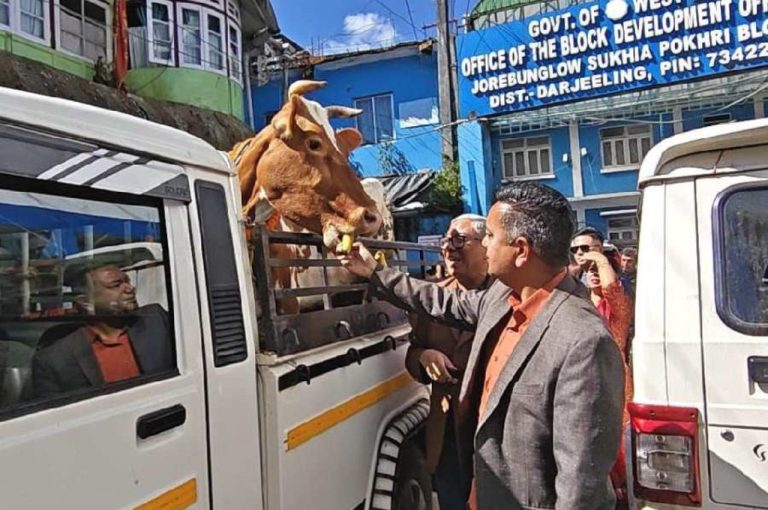
Gai Tihar Brings Hope: Cows Gifted to Landslide-Hit Families in Darjeeling Hills as Tradition Blends with Recovery

Gai Tihar Brings Hope: In the serene yet disaster-scarred hills of Darjeeling, the festival of Gai Tihar—a day dedicated to worshipping cows as symbols of prosperity, nurturing, and divine grace—carried a profound meaning this year. Amid the joyous chants and incense-filled rituals, the occasion turned into an act of revival for several families devastated by the recent October 5 landslides, as local authorities and non-profit groups came together to gift cows to those who had lost everything.

A Festival Rooted in Faith and Livelihood

Gai Tihar, part of the broader Tihar festival celebrated by the Nepali community across the Himalayas, traditionally honors cows for their nurturing nature and vital role in sustaining households. The animal is considered sacred, representing wealth, fertility, and the goddess Laxmi. This year, however, the festival extended beyond religious observance—becoming a bridge between faith and recovery.

Dozens of families in the Sukhiapokhri block of Darjeeling district, who had been struggling since the massive landslides, found renewed hope as cows were distributed as part of a community rehabilitation initiative.

“We wanted to combine culture and compassion,” said VikRun Foundation founder Vivek Gurung, who partnered with the Gorkhaland Territorial Administration (GTA) to launch the Asha Gai (Cow of Hope) project. “A cow is not just livestock—it’s livelihood, milk, and emotional comfort for many hill families.”

Read the full original report on The Telegraph India


The Aftermath of the October 5 Landslides

The torrential rains that hit Darjeeling earlier this month caused widespread landslides, claiming multiple lives, washing away houses, and wiping out livestock. Entire hillsides crumbled under relentless downpours, leaving behind a trail of mud, destruction, and despair.

According to GTA records, 24 cows, 14 bulls, and 53 goats perished in the disaster, apart from hundreds of poultry and pigs. For the hill farmers who rely heavily on dairy and animal rearing for sustenance, this loss was catastrophic.

One of the beneficiaries, Prashant Subba from Rangbhang village, described his loss vividly:

“The landslide took away not just our house but every animal we raised. I used to sell 30 to 35 liters of milk daily—our only source of income. Getting a cow again gives us a chance to restart.”

The emotional connection between these animals and their owners in the hill regions runs deep. In areas where formal employment opportunities are limited, livestock equals security.


“Asha Gai” — The Cow of Hope Initiative

The VikRun Foundation, a Darjeeling-based social initiative, collaborated with the GTA Animal Husbandry Department to bring the Asha Gai project to life. The goal was to align cultural identity with immediate rehabilitation.

Under this scheme, cows were donated to families who lost their animals in the landslides. Each cow, valued between ₹22,000 to ₹25,000, was procured from local breeders to suit the hilly terrain and feeding conditions.

Asim Rana, Deputy Director of Animal Husbandry (GTA), explained that while this first phase involved the distribution of cross-breed cows, future plans include introducing high-yield breeds such as Jersey, Holstein, and Sahiwal through artificial insemination programs.

“The idea is not just to give relief but to rebuild livelihoods sustainably,” Rana said. “The cows will help families regain financial stability and emotional strength.”

For many hill residents, the timing—Gai Tihar, when cows are worshipped and adorned with garlands—made the act symbolically powerful.


Gai Tihar Brings Hope: Faith, Livelihood, and Resilience

The Nepali community’s celebration of Gai Tihar is characterized by ritualistic worship, garlanding of cows, and offerings of sweets and grains. In many homes this year, newly gifted cows were worshipped as part of the celebration, their arrival symbolizing divine blessing.

The moment captured the spirit of resilience in Darjeeling’s hills. Women, dressed in bright traditional attire, welcomed the cows with aarti thalis and tika, thanking both the gods and the donors.

“In the middle of despair, we are celebrating gratitude,” said Mina Tamang, a recipient of one of the donated cows. “Our children smiled again after weeks of sadness.”


Linking Tradition with Modern Recovery

While the Asha Gai initiative is deeply rooted in cultural symbolism, it also reflects a growing integration of traditional practices into modern disaster recovery efforts. Experts say this model can serve as a blueprint for future rehabilitation projects in eco-sensitive hill regions.

The move highlights the potential of culturally sensitive aid—relief that resonates emotionally with affected communities, reinforcing their identity while providing material support.

By merging faith-based observance with economic rehabilitation, the initiative has restored dignity and hope among survivors, moving beyond short-term relief toward self-reliance.


The Broader Significance

  1. Economic Revival – Dairy farming remains one of the few consistent sources of cash income for families in the Darjeeling hills. The distribution of cows directly revives milk production and local trade.
  2. Cultural Continuity – Aligning the initiative with Gai Tihar reinforces local customs and ensures community participation.
  3. Psychological Healing – For families traumatized by loss, receiving a cow during a sacred festival reaffirms their faith in continuity and divine justice.
  4. Community Solidarity – The initiative brought together government agencies, NGOs, and local residents, strengthening social bonds essential for long-term recovery.

Challenges Ahead

Despite the positive outcome, challenges remain. The upkeep of cattle in hill terrain demands sufficient fodder, veterinary care, and infrastructure. Many remote areas lack proper animal shelters and access to veterinary clinics.

Authorities are exploring partnerships with agricultural cooperatives to provide fodder subsidies and ensure veterinary coverage. Long-term planning will be crucial for sustainability.

Experts also emphasize the need to tackle the root causes of recurring landslides—deforestation, unregulated construction, and weak drainage systems. Without addressing these, recovery remains vulnerable.


Lessons from the Hills

The Darjeeling initiative underscores how local culture can drive disaster recovery when government and grassroots organizations collaborate. Unlike standard relief packages, this initiative’s success lies in its cultural resonance—it speaks the emotional language of the people.

Across India’s disaster-prone regions—from the Himalayan foothills to the floodplains of Assam—similar models could be implemented, where cultural rituals and local livelihoods are intertwined with rehabilitation.

“Culture is not separate from survival,” said sociologist Bishal Lama from North Bengal University. “When you rebuild faith, you rebuild people.”


A Festival of Hope and Healing

As the sun set over the misty slopes of Darjeeling on Gai Tihar, the bells tied to the newly gifted cows chimed softly in the wind. Children played around them, elders performed aarti, and the scent of marigolds filled the air.

For these families, the festival was more than a ritual—it was a promise that life, like faith, finds a way to return.

“This year’s Gai Tihar will be remembered not for sorrow, but for the kindness that followed,” said Gurung.

The hills, once echoing with cries of loss, now reverberate with mooing cows and cautious laughter—a sound of fragile but genuine recovery.


External Links for Further Reading:

Also read: Home | Channel 6 Network – Latest News, Breaking Updates: Politics, Business, Tech & More
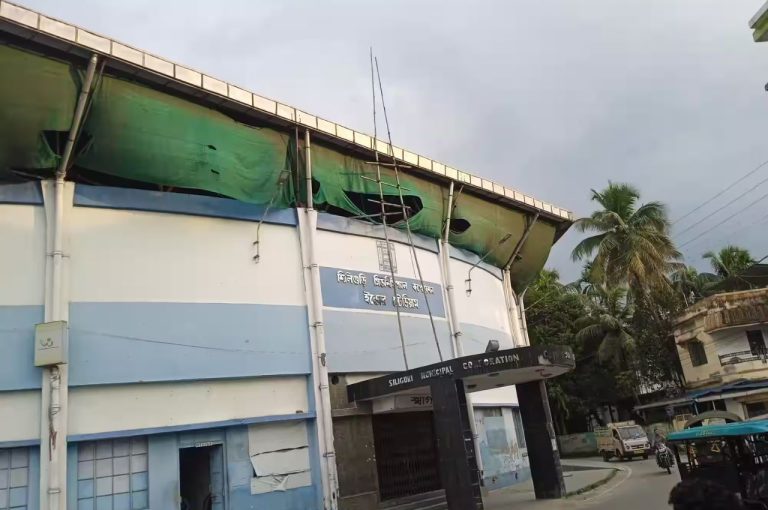
Siliguri Indoor Stadium Overhaul Before Table Tennis Tournament: City Revives Sports Spirit with Major Renovation

Siliguri Indoor Stadium Overhaul: Siliguri’s once-neglected Deshbandhupara Indoor Stadium is finally getting the attention it deserves. With a state-level table tennis championship approaching in November, the Siliguri Municipal Corporation (SMC) has begun an ambitious renovation project aimed at reviving one of North Bengal’s most significant sports venues.

Siliguri Indoor Stadium Overhaul

The renovation—backed by a budget of ₹1 crore—seeks to modernize the ageing infrastructure, enhance safety, and prepare the facility for large-scale sporting events. The project has become a symbol of the city’s renewed commitment to sporting excellence and civic development.


A Comeback Story for Siliguri’s Sporting Pride

Built in the 1990s, the Deshbandhupara Indoor Stadium once hosted a range of prestigious tournaments and cultural gatherings. However, years of neglect left the structure deteriorated and unfit for major events. During the pandemic, it was temporarily repurposed as a quarantine and health facility—a far cry from its glory days.

Now, Siliguri’s sports lovers have reason to cheer again. The SMC’s decision to overhaul the venue follows demands from local athletes, coaches, and sports associations who urged authorities to bring the facility back into active use.

Siliguri Indoor Stadium Overhaul

Mayor Gautam Deb confirmed that the renovation work is progressing rapidly, stating, “We are committed to finishing the entire project before the end of October so that the stadium is ready for the upcoming state-level table tennis championship.”

For years, the lack of an updated indoor sports facility had limited Siliguri’s ability to host top-tier tournaments. The current project aims to change that by transforming the stadium into a multi-sport complex capable of accommodating both professional and community-level events.


Siliguri Indoor Stadium Overhaul: Key Upgrades in the Overhaul

The ₹1 crore modernization plan includes a variety of structural and functional improvements designed to bring the facility in line with current sporting standards:

  • New Synthetic Flooring: A high-quality sports flooring system has been imported from Chandigarh to ensure superior performance and safety during the championship.
  • Roof Replacement: The old, leaky roof is being completely replaced with durable, weather-resistant materials.
  • Ventilation and Lighting: Modern ventilation systems and energy-efficient LED lights are being installed to improve visibility and air circulation.
  • Anti-Bird Measures: Iron meshes will be fitted to prevent birds from entering the arena and causing disturbances during matches.
  • Parking and Access Upgrades: A new parking area is being developed, with improved vehicle movement and entry points for players and spectators.
  • Spectator Seating and Facilities: Seats are being refurbished, restrooms renovated, and new signage installed to enhance comfort and accessibility.

According to SMC engineers, 50% of the work has already been completed, and the final stages—including flooring installation and electrical fittings—are expected to finish in the coming weeks.


A Boost for Table Tennis and Beyond

The upcoming West Bengal State Table Tennis Championship will be the first major event to be hosted at the revamped stadium. Organizers expect participation from across the state, with matches spanning multiple categories—junior, sub-junior, and senior divisions.

Local players, many of whom have trained in makeshift facilities, are enthusiastic about finally competing in a professional-grade venue. Siliguri has long been a hub for table tennis talent, producing players who have represented West Bengal at national tournaments.

The revival of the stadium is expected to further strengthen this ecosystem, encouraging young athletes and providing local clubs a professional environment to train.

After the table tennis tournament, the SMC is reportedly planning to host a state-level badminton event, followed by inter-district volleyball and indoor cricket matches, effectively turning the facility into a year-round sports destination.


Challenges in Revamping the Facility

Despite progress, the renovation is not without its challenges:

  • Tight Deadlines: With only weeks left before the tournament, completing all civil and electrical works on time remains a major concern.
  • Limited Budget: ₹1 crore, while significant, is tight for a full structural and aesthetic overhaul, leaving little room for unexpected expenses.
  • Long-Term Maintenance: Experts emphasize that upkeep will be key to ensuring the facility doesn’t fall back into disrepair.
  • Weather Constraints: October rains could delay construction and painting work if not managed efficiently.

Still, the mayor remains optimistic, insisting that “this time, the focus is on lasting quality rather than quick fixes.”


Community and Economic Impact

The stadium’s revival goes beyond sports—it promises social and economic ripple effects for Siliguri.

Hosting state-level tournaments draws athletes, coaches, spectators, and media from across Bengal. This influx can boost the local economy through hotel stays, transportation, and food services. Local vendors and businesses near Deshbandhupara are already preparing for a surge in visitors during the November event.

Moreover, the upgraded venue will allow youth training camps, school sports meets, and talent scouting programs to operate on a larger scale, supporting Siliguri’s emergence as a sports education hub.


Civic Vision: Building Siliguri as a Sports City

Mayor Deb has reiterated that Siliguri’s long-term goal is to position itself as a “Sports Capital of North Bengal.” Alongside the indoor stadium project, the SMC has undertaken parallel efforts to upgrade outdoor facilities, including football grounds, athletics tracks, and public gyms.

The revival aligns with broader state government initiatives to expand grassroots sports infrastructure, especially in non-metro regions. By investing in multipurpose stadiums and community sports centers, the aim is to nurture athletic talent outside Kolkata and Darjeeling.

Officials also mentioned that after completion, the stadium would not be used for political or non-sporting events, ensuring that its primary function remains promoting athletics and youth engagement.


A Symbol of Resilience and Renewal

Siliguri’s indoor stadium story is also a tale of resilience. From being an emergency facility during the COVID-19 crisis to reclaiming its place as a sporting landmark, the transformation reflects the city’s determination to rebuild and progress.

As the first coats of paint dry and the new synthetic floors are rolled out, there’s a growing sense of anticipation among residents. For many, the echo of bouncing table tennis balls will symbolize more than a game—it will mark Siliguri’s return to the sporting map.


Looking Ahead: A New Era for Sports in North Bengal

Once the renovation is complete, Siliguri will not only gain a top-notch facility but also a renewed identity as a center for indoor sports in eastern India. The move could inspire similar initiatives in nearby towns like Jalpaiguri, Cooch Behar, and Alipurduar, where infrastructure remains limited.

For now, all eyes are on November, when the city will host hundreds of athletes and spectators for a week of intense, high-energy matches. A successful event could pave the way for Siliguri to bid for national-level tournaments in the near future.


External References and Further Reading

Also read: Home | Channel 6 Network – Latest News, Breaking Updates: Politics, Business, Tech & More
West Bengal CEO Warns Mackintosh Burn for Defying Election Commission Orders on Poll Booth Work

West Bengal CEO Warns Mackintosh: In a rare administrative standoff, West Bengal’s Chief Electoral Officer (CEO) Manoj Agarwal has issued a sharp letter to Mackintosh Burn Ltd, a state-owned construction company, accusing it of non-compliance with Election Commission directives related to the Assured Minimum Facilities (AMF) programme. The move signals growing friction between the state’s infrastructure arm and the election machinery, as the 2026 West Bengal Assembly Elections draw near.

West Bengal CEO Warns Mackintosh: Firm’s Defiance Prompts EC Action

According to reports, the Election Commission had tasked Mackintosh Burn with carrying out an extensive survey of nearly one lakh polling stations across the state under the AMF initiative. The scheme, which ensures basic voter facilities like ramps, toilets, sheds, and drinking water at every polling booth, is a crucial step in guaranteeing accessibility and voter comfort.

However, despite several reminders and directives since July 2025, Mackintosh Burn allegedly refused or delayed taking up the assignment, prompting the CEO to send a formal warning on October 17. In his letter, Agarwal cautioned that continued defiance could invite criminal proceedings against the company’s management under provisions of the Election Commission Act and related regulations.

For reference, see the original report by The Telegraph India: CEO letter flays firm’s defiance: State-owned company refuses to do jobs for EC.

Background of the Conflict

The friction between Mackintosh Burn and the Election Commission began in July when the company was first assigned the AMF survey work. By September, the CEO’s office had issued multiple written instructions urging immediate commencement. However, no field work was reportedly undertaken, and the company cited logistical hurdles and lack of budgetary clarity as reasons for inaction.

Agarwal’s letter made it clear that these justifications were unacceptable, stating that election-related tasks supersede routine bureaucratic concerns. The letter also reminded the firm that similar projects had been successfully completed during previous elections in 2019, 2021, and 2024.

Further information on AMF guidelines and implementation frameworks can be accessed from the Election Commission of India official site and the West Bengal CEO portal.

Legal and Administrative Implications

By invoking the threat of criminal action, the Election Commission is effectively emphasizing the mandatory nature of poll-related assignments for all government and state-linked institutions. Legal experts note that this marks a shift toward greater accountability within the public sector, especially in the lead-up to large-scale elections.

Such a warning could trigger internal inquiries within Mackintosh Burn, and possibly an intervention from the Public Works Department (PWD), under which the company operates. The issue could escalate to the Chief Secretary’s office, as the EC may demand an explanation for the firm’s refusal to comply with election directives.

For details on past cases involving EC directives and compliance standards, refer to the Representation of the People Act, 1951 and ECI Handbook for Returning Officers.

The Importance of AMF (Assured Minimum Facilities)

The AMF initiative ensures that all voters, regardless of age, gender, or physical ability, can access polling booths safely and conveniently. This includes:

  • Construction of ramps and railings for persons with disabilities.
  • Availability of drinking water and toilets at all polling stations.
  • Setting up shade areas for voters waiting in queues.
  • Ensuring electricity and adequate lighting in all booths.

Failure to provide these facilities can affect voter turnout and compromise the Election Commission’s constitutional duty to ensure free and fair elections.

According to the Election Commission’s AMF Guidelines, local agencies, including PWDs and state-run companies, are responsible for executing AMF works under EC supervision.

State Reaction and Political Overtones

The CEO’s stern message has caused ripples within administrative and political circles in Kolkata. Senior state officials expressed concern that such public censure of a government entity might trigger a political standoff between the state government and the Election Commission.

Political observers suggest that the incident could add to existing tensions between the ruling Trinamool Congress (TMC) and central authorities, particularly given recent EC scrutiny over law and order, booth accessibility, and voter list verification.

Meanwhile, some bureaucrats believe that the CEO’s action was necessary to prevent systemic inertia from delaying pre-election preparations. As one senior officer remarked,

“Election duties are not optional. When a state agency refuses to comply, it undermines the foundation of administrative neutrality.”

A History of Administrative Standoffs

This is not the first time that West Bengal has witnessed disputes between the Election Commission and state bodies. During the 2021 Assembly Elections, similar delays in infrastructure readiness led to warnings against several departments, including the PWD and Urban Development bodies.

In 2019 and 2024, the Commission had introduced strict compliance frameworks, requiring real-time updates from all implementing agencies. The Mackintosh Burn case may set another precedent for bureaucratic accountability, reinforcing the EC’s power over election-time logistics.

For background reading, visit Press Information Bureau archives for previous election infrastructure directives issued by the central EC.

The Broader Challenge: Administrative Neutrality and Efficiency

Analysts say the controversy highlights a recurring governance issue — the lack of administrative independence in election-related infrastructure projects. While the EC has constitutional authority, it depends on state machinery for implementation. If that machinery drags its feet, even unintentionally, it compromises election preparedness.

Experts at the Centre for Policy Research note that such lapses underscore the need for permanent election infrastructure wings within state agencies that remain functional throughout the year, not just before polls.

For additional context, refer to Centre for Policy Research reports on electoral governance and PRS India election management analysis.

Public Accountability and Transparency

Following the CEO’s warning, civil rights organizations have urged the EC to publicly disclose progress reports on AMF works district-wise. This, they argue, would enhance transparency and ensure that infrastructure commitments translate into tangible results on the ground.

They have also recommended the creation of a real-time AMF monitoring dashboard, similar to the Voter Helpline app, enabling citizens to report missing facilities or inaccessible booths.

Next Steps and Future Outlook

The immediate challenge for Mackintosh Burn will be to resume cooperation with the Election Commission and initiate field-level AMF surveys. If the firm continues to resist, the EC may reassign the project to another state or private agency and initiate legal proceedings.

Meanwhile, the Chief Secretary’s office is expected to conduct a review meeting with PWD officials and Mackintosh Burn’s management to avoid further escalation.

Election observers believe that this episode could push the state toward more institutional discipline ahead of 2026, ensuring that no administrative unit treats election work as secondary.

Conclusion

The letter from West Bengal’s Chief Electoral Officer marks a decisive assertion of the Election Commission’s authority in enforcing accountability and transparency. As preparations for the 2026 Assembly Elections gather pace, this confrontation between the CEO and Mackintosh Burn could redefine how state agencies engage with poll-related responsibilities.

Ultimately, the EC’s message is clear — no agency, however large or politically backed, is above the constitutional duty of ensuring a free, fair, and accessible election process.

For more official details and updates on electoral procedures, visit:

Also read: Home | Channel 6 Network – Latest News, Breaking Updates: Politics, Business, Tech & More
Doctor Faces Rape Threat and Assault at Uluberia Government Hospital in Howrah — Traffic Home Guard Arrested Amid Growing Concerns Over Safety of Women Doctors in Bengal Hospitals

Doctor Faces Rape Threat and Assault: The alarming incident at Sarat Chandra Chattopadhyay Government Medical College and Hospital in Uluberia, Howrah, has reignited the debate over women’s safety in healthcare institutions across West Bengal. A 28-year-old junior doctor, who was on duty at the hospital’s obstetrics ward, was physically assaulted, verbally abused, and threatened with rape by a group of men — reportedly relatives of a patient — on Monday evening. The incident has sparked outrage in the medical community, leading to protests, arrests, and a renewed call for stricter hospital security.


The Assault Inside the Hospital Ward

According to the complaint filed by the survivor, the attack took place on the evening of October 18, when she was attending to a pregnant patient from Kharia Maynapur village. The doctor was conducting routine antenatal checks when a group of around 15 individuals, including male relatives of the patient, barged into the ward.

As per her statement, the relatives demanded immediate delivery procedures despite the patient not being in active labour. When the doctor tried to explain the situation, one of the men — later identified as Sheikh Babulal, a traffic home guard from Howrah — grabbed her arm, pulled her hair, and pushed her against a table, hurling threats that she would not “return home alive.”

Witnesses said that the mob surrounded the doctor, shouting accusations of negligence. One of them allegedly made a rape threat, saying, “We’ll show you what happens to careless doctors.” The terrified doctor managed to alert her colleagues and security staff, after which hospital authorities called the Uluberia Police Station.

Read official statement from the West Bengal Police


Swift Police Action: Traffic Home Guard and Accomplices Arrested

Following the complaint, police launched an immediate manhunt. Within hours, they arrested Sheikh Babulal, the traffic home guard, and Sheikh Hasibul, another relative of the patient. Later, a third suspect — Sheikh Samrat — was detained after police reviewed CCTV footage from the hospital premises.

According to Howrah (Rural) Superintendent of Police Sayan Roy, all three have been booked under Sections 354 (assault or criminal force on a woman with intent to outrage her modesty), 506 (criminal intimidation), 341 (wrongful restraint), and 332 (voluntarily causing hurt to deter a public servant) of the Indian Penal Code (IPC).

Preliminary interrogation revealed that Babulal allegedly used his position as a home guard to intimidate hospital staff, claiming he could “get anyone transferred.”

Full IPC text for Section 354 and 506


Hospital Administration and Health Department Response

The West Bengal Health Department has sought a detailed report from the hospital authorities and ordered an internal inquiry. Sources said that the Health Secretary has instructed that enhanced security measures be deployed immediately, particularly in wards where female doctors are posted at night.

The superintendent of Sarat Chandra Chattopadhyay Medical College stated that the accused were outsiders and that the hospital will cooperate fully with the police investigation. “The safety of our doctors is paramount. We will ensure that such incidents are not repeated,” he said.

The incident also prompted the Indian Medical Association (IMA) West Bengal to issue a statement condemning the attack. “This kind of violence against doctors cannot be tolerated. We demand immediate exemplary punishment and better infrastructure for security in hospitals,” said IMA president Dr. Arindam Dutta.

Visit the Indian Medical Association website


Doctors’ Outrage and Statewide Protests

The assault has triggered widespread anger among doctors across the state. Junior doctors at R.G. Kar Medical College and S.S.K.M. Hospital in Kolkata staged a symbolic protest demanding justice for their colleague. Many wore black badges and raised slogans such as “Safety for doctors is not a privilege, it’s a right.”

The Service Doctors’ Forum (SDF) released a statement calling the incident “a chilling reminder of the 2024 R.G. Kar horror,” where a trainee doctor was raped and murdered. “This Uluberia case shows that despite all assurances, hospitals remain unsafe for women doctors. We demand strict enforcement of the West Bengal Clinical Establishments (Registration and Regulation) Act to ensure staff protection,” said Dr. Sabyasachi Banerjee, SDF general secretary.

Check official West Bengal Clinical Establishment Rules


Political Fallout and Government Accountability

The attack has sparked a political storm in West Bengal. Opposition leader Suvendu Adhikari of the BJP accused the Trinamool Congress (TMC) government of failing to protect women, alleging that law and order in hospitals has collapsed. “Even doctors are not safe in Mamata Banerjee’s Bengal. A woman doctor faces a rape threat inside a government hospital — this is the state’s shame,” he said in a public statement.

In response, TMC leaders condemned the attack but rejected political blame. Howrah District TMC President Pulak Roy said, “The incident is shameful. The government has already acted, arrests have been made. This is not about politics — it’s about justice.”

The Health Minister, Chandrima Bhattacharya, met the assaulted doctor via video call, assuring her of state protection and counselling support. “We will not tolerate any form of violence against doctors. The culprits will be punished severely,” she said.

Follow West Bengal Health Department updates


Safety Concerns for Women Doctors Across the State

This incident has once again highlighted the deep-seated vulnerability faced by women doctors in government hospitals. According to the National Crime Records Bureau (NCRB), cases of harassment and assault of medical staff in India have risen sharply in the last five years.

A study by the All India Institute of Medical Sciences (AIIMS) in 2023 found that over 75% of doctors in public hospitals had faced verbal abuse, and nearly 10% reported physical assault during their service. Many incidents go unreported due to fear of backlash or lack of administrative support.

The Uluberia case has reignited calls for hospital policing units — dedicated security forces within medical campuses. Health activists argue that CCTV cameras, panic alarms, and rapid response teams must be made mandatory in every ward, especially where female doctors are on duty.

Explore NCRB Crime Data on Violence Against Women


Psychological Impact and Support for the Survivor

Trauma experts stress that beyond physical safety, the emotional toll of such threats is immense. “The experience of being threatened with rape in one’s workplace is psychologically scarring,” said Dr. Rita Chatterjee, a psychiatrist specializing in workplace trauma.

The Health Department has reportedly arranged for counselling sessions for the survivor. The West Bengal State Commission for Women has also taken suo motu cognizance of the matter and will monitor the investigation’s progress.

Visit West Bengal Women’s Commission official site


Doctor Faces Rape Threat and Assault: Legal Experts on the Case

Senior advocate Nilanjana Bose stated that the use of a rape threat against a woman doctor on duty constitutes a grave criminal offence under Section 354A and Section 509 of the IPC. “If proven, the accused may face imprisonment of up to seven years,” she said.

Bose also emphasised the need for special fast-track courts for crimes committed against healthcare workers, similar to those for crimes against women and children under the POCSO Act framework.

Learn more about POCSO and women protection laws


Hospital Security Audit and Preventive Measures

Following the incident, the Uluberia hospital has ordered a comprehensive security audit. The administration plans to install more CCTV cameras, create restricted access zones, and introduce biometric entry systems for visitors.

The hospital has also proposed the appointment of dedicated police personnel for night shifts, a measure already adopted at major institutions like NRS Medical College and R.G. Kar Medical College in Kolkata after previous assaults on doctors.

Experts argue that security reform in hospitals cannot remain reactive. “Every assault case prompts temporary vigilance, but systemic change is absent. A culture of deterrence must be built through visible security presence and legal accountability,” said healthcare activist Sougata Mitra.


Public Reaction and Ongoing Investigation

Public outrage continues to mount, with citizens, doctors, and students expressing solidarity through online campaigns under hashtags like #JusticeForUluberiaDoctor and #ProtectDoctors.

Meanwhile, the police investigation is ongoing. Statements from hospital staff and CCTV footage are being analysed to determine whether there was any security lapse or insider negligence.

The accused have been remanded in judicial custody, and the court has ordered the police to submit a preliminary charge sheet within 15 days.

Follow Calcutta High Court proceedings and updates


Conclusion: A Call for Systemic Change

The Uluberia Government Hospital rape threat case is not just an isolated assault — it is a mirror reflecting the everyday dangers faced by women professionals in public service. The fact that a uniformed home guard was among the accused highlights the erosion of accountability within the state’s own institutions.

For meaningful reform, the government must:

  • Establish 24×7 hospital police outposts.
  • Ensure gender-sensitive training for security and staff.
  • Make panic buttons and surveillance cameras mandatory in all wards.
  • Implement strict legal consequences for anyone threatening or assaulting medical staff.

Unless such measures are institutionalized, the safety of healthcare workers — particularly women — will remain precarious, and public trust in the system will continue to erode.


For verified information and ongoing updates:

Also read: Home | Channel 6 Network – Latest News, Breaking Updates: Politics, Business, Tech & More
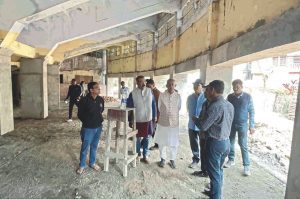
SIR Not Much to Be Worried About: Abhishek Banerjee to Lead Mega November Rally as Trinamool Congress Prepares for Special Intensive Revision in West Bengal

SIR Not Much to Be Worried About — With political temperature rising across West Bengal, the Trinamool Congress (TMC) is gearing up for a mega rally in November, to be helmed by party national general secretary Abhishek Banerjee, as part of its political strategy to counter the upcoming Special Intensive Revision (SIR) of electoral rolls announced by the Election Commission of India. The rally, expected to take place in Kolkata, will serve as a massive show of strength for the ruling party ahead of next year’s state and parliamentary contests.

According to TMC insiders, the leadership is confident that there is “not much to be worried about” regarding the SIR process. However, the rally’s purpose is clear — to activate the party’s grassroots machinery, prepare booth-level agents for voter verification, and ensure that no legitimate voter’s name is unfairly deleted.


Abhishek Banerjee’s Confident Message: “Nothing to Fear from SIR”

Sources within the party revealed that Abhishek Banerjee has assured cadres during internal meetings that the SIR, which aims to clean up electoral rolls by removing duplicate or false entries, would not adversely impact TMC’s vote base.

“Even if one crore names are deleted from the voter rolls as the BJP claims, the Trinamool’s overall vote share will not be affected. Every party has supporters whose names could be removed, not just ours,” a senior TMC functionary quoted Banerjee as saying.

Banerjee’s statement came in response to BJP’s repeated allegations that the voter lists in Bengal contain “fake or infiltrator names.” The TMC leadership, in turn, maintains that the BJP is attempting to use the SIR process to selectively target genuine voters, especially from minority and marginalised communities.

Read more about the Election Commission’s voter revision guidelines here.


SIR Not Much to Be Worried About: The Significance of the November Rally

The November rally is being described as both a mobilisation exercise and a morale booster for Trinamool workers at a time when the party is preparing for electoral battles in 2026. The event will also serve as a platform to launch a state-wide awareness campaign urging citizens to check their names on the electoral list and register any missing entries during the SIR period.

Tentatively scheduled around November 10–12, the rally will be held at a large ground in Kolkata capable of hosting tens of thousands of attendees. District units have been instructed to send delegations of booth-level agents, women volunteers, and youth leaders to the rally.

Learn more about voter verification under SIR.


Understanding the SIR Process

The Special Intensive Revision (SIR) is a nationwide exercise conducted periodically by the Election Commission of India to ensure the accuracy of voter rolls. It involves removing duplicate, deceased, or migrated entries and adding newly eligible voters.

While the process is administrative in nature, political parties often perceive it through a strategic lens. The TMC has expressed suspicion that the timing and intensity of the SIR in Bengal could be politically motivated, given the BJP’s emphasis on “cleansing” the voter list.

A senior official of the West Bengal Chief Electoral Office clarified that the SIR will follow due process, with booth-level officers (BLOs) visiting households to verify voter information. Citizens will be given time to raise objections before any deletions or inclusions are finalized.

See the Election Commission’s official notification on roll revision.


TMC’s Strategy: Booth-Level Empowerment

The Trinamool Congress has long relied on its booth-level structure — one of the most extensive in the country — to maintain its dominance in Bengal. During the upcoming SIR, these booth-level agents (BLAs) will be at the heart of the party’s counter-strategy.

“In Bengal, unlike in BJP-ruled Bihar, our organization is far stronger. The BJP will not be able to deploy BLAs in even 40 percent of polling booths,” said a TMC district leader.

The party’s plan includes:

  • House-to-house voter verification once the draft electoral roll is published.
  • Training programs for BLAs on identifying wrongful deletions.
  • Legal assistance cells for citizens whose names are removed without notice.
  • Digital grievance forms for reporting voter list discrepancies.

Visit the West Bengal CEO portal for voter roll details.


Political Context and Numbers

In the 2021 West Bengal Assembly Elections, the TMC secured a 47.94% vote share (2.87 crore votes), while the BJP received 38.10% (2.28 crore votes). In the 2024 Lok Sabha elections, the margin slightly narrowed, with TMC at 45.76% and BJP at 38.73%.

Despite this tightening gap, political analysts believe the SIR process is unlikely to shift the balance dramatically, given the TMC’s deep grassroots presence and welfare-based popularity.

Political scientist Biswanath Chakraborty stated:

“Around 120 constituencies in Bengal, dominated by minority voters and welfare beneficiaries, are comfortably within TMC’s reach. Even if a small percentage of deletions occur, it will not significantly dent their prospects.”

Read the latest West Bengal electoral data.


Opposition’s Take: BJP’s Focus on ‘Fake Voters’

The Bharatiya Janata Party (BJP), however, views the SIR as a golden opportunity to challenge TMC’s dominance. BJP leaders have claimed that over 15 lakh fake names exist in the voter list, mostly benefitting TMC strongholds.

A state BJP spokesperson commented, “The SIR is not against any party. It is about ensuring fair elections. Trinamool fears it because they thrive on fake and duplicate votes.”

The BJP plans to mobilize its own cadre during the revision to monitor booth-wise verification and register objections wherever irregularities are suspected.

Read about BJP’s recent organisational meetings in Bengal.


Electoral Implications and Minority Vote Factor

The upcoming revision may also have implications for Bengal’s minority vote bank, which forms nearly 28–30% of the state’s electorate. TMC’s social welfare schemes, including Lakshmir Bhandar, Kanyashree, and Aikyashree, have fortified its appeal among these groups.

However, any large-scale deletions in minority-dominated districts like Murshidabad, Malda, North Dinajpur, and Birbhum could spark controversy and mass protests. Civil society groups have already begun mobilizing awareness drives to educate voters about checking their registration status.

Access the Ministry of Minority Affairs data.


Administrative Readiness and EC Monitoring

The Election Commission of India has convened a meeting with all Chief Electoral Officers, including West Bengal’s, to review preparedness for the SIR rollout. Officials have been instructed to ensure transparency and neutral oversight, with strict action against any officer found manipulating the process.

Observers have been deployed in sensitive districts, and the Chief Electoral Officer of West Bengal has directed the formation of district-level control rooms to assist citizens during verification.

Read official Election Commission circulars.


The Road to 2026: Political Messaging and Mobilisation

With the 2026 Assembly Elections approaching, the SIR debate is transforming into a rhetorical weapon for both sides. TMC is positioning itself as the protector of democratic rights, while BJP is campaigning on voter integrity and fairness.

The November rally, therefore, will mark the beginning of TMC’s year-long pre-election mobilisation campaign — combining public outreach, social media messaging, and welfare narrative consolidation.

“Our goal is simple — no genuine voter should lose their right, and no outsider should manipulate Bengal’s democracy,” said a TMC youth leader.

Read more about political developments in West Bengal.


Public Sentiment and Expert Outlook

Analysts suggest that while the SIR may stir short-term political noise, it is unlikely to shift Bengal’s electoral fundamentals drastically. The TMC’s entrenched welfare networks and Abhishek Banerjee’s image as a decisive young leader may help the party weather administrative hurdles.

However, voter apathy, unemployment, and local governance issues remain potential vulnerabilities that opposition parties may exploit.

“The SIR is being politicised, but the real battleground will still be on economic and governance issues,” noted an expert from the Centre for Political Studies, Kolkata University.

Access detailed socio-political analysis reports.


Conclusion

As the Trinamool Congress marches toward its November rally, led by Abhishek Banerjee, Bengal’s political narrative is set for a fresh phase of confrontation and consolidation. The SIR exercise — an administrative process on paper — has become a symbolic battleground between two competing visions of democracy in the state.

For TMC, the rally is more than a demonstration of strength; it is a reaffirmation of its claim as the defender of Bengal’s democratic rights. For the BJP, it is a reminder that the fight for 2026 has already begun, booth by booth, voter by voter.

In the months ahead, as the voter rolls are revised and campaigns intensify, the political script of Bengal will continue to evolve — with Abhishek Banerjee at the forefront, steering his party through a critical electoral transition.


External Links for Reference:

Also read: Home | Channel 6 Network – Latest News, Breaking Updates: Politics, Business, Tech & More
Guru Tegh Bahadur Kirtan: Grand 3-Day Celebration at Red Fort

New Delhi – The Delhi government announced on Wednesday a magnificent three-day-long Guru Tegh Bahadur Kirtan Darbar at the iconic Red Fort from November 23 to 25, commemorating the 350th death anniversary of the ninth Sikh Guru. This historic Guru Tegh Bahadur Kirtan event will feature devotional music, cultural performances, and tributes celebrating the revered spiritual leader’s life, teachings, and ultimate sacrifice for religious freedom. Officials emphasized that the celebration transcends religious boundaries, representing India’s commitment to spiritual unity and cultural diversity.

The Guru Tegh Bahadur Kirtan Darbar marks a significant moment in Delhi’s cultural calendar, bringing together communities to honor a figure whose martyrdom symbolizes the defense of religious freedom and human dignity. The Red Fort location adds historic significance, connecting the present commemoration with India’s rich heritage.

Immersive Light and Sound Experience

Guru Tegh Bahadur Kirtan

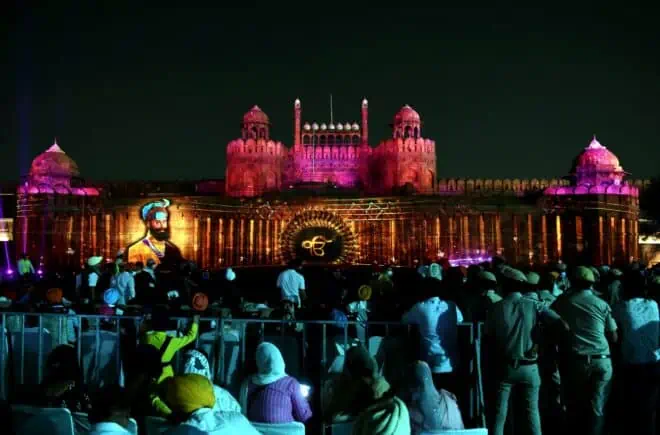
A specially curated light and sound show, developed by the Union ministry of culture, will form a centerpiece of the Guru Tegh Bahadur Kirtan celebration. This technologically advanced presentation will be held at the Red Fort and simultaneously across 11 districts of Delhi through mobile vans, ensuring widespread community participation. The show will employ sophisticated tech-based visual effects and compelling narrative storytelling to depict Guru Tegh Bahadur’s life, philosophy, and supreme sacrifice.

The tourism ministry stated, “The celebration will not only honour Guru Tegh Bahadur but also highlight India’s spiritual unity and cultural diversity,” emphasizing the broader significance of the Guru Tegh Bahadur Kirtan event beyond religious commemoration.

Also Read: Yamuna River Cruise: Exciting December Launch for Delhi’s First Vessel

Temporary Museum and Educational Initiatives

Enhancing the Guru Tegh Bahadur Kirtan experience, a temporary museum will be established inside the Red Fort premises, showcasing key moments from the Guru’s extraordinary life. This immersive exhibition will provide visitors with deeper insights into his spiritual journey, teachings, and the historical context of his martyrdom. The museum will feature carefully curated artifacts, visual displays, and interactive elements designed to educate and inspire attendees.

Additionally, the government will release a coffee table book chronicling Guru Tegh Bahadur’s profound contributions to humanity and freedom of faith. This publication will serve as a lasting tribute and educational resource, ensuring his teachings continue inspiring future generations beyond the Guru Tegh Bahadur Kirtan event.

High-Level Government Commitment

The Guru Tegh Bahadur Kirtan initiative received strong governmental backing during a high-level meeting chaired by Delhi Tourism Minister Kapil Mishra and Delhi Environment Minister Manjinder Singh Sirsa. The meeting demonstrated cross-departmental coordination and commitment to creating a memorable and meaningful celebration.

Minister Mishra articulated the government’s vision: “The Delhi government will commemorate the 350th martyrdom anniversary of Guru Tegh Bahadur not merely as a religious event, but as a celebration of India’s spiritual unity, tolerance, and cultural heritage.” This statement underscores how the Guru Tegh Bahadur Kirtan represents values transcending religious boundaries.

Academic Recognition and Research Promotion

Recognizing the enduring relevance of Guru Tegh Bahadur’s teachings, the government announced the establishment of an academic chair in the Guru’s name at Guru Gobind Singh Indraprastha University. This academic initiative will promote scholarly research on his teachings, philosophy, and historical impact, ensuring his intellectual and spiritual legacy receives sustained academic attention.

The academic chair will facilitate research projects, seminars, publications, and educational programs centered on Guru Tegh Bahadur’s contributions to Indian spiritual thought and religious tolerance. This long-term commitment extends the Guru Tegh Bahadur Kirtan celebration’s impact beyond the three-day event.

Healthcare Infrastructure Enhancement

In a practical tribute connecting spiritual commemoration with community welfare, the government announced fast-tracked renovation of Guru Tegh Bahadur Hospital in east Delhi. Plans include upgrading the facility with modern medical equipment, advanced treatment capabilities, and improved patient care infrastructure.

This healthcare initiative demonstrates how the Guru Tegh Bahadur Kirtan commemoration translates spiritual values into tangible community benefits. The hospital upgrade honors the Guru’s legacy of service to humanity by improving healthcare access for Delhi residents.

National Recognition Through Postal Stamp

The central government will release a special commemorative postal stamp marking the 350th death anniversary, adding national significance to the Guru Tegh Bahadur Kirtan celebration. This philatelic tribute ensures widespread recognition across India and among stamp collectors globally, permanently recording this historic milestone in the nation’s cultural memory.

The postal stamp represents official national recognition of Guru Tegh Bahadur’s contributions to Indian heritage, complementing Delhi’s local celebrations with federal acknowledgment.

Multi-District Engagement Strategy

The Guru Tegh Bahadur Kirtan celebration’s reach extends beyond the Red Fort through mobile vans carrying the light and sound show to all 11 districts of Delhi. This strategic distribution ensures communities across the capital can participate, regardless of their proximity to central venues. The mobile van initiative democratizes access to the commemoration, allowing diverse Delhi populations to engage with the Guru’s teachings and legacy.

Cultural and Spiritual Significance

The comprehensive nature of the Guru Tegh Bahadur Kirtan event—combining devotional music, technological presentations, educational exhibitions, academic initiatives, and infrastructure development—reflects the multifaceted legacy of the ninth Sikh Guru. His martyrdom defending religious freedom resonates across centuries, offering timeless lessons about tolerance, courage, and spiritual commitment.

The three-day Guru Tegh Bahadur Kirtan Darbar from November 23-25 promises to be a landmark event, bringing together governmental support, community participation, technological innovation, and spiritual devotion in honoring one of India’s most revered spiritual figures.