Sunday, May 17, 2026
Home Blog Page 398

Yamuna Dredging Machine: Revolutionary International Equipment Arrives in Delhi

0

New Delhi – Delhi Water Minister Parvesh Verma announced on Wednesday that a cutting-edge Yamuna dredging machine from Finland will arrive in the Capital by December to revolutionize desilting and dredging operations on the Yamuna River and Najafgarh drain. The equipment, identified as a Watermaster Classic IV, represents a significant technological advancement in Delhi’s ongoing efforts to restore water bodies and address persistent flooding challenges. This Yamuna dredging machine investment of ₹8 crore demonstrates the government’s commitment to environmental restoration and flood management.

Sharing a demonstration video on social media, Verma emphasized that the Yamuna dredging machine will augment cleaning efforts and substantially enhance the river’s water-carrying capacity. The minister confirmed that the machine should land in India before December 31 and commence operations from January 1, marking the beginning of a new chapter in Delhi’s water body management strategy.

Advanced Capabilities of the Watermaster Classic IV

The Yamuna dredging machine possesses remarkable versatility as an amphibious multipurpose dredger capable of operating both on land and in water, from dry ground to depths of six meters. This unique amphibious capability eliminates the logistical challenges associated with traditional dredging equipment that requires specialized transportation and setup procedures. The Yamuna dredging machine can perform multiple critical functions including excavation, suction dredging, piling, and raking—effectively replacing the need for several single-purpose machines.

Minister Verma highlighted the dual focus of the initiative: “Cleaning of the Yamuna and Najafgarh drain that was once called the Sahibi river are the two main challenges we face. This machine will arrive in Delhi by December and we will start cleaning both these water bodies soon.”

Technical Specifications and Performance Metrics

The Yamuna dredging machine is powered by a turbocharged six-cylinder Caterpillar C7.1 diesel engine, ensuring robust performance under demanding operational conditions. According to Watermaster’s brochure, the dredger boasts a suction capacity of up to 600 cubic meters per hour and can discharge silt up to 1.5 kilometers away through metal pipes. These specifications make the Yamuna dredging machine exceptionally efficient for large-scale cleaning operations.

The equipment features advanced stabilizers that allow it to anchor independently in water without requiring support vessels, reducing operational complexity and costs. An air-conditioned cabin for the driver enables year-round operation under extreme weather conditions, ensuring continuous progress regardless of Delhi’s challenging seasonal variations.

Innovative Operational Methodology

The Yamuna dredging machine employs a sophisticated cutter and suction system to remove compacted silt, converting it into semi-solid sludge before transferring it away from the cleaning site. This methodology proves particularly effective for addressing the heavy siltation burden affecting Delhi’s water bodies. Additionally, the Yamuna dredging machine can scoop floating waste and features a crane mechanism to assemble its modular parts, providing operational flexibility across diverse cleaning scenarios.

Also Read: Yamuna River Cruise: Exciting December Launch for Delhi’s First Vessel

Addressing Dual Challenges: Yamuna and Najafgarh Drain

The 22-kilometer Delhi stretch of the Yamuna between Wazirabad and Okhla remains one of the most degraded sections of the river, burdened by severe siltation and continuous sewage inflow. The Yamuna dredging machine will specifically target this critical section, working to restore the river’s natural flow and ecological health.

Simultaneously, the Najafgarh drain, historically known as the Sahibi river, represents another major challenge requiring the Yamuna dredging machine’s capabilities. Officials explained that the project aims to restore natural water flow, improve flood resilience, and ease pressure on regulator drains throughout Delhi’s water management system.

Environmental Compliance and NGT Approval

With frequent flooding incidents in recent years, the Delhi government plans to approach the National Green Tribunal seeking permission to dredge portions of the river currently restricted to protect aquatic ecosystems. Minister Verma stated, “We are preparing documentation to justify the need and ensure full compliance with environmental norms. Once permission is granted, a detailed project report will follow.”

This cautious approach reflects awareness of environmental sensitivities while addressing urgent flood management needs. Officials noted that similar permissions for selective dredging have been granted for stretches of the Ganga and Brahmaputra rivers in the past, providing precedent for the Yamuna dredging machine deployment.

Expected Impact on Flood Resilience

The Yamuna dredging machine project represents a comprehensive approach to multiple interconnected challenges facing Delhi’s water infrastructure. Officials emphasized that beyond immediate cleaning benefits, the initiative aims to restore the river’s natural flow patterns, dramatically improve flood resilience across vulnerable areas, and significantly ease pressure on the extensive network of regulator drains managing water movement throughout the capital.

Timeline and Implementation Strategy

The confirmed arrival of the Yamuna dredging machine by December 31 and operational commencement from January 1 provides a clear timeline for stakeholders and residents. The ₹8 crore investment demonstrates substantial financial commitment to addressing water body degradation and flood management challenges that have plagued Delhi for years.

The modular design of the Yamuna dredging machine allows for efficient assembly and deployment across different locations, ensuring maximum utilization and flexibility as cleaning operations progress along the Yamuna stretch and Najafgarh drain. This advanced equipment marks a significant technological upgrade in Delhi’s environmental restoration capabilities.
Tejashwi Yadav Jeevika Jobs: Bold Promise Transforms Bihar Campaign

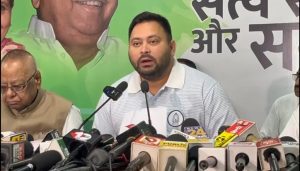
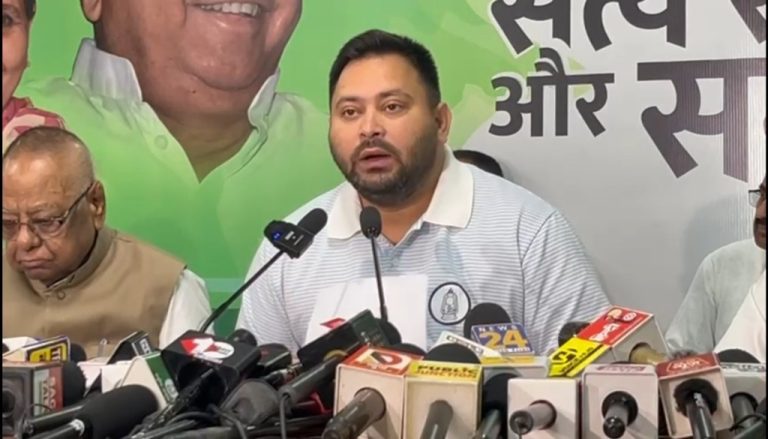
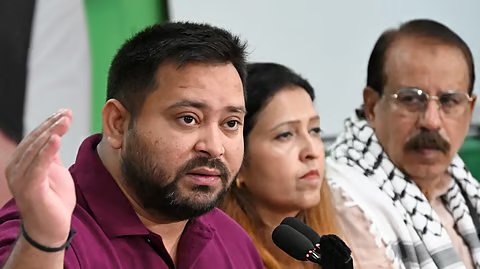
Bihar – Rashtriya Janata Dal leader Tejashwi Yadav made a groundbreaking announcement regarding Tejashwi Yadav Jeevika jobs on Wednesday, promising permanent government positions to community mobilizers under Bihar’s flagship Jeevika self-help groups. The pledge, described as historic by the RJD leader, also includes regularization of services for over 150,000 contractual employees across the state. This Tejashwi Yadav Jeevika jobs promise comes just days before Bihar’s crucial assembly elections scheduled for November 6 and 11.

Yadav accused the ruling National Democratic Alliance of exploiting Jeevika Didis—rural women volunteers under the Bihar Rural Livelihoods Promotion Society—and denying them dignity and stability despite their pivotal role in implementing village-level social welfare schemes. The Tejashwi Yadav Jeevika jobs announcement represents a direct challenge to the NDA’s development narrative.

Timeline and Implementation Strategy

Tejashwi Yadav Jeevika Jobs

The RJD leader provided a concrete timeline for implementing the Tejashwi Yadav Jeevika jobs initiative. “We will approve an ordinance within 20 days of being sworn in and make this a reality in the next 20 months,” Yadav declared, projecting confidence about the opposition alliance’s electoral prospects. This specific timeframe aims to address skepticism about the feasibility of such large-scale employment generation.

Yadav emphasized that the RJD-led alliance remains committed to youth and women employment in Bihar, where the unemployment rate exceeds 7 percent. The Tejashwi Yadav Jeevika jobs promise directly targets this critical economic challenge facing the state.

Comprehensive Salary and Benefits Package

Tejashwi Yadav Jeevika Jobs

The Tejashwi Yadav Jeevika jobs pledge includes an attractive compensation package designed to provide financial security to rural women volunteers. Jeevika community mobilizers would receive a monthly salary of ₹30,000, representing a substantial increase from their current honorarium. Additional benefits include interest waivers on existing loans, two years of interest-free credit access, an extra ₹2,000 monthly incentive for inter-departmental work, and ₹5 lakh life insurance coverage.

Furthermore, other key Jeevika functionaries, including bookkeepers and cluster coordinators, would receive “significant increases” in their honorariums under the Tejashwi Yadav Jeevika jobs scheme. This comprehensive approach demonstrates the proposal’s scope beyond just community mobilizers.

Understanding Jeevika’s Impact and Scale

Jeevika was launched in 2007 with the objective of empowering rural women through self-help groups. The program has successfully mobilized over 14 million women across Bihar, focusing on financial inclusion, skill development, and community-driven development initiatives. These volunteers form the backbone of rural welfare implementation, executing major initiatives from sanitation drives to nutrition programs.

Yadav referenced interactions with Jeevika volunteers across Bihar, lamenting the NDA’s alleged indifference to their demands. “These Didis have been demanding permanent jobs for years…the government turned a deaf ear, even as they execute every major rural welfare initiative,” he stated, providing context for the Tejashwi Yadav Jeevika jobs announcement.

Also Read: Bihar INDIA Bloc: Urgent Crisis Threatens Opposition Unity Amid Bihar Polls 2025

Addressing Fiscal Feasibility Concerns

Anticipating questions about financial viability, Yadav pointed to his track record as deputy chief minister from 2015-2017, when his government regularized over 450,000 “Niyojit Shikshak” (contractual teachers). He noted that BJP leader Sushil Kumar Modi had dismissed that regularization as “unrealistic,” yet it was successfully implemented, lending credibility to the current Tejashwi Yadav Jeevika jobs promise.

Contractual Workers Regularization Initiative

Beyond Jeevika volunteers, the Tejashwi Yadav Jeevika jobs pledge extends to contractual workers hired through government and private agencies for various roles, from secretariat support to district-level administration. Yadav exposed systemic inefficiencies, stating, “Currently, the state pays 18% GST on these outsourcing deals, but workers get barely half the allocated salary. The rest vanishes into agency commissions and taxes.”

He accused officials and ministers of perpetuating the ad-hoc system for personal gain, insisting that existing budgetary provisions could fund the transition to permanent employment without additional financial burden.

Broader Women Empowerment Agenda

The Tejashwi Yadav Jeevika jobs announcement forms part of the RJD-led alliance’s comprehensive women empowerment strategy. Additional promises include ₹1,000 monthly financial aid to school-going girls and pregnant or lactating mothers, addressing gender empowerment in Bihar where female workforce participation hovers around 20 percent.

NDA’s Counter-Narrative

Tejashwi Yadav Jeevika jobs

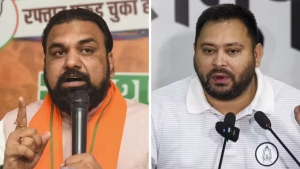
Bihar Deputy Chief Minister and BJP leader Samrat Chaudhary dismissed the Tejashwi Yadav Jeevika jobs pledge as “desperate electoral sops” designed to mask internal alliance discord. Chaudhary claimed the NDA had delivered concrete benefits to Jeevika Didis, including doubling their monthly honorarium and slashing bank loan interest rates by 3 percent for self-help groups this year.

“Twenty days for an ordinance and 20 months for jobs? Bihar’s women deserve action now, not promises from a leader whose alliance cannot even share seats,” Chaudhary stated, highlighting the opposition’s internal seat-sharing crisis.

Alliance Tensions Persist

Yadav declined to address questions about friction within the RJD-led alliance, stating he would address media on Thursday. Sources indicate Congress has deputed former Rajasthan Chief Minister Ashok Gehlot to negotiate with Yadav as the party seeks to present a united front. Congress candidates are contesting against RJD and Left parties in nine constituencies, complicating the Tejashwi Yadav Jeevika jobs narrative with internal discord.

Bihar Election Friendly Fight: Shocking Crisis in Opposition Alliance

Bihar – The upcoming Bihar assembly elections have exposed deep fissures within the opposition as the Bihar election friendly fight phenomenon threatens to undermine the INDIA bloc’s electoral prospects. Despite the nomination deadline passing for the second phase of polling, the opposition Mahagathbandhan has failed to finalize a seat-sharing formula, resulting in internal competition across multiple constituencies. At least 11 assembly seats are now set to witness this Bihar election friendly fight, where alliance partners will compete against each other instead of presenting a united front against the ruling NDA.

Complete List of Contested Seats

The Bihar election friendly fight will unfold across 11 critical constituencies where Congress, RJD, and Left party candidates face off against their own alliance partners. In Narkatiaganj, Congress’s Shashwat Kedar Pandey will contest against RJD’s Deepak Yadav. Vaishali sees Congress’s Sanjeev Singh challenging RJD’s Ajay Kushwaha, while Raja Pakar witnesses Congress’s Pratima Kumari competing with CPI’s Mohit Paswan.

The Bihar election friendly fight extends to Bachhwara, where Congress nominee Prakash Das faces CPI’s Awadhesh Kumar Rai. In Biharsharif, Congress’s Umer Khan contests against CPI’s Shiv Prasad Yadav, and Rosera features Congress’s BK Ravi versus CPI’s Lakshman Paswan. Lalganj presents an RJD-Congress clash with Shivani Shukla taking on Aditya Kumar Raja.

Additional Bihar election friendly fight scenarios include Tarapur, where RJD’s Arun Sah contests VIP candidate Sakaldeo Bind, and Kahalgaon, featuring Congress’s Praveen Singh Kushwaha against RJD’s Rajnish Bharti. Chainpur witnesses RJD’s Brij Kishore Bind competing with VIP’s Balgovind Bind, while Pipra sees an internal Left conflict between CPI(ML)L’s Anil Kumar and CPI(M)’s Rajmangal Prasad.

Candidate Distribution Reveals Alliance Discord

The Bihar election friendly fight situation stems from uncoordinated candidate announcements across alliance partners. For the 243 assembly seats, the Rashtriya Janata Dal announced 143 candidates, Congress named 60 candidates, CPI announced nine names, CPI(M) four, CPI(ML) Liberation named 20, and VIP announced 15 nominees. This distribution highlights the lack of cohesive planning within the opposition bloc.

RJD Defends Maximum Seat Claim

Bihar Election Friendly Fight

RJD’s Bihar unit spokesperson Mrityunjay Tiwary justified the party’s aggressive candidate list, arguing that alliance partners must understand RJD’s unique position. “I am again saying that alliance partners of the INDIA bloc must understand our compulsions. The RJD is the party which contests only in Bihar and neighbouring states…we don’t demand seats in southern or other states from our partners. As we are the biggest party, we deserve to contest the maximum number of seats in Bihar,” Tiwary stated.

Also Read: Bihar INDIA Bloc: Urgent Crisis Threatens Opposition Unity Amid Bihar Polls 2025

He appealed to other INDIA bloc allies to withdraw their candidates from seats where RJD has fielded nominees, attempting to resolve the Bihar election friendly fight through unilateral withdrawals rather than negotiated settlements.

Congress Maintains Coalition Dharma Stance

Bihar Election Friendly Fight

Bihar Congress spokesperson Asit Tiwary adopted a more conciliatory tone regarding the Bihar election friendly fight, emphasizing the party’s commitment to alliance principles. “We have always followed coalition ‘dharma’…I must say that the RJD and the Left party fielded their candidates after the Congress had already announced the list of its nominees. We are quite hopeful that things will be sorted out in a day or two,” he explained.

The Congress position suggests that coordination failures occurred after their initial candidate announcements, with subsequent declarations by alliance partners creating the Bihar election friendly fight situation.

Election Timeline and Critical Deadlines

Bihar will vote in two phases for the upcoming elections, scheduled for November 6 and 11, with results announced by the Election Commission on November 14. The final date to file nominations for the first phase was October 17, and the second phase deadline was October 20. Despite these deadlines passing, the INDIA bloc’s seat-sharing formula remains unfinalized.

Opposition Ridicules Alliance Disarray

Union Minister Chirag Paswan, Lok Janshakti Party (Ram Vilas) chief and NDA member, seized upon the Bihar election friendly fight to mock opposition unity. “I have never seen such a thing in my life that such a big alliance is on the verge of ruins… If the people of mahagathbandhan are in this delusion that they can field multiple candidates from the same seat, then they should know that there’s no such thing as a ‘friendly fight’,” Paswan declared.

He suggested the Mahagathbandhan had essentially conceded victory on many challenging seats through internal competition, stating the opposition had given the NDA “a walkover even on many seats which seemed challenging to us.”

Electoral Implications

The Bihar election friendly fight represents more than symbolic discord—it threatens to divide opposition votes and hand victories to NDA candidates in closely contested constituencies. With alliance partners competing against each other, voter confusion and vote splitting become inevitable, potentially transforming competitive seats into comfortable NDA victories and undermining the opposition’s electoral strategy across Bihar.

Bihar INDIA Bloc: Urgent Crisis Threatens Opposition Unity Amid Bihar Polls 2025

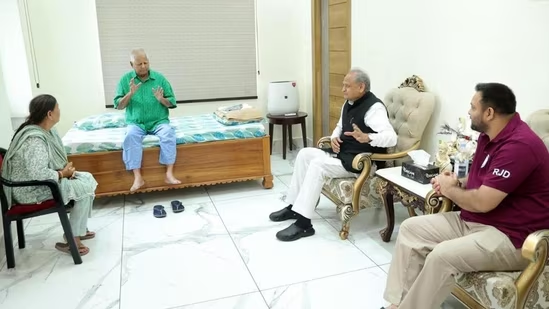
Bihar – The Bihar INDIA bloc found itself in damage control mode on Wednesday as senior Congress leader Ashok Gehlot met with Rashtriya Janata Dal leaders Lalu Prasad, Rabri Devi, and Tejashwi Yadav in Patna. The high-level meeting aimed to address the escalating seat-sharing squabbles that threaten to undermine the Opposition’s Grand Alliance prospects in the upcoming Bihar assembly elections. The Bihar INDIA bloc has until Thursday to resolve these critical differences before the withdrawal deadline for nominations.

Multiple Candidates Creating Electoral Chaos

The meeting’s urgency became apparent after nominations for the crucial second phase of assembly polls in Bihar closed, revealing that the Bihar INDIA bloc had fielded more than one candidate in at least 10 seats. This internal competition poses a significant threat to the alliance’s electoral prospects, with the coalition having until Thursday—the last day for withdrawal of nominations for the second phase—to sort out its differences. The second phase covers 122 seats scheduled for polling on November 11.

Gehlot’s Diplomatic Approach to Internal Conflicts

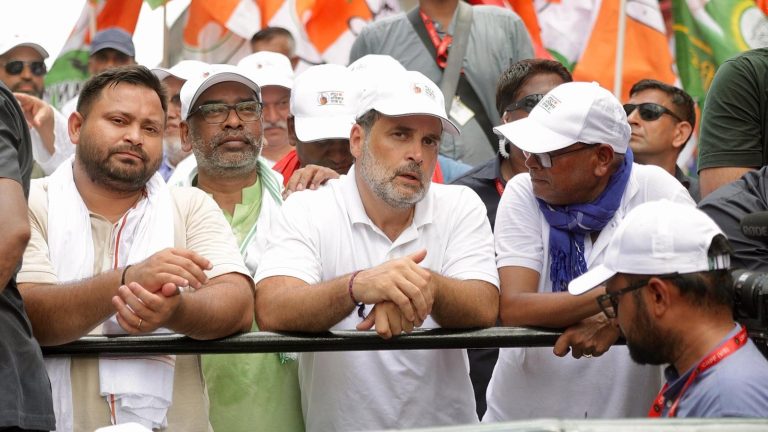
Former Rajasthan Chief Minister Ashok Gehlot attempted to downplay the severity of the situation, characterizing the disputes as minor disagreements typical of large coalitions. “Mahagathbandhan is contesting the elections together. There are some issues on 5-10 seats, including local disputes. The MGB may also see friendly fights on a few seats,” Gehlot stated after the meeting.

Gehlot emphasized that the leaders held productive discussions and promised clarity at a joint press conference scheduled for Thursday. He described differences over a handful of seats as “nothing unusual” in a large alliance, projecting confidence that the Bihar INDIA bloc would overcome these challenges.

Tejashwi Yadav’s Assurances and Electoral Promises

Tejashwi Yadav also expressed optimism that the Bihar INDIA bloc would contest elections unitedly, with all issues resolved by Thursday. “There are no disputes in Mahagathbandhan,” he asserted, urging allies to withdraw candidates where the RJD has staked claims, citing the party’s position as the bloc’s largest force.

Beyond addressing internal alliance matters, Yadav made significant electoral promises targeting government contractual workers. He pledged that all government contractual workers and approximately 200,000 “community mobilizers” among “Jeevika Didis” would be made permanent if the Bihar INDIA bloc comes to power. These community mobilizers would receive a monthly salary of ₹30,000 under the proposed opposition government.

Targeting the Women’s Vote Bank

The workers associated with the World Bank-aided Bihar Rural Livelihoods Project, locally known as ‘Jeevika’ Didis, form the backbone of women’s support behind Chief Minister Nitish Kumar. Yadav’s promise directly targets this crucial demographic. “All the contractual workers engaged in government departments will be made permanent. The NDA government is not bothered about the welfare of ‘Jeevika Didis’ in the state…They are suffering like anything,” Yadav declared. Such workers number approximately 14.5 million across the state.

Also Read: JMM Bihar Withdrawal: Explosive Accusations Against RJD and Congress

Seat Distribution Creates Mathematical Problem

The Bihar INDIA bloc’s seat-sharing arrangement reveals the complexity of coalition politics. The RJD is contesting 143 seats, Congress 61, VIP 15, three Left parties combined 33, and Indian Inclusive Party one seat. However, for 243 total seats, the alliance has fielded 253 candidates, creating an obvious mathematical and strategic problem.

The RJD and Congress face each other in four seats: Vaishali, Sikandra, Narkatiyaganj, and Kahalgaon. The RJD contests with VIP in two seats: Chainpur and Babubarahi. The CPI and Congress compete in Bachhwara, Kargahar, Biharsharief, and Rajapakar.

Election Commission Rejections Add to Woes

The prolonged squabbling has triggered additional complications for the Bihar INDIA bloc. The Election Commission rejected RJD candidate Shweta Suman’s nomination from the Mohania assembly seat, finding her scheduled caste certificate was issued in neighboring Uttar Pradesh. Mohania in Kaimur district is demarcated for Scheduled Castes, and candidates from another state cannot contest elections in reserved seats.

Previously, VIP candidate Shashi Bhushan Singh’s nomination from Sugauli seat in Champaran was cancelled during scrutiny due to technical grounds. In the NDA, Lok Janshakti Party candidate Seema Singh’s nomination from Marhaura seat in Saran faced similar rejection.

Opposition Ridicules Alliance Troubles

LJP Leader Chirag Paswan seized the opportunity to criticize the Bihar INDIA bloc, declaring that the Grand Alliance had collapsed. “The way infighting is going on in the Mahagathbandhan and the way the alliance has completely collapsed, even after that, if they are thinking that they will come to power, I think it is nothing less than ‘Mungeri Lal ke sapne,'” Paswan stated.

He questioned the timing of Gehlot’s intervention and the absence of other senior leaders like Rahul Gandhi, suggesting that leadership had failed to address issues promptly. “This shows that the alliance that cannot keep its parties together, how will it keep the 14 crore people of Bihar together?” Paswan asked, highlighting the Bihar INDIA bloc’s credibility crisis.

Trump Russia Sanctions: Shocking New Measures Target Oil Giants

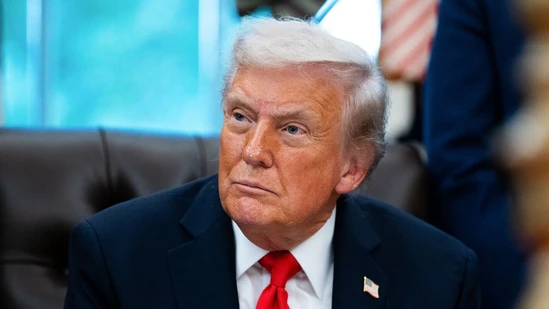
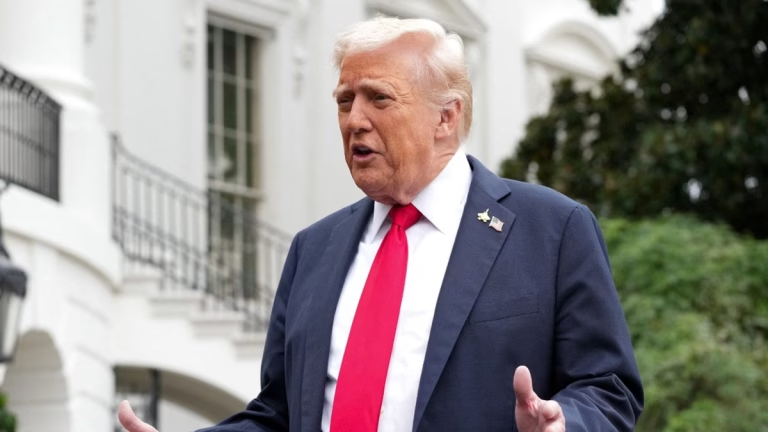
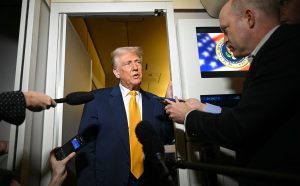
Washington D.C. – The United States announced comprehensive Trump Russia sanctions on Wednesday, marking the first time President Donald Trump has imposed Ukraine-related penalties on Russia during his second term. The sanctions specifically target Russian oil companies as a direct response to Russia’s lack of serious commitment to a peace process aimed at ending the war in Ukraine. These Trump Russia sanctions represent a significant escalation in Washington’s approach toward Moscow as frustration mounts over the ongoing conflict.

President Trump shared the announcement on Truth Social, posting a statement from the US Department of the Treasury titled “Treasury sanctions major Russian oil companies, calls on Moscow to immediately agree to ceasefire.” The timing of these Trump Russia sanctions comes as the Ukraine conflict approaches its fourth year, with international pressure intensifying for a resolution.

Major Russian Oil Companies Targeted

Trump Russia Sanctions

The Trump Russia sanctions specifically target two of Russia’s largest oil companies: Open Joint Stock Company Rosneft Oil Company (Rosneft) and Lukoil OAO (Lukoil). These energy giants play a crucial role in funding Russia’s military operations and represent significant revenue sources for the Kremlin.

Trump Russia Sanctions

Treasury Secretary Scott Bessent emphasized the severity of the situation in his statement: “Given President Putin’s refusal to end this senseless war, Treasury is sanctioning Russia’s two largest oil companies that fund the Kremlin’s war machine. Treasury is prepared to take further action if necessary to support President Trump’s effort to end yet another war. We encourage our allies to join us in and adhere to these sanctions.”

Impact on Russian Energy Sector

Rosneft operates as a vertically integrated energy company specializing in exploration, extraction, production, refining, transport, and sale of petroleum, natural gas, and petroleum products. Lukoil engages in exploration, production, refining, marketing, and distribution of oil and gas both domestically in Russia and internationally. The Trump Russia sanctions against these companies represent a substantial blow to Russia’s energy infrastructure and economic stability.

The United Kingdom also sanctioned both firms last week, demonstrating coordinated international pressure. Additionally, the European Union approved its 19th package of sanctions against Moscow on Wednesday, which included a ban on Russian natural gas imports, further tightening the economic noose around Russia’s energy sector.

Trump’s Claims About India and Russian Oil

Trump Russia Sanctions

The Trump Russia sanctions announcement comes amid repeated claims by President Trump that Prime Minister Narendra Modi has assured him India will “not buy much oil” from Russia. During Diwali celebrations at the White House on Tuesday, Trump stated he had a call with Modi regarding Russian oil purchases.

Also Read: Trump Indian Oil Purchase Halt Claim: Bold Prediction on India’s 60% Russian Oil Cut

“I spoke to Prime Minister Modi…and we just have a very good relationship, and he’s not gonna buy much oil from Russia. He wants to see that war end as much as I do,” Trump said. He added, “He wants to see the war end with Russia-Ukraine and, as you know, they’re not going to be buying too much oil. So they’ve cut it way back and they’re continuing to cut it way back.”

India’s Response and Current Tariff Situation

Trump Russia Sanctions

Indian officials did not immediately respond to Trump’s latest remarks on Russian oil purchases. Last week, when questioned about similar claims, Ministry of External Affairs spokesperson Randhir Jaiswal stated he was “not aware” of any such conversation between the two leaders.

Trump responded to India’s denial by warning, “But if they want to say that, then they’ll just continue to pay massive tariffs, and they don’t want to do that.” Currently, India faces 50 percent tariffs imposed by the US, with half specifically implemented as punishment for purchasing oil from Russia. This situation highlights the complex interplay between the Trump Russia sanctions strategy and broader geopolitical relationships.

Trump-Putin Meeting Cancelled

Despite the Trump Russia sanctions, diplomatic channels remain complex. Days after a potential meeting between Trump and Putin was announced to be held within two weeks in Budapest, the White House on Tuesday stated the US President had “no plans” of meeting his Russian counterpart “in the immediate future.”

On Wednesday, while addressing the press with NATO Secretary General Mark Rutte, Trump confirmed, “We cancelled the meeting with President Putin. It just didn’t feel right to me.” However, US Secretary of State Marco Rubio indicated on Wednesday while leaving for the Middle East that the US would still like to meet with Russia despite the announced sanctions.

International Coordination and Future Actions

The Trump Russia sanctions reflect coordinated efforts with international allies to pressure Moscow into ending the Ukraine conflict. Treasury Secretary Bessent’s statement emphasized readiness to take further action if necessary, suggesting these sanctions may be just the beginning of escalated measures.

The effectiveness of these Trump Russia sanctions will depend on international cooperation and enforcement, particularly as global energy markets adjust to these new restrictions on major Russian oil producers.

PM Modi Asean Summit: Breaking News on Malaysia Visit Cancellation

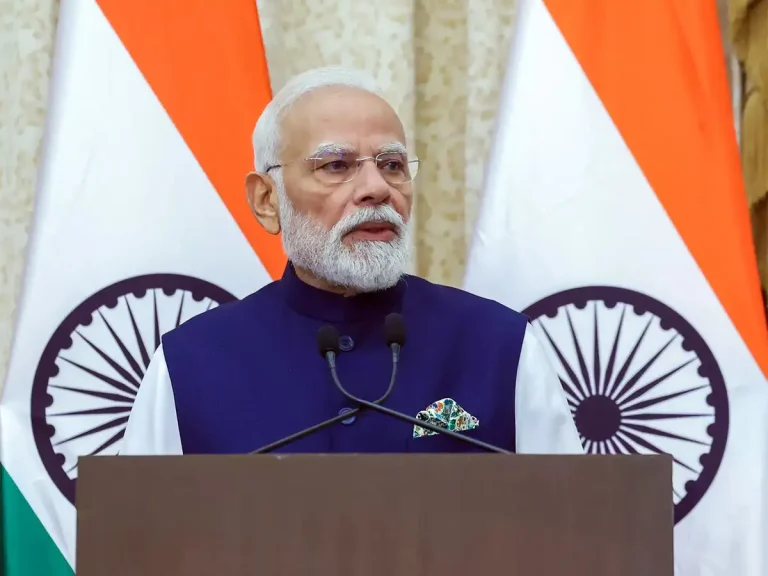
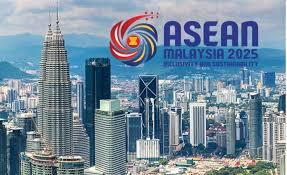
New Delhi – Prime Minister Narendra Modi is unlikely to attend the PM Modi Asean Summit in Malaysia next week due to scheduling conflicts and domestic priorities, according to sources familiar with the matter. The highly anticipated gathering in Kuala Lumpur, scheduled for October 26-28, was expected to serve as a potential venue for crucial diplomatic engagements, but the Indian leader’s physical presence now appears uncertain.

Virtual Participation Expected for PM Modi Asean Summit

PM Modi Asean Summit

While the Prime Minister may not travel to Kuala Lumpur, sources indicate that he is expected to participate virtually in the India-Asean Summit on October 26. This virtual participation in the PM Modi Asean Summit ensures India’s continued engagement with Southeast Asian nations despite the change in attendance plans. External Affairs Minister S Jaishankar is expected to represent India in person at the East Asia Summit on October 27-28, maintaining India’s diplomatic presence at the crucial regional gathering.

Domestic Priorities Take Precedence

The government’s current focus on upcoming state assembly elections in Bihar has significantly influenced the decision regarding the PM Modi Asean Summit attendance. Election campaigns and political engagements within the country have taken priority in the Prime Minister’s schedule. Additionally, celebrations marking Chhath Puja next week require the Prime Minister’s participation, further complicating his international travel plans.

Sources familiar with the matter revealed that these domestic commitments played a crucial role in determining the final decision about physical attendance at the PM Modi Asean Summit. The combination of electoral responsibilities and religious festival obligations has created scheduling constraints that cannot be easily resolved.

Implications for India-US Diplomatic Engagement

PM Modi Asean Summit

The PM Modi Asean Summit was being viewed as a significant opportunity for a potential meeting between Prime Minister Modi and US President Donald Trump amid ongoing trade-related tensions in bilateral relations. Trump is expected to arrive in Malaysia on October 26 before traveling to Japan from October 27 to 29, making the summit a convenient diplomatic venue.

Also Read: Trump Indian Oil Purchase Halt Claim: Bold Prediction on India’s 60% Russian Oil Cut

However, the lack of tangible outcomes in ongoing trade negotiations between India and the US reportedly influenced the decision regarding the PM Modi Asean Summit attendance. Despite continuous engagement between both nations, including Commerce Secretary Rajesh Agrawal’s two-day visit to the US last week and a phone conversation between Trump and Modi on Tuesday, substantial progress on a bilateral trade agreement remains elusive.

Progress in India-US Trade Negotiations

Commerce Secretary Agrawal, who served as the chief negotiator for the trade deal with the US, concluded discussions with American officials in what was described as a cordial atmosphere. The talks, held between October 15-19, created pathways for constructive and mutually beneficial bilateral trade discussions. Both sides remain engaged on the proposed bilateral trade agreement, with India committed to protecting its farmers, fishermen, and micro, small and medium enterprises.

Trade Tensions Continue to Challenge Relations

The India-US trade talks faced significant setbacks when President Trump imposed a 25% reciprocal tariff on Indian goods and an additional 25% punitive levy over Russian oil purchases. These combined 50% tariffs rendered most Indian goods economically unviable in the US market, leading to a pause in negotiations after the fifth round in late August.

Discussions resumed after US Assistant Trade Representative Brendan Lynch held talks with Indian officials in New Delhi on September 16. Since then, Modi and Trump have spoken three times, and US ambassador-designate Sergio Gor visited New Delhi earlier this month as part of efforts to repair bilateral ties.

Recent Diplomatic Communications

During their phone conversation on Tuesday, Trump and Modi discussed trade matters, with Trump repeating his claim that India would not purchase much oil from Russia. The Prime Minister acknowledged the conversation on social media, noting that Trump had extended Diwali greetings and emphasizing that both sides were united against all forms of terrorism, though he made no reference to trade discussions.

Malaysian Preparations and Diplomatic Protocol

PM Modi Asean Summit

The External Affairs Ministry had completed all preparations for a possible visit to Malaysia, including advance reconnaissance. Malaysian officials had announced that the Prime Minister was scheduled to arrive in Kuala Lumpur on October 26, making the change in plans a last-minute adjustment to diplomatic schedules.

The virtual participation format for the PM Modi Asean Summit ensures India maintains its commitment to regional partnerships while accommodating pressing domestic priorities and awaiting more favorable conditions for high-level bilateral engagements.

Trump Indian Oil Purchase Halt Claim: Bold Prediction on India’s 60% Russian Oil Cut

Washington D.C. – The Trump Indian Oil Purchase Halt Claim has reignited discussions on global energy dynamics after the US President declared that India would sharply reduce its oil imports from Russia by the end of this year. Reiterating his earlier statements, Donald Trump claimed that New Delhi would “cut Russian oil imports by almost 60%,” reducing the figure to “about 40% of the current level” before 2026 begins. The Trump Indian Oil Purchase Halt Claim underscores his firm stance on reshaping global oil trade patterns.


Trump Doubles Down on His Statement

Trump Indian Oil Purchase Halt Claim

Speaking from the White House, the President Donald Trump made it clear he stands by his assertion. According to the Trump Indian Oil Purchase Halt Claim, he reiterated that India had assured him of a gradual reduction in its Russian oil purchases. Trump said, “India, as you know, has told me they are going to stop… it’s a process. You can’t just stop buying oil from Russia.” His statement reflects confidence in India’s willingness to align its energy policy with Washington’s expectations under the Trump Indian Oil Purchase Halt Claim narrative.

Trump’s comments come amid evolving global concerns over energy alliances, especially as tensions involving Russia continue to shape oil markets. The Trump Indian Oil Purchase Halt Claim suggests a growing US effort to reduce dependence on Russian energy sources through diplomatic influence on key partners like India.


India’s Energy Diplomacy in Focus

The Trump Indian Oil Purchase Halt Claim highlights India’s delicate balancing act between strategic autonomy and its international relationships. While India has been a major importer of discounted Russian oil since 2022, Trump’s latest remarks point toward a potential recalibration of that dependence. By citing India’s “commitment” to reduce imports, the Trump Indian Oil Purchase Halt Claim casts the country as a key player in the evolving global energy equation.

Observers note that India’s decision-making has long been guided by affordability and security rather than external pressure. Yet, the Trump Indian Oil Purchase Halt Claim implies that U.S. diplomatic persuasion may be yielding some influence over New Delhi’s trade trajectory.


Trump Draws Comparison Between India and China

Trump Indian Oil Purchase Halt Claim

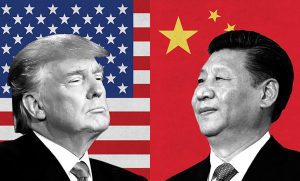
In reinforcing the Trump Indian Oil Purchase Halt Claim, Trump contrasted India’s cooperative relationship with China’s more complex one. “India has been absolutely great,” he stated, while adding that “China’s case is different.” Trump elaborated that China and Russia have become closer due to past U.S. administrations’ failures, naming Biden and Obama as reasons for the alliance. Through the Trump Indian Oil Purchase Halt Claim, Trump attempted to highlight his administration’s assertive strategy in managing global power blocs.

Also Read: India US Trade Deal: Breakthrough Agreement Slashes Tariffs to 15%, says report

He added that while he hopes for friendly ties between China and Russia, he doesn’t believe such a partnership can remain stable. This geopolitical framing strengthens the context behind the Trump Indian Oil Purchase Halt Claim, positioning India as a more dependable partner in the U.S. strategic vision.


Economic Context Behind the Claim

The Trump Indian Oil Purchase Halt Claim also arrives at a time when discussions on trade tariffs between Washington and New Delhi are intensifying. Reports suggest that the U.S. may reduce tariffs on Indian exports from a steep 50% to 15-16%. Trump’s move is seen as a possible gesture of goodwill to strengthen bilateral ties, following penalties imposed earlier due to India’s energy ties with Russia. The Trump Indian Oil Purchase Halt Claim thus intersects with economic diplomacy, signaling potential shifts in U.S.-India trade dynamics.

Trump’s statement also reflects a broader attempt to project American leadership in managing oil markets, particularly as the global economy grapples with fluctuating energy prices. Analysts believe that the Trump Indian Oil Purchase Halt Claim may serve as both a diplomatic message and a campaign statement reinforcing his foreign policy credentials.


Diplomatic Calls and India’s Response

Trump Indian Oil Purchase Halt Claim

According to Trump, his latest conversation with Prime Minister Narendra Modi reaffirmed the ongoing talks on energy cooperation. He said he “spoke to Prime Minister Modi a day earlier,” implying active discussions on the issue. The Trump Indian Oil Purchase Halt Claim portrays this dialogue as evidence of strong U.S.-India engagement.

However, experts note that India has not made any formal public statement supporting or rejecting the claim. Despite Trump’s insistence, officials in New Delhi maintain that oil imports are determined by market conditions and national interests. Nonetheless, the Trump Indian Oil Purchase Halt Claim continues to attract global media attention for its diplomatic and economic implications.


Global Reactions and Geopolitical Ripples

The Trump Indian Oil Purchase Halt Claim has sparked diverse reactions globally. Supporters of the U.S. administration view the statement as a positive step toward reducing Russia’s economic leverage, while critics see it as an overstatement. Economists caution that sudden shifts in India’s oil sourcing could strain domestic supply chains.

Meanwhile, geopolitical observers argue that the Trump Indian Oil Purchase Halt Claim reinforces the growing alignment between the U.S. and India in matters of trade and security. It also reflects Trump’s effort to project leadership in global energy diplomacy ahead of his upcoming policy announcements.


A Defining Moment for U.S.-India Energy Relations

As the year-end deadline approaches, the Trump Indian Oil Purchase Halt Claim will be closely monitored for signs of actual policy movement. Whether India significantly reduces its Russian oil imports or not, Trump’s remarks have already placed energy cooperation at the center of U.S.-India ties.

If realized, the Trump Indian Oil Purchase Halt Claim could reshape global oil markets and further position India as a responsible international stakeholder. For now, Trump’s confidence in India’s actions remains a defining statement of intent, blending politics, economics, and diplomacy under one high-stakes narrative.

Police Commemoration Day: Raksha Mantri Pays Tribute at National Police Memorial: 2025

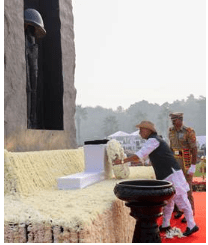
On October 21, 2025, Raksha Mantri Shri Rajnath Singh solemnly laid a wreath at the National Police Memorial, New Delhi, marking the annual Police Commemoration Day. The day honors the fallen heroes of the police force, notably the ten valiant policemen who sacrificed their lives in a 1959 ambush by Chinese troops at Hot Springs, Ladakh—a tragic hallmark in India’s policing history.​


Glowing Tributes to Police & Paramilitary Forces

In his address, Shri Rajnath Singh praised the police and paramilitary forces, recognizing them as pillars of national security alongside the Armed Forces. While the military safeguards the geographic integrity, the police uphold social order and internal security. He emphasized that the military and police, though functioning on different platforms, share the unified mission to protect the nation.​


Contemporary Challenges in Policing

Raksha Mantri highlighted emerging internal security challenges like organized crime, terrorism, ideological wars, and the increasingly complex nature of modern crime aimed at destabilizing society. He lauded the police for their dual role—not only in crime prevention but also in maintaining public trust which underpins societal stability.​

The Minister expressed optimism about combating Naxalism, crediting coordinated efforts among police, CRPF, BSF, and local administrations for the steady reduction in left-wing extremism. He noted transformations in affected regions, with educational and development initiatives replacing previously insurgency-dominated areas.​


Government Commitment and Modernization

Shri Rajnath Singh reiterated the government’s commitment, under Prime Minister Shri Narendra Modi’s leadership, to modernize and equip police forces. State-of-the-art equipment like surveillance systems, drones, forensic labs, and digital policing tools are now part of police infrastructure. Adequate resources are being channelled toward state police modernization, supported by enhanced coordination with other security agencies for optimal resource utilization.​


Building Trust Between Police and Society

The Minister underscored the symbiotic relationship between police and society, emphasizing that effective policing depends on partnerships with citizens. Mutual respect for law and shared responsibility strengthen security frameworks, making the apparatus more vigilant and responsive.​


Event Highlights

The event featured a joint parade of Central Armed Police Forces (CAPFs) and Delhi Police. Dignitaries present included Union Minister of State for Home Affairs Shri Bandi Sanjay Kumar, Home Secretary Shri Govind Mohan, Director of Intelligence Bureau Shri Tapan Deka, DG, BSF Shri Daljit Singh Chawdhary, senior police officials, veterans, and officers from various police units.​


Conclusion: Police Commemoration Day

Police Commemoration Day stands as a solemn reminder of the heroic sacrifices of India’s police personnel. The occasion strengthens institutional pride, morale, and the collective resolve to uphold peace and internal security. Raksha Mantri’s tribute emphasizes the essential role of police forces in maintaining a stable, secure India as the nation advances toward its developmental and security goals.​


For more real-time updates, visit Channel 6 Network.

Source: PIB

Shri Jayant Chaudhary Leads Knowledge Exchange Mission to Philippines to Boost Skills and Entrepreneurship: 2025

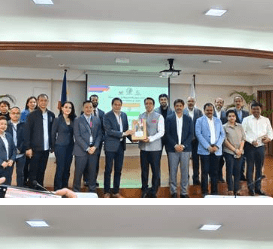
Union Minister of State (Independent Charge) for Skill Development & Entrepreneurship and Minister of State for Education, Shri Jayant Chaudhary, is leading a high-level Knowledge Exchange Mission to the Philippines from October 20 to 22, 2025, facilitated by the World Bank. The mission aims to enhance bilateral cooperation in skill development, labour mobility, and data-driven policymaking.


Strategic Engagements and Objectives

The Indian delegation includes senior officials from the Ministry of Skill Development & Entrepreneurship and representatives from the states of Uttar Pradesh, Madhya Pradesh, Rajasthan, and Telangana. The mission undertakes strategic engagements with key Philippine institutions such as the Department of Migrant Workers (DMW), Technical Education and Skills Development Authority (TESDA), Philippine Statistics Authority (PSA), and Overseas Workers Welfare Administration (OWWA) to share best practices, promote mutual learning, and strengthen governance related to skills and labour.​


Significance and Shared Commitments: Jayant Chaudhary

This mission underscores the shared commitment of the Global South to collaborate on human capital development and sustainable inclusive growth through entrepreneurship and skill enhancement. The exchange fosters dialogue to promote equitable labour mobility, improving workforce outcomes in both countries while aligning with India’s Skill India Mission and broader developmental strategies.


Conclusion

Through this mission, India reiterates its role as a global skill hub and strengthens its partnership with the Philippines in nurturing a skilled, future-ready workforce pivotal for sustained economic growth and development.


For more real-time updates, visit Channel 6 Network.

Source: PIB

CSIR–NIScPR Marks 10th Ayurveda Day, Promoting Ayurveda as a Science of Holistic Wellness

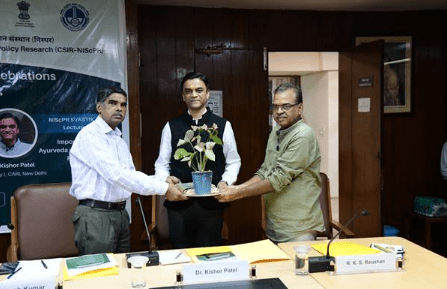
The CSIR–National Institute of Science Communication and Policy Research (CSIR–NIScPR) celebrated the 10th Ayurveda Day on 17 October 2025, reaffirming its commitment to advance Ayurveda as an evidence-based, holistic system for health, sustainability, and well-being. The event was organized under the national initiative #SVASTIK (Scientifically Validated Societal Traditional Knowledge), which focuses on scientifically communicating traditional Indian knowledge systems to the wider public.​


Enlightening Lecture and Discussions

A special NIScPR SVASTIK lecture was delivered by Dr. Kishore Patel from the Central Ayurveda Research Institute (CARI), New Delhi. His address explored the foundational principles of Ayurveda, emphasizing the importance of nutrition, balanced lifestyle, mindfulness, and ethical conduct rooted in the concepts of Āchāra Rasāyana (discipline for rejuvenation) and Sadvṛtta (righteous living). Dr. Patel explained how lifestyle disorders and mental stress could be prevented by adhering to traditional Ayurvedic practices that integrate the physical, emotional, and spiritual dimensions of health.​


Ayurveda’s Global Expansion

Dr. Naresh Kumar, Chief Scientist at CSIR–NIScPR, highlighted the global recognition of Ayurveda, noting that in less than a decade, Ayurveda Day has evolved from a domestic celebration into an international wellness movement. He urged Ayurvedic professionals and researchers to counter misinformation, prevent adulteration, and promote evidence-based integration and standardization of formulations. Dr. Kumar also commended the #SVASTIK initiative for empowering communities through scientifically validated communication of traditional knowledge.​


Reflections on India’s Health Heritage

Shri Rajesh Kumar Singh Roshan, Controller of Administration, CSIR–NIScPR, shared insights on the historical depth of Ayurveda, highlighting contributions of ancient scholars like Āchārya Nāgārjuna. He underscored Ayurveda’s continued relevance in today’s wellness-driven global healthcare systems.
Dr. Suman Ray, Senior Principal Scientist, praised this year’s theme — “Ayurveda for People and Planet” — for reflecting a shared global vision of health, sustainability, and ecological harmony.​


Health Camp and Public Engagement

As part of the celebrations, a free health assessment camp was organized where CSIR–NIScPR staff and students availed Ayurvedic OPD consultations and wellness checkups. The initiative combined traditional healthcare accessibility with community awareness, underscoring Ayurveda’s role in everyday wellness and preventive health.​

Dr. Charu Lata, Principal Scientist and Coordinator of SVASTIK, concluded the celebration with a vote of thanks, recognizing the contributions of the Director, speakers, and participants in making the event a success.​


Ayurveda for People and Planet: A Global Vision

Commemorating a decade of Ayurveda Day, the Ministry of Ayush’s national theme “Ayurveda for People and Planet” aims to position Ayurveda at the forefront of global wellness and ecological balance. With 23 September now designated as the fixed date for Ayurveda Day, India has provided this ancient knowledge system with a universal calendar identity, encouraging greater international participation and outreach.​


Conclusion

The 10th Ayurveda Day celebrations at CSIR–NIScPR highlighted Ayurveda’s continued transformation into a globally recognized wellness science, integrating sustainability, mindful living, and evidence-based modern validation. As India leads this holistic movement, initiatives like #SVASTIK play a crucial role in bridging traditional wisdom with scientific understanding, creating a lasting cultural and health impact.


For more real-time updates, visit Channel 6 Network.

Source: PIB