The Legislative Department of the Ministry of Law and Justice, beyond its core role of legislative drafting and vetting, undertook creative initiatives aligned with the Government’s Special Campaign 5.0, aimed at promoting cleanliness, sustainability, and institutional pride within workplaces.
Wall Painting for Sustainability and Innovation
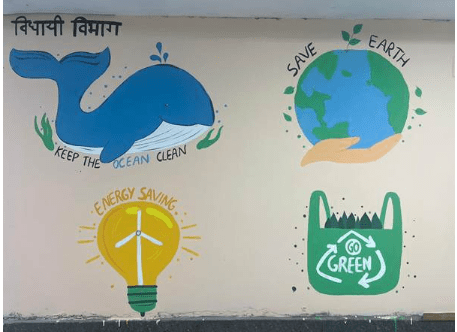
As part of Special Campaign 5.0, thematic wall paintings were undertaken within the Department’s corridors and common spaces in Shastri Bhawan. These paintings centered around the “Waste to Wealth” concept, advocating sustainable practices such as:
Save the Earth
No Plastic Use
Recycling and Waste to Art
Reuse of Old Files and Papers
Promotion of Eco-Friendly Practices
The initiative creatively reused materials to raise awareness on environmental conservation while enhancing the workplace’s aesthetic appeal and staff morale.
Leadership and Execution
The painting activities were supervised by Shri R.K. Pattanayak, Additional Secretary and Nodal Officer, along with Under Secretary Smt. Rakhi Biswas and other officers and staff members, emphasizing teamwork and leadership in transforming institutional culture. Shri Pattanayak highlighted the importance of such best practices under the campaign as replicable models for other Government Departments.
Impact and Replicability
The Legislative Department’s wall painting initiative serves as a model framework for sustainability and innovation in government offices. It leverages local artistic talent and turns environmental consciousness into visual stories, fostering a sense of pride among employees. The campaign promotes adopting sustainable behavior and creatively connecting décor with messages of green governance and resource conservation.
Conclusion
This wall painting initiative aligns with the broader objectives of Special Campaign 5.0, showcasing how creative actions within government premises can translate into significant awareness on saving the environment and fostering a culture of sustainability and accountability. The Legislative Department’s effort serves as an inspiring example for all government entities to embrace sustainable workplace transformations.
JAIMEX-25, the Japan-India Maritime Exercise conducted from 16 to 18 October 2025, highlighted deepening defence and maritime ties between the two nations. INS Sahyadri, India’s indigenously built Shivalik-class Guided Missile Stealth Frigate, joined Japanese Maritime Self Defence Force (JMSDF) ships Asahi, Oumi, and submarine Jinryu for the sea phase, followed by a port call at Yokosuka for the harbour phase on 21 October 2025.
Sea Phase: Advanced Interoperability
During the sea phase, INS Sahyadri and JMSDF assets engaged in advanced anti-submarine warfare and missile defence drills, emphasizing joint warfighting capabilities. Flying operations, underway replenishment, and tactical maneuvers improved operational synergy and enhanced mutual understanding in navigation, logistics, and combat protocol. These activities underscore the strategic focus on building interoperable, future-ready navies.
Harbour Phase: Professional and Cultural Exchange
The subsequent harbour phase in Yokosuka enabled the crews of both navies to participate in a range of professional and cultural exchanges. This included collaborative operational planning, cross-deck visits, sharing best practices, and a combined yoga session, fostering camaraderie and unity. Such activities reinforce the commitment of both nations toward a free, open, and inclusive Indo-Pacific, strengthening diplomacy and people-to-people bonds.
Strategic Pillars and Regional Significance
JAIMEX-25 marked another milestone in the ‘Special Strategic and Global Partnership’ between India and Japan, established in 2014. Both countries see this relationship as a critical pillar for peace, security, and prosperity in the Indo-Pacific region, regularly conducting bilateral and multilateral exercises such as JIMEX, Dharma Guardian, and Veer Guardian. Maritime cooperation between the Indian Navy and JMSDF exemplifies shared values and the pursuit of regional stability.
INS Sahyadri: Symbol of ‘Aatmanirbhar Bharat’
Commissioned in 2012, INS Sahyadri is emblematic of India’s pursuit of indigenous defence capabilities. The multi-role stealth frigate has a history of operational deployments and participation in bilateral and multilateral exercises. JAIMEX-25 formed part of Sahyadri’s Long Range Deployment, underlining Indian commitment to securing sea lanes and projecting power in the Indo-Pacific.
Conclusion
JAIMEX-25 consolidated India-Japan Navy-to-Navy ties, building readiness for cooperative maritime security and establishing the Indo-Pacific as a domain of freedom, rule-of-law, and shared prosperity. The exercise showcased advancements in anti-submarine warfare, missile defence, and joint operational planning, and furthered mutual trust and cooperation.
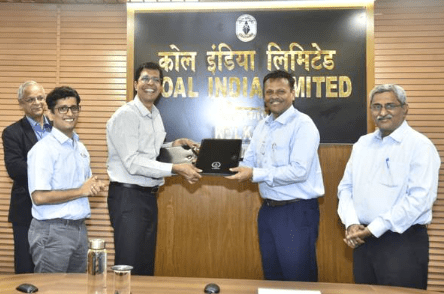
Coal India Limited (CIL) signed a landmark Memorandum of Understanding (MoU) with the Indian Institute of Technology Madras (IIT Madras) to establish the Centre for Sustainable Energy at IITM, signaling a strategic step in India’s clean-energy transition. The partnership aims to advance cutting-edge research, technology development, and capacity building to help achieve the nation’s net-zero emissions target by 2070.
Objectives of the Centre
The new Centre for Sustainable Energy will serve as a hub for research and development (R&D) in sustainable and low-carbon energy technologies. Supported by CIL’s funding, the Centre’s core focus areas include:
Repurposing decommissioned coal mines for renewable energy and industrial use.
Developing low-carbon, clean energy technologies.
Reimagining coal as a feedstock for producing clean fuels and chemicals.
Promoting decarbonization and circular economy approaches to energy generation.
The Centre will also contribute to human capital development through Ph.D., post-doctoral, and internship programs, nurturing future leaders in sustainable energy research.
Leadership Statements
CIL Chairman Shri P.M. Prasad highlighted Coal India’s transformation from being India’s leading energy provider to an enabler of sustainable energy solutions, stating that this MoU marks a “historic step toward sustainable growth”. He emphasized that the collaboration would ensure energy security, economic progress, and decarbonization through indigenous research and innovation.
IIT Madras Director Shri V. Kamakoti underlined the importance of industry–academia partnerships in shaping India’s low-carbon economy. He said, “This partnership epitomizes IIT Madras’ commitment to driving scalable and impactful sustainable energy solutions,” reflecting a shared vision for India’s green transformation.
Importance for India’s Energy Transition
This collaboration aligns with India’s national goals of enhancing energy diversification, promoting Aatmanirbhar Bharat, and achieving long-term carbon neutrality. It also complements CIL’s existing initiatives under the Ministry of Coal’s Sustainable Development Cell, which focuses on environmental reclamation, mine repurposing, and ecological restoration efforts.
Furthermore, IIT Madras’ ongoing projects, including solar-wind hybrid installations and battery energy storage innovations at the IITM Research Park, will integrate smoothly with the Centre’s mission to pioneer sustainable energy systems adaptable across sectors.
Conclusion
The establishment of the Centre for Sustainable Energy by Coal India and IIT Madras marks a pivotal moment in India’s journey toward a clean, self-reliant energy economy. With its blend of industry expertise and academic excellence, the partnership will drive innovation, enhance resource efficiency, and help position India as a leader in global sustainable energy solutions.
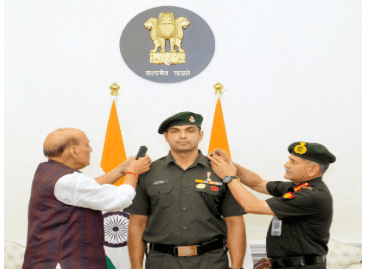
In a ceremony reflecting national pride and sporting excellence, Raksha Mantri Shri Rajnath Singh formally conferred the insignia of Honorary Lieutenant Colonel in the Territorial Army upon India’s star javelin thrower and two-time Olympic medalist, Neeraj Chopra, during a pipping ceremony at South Block, New Delhi, on October 22, 2025.
Recognition of Perseverance and Patriotism
Lt Col (Hony) Neeraj Chopra, hailed as an epitome of perseverance, patriotism, and the Indian spirit of striving for excellence, received heartfelt accolades from Defence Minister Rajnath Singh. “Chopra embodies the highest ideals of discipline, dedication, and national pride, serving as an inspiration to generations within sports and the Armed Forces alike,” said Shri Rajnath Singh at the event attended by Chief of Army Staff General Upendra Dwivedi and other senior officials.
Athletic Journey and Military Association
Neeraj Chopra joined the Indian Army in 2016 as a Naib Subedar with The Rajputana Rifles and has steadily risen through the ranks, being promoted to Subedar Major in 2022. Born on December 24, 1997, in Khandra village, Panipat, Haryana, his athletic achievements include becoming the first Indian to win an Olympic Gold Medal in track and field at Tokyo 2020, winning a Silver Medal at the Paris Olympics in 2024, and securing Gold at the World Athletics Championships in 2023. His personal best javelin throw of 90.23 metres (2025) is a historic milestone for Indian sports.
Honors and Awards
Lt Col (Hony) Chopra’s extraordinary sporting success has been recognized with India’s highest honors, including the Padma Shri, Major Dhyan Chand Khel Ratna Award, Arjuna Award, Param Vishisht Seva Medal, and Vishisht Seva Medal. The honorary commission in the Territorial Army was granted by President Smt Droupadi Murmu on April 16, 2025, makes him one of the few Indian sports icons, alongside the likes of MS Dhoni and Abhinav Bindra, to receive this distinction.
Conclusion
By conferring the honorary rank of Lieutenant Colonel on Neeraj Chopra, the nation not only celebrates a remarkable athlete but also highlights the value of sporting achievements in inspiring patriotism, discipline, and excellence within Indian society and its Armed Forces.
Operation Sindoor stands as a strategic milestone in India’s defence narrative, exemplifying unprecedented tri-service jointness and integration amidst evolving security challenges. Raksha Mantri Shri Rajnath Singh, at a high-profile event in New Delhi, highlighted how the operation reaffirmed the Government’s commitment to coordinated, adaptive and preemptive defence strategies, necessary for safeguarding national security and achieving strategic autonomy.
Extraordinary Tri-Service Jointness and Integration
Operation Sindoor, conducted in May 2025, was India’s focused retaliatory response to a Pakistan-sponsored terror attack in Pahalgam, Kashmir, that claimed 26 civilian lives. The operation showcased seamless operational synergy among the Army, Navy, and Air Force facilitated by the Chief of Defence Staff and supported by robust governmental coordination.
Precision strikes targeted terrorist infrastructure at multiple sites within Pakistan and Pakistan-occupied Kashmir—underscoring meticulous joint planning and intelligence-led execution while avoiding civilian and military targets.
Adoption of Coordinated, Adaptive Strategies
Raksha Mantri underscored that traditional defence paradigms are insufficient today as conflicts now involve hybrid and asymmetrical dimensions. In Operation Sindoor, India combined multi-agency intelligence, advanced surveillance, and real-time threat assessment through an Integrated Command and Control Strategy, neutralizing enemy retaliatory attacks without collateral damage.
This adaptive, technology-driven approach reaffirmed India’s resolve to remain future-ready and strategically autonomous, setting a global benchmark for defense operations under nuclear overhangs and grey-zone warfare.
Civil-Military Fusion: Strategic Enabler for National Power
At the book launch for ‘Civil-Military Fusion as a Metric of National Power & Comprehensive Security’ by Lt Gen Raj Shukla (Retd), Shri Rajnath Singh advocated civil-military fusion not merely as structural integration, but as a strategic enabler.
He emphasized the need to connect civil industry, the private sector, academia, and the defence establishment to foster innovation, preserve talent, and drive technological self-reliance. Integrated efforts have raised India’s domestic defence production from around ₹46,000 crore a decade ago to a record ₹1.51 lakh crore, with significant private sector contribution.
Civil-military fusion, he stressed, is crucial for leveraging dual-use technology, expanding India’s strategic edge, and achieving national objectives in the current global context where technology, security, and economics are deeply interlinked.
Building Future-Ready Armed Forces
Shri Rajnath Singh lauded ongoing reforms, such as the appointment of the Chief of Defence Staff, as pivotal for achieving “integration of purpose” across the defence ecosystem. The post enabled centralized planning with decentralized execution, accelerating jointness during Operation Sindoor.
He called upon industry, start-ups, research institutes, and young innovators to partner with defence forces in developing next-generation solutions, securing India’s defence capabilities and ensuring strategic autonomy for the long term.
Conclusion
Operation Sindoor has set a new bar for joint military operations, efficient civil-military synergy, and indigenous technological innovation in Indian defence. It exemplifies India’s transition from being a major arms importer to an emerging global defence manufacturing hub, driven by cohesive national strategy and visionary reforms.
Bengaluru authorities are investigating a distressing case involving a railway employee who availed an instant personal loan and subsequently faced harassment and blackmail over an alleged double repayment demand. The employee reported that shortly after securing the loan, unknown individuals began pressuring for repayment of twice the sanctioned amount. The victim claimed receiving threatening phone calls and messages, creating significant mental and emotional stress. Local police have registered a complaint and initiated inquiries into the matter, seeking to identify the perpetrators, understand the loan arrangements, and safeguard the employee from further intimidation.
The victim’s family expressed shock and concern over the incident, emphasizing the psychological impact of such harassment. Friends and colleagues reported that the employee was initially enthusiastic about availing the loan to address urgent financial needs but soon became distressed due to the threats and extortion attempts. Authorities confirmed that cybercrime units are involved to trace communications and digital transactions linked to the case. Experts stress that incidents involving instant loans and digital financial services must be monitored closely, as misuse can lead to harassment, fraud, and psychological trauma.
Cybercrime investigators have begun tracing the digital footprint of the individuals allegedly harassing the railway employee. Authorities are analyzing call logs, messaging apps, and digital transactions linked to the loan to identify possible perpetrators. Forensic experts emphasized that tracking such incidents requires careful examination of both the lending platform’s data and third-party communication channels. Officials noted that rapid detection and intervention are critical in cases of financial harassment, as delays may exacerbate the victim’s stress and allow perpetrators to continue coercive activities, making timely action a top priority.
Regulatory authorities overseeing digital lending platforms have been notified about the case. Experts suggest that the incident highlights gaps in monitoring and compliance, particularly with instant loan apps that may not follow strict verification protocols. Authorities are reviewing licensing, interest rates, and recovery practices to ensure adherence to financial regulations. Analysts stress that strengthening regulatory oversight, including mandatory borrower verification and reporting obligations, is essential to prevent exploitation and protect users from harassment or extortion in digital lending scenarios.
Consumer protection agencies have stepped in to provide guidance to the victim and others facing similar harassment. They have emphasized the legal rights of borrowers, outlining steps to report threats, block harassers, and seek police intervention. Specialists note that timely reporting not only helps the victim but also contributes to broader law enforcement efforts to identify patterns of fraudulent or coercive activity in digital lending. Public awareness campaigns are being intensified to educate citizens about the risks and safeguards associated with instant loans.
Mental health professionals have underscored the psychological toll of financial harassment. Continuous threats and intimidation can lead to anxiety, depression, and stress-related disorders. Dr. Meera Krishnan, a clinical psychologist, advised that victims seek counseling and support from mental health professionals alongside legal recourse. She emphasized that a combination of legal protection and emotional support is vital to prevent long-term trauma and enable victims to regain confidence in financial and professional decision-making.
Financial literacy experts stress that borrowers should carefully evaluate the terms and conditions of instant loans. They recommend reading fine print, understanding repayment schedules, and verifying the credibility of lending platforms. Experts warn that seemingly attractive loans with fast approval can carry hidden risks, including exorbitant interest rates and aggressive recovery tactics. Awareness campaigns targeting employees, students, and professionals are critical to reduce vulnerability to harassment, ensuring that citizens can make informed financial decisions while safeguarding their rights and mental well-being.
Community and professional groups have called for better coordination between employers and authorities to support employees facing harassment. Railway authorities, in this case, are working with local law enforcement and cybercrime units to provide guidance, assistance, and protection to the affected employee. Experts note that institutional support is essential to reduce victimization, reassure employees, and maintain trust. Proactive measures from organizations can include awareness workshops, helplines, and financial counseling services to prevent incidents and respond effectively if harassment occurs.
Legal experts have highlighted the importance of documentation and evidence collection in harassment cases. Victims are advised to save call records, messages, and transaction details, which are critical in establishing patterns of coercion and extortion. Authorities stressed that such documentation accelerates investigations and ensures that offenders are prosecuted under relevant sections of the Indian Penal Code. Analysts note that combining digital forensics with prompt reporting is key to preventing escalation and ensuring justice in cases of financial harassment.
Finally, experts suggest that the incident serves as a cautionary example for the public regarding the risks of unsecured digital loans. They emphasize the need for responsible lending practices, regulatory vigilance, and public awareness to prevent exploitation. Authorities are considering new guidelines and stricter monitoring of instant loan platforms to protect consumers. Civil society organizations are also advocating for campaigns on safe borrowing, ethical lending, and legal recourse options, highlighting the importance of informed decision-making in the digital financial landscape.
Financial regulators and consumer protection agencies have highlighted the risks associated with unsecured instant loans, particularly those processed through mobile apps or online platforms. Such loans often come with opaque terms, high-interest rates, and aggressive recovery tactics. Experts emphasize the need for users to verify the credibility of lending institutions, understand repayment obligations, and report any suspicious or coercive behavior immediately. Authorities are reviewing similar complaints in the city to assess whether organized networks may be exploiting vulnerable individuals through digital lending schemes.
The bank or lending platform involved has been approached for clarification, with officials confirming that they are cooperating with authorities. Investigators are reviewing transaction records, application details, and communication logs to determine whether the employee’s claim of being coerced into paying double the amount has a basis. Legal experts note that such cases, if proven, constitute criminal intimidation, cheating, and extortion under Indian law. Police have urged citizens to report any irregularities in digital lending practices promptly to prevent escalation.
DIGITAL LOANS AND VULNERABILITY RISKS
Cybercrime specialists warn that instant digital loans, while convenient, expose users to significant risks if regulatory oversight is inadequate. Vulnerabilities include identity misuse, phishing attempts, and unauthorized pressure for repayments. Authorities suggest that lending institutions must adhere to transparent processes and maintain strict protocols for communication with borrowers. Awareness campaigns are being recommended to educate citizens on their rights, emphasizing that harassment or threats in debt recovery are illegal and actionable under the law.
Experts have highlighted that psychological harassment associated with financial fraud can have serious consequences, including anxiety, depression, and stress-related health issues. Dr. Meera Krishnan, a clinical psychologist, emphasized that victims of financial blackmail should seek both legal recourse and mental health support. She noted that early intervention by law enforcement and counselors can prevent long-term emotional harm. Organizations working in consumer protection and mental health are increasingly collaborating to address the multidimensional impact of such financial harassment.
Consumer advocacy groups have called for stricter regulation of instant digital loans, including clear disclosure of interest rates, repayment obligations, and recovery processes. They emphasize that borrowers must be protected from coercion and extortion, and lending platforms should implement mechanisms to verify claims before initiating recovery. Experts suggest that legal and financial literacy programs can empower citizens to make informed decisions, recognize potential fraud, and avoid situations where instant loans could lead to harassment.
Authorities have advised other borrowers to exercise caution and report any incidents of harassment immediately. Police have initiated steps to track down the individuals behind the threats and prevent further intimidation. Experts note that rapid reporting, combined with cooperation from lending platforms, can mitigate the risk of financial fraud and ensure that victims receive protection. The case serves as a cautionary example highlighting the need for robust regulatory oversight, responsible lending practices, and public awareness of digital financial risks.
IMPACT AND FUTURE PREVENTIVE MEASURES
The incident underscores the growing challenges associated with digital financial services, especially among government employees and other working professionals seeking quick financial solutions. Authorities recommend implementing stronger verification protocols, borrower education programs, and emergency grievance mechanisms. Experts stress that effective regulation, combined with informed citizenry, can minimize the potential for exploitation. The case has prompted discussions among regulatory bodies, consumer forums, and law enforcement on enhancing safeguards for digital loan users and ensuring swift action against harassment and blackmail.
Legal experts have highlighted that harassment for repayment beyond the sanctioned amount is a punishable offense under Sections 383, 385, and 420 of the Indian Penal Code. Authorities are reviewing evidence to determine whether additional criminal charges, such as criminal intimidation and cheating, are warranted. Experts emphasize the importance of documenting threats, saving communication logs, and filing timely complaints to establish accountability. This approach not only provides protection for the victim but also helps law enforcement agencies identify and prosecute offenders effectively.
Financial advisors have also urged caution in availing instant loans, particularly those offered through mobile applications without thorough verification. Experts recommend checking for regulatory approval, reading terms carefully, and avoiding transactions that appear opaque or unusually high in interest. Awareness campaigns and digital literacy initiatives can play a crucial role in preventing exploitation and protecting citizens from financial harassment. By fostering informed borrowing habits, experts believe that such incidents can be reduced, promoting safer engagement with modern financial services.
In conclusion, the harassment and blackmail faced by the railway employee over an instant loan highlight serious concerns regarding digital lending practices, consumer protection, and regulatory oversight. Authorities are actively investigating the case, emphasizing both legal recourse and victim support. Experts and civil society organizations advocate for stronger regulations, increased public awareness, and mental health assistance for affected individuals. The incident serves as a cautionary tale about the risks of unsecured loans and the importance of transparent, ethical lending practices in ensuring financial safety for citizens.
Bengaluru police are investigating the sudden death of a B. Tech graduate discovered in a paying guest (PG) accommodation in the city. Authorities reported that the incident occurred late in the night, prompting immediate action by law enforcement and forensic teams. Preliminary reports indicate no visible signs of foul play, though an autopsy has been ordered to ascertain the cause of death. Family members and friends expressed shock, highlighting the suddenness of the incident and the emotional distress caused. The local police have cordoned off the area and begun a detailed inquiry.
Neighbors and fellow residents of the PG expressed their grief and concern over the tragic event. Many described the graduate as quiet and responsible, with no apparent signs of distress in the days preceding the incident. Authorities have spoken with other residents and staff to gather information about the deceased’s activities, interactions, and mental state in the lead-up to the discovery. Police officials emphasized that the investigation is ongoing, and all possible angles, including accidental causes, health conditions, and external factors, are being explored.
The PG management stated that they were unaware of any health issues or unusual behavior displayed by the graduate. Staff members noted that the individual had followed routine schedules and had not reported any complaints. The management expressed cooperation with authorities and offered full access to records, surveillance footage, and witness accounts. Investigators are reviewing these materials to establish a timeline and understand the circumstances leading up to the death. The PG management also called for sensitivity and privacy during the inquiry.
Family members of the deceased have arrived in Bengaluru to assist authorities and collect information regarding the incident. Relatives expressed shock and demanded a thorough investigation to determine the cause of death. Friends shared memories of the graduate, describing the individual as hardworking, disciplined, and focused on career goals. Authorities are working closely with the family to provide updates on the investigation and ensure all legal and procedural requirements are met while maintaining transparency.
INVESTIGATION AND FORENSIC EXAMINATION: BTech Graduate
Police officials have conducted a preliminary inspection of the PG room, collecting personal belongings and examining the immediate surroundings. Forensic teams are analyzing the scene to detect any evidence of unnatural causes or external interference. Officers are also reviewing medical history, recent communications, and lifestyle habits to build a comprehensive profile. Authorities emphasized that the investigation remains at an early stage, and conclusions regarding the cause of death will only be drawn after autopsy reports and detailed forensic analysis are completed.
The city’s law enforcement authorities have assured the public that all necessary protocols are being followed. They emphasized that while initial findings suggest no overt criminal activity, a meticulous approach is essential to rule out any possibility. Experts in forensic science noted that sudden deaths among young adults in residential accommodations require careful examination, including toxicology tests, evaluation of pre-existing medical conditions, and review of environmental factors within the PG premises. Police have appealed to residents to cooperate and share any relevant information to assist the investigation.
Medical experts suggest that sudden deaths in young adults can occur due to various reasons, including undiagnosed health conditions, cardiac issues, or accidental causes. They recommend a detailed autopsy and laboratory analysis to accurately determine the cause. Authorities stressed that speculation must be avoided until conclusive evidence emerges, urging media and the public to rely on verified information. Experts also noted that mental health assessments are sometimes necessary in such cases to understand potential contributing factors, ensuring a comprehensive investigation.
Community members have expressed condolences and support for the grieving family. PG residents have called for increased awareness about health and safety measures within shared accommodations. Suggestions include periodic health check-ups, emergency preparedness, and access to counseling services to ensure residents’ well-being. Local authorities are also reviewing protocols for paying guest accommodations to enhance safety standards, highlighting the importance of preventive measures in residential facilities hosting young adults pursuing education or employment.
Authorities have also been coordinating with local hospitals and emergency medical services to review response times and accessibility of medical aid in the PG vicinity. Officials highlighted that rapid intervention in emergencies can be lifesaving, and gaps in response mechanisms could contribute to avoidable outcomes. Experts recommend that PG operators maintain clear contact protocols with nearby medical facilities and ensure that residents are aware of emergency numbers and procedures. Such preparedness not only enhances safety but also builds trust among residents and families, reinforcing accountability in shared housing environments.
In the wider community, the incident has sparked discussions on mental health, stress management, and preventive care for young adults living independently. Psychologists and counselors emphasize the importance of awareness programs, peer support networks, and regular check-ins to address potential emotional or psychological distress. Community forums and local NGOs have offered to collaborate with PG facilities to organize workshops and counseling sessions. Experts note that proactive engagement on mental well-being, combined with physical safety measures, is essential for creating a secure and supportive environment for students and young professionals in urban living spaces.
Authorities are monitoring the investigation closely, with updates expected following autopsy and forensic analysis. Police officials reiterated that all angles, including accidental, medical, and external factors, are being thoroughly examined. Family members have requested privacy during this difficult period, while the city community has expressed collective grief over the unexpected loss. As the inquiry progresses, officials aim to provide clarity on the cause of death and implement recommendations to prevent similar incidents in the future.
In conclusion, the sudden death of the B. Tech graduate in a Bengaluru paying guest house has left family, friends, and the local community in shock. Authorities are conducting a meticulous investigation, combining forensic analysis, autopsy reports, and witness statements to ascertain the cause. The incident underscores the importance of safety, health monitoring, and support systems in residential accommodations for young adults. As the investigation continues, law enforcement and medical experts aim to provide answers while ensuring sensitivity and transparency for the grieving family.
Police investigators have intensified efforts to reconstruct the graduate’s movements in the days leading up to the incident. Statements from neighbors, fellow residents, and staff are being cross-verified to establish a timeline. Officers are examining the graduate’s phone records, digital correspondence, and social media activity to detect any unusual behavior or distress signals. Experts note that such comprehensive investigations are crucial in cases of sudden deaths among young adults, as they help rule out foul play, accidental causes, or self-harm, ensuring that the inquiry is thorough and evidence-based.
Forensic specialists are conducting toxicology tests and analyzing biological samples collected during the autopsy. Early reports indicate that the cause of death remains undetermined, pending laboratory results. Investigators are also examining environmental factors within the PG, such as ventilation, potential allergens, or exposure to harmful substances. Experts emphasize that multi-faceted forensic evaluation is essential to accurately determine cause of death, particularly in residential settings where external variables may contribute. Authorities assure the public that no assumptions will be made until results are verified.
Medical professionals have highlighted the importance of regular health monitoring for young adults residing in shared accommodations. Dr. Rakesh Sharma, a city-based physician, noted that undiagnosed cardiac or neurological conditions can lead to sudden fatalities, often without warning signs. Experts recommend that PG operators maintain basic health records, encourage routine check-ups, and provide access to emergency medical support. Such measures can significantly reduce the risk of preventable incidents, especially in urban settings where young professionals and students live away from family supervision.
PG management and owners have been asked to provide full documentation regarding resident records, safety protocols, and emergency procedures. Authorities are reviewing these protocols to ensure compliance with municipal regulations. Officials emphasized that safe accommodation practices are critical, including installation of fire alarms, first aid kits, and access to local emergency services. Experts suggest that a structured safety framework within PGs can prevent or mitigate emergencies, safeguarding the well-being of residents and building public confidence in shared housing facilities.
Counselors and mental health professionals have highlighted the relevance of psychological well-being in sudden deaths among young adults. Dr. Meera Krishnan, a clinical psychologist, noted that stress, anxiety, and other mental health challenges can sometimes contribute to critical health events. She stressed that providing counseling services and creating a supportive residential environment is essential in educational and work-related housing setups. Experts recommend periodic awareness sessions and peer support systems to ensure that residents have access to guidance and assistance when facing personal or academic stressors.
Community members have expressed grief and concern, urging greater oversight of PG accommodations. Residents of nearby complexes highlighted the need for regular inspections, safety drills, and communication channels with local authorities. Civic bodies have acknowledged these concerns, promising to review inspection schedules and strengthen monitoring mechanisms. Experts suggest that public engagement and reporting channels can help identify potential hazards or lapses in residential safety, fostering a proactive approach to resident welfare in urban shared housing environments.
Legal experts have noted that the investigation must balance sensitivity with procedural rigor. Any lapses in documentation, emergency preparedness, or negligence on the part of the PG management could have legal implications. Authorities are reviewing all possible angles, including potential liability, to ensure accountability. Legal analysts emphasize that comprehensive documentation, adherence to safety protocols, and prompt reporting are critical in preventing future incidents and providing clarity to families and authorities during investigations.
As the investigation progresses, authorities continue to appeal for cooperation from all witnesses and residents. Police have assured the family and public that every effort is being made to determine the exact circumstances surrounding the graduate’s death. Experts stress that such incidents underline the need for systemic improvements in shared accommodation safety, medical readiness, and mental health support. By implementing preventive measures and ensuring transparency, PG facilities can create safer environments for young adults pursuing education and professional goals away from home.
Bengaluru reported a ‘satisfactory’ air quality level on the third day of Deepavali celebrations, according to data from the State Pollution Control Board. Authorities noted that pollution levels remained within safe limits for most areas of the city, marking a welcome relief for residents and environmental advocates. The improvement is attributed to a combination of reduced vehicular traffic, responsible use of fireworks, and favorable meteorological conditions. Citizens expressed optimism as the city witnessed clearer skies and reduced smog, offering respite for vulnerable groups, including children, the elderly, and those with respiratory conditions.
Environmental experts have highlighted that the satisfactory air quality levels demonstrate the potential impact of public awareness and adherence to regulations. The Pollution Control Board had implemented monitoring measures across the city, analyzing particulate matter (PM2.5 and PM10), nitrogen oxides, and other pollutants. Observers noted that the decline in pollutant concentration compared to previous years suggests growing compliance with guidelines restricting firecracker usage and a shift toward eco-friendly celebrations. Such trends are encouraging for long-term air quality management in urban areas like Bengaluru.
Meteorologists pointed out that favorable wind patterns and increased humidity contributed to dispersing pollutants effectively, reducing the accumulation of smog over the city. Officials emphasized that while the current air quality is satisfactory, sustained improvement requires continued adherence to pollution control measures, including regulated vehicular emissions, responsible industrial activity, and public cooperation. Residents were reminded that even on festival days, minimizing firecracker use and opting for cleaner alternatives can significantly impact overall air quality and public health outcomes.
The local government’s public messaging campaigns played a crucial role in promoting safe and environmentally conscious celebrations. Through social media, print media, and community outreach, authorities encouraged citizens to limit firecracker use, follow safety guidelines, and adopt alternative celebratory practices. Environmental NGOs collaborated in spreading awareness, highlighting the health risks associated with high pollution levels, particularly for vulnerable populations. These coordinated efforts contributed to improved compliance and a noticeable reduction in smoke and particulate matter during the festivities.
CITIZEN RESPONSE AND COMMUNITY EFFORTS
Bengaluru residents responded positively to the improved air quality, with many expressing relief at being able to celebrate Deepavali without severe pollution. Community groups organized awareness drives, promoting eco-friendly fireworks and silent celebrations, which helped in reducing overall emissions. Families and social organizations also opted for green initiatives, such as lighting oil lamps and using biodegradable decorations, reinforcing the message that traditional celebrations can be maintained without harming the environment. Citizens appreciated the tangible benefits of collective action in improving urban air quality.
Environmentalists emphasized that consistent improvement in air quality requires long-term behavioral changes. Dr. Ramesh Kumar, an air quality expert, noted that even small reductions in pollutant emissions, when practiced widely, have significant cumulative effects. He stressed that public cooperation during festival periods demonstrates the potential for sustainable practices to coexist with cultural traditions. Experts advocate for continued monitoring, educational campaigns, and policy reinforcement to maintain satisfactory air quality throughout the year, ensuring that Bengaluru’s urban environment remains healthier and more livable.
Authorities also monitored industrial activity and vehicular traffic during the festival period. Reduced traffic congestion due to holiday schedules and adherence to industrial regulations contributed to lower emissions. Experts noted that coordinated enforcement, combined with public awareness campaigns, is essential for sustaining air quality improvements. These measures not only help during festivals but also set a precedent for maintaining better environmental standards year-round, ensuring that Bengaluru’s residents benefit from cleaner air in both peak celebration periods and regular daily life.
Healthcare professionals welcomed the improved air quality, noting a decrease in respiratory complaints during the festival. Hospitals and clinics reported fewer cases of asthma attacks, eye irritation, and breathing difficulties compared to previous years. Doctors emphasized that satisfactory air quality reduces the burden on healthcare facilities, particularly during festive seasons when vulnerable populations are at higher risk. The combined effect of environmental monitoring, responsible public behavior, and favorable weather conditions contributed to these positive health outcomes.
Experts suggest that ongoing evaluation of air quality data can guide future policy decisions and public advisories. Real-time monitoring, coupled with citizen participation and regulatory enforcement, creates a feedback loop that encourages compliance and promotes awareness. Urban planners and environmentalists argue that such data-driven approaches are crucial for developing sustainable city management strategies, particularly in rapidly growing metropolitan areas like Bengaluru, where population density and industrial activity pose continuous environmental challenges.
FUTURE OUTLOOK AND SUSTAINABILITY
Looking ahead, authorities and environmental groups aim to build on the success observed during Deepavali. Initiatives include promoting eco-friendly festivals, reducing vehicular emissions, and strengthening industrial compliance with air quality standards. Experts emphasize that long-term improvement requires collaboration between government agencies, citizens, and civil society organizations. By fostering a culture of environmental responsibility, Bengaluru can achieve consistent air quality improvements, ensuring that cultural celebrations remain joyous without compromising public health or ecological sustainability.
The positive air quality readings during Deepavali also highlight the importance of integrating environmental consciousness into urban lifestyle planning. Citizens are increasingly aware of their role in mitigating pollution, opting for sustainable choices such as green celebrations and reduced use of polluting fireworks. Experts stress that such behavioral changes, combined with institutional support and continuous monitoring, can create lasting environmental benefits. Bengaluru’s experience during the festival serves as a model for other metropolitan areas seeking to balance cultural traditions with environmental stewardship.
In conclusion, Bengaluru’s satisfactory air quality on the third day of Deepavali reflects the combined efforts of authorities, citizens, and environmental advocates. The festival period demonstrated that cultural celebrations can be conducted responsibly, minimizing environmental and health impacts. Sustained vigilance, public awareness, and adherence to regulations remain essential for long-term improvement. The success of this year’s celebrations offers hope that Bengaluru can continue to enjoy festive joy while breathing cleaner, healthier air, setting an example of environmental consciousness for other cities across India.
Environmental experts highlighted that Bengaluru’s improved air quality during Deepavali sets an encouraging precedent for other festival seasons. Dr. Anitha Rao, an air pollution specialist, explained that citizen participation plays a crucial role in mitigating pollution spikes typically associated with fireworks. She emphasized that when residents voluntarily adopt eco-friendly practices, such as using low-emission firecrackers or avoiding them entirely, measurable reductions in particulate matter occur. Experts suggest that replicating these behavioral changes consistently during other high-pollution periods can gradually transform urban air quality, offering long-term benefits for public health and environmental sustainability.
Public health officials reported a noticeable decrease in respiratory complaints this year compared to previous Deepavali celebrations. Hospitals observed fewer cases of asthma exacerbations, eye irritation, and shortness of breath, particularly among children and the elderly. Doctors attribute these improvements to the combined effect of favorable weather conditions, reduced traffic emissions, and responsible firecracker usage. Health experts stress that consistent improvements in air quality can alleviate pressure on medical facilities, reduce healthcare costs, and improve the overall well-being of urban populations, demonstrating the tangible benefits of collective adherence to environmental guidelines.
NGOs and civil society organizations have lauded the city’s awareness campaigns, noting that education and outreach were key drivers behind the improved air quality. Community groups organized workshops, street campaigns, and digital initiatives to encourage eco-friendly practices and responsible celebration. By highlighting health risks and environmental consequences, these organizations motivated citizens to make conscious choices. Experts suggest that such community-led efforts complement regulatory enforcement, creating a cooperative framework for sustainable urban living where citizens actively contribute to environmental protection rather than merely complying with mandates.
Meteorologists emphasized the role of weather patterns in dispersing pollutants during the festival. Strong winds and moderate humidity facilitated the dilution of particulate matter, preventing the accumulation of smog over residential areas. Experts caution, however, that favorable weather alone cannot guarantee satisfactory air quality consistently. Continuous monitoring, regulatory compliance, and responsible public behavior remain essential. Urban planners note that integrating meteorological data with real-time air quality monitoring can help authorities issue timely advisories, guide public behavior, and implement targeted interventions during periods of high pollution risk.
City authorities acknowledged the contribution of reduced vehicular traffic to the improved air quality. Holiday schedules and temporary road restrictions during the festival minimized congestion, lowering emissions from private vehicles. Experts suggest that such temporary measures, if combined with permanent policy changes like carpooling incentives, promotion of public transport, and traffic management improvements, could lead to lasting reductions in urban air pollution. Citizens responding positively to these initiatives indicate a willingness to adopt long-term environmentally friendly practices beyond festive periods.
Policy analysts highlighted the importance of integrating festival-specific strategies into broader environmental governance. Experts argue that targeted interventions during high-pollution events, such as regulating firecracker sales, issuing public advisories, and coordinating community initiatives, can significantly reduce pollution spikes. These measures, when aligned with long-term urban planning, emissions standards, and industrial compliance, reinforce a proactive approach to environmental management. Analysts emphasize that festival periods provide critical testing grounds for strategies that can later be scaled for year-round air quality improvement.
Educational institutions played an active role in promoting environmentally conscious celebrations. Schools and colleges conducted campaigns emphasizing the health and ecological benefits of reducing firecracker usage. Students participated in awareness drives, social media campaigns, and eco-friendly competitions, fostering a culture of responsibility among the younger population. Experts note that such early engagement cultivates lifelong environmental consciousness, equipping future citizens with the knowledge and habits necessary to sustain urban air quality improvements over the long term.
Looking ahead, authorities and environmental organizations plan to institutionalize successful strategies observed during Deepavali. Measures under consideration include expanding air quality monitoring networks, promoting zero-emission celebrations, offering incentives for eco-friendly practices, and strengthening enforcement of pollution control laws. Experts stress that sustained success depends on collaboration among government agencies, citizens, civil society, and educational institutions. Bengaluru’s experience demonstrates that with coordinated efforts, urban festivals can be celebrated safely, joyfully, and sustainably, balancing cultural traditions with environmental responsibility and public health priorities.
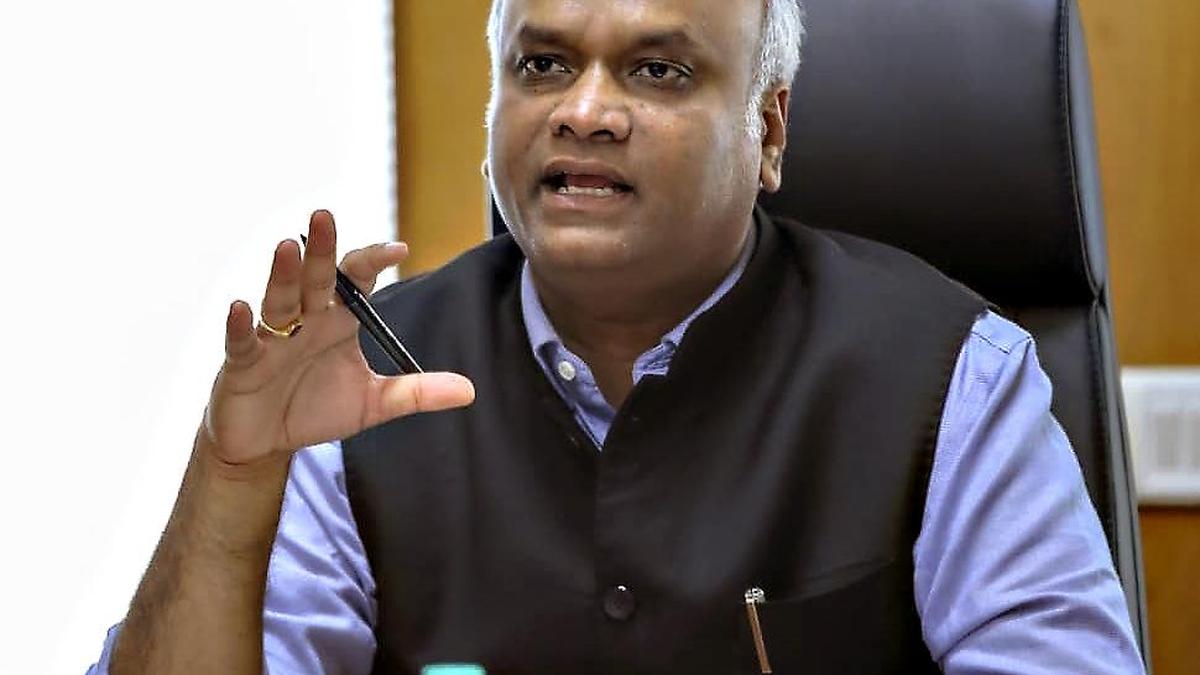
Bengaluru witnessed a political stir as Congress leader Priyank Gandhi resurfaced an old video clip to target the BJP on alleged irregularities in political fundraising. The video, which has been widely circulated on social media, shows statements that Priyank claims highlight inconsistencies and questionable practices in fundraising activities by the ruling party. By bringing the clip into public discourse, Priyank aims to challenge the BJP’s claims of transparency and accountability, sparking renewed debates about political ethics and campaign finance in India’s democratic landscape.
Political analysts suggest that incidents involving resurfaced video clips can significantly influence public perception, particularly among first-time voters and urban constituencies. Experts argue that transparency in political fundraising is increasingly scrutinized by citizens who expect ethical conduct from elected representatives. By highlighting past statements, Priyank Gandhi aims to draw attention to systemic issues in campaign financing, encouraging voters to question the accountability mechanisms within parties. Analysts note that such interventions often serve a dual purpose: holding opponents accountable while consolidating one’s support base, making them strategically important during politically sensitive periods.
Social media has amplified the impact of the resurfaced video, allowing rapid dissemination and engagement. Experts in political communication observe that platforms like Twitter, Instagram, and YouTube facilitate citizen dialogue, criticism, and fact-checking at an unprecedented scale. Public reactions range from outrage over alleged irregularities to debates on the ethical obligations of political parties. Analysts highlight that digital engagement not only shapes narratives but also pressures parties to provide evidence, clarify positions, and ensure compliance with transparency norms, thereby influencing both public opinion and policy discussions.
Political finance specialists have commented on the broader implications for regulatory oversight. They note that campaigns increasingly rely on diverse fundraising streams, making stringent monitoring and auditing critical. Experts emphasize that bringing such controversies into public discourse can catalyze reforms in reporting mechanisms, disclosure requirements, and legal compliance. Priyank Gandhi’s strategy underscores the role of informed political advocacy in highlighting potential lapses and ensuring that electoral processes operate transparently, strengthening the accountability framework across parties and improving governance standards.
Public engagement with the controversy has revealed growing awareness of ethical political practices. Citizens are increasingly demanding explanations, verifying claims, and discussing implications with peers. Experts argue that this active participation reflects a maturing electorate that values transparency and integrity in public office. Community groups and NGOs have also weighed in, emphasizing that informed debate and scrutiny are essential components of a healthy democracy. The incident, therefore, contributes to the broader process of civic education, empowering voters to make decisions grounded in ethics and accountability.
Political strategists note that both the BJP and Congress will need to recalibrate their messaging in response to public attention on fundraising ethics. Analysts suggest that proactive communication, transparent disclosure of donations, and public engagement campaigns are essential to maintain credibility. For opposition leaders like Priyank Gandhi, the controversy offers an opportunity to frame the narrative around ethical governance and accountability. Experts highlight that the episode may influence campaign tactics, voter targeting, and broader policy messaging, demonstrating how accountability issues shape electoral strategy and party positioning.
Finally, legal and governance experts emphasize that public scrutiny, combined with regulatory enforcement, is crucial for long-term reform. While resurfaced clips generate debate, they also provide an impetus for institutional checks and improvements. Experts suggest that stronger oversight, combined with civic engagement and informed debate, ensures that political actors adhere to ethical norms and transparent practices. By bringing these issues into the public sphere, Priyank Gandhi’s move contributes to a culture of accountability, promoting ethical conduct, and reinforcing the importance of citizen vigilance in India’s democratic process.
The controversy gained traction immediately, with media and citizens analyzing the video’s content and context. Political analysts point out that such resurfacing of past statements is a common tactic in electoral politics, intended to hold opponents accountable and influence public perception. Priyank’s move is seen as part of a broader strategy to mobilize support among voters concerned about transparency in political funding. Observers suggest that the incident may intensify scrutiny of fundraising mechanisms across parties, prompting calls for stricter oversight and reporting standards.
Priyank Gandhi emphasized that the clip reveals long-standing concerns about irregularities and lack of transparency in political donations. He argued that public trust in governance is closely linked to accountability in campaign financing and that citizens have a right to be informed about how funds are raised and utilized. Leaders from Congress claim that by highlighting these issues, they aim to foster greater awareness and demand reforms in the political funding system, ensuring that electoral processes are fair, transparent, and ethically managed.
The BJP responded cautiously to the resurfaced video, with party representatives stressing that fundraising practices comply with legal provisions and are subject to regulatory oversight. Analysts suggest that the party’s response aims to balance defense of established practices while avoiding escalation of political tension. Social media discussions have intensified, with supporters of both parties engaging in debates, dissecting the video’s implications, and questioning the credibility of claims. This has created a complex political narrative, reflecting the high stakes of accountability and perception in contemporary Indian politics.
VIDEO CLIP AND PUBLIC REACTIONS
The video clip in question has sparked wide discussion, with citizens and media outlets analyzing its content and context. Experts note that such clips can influence public perception, particularly when resurfaced during politically sensitive periods. Public reactions range from outrage over alleged irregularities to skepticism about the timing and intent of political interventions. Analysts emphasize that responsible media coverage is crucial to ensure that debates remain fact-based and do not devolve into partisan rhetoric, thereby maintaining the integrity of public discourse.
Political finance experts argue that transparency in fundraising is a key pillar of democratic accountability. They note that video evidence, while informative, requires verification and context before drawing conclusions. Campaign finance specialists suggest that renewed public focus on such issues may prompt legislative bodies to enhance monitoring mechanisms and reporting requirements. By highlighting potential discrepancies, leaders like Priyank Gandhi seek to stimulate both public debate and institutional reforms, aiming to reinforce the principles of ethical political conduct and citizen oversight.
Observers highlight that the controversy also underscores the role of social media in modern political campaigns. Platforms have amplified the reach of the video clip, allowing citizens from across the country to engage with the content, express opinions, and demand transparency. Political strategists note that digital circulation of such material can influence voter sentiment and shape narratives in ways that traditional media may not, making social media an essential battleground for accountability and influence in contemporary politics.
Congress leaders assert that the resurfaced video serves as a reminder of the need for continuous vigilance in political finance. They argue that ethical fundraising is not merely a procedural requirement but a fundamental aspect of democratic integrity. Experts stress that sustained attention to transparency, compliance, and reporting can strengthen democratic institutions and public trust. The emphasis on accountability, driven by public debate and political scrutiny, reflects the evolving expectations of citizens regarding governance and ethical conduct in public office.
Civil society organizations have also joined the conversation, noting that political funding and transparency are essential to curbing corruption and fostering equitable governance. NGOs and advocacy groups highlight that public awareness, coupled with regulatory enforcement, can ensure that political campaigns remain accountable to citizens. Analysts observe that such incidents, when scrutinized responsibly, provide opportunities to reinforce democratic norms and encourage both politicians and voters to engage in informed, ethical discourse.
CHALLENGES AND POLITICAL IMPLICATIONS
While resurfaced video clips can spark public interest, political analysts caution that verification and context are critical to avoid misinformation. The incident highlights the challenges of navigating political narratives in the age of digital media, where content can be rapidly disseminated and interpreted in multiple ways. Experts suggest that parties must respond with transparency and evidence, ensuring that debates are grounded in facts rather than speculation, thereby maintaining the credibility of political discourse and public trust in democratic processes.
Political commentators note that the controversy could have broader implications for electoral strategies and public perception. Parties are increasingly aware that allegations regarding fundraising and transparency can significantly influence voter behavior. Analysts believe that Priyank Gandhi’s move is not only aimed at highlighting accountability but also at consolidating support among constituencies concerned with ethical governance. The incident may shape political messaging and policy discussions in the coming months, reflecting the enduring impact of accountability debates on India’s political landscape.
The BJP has reiterated that fundraising practices comply with statutory requirements and that audit mechanisms ensure accountability. Party leaders emphasize that the resurfaced clip should not overshadow ongoing governance initiatives. Political observers note that this approach seeks to contain potential fallout while maintaining focus on achievements. Analysts suggest that the incident may prompt both parties to emphasize transparency measures and reinforce internal compliance mechanisms, highlighting the interplay between public perception, ethical conduct, and political strategy.
Public discussions surrounding the clip have also encouraged broader reflection on democratic engagement. Citizens and advocacy groups stress that awareness of political funding mechanisms is essential for informed voting. Experts argue that such debates contribute to a more vigilant and participatory electorate, capable of demanding transparency and holding leaders accountable. By bringing fundraising practices into public discourse, incidents like these help reinforce the principles of democratic oversight and foster a culture of informed civic participation.
In conclusion, Priyank Gandhi’s resurfacing of the fundraising video has generated significant debate on political accountability and transparency. The episode underscores the importance of ethical conduct, public scrutiny, and responsible communication in shaping democratic processes. As political parties respond and media coverage continues, the incident reflects both the challenges and opportunities inherent in contemporary politics, highlighting the need for informed engagement, verified reporting, and continuous vigilance to maintain integrity in electoral and governance practices.
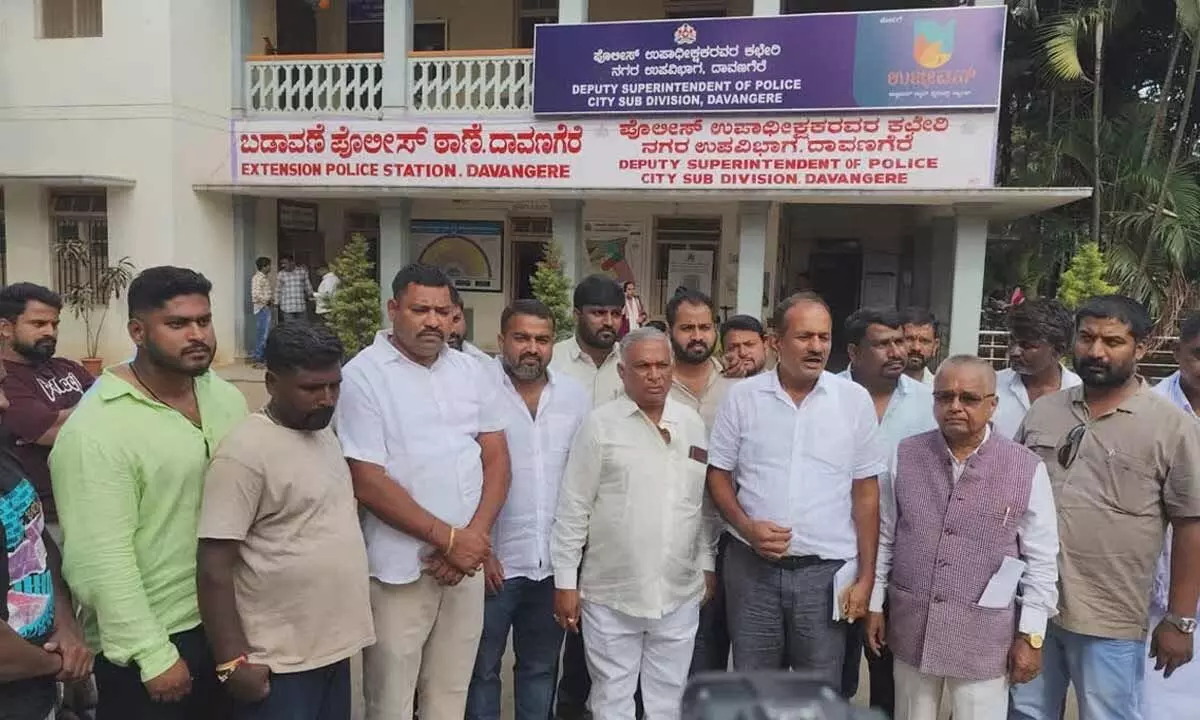
Bengaluru witnessed significant public demonstrations as members of the Valmiki Samaj protested against former MP Ramesh Katti, following allegations of an abusive statement attributed to him. The protests, which drew hundreds of participants, reflect the community’s growing demand for accountability and respect in public discourse. Leaders and activists from the Valmiki Samaj have emphasized that such remarks are deeply hurtful and have called for an official apology from the former parliamentarian. The protests also highlight the broader concerns regarding social sensitivity and the treatment of marginalized communities in political communication.
The demonstrations were organized across multiple locations in the Bengaluru region, with protestors holding placards and chanting slogans demanding justice. Community leaders stressed that public figures must exercise caution in their statements, as words carry significant influence and impact societal harmony. Protestors argued that derogatory remarks targeting a specific community perpetuate discrimination and undermine efforts toward social equality. Authorities monitored the protests to ensure they remained peaceful, acknowledging the importance of citizens’ right to express dissent while maintaining public order.
The Valmiki Samaj has outlined a series of demands alongside the protests, including a formal apology from Ramesh Katti, legal action against offensive statements, and measures to prevent recurrence of such incidents. Community representatives emphasized the need for sensitization programs for public officials, ensuring that elected leaders understand the impact of their words. Activists believe that accountability and awareness are essential to fostering social cohesion and protecting the dignity of historically marginalized groups within Karnataka’s diverse population.
The controversy has sparked debate on social media and among political commentators. Analysts note that public accountability is crucial in a democratic society, and marginalized communities increasingly expect leaders to acknowledge and rectify offensive remarks. Many have expressed solidarity with the Valmiki Samaj, emphasizing that political rhetoric should respect human dignity and social diversity. Observers have also pointed out the broader implications for political communication, urging parties and representatives to adopt more inclusive and sensitive language in public forums.
COMMUNITY DEMANDS AND POLITICAL RESPONSE
The Valmiki Samaj has actively engaged with political representatives, urging immediate intervention and preventive measures. Community leaders have requested that parties initiate training and workshops focused on cultural sensitivity and responsible public communication. Political analysts suggest that addressing these concerns proactively is vital to maintaining voter confidence and avoiding escalation of social tensions. Officials have assured the community that complaints will be reviewed, and legal or administrative action may follow depending on the investigation’s outcome.
Public discourse surrounding the incident has brought attention to the historical context of caste-based discrimination in Karnataka. Experts note that marginalized communities, including the Valmiki Samaj, have historically faced systemic challenges, making offensive statements by public figures particularly damaging. Scholars argue that ensuring accountability is not merely symbolic but serves as a deterrent against perpetuating harmful stereotypes. The protests thus represent both a demand for immediate redress and a call for sustained social consciousness among political actors.
Civil society organizations have voiced support for the protests, highlighting the importance of safeguarding dignity and combating prejudice. Many NGOs have emphasized that freedom of speech must be balanced with responsibility, particularly for elected officials who influence public opinion. Legal experts note that offensive statements may constitute grounds for formal complaints under relevant sections of the law, underscoring the need for prompt action to prevent escalation and maintain public confidence in democratic institutions.
Media coverage of the protests has been extensive, with reports highlighting both the scale of participation and the peaceful nature of demonstrations. Interviews with protestors reflect frustration over repeated instances of insensitivity from public figures. Community members stress that the protests are not merely political but reflect deeply felt social grievances. Observers note that sustained attention from media and civil society can pressure political representatives to acknowledge mistakes and implement corrective measures.
Legal avenues have been explored by Valmiki Samaj leaders, with petitions filed seeking redress for alleged verbal abuse. Lawyers associated with the community argue that statements of this nature violate social harmony and may incite discrimination. Judicial experts suggest that legal proceedings in such cases, combined with public advocacy, send a strong message regarding accountability and respect for constitutional protections. Authorities have indicated that they are reviewing evidence and will take appropriate action in line with the law.
Political parties have responded cautiously, with some expressing regret over the incident and others urging calm. Analysts note that such controversies test the responsiveness of elected representatives to community grievances. Leaders emphasizing dialogue and resolution are seen as proactive, while dismissive or delayed responses risk inflaming social tensions. The Valmiki Samaj, however, has reiterated that a formal apology from Ramesh Katti remains central to resolving the issue and restoring trust in public leadership.
SOCIAL IMPACT AND FUTURE OUTLOOK
The protests by Valmiki Samaj highlight the broader significance of sensitivity in political communication. Experts suggest that elected officials must undergo cultural awareness and ethical communication training to prevent alienation of marginalized groups. The incident has sparked discussions on inclusive governance and equitable representation, with civil society calling for systemic measures that reinforce social dignity. By asserting their rights, the community sets a precedent for proactive civic engagement, emphasizing that offensive remarks by public figures will not go unchallenged.
Community leaders have announced plans for continued advocacy, including awareness campaigns, seminars, and meetings with political representatives. These initiatives aim to foster dialogue, educate leaders, and prevent future incidents. By taking a structured approach, the Valmiki Samaj seeks to institutionalize mechanisms for accountability and ensure that community voices are considered in policymaking processes. Experts note that such sustained engagement strengthens democratic norms and promotes a culture of respect in public discourse.
In conclusion, the protests by the Valmiki Samaj against former MP Ramesh Katti’s alleged statement underscore the importance of accountability, social sensitivity, and proactive civic participation. The demonstrations reflect a community committed to protecting dignity, demanding justice, and advocating for systemic measures to prevent repetition of offensive conduct. As political leaders, civil society, and legal institutions respond, the incident serves as a reminder of the power of collective action and the responsibility of public figures to maintain respectful, inclusive communication in a diverse society like Karnataka.
Political analysts note that incidents like these often serve as a litmus test for the responsiveness of public representatives. They emphasize that elected officials must recognize the influence of their statements on community trust and social cohesion. Experts suggest that delayed or dismissive responses can exacerbate tensions, whereas immediate acknowledgment and corrective measures can restore confidence. In Karnataka’s diverse social landscape, proactive engagement with affected communities is critical. Analysts believe that the Valmiki Samaj protests may set a benchmark for how marginalized groups assert their rights and hold public figures accountable for speech that undermines social harmony.
Sociologists studying caste dynamics in Karnataka point out that verbal offenses against marginalized communities are not isolated events but part of a broader historical context of discrimination. They note that the Valmiki Samaj’s public protests signal a shift toward greater empowerment and social assertion. Community mobilization in response to such incidents highlights the growing awareness and demand for dignity among historically marginalized groups. Experts argue that these protests contribute to a more informed citizenry that actively participates in democratic processes and challenges inequality in both social and political spheres.
Community members have emphasized that their demands extend beyond an apology, seeking structural changes to prevent future incidents. Initiatives such as cultural sensitivity workshops for politicians, training programs on ethical communication, and monitoring mechanisms for public statements have been suggested. Activists believe that these measures, combined with accountability processes, can foster a more inclusive political culture. By advocating for systemic changes, the Valmiki Samaj underscores the importance of creating long-term solutions rather than focusing solely on immediate redress.
Legal experts reviewing the case note that offensive statements directed at a specific community can be addressed under sections of the Indian Penal Code that deal with hate speech and promoting enmity between groups. While filing legal complaints is a standard avenue, experts emphasize the role of public pressure in ensuring swift investigation and response. The combination of judicial oversight and civic activism is seen as a powerful mechanism to reinforce social norms and safeguard community dignity, sending a clear message to political actors about the consequences of irresponsible speech.
Civil society organizations have highlighted the educational impact of the protests, noting that raising awareness about rights and social justice among youth is critical. Workshops, seminars, and media coverage associated with the demonstrations help inform younger generations about mechanisms for civic engagement. By participating in organized protests, community members model peaceful advocacy and assertiveness, encouraging others to take informed action when confronted with injustice. Experts note that such activities strengthen democratic participation and foster a sense of empowerment across marginalized communities.
Observers have also commented on the broader political implications of the controversy. Analysts suggest that parties must carefully navigate responses to avoid alienating communities and ensure inclusive representation. The protests have placed pressure on political leaders to demonstrate accountability and cultural sensitivity, potentially influencing future policy approaches and electoral strategies. Experts believe that the Valmiki Samaj’s sustained advocacy could shape discourse around social equity, public communication, and the responsibilities of elected representatives, fostering a political environment more attuned to dignity, respect, and social justice.