Sunday, May 17, 2026
Home Blog Page 400

5 Revolutionary Steps in NIMHANS’ Mental Health Video Series

Bengaluru’s premier mental health institute, NIMHANS, has launched an innovative video series aimed at raising awareness and providing practical guidance on mental well-being. The initiative comes at a time when mental health issues are increasingly recognized as a critical component of overall health, especially in urban centers facing high stress levels and fast-paced lifestyles. The video series is designed to reach a wide audience, from students and professionals to caregivers, offering insights into coping strategies, early identification of mental health concerns, and guidance on seeking professional support.

Mental health educators have lauded NIMHANS’ approach for its focus on practical strategies rather than purely clinical information. According to Dr. Meera Krishnan, a counselor involved in the series, providing actionable tools such as stress-relief exercises, meditation techniques, and time management tips empowers individuals to take immediate steps toward well-being. She notes that such resources are particularly beneficial for young adults facing academic pressure and professionals navigating high-stress work environments. By coupling guidance with real-life scenarios, the series makes mental health concepts relatable and encourages viewers to integrate these practices into daily routines.

Parents and caregivers have also welcomed the initiative, emphasizing the role of awareness in early intervention. Many families report feeling better equipped to recognize signs of anxiety, depression, or behavioral changes in children and adolescents after watching the episodes. Caregivers stress that the series provides a framework to communicate effectively with young individuals struggling with mental health challenges. By demystifying symptoms and offering practical solutions, the initiative reduces fear and confusion, enabling families to act proactively and seek professional help when necessary.

Educational institutions in Bengaluru have shown strong interest in integrating the video series into student support programs. School administrators and college counselors see value in using the episodes as teaching aids to foster emotional intelligence and resilience among students. Workshops and discussion sessions based on the content of the series are being planned to encourage peer-to-peer support and create open dialogues about mental health. Experts emphasize that institutional engagement amplifies the series’ impact, reaching populations that may otherwise have limited exposure to mental health education.

Corporate stakeholders have similarly recognized the relevance of the series in workplace mental health management. HR professionals and corporate wellness teams are exploring the integration of these videos into employee assistance programs. By providing access to reliable mental health information, companies can reduce stress-related absenteeism, improve productivity, and promote a culture of psychological well-being. Experts point out that normalizing conversations about mental health in workplaces encourages employees to seek support without fear of stigma, enhancing both individual and organizational outcomes.

The inclusion of expert-led interviews in the series has been particularly praised for enhancing credibility and trust. Psychiatrists, psychologists, and counselors explain complex mental health topics in accessible language, allowing viewers to understand conditions, treatment options, and preventive measures. Experts highlight that authoritative voices reduce misinformation, particularly in a digital era where unverified advice can spread widely. By combining professional knowledge with engaging visuals, the series ensures that audiences receive accurate guidance that can be implemented safely in their daily lives.

Community organizations and NGOs supporting mental health initiatives have expressed support for the series, emphasizing its potential to reach underserved populations. Outreach programs can leverage these videos to conduct awareness campaigns in local communities, helping individuals recognize the importance of mental well-being. By addressing stigma and providing clear information on available resources, the series facilitates early intervention, particularly among populations that may be reluctant or unable to access formal healthcare services. Collaboration with civil society strengthens the reach and effectiveness of such educational efforts.

Feedback mechanisms built into the series allow viewers to interact, ask questions, and provide suggestions. Experts point out that this two-way communication is crucial for refining content and addressing emerging concerns. By responding to viewer feedback, NIMHANS ensures that the series remains relevant and responsive to audience needs. Additionally, interactive sessions, live Q&A events, and supplementary digital materials are being considered to deepen engagement and reinforce learning outcomes, bridging the gap between information and application.

Future expansions of the series are planned to target specific mental health challenges in the Bengaluru population. Topics such as digital fatigue, post-pandemic stress, caregiver burden, and adolescent mental health will be explored in dedicated episodes. Experts emphasize that continually updating content in response to societal trends ensures that the series remains practical and timely. By tailoring material to the unique experiences and stressors of different demographic groups, NIMHANS seeks to enhance both the reach and the effectiveness of its mental health education efforts.

The video series also aligns with broader governmental and institutional mental health policies. By promoting awareness and early intervention, it complements state and national initiatives aimed at integrating mental health into public health agendas. Policy analysts note that such educational campaigns are essential in creating a culture where psychological well-being is considered a priority. With widespread dissemination, the series has the potential to influence public attitudes, reduce stigma, and encourage more people to seek professional help, ultimately contributing to healthier communities.

In conclusion, NIMHANS’ mental health video series represents a multifaceted approach to addressing psychological well-being in Bengaluru and beyond. By combining expert guidance, interactive content, community engagement, and practical strategies, the initiative tackles awareness, accessibility, and action simultaneously. Stakeholders from families to educational institutions and workplaces recognize its value in shaping attitudes, promoting early intervention, and fostering a culture of mental health literacy. As the series expands, it is poised to become an enduring resource, helping individuals and communities navigate the complexities of mental well-being in a rapidly changing urban environment.

The series is part of NIMHANS’ broader outreach and education programs, which focus on reducing stigma associated with mental health disorders. Each episode features expert-led discussions, case studies, and interactive segments that encourage viewer engagement. Authorities emphasize that by making reliable information accessible through digital media, they hope to bridge gaps in awareness, particularly among young adults and working professionals who may face barriers to traditional mental health services.

Mental health professionals note that awareness campaigns are critical in shaping public attitudes. Dr. Ananya Rao, a psychiatrist at NIMHANS, explains that early intervention can prevent escalation of psychological issues and improve long-term outcomes. The video series covers a wide spectrum of topics, including anxiety management, depression, stress relief techniques, and maintaining work-life balance. By addressing both clinical and everyday aspects of mental well-being, the series aims to provide practical tools alongside professional advice.

The launch also highlights the growing role of digital media in healthcare education. NIMHANS has strategically used online platforms to reach audiences beyond Bengaluru, recognizing the potential of social media and video content to disseminate accurate and engaging information. By leveraging visual storytelling, expert interviews, and relatable scenarios, the institute aims to normalize conversations around mental health, encouraging individuals to seek support without fear of judgment.

ENGAGING CONTENT AND EXPERT GUIDANCE

The video series is structured to be both informative and interactive. Each episode includes expert guidance from psychologists, psychiatrists, and counselors, alongside real-life stories that resonate with viewers. This approach is intended to demystify mental health challenges and illustrate practical coping mechanisms. Additionally, segments on mindfulness exercises, stress management techniques, and self-care routines provide viewers with actionable strategies they can integrate into daily life.

Experts involved in the series stress the importance of accessible mental health education. Dr. Suresh Menon, a clinical psychologist, highlights that misconceptions and societal stigma often prevent individuals from seeking help. By presenting evidence-based knowledge in an engaging and approachable format, the video series seeks to empower individuals to take charge of their mental well-being, fostering a culture of understanding, empathy, and proactive care.NIMHANS launches new video series on mental health - The Hindu
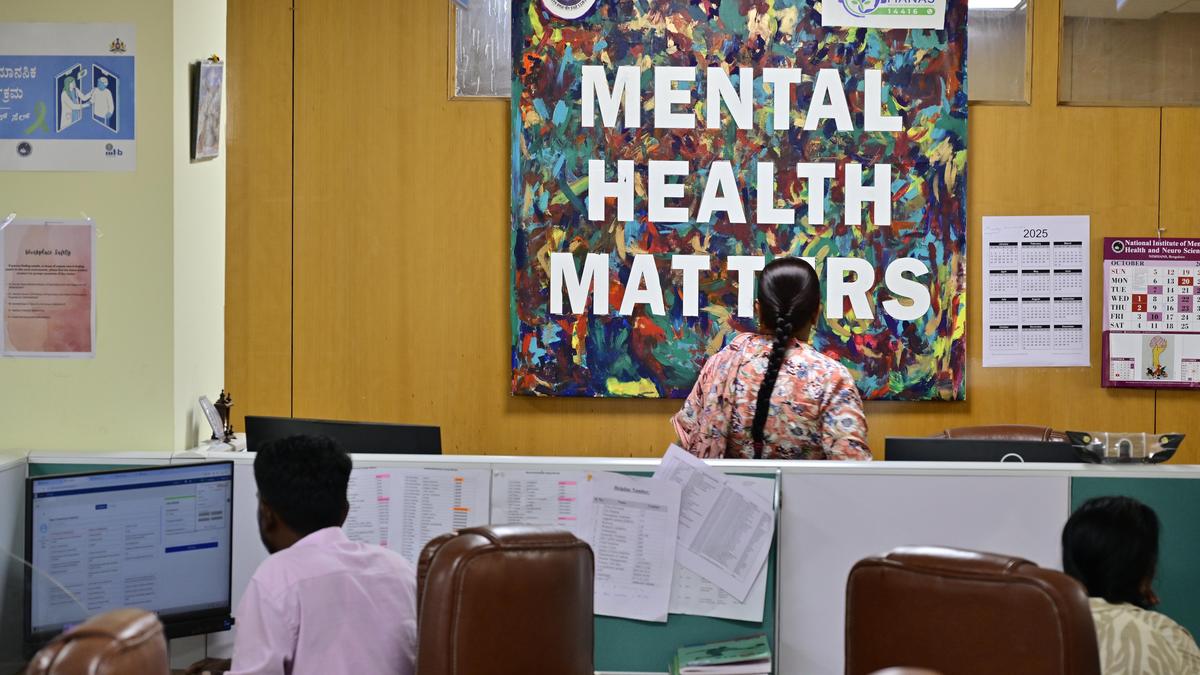
The series also serves as a resource for educators and employers. With increasing recognition of the impact of mental health on productivity and learning, NIMHANS’ initiative provides tools to create supportive environments in schools, colleges, and workplaces. Guidance on identifying stress indicators, supporting peers, and facilitating professional consultations equips leaders to respond effectively to mental health needs in their communities.

Community engagement is a key component of the project. NIMHANS encourages viewers to participate in discussions, share experiences, and provide feedback through online platforms. This interactive approach not only enhances learning but also creates a supportive network where individuals can feel heard and understood. Such engagement fosters collective responsibility for mental well-being, highlighting that mental health is a shared societal concern rather than an individual issue.Bengaluru's NIMHANS to get India's first govt-run dementia care centre

CHALLENGES AND FUTURE OUTLOOK

While the video series is a promising initiative, mental health experts note that awareness alone is not sufficient. Accessibility to professional services, affordability of care, and societal attitudes continue to pose challenges. The series is complemented by NIMHANS’ helplines, tele-counseling services, and community programs, ensuring that viewers who recognize their own mental health needs can access appropriate support promptly.

The institute plans to expand the series with topics tailored to specific demographics, including adolescents, working adults, and senior citizens. Special episodes on managing pandemic-related stress, digital burnout, and caregiver challenges are in development. By continuously updating content to reflect emerging trends and challenges, NIMHANS aims to maintain relevance and impact, ensuring that mental health education evolves alongside societal needs.

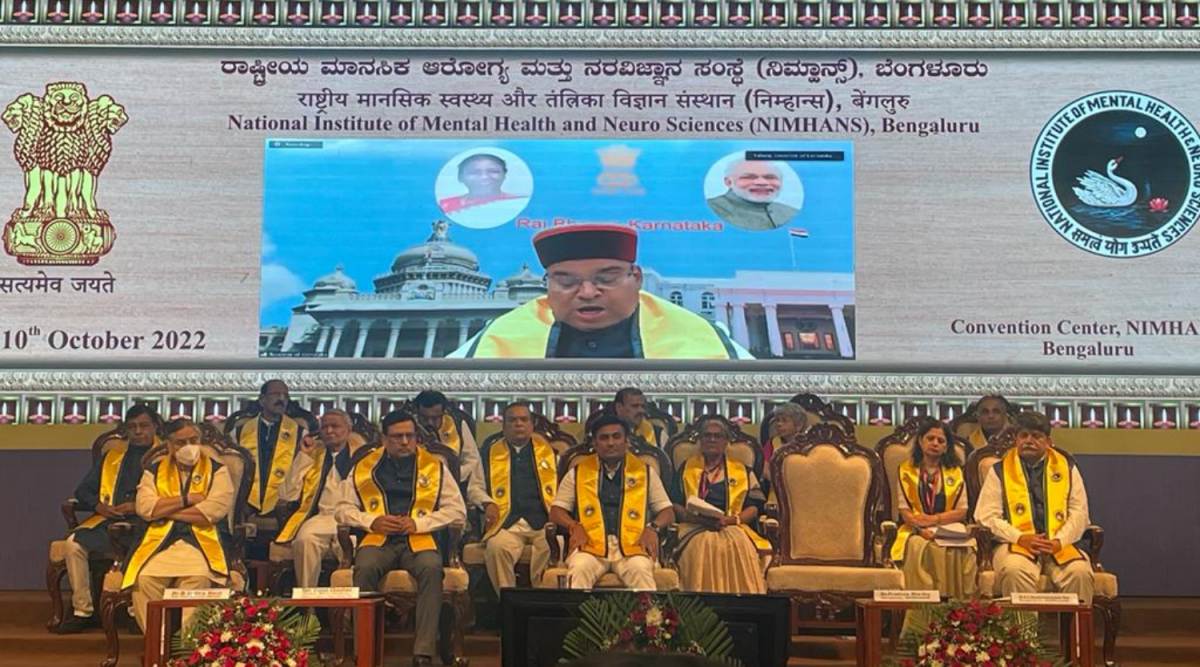
Feedback from viewers has been overwhelmingly positive, with many appreciating the clarity, empathy, and practical focus of the episodes. Students, professionals, and caregivers have highlighted that the series not only informs but also motivates action—whether it’s adopting self-care routines, seeking therapy, or supporting loved ones. Such response underscores the significance of combining awareness with actionable guidance in mental health initiatives.World Mental Health Day: Karnataka Governor virtually launches Tele-MANAS at NIMHANS | Bangalore News - The Indian Express
In conclusion, NIMHANS’ new video series represents a significant step toward improving mental health literacy in Bengaluru and beyond. By integrating expert insights, practical strategies, and community engagement, the initiative addresses both awareness and accessibility. As the series continues to evolve, it is poised to become a valuable resource in promoting psychological well-being, reducing stigma, and fostering a society that prioritizes mental health alongside physical health.

Follow: Karnataka Government

Also read: Home | Channel 6 Network – Latest News, Breaking Updates: Politics, Business, Tech & More
Karnataka’s Social Survey: A Hopeful Outlook, 7 Crucial Insights

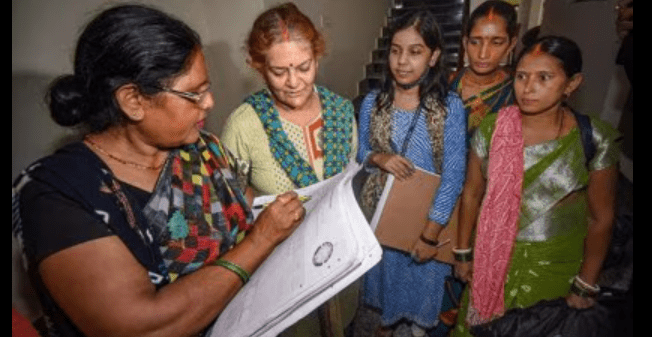
Bengaluru is once again preparing to witness a significant stride in governance and social research, as the Karnataka Social and Educational Survey gears up to resume. After months of planning and pilot studies, authorities have emphasized the survey’s critical role in understanding demographic patterns, educational access, and socio-economic disparities. Stakeholders, from policymakers to local communities, are closely monitoring the survey’s progress, particularly in the state capital, where rapid urbanization and population growth present both opportunities and challenges for accurate data collection. Expectations are high that the survey will inform future development strategies.

Experts in urban development and social policy have highlighted the survey’s potential to transform Bengaluru’s governance approach. Dr. Rekha Shetty, an urban planner, emphasized that “comprehensive, data-driven insights allow authorities to anticipate challenges rather than merely react to them.” She added that surveys like this are essential in rapidly growing cities, where migration patterns and informal settlements can complicate planning. Experts argue that understanding household demographics, employment trends, and educational attainment is crucial for long-term urban sustainability, ensuring that policy decisions are grounded in real-world evidence rather than assumptions.

Local community leaders have also expressed optimism about the survey. Ward representatives and resident welfare associations believe that accurate data will empower communities to voice their concerns more effectively. By participating in the survey and providing reliable information, residents hope to influence policies related to public services, school facilities, and infrastructure upgrades. Several community organizations have launched awareness campaigns to encourage participation, emphasizing that each household’s input can directly affect resource allocation and development priorities in their neighborhoods.

Education sector professionals are closely watching the survey, particularly its implications for policy reforms. School principals and teachers anticipate that the findings will reveal gaps in teacher distribution, classroom resources, and student enrollment rates. Such data can guide targeted interventions, such as deploying additional educators to underserved schools, introducing supplementary learning programs, and improving infrastructure in government schools. Experts stress that sustained improvements in education require evidence-based planning, and the survey provides a foundational step toward bridging the gap between policy intent and ground realities.

Policy analysts have also noted the survey’s role in shaping economic strategies. Bengaluru’s labor market is dynamic, influenced by technology, startups, and the informal sector. Accurate insights into employment patterns, income levels, and skill gaps are vital for designing training programs and welfare initiatives. Analysts believe that survey data can support targeted interventions for marginalized workers, including migrants and daily-wage earners, ensuring equitable access to opportunities. Such interventions, they argue, can promote inclusive growth and mitigate widening socio-economic disparities in the city.

Health experts view the survey as a timely tool to address public health challenges. With data on sanitation access, water supply, and healthcare availability, authorities can plan interventions that improve overall community well-being. Experts stress the importance of addressing disparities between neighborhoods, particularly in low-income areas where access to medical facilities and hygiene infrastructure is limited. The survey’s findings can support both preventive measures and long-term public health planning, contributing to improved quality of life for Bengaluru’s diverse population.

Environmental specialists also underscore the survey’s potential to guide sustainable urban planning. By documenting environmental indicators such as green cover, air quality, and water usage, the survey enables policymakers to balance urban expansion with ecological considerations. Experts argue that sustainable city development requires integrating social, economic, and environmental data, making the survey a key tool for future planning. With Bengaluru facing pressures from rapid construction and population growth, such insights are critical for maintaining livability and environmental health in the city.

In summary, the Karnataka Social and Educational Survey is more than a data collection exercise—it represents a convergence of community engagement, expert analysis, and government planning. Stakeholders across sectors recognize its potential to shape educational reforms, social welfare policies, economic strategies, and urban development. By integrating technological tools, fostering transparency, and encouraging citizen participation, the survey promises a holistic understanding of Bengaluru’s social fabric. As data analysis begins, expectations are high that this initiative will guide informed, equitable, and sustainable policymaking for the city’s future.

The resumption follows a period of delay caused by administrative hurdles and pandemic-related interruptions. Officials have highlighted that the Bengaluru region, with its complex mix of urban neighborhoods, rural outskirts, and rapidly expanding peri-urban areas, requires meticulous data collection to ensure the survey’s findings reflect ground realities. The government has also focused on integrating technology in data gathering, employing digital tools to reduce errors, improve efficiency, and streamline reporting. By combining traditional enumerator-based methods with mobile and online platforms, the survey aims for higher accuracy and wider coverage.

Data from the survey is expected to play a pivotal role in shaping education policies. Bengaluru, being a hub of educational institutions and IT-driven employment, has unique challenges and opportunities in literacy, school enrollment, and access to higher education. Policymakers hope that insights from the survey will reveal gaps in school infrastructure, teacher availability, and student retention, particularly in low-income areas. Understanding these factors will enable targeted interventions that can reduce educational inequities across the city and improve long-term social outcomes.

Economic disparities remain another focus of the survey. Bengaluru’s urban population includes a wide spectrum of households, from affluent tech professionals to daily-wage workers and migrants. Social surveys historically highlight these income gaps, employment patterns, and occupational shifts, which help authorities design welfare schemes, skill development programs, and employment opportunities. Accurate data from the ongoing survey will allow for better resource allocation, enabling government programs to reach marginalized groups effectively and address systemic inequalities.With Karnataka Social and Educational Survey set to resume, all eyes are on its  progress in Bengaluru region - The Hindu

TECHNOLOGICAL TOOLS AND COMMUNITY INVOLVEMENT

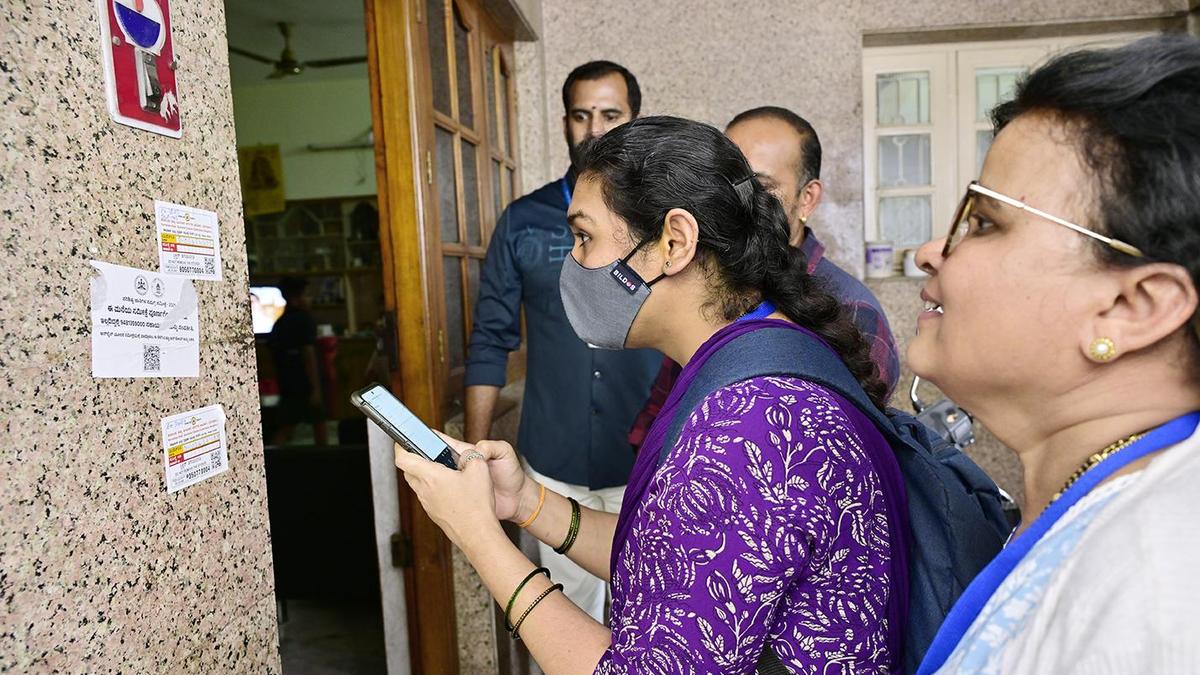
To enhance the survey’s accuracy, Karnataka authorities are employing an array of technological tools, ranging from GPS-enabled mobile applications to real-time reporting dashboards. Enumerators are trained to capture data digitally, reducing paperwork and allowing for quicker validation of responses. Community involvement is also being emphasized, with local residents encouraged to cooperate and provide precise information. By involving community leaders, the survey team hopes to build trust, minimize reporting bias, and ensure that the collected data reflects the true socio-economic landscape of Bengaluru.

Education experts and urban planners have been actively engaged in discussions regarding survey methodologies. Their recommendations include stratified sampling across wards, consideration of seasonal migration, and careful documentation of informal settlements. These measures aim to prevent skewed results and to include voices that are often left out of official statistics. The integration of geospatial mapping and demographic analytics is expected to generate a comprehensive picture of the city’s social fabric, enabling policymakers to make informed decisions that balance urban development with social welfare.

Health and sanitation metrics are also a crucial part of the survey. Bengaluru’s rapid growth has created pressures on water supply, waste management, and public health infrastructure. By documenting access to clean water, sanitation facilities, and healthcare services, the survey can highlight gaps in service delivery. This information will be instrumental in planning interventions aimed at improving quality of life, especially in densely populated low-income neighborhoods, where the need for targeted healthcare initiatives is greatest.

The role of local governance bodies in facilitating the survey cannot be overstated. Municipal officials, ward representatives, and local NGOs are being engaged to ensure smooth field operations. Coordination with these stakeholders is critical in areas with complex demographic compositions or restricted accessibility. By working together, survey teams can overcome logistical hurdles and capture data that accurately reflects both the diversity and challenges of urban life in Bengaluru.

Social welfare organizations are closely monitoring the survey’s progress, anticipating that its findings will guide future interventions. With data on income levels, education, employment, and living conditions, these organizations can better align their programs with the needs of the population. Additionally, survey results are expected to influence government policies on poverty alleviation, skill development, and social equity, creating a framework for long-term improvements in Bengaluru’s social landscape.Social Educational Survey extended again; it will continue till October 31  - The Hindu

CHALLENGES AND EXPECTATIONS

Despite meticulous planning, several challenges remain for the Bengaluru survey. Population mobility, informal settlements, and varying literacy levels can complicate data collection. Enumerators must navigate language barriers, skepticism from respondents, and inconsistent documentation in households. Training programs have been intensified to equip field staff with problem-solving strategies and cultural sensitivity, ensuring that these obstacles do not compromise the quality of collected data. Authorities emphasize that accurate, comprehensive, and timely data is the cornerstone of actionable policies.

Transparency in survey methodology has been a topic of discussion among civil society groups. By publicly sharing information on sampling techniques, question formats, and data validation processes, the government aims to build credibility and trust in the survey’s findings. This transparency is particularly crucial in Bengaluru, where diverse communities may be wary of government surveys due to past misreporting or administrative errors. Ensuring openness in operations will also encourage higher participation rates, improving both the quality and representativeness of data.

Economic recovery post-pandemic adds another layer of urgency to the survey. Bengaluru’s labor market has been reshaped by technological advancements, shifting industries, and a rising gig economy. Capturing employment patterns, wage levels, and workforce skills is vital for crafting policies that stimulate economic growth while supporting vulnerable workers. Survey findings will provide a roadmap for investment in vocational training, education, and social welfare schemes that align with the city’s evolving economic landscape.

The survey’s educational component is also expected to influence policy debates at the state level. Results highlighting gaps in student access, teacher availability, and infrastructure can guide budget allocations and reforms in both urban and rural schools. This is particularly important for Bengaluru, where the contrast between elite institutions and underfunded schools is stark. By analyzing these disparities, authorities can implement targeted strategies to ensure that all children have access to quality education, reducing long-term social and economic inequalities.

Housing and urban planning are additional areas that will benefit from survey insights. Bengaluru has seen rapid real estate development, but not always with inclusive planning. Documenting living conditions, household sizes, and migration patterns will help planners design housing policies that address affordability, safety, and accessibility. The survey will also inform infrastructure projects such as roads, public transport, and sanitation networks, ensuring that growth is sustainable and equitable.

Public opinion about the survey remains largely positive, with residents hopeful that it will lead to meaningful change. Many citizens view the initiative as a step toward more accountable governance, improved services, and equitable development. Educational institutions, community groups, and local leaders have expressed support, emphasizing that active citizen participation can strengthen democratic processes and reinforce social cohesion.

Environmental data is another key component of the survey. Bengaluru faces challenges related to green space preservation, air quality, and water management. By including environmental metrics, the survey provides a holistic view of urban living conditions. These insights can inform policies that balance urban expansion with ecological sustainability, ensuring that Bengaluru’s growth does not come at the cost of environmental degradation.

Once data collection concludes, analysis and reporting will be closely scrutinized by government officials, policymakers, and civil society. Timely publication of findings is essential to maintain momentum and ensure that recommendations translate into actionable policies. Analysts expect that comprehensive data will reveal not only areas of concern but also success stories, guiding evidence-based interventions and promoting best practices across different sectors.Social and Educational survey: Over 1.82 lakh households in Karnataka  covered in four days - The Hindu

In conclusion, the resumption of the Karnataka Social and Educational Survey in Bengaluru represents a critical opportunity to deepen understanding of the city’s social and economic fabric. With careful planning, technological integration, and active community engagement, authorities aim to generate accurate and actionable insights. The findings will influence educational reforms, economic policies, social welfare programs, and urban planning, ultimately contributing to more equitable and sustainable development in one of India’s fastest-growing metropolitan regions.

Follow: Karnataka Government

Also read: Home | Channel 6 Network – Latest News, Breaking Updates: Politics, Business, Tech & More
1000 Lamps, One Bold Demand for Justice: Bengaluru’s Emotional ‘Light a Lamp’ Campaign Seeks Fair Probe in Dharmasthala Case

Hundreds of people gathered at Bengaluru’s Freedom Park on Tuesday evening, joining hands in a peaceful “Light a Lamp” campaign to demand a fair and transparent investigation into the Dharmasthala case. The atmosphere was filled with emotion as citizens, students, activists, and families lit traditional oil lamps, symbolizing their collective call for truth and justice. The initiative, which began as a small online appeal, quickly grew into a citywide movement that drew people from various backgrounds, united by a shared sense of moral responsibility.

The emotional impact of the event continued to ripple through the city long after the lamps were extinguished. Many participants took to social media to share their reflections, posting images of the glowing lamps alongside messages of hope and resilience. Hashtags related to the campaign trended across platforms, drawing the attention of citizens beyond Karnataka. People expressed admiration for the discipline and dignity shown by participants, calling the vigil a model for peaceful civic expression in times of discontent. The visual of thousands standing in silence with lamps became a defining moment of collective moral assertion in Bengaluru’s public memory.

Religious and spiritual leaders across denominations also voiced their support for the campaign’s message of light and truth. Several temples, mosques, and churches across the city echoed the initiative by lighting lamps in solidarity, emphasizing that the pursuit of justice transcends faith and ideology. They reminded their congregations that righteousness and compassion are central to all belief systems and that social harmony thrives when people stand together for fairness. This rare interfaith unity further strengthened the campaign’s credibility and gave its message a universal resonance.

Legal experts have suggested that the overwhelming civic participation in such peaceful campaigns should serve as a wake-up call to institutions of governance. The justice system, they argue, draws its strength not from authority but from the faith of the people it serves. When that faith is tested, symbolic acts like the “Light a Lamp” movement remind policymakers that transparency and accountability are not optional virtues—they are fundamental duties. The judiciary, they add, must respond to such public sentiment with clarity and urgency to uphold the constitutional promise of justice.

In the days following the vigil, volunteers and organizers announced their intention to convert the campaign into a long-term citizen network promoting awareness about legal rights, social equality, and institutional reform. Plans include setting up monthly dialogues, workshops, and student-led forums to sustain engagement beyond the Dharmasthala case. For many, the campaign’s legacy lies not only in its immediate message but in its capacity to inspire a generation to believe that collective empathy and lawful action can still illuminate the path to justice in India’s democracy.

Organized by civil society groups and human rights advocates, the campaign sought to remind authorities that justice delayed is justice denied. The participants, holding placards and lamps, stood in silence for several minutes, paying tribute to those affected by the case. Organizers emphasized that the event was not meant to provoke confrontation but to serve as a dignified reminder of public faith in law and accountability. The symbolism of light, they said, represented the people’s determination to dispel the darkness of doubt, suppression, and injustice.Karnataka - Latest news, Live Updates, Politics, Events - The Hindu

A Peaceful Protest With Deep Symbolism

The sight of thousands of flickering lamps under the night sky created a powerful visual of unity and hope. Volunteers distributed earthen diyas to participants, while chants of “Justice for all” echoed softly across the park. Among the attendees were college students, retired teachers, social workers, and representatives of various community organizations. Their participation transformed the campaign from a symbolic act into a mass expression of conscience, resonating beyond Bengaluru’s boundaries.

Speakers at the event highlighted that the demand was not for punishment or politics but for an impartial and transparent investigation. “We are not against anyone,” said one of the organizers, addressing the crowd. “We are only asking for the truth to prevail, for the rule of law to guide us, and for faith in our institutions to be restored.” The statement drew applause from participants, many of whom carried candles and photographs as personal tokens of remembrance and solidarity.

Public Outcry for Accountability

The Dharmasthala case, which has drawn widespread attention across Karnataka, continues to stir public debate over issues of justice, influence, and due process. Many citizens believe that key aspects of the case remain unaddressed, prompting growing frustration and mistrust toward official proceedings. The “Light a Lamp” campaign, according to organizers, was born out of this collective disillusionment and the need to remind authorities of their moral and constitutional duty.

Participants stressed that peaceful civic engagement remains the most powerful tool available to a democratic society. Several youth groups used social media to spread the campaign’s message under hashtags advocating for transparency and fairness. Within hours, photos and videos of the candlelit vigil went viral, garnering widespread attention and drawing messages of support from across the state. Organizers later confirmed that similar solidarity events were being planned in Mysuru, Mangaluru, and Hubballi in the coming days.Thomas Park illuminated in pink for KMCH's breast cancer awareness campaign  - The Hindu

Human Rights Voices Join In

Prominent activists and human rights defenders attended the event, expressing their concern over what they described as “erosion of institutional credibility.” They urged authorities to conduct the investigation with utmost fairness and openness, free from political or social pressure. Some speakers recounted past examples where public vigilance had led to breakthroughs in stalled cases, reinforcing the idea that collective action can drive accountability.

One activist remarked that while lighting a lamp may seem a small gesture, it carries deep philosophical meaning. “Light represents awareness. It represents truth. When people gather to light lamps together, they are declaring that they will not accept silence or ambiguity in matters of justice,” she said, earning resounding approval from the audience.

A Cross-Generational Call for Justice

What made the campaign stand out was the diversity of its participants. Among those present were schoolchildren holding hand-painted placards, senior citizens who had witnessed decades of civic struggles, and young professionals advocating for transparency in public systems. The crowd reflected the growing civic consciousness among Bengaluru’s residents, who increasingly see justice not as an abstract legal concept but as a moral duty of every citizen.

Many attendees said they joined the campaign not just for the Dharmasthala case but for the broader principle of fairness. “When people see injustice anywhere, they must speak up,” said a young participant, a college student from Rajajinagar. “Lighting a lamp may not change the law, but it shows that people care—that they still believe truth matters.”

Police and Administrative Response

Bengaluru Police maintained a calm and orderly presence at the venue, ensuring that the peaceful nature of the campaign was respected. Traffic diversions were implemented around Freedom Park to facilitate the large turnout, and volunteers helped maintain discipline and cleanliness throughout the event. Senior officers acknowledged that the gathering had been conducted responsibly and without any untoward incidents.

Meanwhile, state government representatives said they were aware of the growing public sentiment and assured that all necessary steps would be taken to ensure transparency in the case. Officials have indicated that updates on the investigation process will be communicated at appropriate stages, although no specific timeline has been shared yet.

Emotions Run High, But Peace Prevails

Despite the sensitive nature of the issue, the event was marked by restraint and mutual respect. Organizers took care to maintain a non-political tone, urging participants to focus on justice rather than blame. The evening concluded with a collective recitation of a pledge to uphold truth, compassion, and civic integrity. The atmosphere, though solemn, carried an undercurrent of optimism that truth would ultimately prevail.

For many who attended, the lighting of lamps was not just an act of solidarity but a personal moment of reflection. Families, friends, and strangers stood side by side, their lamps glowing softly in the evening air. It was a scene that reminded Bengaluru—and indeed, the state—that faith in justice, though often tested, continues to endure in the hearts of the people.Karnataka - Latest news, Live Updates, Politics, Events - The Hindu

Social Impact and Public Momentum

Civic organizations have since expressed interest in sustaining the momentum generated by the campaign. Plans are underway to hold similar peaceful gatherings in educational institutions and residential neighborhoods to encourage ongoing discussion on fairness and institutional accountability. Social workers have proposed a permanent “Justice Lamp” initiative, where citizens can symbolically light a lamp at their homes every month as a reminder of their shared responsibility toward justice.

Digital outreach has played a crucial role in amplifying the message. Artists, poets, and musicians have begun contributing creative works inspired by the campaign, spreading awareness through songs, spoken word, and artwork. The idea, organizers say, is to make justice not just a legal pursuit but a cultural value that permeates everyday life.

The Broader Meaning of the Campaign

Political analysts view the “Light a Lamp” campaign as a reflection of India’s evolving civil consciousness. In an era when social media activism often replaces physical participation, the decision of so many citizens to come together in person signals a reawakening of collective civic spirit. The peaceful, inclusive nature of the event demonstrated that protest need not be loud to be powerful; sometimes, silence illuminated by light can send the strongest message of all.

As dusk turned to night and the last lamps flickered in Freedom Park, the campaign’s significance became clear—it was not merely about one case or one demand. It was about reasserting the moral fabric of democracy, where truth is non-negotiable and justice is not a privilege but a right. In the quiet glow of a thousand lamps, Bengaluru sent out a timeless message: that even in the darkest moments, light—symbolizing courage, unity, and conscience—will continue to shine.

Follow: Karnataka Government

Also read: Home | Channel 6 Network – Latest News, Breaking Updates: Politics, Business, Tech & More
130 Eyes, One Painful Festival: Bengaluru’s Heartbreaking Surge in Cracker Injuries Among Children

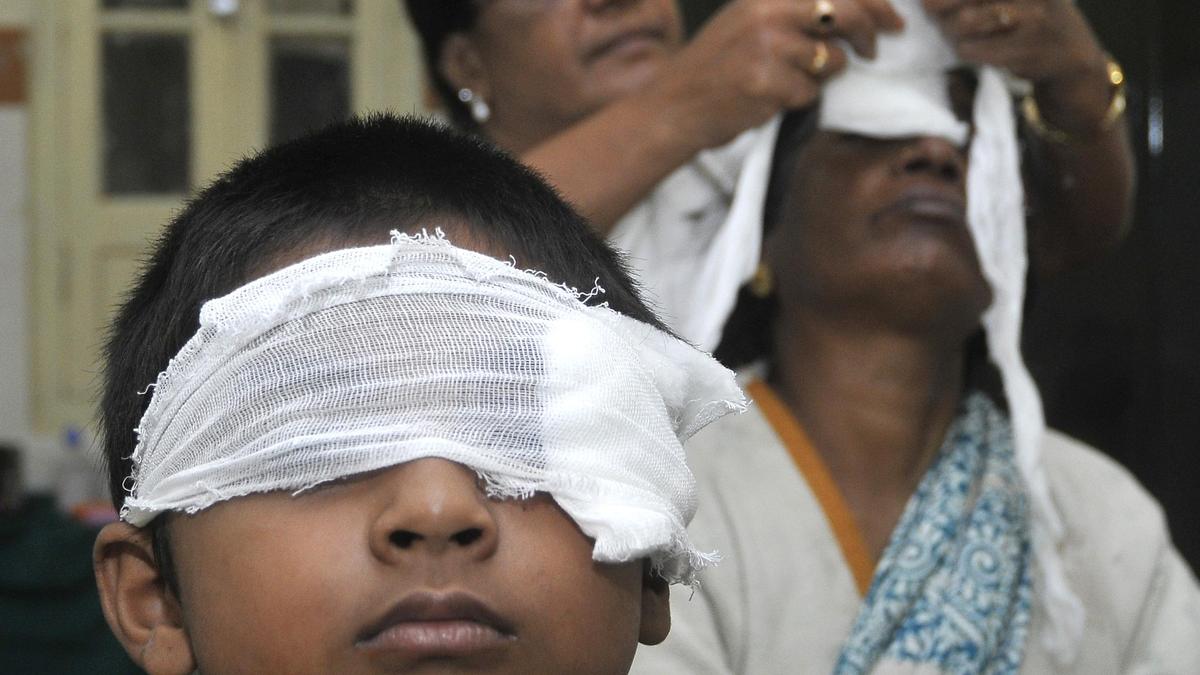
Bengaluru witnessed a distressing aftermath of Deepavali celebrations this year, with over 130 cases of cracker-related eye injuries reported across major city hospitals. Alarmingly, doctors revealed that the majority of those affected were children under the age of fifteen, underscoring a recurring public safety concern during festival seasons. The incidents, which ranged from mild irritation to severe corneal burns, have reignited debates on the need for stricter regulation and awareness around the safe handling of firecrackers in urban areas.

The aftermath of the festival has also reignited discussions among civic groups and resident associations about designating firecracker-free zones across Bengaluru. Many localities, especially those with schools, hospitals, and old-age homes, have proposed strict bans within certain perimeters to protect vulnerable populations. These zones would not only safeguard public health but also reduce the noise levels that cause distress to animals and the elderly. The city’s animal welfare organizations have supported this idea, pointing out that the trauma caused to pets and street animals during Deepavali is often overlooked despite being severe.

Healthcare experts have suggested that the government could introduce a system of mandatory safety labeling for firecrackers, similar to warnings on tobacco products. Such labels would clearly describe potential injury risks and the need for protective gear. Authorities could also explore a certification mechanism for vendors, ensuring that only trained and licensed sellers are allowed to distribute fireworks. This move, experts believe, would curb the sale of substandard and dangerous products that contribute to the growing number of injuries each year.

Environmental groups are urging the adoption of “community fireworks displays” as an alternative to individual celebrations. These organized displays, held in designated public areas under controlled supervision, could maintain the festive spirit while drastically reducing accidents and pollution. Cities such as Pune and Hyderabad have successfully implemented similar models, demonstrating that centralized events can bring communities together while promoting safety and environmental responsibility. Bengaluru’s civic leaders are now considering pilot programs to test the feasibility of such celebrations in coming years.

In the wake of the alarming number of injuries, there has been a renewed public call for redefining what Deepavali means to a modern, urban society. Many cultural advocates argue that the festival’s essence lies in celebrating light, unity, and renewal, not in the reckless display of noise and fire. As awareness spreads, families are beginning to turn toward more peaceful traditions—lighting diyas, sharing sweets, and engaging in charitable acts. This shift toward mindful celebration may hold the key to preserving the festival’s joy while protecting lives, health, and the environment for generations to come.

Hospitals Overwhelmed Amid Festive Chaos

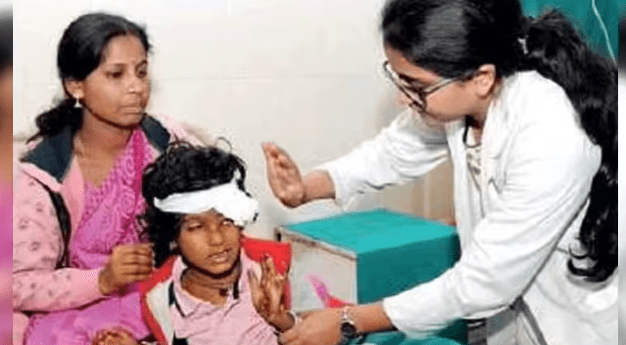
City hospitals, including Minto Eye Hospital, Narayana Nethralaya, and Sankara Eye Hospital, reported an unprecedented influx of patients on and after Deepavali night. Emergency rooms were filled with parents rushing in with children whose eyes had been exposed to sparks, chemical residues, or shrapnel from bursting crackers. According to medical officials, more than thirty patients required surgical intervention, while others were treated for temporary burns, irritation, or redness.

Doctors emphasized that many injuries were caused by negligence—either due to improper handling of crackers or because bystanders were caught unaware during large community celebrations. In several cases, patients had been observing fireworks from balconies or terraces when stray particles entered their eyes, causing severe discomfort. Specialists warned that even momentary exposure to high-intensity light or chemical smoke could lead to lasting damage if not treated immediately.

Doctors Warn of Lifelong Consequences

Ophthalmologists have sounded a serious warning that untreated eye injuries from fireworks can result in permanent vision loss. The cornea, being delicate, can easily be scarred by sparks or debris, and once damaged, full recovery is often difficult. Dr. Rohit Shetty, a leading eye specialist in the city, noted that around fifteen patients have sustained deep corneal burns requiring long-term care and follow-up surgeries.

Doctors have urged the public to understand the gravity of such injuries, emphasizing that preventive care is far more effective than treatment. They recommend maintaining a safe distance from fireworks, wearing protective glasses, and avoiding lighting crackers near residential buildings or parked vehicles. In addition, healthcare professionals have requested parents to supervise children at all times and avoid handing them hazardous firecrackers like rockets, atom bombs, or aerial sparklers.Over 130 cracker-related eye injury cases reported in Bengaluru; majority  among children - The Hindu

Children Bear the Brunt of Negligence

Statistics from the city’s health department reveal that nearly seventy percent of the eye injury victims were children and teenagers. In many cases, children were playing unsupervised in crowded lanes, often competing to light more crackers or pick up half-burnt ones. A disturbing trend observed by doctors is that children tend to underestimate the danger of crackers that appear to have fizzled out, attempting to relight them—an action that frequently results in explosions at close range.

Parents arriving at hospitals shared heartbreaking accounts of panic and regret, with many admitting that they had not anticipated such accidents. Medical staff recounted emotional scenes of children crying in pain as doctors worked to flush out chemicals or remove particles embedded in their corneas. The psychological trauma, especially for young patients, is another dimension of these injuries, often leaving a deep impact even after physical healing.

Authorities Call for Greater Awareness

Following the alarming number of cases, the Karnataka Health Department has announced plans to intensify awareness campaigns on cracker safety. Officials stated that existing restrictions on loud and hazardous firecrackers were not being followed strictly, leading to widespread use of banned varieties. The Bruhat Bengaluru Mahanagara Palike (BBMP) and police departments are expected to collaborate with schools and resident welfare associations to organize workshops on safety practices before the next festive season.

Health authorities also plan to distribute educational materials on first-aid measures for eye injuries. Experts recommend washing the eyes immediately with clean water in case of exposure and avoiding home remedies such as applying oils, ointments, or milk. Quick medical intervention, they stress, can significantly increase the chances of recovery and prevent long-term damage.

The Role of Schools and Parents

Educational institutions have been urged to take a more proactive role in promoting awareness about cracker safety among students. Many schools in Bengaluru are expected to incorporate pre-festival sessions focusing on environmental and health hazards linked to fireworks. Teachers and counselors believe that sensitizing children early can help build a generation of more responsible celebrators who prioritize safety over spectacle.

Parent-teacher associations have also suggested that schools collaborate with local hospitals to hold interactive sessions where doctors explain the consequences of unsafe firecracker use. Such initiatives, educators argue, would not only prevent injuries but also encourage eco-friendly alternatives, fostering a broader cultural shift toward safer and cleaner celebrations.Over 130 cracker-related eye injury cases reported in Bengaluru; majority  among children - The Hindu

Hospitals Call for Dedicated Burn and Eye Units During Festivals

Given the recurring rise in festival-related injuries, several hospitals have urged the government to establish dedicated emergency response units during major festivals like Deepavali. These units could ensure quicker triage, better coordination among medical professionals, and immediate treatment for critical cases. Doctors from Minto Eye Hospital highlighted that having specialized infrastructure could prevent complications caused by delays in care, especially when victims are brought in from distant localities.

Additionally, the Karnataka Ophthalmic Society has proposed the creation of a centralized reporting system for all firecracker injuries. Such data collection could help policymakers assess trends, identify high-risk zones, and introduce targeted interventions to reduce casualties in the coming years.

Environmental and Health Dimensions Interlinked

Environmental activists argue that the surge in eye injuries also reflects the broader health impact of air and noise pollution caused by excessive firecracker use. Thick smog and fine particulate matter released during Deepavali increase eye dryness, itching, and inflammation, even among those who do not handle fireworks directly. Pollution experts emphasize that reducing the use of traditional firecrackers would not only lower accident rates but also improve overall public health during the festival season.

The Karnataka State Pollution Control Board (KSPCB) recorded a noticeable rise in air pollution levels in several Bengaluru neighborhoods following the celebrations. Activists suggest that stronger enforcement of existing environmental laws and incentives for eco-friendly celebrations could simultaneously address health and environmental concerns linked to fireworks.

Police Enforcement and Legal Measures

The Bengaluru City Police have confirmed that they are reviewing instances of illegal firecracker sales and unregulated bursting beyond permitted hours. Strict actions are expected against vendors selling unapproved or unsafe firecrackers that pose higher risks to users. Police officials also encouraged citizens to report unsafe practices in their neighborhoods, promising swift intervention.

In a public statement, senior officers reaffirmed their commitment to ensuring public safety during future festivals. They highlighted that the police cannot act alone—community cooperation, responsible celebration, and strict parental monitoring are essential components of preventing further tragedies.

Lessons for the Future

The tragic tally of 130 eye injury cases in just one day serves as a stark reminder that festival joy must not come at the cost of human suffering. While Deepavali remains a cherished celebration of light and renewal, its essence is being overshadowed by preventable harm caused by carelessness and lack of awareness.

Experts agree that a multi-pronged approach—combining strict enforcement, community education, medical readiness, and cultural reorientation—is necessary to ensure safer festivities in the future. The responsibility lies not only with authorities but with every citizen who chooses how to celebrate. True celebration, they argue, lies in illuminating lives, not dimming them through irreversible injury.

A Call for Reflection and Change

As Bengaluru recovers from the painful aftermath of Deepavali, doctors, parents, and civic leaders are united in their message: safety and awareness must become central to every celebration. The image of injured children leaving hospitals with bandaged eyes has left a haunting imprint on the city’s conscience.Over 130 cracker-related eye injury cases reported in Bengaluru; majority  among children - The Hindu

This year’s statistics are not just numbers—they represent lives disrupted, visions blurred, and lessons learned at a heavy price. For Bengaluru, the festival of lights must evolve into a festival of care, compassion, and consciousness—where joy is shared without harm and where every sparkle in the sky is matched by the light of wisdom in every home.

Follow: Karnataka Government

Also read: Home | Channel 6 Network – Latest News, Breaking Updates: Politics, Business, Tech & More
Yathindra Siddaramaiah Hails Satish Jarkiholi as Torchbearer of Progressive Politics in Karnataka: Inspiring 1 Vision

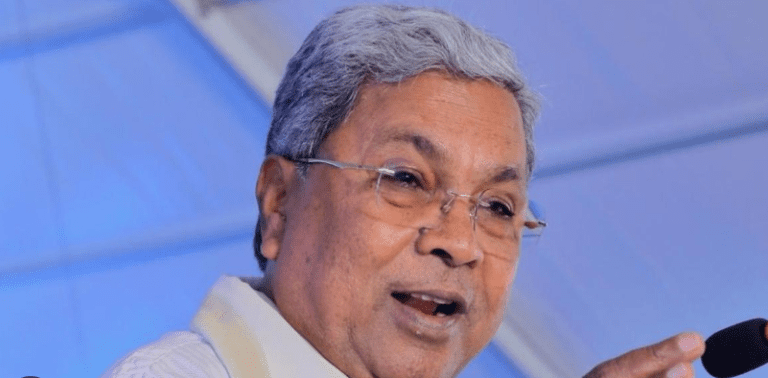
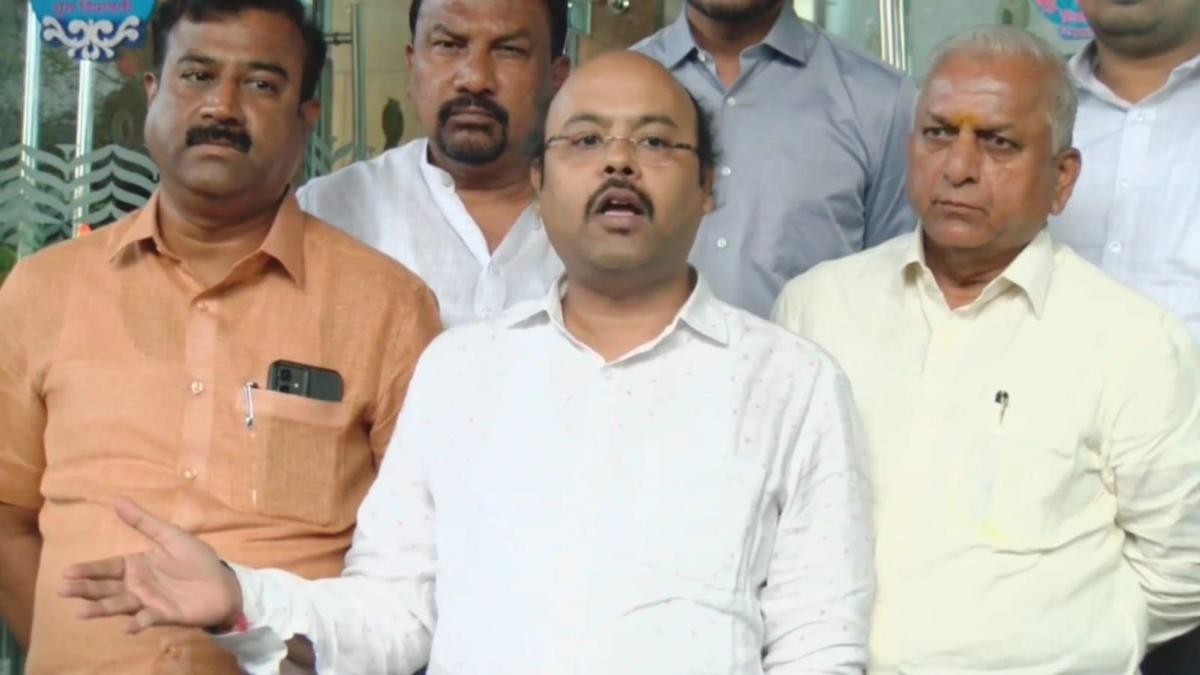
In a statement that has sparked significant discussion within Karnataka’s political landscape, Congress MLA Dr. Yathindra Siddaramaiah has described Minister Satish Jarkiholi as an ideal leader to steer the state’s politics toward liberal and progressive ideals. The endorsement, made during a public interaction in Belagavi, underscored Jarkiholi’s long-standing commitment to social justice, rational thinking, and inclusivity. Yathindra, the son of Chief Minister Siddaramaiah, emphasized that leaders like Jarkiholi represent the intellectual and reformist stream of Karnataka’s politics, rooted in egalitarian principles and secular governance.

The discussion surrounding Satish Jarkiholi’s political philosophy has also drawn attention to his consistent advocacy for constitutional literacy among rural populations. Through multiple public awareness campaigns, he has emphasized the importance of understanding one’s rights and duties under the Constitution, particularly among youth and marginalized communities. His educational outreach programs, conducted in collaboration with social organizations, aim to counter superstition and promote scientific reasoning. Political observers have noted that this sustained engagement reflects his belief that democracy thrives when citizens are informed, rational, and empowered to question authority with knowledge rather than fear.

Meanwhile, within the Congress Party, leaders have begun to revisit Karnataka’s history of rationalist and reformist movements as a source of political renewal. Many believe that Jarkiholi’s rise represents not just individual merit but also the re-emergence of a long-suppressed ideological narrative within the party. His ability to articulate complex ideas in accessible language has made him a bridge between intellectual discourse and grassroots mobilization. This quality, Yathindra Siddaramaiah noted, is what makes him a leader capable of uniting diverse sections of society under the common goal of progressive transformation rooted in justice and equality.

Outside the party structure, civic groups and rationalist thinkers have applauded Yathindra’s statement for bringing ideological debates back to the forefront of mainstream politics. Over the years, they argue, political discussions have shifted toward personality-driven campaigns, leaving little room for genuine engagement with social reform or ethical governance. The renewed focus on liberal and progressive values, they say, could encourage more public participation in meaningful debates about education, communal harmony, and welfare priorities. In this light, the conversation between the two leaders stands as a small but significant step toward reviving the moral foundation of democratic politics in Karnataka.

As Karnataka continues to evolve as a hub for innovation, education, and social change, leaders like Satish Jarkiholi are being viewed as essential in balancing modernization with inclusivity. Yathindra Siddaramaiah’s remarks thus go beyond individual praise—they serve as an invitation to reimagine politics as a vehicle for enlightenment and empathy. By emphasizing progressive ideology, scientific thought, and secular governance, both leaders reaffirm the idea that true development lies not only in infrastructure and industry but also in nurturing a society guided by wisdom, equality, and compassion.

The remarks come at a time when Karnataka’s political discourse has been increasingly polarized, with debates intensifying over issues of identity, governance, and development. Yathindra Siddaramaiah highlighted Jarkiholi’s contributions to maintaining ideological balance and reason-based policymaking in a political environment often dominated by populism and partisanship. He stated that the minister’s approach embodies the core of liberal politics—one that values debate, diversity, and evidence-driven decisions over emotional rhetoric.Satish Jarkiholi well-suited to provide leadership to politics of liberal, progressive ideology: Yathindra Siddaramaiah - The Hindu

A Leader Known for Reformist Thinking

Satish Jarkiholi, currently serving as Minister for Public Works in the Siddaramaiah-led government, has been widely recognized for his outspoken advocacy of rationalism and scientific temper. Over the years, he has challenged entrenched social hierarchies, advocated for educational reforms, and promoted awareness about constitutional rights. His grounded approach to governance, combined with a commitment to progressive values, has earned him respect across party lines. Yathindra’s endorsement further cements his image as a leader capable of inspiring ideological clarity in a complex political era.

Political analysts have noted that Jarkiholi’s influence extends beyond his constituency in Belagavi. His initiatives promoting education, rural development, and social empowerment have had a ripple effect across northern Karnataka. His campaigns on caste equity and rational discourse have positioned him as a figure of intellectual resilience within the Congress Party—a voice for modernity in a state deeply attached to cultural traditions. Observers suggest that his consistent focus on reason and justice aligns with the broader ideological legacy of Karnataka’s reformist movements.

Yathindra Siddaramaiah’s remarks were also interpreted as a subtle message to the younger political generation about the need for principled leadership. In his address, he noted that politics rooted in rationality and progressivism is essential for fostering inclusive governance. He praised Jarkiholi for maintaining ideological integrity even in the face of political controversies, remarking that such steadfastness distinguishes him as a leader of conviction rather than convenience.

The two leaders share a political lineage influenced by social reform and welfare-driven governance. The Siddaramaiah government has often drawn inspiration from Karnataka’s progressive icons—Basavanna, Kuvempu, and Dr. B.R. Ambedkar—whose philosophies emphasize equality, rationality, and compassion. Jarkiholi’s vision resonates strongly with this intellectual tradition, making him, in Yathindra’s view, a natural heir to Karnataka’s reformist political culture.State govt. plans to provide reservation for Karnataka students in foreign universities to be established in State - The Hindu

Broader Political Context and Implications

Yathindra’s statement comes amid growing speculation about the Congress Party’s internal alignments and future leadership directions in the state. While he clarified that his remarks were not indicative of any factional preference, political observers view the praise for Jarkiholi as an acknowledgment of the latter’s growing stature within the party. His ability to connect ideological discussions with grassroots governance, analysts say, distinguishes him from traditional power-centric politics.

Satish Jarkiholi himself has often stressed that politics must transcend personality and focus on societal reform. In previous speeches, he has called for a rational and constitution-based framework for policymaking. His advocacy for secular education, social justice, and empowerment of marginalized communities continues to define his political philosophy. This alignment with the Congress’s ideological foundation has contributed to his image as both a thinker and an administrator.

Yathindra Siddaramaiah’s recognition of Jarkiholi’s leadership potential also reflects the Congress Party’s ongoing efforts to reassert its progressive identity. As national and state politics increasingly turn toward polarization, Congress leaders in Karnataka are seeking to revive conversations around liberalism, secularism, and scientific temper. The dialogue initiated by Yathindra’s remarks may be part of a broader strategy to reaffirm the party’s ideological roots and appeal to a new generation of politically aware citizens.

Within the political corridors of Bengaluru, Yathindra’s comments have been met with both support and cautious curiosity. Senior Congress members have acknowledged Jarkiholi’s intellectual contributions, while others have interpreted the statement as a gentle push for ideological rejuvenation within the party ranks. Regardless of political interpretations, the exchange has brought renewed attention to the importance of value-driven politics at a time when pragmatism often overshadows principles.

Observers note that Karnataka has historically been a cradle for progressive politics. From the days of Devaraj Urs’s social justice programs to Siddaramaiah’s welfare initiatives, the state has nurtured leaders who have combined economic reforms with human development. In this continuum, Jarkiholi’s rationalist advocacy represents a modern evolution—one that seeks to blend development with enlightenment values. Yathindra’s endorsement thus situates him within a legacy that prizes intellectual leadership alongside administrative competence.

In response to Yathindra’s statement, Jarkiholi expressed gratitude and reiterated his commitment to promoting inclusive politics. He emphasized that leadership should always serve the people’s collective progress rather than partisan interests. His remarks reflected humility and reaffirmed his focus on education, rationality, and equitable governance as pillars of his political journey.

Political scientists argue that such exchanges signal a constructive ideological dialogue within the Congress Party, contrasting with the divisive rhetoric often witnessed in contemporary politics. They suggest that this interaction may encourage other leaders to articulate their ideological positions more clearly, strengthening internal debate and public understanding of the party’s vision for Karnataka.

Public response to the discussion has been largely positive, especially among intellectuals, educators, and civil society members. Many see the conversation as a refreshing shift from personality-driven politics to a discourse centered on ideas and ethics. Social media discussions have praised the focus on progressive values and rationality, with several commentators calling it a “return to Karnataka’s political roots.”CM expresses confidence of completing survey by October 7 - The Hindu

The endorsement also raises questions about generational leadership within the Congress. Yathindra Siddaramaiah, representing a younger wave of political thought, and Satish Jarkiholi, symbolizing the experienced reformist tradition, may together define the ideological trajectory of the party in the years ahead. Analysts believe that this partnership between youth and experience could help shape a more principled and forward-looking political culture in the state.

Civic leaders and political thinkers have emphasized that the relevance of liberal and progressive politics in India remains strong, particularly amid challenges of inequality, misinformation, and ideological rigidity. Karnataka’s diverse electorate, known for valuing education and rational discourse, continues to provide fertile ground for such ideas. The conversation initiated by Yathindra Siddaramaiah has thus resonated beyond party lines, sparking wider reflection on the moral and intellectual responsibilities of political leadership.

The state’s academic community has also welcomed the discussion, noting that leaders who advocate scientific temper and rationality contribute to a healthier democratic culture. Several university professors have highlighted Jarkiholi’s efforts to promote awareness programs that encourage critical thinking and constitutional literacy among students. They argue that such initiatives bridge the gap between politics and education, fostering informed citizenship.

In conclusion, Yathindra Siddaramaiah’s praise for Satish Jarkiholi transcends mere political camaraderie—it reflects a deeper call for a return to Karnataka’s tradition of enlightened governance. By celebrating reason, inclusivity, and progress, both leaders reaffirm the enduring relevance of liberal ideals in a changing political landscape. Their exchange serves as a reminder that leadership grounded in values and intellect remains vital for building a just, rational, and compassionate society.

Ultimately, the dialogue underscores the evolving face of Karnataka politics—one that aspires to combine developmental pragmatism with moral clarity. As Yathindra Siddaramaiah’s remarks continue to spark debate, they reinforce the idea that the future of the state’s politics lies not merely in electoral arithmetic, but in the courage to think critically, lead ethically, and govern with humanity at its core.

Follow: Karnataka Government

Also read: Home | Channel 6 Network – Latest News, Breaking Updates: Politics, Business, Tech & More

School Kid Got Brutally Beaten by Teacher in Chitradurga: Shocking Video Surfaces

School Kid Got Brutally Beaten by Teacher in Chitradurga

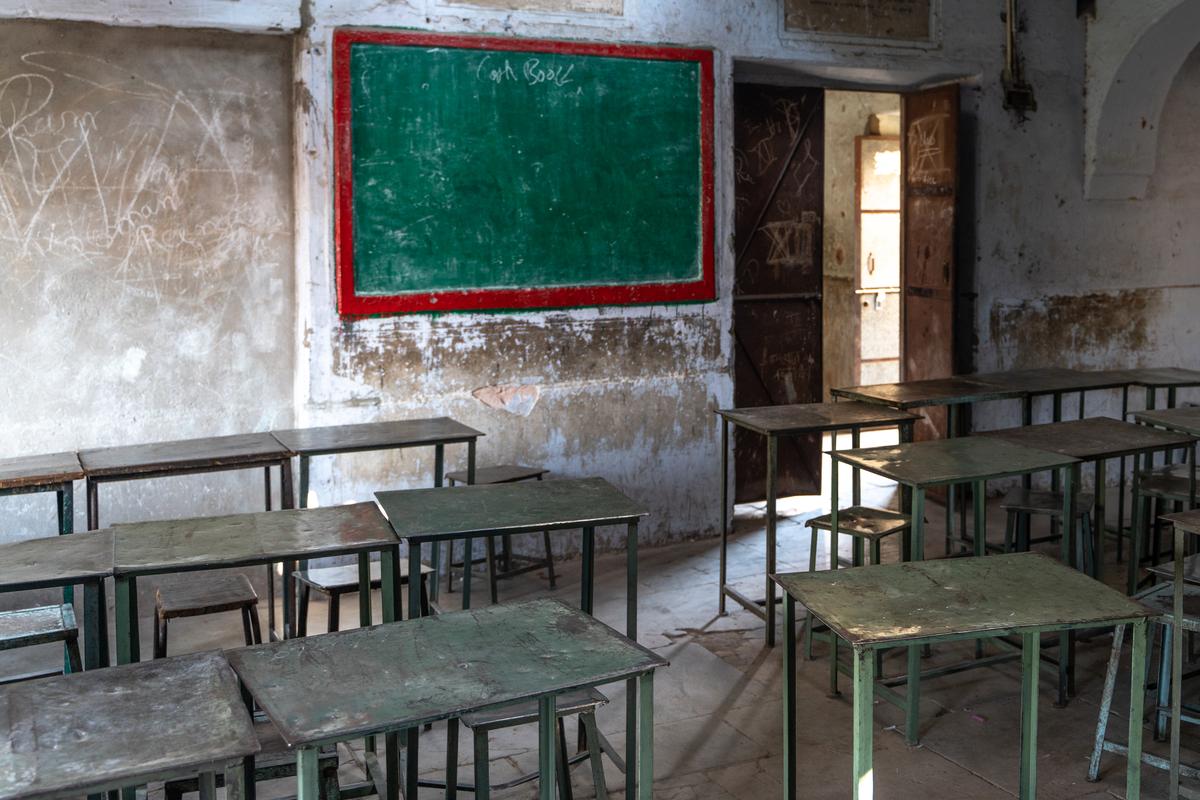
School Kid Got Brutally Beaten, A shocking incident unfolded in Chitradurga, Karnataka, where a nine-year-old student was brutally assaulted by the headteacher of his school. The Class 3 student had reportedly used another person’s phone to speak with his grandmother while in school, which angered the headteacher. Witnesses say the teacher began thrashing the child mercilessly, leaving the young boy injured and traumatized.Headmaster assaults 9-year-old student for calling parents in Chitradurga;  video goes viral - Daijiworld.com

The school involved is Sri Guru Tipperudraswamy Sanskrit Veda-Veerashaivagama Pathashale located in Nayakanahatti. A video of the incident has surfaced online showing the student being beaten and kicked after falling to the ground. The disturbing visuals have drawn widespread attention and condemnation across Karnataka and other states.

School Kid Got Brutally Beaten, Disturbing Incident at Local School

The headteacher, identified as T. Veeresh, 47, reportedly lost his temper over the minor incident of the child using someone else’s phone. Sources indicate that the assault was unprovoked and lasted for several minutes. The video shared by another student in the class captures the sheer brutality of the attack, highlighting the vulnerability of children in such situations.Child returns home with bruises after punishment by teacher in Karnataka -  The Hindu

Parents, villagers, and local authorities expressed their shock after viewing the footage. Many questioned the safety and discipline practices in schools and demanded immediate action against the teacher. Experts in child psychology have also pointed out the long-term trauma such incidents can cause to young children, including fear of school, stress, and anxiety.

School Kid Got Brutally Beaten, This case is not only about a violent act but also raises concerns about monitoring and accountability within educational institutions. The fact that the incident was recorded by a student indicates the growing role of technology in capturing real-time events but also highlights the urgent need for safe reporting mechanisms for children.

Teacher Detained as Inquiry Begins

School Kid Got Brutally Beaten,  Following the incident, local police detained T. Veeresh, the headteacher involved in the assault. Authorities confirmed that an official inquiry has been launched to investigate the circumstances leading to the attack and to determine the appropriate legal action.

The police have also advised the school management to ensure the safety and psychological support for the child and to cooperate fully with the investigation. While the assault has already sparked outrage, officials are emphasizing the importance of a fair and thorough inquiry to prevent future incidents.Two cases of corporal punishment faced by nine-year-olds belatedly come to  light in Karnataka - The Hindu

Experts suggest that schools need to have strict policies in place to address misconduct by teachers, along with clear disciplinary procedures. This includes ensuring that children feel safe to report any form of abuse without fear of retaliation.

Community Reacts and Safety Measures Urged

The news of the attack has sparked widespread outrage in Chitradurga and neighboring regions. Many parents have expressed concern for the safety of their children in schools and are demanding stricter monitoring of teacher behavior. Social media has amplified the response, with people urging educational authorities to take immediate preventive measures.Kindergarten student brutally thrashed by teacher in Hyderabad school

Child welfare organizations have also called for awareness programs to educate teachers and school staff on appropriate methods of discipline and child protection. According to experts, fostering a supportive environment in schools is critical for a child’s mental and physical well-being. Also Read: Ingrassia Nomination Withdrawal: Shocking Racist Texts End Trump Pick

Authorities have reassured the public that strict action will be taken against the teacher and measures will be implemented to prevent such incidents in the future. Meanwhile, the student involved is receiving medical attention and support to recover from the trauma.

Conclusion

This incident serves as a stark reminder of the importance of ensuring safety and discipline in schools without resorting to violence. The assault on the school kid has brought attention to the urgent need for monitoring, accountability, and awareness programs in educational institutions. Authorities, parents, and educators are now urged to work together to create a safe learning environment for all children, preventing such shocking incidents from recurring.

Tamil Nadu Weather Update Today: 5 Alarming Alerts as Heavy Rain Hits

Tamil Nadu Weather Update Today: Heavy Rainfall Expected Across Multiple Districts

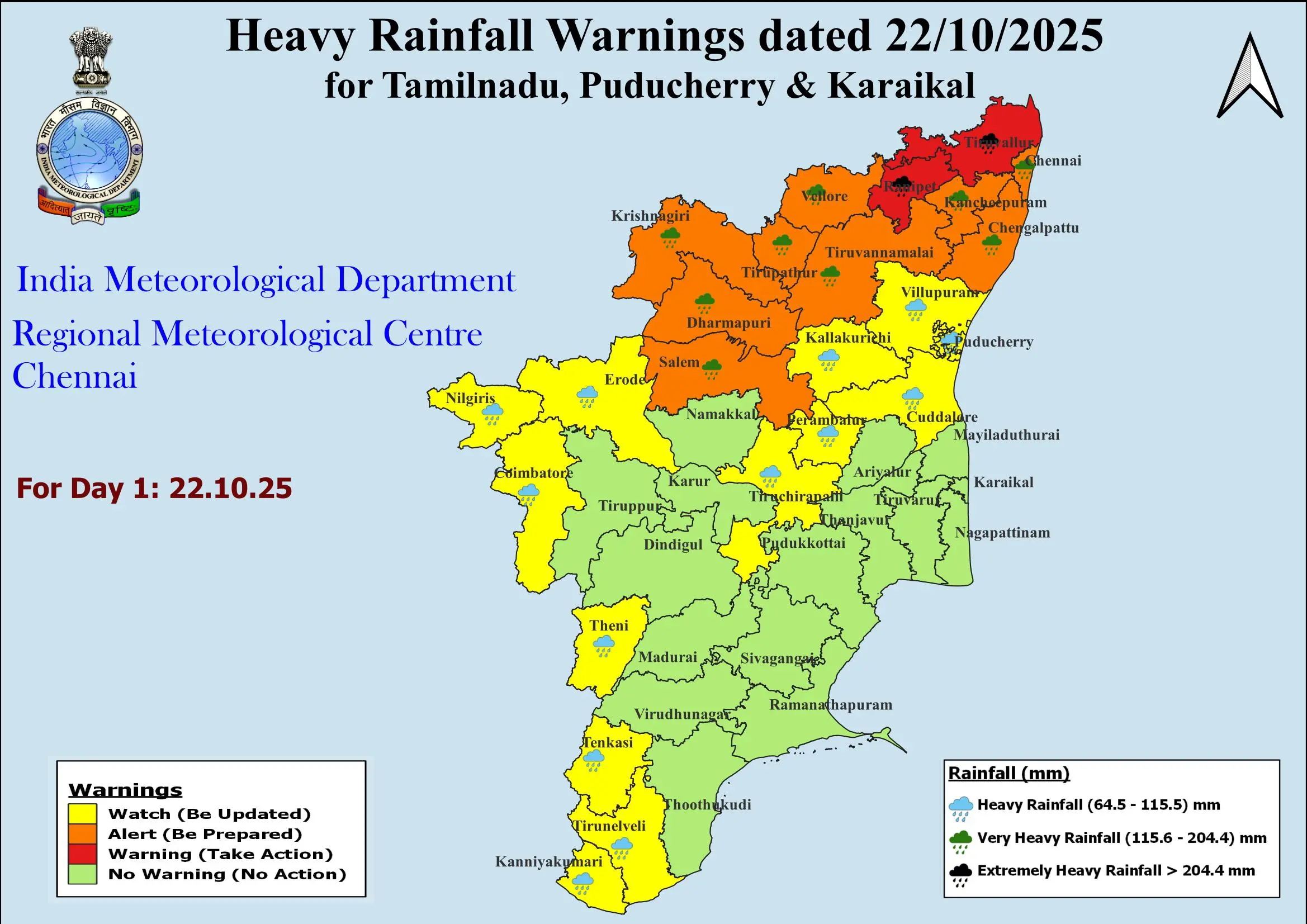
Tamil Nadu is experiencing significant rainfall today, October 22, 2025, due to a low-pressure system developing over the Bay of Bengal. The India Meteorological Department (IMD) has issued red and orange alerts for several districts, indicating the potential for heavy to extremely heavy rainfall.Tamil Nadu Rains & Cyclone Alerts, IMD Weather Forecast Today LIVE News  Updates: Chennai, Coimbatore, Madurai, Tiruchirappalli, Tirunelveli & More

Tamil Nadu Weather Update Today: Red Alert Districts

The IMD has issued a red alert for the following districts:

  • Thiruvallur: Heavy to extremely heavy rainfall is expected, with the possibility of localized flooding and strong winds.
  • Ranipet: Similar conditions are anticipated, with significant rainfall and potential disruptions.
  • Orange Alert Districts

Tamil Nadu weather update today, An orange alert has been issued for the following districts:Tamil Nadu Rains: Chennai on orange alert, 4 districts on red; trees  uprooted, schools closed, 10 key updates | Chennai News - The Times of India

  • Chennai: Expect moderate to heavy rainfall with occasional thunderstorms.
  • Vellore: Periods of rain with possible localized flooding.
  • Dharmapuri: Heavy rainfall expected, leading to potential waterlogging in low-lying areas.
  • Tiruvannamalai: Intermittent heavy rainfall with the possibility of isolated thunderstorms.
  • Kancheepuram: Moderate to heavy rainfall with occasional gusty winds.
  • Chengalpattu: Periods of rain with potential for localized flooding.
  • Salem: Heavy rainfall expected, leading to potential waterlogging in low-lying areas.
  • Krishnagiri: Intermittent heavy rainfall with the possibility of isolated thunderstorms.

Tamil Nadu Weather Update Today: Weather Conditions

The sky is expected to be generally cloudy throughout the day. Light to moderate rain with thunderstorms and lightning is likely in the affected districts. Squally weather conditions are anticipated along the North Tamil Nadu coast, with wind speeds reaching 45 km/h to 55 km/h, gusting to 65 km/h. Along the South Tamil Nadu coast, wind speeds may reach 35 km/h to 45 km/h, gusting to 55 km/h.Tamil Nadu weather update today

Weather update today: IMD predicts heavy rain in several states, issues  alert for Tamil Nadu, Karnataka - BusinessToday

Temperature Forecast

The maximum temperatures across the affected districts are expected to range between 26°C and 30°C, with minimum temperatures ranging from 24°C to 25°C. These conditions are conducive to the ongoing rainfall and squally weather.Cyclone alert in Tamil Nadu - Heavy rain expected for two days, 8 districts  on red alert - India News | The Financial Express

Safety Precautions

Residents in the affected districts are advised to take the following precautions:

  • Avoid venturing out during heavy rainfall and thunderstorms.
  • Stay indoors and away from windows during squally weather.
  • Keep emergency supplies, including flashlights and batteries, readily available.
  • Follow updates from local authorities and the IMD for the latest weather information. Also Read: Ingrassia Nomination Withdrawal: Shocking Racist Texts End Trump Pick

Conclusion

The current weather conditions in Tamil Nadu necessitate heightened awareness and preparedness. Residents in the red and orange alert districts should remain vigilant and adhere to safety guidelines to mitigate the impact of the ongoing adverse weather.

Air India Crash Survivor Struggles to Heal After Tragic Loss, One Man’s Battle With Trauma and Memory in june 12

0

Air India Crash Survivor Struggles to Overcome Traum

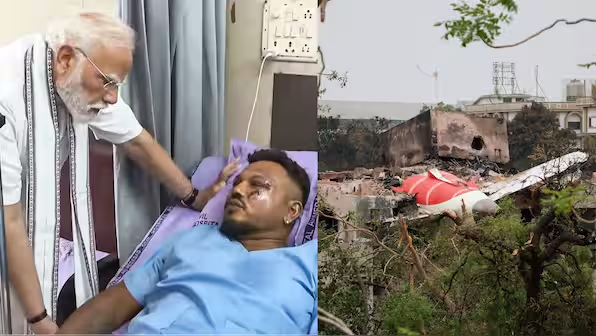
Air India Crash Survivor Struggles to come to terms with the haunting memories of one of India’s most devastating air tragedies. Vishwas Kumar Ramesh, the sole survivor of the June 12 Air India plane crash, is still fighting to heal both mentally and emotionally. What was meant to be a routine journey back to London turned into a life-changing moment one that took away 260 lives, including that of his brother, Ajay.Lone Air India crash survivor seeks psychiatric help to overcome trauma - India Today

Vishwas, a 40-year-old Indian-origin British citizen, miraculously walked away alive when the London-bound Boeing 787 Dreamliner crashed moments after takeoff from Ahmedabad airport. Despite surviving physically, the emotional scars remain deep. His cousin Sunny revealed that Vishwas barely speaks to anyone and continues to struggle with severe trauma following the tragedy.

Air India Crash Survivor Struggles With Nightmares and Silence

For many, Vishwas’s survival is a miracle. But for him, it’s a daily reminder of loss. His cousin shared that he often wakes up in the middle of the night, unable to sleep, haunted by the horrifying scenes of the crash site. “He doesn’t talk to anyone,” Sunny said. “Even when relatives call from abroad to ask about his well-being, he stays silent. He still hasn’t accepted his brother’s death.”Doesn't talk, struggles to sleep': Lone Air India crash survivor battles trauma, taking psychiatric help | Latest News India

Vishwas has begun psychiatric treatment to help cope with post-traumatic stress. His family says it will take time for him to heal and regain some normalcy. He has postponed his return to London, choosing instead to remain in India for therapy.

The crash claimed 241 passengers and 19 people on the ground, leaving behind a trail of grief and destruction. Vishwas’s survival was described by locals as miraculous, given that he was seated near the emergency exit a small detail that ultimately saved his life.

Air India Crash Survivor Struggles With Memories of the Fatal Flight

In a brief interview, Vishwas recounted the horrifying moments before and after the crash. Sitting in seat 11A near the emergency door, he felt the aircraft lose balance seconds after takeoff. “It all happened in a flash,” he said. “When I realized the door was broken, I told myself I had a chance to escape.”Doesn't Talk...": Air India Crash Survivor Struggles To Overcome Trauma

The portion of the plane where he was seated landed on the ground floor of a nearby medical college hostel. He managed to crawl out through the damaged doorway, covered in smoke and debris. A local bystander filmed him walking toward an ambulance one of the most striking images from the aftermath of the tragedy.

While his body escaped harm, his heart bore the weight of losing his brother Ajay. The two had been visiting their family in Diu and were returning to London together. On June 17, Vishwas was discharged from Ahmedabad Civil Hospital. That same day, Ajay’s remains were handed over to the family after DNA confirmation.

The next day, a heartbreaking video showed Vishwas carrying his brother’s ashes to the cremation ground in Diu a sight that left the nation moved and speechless.

Air India Crash Survivor Struggles But Finds Support

Prime Minister Narendra Modi personally met Vishwas at the hospital, enquiring about his health and promising all necessary support. But even with assistance and compassion, the road to recovery remains long and uncertain.Sole survivor of Air India plane crash seeks psychiatric help to overcome trauma - The Tribune

His cousin said that Vishwas rarely steps out and avoids speaking about the incident. “He just stares blankly at times,” Sunny said. “He’s alive, but it feels like a part of him is still trapped in that nightmarish moment.” Also Read: EXO Member Got Married: 1 Grand Celebration That Felt Straight Out of a Movie

Experts explain that surviving such a catastrophic event often leads to survivor’s guilt a deep sense of emotional pain that makes it hard for victims to accept their own survival when others did not.


View this post on Instagram


A post shared by Moneycontrol (@moneycontrolcom)

Vishwas’s family continues to stand by him, arranging therapy sessions and keeping him away from the constant media attention. “We are just trying to help him live one day at a time,” said Sunny.

Conclusion

The Air India Crash Survivor Struggles not only with memories of fire, chaos, and loss but also with the silence that follows. Vishwas Kumar Ramesh’s story is not just about survival; it’s about endurance, grief, and the slow, painful journey toward healing.

While the world calls him lucky, his life now carries the burden of memory a reminder that surviving a tragedy can sometimes be the hardest part of all.

Zhao Lusi and Victor Ma Create Chaos in Livestream Reunion, Fans Can’t Stop Talking About Their Hidden Love Chemistry in 2026

0

Zhao Lusi and Victor Ma Reunite in a Fun-Filled Livestream

Zhao Lusi and Victor Ma recently delighted fans with a surprise reunion during a lighthearted livestream that quickly turned into a hilarious and chaotic moment. The beloved duo, who previously captured hearts with their sibling-like bond in the drama Hidden Love, once again showcased their effortless chemistry reminding audiences why their on-screen connection felt so genuine.Sang Siblings reunite! Victor Ma hilariously recreates Zhao Lusi's iconic slap scene from 'Love's Ambition' - Entertainment

During the livestream, the conversation was full of laughter and nostalgia as the two exchanged jokes and playful banter. However, things took a funny turn when Victor Ma decided to flex his muscles mid-broadcast. Zhao Lusi burst into laughter before playfully scolding him, saying, “What’s wrong with you!?” The moment spread rapidly across Chinese social media platforms, with fans sharing clips and commenting on how natural and comfortable their interaction seemed.

Zhao Lusi and Victor Ma Revive Their Iconic Dynamic

Fans who loved Hidden Love were quick to express their excitement at seeing Zhao Lusi and Victor Ma together again. In the drama, their sibling-like relationship brought a sense of warmth and humor that made their scenes memorable. Many viewers have often commented that the two share a rare kind of chemistry one that feels both friendly and familiar.Zhao Lusi Reunites With Hidden Love Co-Star Victor Ma; Fans Celebrate The Return Of 'Sang Siblings'

The livestream showed that their real-life connection is just as strong as their on-screen one. Zhao Lusi’s candid reactions and Victor Ma’s mischievous sense of humor created a lively atmosphere, keeping viewers engaged from start to finish. Even without a script, their natural energy and comfort around each other stood out, making the livestream feel more like two close friends catching up rather than a formal broadcast.

Social media platforms were soon flooded with clips from the event. Hashtags like #ZhaoLusiAndVictorMaReunion and #HiddenLoveSiblings began trending, proving that the audience still adores their partnership. Many fans praised their ability to bring laughter and positivity to every interaction, calling them “a perfect example of genuine friendship in the entertainment industry.” Also Read: EXO Member Got Married: 1 Grand Celebration That Felt Straight Out of a Movie

Zhao Lusi and Victor Ma Continue to Impress Fans

Following the viral moment, Zhao Lusi and Victor Ma both shared light-hearted posts acknowledging the fans’ reactions. Zhao Lusi, known for her cheerful personality, thanked viewers for tuning in and joked that she didn’t expect Victor to “turn the livestream into a workout session.” Victor responded with humor as well, saying he was simply “showing progress.”Zhao Lusi reunites with her 'Hidden Love' co-star Victor Ma; Fans shower love on 'Sang siblings' - Entertainment

Their casual exchange only made fans love them more. Online discussions highlighted how both stars maintain humility and authenticity despite their growing fame. Zhao Lusi, already a household name due to her successful dramas, continues to charm audiences with her wit and genuine demeanor. Victor Ma, on the other hand, is steadily building a reputation not only for his acting but also for his musical talent and engaging personality.

Industry watchers also noted how this reunion might open doors for future collaborations. Many fans are already hoping for another drama or variety show featuring the two stars, citing their natural bond as a winning formula for entertainment success.

A Lighthearted Moment That Delighted Millions

The viral clip of Zhao Lusi and Victor Ma’s playful exchange has become one of the most shared moments of the week across Chinese entertainment media. It reminded fans that even in the fast-paced world of acting and fame, genuine friendships and laughter remain timeless.


View this post on Instagram


A post shared by Layar Hijau (@layarhijau)

What made the moment stand out wasn’t just the humor it was the authenticity. The way Zhao Lusi reacted with amusement instead of formality, and Victor’s carefree attitude, made viewers feel connected to them on a personal level.

Conclusion

The reunion of Zhao Lusi and Victor Ma brought a wave of happiness to fans who missed their on-screen chemistry. Their spontaneous, funny, and natural interaction during the livestream served as a refreshing reminder of why audiences loved them in Hidden Love. As fans continue to share clips and hope for another collaboration, one thing is certain Zhao Lusi and Victor Ma’s bond continues to light up screens and hearts alike, proving that true chemistry never fades, even long after the cameras stop rolling.

Lee Yi Kyung Faces Controversy in Korea After Shocking Leaks, The Actor’s Response Stirs Debate

0

Lee Yi Kyung Controversy Takes Over Korean Entertainment Industry

Lee Yi Kyung, the popular South Korean actor known for his comic charm and memorable role in Welcome to Waikiki, has found himself at the center of a serious controversy. Once admired for his humor and energetic personality, Lee is now facing public criticism after private chat screenshots allegedly showing explicit and inappropriate conversations surfaced online.While actor Lee Yi-kyung (36) denied the rumors of her personal life and warned of legal action, the.. - MK

The incident, which began circulating across online forums and social media platforms, has drawn widespread attention from both fans and critics. The leaked messages reportedly included content that some described as manipulative and sxually coercive*. As the discussions spread rapidly, many began debating the authenticity of the screenshots and the potential damage to the actor’s reputation.

Lee Yi Kyung’s Viral Popularity Takes a Dark Turn

Lee Yi Kyung gained immense recognition through his performance in Welcome to Waikiki, where his humor, sincerity, and emotional delivery made him one of the most loved faces on Korean television. However, his renewed attention this time is far from celebratory.Marry My Husband Actor Lee Yi-Kyung's Alleged Sexual Misconduct Controversy EXPLAINED: Unknown Blogger REVEALS Shocking Chats | Korean - Times Now

The controversy erupted when several anonymous users shared screenshots allegedly linked to the actor. The nature of the messages quickly stirred discomfort among fans, and discussions soon expanded beyond entertainment circles. Many users expressed shock, while others questioned whether the leaks were fabricated or manipulated to harm his image.

As the situation gained traction, numerous reports began to highlight the growing trend of digital exposure in Korean entertainment where private communications are often used as tools to target public figures. The Lee Yi Kyung case has now become another example of how social media can both build and break a celebrity’s career overnight.

Lee Yi Kyung’s Agency Responds to the Allegations

Following the widespread circulation of the screenshots, Lee Yi Kyung’s agency issued an official statement. The agency condemned the spread of false information and confirmed that legal action will be taken against those responsible for spreading malicious rumors.Screenshots of sexually explicit chats surround South Korean actor Lee Yi- kyung, agency threatens legal action - CNA Lifestyle

The statement emphasized that the leaked content lacked verification and that certain individuals were intentionally editing and misrepresenting information to damage the actor’s reputation. The agency urged the public to avoid making assumptions until an official investigation is complete.

They also stated that the actor is cooperating fully with the internal review process and remains committed to clarifying the truth. Despite the serious nature of the allegations, the agency asked for privacy and understanding during this period.

Public Reactions and Impact on Lee Yi Kyung’s Career

Public opinion remains divided. Some of Lee Yi Kyung’s supporters are defending him, calling the screenshots misleading or taken out of context. Others argue that accountability should come before reputation, emphasizing that the entertainment industry needs more transparency.Actor Lee Yi-kyung accused of sexual misconduct, leaked video taken down after 9 hours amid rights violation claim - The Korea Times

Brands and entertainment companies have reportedly paused ongoing discussions involving Lee, waiting for official clarification before taking further steps. This pause highlights the fragile relationship between celebrity image and brand trust in Korea’s competitive entertainment market.

While the truth behind the leaked chats remains under scrutiny, the incident has already affected the actor’s public image. Online conversations continue to discuss how the actor’s once vibrant career might change following this controversy. Also Read: EXO Member Got Married: 1 Grand Celebration That Felt Straight Out of a Movie

The Broader Context of Celebrity Accountability in Korea

The Lee Yi Kyung case reflects a recurring theme in Korean pop culture the intense public interest in celebrities’ private lives. Similar incidents in the past have shown how social media exposure can create lasting consequences for actors, idols, and influencers.

Many experts believe that such controversies should be handled carefully, with both the rights of the accused and the alleged victims respected. The entertainment industry continues to face challenges in balancing fame, privacy, and public expectations.

Conclusion

The Lee Yi Kyung controversy has brought another wave of reflection to the Korean entertainment scene. Whether the allegations prove true or false, the situation reminds audiences of how quickly admiration can turn into scrutiny. For now, the actor and his agency are standing firm, preparing to defend against claims that threaten to overshadow years of hard work and success. As investigations unfold, the story of Lee Yi Kyung serves as a stark reminder of the thin line between fame and vulnerability in the modern digital age.