Sunday, May 17, 2026
Home Blog Page 402

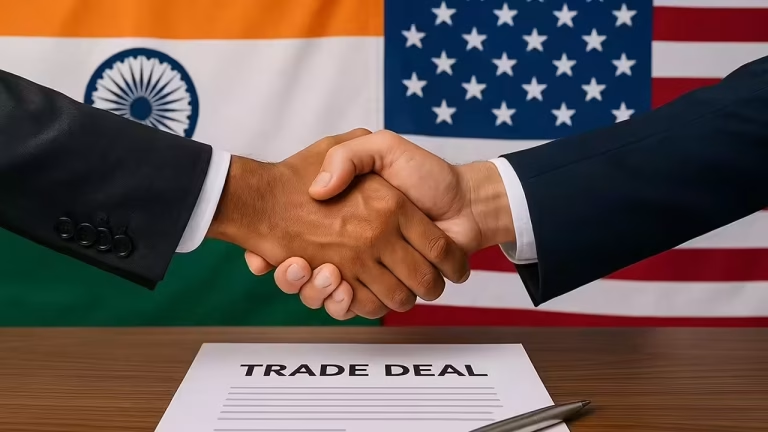
India US Trade Deal: Breakthrough Agreement Slashes Tariffs to 15%, says report

Washington D.C. – India and the United States are nearing completion of a long-stalled India US trade deal that would dramatically reduce American tariffs on Indian imports from the current punitive rate of 50 percent to just 15-16 percent. This significant breakthrough in bilateral negotiations comes after months of intensive discussions between the two countries, with sources familiar with the matter confirming substantial progress on key contentious issues.

The India US trade deal framework hinges primarily on energy and agriculture sectors, with New Delhi agreeing to gradually scale back its imports of Russian crude oil as part of the comprehensive package. This linkage between trade concessions and geopolitical considerations reflects the complex nature of contemporary international commerce and diplomacy.

Trump-Modi Discussions Focus on Trade

India US trade deal

US President Donald Trump confirmed on Tuesday that he spoke with Prime Minister Narendra Modi, with their discussion largely focused on advancing the India US trade deal. Trump stated that energy formed a significant part of their conversation, claiming Modi assured him that India would limit its oil purchases from Russia as part of the broader agreement framework.

“I just spoke to your prime minister today. We had a great conversation. We talked about trade,” Trump said while hosting a Diwali celebration at the White House. “We talked about a lot of things, but mostly the world of trade — he is very interested in that,” the President added, emphasizing the centrality of the India US trade deal to bilateral relations.

Russian Oil Factor in India US Trade Deal
India US trade deal

India’s oil purchases from Russia had prompted a punitive levy of 25 percent on Indian exports, which came in addition to the 25 percent reciprocal tariffs announced in April. The total 50 percent tariff burden made the India US trade deal an urgent priority for New Delhi, as it significantly impacted Indian exporters across multiple sectors.

Currently, Russia supplies approximately 34 percent of India’s crude oil imports, while around 10 percent of the country’s oil and gas requirements by value come from the United States. The India US trade deal envisions a gradual rebalancing of these energy relationships, though the specifics of the transition timeline remain under negotiation.

Agricultural Market Access Components

The India US trade deal may see India opening its markets further to non-genetically modified American corn and soymeal, addressing longstanding American demands for greater agricultural access. New Delhi is also advocating for a provision in the agreement allowing periodic reviews of tariffs and market access, ensuring the India US trade deal remains responsive to changing economic circumstances.

Also Read: Trump Diwali Celebration: Powerful Modi Praise and Oil Trade Claims

India is considering raising the quota for importing non-GM maize from the US while keeping the 15 percent duty unchanged. The current limit stands at 0.5 million tonnes annually, but the India US trade deal could expand this to meet growing domestic demand from the poultry feed, dairy, and ethanol sectors.

Ongoing Negotiations on Specific Products
India US trade deal

“Talks are also advancing on permitting imports of non-GM soymeal for both human and livestock consumption. However, there is still no final clarity on tariff reductions for dairy products, including high-end cheese, even though it is a key demand from the US team,” said one official involved in the India US trade deal negotiations.

These remaining issues demonstrate that while the broad framework of the India US trade deal has been established, certain sector-specific details require further refinement before final agreement can be reached.

Energy Cooperation Framework

Under the India US trade deal, India may gradually reduce its reliance on Russian oil while allowing ethanol imports from the United States. Washington, in turn, is expected to offer concessions on energy trade, creating a mutually beneficial framework for cooperation in this critical sector.

Indian state-run oil firms may be informally guided to diversify crude sourcing toward the United States as part of the India US trade deal implementation. Officials have conveyed to Moscow that India will scale down Russian crude imports, though the US has yet to match the discounts offered by Russia, creating economic challenges for the transition.

Presidential Precondition on Russian Oil

President Trump has reportedly made curbing Russian oil imports a precondition for the India US trade deal, linking trade benefits directly to India’s willingness to reduce energy dependence on Moscow. This conditionality reflects Washington’s broader strategy of using economic incentives to shape allied nations’ relationships with Russia amid the ongoing Ukraine conflict.

Trump reiterated these claims Tuesday, stating: “He is not going to buy much oil from Russia. He wants to see that war end as much as I do. He wants to see the war end with Russia, Ukraine, and as you know, they’re not going to be buying too much oil,” referring to the commitments he believes are embedded in the India US trade deal.

Timing and Announcement Plans

Finalization of the India US trade deal is likely to be announced at the ASEAN Summit during a meeting between Donald Trump and Narendra Modi this month. This high-profile venue would provide appropriate diplomatic setting for unveiling what both sides hope will be a transformative agreement in bilateral economic relations.

India’s Response and Clarifications

India’s external affairs ministry has maintained they were not aware of specific conversations Trump referenced regarding Russian oil commitments. Officials have indicated that any effort to scale back Russian energy purchases would be a gradual process, and the Modi government has previously stated that the country would continue making those purchases if economically viable.

India became a major importer of Russian crude after the start of the Ukraine war in 2022, buying oil at significant discounts. Russian oil now comprises approximately one-third of India’s overall imports despite US pressure to curb these flows, making the energy provisions of the India US trade deal particularly sensitive.

The success of the India US trade deal will ultimately depend on whether both nations can balance their respective economic interests, geopolitical objectives, and domestic political considerations while maintaining the strategic partnership that has developed between the world’s two largest democracies.
Tamil Nadu Rain Red Alert: Intense Showers Trigger High Alert Across 8 Districts

0

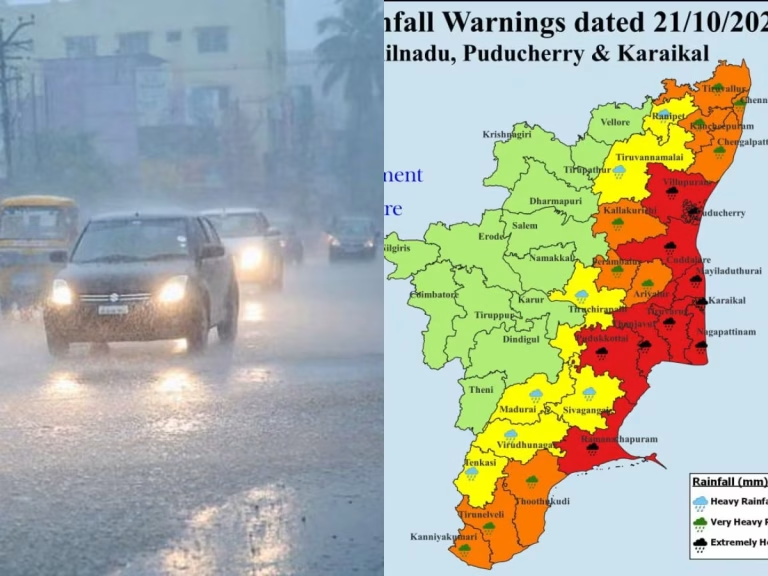
Tamil Nadu – The Tamil Nadu Rain Red Alert has put the state on high alert as heavy rainfall continues to lash several regions. The Regional Meteorological Centre (RMC) in Chennai issued a red alert for eight districts, warning residents of extremely heavy downpours due to two strengthening low-pressure systems in the Bay of Bengal and the Arabian Sea. The Tamil Nadu Rain Red Alert aims to ensure immediate preparedness as rainfall intensifies across key areas.


Heavy Rainfall Engulfs the State

The Tamil Nadu Rain Red Alert follows significant rainfall recorded across various districts on October 21. The RMC reported Chennai’s Nungambakkam station receiving the highest rainfall at 61.8 mm between 8.30 am and 5.30 pm. Following closely were Ramanathapuram’s Pamban with 53 mm and Madurai with 41 mm. Chennai and surrounding districts remain on orange alert as authorities closely monitor conditions under the Tamil Nadu Rain Red Alert directive.


Districts Under Red Alert

According to officials, the Tamil Nadu Rain Red Alert applies to Ramanathapuram, Nagapattinam, Cuddalore, and Thanjavur among others. These districts are expected to face rainfall exceeding 20 cm due to the dual weather systems. The Indian Meteorological Department has forecast heavy to very heavy rainfall across Tamil Nadu and Puducherry between October 21 and 22, urging residents in vulnerable zones to stay cautious during the Tamil Nadu Rain Red Alert period.


Government Gears Up for Monsoon Preparedness

Chief Minister MK Stalin convened a high-level review meeting with disaster management officials and district authorities through video conferencing to assess the Tamil Nadu Rain Red Alert situation. He directed officers to reach affected zones immediately and oversee preventive operations. Relief camps have been prepared in low-lying regions, with the government emphasizing safety and readiness during the Tamil Nadu Rain Red Alert.

Each of the 12 districts under the rainfall forecast has been assigned a senior IAS officer to supervise local responses. JCBs, boats, and motor pumps have been strategically deployed for emergency use as part of the Tamil Nadu Rain Red Alert strategy. The Chief Minister’s office confirmed that flood control measures and paddy storage inspections are ongoing in delta regions.


Deputy CM Leads Ground Inspections

Deputy Chief Minister Udayanidhi Stalin visited several areas in Chennai on Tuesday to assess flooding risks under the Tamil Nadu Rain Red Alert. He confirmed that motor pumps had been installed in all low-lying areas to prevent waterlogging. The coordinated effort between civic bodies and state disaster response teams underscores the government’s proactive approach during the Tamil Nadu Rain Red Alert.


Formation of Weather Systems

Meteorologists attribute the Tamil Nadu Rain Red Alert to the formation of two intense weather systems. An upper air cyclonic circulation over the South Bay of Bengal has evolved into a low-pressure area, expected to intensify into a depression by October 22. The system is projected to move west-northwest towards the Tamil Nadu-Puducherry-Karaikal and South Andhra Pradesh coasts, increasing rainfall intensity under the ongoing Tamil Nadu Rain Red Alert.

Also Read: CP Radhakrishnan Residence in Chennai Sees Panic After Hoax Bomb Threat Sparks Police Action

Meanwhile, another low-pressure zone in the Arabian Sea is enhancing moisture inflow, contributing to persistent cloud cover and sustained rainfall over Tamil Nadu. Experts state that both systems are interacting, amplifying precipitation patterns that justify the Tamil Nadu Rain Red Alert.


Schools and Public Safety Measures

Under the Tamil Nadu Rain Red Alert, authorities have instructed local administrations to suspend classes in highly affected regions, particularly Thoothukudi. School closures and advisories have been issued to ensure the safety of children. Civic workers continue unclogging drains and clearing debris from stormwater channels across Chennai and other cities to mitigate flooding during the Tamil Nadu Rain Red Alert.

Public transport has been asked to operate cautiously, especially in waterlogged zones. Citizens have been advised to avoid unnecessary travel and stay indoors as much as possible during the Tamil Nadu Rain Red Alert period. Emergency helplines are active in all districts to report disruptions and seek immediate assistance.


Northeast Monsoon in Full Swing

The Tamil Nadu Rain Red Alert aligns with the peak activity of the northeast monsoon, which has been active across the southern peninsula. The seasonal rains brought a noticeable temperature dip, with Chennai recording a maximum of 28°C. Meteorologists forecast that the rainfall intensity will gradually reduce after October 22 but may continue intermittently, keeping the Tamil Nadu Rain Red Alert relevant for monitoring residual weather effects.


Authorities Urge Vigilance and Cooperation

As the Tamil Nadu Rain Alert remains in force, the state government has urged citizens to cooperate with local authorities and adhere to safety advisories. Disaster management teams, civic agencies, and volunteers have been mobilized to handle emergencies and support rescue operations if required. Officials reiterated that preparedness and public awareness are crucial to mitigating the impact of the Tamil Nadu Rain Red Alert across affected districts.

Ingrassia Nomination Withdrawal: Shocking Racist Texts End Trump Pick

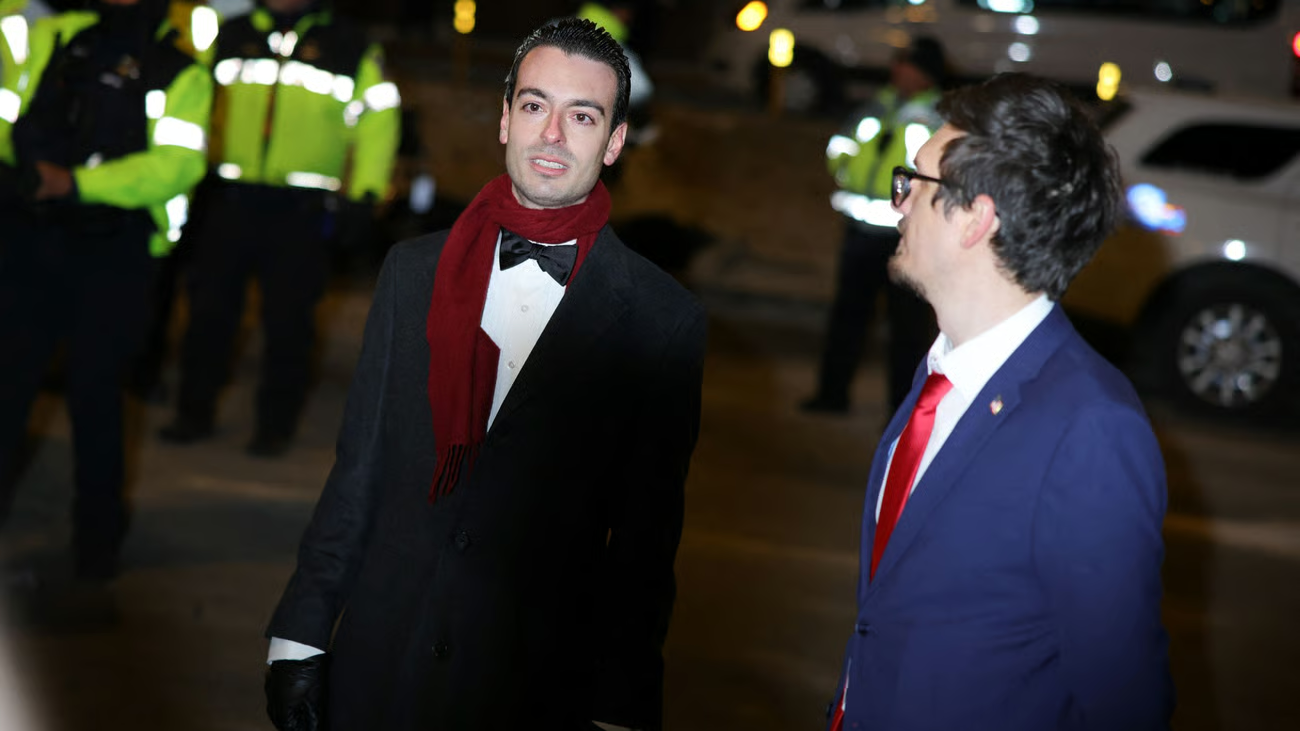
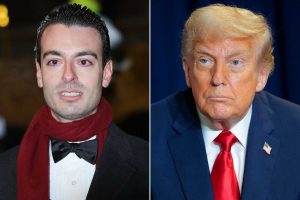
Washington D.C. – Paul Ingrassia, US President Donald Trump‘s nominee to head the Office of Special Counsel, announced on Tuesday that he was withdrawing his nomination after reports of racist messages sent by him surfaced earlier this week. The Ingrassia nomination withdrawal came following massive backlash and pushback from Republicans as well as Democrats after deeply offensive text messages became public.

The controversial texts included statements such as “Never trust an Indian” and suggestions that the Martin Luther King Jr. holiday should be “tossed into the seventh circle of hell.” These inflammatory remarks sparked immediate condemnation and effectively doomed the Ingrassia nomination withdrawal before Senate hearings could even commence.

Republican Opposition Seals Fate of Nomination

Ingrassia nomination withdrawal

Reports indicated that Ingrassia had shared a series of racist text messages in a group that included other Republicans. After the news surfaced and Ingrassia started receiving widespread backlash, many Republican senators publicly stated that they would not support his nomination, making the Ingrassia nomination withdrawal inevitable given the bipartisan opposition to his confirmation.

The swift Republican desertion of the nominee demonstrated that certain boundaries remain in place even in highly partisan times. When members of the President’s own party refuse to support a nominee, the Ingrassia nomination withdrawal becomes a political necessity rather than a voluntary choice.

Official Statement on Ingrassia Nomination Withdrawal

Ingrassia nomination withdrawal

In explaining the Ingrassia nomination withdrawal, he stated that he was removing his name from consideration because “unfortunately I do not have enough Republican votes at this time.” This frank admission acknowledged the political reality that his confirmation had become impossible following the revelation of his offensive communications.

In a social media post announcing the Ingrassia nomination withdrawal, he also wrote that he would continue serving Trump and his administration despite this setback. “I will be withdrawing myself from Thursday’s HSGAC hearing to lead the Office of Special Counsel because unfortunately I do not have enough Republican votes at this time,” he wrote, referring to the Senate Committee on Homeland Security and Governmental Affairs.

Continued Loyalty Despite Ingrassia Nomination Withdrawal

Despite the circumstances surrounding the Ingrassia nomination withdrawal, the former nominee expressed continued dedication to the Trump administration. “I appreciate the overwhelming support that I have received throughout the process and will continue to serve President Trump and the administration to Make America Great Again!” he added in his statement.

This assertion of loyalty following the Ingrassia nomination withdrawal suggests he may seek other positions within the administration that do not require Senate confirmation, allowing him to remain part of Trump’s political orbit despite this public controversy.

Deeply Offensive Text Messages Revealed

The text messages that precipitated the Ingrassia nomination withdrawal contained multiple inflammatory and racist statements that shocked observers across the political spectrum. According to texts reviewed by investigators, Ingrassia told group members that “MLK Jr. was the 1960s George Floyd and his ‘holiday’ should be ended and tossed into the seventh circle of hell where it belongs.”

These remarks about the revered civil rights leader and the federal holiday honoring him represented only part of the offensive content that led to the Ingrassia nomination withdrawal. The messages revealed a pattern of racially charged commentary that extended beyond a single incident or misstatement.

Targeting Multiple Ethnic Groups

The texts that forced the Ingrassia nomination withdrawal also contained derogatory remarks about multiple ethnic communities. Ingrassia stated in the text chain that you can “never trust a Chinaman or Indian,” using an outdated and offensive term for Chinese people while also disparaging Indian individuals.

Additionally, Ingrassia claimed in these communications that he had “a Nazi streak” from time to time, a shocking admission that further contributed to the collapse of support for his nomination. These multiple offensive statements across different contexts made the Ingrassia nomination withdrawal unavoidable.

Also Read: Trump Diwali Celebration: Powerful Modi Praise and Oil Trade Claims

Legal Defense Questions Text Authenticity

Following the revelation of the messages that prompted the Ingrassia nomination withdrawal, his lawyer Edward Paltzik questioned the authenticity of the text messages and suggested they could be AI-generated. This defense strategy attempted to cast doubt on whether Ingrassia actually wrote the offensive remarks attributed to him.

However, Paltzik’s defense went further, stating that if the texts are authentic, they were meant as “self-deprecating and satirical humour.” This explanation strained credibility given the explicitly offensive nature of the statements and failed to prevent the Ingrassia nomination withdrawal from proceeding.

“Satirical Humour” Defense Falls Flat

The attempt to characterize the racist statements as “satirical humour” did nothing to stop the Ingrassia nomination withdrawal, as few observers found this explanation convincing. The defense suggested that calling Martin Luther King Jr. “the 1960s George Floyd” and advocating for elimination of the MLK holiday constituted some form of humor, an argument that persuaded virtually no one.

Similarly, the characterization of “never trust an Indian” as self-deprecating satire made little sense, particularly given that Ingrassia is not of Indian descent. These weak explanations accelerated rather than prevented the Ingrassia nomination withdrawal.

Bipartisan Rejection of Offensive Rhetoric

The Ingrassia nomination withdrawal ultimately reflected bipartisan consensus that certain forms of racist rhetoric remain disqualifying for high federal office, even in an era of intense political polarization. When Republican senators joined Democrats in refusing to support the nomination, they sent a message that some standards persist.

Implications for Future Trump Nominees

Ingrassia nomination withdrawal

The rapid Ingrassia nomination withdrawal following exposure of racist texts may influence the vetting process for future Trump administration nominees. The incident demonstrates that even in a politically charged environment, nominees with documented histories of offensive communications face insurmountable obstacles to confirmation, making thorough background investigations essential before nominations are publicly announced.

The Ingrassia nomination withdrawal serves as a reminder that Senate confirmation processes, despite their partisan nature, still maintain certain minimal standards for federal appointees, particularly regarding explicit expressions of racial prejudice and religious intolerance.

Trump Diwali Celebration: Powerful Modi Praise and Oil Trade Claims

Washington D.C. – US President Donald Trump hosted a memorable Trump Diwali celebration in the Oval Office of the White House on Wednesday, where he heaped praise on his “great friend” Prime Minister Narendra Modi while repeating his controversial claim about India halting oil trade with Russia. The event marked a significant diplomatic gesture, combining cultural appreciation with geopolitical messaging during the festival of lights.

During the Trump Diwali celebration, the President made several noteworthy statements about India-US relations, the ongoing Ukraine war, and trade negotiations between the two nations. His remarks offered insights into his administration’s approach to bilateral ties and regional conflicts, while also demonstrating his personal affinity for Indian culture and leadership.

Fourth Russian Oil Trade Claim During Trump Diwali Celebration

Trump Diwali celebration

Trump once again claimed during the Trump Diwali celebration that India will halt its oil trade with Russia, marking the fourth time he has made this assertion within a week. The President attributed this supposed decision to assurances from Prime Minister Modi, despite India’s official denial that any recent phone call between the two leaders took place regarding this matter.

“He’s not going to buy much oil from Russia. He wants to see that war end as much as I do. He wants to see the war between Russia and Ukraine to end. They’re not going to be buying too much oil. So they’ve cut it way back, and they’re continuing to cut it way back,” Trump stated during the Trump Diwali celebration, linking India’s energy policy to Modi’s desire to see the Ukraine conflict resolved.

Warm Praise for Prime Minister Modi

Trump Diwali celebration

The Trump Diwali celebration featured effusive praise for Prime Minister Modi, whom the President referred to as both a “great friend” and a “great person.” Trump emphasized the personal relationship he has developed with the Indian leader over the years, suggesting this friendship underpins the broader bilateral relationship between the two democracies.
“I love the people of India. We’re working on some great deals between our countries. I spoke to Prime Minister Modi today and we just have a very good relationship,” Trump declared during the Trump Diwali celebration, connecting his admiration for India with ongoing trade negotiations between Washington and New Delhi.

Trade Negotiations Context

Trump’s remarks during the Trump Diwali celebration came amid ongoing trade negotiations between India and the US, necessitated by the imposition of 50% tariffs on Indian imports. Half of these tariffs were announced as additional penalties specifically targeting India’s business relationships with Russia, demonstrating how the Ukraine conflict has influenced bilateral economic relations.

The President’s positive tone during the Trump Diwali celebration suggests potential progress in resolving trade tensions, though concrete details about any agreements remain undisclosed. The reference to “working on some great deals” indicates active diplomatic engagement at the highest levels.

Also Read: H-1B Visa Fees: Big Relief as US Announces Exemptions for Indians

Pakistan Ceasefire Claim Repeated

Trump Diwali celebration

During the Trump Diwali celebration, the President also repeated his claim that he brokered a ceasefire between India and Pakistan back in May using trade leverage. “Although we did talk a little while ago about let’s have no wars with Pakistan. The fact that trade was involved, I was able to talk about that. And we have no war with Pakistan and India. That was a very, very good thing,” Trump stated.

This assertion during the Trump Diwali celebration adds another dimension to his narrative about using economic tools to achieve diplomatic and security objectives in South Asia, though the specific details and veracity of these claims remain subjects of debate.

Symbolic Diya Lighting Ceremony

Trump Diwali celebration

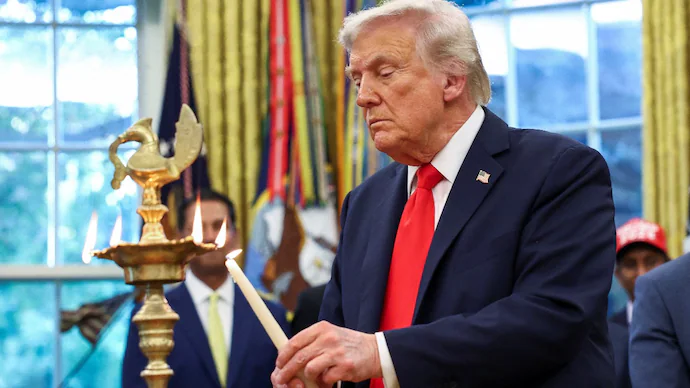
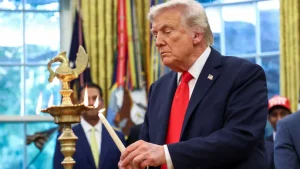
The Trump Diwali celebration included a symbolic moment when the President lit a diya inside the Oval Office, demonstrating respect for Hindu traditions. Trump called the diya lighting “a symbol of faith in the victory of light over darkness,” connecting the religious symbolism to broader philosophical themes.

“It’s knowledge over ignorance and good over evil. During Diwali, the revellers recall ancient stories of enemies defeated, obstacles removed, and captives free. The glow of the Diya flame reminds us to seek the path of wisdom and to work with diligence and to always give thanks for our many blessings,” Trump said during the Trump Diwali celebration, showcasing his understanding of the festival’s deeper spiritual significance.

Distinguished Guests at Trump Diwali Celebration

Several dignitaries attended the Trump Diwali celebration, including Indian Ambassador to the United States Vijay Kwarta and his wife, FBI Director Kash Patel, and Director of National Intelligence Tulsi Gabbard. The presence of these high-ranking officials underscored the importance the administration places on US-India relations and the Indian-American community.

India’s Denial and Trump’s Response

While Trump has repeatedly claimed during the Trump Diwali celebration and on previous occasions that India will soon end its oil trade with Russia, India has consistently denied that any recent phone call took place between Trump and Modi on this specific topic. When previously asked about India’s denial, Trump responded with a veiled tariff threat: “But if they want to say that, then they’ll just continue to pay massive tariffs, and they don’t want to do that.”

Shift in Trump’s India Rhetoric

The warm tone of the Trump Diwali celebration represents a significant shift from earlier in his administration. To pressure Russia into ending its offensive in Ukraine, Trump had imposed an additional 25% tariff on imports from India, the second-largest buyer of Russian oil. After days of targeting India through statements from him and his administration officials, Trump changed his approach back in September and has since made many positive remarks about India and Prime Minister Modi.

The Trump Diwali celebration thus symbolizes not just cultural appreciation but also the evolution of a complex bilateral relationship navigating trade tensions, geopolitical pressures, and personal diplomacy at the highest levels of government.

Mysuru Scientists Explore Sodium Butyrate’s Promising Role in Liver Cancer Treatment: Groundbreaking 1 Discovery

Researchers at Mysuru’s JSS Medical College have recently undertaken a study investigating the beneficial effects of sodium butyrate, a naturally occurring short-chain fatty acid, on liver cancer cells. The study, which is part of a larger research initiative into novel cancer therapies, aims to assess how sodium butyrate influences cell proliferation, apoptosis, and tumor suppression. Preliminary findings suggest that this compound may inhibit cancer cell growth while enhancing the body’s natural defense mechanisms, offering hope for new therapeutic approaches against hepatocellular carcinoma, the most common type of liver cancer.

The liver, being a vital organ responsible for metabolism, detoxification, and protein synthesis, is prone to various forms of malignancy. Hepatocellular carcinoma (HCC) is particularly challenging to treat due to its resistance to conventional chemotherapy and its tendency to be diagnosed at advanced stages. Researchers at JSS Medical College are focusing on sodium butyrate for its epigenetic properties, which include the ability to modulate gene expression, induce programmed cell death, and regulate inflammation in liver tissues. These properties make it a promising candidate for complementary cancer therapies.

Mechanism of Action and Experimental Findings

Sodium butyrate functions as a histone deacetylase inhibitor (HDACi), a category of compounds known to regulate gene expression by modifying chromatin structure. By inhibiting histone deacetylases, sodium butyrate can trigger apoptosis in cancer cells and suppress uncontrolled proliferation. Researchers at JSS Medical College conducted a series of in vitro experiments using cultured liver cancer cells, observing that treatment with sodium butyrate resulted in significant reductions in cell viability and an increase in programmed cell death.Study: Sodium butyrate can promote liver health, fight cancer | Mysuru News  - The Times of India

In addition to in vitro studies, preliminary in vivo experiments on animal models demonstrated that sodium butyrate administration led to decreased tumor size and reduced metastatic potential. The compound also appeared to enhance immune system activity, stimulating natural killer cells and other immune components that target malignant cells. These dual effects—direct inhibition of cancer cell growth and immune modulation—make sodium butyrate a unique and promising therapeutic agent.

The Mysuru-based team emphasized the importance of dosage and delivery methods in achieving optimal results. Sodium butyrate’s effectiveness depends on its concentration, frequency of administration, and bioavailability. Researchers are exploring novel delivery systems, such as encapsulated formulations and targeted nanoparticles, to ensure that the compound reaches the liver in sufficient concentrations while minimizing potential side effects.

The study also explored the anti-inflammatory properties of sodium butyrate, as chronic inflammation in the liver is a known contributor to cancer progression. By reducing the production of inflammatory cytokines and oxidative stress markers, sodium butyrate may help create a less favorable environment for tumor development. This dual action—combating cancer cells directly and mitigating inflammation—positions the compound as a multifaceted therapeutic option.

Collaborations and Future Research Directions

The research team at JSS Medical College is collaborating with other institutions and oncology specialists to expand the scope of their investigations. Ongoing studies include evaluating sodium butyrate in combination with existing chemotherapy drugs, examining whether it can enhance drug efficacy or reduce adverse effects. Preliminary results suggest that sodium butyrate may sensitize cancer cells to certain chemotherapeutic agents, potentially allowing for lower doses and fewer side effects for patients.

In addition, genetic and molecular analyses are being conducted to identify which patient populations may benefit most from sodium butyrate-based therapies. By understanding specific gene expression profiles and tumor characteristics, researchers aim to personalize treatment approaches, ensuring maximum efficacy and safety. This approach aligns with the broader trend in oncology toward precision medicine, where therapies are tailored to individual patient profiles.JSS researchers explore natural compound to target liver cancer - Star of  Mysore

The team has also initiated pilot clinical trials to explore the safety and tolerability of sodium butyrate in human patients. While initial trials focus on patients with advanced hepatocellular carcinoma who have limited treatment options, the long-term goal is to assess whether sodium butyrate can be integrated into mainstream cancer therapy regimens. These trials will provide critical data on pharmacokinetics, optimal dosing, and potential interactions with other medications.

Public health experts have highlighted the significance of such research, noting that liver cancer remains a major health burden in India and globally. Early detection and effective treatment options are limited, making the development of new therapeutic compounds essential. Sodium butyrate, with its multifaceted biological effects, represents a promising avenue that could potentially improve patient outcomes and survival rates.

Impact on Cancer Treatment and Patient Care

The potential benefits of sodium butyrate extend beyond its direct anti-cancer effects. Researchers suggest that by reducing inflammation, modulating immune responses, and enhancing the efficacy of conventional therapies, the compound could improve the overall quality of life for liver cancer patients. Symptom relief, fewer treatment-related side effects, and better disease management are anticipated outcomes if sodium butyrate proves effective in clinical applications.

Cancer advocacy groups in Karnataka have welcomed the research, emphasizing the importance of local institutions contributing to global knowledge on cancer therapy. They have highlighted that research conducted at JSS Medical College not only advances scientific understanding but also strengthens the state’s position as a hub for cutting-edge medical research. Such studies inspire future scientists and encourage the integration of experimental therapies into clinical practice responsibly.

The Mysuru research team is also considering the broader implications of sodium butyrate in other types of cancer. Preliminary studies in colon, breast, and pancreatic cancer cell lines have suggested similar anti-proliferative effects. This opens the possibility of cross-cancer applications, expanding the potential impact of the compound across multiple oncology fields. Comparative studies are underway to determine which cancers respond most favorably and to optimize treatment protocols for different tumor types.

The study emphasizes the importance of combining traditional research methodologies with modern biotechnological tools. Techniques such as CRISPR-based gene editing, high-throughput screening, and advanced imaging technologies are being employed to understand sodium butyrate’s mechanisms in detail. These methods allow researchers to visualize cellular responses, identify molecular targets, and design more effective treatment strategies.

Collaboration with pharmaceutical companies is also being explored to develop commercially viable formulations of sodium butyrate. By creating stable, bioavailable, and targeted delivery systems, the goal is to translate laboratory findings into accessible treatments for patients. Regulatory compliance, safety evaluations, and large-scale production considerations are being incorporated early in the development process to accelerate clinical application.

Public awareness campaigns are being planned to educate patients and healthcare providers about ongoing research and emerging therapeutic options. Disseminating accurate information regarding sodium butyrate’s potential benefits and limitations ensures informed decision-making and fosters a collaborative relationship between researchers, clinicians, and patients. This approach is critical to integrating new therapies ethically and effectively into healthcare systems.

The research team is also studying the long-term effects of sodium butyrate treatment, including potential resistance mechanisms that cancer cells might develop over time. Understanding these patterns is essential for designing combination therapies, sequential treatment regimens, and monitoring strategies that maintain effectiveness while minimizing adverse effects.Scientists of Mysuru's JSS Medical College explore beneficial effects of sodium  butyrate on liver cancer - The Hindu

In conclusion, the exploration of sodium butyrate by scientists at JSS Medical College represents a promising frontier in liver cancer research. By targeting cancer cell growth, modulating immune responses, and reducing inflammation, the compound offers potential therapeutic benefits that could complement existing treatment strategies. Continued research, clinical trials, and collaborative efforts aim to transform this discovery into practical applications that improve patient outcomes and advance the field of oncology.

The study underscores the critical role of local research institutions in addressing global health challenges. With focused scientific inquiry, rigorous methodology, and collaboration across disciplines, the Mysuru team is contributing valuable knowledge to cancer therapy development. Sodium butyrate’s potential as a safe, effective, and multifaceted treatment could mark a significant milestone in the fight against liver cancer, benefiting patients in Karnataka, India, and beyond.

Authorities and medical professionals alike are optimistic that such pioneering research will pave the way for more affordable, accessible, and effective treatments for liver cancer patients. By combining innovative science, patient-centered care, and evidence-based medicine, JSS Medical College aims to set a benchmark for future cancer research initiatives in India, ensuring that scientific breakthroughs translate into tangible benefits for society.

The ongoing investigations into sodium butyrate also emphasize the need for integrated approaches to cancer management. Researchers advocate combining pharmacological interventions with lifestyle, nutritional, and supportive therapies to maximize patient well-being. This holistic approach aligns with contemporary oncology practices and underscores the potential of sodium butyrate to become part of comprehensive liver cancer treatment regimens.

As the study progresses, the Mysuru team is committed to publishing peer-reviewed findings, presenting at international conferences, and engaging with the global scientific community. By sharing insights, challenges, and successes, the researchers aim to accelerate the adoption of promising therapies while fostering collaboration, innovation, and knowledge exchange in the global fight against liver cancer.

Public health authorities have expressed hope that discoveries like sodium butyrate will eventually reduce the mortality and morbidity associated with liver cancer. By offering new avenues for treatment, improving patient quality of life, and supporting evidence-based therapeutic interventions, the research reinforces Karnataka’s role as a leader in medical innovation and underscores the transformative potential of science in improving healthcare outcomes.

Follow: Karnataka Government

Also read: Home | Channel 6 Network – Latest News, Breaking Updates: Politics, Business, Tech & More

Deepavali Air Quality Moves from ‘Good’ to ‘Moderate’ in Bengaluru: Alarming 1 Bold Pollution Shift

Bengaluru witnessed a noticeable decline in air quality this Deepavali, with pollution levels moving from ‘good’ to ‘moderate,’ according to data from local air monitoring stations. The increase in particulate matter and other pollutants has been attributed primarily to the widespread bursting of firecrackers, combined with vehicular emissions and early morning industrial activity. While the air quality remains within permissible limits, experts caution that prolonged exposure can affect vulnerable groups, including children, the elderly, and individuals with respiratory conditions.

Authorities have reported elevated levels of PM2.5 and PM10 in several parts of the city, especially in densely populated residential and commercial areas. The Central Pollution Control Board (CPCB) guidelines classify these pollutants as harmful when sustained over time, potentially causing respiratory distress, eye irritation, and aggravating existing medical conditions. Environmentalists have stressed the importance of minimizing firecracker usage and promoting eco-friendly alternatives to maintain air quality during festival seasons.

Impact on Health and Daily Life: Air Quality

Medical professionals in Bengaluru have noted an uptick in patients experiencing breathing difficulties, coughing, and throat irritation during the Deepavali celebrations. Hospitals and clinics have advised individuals with asthma, bronchitis, or other respiratory issues to limit outdoor exposure and use protective masks when venturing outside. Public health authorities have also recommended increasing indoor air circulation through purifiers and keeping windows closed during peak pollution hours.

The decline in air quality has also affected outdoor activities and traffic movement in several parts of the city. Visibility has reduced slightly in areas with dense smoke accumulation, causing concerns for motorists and pedestrians alike. Authorities have urged drivers to exercise caution and use headlights during early morning and evening hours, when smoke from firecrackers tends to linger near roads and intersections.

Environmental monitoring agencies have pointed out that Bengaluru’s topography and weather conditions exacerbate the accumulation of pollutants during festive periods. Calm winds, low temperatures, and stagnant air traps particulate matter close to the ground, contributing to temporary but noticeable declines in air quality. Experts recommend timely public advisories to help residents adjust outdoor activities accordingly and reduce health risks.A quiet Diwali sees air pollution in Bengaluru remain 'moderate' | Bengaluru  News - Times of India

Public response has been mixed, with many citizens acknowledging the cultural significance of firecrackers while also expressing concern over their environmental impact. Social media campaigns advocating “green Deepavali” have gained traction, encouraging families to adopt quieter and less polluting celebration methods. Such initiatives aim to strike a balance between tradition and environmental responsibility.

The Karnataka State Pollution Control Board (KSPCB) has increased surveillance during the festive period, deploying mobile monitoring units and issuing public warnings regarding air quality. Authorities have also coordinated with local police to ensure adherence to firecracker regulations, particularly in residential areas and near schools and hospitals. Non-compliance can result in fines or legal action, reinforcing the importance of regulated celebrations.

Meteorological departments have forecast that air quality may gradually improve over the next few days as wind speeds increase and dispersed pollutants settle. However, environmentalists caution that repeated incidents of firecracker-related pollution can have cumulative effects on public health and urban ecosystems. Long-term measures, including stricter regulation, public awareness, and promotion of alternatives, are considered essential to mitigate seasonal air quality deterioration.

Schools and educational institutions have been advised to monitor outdoor activities for children, particularly during peak firecracker hours in the evening. Many schools have already implemented indoor Diwali celebrations to protect students from smoke exposure. Teachers and parents are encouraged to educate children about the environmental and health implications of excessive firecracker use, promoting safer celebration practices.Air quality remains 'moderate' across Bengaluru, but AQI spikes compared to  the pre-Deepavali days - The Hindu

In conclusion, Bengaluru’s shift from ‘good’ to ‘moderate’ air quality during Deepavali highlights the environmental challenges posed by festive activities combined with urban pollution sources. Authorities, healthcare professionals, and citizens are urged to collaborate in reducing the impact, through regulated celebrations, public awareness, and adoption of eco-friendly alternatives. This approach aims to preserve both cultural traditions and public health, ensuring that the city can celebrate festivities without compromising environmental safety.

Officials have reiterated that while moderate air quality does not pose immediate danger to healthy individuals, cumulative exposure and vulnerable populations remain at risk. Continuous monitoring, timely advisories, and responsible public behavior are being emphasized to maintain sustainable air quality levels during festival seasons, balancing tradition with health and environmental considerations.Bengaluru's air quality falls to pre-pandemic levels post Diwali - Bangalore  News | India Today

Authorities have emphasized that the moderate air quality recorded in Bengaluru is primarily a temporary spike linked to festival activities, but repeated seasonal deterioration can have long-term health implications. Chronic exposure to particulate matter, even at moderate levels, may contribute to respiratory illnesses, cardiovascular issues, and exacerbation of allergies. Public health experts recommend that citizens, especially vulnerable groups, take precautionary measures during this period to reduce exposure and protect overall well-being.

Environmentalists have pointed out that urban centers like Bengaluru face compounded pollution challenges during festivals due to a combination of firecracker emissions, vehicular exhaust, and industrial pollutants. The increase in PM2.5 and PM10 particles is particularly concerning because these microscopic pollutants can penetrate deep into the lungs and bloodstream, triggering inflammation and other health complications. Awareness campaigns stress the need for minimizing unnecessary emissions during such periods.

The Karnataka State Pollution Control Board (KSPCB) has deployed additional air quality monitoring units across key city zones to provide real-time data to the public. Alerts are shared through mobile apps, social media, and public broadcast channels to inform citizens about pollution levels and recommend protective measures. These steps aim to make residents more conscious of their surroundings and adjust outdoor activities accordingly.

Medical practitioners have reported a rise in emergency room visits for respiratory issues during the early hours of Deepavali. Many patients exhibited symptoms such as shortness of breath, wheezing, and eye irritation. Hospitals have advised people to maintain indoor air quality using air purifiers and avoid outdoor exposure, especially during peak firecracker activity between evening and midnight. Vulnerable populations, including children, senior citizens, and individuals with pre-existing respiratory conditions, have been urged to exercise particular caution.

Vehicular traffic has also been affected due to reduced visibility caused by smoke and haze in areas with high firecracker density. Authorities have warned drivers to use low beams and maintain safe distance, particularly on busy roads and intersections. Traffic police are coordinating with environmental agencies to monitor high-risk zones and ensure that congestion does not exacerbate pollution exposure.

The role of local communities in mitigating air pollution during festivals has become increasingly significant. Many neighborhood groups have organized “green Deepavali” initiatives, encouraging residents to replace traditional firecrackers with eco-friendly alternatives or symbolic celebrations. Such initiatives are gaining traction as awareness of environmental and health impacts grows among the public.

Educational institutions have incorporated environmental awareness sessions in their festival programs. Schools are guiding students to celebrate responsibly, focusing on arts, crafts, and cultural performances rather than fireworks. These measures aim to instill long-term behavioral change among younger generations and foster a culture of environmentally conscious celebrations in urban areas.

Industrial emissions have also contributed to the observed dip in air quality. Factories and small-scale industries in and around Bengaluru release particulate matter and smoke, which, when combined with festival-related pollutants, intensifies the air quality decline. Experts suggest stricter monitoring of industrial emissions during festival periods to reduce cumulative effects on urban air quality.

Meteorological factors play a crucial role in determining pollution dispersion. During Deepavali, low wind speeds and temperature inversions often trap pollutants close to the ground, exacerbating air quality deterioration. Authorities are using predictive models to anticipate pollution peaks and issue timely advisories, helping residents plan outdoor activities more safely.

Public health campaigns have emphasized the importance of masks capable of filtering particulate matter during high pollution periods. Experts recommend N95 or similar masks for individuals venturing outdoors during the festival peak. These measures are particularly crucial for vulnerable groups to minimize inhalation of harmful pollutants.

Citizen engagement has proven effective in promoting environmentally responsible celebrations. Social media campaigns, local awareness drives, and public pledges to avoid excessive firecracker use have led to visible reductions in certain city areas. Authorities encourage continued participation to gradually shift cultural practices toward safer and eco-friendly alternatives.

Waste management following festival activities is another factor influencing urban air quality. Residues from firecrackers, including burnt papers, plastics, and chemical deposits, contribute to secondary pollution if not cleared promptly. Municipal authorities have deployed additional cleaning teams to ensure streets, public spaces, and water bodies are restored quickly, preventing further environmental degradation.

Long-term policy recommendations emerging from air quality observations include stricter regulations on permissible firecracker types, timing restrictions, and public incentives for eco-friendly celebrations. Experts also advocate for integrating pollution management into festival planning at both municipal and state levels to reduce recurring spikes in particulate matter.

Finally, the moderate air quality in Bengaluru during Deepavali serves as a reminder of the delicate balance between cultural traditions and environmental responsibility. Authorities, environmentalists, and citizens are encouraged to collaborate to minimize pollution while preserving the spirit of the festival. Awareness, regulation, and individual responsibility together form the cornerstone of sustainable and safe celebrations in urban India.

Follow: Karnataka Government

Also read: Home | Channel 6 Network – Latest News, Breaking Updates: Politics, Business, Tech & More

Four from Bidar Killed in Road Accident in Maharashtra: Tragic 4 Lives Lost

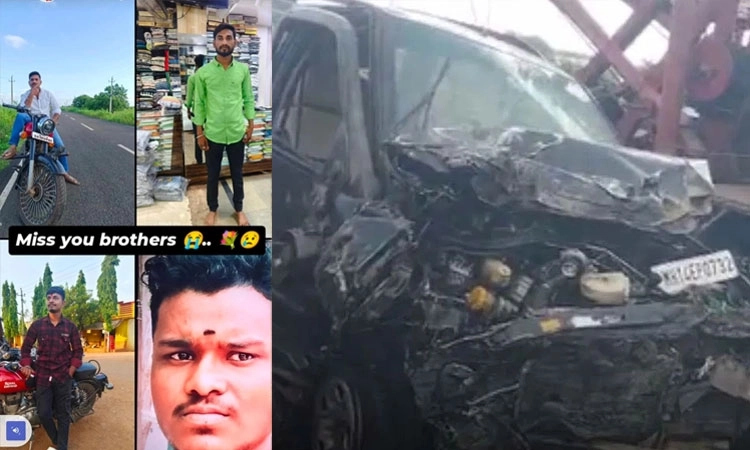
A devastating road accident in Maharashtra claimed the lives of four residents from Bidar, Karnataka, leaving families and the community in shock. The incident occurred when the vehicle in which the victims were traveling collided with a heavy-duty truck on a highway in the early hours. Preliminary reports suggest that the collision was severe, resulting in instantaneous fatalities for all four occupants. Local authorities and emergency services rushed to the scene, but the extent of damage and injuries left little chance of survival for the passengers.

Authorities have also highlighted the importance of fatigue management for long-distance drivers, noting that extended driving hours without rest significantly increase the risk of accidents. Recommendations include mandatory breaks, installation of monitoring devices in commercial vehicles, and awareness programs for drivers about the dangers of drowsy driving. These measures are being considered as part of broader road safety initiatives to reduce fatalities on interstate highways.

Insurance agencies have been called upon to streamline claims processes for families affected by road accidents. Timely disbursal of compensation can alleviate some financial burdens faced by victims’ relatives. Officials from both Karnataka and Maharashtra are coordinating with insurance providers to ensure that the families of the deceased receive due support without bureaucratic delays, emphasizing the human dimension of such tragedies.

The accident has also prompted discussions on technological interventions in commercial transport. Suggestions include equipping trucks with advanced collision-avoidance systems, GPS-based speed monitoring, and automated braking mechanisms. Experts argue that integrating technology into fleet operations can significantly reduce accidents and save lives, particularly on busy interstate highways where human error remains a major factor.

Community awareness campaigns are being intensified in both Karnataka and Maharashtra following the Bidar tragedy. Local authorities, NGOs, and social organizations are conducting workshops, distributing safety guidelines, and using media outreach to educate commuters about defensive driving, adherence to traffic rules, and the importance of vehicle maintenance. These efforts aim to create a culture of safety that complements regulatory and infrastructural measures.

The victims, all from the Bidar district, were reportedly traveling for work-related purposes when the accident occurred. Family members have expressed profound grief and demanded a thorough investigation into the circumstances that led to the collision. Authorities have initiated inquiries to determine factors such as vehicle speed, road conditions, and compliance with traffic regulations. The incident has brought renewed attention to road safety concerns, particularly for long-distance travelers in Maharashtra and neighboring states.

Bidar: Investigation and Police Response

Maharashtra Police have confirmed that the accident site has been cordoned off for investigation. Initial statements indicate that the truck driver sustained minor injuries and has been taken into custody for questioning. Investigators are examining whether driver fatigue, mechanical failure, or road hazards played a role in the collision. Traffic authorities have emphasized the need for strict adherence to speed limits and regular vehicle maintenance to prevent such tragedies.

The Karnataka state government has expressed condolences to the families of the deceased and assured assistance in transporting the bodies back to Bidar for last rites. Officials have also promised to extend support to the families, including financial aid and counseling services. Community leaders in Bidar have called for greater awareness regarding highway safety and have urged authorities to implement stricter monitoring measures to prevent similar accidents in the future.Four from Bidar killed as two cars collide head-on in Maharashtra

The tragic loss of four lives has sparked conversations about road infrastructure, enforcement of traffic laws, and the responsibility of drivers, especially those operating heavy vehicles. Experts point out that accidents involving trucks and buses often result in higher casualties due to the size and weight of the vehicles involved. They stress the importance of driver training, adherence to rest periods, and technological interventions like speed limiters and collision detection systems to enhance road safety.

Local residents in Bidar have organized memorial gatherings and prayers for the deceased, highlighting the emotional impact of the tragedy on the community. The incident has also prompted social media campaigns urging commuters to exercise caution and respect traffic rules. Families of the victims are calling for stricter penalties for negligent driving and better enforcement of road safety regulations.

Authorities have indicated that detailed accident reconstruction will be conducted to ascertain the exact cause of the collision. This process involves analyzing skid marks, vehicle damage, eyewitness accounts, and traffic camera footage where available. Findings from the investigation will inform both legal proceedings and potential preventive measures aimed at reducing road fatalities in the region.

Transportation experts suggest that long highway stretches connecting Karnataka and Maharashtra are particularly prone to accidents due to high-speed traffic, mixed vehicle types, and limited emergency response infrastructure. Recommendations include improving road signage, increasing patrolling frequency, and providing better facilities for drivers to rest and recover during long journeys.Bidar Car Accident: ಮಹಾರಾಷ್ಟ್ರದಲ್ಲಿ ಅಪಘಾತ: ಬೀದರ್ ತಾಲ್ಲೂಕಿನ ನಾಲ್ವರು ಸಾವು,  ಇಬ್ಬರಿಗೆ ಗಾಯ

The Maharashtra Police have appealed to citizens and media not to speculate about the incident until the investigation is complete. They emphasized that preliminary reports indicate no foul play but that all possibilities, including negligence or mechanical issues, are being considered. Authorities are coordinating with Karnataka counterparts to ensure a smooth and transparent investigation process.

In conclusion, the loss of four young lives from Bidar in this tragic road accident underscores the urgent need for improved road safety measures and heightened awareness among drivers and commuters. As investigations continue, families, authorities, and the wider community are grappling with grief while calling for stronger preventive actions. The incident serves as a stark reminder of the fragility of life on highways and the collective responsibility of drivers, authorities, and policymakers to prioritize safety.Four from Bidar killed in car accident near Maharashtra's Umarga |  Udayavani - Latest English News, Udayavani Newspaper

Local authorities have emphasized that immediate medical response is critical in reducing fatalities in road accidents. While in this case, the severity of the collision left little chance of survival, emergency services continue to focus on improving response times across highways connecting Karnataka and Maharashtra. Training for first responders, improved ambulance availability, and coordination between state transport departments are being highlighted as crucial steps to mitigate the consequences of such accidents in the future.

Witnesses at the accident scene reported that the truck involved was traveling at high speed, and the impact caused significant damage to the smaller vehicle. Eyewitness accounts are being used by police investigators to reconstruct the sequence of events. Authorities have stated that careful analysis of these statements, along with physical evidence such as skid marks and vehicle damage, will be critical in determining responsibility and preventing similar incidents.

The families of the victims have demanded accountability, particularly from commercial vehicle operators who often violate safety regulations. Many residents in Bidar have expressed concern over lax enforcement of speed limits, driver fatigue regulations, and vehicle maintenance standards. Public discourse is increasingly focusing on the need for stricter regulatory oversight and periodic inspections of trucks and buses on long interstate routes.

Community members in Bidar have organized support systems for the families affected by the tragedy. Local NGOs and social organizations are assisting with funeral arrangements, financial aid, and counseling for bereaved relatives. These efforts highlight the solidarity within the community and the recognition that accidents of this nature have long-lasting social and emotional repercussions.

Transport experts have noted that collisions involving trucks are disproportionately fatal due to the physical dynamics involved. The mass and momentum of commercial vehicles make it difficult for occupants of smaller vehicles to survive high-speed impacts. They recommend stricter regulations on maximum allowable speed, mandatory rest periods for drivers, and advanced safety features like electronic braking systems to minimize fatalities in future incidents.

The Maharashtra highway authorities have initiated measures to improve road infrastructure in accident-prone areas. This includes better signage, improved lighting, and resurfacing of damaged stretches to reduce hazards. By addressing both human and infrastructural factors, authorities aim to create safer conditions for long-distance commuters traveling between Karnataka and Maharashtra.

Legal proceedings related to the accident are underway, with the truck driver currently in police custody. Investigators are determining whether negligence, mechanical failure, or violation of traffic laws contributed to the crash. Pending completion of the inquiry, authorities have assured the families that justice will be pursued, emphasizing the need for a transparent and impartial investigation.

The state governments of Karnataka and Maharashtra are coordinating to ensure smooth repatriation of the victims’ bodies. Both administrations have extended assistance to the families for transport, legal formalities, and emotional support. This collaborative approach underscores the importance of inter-state coordination in managing the aftermath of tragic accidents, particularly when victims belong to a neighboring state.

Road safety advocacy groups have urged citizens to take proactive measures to prevent accidents, such as maintaining vehicles, adhering to speed limits, and avoiding overtaking in unsafe zones. They emphasize that while government intervention is critical, responsible driving practices by individuals remain the first line of defense against highway tragedies. Awareness campaigns and educational programs are being rolled out across both states to reinforce safe driving habits.

Finally, the Bidar community is grappling with grief while reflecting on broader systemic issues related to road safety. The loss of four residents serves as a somber reminder of the vulnerabilities on highways and the importance of comprehensive safety measures. Authorities, experts, and citizens are united in the call for improved infrastructure, stricter enforcement of traffic laws, and public awareness, aiming to prevent such tragedies from recurring in the future.

Further efforts are being made to provide comprehensive support to the affected families, including assistance in completing legal formalities, counseling for psychological trauma, and financial aid for funeral arrangements. Community organizations have pledged to work alongside government agencies to ensure that the tragedy is addressed with empathy and that lessons are drawn to prevent future accidents on major highways.

Follow: Karnataka Government

Also read: Home | Channel 6 Network – Latest News, Breaking Updates: Politics, Business, Tech & More

Social Educational Survey in Karnataka Now Runs Till October 31: Important Deadline

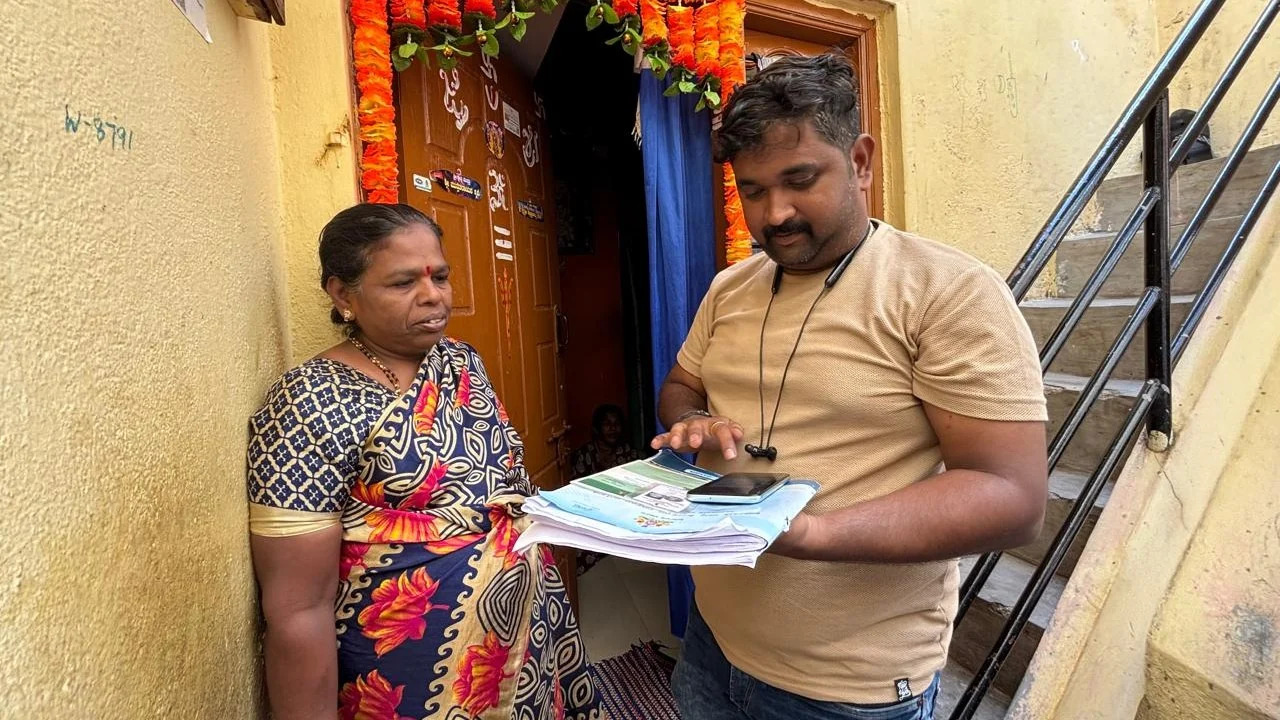
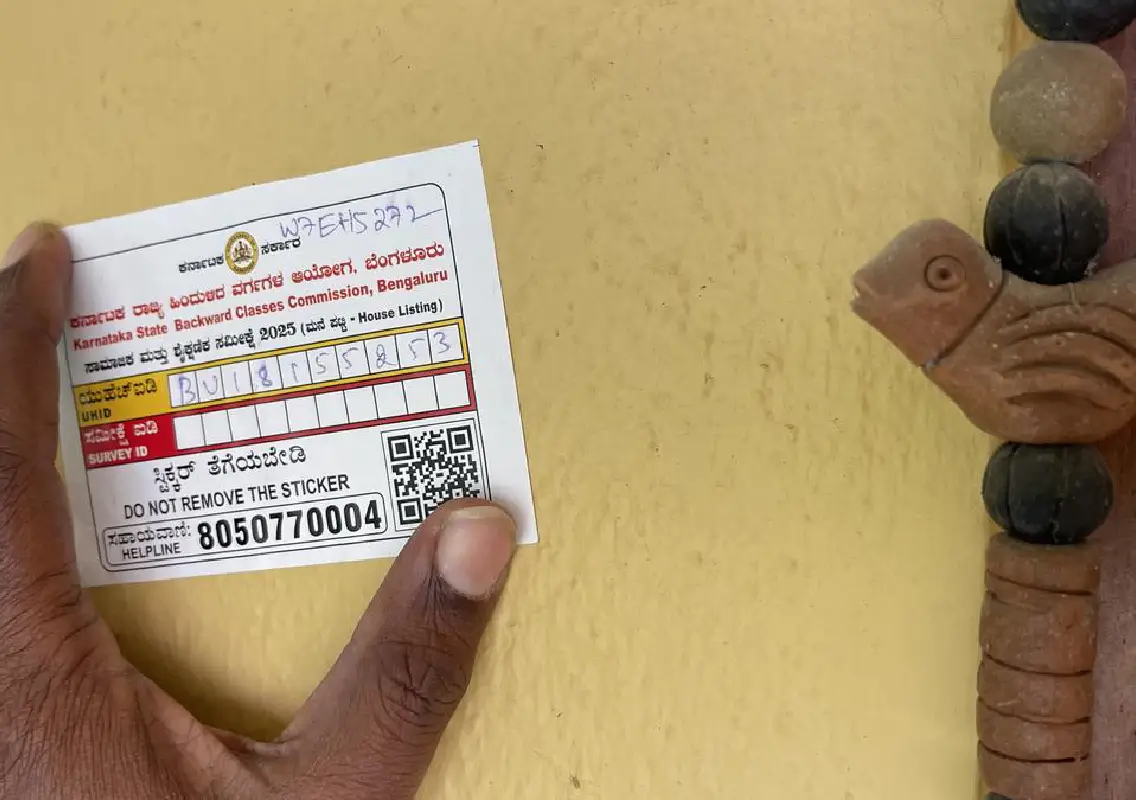
The Social Educational Survey conducted across Karnataka has been extended once again, with authorities announcing that data collection will now continue until October 31. Initially slated to conclude earlier this month, the extension aims to ensure comprehensive coverage of all households in both urban and rural areas, addressing gaps identified during fieldwork. The survey, which forms the basis for planning and implementation of government welfare schemes, has become a critical tool for policymakers to understand socio-economic conditions, educational attainment, and living standards across the state.

Officials have also emphasized the importance of training and supporting enumerators during the extended survey period. Refresher sessions on data collection techniques, digital tool usage, and ethical handling of sensitive information have been organized to enhance accuracy and efficiency. This ongoing capacity-building ensures that field staff are well-prepared to navigate challenges, maintain consistency in responses, and deliver high-quality data for analysis.

In addition, the extension provides an opportunity for authorities to cross-verify and validate previously collected information. Supervisors are conducting follow-up visits to households where discrepancies or incomplete entries were noted, ensuring that the final dataset is reliable and comprehensive. This meticulous approach will strengthen the credibility of the Social Educational Survey and ensure that policy decisions based on its findings are accurate and effective.

Officials stated that the extension is necessary to allow enumerators to reach remote areas, where logistical challenges and accessibility issues have delayed data collection. Households in hilly terrains, tribal regions, and border taluks have been particularly difficult to cover within the initial timeframe. By prolonging the survey period, authorities hope to ensure that every demographic is accurately represented in the final report, minimizing data discrepancies and ensuring equitable distribution of benefits.

Importance of the Survey and Its Scope

The Social Educational Survey is designed to collect detailed information on household composition, literacy levels, school enrollment, employment, income, and access to basic amenities. Data gathered forms the foundation for schemes targeting education, healthcare, nutrition, and social welfare. By extending the survey, the government seeks to capture the latest socio-economic trends and ensure that programs are aligned with the actual needs of citizens.

Enumerators, often recruited locally, have been trained to handle sensitive information while maintaining accuracy and confidentiality. They use standardized questionnaires and electronic devices to record data, which is later verified by supervisors to ensure reliability. Despite these measures, officials noted that unforeseen factors such as extreme weather, public holidays, and local events have slowed progress, necessitating the deadline extension.

The state government emphasized that participation in the survey is mandatory, and residents are encouraged to provide accurate information. Officials reassured citizens that personal details will be kept confidential and will only be used for policy planning purposes. Public awareness campaigns through local media and community meetings have been intensified to ensure maximum cooperation.Social Educational Survey extended again; it will continue till October 31  - The Hindu

Challenges Faced by Enumerators

Field staff have reported multiple challenges during data collection, including resistance from households wary of sharing personal information, difficulties in locating residents who work outside the home, and language barriers in multi-lingual regions. Additional training sessions and support systems have been provided to overcome these challenges. Authorities believe that the extended timeline will allow enumerators to navigate these obstacles effectively, ensuring data completeness.

Local administration officials are coordinating with schools, panchayats, and urban municipal bodies to facilitate access to households and maintain records of survey completion. This multi-tiered approach ensures that coverage is thorough and systematic, reducing the likelihood of missing households or duplicated entries. Supervisors conduct periodic checks to verify the accuracy of collected data and provide real-time guidance to enumerators.

The survey extension has also been welcomed by educational and social researchers who rely on timely and comprehensive data for analysis. Accurate and complete data sets enable them to identify gaps in literacy, school infrastructure, and social indicators, thereby informing policy recommendations and academic studies. Researchers note that partial or incomplete surveys could lead to flawed conclusions and ineffective program design.

Civil society groups have expressed support for the government’s decision to extend the survey period, emphasizing the importance of including marginalized and underserved communities. They have urged local authorities to prioritize remote areas, ensure enumerator safety, and maintain transparency in data handling. Community participation is being encouraged to foster trust and facilitate smoother data collection.Karnataka Survey: Social-Educational Survey Extended to Oct 31

As the survey continues, authorities are also digitizing data for quicker processing and analysis. Electronic data collection reduces manual errors, accelerates reporting, and enables real-time monitoring of fieldwork progress. The government aims to release preliminary findings shortly after the completion of the extended survey period, ensuring that policy decisions are based on the most up-to-date information.

In conclusion, the extension of the Social Educational Survey till October 31 reflects the Karnataka government’s commitment to inclusive and data-driven governance. By allowing additional time for comprehensive coverage, authorities aim to ensure that all households, especially those in remote or hard-to-reach areas, are included. The findings of this survey will play a pivotal role in shaping social, educational, and welfare policies, reinforcing the state’s focus on equitable development and informed decision-making.Social, Educational Survey in Bengaluru Extended Till October 31 | News  Karnataka

The extension of the Social Educational Survey has been strategically planned to allow enumerators to focus on areas where previous attempts faced difficulties. In several districts, particularly in the northern and western regions of Karnataka, enumerators encountered logistical obstacles due to rough terrain and dispersed villages. By extending the survey period, authorities aim to mitigate these challenges, ensuring that households in remote locations are accurately documented. This approach reflects a commitment to equitable representation and avoids the risk of excluding vulnerable populations from critical welfare programs.

Local administration officials have intensified efforts to monitor enumerator progress, deploying supervisors to conduct field audits and verify entries. These measures aim to maintain data quality and prevent errors that could compromise the accuracy of the survey. In addition, enumerators are being encouraged to liaise with local community leaders to facilitate trust and cooperation among residents. The collaborative approach between government officials, community leaders, and field staff ensures that the survey process remains efficient, reliable, and transparent.

Education departments have highlighted that the survey’s extension provides a critical opportunity to assess gaps in school enrollment and literacy rates across diverse regions. Preliminary reports indicate disparities in enrollment between urban and rural areas, with rural students facing challenges such as long travel distances, lack of infrastructure, and socio-economic constraints. Accurate data from the extended survey will allow policymakers to design targeted interventions, including scholarship programs, school transportation facilities, and infrastructure improvements tailored to local needs.

Another key focus of the survey is assessing the status of educational infrastructure, including classroom availability, sanitation facilities, and access to digital learning tools. With the rapid expansion of online and hybrid learning models, understanding regional disparities in access to technology is essential. The extended timeline ensures that survey teams can collect detailed information, particularly in villages where electricity supply and internet connectivity are inconsistent, helping authorities plan digital literacy initiatives effectively.

Health and nutrition indicators are also being closely monitored through the extended survey. Data on child malnutrition, vaccination coverage, and maternal health practices are essential for the implementation of state and central government health schemes. By covering previously unrepresented areas, the survey will provide a comprehensive picture of public health challenges, enabling targeted interventions such as immunization drives, nutritional supplementation programs, and health awareness campaigns in underserved communities.

Socio-economic data collection, including household income levels, employment status, and access to government welfare programs, is another crucial component of the extended survey. Accurate income data helps authorities assess the effectiveness of poverty alleviation initiatives and identify households that are not benefiting from existing schemes. The extension allows enumerators to revisit households where members may have been unavailable previously, ensuring that data reflects the actual socio-economic conditions across the state.

Community feedback and perception data are also being captured during the survey, providing insights into public satisfaction with government services, educational institutions, and healthcare facilities. This qualitative information complements quantitative data, helping policymakers understand the lived experiences of residents. The extension period enables enumerators to conduct more in-depth interviews and gather comprehensive feedback, which is critical for refining policy decisions and improving service delivery.

The survey has mobilized a significant workforce, including temporary enumerators, supervisors, and technical staff, contributing to local employment opportunities. With the extension, these personnel remain engaged longer, enhancing their skills in data collection, digital tools usage, and field coordination. The experience gained by this workforce also strengthens the state’s capacity to conduct large-scale surveys in the future, ensuring that Karnataka maintains robust mechanisms for social and educational data gathering.

Civil society organizations have played an active role in supporting the extended survey period, assisting in community awareness, mobilization, and verification of data. Their involvement helps bridge the gap between the government and residents, fostering trust and cooperation. Community participation ensures that households understand the purpose of the survey and the confidentiality of information, increasing the likelihood of accurate and complete data collection.

Finally, the extension of the Social Educational Survey till October 31 underscores Karnataka’s commitment to data-driven governance and inclusive development. By allowing additional time for comprehensive coverage, authorities aim to capture the realities of all households, particularly those in remote or marginalized regions. The findings from this survey will directly influence policy planning, resource allocation, and program implementation, ensuring that government initiatives are informed by accurate data and address the genuine needs of the population across Karnataka.

Follow: Karnataka Government

Also read: Home | Channel 6 Network – Latest News, Breaking Updates: Politics, Business, Tech & More

Karnataka Invites ETH Zurich Quantum Pioneer to Quantum India Summit in Bengaluru: Surprising 1 Scientific Bold Leap

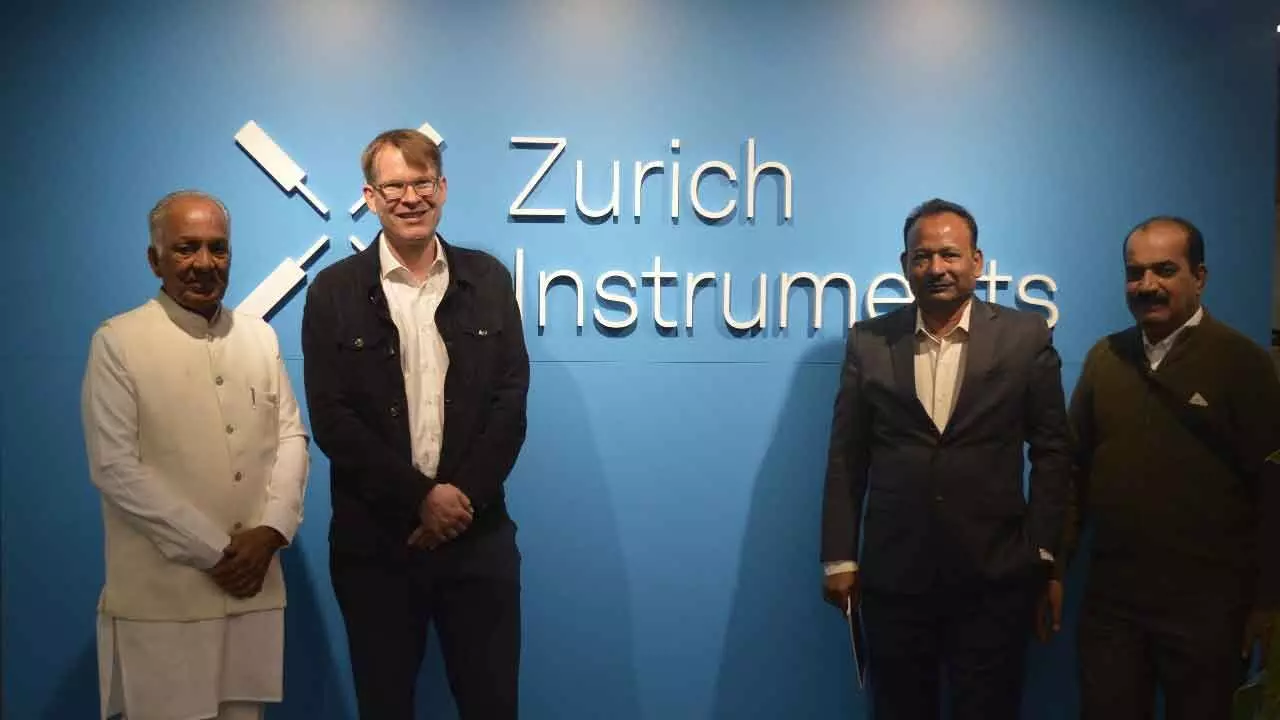
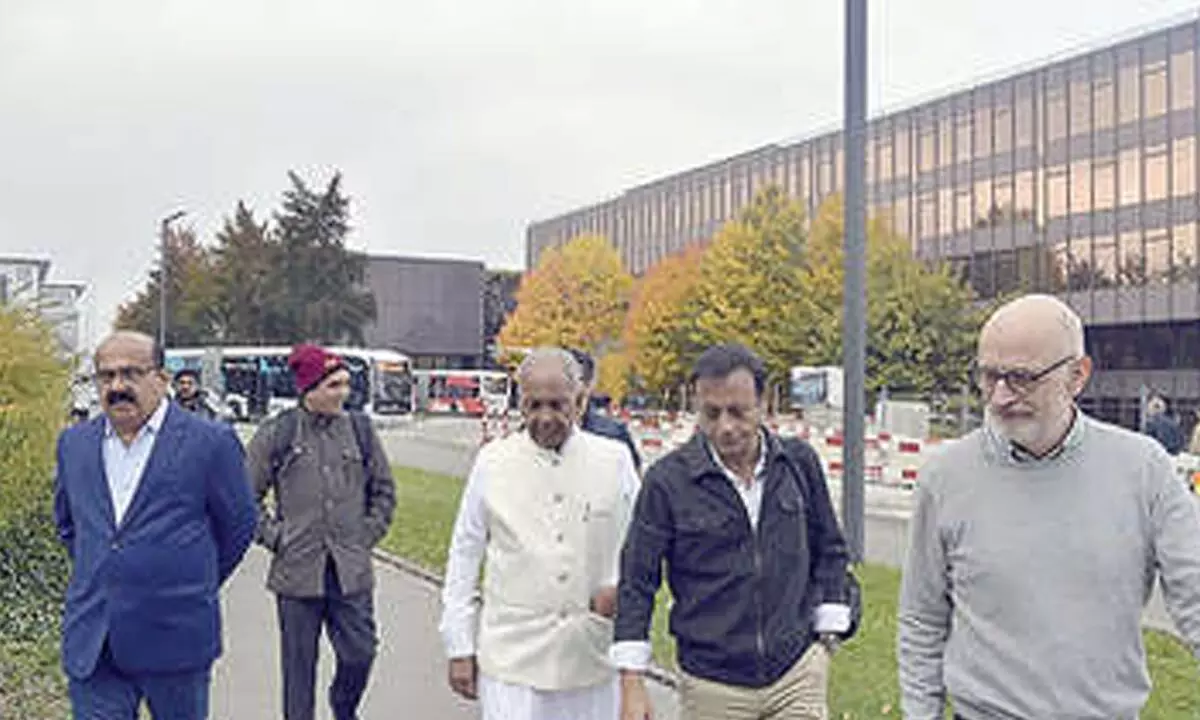
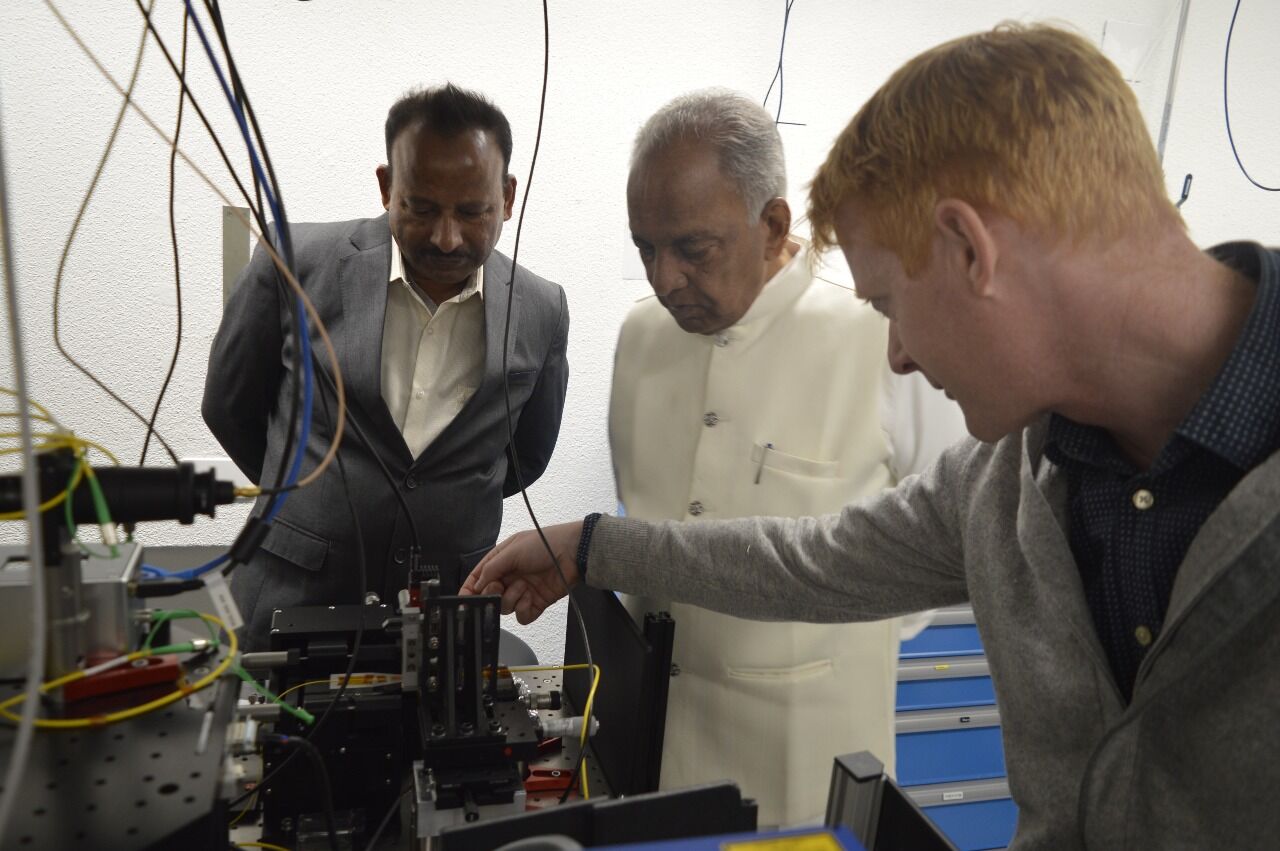
Karnataka is set to strengthen its position as a hub for cutting-edge research and technology by inviting a leading quantum scientist from ETH Zurich to participate in the next Quantum India Summit, scheduled to be held in Bengaluru. The invitation was extended by the state government to showcase India’s growing capabilities in quantum computing and to facilitate knowledge exchange between international experts and local researchers. The participation of the Swiss-based pioneer underscores Karnataka’s commitment to positioning itself at the forefront of emerging technologies and quantum innovation.

The inclusion of ETH Zurich’s quantum expert at the Quantum India Summit is expected to inspire a new generation of scientists and students in Karnataka. By interacting with world-class researchers, students will gain exposure to advanced concepts in quantum computing, quantum simulation, and entanglement experiments. Such interactions are likely to motivate young researchers to pursue careers in quantum technologies, ensuring a steady pipeline of talent for both academia and industry.

Local universities are preparing to host joint workshops and seminars alongside the summit. These sessions will cover quantum programming languages, error correction techniques, and hardware-software integration strategies. Faculty members believe that hands-on workshops and live demonstrations by international experts will significantly enhance students’ practical understanding, bridging the gap between theoretical knowledge and real-world applications.

Startups in Bengaluru’s technology ecosystem view the summit as a unique opportunity to access mentorship and guidance from global leaders. Many quantum startups struggle with scaling algorithms and optimizing hardware; exposure to ETH Zurich’s methodologies could help overcome these barriers. By fostering collaboration between startups and international experts, Karnataka aims to accelerate commercialization and encourage innovative applications in finance, healthcare, and cybersecurity.

Government officials have emphasized that the summit is part of a broader strategy to position Karnataka as a global hub for quantum innovation. Investment in state-of-the-art labs, research grants, and incubators are being aligned with the summit’s objectives. These initiatives are intended to create an ecosystem where cutting-edge research translates into tangible societal and economic benefits.

The participation of international experts also highlights the importance of cross-border collaborations in quantum science. Sharing knowledge across institutions enables researchers to tackle complex problems more efficiently. For instance, ETH Zurich’s team has made breakthroughs in quantum error correction, which could be directly applied to projects in India, improving the reliability and performance of emerging quantum systems.

Students and young researchers are expected to benefit from mentorship programs, where international scientists will provide guidance on thesis projects, research design, and experimental methodologies. Such mentorship is crucial in developing high-quality research output that can be published in top-tier journals, thereby increasing India’s global standing in quantum research.

The summit is also set to include panels on ethical and societal implications of quantum technologies. Experts will discuss privacy concerns, quantum cryptography, and the potential for misuse of advanced computational capabilities. Karnataka aims to establish a framework that balances innovation with ethical responsibility, ensuring that quantum technology is used for societal benefit.

Industry stakeholders have expressed interest in forming partnerships with academic institutions during the summit. Companies are exploring opportunities for joint research projects, internships, and technology transfer agreements. Such collaborations will allow startups and established firms to harness advanced quantum algorithms and hardware for real-world problem-solving, boosting regional innovation.

The Karnataka government is leveraging the summit to promote Bengaluru as a destination for international conferences and research collaborations. By consistently hosting global experts, the state expects to attract researchers, investors, and policymakers, creating a virtuous cycle of knowledge exchange, innovation, and economic development in the quantum sector.

Finally, the Quantum India Summit in Bengaluru is expected to leave a long-term impact on India’s quantum landscape. By combining international expertise, local talent, and industry participation, Karnataka aims to build a sustainable ecosystem for research, innovation, and entrepreneurship. The involvement of ETH Zurich’s quantum pioneer symbolizes the state’s commitment to global collaboration, technological excellence, and the advancement of India’s position in the emerging field of quantum technologies.

The Quantum India Summit, which attracts top scientists, academicians, and industry leaders, has emerged as a critical platform for discussing breakthroughs in quantum computing, quantum communication, and related technologies. Karnataka, which houses premier research institutes, tech parks, and IT hubs, sees the summit as an opportunity to connect domestic talent with global experts, fostering collaboration and accelerating the adoption of quantum solutions in practical applications.

Bridging Global Expertise with Local Innovation: ETH

ETH Zurich, known for its pioneering research in physics, computer science, and quantum technology, has contributed significantly to the development of quantum algorithms and quantum hardware. The invited scientist has been instrumental in several breakthroughs, including experimental demonstrations of quantum supremacy and innovations in error-correcting quantum systems. Karnataka’s outreach reflects a strategy to bring global expertise directly into the local ecosystem, enabling Indian researchers to gain insights into state-of-the-art methodologies and experimental approaches.

The participation of an ETH Zurich quantum pioneer is expected to include keynote sessions, technical workshops, and interactive discussions with students and professionals in Bengaluru. These sessions will focus on the challenges of scaling quantum systems, developing quantum-resistant cryptography, and exploring industrial applications ranging from drug discovery to logistics optimization. The summit aims to create a collaborative environment where knowledge flows freely between academia, startups, and established tech companies.

Karnataka’s Chief Minister highlighted the importance of global partnerships in emerging technologies, stating that collaboration with international experts can accelerate innovation and build domestic capabilities. The state government has identified quantum technology as a key pillar of its technology roadmap, with initiatives designed to support startups, fund research, and develop specialized training programs for students and professionals. These measures aim to ensure that Karnataka remains competitive on the global stage in an era dominated by emerging technologies.Karnataka Strengthens Ties with ETH Zurich to Advance Quantum Research

The summit will also serve as a platform to explore policy frameworks and regulatory considerations necessary for the responsible deployment of quantum technologies. Experts are expected to discuss ethical considerations, data security implications, and the integration of quantum systems into existing digital infrastructure. Karnataka aims to position itself as not only a technological hub but also a center for policy thought leadership in quantum sciences.K'taka strengthens ties with ETH Zurich to promote quantum research

Academic institutions in Bengaluru, including premier universities and research centers, are gearing up to leverage the summit for collaborative research initiatives. Faculty members and students anticipate gaining practical exposure to experimental quantum setups, simulation techniques, and algorithm design processes. Such exposure is expected to enhance local research output and encourage participation in global quantum research collaborations.

Industry players in Karnataka are equally attentive to the summit, viewing it as an opportunity to understand the commercial potential of quantum technologies. Startups and established companies are exploring quantum computing applications in finance, healthcare, logistics, and cybersecurity. By interacting directly with international pioneers, local enterprises can identify emerging trends, potential partnerships, and pathways for integrating quantum solutions into their operations.

In addition to technical discussions, the summit will feature forums on entrepreneurship and innovation in quantum technologies. Participants will be encouraged to explore commercialization strategies, funding opportunities, and collaborative projects that bridge theoretical research and practical applications. Karnataka aims to nurture a vibrant ecosystem where knowledge, innovation, and entrepreneurship intersect.

The invitation to ETH Zurich’s quantum expert also symbolizes Karnataka’s broader ambition to position Bengaluru as India’s “Quantum Capital.” By hosting leading scientists and innovators, the state seeks to attract talent, funding, and global attention to its quantum research initiatives. This aligns with India’s national vision of fostering indigenous capabilities in next-generation technologies while remaining an active participant in the global scientific community.

The Quantum India Summit in Bengaluru is expected to have a lasting impact on the local scientific and technological landscape. By connecting global expertise with domestic talent, Karnataka aims to foster a culture of innovation, build advanced research infrastructure, and promote interdisciplinary collaboration. The participation of ETH Zurich’s quantum pioneer is not just a symbolic gesture but a practical step toward realizing a robust quantum ecosystem in the state.Karnataka Strengthens Ties with ETH Zurich to Advance Quantum Research

Looking ahead, Karnataka plans to continue its engagement with international experts, expand research grants, and facilitate public-private partnerships in quantum technology. The state government believes that sustained investment in research, human capital, and infrastructure will ensure that Bengaluru remains at the forefront of the global quantum revolution, translating cutting-edge science into tangible benefits for industry, academia, and society at large.

Industry players in Karnataka are equally attentive to the summit, viewing it as an opportunity to understand the commercial potential of quantum technologies. Startups and established companies are exploring quantum computing applications in finance, healthcare, logistics, and cybersecurity. By interacting directly with international pioneers, local enterprises can identify emerging trends, potential partnerships, and pathways for integrating quantum solutions into their operations.

Karnataka is set to strengthen its position as a hub for cutting-edge research and technology by inviting a leading quantum scientist from ETH Zurich to participate in the next Quantum India Summit, scheduled to be held in Bengaluru. The invitation was extended by the state government to showcase India’s growing capabilities in quantum computing and to facilitate knowledge exchange between international experts and local researchers. The participation of the Swiss-based pioneer underscores Karnataka’s commitment to positioning itself at the forefront of emerging technologies and quantum innovation.

Follow: Karnataka Government

Also read: Home | Channel 6 Network – Latest News, Breaking Updates: Politics, Business, Tech & More

Karnataka Deputy CM Shivakumar Seeks Proof on BJP Fundraising Allegations Ahead of Bihar Polls: Urgent 3 Political Demand

Karnataka’s Deputy Chief Minister and Congress leader D. K. Shivakumar has called on the Bharatiya Janata Party (BJP) to substantiate its allegations of illicit fundraising by his party, amid heightened political tensions as Bihar prepares for its assembly elections. Shivakumar, a senior Congress strategist and key leader in Karnataka, asserted that mere accusations without evidence are “political theatrics” aimed at creating a false narrative ahead of the crucial Bihar polls. The demand for evidence comes against a backdrop of ongoing national scrutiny of political funding, with multiple parties facing allegations of unaccounted donations and campaign financing irregularities.

Shivakumar’s statement on Thursday underlined the need for transparency and accountability, emphasizing that unverified claims only serve to mislead the public and tarnish the political process. He challenged the BJP leadership to present concrete documents or records supporting its accusations, reiterating that the Congress party has consistently adhered to legal and electoral funding norms. By framing the issue as a matter of public record and accountability, Shivakumar sought to shift the conversation from partisan politics to institutional responsibility.

Backdrop of Allegations and Political Context

The BJP had recently alleged that the Congress party collected large amounts of funds in violation of electoral funding rules, asserting that such unaccounted funds could potentially influence voter behavior in upcoming elections. While the BJP did not provide immediate evidence, the claims were amplified by party spokespersons and social media platforms, creating a wave of political commentary and speculation. Analysts note that the timing of the allegations — weeks before the Bihar assembly elections — indicates an attempt to preemptively undermine the credibility of Congress leaders across multiple states.

Shivakumar, who has been actively involved in electoral strategy for the Congress, particularly in southern states, dismissed these claims as politically motivated. He pointed out that electoral funding is strictly monitored by the Election Commission of India (ECI) and that all legitimate donations are accounted for according to statutory norms. The Deputy CM also reminded political opponents that India’s legal framework provides mechanisms for investigation and verification, and that allegations without supporting evidence are liable to backfire politically.Karnataka Deputy CM Shivakumar asks BJP for evidence on fundraising  allegations ahead of Bihar polls - The Hindu

The Bihar elections, scheduled for later this year, have intensified political maneuvering nationwide, as parties seek to establish narrative dominance and influence voter perception. Shivakumar’s demand for proof can be seen as an effort to challenge the BJP’s credibility, while simultaneously reinforcing Congress’s image as a law-abiding party. In recent months, both parties have accused each other of irregularities in various states, making the political climate increasingly charged and confrontational.

Shivakumar’s Legal and Political Position

As Karnataka Deputy CM and Finance Minister, Shivakumar is familiar with state and national funding regulations, making his rebuttal more than a rhetorical exercise. He argued that political parties must not only act within legal frameworks but also uphold moral responsibility when making public accusations. “The people deserve the truth, not hearsay and baseless claims. If the BJP has evidence, it should produce it immediately,” he stated, emphasizing that political discourse should prioritize transparency over sensationalism.

Shivakumar also highlighted the potential risks of unsubstantiated allegations in the public domain. He noted that misinformation about political funding can create unnecessary confusion among voters, potentially eroding trust in democratic institutions. By demanding documented proof, he positioned the Congress party as advocating for accountability and proper governance while casting the BJP’s claims as partisan and unverified.

Analysts suggest that Shivakumar’s approach reflects a broader strategy to protect Congress leaders from negative narratives in key election battlegrounds. Karnataka, being a politically significant state with strong party machinery, often sees its leaders’ actions scrutinized nationally. By taking a firm stance on the Bihar funding allegations, Shivakumar aims to preemptively defend the party and assert that political discourse should be grounded in verifiable facts.

Broader Implications for National Politics

The ongoing debate over political funding has wider ramifications for national politics, particularly in states like Bihar, where elections are highly competitive and voter sentiment is fluid. Allegations of unaccounted donations can influence media narratives and voter perceptions, making it imperative for parties to respond promptly and with clarity. Shivakumar’s insistence on evidence reinforces the need for accountability in political campaigns and underscores the role of the Election Commission in monitoring party funding.

Political observers also note that such exchanges between senior leaders of rival parties can serve multiple functions: they signal internal party discipline, reassure supporters, and challenge opponents’ credibility. Shivakumar’s public statements are aimed at consolidating Congress’s position while framing the BJP as relying on conjecture rather than facts. The Deputy CM’s call for transparency aligns with the broader democratic principle that accusations should be substantiated with evidence rather than speculation.

Shivakumar’s challenge to the BJP comes at a time when the political environment is increasingly polarized, and social media amplifies every claim and counterclaim. Analysts point out that public calls for proof not only pressure opponents to act responsibly but also engage voters in a debate about governance, accountability, and political ethics. By emphasizing evidence-based discussion, Shivakumar attempts to steer political narratives toward factual discourse rather than emotional or sensational reactions.DK Shivakumar asks BJP for evidence on fundraising allegations ahead of Bihar  polls

Reactions and Political Tensions

Following Shivakumar’s statements, political commentators observed a rise in public debate, with both supporters and critics weighing in on the implications of the allegations. Some BJP leaders reiterated their claims, urging investigations and legal scrutiny. However, Shivakumar’s insistence on formal documentation and procedural rigor challenges these assertions and highlights the procedural gaps in making unverified public accusations.

Congress leaders have largely supported Shivakumar’s demand, describing it as a responsible approach to political engagement. They argue that calling out unsubstantiated claims protects the integrity of the democratic process and ensures that voters receive information grounded in verifiable facts. By framing the debate as one of evidence and accountability, Congress leaders seek to differentiate themselves from what they describe as politically motivated campaigns that rely on misinformation.

Observers also note that Shivakumar’s approach may influence political strategy in other states, particularly where elections are upcoming. By setting a precedent for demanding evidence, leaders aim to deter the spread of false narratives and encourage a more disciplined political dialogue. This could lead to increased scrutiny of fundraising claims across parties and promote adherence to statutory reporting norms.

Political Strategy Ahead of Bihar Polls

The Bihar elections are critical for national parties seeking to expand their influence in eastern India. Funding allegations, if left unchallenged, could potentially sway undecided voters. Shivakumar’s insistence on proof is part of a larger strategy to neutralize political attacks before they gain traction. By publicly challenging the BJP, he not only defends Congress’s credibility but also signals vigilance and preparedness to the electorate.

Political analysts suggest that the Deputy CM’s approach combines legal awareness with electoral strategy. By demanding documented evidence, Shivakumar frames the debate within procedural norms and safeguards the party’s image. This strategy also highlights the Congress’s commitment to transparency, aiming to reassure both supporters and neutral observers of the party’s integrity.

Furthermore, the emphasis on verified information is consistent with a broader trend in Indian politics, where social media and rapid news cycles can amplify unverified claims. Shivakumar’s stance underscores the importance of responsible political communication and adherence to legal frameworks governing electoral funding. By demanding proof, he aims to ensure that political debates remain fact-driven and accountable.

Conclusion: Accountability, Transparency, and Democratic Norms

Deputy Chief Minister D. K. Shivakumar’s demand for evidence from the BJP underscores the growing importance of accountability and transparency in Indian politics. With Bihar’s elections approaching, the debate over political funding and campaign financing has intensified. Shivakumar’s insistence on verifiable documentation serves as a reminder that public accusations must be substantiated, reinforcing the principles of democratic governance.Bihar Elections: Deputy CM Challenges BJP Evidence on Fundraising Claims

The ongoing dialogue between the two parties highlights the interplay between legal compliance, political strategy, and public perception. As parties prepare for elections, the focus on evidence-based claims may shape not only the immediate electoral outcomes in Bihar but also broader standards of political discourse in India. By calling for proof, Shivakumar positions Congress as a party committed to procedural rigor, ethical standards, and factual accountability, challenging opponents to do the same.

Ultimately, this exchange between Karnataka’s Deputy CM and the BJP emphasizes that political debate in a democracy must balance vigorous contestation with factual integrity. For voters and citizens, the issue serves as a critical lesson: allegations, especially concerning funding, must be backed by evidence to ensure informed decision-making and uphold the credibility of democratic institutions. Shivakumar’s demand is more than a defensive political stance; it is a call for responsible politics in the lead-up to a pivotal election.

The Bihar elections will test not only party strategies but also the effectiveness of legal and institutional mechanisms in ensuring transparency in political financing. How parties respond to demands for accountability may shape public trust, influence voter sentiment, and set precedents for how allegations are addressed in future electoral contests across India.Shivakumar also emphasized that accountability is a two-way street: while parties must provide evidence when making allegations, they themselves remain open to scrutiny under the law.

He reiterated that the Congress party is prepared to cooperate fully with investigative agencies and the Election Commission, underscoring a commitment to lawful conduct. By framing the issue this way, Shivakumar reinforced the principle that political competition should not compromise ethical standards, sending a clear message that transparency and responsibility are non-negotiable in India’s democratic process.

Follow: Karnataka Government

Also read: Home | Channel 6 Network – Latest News, Breaking Updates: Politics, Business, Tech & More