Sunday, May 17, 2026
Home Blog Page 403

Govt Medical College and Hospital in Puttur: Transformative 1 Promise of Hope

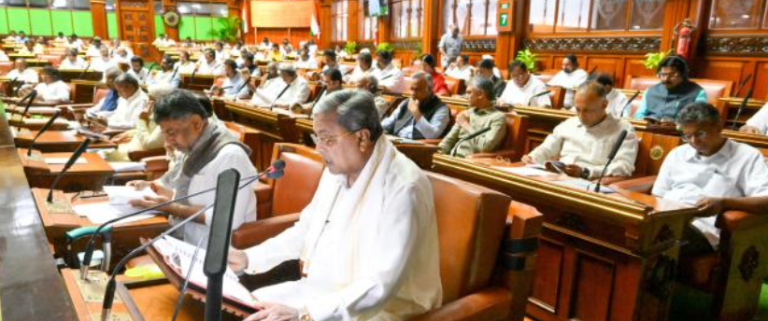
At a Diwali‑festival event in Puttur, the Siddaramaiah government in Karnataka reaffirmed a longstanding commitment to establish a full‑fledged government medical college and its attached hospital in the taluk headquarters of Puttur. The Chief Minister declared that there should be “no doubt” about the project’s eventual realisation, signalling a renewed urgency in realising health‑care infrastructure in one of the coastal district’s under‑served areas.

The announcement by the Chief Minister has been met with a wave of optimism among local residents, who have long felt neglected in terms of healthcare infrastructure. For years, people from Puttur and surrounding taluks have had to travel to Mangaluru or other cities for specialized medical treatment, which often delays critical care. The new medical college and hospital promise to provide timely treatment for both routine and emergency cases, reducing travel time and associated costs for families.

Healthcare workers in the region have welcomed the move, noting that a fully functional hospital will not only improve patient care but also create employment opportunities for doctors, nurses, technicians, and support staff. With the expansion of the existing hospital, recruitment drives for trained professionals are expected to begin, addressing staffing shortages that have long hampered quality healthcare in the district.

Medical students in and around Dakshina Kannada see this project as a milestone for their academic aspirations. Government medical colleges offer more affordable tuition than private institutions, and the addition of a new college in Puttur will increase seat availability for aspiring doctors. This could reduce the need for students to relocate far from home, easing financial and logistical burdens on families.

Community leaders have emphasized the broader social benefits of the medical college. They argue that improved healthcare infrastructure attracts investment and fosters development in related sectors, including pharmacies, diagnostic labs, and housing for students and staff. This can contribute to a more vibrant local economy and elevate Puttur’s status as a regional hub for health and education.

The phased approach to the project, starting with the hospital expansion and later construction of the college, is designed to ensure that each stage meets regulatory requirements. Officials are keen to avoid the delays that have plagued similar projects in other districts, ensuring that the college can begin academic sessions within a reasonable timeline. Infrastructure planning, faculty recruitment, and equipment procurement are all being prioritized.

Local residents have also highlighted the potential for improved maternal and child healthcare services. With a larger hospital and specialized departments, women will have access to prenatal and postnatal care closer to home. Pediatric care will similarly benefit from specialized facilities, reducing infant and child mortality rates and improving overall community health outcomes.

The government’s promise has also generated interest from NGOs and community organizations, which hope to collaborate with the medical college on public health initiatives. Programs on disease prevention, nutrition, and health awareness campaigns could be integrated into the college curriculum, providing students with hands-on experience while benefiting the broader population.

Political analysts suggest that the Chief Minister’s strong commitment to this project also carries electoral significance. Coastal Karnataka has historically felt underrepresented in terms of state-funded infrastructure. Delivering on this promise could strengthen the government’s credibility and support base in the region, highlighting the importance of tangible development projects for public trust.

The integration of the hospital with academic training is another critical factor. Students will gain practical experience in patient care under supervised conditions, which is essential for producing competent healthcare professionals. This symbiotic relationship between education and service ensures that both students and the local population benefit simultaneously.

Finally, experts stress that monitoring and accountability will be key to the success of this project. Regular audits, transparent reporting, and adherence to national medical standards will ensure that the medical college and hospital fulfill their intended purpose. Residents hope that with political will, administrative diligence, and community engagement, Puttur’s long-awaited medical college and hospital will finally become a reality, transforming healthcare access and educational opportunities in the region.

Govt Medical College, hospital will come up in Puttur at any cost, reiterates  Chief Minister - The Hindu

Background & Project Details: A Long‑Pending Demand

For decades, residents of the Puttur area and its surrounding taluks have sought a government medical college, noting the absence of such an institution despite the region being home to several private medical colleges. In the 2025‑26 state budget, the government officially sanctioned a medical college in Puttur, prompting local celebration and renewed expectations.

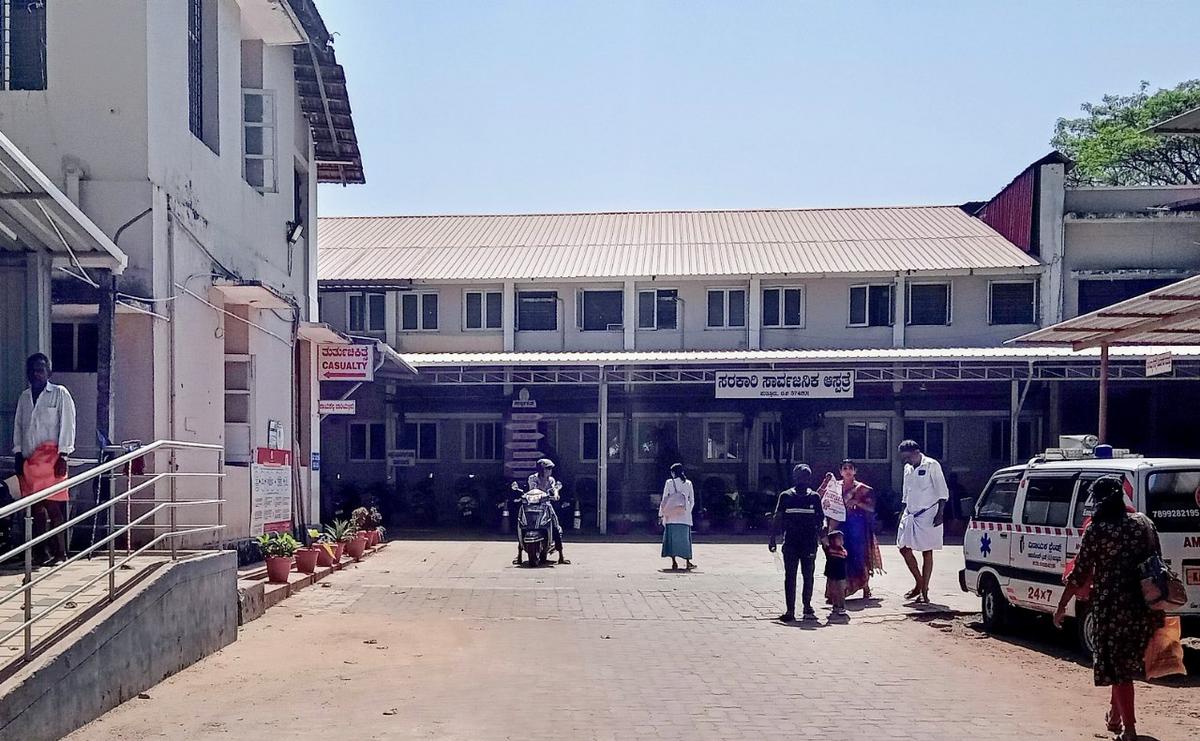
The proposed plan involves upgrading the existing 100‑bed taluk hospital in Puttur in a phased manner. In the first phase, it will be expanded to 250 or more beds, then further scaled up, and alongside the hospital the medical college will be constructed on a 40‑acre land parcel in the Sediyapu/Bannur area. Local officials indicate that once the hospital reaches the required size and functional capacity, the college can be chartered, with undergraduate and later postgraduate programmes.CM announces govt. medical college for Puttur - The Hindu
Political and Social Implications

The Chief Minister’s strong language comes at a time when coastal Karnataka remains one of the few regions in the state without a government‑run medical college. By promising this in Puttur, the government appears to be addressing historical regional imbalances in health‑care access and education opportunities.

Local MLA Ashok Kumar Rai has been actively pushing the project, mobilising public support and stressing that the upgrade of the hospital and the land allocation are major steps forward. Privately, he and others say the win is symbolic for the taluk — a first for a subdivision headquarters in Dakshina Kannada.

The broader promise from the Chief Minister, that every district should have a government medical college and hospital, also raises expectations across the state that similar commitments will not stay on paper.

Challenges and Timelines: What Needs to Happen

Despite the official announcements, bureaucratic and logistical hurdles remain. The phased upgrade must ensure the hospital meets criteria such as bed strength, specialties, infrastructure, and faculty deployment. Experts emphasise that building classrooms is not enough; adequate doctors, clinical departments and support staff are also vital. The Chief Minister himself recognised this.

Land reservation appears secured (around 40 acres), but the Detailed Project Report (DPR), tendering, funding allocation and construction timelines are still in progress. Local stakeholders warn that delays in tendering or fund release could stall the momentum.

In addition, patient load projections, integration of the hospital with academic functions, regulatory approvals for the medical college, and ensuring postgraduate and paramedical wings are all future hurdles that will test the seriousness of the commitments.

Why This Matters: Health, Education & Local Economy

For thousands of residents in the Puttur taluk and surrounding hinterlands, the arrival of a government medical college plus hospital means better access to tertiary health care without travelling long distances. It offers improved maternal and neonatal care, specialised treatments and a boost for emergency services. With the hospital upgrade, local patient‑care capacity will grow.Government taluk hospital in Puttur will be upgraded in two phases for  opening a medical college, says CM Siddaramaiah - The Hindu
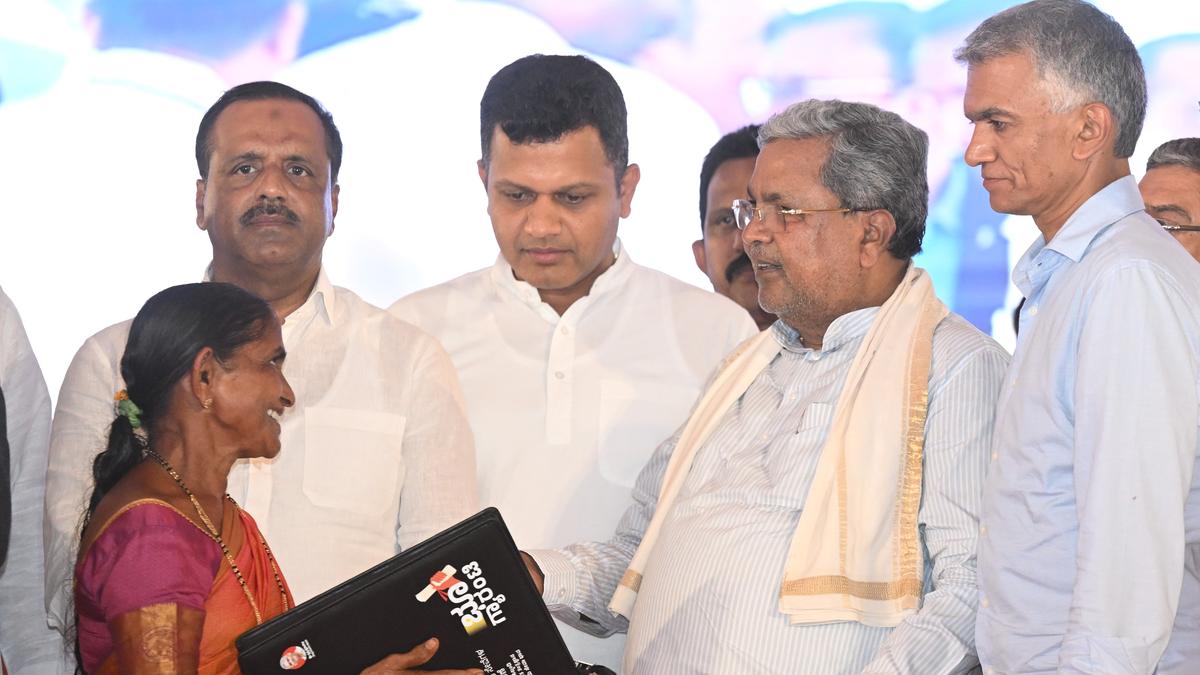
From an educational standpoint, medical seats in government colleges are highly sought after, and a new institution would widen opportunities for students from this region who may otherwise have to compete in far‑away competitive settings. For the local economy, construction, staffing, allied services and student population influx can generate jobs and related development.

Hence the statement “at any cost” by the Chief Minister is more than rhetoric — it resonates with community aspirations for upliftment through public infrastructure.

Cautious Optimism & “Now‑It‑Must‑Happen” Mindset

While optimism runs high, many local voices emphasise: this time the outcome must follow. Residents say they have witnessed similar announcements in the past that stalled or got delayed. The difference now, they hope, is the political push and the clear timeline being suggested. But optimism remains cautiously tempered until visible progress — like the bed upgrade, foundation‑stone ceremonies, contractors commencing work — begins.

The promise from the Chief Minister’s public address that “there should be no doubt” aims to anchor accountability. But administrative follow‑through will determine whether Puttur’s health‑care landscape shifts or the project remains aspirational.

In sum, the declaration by the Karnataka government that the proposed medical college and hospital in Puttur will occur “at any cost” galvanises hope for a tangible health‑care and education milestone in the region. The next few months, as plans move from blueprint to building site, will prove whether the promise translates into concrete change for residents of Puttur and the coastal district at large.

Follow: Karnataka Government

Also read: Home | Channel 6 Network – Latest News, Breaking Updates: Politics, Business, Tech & More

Private School Staff Booked for Assaulting Class 5 Student in Bengaluru: Shock 4 Heartbreaking Incident

In a distressing turn of events that has sparked widespread outrage, Bengaluru police have registered a case against the principal, a teacher, and the owner of a private school for allegedly assaulting a nine-year-old Class 5 student. The incident took place on October 14 at a private school in the Sunkadakatte area near Magadi Road. According to police reports, the child was beaten with a PVC pipe and later confined in a room for several hours, causing visible injuries and emotional trauma. The case has reignited concerns over child safety in educational institutions.

Parents of the assaulted child have demanded strict action and immediate intervention from the education department. They allege that the school tried to suppress the incident to protect its reputation, forcing them to approach the police. The child’s father stated that his daughter has been traumatized and refuses to attend school since the assault. The family has also sought counseling for her recovery. Several parents of students from the same institution have expressed concern, claiming that similar complaints in the past were ignored, raising questions about the school’s disciplinary culture.

The incident has reignited public debate over corporal punishment and child safety in private schools. Though India banned corporal punishment under the Right to Education Act, enforcement remains inconsistent. Activists note that many schools continue using physical and verbal intimidation as disciplinary tools, especially in lower grades. They stress that such actions not only violate the law but also damage a child’s confidence and sense of security. The National Commission for Protection of Child Rights (NCPCR) has repeatedly urged states to establish monitoring cells, but compliance remains weak.

Psychologists warn that incidents like these can have long-term effects on children’s mental health. The humiliation and physical pain can lead to anxiety, social withdrawal, and distrust of authority figures. Experts emphasize that teachers need proper training in positive reinforcement techniques and classroom management. Rather than punishment, educators must focus on dialogue, empathy, and behavior modeling. Many argue that schools should conduct regular workshops on child rights and emotional well-being to prevent such occurrences and promote a more nurturing learning environment.

Following the registration of the FIR, education officials visited the school to review safety protocols and interview staff members. Preliminary findings indicate lapses in internal grievance redressal mechanisms. The school’s complaint box and student welfare committee were found to be inactive. The district education officer has ordered the school management to submit a detailed report within a week. Authorities are also exploring whether the school violated any child protection norms under the Juvenile Justice Act.

The case has drawn strong reactions from parent associations and advocacy groups across Bengaluru. They have called for stricter accountability measures, including CCTV surveillance in classrooms, grievance cells with external representation, and transparent reporting of disciplinary actions. Many parents have begun reconsidering their children’s enrollment in schools where teachers allegedly resort to aggression. The incident has, once again, underscored the urgent need for reforming the culture of fear that persists in some educational institutions.

The private school in question has maintained that the incident was a misunderstanding, claiming that the teacher had “only disciplined” the student. However, legal experts have criticized this defense, stating that no justification can override a child’s right to safety and dignity. They assert that under the Protection of Children from Sexual Offences (POCSO) and other child welfare laws, even minimal physical harm constitutes a serious offense when inflicted by authority figures. The school’s management now faces both legal scrutiny and reputational damage.

Child rights organizations have urged the state government to set up a helpline and awareness campaign on identifying and reporting abuse in schools. They argue that children often hesitate to speak up due to fear of retaliation or disbelief. A safe reporting mechanism, coupled with mandatory teacher sensitization programs, can bridge this gap. The incident has become a wake-up call for institutions to re-evaluate their approach toward discipline and ensure that every educator is trained to handle students responsibly and compassionately.

As investigations continue, the focus has shifted to broader accountability within Karnataka’s education system. Policymakers are now discussing whether to impose stricter penalties on schools that fail to protect students from abuse. The outcome of this case could set a precedent for future enforcement of child protection laws. For the young victim and her family, justice remains the primary concern — but for society, the greater lesson lies in rebuilding trust in schools as places of learning, not fear.

Maharashtra introduces dress code for school teachers; t-shirts, jeans not  allowed

Allegations, Response and Legal Action

The complaint was lodged by the student’s mother, who stated that her son was punished after returning to school following a two-day absence. A female teacher allegedly scolded and hit the boy before sending him to the principal’s office. There, the principal is said to have beaten the child with a PVC pipe on his hands, legs, and back, while another teacher restrained him. The school owner, who was also present, reportedly did nothing to stop the assault. The child returned home later that day with bruises and swelling, prompting his mother to file a police complaint.

Police have registered a case under Section 75 of the Juvenile Justice Act for cruelty to a child and under relevant sections of the Bharatiya Nyaya Sanhita for voluntarily causing hurt and criminal intimidation. Investigators confirmed that medical examinations supported the complaint’s claims of injury. The accused principal, teacher, and school owner have been questioned and granted conditional bail pending further inquiry. Meanwhile, the state’s Department of School Education has sought a detailed report on the incident and directed the school to cooperate fully with the investigation.

According to sources, the school attempted to downplay the incident by offering the child’s parents a transfer certificate and advising them to withdraw him from the institution. The parents refused, insisting on accountability and justice for the assault. The boy, still shaken, is currently receiving counselling. The case has stirred anger among other parents, several of whom gathered outside the school demanding strict punishment for the accused and stronger safeguards for students. Local residents have also urged the government to conduct random inspections of private schools to ensure compliance with child protection guidelines.HOD of private Bengaluru college booked for sexually harassing student -  The Hindu

Broader Implications and Systemic Failures

This shocking case has once again raised urgent questions about safety and accountability in private schools. Despite repeated government circulars banning corporal punishment, such incidents continue to surface, revealing gaps in monitoring and enforcement. Many education activists have condemned the incident as an example of unchecked authority within school managements. They argue that several private institutions lack internal grievance redressal mechanisms and that students, especially those from lower grades, are often too afraid to report mistreatment.

Child rights advocates have also pointed out that while the law mandates every school to have a designated child protection officer, few actually implement this rule. In many cases, complaints by parents or students are ignored, and punitive measures are replaced by administrative settlements that silence victims. Experts say that Karnataka’s education department must treat this case as a wake-up call to review private school licensing procedures, teacher training on behavioural conduct, and mandatory compliance checks. The growing number of such incidents reflects a systemic failure that requires immediate correction.

Meanwhile, psychologists emphasize that corporal punishment can cause long-term damage to a child’s mental health, leading to fear, low self-esteem, and poor academic performance. They urge schools to adopt restorative practices — such as counselling and positive reinforcement — rather than physical discipline. For a city known for its reputed private education sector, such incidents tarnish Bengaluru’s image and call for urgent introspection within the academic community.

Voices of Parents and Community Outrage

The incident has triggered intense reactions from parents across the city. Many expressed disbelief that such cruelty could occur within a classroom, a space meant for learning and safety. Several parent associations have demanded immediate suspension of the accused staff and strict disciplinary action against the school’s management. They also called for mandatory installation of CCTV cameras in all classrooms and teacher training programs on child sensitivity. Parents argue that if teachers are not held accountable, children will continue to suffer in silence, fearing retaliation for speaking out.

The education department has announced that it will soon conduct surprise audits of private institutions, focusing on safety protocols, staff background verification, and the presence of child protection committees. Officials have reiterated that any school found violating child safety laws will face license suspension. While these promises are welcomed, parents insist that reforms must move beyond paperwork to tangible change. Social workers involved in the case have also appealed to the state government to introduce a helpline specifically for reporting physical or emotional abuse within schools.Principal, teachers of school booked for assaulting class 5 student in  Bengaluru - The Hindu

A Lesson for the Education System

This case serves as a stark reminder that schools must be sanctuaries of trust, not fear. The alleged assault of a Class 5 student underlines the urgent need to redefine discipline in classrooms and ensure every educator upholds the basic tenets of care and respect. As the investigation continues, child rights groups are demanding that the Karnataka government take exemplary action to deter similar misconduct in the future. They emphasize that accountability must extend not only to individuals but also to institutions that fail to protect their students.

For the young victim and his family, the road to healing will be long. The emotional scars left by such experiences often linger far beyond physical wounds. Yet, their decision to seek justice rather than silence has ignited a larger conversation about how schools handle discipline and responsibility. As Bengaluru reflects on this disturbing event, one truth stands clear: no lesson, rule, or authority can ever justify the violation of a child’s dignity. This heartbreaking incident must become the turning point toward a safer, more compassionate education system for every student in Karnataka.

Follow: Karnataka Government

Also read: Home | Channel 6 Network – Latest News, Breaking Updates: Politics, Business, Tech & More

How the Diwali Truce Sparked Hope Between Industry and Government: 4-Step Emotional Reconnection

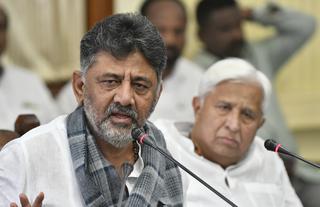
The skyline of Bengaluru witnessed a quiet yet significant diwali shift on Tuesday as Kiran Mazumdar-Shaw, the founder-chairperson of Biocon Limited and a high-profile industrialist, visited the residence of D. K. Shivakumar, Deputy Chief Minister of Karnataka. The gesture comes on the heels of a week-long public standoff between the industry leader and the state government over the deteriorating civic infrastructure of Bengaluru. The meeting marks a potential thaw in relations and could open the door to a deeper cooperation between industry voices and the government as the city faces mounting challenges.

The challenge, however, lies in execution. Bengaluru’s problems are deeply rooted in overlapping jurisdictions, weak accountability, and underfunded municipal systems. Experts point out that while the state government often announces large-scale projects, implementation falters due to lack of coordination between departments. The civic agencies work in silos, with poor data sharing and minimal planning integration. Without structural reform, even the most well-intentioned collaboration between business leaders and the government could lose momentum, repeating a familiar cycle of optimism followed by disappointment.

Residents have expressed cautious optimism after the meeting, viewing it as a rare moment of civility amid constant political bickering. Social media was abuzz with praise for Ms. Mazumdar-Shaw’s courage in voicing civic concerns, while others lauded Mr. Shivakumar for responding with openness rather than confrontation. Many citizens hope that this marks the beginning of a long-overdue partnership between policymakers and the private sector. However, some remain sceptical, warning that such meetings often fade once the media spotlight shifts elsewhere.

For industry insiders, this event also highlights a shifting trend in corporate engagement. Business leaders are increasingly taking public stances on governance and urban challenges, reflecting the understanding that economic success depends on functional civic systems. The evolution of Bengaluru from a sleepy pensioner’s town to a global innovation hub has been remarkable, but sustaining that growth requires strong infrastructure and visionary governance. Ms. Mazumdar-Shaw’s outreach, therefore, is not merely symbolic — it reflects a growing call for responsible corporate citizenship in India’s urban transformation story.

Looking ahead, much will depend on follow-up action. If the government genuinely integrates industry expertise into decision-making, Bengaluru could become a model for collaborative urban governance in India. A joint task force involving civic authorities, entrepreneurs, and citizen groups could be the first step toward visible change. Success in even a few pilot projects — such as better waste management or road maintenance — could rebuild public trust. Until then, this Deepavali meeting remains a promising spark in a city yearning for lasting light and meaningful reform.

Ms. Mazumdar-Shaw had recently stepped into public criticism of Bengaluru’s infrastructure — particularly its roads, waste management, and investment climate — prompting a sharp response from government ministers who alleged her remarks damaged the state’s image. By meeting Mr. Shivakumar at his residence and exchanging festival greetings ahead of Diwali, both sides appear to be signalling a willingness to reset the tone. The discussion, though described as cordial, is being viewed as a symbolic attempt to move from confrontation to collaboration.Deepavali truce? Kiran Mazumdar-Shaw visits Karnataka DCM D.K. Shivakumar  at his residence - The Hindu

Renewal of Dialogue in the Midst of Civic Frustration

Sources say that Ms. Mazumdar-Shaw visited Mr. Shivakumar’s Sadashivanagar residence on October 21, 2025 — the meeting coinciding with the Deepavali festival gestures. According to the Deputy CM’s statement, it was an engaging discussion on Bengaluru’s growth, innovation, and the path ahead for Karnataka’s development. While the stated purpose of the visit was to extend festive greetings and invite the leader for a personal event, the backdrop of their public disagreement cannot be ignored.

In recent weeks, Ms. Mazumdar-Shaw publicly lamented the state of Bengaluru’s infrastructure — in one post asking why her overseas business visitor had questioned the poor condition of roads and the garbage piling up across the city. This led to a rebuke from Mr. Shivakumar, who accused her of running a “personal agenda” and urged industry leaders not to “hurt the state and country.” The online exchange quickly escalated, drawing wide attention from citizens who echoed Ms. Mazumdar-Shaw’s frustration over the city’s civic state.

The meeting, therefore, carries symbolic weight. Mr. Shivakumar — who also holds the urban development portfolio for Bengaluru — later mentioned that the conversation touched on greater industry cooperation and sustainable urban planning. Reports suggest the Deputy CM plans a follow-up meeting with IT and biotech companies to discuss civic challenges in the city’s peripheral zones. His statement that “industry should support the system” suggests a softer stance after the earlier confrontation, indicating a desire to bridge differences.

From Conflict to ‘Constructive Engagement’? : Diwali

The public dispute between Ms. Mazumdar-Shaw and the Karnataka government began with her critical comments on the state of the city’s infrastructure and snowballed into a political controversy. She had voiced her concern about the “creaking infrastructure” that threatens Bengaluru’s image as India’s innovation capital. Government officials, in response, questioned her motives and asked why she had not raised such issues in earlier regimes. However, Tuesday’s meeting indicates that both parties might be ready to bury the hatchet.

Following the meeting, Ms. Mazumdar-Shaw posted a conciliatory message saying, “I agree, it’s a collective effort with urgency and quality. Let’s show everyone how we can fix our city.” The Deputy CM responded positively, calling her remarks “a step in the right direction.” For a city struggling with civic problems, this tone of cooperation is a breath of relief. The message of collaboration between industry leaders and the government could mark a turning point if translated into real policy engagement.

For Bengaluru, this meeting could be more than symbolic. The city stands at a crossroads — globally recognized for its tech prowess yet constantly criticized for poor roads, flooding, traffic jams, and inadequate waste management. Over the years, various governments have promised reform, but systemic inefficiency and bureaucratic delays have repeatedly stalled progress. With civic bodies under pressure and urban infrastructure failing to match the pace of expansion, Bengaluru’s residents have grown increasingly impatient.

What This Meeting Implies

  • The government seems ready to involve the private sector in urban planning and civic problem-solving.

  • Ms. Mazumdar-Shaw’s visit signals a shift from vocal criticism to active collaboration.

  • The timing of the meeting, coinciding with Deepavali, adds a symbolic dimension of renewal and reconciliation.

  • The core issues — pothole-ridden roads, garbage mismanagement, traffic congestion — remain unresolved and urgent.Biocon chief Kiran Mazumdar-Shaw meets K'taka CM, DCM

Despite the gesture, citizens remain cautious. Symbolism is important in politics, but the need of the hour is actionable results. The Deputy CM’s plan to visit local bodies around Bengaluru and streamline tax and development issues could serve as an early test of the sincerity behind this newly softened tone. For Ms. Mazumdar-Shaw, whose voice has amplified civic concerns globally, her continued engagement could prove decisive in shaping public-private partnerships.

The Stakes for Bengaluru and Beyond

Bengaluru’s civic crisis extends far beyond local inconvenience. As India’s primary technology hub, its infrastructure directly affects national and international investment sentiment. Companies facing logistical hurdles, poor roads, and slow approvals find themselves reconsidering expansion plans. For decades, Bengaluru’s reputation as a cosmopolitan and innovation-driven city helped attract the best minds and investments; that image now stands at risk due to visible urban decay.

For the Karnataka government, the challenge lies in balancing rapid urbanisation with planned governance. The city’s population explosion, coupled with the merger of peripheral municipalities, has created an administrative maze. Coordination between various agencies — BBMP, BWSSB, BMRCL, and urban development authorities — has been poor. As a result, funds allocated for infrastructure projects often get stuck or misused, leading to repeated civic breakdowns during every monsoon.

Industrialists like Ms. Mazumdar-Shaw have long argued that public-private partnerships are the key to reversing this decline. By involving corporate expertise in planning, monitoring, and execution, the city could regain its competitive edge. The recent truce may thus signal an openness to such models. However, experts caution that collaboration should not mean abdication of accountability. Transparency, community involvement, and regular review mechanisms are vital to ensure meaningful outcomes.

Observers note that this is not the first time Bengaluru’s business elite have sought to engage directly with the government. Past initiatives like “Bengaluru Agenda Task Force” and “Bengaluru Blueprint” had similar intentions but faded due to political changes and lack of continuity. What makes the current moment different is the public scrutiny and social media activism that now accompany civic issues. Citizens today demand visibility of results, not just discussions.

The broader implication of this meeting, therefore, lies in its potential to reset the relationship between the government and industry. If handled well, it could usher in a more participatory governance model where civic challenges are addressed collaboratively. If mishandled, it risks becoming another fleeting headline — a polite exchange with no follow-through. The next few months will reveal whether the Diwali handshake transforms into a sustained partnership or remains a festive formality.Deepavali truce? Kiran Mazumdar-Shaw visits Karnataka DCM D.K. Shivakumar  at his residence - The Hindu

In conclusion, the Deepavali meeting between Kiran Mazumdar-Shaw and D. K. Shivakumar is emblematic of both the tension and hope defining Bengaluru today. The city that built India’s IT dream now faces its greatest test in governance and infrastructure. Whether this moment of goodwill evolves into genuine reform will depend on the willingness of both the government and industry to move from rhetoric to action. For Bengaluru’s weary residents, it is, at least for now, an unbelievable moment of hope that their city’s light may shine bright again.

Follow: Karnataka Government

Also read: Home | Channel 6 Network – Latest News, Breaking Updates: Politics, Business, Tech & More

Bold Firecracker Accidents Leave Bengaluru Injured on Deepavali Tuesday: Shocking 75+ Casualties

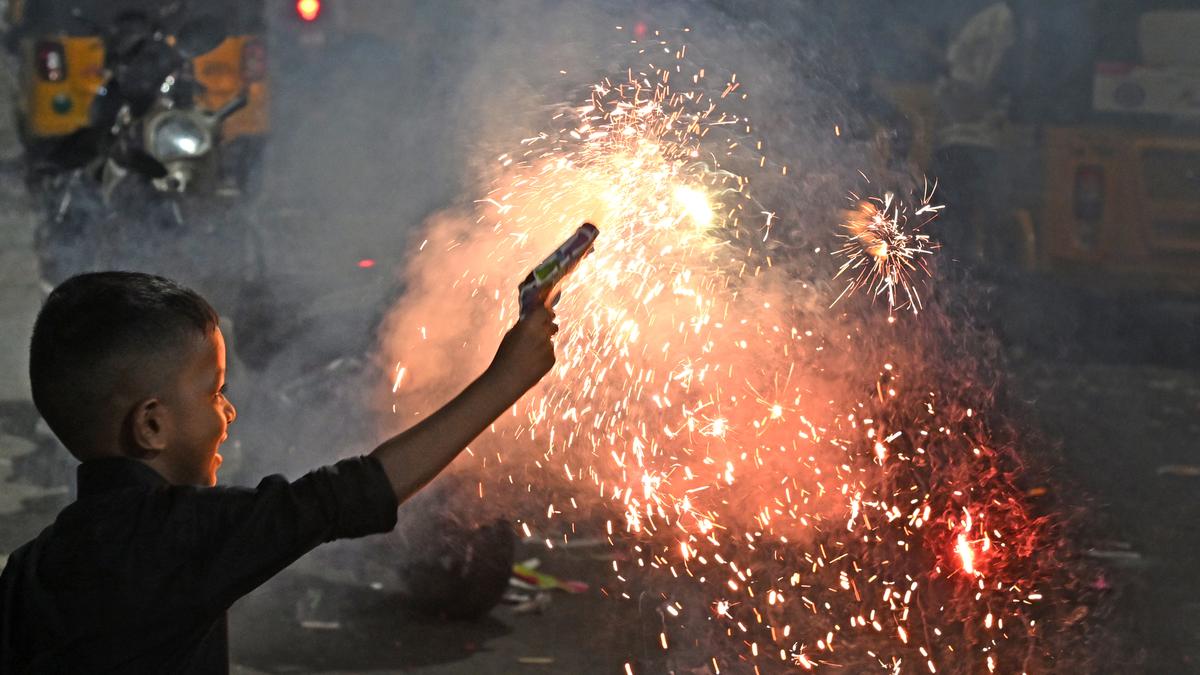
Bengaluru witnessed a distressing surge in firecracker-related accidents on Tuesday, with over 75 people sustaining injuries of varying severity. The incidents, which occurred across residential neighborhoods, commercial areas, and public spaces, coincided with Deepavali celebrations, when the use of firecrackers peaks. Medical authorities reported that most injuries involved burns, cuts, and eye trauma, highlighting the dangers of unregulated and careless firecracker use during the festive season. Emergency departments across the city were overwhelmed, treating patients ranging from children to senior citizens affected by mishandled fireworks.

Authorities have noted that a majority of firecracker-related injuries occurred due to negligence or lack of supervision. Many cases involved young adults or children attempting to light fireworks without proper guidance, often resulting in hand and facial burns. Officials emphasize that parental supervision, adherence to instructions on firecracker packaging, and the use of safety gloves and eye protection can significantly reduce the risk of accidents during the festival.

The Karnataka Fire and Emergency Services have highlighted the importance of spatial awareness while handling fireworks. Igniting firecrackers in congested areas, near flammable materials, or inside homes has been identified as a major cause of severe injuries. Authorities are advising residents to select open areas, maintain safe distances from others, and avoid overcrowding during celebrations to minimize the potential for accidents and secondary hazards such as fires.

In addition to physical injuries, healthcare professionals have reported cases of psychological trauma, particularly among children who witnessed or were involved in firecracker accidents. The sudden explosions, loud noises, and sight of injured peers can have lasting mental health effects. Psychologists and counselors are working alongside medical teams to provide immediate support and coping strategies for affected individuals, emphasizing the need for holistic care following such incidents.Over 40 Injured By Firecrackers In Bengaluru During Diwali

Hospital administrators have noted that burn units and emergency rooms faced logistical challenges due to the volume of patients on Tuesday. To manage the sudden surge, hospitals coordinated with nearby medical centers to share resources, including staff, beds, and medical supplies. This collaborative approach was critical in providing timely treatment, particularly for severe cases requiring specialized care such as skin grafts, wound management, and ophthalmological attention.

Public health authorities have also highlighted the role of community education in reducing firecracker-related injuries. Campaigns conducted in schools, residential associations, and social media platforms stress safe practices, emergency preparedness, and awareness of legal restrictions on firecracker use. These initiatives aim to create a culture of safety and responsible celebration, complementing enforcement efforts by police and civic authorities.

The Karnataka State Pollution Control Board (KSPCB) has linked the spike in injuries to elevated pollution levels caused by firecrackers. Smoke and particulate matter contribute to reduced visibility, irritate eyes and respiratory tracts, and increase the likelihood of accidents. Authorities urge residents to consider eco-friendly alternatives, such as digital or symbolic celebrations, to reduce both environmental and personal health risks during the festive season.

Legal enforcement remains a key component of managing firecracker-related risks. Police departments across Bengaluru have issued warnings and, in some cases, filed complaints against the sale of unlicensed or substandard firecrackers. Stricter enforcement of safety regulations, combined with public cooperation, is expected to prevent future incidents and ensure that Deepavali celebrations can proceed without overwhelming healthcare infrastructure.

Finally, the large number of injuries on Deepavali Tuesday serves as a stark reminder of the dual responsibility shared by authorities and citizens. While regulatory oversight, emergency preparedness, and hospital readiness are crucial, individual behavior—including supervision, adherence to safety guidelines, and responsible use of fireworks—plays an equally important role. Coordinated efforts can significantly reduce casualties, allowing the festival to be celebrated safely while preserving its cultural and social significance.Diwali bet turns tragic: Bengaluru daily wager loses life after box filled with firecrackers explodes | Bangalore News - The Indian Express

The majority of the accidents occurred during the evening hours, when firecracker activity is at its peak. Residents reported chaotic scenes as fireworks exploded in close proximity to crowds, often without adequate safety measures. Hospital sources noted that while minor injuries were the most common, several cases required surgical intervention and specialized care in burn units. Authorities have urged the public to exercise extreme caution and follow prescribed safety guidelines while handling fireworks.

Emergency Response and Hospital Preparedness: Firecracker

Bengaluru’s municipal and health authorities were forced to activate emergency protocols to manage the sudden influx of patients. Ambulances were dispatched rapidly, and hospitals extended their operational hours to accommodate the surge. Burns units and trauma centers saw a significant increase in patients, prompting authorities to request additional medical staff and supplies. Hospital officials emphasized the need for immediate first aid, including cooling burns, dressing wounds, and assessing eye injuries to prevent long-term complications.

City police and fire department teams were deployed to accident-prone neighborhoods to respond quickly to emergencies and enforce safety regulations. Reports indicated that many incidents were linked to illegal or unsafe fireworks sold without proper quality certification. Authorities have cautioned against purchasing uncertified firecrackers and encouraged residents to attend organized community displays rather than engaging in individual pyrotechnic activities.

The spike in injuries has reignited discussions on firecracker safety, particularly for children and young adults. Pediatric cases were notably high, with several children suffering hand burns and eye injuries due to improper handling. Parents and guardians are being advised to supervise all firecracker activities, provide protective gear, and ensure that fireworks are ignited in open spaces away from combustible materials and crowds.

Medical experts have also highlighted the risk of inhalation injuries and respiratory distress caused by smoke and particulate matter from firecrackers. Individuals with pre-existing respiratory conditions, including asthma and chronic bronchitis, are particularly vulnerable. Authorities have recommended that such individuals avoid outdoor exposure during peak firecracker hours and use masks or protective coverings if venturing outside.

Social and public health organizations have emphasized community responsibility in preventing accidents. Neighborhood groups and local volunteers have been organizing awareness campaigns, distributing safety guidelines, and monitoring public firecracker use. Public service announcements stress the importance of maintaining safe distances, avoiding overcrowded areas, and adhering to local regulations to reduce the risk of accidents.

The Karnataka State Pollution Control Board (KSPCB) has also been monitoring air quality in tandem with the firecracker-related accidents. High levels of smoke and particulate matter not only exacerbate respiratory risks but also reduce visibility, contributing to accidental injuries. Authorities are urging residents to combine firecracker safety with environmental responsibility, promoting eco-friendly celebrations that minimize health hazards.Number of firecracker injuries less compared to previous years in Chennai, say doctors - The Hindu

Authorities have warned that legal action may be taken against individuals selling illegal or low-quality firecrackers and against those responsible for accidents caused by negligence. Police have increased patrolling in key areas and are coordinating with municipal teams to ensure that celebrations remain within safety and legal limits. The aim is to prevent further casualties while allowing citizens to enjoy the festive season responsibly.

In addition to immediate medical care, counseling services are being offered to victims and their families. Traumatic experiences from burn and injury accidents can have lasting psychological effects, and mental health support is being recognized as an essential component of post-accident recovery. Hospitals and NGOs are coordinating to provide comprehensive care for both physical and emotional well-being.

The surge in firecracker-related injuries underscores the ongoing need for public awareness and regulatory enforcement. Authorities, healthcare providers, and community groups are emphasizing that adherence to safety guidelines, proper supervision, and responsible behavior are crucial to preventing accidents. The Deepavali season, while culturally significant, poses serious risks if safety precautions are neglected, highlighting the need for collective action to protect lives and promote safe celebrations.

Officials have reiterated that while the majority of injuries were minor, the sheer volume of incidents reflects a systemic need for better public education and stricter safety enforcement. Measures such as organized community displays, protective gear, and proper disposal of used firecrackers are being promoted to reduce the likelihood of injuries in the future. The city’s response aims to balance the cultural celebration with public safety imperatives.

Medical teams are also advising citizens to maintain emergency kits at home, including burn dressings, antiseptics, and eyewash solutions, to manage minor accidents immediately. Rapid response in the initial moments following a firecracker-related injury can significantly reduce complications and improve recovery outcomes. Authorities encourage residents to familiarize themselves with basic first aid procedures to mitigate harm effectively.

Social media and local media channels have been actively spreading safety messages, including videos demonstrating proper firecracker handling, safe distances, and protective measures. Citizens are urged to share and follow these messages to raise community-wide awareness, especially among children and young adults who are most likely to engage directly with fireworks during the festival.

The spike in injuries in Bengaluru serves as a reminder of the potential dangers inherent in traditional celebrations when safety protocols are ignored. By integrating education, regulation, and community engagement, authorities aim to reduce accidents and ensure that festivities can be enjoyed without compromising health or safety. The incidents have sparked conversations among citizens, policymakers, and public health experts about the need for a sustainable balance between cultural practices and public welfare.

Looking ahead, city officials have pledged to review the management of festival-related activities, including firecracker sales, monitoring, and public awareness campaigns. Plans for next year include stricter certification of firecrackers, designated safe zones for public displays, and enhanced coordination among police, medical, and civic authorities to prevent recurrence of large-scale injuries during Deepavali and similar festivals.

Follow: Karnataka Government

Also read: Home | Channel 6 Network – Latest News, Breaking Updates: Politics, Business, Tech & More

Chickenpox in Kerala: 100 New Cases Raise Serious Health Concern Across Kollam

Chickenpox in Kerala Sparks Concern as Cases Rise in Kollam

Chickenpox in Kerala has become a growing concern after nearly 100 people tested positive in Kollam district this week. Health officials have now launched extensive vaccination and awareness campaigns to curb the spread of the infection. The outbreak, which has mainly affected schoolchildren and unvaccinated individuals, is being closely monitored by the state health department.Chicken pox cases increase rapidly in Kasaragod district, officials ask public to exercise caution

Officials have urged residents to stay cautious, maintain hygiene, and isolate infected individuals to prevent further transmission. Hospitals and primary health centers in the region have also been instructed to report any new cases immediately. The infection, though common, can spread quickly in communities where vaccination coverage is low.

Chickenpox in Kerala Steps Taken by Health Department to Control the Outbreak

Following the sharp rise in cases of chickenpox in Kerala, the Kollam District Medical Officer (DMO) directed health workers to conduct house visits and educate families on preventive measures. Schools have been advised to monitor children for symptoms such as fever, rashes, and fatigue, and to ensure infected students stay home until recovery.Chicken Pox: കേരളത്തിൽ ചിക്കൻപോക്സ് പടരുന്നു; ലക്ഷണങ്ങൾ കണ്ടാലുടൻ ചികിത്സ തേടണമെന്ന് ആരോഗ്യ വകുപ്പ് - health department has warned about the spread of chicken pox ...

Vaccination drives are also being conducted in affected areas. Health teams are reaching out to communities to provide the varicella vaccine, particularly for children and those who have not received the first dose. Authorities have also begun disinfection campaigns in schools and public places to prevent the virus from spreading.

A senior health official stated that while the situation is under control, the department is taking precautionary steps to prevent the outbreak from expanding to neighboring districts. “We are emphasizing awareness and early detection to manage the spread effectively,” the official said.

Symptoms and Impact of Chickenpox in Kerala’s Recent Outbreak

The recent surge of chickenpox in Kerala has mostly affected children between 5 and 15 years old, though adults without prior immunity are also at risk. Common symptoms include fever, itchy rashes, and fatigue. In most cases, recovery happens within a week or two, but complications can occur in individuals with weak immune systems.ആദ്യ ഘട്ടത്തിലേ തിരിച്ചറിയാം ചിക്കൻപോക്സ് ലക്ഷണങ്ങൾ; പകരാതിരിക്കാൻ ശ്രദ്ധിക്കേണ്ടത് | Chickenpox | Summer diseases

Doctors have warned that those showing symptoms should avoid public gatherings and stay isolated to protect others. Parents are encouraged to seek medical care immediately if their children develop rashes or high fever. Public health officials have also recommended keeping the patient’s surroundings clean and ensuring proper ventilation at home.

In areas where population density is high, such as schools and hostels, health authorities are taking extra precautions to ensure the infection does not spread rapidly. Public announcements, posters, and community health programs are helping raise awareness about hygiene and timely vaccination.

Public Cooperation Crucial in Managing Chickenpox in Kerala

As the number of chickenpox in Kerala cases continues to rise, authorities stress that public cooperation plays a vital role in containing the spread. People are urged not to panic but to act responsibly isolating patients, reporting symptoms early, and ensuring vaccination. Also Read: H-1B Visa Fees: Big Relief as US Announces Exemptions for Indians

Health experts also advise using traditional remedies cautiously, as medical treatment and rest remain the most effective approach. Many families are now following preventive habits such as washing hands frequently, maintaining personal hygiene, and disinfecting surfaces regularly.


View this post on Instagram


A post shared by Times Now (@timesnow)

Officials added that early detection and awareness are the best tools to prevent further escalation. If the public continues to follow health guidelines, the situation is expected to improve within the coming weeks.

Conclusion

The rise in chickenpox in Kerala serves as a timely reminder of the importance of vaccination and hygiene in preventing contagious diseases. With nearly 100 confirmed cases in Kollam and active efforts from health officials, the focus remains on containing the outbreak swiftly and effectively. The cooperation of citizens, along with the health department’s preventive actions, will determine how quickly the state can overcome this challenge and restore normalcy in affected regions.

Actor Park Jin joo to Begin a New Chapter in Life with a Private Wedding Next Month in 2025

0

Actor Park Jin joo Announces Her Marriage in a Heartwarming Way

Actor Park Jin joo, 36, has officially announced her marriage to a non-celebrity partner, marking a joyful new chapter in her personal life. The wedding is set to take place next month in a private ceremony attended only by close family members and friends. Her agency, Prain TPC, confirmed the news on Monday, expressing gratitude to the public for their continued love and support for the actress.Korean actress Park Jin-joo announces wedding date, to marry longtime partner in Seoul

According to the agency’s statement, “We are deeply thankful to everyone who has supported Park Jin-joo throughout her career. We are happy to share that she will soon begin a beautiful new journey in life.” This heartwarming announcement quickly drew attention from fans and fellow actors, many of whom sent their warm wishes and congratulations through social media.

Actor Park Jin joo – A Journey from Supporting Roles to Beloved Stardom

Actor Park Jin joo has been one of South Korea’s most loved supporting actresses, known for her charming screen presence, relatable expressions, and impeccable comic timing. Over the years, she has appeared in several hit dramas, including It’s Okay to Not Be Okay, Her Private Life, While You Were Sleeping, and Our Beloved Summer.Park Jin-joo announces marriage to longtime partner, private wedding planned in Seoul

Despite often playing secondary characters, Park Jin-joo has carved out her own place in the hearts of viewers. Her ability to deliver both humor and emotion has made her a favorite among drama fans. Many admire her grounded personality and humility, both on and off screen qualities that seem to reflect in her choice of keeping her wedding private and personal.

Actor Park Jin joo’s Private Life and the Decision for an Intimate Wedding

While Actor Park Jin joo has shared glimpses of her life through interviews and variety shows, she has largely maintained privacy when it comes to her relationships. Reports suggest that her fiancé is a non-celebrity, someone outside the entertainment industry. The couple is said to have dated for some time before deciding to tie the knot.OMG! Park Jin-Joo Set To Marry A Non-Celeb In Intimate Seoul Ceremony! | Hauterrfly

The decision to keep the wedding small and closed to the media aligns with Park’s personality simple, sincere, and focused on meaningful connections rather than grand displays. Sources close to the actress mentioned that the ceremony will be held in Seoul, attended only by her family, close friends, and colleagues she shares a personal bond with.

Fans Celebrate the News of Actor Park Jin joo’s Upcoming Marriage

Following the announcement, fans and co-stars have filled social media with messages of love and congratulations. Many described her as someone who “radiates warmth wherever she goes,” while others expressed happiness at seeing her enter a new phase of life filled with love and stability.

The entertainment community also joined in the celebration. Actors who worked with her in past dramas, including several Her Private Life and It’s Okay to Not Be Okay cast members, shared fond messages, praising her for being not just a talented performer but a kind-hearted person. Also Read: Trevor Bingley in Man vs Baby Returns with Hilarious Chaos on Netflix in 2025

Conclusion

Actor Park Jin joo’s upcoming wedding marks a meaningful and emotional milestone in her life and career. Known for her sincerity, humor, and dedication, she continues to be admired not just as an actress but as a person who values simplicity and genuine connections. As she prepares to walk down the aisle next month, fans look forward to celebrating this new beginning alongside her one that symbolizes happiness, love, and the start of a beautiful new journey.

AVATAR FIRE AND ASH in 2025: A New Era of Pandora Begins This December

0

VATAR FIRE AND ASH in 2025 Promises a Powerful Cinematic Experience

AVATAR FIRE AND ASH in 2025 is all set to hit theaters on December 19th, and excitement is already rising among moviegoers across the globe. Directed by James Cameron, this much-awaited sequel will take audiences back to the mystical world of Pandora but this time, the stakes are higher, the emotions deeper, and the visuals grander than ever before. The film marks the next chapter in one of the most successful cinematic franchises in history, continuing the story that began with Avatar (2009) and Avatar: The Way of Water (2022).Avatar 3: James Cameron announces official title 'Fire and Ash', confirms  December release | - Times of India

AVATAR FIRE AND ASH in 2025 – The Return of Pandora’s Untold Secrets

The new film explores the aftermath of previous battles as the Na’vi people face fresh challenges that threaten their survival. The title “Fire and Ash” hints at the emotional and physical trials to come symbolizing destruction, rebirth, and the resilience of life. Unlike the oceanic setting of The Way of Water, this chapter delves into Pandora’s volcanic regions, introducing new tribes, creatures, and landscapes shaped by fire and conflict.Avatar Fire And Ash Trailer Debuts At CinemaCon 2025, Promises Breathtaking  Battles With New Adversaries | Hollywood - Times Now

AVATAR FIRE AND ASH in 2025 will once again feature Sam Worthington as Jake Sully and Zoe Saldaña as Neytiri, joined by new and returning cast members. Their story continues as they struggle to protect their family and their world from human exploitation, while also facing inner turmoil and the consequences of war. The film is expected to blend strong emotions with groundbreaking visual effects a combination that has defined Cameron’s storytelling for decades.

AVATAR FIRE AND ASH in 2025 – A Technical and Emotional Masterpiece in the Making

James Cameron, known for his innovation in filmmaking, has reportedly pushed the boundaries even further with AVATAR FIRE AND ASH in 2025. Advanced motion-capture techniques, high-frame-rate visuals, and immersive 3D effects are expected to redefine the cinematic experience once again. Early reports suggest that the fire sequences and volcanic environments will showcase some of the most realistic visual effects ever created.Avatar Fire and Ash 2025 – Plot, Cast, Trailer and more

Beyond technology, the film focuses on human emotions love, loss, and survival set against a breathtaking sci-fi backdrop. Cameron’s team has always emphasized environmental awareness, and this installment continues that legacy by highlighting how human greed and carelessness can destroy the natural world. It’s a message that resonates deeply in today’s times.

What Makes AVATAR FIRE AND ASH in 2025 a Must-Watch Event

As one of the most expensive productions ever made, AVATAR FIRE AND ASH in 2025 is not just a movie it’s an event that will unite global audiences. The Avatar series has always been known for its emotional storytelling and visual scale, and this installment aims to take that legacy forward. The combination of Cameron’s direction, a powerful cast, and the stunning world of Pandora promises to create another unforgettable experience in cinema.


View this post on Instagram


A post shared by AVATAR (@avatarfilmes)

Fans are eagerly counting down to December 19, 2025, when Pandora’s world lights up the big screen once again. With its focus on family, survival, and nature’s balance, this film is expected to strike a chord with audiences of all ages. Also Read: Trevor Bingley in Man vs Baby Returns with Hilarious Chaos on Netflix in 2025

Conclusion

AVATAR FIRE AND ASH in 2025 stands as one of the most anticipated films of the decade. With its promise of emotional depth, visual brilliance, and a message that mirrors real-world environmental concerns, it’s set to redefine what epic storytelling means in modern cinema. As the fires of Pandora rise, so does the excitement for a film that will leave a lasting mark in movie history.

Dr. Rajagopalan’s Revolutionary Idea That Changed India’s Roads Forever in 2025

Dr. Rajagopalan’s Plastic Road Innovation Inspires a Sustainable Revolution

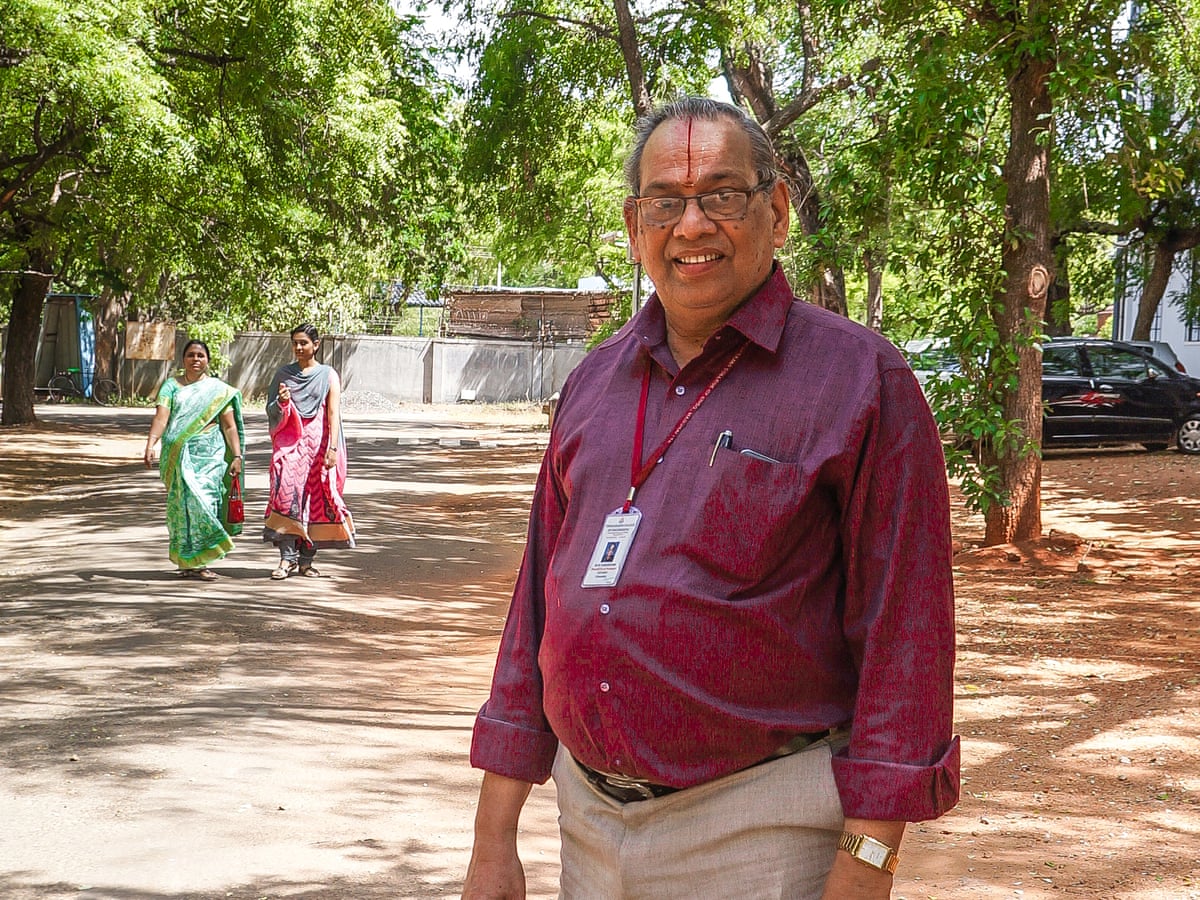
Dr. Rajagopalan, a retired chemistry professor from Thiagarajar College of Engineering in Madurai, transformed India’s approach to road construction through his groundbreaking innovation. Known fondly as the Plastic Man of India, he devised a simple yet powerful method to use plastic waste in building durable and eco-friendly roads. His contribution has not only reduced the burden of plastic pollution but also enhanced the longevity of Indian roads.The man who paves India's roads with old plastic | India | The Guardian

Dr. Rajagopalan’s Journey from Classroom to National Impact

In the early 2000s, Dr. Rajagopalan began experimenting with the idea of recycling plastic waste. He observed that plastic, when shredded and mixed with bitumen, bonded strongly with tar, resulting in smoother and more weather-resistant roads. In 2002, his method was officially adopted for road construction a turning point that reshaped India’s infrastructure practices.Plastic roads, plastic man of India, Rajagopalan Vasudevan - The Hindu BusinessLine

This approach addressed two major problems at once managing plastic waste and improving road quality. Over the years, more than 100,000 kilometers of roads across India have been built using his technique. States like Tamil Nadu, Kerala, and Maharashtra were among the first to implement the technology, setting an example for sustainable development.

Dr. Rajagopalan’s Vision: Turning Waste into Worth

For Dr. Rajagopalan, innovation was never about fame but about finding real-world solutions. He firmly believed that science should serve society. His technique not only reduced the amount of plastic ending up in landfills but also lowered the cost of road construction and minimized maintenance needs. Roads made with his method resist heavy rain damage, ensuring a longer lifespan compared to conventional ones.Rajagopalan Vasudevan - The Plastic Man Of India Revolutionizing Waste Management • Scoutripper

His passion for sustainability and practical science earned him recognition at the national level. In 2018, the Government of India honored him with the Padma Shri, acknowledging his remarkable contribution to environmental conservation and innovation. Also Read: Trevor Bingley in Man vs Baby Returns with Hilarious Chaos on Netflix in 2025

The Lasting Legacy of Dr. Rajagopalan’s Innovation

Today, Dr. Rajagopalan’s work continues to influence policymakers, engineers, and environmentalists across the country. His invention has become a blueprint for eco-friendly infrastructure. The “plastic roads” not only showcase how innovation can arise from local challenges but also how individual ideas can inspire collective action.


View this post on Instagram


A post shared by Shreeom Kumar (@iasworldofficial)

Even after retirement, he remains committed to educating young minds about sustainable practices, encouraging them to view waste not as a problem but as an opportunity for change. His approach has proven that with the right mindset, technology and environmental protection can go hand in hand.

Conclusion

Dr. Rajagopalan’s journey is a remarkable reminder that true innovation lies in simplicity and purpose. His plastic road technology stands as a lasting symbol of India’s move toward sustainability, proving that one person’s vision can pave the way quite literally for a greener future.

A Leopard Spotted Among Garbage Near Mount Abu: A Heartbreaking Glimpse Into Nature’s Decline

0

A Leopard Found Searching For Food In Garbage Near Mount Abu

A leopard was recently captured on video rummaging through heaps of garbage near Mount Abu, Rajasthan a heartbreaking reflection of how human neglect is pushing wildlife into dire situations. The footage, which quickly went viral, shows the majestic animal wandering through trash piles, sniffing through plastic and waste in search of food.Leopard Found Eating Out Of Trash In Mount Abu, Forest Officer Shares 'Sad' Video

Once a symbol of strength and grace in the wild, the leopard’s desperate search amid filth has now become a painful reminder of our growing ecological crisis. The incident has reignited public concern over deforestation, shrinking habitats, and the unchecked spread of human settlements into forest zones.

A Leopard’s Struggle Mirrors The Harsh Reality Of Habitat Loss

Experts say that the video represents more than just a tragic scene it highlights the deep imbalance between humans and nature. As cities expand and forest areas shrink, wild animals like leopards are being forced to enter human spaces to find food and water.

Mount Abu, known for its scenic hills and wildlife, has been facing rapid urbanization in recent years. Dumping sites and human waste have increasingly become hotspots that attract animals. According to environmentalists, this situation poses a serious threat not only to wildlife but also to local communities, as encounters between humans and leopards can turn dangerous.Viral video shows leopard eating THIS- The heartbreaking reason behind it will shock you - The Times of India

Wildlife experts emphasize that these animals are not intruders but victims of environmental change. Their natural hunting grounds are being cleared for agriculture, tourism, and construction, leaving them with no choice but to scavenge for survival.

A Leopard In Desperation, A Wake-Up Call For Change

The sight of a leopard among garbage has triggered outrage on social media, with users expressing sadness and anger over the neglect of wildlife welfare. Many called for stricter waste management systems and the protection of natural habitats to prevent such distressing incidents in the future.

Leopard Spotted Eating Garbage Near Mount Abu; Disturbing Video Goes ViralForest officials have reportedly begun investigating the location of the incident and are planning measures to prevent animals from entering garbage disposal areas. Conservation groups are urging authorities to restore natural corridors that allow animals to move safely between forest zones. Also Read: Trevor Bingley in Man vs Baby Returns with Hilarious Chaos on Netflix in 2025

This heartbreaking scene has also sparked discussions about the lack of awareness among local communities. Environmental activists are stressing the need for public participation in preserving ecosystems from reducing litter near forest edges to supporting policies that protect green zones.

A Leopard’s Story That Reflects The Bigger Picture

Incidents like these are becoming increasingly common across India. From elephants entering villages to monkeys raiding homes, wildlife is being pushed closer to human life every day. The leopard’s silent suffering amid trash is a representation of how far the imbalance has gone.


View this post on Instagram


A post shared by NEWS9 (@news9live)

Experts warn that if steps are not taken now, such interactions could soon become the norm. Conservation programs must not only focus on rescuing animals but also on addressing the root causes habitat destruction and poor waste disposal practices.

The image of a leopard in search of food among garbage may fade from headlines, but it leaves behind a crucial question: how long can nature bear the cost of human carelessness?

Conclusion

A leopard scavenging for food in garbage near Mount Abu is not just an isolated event it’s a reflection of our collective failure to protect wildlife. As forests disappear and waste continues to pile up, the line between the wild and the urban world is fading.
This incident stands as a wake-up call a reminder that every piece of litter, every tree cut, and every encroachment takes us one step closer to losing the harmony between humans and nature forever.

October 20, 2025, Closing: Indian Stock Market: Afternoon Report Shows Resilience, Noteworthy Gainers & Losers

As the trading session concluded on October 20, 2025, the Indian stock market maintained its positive momentum amid sectoral churn and selective action in key stocks. The Nifty 50 ended in green, while both broad-based buying and targeted sell-offs defined the day’s winners and losers. Index and stock-specific movements provided valuable direction for investors assessing post-close positions.

Also Read: Indian Stock Market Moves: Nifty 50 Surges, Major Gainers and Losers (October 20, 2025, Afternoon)


Nifty 50 Closing Update

Index Level Change % Change
Nifty 50 25,843.15 133.30 0.52%
Nifty Next 50 69,450.35 94.30 0.14%
Nifty Fin Serv 27,505.50 -33.10 -0.12%
Nifty Bank 58,033.20 319.85 0.55%
Nifty Midcap 26,445.00 119.95 0.46%
october 20
  • Nifty 50 closed the day stronger, up by 0.52% at 25,843.15.

  • The index traded in a narrow band, with highs of 25,926.20 and lows of 25,788.50, reflecting a relatively steady uptrend and resilience despite minor sectoral volatility.


Top 5 Losers

Symbol LTP Change % Change Volume (Lakhs) Value (₹ Cr)
CAPTRU-RE1 8.87 -5.92 -40.03 0.70 0.06
3IINFO-RE 1.33 -0.18 -11.92 6.77 0.09
MASKINVEST 201.19 -22.36 -10.00 0.15 0.31
TATAINVEST 808.00 -81.00 -9.11 62.77 521.78
AVANTEL 174.00 -16.60 -8.71 210.09 355.68

Screenshot 2025 10 20 233510

  • CAPTRU-RE1 suffered the sharpest fall, plunging 40% on relatively low volumes.

  • TATAINVEST and AVANTEL registered notable declines on meaningful traded values, signaling profit-taking or stock-specific weakness.


Top 5 Gainers

Symbol LTP Change % Change Volume (Lakhs) Value (₹ Cr)
GSLSU 109.36 18.22 19.99 49.72 52.25
HYBRIDFIN 29.24 4.87 19.98 10.24 2.76
RAJRATAN 385.00 59.55 18.30 44.99 166.89
SOUTHBANK 37.91 5.26 16.11 2,550.08 954.24
NURECA 331.05 41.83 14.46 10.58 34.51
Screenshot 2025 10 20 233502
  • GSLSU and HYBRIDFIN led gains with near 20% jumps, supported by healthy volumes and investor appetite in their respective segments.

  • RAJRATAN and SOUTHBANK showed strength, with SOUTHBANK featuring extraordinary turnover.

  • NURECA delivered double-digit percentage gains, highlighting strong interest in select mid-cap stocks.


Conclusion: October 20, 2025, Closing

Day’s closing statistics highlight a bullish undertone in the Indian equity market, with Nifty 50 maintaining gains even as some pockets experienced pressure. The session’s top gainers revealed focused rotation into outperforming stocks, while the losers reflected concentrated selling or negative triggers. Investors will keep an eye on such trends for setting up future positions and managing risk.


For real time stock Updates, visit NSE website.