Sunday, May 17, 2026
Home Blog Page 406

Bihar Campaign: PM Modi’s Bold Election Push Begins October 24

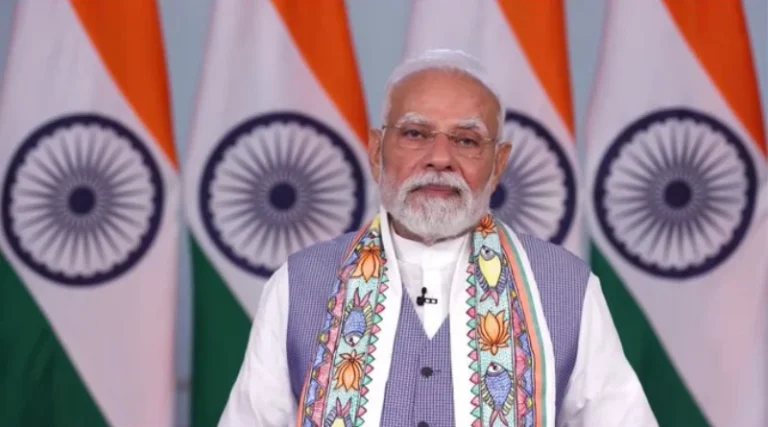
Bihar – Prime Minister Narendra Modi will officially kickstart his Bihar campaign for the upcoming assembly elections on October 24 with a significant visit to Karpoori Gram in Samastipur district. The location holds special significance as it is the birthplace of former chief minister Jannayak Karpoori Thakur, who was posthumously honored with the Bharat Ratna in January 2024, making it a strategically important starting point for the electoral battle.

State BJP president Dilip Jaiswal announced on Sunday that the Prime Minister’s Bihar campaign will include six visits to the poll-bound state between October 24 and November 7. This intensive schedule underscores the importance the ruling party places on securing victory in the two-phase assembly elections scheduled for November 6 and 11.

First Day of Bihar Campaign: Dual Rally Strategy
Bihar campaign

The Prime Minister’s Bihar campaign will begin with a tribute to the late Jannayak before addressing his first rally at Karpoori Gram in Samastipur. This symbolic gesture aims to connect with the legacy of the popular leader while energizing party workers and supporters. Following the morning event, Modi will address another rally in Begusarai the same day, demonstrating the intensive nature of the Bihar campaign strategy.

By choosing to pay respects to Karpoori Thakur at the campaign’s outset, the BJP is signaling its commitment to honoring Bihar’s political heritage while positioning itself as the inheritor of the beloved leader’s vision for the state’s development and social justice.

Extended Schedule Through Early November

Jaiswal shared the Prime Minister’s Bihar campaign itinerary during a press conference on Sunday, revealing that Modi will address public rallies at Muzaffarpur and Chapra on October 30. These locations represent strategically important constituencies where the BJP aims to consolidate its support base and attract undecided voters.

The Prime Minister is also scheduled to visit the state on November 2, 3, 6, and 7 as part of his comprehensive Bihar campaign. While Jaiswal did not disclose specific locations for these later rallies, sources familiar with the matter indicated that the venues have been identified and submitted to the Prime Minister’s Office for final clearance. The PM’s time slots have already been secured, awaiting only location confirmation.

Massive Deployment of National Leaders
Bihar campaign

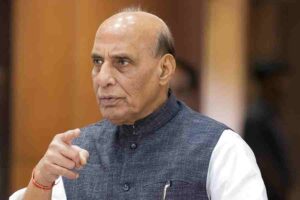
The Bihar campaign will witness unprecedented deployment of the BJP’s top leadership. Union Home Minister Amit Shah is expected to address approximately 25 public rallies across the state, matching the intensive schedule planned for Defence Minister Rajnath Singh and Union Minister Nitin Gadkari. This coordinated effort demonstrates the party’s determination to leverage its strongest campaigners for maximum electoral impact.

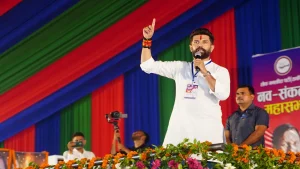
Also Read: NDA Bihar Polls: Chirag Paswan’s Powerful Unity Message Amid Election

The party leadership has prepared a comprehensive road map for deploying these senior leaders throughout the Bihar campaign period, ensuring that every region receives adequate attention from national-level politicians who can draw large crowds and energize the party’s grassroots organization.

Star Campaigners List: 40 Heavy Hitters

The BJP has strategically identified 40 star campaigners for the Bihar campaign, signaling its intent to mount an all-out effort in this high-stakes political contest. Besides Prime Minister Modi and Home Minister Shah, the list includes several chief ministers who have proven track records of electoral success in their respective states.

Uttar Pradesh Chief Minister Yogi Adityanath, Maharashtra Chief Minister Devendra Fadnavis, Assam Chief Minister Himanta Biswa Sarma, Madhya Pradesh Chief Minister Mohan Yadav, and Delhi Chief Minister Rekha Gupta have all been included in the star campaigners’ list for the Bihar campaign. Their presence brings diverse regional perspectives and appeal to different voter segments.

Local Leadership in Bihar Campaign
Bihar campaign

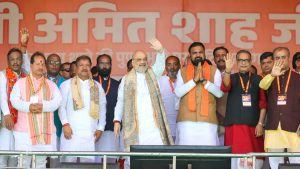
The Bihar campaign star campaigners list also features prominent state-level leaders who bring local credibility and grassroots connections. Bihar Deputy Chief Ministers Samrat Choudhary and Vijay Kumar Sinha will play crucial roles, along with state BJP president Dilip Jaiswal. Their intimate knowledge of constituency-level dynamics will complement the national leaders’ broader appeal.

Union Minister Giriraj Singh and former Union Ministers Ravi Shankar Prasad and Ashwini Kumar Choubey have also made it to the BJP star campaigners’ list, bringing their parliamentary experience and local influence to the Bihar campaign. Their involvement ensures that the party’s message reaches every segment of the electorate.

Additional Campaign Warriors

Other prominent names on the Bihar campaign roster include Nityanand Rai, Radha Mohan Singh, Renu Devi, Prem Kumar, Rajiv Pratap Rudy, Sanjay Jaiswal, Nand Kishore Yadav, Sadhvi Niranjan, and Vinod Tawde. This diverse group represents various social constituencies and brings specialized expertise to different aspects of the electoral battle.

The extensive list of campaigners reflects the BJP’s strategy of saturating the state with high-profile visits during the Bihar campaign period, ensuring that voters across all 243 constituencies receive direct engagement from party leaders.

Election Timeline and Stakes

The Bihar campaign culminates in a two-phase polling process, with 121 seats going to the polls on November 6 and voting scheduled for the remaining 122 constituencies on November 11. The results will be announced on November 14, making this a compressed but intensive electoral battle.

The BJP’s deployment strategy for the Bihar campaign demonstrates the party’s recognition that this election carries significant implications for national politics. Victory would reinforce the NDA’s dominance in eastern India, while defeat could embolden opposition forces ahead of future electoral contests.

Prime Minister Modi’s six planned visits represent just the tip of the iceberg in what promises to be one of the most intensively fought Bihar campaign seasons in recent history, with the ruling party leaving no stone unturned in its quest for electoral success.
NDA Bihar Polls: Chirag Paswan’s Powerful Unity Message Amid Election

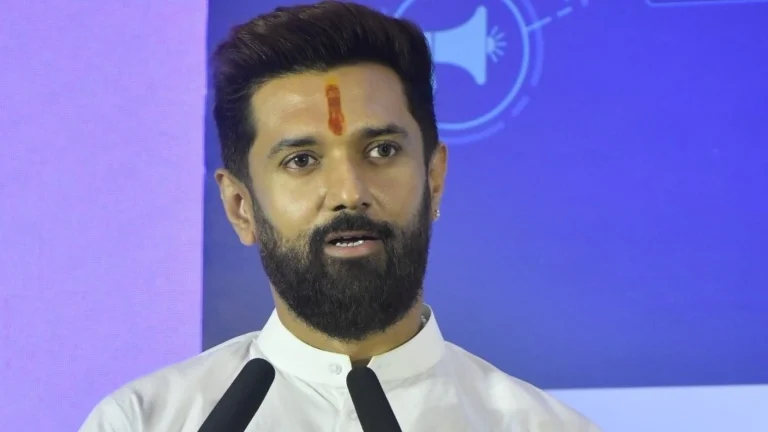
Bihar – Lok Janshakti Party (Ram Vilas) president and Union Minister Chirag Paswan has firmly denied any internal discord within the National Democratic Alliance ahead of the NDA Bihar polls, emphasizing his party’s commitment to maintaining the dignity and cohesion of the coalition. In a comprehensive interview on Sunday, Paswan addressed speculation about potential conflicts and reaffirmed the strength of alliance unity.

The Union Minister clarified that there was no conflict with Janata Dal (United) and that the seat-sharing arrangement for the NDA Bihar polls was resolved amicably through efficient negotiations. Paswan explained his approach to alliance negotiations, stating that he has always upheld the tradition of keeping internal discussions private to avoid creating public confusion.

Maintaining Alliance Dignity During Negotiations

NDA Bihar polls

“I have always upheld the traditions that during negotiations, you know, I don’t talk much to the media because it only creates confusion. Just to realize that even my silence was creating confusion, even my not speaking was creating an equal amount of controversy about me. But I always tried to maintain the dignity of the alliance,” Paswan stated, defending his measured approach to the NDA Bihar polls preparations.

The LJP-RV chief emphasized his belief that alliance-related discussions should remain within the coalition, demonstrating his commitment to internal cohesion rather than public posturing. This approach, while sometimes misinterpreted as discontent, reflects Paswan’s dedication to preserving the alliance’s institutional integrity during the crucial NDA Bihar polls campaign period.

BJP’s Efficient Role in Seat Distribution

NDA Bihar polls

Paswan revealed significant details about how the BJP managed negotiations for the NDA Bihar polls, praising the party’s efficiency in handling what could have been contentious discussions. The BJP offered LJP-RV a pool of 38 seats from which the party selected 29, leaving no room for conflict or dissatisfaction.

“Let me make this very clear, and I say this with complete seriousness, there was not the slightest conflict between me and JDU, not on any seat. BJP did these negotiations so efficiently,” Paswan explained. He detailed how the negotiation process worked, noting that the BJP requested him to prepare a buffer and create a pool of 35-38 seats for selection, which streamlined the entire process for the NDA Bihar polls seat allocation.

No Room for Conflict in First Round

The Union Minister emphasized that his 29 seats were finalized from the initial pool of 38 in the first negotiation round itself, eliminating any basis for conflict during the NDA Bihar polls preparations. This smooth process contradicted media speculation about tensions within the alliance and demonstrated the effectiveness of the BJP’s coordination role.

Dismissing rumors about being angry or requiring appeasement, Paswan clarified his position on seat distribution. “So if it is concluded that I was angry, that efforts were being made to placate me, or that I wanted to have the biggest share in the alliance and stuff, I myself was very clear on one thing, that I would not want Bharatiya Janata Party or Janata Dal (United) to contest less than 100 seats,” he stated, emphasizing his commitment to a balanced alliance for the NDA Bihar polls.

Also Read: Amit Shah Bihar Campaign: Bold ‘Four Diwali’ Pitch Electrifies Rally

Paswan’s Vision for Alliance Strength

NDA Bihar polls

The LJP-RV president made it clear that he wanted both the BJP and JD(U) to contest substantial numbers of seats in the NDA Bihar polls, recognizing their importance as the Prime Minister’s party and Chief Minister’s party respectively. He stated that he would never accept a scenario where these major partners contested fewer than 100 seats each, as the alliance needed to present a united and strong front.

This magnanimous approach to seat sharing for the NDA Bihar polls demonstrates Paswan’s understanding of coalition dynamics and his willingness to prioritize alliance strength over individual party maximization. His strategy reflects a mature political approach focused on collective victory rather than narrow partisan interests.

Criticism of Opposition’s Coordination Failure

Contrasting the NDA’s smooth negotiations for the Bihar polls, Paswan criticized the Mahagathbandhan alliance led by Rashtriya Janata Dal, citing their lack of coordination and absence of an authoritative nodal agency. He pointed out that the opposition alliance lacks the organizational structure that makes the NDA Bihar polls preparations so efficient.

“There is a nodal body for things like this, which coordinates with all the things within the alliance. If we talk amongst ourselves, then we will keep talking to each other, which has happened with the Mahagathbandhan,” Paswan observed, highlighting the BJP’s role in the NDA Bihar polls coordination.

This marked his sixth negotiation overall, and he praised the BJP’s consistent performance as the nodal agency that facilitates consensus while maintaining synergy among all partners. He emphasized that he deliberately avoided opening multiple communication channels with other alliance partners to prevent confusion and allow the BJP to effectively coordinate the NDA Bihar polls strategy.

Final Seat Distribution and Election Timeline

Within the NDA Bihar polls framework, LJP-RV will contest 29 seats out of 243 assembly seats. Both BJP and JD(U) are set to contest 101 seats each, while other partners Rashtriya Lok Morcha and Hindustani Awam Morcha will contest six seats each. The NDA has already released candidate lists for both phases, contrasting sharply with the Mahagathbandhan’s ongoing coordination challenges.

Bihar will conduct the NDA Bihar polls in two phases on November 6 and November 11, with vote counting scheduled for November 14. Prime Minister Narendra Modi is set to visit the state on October 24, further energizing the campaign.

Delhi Air Quality: Alarming Diwali Pollution Under Grap 2 Curbs

0

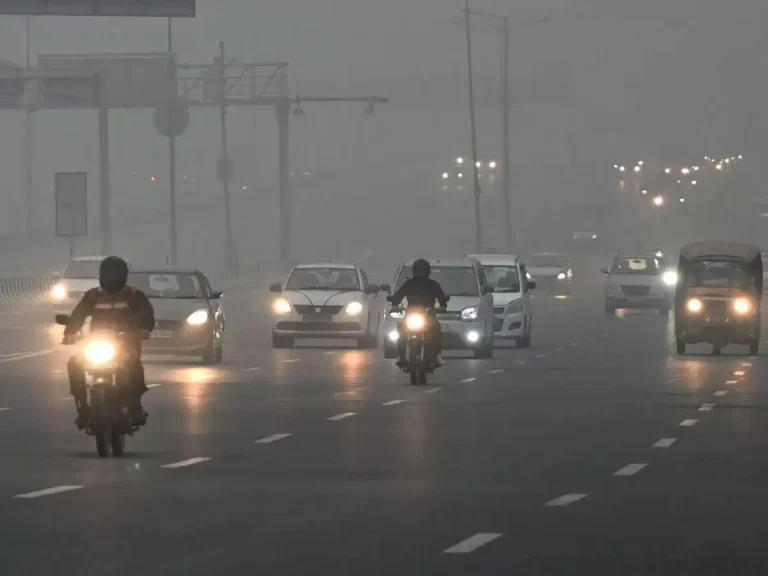
New Delhi – The national capital is celebrating Diwali 2025 under the shadow of deteriorating Delhi air quality, with the city experiencing toxic pollution levels that have triggered Stage 2 of the Graded Response Action Plan. As residents prepared for the festival of lights, the Air Quality Index plunged into the “very poor” category, raising serious health concerns across the Delhi-NCR region.

On Sunday evening, as Diwali festivities began, Delhi air quality worsened significantly with 24 out of 38 monitoring stations recording pollution levels in the “very poor” category. The situation became particularly alarming at Anand Vihar, which entered the “severe” zone with AQI readings crossing the 400 mark, according to Central Pollution Control Board data.

Monday Morning Reveals Persistent Pollution Crisis

The deterioration in Delhi air quality continued into Monday morning, with most monitoring stations recording AQI levels above 300. Anand Vihar maintained its position as the worst-affected area, with readings remaining above 400, indicating severe pollution levels that pose significant health risks to residents.

Based on CPCB readings at 6 am on Monday, October 20, Anand Vihar station recorded the worst AQI at 414, while Sri Aurobindo Marg station logged the best reading at 158. The data revealed that 29 stations fell into the “very poor” category, highlighting the widespread nature of the pollution crisis affecting Delhi air quality.

Breaking Down the AQI Distribution Across Delhi

The monitoring data from Monday morning painted a grim picture of Delhi air quality across the capital. Only one station recorded AQI in the “severe” category above 400, but this was accompanied by 29 stations in the “very poor” range between 301 and 400. Four stations fell into the “poor” category with readings between 201 and 300, while merely one station managed to stay in the “moderate” or better category with readings below 200.

The CPCB categorization system classifies AQI between 0 and 50 as “good,” 51 to 100 as “satisfactory,” 101 to 200 as “moderate,” 201 to 300 as “poor,” 301 to 400 as “very poor,” and 401 to 500 as “severe.” The current Delhi air quality situation shows the majority of the city firmly entrenched in unhealthy pollution levels.

Diwali Eve Witnesses Sharp Decline in Air Standards

The progression of pollution on Diwali eve demonstrated how rapidly Delhi air quality can deteriorate. According to CPCB data, the capital’s AQI stood at 296 at 4 pm on Sunday, falling within the “poor” category. However, by 10 pm, the situation had worsened considerably, with the AQI climbing to 306, officially entering the “very poor” category and triggering red zone alerts.

This sharp decline coincided with increased festive activities and the bursting of firecrackers, despite restrictions and guidelines intended to protect Delhi air quality during the celebration period.

Grap 2 Enforcement to Combat Pollution

In response to the declining Delhi air quality, the Commission for Air Quality Management invoked Stage 2 of the Graded Response Action Plan across Delhi-NCR on Sunday evening. This action followed the implementation of Grap 1 on October 14, as authorities attempted to prevent further deterioration of pollution levels.

Also Read: DUSU Professor Assault: Shocking Incident Sparks Major Investigation

Stage 2 of Grap includes twelve preventive measures designed to mitigate air pollution. Key restrictions include stricter enforcement on diesel generator set usage, prohibiting interstate buses except EVs, CNG, or BS-VI diesel vehicles from entering Delhi, and enhanced parking fees to discourage private transport usage. These measures aim to improve Delhi air quality through multiple intervention points.

Supreme Court Permits Controlled Firecracker Use

The Supreme Court’s recent decision allowing green firecrackers in Delhi-NCR during Diwali with specific conditions has had a visible impact on Delhi air quality. The court permitted the use of green crackers within designated hours: 6 am to 7 pm and 8 am to 10 pm on the day before Diwali and on the festival day itself.

While intended as a compromise between tradition and environmental protection, the permission to burst firecrackers has contributed to the current pollution levels, demonstrating the challenge of balancing cultural celebrations with Delhi air quality concerns.

Weather Conditions and Temperature Readings

The India Meteorological Department recorded a maximum temperature of 33.3 degrees Celsius on Sunday, which was 0.9 degrees above the seasonal average. The minimum temperature settled at 20.6 degrees Celsius, 2.2 degrees above normal. These elevated temperatures, combined with poor air circulation, have contributed to the stagnation affecting Delhi air quality.

The IMD forecast indicates mist for Monday morning, with maximum and minimum temperatures expected to hover around 33 degrees Celsius and 21 degrees Celsius respectively. Such weather conditions typically trap pollutants close to the ground, further compromising Delhi air quality and creating a hazardous environment for residents, particularly those with respiratory conditions.

Regional Pollution Contributing to Capital’s Crisis

Data from the Decision Support System reveals that pollution from neighboring NCR towns represents a major contributing factor to the overall Delhi air quality crisis. This regional dimension highlights that addressing the pollution problem requires coordinated action across the entire NCR, not just within Delhi’s boundaries, making it a complex challenge requiring multi-jurisdictional cooperation and enforcement.

India Russia Oil Trade: Trump’s Shocking Claims and Tariff Threats

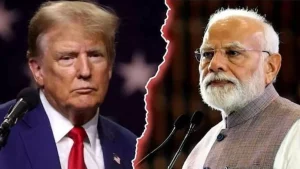
Washington D.C. – US President Donald Trump has made his third assertion in five days regarding the India Russia oil trade, claiming that Prime Minister Narendra Modi assured him that India would cease purchasing oil from Russia. Speaking to reporters aboard Air Force One on Monday, Trump reiterated his controversial statement that has sparked diplomatic tensions between the two nations.

“I spoke with Prime Minister Modi of India, and he said he’s not going to be doing the Russian oil thing,” Trump stated, maintaining his position despite India’s official denial of such a conversation. This repeated claim comes at a critical juncture in US-India relations, as both countries engage in ongoing trade negotiations.

India’s Denial and Trump’s Tariff Warning

India Russia oil trade

When confronted with India’s denial of any phone call between Trump and Modi regarding the India Russia oil trade, the US President issued a stern warning. “But if they want to say that, then they’ll just continue to pay massive tariffs, and they don’t want to do that,” Trump responded, making it clear that economic consequences could follow India’s contradictory stance.

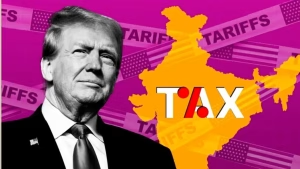
Trump’s latest remarks coincide with delicate trade negotiations between India and the US, occurring against the backdrop of his administration’s 50% tariffs on Indian imports. These substantial duties include 25% penalties implemented in August specifically targeting India’s continued engagement in the India Russia oil trade.

The Tariff Context Behind Oil Trade Dispute

India Russia oil trade

The punitive tariffs imposed by the Trump administration represent a calculated strategy to pressure India over its energy relationships. Trump announced these additional penalties as a direct response to India’s decision to maintain its India Russia oil trade despite Western pressure to isolate Moscow economically following its invasion of Ukraine.

The move is widely interpreted as an attempt to leverage economic pressure on Russia through its trading partners. Several Trump administration officials have previously claimed that India profited substantially from reselling Russian oil during and after the war, alleging that the India Russia oil trade witnessed a significant increase following Russia’s military actions in Ukraine.

Trump’s Claims About Modi’s Assurance

Last week, Trump’s initial assertion about the India Russia oil trade drew international attention when he publicly stated that energy commerce would soon cease. “I was not happy that India was buying oil. And he (Modi) assured me today that they will not be buying oil from Russia. That’s a big step,” Trump declared, suggesting a major diplomatic breakthrough.

Also Read: Trump China Tariff Talks: Powerful Move Prompts Beijing to Agree to New Negotiations

Elaborating on the timeline, Trump indicated that changes to the India Russia oil trade wouldn’t occur immediately but would happen “within a short period of time,” acknowledging it was “a little bit of a process.” He repeated this claim during his bilateral lunch with Ukraine’s President Volodymyr Zelensky, stating, “Well, India is not going to be buying Russian oil anymore.”

Ministry of External Affairs Issues Clarification

India Russia oil trade

Hours after Trump’s initial claims about the India Russia oil trade, India’s Ministry of External Affairs issued an official statement clarifying the nation’s position on energy sourcing. The statement made no mention of any conversation with Trump regarding the India Russia oil trade, instead focusing on India’s sovereign energy policies.

“India is a significant importer of oil and gas. It has been our consistent priority to safeguard the interests of the Indian consumer in a volatile energy scenario. Our import policies are guided entirely by this objective,” the Ministry stated, emphasizing that decisions about the India Russia oil trade are based purely on national interests and consumer welfare.

Implications for US-India Trade Relations

The controversy surrounding Trump’s claims about the India Russia oil trade has created additional complexity in already tense trade negotiations. With 50% tariffs looming over Indian imports, the economic stakes are substantial for both nations. India faces pressure to balance its energy security needs with maintaining its strategic partnership with the United States.

The dispute highlights the broader geopolitical tensions arising from Russia’s war in Ukraine and Western efforts to economically isolate Moscow. India has consistently maintained that its approach to the India Russia oil trade is driven by practical considerations of energy security and consumer affordability rather than political alignment.

The Road Ahead for Energy Diplomacy

As negotiations continue, the future of the India Russia oil trade remains uncertain. Trump’s repeated assertions, coupled with his tariff threats, signal that the issue will remain a contentious point in US-India relations. However, India’s firm denial of any agreement to end the India Russia oil trade suggests that New Delhi is unwilling to compromise its energy sovereignty under external pressure.

The coming weeks will prove critical in determining whether diplomatic channels can resolve this standoff or if economic tensions will escalate further, potentially impacting the broader strategic partnership between the world’s largest democracies.

Maharashtra Bogus Voters Controversy: Shocking Allegations Rock Electoral Democracy

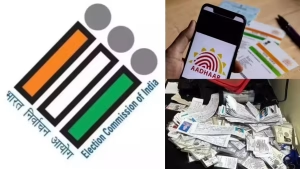
Maharashtra’s political landscape witnessed a seismic controversy when Maharashtra Navnirman Sena (MNS) chief Raj Thackeray made startling allegations against the Election Commission of India on October 19, 2025. Speaking at a rally in Mumbai’s Goregaon before booth-level workers, Thackeray claimed that approximately 96 lakh (9.6 million) Maharashtra bogus voters had been systematically added to the state’s electoral rolls ahead of upcoming local body elections. This explosive accusation has sparked intense debate about electoral integrity and democratic processes in India’s second-most populous state.

Maharashtra bogus votersAlso Read: Maharashtra Bogus Voters: Explosive Allegations Shake Democratic Integrity

Other: ORS Regulation in India

The MNS president characterised manipulated elections as the gravest affront to voters, demanding immediate action from the Election Commission. His allegations specifically targeted the addition of fake entries allegedly designed to influence local body elections scheduled to be completed by January 31, 2026. Thackeray contended that similar tactics were purportedly employed before the 2024 Assembly polls, suggesting a pattern of systematic manipulation.

City-wise Breakdown of Alleged Irregularities

According to Thackeray’s detailed allegations, the Maharashtra bogus voters problem extends across major urban centres throughout the state. He claimed that between 8 and 10 lakh fake voters had been incorporated into Mumbai’s electoral rolls alone. Similar numbers ranging from 8 to 8.5 lakh were allegedly added in Thane, Pune, and Nashik, Maharashtra’s major metropolitan areas.

The MNS chief emphasised that these irregularities weren’t confined to cities but extended to villages and towns across Maharashtra. He asserted that electoral calculations were fundamentally skewed, questioning how certain parties achieved victories in the recent Assembly elections, where 232 MLAs from the MahaYuti alliance were elected, leaving both voters and victors themselves appearing astonished, according to his assessment.

Opposition Unity and Collective Action

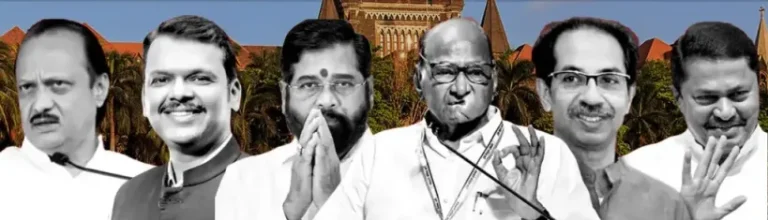
The Maharashtra bogus voters controversy united opposition parties in an unprecedented show of solidarity. A joint delegation comprising Shiv Sena (UBT) chief Uddhav Thackeray, MNS president Raj Thackeray, NCP (Sharad Pawar) chief Sharad Pawar, Congress leaders Balasaheb Thorat and Vijay Wadettiwar, and other opposition representatives met with the State Election Commissioner and Chief Electoral Officer on October 14 and 15, 2025.

The opposition coalition presented what they claimed was concrete evidence of multiple irregularities in voter lists. These included incomplete voter addresses, incorrect house numbers, names of individuals not residing in constituencies, and instances where hundreds of voters were listed under single addresses. They also highlighted cases of duplicate registrations across different addresses and assembly segments, further substantiating concerns about Maharashtra’s bogus voters.

Congress spokesperson Sachin Sawant added another dimension to the controversy, citing Election Commission data that showed 41 lakh voters were added between the 2024 Lok Sabha and Assembly elections. More alarmingly, he questioned how 6.55 lakh voters were added within just four days between October 16 and October 19, describing this spike as unprecedented and demanding an explanation.

Maharashtra bogus votersOpposition Demands and Electoral Reforms
The unified opposition presented a comprehensive memorandum demanding immediate rectification of alleged anomalies before local body elections proceed. Their primary demand centred on delaying forthcoming local body elections until the voter list receives approval from all political parties involved. Raj Thackeray specifically challenged the Election Commission, asking how it would conduct polls without first cleaning the electoral rolls.

Opposition leaders advocated for a Special Intensive Revision (SIR) exercise similar to the de-duplication drive conducted in Bihar before its assembly elections. They argued that such an exercise successfully removed duplicate names and restored confidence in the electoral process. The Maharashtra bogus voters issue, according to opposition parties, requires similar systematic intervention.

Additionally, the opposition demanded the restoration of the Voter Verifiable Paper Audit Trail (VVPAT) system for local body polls. They argued that the absence of VVPATs undermines public faith in electoral transparency. For the Brihanmumbai Municipal Corporation elections, they demanded voting through ballot papers if VVPATs aren’t permitted, emphasising the need for verifiable voting mechanisms.

The delegation also criticised the multi-member ward system used in Maharashtra, calling it confusing and unfair to voters. They urged the Election Commission to reform this model to make the electoral process more transparent and voter-friendly.

Election Commission’s Response

Maharashtra State Chief Electoral Officer S. Chocklingam issued an eight-page rebuttal on October 18, 2025, firmly denying opposition allegations regarding the Maharashtra bogus voters controversy. The CEO stated that the process of correcting and rectifying errors in voter lists is ongoing through an extremely secure portal maintained by the Election Commission of India.

Chocklingam emphasised that apart from Electoral Registration Officers, no one else can make changes to voter lists. He categorically denied opposition claims that someone outside the Election Commission handles modifications, calling such information “completely baseless and factless.” The CEO stressed that no representative of any political party is connected with the Chief Electoral Officer’s office or the Election Commission of India.

The Election Commission published the voter list as of July 1, 2025, for claims and objections regarding local self-government institution elections, providing deadlines for addressing discrepancies. The CEO explained that if multiple entries exist for one person, or if there are errors in names, ages, or addresses, the concerned Electoral Registration Officer will conduct inquiries based on applications filed.

Regarding the Maharashtra bogus voters allegations, officials acknowledged that temporary dual registrations can occur when voters relocate. When someone changes address and applies for voter registration at a new location using Form 8, their name is first included at the new place before being deleted from the original location through Form 7. Officials stated that special care is taken to avoid duplication, though voters may sometimes appear at two places temporarily during this transition period.

The Election Commission also issued show cause notices to several district authorities following the detection of anomalies, including cases of voters registered in multiple constituencies. Officials cited specific examples where duplicate registrations were already deleted in December 2024 and April 2025, demonstrating ongoing corrective measures.

119057574Political Context and Implications

The Maharashtra bogus voters controversy emerges against the backdrop of the MNS drawing a blank in the 2024 state elections. Raj Thackeray referenced this political context, stating that everyone understands how victories were achieved in those elections. He noted that when the BJP was in opposition, it made similar charges against the poll body, highlighting the cyclical nature of such allegations.

The controversy also touches upon broader concerns about regional party marginalisation. Thackeray contended that efforts were underway to finish regional political outfits through voter manipulation, framing the issue as not merely technical but fundamentally about political survival and democratic representation.

The Path Forward

As Maharashtra approaches local body elections, the Maharashtra bogus voters controversy represents a critical juncture for electoral integrity. The opposition’s unified stance signals a determination to make electoral transparency and voter rights central to political discourse. Their rare show of solidarity suggests this could become a major political confrontation centred on democracy’s fundamental integrity.

The Election Commission faces the challenge of addressing legitimate concerns while maintaining electoral schedule efficiency. Whether through Special Intensive Revision, enhanced transparency mechanisms, or technological solutions, resolving the Maharashtra bogus voters issue is essential for restoring public confidence in electoral processes.

The controversy underscores the importance of robust voter list management systems, transparent verification processes, and political consensus on electoral integrity. As both sides present their positions, Maharashtra’s democratic credentials hang in the balance, demanding solutions that prioritise accuracy, transparency, and fairness above partisan considerations.

The resolution of this controversy will likely set precedents for how electoral disputes are handled nationwide, making it a matter of national significance beyond Maharashtra’s boundaries.

Gaza Cease-Fire Violations Trigger Devastating Humanitarian Crisis

The fragile cease-fire agreement in Gaza faces its gravest test since its implementation, with Israel launching over 20 air strikes across the enclave and halting humanitarian aid in response to alleged attacks on its forces. The escalation represents a critical juncture for the US-brokered truce that was intended to end the devastating two-year conflict. As Gaza cease-fire violations mount on both sides, the international community watches anxiously while millions of Palestinian civilians remain caught in the crossfire.

Gaza cease-fire violationsAlso Read: Gaza Cease-Fire Violations

Other: Mamta Bannerjee Clarification

The deaths of two Israeli soldiers marked the first IDF casualties since the ceasefire took effect on October 11, triggering a swift and forceful military response from Israel. This dramatic escalation threatens to unravel weeks of painstaking diplomatic efforts and plunge the region back into full-scale warfare.

The Immediate Trigger: Conflicting Accounts of Violence

Israeli military officials reported that Hamas attacked forces in Rafah with rocket-propelled grenades and sniper fire, prompting strikes in the area. The Israeli Defence Forces identified the fallen soldiers as Major Yaniv Kula, 26, and Staff Sergeant Itay Yavetz, 21, whose deaths galvanised public pressure on Prime Minister Benjamin Netanyahu to respond decisively.

However, Hamas presented a starkly different narrative. The Qassam Brigades stated they did not know of incidents in Rafah, describing these as red zones under Israeli control where contact with their groups had been severed since March. This fundamental disagreement about what transpired on the ground underscores the complexity of monitoring Gaza cease-fire violations in an environment where communication channels remain fractured and trust between parties is virtually nonexistent.

Humanitarian Aid Suspended: A Population Held Hostage

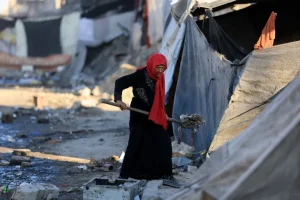
Perhaps the most alarming consequence of the recent Gaza cease-fire violations involves the complete suspension of humanitarian assistance. An Israeli security official announced that humanitarian aid transfer into Gaza would be halted until further notice following the alleged Hamas violation. This decision carries catastrophic implications for Gaza’s 2.3 million residents, many of whom already face acute shortages of food, medicine, and clean water.

Earlier this year, a UN-backed initiative reported that parts of Gaza were facing famine, and the truce had raised hopes for a surge in humanitarian aid to the territory. The abrupt cessation of aid deliveries threatens to reverse any modest gains achieved during the brief period of relative calm. International humanitarian organisations have repeatedly warned that using aid as a political weapon violates international humanitarian law and places innocent civilians in immediate danger.

The aid blockade also violates the terms of the cease-fire agreement itself. The agreement stipulated that Israel would halt all military operations and that aid flow would return to levels seen under the previous ceasefire, when at least 600 aid trucks entered Gaza daily. Instead, aid groups report receiving far fewer supplies than promised, with Israel limiting deliveries to significantly reduced numbers even before the complete halt.

Gaza cease-fire violationsScale of Military Response and Civilian Casualties
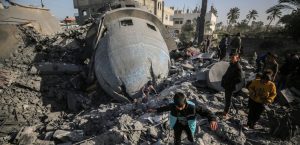
The Israeli military response to alleged Gaza cease-fire violations has been extensive and deadly. Gaza’s Civil Defence agency reported that Israeli air raids killed at least 21 Palestinians across the enclave, including strikes on residential areas and refugee camps. Medical sources documented casualties in multiple locations, suggesting a coordinated military campaign rather than isolated responses to specific threats.

Netanyahu held consultations with security heads and directed the military to take strong action against any ceasefire violations, reflecting domestic political pressures to demonstrate resolve. Far-right coalition partners have demanded even more aggressive responses, with some calling for a complete resumption of warfare rather than maintaining the cease-fire framework.

The strikes targeted what Israeli officials described as Hamas infrastructure, including weapons storage facilities, tunnel networks, and military positions. However, the high civilian casualty toll raises serious questions about proportionality and adherence to international humanitarian law principles regarding the distinction between military and civilian targets.

Pattern of Alleged Violations: A Contested Narrative

The current escalation represents only the latest chapter in a long series of disputed Gaza cease-fire violations. Gaza’s media office has accused Israel of violating the ceasefire agreement 47 times since it took effect, documenting incidents ranging from shooting civilians approaching designated lines to restricting aid beyond agreed parameters.

Reports presented to the United Nations documented 1,000 ceasefire violations attributed to Israel by March 2025, including enforcement of total blockades, military strikes on civilian areas, and attacks on Palestinians attempting to return to their homes. These allegations paint a picture of systematic disregard for cease-fire terms, though Israel maintains it acts only in response to security threats.

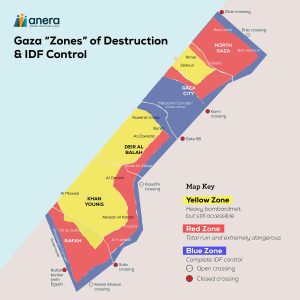
The so-called “Yellow Line” has emerged as a particular flashpoint. Israel has shot and killed Palestinians it accused of approaching the Yellow Line, actions Hamas called a flagrant violation of ceasefire commitments. The lack of clear demarcation and communication about these boundaries has led to tragic incidents, including the deaths of civilians who may not have been aware they were crossing into restricted zones.

Political Dimensions: Domestic Pressures and Regional Implications

Netanyahu faces intense domestic pressure regarding Gaza cease-fire violations, with his governing coalition dependent on far-right parties demanding hardline responses. National Security Minister Itamar Ben-Gvir welcomed the halt in aid, stating it should not be resumed and calling for the war to restart as soon as possible. These political dynamics significantly constrain the Prime Minister’s flexibility in maintaining the cease-fire framework.

The United States, as the primary cease-fire broker, finds itself in an increasingly difficult position. While supporting Israel’s security concerns, American officials have also emphasised the importance of humanitarian access and civilian protection. The collapse of the Gaza cease-fire violations monitoring mechanisms undermines broader regional stabilisation efforts and complicates ongoing negotiations about Gaza’s future governance.

GettyImages 2046558576 GazaHostage Release Complications

The cease-fire agreement included provisions for hostage and prisoner exchanges in multiple phases. Hamas released all 20 living hostages it had been holding and, in the following days, handed over 12 of the 28 deceased captives. However, Israel accuses Hamas of deliberately delaying the return of the deceased hostages’ remains, using this as justification for closing border crossings and restricting aid.

The Qassam Brigades warned that military escalation would hinder search, excavation, and recovery of bodies, creating a tragic paradox where Israeli military actions to punish alleged violations actively prevent the return of hostages’ remains that Israel demands.

International Response and Mediation Efforts

International mediators, particularly Egypt and Qatar, have condemned the aid blockade as a violation of cease-fire terms. The United Nations has repeatedly called for unrestricted humanitarian access, emphasising that Gaza cease-fire violations by any party undermine prospects for sustainable peace. European Union officials are reportedly monitoring how Israel handles humanitarian aid resumption as they consider potential sanctions.

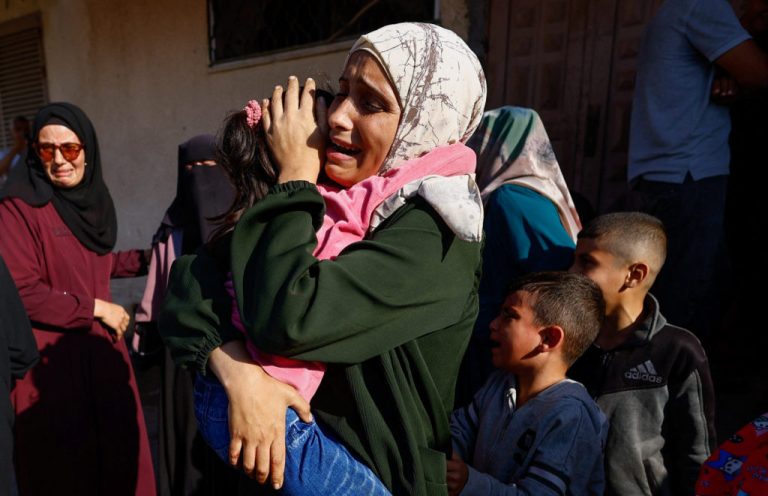
Palestinian residents expressed fear and panic, with women and children asking if war had resumed as Israeli strikes intensified. This psychological toll compounds the physical devastation, leaving a traumatised population uncertain whether each day will bring peace or renewed violence.

Looking Forward: Prospects for Peace or Return to War

The current crisis over Gaza cease-fire violations represents a critical inflexion point. If diplomatic efforts cannot restore the cease-fire framework, the alternative is a return to full-scale conflict with even more devastating humanitarian consequences. The underlying issues—Hamas’s military capabilities, Gaza’s governance, Israeli security concerns, and Palestinian statehood—remain unresolved, creating conditions for recurring cycles of violence.

What makes this moment particularly dangerous is the erosion of trust and the hardening of positions on both sides. Each alleged violation reinforces narratives of bad faith, making future agreements harder to negotiate and sustain. The international community must intensify mediation efforts, strengthen monitoring mechanisms, and hold all parties accountable to their commitments if there is any hope of preventing Gaza’s descent back into full-scale warfare.

The world watches as Gaza stands at a crossroads between a fragile peace and renewed catastrophe, with millions of civilian lives hanging in the balance.

DRI Foils Smuggling of Rs 5.01 Crore Chinese Firecrackers in ‘Operation Fire Trail’ at Tuticorin Port

In a major enforcement success ahead of the Deepawali season, the Directorate of Revenue Intelligence (DRI) intercepted a large consignment of illegally imported Chinese firecrackers during Operation Fire Trail at Tuticorin Port. The operation resulted in the seizure of 83,520 pieces of firecrackers worth ₹5.01 crore and the arrest of four individuals involved in the smuggling network.


Operation Fire Trail: Seizure Details

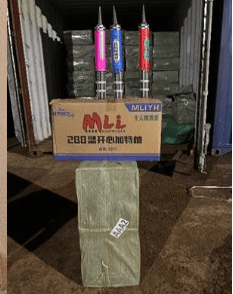
During a series of operations conducted between 14th and 18th October 2025, DRI officers identified two forty-foot containers that had been mis-declared as engineering goods. Upon examination, the containers were found to conceal a massive cache of Chinese-origin firecrackers along with silicon sealant guns used as cover cargo.
The contraband, valued at over ₹5 crore, was seized under provisions of the Customs Act, 1962. The importer was apprehended in Tuticorin, while three associates—including two persons based in Mumbai—were arrested during follow-up actions in Chennai and Tuticorin. All four have been remanded to judicial custody for their role in orchestrating and facilitating the illegal import.


Legal and Safety Implications

The import of firecrackers is restricted under the ITC (HS) Classification of the Foreign Trade Policy, and such imports require prior authorization from the Directorate General of Foreign Trade (DGFT) and the Petroleum and Explosives Safety Organisation (PESO) in accordance with the Explosives Rules, 2008.
By falsely declaring the shipment as industrial goods, the accused deliberately violated these provisions. Officials highlighted that such consignments pose grave safety risks to public infrastructure, particularly within port environments, due to the combustible and explosive nature of the cargo.


DRI’s Ongoing Vigilance and Enforcement Efforts

Operation Fire Trail is part of DRI’s broader strategy to curb the illegal import of hazardous and restricted goods through coordinated intelligence-led interventions. The agency continues to strengthen oversight on high-risk consignments and ensure strict enforcement of trade and safety regulations.
A DRI spokesperson reaffirmed the organization’s steadfast objective: to safeguard national infrastructure, maintain public safety, and uphold the integrity of lawful trade practices.


Conclusion

The successful operation at Tuticorin Port underscores the DRI’s effectiveness in intercepting high-risk illegal imports and disrupting smuggling networks operating across multiple states. As India approaches the festive season, the agency’s vigilance ensures that public safety and regulatory compliance remain uncompromised, reinforcing trust in the nation’s trade and customs enforcement mechanisms.


For more real-time updates, visit Channel 6 Network.

Source: PIB

Special Campaign 5.0- Momentum in Mission Mode: Department of Posts Showcases Midway Achievements

The Department of Posts, under the Ministry of Communications, has achieved notable progress midway through Special Campaign 5.0, a nationwide initiative aimed at promoting cleanliness, reducing pendency, and improving record management across postal establishments. The campaign has mobilized participation from all levels of the postal network — from Head Post Offices to Branch Post Offices — reaffirming the Department’s commitment to a more organized, efficient, and citizen-centric postal system.


Key Achievements under Special Campaign 5.0

  • Cleanliness Drives Conducted:
    Out of 1,25,000 postal sites identified, around 47,358 sites have been covered under Swachhata activities. The drives have transformed workspaces into cleaner, more welcoming environments, enhancing both functionality and public interaction.

  • Dak Chaupals:
    As a community-focused outreach under the campaign, 4,952 Dak Chaupals have been organized across the country. These serve as citizen engagement platforms, ensuring essential postal and government services are accessible to rural and remote populations, upholding the Department’s goal of last-mile delivery.

  • Weeding Out of Pending Files:
    To improve administrative efficiency, 32,249 physical files have been reviewed and 7,611 outdated files weeded out or closed. This streamlined approach has improved operational transparency and organization within offices.

  • Public Grievance Redressal:
    Demonstrating responsiveness and accountability, the Department has resolved over 57,961 pending public grievances and appeals, reinforcing its commitment to citizen satisfaction and proactive governance.

  • Space Management:
    Through digitization, records management, and disposal of obsolete materials, an estimated 13,049 sq. ft. of office space has been freed up, allowing for more efficient utilization of premises.

  • Revenue from Scrap Disposal:
    Sale of unserviceable items and scrap materials has generated ₹32,48,216 in revenue, contributing to the Department’s sustainability and resource efficiency goals.


Promoting Cleanliness and Creativity

The campaign’s beautification component has seen Post Offices across India enhance their premises with vibrant Wall Art, showcasing themes of cleanliness, postal heritage, and public awareness. These artworks have served as both aesthetic additions and communicative tools to spread the spirit of Swachhata among citizens and employees.
Additionally, Circles across the country have actively participated in ‘Best out of Waste’ activities, creating decorative and functional items from discarded materials. This initiative underscores the Department’s emphasis on recycling, creativity, and environmental responsibility.


Outlook for the Second Phase

Building on the substantial momentum achieved so far, the upcoming phase of Special Campaign 5.0 will focus on consolidating institutional improvements, ensuring sustained cleanliness and operational excellence. The Department of Posts aims to further strengthen a culture of accountability, efficient public service delivery, and long-term sustainability in its functioning.


Conclusion

The midway achievements of the Department of Posts under Special Campaign 5.0 reflect a deep-rooted commitment to transforming workplace culture, improving citizen engagement, and advancing administrative reforms. As the campaign progresses toward its conclusion, the emphasis on self-discipline, transparency, and innovation continues to place India’s postal network at the forefront of efficient and people-oriented governance.


For more real-time updates, visit Channel 6 Network.

Source: PIB

Sixth Anti-Submarine Warfare Shallow Water Craft ‘BY 528 (Magdala)’ Launched at Cochin Shipyard, Kochi

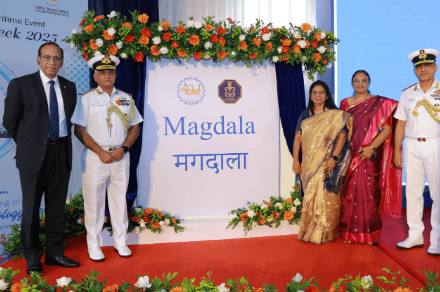
In a major boost to India’s indigenous naval shipbuilding capability and maritime defence strength, the sixth vessel in the series of eight Anti-Submarine Warfare Shallow Water Crafts (ASW SWC), BY 528 (Magdala), was launched on October 18, 2025, at Cochin Shipyard Limited (CSL), Kochi. The launch marks another significant milestone in the Indian Navy’s ongoing drive toward self-reliance and enhanced undersea warfare capability under the nation’s Aatmanirbhar Bharat initiative.


Ceremony and Launch Tradition

The ship was ceremonially launched by Mrs. Renu Rajaram, following the Indian Navy’s rich maritime traditions, in the presence of Vice Admiral Rajaram Swaminathan, Controller of Warship Production and Acquisition (CWP&A). Senior officials from the Indian Navy and Cochin Shipyard Limited were also present at the occasion. The event celebrated another successful milestone in India’s robust indigenous shipbuilding programme led by CSL, a premier shipbuilding facility in the country.


Technical Specifications and Capabilities

BY 528 (Magdala) has been indigenously designed and constructed by Cochin Shipyard Limited, incorporating over 80% indigenous content. The ship is powered by three diesel engines driving waterjets, ensuring superior manoeuvrability and speed in shallow waters.
Its advanced sensor suite includes a Hull Mounted Sonar and Low Frequency Variable Depth Sonar (LFVDS), which will substantially augment the Indian Navy’s underwater surveillance capabilities. The ship is also armed with state-of-the-art torpedoesanti-submarine rockets, a 30mm gun (NSG-30), and a 12.7mm Stabilised Remote Control Gun (SRCG), ensuring multi-dimensional combat efficiency.


Strengthening India’s Maritime Security

The ASW SWC class of ships is designed to strengthen the Navy’s underwater domain awareness, and enhance anti-submarine warfare as well as mine-laying capabilities. Once commissioned, the Magdala and its sister ships will serve as critical assets in securing India’s maritime frontiers in the Indian Ocean Region. The series of vessels represents the Navy’s strategic focus on littoral warfare and anti-submarine defence, crucial in countering emerging undersea threats.


Towards Self-Reliance in Naval Manufacturing

The launch of BY 528 (Magdala) reiterates India’s growing prowess in designing and producing sophisticated warships domestically. Cochin Shipyard Limited and the Indian Navy have maintained consistent momentum in delivering advanced warfighting platforms, reflecting the success of the Make in India initiative. With delivery of the first ASW SWC scheduled for the end of October 2025, the Navy is set to further fortify its operational readiness and deterrence capability across key maritime zones.


Conclusion

The successful launch of BY 528 (Magdala) symbolizes a vital step forward in India’s vision of achieving self-reliance in defence manufacturing and maritime capability development. It underscores the Indian Navy’s enduring commitment to modernisation, technological excellence, and national security. The ASW SWC program not only enhances India’s naval warfare capacity but also strengthens the domestic industrial ecosystem driving the nation toward a stronger, self-reliant future.


For more real-time updates, visit Channel 6 Network.

Source: PIB

Chief of Army Staff (COAS) Strong Review on Operational Preparedness in Central Sector, Interacts with Troops and Local Communities: 2025

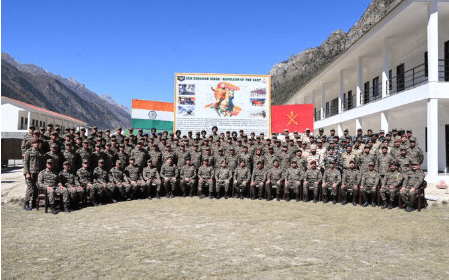
Chief of the Army Staff (COAS) General Upendra Dwivedi undertook a comprehensive visit to forward areas in the Central Sector, reaffirming the Indian Army’s operational readiness and commitment to community development in the strategically significant Kumaon region. His tour covered high-altitude posts in Pithoragarh and adjoining forward locations, where he evaluated defence preparedness, reviewed developmental initiatives, and extended festive greetings to troops and local residents.


Assessment of Operational Readiness

During the visit, General Dwivedi reviewed formations deployed in the remote, high-altitude zones of Pithoragarh, assessing their combat readiness amid evolving security challenges. He received detailed briefings on the integration of advanced surveillance systems, specialist mobility platforms, next-generation technologies, and reconnaissance optimisation.
He commended the troops for their exceptional professionalism, discipline, and innovative deployment of state-of-the-art equipment in extreme terrain and weather conditions, reinforcing the Army’s ethos of operational excellence.

Aatmanirbhar Bharat


Motivation and Interaction with Troops

The Army Chief interacted extensively with personnel stationed across remote posts, acknowledging their resilience and unwavering dedication in the face of adversity. He praised their courage, morale, and service under challenging climatic conditions, while reaffirming the Army’s steadfast commitment to national defense. General Dwivedi invoked the guiding principle of “Service Before Self,” commending soldiers for their indomitable spirit and devotion to duty.


Strengthening Civil-Military Relations

Highlighting the strategic significance of the Kumaon region, particularly its proximity to the borders with Nepal and China, General Dwivedi underscored the integral role of the local population in national security. He lauded their unwavering patriotism and strong community bonds, emphasizing the Army’s philosophy of building “strength with compassion.”
The COAS also met with veterans and community leaders, extending Diwali greetings and expressing gratitude for their contributions to national defence and social stability.


Review of Developmental and Welfare Initiatives

General Dwivedi reviewed multiple community-oriented projects under Operation Sadbhavna and the Vibrant Village Programme, aimed at fostering sustainable growth and resilience in border villages. Initiatives assessed included tent-based homestays in Garbyang and Kalapani, road infrastructure enhancements, hybrid power systems, medical outreach camps, and agricultural support through polyhouses.
He praised the Army’s engagement in livelihood generation, local capacity building, and infrastructural development, viewing them as strategic tools for strengthening border security and promoting self-reliant communities.


Conclusion

Concluding his visit, General Upendra Dwivedi reaffirmed the Indian Army’s unwavering commitment to operational efficiency, community partnership, and national service. He reiterated that the Army’s enduring values of duty, honour, and dedication will continue to guide its mission of safeguarding India’s sovereignty while nurturing socio-economic development in frontier regions.


For more real-time updates, visit Channel 6 Network.

Source: PIB