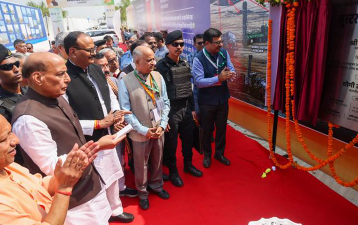
Marking a decisive leap towards self-reliance in defence manufacturing (Aatmanirbhar Bharat), Raksha Mantri Shri Rajnath Singh and Uttar Pradesh Chief Minister Shri Yogi Adityanath jointly flagged off the first batch of BrahMos missiles produced at the newly operational BrahMos Integration and Testing Facility Centre in Lucknow. The cutting-edge facility, established under the Uttar Pradesh Defence Industrial Corridor, reflects India’s growing technological independence and its transformation into a global defence hub.
Symbol of Indigenous Excellence
Speaking at the ceremony, Shri Rajnath Singh hailed the BrahMos system as far more than a missile—calling it a symbol of India’s indigenous technological prowess. Equipped with traditional warheads and sophisticated guided systems capable of striking at supersonic speeds, he described BrahMos as the “backbone of the Armed Forces.”
Referring to its performance in Operation Sindoor, he emphasized that BrahMos has evolved from a test platform into a symbol of operational strength. “Every inch of Pakistan’s territory is now within the reach of BrahMos,” the Defence Minister asserted, underscoring the missile’s deterrence capability.
Strategic Vision and Global Impact
The Raksha Mantri reaffirmed that the government’s Aatmanirbhar Bharat initiative, launched under Prime Minister Shri Narendra Modi’s leadership, has transformed Indian defence manufacturing into a global brand. Citing recent export contracts worth ₹4,000 crore with two foreign nations, he emphasized that India has now become a giver in global defence cooperation rather than a mere buyer.
He projected that Lucknow would soon become a global defence technology hub, with the BrahMos unit expected to achieve an annual turnover of ₹3,000 crore and generate ₹500 crore in GST revenue by the next fiscal year.
Expanding the Uttar Pradesh Defence Industrial Corridor
Built on a 200-acre site at a cost of ₹380 crore, the BrahMos Integration and Testing Facility Centre is designed to produce nearly 100 missile systems annually. Shri Rajnath Singh described the project as a beacon of economic and strategic growth, anticipated to create thousands of jobs in the region.
The Defence Minister stressed that the Uttar Pradesh Defence Industrial Corridor will only reach its full potential when small and medium enterprises flourish alongside large manufacturers. The initiative aims to build strong linkages between major defence corporations and local entrepreneurs, making Uttar Pradesh a centre for both innovation and manufacturing.
Reducing Dependency and Strengthening Supply Chains
Highlighting global concerns about defence supply chains, Shri Rajnath Singh called for deep indigenisation of critical components. “We must develop all types of technologies such as advanced seekers and ramjet engines indigenously so that our supply chain remains within India,” he said.
He encouraged a structured roadmap to integrate small enterprises into the defence manufacturing ecosystem, ensuring that India’s entire weapon system supply chain becomes self-sustaining and globally competitive.
Boosting the Economy through Defence Production
The Defence Minister also underlined the fiscal benefits of the defence sector, noting that each BrahMos missile contributes significantly to government revenues through GST collections. “Every system delivered not only secures the nation but strengthens its economy. The taxes from a single missile can fund schools, hospitals, and welfare schemes,” he highlighted.
Chief Minister’s Address: Lucknow as a Hub of Aatmanirbharta
Chief Minister Shri Yogi Adityanath described the BrahMos project as a “missile of self-reliance,” symbolizing the growing confidence of India’s defence ecosystem. He thanked Prime Minister Modi and Raksha Mantri Rajnath Singh for selecting Lucknow as a node in the national effort toward defence self-sufficiency.
He further announced that more than 15,000 youth have gained employment through projects under the UP Defence Industrial Corridor, affirming the state’s emergence as a manufacturing and innovation hub in national security.
Highlights of the Event
During the occasion, Shri Rajnath Singh and Shri Yogi Adityanath inaugurated the Booster Building and observed a live booster docking demonstration. They reviewed presentations at the Airframe and Avionics, Pre-Dispatch Inspection, and Warhead units, and witnessed a display of the BrahMos mobile autonomous launcher.
DG (BrahMos) Dr. Jaytirth R. Joshi handed over a GST cheque of approximately ₹40 crore to the Chief Minister, symbolizing the financial benefits of indigenous defence production. The event also saw participation from UP Deputy Chief Minister Shri Brajesh Pathak, DRDO Chairman Dr. Samir V. Kamat, and other dignitaries.
Conclusion
The commissioning of the BrahMos Integration and Testing Facility in Lucknow marks a watershed moment for India’s defence sector under the Aatmanirbhar Bharat vision. It not only enhances the nation’s strategic capabilities but also transforms defence production into a strong driver of economic growth, innovation, and employment. As India advances towards its goal of becoming a global technological leader by 2047, such projects underscore the country’s strategic autonomy and industrial resilience.
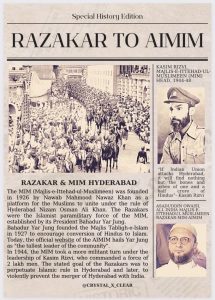
In a significant political development that has reshaped Hyderabad’s electoral dynamics, the All India Majlis-e-Ittehadul Muslimeen has announced its decision to abstain from contesting the Jubilee Hills by-poll scheduled for November 11, 2025. Party president Asaduddin Owaisi confirmed this strategic move during a meeting with Congress candidate Naveen Yadav, who filed his nomination, accompanied by former Indian cricket captain Mohammed Azharuddin. This tactical withdrawal from the Jubilee Hills by-poll signals AIMIM’s commitment to preventing vote fragmentation and countering the Bharatiya Janata Party’s expanding influence in urban Hyderabad constituencies.
The decision carries substantial electoral weight given the constituency’s demographic composition. With approximately 120,000 Muslim voters and an additional 22,000 from other minority communities constituting nearly one-third of the 399,000 total voters, AIMIM’s support for Congress could prove decisive. The Jubilee Hills by-poll represents more than just one Assembly seat—it embodies broader political realignments in Telangana’s capital and tests the Revanth Reddy government’s popularity.
Historical Context and Past Performance
The by-election was necessitated following the death of Bharat Rashtra Samithi legislator Maganti Gopinath, who had represented Jubilee Hills since 2014. In the 2023 Assembly elections, Gopinath secured 80,549 votes, defeating Congress candidate Mohammed Azharuddin by 16,337 votes, while BJP candidate L. Deepak Reddy finished third with 25,866 votes. AIMIM candidate Mohammed Rashed Farazuddin secured only 7,848 votes in that contest.
However, AIMIM’s historical performance shows greater strength when Naveen Yadav contested on the party’s ticket in 2014, securing 25.19 per cent of the vote share and finishing second to Gopinath with a deficit of just 9,242 votes. This historical data underscores how vote distribution patterns affect outcomes in the Jubilee Hills by-poll and explains AIMIM’s strategic calculus in avoiding opposition vote splitting.
Jubilee Hills falls within the Secunderabad Lok Sabha constituency, where BJP’s G. Kishan Reddy secured victory in the 2024 general elections with approximately 50,000 votes’ margin. This BJP strength at the parliamentary level has raised concerns among secular parties about the saffron party’s growing foothold in traditionally pluralistic urban constituencies.
Owaisi’s Critique of BRS Development Record
During his meeting with Naveen Yadav, Asaduddin Owaisi delivered pointed criticism of the previous BRS government’s development record in Jubilee Hills. The AIMIM chief emphasised that despite BRS having its legislator from the constituency for ten years while simultaneously holding state power, the area witnessed systematic neglect in infrastructure development and civic amenities. Owaisi highlighted the constituency’s numerous slum areas and inadequate services as evidence of BRS’s failure to serve constituents effectively.
According to Owaisi, the 398,000 voters of Jubilee Hills deserve comprehensive development addressing their basic needs. He characterised the Jubilee Hills by-poll as an opportunity for focused attention on developmental issues overlooked during the previous administration. This critique resonates with ground-level complaints from residents across various wards, including minority-dominated areas like Erragadda, Rahmathnagar, Yousufguda, Shaikpet, and Bharathnagar.
The AIMIM president’s remarks gained additional credibility from his acknowledgement of Chief Minister Revanth Reddy’s responsiveness to developmental projects. Owaisi praised Reddy for expediting the Hyderabad Old City Metro project, noting that when AIMIM supported BRS previously, the metro extension was prioritised. This represented a stark contrast to the previous administration’s approach to development.
Anti-BJP Coalition Building Strategy
The primary rationale behind AIMIM’s decision to stay out of the Jubilee Hills by-poll centres on preventing the BJP’s further consolidation in urban Hyderabad constituencies. Owaisi explicitly stated his concern about the BJP’s growing influence and characterised the party’s expansion as requiring unified opposition. He urged Naveen Yadav to build his campaign around inclusive politics, taking all sections of society together.
The Hyderabad MP alleged that BRS votes transferred to BJP during the 2024 Lok Sabha elections, contributing to the saffron party’s Secunderabad parliamentary constituency victory. This vote migration pattern has alarmed secular political forces and prompted strategic recalibration among parties traditionally competing for similar voter bases. By supporting Congress in the Jubilee Hills by-poll, AIMIM aims to create a consolidated anti-BJP front.
Political analysts suggest AIMIM’s decision may be linked to broader coalition negotiations, particularly regarding the INDIA bloc’s composition in the Bihar elections. Additionally, with Greater Hyderabad Municipal Corporation elections approaching, political understandings between Congress and AIMIM could ensure mutual support in crucial municipal divisions.
Congress Strategy and Candidate Selection
The Congress party’s selection of Naveen Yadav represents strategic thinking designed to maximise minority vote consolidation. Yadav’s political journey includes contesting from this constituency on an AIMIM ticket in 2014, running as an independent in 2018, and joining Congress before the 2023 elections. His AIMIM background and continued goodwill with the party’s leadership make him ideal to benefit from AIMIM’s tacit support.
The Congress strategy for the Jubilee Hills by-poll emphasises welfare schemes implementation, developmental promises, and minority community support consolidation to overcome BRS’s traditional dominance. Party leaders expressed confidence that AIMIM’s support will enable them to wrest another seat from BRS, following their success in the Secunderabad Cantonment by-election in May 2024.
BRS and BJP Electoral Positioning
The BRS has fielded Maganti Sunitha, wife of the late legislator, banking on the sympathy factor to retain the seat. For BRS, retaining the Jubilee Hills by-poll carries enormous significance beyond just one Assembly seat, as the party faces mounting internal tensions following recent defeats. However, BRS confronts significant headwinds, including developmental neglect criticism and perceived vote transfers to the BJP.
The BJP has fielded L. Deepak Reddy again, accusing Congress and AIMIM of collusion. BJP leaders questioned why AIMIM is abstaining from the Jubilee Hills by-poll when it typically fields candidates nationwide. Union Minister Bandi Sanjay Kumar suggested that both Congress and BRS are learning politics from AIMIM despite public disputes. BJP’s campaign focuses on exposing the Congress-AIMIM understanding while projecting itself as the genuine alternative.
The party’s confidence stems from its parliamentary election performance and perceived anti-incumbency against the Revanth Reddy government stemming from internal Congress conflicts. BJP believes these governance issues, combined with communal consolidation, can deliver victory despite opposition vote consolidation.
Electoral Implications and Future Outlook
The Jubilee Hills by-poll will be conducted across 407 polling stations with 399,000 voters comprising 207,382 males, 191,593 females, and 25 third-gender voters. The minority vote concentration remains the decisive factor, with approximately 142,000 minority community voters whose consolidated support can determine outcomes.
The AIMIM’s decision to support Congress carries implications extending beyond immediate electoral outcomes. It signals potential for broader secular coalition building in urban constituencies where the BJP’s expansion threatens traditional power equations. The success or failure of this tactical understanding will influence similar arrangements in future elections.
For Congress, victory would provide crucial momentum and validate the Revanth Reddy government’s policies. Conversely, defeat would intensify internal conflicts. The outcome will significantly impact BRS’s future trajectory and BJP’s credentials as the principal opposition force in Telangana.
The political landscape of Nagaland has witnessed a transformative development with the historic NDPP NPF merger, formally announced on October 18, 2025. This landmark decision, adopted unanimously during the Nationalist Democratic Progressive Party’s sixth General Convention at the Capital Cultural Hall in Kohima, represents one of the most significant political realignments in the state’s history. The NDPP NPF merger brings together two major regional forces under the banner of the Naga People’s Front, one of India’s oldest regional parties established in 1963, creating an unprecedented consolidation of political power aimed at addressing the decades-old Indo-Naga political issue.
Chief Minister Neiphiu Rio described the moment as historic and divinely ordained, marking his homecoming to his parent party. The NDPP NPF merger effectively creates an opposition-less state assembly, with the unified entity commanding a substantial majority in the 60-member legislative body. This consolidation signals a strategic shift toward strengthening regional unity and amplifying the collective voice of the Naga people on critical issues of identity, autonomy, and development.
Historical Context: From Division to Unity
Understanding the significance of the NDPP NPF merger requires examining the historical trajectory of both parties. The Nationalist Democratic Progressive Party was founded in 2017 by Neiphiu Rio following his suspension from the NPF. Rio, who had been an integral part of the NPF since joining as Youth President of Kohima Division in 1974, established the NDPP as a response to internal party conflicts. The new party quickly gained prominence, securing 32 seats in the 60-member assembly during the 2018 elections and forming the People’s Democratic Alliance government with the Bharatiya Janata Party and other regional partners.
The Naga People’s Front, with its rich heritage spanning over six decades, has been instrumental in shaping Nagaland’s political discourse. Despite periods of internal turbulence and leadership challenges, the party maintained its status as a significant regional force representing Naga aspirations. The NDPP NPF merger represents a full-circle moment, reuniting political forces that share common ideological foundations and regional priorities.
The reconciliation process gained momentum when the NPF’s Central Executive Council appealed to Rio on September 6, 2025, to rejoin the party. This appeal viewed Rio as an integral part of the NPF and a strong regionalist whose return would send a positive message to the general public. The subsequent developments, including the NPF formally joining the PDA government on October 14, 2025, paved the way for the comprehensive NDPP NPF merger.
The Merger Resolution: Terms and Implications
The resolution adopted during the NDPP’s sixth General Convention articulated clear objectives for the NDPP NPF merger. According to the official document passed in accordance with Article X of the NDPP Constitution, the party welcomed and accepted the NPF’s unconditional offer, describing it as a mature and well-calibrated move toward unifying regional political aspirations. The resolution emphasised creating a single, strong regional political party in Nagaland capable of effectively addressing the Indo-Naga political issue and strengthening collective efforts toward preserving Naga identity, culture, tradition, and customary laws.
The NDPP-NPF merger combines the NDPP’s 32 legislators with the NPF’s members, creating a unified regional party with substantial legislative strength. When coupled with the BJP’s 12 MLAs and support from other parties, including NPP with five seats, RPI/A with two seats, LJP/RV with two seats, JDU with one seat, and four independent MLAs, the ruling coalition now encompasses the entire assembly. This development has effectively rendered Nagaland opposition-less, a phenomenon not uncommon in smaller northeastern state assemblies but significant in its political implications.
The resolution credited the leadership of NDPP President Chingwang Konyak and Chief Minister Neiphiu Rio, acknowledging their dynamism and political presence in steering the party to this historic juncture. The convention extended unwavering support to both leaders to ensure a smooth transition, with the merger formalities completed immediately following the resolution. Rio was subsequently elected leader of the now-merged NPF Legislature Party, formally marking the culmination of the NDPP NPF merger process.
Strategic Objectives: Beyond Electoral Politics
The NDPP NPF merger transcends mere electoral calculations, positioning itself as a strategic initiative to address fundamental challenges facing the Naga people. The primary objective articulated in the merger resolution focuses on strengthening efforts toward resolving the Indo-Naga political issue, a decades-old conflict involving the political rights, identity, and autonomy of the Naga people. By consolidating regional political forces, the merged entity aims to present a unified front in negotiations with the central government, potentially enhancing the bargaining power of Naga representatives.
Chief Minister Rio emphasised that the NDPP NPF merger is not about preserving personal legacies but about upholding the legacy of the Naga people. He stated that the decision was guided by a vision of unity and collective commitment to the Naga cause, describing it as a homecoming to his parent party. Rio’s visit to former Chief Minister and NPF President Dr Shürhozelie Liezietsu, accompanied by Minister KG Kenye, symbolised the spirit of reconciliation and mutual respect underlying the merger process.
The consolidated party reaffirmed its commitment to the vision of moving toward a state of excellence, emphasising the need for vibrant and inclusive political and developmental processes. The NDPP NPF merger is portrayed as a mechanism to amplify the collective voice and aspirations of the Naga people, ensuring their concerns receive intensive attention at both state and national levels. This approach reflects a broader strategy of leveraging political unity to advance social, economic, and cultural objectives.
Political Ramifications: Power Consolidation and Democratic Concerns
While the NDPP-NPF merger has been hailed by its proponents as a historic step toward regional unity, it has also sparked concerns about the implications of an opposition-less assembly. The consolidation of virtually all legislative seats under the ruling coalition raises questions about democratic accountability, checks and balances, and the role of constructive opposition in governance. Critics, including the Nagaland Pradesh Congress Committee, have described the development as political theatre staged under the pretext of facilitating the peace process.
The Congress party’s criticism highlighted what it termed the recycling of rhetorical sloganeering, reminding voters of unfulfilled promises regarding the Naga political solution. The NPCC statement characterised the NDPP NPF merger as yet another masterstroke in headline management by ideologically bankrupt leaders, questioning whether the consolidation would translate into substantive improvements in governance and delivery of the promised political settlement. These criticisms underscore the scepticism among opposition voices regarding the merger’s effectiveness in addressing core issues.
However, supporters of the NDPP-NPF merger argue that the unprecedented unity creates a stronger platform for representing Naga interests. NPF leader Achumbemo Kikon stated that the alliance aims to further the Naga peace process and reinforce unity among regional parties. He emphasised that forming an opposition-less government sends a strong and practical message that unity is possible with political will. This perspective views the merger as an opportunity to overcome historical divisions and present a cohesive front on critical issues.
Electoral Strategy and Future Implications
The timing of the NDPP NPF merger, occurring between general election cycles, suggests strategic positioning for future electoral contests. By consolidating support and eliminating potential intra-regional competition, the merged entity positions itself advantageously for upcoming state elections. The unified party inherits the combined organisational infrastructure, grassroots networks, and voter bases of both predecessor parties, potentially creating a formidable electoral machine.
The NDPP NPF merger also has implications for alliance dynamics, particularly concerning the relationship with the Bharatiya Janata Party. The BJP, with its 12 MLAs, remains a crucial partner in the PDA government, and the merger necessitates recalibration of power-sharing arrangements and decision-making processes within the coalition. How the BJP responds to this regional consolidation will significantly influence the political trajectory of Nagaland in the coming years.
Looking ahead, the success of the NDPP NPF merger will be measured not merely by electoral outcomes but by its effectiveness in delivering on promised objectives, particularly regarding the Indo-Naga political issue. The merged entity faces the challenge of maintaining internal cohesion while managing diverse expectations from various stakeholders. The consolidation eliminates legislative opposition but does not eliminate the need for responsive governance and accountability to the electorate.
Conclusion: A New Chapter with Uncertain Outcomes
The NDPP NPF merger represents a defining moment in Nagaland’s political evolution, marking the consolidation of regional forces under a unified banner. This development reflects both the aspirations for political unity and the pragmatic calculations of power consolidation. As Chief Minister Neiphiu Rio noted, this merger writes a new chapter in Nagaland’s political history, one characterised by reconciliation, unity, and collective strength.
The true test of the NDPP NPF merger lies ahead, in its ability to translate political consolidation into tangible progress on the Indo-Naga political issue and improved governance outcomes. While the merger creates unprecedented unity in the state assembly, it also carries the responsibility of demonstrating that this unity serves the broader interests of the Naga people rather than merely entrenching political power. As Nagaland navigates this new political landscape, the merged entity must balance the imperatives of stability with the democratic principles of accountability and inclusive governance.
The NDPP NPF merger will undoubtedly shape political discourse in Nagaland for years to come, setting precedents for regional cooperation and raising important questions about the nature of political consolidation in India’s diverse northeastern states. Whether this historic realignment ultimately serves the cause of the Naga people remains to be seen, but its significance as a watershed moment in the state’s political journey is undeniable.
In a significant political development that has sent ripples across Assam’s political landscape, the Bodoland People’s Front has officially joined hands with the Bharatiya Janata Party, marking the formal return of the BPF-BJP alliance to the state’s ruling coalition. The induction of BPF leader Charan Boro into the Assam cabinet on October 18, 2025, symbolises a strategic realignment that could fundamentally alter the political arithmetic ahead of the crucial 2026 Assembly elections.
This momentous occasion, held at Raj Bhavan in Guwahati, witnessed Governor Lakshman Prasad Acharya administering the oath of office to Boro, the two-term legislator from Majbat constituency. The ceremony was attended by Chief Minister Himanta Biswa Sarma, BPF supremo Hagrama Mohilary, cabinet ministers, members of parliament, and senior government officials, underscoring the importance of this political alliance.
The BPF BJP Alliance: Historical Context and Recent Dynamics
The BPF BJP alliance represents a reunion of erstwhile partners who had parted ways under complex political circumstances. Understanding this partnership requires examining the intricate political history of Bodoland and Assam’s ever-shifting alliance patterns.
The Bodoland People’s Front, founded by Hagrama Mohilary, has been a dominant force in the Bodoland Territorial Region since 2005. The party was initially allied with the BJP when the saffron party came to power in Assam in 2016. However, relationships soured during the 2020 Bodoland Territorial Council elections when the BJP chose to partner with the United People’s Party Liberal instead, sidelining the BPF despite it being the largest party.
This perceived betrayal led the BPF to join the Congress-led Mahajot alliance for the 2021 Assam Assembly elections. However, the party continued to provide outside support to the BJP-led government in the state assembly, maintaining a pragmatic approach to governance despite its formal opposition status. The recent revival of the BPF BJP alliance follows the party’s spectacular victory in the September 2025 BTC elections, where it secured 28 of 40 seats, decisively reclaiming its dominance in the Bodoland region.
Charan Boro: The Face of the New Alliance
Charan Boro, the 40-year-old leader who represents this renewed partnership, brings youth and experience to the cabinet. A graduate of Cotton College and a postgraduate from Gauhati University, Boro is regarded as one of the rising leaders within the BPF. First elected from Majbat constituency in 2016, he successfully defended his seat in 2021, demonstrating his electoral strength even when his party was outside the ruling coalition.
Reports indicate that Boro will likely be assigned the Transport Department portfolio, a significant responsibility that will allow him to demonstrate the BPF’s governance capabilities. His induction marks not just personal achievement but represents the BPF’s formal entry into the decision-making apparatus of the state government.
Strategic Implications for the 2026 Elections
The revival of the BPF BJP alliance carries profound implications for the 2026 Assam Assembly elections. The Bodoland Territorial Region comprises 10 of Assam’s 126 assembly constituencies, making it a crucial battleground. In the 2021 elections, the UPPL won six seats from this region while the BPF secured four, contesting on Congress tickets.
Chief Minister Himanta Biswa Sarma acknowledged the strategic importance of this alliance, stating that the NDA will develop a collaborative approach for the upcoming elections. He indicated that detailed discussions regarding seat-sharing arrangements and candidate selection would be finalised by December 2025 or January 2026. The BPF BJP alliance strengthens the NDA’s position in lower Assam, particularly in tribal and minority-dominated constituencies across the BTR.
The ruling coalition, which currently targets securing over 100 seats in the 2026 elections, views the BPF BJP alliance as instrumental in achieving this ambitious goal. With the BJP confident of winning over 75 seats independently, the addition of regional partners like the BPF, Asom Gana Parishad, and potentially the UPPL could push the NDA well beyond the majority mark.
The UPPL Predicament: Political Uncertainty
The formation of the BPF BJP alliance has created an uncertain situation for the United People’s Party Liberal, which has been the BJP’s primary Bodo partner since 2020. UPPL leader Pramod Boro, who served as BTC Chief Executive Member until the recent elections, saw his party reduced to just seven seats in the September council polls.
BPF supremo Hagrama Mohilary had reportedly set a precondition for joining the NDA, demanding that the UPPL be removed from the coalition. However, Chief Minister Sarma has maintained a diplomatic stance, stating that UPPL minister Urkhao Gwra Brahma continues to serve in the cabinet and that the party remains part of discussions for 2026.
This delicate balancing act reveals the BJP’s strategic approach to alliance management. While the BPF BJP alliance has been formalised, the party appears reluctant to completely alienate the UPPL, perhaps keeping options open or seeking to minimise political backlash in certain constituencies where the UPPL retains influence.
Cabinet Composition and Political Balance
With Charan Boro’s induction, the Assam cabinet now comprises 18 members, including the Chief Minister. The composition reflects the NDA’s coalition character: 15 ministers from the BJP, two from the Asom Gana Parishad, and one each from the UPPL and BPF. This marks the fourth and likely final cabinet expansion before the 2026 elections, filling the last vacant ministerial position.
The inclusion of the BPF in the cabinet strengthens the government’s representation from the Bodoland region and demonstrates the BJP’s commitment to inclusive governance. However, it also highlights the complex political calculations required to maintain coalition unity while preparing for electoral battles.
The BTC Victory: Foundation of the Alliance
The BPF BJP alliance became politically viable primarily due to the BPF’s overwhelming victory in the Bodoland Territorial Council elections. Winning 28 of 40 seats represented a stunning comeback for Hagrama Mohilary, marking his fifth consecutive victory in BTC elections since 2005. This electoral mandate gave the BPF considerable negotiating leverage with the BJP.
The BJP, which independently contested the BTC polls, managed only five seats, down from nine in 2020. This poor performance underscored the party’s limited independent appeal in the Bodoland region and necessitated a strategic reconciliation with its former ally. The BPF’s sweep effectively reset the political dynamics in the region, forcing the BJP to acknowledge the party’s continued dominance among Bodo voters.
Hagrama Mohilary emphasised that the BPF always works in the interest of the BTC, and cooperation with the state government is essential since council finances are controlled by Dispur, the state capital. This pragmatic approach to politics—aligning with whoever holds state power—has been a hallmark of Mohilary’s long political career.
Opposition Challenges and Electoral Prospects
The strengthening of the BPF-BJP alliance poses significant challenges for opposition parties in Assam. The Congress, which showed signs of revival during the 2024 Lok Sabha elections, has struggled to build momentum at the state level. The party’s performance in recent panchayat elections was disappointing, and it lacks a cohesive strategy to counter the NDA’s expanding coalition.
The All India United Democratic Front, once a major force in Muslim-dominated constituencies, continues its downward trajectory. Other opposition parties like the Left, Raijor Dal, and Assam Jatiya Parishad have failed to make a significant electoral impact. The absence of a united opposition front works to the advantage of the BPF BJP alliance and the broader NDA coalition.
Political analysts suggest that unless opposition parties can forge meaningful alliances and present a credible alternative governance model, the NDA appears well-positioned for another term. The BPF BJP alliance addresses one of the NDA’s potential vulnerabilities—maintaining support in the Bodoland region—thereby strengthening its overall electoral prospects.
Long-term Political Implications
Beyond the immediate electoral calculations, the BPF BJP alliance reflects broader trends in Indian regional politics. Regional parties increasingly view alliances with national parties as pragmatic necessities rather than ideological commitments. The BPF’s ability to switch from Congress to the JP based on power equations demonstrates this transactional approach to coalition politics.
For the BJP, successfully managing multiple regional partners while maintaining its organisational identity represents both an opportunity and a challenge. The party must balance the demands of allies like the BPF, AGP, and UPPL while ensuring its core support base remains satisfied. The coming months will test the BJP’s alliance management skills as it negotiates seat-sharing formulas and addresses potentially competing interests among coalition partners.
Chief Minister Himanta Biswa Sarma, who has maintained personal relationships across party lines, including with Hagrama Mohilary since 2001-02, plays a crucial role in managing these complex political relationships. His leadership will be instrumental in maintaining coalition unity through the election period.
Development Agenda and Governance Priorities
While electoral calculations dominate current discussions, the BPF-BJP alliance also carries implications for governance and development in the Bodoland region. Chief Minister Sarma has pledged to work together with the BPF government for the upliftment of all communities in the BTR. The state government has promised full support to the new BTC administration while respecting its autonomy.
The Assam cabinet is scheduled to meet with BTC executive members to discuss collaborative development initiatives. Priority areas likely include infrastructure development, education, healthcare, and economic opportunities for the region’s predominantly tribal population. The success of these initiatives could influence voter perceptions during the 2026 elections.
However, critics argue that development has taken a backseat to polarising themes, particularly illegal migration and identity politics. Recent communal tensions in districts like Dhubri have raised concerns about the government’s approach to maintaining social harmony while pursuing electoral strategies.
Conclusion: Electoral Arithmetic and Political Future
The formation of the BPF BJP alliance represents a calculated strategic move by both parties as they prepare for the 2026 Assam Assembly elections. For the BJP, it strengthens its position in the crucial Bodoland region and demonstrates effective coalition management. For the BPF, it provides access to state resources and a platform to deliver on its promises to constituents.
The alliance reflects the fluid nature of Indian regional politics, where pragmatism often trumps ideology. As Chief Minister Sarma noted, discussions about the 2026 election strategy will continue through November and December, with a comprehensive plan expected by year-end. The success of the BPF BJP alliance will ultimately be judged by its ability to translate political partnership into electoral victory and, more importantly, meaningful development for the people of Assam.
As the political landscape continues to evolve, all eyes will be on how this alliance navigates the complex terrain of Assam politics, manages internal contradictions, addresses opposition challenges, and presents a compelling vision to voters. The 2026 elections promise to be a crucial test not just for the BPF BJP alliance, but for the future direction of politics in India’s Northeast.
Sukanta Majumdar Leads Motorcycle Rally: In a dramatic escalation of political tensions in West Bengal, Union Minister and state BJP leader Sukanta Majumdar led a high-profile motorcycle rally in Sreerampur, Hooghly district, on Saturday. This move came immediately after Trinamool Congress (TMC) MP Kalyan Banerjee issued a fiery challenge, daring Majumdar to visit the constituency amidst the ongoing Special Intensive Revision (SIR) of electoral rolls.
The confrontation has brought heightened attention to the SIR process, transforming what is usually a routine exercise into a politically charged battleground. Majumdar’s rally and public statements signal the BJP’s intent to assert its presence in a region historically dominated by the TMC, while Banerjee’s rhetoric highlights the TMC’s defensive strategy to maintain its influence in key constituencies.
Background: Special Intensive Revision and Political Tensions
The Special Intensive Revision (SIR) is conducted by the Election Commission of India to update electoral rolls, ensuring accurate representation of eligible voters. In West Bengal, however, this process has become a source of political friction:
BJP’s Concerns: Sukanta Majumdar raised concerns that any obstruction during the SIR could lead to deployment of central forces, even hinting at “firing” if necessary. His statements were widely perceived as an assertive warning to the state administration and a move to project central authority.
TMC’s Response: Kalyan Banerjee criticized Majumdar’s remarks, describing them as threats to the democratic rights of West Bengal voters. Banerjee escalated tensions by issuing a provocative challenge, daring Majumdar to personally visit Sreerampur to face the electorate.
This exchange reflects deep-rooted political rivalries, with both parties seeking to leverage the SIR process for electoral gains.
Sukanta Majumdar Leads Motorcycle Rally: The Challenge and Response
Kalyan Banerjee’s Statement: Known for his bold rhetoric, Banerjee addressed Majumdar directly, stating:
“That boy who became a minister, please tell him CISF bullets will hit them. Come to Sreerampur if you have the courage. Let’s see how you go back home.”
Sukanta Majumdar’s Reaction: Majumdar embraced the challenge, leading a motorcycle rally through Baidyabati and Sreerampur, accompanied by party workers. He addressed the gathering, stating:
“I want to tell Banerjee that he should fight democratically, and I assure him that he and his party will be vanquished in the next elections.”
Majumdar’s actions were designed to demonstrate BJP’s resolve and signal readiness to challenge the TMC directly in its strongholds.
Political Implications
The confrontation between Majumdar and Banerjee underscores the volatile nature of West Bengal politics, particularly in the run-up to elections:
Assertion of BJP Presence: The rally represents a symbolic and strategic assertion of BJP’s influence in a region traditionally dominated by the TMC.
TMC’s Defensive Posture: Banerjee’s fiery challenge indicates the TMC’s determination to defend its voter base and maintain its stronghold in Hooghly district.
Electoral Roll Significance: The SIR has emerged as a flashpoint for political mobilization, with both parties framing it as a test of democratic legitimacy and authority.
Pre-election Strategy: The timing of these events suggests calculated maneuvering by both parties to mobilize supporters and influence public perception ahead of upcoming elections.
Public and Media Reactions
The response from the public and political observers has been mixed:
Supporters of BJP: Many view Majumdar’s rally as a bold demonstration against perceived TMC authoritarianism, applauding his willingness to confront political rivals directly.
TMC Supporters: Critics argue that the rally and the rhetoric surrounding it are provocative and inflammatory, potentially escalating tensions unnecessarily.
Neutral Analysts: Political analysts highlight that the standoff emphasizes the deepening polarization in West Bengal, where even procedural exercises like the SIR have become politically charged.
The unfolding situation has also raised questions about the role of central forces in electoral processes, with concerns about potential voter intimidation and the importance of maintaining democratic fairness.
Significance for Hooghly and Sreerampur
Sreerampur and the broader Hooghly district have long been politically strategic constituencies in West Bengal:
Electoral Importance: These areas often serve as bellwethers for regional political trends, with strong TMC and emerging BJP presence.
Symbolic Value: The rally underscores BJP’s intent to challenge TMC dominance and establish a visible presence in historically difficult terrain.
Grassroots Mobilization: Motorcycle rallies and public events are traditional methods for mobilizing supporters, demonstrating strength and visibility in local communities.
Majumdar’s rally may therefore influence voter sentiment and political alignment in upcoming elections.
Conclusion
The motorcycle rally led by Sukanta Majumdar in Sreerampur, following Kalyan Banerjee’s provocative challenge, exemplifies the high-stakes political environment of West Bengal. The ongoing tension surrounding the Special Intensive Revision of electoral rolls highlights the intersection of procedural governance and political contestation.
As both parties continue to engage in verbal confrontations and symbolic displays, the electorate of Hooghly and Sreerampur watches closely. The outcome of this standoff may not only influence immediate electoral dynamics but could also set the tone for party strategies across West Bengal, reflecting the broader struggle for political dominance in the state.
In a development that has sparked widespread concern across India’s legal fraternity, retired Supreme Court Justice Abhay S. Oka has publicly raised serious apprehensions about the state of judicial independence India faces today. During the Justice H.R. Khanna Memorial Lecture delivered in Goa, Justice Oka emphasised that the independence of India’s judiciary has been facing serious challenges for decades, regardless of which political party is in power. His candid remarks represent one of the most significant warnings from a senior jurist about threats to the constitutional principle that serves as democracy’s bedrock.
Justice Oka, who retired from the Supreme Court in May 2025 after a distinguished career spanning over four decades, has become increasingly vocal about the challenges confronting judicial independence in India that must be addressed. He stated that judicial independence is not a one-time struggle but an ongoing battle that requires vigilance and commitment at all times, adding that whether during an Emergency or under any government, there is always a threat to the independence of the judiciary. His appeal to both judges and lawyers to remain continuously alert in safeguarding the autonomy of the judicial system underscores the gravity of the situation.
The Flawed Appointment Process: A Critical Vulnerability
One of the most concerning aspects affecting judicial independence that India must confront involves the appointment process for judges. Justice Oka pointed out that the flawed appointment process is creating a negative perception among senior lawyers, deterring them from joining the judiciary, with bright lawyers reluctant to accept judgeship as they fear the process will drag, and even Chief Justices finding it hard to convince candidates. This deterioration in the appointment mechanism represents a fundamental threat to the quality and autonomy of India’s judiciary.
Justice Oka raised concerns about the existing collegium system for appointing judges, asserting the necessity for an improved framework, addressing the intrinsic flaws present within the judiciary and executive, and criticising government delays in the process, particularly the non-implementation of judgments allowing for government reconsideration of collegium recommendations. The delays in implementing collegium recommendations have become a contentious issue, with qualified candidates withdrawing their consent after prolonged waiting periods, further weakening the judicial independence India requires to function effectively.
Media Trials and Political Pressure: Erosion of Institutional Integrity
Justice Oka has been particularly vocal about the dangers of media trials and political interference in judicial matters. He expressed concern over the growing trend of “mob rule” incited by politicians who capitalise on certain incidents and promise capital punishment for the accused, emphasising that only the judiciary has the authority to pass legal verdicts and warning that such actions by politicians are dangerous and unconstitutional. This phenomenon directly threatens the judicial independence that India’s Constitution guarantees.
Justice Oka pointed out that society must understand that judges must decide as per law, whether the death penalty is given is for the judge to decide, and politicians cannot say whether the death penalty should be imposed or not. The rising trend of populist political rhetoric in criminal cases creates undue pressure on the judiciary, undermining the principle that judicial independence in India relies upon for fair adjudication.
Furthermore, Justice Oka observed a disturbing trend over the last decade where unscrupulous litigants file complaints against judges with the intent to malign their reputations, expressing grave concern over how these complaints, even when frivolous, are often leaked and go viral on social media. These orchestrated attacks on judges represent another dimension of threats to judicial independence India faces in the digital age.
Historical Context and Constitutional Courage
In his addresses, Justice Oka has repeatedly invoked historical examples of judicial courage to emphasise the importance of protecting judicial independence that India needs. He remembered the landmark dissenting opinion by Justice H.R. Khanna in the infamous ADM Jabalpur v. Shivkant Shukla case during the Emergency era, a decision which cost Justice Khanna the position of Chief Justice of India but earned him lasting respect for upholding the Constitution. These historical references serve as powerful reminders of the price judges have paid for defending judicial independence that India’s founding fathers envisioned.
Justice Oka’s warnings gain additional weight considering his own distinguished career. Throughout his tenure, he demonstrated an unwavering commitment to constitutional principles, delivering judgments that protected fundamental rights and liberty. His colleagues described him as fearless and principled, qualities essential for maintaining the judicial independence India requires.
Public Perception and Institutional Credibility
Addressing a critical aspect of judicial independence, India must confront, Justice Oka acknowledged the perception among ordinary citizens that the judiciary is not fully independent and stated that judges should introspect more, questioning why common people and litigants have the impression that the judiciary is not independent. This candid acknowledgement reflects a deeper crisis of public confidence that threatens the legitimacy of judicial institutions.
Justice Oka stated that the judiciary and legal institutions had no right to pat their backs and say that the common man had faith in the judiciary, noting the statement was not substantially correct, given that 4.54 crore cases were pending before various courts, out of which 25-30 per cent were around 10 years old. The massive backlog of cases and delayed justice delivery compounds the challenges to judicial independence India experiences.
Structural Reforms and Systemic Issues
Justice Oka has also highlighted structural problems affecting judicial independence in India that need to be addressed urgently. He pointed out that the Supreme Court has become too Chief Justice-centric, suggesting that reforms are necessary to reflect the diversity of perspectives among the 34 judges from different parts of the country. This concentration of power in the office of the Chief Justice potentially compromises the collegial nature of the Supreme Court’s functioning.
The infrastructure deficit, particularly in states like Maharashtra, further undermines the judicial independence India requires. Justice Oka contrasted the inadequate facilities provided to the Maharashtra judiciary with the superior infrastructure in Karnataka, demonstrating how resource constraints can affect judicial functioning and autonomy.
Call to Action: Vigilance and Reform
Justice Oka’s warnings about threats to judicial independence in India must come at a crucial juncture for Indian democracy. His emphasis on continuous vigilance, institutional reforms, and protection from external pressures provides a roadmap for strengthening judicial autonomy. The legal community, civil society, and political leadership must heed these warnings and work collaboratively to preserve the independence of the judiciary.
The separation of powers doctrine and judicial independence India’s Constitution enshrines are not abstract principles but practical necessities for democratic governance. As Justice Oka’s statements demonstrate, these principles face persistent threats from multiple directions—delayed appointments, political interference, media trials, and systemic weaknesses in the appointment process.
Conclusion: Democracy’s Foundation at Stake
The concerns raised by Justice Abhay S. Oka about judicial independence India faces represent more than academic discourse—they constitute a warning about democracy’s fundamental infrastructure. His career, marked by fearless jurisprudence and constitutional commitment, lends credibility to these warnings. The judicial independence India’s founding fathers envisioned requires constant protection from encroachment, whether from the executive, legislature, or other external forces.
As Justice Oka emphasised through his speeches and judgments, safeguarding judicial independence in India is not a one-time achievement but an ongoing struggle requiring vigilance from all stakeholders. The legal fraternity, judiciary, and citizens must recognise that an independent judiciary serves as the ultimate guardian of constitutional values and individual liberties. Without robust judicial independence, India’s democratic framework remains vulnerable to authoritarian tendencies and arbitrary governance.
The debate sparked by Justice Oka’s remarks may indeed trigger responses from judicial and political quarters, as originally anticipated. However, his courage in speaking truth to power exemplifies the very judicial independence India must protect—the freedom of judges to uphold the Constitution without fear or favour, regardless of consequences.
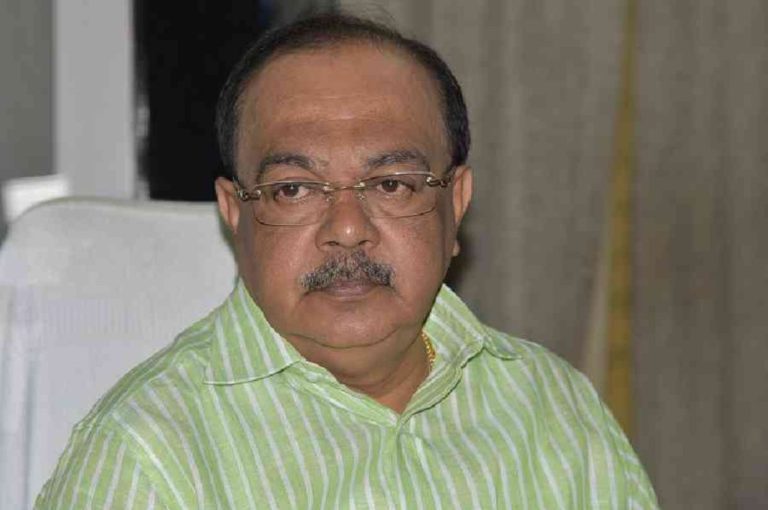
Sovan Chatterjee Reappointed: Former Kolkata Mayor and ex-state Cabinet Minister Sovan Chatterjee has made a significant return to West Bengal’s political and administrative landscape with his appointment as Chairperson of the New Town Kolkata Development Authority (NKDA). This development, announced in October 2025, comes after a seven-year hiatus from mainstream politics and marks a strategic reintegration into the Trinamool Congress (TMC) fold.
Chatterjee’s reappointment is viewed as a politically significant move ahead of upcoming elections, offering him a platform to influence urban planning and governance in New Town Kolkata, a rapidly developing satellite township. This article explores his political journey, the implications of his NKDA leadership, regional development prospects, and the broader political and administrative impact of his comeback.
Sovan Chatterjee Reappointed: A Political Journey
Sovan Chatterjee’s political career spans over two decades, starting as a prominent municipal leader in Kolkata.
Mayor of Kolkata: He first gained prominence as Kolkata’s Mayor, where he oversaw civic administration, urban infrastructure projects, and city development initiatives.
State Cabinet Minister: Later, he served as a Cabinet Minister in Mamata Banerjee’s government, managing portfolios that enhanced his visibility in state-level governance.
Exit from TMC: In 2018, Chatterjee resigned from the TMC, citing differences with the party leadership, and subsequently joined the Bharatiya Janata Party (BJP) in 2019.
Brief Tenure in BJP: His stint with the BJP was marked by internal conflicts and a sense of political marginalization, culminating in his departure ahead of the 2021 Assembly elections.
His return as NKDA Chairperson represents both a personal comeback and a symbolic reconciliation with the TMC leadership, potentially signaling broader political maneuvering.
The Path to Reappointment
Chatterjee’s re-entry into a key administrative role involved:
Meetings with TMC Leadership: In early October 2025, Chatterjee met with Chief Minister Mamata Banerjee and later with Abhishek Banerjee, the TMC national general secretary, to discuss potential reintegration.
Political Calculations: The TMC likely views Chatterjee’s return as a strategic move to consolidate its ranks, especially given his past influence in Kolkata’s urban and political spheres.
Official Announcement: Following these discussions, he was appointed as the Chairperson of NKDA, replacing Alapan Bandyopadhyay, the former Chief Secretary of West Bengal.
This appointment positions Chatterjee at the forefront of urban planning and governance in New Town Kolkata, a hub of economic activity and modern infrastructure.
NKDA and Its Role in New Town Development
The New Town Kolkata Development Authority (NKDA) is responsible for planning, developing, and managing New Town, a satellite city designed to alleviate congestion in Kolkata while promoting modern urban infrastructure.
Infrastructure Development: Responsibilities include residential and commercial planning, transportation management, and public service provision.
Economic Significance: New Town hosts IT hubs, educational institutions, and business parks, making it a critical region for West Bengal’s growth.
As Chairperson, Chatterjee’s role involves strategic oversight of these projects, ensuring coordinated development and maintaining governance efficiency.
Political Implications of the Appointment
Chatterjee’s return carries considerable political weight, especially in the context of upcoming elections:
Strengthening TMC Unity: His reintegration could encourage other former TMC members to return, presenting a unified front ahead of electoral contests.
Urban Voter Influence: Chatterjee’s influence in Kolkata and surrounding areas may help TMC retain urban support in key constituencies.
Signaling Reconciliation: The move demonstrates TMC’s flexibility in leadership integration, highlighting the party’s pragmatic approach to consolidating political capital.
Political analysts note that Chatterjee’s appointment is both a reward for past loyalty and a strategic positioning for the party in Kolkata’s urban electorate.
Public and Political Reactions
Responses to Chatterjee’s appointment have been mixed:
Supporters: Many believe his administrative experience and familiarity with civic governance will benefit New Town’s development.
Critics: Some view his reappointment as politically motivated, raising questions about whether his selection prioritizes political strategy over technical expertise.
Neutral Observers: Analysts highlight the importance of effective governance outcomes in determining public perception, emphasizing that Chatterjee’s success will be measured by tangible improvements in urban infrastructure.
Challenges Ahead for Sovan Chatterjee
Chatterjee faces several challenges as NKDA Chairperson:
Managing Rapid Urbanization: New Town’s fast-paced growth requires careful planning to prevent congestion, environmental degradation, and infrastructure strain.
Coordinating with State Agencies: Effective collaboration with multiple state departments and local municipalities is essential for successful project implementation.
Balancing Political and Administrative Roles: Navigating political expectations while maintaining administrative integrity will be critical.
Meeting Public Expectations: Residents and businesses expect timely delivery of civic amenities, infrastructure, and urban services.
Overcoming these challenges will require strategic vision, stakeholder engagement, and decisive administrative action.
Prospects for New Town Development
Under Chatterjee’s leadership, NKDA is expected to focus on:
Sustainable Urban Planning: Prioritizing eco-friendly infrastructure, green spaces, and renewable energy integration.
Smart City Initiatives: Implementing technology-driven solutions for traffic management, public safety, and service delivery.
Economic Growth: Enhancing business parks, IT hubs, and commercial areas to attract investments.
Community Engagement: Ensuring citizen participation in planning decisions, improving transparency and governance quality.
His experience in municipal administration positions him to translate political capital into tangible developmental outcomes.
Conclusion
Sovan Chatterjee’s return as NKDA Chairperson represents a pivotal moment in West Bengal politics, blending administrative expertise with strategic political reintegration. His appointment signals both the TMC’s intent to consolidate leadership ahead of elections and a renewed focus on the development of New Town Kolkata.
As Chatterjee takes the reins of NKDA, all eyes will be on his ability to balance political objectives with effective urban governance, influence the state’s political landscape, and deliver measurable improvements to one of West Bengal’s fastest-growing regions.
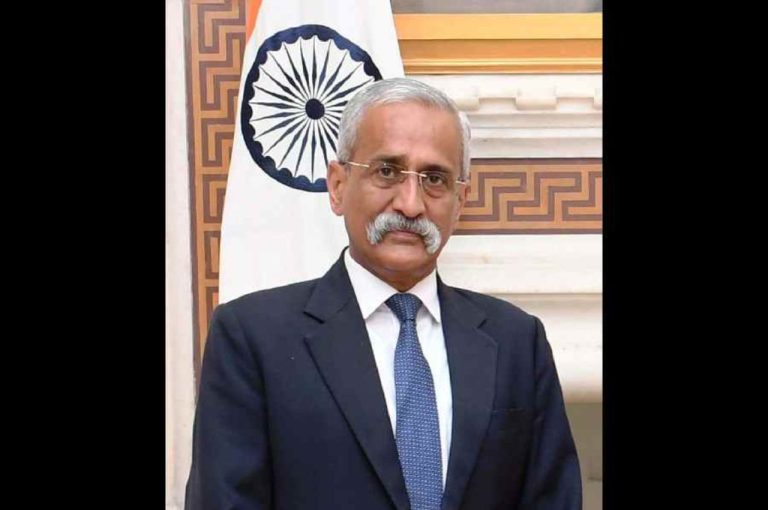
Centre Appoints Interlocutor: In a strategic political move ahead of the 2026 West Bengal Assembly elections, the Union Government has appointed Pankaj Kumar Singh, a retired Deputy National Security Adviser and former senior IPS officer, as the official interlocutor and government representative for the Darjeeling, Dooars, and Terai regions. This appointment aims to facilitate dialogue on long-standing regional issues, including the quest for Gorkhaland, granting tribal status to 11 Gorkha communities, and broader socio-economic development.
The decision has generated widespread political debate, drawing reactions from the Bharatiya Janata Party (BJP), Trinamool Congress (TMC), Gorkha parties, and regional stakeholders. The appointment is viewed both as a potential solution to decades-old demands and as a pre-election political strategy aimed at influencing voter sentiment in strategically important hill and foothill constituencies.
Historical Context of the Darjeeling, Dooars, and Terai Regions
The Darjeeling hills, Dooars plains, and Terai region have historically been politically sensitive areas due to their unique demographic composition and cultural heritage. Key challenges include:
Gorkhaland Movement: Demands for a separate state for the Gorkha community have been ongoing for decades, involving multiple political agitations and intermittent agreements with the Centre and the West Bengal government.
Tribal Status for Gorkha Communities: Eleven Gorkha communities have sought recognition under the Scheduled Tribes category, which would entitle them to special constitutional protections and access to welfare schemes.
Developmental Disparities: While Darjeeling has seen tourism and tea plantation growth, the Dooars and Terai regions face persistent challenges related to poverty, infrastructure, and public services.
The appointment of an interlocutor reflects the Centre’s intent to engage constructively with these communities, balancing constitutional governance with regional aspirations.
Role and Responsibilities of Pankaj Kumar Singh
Pankaj Kumar Singh has been appointed at the level of a Central Government Secretary, tasked with:
Conducting consultations with regional political parties, community leaders, and civil society organizations.
Facilitating dialogue regarding Gorkhaland and related autonomy issues within the framework of the Indian Constitution.
Addressing the demand for Scheduled Tribe status for the 11 Gorkha communities, including liaising with relevant Union ministries.
Reviewing socio-economic development programs in the region and recommending targeted interventions for tourism, education, health, and rural livelihoods.
The government has emphasized that Singh will operate in an apolitical capacity, seeking solutions through dialogue and negotiation, while respecting the sensitivities of both the state government and regional stakeholders.
The Bharatiya Gorkha Prajatantrik Morcha (BGPM) welcomed Singh’s appointment, highlighting it as an opportunity for constructive engagement with the Union Government. BGPM controls the Gorkhaland Territorial Administration (GTA) and several municipalities and panchayats in the hills.
Other Gorkha parties, including the Gorkha Janmukti Morcha (GJM) and Gorkha National Liberation Front (GNLF), also expressed cautious optimism, stating that an interlocutor could facilitate long-pending political recognition and welfare measures.
Criticism from Trinamool Congress (TMC) and Regional Stakeholders
The TMC expressed skepticism, asserting that the appointment was a pre-election tactic intended to influence voter sentiment in the hills and foothills.
BGPM spokesperson Keshav Raj Pokhrel described the move as “mere eye-wash,” pointing out that Union Home Minister Amit Shah had already claimed awareness of all Darjeeling-related issues.
Critics argued that unilateral central appointments without consultation with the state government could undermine cooperative federalism and politicize regional grievances.
Electoral Implications Ahead of the 2026 West Bengal Assembly Polls
The timing of the appointment, just months before the elections, is widely regarded as strategically significant:
Influencing Hill Region Voters: Darjeeling, Dooars, and Terai constituencies have a substantial Gorkha and tribal population. Addressing their demands could swing voter support.
Pre-Emptive Political Strategy: By engaging with Gorkha parties and communities, the Centre may counter TMC influence in the hills, which has historically been a stronghold for BGPM-TMC alliances.
Media and Public Perception: The appointment signals a proactive approach by the Union Government, projecting commitment to regional issues and potentially enhancing BJP’s credibility among local voters.
Socio-Economic Dimensions and Developmental Prospects
Beyond electoral considerations, Singh’s appointment may facilitate:
Tourism Development: Enhancing hill and foothill tourism to boost local economies.
Infrastructure Improvements: Addressing road connectivity, healthcare facilities, and educational institutions in remote areas.
Tea Plantation Welfare: Improving labor conditions and livelihood opportunities in tea estates across the Dooars and Terai.
Cultural Preservation: Recognizing and preserving Gorkha heritage and traditions, including language, festivals, and community practices.
This multidimensional focus could transform the political initiative into a broader developmental agenda for the region.
Despite the potential, Singh faces significant challenges:
Political Fragmentation: Multiple parties and factions in the region have competing demands and agendas.
Long-standing Grievances: Decades of unmet promises have created skepticism among local communities.
Coordination with State Government: Effective dialogue requires cooperation between Union and West Bengal authorities, especially on constitutional and administrative matters.
Public Expectations: Communities will expect tangible outcomes, such as recognition of tribal status and concrete developmental projects.
The success of Singh’s mission will largely depend on his ability to navigate political sensitivities and maintain transparent, inclusive, and consistent engagement.
Expert Opinions and Analysis
Political analysts highlight that:
The appointment reflects the Centre’s recognition of the strategic importance of the hill and foothill regions in West Bengal.
Dialogue-driven interventions can reduce political unrest, enhance community trust, and create a foundation for sustainable development programs.
Effective communication and measurable progress will be critical in converting political intent into meaningful change.
Conclusion
The Union Government’s appointment of Pankaj Kumar Singh as interlocutor for Darjeeling, Dooars, and Terai is a significant development, blending political strategy with efforts toward regional resolution. While it holds the promise of addressing long-standing demands of the Gorkha communities and facilitating developmental projects, its success will hinge on:
Inclusive dialogue with all stakeholders
Transparency and accountability
Cooperation with the West Bengal government
Demonstrable progress on socio-economic and cultural issues
As the 2026 West Bengal Assembly elections approach, the political, social, and developmental impact of this appointment will be closely monitored, potentially reshaping the electoral dynamics of the hill and Dooars regions.
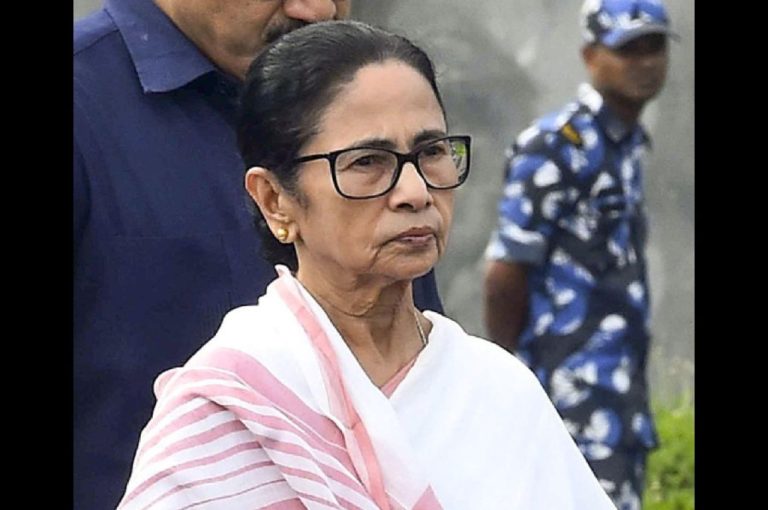
Mamata Banerjee Clarification: West Bengal Chief Minister Mamata Banerjee recently found herself at the center of a political controversy following her comments about “outsiders” allegedly being brought into the Bhowanipore constituency. The remarks, which many interpreted as targeting certain communities, triggered a media frenzy and opposition backlash. In response, Mamata Banerjee clarified that her statements were misrepresented, stressing that her concern was about electoral manipulation and demographic engineering rather than any community or language group.
The incident highlights the delicate balance of electoral politics in a cosmopolitan constituency like Bhowanipore, where demographic changes, voter migration, and political strategies intersect with public perception. This article provides a detailed overview of the controversy, Mamata Banerjee’s clarification, political reactions, and the broader implications for electoral politics in West Bengal.
Mamata Banerjee Clarification: Background of the Controversy
During a party event on October 14, Mamata Banerjee reportedly expressed concern that “outsiders” were being brought into Bhowanipore, a historically significant constituency in Kolkata, to influence election outcomes. She cited the construction of high-rise buildings and demolition of slums as part of a strategy that could displace long-term residents and alter the constituency’s voter demographics.
While the Chief Minister’s remarks were aimed at highlighting potential voter manipulation by political opponents, they were widely reported in the media as a comment targeting linguistic and cultural groups. This framing sparked debate and criticism, particularly from opposition parties, who accused her of promoting divisive politics.
Mamata Banerjee’s Clarification
In a public address following the uproar, Mamata Banerjee clarified that:
Her comments were misinterpreted and taken out of context.
She was not targeting any community, language, or group but was raising concerns about electoral fairness and integrity.
The “outsider” remark referred to attempts by certain political entities to change the voter composition of Bhowanipore to their advantage.
The media had twisted her statement to suit political narratives, which she strongly condemned.
Mamata urged her party workers and supporters to remain vigilant against attempts to manipulate electoral rolls and maintain focus on fair voting processes.
The response to Mamata Banerjee’s remarks varied sharply among political parties:
BJP and Opposition Parties:
The BJP seized on the comments to accuse the Chief Minister of xenophobic attitudes and an attempt to marginalize non-Bengali voters. They demanded a formal apology and called for scrutiny of her statements. Opposition leaders claimed that such remarks could create communal tension and distract from governance issues.
Trinamool Congress (TMC) Response:
TMC leaders rallied behind Mamata Banerjee, arguing that her remarks were misreported and intended to highlight attempts to influence elections unfairly. They criticized opposition parties for attempting to deflect attention from alleged electoral manipulations and local governance issues.
The controversy has intensified political polarization in Kolkata, especially in a constituency as diverse and politically sensitive as Bhowanipore.
Implications for Bhowanipore Constituency
Bhowanipore is a cosmopolitan constituency, home to diverse linguistic and cultural communities. Political analysts note that:
The demographic composition is critical in shaping electoral strategies.
Concerns about voter migration and settlement patterns are often raised in political discourse, especially in urban constituencies experiencing rapid development.
The controversy has brought the topic of voter demographics and electoral integrity to the forefront, with parties closely monitoring potential changes in the constituency ahead of future elections.
The controversy surrounding Mamata Banerjee’s “outsider” remark underscores the sensitivity of electoral politics in urban West Bengal constituencies. While the Chief Minister has clarified her intent, the incident has sparked broader discussions on voter demographics, electoral integrity, and media reporting.
As political campaigns intensify and constituencies like Bhowanipore remain pivotal for electoral outcomes, such debates will continue to influence public perception and political strategies. The episode serves as a reminder of the complex interplay between political communication, media narratives, and voter engagement in India’s democratic processes.
Mamata Banerjee’s statement, when viewed in context, is less about targeting individuals and more about highlighting potential manipulation of electoral rolls. Ensuring fairness, transparency, and inclusive participation remains central to maintaining democratic integrity in West Bengal and beyond.
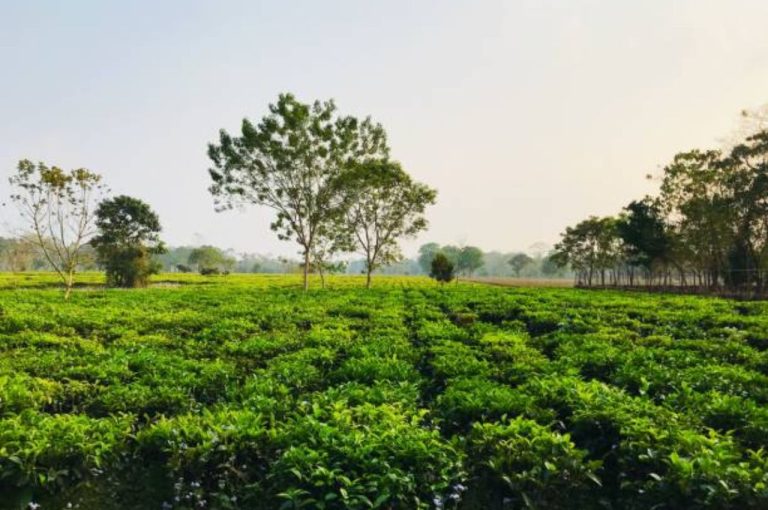
Alipurduar Administration: In the aftermath of the devastating flash floods that hit Alipurduar district, the local administration has intensified efforts to provide relief and rehabilitation for tea garden families, a community particularly vulnerable to natural calamities. The flash floods, triggered by heavy rains and changes in river courses, caused significant damage to homes, crops, and infrastructure in the region, displacing families and creating urgent humanitarian needs.
To address these challenges, the Alipurduar district administration organized a high-level meeting with key stakeholders to coordinate relief operations, ensure immediate support, and plan long-term rehabilitation measures for affected families. This initiative underscores the administration’s commitment to safeguard the welfare of tea garden communities and strengthen resilience against future disasters.
High-Level Meeting and Stakeholder Participation
The meeting was chaired by R. Vimala, District Magistrate of Alipurduar, and attended by Y. Raghuvamshi, Superintendent of Police, along with senior officials from disaster management, social welfare, and tea garden departments.
Key objectives of the meeting included:
Assessment of flood damage across tea gardens.
Coordination of relief and rehabilitation efforts among government agencies and tea estate managements.
Ensuring provision of immediate necessities, such as shelter, food, and clean drinking water.
Planning long-term measures to restore livelihoods and community infrastructure.
The meeting emphasized the critical role of tea estate managements in supporting their workers during crises, urging them to undertake proactive and visible welfare activities for both their employees and neighboring communities.
Alipurduar Administration: Relocation and Housing Initiatives
One of the immediate outcomes of the meeting was the decision to relocate 36 families from the flood-prone Nadi Line of Subhashini Tea Estate in Kalchini block. These families, severely affected by the Torsha river’s changing course, will be provided safer housing on elevated grounds within the estate.
Under the ‘Banglar Bari’ scheme, each affected family will receive ₹1.2 lakh to construct a new house. The district administration has finalized the survey of high grounds suitable for the relocation, and the proposal has been sent to the state government for approval and fund release.
In addition to housing, the administration has facilitated new ration cards for families whose previous cards were lost or damaged in the floods. This step ensures uninterrupted access to food and essential supplies.
Recognizing the critical importance of personal documentation, the administration organized a special camp in Salkumarhat, Alipurduar-I block, to issue duplicate documents for affected residents.
Services provided at the camp included:
Reissuance of voter cards
Replacement of ration cards
Duplicate birth certificates and land records
Provision of documents related to social welfare schemes
These measures were in accordance with directions from Chief Minister Mamata Banerjee, who, during a review meeting, instructed officials to ensure that all displaced residents receive essential documents promptly to facilitate access to government services and aid programs.
Tea Estate Management’s Role and Responsibility
District Magistrate R. Vimala highlighted the crucial role of tea estate managements in supporting their workforce during crises. She urged gardens that may not require immediate assistance to extend help to neighboring estates, fostering a collaborative approach to disaster relief.
The administration emphasized that visible welfare efforts by tea estates—such as providing temporary shelters, food supplies, and medical support—would enhance trust between workers and management, while also ensuring faster recovery for the community as a whole.
Long-Term Rehabilitation and Livelihood Restoration
While immediate relief efforts focus on shelter, food, and essential services, the administration is also committed to long-term rehabilitation. Key measures include:
Restoring tea garden operations to provide steady employment for displaced families.
Infrastructure repair for damaged roads, drainage systems, and irrigation facilities.
Health and sanitation initiatives to prevent disease outbreaks in flood-affected areas.
Community training and awareness programs to enhance preparedness for future natural disasters.
The administration plans to conduct regular follow-up meetings to monitor progress, resolve bottlenecks, and ensure that all affected families receive comprehensive support.
Community Impact and Response
The relief measures have been welcomed by tea garden workers and local community leaders, who expressed optimism that the administration’s proactive approach would facilitate recovery and stability. Many families have highlighted the importance of receiving timely financial assistance, housing support, and identity documentation, which will enable them to rebuild their lives without bureaucratic delays.
The recent floods highlighted the vulnerability of tea garden communities to natural disasters. Key challenges identified include:
Lack of elevated housing in flood-prone areas.
Limited access to emergency services during peak flooding.
Delays in receiving identity documents and government aid.
The administration plans to implement preventive measures, such as mapping flood-prone zones, strengthening embankments, and conducting disaster preparedness drills, to minimize future risks.
Conclusion
The Alipurduar administration’s response to the flash floods demonstrates a holistic approach to disaster management, combining immediate relief with long-term rehabilitation and community empowerment.
By relocating families, reissuing essential documents, collaborating with tea estate managements, and planning sustainable livelihood restoration, the district administration is ensuring that affected communities can recover, rebuild, and thrive in the wake of a natural calamity.
The initiative sets a model example for disaster management in rural and tea garden communities, emphasizing the importance of collaboration, rapid response, and comprehensive support to protect vulnerable populations.

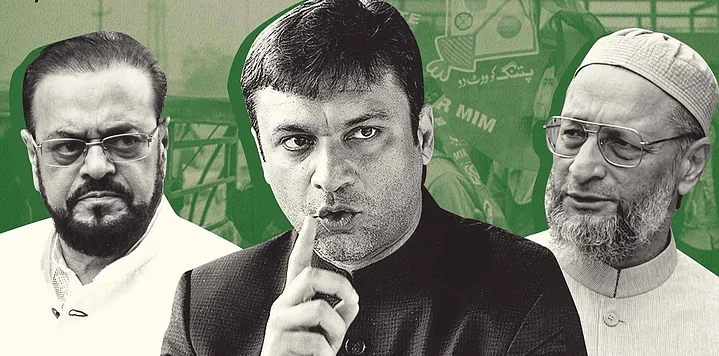
 The decision carries substantial electoral weight given the constituency’s demographic composition. With approximately 120,000 Muslim voters and an additional 22,000 from other minority communities constituting nearly one-third of the 399,000 total voters, AIMIM’s support for Congress could prove decisive. The Jubilee Hills by-poll represents more than just one Assembly seat—it embodies broader political realignments in Telangana’s capital and tests the Revanth Reddy government’s popularity.
 Congress Strategy and Candidate Selection
 Electoral Implications and Future Outlook
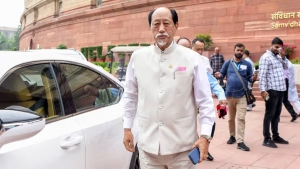 Chief Minister Neiphiu Rio described the moment as historic and divinely ordained, marking his homecoming to his parent party. The NDPP NPF merger effectively creates an opposition-less state assembly, with the unified entity commanding a substantial majority in the 60-member legislative body. This consolidation signals a strategic shift toward strengthening regional unity and amplifying the collective voice of the Naga people on critical issues of identity, autonomy, and development.
 Strategic Objectives: Beyond Electoral Politics
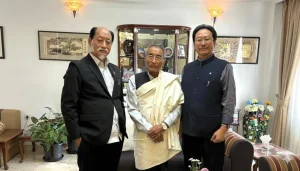 Electoral Strategy and Future Implications
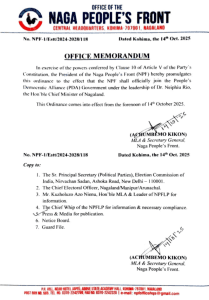 by reconciliation, unity, and collective strength.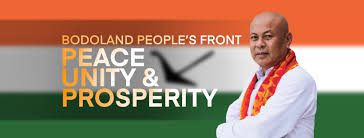
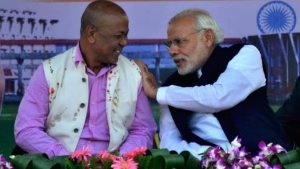 This momentous occasion, held at Raj Bhavan in Guwahati, witnessed Governor Lakshman Prasad Acharya administering the oath of office to Boro, the two-term legislator from Majbat constituency. The ceremony was attended by Chief Minister Himanta Biswa Sarma, BPF supremo Hagrama Mohilary, cabinet ministers, members of parliament, and senior government officials, underscoring the importance of this political alliance.
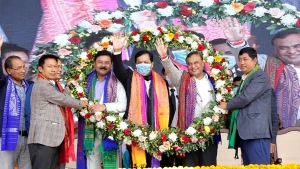 The UPPL Predicament: Political Uncertainty
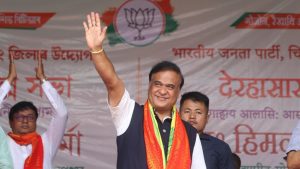 Opposition Challenges and Electoral Prospects
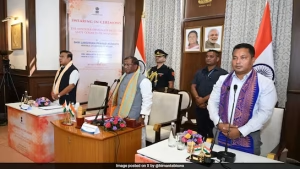 Conclusion: Electoral Arithmetic and Political Future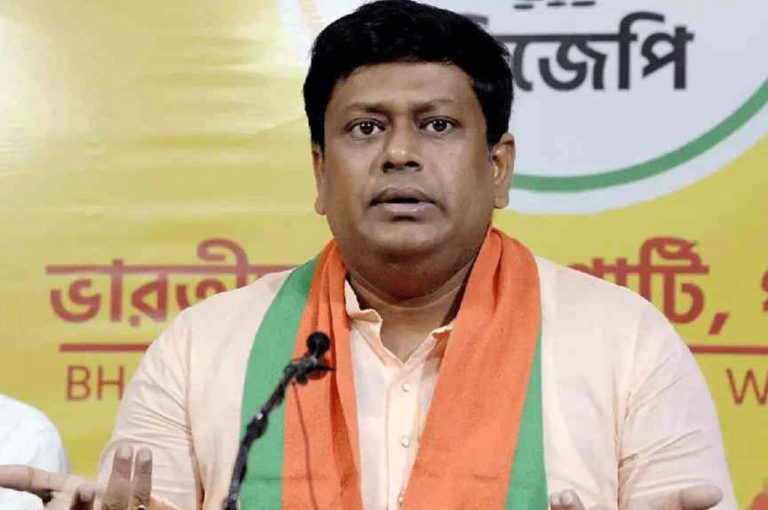
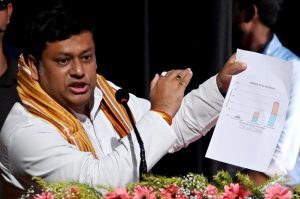
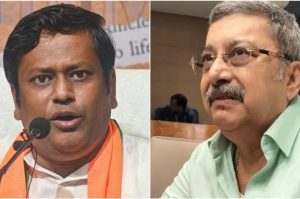
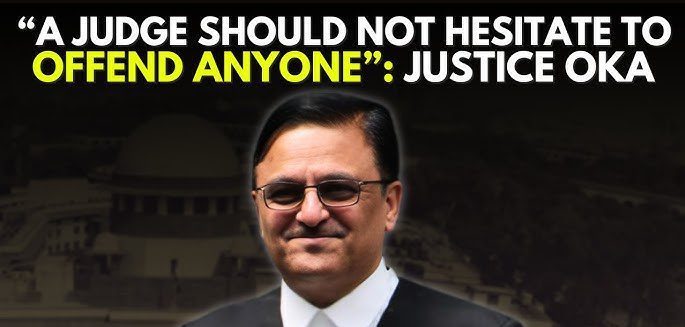
 Also Read:
 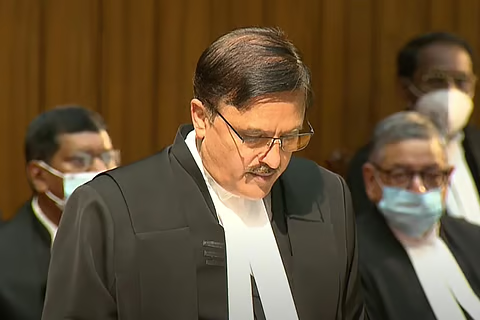 Historical Context and Constitutional Courage
 Structural Reforms and Systemic Issues