Chuikhim Village in Kalimpong: In a significant development for adventure tourism in West Bengal, Chuikhim village, situated in the Kalimpong-I block of Kalimpong district, has introduced paragliding as a new tourist attraction. Known for its serene homestays and scenic beauty, Chuikhim is now positioning itself as a rural adventure tourism hub, offering visitors an exhilarating way to experience the natural landscape while boosting the local economy and employment opportunities.
Transforming Chuikhim’s Tourism Landscape
Chuikhim, approximately 50 kilometers from Siliguri and located at an elevation of around 3,500 meters, has traditionally attracted tourists seeking peaceful rural retreats through its 22 homestay facilities. While the village was already popular among travelers looking for a quiet getaway, visitors had expressed a desire for more engaging adventure activities.
To meet this demand, the Chuikhim Village Welfare Society, led by president Hom Khawas, launched a paragliding facility, allowing adventure enthusiasts and nature lovers to experience the village from above. This initiative reflects the community’s effort to diversify tourism offerings beyond conventional homestays, making Chuikhim an attractive destination for visitors seeking both relaxation and adventure.
The paragliding operations began from Limbudara, a scenic take-off point in the village. Tourists can glide over the lush valleys, enjoying aerial views of the Leesh riverbank, Paunbudara, and surrounding landscapes before landing at Chunabhatti. Each flight lasts approximately 20 minutes, with a participation fee of ₹3,000 per person.
To ensure safety and quality, the village has engaged seven professional guides from Kalimpong, Himachal Pradesh, and Siliguri. There are also plans to increase flight frequency and extend session durations based on visitor demand.
Chuikhim Village in Kalimpong: Economic and Tourism Impact
The introduction of paragliding in Chuikhim is expected to boost local tourism significantly. The new activity is likely to attract adventure enthusiasts as well as casual tourists seeking unique experiences in the region.
This initiative also promotes economic growth by creating jobs for guides, support staff, and local businesses. Experts in North Bengal tourism highlight Chuikhim’s potential to become a rural adventure tourism model, combining scenic homestays with outdoor activities.
Community leaders and tourism experts have welcomed the paragliding facility as a game-changer for Chuikhim. By blending adventure activities with the village’s traditional homestay offerings, this initiative strengthens tourism potential and community involvement.
Visitors can now enjoy a combination of cultural homestay experiences and adrenaline-filled adventure sports, reflecting Chuikhim’s commitment to modernizing tourism while preserving its natural and cultural heritage.
Looking forward, the Chuikhim Village Welfare Society plans to expand paragliding offerings with more flights, extended durations, and enhanced safety measures. The initiative aligns with broader efforts to promote sustainable adventure tourism in rural areas, ensuring economic benefits for the community while maintaining ecological balance.
With its panoramic views, lush landscapes, and professional paragliding services, Chuikhim is emerging as a prominent adventure tourism destination in North Bengal, appealing to domestic and international tourists alike.
The launch of paragliding in Chuikhim marks a significant milestone in the village’s tourism evolution. By integrating adventure tourism with rural homestays, Chuikhim now offers a distinctive mix of thrill, culture, and natural beauty. The initiative enhances the visitor experience while contributing to local economic development and community empowerment, serving as a model for sustainable tourism in hill villages across West Bengal.
Chuikhim’s paragliding project highlights the potential of rural adventure tourism to transform small communities into vibrant tourist destinations, promoting both cultural preservation and ecological responsibility.
Union Ministry Expands CAA Hearing: The Union Ministry of Communications has recently announced the establishment of additional Citizenship Amendment Act (CAA) hearing centres in the populous West Bengal districts of Nadia and North 24 Parganas, marking a significant administrative move to improve access for applicants seeking Indian citizenship under the CAA. This development comes at a crucial juncture, with upcoming electoral revisions and the continued focus on refugee welfare and integration in the state. The expansion of hearing centres is expected to expedite the processing of thousands of applications, particularly for displaced communities and refugees residing in these districts.
Expanded Hearing Centres: Administrative Details and Rationale
Previously, both Nadia and North 24 Parganas had a single district-level committee (DLC) or hearing centre each to manage citizenship applications under the CAA. The addition of one more hearing centre per district aims to enhance administrative efficiency and reduce the backlog of pending cases. Union officials have emphasised that the expansion will enable more applicants to attend hearings closer to their residences, reducing logistical challenges and wait times, which previously extended up to several months.
The districts selected for this expansion are strategically significant. They host large refugee populations, including the Matua community, many of whom migrated from present-day Bangladesh and have historically faced challenges in obtaining official recognition and citizenship documentation. The increased number of centres is expected to facilitate timely hearings, ensuring that eligible applicants can secure citizenship certificates before critical administrative milestones, including the Special Intensive Revision (SIR) of voter rolls in West Bengal.
Operational Implications of Additional Centres
The establishment of new hearing centres brings several operational advantages and challenges:
Reduced backlog and faster processing: With more centres handling applications, the government aims to decrease the waiting period for hearings and improve the efficiency of document verification and certificate issuance.
Enhanced accessibility for applicants: Many refugees and displaced individuals face logistical difficulties in reaching a single hearing centre. Additional centres in each district will provide closer access, lowering travel costs and administrative hurdles.
Staffing and resource allocation: More centres necessitate adequate staffing, infrastructure, and coordination to ensure smooth operations. Proper training and uniform procedures are essential to maintain consistency in decision-making.
Integration with electoral processes: Citizenship certificates issued through these centres may impact eligibility for inclusion in electoral rolls, especially for communities whose names may otherwise face exclusion during SIR.
Officials have highlighted that the move is part of the government’s broader strategy to ensure timely implementation of the CAA, particularly in districts with high numbers of eligible applicants. By providing additional venues for hearings, authorities aim to streamline the administrative process while maintaining transparency and fairness.
Union Ministry Expands CAA Hearing: Political and Community Significance
The expansion of CAA hearing centres is not just an administrative decision; it carries political implications, particularly in regions with significant refugee populations:
Matua community focus: Nadia and North 24 Parganas are home to large Matua populations, who constitute a key electoral demographic. Facilitating citizenship applications for this community is likely to have social and political ramifications.
State vs Centre dynamics: The West Bengal state government has expressed concerns regarding central interventions in citizenship-related matters, viewing them as potentially politically motivated. The timing of the hearing centre expansion has therefore drawn attention from both local and national political observers.
Refugee welfare and social integration: Beyond politics, the additional centres are expected to improve access to essential documentation for refugee communities, enabling them to obtain citizenship, voter registration, and other civic benefits.
Union Ministry Expands CAA Hearing: Challenges and Concerns
While the expansion is broadly welcomed, several challenges remain:
Documentation hurdles: Many applicants still struggle to provide the necessary evidence for eligibility, including proof of entry, residence, or persecution. Additional centres alone may not fully resolve these issues.
Uniformity of procedures: Ensuring that all centres follow standardised verification, hearing, and documentation procedures is essential to prevent inconsistencies and disputes.
Timing with electoral roll revision: Coordination between citizenship issuance and voter list updates is critical. Delays in one process could affect the other, potentially excluding eligible applicants from voter registration.
Resource adequacy: Staffing, training, and logistical support must be sufficient to handle increased workloads without compromising service quality.
Voices from the Community and Civil Society
Community leaders and applicants have welcomed the expansion but emphasised the need for further measures:
Local organisations representing the Matua community and other refugees have called for additional hearing centres at the subdivision level to further improve accessibility.
Applicants have highlighted ongoing delays in scheduling hearings and obtaining certificates despite increased infrastructure. They stress the importance of timely issuance of certificates to ensure inclusion in the electoral rolls.
Civil society groups have urged transparency in the process, calling for standardised procedures across centres and clear communication regarding timelines and documentation requirements.
Implementation and Oversight
Authorities have outlined steps to ensure effective functioning of the new hearing centres:
Scheduling and appointments: The centres will prioritise reducing waiting times and clearing backlogs of pending applications.
Standardised verification: Uniform guidelines for document assessment and decision-making will be implemented across all centres.
Community outreach: Local NGOs and help-desks will assist applicants with documentation, form submission, and preparation for hearings.
Coordination with electoral authorities: Citizenship certificates issued will be recognised for voter registration, ensuring eligible applicants are included in the SIR process.
Monitoring and grievance redressal: Regular audits and grievance mechanisms will be in place to address complaints and maintain transparency.
Wider Context: CAA and West Bengal
The CAA, enacted in December 2019, allows persecuted non-Muslim migrants from Pakistan, Bangladesh, and Afghanistan (who entered India before 31 December 2014) to apply for Indian citizenship. Its implementation has been controversial, particularly in states like West Bengal, where refugee populations are significant and politically influential.
West Bengal has historically hosted large numbers of refugees from erstwhile East Pakistan (now Bangladesh), including the Matua community, who have faced challenges in securing documentation and legal recognition. Expanding CAA hearing centres in key districts is intended to address these long-standing administrative bottlenecks while facilitating social integration and access to civic rights.
Looking Ahead: Expectations and Outcomes
The additional CAA hearing centres in Nadia and North 24 Parganas are expected to:
Reduce waiting times for citizenship hearings.
Improve accessibility for applicants in remote or refugee-dense areas.
Facilitate timely issuance of citizenship certificates in alignment with electoral roll revisions.
Strengthen transparency and accountability through standardised procedures and monitoring.
Enhance refugee welfare and social integration, ensuring access to identity documents, voter registration, and civic participation.
Authorities, community leaders, and civil society will closely monitor the effectiveness of these centres, focusing on operational efficiency, equitable access, and integration with broader administrative processes.
Conclusion
The Union Ministry’s decision to expand CAA hearing centres in Nadia and North 24 Parganas represents a significant step in improving administrative access for citizenship applicants, particularly refugee communities with complex documentation and logistical challenges. While operational and political complexities remain, the move has the potential to accelerate citizenship processing, strengthen social integration, and ensure that eligible applicants receive their certificates in time for voter roll inclusion and other civic benefits.
The real impact of this initiative will depend on efficient implementation, uniform standards across centres, and timely coordination with electoral authorities, ensuring that administrative gains translate into tangible benefits for applicants while maintaining transparency and fairness in the process.
The political landscape of West Bengal is witnessing an unprecedented transformation as the Bharatiya Janata Party intensifies its digital outreach ahead of the crucial 2026 Assembly elections. The BJP social media strategy has evolved into a sophisticated, multi-layered approach that combines cutting-edge technology, grassroots mobilisation, and targeted messaging to connect with voters across the state. With the Trinamool Congress firmly entrenched in power since 2011, the saffron party is deploying innovative tactics to challenge the status quo and establish a formidable presence in Bengal’s complex political ecosystem.
Recent developments indicate that the BJP’s social media strategy has undergone significant refinement, incorporating artificial intelligence, providing legal protection to volunteers, and strategically focusing on younger demographics. This comprehensive approach marks a departure from traditional campaigning methods, recognising that modern electoral success requires dominance in both physical and digital spaces.
The Evolution of BJP’s Digital Arsenal
The BJP social media strategy in West Bengal has matured considerably since the party first made significant inroads during the 2019 Lok Sabha elections, when it captured 18 of the state’s 42 parliamentary seats. Building on this momentum, the party has recognised that sustained electoral success requires a robust digital infrastructure capable of countering opposition narratives while amplifying its own messaging.
Central to this strategy is the deployment of media personalities who have gained popularity through television debates. As part of the BJP social media strategy, these recognisable faces are being engaged in block-level mass contact exercises across North Bengal and tribal districts. Union Minister Bhupendra Yadav has designed this strategic outreach program, which aims to understand local grievances while explaining potential development initiatives under the BJP governance.
The party’s approach involves systematic data collection and analysis. After each district visit, media panellists report their findings to state leadership, providing crucial intelligence that shapes campaign messaging and policy positions. This feedback loop ensures that the BJP social media strategy remains responsive to ground realities rather than operating in an echo chamber.
Artificial Intelligence: The New Campaign Weapon
One of the most striking innovations in the BJP’s social media strategy involves the integration of artificial intelligence for content creation and distribution. This technological advancement allows the party to generate customised messaging at unprecedented scale, tailoring content to specific demographics, regions, and issues. AI-powered tools enable rapid response to opposition attacks, real-time sentiment analysis, and predictive modelling of voter behaviour.
The use of AI in the BJP social media strategy extends beyond simple automation. Machine learning algorithms analyse successful content patterns, optimise posting schedules for maximum engagement, and identify emerging issues before they become mainstream concerns. This proactive approach allows the party to shape narratives rather than merely responding to them.
Content generated through AI encompasses various formats, including graphics, videos, infographics, and textual posts, optimised for different social media platforms. The BJP social media strategy recognises that Instagram requires different content than Twitter, and Facebook audiences respond differently from YouTube viewers. This platform-specific customisation maximises reach and engagement across diverse user bases.
Legal Shield: Protecting Digital Warriors
A groundbreaking element of the BJP social media strategy involves providing comprehensive legal support to social media volunteers. Recognising that digital activism can sometimes result in legal complications—particularly in a politically charged environment—the party has established mechanisms to protect those working on its behalf.
This legal framework within the BJP social media strategy serves multiple purposes. First, it reassures volunteers that they won’t face personal consequences for party work, encouraging more aggressive and confident digital campaigning. Second, it signals organisational commitment to protecting grassroots workers, building loyalty and dedication among the volunteer base.
The provision of legal support also addresses a practical reality: social media content can be subject to various interpretations, and opposition parties may file complaints against BJP volunteers. By proactively offering legal protection, the BJP’s social media strategy removes a significant barrier to participation while demonstrating the party’s seriousness about digital warfare.
Generation Z: The New Electoral Battlefield
Perhaps the most critical component of the BJP social media strategy is its laser focus on Generation Z voters—those born between 1997 and 2012. This demographic, characterised by digital nativity and distinct political consciousness, represents a substantial portion of West Bengal’s electorate and could prove decisive in the 2026 elections.
Understanding that Gen Z voters consume information differently from previous generations, the BJP social media strategy emphasises short-form video content, meme-based communication, and influencer collaborations. The party recognises that approximately 40 per cent of Gen Z voters receive political updates through Instagram, followed by YouTube at 26 per cent, Twitter at 17 per cent, and Facebook at just 12 per cent.
The BJP social media strategy targets Gen Z through multiple approaches. The party actively collaborates with content creators who have established credibility with younger audiences, ensuring that political messaging doesn’t feel overtly propagandistic. Additionally, the strategy involves creating shareable content that organically spreads through Gen Z networks, leveraging peer-to-peer communication rather than top-down broadcasting.
Youth engagement in the BJP social media strategy also emphasises issues that resonate specifically with younger voters: employment opportunities, digital infrastructure, education reform, and climate concerns. By addressing these priorities authentically, the party aims to establish long-term connections with voters who will shape Bengal’s political future for decades.
Local Issues: Water-Logging and Electrocution Deaths
The BJP’s social media strategy has strategically incorporated pressing local issues that directly affect Bengali citizens’ daily lives. Two interconnected problems—chronic waterlogging and recurring electrocution deaths—have emerged as powerful campaign themes that resonate across demographic groups.
In September 2025, Kolkata experienced catastrophic rainfall that resulted in at least ten electrocution deaths, eight occurring within the city limits. The unprecedented downpour exposed serious deficiencies in urban infrastructure and emergency preparedness. Chief Minister Mamata Banerjee blamed the private power utility CESC for the fatalities, demanding compensation and jobs for the victims’ families.
The BJP social media strategy has seized upon these tragedies to highlight governance failures under the Trinamool Congress government. Digital content emphasises the recurring nature of waterlogging problems, the inadequate maintenance of drainage systems, and the failure to modernise electrical infrastructure despite repeated warnings.
By focusing on these tangible, life-and-death issues, the BJP social media strategy moves beyond abstract political rhetoric to address concerns that touch every Bengali household. The party’s digital campaigns feature victim testimonials, infrastructural comparisons with BJP-governed states, and detailed policy proposals for preventing future tragedies.
This issue-based approach within the BJP social media strategy serves multiple objectives. It demonstrates the party’s attentiveness to local concerns rather than imposing a Delhi-centric agenda. It provides concrete examples of administrative failure that voters can personally relate to. And it offers an opportunity to present alternative governance models that prioritise citizen safety and infrastructure investment.
The Social Media Volunteer Army
Central to implementing the BJP social media strategy is a vast network of trained volunteers operating at booth, block, and district levels throughout West Bengal. These digital warriors form the backbone of the party’s online operations, amplifying official messaging while providing grassroots intelligence about emerging issues and local sentiments.
The BJP social media strategy involves systematic volunteer recruitment and training programs. The party conducts regular workshops, including a recent gathering at Science City in Kolkata, where state and central leadership briefed social media coordinators from across West Bengal. These sessions cover content creation, platform algorithms, engagement tactics, and crisis communication protocols.
Volunteers within the BJP social media strategy framework are organised hierarchically, with clear reporting structures and performance metrics. At the booth level, teams of at least five people equipped with smartphones coordinate to share content on an hourly basis, ensuring continuous digital presence. This decentralised yet coordinated approach allows rapid response to developments while maintaining message consistency.
Countering Opposition Digital Initiatives
The BJP social media strategy operates within an intensely competitive digital environment. The Trinamool Congress, recognising the importance of online campaigning, has launched its own youth-driven digital initiative called “Ami Banglar Digital Joddha” (I am Bengal’s Digital Warrior), led by party general secretary Abhishek Banerjee.
This opposition campaign aims to counter what TMC describes as the BJP’s “anti-Bengal narrative” by mobilising young, tech-savvy voters to reclaim the state’s online space. The initiative categorises participants into Content Creators, Social Media Managers, and Digital Amplifiers, creating a structured network designed to challenge BJP dominance.
In response, the BJP social media strategy has intensified its own operations, increasing content production, expanding volunteer networks, and refining messaging to maintain a competitive advantage. The digital battle between these two parties has effectively transformed West Bengal’s political landscape, with social media becoming as important as traditional campaigning methods.
Data-Driven Decision Making
A sophisticated element of the BJP social media strategy involves comprehensive data analytics that inform campaign decisions at every level. The party employs advanced tools to track engagement metrics, sentiment analysis, reach optimisation, and demographic targeting, ensuring that resources are deployed where they can achieve maximum impact.
This data-driven approach within the BJP social media strategy allows real-time adjustment of tactics based on performance indicators. If certain content formats underperform with specific demographics, the strategy adapts accordingly. If particular issues generate exceptional engagement in certain regions, the party can rapidly scale those campaigns.
The analytical component of the BJP social media strategy also includes competitive intelligence monitoring of opposition digital activities, identifying their successful tactics, and developing countermeasures. This continuous learning process ensures that the BJP’s digital operations remain at the cutting edge of political communication technology.
Challenges and Obstacles Ahead
Despite its sophistication, the BJP social media strategy faces substantial challenges in West Bengal’s unique political environment. The party lacks a state-level leader with popularity comparable to Chief Minister Mamata Banerjee, forcing reliance on central leadership figures like Prime Minister Narendra Modi and Home Minister Amit Shah.
Additionally, the BJP’s social media strategy must navigate internal organisational issues, including tensions between long-standing party members and recent defectors from opposition parties. These internal conflicts can undermine message consistency and reduce campaign effectiveness.
The party also confronts the reality that social media dominance doesn’t automatically translate into electoral victory. While BJP’s digital presence has grown significantly, its performance in recent elections—12 Lok Sabha seats in 2024 compared to 18 in 2019—suggests that ground-level organisation and emotional connection with voters remain crucial factors that cannot be replaced by digital campaigns alone.
The Road to 2026: Final Push
As West Bengal approaches the May 2026 Assembly elections, the BJP’s social media strategy will intensify significantly. The party plans expanded volunteer recruitment, increased AI-powered content production, more aggressive targeting of Gen Z voters, and continued emphasis on local governance failures, including waterlogging and electrocution deaths. The success of the BJP’s social media strategy will ultimately depend on its ability to complement rather than replace traditional campaigning methods. Digital dominance must translate into grassroots mobilisation, personal connections with voters, and credible policy alternatives that convince Bengalis that the party genuinely understands and can address their concerns.
The 2026 elections will test whether the sophisticated BJP social media strategy can overcome the party’s organisational limitations and challenge the deeply entrenched Trinamool Congress. Regardless of the outcome, this digital transformation has permanently altered West Bengal’s political landscape, establishing new standards for how parties engage with voters in the modern era.
The Bhim Army, a prominent Dalit rights organization, has announced plans to conduct a route march in support of Karnataka Minister Priyank Kharge in Chittapur. The march is set to take place amid growing political tensions and serves as a powerful display of solidarity for the minister, who has recently faced significant opposition from various quarters. This mobilization not only highlights the political dynamics of Karnataka but also reflects the broader struggles and aspirations of marginalized communities in the region.
Bhim Army’s Growing Influence in Karnataka Politics
The Bhim Army has gained prominence over the past decade as a vocal advocate for Dalit rights and social justice. Originating from Uttar Pradesh, the organization has expanded its reach to several states, including Karnataka, where it has been actively involved in addressing caste-based discrimination and inequality. The decision to support Minister Priyank Kharge through a route march signals the group’s intent to deepen its political engagement and strengthen alliances with sympathetic political figures.
Minister Priyank Kharge, a senior leader of the Indian National Congress, has emerged as a significant voice championing inclusive development and social justice in Karnataka. His advocacy for marginalized communities, particularly Dalits and backward classes, aligns closely with the Bhim Army’s objectives. The group’s show of support is a strategic move that amplifies the minister’s message and counters attempts by opposition groups to undermine his political standing.
Political Context and Rising Tensions in Chittapur
Chittapur, a key constituency in Karnataka, has witnessed heightened political activity in recent months. The region’s complex social fabric, marked by caste dynamics and economic disparities, often makes it a flashpoint for political contestation. Minister Kharge’s initiatives aimed at uplifting disadvantaged groups have met resistance from certain local factions, leading to tensions that the Bhim Army’s route march aims to address by demonstrating unified support and raising awareness about social justice issues.
The route march will serve multiple purposes beyond mere political demonstration. It is expected to act as a platform for community mobilization, where grievances related to caste discrimination, economic inequality, and political marginalization will be voiced. The Bhim Army’s presence in Chittapur also seeks to empower local Dalit populations, encouraging greater political participation and vigilance against injustices.
Strategically, the march is poised to send a strong message to political opponents and government authorities alike. It emphasizes the growing assertiveness of Dalit groups in Karnataka’s political landscape and their demand for recognition and respect. The Bhim Army’s participation signals that any attempts to sideline leaders advocating for social justice will be met with organized resistance, further complicating the state’s political equations.
Community Response and Impact
Local communities have shown mixed reactions to the announcement of the Bhim Army’s march. Supporters view it as a necessary step toward securing rights and representation, while some are cautious about potential disruptions. Business owners and residents in Chittapur are preparing for the event, anticipating increased police presence and temporary road closures. Authorities are coordinating with organizers to ensure the march proceeds peacefully and without incidents.
The march also holds symbolic importance for Dalit youth and activists who see it as a sign of growing empowerment. It offers an opportunity to build solidarity across different regions and social groups, fostering a broader movement for equality. Educational and cultural programs planned alongside the march aim to spread awareness about Dalit history and rights, further strengthening community bonds.
Challenges and Security Arrangements
Given the sensitive nature of caste and political issues in Karnataka, security arrangements for the march are being taken seriously. Police have been deployed in adequate numbers to maintain law and order, and intelligence agencies are monitoring the situation closely to prevent any untoward incidents. Organizers have assured cooperation with authorities and emphasized their commitment to peaceful demonstration.
The state government has expressed cautious support, recognizing the right to peaceful protest while emphasizing the importance of maintaining public order. Officials are engaging with community leaders to facilitate dialogue and mitigate tensions. This approach underscores the delicate balance Karnataka must strike between upholding democratic freedoms and ensuring social harmony.
Broader Implications for Karnataka’s Political Landscape
The Bhim Army’s involvement in Karnataka politics through such high-profile events marks a shift in the state’s social justice movement. It indicates a more organized and vocal Dalit political presence that could influence upcoming elections and policy decisions. Political parties may need to recalibrate their strategies to engage with these emerging forces effectively.
The Bhim Army’s decision to organize a route march in Chittapur reflects their increasing confidence and organizational strength in Karnataka. Once primarily focused on grassroots activism in northern India, the group has successfully expanded its footprint by connecting with local issues and leaders. This strategic move underscores their intent to become a significant political force capable of influencing state-level policies and elections, especially on matters concerning Dalit rights and social justice.
Minister Priyank Kharge’s political journey is deeply intertwined with advocacy for marginalized communities, making him a natural ally for the Bhim Army. Coming from a political family, Kharge has carved out his own identity as a leader committed to inclusive development. His focus on education, social welfare, and anti-discrimination policies resonates strongly with the Bhim Army’s mission. The route march is thus both a symbolic and practical expression of this alliance.
Chittapur’s socio-political landscape is complex, shaped by historical caste hierarchies and economic inequalities. These underlying factors often manifest in political competition and social unrest. The Bhim Army’s intervention in this setting aims to disrupt traditional power balances by empowering Dalit voices. Through public demonstrations like the route march, they seek to challenge entrenched norms and create space for dialogue about equality and justice.
The route march is also expected to mobilize youth participation, a crucial demographic for both the Bhim Army and Minister Kharge. Young people in Chittapur and surrounding areas are increasingly aware of social issues and eager to participate in political processes that affect their lives. The event provides a platform for this engagement, inspiring activism and encouraging a new generation to demand their rights and hold leaders accountable.
Politically, the Bhim Army’s show of support for Priyank Kharge sends a message to rival parties. It signals that marginalized communities are consolidating their political influence and will not be sidelined. This development could alter electoral dynamics in Karnataka, compelling parties to rethink candidate selection, manifestos, and outreach strategies to appeal to Dalit voters and their allies.
Local administration in Chittapur is preparing extensively for the route march to ensure public safety and minimize disruption. Traffic management plans, deployment of police forces, and coordination with community leaders are key components of this effort. Authorities are balancing the right to peaceful assembly with the need to maintain normalcy for residents and businesses, showcasing the challenges inherent in managing politically charged events.
The Bhim Army’s presence in Karnataka politics also highlights the evolving nature of caste-based movements in India. Unlike traditional caste organizations, the Bhim Army employs a more assertive and confrontational style of activism. Their focus on mass mobilization, social media engagement, and legal advocacy reflects a modern approach to civil rights movements, resonating with younger and more connected audiences.
The route march is likely to include speeches, cultural programs, and demonstrations aimed at raising awareness about Dalit history and rights. These activities serve to educate the public, foster pride in Dalit identity, and build solidarity across caste and community lines. Such cultural elements are vital in transforming political protests into broader social movements that can sustain momentum over time.
Challenges remain for the Bhim Army and Minister Kharge in navigating Karnataka’s complex political terrain. Balancing activism with governance, managing alliances with other political entities, and addressing diverse community interests require nuanced strategies. The route march is a test of their ability to mobilize support while maintaining constructive engagement with state institutions and political processes.
Ultimately, the Bhim Army’s route march in Chittapur represents a pivotal moment in Karnataka’s socio-political evolution. It underscores the rising assertiveness of marginalized groups demanding justice and equality. As these movements gain traction, Karnataka is likely to witness significant shifts in its political and social landscape, with implications for governance, policy-making, and community relations across the state.
The route march in Chittapur also reflects a larger trend of marginalized groups asserting their rights more forcefully across India. This phenomenon challenges traditional power structures and compels mainstream parties to address issues of caste discrimination and economic disparity more substantively. Karnataka, with its diverse population and complex caste dynamics, is a critical battleground for these social and political changes.
Conclusion: A Step Toward Inclusive Politics
The Bhim Army’s route march in support of Minister Priyank Kharge is more than just a political rally; it is a manifestation of the ongoing struggle for dignity, justice, and equality by marginalized communities in Karnataka. By standing together in Chittapur, the Bhim Army and its allies send a clear message that social justice cannot be sidelined in the state’s political discourse. The event promises to be a significant moment in Karnataka’s journey toward more inclusive and representative governance.
A shocking incident occurred near Bangalore’s iconic Palace Ground when a gang of robbers targeted a man and snatched his mobile phone in broad daylight. The victim was reportedly walking near the busy area when the group swiftly approached and forcefully took the device before fleeing. The incident has raised alarm among residents and commuters who frequent the vicinity, highlighting concerns about public safety in what is otherwise a popular tourist and recreational spot.
The Incident Details and Immediate Response
According to eyewitness accounts, the gang operated with boldness, exploiting the crowded surroundings to execute the robbery. The victim, caught off guard, was left shaken but unharmed. Local police were notified promptly, and a team was dispatched to the scene to investigate. CCTV footage from nearby establishments is being reviewed to identify the suspects. Authorities have assured increased patrols in the area to prevent such crimes and improve security measures.
This robbery has reignited broader discussions on urban safety in Bangalore, where rapid urbanization and population growth have sometimes outpaced law enforcement capacities. While Palace Ground is known for its cultural events and public gatherings, incidents like these expose vulnerabilities in crowded public spaces. Residents are calling for enhanced surveillance, better lighting, and community policing initiatives to ensure safer environments for all, especially vulnerable pedestrians.
Community and Police Initiatives
In response to the incident, local residents and business owners near Palace Ground have proposed setting up neighborhood watch groups and coordinating with police for regular safety audits. Community-driven efforts, combined with technology like improved CCTV networks and emergency helplines, are seen as vital components in deterring criminal activities. Police officials have welcomed such cooperation, emphasizing that public vigilance is crucial to maintaining law and order.
Experts stress that beyond immediate security measures, long-term urban planning must address root causes of crime, including unemployment and social disparities. Programs focused on youth engagement, skill development, and social welfare could reduce the inclination toward criminal behavior. Meanwhile, public awareness campaigns about personal safety, such as avoiding isolated areas and securing valuables, are being intensified to empower citizens.
The Palace Ground robbery serves as a stark reminder that even popular and well-trafficked locations are not immune to crime. It underscores the need for a comprehensive approach combining policing, community action, and urban design to create safer public spaces. As the investigation continues, affected communities remain hopeful that swift justice and preventive steps will restore confidence and security in the area.
The brazen robbery near Palace Ground highlights a worrying trend of street crimes increasing in Bangalore’s central areas. Despite the presence of law enforcement, crowded public spaces often become hotspots for quick grab-and-run thefts, targeting distracted pedestrians. This incident is emblematic of the challenges faced by rapidly growing urban centers where population density and insufficient policing create opportunities for criminal elements to operate with relative impunity.
Eyewitnesses described the gang as a group of young men who appeared to have planned the robbery with precision. They struck swiftly, capitalizing on the victim’s momentary lapse in attention. Such audacity not only traumatizes victims but also shakes public confidence in the safety of everyday activities like walking or commuting. The victim’s ordeal has been shared widely on social media, sparking discussions about the need for heightened security protocols in popular public zones.
The Palace Ground area, renowned for its historical and cultural significance, attracts thousands of visitors daily. Events, festivals, and casual gatherings make it a vibrant hub. However, the same factors that draw crowds also complicate security measures. Police face the challenge of monitoring large groups without appearing intrusive or impeding public enjoyment. Balancing safety with accessibility requires innovative strategies and enhanced resources.
In response to the robbery, local law enforcement has pledged to increase foot patrols and install additional surveillance cameras in the vicinity. Authorities are also exploring the deployment of rapid response teams capable of swiftly addressing crimes in progress. These measures aim not only to catch offenders but also to act as deterrents against future incidents. Community policing efforts are being strengthened to encourage residents and businesses to actively participate in neighborhood safety.
The role of technology in crime prevention is increasingly critical in urban environments. High-definition CCTV cameras with facial recognition capabilities can help identify suspects faster, while public alert systems can notify authorities and nearby citizens during emergencies. Bangalore’s municipal authorities are considering these advanced tools as part of a broader smart city initiative aimed at making public spaces safer and more secure for everyone.
Public awareness campaigns focusing on personal safety are gaining momentum following the robbery. Authorities urge citizens to remain vigilant, avoid distractions such as mobile phones while walking, especially in crowded or poorly lit areas, and report suspicious behavior immediately. Self-defense training workshops and mobile apps for quick police access are being promoted to empower individuals against potential threats.
The social implications of rising street crimes like this robbery extend beyond immediate safety concerns. They affect the city’s reputation as a tourist destination and impact local businesses that rely on foot traffic. A perceived decline in public safety can deter visitors and investors, slowing economic growth and undermining community development. Therefore, tackling such crimes is vital not just for individual security but for the broader prosperity of the city.
Community groups around Palace Ground are organizing regular meetings to discuss safety issues and coordinate with police. These forums allow residents to voice concerns, share information, and propose solutions collaboratively. Such grassroots involvement is key to building trust between law enforcement and the public, creating a united front against criminal activities and fostering a safer neighborhood environment.
Experts emphasize that addressing street crime requires a multi-pronged approach involving government agencies, civil society, and urban planners. Effective street lighting, clear signage, and well-maintained public spaces contribute to natural surveillance, discouraging criminal behavior. Incorporating these elements into urban design can reduce crime opportunities and make areas like Palace Ground more welcoming and secure for all users.
Finally, the Palace Ground robbery serves as a reminder that crime prevention is a shared responsibility. While authorities must enforce laws and implement safety measures, citizens play an equally important role by staying alert, reporting incidents, and supporting community initiatives. Together, these efforts can create resilient urban spaces where cultural landmarks and daily life coexist with a strong sense of security and public trust.
The psychological impact on victims of street crimes like this robbery should not be underestimated. Beyond the loss of property, victims often experience anxiety and a diminished sense of personal safety, which can affect their daily routines and willingness to visit public spaces. Counseling services and victim support programs can play a vital role in helping affected individuals recover and regain confidence, emphasizing that the community stands behind them.
Local businesses near Palace Ground have expressed concern over the incident, fearing that repeated crimes could drive customers away. Many shop owners have started advocating for better security infrastructure, including more streetlights and increased police visibility during peak hours. Some have also begun informal coordination efforts, such as sharing information about suspicious activities and employing private security guards to supplement public safety measures.
The robbers’ choice of Palace Ground as their target suggests they may be exploiting certain vulnerabilities specific to this location. Factors such as high pedestrian traffic, periodic congestion during events, and limited police presence at certain times can create windows of opportunity. Understanding these patterns is crucial for law enforcement agencies to deploy resources effectively and anticipate potential criminal hotspots.
Training and sensitization of police personnel have become priorities in dealing with urban crimes of this nature. Officers are being equipped with modern investigation techniques and communication skills to engage more effectively with the public. Building rapport with community members encourages timely reporting of crimes and helps gather intelligence that can prevent future incidents, making policing more proactive rather than reactive.
The incident near Palace Ground has also sparked discussions about the role of urban design in crime prevention. Concepts like Crime Prevention Through Environmental Design (CPTED) advocate for designing public spaces that inherently discourage criminal activity through natural surveillance, clear sightlines, and well-maintained environments. Incorporating these principles in the redevelopment of areas like Palace Ground can enhance safety while preserving their cultural and aesthetic appeal.
Parents and schools in the vicinity have increased their vigilance following the robbery, concerned about the safety of children and teenagers who frequent the area. Educational programs emphasizing street safety, awareness of surroundings, and appropriate responses to threats are being introduced. Such initiatives aim to empower younger populations with the knowledge and confidence to navigate urban environments safely.
As investigations into the robbery continue, authorities are appealing to the public for any additional information or footage that may assist in identifying the perpetrators. Community cooperation is essential in ensuring swift justice and deterring similar crimes in the future. Meanwhile, the incident has galvanized efforts to make Palace Ground not just a cultural landmark but a model of urban safety and resilience.
The Belagavi division of the North West Karnataka Road Transport Corporation (NWKRTC) has achieved a remarkable feat by crossing its revenue targets for the current fiscal year. This success marks a significant milestone for the regional transport sector, highlighting effective management, operational efficiency, and growing passenger trust in public transportation. The division’s consistent efforts to improve services and expand connectivity have contributed to this financial upturn, benefiting both commuters and the corporation’s sustainability goals.
The achievement of surpassing revenue targets by the Belagavi NWKRTC division comes after a period of strategic restructuring within the corporation. Leadership focused on data-driven route optimization, identifying key passenger demand corridors to ensure maximum utilization of fleet resources. This careful planning has reduced empty runs and improved fuel efficiency, contributing significantly to the bottom line. Additionally, employee training programs were enhanced to improve service delivery, punctuality, and passenger engagement, all factors that have bolstered customer satisfaction and repeat usage.
An important factor behind the revenue growth has been the integration of technology in the division’s operations. The adoption of GPS tracking and real-time bus arrival updates through mobile apps has made public transport more accessible and reliable. Passengers now can plan their journeys better, reducing waiting times and uncertainty. This digital transformation aligns with government initiatives to modernize public transportation and attract younger, tech-savvy commuters who might otherwise prefer private vehicles or app-based ride services.
The impact of improved NWKRTC services extends beyond urban areas into rural pockets, where public transport is often the only affordable means of travel. By expanding routes to connect smaller towns and villages with major urban centers, the division has opened up economic opportunities for many residents. Farmers, traders, and students benefit from the increased mobility, which allows them to access markets, educational institutions, and medical facilities with greater ease. This inclusiveness supports the government’s broader rural development goals.
Environmental sustainability has also become a priority for the Belagavi NWKRTC division. Recognizing the growing concerns over pollution and climate change, the division has started piloting the use of electric and compressed natural gas (CNG) buses. These efforts aim to reduce the carbon footprint of the transport network while maintaining cost-effectiveness. Early results from these green initiatives have been encouraging, with plans to scale up alternative fuel vehicle deployment in the near future as part of the corporation’s long-term vision.
The division’s financial success has also allowed reinvestment into infrastructure upgrades. Maintenance depots and bus stations have been refurbished to provide better amenities for both passengers and employees. Clean, safe, and well-organized bus terminals enhance the overall travel experience, encouraging more people to choose public transport over private vehicles. These improvements demonstrate NWKRTC’s commitment to creating a user-friendly ecosystem that supports sustainable urban mobility.
Staff motivation and welfare have played a crucial role in driving operational excellence. The Belagavi division has introduced incentive schemes for drivers and conductors based on performance metrics such as punctuality, customer feedback, and safety records. By recognizing and rewarding dedicated employees, the corporation has fostered a culture of accountability and pride among its workforce. This human element is vital for maintaining high standards of service and ensuring continued growth.
Community engagement initiatives have further strengthened NWKRTC’s relationship with its customers. The division regularly conducts feedback surveys and holds town hall meetings to understand passenger needs and grievances. This participatory approach has helped the corporation tailor its services more effectively and resolve issues promptly. Involving local communities also builds trust and encourages shared responsibility in maintaining public transport facilities, contributing to cleaner, safer environments.
Looking ahead, the Belagavi NWKRTC division plans to leverage its recent success to pilot innovative models such as bus rapid transit systems (BRTS) and integrated multimodal transport hubs. These projects aim to provide seamless connectivity between buses, trains, and other forms of public transport, reducing travel times and congestion. By adopting such forward-looking solutions, the division hopes to set new benchmarks for public transport in Karnataka, supporting the state’s urbanization and economic growth goals.
Strategic Initiatives Driving Success
Belagavi NWKRTC’s management attributes the revenue boost to several strategic initiatives implemented over the past year. These include the introduction of new routes connecting remote areas, enhanced frequency on high-demand corridors, and the deployment of modern buses with improved comfort and safety features. The corporation has also focused on digital ticketing and customer service improvements, making travel more convenient and attractive to passengers. Together, these measures have driven higher ridership and increased fare collections.
The division’s revenue achievement is not just a financial indicator but also reflects broader social and economic benefits. By providing affordable and reliable transport options, NWKRTC has facilitated greater mobility for residents, enabling easier access to education, healthcare, and employment opportunities. This connectivity is especially crucial in rural and semi-urban areas where private transport options are limited. The improved transport network thus supports inclusive growth and regional development in the Belagavi district and beyond.
Challenges and Future Outlook
Despite the success, the Belagavi division faces ongoing challenges, including rising fuel costs, maintenance demands, and competition from private operators. Addressing these issues requires continued innovation and resource management. The corporation plans to invest in alternative fuel buses and strengthen infrastructure to enhance operational efficiency further. Stakeholders remain optimistic that sustained focus on quality service and community engagement will help NWKRTC maintain its growth trajectory in the coming years.
The positive momentum of the Belagavi NWKRTC division serves as an encouraging example for other regional transport units across Karnataka. It demonstrates how targeted interventions, responsive management, and customer-centric approaches can translate into tangible improvements in public sector performance. As NWKRTC looks ahead, its commitment to modernization and inclusivity promises to reinforce its role as a backbone of regional connectivity and economic vitality.
The Belagavi NWKRTC division’s revenue success is a testament to the power of strategic innovation combined with grassroots focus. By carefully analyzing passenger patterns and optimizing schedules, the division has ensured buses operate at near-full capacity on most routes. This optimization not only boosts revenue but also minimizes fuel wastage and vehicle wear and tear. Importantly, the division’s management has emphasized transparency and accountability, regularly publishing performance metrics that encourage staff and stakeholders to maintain high standards. This culture of continuous improvement has been key to sustaining growth in a competitive transport market.
One of the standout features of the division’s approach has been embracing digital technology to enhance passenger experience. Introduction of mobile apps providing real-time bus tracking, ticket booking, and route information has made NWKRTC more accessible to younger and tech-savvy commuters. This convenience has helped shift public preference away from private vehicles and app-based ride services back toward affordable and efficient bus travel. Digital payments and e-ticketing have also streamlined fare collection, reducing leakages and increasing transparency in revenue management, further strengthening financial health.
The division’s commitment to expanding connectivity in rural and semi-urban areas has had profound socio-economic impacts. Villagers and small-town residents now enjoy improved access to markets, education centers, and healthcare facilities, which was previously limited by unreliable or non-existent public transport options. This enhanced mobility empowers local economies by facilitating the movement of goods and labor, and encourages social inclusion by connecting marginalized communities to mainstream development. Belagavi’s NWKRTC division thus plays a critical role not just in transportation but in promoting equitable regional growth.
Environmental considerations have become increasingly central to NWKRTC’s operational strategy. In response to Karnataka’s climate action goals, the Belagavi division has introduced pilot projects featuring electric and CNG buses, which emit far less pollution than traditional diesel vehicles. Early adoption of green technology signals the division’s commitment to sustainability, while also potentially reducing long-term operating costs linked to fuel and maintenance. Such initiatives align with national priorities and enhance the public image of NWKRTC as a responsible and future-ready transport provider.
Alongside technological and environmental advances, the division has invested heavily in upgrading physical infrastructure. Bus depots and stations have been modernized to include better seating, sanitation, and safety features. Clean, well-maintained facilities encourage ridership by improving the overall travel environment and passenger comfort. Moreover, enhanced amenities for employees contribute to higher morale and productivity. By focusing on both customer and staff welfare, the division fosters a holistic ecosystem that supports operational efficiency and service quality.
Recognizing that motivated employees are the backbone of any successful organization, the Belagavi division has implemented performance-based incentives for its drivers and conductors. These rewards, linked to punctuality, customer service, and safety records, encourage staff to go beyond mere duty fulfillment. The resulting boost in morale translates into better passenger experiences and fewer accidents or complaints. This approach to human resource management highlights the division’s understanding that sustainable revenue growth is not just about numbers but also about nurturing a committed and professional workforce.
Finally, the division’s proactive community engagement initiatives have helped build trust and cooperation between NWKRTC and its passengers. Regular surveys and interactive forums provide valuable feedback that guides service improvements, route adjustments, and problem resolution. This two-way communication channel strengthens the social contract between public transport providers and users, fostering a shared sense of ownership and responsibility. Such participatory governance models are essential for ensuring that NWKRTC’s services remain relevant, efficient, and inclusive as Belagavi continues to grow.
In a decisive political statement that reverberates through the corridors of Jammu and Kashmir, Chief Minister Omar Abdullah has categorically ruled out any possibility of an Omar Abdullah BJP alliance to expedite the restoration of statehood to the Union Territory. Speaking at a press conference in Srinagar marking one year of his government, Abdullah made it abundantly clear that his National Conference party would not repeat what he termed the catastrophic mistakes of the past.
The Omar Abdullah BJP alliance rejection finds its roots in the controversial 2015 coalition between the People’s Democratic Party and the Bharatiya Janata Party. Abdullah stated that Jammu and Kashmir is still suffering from the aftermath of the PDP-BJP alliance of 2015, emphasising he would not repeat that mistake. This alliance, formed after the 2014 assembly elections, proved to be a turning point in Kashmir’s political landscape, ultimately leading to the abrogation of Article 370 and the bifurcation of the state into two Union Territories in August 2019.
The Chief Minister’s reference to this alliance serves as a stark reminder of how political expedience can lead to long-term consequences for a region. The PDP-BJP coalition, despite initial promises of bringing development and stability, ended in acrimony and left an indelible mark on Kashmir’s political consciousness.
Uncompromising Stance on Statehood
When directly asked whether his party would ally with the BJP for the restoration of statehood to Jammu and Kashmir, Abdullah gave a firm “No”. This unequivocal rejection of any potential Omar Abdullah BJP alliance demonstrates the Chief Minister’s commitment to principle over political convenience. He emphasised that his government gave representation to Jammu and the Pir Panjal region without needing to include the BJP, pointing to his deputy chief minister from Jammu as evidence of inclusive governance.
The statehood issue remains central to Kashmir’s political discourse. Abdullah called the linking of statehood restoration by the Centre to the Pahalgam attack an injustice to the people of Jammu and Kashmir, noting that the elected government was not responsible for that incident and those involved were not from J&K. This statement highlights the frustration felt by the administration over what they perceive as unjust conditions being placed on a constitutional promise.
Constitutional Promises and Supreme Court Assurances
The debate surrounding the Omar Abdullah BJP alliance for statehood centres on promises made by the Union government in multiple forums. The Chief Minister pointed out that the Union government had promised in Parliament and before the Supreme Court that statehood would follow delimitation and elections, with two promises fulfilled but the third remaining pending. This constitutional commitment forms the backbone of Abdullah’s argument that statehood should not be conditional on political alliances.
Abdullah challenged the BJP to be transparent if statehood restoration depends on their party coming to power in Jammu and Kashmir. He stated that if restoration of statehood is dependent on the BJP coming to power in J&K, then the national party should be honest in saying so. This direct challenge puts the onus on the central government to clarify its position on statehood restoration.
Democratic and Peaceful Struggle
The rejection of an Omar Abdullah BJP alliance is coupled with a commitment to democratic methods of protest and advocacy. The Chief Minister has made it clear that while he is prepared to fight for statehood, this struggle will remain firmly rooted in constitutional and non-violent means. Drawing comparisons with recent events in Ladakh, where protests were met with force, Abdullah emphasised that Kashmir cannot afford another cycle of violence and grief.
His approach reflects a mature understanding of Kashmir’s complex situation, balancing the aspiration for statehood with the need to maintain peace and stability in the region. The Omar Abdullah BJP alliance refusal, therefore, represents not just a political decision but a philosophical commitment to democratic values.
Legislative Commitments and Future Plans
Beyond the statehood issue, Abdullah announced that his government would revoke the Public Safety Act once Jammu and Kashmir regains statehood. The PSA, often criticised by human rights organisations, has been a contentious issue in Kashmir for decades. This commitment demonstrates that the administration views statehood not merely as a symbolic restoration but as a gateway to substantive policy changes.
Regarding election promises, the Chief Minister acknowledged that while there are hurdles in their way, all manifesto pledges will be fulfilled within the five-year term. On the controversial smart meter installation issue, he clarified that his party had promised 200 free electricity units, which can only be ensured through smart meters to assess the actual power load of consumers.
Regional Representation Without Compromise
A significant aspect of Abdullah’s argument against the Omar Abdullah BJP alliance revolves around successful regional representation. He has demonstrated that his government provided adequate representation to all regions of Jammu and Kashmir, including Jammu and the Pir Panjal areas, without needing to compromise with the BJP. The appointment of a deputy chief minister from Jammu underscores this point, showing that inclusive governance is possible without political alliances that contradict party principles.
Supreme Court Intervention Possibility
In a strategic legal move, the chief minister revealed he is exploring the possibility of becoming a party to the plea for the restoration of statehood to J&K in the Supreme Court. This indicates that the administration is pursuing multiple avenues to achieve statehood restoration, including constitutional and judicial routes, further strengthening the case against needing an Omar Abdullah BJP alliance.
Conclusion: Principles Over Expedience
Chief Minister Omar Abdullah’s categorical rejection of any Omar Abdullah BJP alliance for statehood restoration represents a defining moment in Jammu and Kashmir’s contemporary political history. By choosing principles over political expedience, Abdullah has drawn a clear line in the sand, signalling that his government will not compromise on its core values for short-term gains. The invocation of the disastrous 2015 PDP-BJP alliance serves as a powerful cautionary tale and justification for this stance.
As Jammu and Kashmir continues its journey toward full statehood, the Omar Abdullah BJP alliance debate will remain central to political discourse. The Chief Minister’s commitment to democratic struggle, regional representation, and constitutional promises offers a roadmap for achieving statehood without compromising on the autonomy and dignity that the people of Jammu and Kashmir seek. Whether this principled stand will ultimately succeed in securing statehood restoration remains to be seen, but it has certainly established a clear political position thatprioritisess long-term regional interests over immediate political convenience.
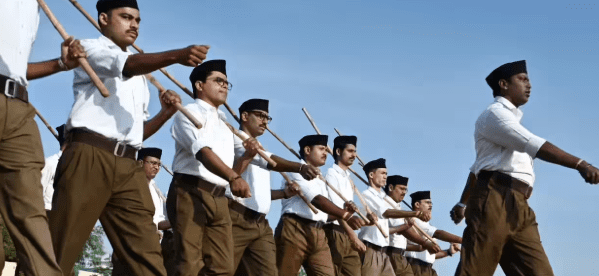
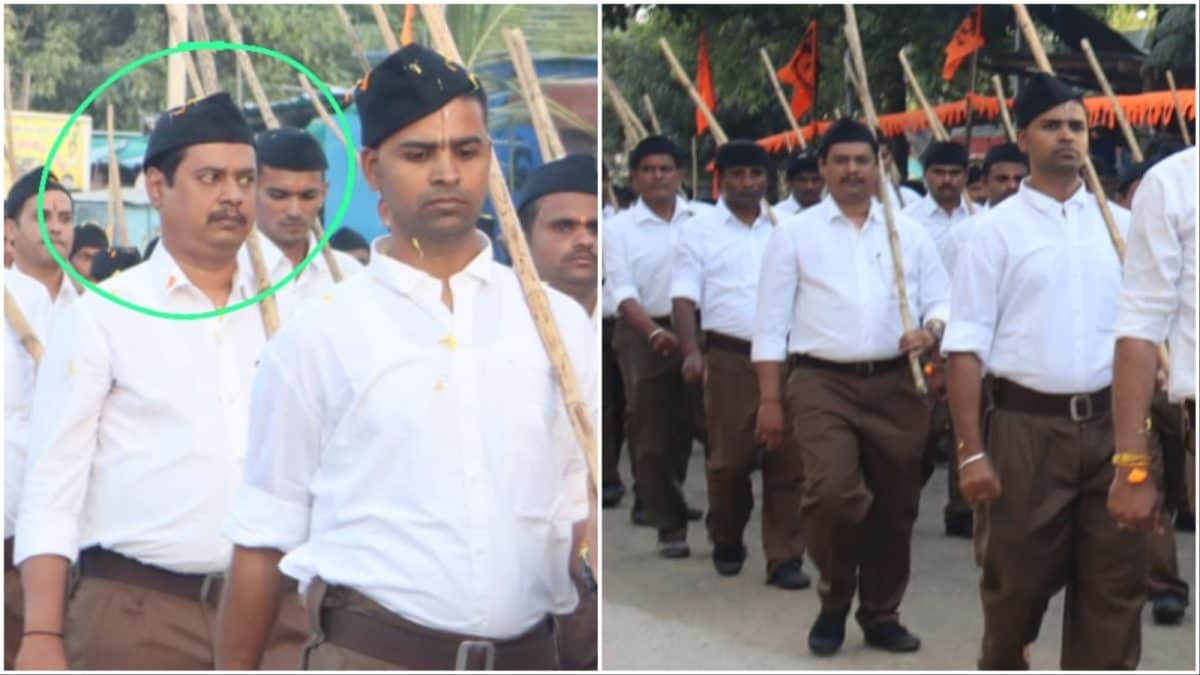
A controversy erupted in Karnataka after photos surfaced online showing a Panchayat Development Officer (PDO) wearing the uniform of the Rashtriya Swayamsevak Sangh (RSS) and actively participating in a Sangh event. The images quickly went viral, sparking debates about the neutrality expected from government officials and raising questions about the blending of administrative roles with political or ideological affiliations. In response, the Karnataka government swiftly suspended the PDO pending an inquiry, emphasizing the importance of maintaining impartiality in public service.
The Incident and Immediate Aftermath
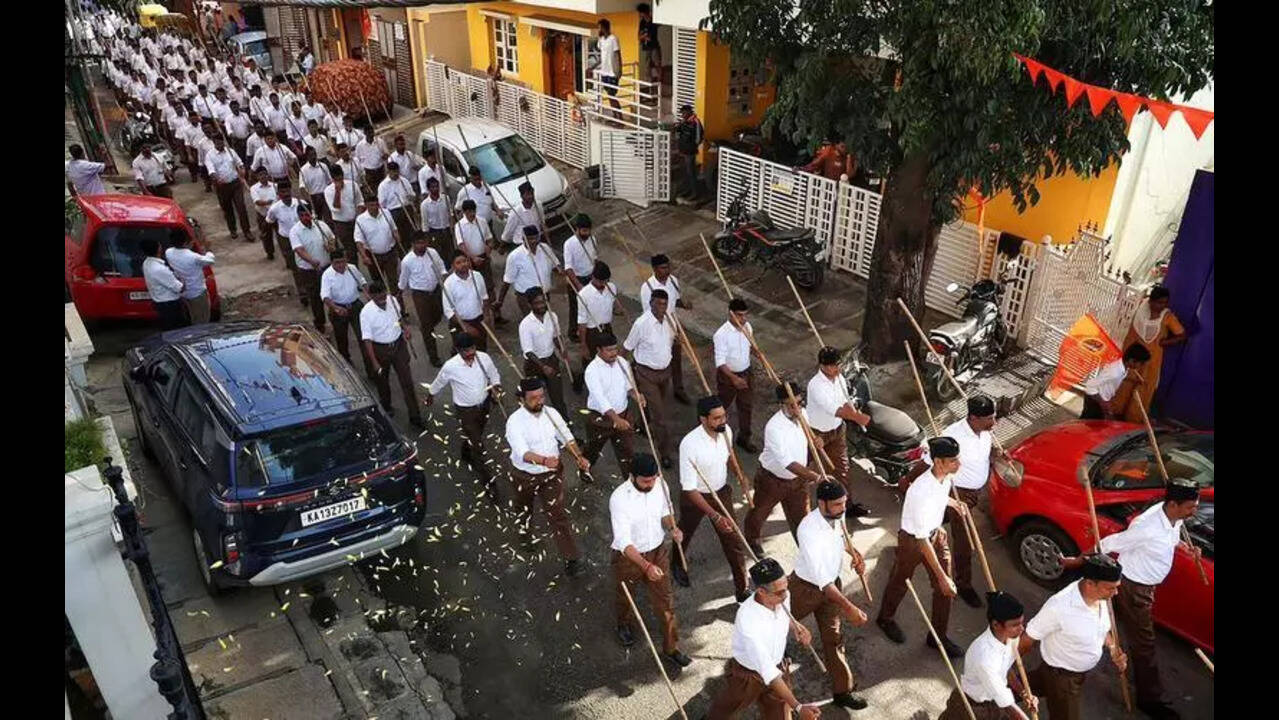
The PDO’s participation in the RSS event, clad in the organisation’s distinctive brown uniform, was captured during a public gathering that was widely shared on social media platforms. The photographs triggered concerns about potential bias and the politicization of government officials. Citizens and political parties expressed unease, pointing out that such actions could undermine public trust in the administration’s neutrality. The suspension order arrived within hours, with state authorities announcing an internal probe to examine whether the PDO violated service conduct rules.
The Rashtriya Swayamsevak Sangh, a prominent socio-political organisation with a significant presence in Karnataka, often holds public events promoting its ideology and social activities. However, the involvement of a government officer in uniform in these events raises sensitive questions. The state government reiterated that while individuals have the right to personal beliefs, holding a public office demands strict adherence to impartiality and separation from partisan or ideological groups during official duties. The suspension serves as a reminder of these professional boundaries.
The incident involving the Karnataka PDO highlights the complex relationship between government employees and political or ideological organisations in India. While public servants are entitled to personal beliefs and affiliations, their conduct must always reflect the apolitical nature of their official roles. The presence of a government officer in RSS uniform at a Sangh event disrupts this balance, raising questions about whether the individual’s duties could be compromised by partisan loyalty. Such situations risk eroding the foundational principles of bureaucratic neutrality that underpin India’s democratic governance.
Beyond the immediate administrative concerns, the controversy sheds light on the influence of ideological organisations like the RSS within the grassroots levels of government administration. The RSS has long been known for its extensive network and mobilization capabilities, often encouraging members to take up public service roles. While this is legal and part of democratic participation, the overt display of affiliation during official functions blurs the lines and can lead to perceived or actual conflicts of interest. This case may prompt a wider discussion about the acceptable limits of such affiliations for government officials.
Karnataka’s Panchayat Development Officers hold critical responsibilities in rural governance, including implementing development programs and liaising between government authorities and local communities. Their impartiality is crucial, as they must work with diverse populations encompassing different religious, social, and political backgrounds. The PDO’s involvement in a polarising ideological event threatens to undermine the trust that villagers and stakeholders place in their local administrators, potentially impacting the effectiveness of rural development initiatives.
The government’s quick decision to suspend the PDO also reflects a growing sensitivity towards maintaining the sanctity of bureaucratic conduct amid increasing political polarisation. In recent years, various states have witnessed debates over civil servants’ political affiliations and their impact on governance. Karnataka’s response aims to set a precedent reinforcing that government employees must refrain from publicly endorsing or participating in partisan activities during their tenure, especially in uniform, to avoid conflicts with their professional duties.
Legal experts observing the case point out that the Indian Constitution mandates a strict code of conduct for public servants under service rules, emphasizing neutrality and dedication to public service. Violations can result in disciplinary action, including suspension or dismissal. However, the process must be fair and thorough, allowing the accused officer to present their side. The inquiry into the PDO’s actions will likely explore whether he violated service rules by wearing the RSS uniform during an official event or while on duty, and if so, recommend appropriate sanctions.
Civil society organizations have called for clearer guidelines from the government regarding the participation of public officials in political or ideological activities. Many argue that existing policies are vague, leading to inconsistent enforcement and confusion among officers. Strengthening these guidelines and regularly training employees on ethical boundaries could prevent similar incidents. Transparency in enforcement will also help build public confidence that administrative impartiality is upheld uniformly across the state bureaucracy.
The social media uproar following the incident highlights the evolving role of digital platforms in governance and accountability. While the rapid spread of the images helped bring attention to the issue, it also led to rampant speculation and polarized opinions. Experts caution that social media should complement formal investigations rather than replace them, advocating for responsible citizen engagement and restraint from spreading unverified information that can inflame communal or political tensions.
In conclusion, the suspension of the Karnataka PDO over the RSS uniform controversy underscores the ongoing challenges in maintaining bureaucratic neutrality in a politically charged environment. It calls for a careful balance between respecting individual rights and preserving the integrity of public institutions. Karnataka’s handling of this case could serve as a model for other states navigating similar dilemmas, highlighting the importance of clear policies, ethical training, and a commitment to impartial governance in sustaining India’s democratic ethos.
Public and Political Reactions
The incident has drawn reactions from across the political spectrum. Opposition parties accused the ruling government of failing to enforce strict codes of conduct among its officials and warned against the infiltration of ideological groups into administrative machinery. Conversely, some right-wing supporters argued that personal beliefs should not interfere with an officer’s professional responsibilities unless proven otherwise. The debate highlights ongoing tensions between ideological expression and bureaucratic neutrality in Karnataka’s political landscape.
Civil society and governance watchdogs have also weighed in, stressing the importance of clear guidelines for government employees regarding political affiliations and public appearances. They advocate for regular training on ethical conduct and the constitutional obligation of neutrality. Experts warn that blurring these lines can erode democratic governance, especially in sensitive local administration roles like those of PDOs, who directly interact with grassroots communities.
The Karnataka Administrative Service (KAS) and local governing bodies have begun reviewing existing policies to prevent recurrence of such incidents. Discussions include recommendations for tighter oversight, mandatory disclosures of political activities, and stricter penalties for violations of service rules. The aim is to reinforce public confidence in administrative impartiality and ensure that government employees remain focused on service delivery, free from external ideological influences.
Social media has played a pivotal role in exposing the PDO’s participation, with users debating the implications and calling for transparency in the investigation. While some have applauded the government’s swift action, others have cautioned against rushed judgments before a formal inquiry concludes. The episode underscores how digital platforms can amplify governance issues but also risks creating polarisation and misinformation if not managed responsibly.
The suspension of the PDO has sent a clear message within Karnataka’s bureaucratic circles: adherence to neutrality and professional ethics is non-negotiable. It also raises broader questions about the boundaries between personal freedom and official responsibilities in India’s complex socio-political environment. As the inquiry progresses, the state government’s handling of the case will be closely watched as a benchmark for maintaining administrative integrity amid ideological pressures.
Absolutely! Here are 4 additional paragraphs continuing the article:
This incident also brings attention to the broader challenge of politicization within India’s civil services. While civil servants are expected to serve the public without bias, the reality is often more complex, with many officers navigating pressures from political parties and ideological groups. Such pressures can compromise decision-making and service delivery, especially at the grassroots level. The Karnataka PDO’s case serves as a cautionary tale highlighting the need for robust safeguards that protect administrative independence from partisan influence.
Furthermore, the episode has reignited debates about the role of the RSS and similar organizations in India’s socio-political landscape. Critics argue that their deep involvement in public administration threatens the secular and impartial character of the state, while supporters claim they contribute positively through social service and nation-building efforts. The Karnataka government’s response to this controversy may influence public perception of how ideological affiliations are managed within the civil service, shaping future discourse on the issue.
Grassroots communities, especially in rural Karnataka where the PDO operates, often rely heavily on the credibility and fairness of local officials. The erosion of this trust due to perceived partisan bias can have far-reaching consequences, including reduced community participation in government programs and increased social tensions. Restoring confidence requires transparent communication from authorities and proactive engagement with local populations to reaffirm the commitment to impartiality and inclusive governance.
Finally, this controversy underscores the delicate balance India’s democratic institutions must maintain in a diverse society. Ensuring that public servants remain neutral arbiters while respecting their personal freedoms is a persistent challenge. The Karnataka PDO suspension sends a clear message that professional ethics cannot be compromised, and that maintaining public trust is paramount for effective governance. How this balance is navigated will significantly impact the health of Karnataka’s democracy going forward.
Bengaluru has once again become the epicenter of a heated debate as BJP leader Basanagouda Patil Yatnal demanded a ban on namaz being offered in public places and government premises. His call has ignited widespread controversy and polarized opinions across the state. Yatnal argued that public prayers in non-designated spaces disrupt public order and encroach on secular governance. The demand has drawn sharp criticism from various quarters, including political opponents, civil rights groups, and religious communities, who view it as an attack on constitutional freedoms. The issue has quickly escalated into a flashpoint in Karnataka’s communal discourse.
Yatnal’s Arguments and Government Response
Yatnal stated that namaz in open public areas such as roads, parks, and government offices causes inconvenience to others and violates the principle of separation between religion and state affairs. He urged the state government to issue clear guidelines prohibiting such practices to maintain public order. The government, however, has taken a cautious stance, stressing that while public safety and order are priorities, freedom of religion is protected under the constitution. Officials have called for dialogue and harmony, warning against policies that could inflame communal tensions.
Critics of Yatnal’s demand argue that the BJP leader’s call infringes on minority rights and promotes exclusion. Legal experts point out that freedom to practice religion, including congregational prayers, is a fundamental right guaranteed by Article 25 of the Indian Constitution. They emphasize that any restrictions must be reasonable, aimed at protecting public order without targeting specific communities. Civil society organisations have accused Yatnal of politicising religious practices for electoral gains and disrupting Karnataka’s tradition of communal harmony.
Public and Political Reactions
Reactions to Yatnal’s demand have been mixed but largely critical. Muslim community leaders condemned the demand as discriminatory and a violation of religious freedom. Several opposition parties, including Congress and the AAP, condemned the move, accusing the BJP of stirring communal discord. Meanwhile, some right-wing groups have supported Yatnal’s call, arguing that public spaces should remain secular and free from religious demonstrations. The debate has spilled onto social media, with heated exchanges reflecting the deep divides in public opinion.
Several instances across India have seen similar controversies over public prayers, often highlighting broader issues of communal coexistence and urban space management. Experts note that many cities face challenges accommodating diverse religious practices while ensuring that public spaces are accessible to all. Dialogue between community leaders and municipal authorities has been suggested as a more constructive way to resolve such conflicts, rather than unilateral bans or politicised demands.
The Karnataka government is reportedly monitoring the situation closely, aware that any hasty policy decisions could lead to protests or unrest. Officials are considering engaging community representatives to find a balanced approach that respects religious freedoms while addressing public concerns. The state administration’s response in the coming weeks will be crucial in setting a precedent for handling similar issues in a diverse society.
Meanwhile, legal challenges to Yatnal’s demand appear imminent. Human rights groups have announced plans to file petitions in courts, arguing that banning namaz in public places would be unconstitutional. The judiciary’s role will be critical in interpreting the balance between religious freedom and public order. Past judgments have reiterated that while public safety can justify some restrictions, targeting specific religious practices without adequate justification violates constitutional rights.
In conclusion, Yatnal’s call to ban namaz in public spaces has reopened sensitive debates on religious rights, secularism, and public order in Karnataka. The controversy underscores the challenges faced by pluralistic societies in balancing diverse interests and protecting minority rights. As tensions simmer, it is imperative for all stakeholders to engage in respectful dialogue, ensuring that constitutional freedoms are upheld while maintaining communal harmony and social peace.
The controversy surrounding Yatnal’s demand is reflective of the increasing politicization of religious practices in Karnataka and across India. In recent years, public prayers and religious processions have become flashpoints for communal tensions, with political leaders often using them to mobilize support or polarize voters. Yatnal’s statement fits into this broader pattern, where religious expressions in public spaces become battlegrounds for identity politics. Analysts warn that such moves risk deepening divides in an already diverse society, making reconciliation and coexistence more difficult.
Urban spaces in Karnataka, especially in cities like Bengaluru and Hubballi, have seen a rise in public religious gatherings, often driven by demographic changes and increased community assertiveness. For many Muslim communities, offering namaz in public spaces has become a practical necessity due to overcrowded mosques and the unavailability of large prayer halls during important religious occasions like Eid. Yatnal’s demand, critics argue, fails to consider these ground realities and instead adopts a narrow, exclusionary approach that alienates minority groups.
The issue also brings to the forefront questions about urban planning and the management of public spaces. Municipal corporations across India face the challenge of balancing competing uses of limited urban land. While freedom of religion is a constitutional right, local authorities must ensure that no group monopolizes public spaces to the detriment of others. Some urban planners advocate for designated areas where religious congregations can take place without disrupting traffic or other public activities. Dialogue and coordination between communities and civic bodies are seen as key to achieving such balance.
Yatnal’s demand has also sparked debates within the BJP and its allies. While some party members support his hardline stance, others caution that such moves could alienate minority voters and damage the party’s image as an inclusive political force. The BJP’s central leadership has, in the past, walked a tightrope between promoting Hindutva narratives and maintaining a secular public image. The party’s response to this controversy could signal its approach ahead of upcoming elections in Karnataka and beyond.
From a legal standpoint, the courts have consistently maintained that religious freedom is not absolute and can be subjected to reasonable restrictions in the interest of public order, morality, and health. However, such restrictions must be neutral and not discriminatory. If a blanket ban on namaz in public places were imposed, it would likely face rigorous judicial scrutiny. Legal experts suggest that any policy addressing public prayers must be based on objective criteria and applied uniformly to all religious practices, not singling out any particular community.
Community leaders from across faiths have urged for peaceful coexistence and mutual respect amidst the controversy. Interfaith dialogue initiatives in Karnataka have highlighted the importance of understanding diverse religious customs and finding common ground. Several civil society groups are calling for forums where representatives of all communities can discuss grievances and solutions collaboratively. These efforts aim to defuse tensions and build bridges, emphasizing that respect for religious diversity is essential for social harmony.
The media’s role in reporting on Yatnal’s demand and the ensuing reactions has been significant. While some outlets have focused on the political drama, others have highlighted the human stories behind the issue, such as the experiences of Muslim families affected by restrictions on public prayer. Sensationalist coverage risks exacerbating divisions, but responsible journalism can contribute to informed public debate and reduce misunderstandings. Experts encourage media to highlight voices of moderation and bridge-building in this sensitive discourse.
Looking ahead, Karnataka stands at a crossroads in managing religious diversity in its public spaces. Yatnal’s demand may be a catalyst for broader conversations about secularism, minority rights, and public order. It also underscores the necessity for comprehensive policies that reconcile constitutional freedoms with practical governance challenges. For Karnataka’s diverse population, the hope is that reasoned dialogue and respect for democratic principles will prevail over divisive rhetoric, ensuring that the state remains a model of pluralism and tolerance.
The political undertones of Yatnal’s demand cannot be ignored. Analysts observe that such statements often surface during election cycles when parties seek to consolidate vote banks by appealing to specific religious or cultural sentiments. This tactic, however, risks deepening social cleavages rather than fostering unity. Political commentators warn that the focus should instead be on inclusive governance and addressing socio-economic issues affecting all communities, rather than reigniting religious controversies that distract from development agendas.
Yatnal’s demand has also raised concerns about the impact on Karnataka’s secular fabric, which has historically been characterized by coexistence and mutual respect among diverse communities. Sociologists point out that Karnataka’s pluralistic society is built on centuries of inter-community cooperation, shared festivals, and cultural exchanges. Attempts to restrict religious expressions in public spaces may undermine this legacy, leading to alienation and mistrust. Efforts to preserve this heritage must involve protecting the rights and dignities of all religious groups.
Public safety is another aspect that often comes up in discussions around religious gatherings in public places. Municipal authorities cite issues such as traffic congestion, waste management, and noise pollution during large congregational prayers. However, critics argue that such concerns should be addressed through better urban planning and infrastructure development rather than prohibitive bans. Creating designated prayer areas with adequate facilities could be a pragmatic solution, ensuring that public order is maintained without infringing on religious freedoms.
Educational institutions have a role to play in fostering tolerance and understanding amid such disputes. Integrating lessons on secularism, religious diversity, and constitutional rights into school curricula can help young minds appreciate the pluralistic nature of Indian society. Educators emphasize that promoting empathy and critical thinking is key to countering divisive narratives. Karnataka’s schools, which serve students from varied backgrounds, could be pivotal in nurturing a generation that values coexistence over conflict.
The state government’s response in the coming weeks will be closely watched by all stakeholders. Balancing constitutional guarantees with public order is a delicate task that requires sensitivity and pragmatism. The government may consider setting up a multi-stakeholder committee, including representatives from minority communities, legal experts, and civil society, to formulate guidelines on religious practices in public spaces. Such an inclusive approach could help diffuse tensions and establish clear, fair policies.
Social media platforms have played a dual role in this controversy, acting as both catalysts for misinformation and spaces for constructive dialogue. Viral posts and inflammatory comments have sometimes escalated communal tensions. Conversely, online forums have also hosted debates promoting mutual understanding and peaceful coexistence. Digital literacy campaigns and responsible moderation are crucial in ensuring that social media contributes positively to Karnataka’s communal harmony rather than undermining it.
A tragic incident shook the Vijayapura district of Karnataka when three children drowned in a farm pond on the outskirts of a village. The accident unfolded on a sweltering afternoon when the children, reportedly playing near the water body, accidentally slipped into the deep pond. Despite frantic rescue efforts by villagers and emergency responders, all three succumbed to the incident, leaving the community in deep mourning. The deaths have raised urgent questions about safety measures around farm ponds and open water bodies in rural areas, where children often play unsupervised amid hazardous conditions.
The Incident: How It Unfolded
According to eyewitnesses, the children—aged between 7 and 12 years—had gone near the farm pond, a common watering source for nearby agricultural fields. The pond, surrounded by uneven embankments and lacking safety barriers, posed significant risks. While playing, one child slipped and fell into the water, and the others tried to help but were also pulled under by the strong undercurrents and steep sides. Locals rushed to their aid upon hearing cries but were unable to reach the children quickly enough. The bodies were later recovered by the fire department and local volunteers after hours of effort.
The farm pond where the tragedy occurred is one of many such water reservoirs scattered across rural Vijayapura. These ponds, essential for irrigation, are often open and unfenced, posing dangers not only to children but also to livestock. Villagers and local officials have acknowledged that safety infrastructure around these ponds is minimal or non-existent. This incident has intensified demands for government intervention to install fences, warning signs, and community awareness programs. The lack of supervision and safety is a persistent problem in many agricultural communities, where children often roam freely near these potentially lethal water bodies.
Community Grief and Response
The tragedy has sent shockwaves through the village, with families and neighbours coming together in shared grief. The parents of the victims are devastated, struggling to come to terms with their sudden loss. Local leaders have condemned the lack of preventive measures and promised to push for improved safety protocols. Relief efforts, including counseling and financial assistance, are being organised by the district administration. The incident has also sparked conversations about the need for better child safety education in rural areas, where emergency response mechanisms are often slow and insufficient.
The district administration has announced a compensation package for the bereaved families, alongside a review of existing safety measures around farm ponds and other hazardous areas. Officials have pledged to launch awareness campaigns highlighting the risks posed by open water bodies. The tragedy has also prompted discussions on introducing community watch groups to monitor children’s activities near such dangerous sites. Meanwhile, NGOs working in Vijayapura have stepped in to provide trauma counseling and support, highlighting the importance of mental health services following such incidents.
Safety Concerns and Preventive Measures
Farm ponds, while vital for agriculture, are increasingly being recognised as safety hazards in rural India. Many such ponds lack fencing, signage, or protective covers, making them a grave risk for children and animals. Experts advocate for the installation of physical barriers around ponds, regular community awareness drives on water safety, and inclusion of pond safety in school curriculums. Additionally, local governments are urged to conduct safety audits and prioritize high-risk ponds for immediate intervention. This tragic loss in Vijayapura underscores the urgent need for coordinated action to prevent similar accidents.
Experts also suggest that emergency preparedness in rural areas must improve significantly. Often, the nearest medical help or rescue teams are located far from villages, leading to delays that can prove fatal in drowning cases. Training local volunteers in basic rescue and first aid techniques, along with better communication infrastructure, can save lives. The incident serves as a grim reminder of the vulnerabilities rural communities face—not only from natural and infrastructural deficits but from the lack of systemic safety nets.
The tragedy has also sparked wider debate on child supervision in rural communities. While cultural norms allow children to roam freely, especially during farming seasons when adults are occupied, there is a growing recognition that increased vigilance is essential. Parents and community members are being encouraged to establish child care groups and designate safe play areas. Combined with government safety measures, such community-driven initiatives can create safer environments, reducing risks associated with open ponds and other hazards.
In conclusion, the drowning of three children in Vijayapura’s farm pond is a heart-wrenching reminder of the fragility of life and the urgent need for preventive action. As the community mourns, it is imperative that lessons are learned and translated into practical safety measures. Improved infrastructure, awareness, emergency readiness, and community engagement can collectively prevent such tragedies in the future. This incident must catalyse a broader commitment to protecting vulnerable children in rural India from avoidable accidents.
The tragedy in Vijayapura has spotlighted a broader issue prevalent across many rural areas in Karnataka and India: the unsafe nature of open water bodies in farming communities. Farm ponds, canals, and irrigation tanks often lack any form of protective barrier or signage, making them a constant hazard, especially for children. Despite their utility for agriculture, these water sources pose risks that many local administrations have historically overlooked. The incident has reignited calls from child safety advocates and rural development experts to prioritize the integration of safety measures alongside agricultural infrastructure development.
Local schools in Vijayapura have begun taking immediate steps to educate children about water safety following the incident. Teachers are incorporating lessons on the dangers of playing near open water and the importance of informing adults before venturing near such areas. Many schools are also urging parents to accompany younger children during outdoor activities. While these efforts are in the early stages, they reflect a growing awareness of the need to protect children through education and community engagement, not just physical barriers.
Healthcare access remains a critical challenge in Vijayapura and similar rural districts. In drowning incidents, the golden hour— the time immediately following an accident—is crucial for saving lives. However, the delay in emergency response due to limited ambulance services, inadequate rescue training, and the absence of local medical facilities can drastically reduce survival chances. This tragic event has highlighted the urgent need for decentralized healthcare services, with equipped first-response units stationed closer to villages, along with widespread training for villagers in basic life-saving techniques.
The emotional trauma caused by such incidents cannot be understated. Families affected by drowning tragedies often face profound psychological distress, grief, and social stigma. In Vijayapura, community leaders and NGOs have stepped forward to provide counseling and emotional support to the bereaved families. These support systems, though invaluable, are often lacking in rural regions. Mental health professionals argue that sustained investment in trauma counseling and community mental health programs is essential to help families recover and prevent long-term psychological consequences.
Government officials have acknowledged the gaps in safety infrastructure but cite financial and logistical challenges in fencing every farm pond across the district. However, experts argue that prioritizing ponds located near populated areas or schools could be a cost-effective start. Innovative, low-cost safety solutions such as natural barriers, thorny shrubs, or community-maintained fences are being proposed. Additionally, participatory approaches involving villagers in safety planning and maintenance could ensure sustainable protection measures, combining local knowledge with government support.
In parallel, technological interventions have been proposed to enhance safety. For example, simple alarm systems or sensors installed near ponds could alert villagers if someone falls in. Mobile apps designed to educate rural communities about water safety or report unsafe conditions in real time are also being piloted in parts of Karnataka. While technology alone cannot prevent accidents, it can be a valuable tool in augmenting existing safety nets and enabling quicker emergency responses, especially when integrated with local community efforts.
The cultural aspects of child supervision also play a significant role in rural safety dynamics. In many villages, children often accompany adults to fields or play unattended, especially during peak agricultural seasons when parents are occupied with labor-intensive work. Balancing cultural practices with safety needs requires sensitive approaches that respect traditions while promoting awareness. Community dialogues and involvement of local leaders in advocating for child safety have proven effective in other regions and are being considered as models for Vijayapura’s villages.
Finally, the incident serves as a critical reminder of the intersecting challenges rural India faces—where development needs, safety concerns, healthcare access, and education intersect. Comprehensive strategies are required that do not treat accidents as isolated incidents but as symptoms of systemic issues. Multi-stakeholder approaches involving government bodies, NGOs, local communities, and experts are essential to create environments where children can grow and play without fear. Vijayapura’s loss is a call to action for all stakeholders to unite in safeguarding the future of rural children.
Finally, the incident serves as a critical reminder of the intersecting challenges rural India faces—where development needs, safety concerns, healthcare access, and education intersect. Comprehensive strategies are required that do not treat accidents as isolated incidents but as symptoms of systemic issues. Multi-stakeholder approaches involving government bodies, NGOs, local communities, and experts are essential to create environments where children can grow and play without fear. Vijayapura’s loss is a call to action for all stakeholders to unite in safeguarding the future of rural children.






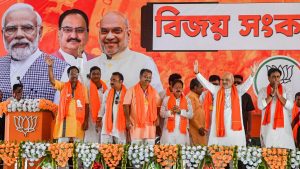 Legal Shield: Protecting Digital Warriors
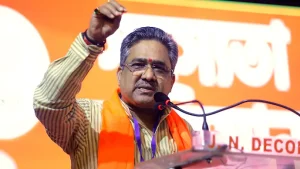 Local Issues: Water-Logging and Electrocution Deaths
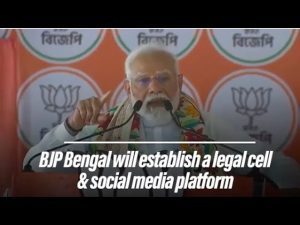 Countering Opposition Digital Initiatives
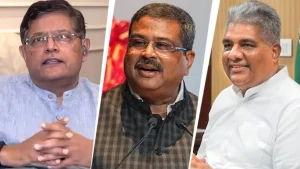 The Road to 2026: Final Push




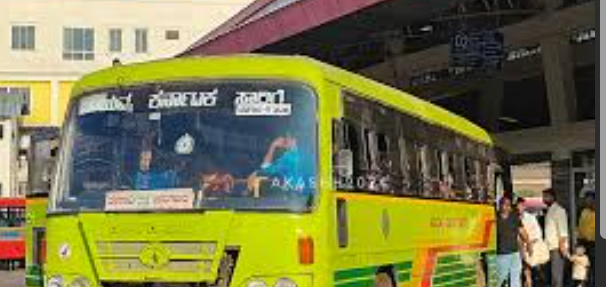



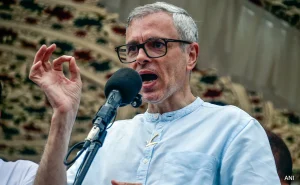 Also Read:
 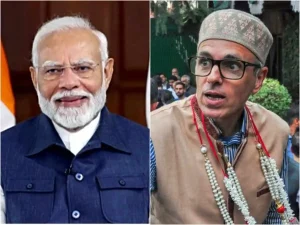 Democratic and Peaceful Struggle
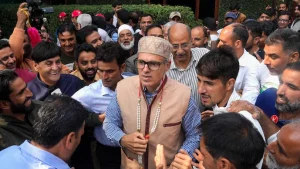 Supreme Court Intervention Possibility