Friday, December 26, 2025
Home Blog Page 75

Karnataka to Develop ‘Digital Heritage Portal’ to Preserve Cultural Legacy: 1 Astonishing move

In a significant move to safeguard its rich cultural and historical assets, the Government of Karnataka has announced plans to develop a comprehensive ‘Digital Heritage Portal.’ The initiative aims to digitise, catalogue, and make accessible the state’s diverse heritage, spanning monuments, museums, manuscripts, traditional arts, and performing arts. Officials highlighted that the portal will serve as a one-stop digital repository, ensuring preservation, academic access, and public engagement with Karnataka’s centuries-old cultural legacy, which includes contributions from dynasties such as the Hoysalas, Vijayanagara Empire, and the Wodeyars of Mysuru.

Government’s Vision for Digital Preservation
The Department of Archaeology, Museums, and Heritage (DAMH) is spearheading the project under the broader State e-Governance initiatives. Karnataka’s Culture Minister noted that the portal will integrate modern technologies, including 3D imaging, augmented reality, and GIS mapping, to document and present historical sites virtually. The government hopes this will make heritage accessible to a wider audience, including students, researchers, and tourists, while protecting fragile artefacts from the wear and tear associated with physical exposure. This digital archive is envisaged as a bridge between traditional heritage and contemporary technological engagement.

Scope and Features of the Portal
The Digital Heritage Portal will include detailed information on Karnataka’s forts, palaces, temples, caves, and natural heritage sites. It will provide high-resolution images, 3D virtual tours, interactive maps, and digitised manuscripts in multiple languages. Experts will document oral histories, folk arts, and regional music, creating an expansive repository. The portal will also include educational resources for schools and universities, enabling virtual learning and research. The government plans to partner with tech firms and cultural organisations to ensure that content is accurate, immersive, and user-friendly.

Preserving Manuscripts and Rare Artefacts
Karnataka houses thousands of rare manuscripts and artefacts, many of which are centuries old and highly susceptible to decay. The Digital Heritage Portal will prioritise their digitisation using advanced scanning techniques. Conservation experts will work alongside IT specialists to ensure authenticity and precision. By creating digital copies, the state aims to reduce physical handling of fragile materials, thereby prolonging their life while facilitating scholarly study. Scholars and historians have welcomed this initiative, noting that it could provide unprecedented access to texts previously confined to private collections or remote archives.

Promoting Cultural Tourism
Tourism authorities see the portal as a means to enhance Karnataka’s profile as a cultural destination. Virtual tours and interactive guides will help tourists plan visits, understand historical context, and experience sites remotely before arriving. The government hopes that by integrating ticketing, event updates, and educational content, the portal will encourage responsible tourism. Sites such as Hampi, Belur, Halebidu, and the Mysuru Palace, already popular among visitors, could gain additional visibility, attracting both domestic and international tourists. This digital approach aligns with global trends in heritage tourism and promotes immersive experiences without overburdening sensitive sites.

Integration with Educational Initiatives
The portal will be designed with students in mind. Schools and universities will have access to digitised manuscripts, virtual museum tours, and interactive modules on Karnataka’s history, arts, and architecture. Teachers will be able to incorporate multimedia resources into classrooms, enabling experiential learning beyond textbooks. Educational institutions can collaborate with the portal to host webinars, virtual workshops, and heritage-focused competitions. Officials emphasised that this initiative aims not only to preserve heritage but also to inspire younger generations to value and engage with Karnataka’s cultural legacy in innovative ways.

Supporting Folk Arts and Traditional Knowledge
In addition to monuments and manuscripts, the portal will document folk arts, music, dance, and traditional crafts. Karnataka is home to diverse performing arts such as Yakshagana, Dollu Kunitha, and Kamsale, alongside indigenous crafts like sandalwood carving and Channapatna toys. Digital recording and archival of performances, techniques, and oral histories will ensure these intangible assets are preserved for future generations. Artisans will also be able to use the platform to reach wider audiences, sell products, and conduct online workshops, thereby linking cultural preservation with economic empowerment.Karnataka to develop 'Digital Heritage Portal' to preserve cultural legacy  - The Hindu

Collaboration with Technology Partners
The success of the Digital Heritage Portal hinges on collaboration between cultural experts and technology firms. The government plans to partner with IT companies, universities, and research organisations to develop user-friendly interfaces, immersive content, and secure data storage. Artificial intelligence will be deployed for content tagging, search optimisation, and automated translation, making resources accessible to a multilingual audience. Experts note that such partnerships are critical for ensuring that digital archives remain updated, accurate, and technologically robust, keeping pace with global standards in digital heritage management.

Citizen Engagement and Crowdsourcing
The portal is expected to include features that allow citizens to contribute to Karnataka’s heritage documentation. Local communities can upload photographs, videos, and stories related to historical sites, rituals, and festivals. Crowdsourcing initiatives will help uncover lesser-known sites and preserve intangible cultural practices. Officials emphasised that public participation is crucial for creating a comprehensive and representative digital archive. By involving citizens, the state also hopes to foster a sense of ownership and responsibility towards heritage conservation, while promoting cultural pride and awareness at the grassroots level.

Security and Data Management
Given the sensitive nature of historical data and artefacts, cybersecurity will be a major priority for the Digital Heritage Portal. The government plans to implement robust data encryption, access controls, and regular audits to protect content from misuse or theft. Cloud storage solutions will ensure redundancy and disaster recovery, safeguarding valuable digital assets. Additionally, the portal will include legal frameworks to prevent unauthorised commercial exploitation of digitised materials. Experts highlight that digital preservation without proper security measures could compromise both scholarly research and cultural integrity.

Impact on Research and Scholarship


Academics and researchers will benefit significantly from the portal’s digitisation efforts. Remote access to manuscripts, architectural plans, and archival images will reduce the need for physical travel, making research more efficient and inclusive. The portal will also facilitate comparative studies, interdisciplinary research, and collaborative projects with institutions across India and abroad. By centralising resources, Karnataka aims to position itself as a hub for South Asian cultural studies, providing scholars with tools and data to deepen understanding of regional history, arts, and literature.

Linking Heritage and Tourism Revenue
Authorities anticipate that the Digital Heritage Portal could have economic benefits beyond preservation. By promoting heritage tourism digitally, the portal can attract visitors who contribute to local economies through accommodation, dining, and transport services. Special online packages, virtual events, and educational tours could be monetised to generate revenue for both the state and local communities. Experts note that digital engagement can complement physical tourism, providing additional income streams while ensuring that fragile sites are not overburdened by mass visitation.

Preserving Linguistic Diversity
Karnataka is linguistically diverse, with Kannada as the state language alongside Tulu, Kodava, Konkani, and Beary dialects. The portal aims to document manuscripts, oral histories, and folk songs in their original languages, with translations available for wider accessibility. Linguists highlight the importance of digital preservation in maintaining endangered dialects and literary traditions. By integrating language-focused content, the portal will contribute to safeguarding Karnataka’s linguistic heritage while facilitating cross-cultural learning and understanding among students, researchers, and tourists.

Future Expansion Plans
Officials have indicated that the portal will evolve over time, with additional modules for newly discovered sites, contemporary cultural events, and citizen-generated content. Plans include mobile applications, VR experiences, and integration with educational platforms. The state also envisions linking the portal with national heritage initiatives and international archives, promoting Karnataka as a global cultural destination. These expansion efforts aim to make heritage preservation dynamic, interactive, and adaptable to future technological and societal changes.

Community Empowerment and Skill Development
By digitising folk arts, crafts, and performance traditions, the portal can empower communities economically. Artisans, performers, and cultural custodians will gain visibility, enabling online workshops, product sales, and collaborations with cultural institutions. Skill development programs linked to digital heritage documentation could train local youth in photography, digitisation, and archival work. Experts believe this approach creates a sustainable model where heritage preservation and community development reinforce each other, providing economic incentives while safeguarding cultural practices.Hampi goes digital - The Hindu

Challenges and Limitations


Despite its ambitious scope, the Digital Heritage Portal faces challenges. Technical issues such as high-quality digitisation of fragile artefacts, consistent data updating, and multilingual support require significant investment and expertise. Ensuring participation from rural communities and less-accessible regions is another hurdle. Moreover, maintaining public interest and engagement over time will be critical to the portal’s success. Officials acknowledge these challenges but emphasise that strategic partnerships, capacity building, and phased implementation can mitigate risks and enhance the portal’s long-term sustainability.

Global Context and Comparisons
Several countries have successfully implemented digital heritage initiatives, including the UK’s National Heritage Portal, France’s Gallica library, and Japan’s digital archives for cultural properties. Karnataka’s initiative draws lessons from these models, combining technological sophistication with community involvement. Experts suggest that aligning with global standards in metadata, digitisation quality, and access protocols will increase the portal’s credibility and usability. By benchmarking against international practices, Karnataka aims to position itself as a leader in digital heritage preservation in South Asia.art&technology: Indian Digital Heritage | Digital Hampi Project | ASEF  culture360

Conclusion
The Digital Heritage Portal represents a transformative step for Karnataka, combining technology, culture, and education to preserve and promote the state’s rich legacy. By digitising historical sites, manuscripts, arts, and traditions, the portal will make heritage accessible to wider audiences, facilitate research, and support cultural tourism. While challenges remain in technical implementation and stakeholder engagement, government officials and cultural experts are optimistic that the initiative will safeguard Karnataka’s identity for generations to come. It exemplifies how digital innovation can coexist with tradition, creating a model for other states and nations.

Follow: Karnataka Government

Also read: Home | Channel 6 Network – Latest News, Breaking Updates: Politics, Business, Tech & More

BIAL CEO Flags Unauthorised Cab Operators Over Overstaying Fee Controversy: 1 Shocking incident

Bengaluru International Airport Limited (BIAL) has once again found itself in the spotlight as debates over the airport’s overstaying fee policies have escalated. Recently, the Managing Director and CEO of BIAL addressed concerns raised by certain taxi operators and commuters, asserting that those opposing the newly implemented overstaying charges are unauthorised cab operators. The statement has sparked significant public discussion, highlighting the ongoing friction between regulatory frameworks and informal transport providers. The CEO stressed that the airport’s primary responsibility is to maintain safety, order, and efficiency while managing rising vehicular congestion in airport premises.

Background on Overstaying Fee Policy
BIAL introduced the overstaying fee as part of its strategy to regulate traffic within airport parking zones and ensure smooth passenger movement. Vehicles remaining beyond designated parking durations are subject to charges calculated based on the length of the overstay. The policy is aimed at discouraging unnecessary congestion, especially during peak hours when thousands of vehicles enter the airport. Airport officials argue that this measure ensures timely drop-offs and pick-ups, reduces security risks, and encourages compliance with airport protocols, aligning with global best practices in airport traffic management.

Conflict with Taxi Operators
Despite BIAL’s justification, the implementation has faced resistance from various taxi operators who argue that the charges are excessive and adversely affect their livelihood. Certain unions and informal operators have publicly criticised the policy, claiming it disrupts operational flexibility, especially during high-demand periods. BIAL’s CEO, however, categorically stated that many of those opposing the policy are not registered or authorised cab services. This distinction between authorised and unauthorised operators is central to the airport’s enforcement, aiming to penalise unregulated services while maintaining a streamlined transport ecosystem.Bengaluru Airport Update: Cab Drivers Oppose Overstay Fee Plan

Impact on Passengers and Commuters


Passengers and regular airport users have experienced mixed reactions to the overstaying charges. Some appreciate the measure for ensuring faster vehicle turnover and reducing waiting times, while others perceive it as an added financial burden, particularly for family and group travel. Complaints have arisen over inconsistencies in fee calculation and alleged disputes between authorised drivers and airport security staff enforcing the policy. BIAL has emphasised that the overstaying fee is mandatory only for vehicles parked beyond the allotted time and that authorised operators benefit from preferential access, smoother entry, and exemption from random penalties.

BIAL’s Stance on Unauthorised Operators
The CEO highlighted that unauthorised operators contribute to congestion, security challenges, and unfair competition. Vehicles without valid airport permits often park haphazardly, causing bottlenecks in terminal access roads and creating inconvenience for passengers and authorised operators alike. According to BIAL management, these unregulated cabs also evade taxes and fail to comply with safety and insurance requirements, placing passengers at risk. The overstaying fee policy is therefore intended not only as a deterrent but also as part of a broader strategy to regulate entry and maintain operational integrity within Bengaluru airport premises.

Security and Operational Efficiency
Airport authorities argue that traffic regulation is critical for both security and operational efficiency. Congestion from unauthorised cabs can hinder emergency vehicle access, complicate surveillance, and reduce overall safety standards. By enforcing the overstaying fee strictly on unregistered operators, BIAL aims to prioritise authorised transport services, streamline vehicle movement, and minimise security risks. Officials also emphasise that organised cab services are subject to screening, vehicle tracking, and permit verification, while unauthorised operators often bypass these protocols, creating potential vulnerabilities for airport management.

Public Debate and Media Coverage
The CEO’s remarks have been widely covered in local and national media, sparking a heated public debate. Advocates of taxi unions criticised the language used, stating it unfairly labels all dissenting operators as unauthorised without consideration for individual compliance records. On the other hand, frequent flyers and airport users largely supported the move, citing improved travel experiences due to reduced congestion and faster access to terminals. Social media platforms have also become venues for discussion, with netizens weighing in on both the need for regulation and the potential impact on livelihoods of small-scale operators.

Legal and Regulatory Context
BIAL operates under the Airports Authority of India (AAI) regulations, which permit private airport operators to impose fees for parking and related services. Legal experts note that airports worldwide employ overstaying fees as standard practice to manage operational flow and discourage misuse of infrastructure. In Bengaluru, authorisation of cab operators is mandatory, with detailed compliance requirements including driver verification, insurance coverage, and vehicle registration with the airport. Enforcement of overstaying fees on non-compliant vehicles is therefore supported legally, giving BIAL the authority to distinguish between authorised and unauthorised operators.

Challenges for Enforcement
Implementing overstaying fees consistently is not without challenges. Enforcement personnel must accurately identify vehicles, differentiate between authorised and unauthorised operators, and handle disputes on the spot. BIAL has invested in advanced parking management systems, surveillance cameras, and vehicle tracking technologies to support enforcement. However, real-world conditions, including high traffic volumes, human errors, and non-cooperative drivers, make uniform application difficult. Officials acknowledge occasional grievances but maintain that systemic adherence to the policy ultimately benefits passengers, authorised operators, and airport operations as a whole.Eight-minute pickup cap, more cabs to enhance passenger experience at  Bengaluru airport: BIAL CEO

Economic Implications for Operators
Opponents of the overstaying fee argue that the policy reduces the earnings of cab operators, particularly informal providers who rely on short waiting times at airports to maximise revenue. Critics claim that the fee acts as a deterrent against flexible operational schedules, which they argue is necessary to meet fluctuating passenger demand. BIAL counters that authorised operators receive priority access and exemptions, enabling them to operate efficiently. The airport maintains that compliance and formal authorisation not only stabilise earnings but also integrate operators into a structured, safer, and more predictable operational ecosystem.

Passenger Feedback and Experience
Several passengers reported that the overstaying fee policy has contributed to faster pick-ups and reduced congestion near terminal entrances. Families with young children and elderly travellers appreciated shorter waiting times and organised parking management. However, some travellers still faced inconvenience when unauthorised or misidentified vehicles were wrongly penalised. BIAL has committed to improving grievance redressal mechanisms, including dedicated helpdesks and digital platforms, ensuring passengers and drivers receive clarity on fee calculation, exemption criteria, and corrective procedures in case of errors.

Technological Support for Implementation
BIAL has deployed technology solutions to streamline overstaying fee enforcement. These include automated ticketing systems, sensor-based parking detection, and CCTV monitoring. Digital tracking ensures that authorised vehicles are recognised and permitted smooth access while unauthorised vehicles are automatically flagged for fee imposition or denial of entry. Officials believe that technology reduces human error, prevents disputes, and enhances accountability. Investments in these systems reflect the airport’s broader strategy to improve operational efficiency and passenger experience while reducing congestion-related risks on airport roads.

Broader Impact on Bengaluru Traffic


The overstaying fee policy also has implications for traffic management in surrounding areas. Bengaluru is notorious for congested road networks, particularly near key transit hubs. By regulating airport parking and discouraging prolonged waiting by unauthorised vehicles, BIAL indirectly contributes to smoother traffic flow on adjoining arterial roads. Traffic police have welcomed the initiative, stating that reduced loitering of non-compliant vehicles near airport access points has eased congestion and facilitated quicker movement for public buses, emergency vehicles, and other authorised transport services.

Stakeholder Consultations
BIAL management has emphasised that ongoing dialogue with taxi unions and authorised operators remains a priority. Periodic consultations ensure that fee structures, operational protocols, and authorisation processes are updated in line with evolving passenger volumes. The CEO reiterated that the airport is open to suggestions from registered operators but maintains strict measures against unauthorised vehicles that disregard established rules. Stakeholders acknowledged that structured dialogue combined with enforcement is key to balancing operational efficiency with economic considerations for transport providers.

Comparisons with Other Airports
Overstaying fees and restricted access for unauthorised operators are standard practices in major international airports. Cities such as Delhi, Mumbai, and Singapore have adopted similar measures, enforcing strict authorisation requirements and levying penalties on non-compliant vehicles. BIAL’s approach aligns Bengaluru with global norms, ensuring the airport remains efficient, safe, and competitive. By distinguishing authorised operators from unauthorised ones, the airport is able to reduce congestion, enhance passenger experience, and create a regulated, revenue-generating environment while adhering to international airport management standards.

Financial and Operational Benefits


Beyond traffic management, overstaying fees generate additional revenue that can be reinvested into airport infrastructure, technology, and passenger services. BIAL argues that such measures allow for better maintenance of parking areas, enhanced security measures, and improved facilities for authorised drivers and passengers. The fees also discourage non-essential waiting and reduce operational strain on airport staff, creating a more predictable and controlled environment. Over time, these measures contribute to smoother operations, higher satisfaction for frequent flyers, and stronger compliance with established airport policies.Bengaluru airport to charge vehicles overstaying at arrival pick-up from  December 8

Public Perception and Media Response
The CEO’s comments on unauthorised operators have generated debate across local and national media. While some editorials support the stance, highlighting the need for regulation and passenger safety, others question the approach, citing the economic impact on small-scale operators. Social media platforms have been flooded with opinions, with many passengers expressing support for the policy while others sympathise with drivers facing economic challenges. Analysts emphasise that clear communication, combined with enforcement, will be crucial to maintain public confidence in BIAL’s regulatory measures.

Regulatory Oversight and DGCA Role
The Directorate General of Civil Aviation (DGCA) oversees regulatory compliance for airport operations in India. DGCA guidelines provide a framework for vehicle authorisation, passenger safety, and fee implementation. BIAL’s enforcement of overstaying charges on unauthorised operators is backed by these regulatory provisions. Aviation law experts say that proper documentation, signage, and passenger awareness campaigns are essential for compliance. DGCA may monitor the situation to ensure that fees are applied fairly and that authorised operators continue to receive designated benefits without unintended penalisation.

Future Directions and Policy Refinement
BIAL has indicated plans to refine the overstaying fee policy based on stakeholder feedback. The airport management is exploring technology-driven solutions for better identification of authorised vehicles, dynamic pricing models for peak periods, and enhanced passenger information systems. Discussions are ongoing with taxi unions to formalise grievance redressal and provide clarity on exemptions. By maintaining a balance between strict enforcement and collaborative engagement, BIAL aims to create a transparent system that ensures operational efficiency, passenger convenience, and a regulated, compliant transport ecosystem around Bengaluru airport.

Conclusion
The CEO’s assertion that opponents of the overstaying fee are unauthorised operators underscores BIAL’s focus on regulated airport operations. While some stakeholders have expressed concern over economic implications, airport management maintains that the policy ensures safety, order, and efficiency. The controversy has drawn attention to broader challenges in urban transport regulation and airport management. Moving forward, transparent communication, robust enforcement, and engagement with legitimate operators will be key to addressing public concerns while preserving Bengaluru airport’s operational integrity, passenger satisfaction, and adherence to international best practices.

Follow: Karnataka Government

Also read: Home | Channel 6 Network – Latest News, Breaking Updates: Politics, Business, Tech & More

Mass Disruptions at Bengaluru Airport as 99 IndiGo Flights Cancelled on Thursday

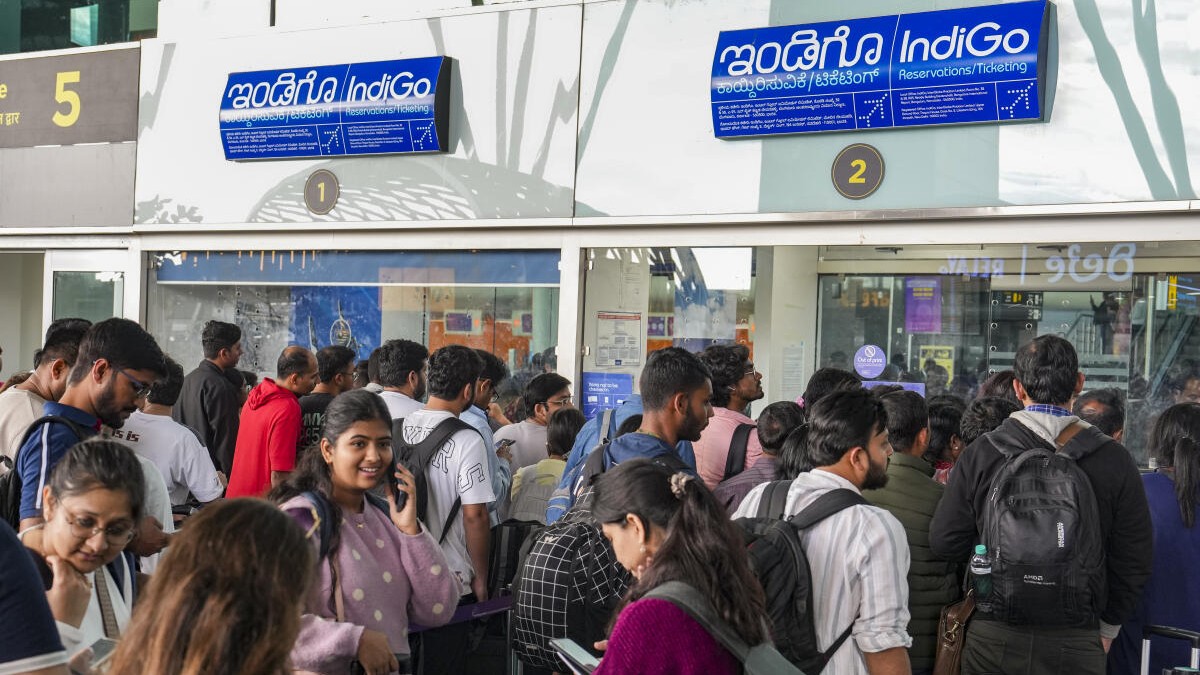
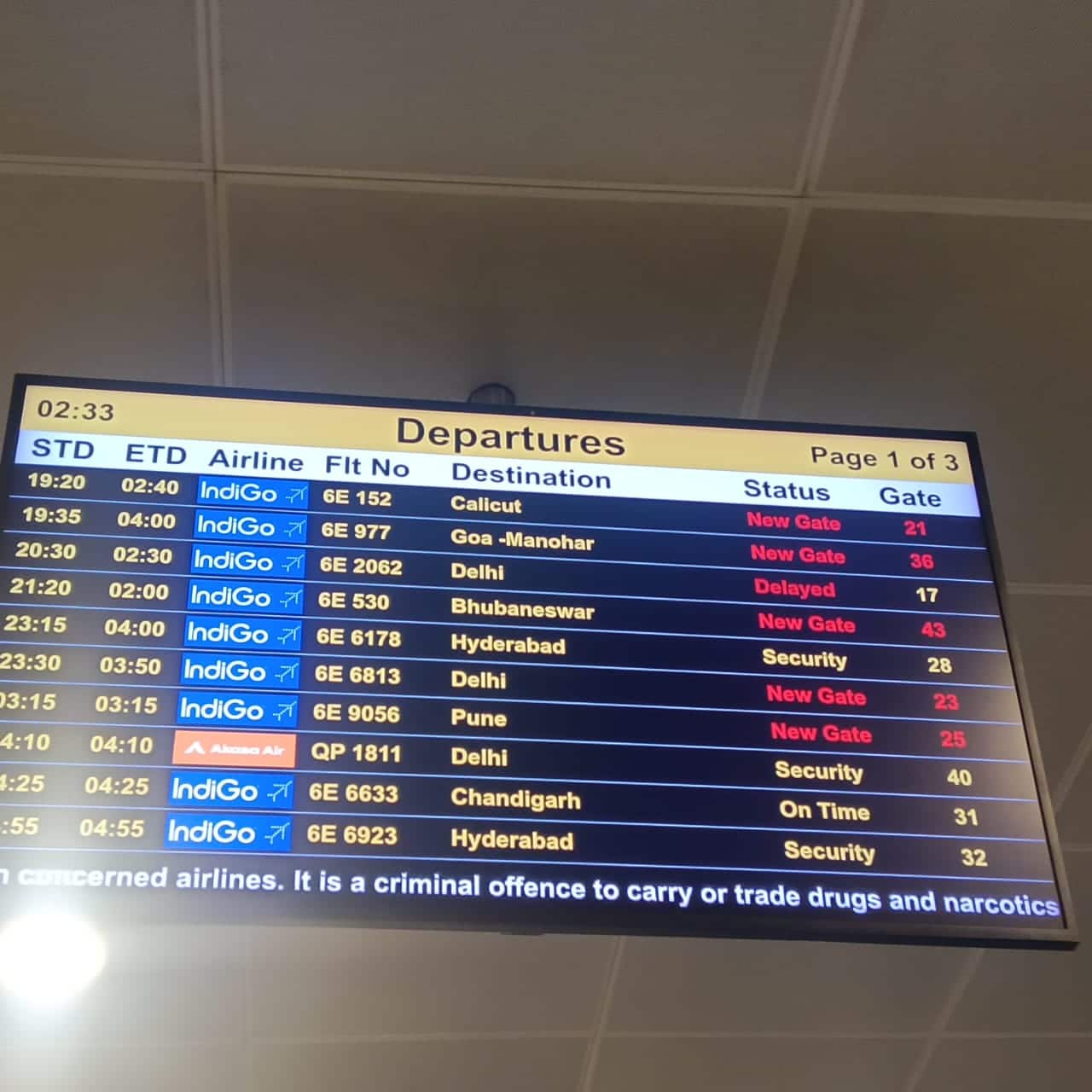
Chaos unfolded at Bengaluru Kempegowda International Airport on Thursday as IndiGo cancelled 99 flights, marking the third consecutive day of major disruptions. Passengers arriving at the airport early in the morning were met with unexpectedly long queues, repeated announcements of cancellations, and increasing frustration as both arrivals and departures were affected. According to airport sources, 54 incoming flights and 45 scheduled departures were cancelled, leading to widespread confusion. Many passengers reported receiving only last-minute notifications, making it difficult to rearrange travel plans or seek timely alternatives, further intensifying anger among travellers.

Background to Ongoing Disruptions
The cancellations followed two earlier days of delays and flight disruptions, signalling a deeper issue within the airline’s operations. While the airline has not officially provided a detailed explanation for the large-scale disruptions, airport officials indicated that several operational constraints may have converged. Recent weather-related challenges, staffing shortages, and unexpected technical issues in certain aircraft have all contributed to the growing turbulence in the airline’s daily functioning. These overlapping issues have led to the accumulation of delays that eventually snowballed into mass cancellations, severely affecting passenger movement across multiple airports.

Scenes of Tension at Terminal
Passengers waiting inside Terminal 1 described scenes of complete disorder, as long queues formed at check-in counters and customer service desks. Many travellers were seen raising complaints with IndiGo staff, asking for clarity on the reasons behind the disruptions. Security personnel were frequently required to intervene when tempers flared during arguments. Some passengers said they had been stranded for nearly 12 hours, with little assistance provided on rebooking or alternative modes of travel. The lack of clear communication from the airline further fuelled resentment, as anxious families struggled to manage ongoing delays with no firm timeline for rescheduled flights.

Passengers Express Anger Over Short Notice
Several flyers said they were informed about cancellations only after reaching the airport. This left many with no choice but to wait for hours in hope of securing another flight. Business travellers missed scheduled meetings, students heading to exam centres struggled with uncertainty, and families attempting to catch connecting flights abroad were left devastated. Many took to social media to voice their anger, accusing the airline of failing to handle crisis communication responsibly. Passengers urged the authorities to hold the airline accountable for what they described as repeated and avoidable disruptions affecting thousands.

Ripple Effects Across Other Airports
The cancellations in Bengaluru triggered disruptions across several other domestic airports, where passengers awaited connecting IndiGo flights. Airport officials in Kochi, Hyderabad, and Visakhapatnam reported delays and further cancellations as aircraft and crew scheduling went off track. The cascading effect highlighted the vulnerability of high-frequency carriers operating on closely knit schedules. This event also exposed how a major disruption in one metro airport can consequently impact operations nationwide, especially when the airline operates a significant portion of domestic flights. For many travellers, the domino effect resulted in extended travel times and additional financial burden.

Airline Staff Under Pressure
IndiGo staff at the Bengaluru airport appeared overwhelmed as they attempted to manage the large crowds seeking assistance. Employees struggled to provide real-time information due to rapidly changing flight statuses. Some staff members, under visible stress, admitted that they were not receiving timely instructions from the airline’s operations control room. This communication gap added to the confusion, leaving frontline workers to face frustrated passengers without adequate support. Many passengers said the staff could neither offer clear rebooking timelines nor guarantee accommodation, creating a sense of helplessness among stranded travellers waiting for updates.

Possible Causes Under Examination
Although the airline has not issued an official statement detailing the root cause, industry analysts believe the disruptions may be linked to crew scheduling problems or unforeseen fleet management challenges. A few sources indicated that the airline might be grappling with last-minute crew unavailability after an internal rostering issue. Meanwhile, others speculate that technical inspections on certain aircraft may have prompted temporary grounding. Aviation experts noted that airlines often face difficulty restoring normal operations after several consecutive days of delays, particularly when a large number of aircraft are required for maintenance or rerouting.

Airport Authority Response
Authorities at Kempegowda International Airport deployed additional staff to manage crowd flow and help direct passengers to assistance counters. Public announcements were made frequently to update passengers about flight statuses. However, many travellers felt that the responses were insufficient given the scale of the crisis. Airport management emphasised that flight scheduling and cancellations fall under the responsibility of airlines, not airport operators. Still, they acknowledged that the unexpected surge of distressed passengers required urgent crowd-control measures, prompting teams to monitor passenger movement closely to prevent overcrowding and maintain safety within the terminal.Bengaluru Airport Indigo Chaos: 99 Flights Cancelled at KIA

Impact on International Connections
Passengers with international connections were among the worst affected, as many had booked IndiGo domestic legs to reach major international gateways. Missing a connecting flight overseas often involves significant financial loss, and several travellers were seen pleading with airline staff for emergency assistance. For those heading abroad for medical treatments, academic deadlines, or work-related commitments, the cancellations created anxiety and logistical nightmares. Some had to purchase last-minute tickets on other carriers at substantially higher prices. Travel agents reported a spike in emergency ticketing requests as passengers scrambled for alternatives.

Tourism and Business Travel Affected
December typically witnesses heavy travel volumes due to the onset of winter tourism, holiday plans, and end-of-year business activities. With Bengaluru being a major travel hub, mass cancellations during this period disrupted the plans of thousands. Industry bodies expressed concern that such operational disturbances hurt business travel confidence and reflect poorly on India’s aviation reliability. Tour operators said disruptions of this scale could affect bookings and passenger sentiment, especially if travellers perceive domestic air travel as unstable during peak seasons. The unpredictability strained both leisure and corporate travel schedules across the region.

Demand for Transparency Grows
Aviation consumer activists criticised IndiGo for failing to provide transparent information about the disruptions. They argued that passengers deserved clear communication, including reasons for cancellations, refund procedures, and support for rebooking. Many travellers said they were repeatedly asked to check the airline’s app, which often showed conflicting or delayed updates. With no official explanation released publicly, commuters expressed suspicion about the airline’s internal readiness and resource management. Calls have grown for regulatory intervention to ensure airlines maintain clear communication channels during emergencies and provide adequate compensation when disruptions occur.

Regulatory Oversight Questions Raised
The Directorate General of Civil Aviation (DGCA) is expected to seek a detailed report from IndiGo regarding the cancellations, given the magnitude of disruptions over three consecutive days. Industry watchers say the regulator may examine whether the airline violated passenger rights guidelines. These guidelines mandate airlines to provide meals, accommodation, and alternative flight options under certain types of delays and cancellations. Passenger unions argue that the DGCA must take firmer steps to ensure accountability. They maintain that repeated cancellations at this scale require scrutiny to prevent similar incidents in the future.

Comparison with Previous Disruptions
This week’s incident follows other recent aviation disruptions across India caused by technical snags, weather issues, and operational setbacks at major airports. Although large-scale disruptions are not unheard of, the cancellation of nearly a hundred flights in one day at a single metro airport stands out. Bengaluru airport has previously seen delays due to dense fog, airspace congestion, and air traffic control problems, but this event, largely controlled by a single airline, raises different concerns. Analysts believe that the scale suggests a deeper systemic problem rather than a short-term operational glitch.

Strain on Hospitality and Transport ServicesIndiGo chaos continues, 99 flights cancelled at Bengaluru airport


As passengers scrambled for last-minute arrangements, Bengaluru’s hospitality and transport sectors experienced unusual mid-week spikes. Hotels near the airport saw sudden demand for rooms from stranded travellers. Ride-hailing drivers reported increased waiting times as crowds booked cabs to return home or travel to nearby cities for alternative flights. Some passengers opted for long-distance buses and trains as an immediate solution. Travel operators noted that sudden mass disruptions place additional strain on other transport networks, creating temporary congestion beyond the aviation sector and affecting movement across the city.

Emotional Toll on Travellers
For many passengers, the cancellations were not just logistical challenges but emotionally draining experiences. Elderly travellers, pregnant women, and families with young children were among the worst affected. Several passengers recounted standing for hours without seating or proper guidance. Anxiety levels rose as travellers worried about missing important personal events such as weddings, medical appointments, and ceremonies. Exhaustion and stress built up throughout the day as passengers waited for definitive updates. Many said they felt abandoned by the airline and powerless to manage the situation amid the ongoing uncertainty.

IndiGo Yet to Release Detailed Explanation
By Thursday evening, the airline had not released a comprehensive statement addressing the cause of the cancellations. A brief update on the airline’s customer service channels mentioned operational issues but did not clarify the specifics. The absence of clear information heightened speculation and confusion among the travelling public. Some analysts believe the airline may announce a formal explanation once its internal teams complete a review of the disruptions. Meanwhile, calls for greater transparency continue to grow, with passengers demanding accountability for losses incurred due to the sudden cancellations.

Steps Toward Recovery
Airport sources indicated late in the day that the airline was attempting to stabilise operations by rearranging crew schedules and redistributing aircraft. Teams were reportedly working to prepare more aircraft for service to restore normal flight movements. However, given the scale of cancellations, a full recovery was expected to take time. Travel experts noted that airlines need multi-day buffers to resolve such operational backlogs. Passengers booked to travel on Friday were advised to check their flight status repeatedly and consider arriving early to manage potential queues or delays.Indigo Flight Cancelled News: Crew crunch hits IndiGo, Over 70 flights  cancelled, chaos at Mumbai, Bengaluru and Hyderabad airports | Bengaluru  News - The Times of India

Industry Calls for Crisis-Management Protocols
The aviation industry emphasises the importance of strong crisis-management protocols to prevent chaos during large-scale disruptions. Experts argue that India’s rapidly expanding air travel market demands better operational resilience among airlines. As carriers increase flight frequencies, margins for error shrink, making robust backup systems essential. Stakeholders say airlines must invest more in staff training, timely communication systems, and contingency planning. This week’s events highlight the vulnerability of overdependence on single carriers at major airports and underscore the need for stronger checks to ensure seamless air travel.

Long-Term implications for Travellers


The mass cancellations may prompt travellers to rethink their reliance on specific carriers during peak travel seasons. Frequent flyers may also increasingly demand better compensation policies and enhanced passenger rights. Some believe this event will add pressure on regulators to tighten oversight and require airlines to maintain transparent communication during crises. For Bengaluru, the disruption underscores how crucial stable air operations are for a city deeply integrated with global business travel. In the long term, aviation stakeholders fear that repeated disruptions could harm consumer trust in domestic air travel.

Follow: Karnataka Government

Also read: Home | Channel 6 Network – Latest News, Breaking Updates: Politics, Business, Tech & More

December 4, 2025 (Opening): Nifty 50 Holds Above 26,000 as Broader Markets Show Mixed Momentum; AGRITECH Leads Gainers, Indo-RE2 Slumps

Indian equities opened on a steady note on December 4, 2025, with the benchmark Nifty 50 trading at 26,023.30, up 37.30 points (0.14%). While frontline indices remained largely stable, the market breadth was mixed as several mid- and small-cap counters witnessed sharp movements. AGRITECH emerged as the top gainer in the broader market, whereas Indo-RE2 saw the steepest decline.

Updated at 09:51 AM IST, the session reflects cautious optimism among investors amid global macroeconomic cues and sector-specific triggers.

Also Read: 3 December 2025: Nifty 50 Ends Flat With Mixed Broader Market Moves


Nifty 50 Opens Flat but Steady Above 26,000

december 4The Nifty 50 index opened at 25,981.85, marginally higher from the previous close, and touched an early high of 26,029.95. The intraday low stood at 25,938.95, indicating a narrow trading range in early hours.

  • Nifty Next 50: 68,676.60 (+0.40%)

  • Nifty Financial Services: 27,619.30 (–0.04%)

  • Nifty Bank: 59,329.10 (–0.03%)

  • Nifty Midcap 100: 26,554+ (approx.) (+0.18%)

While the broader Nifty indices such as Next 50 and Midcap showed resilience, banking and financial services slipped slightly due to muted sectoral activity.


Broader Market Gainers: AGRITECH Surges Over 15%

Screenshot 2025 12 04 095135The standout performers in the broader market displayed robust buying interest.

Top Gainers

Symbol LTP Change % Change Volume (Lakhs) Value (₹ Cr)
AGRITECH 138.42 +18.35 +15.28% 1.53 2.12
NECLIFE 20.27 +2.40 +13.43% 201.33 40.65
MUKKA 27.99 +2.77 +10.98% 98.07 28.00
LAXMIDNTL 272.10 +23.20 +9.32% 9.53 25.83
FILATFASH 0.38 +0.03 +8.57% 597.63 2.15

AGRITECH led the pack with a 15% rally, supported by moderate volumes.
NECLIFE and MUKKA also recorded double-digit gains, driven by strong retail participation.

High volume counters such as NECLIFE (201 lakh shares) and FILATFASH (597 lakh shares) indicate heightened speculative interest in lower-priced stocks.


Broader Market Losers: Indo-RE2 Plunges Nearly 21%

The decline was led by selective small-cap names showcasing sharp profit booking and weak sentiment.

Screenshot 2025 12 04 095147Top Losers

Symbol LTP Change % Change Volume (Lakhs) Value (₹ Cr)
INDO-RE2 0.69 –0.18 –20.69% 0.87 0.01
DJML 56.64 –4.48 –7.33% 0.43 0.25
ONMOBILE 58.87 –3.96 –6.30% 20.32 12.10
SINTERCOM 112.20 –6.43 –5.42% 0.00 0.00
SVPGLOB 5.59 –0.30 –5.09% 0.05 0.00

INDO-RE2 saw a steep drop of 20.69%, making it the biggest loser of the morning session.
Losses in ONMOBILE and DJML reflect continued weakness in select tech and manufacturing names.


Market Sentiment Remains Cautiously Optimistic

The stability in benchmark indices suggests that investors are awaiting clearer signals from global markets and domestic macroeconomic announcements.
While the broader market displayed volatility, the participation in mid- and small-cap counters shows continued appetite for high-beta stocks.


Conclusion: December 4, 2025

Markets opened steadily on December 4, 2025, with Nifty 50 maintaining levels above 26,000. Broader markets witnessed sharper movements, with AGRITECH, NECLIFE, and MUKKA leading the gainers, while Indo-RE2 and DJML dragged the negative side. As the trading day progresses, investors will watch for sectoral cues and institutional flows to determine the market’s directional trend.


For real time stock Updates, visit NSE website.

West Bengal Contract Employees Protest Dismissal and Pending Wages 2025

The West Bengal Contract Employees Protest Dismissal 2025 controversy has become a defining moment in India’s labor governance. On December 2, 2025, 22 contractual employees of the Water Resources Investigation and Development Department in Balurghat locked the office gates and staged demonstrations after being dismissed without prior notice. They demanded reinstatement and payment of three months’ pending wages.


2. The Human Dimension of the Protest

Employees described their plight:

  • Many had worked for nearly three decades.
  • Roles included pump operators, generator operators, drivers, and clerks.
  • Monthly wages were less than ₹10,000.
  • Salaries stopped in August 2025, yet they continued working until September.
  • In October, all were dismissed arbitrarily.

This reflects the human cost of precarious employment.


3. Voices from the Protest

Protester Ashok Adhikari said:

  • “Our dismissal is completely unjust. We have been given nothing but empty promises.”
  • He warned that without reinstatement and wages, survival was impossible.
  • Women employees carried steel plates, clanging them in protest.

These voices highlight the desperation and anger among workers.


4. Governance Challenges Exposed

The incident highlights systemic governance failures:

  • Unrealistic reliance on contractual labor for decades.
  • Weak communication with employees.
  • Delayed payment of wages.
  • Arbitrary dismissals without notice.

Without reforms, trust in governance will erode further.


5. West Bengal Contract Employees Protest: Political Fallout

The controversy has political consequences:

  • Opposition parties accused the government of exploiting workers.
  • Trade unions demanded reinstatement.
  • Civil society debated governance failures in labor rights.

The issue has become a flashpoint ahead of the 2026 Assembly elections.


6. Historical Context: Contractual Employment in India

India has long relied on contractual labor:

  • Workers often serve for decades without permanent status.
  • Benefits such as pensions, medical insurance, and job security are denied.
  • Court cases have repeatedly challenged arbitrary dismissals.

The Balurghat case echoes these national labor struggles.


7. Broader Implications for Democracy and Development

The incident raises fundamental questions:

  • Can democracy thrive if workers remain insecure?
  • Will governance prioritize labor rights over cost‑cutting?
  • How can development balance efficiency with human dignity?

8. Recommendations for Reform

Experts suggest:

  • Regularization of long‑term contractual employees.
  • Timely payment of wages.
  • Transparent grievance redressal mechanisms.
  • Community participation in monitoring labor practices.

9. Comparative Lessons from Other States

Other states have faced similar controversies:

  • Haryana regularized thousands of contractual teachers.
  • Kerala introduced welfare boards for informal workers.
  • Bengal’s case reflects a national challenge of balancing fiscal discipline with labor rights.

10. Human Stories: Families in Distress

Families of dismissed employees described:

  • Anxiety about survival without wages.
  • Fear of losing homes and education for children.
  • Hope for reinstatement through protests.

These stories highlight the human dimension of governance failures.


11. Law Enforcement and Accountability

Officials responded:

  • Executive engineer Partha Dey met protesters and forwarded documents of 20 workers for review.
  • Promised higher authorities would examine reinstatement.
  • Protesters warned of renewed agitation if demands were ignored.

This reflects the importance of accountability in governance.


12. Scientific and Economic Impact

Researchers emphasized:

  • Contractual employment reduces fiscal burden but increases social insecurity.
  • Unpaid wages affect local economies.
  • Worker unrest disrupts departmental functioning.

This adds an economic perspective to the crisis.


13. Conclusion: A Test of Governance and Labor Rights

The West Bengal Contract Employees Protest Dismissal 2025 is more than a labor dispute — it is a test of governance, democracy, and human dignity. Unless systemic reforms are undertaken, workers will remain vulnerable, and public trust in institutions will erode.

The controversy underscores the urgency of balancing labor rights with governance accountability and fiscal discipline.


🔗 Government External Links

For further reading and official updates, here are relevant government sources:

Also read: Home | Channel 6 Network – Latest News, Breaking Updates: Politics, Business, Tech & More

H-1B Visa Vetting: Strict New Rules Target Censorship and Free Speech

Washington D.C. – The Trump administration has announced a significant expansion of H-1B visa vetting procedures, introducing enhanced screening measures that focus on applicants’ involvement in censorship activities and free speech issues. The new policy, communicated through an internal State Department memo on Wednesday, represents a major shift in how the United States evaluates skilled worker visa applications, particularly affecting tech industry recruitment from countries including India and China.

New H-1B Visa Vetting Requirements

The enhanced H-1B visa vetting procedures require United States consular officers to conduct comprehensive reviews of applicants’ professional backgrounds using resumes and LinkedIn profiles. This scrutiny extends not only to the primary H-1B applicants but also to family members who would be traveling with them to the United States. The directive, contained in a cable sent to all US missions on December 2, marks an unprecedented level of detailed examination in the visa application process.

The H-1B visa vetting policy specifically targets individuals whose work history includes involvement in areas such as misinformation, disinformation, content moderation, fact-checking, compliance, and online safety. These categories encompass a broad range of activities commonly associated with technology companies’ efforts to manage online content and ensure platform safety. The inclusion of these specific areas in the H-1B visa vetting criteria reflects the administration’s priorities regarding free speech concerns.

Censorship as Grounds for Visa Denial

The most significant aspect of the new H-1B visa vetting guidelines involves the treatment of censorship-related activities. According to the State Department cable, if consular officers uncover evidence that an applicant was responsible for or complicit in censorship or attempted censorship of protected expression in the United States, they should pursue a finding that renders the applicant ineligible under a specific article of the Immigration and Nationality Act.

This censorship focus in H-1B visa vetting procedures places considerable discretionary power in the hands of consular officers to interpret what constitutes censorship or attempted censorship. The policy does not provide detailed definitions of these terms, potentially leading to varied interpretations across different US missions worldwide. The emphasis on “protected expression in the United States” suggests the H-1B visa vetting process will examine applicants’ activities that may have affected American free speech rights.

Impact on Tech Industry Recruitment

The enhanced H-1B visa vetting procedures carry significant implications for the United States technology sector, which relies heavily on H-1B visas to recruit highly skilled workers. These visas are crucial for US tech companies seeking specialized talent in fields such as software engineering, data science, artificial intelligence, and other technical specialties where domestic talent pools may be insufficient to meet demand.

The new H-1B visa vetting requirements arrive at a particularly interesting juncture, given that many tech industry leaders supported Trump in the recent presidential election. However, the enhanced screening measures could complicate their recruitment efforts, especially for positions involving content moderation, trust and safety, or compliance roles at social media platforms and other technology companies.

Free Speech as Foreign Policy Priority

The Trump administration’s approach to H-1B visa vetting reflects its broader focus on free speech issues, particularly concerns about what it perceives as the suppression of conservative voices online. By incorporating free speech considerations into immigration policy, the administration has elevated these concerns to a matter of foreign policy significance.

Also Read: Pete Hegseth Signal Chat: Alarming Pentagon Findings on Yemen Strike Security

This integration of free speech priorities into H-1B visa vetting procedures represents an unusual intersection of immigration policy and First Amendment concerns. The policy effectively uses visa eligibility as a mechanism to enforce the administration’s views on acceptable content moderation practices, extending American free speech principles into the immigration screening process.

Scope of Enhanced Screening

The H-1B visa vetting directive requires consular officers to examine a wide range of professional activities that might fall under the policy’s purview. Applicants who have worked in compliance roles, fact-checking positions, online safety teams, or content moderation departments could face additional scrutiny under the new guidelines.

The H-1B visa vetting process now explicitly includes review of social media profiles, particularly LinkedIn, where professionals typically maintain detailed records of their employment history, job responsibilities, and professional accomplishments. This digital scrutiny allows consular officers to assess applicants’ career trajectories and identify any roles that might trigger concerns under the new policy.

Implementation and Reporting

Details regarding the enhanced H-1B visa vetting procedures, including the specific focus on censorship and free speech considerations, had not been previously reported publicly. The State Department has not provided additional comments on the contents of the cable or offered guidance on how consular officers should interpret and apply these new screening criteria.

The H-1B visa vetting policy’s implementation timeline and practical application remain subjects of interest for employers, immigration attorneys, and prospective applicants. The lack of detailed public guidance on what specifically constitutes disqualifying censorship activities under the H-1B visa vetting framework creates uncertainty for both applicants and the companies seeking to employ them.

Looking Forward

As the enhanced H-1B visa vetting procedures take effect, their impact on skilled worker immigration to the United States will become clearer. The policy represents a significant departure from traditional visa screening criteria, which typically focus on national security concerns, criminal history, and professional qualifications rather than applicants’ involvement in content moderation or free speech-adjacent activities.

The H-1B visa vetting changes underscore the Trump administration’s commitment to addressing what it views as threats to free expression, even when such concerns intersect with the practical needs of American businesses for skilled foreign workers in the technology sector.

Kohli 53rd ODI Century: Stunning Achievement Brings Sachin’s Record Within Reach

Chhattisgarh – Star India batter Virat Kohli delivered a masterclass performance by scoring his 53rd ODI century during the second One Day International against South Africa in Raipur on Wednesday. The Kohli 53rd ODI century represents a record-extending achievement in the 50-over format and brings the 37-year-old veteran another step closer to Sachin Tendulkar’s legendary all-time international century record.

Record-Breaking Performance in Raipur

The Kohli 53rd ODI century came off just 90 balls, demonstrating the explosive form that has defined his career. This magnificent innings followed his 135-run knock in the series opener in Ranchi, marking his second consecutive century in the series against South Africa. The former India captain continues to silence doubters who have questioned his form and longevity at the highest level of international cricket.

The Kohli 53rd ODI century also marked his 84th international hundred across all formats, pulling him significantly closer to Sachin Tendulkar’s all-time record of 100 international centuries. Tendulkar, who retired from international cricket in 2013, finished his illustrious career with a century of tons, comprising 51 Test centuries and 49 ODI centuries. With 16 centuries still separating Kohli from this historic milestone, every innings takes on added significance in the chase for this coveted record.

Historic Back-to-Back Century Achievement

The significance of the Kohli 53rd ODI century extends beyond the individual milestone. This achievement represented the 11th instance of Kohli scoring back-to-back centuries in ODI cricket, establishing yet another record as the most by any player in the history of the 50-over format. This remarkable statistic showcases Kohli’s incredible consistency and his ability to maintain peak performance across consecutive matches.

The Kohli 53rd ODI century continues to cement his reputation as one of the most consistent batters in modern cricket history. His ability to convert good starts into substantial scores, combined with his hunger for runs even at 37 years of age, sets him apart from his contemporaries and reinforces his status as one of the greatest limited-overs batters ever to play the game.

Impact on ICC ODI Rankings

Following the Kohli 53rd ODI century, the veteran batter has moved closer to reclaiming the top spot in the ICC ODI batting rankings. He currently sits just 32 rating points behind current number one Rohit Sharma, setting up an intriguing battle for supremacy between the two Indian batting stalwarts.

Kohli held the No.1 ranking for a prolonged period of more than three years towards the end of the last decade. However, he hasn’t occupied the premier position since Pakistan’s Babar Azam displaced him at the top in April 2021. The Kohli 53rd ODI century has propelled him past teammate Shubman Gill into fourth place in the rankings, allowing him to make significant inroads toward reclaiming the top position from Rohit Sharma.

Rohit Sharma, meanwhile, increased his lead at the top over second-placed Daryl Mitchell of New Zealand and Afghanistan’s Ibrahim Zadran in third position. The competition between Rohit and Kohli for the top ranking adds another fascinating dimension to India’s ODI cricket landscape.

Age-Defying Excellence

At 37 years old, the Kohli 53rd ODI century demonstrates that age is merely a number when it comes to elite athletic performance. While many cricketers see their form decline in their late thirties, Kohli continues to perform at the highest level, adapting his game and maintaining the fitness standards that have become his trademark throughout his career.

Also Read: IndiGo Flight Cancellations: Massive Disruption Strands Thousands Across India

The Kohli 53rd ODI century serves as inspiration for athletes across all sports, proving that dedication, discipline, and an unwavering commitment to excellence can help maintain peak performance well into the latter stages of a professional career. His ability to score consecutive centuries at this age speaks volumes about his preparation, mental strength, and technical mastery.

India’s ODI Dominance

The Kohli 53rd ODI century contributed significantly to India’s commanding performance against South Africa. The innings, combined with contributions from other batters including Ruturaj Gaikwad who also scored a century, propelled India to a formidable total of 358 for 5 wickets. This strong batting display reinforced India’s status as a dominant force in ODI cricket.

Beyond batting achievements, India received further positive news from the ICC rankings update. Veteran left-arm spinner Kuldeep Yadav gained one place to move to sixth position on the latest rankings for ODI bowlers, demonstrating India’s all-around strength in the format.

The Road to Sachin’s Record

The Kohli 53rd ODI century brings the chase for Sachin Tendulkar’s record into sharper focus. With 84 international centuries now to his name, Kohli needs 16 more to equal the Master Blaster’s unprecedented achievement of 100 international hundreds. Given his current form and fitness levels, this target appears increasingly achievable.

Every time Kohli walks to the crease, cricket fans worldwide watch with anticipation, knowing they might witness another chapter in this historic pursuit. The Kohli 53rd ODI century has reignited discussions about whether he can reach the magical 100-century mark, a feat many thought would remain Tendulkar’s alone forever.

As Kohli continues his remarkable journey, the Kohli 53rd ODI century will be remembered as another significant milestone in a career filled with extraordinary achievements. His relentless pursuit of excellence and hunger for runs shows no signs of diminishing, suggesting many more memorable innings lie ahead.

Yamuna Vihar Water Line: Devastating Burst Floods Area, Chokes Traffic

0

New Delhi – A major burst in the Yamuna Vihar water line has caused significant disruptions across east Delhi, with flooding in nearby areas and severe traffic congestion on Wazirabad Road. The damage to the critical water supply infrastructure and subsequent repair operations have prompted Delhi Traffic Police to issue advisories urging commuters to avoid the affected stretch until restoration work is completed on Thursday.

Extent of Infrastructure Damage

The Yamuna Vihar water line damage involves a 1,200mm diameter delivery and distribution main, representing one of the larger water supply pipelines in the capital’s infrastructure network. The substantial size of the damaged Yamuna Vihar water line underscores the critical nature of this infrastructure component, which serves thousands of residents in east Delhi with their daily water supply needs.

The location of the burst Yamuna Vihar water line presents unique challenges for repair crews. The damaged pipeline runs between Metro piles near the Yamuna Vihar Metro station, requiring careful coordination to ensure both the water supply system and Metro infrastructure remain protected during repair operations. This proximity to critical public transportation infrastructure has complicated the restoration efforts.

Traffic Impact and Congestion

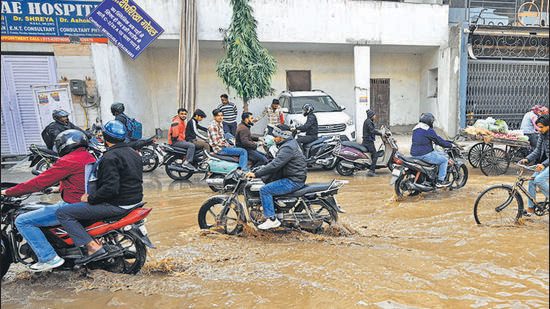
The Yamuna Vihar water line repair work has triggered heavy traffic snarls on Wazirabad Road, one of the major arterial routes in east Delhi. The flooding caused by the burst pipeline, combined with the presence of repair equipment and crews, has severely restricted vehicle movement through this critical corridor. Motorists attempting to navigate the area have faced significant delays and challenging driving conditions through waterlogged stretches.

Delhi Traffic Police issued a comprehensive advisory on Wednesday specifically addressing the traffic disruptions caused by the Yamuna Vihar water line incident. The advisory urged commuters to avoid the stretch between Loni Gol Chakkar and Khajuri Khas Chowk, where the most severe congestion and flooding have been reported. The affected zone encompasses a significant portion of the east Delhi road network.

Traffic Diversion Routes Implemented

To manage the chaos resulting from the Yamuna Vihar water line burst, traffic authorities have implemented multiple diversion routes designed to ease pressure on the main corridor. Traffic is being redirected towards Durgapuri Chowk as an alternative route for vehicles that would normally traverse Wazirabad Road during this period.

Specifically, the traffic management plan for the Yamuna Vihar water line repair area routes commuters via Road No. 66 from Maujpur Chowk to Seelampur T-point. Additionally, vehicles approaching from Loni Gol Chakkar are being directed towards Durgapuri Chowk before proceeding to either Shahdara flyover or Maujpur, depending on their final destinations. These diversions aim to distribute traffic flow across multiple routes rather than concentrating vehicles on congested arterial roads.

Repair Timeline and Restoration Efforts

The Delhi Jal Board, responsible for the city’s water supply infrastructure, has provided updates on the progress of Yamuna Vihar water line repair operations. According to the water utility’s statement, work on repairing the damaged pipeline is progressing at a site adjacent to the Yamuna Vihar Metro station. The repair crew faces the technical challenge of extracting a tunnel boring machine that was in operation when the pipeline damage occurred.

Also Read: MCD By-Election Result 2025: Stunning BJP Victory in Delhi Municipal Polls

The complexity of the Yamuna Vihar water line repair stems from the need to fix the damaged section that passes between Metro structural piles without compromising the stability or safety of the elevated Metro corridor. This delicate operation requires precision and careful execution to ensure both water supply restoration and continued Metro operations.

Delhi Jal Board officials have indicated that water supply through the repaired Yamuna Vihar water line is likely to be restored by Thursday at 7 PM. This timeline provides affected residents and businesses with a clear expectation for when normal water services will resume, though the actual restoration time may vary depending on unforeseen complications during the repair process.

Traffic Management Measures

Traffic police have deployed specialized teams across affected intersections to manage the flow of vehicles during the Yamuna Vihar water line repair period. These teams are working around the clock to minimize disruptions and guide motorists through the complex network of diversions that have been established.

Barricades have been strategically placed throughout the Yamuna Vihar water line repair zone to clearly demarcate closed sections and guide traffic toward designated alternative routes. Manual traffic regulation is being employed at key intersections where automated signals may not adequately address the unusual traffic patterns created by the diversions.

Advisory for Commuters

Authorities have issued clear guidance for commuters during the Yamuna Vihar water line repair operations. Traffic police have advised motorists to check traffic updates before beginning their journeys to stay informed about current conditions and any changes to diversion routes. Most importantly, the advisory explicitly recommends avoiding the Wazirabad Road stretch on Thursday unless travel through that corridor is absolutely essential.

The Yamuna Vihar water line incident serves as a reminder of how critical infrastructure failures can cascade into multiple disruptions affecting transportation, commerce, and daily life for thousands of residents. The incident highlights the interconnected nature of urban infrastructure systems, where damage to one component like a water pipeline can trigger widespread impacts on traffic flow, business operations, and public convenience.

As repair work on the Yamuna Vihar water line continues, authorities urge public cooperation in following traffic advisories and exercising patience during this period of temporary disruption. The coordinated response between Delhi Jal Board and traffic police demonstrates the importance of inter-agency cooperation in managing infrastructure emergencies in dense urban environments.