Archana daughter: early step toward independence draws public interest
Archana daughter became the centre of conversation after purchasing her first car at the age of 18, a moment that has created curiosity among many who follow her and her family. The news spread quickly because the decision reflects a deliberate and disciplined effort rather than sudden luck. The focus is on how she managed to work toward this milestone quietly while balancing studies, early part-time commitments and personal goals. The story gained interest as people began looking at it as an example of how young individuals prepare themselves for responsibilities earlier than expected.
Archana daughter: background behind her steady progress
Her journey toward buying the car began well before turning 18. People close to the family say she had been saving through small income sources, internships, and structured allowances that she chose not to spend casually. Instead, she built a clear plan to own a vehicle that would support her commute, early career needs and personal independence. What makes this development stand out is the quiet and consistent effort she maintained without unnecessary display.
The choice of a compact, practical model shows she preferred utility over appearance, focusing more on long-term use. This background gives a clearer picture of how the decision was shaped by planning rather than impulse.
Archana daughter: reaction from family and people around her
Within her family, the purchase has been seen as a positive step toward responsibility. Archana is known for keeping a close watch on her daughter’s decisions, and this move reflects the trust built over the years. People familiar with the family say the moment brought a sense of pride not only because of the purchase but because she managed the process independently.
The neighbours and extended circle responded with appreciation, noting that she approached the decision with maturity, including checking documents, financing options and essential safety requirements. The reaction remained grounded, with most acknowledging the effort behind the milestone rather than the object itself.
Archana daughter: wider interest and what it suggests about young earners today
The story has also drawn interest online, where discussions highlight how more young people are beginning to plan for financial independence earlier. Her decision reflects a shift where teenagers start valuing long-term goals rather than temporary choices.
The attention also shows how families are gradually supporting these steps while maintaining boundaries and guidance. It has also encouraged conversations about the importance of early financial education and the impact of part-time work, internships and structured saving habits. Though her case is individual, it mirrors a growing pattern seen across cities where young adults take their first major financial steps soon after turning 18. Also Read: Pokémon GO Max Battle Weekend: 1 Major Debut That Changes the Event Experience
Conclusion
The decision made by Archana daughter to buy her first car at 18 shows the result of steady planning and increasing independence among young adults. It marks a personal milestone built on discipline and clear goals.
Samsung Galaxy S26 Ultra: major changes shaping the next flagship
Samsung Galaxy S26 Ultra is drawing heavy attention as the brand’s next major flagship due in February 2026, and early details point to a device built around power, stability and a revised design approach. The upcoming model is expected to refine the feel of the S-series, moving toward a cleaner frame, an antireflective display layer, and improved privacy-focused screen technology. The company is also preparing deeper Galaxy AI features that will strengthen the software experience under Android 16 with One UI 8 or 8.5.
Samsung Galaxy S26 Ultra: shifts in hardware and internal upgrades
Inside, the phone is set to run on the Snapdragon 8 Elite Gen 5 for Galaxy in most regions, while select markets may receive the Exynos 2600. Both chipsets mark a significant improvement in thermal control and sustained performance. The device is expected to feature LPDDR5X RAM configurations of 12GB or 16GB paired with UFS 4.0 or 4.1 storage options of 256GB, 512GB, and 1TB.
These upgrades suggest a more stable everyday performance with better read–write speeds and improved multitasking efficiency. A key hardware change is the adoption of Qi2 magnets, which will allow stronger wireless charging alignment and accessory compatibility. The S Pen also returns with better precision and lower latency.
Samsung Galaxy S26 Ultra: display refinements and battery expectations
The display is expected to be a 6.9-inch Dynamic AMOLED 2X or 4X panel with QHD+ resolution and adaptive refresh rates that may reach 120Hz or 144Hz depending on the final tuning. The focus this time appears to be on better outdoor visibility and reduced reflections, along with improved colour stability during motion. The battery capacity is likely to sit around 5,200mAh, with charging support that may include 60W wired and around 30W wireless. While these figures remain unofficial, the overall direction points toward a device built to last longer per charge without major heat buildup.
Samsung Galaxy S26 Ultra: camera changes and market position
On the camera side, early information indicates a quad-camera system consisting of a 200MP primary sensor, a 50MP ultrawide, a 50MP periscope lens with 5x optical zoom, and a 12MP telephoto lens with 3x zoom. The main difference this year seems to be the use of larger apertures and improved sensor design for better low-light handling.
The front camera stays at 12MP, but Samsung is reportedly tuning it for more stable skin tones and a stronger HDR effect. These upgrades suggest the brand is trying to close the gap in night photography performance and overall detail consistency.
The price of the Samsung Galaxy S26 Ultra may begin around USD 1300, while the price in India is expected to be close to ₹1,30,000. The device will enter a competitive field with rivals such as the iPhone 17 Pro Max, iPhone 17 Pro, Vivo X300 Pro and X300 Ultra, Oppo Find X9 and X9 Ultra, and the Xiaomi 17 Pro, 17 Pro Max, and 17 Ultra.
The Samsung Galaxy S26 Ultra is shaping up to be a refined upgrade with practical changes in design, power and camera quality. Its focus on stability and long-term usability suggests Samsung is preparing a solid flagship for early 2026.
Cylindrical pod scanning idea spreads online after viral video claims to show instant shoe creation
Cylindrical pod scanning became the latest talking point on social media after a 15-second video showed a foot placed inside a rotating pod that formed a white sneaker around it in seconds. The clip, presented as a breakthrough from Japan, gathered more than eight million views and created widespread curiosity among viewers who believed it showcased a new revolution in custom footwear. The smooth rotation of the pod, the fast formation of the shoe, and the clean laboratory setting made the video look convincing at first glance, leading many to share it as evidence of futuristic production technology.
However, community discussions soon shifted the attention from excitement to doubt. Users began checking for credible companies, research groups, and patents linked to the innovation. No verified details emerged. Multiple independent fact-checks and comments pointed toward the possibility of the video being AI-generated. The lighting, texture of the sneaker material, and formation pattern carried tell-tale digital inconsistencies that experienced users immediately noticed. Despite this, the clip continued spreading rapidly, reflecting how believable artificial visuals can become in the age of deepfake-style content.
The pitch of a pod that scans a foot and produces a ready-to-wear shoe within seconds appealed to a large number of people who follow advancements in wearable technology. But the absence of any trusted manufacturer connected to the clip raised concerns about how easily fictional demonstrations now blend with real achievements. In the past few months, visually realistic technology clips generated through AI tools have repeatedly gone viral, creating uncertainty among viewers who struggle to identify what is genuine and what is synthetic.
Cylindrical pod scanning debate highlights the gap between fiction and actual shoe-tech progress
While the viral clip was likely fictional, the attention it received reflects real movement happening in the footwear industry. Cylindrical pod scanning may not exist in this form, but the idea of shoes designed through personalized scanning and rapid production is not entirely imaginary. Brands around the world have been experimenting with new methods that bring custom manufacturing closer to everyday buyers. Companies working with 3D printing have already proved that making products based on a user’s physical measurements is possible, though still limited by speed and cost.
A well-known example is Adidas’ Futurecraft 4D programme, which began in 2017. The company used a process called digital light synthesis to print midsoles with lattice structures tailored to support the wearer’s movement style. These shoes were not made in seconds, and they did not form directly around the foot, but they demonstrated how highly customized sports footwear could be manufactured more precisely than ever before. Nike and other brands have also invested in similar areas, exploring designs that respond better to weight, pressure, and walking patterns.
The viral cylinder-based concept shared online exaggerated what technology can currently deliver. Even the fastest industrial 3D printers today require significant time to create a strong, wearable structure. Materials used in the video appeared unrealistic, offering no evidence of the durability or flexibility needed for real-world shoes. Experts in product design noted that the formation of the sneaker in the clip ignored essential stages such as cooling, bonding, and structural reinforcement. This suggested that the pod was not based on any existing engineering process.
Cylindrical pod scanning moment reveals how AI-generated tech clips shape public expectations
The quick spread of the clip highlights how social media platforms have become fertile ground for AI-generated “innovation videos.” People often share them without verification because the visuals appear clean and the narrative is compelling. Cylindrical pod scanning became a symbol of this trend, where a fictional idea gains attention simply because it feels possible within modern technological growth.
Designers familiar with footwear manufacturing pointed out that the shapes and shadows in the viral video lacked the imperfections normally present in real production environments. Some parts of the sneaker merged too smoothly, and the pod’s surface reflected light in a way typical of computer-generated frames. These signs were enough for experienced viewers to classify the clip as synthetic, yet many others still believed it was a breakthrough.
Even though the video was not real, it triggered a broader conversation about the future of personalized shoes. People remain interested in fast production, reduced waste, and custom fit. If technology continues to advance, concepts inspired by these fictional clips might someday become real, though through different methods and much slower timelines. Also Read: Pokémon GO Max Battle Weekend: 1 Major Debut That Changes the Event Experience
Conclusion
The cylindrical pod scanning clip may not represent a real invention, but its popularity shows how easily artificial content can shape public expectations. While the technology seen in the video does not exist today, real progress in customized footwear continues to grow at a steady pace, far away from viral exaggerations.
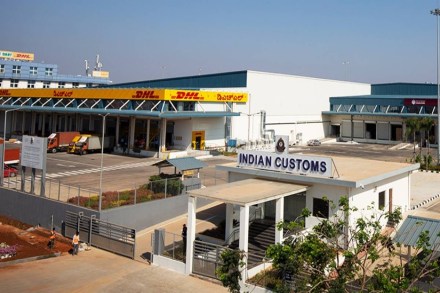
Bengaluru has emerged as a critical node in India’s logistics and aviation sector, and the recent inauguration of a 60,000 square feet integrated air hub by Federal Express Corporation (FedEx) at Kempegowda International Airport underscores this development. The expansion of FedEx’s presence in India reflects the company’s long-term commitment to strengthening its operations in the country while aligning with India’s ambitious cargo and export targets.
Located within the AISATS Logistics Park at the airport, the state-of-the-art facility has been designed to meet the increasing demands of e-commerce, express delivery, and high-value cargo services. The hub incorporates multiple automated conveyors and has a throughput capacity of nearly 4,000 packages per hour, allowing for efficient handling of a wide range of shipments, from parcels to bulk consignments.
The new hub also strategically aligns with the airport’s capacity-building plans, which aim to nearly double its annual cargo handling capability to one million metric tons. This expansion is crucial as Bengaluru continues to position itself as a key export gateway for South India, facilitating seamless connections to global markets. The growth of air cargo infrastructure at Kempegowda International Airport supports both manufacturing and service sectors, particularly technology, pharmaceutical, and perishable goods industries. The FedEx investment is seen as a catalyst that complements India’s next phase of high-growth manufacturing and trade, enhancing the country’s ability to compete in international supply chains.
Enhancing Efficiency Through Technology and Infrastructure
The FedEx air hub has been engineered to optimize operational efficiency through a combination of automated systems and modern logistics technologies. The facility’s multiple conveyor systems enable quick sorting and distribution of parcels, minimizing manual handling and reducing the turnaround time for shipments. The hub is designed to accommodate a variety of cargo types, including e-commerce packages, perishable goods, and priority shipments, catering to the diverse needs of India’s rapidly growing consumer and industrial markets. This focus on technological integration ensures that the hub can sustain high-volume operations while maintaining reliability and safety standards, which are critical for an express transportation company of FedEx’s scale.
The operational efficiency of the hub is further enhanced by its integration with FedEx’s global network. With the ability to handle nearly 4,000 packages per hour, the Bengaluru facility acts as a key node in FedEx’s South Asian operations, providing faster transit times for shipments to both domestic and international destinations. The company’s investment in the hub not only benefits its logistics operations but also strengthens the overall ecosystem of air cargo services in India, creating more opportunities for local businesses to leverage global supply chains.
Strategic Importance to Bengaluru and India’s Cargo Ecosystem
Bengaluru’s role as a logistics hub is increasingly significant due to its strategic location and connectivity advantages. The city serves as a central link between South India’s industrial clusters, ports, and international markets. The FedEx hub at Kempegowda International Airport enhances this connectivity, providing businesses with efficient access to express delivery services for exports, imports, and domestic distribution. The expansion also aligns with India’s larger policy framework of improving infrastructure and logistics to support economic growth, particularly in the manufacturing, technology, and e-commerce sectors.
The hub’s development is a direct response to the growing demand for express shipping in India. With the rise of online shopping and the increasing reliance on fast, reliable delivery networks, logistics companies are compelled to expand their facilities and integrate advanced automation technologies. By establishing a large-scale, modern air hub in Bengaluru, FedEx not only addresses the needs of its own operations but also contributes to the broader development of India’s air cargo infrastructure. This move supports the government’s vision of improving logistics efficiency and reducing transit times for critical goods.
Supporting India’s Export and Manufacturing Goals
FedEx’s investment in Bengaluru is closely linked to India’s ambitions in manufacturing and exports. The government has been promoting initiatives such as ‘Make in India’ and encouraging the development of manufacturing hubs across the country. A robust logistics network is a critical enabler for these initiatives, ensuring that goods produced in India can reach domestic and international markets efficiently. The Kempegowda International Airport hub supports exporters by offering faster transit, better connectivity, and secure handling of high-value products. Industries such as pharmaceuticals, electronics, textiles, and perishable goods stand to benefit from this enhanced logistics infrastructure.
Moreover, the facility’s automation and high-capacity throughput ensure that shipments can be processed quickly, reducing delays and improving overall supply chain reliability. For small and medium enterprises (SMEs) looking to export products, the hub provides a critical gateway to global markets, helping them compete effectively with larger players. By enhancing the speed and reliability of logistics services, FedEx’s air hub supports India’s economic growth and reinforces the country’s position as a global manufacturing and export destination.
Employment Generation and Skill Development
The inauguration of the FedEx air hub is expected to create new employment opportunities in Bengaluru and surrounding regions. The facility will require a skilled workforce to operate and manage the logistics systems, including personnel trained in handling automated conveyor systems, package sorting, and supply chain management. In addition to direct employment at the hub, ancillary jobs will be created in transportation, warehousing, customs clearance, and supply chain coordination.
FedEx’s operations in India also include training programs for staff to develop technical skills related to logistics, automation, and safety protocols. This focus on skill development contributes to the overall human capital growth in the logistics sector, providing young professionals with access to career opportunities in a rapidly evolving industry. By integrating technology-driven processes with workforce development, the hub exemplifies a model for modern logistics operations that balances automation with human expertise.
Boosting Bengaluru’s Position as a Logistics Hub
The establishment of the FedEx air hub further strengthens Bengaluru’s position as a key logistics hub in India. The city is already known for its technology sector, aerospace and defense manufacturing, and export-oriented industries. The new facility complements these sectors by providing reliable and efficient air cargo services, which are essential for both import and export activities. With the airport’s expanded cargo capacity, Bengaluru can handle increased volumes of shipments, attracting additional logistics companies and investment in related infrastructure.
The presence of global logistics leaders such as FedEx also enhances Bengaluru’s reputation as a destination for international business operations. Companies seeking efficient shipping solutions can leverage the capabilities of the hub, ensuring that their supply chains remain competitive and responsive to market demands. The expansion of air cargo facilities contributes to a positive business environment, encouraging further investment in manufacturing, technology, and service sectors in the region.
Environmental Considerations and Sustainable Operations
FedEx has committed to sustainability and environmentally responsible logistics operations worldwide. While specific details of the Bengaluru hub’s green initiatives are yet to be disclosed, FedEx globally emphasizes reducing carbon emissions, optimizing fuel efficiency, and implementing energy-saving technologies in its facilities. It is expected that the new air hub will incorporate similar measures, aligning with India’s growing emphasis on sustainable infrastructure and environmentally responsible business practices.
By integrating sustainable logistics practices, the hub can minimize its environmental impact while supporting efficient cargo operations. This approach is particularly important in urban areas like Bengaluru, where rapid industrial growth and increased transportation activity contribute to environmental challenges. The facility can serve as a model for environmentally responsible logistics infrastructure in India, demonstrating that high-volume air cargo operations can be both efficient and sustainable.
Enhancing E-Commerce and Last-Mile Delivery
The rise of e-commerce in India has transformed the logistics landscape, with customers expecting faster and more reliable delivery services. FedEx’s air hub in Bengaluru directly supports the growth of e-commerce by providing faster sorting and distribution capabilities for packages. The hub’s automated systems enable quick processing of shipments, reducing delays and improving last-mile delivery efficiency.
For e-commerce companies, timely delivery is a critical factor in customer satisfaction. The hub enhances FedEx’s ability to meet these expectations, particularly for high-value or time-sensitive products. Additionally, the facility’s integration with the broader FedEx network ensures that packages can be routed efficiently to domestic and international destinations, supporting businesses that rely on express delivery for their operations.
Global Connectivity and Strategic Partnerships
The Bengaluru hub strengthens FedEx’s global connectivity, linking India to its international logistics network. The facility allows for seamless integration with other hubs, ensuring that shipments can be transferred quickly and efficiently across borders. This connectivity benefits not only large multinational companies but also SMEs seeking access to global markets.
Furthermore, the hub may encourage strategic partnerships between FedEx and Indian businesses, including exporters, manufacturers, and service providers. By providing reliable logistics solutions, FedEx can play a critical role in enabling Indian companies to expand their reach and compete internationally. These partnerships contribute to the development of India’s logistics ecosystem, supporting economic growth and trade diversification.
Alignment with National Logistics Initiatives
The FedEx investment complements India’s national logistics initiatives, including the development of multimodal transport networks, modernization of airports, and improvements in cargo handling infrastructure. The government’s focus on enhancing logistics efficiency and reducing transit times aligns with the capabilities offered by the Bengaluru hub. By expanding air cargo infrastructure, India can facilitate faster movement of goods, reduce supply chain bottlenecks, and strengthen its position in global trade.
The hub also aligns with policies aimed at promoting exports, supporting the ‘Make in India’ initiative, and encouraging regional economic development. With improved logistics capabilities, exporters can benefit from more reliable and cost-effective shipping solutions, while the country’s manufacturing sector gains enhanced access to global markets.
Looking Ahead: Growth Prospects and Future Expansion
The inauguration of the FedEx air hub represents a significant milestone in India’s logistics sector, but it also signals potential future growth and expansion. As demand for air cargo services continues to rise, additional facilities and technological upgrades may be considered to enhance capacity and efficiency further. Bengaluru’s strategic location, combined with the airport’s infrastructure, positions the city as a central hub for regional and international logistics operations.
FedEx’s continued investment in India could pave the way for more advanced automation technologies, integration with digital logistics platforms, and collaborations with local businesses. These developments have the potential to create a more resilient and responsive logistics network, benefiting manufacturers, exporters, e-commerce platforms, and consumers alike.
Conclusion
The opening of the 60,000 square feet FedEx air hub at Kempegowda International Airport is a landmark development in India’s logistics and cargo landscape. By incorporating advanced technology, automation, and high-throughput systems, the facility enhances Bengaluru’s capacity to handle growing cargo volumes efficiently. The hub supports India’s export-oriented manufacturing, strengthens global connectivity, and contributes to skill development and employment generation in the logistics sector.
With its strategic location, cutting-edge infrastructure, and alignment with national logistics initiatives, the Bengaluru hub positions FedEx as a key player in India’s evolving air cargo ecosystem. It not only meets the immediate needs of express delivery and e-commerce but also lays the foundation for future growth, innovation, and sustainable operations. As India continues to emerge as a critical player in global trade, investments such as FedEx’s Bengaluru hub will play a pivotal role in shaping the country’s logistics capabilities and supporting its economic ambitions.
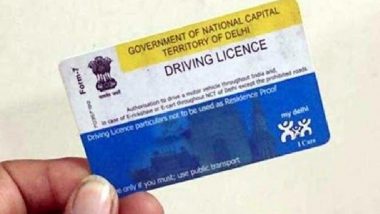
The Karnataka Transport Department has officially launched a new smart card system for Registration Certificates and Driving Licences, marking a significant technological reform aimed at streamlining public services and enhancing digital accessibility. The upgraded system replaces the older laminated card format with a more secure, durable, and technologically advanced chip-based card. Officials stated that the reform aligns with ongoing nationwide efforts to modernise motor vehicle documentation and improve the efficiency of service delivery. The rollout is expected to benefit thousands of vehicle owners and licence holders across the State, shaping the next phase of Karnataka’s transport administration.
Background and Need for the Upgrade
For several years, the Transport Department had been exploring ways to strengthen security features and ensure long-term durability for essential documents. The older cards were prone to wear and tear, fading, and duplication risks, especially for licences frequently handled by users. With rising digital adoption and growing expectations for seamless public service delivery, the need for secure, tamper-resistant smart cards became more urgent. Officials observed that many states had begun shifting to chip-enabled formats, prompting Karnataka to accelerate its own modernisation drive. The new system reflects an approach focused on convenience, transparency, and enhanced public trust.
Features of the New Smart Card System
The newly introduced smart cards come with embedded chips capable of securely storing detailed information related to vehicle ownership, licence credentials, and driver particulars. The chip protects sensitive data and reduces the possibility of document manipulation. The card’s polycarbonate material ensures greater durability compared to earlier laminated formats, which were vulnerable to damage. Enhanced printing technology will improve legibility and lifespan, reducing the need for frequent reprints. According to officials, the smart card’s data can be accessed quickly at checkpoints, easing verification processes and minimising manual checks that often slowed traffic enforcement and administrative routines.
Implementation Strategy and Rollout Plan
The Transport Department has begun the phased rollout of the smart card system across all Regional Transport Offices in Karnataka. The initial phase includes major cities, where the volume of applicants for Registration Certificates and Driving Licences is significantly higher. Subsequent phases will cover semi-urban and rural regions to ensure uniform coverage across the State. Training sessions have been conducted for staff to familiarise them with the upgraded software and printing equipment required for chip-enabled card production. The Department emphasised that the rollout will not affect ongoing services and that applicants will face no delays during the transition.
Cost Implications and Fee Structure
The introduction of the new smart cards comes with a revised fee structure that reflects the cost of advanced materials and embedded technology. While the price per card has increased marginally, officials stressed that the enhanced durability and security significantly outweigh the additional cost. The government has ensured that the increase remains minimal and affordable, keeping public convenience as the central focus. By reducing the frequency of card replacement due to damage or illegibility, the new system is also expected to decrease long-term expenses for users. Transparency in pricing has been prioritised throughout the implementation process.
Enhanced Security and Fraud Prevention
One of the primary motivations behind adopting the smart card system is the need to curb fraudulent duplication and unauthorised alterations of vehicle and licence documents. The embedded chip allows encrypted storage of data that cannot be easily tampered with or replicated. Law enforcement agencies will benefit from faster verification, reducing the likelihood of forged documents being used during inspections. The new system is also expected to reduce the circulation of fake licences and Registration Certificates, which have posed recurring challenges for authorities. By leveraging secure digital technology, Karnataka aims to strengthen trust in its transport documentation framework.
Public Response and Initial Feedback
Early reactions from citizens have been largely positive, particularly among those who frequently travel or rely on their licence for work. Many users expressed appreciation for the sturdier material and improved design of the new cards. While some raised concerns regarding the slight increase in fees, most acknowledged the benefits offered by the technologically upgraded format. Service agents and driving schools have noted quicker processing times after staff became familiar with the new system. Public feedback continues to play an important role, with the Department collecting suggestions to fine-tune the implementation in its early stages.
Impact on RTO Workflows and Efficiency
The smart card system has introduced significant improvements to workflows within Regional Transport Offices. The digital integration allows staff to retrieve, verify, and update applicant information with greater speed and accuracy. The reduction in manual data entry minimises errors, enabling smoother interactions between citizens and officials. Printing times have reduced substantially due to the adoption of dedicated equipment tailored for chip-based cards. These improvements not only streamline daily operations but also reduce long queues and waiting periods at offices. Officials believe that the system will lead to long-term efficiency gains across all branches of the Transport Department.
Alignment with National Digital Governance Goals
The rollout of smart cards in Karnataka aligns with broader digital governance initiatives pursued at the national level. Central agencies have been encouraging states to adopt technology-driven public services that minimise reliance on physical records and enhance interoperability. The new cards are compatible with national transport databases, enabling quick verification for inter-state travel and enforcement checkpoints. The Transport Department stated that adopting the upgraded format places Karnataka among the leading states in digital motor documentation. The initiative supports the broader vision of transforming public services into efficient, citizen-centred digital platforms.
Digital Integration with Enforcement Systems
A key advantage of the new smart cards is their seamless integration with traffic enforcement tools. Police personnel equipped with handheld devices will be able to scan cards instantly, retrieving accurate details stored in the chip. This reduces the necessity for carrying multiple documents and minimises disputes during roadside checks. The digital integration also improves the tracking of violations, as accurate data ensures timely updates to records. Officials believe that the system will enhance road safety by improving compliance monitoring and ensuring that unlicensed or fraudulent drivers do not escape legal scrutiny.
Benefits for Vehicle Owners and Drivers
Vehicle owners and drivers are expected to experience several direct benefits from the upgraded system. The improved durability of the smart cards ensures that essential documents remain intact even with regular handling. The secure chip stores comprehensive information, providing greater assurance during verification. Faster service at RTOs, reduced paperwork, and enhanced protection against fraud collectively contribute to a smoother user experience. The cards’ compatibility with digital systems also promises future improvements, such as online updates and streamlined renewals. For citizens, the initiative represents a significant step toward a more efficient and accessible transport administration.
Challenges Faced During Initial Rollout
Despite its advantages, the initial rollout of the smart card system presented a few challenges, particularly in high-traffic RTOs where staff had to adapt quickly. Technical glitches occasionally slowed down data uploads, requiring support teams to intervene. Some users unfamiliar with digital processes needed additional guidance, prompting the Department to deploy extra help desks during peak hours. Equipment calibration also required careful monitoring to ensure accurate printing and chip encoding. Officials emphasised that such challenges are typical in technologically significant transitions and that continuous improvements will be made as the system stabilises.
Training Initiatives and Capacity Building for Staff
Recognising the importance of well-trained personnel, the Transport Department launched comprehensive capacity-building sessions for RTO staff across the State. Workshops covered software navigation, data verification procedures, printing protocols, and troubleshooting for chip-enabled cards. Senior officials supervised training to ensure consistency and competence. In addition, digital manuals and video guides were provided to staff for reference. The training initiatives have been instrumental in enhancing operational readiness, enabling personnel to address citizen queries efficiently. The Department plans to conduct periodic refresher sessions to keep staff updated about new features and software upgrades.
Long-Term Vision for Smart Mobility Documentation
The introduction of smart cards is part of a broader long-term vision to modernise mobility-related documentation in Karnataka. Authorities are exploring additional features such as digital synchronisation with upcoming e-governance platforms, automated updates linked to insurance or emission data, and integration with mobile-based identity apps. This vision aims to reduce the dependence on physical records while offering a seamless digital experience for citizens. Officials believe that future enhancements could include contactless verification, real-time record updates, and simplified renewal processes, laying the foundation for a comprehensive modern transport ecosystem.
Comparison with Previous Documentation Formats
The older laminated cards, while adequate in earlier years, lacked the advanced security and durability required in today’s digital environment. They were susceptible to damage from moisture, heat, and physical handling, and could be easily forged using basic equipment. Smart cards, in contrast, incorporate polycarbonate layers, laser-engraved details, and an encrypted chip, making them more resistant to tampering. The upgraded features ensure that information remains intact for longer periods and can be authenticated digitally. The shift to smart cards marks a clear technological leap from earlier methods, bringing Karnataka closer to global standards in transport documentation.
Reactions from Driving Schools and Service Centres
Driving schools, vehicle dealers, and service centres have welcomed the introduction of smart cards, citing improved clarity in documentation and faster applicant processing. Many institutions have updated their internal processes to align with the new system, ensuring that applicants receive accurate information before visiting RTOs. Some centres noted an initial adjustment period but reported smoother operations once staff became accustomed to the updated workflow. Their feedback suggests that the smart card initiative will simplify coordination between citizens, training institutions, and transport authorities, ultimately contributing to a more streamlined ecosystem of mobility services.
Administrative Clarity and Government Communication
The Transport Department has maintained continuous communication with the public throughout the rollout, issuing detailed guidelines on application procedures, fee changes, and timelines. Information campaigns have been conducted through public notices, media announcements, and on-site displays in RTOs. Officials emphasised that transparency remains central to the initiative, ensuring that citizens are aware of the benefits and requirements associated with the new smart cards. By providing clear instructions and responsive support channels, the Department aims to minimise confusion and ensure a smooth transition for all applicants, regardless of region or background.
Conclusion
The introduction of the new smart card system for Registration Certificates and Driving Licences marks a transformative moment for Karnataka’s transport administration. By adopting secure, chip-based technology, the State has strengthened documentation integrity, improved service efficiency, and enhanced public convenience. The initiative aligns with long-term goals of digital governance and modern mobility systems, offering citizens a more reliable and future-ready experience. While the rollout faced expected challenges, the positive response and operational improvements reflect its strong potential to redefine transport services in the coming years. For Karnataka, the smart card system represents not just a technological upgrade but a meaningful advancement in public service delivery.
A recent remark by Karnataka Chief Minister Siddaramaiah has gained significant traction online, sparking intense political debate and widespread public discussion. His statement, “Politics is not permanent,” delivered during an informal interaction, travelled rapidly across social media platforms, generating reactions from supporters, critics, and analysts alike. As the comment circulated, different interpretations emerged, ranging from readings of humility and pragmatism to speculation about political transitions. The viral moment has now evolved into a topic of statewide interest, prompting questions about its context, its intended meaning, and its impact on Karnataka’s political atmosphere.
Background of the Statement
The remark was made during a discussion on governance, public expectations, and shifting political commitments. Siddaramaiah reflected on the temporary nature of political power, emphasising that leadership roles are meant to serve people rather than guarantee lifelong authority. The statement coincided with internal party discussions, upcoming administrative reviews, and the evolving political climate in Karnataka. Although leaders have previously made similar observations about public life’s unpredictability, the timing and tone of Siddaramaiah’s words amplified their impact. The simplicity of the phrase allowed it to be interpreted in multiple ways, fuelling curiosity among observers.
Social Media Reaction and Virality
Within hours of its circulation, the clip containing Siddaramaiah’s remark was shared widely by political pages, influencers, regional media handles, and individual users. The phrase “politics is not permanent” was quoted repeatedly in captions and discussions, often detached from its original context. Supporters shared the clip to highlight Siddaramaiah’s experience and grounded approach, while critics used it to speculate about leadership uncertainty within the government. Memes, short edits, and posts analysing the comment multiplied across platforms, reflecting how a brief statement can drive days of online engagement in today’s fast moving digital ecosystem.
Interpretation by Supporters
For Siddaramaiah’s supporters, the statement exemplifies his long standing image as a leader rooted in humility and public responsibility. Many interpreted the remark as a reminder that governance should prioritise welfare schemes, social justice, and inclusive development rather than personal ambition. Supporters argued that Siddaramaiah was reiterating his consistent message that leaders must accept change and focus on delivering results during their time in office. They viewed the viral attention positively, stating that it highlighted a mature perspective on public service and contrasted with the aggressive tone of contemporary political discourse.
Criticism and Opposition Reaction
Opposition leaders reacted swiftly, offering alternative interpretations that framed Siddaramaiah’s comment as a sign of instability or internal tension within the ruling party. Some argued that the remark could signal fatigue, potential leadership reshuffles, or dissatisfaction with coalition dynamics. Others questioned whether the statement reflected concerns about governance challenges or upcoming electoral pressures. While opposition voices used the clip to fuel narratives questioning the government’s longevity, critics also acknowledged that the ambiguity of Siddaramaiah’s wording allowed room for speculation. The competing interpretations ensured the remark remained central to political conversations for several days.
Context within Karnataka’s Political Climate
Karnataka’s political environment has been marked by shifts in alliances, internal party negotiations, and public debates on welfare policies. Against this backdrop, Siddaramaiah’s statement landed at a sensitive moment when discussions regarding governance, financial allocations, and administrative decisions were already dominating headlines. The remark added a new dimension to these discussions, prompting analysts to examine whether it hinted at deeper developments. While the Chief Minister did not make any explicit references to party dynamics, the political climate encouraged observers to read the statement through the lens of ongoing institutional debates and electoral considerations.
Historical Instances of Similar Remarks
Throughout Indian politics, leaders across parties have occasionally commented on the impermanent nature of political power. Such remarks generally highlight the unpredictability of public life and the importance of adopting a service oriented approach. Analysts have drawn parallels between Siddaramaiah’s comment and earlier statements made by regional and national leaders during moments of transition. These historical comparisons helped situate the remark in a broader tradition of political reflection. However, the rapid virality achieved by Siddaramaiah’s words demonstrated how digital amplification can elevate a routine observation into a major statewide talking point.
Media Coverage and Editorial Responses
Regional and national media outlets covered the viral remark extensively, debating its implications in televised discussions and editorial columns. Newsrooms analysed both the context of the statement and the public reaction, framing it as a snapshot of contemporary politics where a simple phrase can trigger widespread speculation. Editorials noted that such moments offer insight into the relationship between leaders and voters, especially in an era when communication is instant and heavily scrutinised. Commentators highlighted the need for caution when interpreting partial clips out of context, while acknowledging that viral content often shapes political narratives.
Impact on Party Cadre and Internal Communication
Within the ruling party, Siddaramaiah’s remark reportedly prompted informal discussions among cadres, local leaders, and organisational bodies. While senior figures downplayed suggestions of instability, party members engaged with supporters to clarify the context and reiterate the Chief Minister’s commitment to ongoing governance initiatives. Some saw the incident as an opportunity to strengthen communication between the leadership and the grassroots network. Others noted that viral moments can create unnecessary distractions but also offer a reminder of the importance of consistent messaging in maintaining unity and public confidence.
Public Perception and Citizen Responses
Citizens across Karnataka expressed mixed reactions to the viral statement. Many appreciated the sentiment behind the remark, viewing it as a candid acknowledgment of political realities. Others interpreted it through the lens of ongoing local issues, such as development concerns, economic challenges, or upcoming civic decisions. The phrase sparked conversations about the responsibilities of elected leaders and the expectations of voters in a democracy. The public engagement demonstrated how political statements can transcend official settings and enter everyday discussion, highlighting the increasing role of digital media in shaping civic dialogue.
Potential Influence on Governance Narrative
The viral moment introduced a new layer to discussions around governance in Karnataka. Some analysts suggested that Siddaramaiah’s remark reinforced his image as a leader focused on policy delivery rather than political manoeuvring. Others argued that the statement could influence administrative priorities by drawing attention to the transient nature of political power and the need to maximise the impact of welfare schemes. The emphasis on impermanence might encourage departments to accelerate initiatives or communicate results more effectively. While its direct influence remains uncertain, the remark has undeniably contributed to the evolving narrative around state governance.
Reactions from Coalition Partners and Allies
Allies within the broader political landscape offered varied interpretations of the statement. Some coalition partners viewed it as a philosophical reflection detached from immediate political concerns. Others used it to initiate deeper discussions about long term planning, leadership roles, and collective governance responsibilities. While none publicly suggested major shifts, the remark created an opportunity for internal coordination and reevaluation of current administrative targets. Allies emphasised that stable governance requires clear communication, and viral moments such as this can either strengthen collaboration or demand additional clarity to avoid misunderstandings.
Speculation About Leadership and Future Plans
The phrase sparked fresh speculation regarding Siddaramaiah’s future plans, particularly among political observers who often monitor subtle cues for indications of change. While analysts cautioned against reading too much into a single statement, discussions circulated around possible succession debates, party strategy adjustments, and long term electoral positioning. Some theorised that the remark might reflect an intention to prepare younger leaders for greater responsibility. Others argued that it could simply be an expression of personal philosophy. The speculation highlights how political commentary often evolves rapidly based on limited information.
Statements from Siddaramaiah’s Office
In response to widespread interpretations, individuals close to the Chief Minister clarified that the remark should be understood in its original context. They emphasised that Siddaramaiah was reflecting on the principle that public office is temporary and must be used responsibly. According to these clarifications, the statement did not imply any change in leadership decisions, administrative commitments, or future plans. The Chief Minister’s office reiterated that governance priorities remain unchanged and that the administration intends to continue implementing major schemes, welfare programmes, and development initiatives without interruption.
Influence of Digital Culture on Political Discourse
The rapid spread of the remark underscores the increasingly influential role of digital culture in shaping political narratives. Short clips, quotes, and isolated statements often travel faster and farther than detailed interviews or policy documents. This dynamic creates opportunities for engagement but also challenges leaders to navigate constant scrutiny. The viral moment illustrates how digital communication compresses complex political contexts into easily shareable fragments. As a result, leaders must anticipate varied interpretations and be prepared to address conversations that emerge spontaneously across online communities.
Role of Memes and Online Commentary
Memes and humorous posts contributed significantly to the virality of Siddaramaiah’s statement. Users adopted the phrase to comment on unrelated topics, transforming it into a flexible tagline for jokes, observations, and satire. This form of engagement indicates how political discourse has expanded beyond traditional formats, merging commentary with entertainment. While memes can dilute the seriousness of political messaging, they also amplify visibility and encourage public participation. Analysts note that such online trends reflect a generational shift in how political information is consumed, interpreted, and redistributed across digital platforms.
Broader Themes of Leadership and Change
Siddaramaiah’s comment aligns with broader themes of leadership transition, adaptability, and reflection that often arise in democratic systems. Political roles, by nature, are temporary, and leaders frequently acknowledge this reality when discussing service and accountability. The remark highlighted an awareness of change as an inherent aspect of governance. Whether interpreted philosophically or politically, the phrase encouraged conversations about continuity, institutional responsibility, and the need for leaders to remain grounded despite shifting circumstances. Such themes resonate widely because they reflect shared experiences of uncertainty and transformation in public life.
Analyst Opinions and Expert Commentary
Political analysts offered detailed insights into the significance of the statement. Some argued that it demonstrated self awareness and maturity, suggesting that the Chief Minister prioritises long term policy outcomes over personal political gains. Others examined the phrase as a communication strategy aimed at preparing the public for future changes. A few interpreted it as an attempt to redirect political discussions toward governance rather than leadership debates. Expert commentary consistently noted that the ambiguity of the remark allowed for diverse readings, making it a compelling case study in political communication.
Conclusion
The viral spread of Chief Minister Siddaramaiah’s remark, “Politics is not permanent,” reveals the complexity of contemporary political communication. A brief reflective statement evolved into a multifaceted public discussion shaped by interpretations, speculation, and digital amplification. While the phrase drew mixed reactions from supporters, critics, and analysts, it ultimately highlighted the transient nature of political power and the importance of public service. The incident underscores how leaders must navigate a rapidly shifting media environment where context can be lost within moments. As the discussions fade, the remark remains a reminder of the enduring interplay between politics, perception, and public engagement.
GI Mahotsav 3.0 is set to open at the Central Food Technological Research Institute in Mysuru from December 5 to 8, bringing India’s celebrated Geographical Indication products under one roof. The event aims to highlight the depth of India’s cultural, agricultural, and artisanal identity through its certified products. Organised by NABARD’s Madurai Agri Business Incubation Forum in association with the Ministry of MSME, Tamil Nadu Agricultural University, and CFTRI, the four day exhibition will run from 10 a.m. to 5 p.m. and is expected to draw artisans, entrepreneurs, students, and visitors eager to understand India’s GI ecosystem.
Background and Significance of GI Products
India’s Geographical Indication registry includes products that reflect unique regional expertise shaped by climate, culture, heritage, and traditional knowledge. GI tags protect not only the identity of these products but also the legacy of the communities that sustain them. From handicrafts to agricultural produce, each certified item carries a story of origin, technique, and continuity. Events like GI Mahotsav help consumers understand how these products function as cultural ambassadors. They also offer producers a chance to expand their market access while preserving centuries old craftsmanship and farming practices passed down through generations.
Objectives of GI Mahotsav 3.0
The central objective of GI Mahotsav 3.0 is to strengthen the visibility and market reach of GI registered communities. The organisers aim to support artisans, producers, rural entrepreneurs, farmer groups, and start ups working within India’s traditional ecosystem. The event intends to foster sustainable livelihoods and encourage innovation that respects heritage while embracing modern market needs. By showcasing GI products directly from the hands of producers, the organisers hope to create authentic buyer seller connections. The Mahotsav also seeks to build consumer appreciation for heritage goods in a rapidly shifting commercial landscape.
Event Structure and Exhibition Setup
The four day festival will feature about fifty curated stalls dedicated exclusively to GI registered artisans and producer groups. These stalls will represent regions across South India, offering an immersive experience of cultural diversity through the products on display. Visitors will be able to witness demonstrations, interact with producers, and purchase items directly without intermediaries. The exhibition design emphasises authenticity, storytelling, and interaction. Each stall is expected to showcase distinctive methods, raw materials, and crafting traditions. This will help visitors understand how the geographical and cultural context influences the identity of GI products.
Role of NABARD and Collaborating Institutions
NABARD’s Madurai Agri Business Incubation Forum has been leading initiatives to empower small producers, integrate innovation into agriculture, and strengthen rural entrepreneurship. In partnership with the Ministry of MSME and Tamil Nadu Agricultural University, the forum plays a significant role in helping GI communities navigate technological, financial, and marketing challenges. CFTRI’s role as a scientific and research institution adds further credibility by strengthening quality standards, food technology incubation, and product development. The combined involvement of these organisations ensures that GI Mahotsav is not only an exhibition but also a platform for capacity building and knowledge sharing.
Inaugural Session and Key Announcements
The Mahotsav will begin on December 5 with an inaugural ceremony attended by senior officials and experts from NABARD, MSME, TNAU, and CFTRI. During the session, a memorandum of understanding will be signed between MABIF and CFTRI. This agreement aims to build collaborative avenues for research, innovation, and entrepreneurship in the GI and agri food sector. The inauguration will also feature the launch of new start up products developed under incubation programmes. Announcements of prize winners from the recent GI Hackathon will form another major highlight, showcasing youth led innovation in the GI ecosystem.
Importance of the MABIF CFTRI MoU
The new partnership between MABIF and CFTRI is expected to become a significant step toward strengthening India’s GI development framework. It will allow the two institutions to jointly work on food technology solutions, product diversification, value addition, and sustainable packaging. By combining traditional knowledge with scientific research, the collaboration aims to develop new market ready products that still retain the core identity of their GI origin. This partnership also plans to offer training, technical support, and business mentoring to entrepreneurs who seek to scale production without compromising authenticity or cultural value.
Daily Technical Sessions and Expert Panels
Over the four days, the Mahotsav will host a series of technical sessions featuring academicians, industry leaders, policymakers, and specialists in intellectual property and traditional crafts. These sessions will address emerging themes including branding strategies for GI products, value chain optimisation, sustainable business models, and the use of digital platforms for heritage marketing. Experts will also discuss the challenges faced by producers, such as counterfeiting, limited market access, and lack of standardisation. The sessions aim to provide actionable insights to artisans, start ups, and farmer groups working within the GI framework.
Cultural Events and Community Showcases
Beyond the technical aspects, GI Mahotsav 3.0 will celebrate India’s cultural richness through daily cultural performances representing regional art forms. These events are designed to complement the exhibition by demonstrating the living traditions behind many GI products. Dance, music, storytelling, and folk performances will highlight how deeply traditional arts are intertwined with local economies. On the final day, the valedictory ceremony will feature success stories from Farmer Producer Organisations, self help groups, and GI associations. These presentations will illustrate how community driven enterprises can thrive with the right institutional support.
Relevance of Mysuru as the Venue
Hosting the Mahotsav in Mysuru adds symbolic and practical value because the region is home to several well known GI products such as Mysore silk, Mysore sandal soap, and Nanjangud banana. CFTRI’s presence in the city strengthens the event by providing scientific engagement, food processing expertise, and research facilities. Mysuru’s long standing reputation as a centre of culture and craftsmanship makes it an ideal location to host an event that celebrates heritage based economic sectors. The city also attracts students, tourists, and professionals who contribute to a diverse and engaged audience.
Impact on Small Scale Producers and Rural Economy
Events like GI Mahotsav can create significant economic opportunities for small producers who often struggle with limited visibility and market access. Direct interaction with customers helps artisans build networks, receive feedback, and understand current consumer preferences. For rural communities, participation in such events can translate into better income, sustained livelihoods, and preservation of traditional skills. The Mahotsav also connects them with institutional frameworks such as MSME programmes, incubation centres, and cooperative structures. This allows producers to scale their work while reducing dependence on middlemen.
Role of GI Products in Protecting Heritage
Geographical Indication products serve as powerful tools to protect and promote traditional knowledge systems. They ensure that the economic benefits of these goods return directly to the communities that created them. GI registration prevents unauthorised imitation and misrepresentation, which can damage both quality and reputation. By bringing attention to the craft, farming, and artisanal skills embedded within each product, events like the Mahotsav play a role in safeguarding intangible heritage. They also create public awareness about why authenticity matters and how consumers can support genuine producers.
Challenges for the GI Ecosystem
Despite their cultural and economic significance, GI communities face challenges related to limited infrastructure, inconsistent production capacity, raw material constraints, and lack of modern marketing strategies. Many producers operate without adequate branding knowledge, packaging resources, or digital skills. Competition from cheaper mass produced alternatives also poses difficulties. Institutions like CFTRI and MABIF aim to bridge these gaps by providing scientific support, training programmes, business mentoring, and incubation facilities. The Mahotsav’s technical sessions will address these challenges with practical solutions and case studies.
Promotion of Innovation within Traditional Frameworks
While GI products are rooted in tradition, the ecosystem is gradually embracing innovation to meet contemporary market demands. Innovations in packaging, value addition, shelf life enhancement, and quality control allow traditional producers to compete effectively in national and international markets. Start ups are increasingly interested in building businesses around heritage based products by integrating technology and efficient supply chains. The Mahotsav’s focus on innovation seeks to encourage producers to adapt while still maintaining the defining features that make their products unique.
Expected Outcomes and Future Prospects
The organisers anticipate that GI Mahotsav 3.0 will lead to stronger market linkages, better recognition of artisanal communities, and higher demand for heritage goods. With increased consumer awareness, producers may see improvements in income stability and long term sustainability. The MoU between MABIF and CFTRI could lead to the development of new products, collaborative research, and wider adoption of technology across the GI sector. The event is also expected to inspire future editions that may expand to more regions, include more producer groups, and attract international participation.
Conclusion
GI Mahotsav 3.0 arrives at a time when safeguarding traditional knowledge and supporting rural livelihoods are national priorities. By bringing producers, researchers, entrepreneurs, and policymakers together, the event highlights how heritage can be both preserved and strengthened through innovation. The festival not only celebrates India’s rich GI heritage but also emphasises the need for sustained institutional support. As visitors explore the stalls and interact with artisans, they participate in a collective effort to recognise and preserve the stories woven into every GI product. The Mahotsav stands as a reminder that cultural identity and economic progress can move forward together.
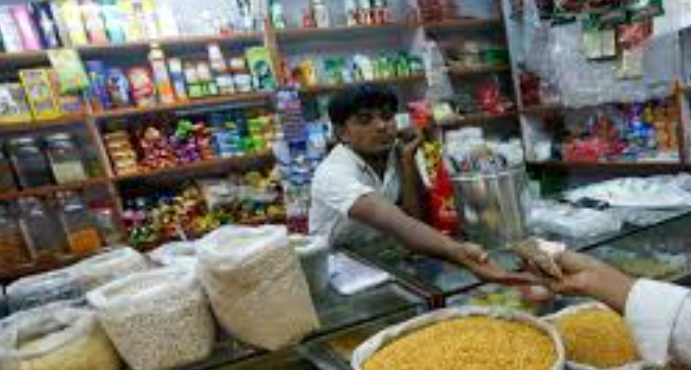
A political debate over the future of India’s traditional retail sector intensified after Raichur MP G. Kumar Naik raised alarm in the Lok Sabha, claiming that nearly two lakh kirana stores have shut down across the country over the last year. Speaking during Question Hour, the MP sharply criticised the Union government for what he described as insufficient protection for small neighbourhood retailers who are struggling to compete with rapidly growing e-commerce quick-delivery platforms. His remarks triggered widespread discussion among lawmakers, industry representatives, small business groups and consumer organisations about the sustainability of India’s grassroots retail economy.
Background: The Growth of Quick-Commerce Platforms
Quick-delivery platforms have expanded aggressively in major cities and small towns over the past few years, reshaping customer expectations around convenience and delivery time. With ultra-fast delivery promises and extensive promotional offers, these platforms have gained significant market share. Traditional kirana stores, often family-run businesses operating with limited margins, find themselves unable to match the depth of discounts, digital infrastructure and marketing budgets that larger e-commerce players are able to deploy. The MP’s assertion of mass closures highlights the growing concern that rapid digitalisation may be leaving large sections of the retail workforce behind.
MP’s Allegation in Parliament
Addressing the Lok Sabha, Kumar Naik argued that the government has failed to create a level playing field for traditional retailers who contribute significantly to India’s employment and local economic stability. He stated that the rise of deep discounting and predatory pricing techniques used by digital delivery services has pushed kirana stores into financial distress. According to his claim, around two lakh kirana stores have shut down during the last year alone, indicating a crisis that requires urgent policy intervention. His comments reflect the anxieties of thousands of small traders who fear being overshadowed by corporate-backed digital giants.
Predatory Pricing Concerns
The MP reiterated that many quick-delivery platforms rely on pricing models that are not sustainable for small retailers to replicate. Discounts funded by investor capital or cross-subsidisation make everyday essentials cheaper on e-commerce platforms compared to neighbourhood stores. This has shifted consumer behaviour toward online purchases, eroding the customer base that kirana stores historically relied on. Naik argued that the lack of strict regulatory oversight allows digital platforms to manipulate prices, creating unfair market conditions that disadvantage traditional retail operators who cannot afford to compete at those price points.
Role of Digital Infrastructure in Market Disruption
While e-commerce platforms claim to bring modernisation to the retail sector, Naik highlighted that the shift toward digital infrastructure has widened the gap between technologically empowered companies and small retailers. Quick-commerce platforms benefit from sophisticated logistics, AI-based demand predictions and centralised warehousing systems. Meanwhile, kirana stores operate with minimal digital tools, often lacking access to formal credit or technology-driven inventory management. The MP suggested that without government-supported digital inclusion programs, local stores will continue to face structural disadvantages, ultimately risking collapse in large numbers.
Government’s Defence and Standpoint
In response to Naik’s remarks, the government maintained that the rise of e-commerce does not inherently threaten traditional retail and that both models can coexist. Officials argued that digital platforms also create employment opportunities and enhance consumer choice. They emphasised that policies such as restrictions on inventory-led e-commerce models and rules governing foreign direct investment in retail are already aimed at protecting the interests of domestic retailers. However, the MP insisted that current safeguards are insufficient, calling for a stronger, more targeted regulatory framework.
Support for MSMEs Through Sourcing Rules
Interestingly, Kumar Naik welcomed the government’s recent move to mandate 30% procurement from micro, small and medium enterprises for Single Brand Retail under revised foreign direct investment guidelines. According to him, this rule promotes local sourcing and strengthens domestic production. However, he said such benefits primarily support manufacturing rather than retail. He urged the government to extend similar protective mechanisms directly to small shopkeepers who are facing the brunt of rapid market transformation triggered by quick-delivery platforms.
Economic Impact on Local Communities
Kirana stores are not only commercial units but also social anchors in local communities, particularly in semi-urban and rural regions. They provide personalised services, credit facilities for households and employment for millions. The alleged closure of such a large number of stores could have significant economic implications, ranging from job losses to reduced local spending capacity. Naik emphasised that the collapse of kirana stores would disrupt community-level economic stability, affecting supply chains, neighbourhood dynamics and small-scale distributors who depend on these stores for their livelihoods.
Small Traders’ Associations Respond
Over the past year, several trader associations have expressed concerns that online platforms are reshaping the retail landscape without adequate regulation. Some associations have reported falling profits and high levels of debt among small shopkeepers. They argue that the market power of e-commerce companies allows them to negotiate better terms with suppliers, further disadvantaging traditional retailers. Following Naik’s remarks, many associations reiterated their demand for stronger government intervention, including stricter enforcement of rules preventing deep discounting and unfair competition.
Industry Experts Question the Claim
Some industry experts, however, have urged caution regarding the claim of two lakh store closures. They argue that while small retail does face pressures, closures may also be influenced by broader economic factors such as urban migration, generational change, rising rents and shifts toward organised retail formats. According to these analysts, more comprehensive and data-driven studies are needed to understand the full scale of the issue. They agree that digital disruption is significant but stress that the impact varies widely across regions and socioeconomic groups.
Consumer Behaviour and Convenience Culture
Rapid urbanisation and the increasing importance of convenience in consumer choices have contributed to the popularity of quick-delivery services. Time-constrained households, young professionals and students prefer the efficiency of online platforms. However, Naik argued that consumer preference alone does not absolve the government from its responsibility to safeguard traditional business ecosystems. He suggested that if predatory pricing continues, consumers may eventually face reduced competition, higher prices and fewer local employment opportunities as small retailers are pushed out of the market.
Technology Integration for Kirana Stores
Some policymakers and digital entrepreneurs believe that technology adoption among kirana stores could help mitigate the crisis. Digital payment systems, inventory apps, online ordering partnerships and last-mile delivery tie-ups have already been introduced in various cities. These tools aim to integrate kirana stores into broader digital ecosystems, enhancing their competitiveness. However, Naik argued that without substantial government support, such transitions remain difficult for small businesses operating on thin margins. He called for subsidised digital training programs, accessible credit lines and tax incentives for modernisation.
Regional Variations in Retail Strain
The impact of digital competition is not uniform across India. In metropolitan cities, quick-delivery platforms are far more dominant, leading to sharper market pressure on traditional shops. In rural and remote areas, kirana stores remain the primary retail channel due to limited digital penetration and logistical challenges faced by e-commerce companies. The MP emphasised that national policy should account for these regional differences, ensuring protection for retailers across diverse socioeconomic contexts. He argued that a one-size-fits-all model could worsen inequalities between regions.
Employment Concerns and Youth Migration
The decline of small retail threatens a large segment of the informal workforce. Many kirana stores employ family members, local youth and part-time workers. Their closure could push more young people toward unstable gig-economy opportunities or urban migration in search of employment. Naik warned that if these trends continue, the country could face deeper socio-economic challenges. He urged the government to view the survival of kirana stores not merely as a retail issue but as a matter of employment security and community resilience.
Political Reactions
The MP’s remarks sparked mixed reactions within Parliament. Some members supported his concerns, stating that the rapid shift towards digital retail was creating economic imbalances. Others criticised his claim as exaggerated, arguing that the retail market is dynamic and evolving. They contended that competition drives innovation and benefits consumers. Nevertheless, Naik maintained that the government cannot ignore early warning signs and must take proactive steps to safeguard traditional retailers before the situation worsens.
Business and Technology Leaders Weigh In
Technology and business leaders responded to the MP’s comments by highlighting efforts made by digital platforms to collaborate with small retailers. Some companies have launched partnership models that allow kirana stores to serve as local inventory points or last-mile delivery hubs. Advocates of such models argue that digital transformation can coexist with traditional retail, creating hybrid structures that offer both efficiency and local familiarity. However, critics argue that such initiatives remain limited compared to the pace of corporate expansion.
Call for Data Transparency
One of the striking aspects of the debate is the lack of publicly available, comprehensive data on the status of kirana stores nationwide. Naik called for the government to commission a detailed study assessing closures, revenue trends, employment changes and regional variations in the retail sector. Transparent data, he said, is essential for understanding the depth of the crisis and designing effective interventions. Economists also suggested that evidence-based policymaking is crucial for addressing structural challenges linked to digital disruption.
Need for Regulatory Balance
Regulators face the challenge of encouraging innovation while protecting traditional economic structures. Naik argued that overly lenient policies have allowed digital platforms to dominate the market unchecked. Others believe that excessive regulation could stifle entrepreneurship and deter investment in the digital economy. The debate highlights the need for balanced governance that promotes fair competition without impeding progress. Many experts agree that updated rules reflecting the realities of a hybrid retail ecosystem are necessary.
Conclusion
Kumar Naik’s claims have brought the challenges faced by traditional kirana stores back into national focus. Whether the figure of two lakh store closures is fully accurate or not, the concerns underlying his statement reflect the changing landscape of retail in India. As digital platforms continue to reshape consumer behaviour, the survival of small retailers depends heavily on policy support, technology integration and a level playing field. The debate underscores the complex task of balancing innovation with inclusivity, ensuring that economic progress does not marginalise communities that have long sustained India’s retail fabric.
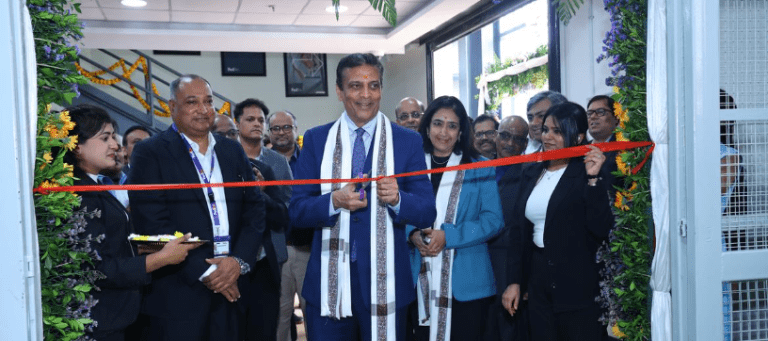
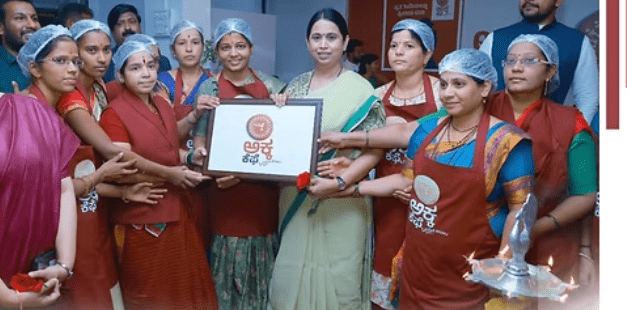
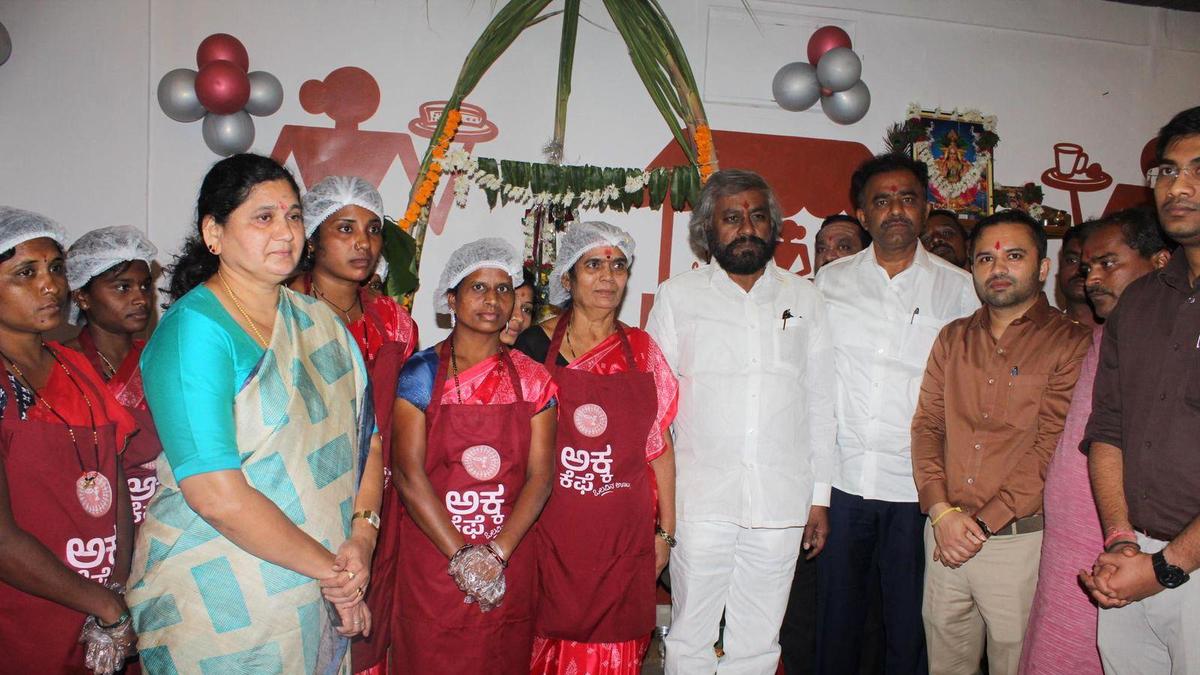
The inauguration of the Akka Café in Bidar has emerged as a significant moment for women’s empowerment in Karnataka, marking a collaborative shift towards economic inclusion, livelihood development and grassroots entrepreneurship. Opened on December 1 by Forest, Ecology and Environment Minister and Bidar district in-charge Eshwar B. Khandre, the café has already begun drawing attention for its community-driven model and its deeper socio-economic purpose. Operated completely by women and supported by multiple government and rural-development agencies, the café is positioned as a local initiative with the potential to inspire larger change across the State.
The café has been established on the premises of the Zilla Panchayat office in Bidar, symbolically placing women-led enterprise at the heart of district-level governance. The opening ceremony drew officials, members of women’s self-help groups, local leaders and representatives of institutions that supported the venture. The collaboration between Sanjeevini, the Department of Skill Development, Entrepreneurship and Livelihood, the Zilla Panchayat and the Taluk Panchayat reflects a deliberate effort to provide structured backing to women seeking financial independence.
The Minister, during his address, emphasised that the café is not merely a food outlet but an initiative intended to provide sustainable livelihoods for women. At a time when rural and semi-urban women often struggle to gain access to entrepreneurship, this café model aims to offer an accessible and supportive environment for skill-building, income generation and leadership opportunities.
The launch of Akka Café in Bidar is also being interpreted as a symbolic moment for the district, which has historically struggled with inadequate employment opportunities for women. Many self-help groups formed under various livelihood schemes have prospered in rural pockets, yet women often lacked a direct platform to showcase their skills in mainstream public spaces. By situating the café within the Zilla Panchayat premises, the initiative sends a strong message about placing women at the centre of local governance and public engagement. Officials believe that women-led food enterprises can redefine the identity of rural entrepreneurship in Bidar.
Local administrators have shared that the café is expected to operate on a model emphasising transparency, community support, and shared decision-making. The women involved will participate in weekly assessment meetings to discuss finances, menu improvements, customer demands, and operational challenges. This participatory model, they said, will impart valuable management skills, enabling members to confidently handle larger business ventures in the future. Such structures help dismantle long-standing stereotypes about women’s capacities in leadership and financial matters. The goal is not merely to run a café but to nurture confident rural entrepreneurs capable of replicating the model across multiple regions.
Residents who visited the café during its initial days reported an encouraging response. Customers appreciated that the food options reflected the authentic flavours of Bidar’s culinary traditions while maintaining affordability, making it accessible to government staff, students, and daily wage workers. The café also created a warm environment where women from different taluks could interact with the public, build networks, and understand customer expectations. Several visitors remarked that the initiative adds vibrancy to the Zilla Panchayat campus, transforming it into a lively social space rather than a purely administrative environment. This human-centric element, authorities believe, will further strengthen public interaction with local institutions.
The officials involved in monitoring the initiative added that Akka Café may eventually integrate digital tools for accounting, inventory management, and customer engagement. Training sessions for digital literacy are already being planned through the Karnataka State Rural Livelihood Promotion Society. These efforts are intended to ensure that the women managing the café are not left behind as the state increasingly adopts digitised public service models. Through such skill development, the café becomes more than a livelihood source; it becomes a gateway to bridging the digital divide. This reinforces the broader goals of education, adaptability, and modernisation embedded within rural development programmes.
As discussions grow about replicating the Akka Café model in other parts of Karnataka, experts emphasise the need to preserve the cultural and community-specific elements that make the Bidar version unique. They argue that women-led businesses thrive when rooted in local identity rather than centrally imposed templates. For this reason, any future cafés must consider the distinct food habits, ingredients, and customer dynamics of their respective regions. Authorities believe that this decentralised approach will allow the model to scale sustainably across districts. The Bidar inauguration, therefore, is not just an isolated event but a step toward a broader transformation in women’s economic empowerment.
The launch comes amid a broader push by the Karnataka government to strengthen women’s participation in micro-enterprise, skill training and community-driven economic ecosystems. For many women in Bidar, this café symbolises a gateway towards consistent income and participation in local development.
A Community-Driven Café with a Mission
The Akka Café stands out not just because it is operated entirely by women but because it has been designed specifically to uplift local women’s groups and give them a sustainable business model. The initiative aligns closely with the goals of Sanjeevini, the State Rural Livelihood Promotion Society, which works extensively with women-led self-help groups across Karnataka. These groups, often known as “Stree Shakti groups,” form the backbone of community entrepreneurship in the State, yet many struggle to transition from training to actual income-earning ventures.
The café seeks to bridge that gap. Women who are part of these groups undergo hospitality training, food handling practice, and basic business management support before formally joining the café operations. This ensures that the café serves high-quality, hygienic and affordable food while also functioning as a practical platform for skill development.
According to officials familiar with the planning process, the idea is to replicate successful women-run cafés established under similar initiatives in other districts. These outlets have often evolved into self-sustaining units, with women gaining the confidence to expand into catering, tiffin services, and local food stalls. Bidar’s Akka Café is expected to follow a similar trajectory over the coming months.
At the inauguration, Minister Eshwar Khandre highlighted how initiatives like this help dismantle socio-economic barriers. By placing women in positions of responsibility and visibility, such projects help challenge stereotypes that often restrict women to unpaid or informal work. The minister also noted that the café can become a model for future livelihoods in public spaces, especially at government offices where employees and visitors rely on easily accessible food services.
The café’s location within the Zilla Panchayat complex ensures steady footfall from officials, students, local residents and individuals visiting the office for administrative work. This offers the women an immediate consumer base, reducing the risks faced by new entrepreneurs.
Members of self-help groups who have joined the initiative expressed enthusiasm during the launch event. For many of them, the establishment of the café represents financial security and the possibility of savings, education for their children and aspirations for larger ventures. Some women shared that this was the first time they were stepping into a formal work environment, highlighting the transformative potential of the project.
A Model of Empowerment with Long-Term Impact
The Akka Café is being positioned as more than a short-term livelihood scheme. Officials from the Department of Skill Development and Livelihood emphasised that the café is expected to operate as a long-term establishment, with continuous support from government agencies until it becomes fully self-sustaining. This includes periodic upskilling workshops, digital-payment training and capacity-building programmes that help women adapt to changing business needs.
The café’s business model includes structured rotation of responsibilities among the women, ensuring that everyone gains experience in kitchen management, handling customers, maintaining accounts and purchasing supplies. This rotational management system helps build leadership skills and ensures that no single member is overburdened.
One of the key objectives is to ensure that the income generated is distributed fairly among the members, thereby encouraging consistent participation and a sense of ownership. The women involved will also have the opportunity to reinvest part of their earnings into expanding the café’s services, such as offering lunch boxes, snacks for meetings and catering for small events.
The café’s menu largely features affordable, homemade-style food items prepared using local ingredients sourced from rural communities. This not only keeps the café’s operations cost-effective but also strengthens local agricultural and small-business ecosystems. The focus on local procurement ensures that more women and small farmers indirectly benefit from the café’s success.
The involvement of multiple government bodies ensures that the café receives the institutional support needed during its initial months. The Zilla Panchayat’s role includes providing space, utilities and administrative support, while Sanjeevini and the Livelihood Department handle training and monitoring. Such inter-departmental coordination has been increasing in recent years as Karnataka pushes for comprehensive rural development initiatives.
Community members who attended the inauguration welcomed the initiative, noting that such cafés help create safe, respectful and inclusive workspaces for women. Many local leaders expressed hope that the success of Akka Café would motivate similar women-led ventures in other public institutions, including hospitals, educational institutions and government offices.
The project also has the potential to encourage young women who are completing school or college to consider entrepreneurship as a career path. Seeing women run a public café can significantly influence younger generations and break long-held social expectations about women’s roles.
Local officials also indicated that if the café becomes successful, more such units may be launched in other parts of Bidar, particularly in busy public spaces. Discussions are already underway about creating additional training modules that can help the café’s women explore digital marketing, online delivery partnerships and promotional strategies.
Conclusion: A Small Café Creating a Large Ripple of Change
The inauguration of Akka Café in Bidar is a significant step toward strengthening women’s empowerment and rural livelihoods in Karnataka. While it may appear to be a small café in a district office complex, its importance extends far beyond its physical space. It represents a commitment to giving women agency, income and dignity through structured support, skill development and community collaboration.
For many of the women operating the café, this opportunity marks the beginning of financial independence and a recognition of their potential as entrepreneurs. The café also sets a positive example of what can be achieved when government departments coordinate effectively to support ground-level initiatives.
In the coming months, the café’s success will depend on continued public support, consistent footfall and the ability of the women involved to manage operations smoothly. If it thrives, it can become a model replicated across Karnataka, promoting sustainable livelihood opportunities for women, especially in rural and semi-urban districts.
With its focus on empowerment, enterprise and community strength, the Akka Café stands as a powerful reminder that meaningful progress often begins with small but well-supported steps. The women leading this café are not just serving meals—they are shaping a future where local economies grow through inclusivity, collaboration and resilience.
The historic town of Srirangapatna is gearing up for the Hanuma Male Sankirtana Yatra scheduled for December 3, with district and state authorities placing heightened security measures to ensure peace and order. As devotees, organisers and onlookers prepare for a day of religious fervour and public congregation, police forces, home-guards, rapid-response teams and local administration have joined hands to monitor the event. The security deployment reflects recognition of the town’s sensitive communal history, the large turnout expected, and the need to maintain harmony while allowing religious expression.
The Yatra — a devotional procession invoking the blessings of Hanuman — draws participants from across the region, invoking emotional devotion, cultural pride and religious spirit. Given the strong sentiments associated and the multi-faith demographics of the area, officials say the enhanced security setup is aimed at ensuring the event remains peaceful, preventing any untoward incidents, and safeguarding both heritage monuments and public order.
As the morning of December 3 approaches, the entire town has been sensitised about the security protocol: checkpoints, barricades, controlled entry and exit points, crowd-management planning, surveillance arrangements, medical teams on standby, and coordination with local community leaders. The effort reflects a delicate balancing act — preserving the right to worship and celebrate, while upholding law, safety, and respect for public spaces.
Why Tight Security: Background, Sensitivities, and the Significance of Srirangapatna
Srirangapatna holds a layered historical and cultural legacy, being home to ancient temples, medieval monuments, and landmarks marking different eras. Its diverse heritage — religious, architectural, and historical — has long drawn tourists, pilgrims, historians, and devotees. At the same time, the town has witnessed communal sensitivities in the past, making any large public religious gathering a matter of careful scrutiny. The authorities acknowledge that in such contexts, ensuring security is not optional, but essential.
The Hanuma Male Sankirtana Yatra is more than a ritual: for many participants it represents devotion, identity, and community solidarity. Processions of this sort — with chanting, devotional music, large crowds, and public movement — require logistical and administrative planning. Unregulated crowds can lead to congestion, accidents, misuse of public spaces, and in worst cases, communal tension. In the past, processions in sensitive areas around religious or heritage sites have sometimes triggered protests or backlash, even when unintentional.
Given these factors, the district administration, in consultation with police and heritage-management authorities, decided to deploy a robust security framework. The objective: enable the Yatra to proceed peacefully, protect heritage structures, prevent disruption to everyday life for local residents, and reassure minority communities and visitors that their safety and rights will be respected. Officials also cited recent Supreme Court directions on crowd management and peaceful conduct in processions across historic or mixed-population towns, urging compliance by organisers.
Local community leaders, religious heads, and civic representatives reportedly held meetings ahead of the Yatra, discussing route plans, code of conduct, and coordination with law-enforcement officials. Volunteers from youth groups and local NGOs joined hands to support crowd management, awareness drives, and first-aid arrangements. The collaborative planning indicates the importance attached to making the event not only spiritually fulfilling but socially responsible.
Moreover, in a modern context where social media can amplify incidents, the administration is conscious of reputational risk. Even minor disruptions could be widely shared, potentially stoking tensions. Thus, pre-emptive action — rather than reactive policing — is seen as essential. The security plan aims to keep the event under control while preserving the dignity of devotion and cultural celebration.
On-Ground Preparations: Security Logistics, Crowd Control and Heritage Protection
In the days leading to December 3, visible signs of preparation have appeared across Srirangapatna. Barricades and entry-checkpoints are being set up at key junctions, especially around heritage zones, temple precincts, and main roads. Temporary surveillance cameras and CCTV monitoring units have been deployed at strategic points. Police and rapid-response teams are to be stationed at chokepoints, high-footfall zones, and areas susceptible to congestion.
Local authorities have issued traffic advisories: certain roads will be closed off to vehicular traffic during the Yatra hours, parking will be restricted to fringe zones outside the main procession route, and commuters are advised to avoid peak hours or plan alternate travel routes. Signage and public announcements have been put up in local languages reminding citizens and participants to cooperate, avoid littering, maintain decorum, and report suspicious activities immediately.
To manage crowd density, organisers and district officials have drawn up a route plan that avoids narrow lanes around heritage structures. Procession timings and entry points have been staggered to distribute flow of devotees. Volunteer marshals — drawn from local social groups and community organisations — are being briefed to guide participants, prevent overcrowding, and assist elders or children. Medical first-aid teams and ambulances are on standby, along with fire-safety units, as a precautionary measure.
Given the presence of monuments, temples, and heritage sites, a heritage-protection committee is working alongside law-enforcement to ensure no damage occurs. Temporary barriers have been erected around sensitive structures, and security personnel have clear instructions to prevent processions or crowds from encroaching upon restricted zones. Heritage-site guards are coordinating with police to monitor movement near monuments while ensuring devotees’ access to allowed areas remains unhindered.
Information dissemination has also been stepped up. Notices have been circulated in local communities, schools, shops, and public places, urging residents to cooperate, avoid rumours, and respect the procession path. Local civic bodies have scheduled waste-management and sanitation teams to follow up after the Yatra, aiming to restore public cleanliness quickly and avoid littering or environmental damage.
For transparency, local administration has appointed a control room to monitor the event — telephone hotlines, WhatsApp contact numbers, emergency response links, and a coordination desk managed by police and civic officers. Residents are encouraged to report emergencies, crowding, stray incidents or any form of disruption.
Mixed Reactions: Support, Concern and the Fragile Balance of Faith and Public Order
Reactions among local residents, community leaders, religious groups and civil-society organisations reflect a mixture of support, caution, and concern. Many devotees have welcomed the security measures, saying that they feel safer participating in the Yatra — especially families with children, elderly couples, and long-distance pilgrims. They believe a well-managed procession can preserve religious tradition without compromising public order.
School, college and heritage-site officials have expressed relief that the event is being managed seriously. With precautions in place, they hope there will be minimal disruption to local life, no traffic chaos, and little chance of damage to infrastructure or historical monuments. For heritage activists, the collaborative approach between law enforcement, civil society and religious organisers represents a welcome model for future events.
However, some voices have raised concerns about heavy-handed policing or over-regulation. A few residents worry that restrictions on movement, early road closures, and surveillance may inconvenience ordinary daily activity. Traders and shopkeepers along the route have flagged possible loss of business due to traffic curbs or restricted access. Some questioned whether the religious event might lead to noise, litter or disruptions, especially if cleanup after the event is not prompt.
Civil-society and secular groups have also cautioned about the potential for communal polarization. They argue that while religious expression is a constitutional right, large public religious processions in historically sensitive towns require extra responsibility. They urge organisers to emphasise inclusive messaging, avoid provocative slogans, and ensure that the event does not unintentionally exclude or alienate minority communities living nearby.
In this context, the Yatra and its security cover are being watched as a test — whether religious devotion and public safety can coexist peacefully without triggering tension or animosity. Observers note that success will hinge not on just police presence but on community cooperation, shared responsibility, and empathy.
Wider Context: Religious Processions, Public Safety & Heritage Towns — What Srirangapatna Means for Karnataka
Srirangapatna is not just another town — it embodies Karnataka’s layered past: a blend of temples, palaces, Islamic-era monuments, colonial memory, and centuries-old cultural synthesis. In recent years, religious processions and public gatherings here have become symbolic — not only of ritual but of identity. This adds weight to the Yatra and demands careful handling by authorities, organisers, and community alike.
Across the State and the country, religious processions have often tested civic infrastructure and social harmony. They raise difficult questions about public space, heritage preservation, minority rights, and majority sentiment. How authorities manage such events — whether through inclusive planning or heavy policing — shapes public perception for years. The security plan for the Yatra thus assumes greater significance: it could set a template for balancing faith celebrations with civic responsibility.
The Srirangapatna administration appears aware of this weight. By issuing clear guidelines, involving heritage-site committees, coordinating with civil society, and ensuring transparent communication, authorities are signalling seriousness. For other towns with similar histories and social fabric, the Yatra could serve as a case study on how to manage religious events responsibly.
Moreover, the event reflects a broader shift in public-administration thinking: proactive preparation, community engagement, crowd management, and heritage protection — rather than reactive control. As India urbanises and public spaces get contested, such models of event management will become increasingly important.
For citizens, the Yatra offers a moment of reflection: devotion, heritage, identity — all intersecting under the watchful eyes of law, administration, and community. How responsibly and peacefully people participate could influence not just immediate outcomes but long-term social harmony.
What Could Go Wrong — Risks Despite Security and How Authorities Plan to Mitigate Them
Despite robust preparations, several risks remain. Large crowds always carry potential for stampedes, accidents, heat-related distress (given midday starting time), or medical emergencies. A stray-dog nearby, presence of unregulated vendors or crowding near narrow lanes, or sudden surge of people outside designated zones — any of these could trigger trouble. The administration plans to rely on marshals, volunteers, and real-time monitoring to avoid such risks, but ground realities can be unpredictable.
There is also potential for tensions if some participants stray from permitted routes, or engage in provocative slogans, loud chants, or activities near sensitive heritage zones. Even a minor misstep could escalate into confrontation, especially if bystanders or community members misinterpret actions. To guard against it, police have been instructed to confiscate unauthorised banners, monitor sound levels, and intervene quickly in case of violations.
Environmental and sanitation issues are another concern. Large gatherings often leave behind litter, plastic bottles, food waste, and generate strain on waste-management systems. Post-event cleanup plans have been drafted, involving municipal staff, volunteers, and local residents — but execution will require coordination and discipline.
Traffic congestion, especially on main roads connecting to the town and around the procession route, could lead to disruption for daily commuters, local businesses, and emergency services. To avoid gridlock, authorities have planned alternate routes, fringe parking zones, and timed closures, but success will depend on compliance by participants and public cooperation.
Finally, communication breakdowns — lack of clarity about dos and don’ts, insufficient signage, or delayed information — may confuse participants or local residents, leading to frustration or misunderstanding. For a successful event, coordination between organisers, police, heritage‐site managers, and community leaders must be smooth, transparent, and responsive.