Friday, April 24, 2026
Home Blog Page 77

58 WaSH Warriors Invited by National Jal Jeevan Mission as Special Guests for Republic Day Parade 2026

In a strong recognition of grassroots leadership and community participation, the Department of Drinking Water and Sanitation (DDWS), Ministry of Jal Shakti, has invited 58 WaSH Warriors from villages across India as Special Guests to attend the 77th Republic Day celebrations at Kartavya Path, New Delhi. The initiative, led by the National Jal Jeevan Mission (NJJM), celebrates the vital role played by rural communities in advancing safe drinking water, sanitation and hygiene (WaSH) across the country.


WaSH Warriors Represent Community-Led Transformation

The selected WaSH Warriors have been nominated by States and Union Territories from Swachh Sujal Gaon villages, representing rural households, poor and marginalised communities, SC/ST-majority villages, and vulnerable tribal groups.

A Swachh Sujal Gaon is a village that is:

  • Har Ghar Jal certified under the Jal Jeevan Mission, and

  • ODF Plus Model verified under Swachh Bharat Mission (Grameen)

These community leaders exemplify grassroots leadership, having played a key role in strengthening drinking water supply systems, sanitation practices and hygiene awareness in rural India.


Special Seating at Republic Day Parade and Official Participation

On 26 January 2026, the WaSH Warriors will witness the Republic Day Parade from the Sone Enclosure at Kartavya Path.

Shri Ashok K. K. Meena, Secretary, DDWS, will participate in the Republic Day celebrations from the Ghaghra (S) Enclosure, underscoring the importance accorded to community-driven development under the Jal Jeevan Mission.


Interaction with Jal Shakti Minister Scheduled

As part of their official programme, on 27 January 2026, the Special Guests will:

  • Visit the Rashtriya Swachhata Kendra, and

  • Interact with the Hon’ble Minister of Jal Shakti, Shri C. R. Patil, in the presence of

    • Minister of State for Jal Shakti, Shri V. Somanna

    • Minister of State for Jal Shakti, Shri Raj Bhushan Choudhry

This engagement reflects the Government’s commitment to directly connecting policymakers with grassroots change-makers.


Visit to Pradhanmantri Sangrahalaya and Interaction with DDWS Leadership

As part of their exposure programme, the WaSH Warriors visited the Pradhanmantri Sangrahalaya on 25 January 2026.

Following this, a detailed interaction was organised at Pandit Deendayal Antyodaya Bhawan, New Delhi, led by Shri Kamal Kishore Soan, Additional Secretary & Mission Director, National Jal Jeevan Mission, along with senior officers of DDWS.


Strengthening Commitment to Sustainable Rural Water Systems

Addressing the gathering, Shri Kamal Kishore Soan emphasised that while significant progress has been achieved under the Jal Jeevan Mission, sustained community ownership remains essential. He urged the WaSH Warriors to focus on:

  • Ensuring 24×7 water supply

  • Safeguarding and maintaining JJM infrastructure

  • Promoting long-term sustainability of rural water systems

  • Ensuring that Har Ghar Jal benefits every household

He encouraged them to take back the message of service, sustainability and community responsibility to their villages, strengthening the spirit of Jan Bhagidari.


Voices from Villages Reflect Transformational Impact

Several WaSH Warriors shared deeply moving experiences:

  • Representatives from Kupwara, Jammu & Kashmir spoke about the years of hardship before tap water reached their villages and how access to clean water restored dignity to daily life.

  • Delegates from tribal areas of Chhattisgarh echoed similar struggles, highlighting the relief brought by household tap connections.

  • Participants from Madhya Pradesh and Uttar Pradesh, who recently celebrated Jal Arpan Diwas, expressed gratitude for how tap water has:

    • Reduced the burden on women

    • Given children more time for education

    • Improved health and overall well-being

WaSH Warriors from Himachal Pradesh, Karnataka, Meghalaya, Mizoram, Gujarat and other states also shared stories of transformation, reflecting the nationwide impact of the mission.


Warm Reception Across Delhi Reflects National सम्मान

Upon their arrival in Delhi, the WaSH Warriors were warmly welcomed by the National Jal Jeevan Mission at:

  • Airports

  • Railway stations

  • Bus terminals

  • State Bhawans

This heartfelt reception underscored the respect and recognition accorded to their contributions in advancing rural water and sanitation.


Visit to National War Memorial and India Gate to Conclude Programme

The Delhi visit of the Special Guests will conclude on 27 January 2026 with a visit to the National War Memorial and India Gate, adding a strong emotional and patriotic dimension to their experience in the national capital.


Conclusion

By inviting 58 WaSH Warriors as Special Guests for Republic Day 2026, the Department of Drinking Water and Sanitation has powerfully reaffirmed that nation-building is rooted in community participation. Their presence at Kartavya Path symbolises the success of Jan Bhagidari and highlights how rural citizens are at the heart of India’s journey towards equitable, sustainable and inclusive development. The initiative stands as a tribute to those who are transforming lives through access to safe drinking water and dignified sanitation.


For more real-time updates, visit Channel 6 Network.

Source: PIB
Future of Responsible Health AI as Federated Intelligence Hackathon Concludes at IIT Kanpur: 2026

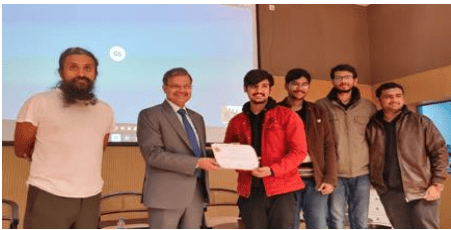
The National Health Authority (NHA), in collaboration with the ICMR–National Institute for Research in Digital Health and Data Science (NIRDHDS) and the Indian Institute of Technology (IIT) Kanpur, successfully concluded the Federated Intelligence Hackathon focused on the development of Digital Public Goods (DPGs) for Health AI. Held from 19 to 24 January 2026 at IIT Kanpur as a pre-event to the India AI Impact Summit 2026, the national initiative aimed to promote the creation of secure, privacy-preserving and scalable artificial intelligence solutions for healthcare in India.


Driving Responsible and Federated Health AI Ecosystems

The hackathon was designed to accelerate innovation in responsible Health AI by encouraging solutions based on federated, consent-driven architectures. These approaches enable AI innovation without centralising sensitive health data, ensuring:

  • Strong data privacy

  • Institutional trust

  • Ethical deployment

  • Scalable adoption across India’s healthcare ecosystem

The initiative aligns closely with the goals of the Ayushman Bharat Digital Mission (ABDM) to build citizen-centric digital health infrastructure.


NHA CEO Highlights Shift from Experimentation to Trustworthy AI Models

Delivering the keynote address, Dr. Sunil Kumar Barnwal, Chief Executive Officer, National Health Authority, stressed the strategic importance of developing a trusted and benchmarked federated AI ecosystem for healthcare.

He noted that:

  • AI systems must be tested on diverse, population-scale datasets before real-world deployment

  • Federated architectures allow innovation to scale without compromising privacy

  • Solutions must be context-aware, inclusive and reflective of India’s demographic diversity

Citing platforms such as AB PM-JAY and ABDM, he emphasised that India is uniquely positioned to lead in responsible, population-scale Health AI.


Senior Leaders and Experts Share Perspectives on Digital Public Infrastructure

The inaugural session featured addresses by:

  • Prof. Sandeep Verma, Head, Gangwal School of Medical Sciences & Technology

  • Shri Manindra Agrawal, Director, IIT Kanpur

  • Ms. Ritu Maheshwari, Secretary, Medical Health & Family Welfare and State Mission Director, ABDM–Uttar Pradesh

They highlighted the growing importance of academic–government collaboration in shaping India’s digital health future.

Dr. R. S. Sharma, Distinguished Visiting Professor at IIT Kanpur and former CEO of NHA, underlined how Digital Public Infrastructure (DPI) and interoperable Digital Public Goods can enable secure, scalable and citizen-centric health data management.


Need for Indigenous and Open-Source AI Emphasised

Shri Vivek Raghavan, CEO and Co-founder, SarvamAI, highlighted the importance of:

  • Strong data quality standards

  • Privacy-by-design systems

  • Security-first architecture

  • Indigenous, open-source AI models

He stressed that local AI sovereignty is essential to reduce external dependencies and maximise the impact of AI in the public sector, ensuring that innovation remains responsible and inclusive.


ICMR–NIRDHDS Showcases Ongoing AI in Health Initiatives

A dedicated session led by ICMR–NIRDHDS showcased the organisation’s ongoing initiatives in Health AI research, policy frameworks and implementation pathways. The session underscored the importance of evidence-based AI deployment and the integration of research with real-world healthcare delivery.


Benchmarking Platform Ensures Trustworthy Evaluation of AI Models

Through a partnership between IIT Kanpur and NHA, a national benchmarking platform is being developed to evaluate the performance and reliability of AI models. This platform:

  • Ensures data privacy and institutional control

  • Supports objective evaluation of AI solutions

  • Encourages innovation at national scale

  • Builds trust in AI deployment for healthcare

All AI models developed during the hackathon were evaluated on this platform.


Strong National Participation Reflects Growing Health AI Ecosystem

The hackathon witnessed enthusiastic nationwide participation:

  • 374 total registrations

    • 208 individual participants

    • 166 teams (two or more participants)

  • About 54% participants identified as AI researchers or innovators

  • Others included:

    • Health-tech startups

    • Healthcare providers

    • Graduate students

    • Data scientists

    • Technology professionals

This diverse participation reflects the rapid growth of India’s Health AI innovation ecosystem.


Winners Recognised Across Three Key Healthcare Use Cases

Winners were announced across three critical healthcare domains:

  • Bone age prediction

  • Cataract detection

  • Diabetic retinopathy screening

The shortlisted teams presented their methodologies to an expert jury, demonstrating both technical excellence and real-world applicability.

The winners received:

  • Certificates of recognition

  • Cash prizes worth ₹12 lakh in total


Conclusion

The successful conclusion of the Federated Intelligence Hackathon marks a significant step in India’s journey towards building secure, interoperable and citizen-centric Health AI systems. By bringing together policymakers, researchers, technologists and innovators, the initiative strengthens the foundation for responsible AI deployment under the Ayushman Bharat Digital Mission. It reinforces India’s emerging leadership in shaping ethical, scalable and inclusive artificial intelligence for public healthcare.


For more real-time updates, visit Channel 6 Network.

Source: PIB
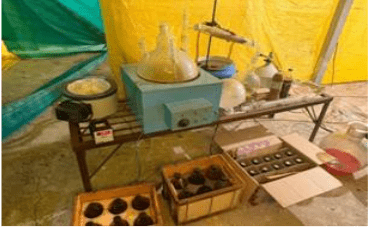
DRI Busts Mobile Mephedrone Manufacturing Lab in Sahyadri Ranges Under ‘Operation Sahyadri Checkmate’; Nearly 22 kg Narcotics Seized, Five Arrested

In a major crackdown on organised drug trafficking, the Directorate of Revenue Intelligence (DRI) dismantled a clandestine mobile mephedrone manufacturing laboratory operating deep within the Sahyadri ranges under an intelligence-led operation codenamed “Operation Sahyadri Checkmate.” The operation resulted in the seizure of nearly 22 kg of mephedrone in different forms, along with large quantities of raw material, and the arrest of five individuals, including repeat offenders.


Mobile Lab Camouflaged as Poultry Farm to Evade Detection

Acting on developed intelligence, DRI officers launched sustained surveillance which led to the identification of a camouflaged drug manufacturing unit operating under the guise of a poultry farm. The laboratory was designed to remain mobile, frequently shifting locations to avoid detection by law enforcement agencies.

A coordinated operation conducted on 24 January 2026 uncovered a makeshift, fully operational clandestine lab equipped with apparatus capable of manufacturing mephedrone, a prohibited substance under the Narcotic Drugs and Psychotropic Substances (NDPS) Act.


Nearly 22 kg of Mephedrone Seized in Multiple Forms

During the raid, DRI officers seized a total of 21.912 kg of mephedrone, found in various forms:

  • 11.848 kg in liquid form

  • 9.326 kg in semi-liquid form

  • 738 grams in crystalline form

In addition, officers also recovered 71.5 kg of raw material, which was capable of producing approximately 15 kg of finished NDPS substance.

The estimated illicit market value of the seized narcotics is around ₹55 crore, indicating the scale and seriousness of the illegal operation.


Five Accused Arrested, Including Repeat Offenders

The DRI apprehended three key individuals during the initial operation:

  • The ‘cook’ engaged in manufacturing the drug

  • The financer-consigner of the operation

  • The owner of the poultry farm, where the lab was operating

Investigations revealed that the first batch of finished contraband had been concealed at the residence of the poultry farm owner for safekeeping.

In a subsequent follow-up operation, DRI officers conducted late-night surveillance near an old octroi toll naka in a dense forested area and apprehended two more individuals who were en route to collect the final consignment.

Significantly, four out of the five arrested individuals are repeat offenders, having previously been booked under the NDPS Act or prosecuted under serious legislations such as the Maharashtra Control of Organised Crime Act (MCOCA), 1999.


DRI’s Role in Disrupting Organised Drug Networks

The successful operation highlights the critical role played by the Directorate of Revenue Intelligence in disrupting organised drug trafficking networks. Such networks pose serious threats to:

  • Public health

  • Law and order

  • Youth safety

  • Economic stability

  • National security

By dismantling sophisticated and mobile drug manufacturing units, DRI continues to safeguard society against the growing menace of narcotics.


Conclusion

Operation Sahyadri Checkmate stands as a significant blow to organised narcotics syndicates operating in remote regions. The seizure of high-value contraband, recovery of manufacturing infrastructure, and arrest of repeat offenders demonstrate the effectiveness of intelligence-led enforcement. The operation reinforces the government’s commitment to a zero-tolerance approach towards drug trafficking and protecting communities from the devastating impact of narcotics.


For more real-time updates, visit Channel 6 Network.

Source: PIB
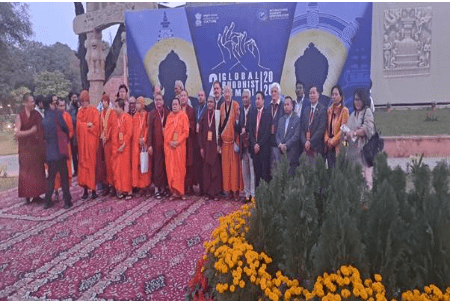
Republic Day Parade 2026 to Reflect India’s Strength and Spiritual Compassion Through Global Buddhist Participation

In a unique blend of national strength and spiritual heritage, a large group of international Buddhist Monks and Nuns from 40 countries attending the Global Buddhist Summit 2026 will be the honoured guests at this year’s Republic Day Parade. Their presence symbolises India’s timeless message of peace, compassion, harmony and coexistence, reinforcing the nation’s role as the Land of the Buddha and a global voice for peaceful dialogue.


Global Buddhist Summit Promotes Collective Wisdom and Coexistence

The two-day Global Buddhist Summit (24–25 January 2026) was organised by the International Buddhist Confederation (IBC) in collaboration with the Ministry of Culture, under the theme:

“Collective Wisdom, United Voice, and Mutual Coexistence”

The Summit served as a platform to highlight the relevance of Buddhist teachings in addressing modern global challenges such as:

  • Conflict resolution

  • Global inequality

  • Ecological crisis

  • Social disharmony

It reaffirmed India’s message to the world—rooted in the wisdom of Buddha—that dialogue, compassion and understanding are essential for sustainable peace.


India Showcases Might Alongside Message of Peace

Addressing a press conference, Secretary General of IBC, Ven. Shartse Khensur Rinpoche Jangchup Choeden, said that the Republic Day Parade presents a powerful contrast and harmony:

“At the parade, India will display its might, but it is also the land of Buddha Dhamma, spreading the message of peace, love and kindness. We believe in the power of compassion and care. The world today needs peace and friendly coexistence.”

He added that the presence of monks and nuns alongside the display of military strength sends a profound message—that true power lies in both strength and compassion.


Buddhist Values Deeply Embedded in Indian Constitution

Shri Abhijit Halder, Director General of IBC, highlighted the deeper civilisational connection between Buddhism and India’s democratic ethos. He noted that:

  • Republic Day marks the day the Constitution of India came into force

  • Buddhist principles such as equality, compassion and non-violence have deeply influenced the Constitution

  • The Buddhist Sangha served as one of the earliest models of participatory democracy, inspiring democratic traditions in India

He remarked that the presence of monks and nuns at the parade reflects the philosophical foundation upon which modern India stands.


A Symbolic Contrast: Armed Forces and Monastic Presence

At the Republic Day Parade, spectators will witness a powerful visual narrative:

  • On one side, the display of Armed Forces strength, naval power, air power and armoured equipment

  • On the other, the serene presence of Venerable Monks and Nuns representing peace, compassion and spiritual wisdom

This symbolic contrast conveys a global message:

While strength protects the nation, Dhamma guides humanity towards harmony.


India as the Spiritual Light to the World

Deputy Secretary General of IBC, Dr. Damenda Porage of Sri Lanka, emphasised the deep civilisational bond between India and Buddhist nations. He stated:

“Buddha Dhamma is the indispensable heritage of India. It was carried to Sri Lanka along with artisans and teachers, shaping our spiritual renaissance. India stands as the light to the world—displaying both strength and spiritual kindness.”

His remarks highlighted India’s enduring role as a spiritual guide and cultural anchor for nations across Asia and beyond.


Global Participation Reflects Worldwide Resonance of Buddhist Dialogue

The Global Buddhist Summit witnessed wide international participation, bringing together:

  • Over 800 delegates from 40 countries

  • More than 200 overseas participants

  • Around 100 representatives of the Sangha

  • Diplomats, scholars, academicians and lay practitioners from India and abroad

The strong turnout reflects the growing global relevance of Buddhist wisdom in shaping conversations around peace, ethics and coexistence.


Conclusion

The participation of international Buddhist monks and nuns at the Republic Day Parade 2026 presents a profound global message: India stands strong not only through power, but through compassion, wisdom and spiritual leadership. By blending the display of military might with the gentle presence of the Sangha, the parade becomes a symbol of India’s unique civilisational identity—one that upholds both strength and kindness, guiding the world towards a future rooted in peaceful coexistence and collective wisdom.


For more real-time updates, visit Channel 6 Network.

Source: PIB
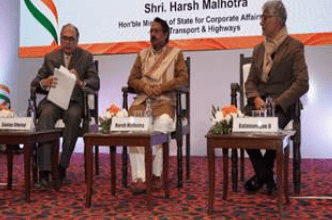
Over 100 PMIS Interns from Across India Proudly Participate in Republic Day Programme in Delhi, Interact with Minister of State for Corporate Affairs

As part of the Republic Day celebrations 2026, the Ministry of Corporate Affairs (MCA), Government of India, organised a three-day programme in New Delhi for over 100 interns selected under the Prime Minister Internship Scheme (PMIS). Interns currently working with leading companies across sectors are participating in national-level engagements, cultural exposure and interactions with senior leadership, including a special interaction on 25 January 2026 with the Minister of State for Corporate Affairs and Road Transport & Highways, Shri Harsh Malhotra.


Nationwide Representation from Leading Corporates

The participating interns represent diverse regions and academic backgrounds and are currently interning with top organisations such as:

  • IBM

  • Infosys

  • MRF

  • IDFC Bank

  • Wipro

  • Piramal Enterprises

  • And several other reputed firms

The programme reflects the national character of PMIS, bringing together youth from across the country onto a common platform.


Exposure Visits and Participation in Republic Day Parade

As part of the structured itinerary, the interns undertook guided visits to key national landmarks, including:

  • Pradhanmantri Sangrahalaya

  • Rajghat

They are also scheduled to attend the Republic Day Parade on 26 January at Kartavya Path, offering them a unique opportunity to witness the nation’s celebrations and connect more deeply with India’s democratic and constitutional values.


Interaction with Minister Highlights Role of Youth in Nation Building

During their interaction with Shri Harsh Malhotra, the interns shared their experiences, aspirations and feedback on the PMIS programme. The Minister underscored the transformative role of internships in shaping young careers and empowering the next generation.

He stated:

“India’s youth have a pivotal role to play in realising Prime Minister Shri Narendra Modi ji’s vision for Viksit Bharat @2047. PMIS is designed to open new opportunities and serve as a bridge between theoretical learning and practical experience, equipping young Indians with meaningful, on-ground exposure in leading companies.”

The Minister emphasized that early professional exposure is key to building confidence, adaptability and industry readiness among young graduates.


Intern Experiences Reflect Transformative Impact of PMIS

Several interns shared inspiring personal journeys that highlight the impact of the scheme:

  • Sarawan Kumar (Bihar), Sales Intern at Piramal Enterprises, described PMIS as a life-changing opportunity. An arts graduate working in loan processing, he said the programme opened doors he had never imagined.

    • He currently receives ₹5,000 per month under PMIS, along with an additional ₹9,500 monthly incentive from his company.

  • Himani Malhotra (Haryana), Application Development Intern at IBM, called the internship a turning point in her life. Selected for an opportunity in Karnataka, she embraced the experience despite geographical distance.

    • “This experience has shown me that with the right opportunity, distance is not a barrier,” she shared.

These stories underscore PMIS’s role in promoting social mobility, confidence and aspiration among youth.


Programme Strengthens National Perspective Among Interns

Beyond professional exposure, the programme is designed to broaden the interns’ worldview. By interacting with peers from diverse backgrounds and engaging in national-level activities, participants gain:

  • Greater cultural understanding

  • Enhanced confidence

  • Stronger sense of national belonging

  • A clearer vision for their future careers

Such holistic exposure contributes to shaping a generation of informed, capable and socially aware professionals.


About the Prime Minister Internship Scheme (PMIS)

The Prime Minister Internship Scheme (PMIS) is part of the Prime Minister’s package of five initiatives focused on:

  • Employment facilitation

  • Skill development

  • Enhancing youth opportunities over a five-year period

The scheme provides paid internships in leading companies across India, with the objective of:

  • Improving employability

  • Bridging the gap between education and industry

  • Providing real-world professional exposure

PMIS is designed as a structured pathway to prepare young Indians for the evolving demands of the modern workforce.


Conclusion

The participation of over 100 PMIS interns in the Republic Day programme reflects the Government’s strong commitment to youth empowerment, skill development and career readiness. Through meaningful exposure, high-level interactions and national engagement, the initiative strengthens the bridge between education and employment—helping nurture a confident generation ready to contribute to the vision of Viksit Bharat @2047.


For more real-time updates, visit Channel 6 Network.

Source: PIB
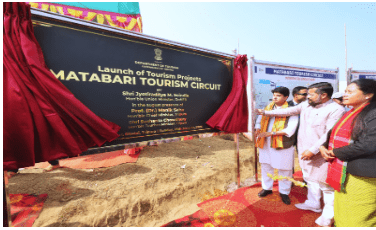
Jyotiraditya Scindia Lays Foundation Stone of Rs 450 Crore Matabari Tourism Circuit in Tripura; Announces ₹750 Crore Development Push

Union Minister for Development of North Eastern Region (DoNER) and Communications, Shri Jyotiraditya Scindia, laid the foundation stone of the ₹450 crore ‘Matabari Tourism Circuit’ at Narkel Kunja, Dumbur Lake, Tripura, on 25 January 2026, marking a major boost to the state’s tourism-led development. During his three-day visit to Tripura, the Union Minister announced development projects worth ₹750 crore, aimed at strengthening tourism, agarwood, infrastructure and livelihood opportunities. The programme was attended virtually by Chief Minister Dr Manik Saha, while Tourism Minister Shri Sushanta Chowdhury was present at the venue.


Matabari Tourism Circuit to Integrate Spirituality, Nature and Livelihoods

Addressing the gathering, Shri Scindia said that the Matabari Tourism Circuit will connect three iconic destinations:

  • Tripura Sundari Temple

  • Chabimura

  • Dumbur Lake

The project is being developed at a total cost of ₹450 crore, of which ₹276 crore is being contributed by the Ministry of DoNER. The circuit is designed to position Tripura prominently on the global map of spiritual tourism and eco-tourism.

Planned infrastructure under the project includes:

  • Floating jetties

  • Eco-friendly resorts

  • Modern tourist facilities

  • Immersive cultural experiences

  • Sustainable tourism infrastructure

These developments are expected to give the Dumbur region a distinct international tourism identity.


Tourism Circuit to Generate 4,000–5,000 Jobs with Strong Women Participation

Calling the initiative a historic moment for Tripura, the Union Minister said:

“Today, we have not merely laid stones; we have laid the foundation for future livelihoods.”

He stated that the Matabari Tourism Circuit is expected to generate 4,000 to 5,000 direct and indirect employment opportunities, with nearly 30% participation by women. The project will actively integrate:

  • Self-help groups (SHGs)

  • Local youth

  • Community-based tourism enterprises

The initiative will also focus on human resource development, including training of tour guides at premier institutions to ensure professional standards in tourism services.


Dumbur Lake: A Rare Confluence of Nature, Culture and Spirituality

Praising the natural beauty of Dumbur Lake, Shri Scindia described the region as a unique confluence of:

  • Tranquil waters

  • Verdant islands

  • Rich cultural heritage

  • Deep spiritual significance

He highlighted the warmth, simplicity and hospitality of the people of Tripura as the state’s greatest strength, noting that these qualities will play a vital role in establishing Tripura as a global tourism destination.

“Tripura is a treasure that must be showcased to the world,” he remarked.


Tripura’s Development Aligned with PM’s Vision of Developed Northeast and Act East Policy

The Union Minister stated that Tripura’s transformation reflects the Prime Minister’s vision of:

  • ‘Developed Northeast’

  • ‘Local to Global’

  • ‘Act East Policy’

He said Tripura is increasingly emerging as a gateway to Southeast Asia, and praised the leadership of Chief Minister Dr Manik Saha for ensuring strong Centre–State coordination, enabling the state to achieve accelerated development.


₹750 Crore Development Push During Three-Day Visit

The Matabari Tourism Circuit forms part of a broader development roadmap announced during Shri Scindia’s three-day visit:

  • Day 1:

    • Foundation stones and inaugurations for projects worth ₹220 crore

    • Projects across roads, healthcare, education and solar micro-grids

  • Day 2:

    • Foundation stone laid for ₹80 crore Agarwood Value Chain Development Project

    • Focus on enhancing farmer incomes and enabling direct linkage with international markets

  • Day 3:

    • Foundation stone laid for ₹450 crore Matabari Tourism Circuit

The Minister expressed confidence that Tripura will emerge as a self-reliant and economically vibrant state through focused growth in tourism, agarwood, bamboo and infrastructure.


‘Green Gold’: Bamboo to Strengthen Northeast’s Economy

Shri Scindia also announced that 22 projects have been approved to promote engineered bamboo in the Northeast, describing bamboo as “Green Gold”.

He said this initiative will:

  • Strengthen the regional economy

  • Promote environmentally sustainable development

  • Create new livelihood opportunities

  • Position the Northeast as a hub for bamboo-based industries


Conclusion

The ₹450 crore Matabari Tourism Circuit marks a transformative step in Tripura’s development journey. By integrating spirituality, ecology and livelihoods, the project is poised to reshape the state’s economic landscape. Coupled with investments in agarwood, infrastructure and sustainable industries, the ₹750 crore development push announced by Union Minister Jyotiraditya Scindia signals a decisive momentum towards making Tripura a model of inclusive growth, sustainable tourism and economic self-reliance in the Northeast.


For more real-time updates, visit Channel 6 Network.

Source: PIB
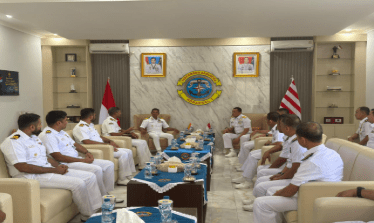
Indian Navy’s First Training Squadron Strengthens Maritime Bonds with Indonesia During Port Call at Belawan: 2026

The First Training Squadron (1TS) of the Indian Navy reinforced maritime cooperation and people-to-people ties with Indonesia during a three-day port call at Belawan, culminating in its departure on 23 January 2026. The visit aligns with India’s maritime vision of MAHASAGAR, strengthens engagement with Indonesia—a key member of the Indian Ocean Naval Symposium (IONS)—and advances the objectives of India’s Act East Policy.


Four Ships Participate in Engagements with Indonesian Navy

The deployment included the participation of:

  • INS Tir

  • INS Shardul

  • INS Sujata

  • ICGS Sarathi

Officers, trainees and crew from these ships engaged with their Indonesian Navy counterparts through a wide range of activities aimed at fostering mutual understanding and professional cooperation.


High-Level Interactions Deepen Maritime Cooperation

During the visit, Capt Tijo K Joseph, Senior Officer, 1TS, accompanied by the Commanding Officers of the squadron’s ships, met with Laksamana Muda (Rear Admiral) Deny Septiana, Commander of Naval Area Command I (Komando Kodaeral I) of the Indonesian Navy.

The interaction provided an opportunity to exchange views on:

  • Shared maritime interests

  • Regional maritime security

  • Naval cooperation and capacity building

  • Strengthening operational interoperability


Onboard Reception Strengthens Diplomatic and Professional Ties

An onboard reception was jointly hosted by the Senior Officer, 1TS, and the Consulate General of India in Medan. The event was attended by senior dignitaries from Komando Kodaeral I, with Kolonel Wirawan Aby P, Chief of Operations, gracing the occasion as the Chief Guest.

The reception facilitated meaningful dialogue, reinforced professional relationships, and strengthened goodwill between the Indian Navy and Indonesian Navy.


Professional Exchanges and Training Exposure for Naval Trainees

A key highlight of the visit was the exposure provided to Indian Naval trainees at various facilities of Komando Daerah Angkatan Laut I (Naval Regional Command I). These engagements offered valuable insights into:

  • Operational roles of the Indonesian Navy

  • Regional maritime responsibilities

  • Command functions and maritime infrastructure

Such exchanges enhance the training experience of young officers while deepening institutional understanding between the two navies.


Cultural Exchange, Sports and Yoga Foster Camaraderie

The visit also featured several people-centric engagements, including:

  • Friendly sports and games between Indian and Indonesian naval personnel

  • Joint yoga sessions promoting wellness and unity

  • Cultural exchanges strengthening bonds beyond professional interactions

These activities fostered a spirit of camaraderie and mutual respect between the two forces.


Ships Open to Students Inspire Young Minds

The visiting ships were opened to school children, who participated in guided tours of the vessels. The initiative received an overwhelming response, with students displaying visible excitement and curiosity.

The experience proved to be both educational and inspirational, helping young visitors gain insight into naval life and maritime service.


Strengthening Act East and Regional Maritime Stability

The deployment of 1TS underscores India’s commitment to:

  • Strengthening maritime friendships in Southeast Asia

  • Enhancing regional security cooperation

  • Promoting a stable, secure and collaborative maritime environment

  • Deepening engagement under the Act East Policy

It reflects the Indian Navy’s sustained efforts to build enduring partnerships across the Indo-Pacific.


Conclusion

The visit of the Indian Navy’s First Training Squadron to Belawan stands as a strong example of India’s proactive maritime diplomacy. Through high-level interactions, professional exchanges, cultural engagement and public outreach, the deployment not only enriched the training experience of Indian naval cadets but also strengthened the strategic partnership between India and Indonesia. The visit reaffirms India’s role as a responsible maritime partner committed to cooperation, stability and shared prosperity across the region.


For more real-time updates, visit Channel 6 Network.

Source: PIB
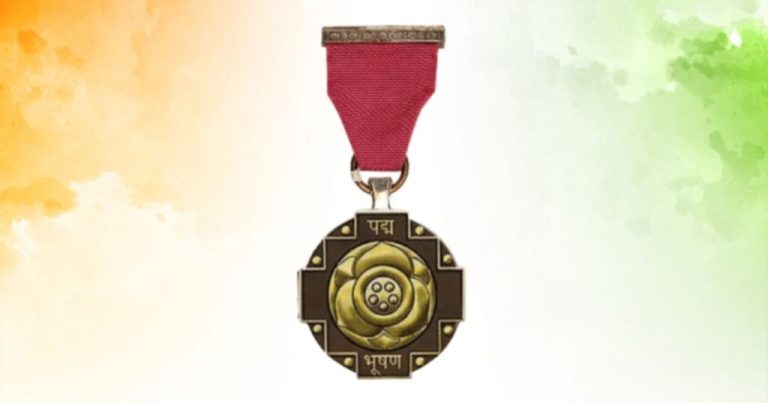
3 of 5 Padma Vibhushan Awards Go to Kerala as South Dominates Regional Share; Maharashtra Tops Among States

Kerala Emerges as Major Recipient of Padma Vibhushan Honours

Kerala has emerged as a prominent contributor to India’s highest civilian honours this year, with three out of the five Padma Vibhushan awards going to individuals from the state. The distribution reflects a strong regional presence of southern India in the Padma awards, underlining the region’s continued contribution to fields such as public service, arts, science, medicine and social work.

The Padma Vibhushan, India’s second-highest civilian award after the Bharat Ratna, is conferred for exceptional and distinguished service. With Kerala accounting for 60 percent of the Padma Vibhushan recipients this year, the state has drawn national attention for its representation at the highest level of civilian recognition.

Southern India Secures a Large Share of Top Civilian Honours

The latest Padma awards list indicates a significant concentration of top honours in southern India. Out of the five Padma Vibhushan awards announced, three have gone to Kerala, reinforcing the region’s influence across diverse professional domains.

Analysts note that southern states have consistently featured prominently in recent years, reflecting sustained excellence in education, healthcare, culture, scientific research and public administration. The current distribution further strengthens the perception that the southern region continues to play a vital role in shaping India’s intellectual and cultural landscape.

Officials associated with the awards process stated that regional representation varies each year based on merit and contribution, and the latest list reflects the depth of talent emerging from southern India.

Maharashtra Leads Among States in Overall Padma Awards

While Kerala dominated the Padma Vibhushan category, Maharashtra emerged as the leading state in terms of the total number of Padma award recipients across all categories. The state recorded the highest overall tally, reflecting its broad contribution to sectors such as industry, arts, social service, science, literature and public life.

Maharashtra’s consistent performance in the Padma honours list is often attributed to its large and diverse population, strong institutional base, and long-standing role as a cultural, economic and educational hub. From Mumbai’s creative industries to the state’s contribution in public policy and social reform, Maharashtra’s representation continues to remain significant.

Officials noted that Maharashtra’s lead among states underscores its wide-ranging impact rather than dominance in any single award category.

Understanding the Padma Awards Structure

The Padma awards are among India’s most prestigious civilian honours and are announced annually on the eve of Republic Day. They are conferred in three categories: Padma Vibhushan for exceptional and distinguished service, Padma Bhushan for distinguished service of a high order, and Padma Shri for distinguished service in various fields.

This year’s Padma Vibhushan list was relatively small, with only five recipients, making the regional distribution more noticeable. With three recipients from Kerala, the state’s representation stands out even more sharply.

The awards cover a wide spectrum of fields, including art, social work, public affairs, science and engineering, trade and industry, medicine, literature and education, sports, and civil service.

Regional Patterns and Merit-Based Selection

The concentration of Padma Vibhushan awards in Kerala has sparked discussion about regional patterns in civilian honours. However, officials involved in the selection process have reiterated that the awards are strictly merit-based and not governed by regional quotas.

Experts point out that states like Kerala have historically invested heavily in education, healthcare and social development, which may translate into a higher number of individuals achieving national and international recognition.

Similarly, Maharashtra’s leadership in total awards is seen as a reflection of its demographic scale and institutional diversity rather than preferential treatment.

Significance of Kerala’s Representation

Kerala’s strong presence in the Padma Vibhushan category highlights the state’s contributions at the highest level of national service. The recipients from Kerala are believed to represent a range of disciplines, showcasing the state’s intellectual depth and commitment to public welfare.

Observers note that Kerala’s emphasis on human development indicators such as literacy, healthcare access and social equity has created an environment conducive to excellence. The recognition of individuals from the state at the Padma Vibhushan level reinforces its reputation as a leader in social progress and knowledge-driven development.

Maharashtra’s Broad-Based Contributions

Maharashtra’s position as the top state in overall Padma awards reflects its role as a national powerhouse across multiple sectors. The state has historically produced influential figures in arts, cinema, industry, education, social reform and governance.

With a strong urban-rural mix and institutions of national importance, Maharashtra continues to nurture talent that makes a mark at the national level. The state’s leadership in the total awards tally is seen as a continuation of this long-standing trend.

National Spread of Padma Awardees

Beyond Kerala and Maharashtra, the Padma awards list also reflects a broad national spread, with recipients from multiple states and union territories. This diversity aligns with the objective of the Padma honours, which aim to recognise excellence from across the country, cutting across geography, profession and background.

Officials emphasised that the awards seek to highlight unsung heroes as well as widely known figures, ensuring that contributions from different regions and communities receive due recognition.

Public and Expert Reactions

The announcement of the Padma awards has generated widespread discussion among academics, cultural commentators and the general public. Many have welcomed the strong representation from southern India, describing it as a reflection of consistent investment in human capital.

At the same time, Maharashtra’s leading position among states has been cited as evidence of its continued relevance and influence in national life. Experts argue that such distributions should be viewed as a snapshot of excellence in a given year rather than a fixed regional trend.

Celebrating Excellence Across Regions

The allocation of three out of five Padma Vibhushan awards to Kerala and Maharashtra’s leadership in the overall Padma honours list together highlight the diverse sources of excellence across India. While southern India has secured a strong share of the highest civilian awards this year, the broader list underscores the nationwide spread of talent and service.

As the Padma awards continue to honour distinguished contributions, the latest distribution reinforces the idea that excellence transcends regional boundaries, reflecting India’s rich and varied human capital.

Read More: https://channel6network.com/voter-list-issues-will-resolve-epic-card-issue/

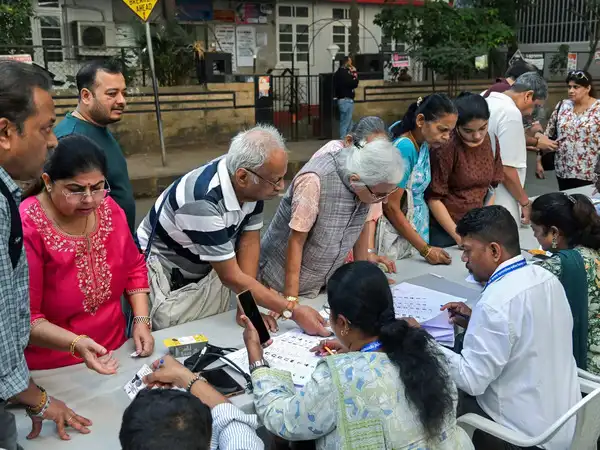
Voter List Issues Will Be Resolved, EPIC Cards to Be Issued Within 15 Days: Maharashtra Chief Electoral Officer

Chief Electoral Officer Assures Swift Action on Voter List Concerns

Amid growing political debate and public concern over discrepancies in electoral rolls, Maharashtra Chief Electoral Officer (CEO) has assured that all genuine issues related to the voters list will be resolved in a time-bound manner. Addressing the matter, the CEO stated that eligible voters will receive their Elector Photo Identity Cards (EPIC) within 15 days of completing the required verification process.

The assurance comes at a time when multiple political parties have raised questions about omissions, duplications and incorrect entries in voter lists, particularly during ongoing revision exercises. Election officials have reiterated that maintaining the accuracy and integrity of electoral rolls remains a top priority.

EPIC Cards to Be Issued Within 15 Days

The Chief Electoral Officer clarified that once a voter’s application is verified and approved, the EPIC card will be issued within a maximum period of 15 days. This applies to new voters as well as those seeking corrections or updates in their personal details.

“The system has been streamlined to ensure faster processing. Once verification is complete, voters should expect their ID cards within 15 days,” the CEO said, emphasising that delays seen in the past are being addressed through better coordination and digitisation.

Officials noted that the issuance timeline has improved significantly due to online application systems and closer monitoring at the district and assembly constituency levels.

Steps to Address Errors and Complaints

Election authorities have acknowledged that issues such as missing names, spelling errors, incorrect addresses and duplicate entries can arise during large-scale voter list revisions. To tackle these concerns, special mechanisms have been put in place at the booth, ward and district levels.

The CEO stated that voters can submit complaints and correction requests through both online portals and offline forms. Booth Level Officers (BLOs) have been instructed to conduct field verification wherever required to ensure that genuine voters are not excluded from the rolls.

“Every complaint is being taken seriously. No eligible voter should be deprived of their right to vote due to technical or clerical errors,” the CEO said.

Focus on Transparency and Verification

The Election Commission has intensified verification processes to improve transparency and accuracy. Officials said that data is being cross-checked with supporting documents such as Aadhaar, ration cards and other government-issued identification, while ensuring compliance with existing electoral rules.

Special attention is being given to cases of duplicate entries, particularly where voters may have migrated or applied for registration in more than one place. The CEO stressed that the objective is not exclusion, but correction and cleansing of the rolls.

“Verification is meant to strengthen democracy, not weaken it. Genuine voters will be protected,” the official added.

Political Concerns and Public Reassurance

The CEO’s statement comes against the backdrop of heightened political scrutiny of electoral rolls, with opposition parties alleging irregularities and demanding greater oversight. While election officials have maintained neutrality, they have also sought to reassure citizens that corrective mechanisms are available and effective.

Officials pointed out that voter list revision is a continuous process, and errors can be rectified at multiple stages before elections. They urged voters to check their details regularly and report discrepancies at the earliest.

Digital Platforms and Citizen Participation

Authorities highlighted the role of digital platforms in simplifying voter services. Through online systems, citizens can apply for new registration, corrections, deletions or transposition without visiting election offices repeatedly.

The CEO encouraged voters, especially first-time voters and those who have recently shifted residences, to use these platforms to ensure their names appear correctly on the rolls. Awareness campaigns are also being conducted to educate voters about timelines and procedures.

Election officials said increased citizen participation helps improve the overall quality of electoral rolls and reduces last-minute disputes.

Special Drive for New and Young Voters

As part of broader efforts to strengthen democratic participation, the Election Commission has intensified enrolment drives targeting young voters who have recently turned 18. Colleges, educational institutions and urban residential areas are being covered under special campaigns.

Officials said that a large number of applications from first-time voters have already been received, and most of these are being processed within the promised timeframe. The assurance of receiving an EPIC card within 15 days is expected to encourage more young citizens to register.

Administrative Readiness Ahead of Polls

With elections approaching in the state, election authorities are working to ensure that the final electoral rolls are error-free and inclusive. District election officers have been asked to regularly review pending applications and complaints to avoid backlogs.

The CEO stated that regular audits and reviews are being conducted to monitor progress. Any delays or lapses at the local level will be addressed through administrative action, if necessary.

Importance of Accurate Electoral Rolls

Experts note that accurate voter lists are fundamental to free and fair elections. Errors can lead to voter disenfranchisement, disputes on polling day and erosion of public trust in the electoral process.

By committing to resolve voter list issues and promising faster issuance of EPIC cards, election authorities aim to reinforce confidence among voters and political stakeholders alike.

Assurance of Timely Resolution

The Maharashtra Chief Electoral Officer’s assurance signals a proactive approach to addressing voter list concerns at a critical time. With a clear timeline of 15 days for issuing voter ID cards and strengthened verification mechanisms, authorities are seeking to balance accuracy with inclusivity.

Voters have been urged to remain vigilant, verify their details and report discrepancies promptly. As the state moves closer to elections, the focus remains firmly on ensuring that every eligible citizen can exercise their democratic right without hindrance.

Read More: https://channel6network.com/maharashtra-procurement-support-farmers/

To Support Farmers Maharashtra Approves Procurement of 3.37 Lakh Metric Tonnes of Tur at ₹2,696 Crore to Support Farmers

State Government Clears Large-Scale Tur Procurement Plan

The Maharashtra government has approved the procurement of 3.37 lakh metric tonnes of tur (pigeon pea) at a total cost of ₹2,696 crore, marking a significant intervention aimed at protecting farmers from falling market prices and ensuring fair remuneration for their produce. The decision is expected to provide relief to tur growers across key pulse-producing districts of the state, where arrivals have increased sharply following the harvest season.

Officials said the procurement will be carried out under the Minimum Support Price mechanism to prevent distress sales and stabilise prices in the open market. Tur is one of the most important pulse crops in Maharashtra, and the state remains among the top producers of the crop in India.

Procurement at MSP to Safeguard Farmer Interests

According to government officials, the procurement will be undertaken at the Minimum Support Price declared by the central government for the current marketing season. The MSP for tur has been fixed at ₹7,550 per quintal, and the approved procurement volume of 3.37 lakh metric tonnes translates to a total financial outlay of ₹2,696 crore.

The move comes amid concerns that market prices in several mandis had slipped below the MSP due to increased arrivals and limited private buying. By stepping in with large-scale procurement, the state aims to ensure that farmers receive assured prices and are not forced to sell their produce at a loss.

Officials stated that the procurement decision was taken after reviewing ground-level reports from agricultural departments and district administrations, which indicated mounting pressure on tur prices in major producing belts.

Key Producing Regions to Benefit

The procurement drive is expected to benefit farmers in tur-growing regions such as Marathwada, Vidarbha and parts of Western Maharashtra. Districts including Latur, Beed, Osmanabad, Nanded, Yavatmal and Amravati account for a substantial share of the state’s tur production and have witnessed significant arrivals this season.

Agriculture officials noted that procurement centres will be set up in major mandis to facilitate smooth purchase operations. Farmers will be required to register themselves and bring their produce to designated centres, where quality checks will be conducted before procurement.

The government has also directed agencies involved in procurement to ensure timely payments to farmers, with the aim of crediting the amount directly to their bank accounts within a stipulated period.

Financial Implications and Budgetary Planning

The ₹2,696 crore procurement plan represents a substantial fiscal commitment by the Maharashtra government. Officials indicated that the expenditure has been approved after assessing budgetary provisions and the availability of funds under agricultural support schemes.

The procurement is expected to be executed through designated state agencies and cooperatives, working in coordination with central agencies involved in pulse procurement. The government has emphasised the need for efficient storage and logistics management to handle the large volume of tur being procured.

Warehousing capacity, transport arrangements and timely lifting of stock will be critical to avoid spoilage and additional costs, officials added.

Addressing Market Volatility in Pulses

Tur prices are known to be volatile due to factors such as fluctuating production, changes in domestic demand, and international market dynamics. In recent years, farmers have often faced uncertainty as prices dipped below MSP during peak arrival periods.

By approving a sizeable procurement quantity, the state government aims to send a strong signal to the market and curb excessive price declines. Agriculture experts say such interventions help create a price floor and discourage speculative trading that can hurt farmer incomes.

Officials also pointed out that maintaining adequate buffer stocks of pulses is important for food security and price stability, particularly given the role of tur as a staple protein source in Indian diets.

Farmer Bodies Welcome the Decision

Farmer organisations and cooperative leaders have welcomed the procurement approval, describing it as a timely step to support growers. Representatives of farmer groups said that many tur cultivators were worried about declining prices and rising input costs, including seeds, fertilisers and labour.

They noted that assured procurement at MSP would help farmers recover production costs and reduce dependence on private traders, who often offer lower prices during periods of surplus supply.

However, farmer leaders also stressed the importance of transparent procurement processes, adequate procurement centres and quick payment mechanisms to ensure that the benefits reach farmers without delays.

Operational Challenges and Government Preparedness

While the procurement decision has been broadly welcomed, officials acknowledged that implementing such a large-scale operation poses logistical challenges. Ensuring quality standards, preventing overcrowding at procurement centres and managing storage capacity will require close coordination among multiple departments.

The government has instructed district collectors and agriculture officers to closely monitor procurement operations and resolve issues faced by farmers at the local level. Special emphasis has been placed on preventing irregularities and ensuring that only eligible farmers benefit from the scheme.

Digital registration systems and real-time monitoring are expected to play a key role in streamlining the procurement process.

Role of Pulses in Maharashtra’s Agricultural Economy

Tur occupies a significant place in Maharashtra’s agricultural landscape, both in terms of acreage and farmer livelihoods. The crop is primarily rain-fed and is cultivated by small and marginal farmers, making price support mechanisms especially crucial.

Maharashtra contributes a substantial share to India’s total tur production, and fluctuations in the state’s output often have a direct impact on national prices. As a result, procurement decisions taken by the state government can influence broader market trends.

Officials said the current procurement plan aligns with the state’s broader strategy to promote pulse cultivation, enhance farmer incomes and reduce import dependence.

Looking Ahead: Strengthening Price Support Systems

The approval of tur procurement worth ₹2,696 crore highlights the government’s continued reliance on MSP-backed interventions to support farmers during periods of market stress. Policymakers are also exploring long-term measures such as improving storage infrastructure, encouraging value addition and promoting crop diversification to reduce overdependence on procurement.

Agriculture department officials stated that lessons learned from this procurement exercise would help improve future operations and ensure better coordination between state and central agencies.

As procurement begins across mandis, the focus will remain on smooth implementation, timely payments and effective market stabilisation, with the aim of safeguarding farmer interests while maintaining fiscal discipline.

Read More: https://channel6network.com/kem-hospital-controversy-shiv-sena-questions/