Friday, April 24, 2026
Home Blog Page 78

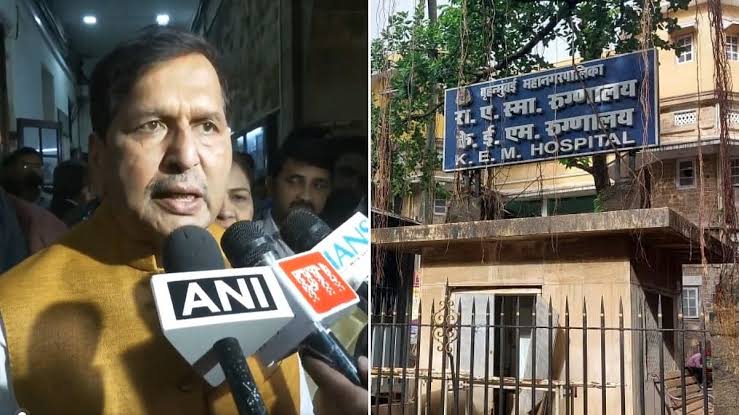
KEM Hospital Controversy Deepens as Shiv Sena UBT Questions Minister’s Call to Drop ‘King Edward’

Controversy Erupts Over Suggestion to Remove ‘King Edward’ From KEM Hospital Name

A political controversy has erupted in Maharashtra after a state minister’s remarks proposing the removal of the reference to “King Edward” from the name of Mumbai’s iconic King Edward Memorial (KEM) Hospital ignited sharp criticism from the Shiv Sena (Uddhav Balasaheb Thackeray faction), commonly referred to as Shiv Sena UBT. The proposal, made during centenary celebrations of the hospital and the adjoining Seth Gordhandas Sunderdas Medical College, stirred debate over priorities in public healthcare and raised questions about the intersection of history, identity and contemporary governance.

Mangal Prabhat Lodha, Maharashtra’s Minister for Skill Development, Employment, Entrepreneurship and Innovation, had suggested that the Brihanmumbai Municipal Corporation (BMC) consider reviewing the hospital’s name on the basis that “King Edward” reflects colonial legacy without direct relevance to modern India. He argued that the identity of a prestigious public healthcare institution should be shaped by its work and contribution to society rather than historical symbols linked to British rule.

Minister’s Argument on Colonial Legacy and Institutional Identity

Speaking at the centenary event, Lodha highlighted that although India has celebrated decades of independence, remnants of colonial influence remain visible in names of some public institutions. He posited that dropping the term “King Edward” would align the hospital’s identity more closely with its service to the community and present-day Indian values. The minister also drew attention to the association with Seth Gordhandas Sunderdas Medical College, suggesting that identifying the hospital more strongly with the college’s name might be more appropriate.

Lodha also used the occasion to speak about broader themes such as improving patient care, integrating advanced communication systems, and facilitating access to state and central government health schemes through enhanced digital platforms. However, the focus of his remarks on the hospital’s name quickly captured public and political attention, sparking debate on whether symbolic changes should overshadow immediate healthcare challenges.
KEM hospital controversy
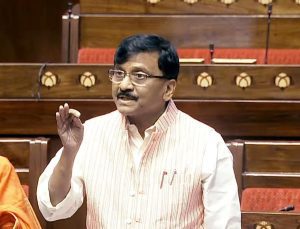
Shiv Sena (UBT) MP Sanjay Raut objected to Maharashtra Minister Mangal Prabhat Lodha’s call for the removal of “King Edward” from the name of King Edward Memorial (KEM) Hospital, describing it as a symbol of slavery.

Shiv Sena UBT Voices Strong Opposition

Expressing strong disapproval, Shiv Sena UBT leaders criticised the minister’s suggestion, asserting that renaming a century-old medical institution is a distraction from more pressing issues in the healthcare sector. Arvind Sawant, Member of Parliament representing the Shiv Sena (UBT), argued that instead of focusing on changing a historical name, the government should prioritise tangible improvements in medical infrastructure, availability of medicines, staff recruitment and overall patient services.

Sawant emphasised that institutions such as KEM Hospital are renowned for their legacy of service and should be defined by their contribution to public health rather than nomenclature. He urged the government to concentrate on fulfilling the needs of patients and supporting doctors, instead of engaging in debates over nomenclature that do little to address functional challenges faced by frontline healthcare workers and citizens.

Healthcare Priorities and Legacy Recognition

Critics of the minister’s proposal have also pointed out that KEM Hospital — which has served millions of patients over its 100-year history — carries a name with global recognition. Senior medical professionals have highlighted that the abbreviation “KEM” has become synonymous with quality public healthcare and that alumni and medical professionals worldwide identify strongly with this name. They argue that abruptly changing the name could dilute the institution’s identity and disconnect it from decades of medical practice and research.

Meanwhile, analyses of public health data show that KEM Hospital and Seth Gordhandas Sunderdas Medical College continue to face critical gaps in human resources and infrastructure. According to research from civic organisations, a significant proportion of sanctioned positions are currently vacant, highlighting systemic issues that many believe should be the primary focus of policymakers rather than debates about colonial legacies embedded in institutional names.

Broader Political Reactions and Ironies Highlighted

Beyond the UBT’s immediate rejection of the name change proposal, some political figures have turned the debate toward broader questions of consistency in policy and rhetoric. Shiv Sena UBT leader Sanjay Raut, for example, underscored the apparent contradiction between Lodha’s call to remove colonial names and his own association with real estate projects bearing foreign names. In public comments, Raut pointed to a residential project developed by the minister’s group that includes the name of the former United States President in its branding, questioning whether such foreign references should also be reconsidered if colonial legacy is the criterion for renaming.

This line of argument reflects the multifaceted nature of the controversy, where questions of historical symbolism intersect with contemporary debates about economic collaboration, global branding and cultural identity. It also demonstrates how a single proposal can catalyse wider discussions about political priorities, consistency in public messaging and the symbolic role of names in civic life.

Historical Significance of KEM Hospital and Considerations for Change

King Edward Memorial Hospital, founded in 1926, stands as one of Mumbai’s oldest and most prestigious public health institutions. Established during the British colonial era with a mandate to serve the healthcare needs of the working-class population, it has grown into a comprehensive medical facility and a key teaching hospital in partnership with the adjacent Seth Gordhandas Sunderdas Medical College.

Proponents of retaining the institution’s name argue that it represents not only a historic legacy but also a narrative of resilience and public service that transcends colonial origins. They maintain that the hospital’s contribution to medical education, research and community health is far more significant than any inherent symbolism in its original name. Opponents of the renaming proposal have warned that altering historic names may set a precedent that could overshadow the functional role of public services and divert attention from urgent governance needs.

Policy Implications and the Role of Civic Authorities

While the minister’s suggestion generated political heat, the final decision on whether to rename the hospital rests with the Brihanmumbai Municipal Corporation (BMC), which administers the civic hospital. Local authorities have acknowledged the debate and indicated that any formal proposal would need to follow statutory procedures, public consultations and review of historical documentation before implementation. This process, observers note, could take weeks or months, offering a platform for broader public discourse on heritage, identity and civic priorities.

The ongoing discussions also reflect a wider national conversation about how institutions established during the colonial era should be contextualised in modern India. Some argue that renaming is part of reclaiming indigenous identity and affirming cultural autonomy, while others stress that functional challenges and public welfare should take precedence over symbolic changes.

Public Health and Symbolic Debate: Balancing Priorities

As the centenary celebrations of KEM Hospital proceed, the controversy over its name has brought renewed attention to the institution’s achievements and challenges. Public health advocates continue to emphasise the need for improved medical infrastructure, recruitment of healthcare professionals and enhancement of patient services — areas that are often cited as critical for strengthening public health outcomes in urban centres like Mumbai.

At the same time, the debate has galvanised discussions about the role of historical symbols in shaping civic identity and how society honours its past while pursuing inclusive and forward-looking governance. Whether the name of a century-old hospital should change is ultimately a question that intertwines cultural memory with practical governance, prompting a deeper examination of how public institutions reflect collective values.

A Debate Beyond Names

The political row over the proposed removal of “King Edward” from KEM Hospital’s name highlights a broader tension between symbolic gestures and substantive public policy priorities. As Shiv Sena UBT and other stakeholders challenge the suggestion, the focus on healthcare delivery, historical legacy and public welfare will remain central to ongoing discussions. The outcome of this debate could shape not only the identity of a historic institution but also how civic authorities balance heritage considerations with the pressing needs of patients, practitioners and the community at large.

Read More: https://channel6network.com/maharashtra-bjp-leader-gets-sir-notice/
SIR Notice Triggers Uproar as Maharashtra BJP Leader’s Name Surfaces in West Bengal Voter List

Electoral Roll Discrepancy Sparks Controversy

A political dispute has erupted in West Bengal’s Birbhum district after the name of a Bharatiya Janata Party (BJP) district council candidate from Maharashtra appeared on the voter list of Ward No. 12 in Dubrajpur Municipality, officials confirmed on Sunday. The unusual listing was revealed during the ongoing Special Intensive Revision (SIR) of electoral rolls, leading to the issuance of a hearing notice to the Maharashtra BJP leader and drawing sharp criticism from rival political parties. The incident has not only raised questions about the integrity of the voter list but also fuelled accusations of attempts to manipulate electoral rolls ahead of the 2026 West Bengal Assembly elections.

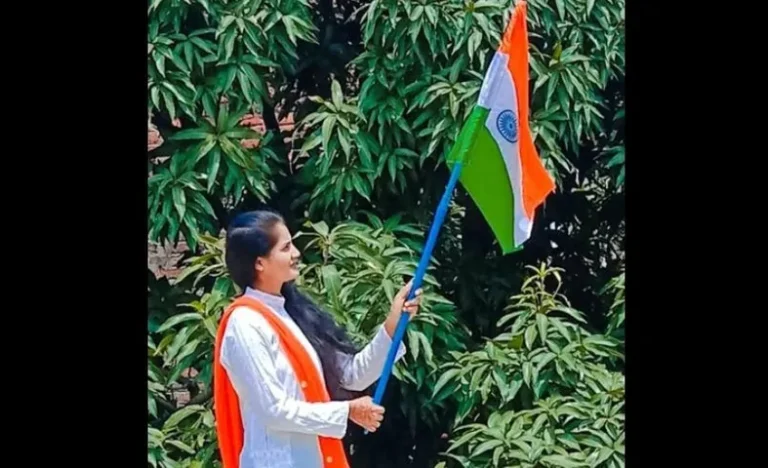
The BJP leader at the centre of the controversy is Ujjwala Burungle, who hails from Nashik, Maharashtra, and is already registered as a voter there. She contested the 2026 district council elections in Maharashtra as a BJP candidate, yet her name was found on West Bengal’s 2025 voter list, prompting officials to flag the entry and issue a Special Intensive Revision (SIR) hearing notice to clarify the discrepancy.

Background on the Special Intensive Revision (SIR) Process

The Special Intensive Revision is an extensive exercise carried out by the Election Commission of India (ECI) to update and verify electoral rolls across states ahead of elections. The process requires voters to submit enumeration forms and relevant documentation to confirm their eligibility. Discrepancies discovered during this process can trigger hearing notices, after which authorities determine whether the entries should remain or be removed from the final electoral list.

Burungle reportedly submitted an enumeration form during the SIR exercise in West Bengal, after which officials identified inconsistencies in her voter registration details. This led to her being summoned for a hearing to explain the dual registration and justify her presence on the electoral roll of a state where she is not ordinarily resident.

Details of the Voter List Discrepancy

According to district election officials, Burungle’s name appears on the voter list of Ward No. 12 of Dubrajpur Municipality, a locality in Birbhum district where she is not believed to ordinarily reside. Her existing registration as a voter in Nashik, Maharashtra, where she contested local elections, makes the dual appearance on the list unusual and potentially against electoral rules that permit voter enrolment in only one state at a time.

The controversy has drawn attention because it involves the electoral process in a politically charged environment, with West Bengal preparing for its Assembly elections later this year. Political parties are particularly sensitive to changes in voter rolls, and anomalies can quickly become points of partisan conflict.

Political Reactions and Accusations

The ruling Trinamool Congress (TMC) in West Bengal has seized upon the discovery to level serious allegations against the BJP. Party leaders allege that the incident substantiates their long-standing claim that fake or ineligible names are being added to the voter list to influence electoral outcomes in favour of the BJP. They argue that this practice, if substantiated, could undermine the fairness of the electoral process and tilt the balance in closely contested Assembly seats.

In a social media post, TMC leaders reiterated earlier warnings made by Chief Minister Mamata Banerjee about fraudulent voter entries. They have suggested that the inclusion of Burungle’s name in the West Bengal rolls is evidence of organized efforts to manipulate the voter list ahead of the elections, asserting that it reflects a broader pattern rather than an isolated error. The party called for immediate action by the Election Commission to investigate and address the issue comprehensively.

“These listings are not mistakes; they are deliberate attempts to tilt the democratic process,” said a TMC spokesperson, while insisting that the party will pursue the matter vigorously through formal complaints and legal channels.

BJP Response and Call for Investigation

The BJP, meanwhile, has rejected assertions of wrongdoing and called for an impartial probe into the matter. Anup Saha, the BJP MLA from the Dubrajpur Assembly constituency, stated that the Election Commission would examine how Burungle’s name appeared on two separate voter lists. He emphasised that discrepancies in voter rolls must be investigated transparently to uphold the credibility of the electoral process.

Saha noted that dual registration could result from administrative oversights or record mismatches, which the poll panel is well equipped to investigate and rectify if needed. He assured that the BJP would cooperate fully with electoral authorities to resolve the issue but cautioned against premature allegations that could damage democratic norms.

Possible Administrative Causes of Dual Enrollment

While political reactions have dominated the narrative, electoral experts and officials have noted that such anomalies can sometimes arise due to procedural errors. During the SIR, voters are required to submit identity and address verification documents. If duplicates or overlapping information is inadvertently accepted at different locations, it can result in a person’s name appearing on the electoral rolls of more than one state.

In this instance, sources familiar with the SIR process suggest that Burungle’s connection to West Bengal might have originated from long-term residence in the region. Public reports indicate that her husband, Appa Shankar Burungle, reportedly moved to Dubrajpur around 17 years ago for business reasons, which may have facilitated her entry into the local voter list during the revision exercise. However, this connection — if properly documented — will be scrutinised by electoral authorities as part of the hearing.

Nevertheless, the verification and hearing process will determine whether such claims are valid or whether there was an irregularity in how her name was captured in the voter list. The SIR hearing notice gives Burungle an opportunity to present evidence and clarify her voter status before any final decisions are made.

Implications for Electoral Integrity and Public Trust

The incident has reignited debates about the integrity of electoral rolls and the importance of accurate voter registration. Political analysts observe that while isolated cases of voter list discrepancies are not uncommon, they can become politically charged when they intersect with high-stakes elections. Ensuring that eligible voters are neither unjustly removed nor incorrectly added to voter lists is fundamental to maintaining public confidence in democratic processes.

Critics of the SIR process have previously raised concerns about its implementation, arguing that errors can occur due to administrative confusion or lack of clarity among officials and voters alike. At the same time, supporters of the exercise contend that SIR is essential for cleansing outdated or inaccurate electoral rolls and preventing fraud, though it must be executed with transparency and fairness.

Role of the Election Commission and Next Steps

The Election Commission of India plays a central role in administering the SIR and addressing any voter list discrepancies identified during the process. In cases like this, the Commission is expected to review evidence presented at hearings, cross-verify documentation, and determine whether names on the list should be confirmed, amended or removed.

Following the hearing notice issued to Burungle, the Election Commission will assess whether her name rightfully belongs on the West Bengal electoral list or if it should be struck off due to improper registration. The outcome will set an important precedent for how inter-state voter list anomalies are handled in future SIR exercises.

The broader SIR exercise continues across West Bengal ahead of the Assembly polls, with stringent verification steps in place. Officials have emphasised that only voters who provide valid identity documents and satisfy eligibility criteria will be included in the final voter list.

Balancing Administrative Accuracy and Political Sensitivity

The case of a Maharashtra BJP leader’s name appearing on a West Bengal voter list highlights the complex interplay between administrative procedures and political perceptions. As the hearing process unfolds, electoral authorities are tasked with discerning fact from speculation while upholding the principles of transparent and fair voter registration. Public confidence in elections depends on robust electoral roll management, particularly in the context of high-stakes state elections, making accurate and accountable implementation of processes like SIR more critical than ever.

Read More: https://channel6network.com/republic-day-2026-maharashtra-police-awarded/

Republic Day 2026: 75 Maharashtra Police Personnel Awarded Gallantry and Service Medals, Including 31 from Maoist-Affected Gadchiroli

Maharashtra Honours Its Bravest on Republic Day

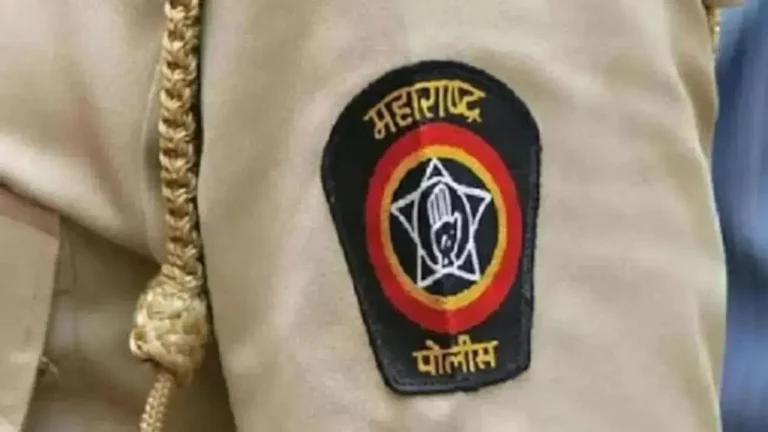
On Republic Day 2026, a total of 75 personnel from the Maharashtra Police were awarded gallantry and service medals by the Government of India, acknowledging their courage, dedication and distinguished service to the nation. Among the recipients were 31 officers from the Maoist-affected Gadchiroli district — many of whom were honoured for their valour in combating Left Wing Extremism. Two of the Gadchiroli awardees received recognition posthumously after making the ultimate sacrifice in the line of duty. The awards form part of a nationwide list of 982 police, fire service, home guard, civil defence and correctional service personnel selected for gallantry and service medals ahead of Republic Day celebrations.

Gallantry Medals for Exceptional Courage

Gallantry medals are conferred on personnel who exhibit rare and conspicuous bravery, including saving life and property, preventing crime, or arresting criminals while facing significant personal risk. Among the Maharashtra recipients were frontline officers and constables who operated in highly challenging environments, particularly in Naxal-affected regions of Gadchiroli district.

Of the 31 awardees from Gadchiroli, two personnel were honoured posthumously: Naik Constable Bitaji Veladi and Constable Kare Irpa Atram, both of whom laid down their lives while combating Maoist insurgents. Their sacrifice underscores the dangers faced by security forces working in difficult and high-risk terrains to ensure the safety of civilians and uphold state authority.

Several other Maharashtra police personnel were also recognised for gallantry, including Constable Mohan Lachhu Usendi, who received a gallantry medal with one bar, indicating repeated acts of exceptional courage. Assistant Inspector Amol Phadtare and Assistant Sub-Inspector Wasudeo Madavi were among those honoured, highlighting the broad representation of ranks recognised for valour in services.

President’s Medals for Distinguished Service

In addition to gallantry recognitions, Maharashtra Police officers received prestigious service medals for long and distinguished careers. The President’s Medal for Distinguished Service is awarded to those with an exceptional and sustained record of performance and commitment.

Among the awardees in this category were Additional Commissioner of Police Mahesh Udaji Patil, Deputy Commissioner of Police Balkrishna Motiram Yadav, Assistant Commissioner of Police Cyrus Boman Irani and Assistant Commissioner Vitthal Khanduji Kubade. Their careers reflect leadership, professionalism and dedication to public safety and policing excellence in varied assignments across the state.

These medals honour sustained excellence and professional achievement, recognising officers whose work has had a significant impact on policing effectiveness and service delivery over many years.

Medals for Meritorious Service and Broader Recognition

Beyond gallantry and distinguished service, many officers and personnel were also recognised with medals for meritorious service. These awards are given for valuable contributions marked by resource, dedication and consistent devotion to duty. The nationwide list announced by the Union Home Ministry includes 756 recipients of the Medal for Meritorious Service across police, fire service, home guard and civil defence units.

While official documentation for Maharashtra’s meritorious service awardees was part of the broader economic and administrative rollout, the prominence of state police personnel across all categories highlights the capacity of the Maharashtra Police to excel in diverse operational and administrative settings.

Maharashtra’s Role in National Gallantry Awards

The Republic Day 2026 honours underscored Maharashtra’s significant contribution to national security and internal peacekeeping. Out of the 125 gallantry medals awarded nationwide, Maharashtra Police personnel accounted for 31 — the second-highest tally among state forces, behind Jammu and Kashmir Police, which received 33 gallantry awards. Other states and union territories also featured among gallantry medal recipients, with personnel from Uttar Pradesh and Delhi also recognised for courage in the line of duty.

This year’s gallantry awards highlighted operational theatres across the country, with the Jammu and Kashmir region receiving the most gallantry medals, followed by those deployed in Left Wing Extremism-affected areas, including Gadchiroli, and select recipients in the North East. These recognitions demonstrate the varied security challenges faced by law enforcement agencies and the bravery required to address them effectively.

Union Home Ministry’s Nationwide Recognition Scheme

The Republic Day honours list published by the Union Home Ministry comprises 982 personnel from police, fire services, home guard and civil defence units, alongside correctional service personnel. The awards include 125 gallantry medals, 101 President’s Medals for Distinguished Service and 756 Medals for Meritorious Service. These recognitions form part of an annual tradition to acknowledge the commitment and sacrifice of officers and personnel who serve the nation in various capacities.

Gallantry medals, in particular, are conferred on those whose actions involved significant personal risk, including confronting armed adversaries, rescuing persons in perilous situations, and preventing large-scale harm to life and property. The President’s Medal for Distinguished Service honours long careers marked by exceptional performance and leadership, while the Medal for Meritorious Service recognises consistent excellence and insight over time.

Voices of Honour and Recognition

Though official statements accompanying the award lists often do not detail individual actions beyond rank and medal type, the inclusion of personnel from Gadchiroli attests to the intensity and complexity of security challenges in states affected by insurgency and extremism. The courage displayed by officers in these regions has been acknowledged at the highest levels, with their names included in the Republic Day honours alongside those from urban and rural policing formations.

Additional senior leaders from Maharashtra Police recognised for distinguished service play critical roles in modernising policing infrastructure, implementing technological initiatives and improving coordination between units. Their contributions help shape strategic developments in citizen safety, emergency response and crime prevention.

Significance of Republic Day Honours for Maharashtra Police

These Republic Day medals serve both as individual recognitions and as collective testament to the professionalism and bravery of Maharashtra Police personnel. In acknowledging those who have laid down their lives and those who have served with distinction over many years, the awards reinforce the values of courage, duty and service that are central to law enforcement in democratic societies.

For the people of Maharashtra, the Republic Day honours also serve as a reminder of the complex and often hazardous responsibilities undertaken by those who protect public safety and uphold the rule of law. The inclusion of both gallantry and service awards reflects the breadth of challenges tackled by the state’s police — from frontline security operations to sustained administrative and leadership excellence.

Celebrating Bravery and Dedicated Service

As Republic Day 2026 dawned, the award ceremonies recognised the best among India’s police and emergency response personnel, with Maharashtra Police standing out for its significant number of gallantry and service medals. The bravery of those facing insurgency threats, especially in districts like Gadchiroli, alongside the professional excellence of long-serving officers, highlights the multifaceted contributions of law enforcement to national security and peace.

Read More: https://channel6network.com/raj-thackeray-balasaheb-political-scenario/

“Solo Strength 1″: Vijay Powerfully Says TVK Can Win Without Any Alliance

0

“This force of TVK will win even if no friendship force (alliance) is with us”: TVK Vijay

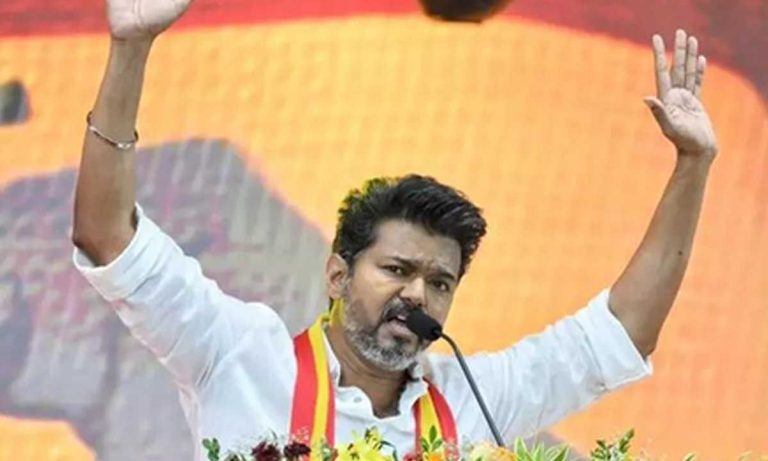
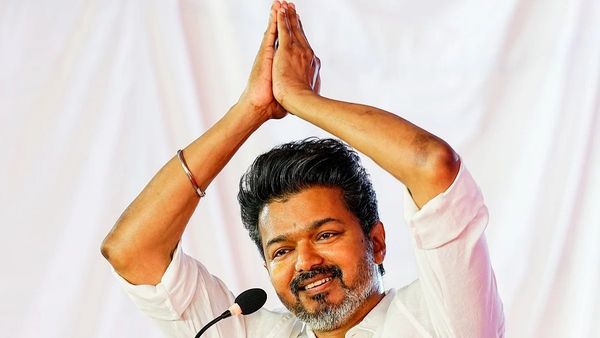
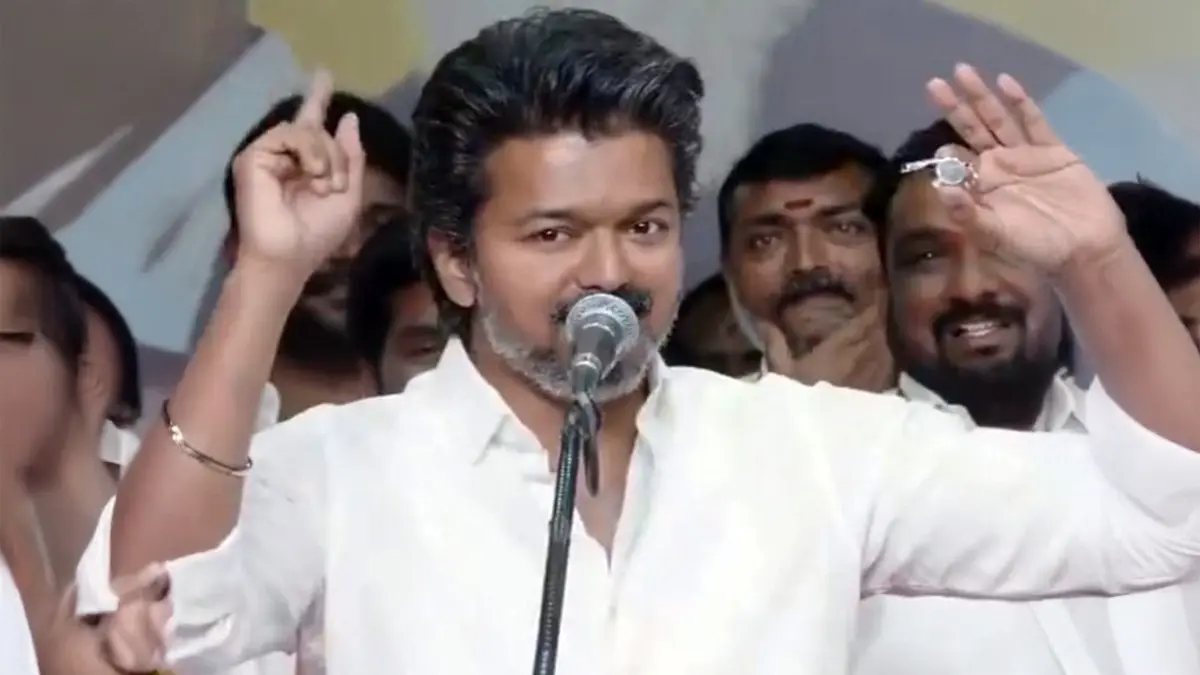
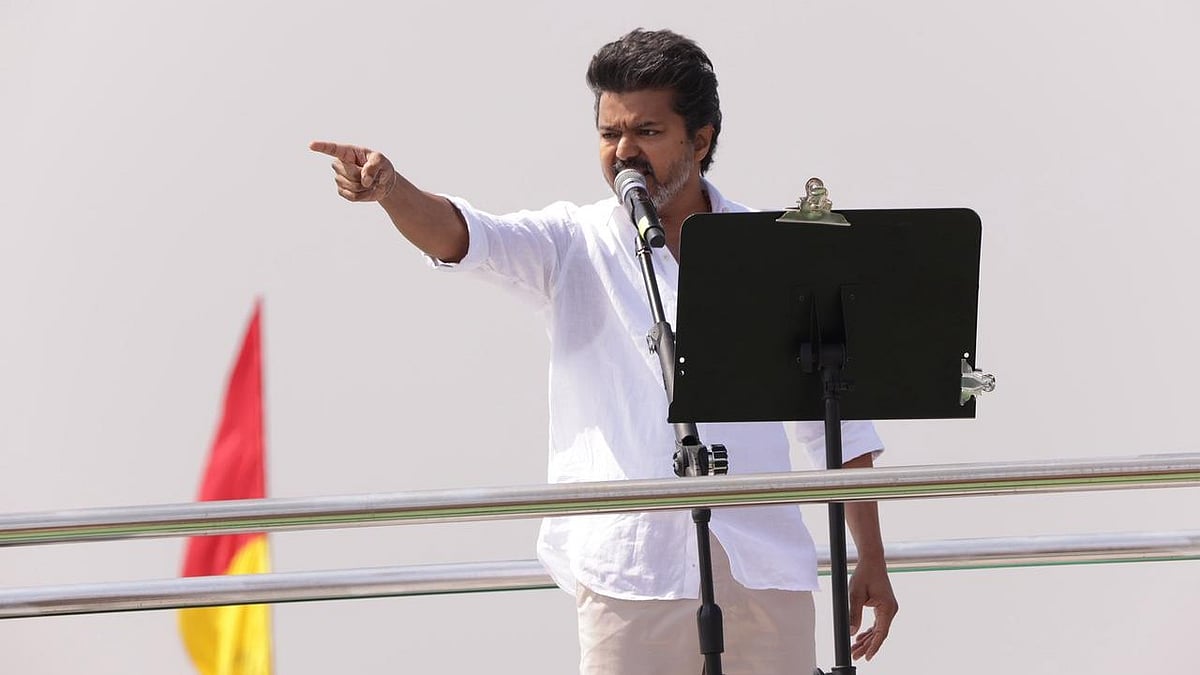
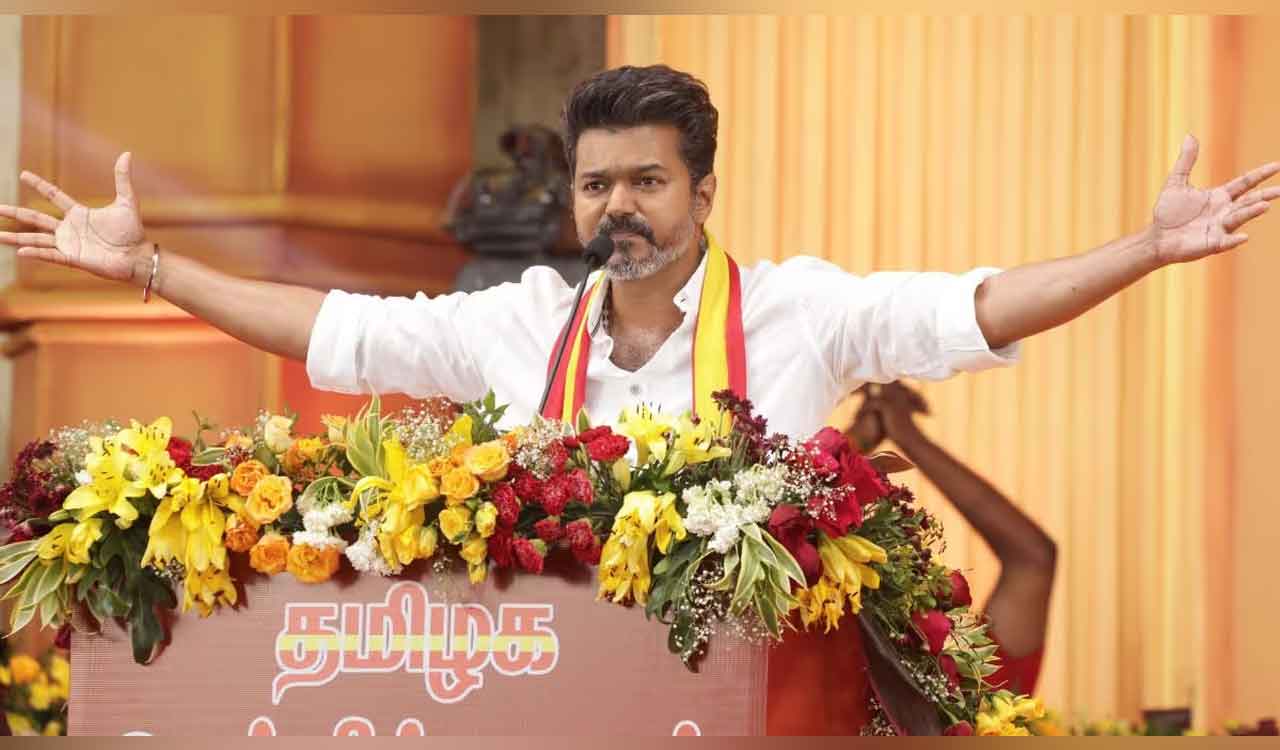
Tamilaga Vettri Kazhagam (TVK) founder and actor-turned-politician Vijay on Sunday exuded confidence in his party’s independent strength, asserting that TVK is capable of winning elections even without the support of political alliances. Addressing party workers at a meeting, Vijay said the true power of TVK lies in the people and their belief in the party’s ideology, not in so-called “friendship forces.”vijay 8 jpg 1769332487786 1769332487129

“This force of TVK will win even if no friendship force is with us,” Vijay said, drawing a strong response from party cadres. His statement is being interpreted as a clear signal that TVK is preparing to chart its own political path in Tamil Nadu, focusing on grassroots mobilisation rather than traditional alliance-based politics that have long dominated the state.

Vijay emphasised that TVK was launched to bring a new political culture rooted in honesty, transparency, and public welfare. He said Tamil Nadu’s people are mature, politically conscious, and capable of recognising genuine leadership. According to him, the party’s rise is driven by people’s desire for ethical governance and an alternative to politics driven by personal gain. “Our movement is built on trust. When people stand with us, no other force is required,” he said.

The TVK chief urged party workers to stay united and disciplined, stressing that organisational strength would play a key role in the party’s future success. He called upon cadres to actively connect with the public, listen to their concerns, and work towards solutions at the local level. Vijay said that sustained grassroots engagement would help TVK emerge as a credible and people-focused political force across Tamil Nadu.

this force of tvk will win even if no friendship force is with us tvk vijay in first public address after karur stampede 1769334208469 16 9

Taking an indirect dig at established political parties, Vijay said that power-centric politics has led to repeated disappointments for the people. Without naming anyone, he accused rival parties of prioritising electoral arithmetic and alliances over genuine public service. He added that TVK would not compromise its principles merely to gain short-term political advantage. “Politics should be about service, not survival,” he remarked.

Vijay clarified that TVK is not against alliances in principle but will not enter into partnerships that dilute its core values. He said that friendships in politics must be based on shared ideology and mutual respect, not convenience. “If our values match, we respect friendship. If not, we will stand alone with confidence,” he said, reinforcing the party’s independent stance.

Vijay also appealed to party workers to maintain restraint and discipline in their public conduct, stating that TVK’s credibility depends on its actions both online and on the ground. He cautioned cadres against personal attacks and misinformation, urging them instead to focus on constructive engagement and issue-based politics. “Our behaviour should reflect the politics we stand for,” Vijay said, adding that public trust would be TVK’s greatest asset in the long run.TVK

Political analysts believe Vijay’s remarks are aimed at strengthening TVK’s identity as a standalone alternative in Tamil Nadu’s political landscape. Alliances have historically played a decisive role in the state, but Vijay’s emphasis on self-reliance suggests a shift in approach. Observers note that this strategy could resonate strongly with young voters and first-time electors who are increasingly drawn to narratives of clean politics and change.

Vijay’s popularity as a film star continues to be seen as a major asset for TVK, but he has repeatedly stated that charisma alone will not win elections. He stressed the importance of hard work, organisational discipline, and consistent engagement with people’s issues. “We must earn every vote through our actions,” he told party workers.vijay

As TVK steadily expands its presence across districts, Vijay’s assertion has injected fresh momentum into the party’s ranks and sparked debate within political circles. Whether TVK can translate this confidence into electoral victory remains to be seen, but Vijay’s message is unambiguous: the party believes in its own strength and is prepared to face the political battle independently, guided by the trust of the people.

Also read: https://channel6network.com/bangladesh-has-slipped-into-an-age-of-terror/

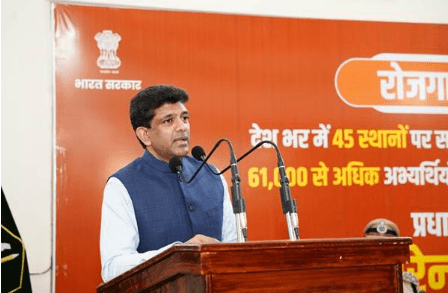
Rozgar Mela Organised in Jammu as Part of Nationwide Appointment Letter Distribution Drive: 2026

A Rozgar Mela was organised at the Frontier Headquarters of the Border Security Force (BSF), Paloura, Jammu, on 24 January 2026 as part of the nationwide initiative to distribute appointment letters to newly recruited youth. The event formed part of the 18th tranche of Rozgar Mela, which was held simultaneously at 40 locations across the country. Prime Minister Shri Narendra Modi addressed the newly appointed candidates through virtual mode, reaffirming the Government’s commitment to youth empowerment and employment generation.


Union Minister Chirag Paswan Distributes Appointment Letters

The event in Jammu was presided over by Union Minister for Food Processing Industries, Shri Chirag Paswan, who distributed appointment letters to newly recruited candidates from different regions of Jammu.

Addressing the gathering, Shri Paswan highlighted that the Rozgar Mela reflects the Prime Minister’s guiding vision of:

  • Sabka Saath

  • Sabka Vikas

  • Sabka Vishwas

  • Sabka Prayas

He said the initiative demonstrates the Government’s firm commitment to youth empowerment, inclusive development and large-scale employment generation.


Tribute to Armed Forces and National Service

Acknowledging the crucial role of the armed forces, the Union Minister said that the soldiers guarding the nation’s frontiers make immense sacrifices to ensure peace, security and stability for citizens. Their dedication, he noted, has helped India earn a respected and dignified position on the global stage.

He urged the newly appointed candidates to imbibe similar values of discipline, service and responsibility in their professional journeys.


Rozgar Mela Promotes Transparent and Merit-Based Recruitment

Shri Paswan emphasized that initiatives like the Rozgar Mela stand as a strong example of the Government of India’s commitment to:

  • Transparent recruitment processes

  • Merit-based selection

  • Corruption-free appointments

He encouraged the appointees to perform their duties with honesty, dedication and a strong sense of national service, contributing meaningfully towards the vision of Viksit Bharat by 2047.


Inclusive Growth and Dignity of Employment Highlighted

The Union Minister stressed that bringing marginalised and underrepresented sections into the mainstream is essential for building a truly developed nation. He noted that structured recruitment drives like the Rozgar Mela:

  • Provide stable employment

  • Ensure dignity and social security

  • Create long-term career opportunities for youth

  • Strengthen institutional recruitment mechanisms

Such initiatives, he said, are crucial for achieving inclusive and sustainable national development.


Widespread Participation and Appreciation from Families

The event witnessed the presence of:

  • Officials from various departments

  • Representatives of recruiting agencies

  • Newly appointed candidates

  • Family members of selected youth

Families of the candidates expressed appreciation for the Government’s efforts to create employment opportunities through a fair and transparent recruitment system.


Nationwide Initiative Distributes Over 61,000 Appointment Letters

The Rozgar Mela in Jammu was part of a broader national initiative under which Prime Minister Narendra Modi distributed over 61,000 appointment letters to newly recruited youth across multiple Ministries and Departments.

The event was attended by senior dignitaries including:

  • Shri Satish Khandare, Additional Director General, BSF Western Command

  • Shri Shashank Anand, Inspector General, BSF Jammu

  • Other senior officials and dignitaries


Conclusion

The Rozgar Mela in Jammu stands as a strong reflection of the Government’s continued focus on employment generation, transparency in recruitment and youth empowerment. By providing meaningful job opportunities and reinforcing the values of service and integrity, the initiative is helping build a confident generation of young citizens ready to contribute to the nation’s journey towards Viksit Bharat 2047.


For more real-time updates, visit Channel 6 Network.

Source: PIB

2-Day Strong Training Programme for State Haj Inspectors Begins at Haj House, Mumbai

A two-day training programme for State Haj Inspectors (SHIs) commenced on 24 January 2026 at Haj House, Mumbai, aimed at strengthening preparedness for the upcoming Haj season in the Kingdom of Saudi Arabia (KSA). The programme, being conducted on 24–25 January, focuses on equipping SHIs with the knowledge, skills and coordination mechanisms necessary to ensure a safe, smooth and dignified Haj experience for Indian pilgrims.


Training Focus: Operations, Welfare and On-Ground Preparedness

The training programme is designed to comprehensively familiarise SHIs with key aspects of their responsibilities, including:

  • Operational protocols during Haj

  • Coordination mechanisms with multiple stakeholders

  • Welfare measures for pilgrims

  • Handling on-ground challenges

  • Facilitation of services for Indian Hajis in KSA

The objective is to ensure that SHIs are fully prepared to provide effective, timely and compassionate support to pilgrims throughout their journey.


Secretary, Minority Affairs Highlights Crucial Role of SHIs

Addressing the inaugural session, Dr. Chandra Shekhar Kumar, Secretary, Ministry of Minority Affairs, underlined the critical role played by State Haj Inspectors in shaping the overall Haj experience for pilgrims.

He urged SHIs to:

  • Maintain patience and vigilance at all times

  • Display a compassionate and service-oriented approach

  • Remain responsive to pilgrims’ needs

  • Uphold the dignity and well-being of Hajis

He noted that the conduct, sensitivity and efficiency of SHIs directly influence the safety, comfort and satisfaction of Indian pilgrims during Haj.


Operational and Administrative Aspects Explained by Senior Officials

The training session was also addressed by senior officials involved in Haj management:

  • Shri Sahnavas C, CEO, Haj Committee of India, highlighted key operational aspects and the importance of seamless coordination with multiple stakeholders, including Saudi authorities and service agencies.

  • Shri Nazeem Ahmed, Director (Haj), Ministry of Minority Affairs, briefed participants on administrative procedures, standard operating protocols (SOPs) and the need for timely grievance redressal to ensure efficient pilgrim support.


Health and Safety Preparedness Emphasised

Health and safety aspects during Haj were addressed by Dr. L. Swasthicharan, Deputy Director General, Ministry of Health and Family Welfare. He sensitised SHIs on:

  • Public health preparedness

  • Preventive health measures

  • Managing health emergencies

  • Coordination with medical teams in KSA

He stressed that proactive health awareness and quick response can significantly reduce risks and enhance pilgrim safety.


Comprehensive Sessions on Pilgrim Facilitation and Digital Monitoring

The training programme includes detailed sessions covering:

  • Pilgrim facilitation and grievance handling

  • Accommodation and transport management

  • Health and safety protocols

  • Emergency response systems

  • Coordination with Saudi authorities

  • Use of digital platforms for monitoring, communication and service delivery

These sessions are aimed at building both practical competence and situational readiness among SHIs.


Programme to Conclude with Interactive Sessions

The two-day programme will conclude on 25 January 2026 with interactive discussions, experience-sharing sessions and feedback exchanges. These engagements are expected to further strengthen the preparedness of State Haj Inspectors for the forthcoming Haj season.


Conclusion

The training programme at Haj House, Mumbai, reflects the Government of India’s commitment to ensuring that Indian pilgrims receive efficient, compassionate and well-coordinated support during Haj. By equipping State Haj Inspectors with operational clarity, administrative understanding and health preparedness, the initiative strengthens the overall framework for delivering a safe, smooth and dignified Haj experience to thousands of pilgrims each year.


For more real-time updates, visit Channel 6 Network.

Source: PIB

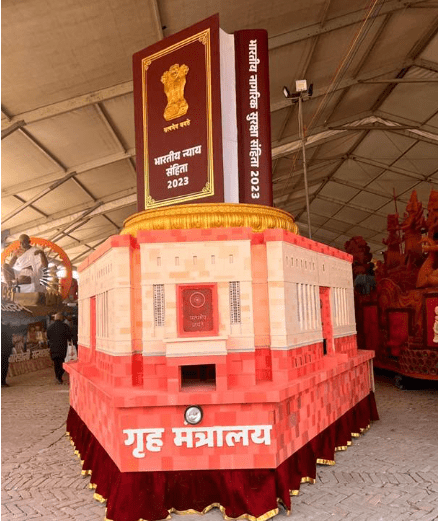
MHA Tableau to Showcase Strong Nationwide Implementation of Naveen Nyaya Sanhitas at Republic Day Parade 2026

The Ministry of Home Affairs (MHA) will present a powerful tableau at the 77th Republic Day Parade on Kartavya Path highlighting the nationwide implementation of the Naveen Nyaya Sanhitas—the Bharatiya Nyaya Sanhita (BNS), Bharatiya Nagarik Suraksha Sanhita (BNSS) and the Bharatiya Sakshya Adhiniyam (BSA). These landmark laws, which came into force on 1 July 2024, represent one of the most significant legal reforms of the century, marking India’s transition from a colonial, punishment-centric framework to a justice-oriented, citizen-centric and technology-driven legal system.


Historic Legal Reform: From Punishment to Justice

The enactment of the three new criminal laws signifies a transformative shift in India’s legal philosophy. By replacing colonial-era legislations, the reforms embody the spirit of:

“दण्ड से न्याय की ओर” (From Punishment to Justice)

The new framework reflects the aspirations of Viksit Bharat, promoting fairness, dignity, and responsiveness in the justice delivery system while reinforcing constitutional values and public trust.


Tableau to Highlight Technology-Driven Justice System

The MHA tableau will visually depict India’s evolution towards a modern, technology-enabled and time-bound justice system. Key features showcased include:

  • e-Sakshya platform for secure digital collection and management of evidence

  • National Automated Fingerprint Identification System (NAFIS) for advanced biometric identification

  • e-Summon system enabling courts to issue digitally signed summons electronically

  • Virtual court hearings and technology-enabled judicial processes

  • Seamless coordination under the Inter-operable Criminal Justice System (ICJS), integrating police, forensics, prosecution, courts and prisons

These elements highlight a justice ecosystem that is faster, more transparent and more efficient.


Strengthening Forensics and Rapid Response

A key feature of the tableau will be the depiction of mobile forensic units, symbolising improved forensic reach and swift response at crime scenes. This underlines the government’s focus on:

  • Scientific investigation

  • Evidence-based prosecution

  • Faster case resolution

  • Higher conviction accuracy

The integration of forensics with policing and judicial processes represents a critical leap towards professionalised criminal justice.


Enhanced Policing, Women Participation and Public Safety

The tableau also showcases:

  • Integrated control-room systems for swift emergency response

  • Expanded CCTV and surveillance infrastructure

  • Growing participation of trained women police personnel in frontline duties and response units

These elements reflect a stronger, more inclusive and responsive internal security architecture aimed at enhancing citizen safety and confidence.


Progressive Reforms: Community Service as Punishment

One of the most progressive aspects highlighted is the introduction of community service as a reformative form of punishment under the new laws. This reflects a shift towards:

  • Rehabilitation over retribution

  • Restorative justice principles

  • A more humane and socially constructive justice system


Multilingual Law Books Promote Accessibility and Inclusion

The tableau will also feature the multilingual representation of the new legal texts, reinforcing the government’s commitment to:

  • Accessibility of law to common citizens

  • Inclusiveness across linguistic communities

  • Transparency in governance

  • Legal awareness among the masses

This ensures that the reformed legal framework is not only modern but also people-friendly and understandable.


Conclusion

The MHA tableau at the Republic Day Parade 2026 powerfully conveys India’s decisive transformation towards a modern, professional and technology-driven justice system. By showcasing legal reform, digital innovation, forensic strengthening and citizen-centric governance, the tableau reflects the nation’s commitment to certainty, speed and dignity in justice delivery. It stands as a strong symbol of India’s journey towards a just, inclusive and future-ready democracy in the era of Viksit Bharat.


For more real-time updates, visit Channel 6 Network.

Source: PIB

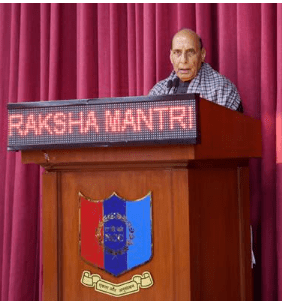
Strong Global Uncertainties, Draw Inspiration from NCC Cadets: Raksha Mantri Rajnath Singh Tells Youth: 2026

Raksha Mantri Shri Rajnath Singh on 24 January 2026 called upon India’s youth to remain physically, mentally and emotionally strong in the face of global uncertainties, urging them to draw inspiration from the exemplary role played by NCC cadets during Operation Sindoor. Addressing cadets at the NCC Republic Day Camp at Delhi Cantt, he described them as the nation’s second line of defence and reaffirmed that youth will play a decisive role in achieving the government’s vision of Viksit Bharat by 2047.


NCC Cadets Praised for Role During Operation Sindoor

The Raksha Mantri lauded NCC cadets for their vital contribution in raising public awareness when mock drills were conducted nationwide during Operation Sindoor. He noted that the cadets stood shoulder to shoulder with the Armed Forces when the nation rallied in unity.

Referring to the recent security response, he stated that the Indian Armed Forces destroyed terrorist targets based in Pakistan and PoK as a firm response to the cowardly terrorist attack in Pahalgam, while maintaining restraint and targeting only those who posed a threat. He added that such strength flows from discipline, mental resilience and emotional balance—qualities that NCC cadets exemplify.


Youth Compared to Abhimanyu, Called Nation’s Greatest Strength

Shri Rajnath Singh compared today’s youth to Abhimanyu from the Mahabharata, saying they possess the courage and wisdom to enter complex challenges and emerge victorious. He emphasised that expectations from young citizens have grown and that they are now invaluable assets responsible for taking the nation to greater heights.

He urged cadets to actively contribute towards realising the vision of Viksit Bharat 2047, under the leadership of Prime Minister Shri Narendra Modi.


NCC Builds Discipline, Focus and Mental Strength

Calling NCC an excellent platform for character building, the Raksha Mantri highlighted that while the modern world promotes comfort through technology and convenience, NCC helps youth break out of comfort zones through:

  • Parades and drills

  • Camps and field activities

  • Discipline-oriented training

  • Life skills for disaster response and self-protection

He said NCC instils discipline, patriotism and focus, qualities increasingly essential in an age of instant gratification.


Life Lessons: Importance of Plan A, Plan B and Plan C

Offering practical life guidance, Shri Rajnath Singh advised cadets to always prepare Plan B and Plan C along with Plan A. He noted that resilience comes from adaptability and told cadets to adopt a “military mindset”—one rooted in perseverance, preparedness and balance, rather than rigid thinking.


NCC’s Legacy in Nation-Building Highlighted

The Raksha Mantri underscored NCC’s historic contribution to national service, recalling that:

  • Param Vir Chakra awardees Captain Manoj Pandey and Captain Vikram Batra were NCC cadets

  • Both Prime Minister Narendra Modi and Rajnath Singh were NCC cadets

  • NCC cadets served as the second line of defence during the 1965 and 1971 wars

  • Thousands of former cadets today contribute across sectors such as defence, administration, science, education and public life

He said NCC continues to be one of India’s strongest institutions for shaping responsible citizens.


Republic Day a Reminder of Constitutional Values

With the nation preparing to celebrate the 77th Republic Day, the Raksha Mantri reminded cadets that the Constitution is not just a text but a guiding framework for duties, rights and values. He encouraged cadets to act as flag bearers of constitutional awareness, helping build a society rooted in democracy, responsibility and integrity.


Cadets Honoured with Raksha Mantri Padak and Commendation Cards

An Investiture Ceremony was held during the event, where Shri Rajnath Singh conferred:

Raksha Mantri Padak 2026 to:

  • Cadet Arpun Deep Kaur – Jammu Kashmir & Ladakh Directorate

  • Cadet Palden Lepcha – West Bengal & Sikkim Directorate

Commendation Cards to:

  • Petty Officer Lisha Dejappa Suvarna – Karnataka & Goa Directorate

  • Junior Under Officer Pavan Bhagel – Madhya Pradesh & Chhattisgarh Directorate

  • Corporal Radha Dorjee – North Eastern Region Directorate

  • Cadet Prince Singh Rana – Uttarakhand Directorate

These awards recognised outstanding performance and dedication to duty.


Guard of Honour, Band Performance and Cultural Events Add Grandeur

The Raksha Mantri reviewed an impressive Guard of Honour presented by cadets from all three wings.

The event also featured:

  • A captivating band performance by NCC cadets of Scindia School, Gwalior

  • Visit to the ‘Flag Area’ prepared by cadets from all 17 NCC Directorates on social awareness themes

  • Colourful cultural performances by cadets

The programme was attended by DG NCC Lt Gen Virendra Vats and senior officials from the Ministry of Defence.


Conclusion

The Raksha Mantri’s address at the Republic Day Camp served as a powerful reminder of the transformative role youth play in shaping the nation’s future. By celebrating discipline, courage, preparedness and service, the event reaffirmed NCC’s position as a cornerstone of nation-building. The message was clear: a strong, focused and value-driven youth will be the driving force behind India’s journey towards Viksit Bharat 2047.


For more real-time updates, visit Channel 6 Network.

Source: PIB

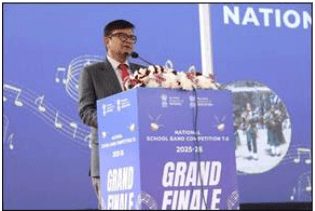
National School Band Competition (NSBC) 2025–26 Inaugurated as Part of Republic Day Celebrations

The Grand Finale of the National School Band Competition (NSBC) 7.0, 2025–26 was inaugurated at National Bal Bhavan, New Delhi, as part of the Republic Day Celebrations (RDC) 2026. The event was inaugurated by Shri Sanjay Kumar, Secretary, Department of School Education & Literacy (DoSEL), Ministry of Education, and Shri Rajesh Kumar Singh, Secretary, Ministry of Defence, marking a significant step towards promoting discipline, teamwork, leadership and musical excellence among school students across the country.


18 School Bands Showcase Talent on a National मंच

The National School Band Competition this year has brought together 18 shortlisted school bands from 11 States and Union Territories, selected through a rigorous multi-level process:

  • State-level competitions:

    • 763 teams participated

    • 18,013 students took part

  • Zonal-level competitions:

    • 94 teams shortlisted

  • Grand Finale:

    • 18 teams competing at the national stage

This competition continues to serve as a unique national platform for fostering:

  • Unity in diversity

  • Discipline and teamwork

  • Cultural pride

  • Artistic expression among youth


Aligned with NEP 2020 and Holistic Education Vision

The Department of School Education & Literacy (DoSEL) promotes holistic student development in alignment with the National Education Policy (NEP) 2020 through initiatives supported under Samagra Shiksha and the PM SHRI Schools scheme.

Shri Sanjay Kumar emphasised that platforms such as the National School Band Competition represent art-integrated education in action, nurturing:

  • Leadership qualities

  • Discipline

  • Team spirit

  • Creativity beyond classroom learning

He reiterated the Ministry of Education’s commitment to encouraging diverse talents and co-curricular excellence alongside academic growth.


School Band Tradition Inspired by Armed Forces

Highlighting the deeper significance of the competition, Shri Sanjay Kumar noted that the tradition of school bands is deeply inspired by the Indian Armed Forces, where music has long symbolised:

  • Valour

  • Unity

  • Morale

  • Collective spirit

He added that even under the most challenging wartime conditions, military bands have historically played a key role in motivating troops and strengthening camaraderie. Participation at the national level itself, he said, reflects months of dedication, discipline and rigorous practice by students.


Growing Participation Appreciated by Ministry of Defence

Addressing the gathering, Shri Rajesh Kumar Singh, Secretary, Ministry of Defence, appreciated the strong collaboration between the Ministry of Defence and Ministry of Education in institutionalising the competition as part of the Republic Day celebrations.

He expressed satisfaction over the steady increase in participation by schools and students over the years and praised the young performers for their:

  • Dedication

  • Precision

  • Musical excellence

He noted that such initiatives nurture a deep sense of patriotism and national service among young learners.


Gratitude Extended to Schools, Mentors and Organisers

Dr Amarpreet Duggal, Joint Secretary, DoSEL, presented the Vote of Thanks, expressing appreciation to:

  • Participating schools and students

  • Teachers and mentors

  • Organising teams

  • Supporting institutions and dignitaries

for their collective efforts in making the event a success.


National Representation: 18 Teams from 11 States and UTs

The Grand Finale features bands representing diverse regions of India, reflecting the country’s cultural and educational diversity. Participating states include:
Chhattisgarh, Delhi, Gujarat, Jharkhand, Karnataka, Kerala, Maharashtra, Rajasthan, Tripura, Uttar Pradesh and Andhra Pradesh.

Teams include a healthy mix of:

  • Boys’ bands

  • Girls’ bands

  • Pipe bands

  • Brass bands

This inclusive representation reinforces the spirit of national unity through music and youth participation.


Conclusion: NSBC 2025-26

The National School Band Competition 2025–26 stands as a powerful symbol of how education, culture and national values can blend to shape well-rounded citizens. By promoting discipline, teamwork, leadership and artistic excellence, the initiative strengthens the holistic development of students in line with NEP 2020. As these young performers take the national stage during Republic Day celebrations, they represent not just musical talent, but the future of a confident, united and culturally rich India.


For more real-time updates, visit Channel 6 Network.

Source: PIB

Union MoS Dr Pemmasani Chandra Sekhar Addresses Rozgar Mela in Tamil Nadu, Emphasises Youth Empowerment and Vision of Viksit Bharat: 2026

Union Minister of State for Communications and Rural Development, Dr Pemmasani Chandra Sekhar, addressed a Rozgar Mela at ITBP RTC, Shivagangai, Tamil Nadu, on 24 January 2026, reaffirming the Government of India’s commitment to employment generation and youth empowerment. During the event, 148 candidates received appointment letters across various departments, highlighting the Rozgar Mela’s growing impact as a nationwide platform for inclusive job creation.


Rozgar Mela: Beyond Jobs, Towards Dignity and Opportunity

Addressing the newly selected candidates, Dr Chandra Sekhar said that the Rozgar Mela is not merely about distributing appointment letters but about:

  • Creating opportunities for youth

  • Ensuring dignity of labour

  • Strengthening the nation through inclusive growth

At the Shivagangai venue, appointment letters were handed over to candidates selected in key departments, including:

  • Indo-Tibetan Border Police (ITBP)

  • Border Security Force (BSF)

  • Central Industrial Security Force (CISF)

  • Sashastra Seema Bal (SSB)

  • Department of Financial Services (Union Bank of India)

  • ISRO

  • Assam Rifles


Government Initiatives Laying Strong Foundation for Youth

Dr Chandra Sekhar noted that India is undergoing a historic transformation under the leadership of the Prime Minister, guided by the vision of Sabka Saath, Sabka Vikas, Sabka Vishwas and Sabka Prayas.

He highlighted that flagship initiatives such as:

  • Skill India

  • Make in India

  • Digital India

have created a strong ecosystem for youth to thrive in both traditional and emerging sectors. The Rozgar Mela, he said, is a natural extension of this ecosystem, focused on empowering young Indians with meaningful employment.


Tamil Nadu’s Role as Hub of Talent and Innovation

The Minister praised Tamil Nadu’s contribution to India’s economic growth, describing the state as a hub of talent, innovation and enterprise. He noted that:

  • Chennai contributes over 10% of India’s automobile exports

  • The IT sector employs more than six lakh professionals in the state

  • Skill development and entrepreneurship initiatives have enabled thousands to convert aspirations into sustainable livelihoods

He added that the Rozgar Mela builds upon this legacy by opening new pathways for youth empowerment.


Over 10 Lakh Appointment Letters Distributed Nationwide

Providing national context, Dr Chandra Sekhar informed that:

  • Over 10 lakh appointment letters have already been distributed across the country under the Rozgar Mela initiative

  • 51,000 new jobs are being offered nationwide as part of the current programme

He urged the selected candidates to seize the opportunity to learn, grow and contribute, stating that their success will directly shape India’s emergence as a global powerhouse.


Telecom Sector PLI Generates Jobs and Boosts Exports

Highlighting sectoral impact, the Minister pointed out that India’s economic progress is being driven by:

  • Flourishing startups

  • Expanding manufacturing ecosystem

  • Rapid digital innovation

He stated that reforms such as PM Mudra Yojana, Ease of Doing Business, and Vocal for Local have strengthened domestic industries.

In the telecom sector, he noted that the Production Linked Incentive (PLI) scheme has already resulted in:

  • 25,000 manufacturing jobs

  • Exports worth ₹13,000 crore

This, he said, reflects how policy-driven growth can deliver both economic strength and employment opportunities.


Self-Reliance in Defence Strengthens Jobs and National Security

Touching upon national security and employment, Dr Chandra Sekhar said India has moved from import dependence to self-reliance in defence manufacturing, leading to:

  • Creation of high-skill jobs

  • Strengthening of indigenous defence production

  • Improved border infrastructure

  • Enhanced welfare of soldiers

He noted that increased defence spending and domestic manufacturing are contributing to both strategic strength and employment generation.


Call to Youth: Contribute to Viksit Bharat 2047

Calling upon the newly appointed candidates to play an active role in nation-building, the Minister emphasised the values of:

  • Transparency

  • Speed in service delivery

  • Empathy in governance

He said the Rozgar Mela reflects the government’s confidence in India’s youth and its commitment to inclusive development, adding that India’s progress must ensure growth with dignity and opportunity for all.


Conclusion

The Rozgar Mela in Shivagangai stands as a powerful symbol of India’s evolving employment ecosystem—where opportunity, policy and youth potential converge. By combining job creation with national vision, the initiative reinforces the idea that India’s journey towards Viksit Bharat 2047 will be driven by empowered young citizens who are prepared to serve, innovate and lead. Dr Pemmasani Chandra Sekhar’s address underscored that when India progresses, it must do so together, inclusively and with purpose.


For more real-time updates, visit Channel 6 Network.

Source: PIB