Moscow, Russia – Russian President Vladimir Putin issued a stark warning on Tuesday, declaring that Moscow stands prepared for military conflict if European nations seek confrontation. The declaration that Putin ready for war came as the Russian leader accused European governments of deliberately sabotaging American-led diplomatic initiatives to resolve the Ukraine crisis through peaceful negotiations.
Direct Warning to European Nations
Speaking to reporters in Moscow, Putin delivered an unambiguous message regarding Russia’s military preparedness. “We are not planning to go to war with Europe, but if Europe wants to and starts, we are ready right now,” the Russian president stated, making clear that Putin ready for war posture reflects what he characterizes as defensive preparation rather than aggressive intent.
This explicit warning represents a significant escalation in rhetoric from the Kremlin, coming at a critical juncture in diplomatic efforts to end the nearly four-year-old Ukraine conflict. The statement that Putin ready for war serves as both a deterrent and an assertion of Russian military capability in the face of perceived European opposition.
Accusations Against European Peace Agenda
Putin’s remarks extended beyond military warnings to include sharp criticism of European diplomatic positions. “They have no peaceful agenda, they are on the side of war,” Putin declared, characterizing European governments as obstacles to conflict resolution rather than partners in peacemaking.
The Russian president reiterated his claim that European leaders are actively obstructing Washington’s attempts to secure a negotiated settlement to the Ukraine war. This accusation that Putin ready for war because of European intransigence attempts to shift responsibility for continued hostilities onto European capitals rather than Moscow.
Crucial Meeting with US Envoys
Putin’s warning that Putin ready for war came immediately before a crucial meeting in Moscow with US envoys Steve Witkoff and Jared Kushner. These high-level talks represent a significant diplomatic engagement aimed at ending the protracted conflict that has devastated Ukraine and strained international relations since its escalation nearly four years ago.
The timing of Putin’s combative rhetoric ahead of these negotiations suggests a strategic calculation—projecting strength and resolve while simultaneously engaging in diplomatic discussions. The declaration that Putin ready for war may serve as leverage in negotiations with American representatives.
Criticism of Modified Peace Plan
Putin directed particular criticism at European-proposed amendments to President Donald Trump’s latest peace outline. The Russian leader characterized these modifications as fundamentally undermining genuine conflict resolution efforts.
“The modifications aimed solely at one thing — to completely block the entire peace process and put forward demands that are absolutely unacceptable for Russia,” Putin stated, explaining his view that European intervention has corrupted what he considers a more balanced American proposal. This complaint reinforces the narrative that Putin ready for war because diplomatic channels have been deliberately closed by European interference.
Washington’s 28-Point Draft Plan
The diplomatic controversy centers on a 28-point draft plan circulated by Washington to end the Ukraine conflict. This comprehensive proposal initially represented what American officials hoped would serve as a framework for negotiations acceptable to all parties involved.
However, the original draft underwent significant revision after objections emerged from Kyiv and European capitals. These amendments transformed the document in ways that apparently made it unacceptable to Moscow, contributing to Putin’s assertion that Putin ready for war due to the impossibility of reaching negotiated settlement under current terms.
European Concerns About Territorial Concessions
The amendments to the original American peace plan were implemented after critics in Europe argued that the initial version conceded too much to Moscow, particularly regarding territorial issues. European leaders feared that the original framework would legitimize Russian territorial gains in Ukraine achieved through military force.
This European resistance to perceived excessive concessions helps explain why Putin ready for war rhetoric has intensified. From the Russian perspective, European amendments have transformed a potentially acceptable settlement framework into an unworkable set of demands.
European Position on Fair Peace
European leaders have consistently maintained that no “unfair peace” should be imposed on Ukraine. They have warned repeatedly that Kyiv must not be pressured into accepting terms disproportionately favorable to Russia, particularly regarding territorial integrity and sovereignty.
This principled European stance, while morally defensible from a Ukrainian perspective, creates the diplomatic impasse that Putin characterizes as justification for his Putin ready for war posture. European governments argue they are protecting Ukrainian interests and upholding international law rather than obstructing peace.
Implications for Ongoing Negotiations
The declaration that Putin ready for war casts a shadow over the high-level diplomatic engagement occurring in Moscow. While US envoys attempt to find common ground for conflict resolution, the Russian president’s combative rhetoric suggests significant challenges ahead.
Strategic Calculations Behind Putin’s Warning
Putin’s statement that Putin ready for war serves multiple strategic purposes. Domestically, it projects strength and resolve to Russian audiences. Internationally, it attempts to pressure European governments to moderate their positions on Ukraine settlement terms. Diplomatically, it provides leverage in negotiations with American envoys by demonstrating Moscow’s willingness to accept continued conflict rather than unfavorable peace terms.
The coming days will reveal whether Putin ready for war rhetoric represents genuine preparation for expanded conflict or strategic posturing designed to extract diplomatic concessions. European and American responses to this warning will significantly influence the trajectory of peace efforts and the broader security environment across the continent.
Chandigarh – The Defence Research and Development Organisation has achieved a significant breakthrough in fighter aircraft safety technology with a successful high-speed rocket-sled test of a fighter jet escape system. The DRDO ejection test, conducted on Tuesday, represents a major advancement in India’s indigenous defence capabilities and demonstrates the nation’s growing self-reliance in critical military technologies.
High-Speed Validation at 800 Kilometers Per Hour
The DRDO ejection test was conducted at a precisely controlled speed of 800 kilometers per hour at the Rail Track Rocket Sled facility of the Terminal Ballistics Research Laboratory in Chandigarh. This high-speed validation ensures that the pilot-ejection mechanism functions accurately and safely under extreme conditions that mirror real-world emergency scenarios faced by fighter pilots.
The choice of 800 km/h as the test speed is significant, as it represents the critical velocity range where ejection systems must perform flawlessly to save pilots’ lives during aircraft emergencies. The successful DRDO ejection test at this speed confirms the reliability of indigenous safety technology under demanding operational parameters.
Advanced Rail Track Rocket Sled Facility
The Rail Track Rocket Sled facility at the Terminal Ballistics Research Laboratory in Chandigarh provided the ideal testing environment for this crucial validation. This specialized facility enables researchers to conduct controlled, high-speed tests that accurately simulate the forces and conditions experienced during actual fighter jet ejections.
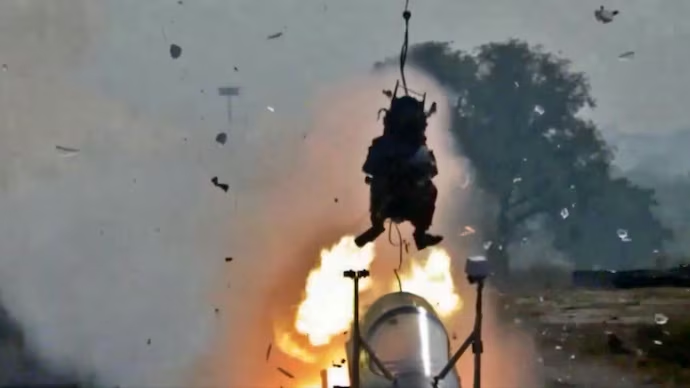
The DRDO ejection test utilized the facility’s capabilities to create a staged demonstration where the system successfully propelled a dummy pilot clear of the cockpit. This visual confirmation, captured on video and released by the defence ministry, illustrates how the mechanism ensures safe ejection when a fighter jet encounters life-threatening situations.
Three Critical Components Validated
According to the defence ministry’s announcement, the DRDO ejection test successfully validated three critical components essential to any modern escape system. These components include canopy severance, ejection sequencing, and complete aircrew recovery—each playing a vital role in ensuring pilot survival during emergency situations.
Canopy severance represents the first crucial step, where the aircraft’s transparent canopy must be rapidly removed or fragmented to allow the pilot’s safe exit. The DRDO ejection test confirmed that this process occurs smoothly and efficiently at high speeds without endangering the ejecting pilot.
Ejection sequencing refers to the precisely timed series of events that must occur in the correct order for successful pilot extraction. The DRDO ejection test demonstrated that indigenous technology can manage this complex choreography reliably under extreme conditions.
Complete aircrew recovery validates that the entire system—from initial ejection through parachute deployment—functions cohesively to deliver the pilot safely away from the damaged aircraft.
Indigenous Defence Capabilities Strengthened
Defence Minister Rajnath Singh congratulated DRDO, the Indian Air Force, Aeronautical Development Agency, Hindustan Aeronautics Limited, and industry partners on this achievement. Singh characterized the successful DRDO ejection test as a significant milestone that strengthens India’s indigenous defence capabilities and advances the nation’s broader push toward self-reliance in military technologies.
This advancement in pilot safety systems represents more than just technical achievement—it symbolizes India’s growing capacity to develop sophisticated defence technologies domestically, reducing dependence on foreign suppliers for critical military systems.
Broader Context of Defence Self-Reliance
The DRDO ejection test milestone comes amid a comprehensive push to highlight India’s growing self-reliance in defence technologies. This initiative encompasses multiple domains of military capability, from weapon systems to support technologies like pilot safety equipment.
Earlier in August, DRDO chairman Samir V Kamat highlighted Operation Sindoor, conducted in May, as a demonstration of indigenous military systems’ effectiveness during complex, multi-domain missions along western borders. The operation showcased homegrown systems including Akash surface-to-air missiles, BrahMos supersonic cruise missiles, and advanced command and control platforms.
Speaking at the Defence Institute of Advanced Technology convocation, Kamat emphasized that Operation Sindoor’s success reflected both the bravery of Indian soldiers and the strength of the technological framework supporting them. The DRDO ejection test represents another component in this expanding ecosystem of indigenous defence capabilities.
“Operation Sindoor’s success was powered by homegrown systems such as Akash short- and medium-range surface-to-air missiles, BrahMos supersonic cruise missiles, the D4 anti-drone system, airborne early warning and control platforms, the Akashteer air defence control system, and advanced C4I systems,” Kamat stated, illustrating the breadth of India’s indigenous defence technology portfolio.
Role of Defence Research Institutions
Kamat emphasized that institutes like the Defence Institute of Advanced Technology are central to developing indigenous capabilities, underscoring the momentum behind India’s defence-modernization drive. The successful DRDO ejection test exemplifies how these institutions contribute to national security through continuous innovation and rigorous testing.
Future Implications for Fighter Jet Safety
The successful DRDO ejection test paves the way for integration of this proven technology into current and future Indian fighter aircraft platforms. This indigenous capability ensures that Indian Air Force pilots will benefit from domestically developed safety systems that meet international standards while supporting national self-reliance objectives.
The DRDO ejection test success demonstrates that India possesses the technical expertise and infrastructure necessary to develop, test, and validate sophisticated pilot safety systems—a capability that enhances both operational effectiveness and strategic autonomy in defence matters.
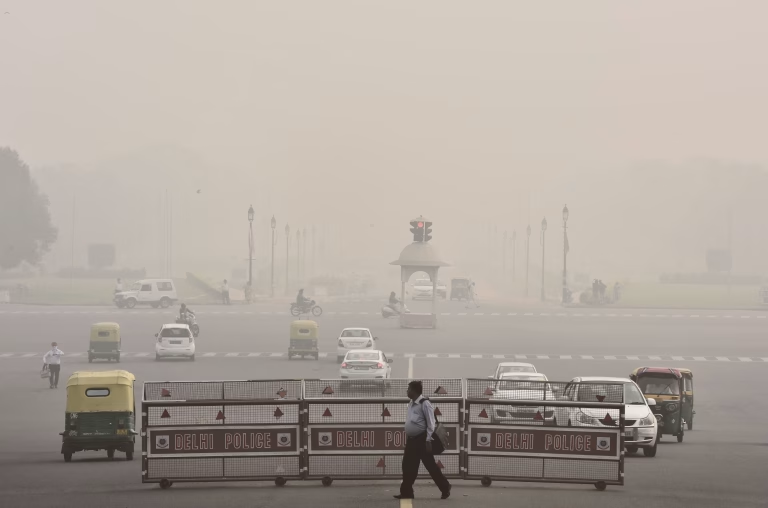
New Delhi – The national capital’s environmental crisis deepened on Tuesday evening as Delhi air quality severe levels returned with alarming intensity. Pollution levels climbed rapidly across the city, with 19 out of 39 monitoring locations crossing into the severe category, marking conditions known to cause serious health impacts for residents.
Sharp Deterioration in Air Quality Index
By 9 pm on Tuesday, Delhi recorded an Air Quality Index of 390, representing a sharp jump from 304 on Monday and 279 on Sunday, according to data from the Central Pollution Control Board. This rapid deterioration highlights how quickly Delhi air quality severe conditions can develop, leaving residents vulnerable to hazardous atmospheric conditions.
The transition from relatively better air quality over the weekend to hazardous levels within 48 hours demonstrates the volatile nature of Delhi’s pollution crisis and the multiple factors contributing to the city’s environmental emergency.
19 Monitoring Stations Record Severe Pollution
Out of 39 monitoring locations across the national capital, 19 stations registered AQI levels above 400, the threshold for severe air quality classification. The widespread nature of Delhi air quality severe readings indicates that the pollution crisis affects virtually every corner of the city, with no neighborhoods escaping the toxic atmospheric conditions.
Areas recording severe pollution included Burari, Anand Vihar, Mundka, Bawana, Vivek Vihar, Rohini, Sonia Vihar, Ashok Vihar, and Punjabi Bagh, among others. These neighborhoods represent diverse geographic locations across Delhi, demonstrating that Delhi air quality severe conditions span both central and peripheral areas of the capital.
Most Affected Areas and AQI Readings
Several monitoring stations recorded particularly alarming readings that underscore the intensity of the crisis. Chandni Chowk topped the list with an AQI of 471, followed by Nehru Nagar at 446, Bawana at 438, Vivek Vihar at 437, and Wazirpur at 433, according to CPCB’s Sameer app data recorded at 8 pm on Tuesday.
Other stations recording Delhi air quality severe levels included Okhla Phase 2 (431), RK Puram (426), Anand Vihar (421), Rohini (420), Ashok Vihar (418), Mundka (418), Jahangirpuri (408), Siri Fort (408), Sonia Vihar (411), Punjabi Bagh (412), Burari Crossing (407), DTU (406), Patparganj (404), and Jawaharlal Nehru Stadium (416).
Understanding Air Quality Classifications
According to CPCB standards, air quality is classified across six categories based on AQI readings. An AQI of 0-50 is classified as good, 51-100 as satisfactory, 101-200 as moderate, 201-300 as poor, 301-400 as very poor, and 401-500 as severe.
The Delhi air quality severe classification indicates that pollution levels have reached the highest category on the scale, posing significant health risks to all residents, particularly vulnerable groups including children, elderly citizens, and individuals with pre-existing respiratory conditions.
No Relief Expected in Coming Days
Residents hoping for improvement will be disappointed by the forecast from the Air Quality Early Warning System for Delhi. The system has warned that pollution levels are unlikely to improve anytime soon, with Delhi air quality severe and very poor conditions expected to persist.
According to the forecast, the city’s AQI is expected to remain in the very poor category until at least December 5. More concerning is the projection that pollution levels are likely to stay in the same range for the following six days as well, indicating no immediate improvement in overall air quality conditions.
This extended period of Delhi air quality severe and very poor readings means residents will face prolonged exposure to hazardous atmospheric conditions, increasing health risks across the population.
Transport Emerges as Primary Pollution Source
Analysis of pollution sources reveals that transport emissions remained the largest local contributor on Tuesday, accounting for 18.4 percent of Delhi’s overall pollution. This makes vehicular emissions the single biggest factor contributing to Delhi air quality severe conditions.
Following transport, emissions from peripheral industries contributed 9.2 percent to the capital’s pollution burden. The data underscores the need for comprehensive measures addressing both vehicular emissions and industrial activity to combat the environmental crisis effectively.
Regional Contribution to Pollution
Delhi air quality severe conditions are not solely the result of local emissions. Neighboring cities contribute significantly to the capital’s pollution burden through atmospheric transport of pollutants. Noida accounted for 8.2 percent of Delhi’s pollution, while Baghpat contributed 6.2 percent, Ghaziabad 4.6 percent, Panipat 3.3 percent, and Gurugram 2.9 percent.
This regional dimension of Delhi air quality severe conditions highlights the need for coordinated action across the National Capital Region to address the pollution crisis effectively.
Wednesday’s Forecast
Looking ahead to Wednesday, transport emissions are expected to contribute 15.6 percent to overall pollution levels. While this represents a slight decrease from Tuesday’s 18.4 percent, it remains a substantial contributor to Delhi air quality severe and very poor conditions.
With no significant improvement forecast for the coming week and multiple pollution sources continuing to impact the capital, residents must prepare for an extended period of hazardous air quality requiring protective measures and activity modifications to minimize health impacts.
Washington D.C. – The Kremlin characterized recent diplomatic discussions with American envoys as constructive but confirmed that no breakthrough was achieved on the crucial question of Ukrainian territories. The US-Russia talks constructive nature was acknowledged by Russian officials following a marathon five-hour negotiating session in Moscow that extended until midnight on Tuesday.
Five-Hour Diplomatic Marathon in Moscow
US special envoy Steve Witkoff and Jared Kushner, President Donald Trump’s son-in-law, met with Russian President Vladimir Putin in an extended diplomatic session that demonstrated both sides’ commitment to dialogue. Kremlin aide Yuri Ushakov confirmed that while the US-Russia talks constructive atmosphere provided grounds for continued engagement, significant differences remained unresolved.
“The conversation was very useful and constructive, however, a lot of work lies ahead both in Washington and in Moscow,” Ushakov stated, emphasizing that the diplomatic process was far from complete. The acknowledgment that the US-Russia talks constructive tone did not translate into immediate agreement highlighted the complexity of the territorial disputes at the heart of the Ukraine conflict.
No Compromise on Territorial Questions
When addressing the critical issue of occupied Ukrainian territories, Ushakov was candid about the lack of progress. “So far we haven’t found a compromise, but some American solutions can be discussed,” the Kremlin aide explained, indicating that while the US-Russia talks constructive framework allowed for dialogue, fundamental disagreements persisted.
The territorial question remains the most contentious aspect of any potential peace settlement, with Russia maintaining control over significant portions of Ukrainian territory and showing no indication of willingness to withdraw without guarantees that serve its strategic interests.
Four-Part American Peace Proposal
According to Ushakov, the initial US plan presented during the negotiations was structured into four distinct parts, all of which were thoroughly discussed during the extended meeting. The top Putin diplomatic aide revealed that despite the US-Russia talks constructive nature, agreement was only reached on certain points.
“There were some points we could agree on,” Ushakov confirmed, while noting that President Trump maintained a critical or negative stance on several proposals. This selective agreement demonstrates that while the US-Russia talks constructive framework enabled discussion of various elements, comprehensive consensus remained elusive.
The four-part structure of the American proposal suggests a detailed approach to addressing multiple dimensions of the conflict, though specific details of each component were not publicly disclosed by Russian officials.
Positions Not Growing Further Apart
When questioned about whether the negotiating positions of the two nations had diverged further following the discussions, Ushakov provided a cautiously optimistic assessment. “Not farther apart, that’s for sure,” he responded, suggesting that the US-Russia talks constructive atmosphere at least prevented additional deterioration in relations.
This statement indicates that while breakthrough agreement was not achieved, the diplomatic engagement succeeded in maintaining communication channels and preventing the hardening of positions that could make future negotiations more difficult.
Context of Recent Diplomatic Activity
The Moscow meeting occurred days after US officials conducted separate talks with a Ukrainian team in Florida. Secretary of State Marco Rubio described those discussions in cautiously optimistic terms, suggesting a coordinated American diplomatic effort to advance peace prospects.
The fact that the US-Russia talks constructive assessment came from both American and Russian officials following separate meetings with Ukraine indicates a multi-track diplomatic approach designed to address the concerns of all parties involved in the conflict.
Putin’s Criticism of European Allies
Earlier on the same day as the US-Russia talks constructive session, Putin accused Ukraine’s European allies of undermining American-led peace efforts. “They don’t have a peace agenda, they’re on the side of the war,” Putin claimed, attempting to draw a distinction between US diplomatic initiatives and European positions.
The Russian president escalated his rhetoric by warning European nations directly. “But if Europe suddenly wants to wage a war with us and starts it, we are ready right away. There can be no doubt about that,” Putin declared, demonstrating the continued tensions despite the US-Russia talks constructive tone.
Implications for Future Negotiations
The acknowledgment that the US-Russia talks constructive nature provided a foundation for continued engagement offers a measure of hope for diplomatic resolution. However, the failure to reach compromise on territorial questions underscores the significant challenges ahead.
Both Washington and Moscow face substantial work in bridging the gap between their positions. The willingness to engage in extended negotiations and the US-Russia talks constructive atmosphere suggest that both sides recognize the value of dialogue, even when immediate breakthroughs prove elusive.
Path Forward
As diplomatic efforts continue, the US-Russia talks constructive framework established during this meeting may serve as a template for future engagements. The identification of some agreeable points within the four-part American proposal indicates that despite fundamental disagreements on territory, areas of potential consensus exist.
The coming weeks will reveal whether the US-Russia talks constructive foundation can be built upon to achieve meaningful progress toward resolving the Ukraine conflict. Both nations appear committed to continued dialogue, even as they maintain firm positions on core issues of territorial control and security guarantees.
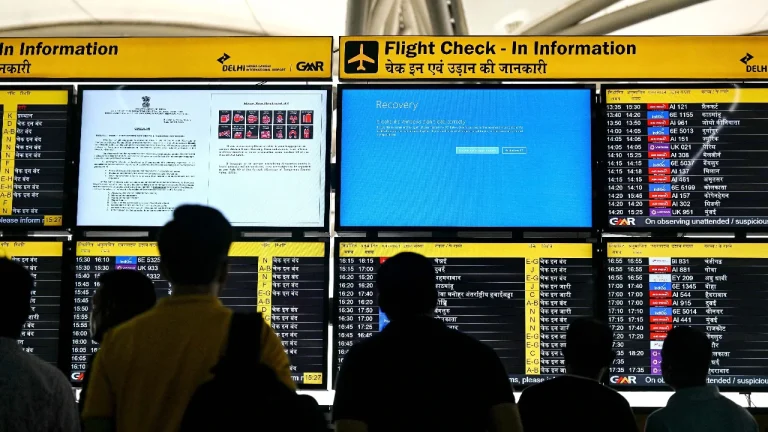
New Delhi – Air India has confirmed that its operations have returned to normal following a significant technical disruption caused by a third-party system failure that affected check-in processes at multiple airports late on Tuesday. The Air India check-in glitch resulted in delays across several airlines, creating inconvenience for thousands of passengers before the issue was fully resolved.
Third-Party System Fully Restored
In an official statement posted on social media platform X, Air India announced the complete restoration of services. “The third-party system has been fully restored, and check-in at all airports is functioning normally. All our flights are operating as per schedule. We thank our passengers for their understanding,” the airline confirmed.
This announcement brought relief to passengers who had been experiencing delays and disruptions at various airports across the country. The Air India check-in glitch had created significant operational challenges during peak travel hours, affecting the carrier’s ability to process passengers efficiently.
Multiple Airlines Affected by Disruption
The technical failure was not isolated to Air India alone. The carrier had earlier acknowledged that the Air India check-in glitch had resulted in delays across multiple airlines, indicating a widespread system failure affecting the broader aviation ecosystem. This suggested that the third-party system provider serves several airlines operating in Indian airports.
The airline’s airport teams worked diligently throughout the disruption period to ensure a smooth check-in experience for all passengers. “Our airport teams are working diligently to ensure a smooth check-in experience for all passengers,” Air India had stated in an earlier post on X while the crisis was ongoing.
Progressive System Restoration Process
During the resolution phase, Air India had informed passengers that the system was being restored progressively. However, the carrier warned that some flights would continue to experience delays “until the situation fully normalizes.” This gradual restoration approach meant that while some airports saw quicker recovery, others took longer to return to normal operations.
The Air India check-in glitch forced the airline to implement contingency measures at affected airports. Ground staff had to manage increased passenger volumes and longer queues while working with limited system functionality, creating additional pressure on airport operations.
Passenger Advisory and Precautionary Measures
In response to the Air India check-in glitch, the carrier issued advisories requesting passengers to check their flight status before leaving for the airport. The airline also recommended that travelers reach the airport earlier than usual for their journeys to accommodate potential delays in the check-in process.
These precautionary measures were essential to manage passenger expectations and prevent overcrowding at airports during the system restoration period. The airline’s proactive communication helped minimize confusion among travelers dealing with the unexpected disruption.
Similar Technical Failure Last Month
This incident follows a similar technical disruption that occurred last month at Delhi’s Indira Gandhi International Airport. In that instance, over 400 domestic and international flights were delayed after a technical issue affected the Automatic Message Switching System (AMSS), causing massive disruption at one of India’s busiest airports.
The November incident impacted major airlines including Air India, Indigo, and SpiceJet, leading to longer queues and significantly slower operations. The technical issue was detected in the IP-based AMSS system, prompting an immediate review meeting conducted by the Secretary of the Ministry of Civil Aviation with the Chairman of Airports Authority of India, Member ANS, and other officials.
Manual Processing Complications
During the AMSS system failure last month, air traffic controllers were forced to manually prepare flight plans using available data. This time-consuming process resulted in substantial flight delays as controllers worked through each flight’s requirements without automated system support.
The recurring nature of these technical issues raises concerns about the reliability of aviation technology infrastructure and the need for robust backup systems to prevent widespread disruptions.
Impact on Airport Operations
The Air India check-in glitch demonstrated the critical dependence of modern aviation operations on integrated technology systems. When these systems fail, even temporarily, the cascading effects can disrupt thousands of passengers’ travel plans and create operational bottlenecks at airports.
Ground handling staff, check-in personnel, and airline officials had to coordinate closely to manage the situation effectively while the technical teams worked on resolving the Air India check-in glitch.
Looking Forward
While Air India has confirmed that normal operations have resumed and all flights are operating on schedule, the incident highlights the vulnerability of airline operations to third-party system failures. The aviation industry continues to rely heavily on interconnected technology platforms, making system redundancy and rapid response protocols essential for maintaining service reliability.
Passengers are advised to remain vigilant about checking flight status information before traveling and to allow extra time for airport procedures, especially during periods when technical issues have been recently reported. The complete resolution of the Air India check-in glitch marks a return to normalcy, but serves as a reminder of the complex technological infrastructure supporting modern air travel.
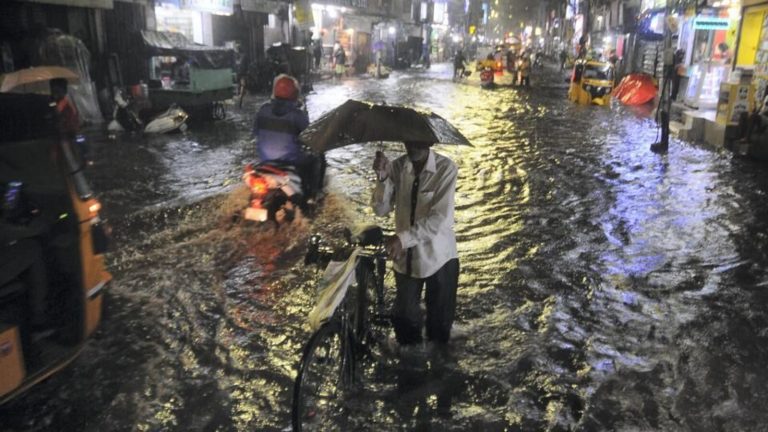
Tamil Nadu – Educational institutions across Chennai will remain shut on December 3 as authorities respond to severe weather conditions triggered by the remnants of Cyclone Ditwah. The Indian Meteorological Department has issued multiple alerts warning residents of very heavy rainfall expected to continue battering Tamil Nadu throughout Wednesday due to which the update of Chennai schools closed was issued by IMD.
IMD Issues Orange and Yellow Alerts for Tamil Nadu
The meteorological department has issued a series of yellow and orange alerts across various districts in Tamil Nadu, signaling potentially dangerous weather conditions. The IMD predicted heavy rainfall accompanied by thunderstorms and lightning in several key districts, including Chennai, Cuddalore, Kancheepuram, and Thanjavur. These warnings have prompted education officials to announce that Chennai schools closed as a precautionary measure to ensure student safety.
Light to moderate rainfall is also expected on Wednesday in districts such as Coimbatore, Madurai, Theni, Tiruppur, and Nilgiris, extending the weather system’s impact across the state.
Cyclone Ditwah’s Current Position and Movement
Cyclone Ditwah weakened into a depression on Tuesday after making its presence felt across the region. At 5:30 pm IST on December 2, the depression lay centered over the southwest Bay of Bengal and adjoining areas, moving southwestwards at a speed of 3 kilometers per hour.
The system was positioned approximately 60 kilometers northeast of Puducherry and 80 kilometers south of Chennai. The minimum distance of the depression’s center from the Indian mainland was about 25 kilometers from the Tamil Nadu-Puducherry coasts, placing it dangerously close to heavily populated areas.
Widespread Impact Across Tamil Nadu Districts
The decision to keep Chennai schools closed on December 3 follows similar closures on Tuesday when schools in Chennai, Tiruvallur, and Kanchipuram remained shut as heavy rain continued from morning hours. The persistent downpour has caused significant disruption across multiple districts.
Heavy rainfall lashed Madurai on Tuesday, resulting in severe waterlogging across several areas, including South Masi Street. The widespread precipitation led to inundation in numerous parts of Chennai, Chengelpet, and Kanchipuram, severely affecting normal life and daily activities.
Agricultural Losses and Infrastructure Damage
Revenue Minister KKSSR Ramachandran revealed the extensive damage caused by the relentless rainfall. Several acres of crops have been destroyed, dealing a significant blow to local farmers already struggling with seasonal challenges. The minister reported that 1,601 tenements suffered damage due to rain-related incidents.
Tragically, four people lost their lives in rain-related incidents across the state, highlighting the serious nature of the weather emergency that necessitated Chennai schools closed orders.
Record Rainfall Figures in Chennai
Chennai experienced exceptionally heavy precipitation during the 24-hour period from December 1 to December 2. According to official data, the city received an average of 15 centimeters of rainfall during this period, contributing to the widespread flooding and waterlogging that prompted authorities to announce Chennai schools closed for safety reasons.
This substantial rainfall has overwhelmed drainage systems in several areas, leading to significant accumulation of water on roads and residential neighborhoods.
Emergency Response and Relief Measures
The Greater Chennai Corporation has mobilized extensive resources to manage the crisis. Approximately 22,000 personnel, including officials and workers, have been deployed across the city to carry out rain-related work. Their primary responsibilities include removing clogs from drains, clearing waterlogged areas, and ensuring that drainage systems function effectively.
These emergency teams are working round-the-clock to mitigate the impact of the heavy rainfall and restore normalcy to affected areas as quickly as possible.
Precautionary Measures and Public Safety
The announcement that Chennai schools closed reflects the administration’s priority on public safety during extreme weather events. Educational authorities acted swiftly to prevent students from traveling through potentially hazardous conditions, including flooded roads and compromised infrastructure.
Residents have been advised to stay indoors unless absolutely necessary and to avoid traveling through waterlogged areas. The continuing rainfall and unstable weather patterns make outdoor activities particularly risky during this period.
Weather Outlook for Coming Days
As the depression continues its southwestward movement, authorities remain vigilant about changing weather patterns. The IMD continues to monitor the system closely and will issue updated alerts as conditions evolve. With Chennai schools closed and emergency services on high alert, the focus remains on minimizing casualties and property damage while the region weathers this significant meteorological event.
Residents are urged to stay informed through official channels and follow all safety guidelines issued by local authorities until weather conditions stabilize across Tamil Nadu.
Indian equities ended the December 2, 2025 session on a weak note, with the Nifty 50 slipping further into negative territory even as a few high-beta smallcaps notched hefty gains. The close reflected persistent pressure on financials and select consumption names, offset partly by targeted buying in travel, pharmaceuticals, and logistics stocks.
By the closing bell, the Nifty 50 stood at 26,032.20, down 143.55 points or 0.55%, as profit booking dominated the final hour of trade. The index moved between a high of 26,154.60 and a low of 25,997.85, while Nifty Next 50, Nifty Financial Services, and Nifty Bank all finished in the red, confirming broad-based weakness in frontline segments.
Steep Losses Among Laggards
On the downside, INDO-RE2 again topped the losers list with a 40.26% plunge, signalling sustained bearishness and low conviction buying. Other notable laggards included PRITI (-10.53%), RETAIL (-10.08%), VIJIFIN (-8.86%), and ATL-RE (-8.34%), each shedding high single- to double-digit percentages on modest volumes, pointing to risk aversion in select small and midcap counters.
Strong Outperformance in Select Gainers
Despite the weak headline indices, a set of outperformers showcased robust investor interest. TIPSFILMS and SPARC hit the 19.99% upper circuit, supported by steady accumulation and improving sentiment around media and pharma themes. EASEMYTRIP rallied 19.92% with volumes of about 3,363 lakh shares and a traded value of roughly ₹281.18 crores, while SHYAMCENT and JETFREIGHT gained 12.46% and 11.64% respectively, highlighting traction in manufacturing and logistics plays.
Conclusion: December 2, 2025
The day’s trade underlined a familiar pattern of index weakness alongside stock-specific outperformance, as market participants rotated capital from vulnerable mid- and small-cap laggards into select high-growth stories. With financials dragging the benchmarks and themed stocks drawing aggressive flows, traders are likely to remain selective and event-driven in the near term.
Indian equities weakened further in the afternoon session on December 2, 2025, with the Nifty 50 index sliding over half a percent even as a clutch of midcap counters rallied sharply. The trend highlighted persistent selling in frontline financials alongside brisk buying in select pharma, travel, and media names.
The Nifty 50 was quoted at 26,042.70, down 133.05 points or 0.51%, reflecting broad-based profit booking in large caps. The index traded between a high of 26,154.60 and a low of 26,028.65, while Nifty Next 50, Nifty Financial Services, and Nifty Bank indices also remained in the red, signalling weakness across key sectors.
Deep Cuts in Top Losers
Among the worst-performing stocks, INDO-RE2 plunged 40.26%, extending its sharp slide with limited value participation. VJIJFIN, SECMARK, SHRENIK, and BAJAJHFL fell between 7.78% and 9.23%, indicating sustained selling pressure in select financial and small-cap counters. BAJAJHFL stood out with an exceptionally high traded value of ₹3,984.26 crores and volumes of over 4,151 lakh shares, pointing to heavy institutional and retail churn in the counter.
Midcaps and Thematic Plays Rally
In contrast, a group of midcap and thematic stocks posted strong gains, capping the broader market fall. TIPSFILMS and SPARC hit the 19.99% upper circuit, supported by firm buying interest, while EASEMYTRIP, SHYAMCENT, and PROSTARM advanced between 13.27% and 18.93% on robust volumes. EASEMYTRIP recorded volumes of around 2,778 lakh shares with a turnover of ₹231.16 crores, underscoring heightened activity in travel and tourism-related plays.
Conclusion: December 2, 2025
The mixed market action on December 2 underscores a clear rotation, with investors trimming exposure to large financials while selectively accumulating high-conviction midcaps. As indices consolidate near record levels, the divergence between benchmark weakness and stock-specific rallies is likely to remain a key theme for traders in the near term.
On December 2, 2025, Indian equity markets saw divergent movements with the benchmark Nifty 50 experiencing a slight decline while several midcap stocks made impressive gains. Trading volumes revealed heightened activity in select financial and infrastructure sectors, reflecting investor sentiment amid ongoing macroeconomic developments.
The Nifty 50 index closed at 26,090.95, down by 84.80 points or 0.32%, indicating cautious trading across blue-chip stocks. The session’s high was 26,154.60 with a low of 26,046.85, marking a consolidative phase following recent rallies. The Nifty Fin Service and Nifty Bank indices also traded lower, signaling broader sectoral correction within financials.
Sharp Movements in Key Stocks
Several stocks registered significant price fluctuations:
Biggest Losers: INDO-RE2 (-40.26%), BAJAJHFL (-6.52%), SHRENIK (-6.45%), ADVENTHTL (-5.44%), and ANIKINDS (-5.20%) bore steep losses, with INDO-RE2 seeing a drastic intraday drop. Notably, BAJAJHFL recorded the highest traded value at ₹3,366.87 crores, reflecting institutional repositioning.
Strong Gainers: TIPSFILMS (+19.99%), INDOUS (+13.78%), CREATIVEYE (+11.69%), HCC (+10.20%), and OILCOUNTUB (+9.99%) surged, driven by robust volume and investor optimism. HCC notably attracted heavy trading, with nearly 989.85 lakh shares and a turnover of ₹259.44 crores, underscoring infrastructure sector interest.
Sectoral Highlights and Market Sentiment
Midcap stocks outperformed giants, especially in film production, oil, and creative sectors. The marked divergence between index heavyweights and nimble midcaps highlights a market favoring stock-specific action over broad-based indices. Financials remained under pressure, while select sectors delivered double-digit percentage gains to shareholders.
Conclusion: December 2, 2025
December 2nd’s trading session underscored a cautious yet opportunistic approach among Indian investors, balancing blue-chip volatility with selective midcap growth. As macroeconomic factors continue to influence sentiment, market participants appear poised for sector-specific opportunities heading into year-end.
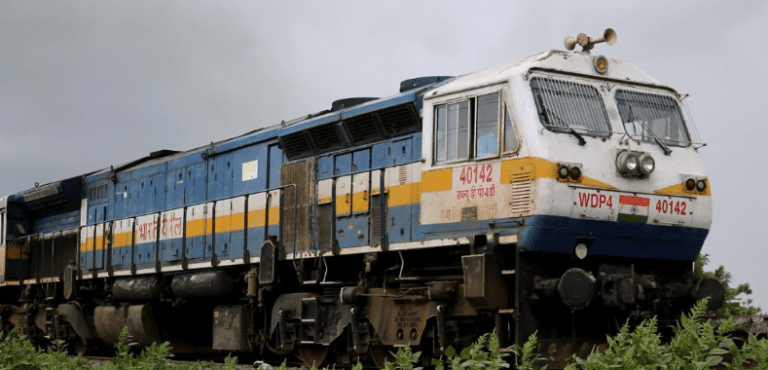
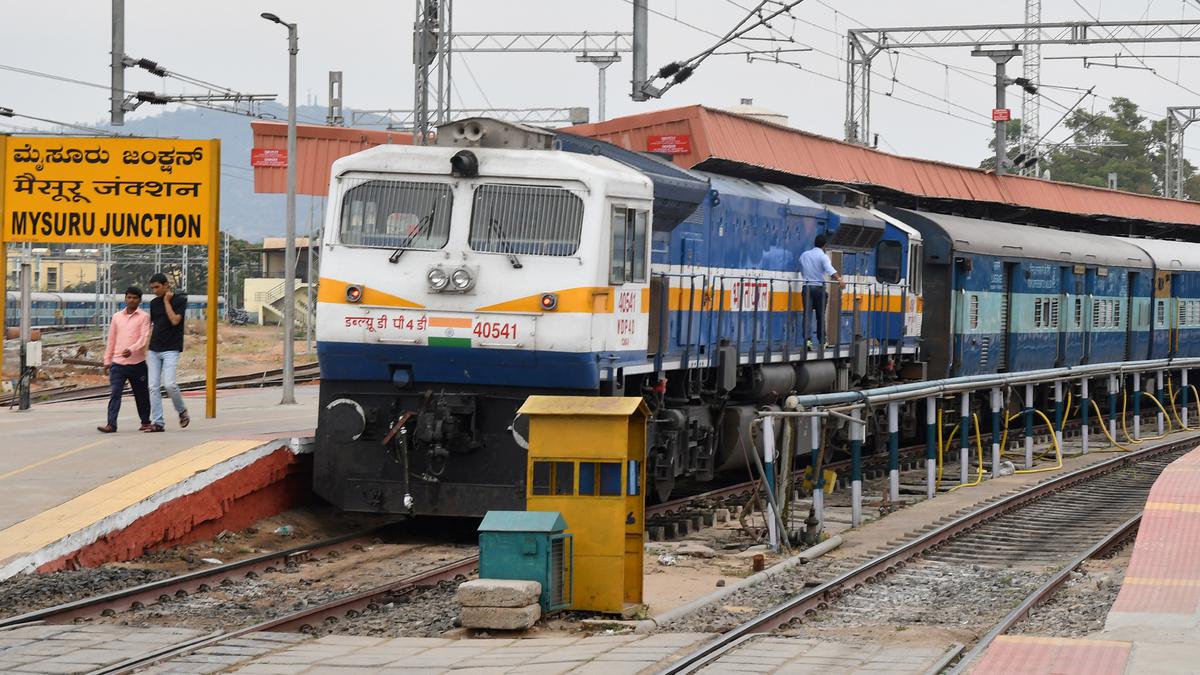
The South Western Railway (SWR) has recorded a landmark achievement with its freight revenue crossing ₹451 crore in the latest fiscal period, highlighting both operational efficiency and strategic growth in cargo transportation. This milestone reflects the growing importance of railway freight in supporting industrial supply chains, agricultural logistics, and inter-state trade. The impressive revenue demonstrates SWR’s ability to manage increasing freight demand while maintaining service quality, safety, and timely deliveries across Karnataka and adjoining states.
Rail freight has long been considered the backbone of India’s logistics ecosystem, enabling cost-effective movement of bulk goods such as coal, cement, fertilizers, agricultural produce, and industrial raw materials. The recent growth underscores how railways continue to play a vital role in bridging production hubs with markets, especially as road transportation faces congestion, higher costs, and environmental constraints. SWR’s performance in freight revenue is also a reflection of strategic planning in network utilization, wagon management, and customer engagement.
Officials indicate that the rise in revenue stems from multiple factors: efficient scheduling of freight trains, increased utilization of dedicated freight corridors, dynamic pricing, and targeted service offerings for industrial clients. This growth comes at a time when Indian Railways is focusing on strengthening its freight operations, modernizing infrastructure, and incorporating technology to optimize logistics. The ₹451 crore milestone serves as both a symbolic and practical marker of SWR’s operational resilience and contribution to regional economic activity.
Several key factors have contributed to the remarkable performance of South Western Railway’s freight segment. First and foremost is the strategic prioritization of industrial and agricultural freight. Karnataka, along with parts of Maharashtra, Andhra Pradesh, and Tamil Nadu served by SWR, has experienced significant growth in sectors such as cement, steel, food processing, and bulk commodities. Efficient alignment of freight services to meet industrial demands has played a pivotal role in revenue growth.
Improved scheduling of freight trains and better network utilization have also been instrumental. By optimizing train timings, routes, and wagon allocation, SWR has reduced transit delays, ensured timely deliveries, and enhanced reliability for clients. The introduction of modern logistics management systems has helped track consignments, plan resource allocation, and improve overall service efficiency. This has resulted in increased customer satisfaction, repeat business, and higher freight revenue.
Another factor is dynamic pricing models that take into account seasonal demand, commodity type, and distance. By adopting flexible pricing and incentivizing large-volume shipments, SWR has attracted higher freight volumes from industrial customers. The strategy encourages consistent usage of railway freight services, reducing reliance on road transport and increasing revenue inflow.
Dedicated freight corridors and specialized freight terminals have further strengthened operational capacity. By creating hubs for loading and unloading bulk cargo, SWR has minimized congestion at key stations, reduced turnaround time for wagons, and enhanced productivity. These initiatives have directly translated into higher freight movement efficiency and revenue.
Finally, collaborative engagement with industrial associations, trade bodies, and cooperative societies has helped SWR understand customer needs and tailor services accordingly. Feedback mechanisms, priority handling, and transparent pricing models have reinforced trust, ensuring sustained growth in freight business. The ₹451 crore achievement is therefore not only a result of increased cargo volumes but also of systemic improvements across operations, management, and customer engagement.
Economic Impact and Regional Significance — Freight as a Growth Driver
The revenue milestone of ₹451 crore has broader implications beyond the confines of South Western Railway. Efficient freight transportation plays a critical role in regional economic growth, connecting production centers with urban markets, ports, and export hubs. Karnataka’s industrial belt, including Bangalore, Hubli, Mysore, and Tumkur, relies heavily on SWR’s freight services to move raw materials and finished goods efficiently.
Agriculture, too, benefits from robust freight operations. Bulk transportation of grains, sugarcane, fruits, vegetables, and other commodities ensures timely delivery to processing units, markets, and export points. Reduced logistical costs and faster transit times translate to better price realization for farmers and traders, contributing to the rural economy. SWR’s operational success thus has a multiplier effect across multiple sectors.
Industries such as cement, steel, textiles, chemicals, and fertilizers have reported improved supply chain efficiency due to consistent freight services. Reliable rail transport enables manufacturers to plan production schedules better, reduce storage costs, and optimize inventory management. For exporters, freight rail provides an economical and dependable alternative to road transport, supporting competitiveness in global markets.
Moreover, freight growth contributes significantly to employment and ancillary economic activity. Operations at loading and unloading terminals, wagon maintenance, logistics planning, and administrative support generate direct and indirect jobs. Freight revenue also strengthens government finances, enabling further investment in infrastructure, safety upgrades, and technology-driven enhancements. The achievement reflects how SWR’s operational success translates into tangible economic benefits for both industry and society.
SWR’s growth in freight revenue also aligns with national priorities such as promoting environmentally sustainable transport. Railways are inherently more energy-efficient than road transport, reducing carbon emissions and fuel consumption per ton-kilometer. Higher freight movement via rail directly supports India’s climate goals and contributes to reducing the environmental footprint of logistics operations.
Future Prospects — Expanding Freight Operations and Enhancing Efficiency
With the momentum of ₹451 crore revenue, SWR is poised to expand freight operations further. Plans include increasing capacity for high-volume commodities, enhancing infrastructure at key freight terminals, and integrating advanced technology for better tracking and resource allocation. Automated booking systems, digital monitoring tools, and data-driven scheduling are expected to make operations even more efficient, minimizing delays and optimizing wagon utilization.
The introduction of modernized freight terminals at industrial clusters will enhance loading and unloading efficiency, reduce dwell time for wagons, and increase turnaround speed. Specialized corridors for bulk cargo, improved signaling systems, and real-time logistics monitoring will enable SWR to handle higher volumes without compromising service quality. These steps are likely to attract new industrial clients and retain existing ones, further boosting revenue.
Collaborations with private logistics providers, large industrial houses, and cooperative consortia are also part of the growth strategy. Public-private partnerships can support investment in infrastructure, technology, and training, ensuring seamless operations while distributing risk and responsibilities. By creating a customer-focused approach, SWR aims to become a preferred choice for bulk and industrial cargo transportation.
Additionally, integrating freight operations with digital platforms allows for better planning, transparency, and client communication. Clients can track shipments in real time, schedule consignments efficiently, and reduce dependency on intermediaries. Digital invoicing, e-payments, and automated documentation further streamline operations, making SWR a model for modern railway freight management.
Key Challenges and Strategic Considerations
Despite remarkable achievements, SWR faces operational challenges. Infrastructure constraints, congestion at certain terminals, maintenance of aging tracks, and availability of rolling stock remain ongoing concerns. Weather disruptions, seasonal demand fluctuations, and administrative bottlenecks can also affect efficiency and revenue. Strategic planning and proactive problem-solving will be critical to sustain growth and capitalize on emerging opportunities.
Maintaining high service standards while expanding operations requires investment in workforce training, technology adoption, and resource optimization. Freight operations demand meticulous scheduling, monitoring of wagon movement, and timely maintenance to prevent delays. Enhancing staff capacity, improving technical skills, and embedding performance metrics are necessary for sustaining high levels of operational excellence.
Balancing freight growth with passenger service priorities is another challenge. SWR operates mixed traffic corridors, where passenger trains and freight trains share tracks. Prioritizing freight without compromising commuter convenience requires advanced scheduling, real-time monitoring, and robust communication systems between departments. Innovative solutions such as dedicated freight corridors or optimized time slots for freight movement may be explored.
Competition from road transport and other logistic modes also remains a factor. While rail offers cost efficiency and environmental benefits, speed and flexibility offered by road logistics attract certain cargo segments. SWR must continue to innovate, maintain reliability, and provide value-added services to retain and grow its client base.
Stakeholder Reactions — Industry, Government and Public Perspective
Industry representatives have welcomed the growth in SWR’s freight revenue, viewing it as a positive signal for economic stability and logistical reliability. Manufacturers, exporters, and traders emphasize the importance of dependable freight services in managing costs, ensuring timely deliveries, and maintaining competitiveness. Several industries have expressed optimism that SWR’s operational improvements will support larger production targets and expansion plans.
Government officials have highlighted the milestone as evidence of successful public-sector management and efficiency. Freight revenue contributes substantially to the overall financial health of Indian Railways and strengthens State and central revenue collection. The achievement demonstrates how operational reforms, strategic planning, and technological integration can yield tangible results.
Citizens, too, are indirectly affected by efficient freight operations. Reliable freight transport ensures availability of goods, reduces supply chain costs, and stabilizes prices in markets. It also encourages industrial growth and job creation, contributing to overall economic prosperity. Communities located near freight terminals benefit from employment opportunities and improved infrastructure.
Media and analysts have observed that the revenue achievement reinforces the strategic importance of railway freight in India’s transport ecosystem. It highlights the need for continued investment in infrastructure, modernization of rolling stock, adoption of technology, and customer-focused service delivery. The milestone of ₹451 crore is therefore not just a financial figure, but a marker of operational excellence and economic impact.
Conclusion — Sustaining Momentum and Building a Future-Ready Freight Network
The crossing of ₹451 crore in freight revenue by South Western Railway is a testament to strategic planning, operational efficiency, and commitment to service excellence. As freight transport remains a critical enabler of regional economic growth, the State and Indian Railways must focus on sustaining momentum, addressing operational challenges, and expanding capacity for future demands.
Investments in infrastructure, digital monitoring, customer engagement, and specialized corridors will ensure that SWR can continue to deliver high-quality freight services. Efficient freight movement contributes to industrial growth, agricultural stability, employment generation, and sustainable development, reinforcing the railway’s central role in Karnataka’s economy.
As SWR sets its sights on future milestones, the focus will remain on optimizing operations, expanding capacity, maintaining service reliability, and supporting broader economic growth objectives. With technology integration, operational reforms, and stakeholder collaboration, South Western Railway is well positioned to consolidate its achievements and deliver sustained value to industries, citizens, and the government.
The revenue milestone of ₹451 crore thus represents not just a financial achievement, but a broader narrative of operational excellence, strategic foresight, and a commitment to transforming freight transport in Karnataka. For industries, citizens, and the State, this is a reminder of the critical role of railways in enabling growth, connectivity, and economic resilience. SWR’s journey forward will be watched closely by all stakeholders as it navigates challenges, leverages opportunities, and continues to redefine the freight landscape in Southern India.




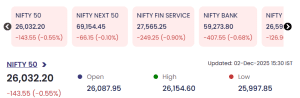 By the closing bell, the Nifty 50 stood at 26,032.20, down 143.55 points or 0.55%, as profit booking dominated the final hour of trade. The index moved between a high of 26,154.60 and a low of 25,997.85, while Nifty Next 50, Nifty Financial Services, and Nifty Bank all finished in the red, confirming broad-based weakness in frontline segments.
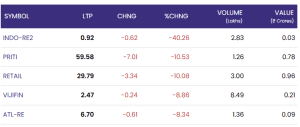 On the downside, INDO-RE2 again topped the losers list with a 40.26% plunge, signalling sustained bearishness and low conviction buying. Other notable laggards included PRITI (-10.53%), RETAIL (-10.08%), VIJIFIN (-8.86%), and ATL-RE (-8.34%), each shedding high single- to double-digit percentages on modest volumes, pointing to risk aversion in select small and midcap counters.
 Despite the weak headline indices, a set of outperformers showcased robust investor interest. TIPSFILMS and SPARC hit the 19.99% upper circuit, supported by steady accumulation and improving sentiment around media and pharma themes. EASEMYTRIP rallied 19.92% with volumes of about 3,363 lakh shares and a traded value of roughly ₹281.18 crores, while SHYAMCENT and JETFREIGHT gained 12.46% and 11.64% respectively, highlighting traction in manufacturing and logistics plays.
 The Nifty 50 was quoted at 26,042.70, down 133.05 points or 0.51%, reflecting broad-based profit booking in large caps. The index traded between a high of 26,154.60 and a low of 26,028.65, while Nifty Next 50, Nifty Financial Services, and Nifty Bank indices also remained in the red, signalling weakness across key sectors.
 Among the worst-performing stocks, INDO-RE2 plunged 40.26%, extending its sharp slide with limited value participation. VJIJFIN, SECMARK, SHRENIK, and BAJAJHFL fell between 7.78% and 9.23%, indicating sustained selling pressure in select financial and small-cap counters. BAJAJHFL stood out with an exceptionally high traded value of ₹3,984.26 crores and volumes of over 4,151 lakh shares, pointing to heavy institutional and retail churn in the counter.
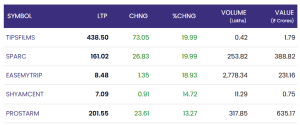 In contrast, a group of midcap and thematic stocks posted strong gains, capping the broader market fall. TIPSFILMS and SPARC hit the 19.99% upper circuit, supported by firm buying interest, while EASEMYTRIP, SHYAMCENT, and PROSTARM advanced between 13.27% and 18.93% on robust volumes. EASEMYTRIP recorded volumes of around 2,778 lakh shares with a turnover of ₹231.16 crores, underscoring heightened activity in travel and tourism-related plays.
 The Nifty 50 index closed at 26,090.95, down by 84.80 points or 0.32%, indicating cautious trading across blue-chip stocks. The session’s high was 26,154.60 with a low of 26,046.85, marking a consolidative phase following recent rallies. The Nifty Fin Service and Nifty Bank indices also traded lower, signaling broader sectoral correction within financials.
 Biggest Losers: INDO-RE2 (-40.26%), BAJAJHFL (-6.52%), SHRENIK (-6.45%), ADVENTHTL (-5.44%), and ANIKINDS (-5.20%) bore steep losses, with INDO-RE2 seeing a drastic intraday drop. Notably, BAJAJHFL recorded the highest traded value at ₹3,366.87 crores, reflecting institutional repositioning.
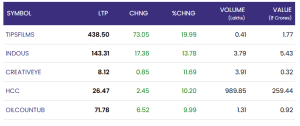 Strong Gainers: TIPSFILMS (+19.99%), INDOUS (+13.78%), CREATIVEYE (+11.69%), HCC (+10.20%), and OILCOUNTUB (+9.99%) surged, driven by robust volume and investor optimism. HCC notably attracted heavy trading, with nearly 989.85 lakh shares and a turnover of ₹259.44 crores, underscoring infrastructure sector interest.