Friday, April 24, 2026
Home Blog Page 83

ICAR and Borlaug Institute for South Asia Host NICRA Review and Launch ACASA–India to Strengthen Climate-Resilient Agriculture: 2026

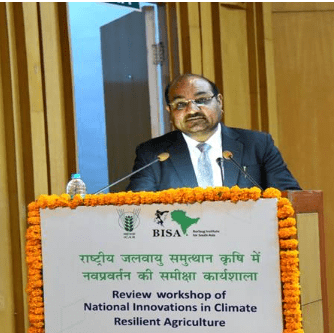
The Indian Council of Agricultural Research (ICAR) and the Borlaug Institute for South Asia (BISA) jointly organised the Review Workshop of National Innovations in Climate Resilient Agriculture (NICRA) and the Launch-cum-Use Case Workshop of the Atlas of Climate Adaptation in Indian Agriculture (ACASA–India) in New Delhi on 23 January 2026. The event was inaugurated by Dr. M. L. Jat, Secretary (DARE) and Director General (ICAR), marking a significant milestone in India’s efforts to build climate-resilient agri-food systems.


NICRA Review Reflects on 15 Years of Climate Resilience Progress

The workshop focused on:

  • Synthesising 15 years of learnings from NICRA

  • Assessing India’s progress in climate resilience in agriculture

  • Charting a convergent, data-driven roadmap for strengthening climate-resilient agri-food systems

  • Aligning science, policy and targeted investments for long-term impact

The review comes at a critical juncture as climate risks intensify, making resilience-building in agriculture a national priority.


Basant Panchami Symbolism and Launch of Knowledge Platforms

Addressing the gathering, Dr. M. L. Jat said that Basant Panchami, symbolising knowledge and renewal, was an apt occasion to reflect on India’s climate resilience journey.

On the occasion, he formally launched key national knowledge platforms, including:

  • Akasha Atlas

  • NICRA knowledge portals

  • ACASA–India platform

He noted that while NICRA has completed 15 years, the programme now requires a clear long-term strategic vision, deeper synthesis of evidence and stronger integration with national climate action priorities.


India’s Agriculture Shows Resilience Despite Climate Stress

Dr. Jat highlighted that Indian agriculture, particularly in rainfed regions, has shown notable resilience and productivity gains despite recurring climatic stresses. He attributed this to:

  • Climate-resilient technologies promoted under NICRA

  • Supportive government policies

  • Institutional convergence across sectors

  • Strong implementation frameworks

He emphasized that India’s climate resilience is built on an integrated ecosystem of:

  • Science and innovation

  • Policy support

  • Technology adoption

  • Social safety nets

  • Human capital

  • Coordinated implementation

Key initiatives such as NICRA, Pradhan Mantri Fasal Bima Yojana, and national livestock and fisheries missions were cited as major contributors to improving farmers’ adaptive capacity and livelihoods.


Call for Unified National Climate Action Platform

Looking ahead, Dr. Jat called for:

  • Deeper integration of data, learnings and investments

  • Development of a unified national climate action platform

  • A whole-of-government and whole-of-society approach

  • Creation of a centralised data ecosystem to support evidence-based decision-making

He noted that India’s experience now offers a powerful global narrative on science-led, policy-aligned solutions, positioning NICRA as a potential global model for climate-resilient agriculture.


ACASA–India Launched to Support Data-Driven Adaptation Planning

Dr. Jat also formally launched the Atlas of Climate Adaptation in Indian Agriculture (ACASA–India), a web-enabled digital platform developed by ICAR-led NARES in collaboration with BISA–CIMMYT.

The platform is designed to support:

  • Location-specific climate adaptation planning

  • Data-driven decision-making for policymakers

  • Scientific targeting of investments in agriculture

  • Strengthening resilience at regional and district levels


Eminent Experts Emphasise Science, Scale and Carbon Credibility

Several senior experts highlighted the national and global relevance of the workshop:

  • Dr. Rajbir Singh, DDG (Agricultural Extension), ICAR, stressed the need to advance science at scale and called for prioritising robust carbon credit methodologies as a key future focus.

  • Dr. A. K. Nayak, DDG (Natural Resource Management), ICAR, noted that the workshop brings together science, data and practical insights essential for strengthening global agri-food system resilience.

  • Participants emphasised that outcomes from the workshop will contribute meaningfully to both national and global climate action efforts.


NICRA’s National Footprint Strengthens Viksit Bharat Vision

The workshop also reviewed the progress of NICRA, which is currently implemented across:

  • More than 200 locations

  • 151 highly climate-vulnerable districts across India

Experts agreed that strengthening NICRA’s impact is essential to India’s broader developmental goal of achieving Viksit Bharat by 2047.

Several senior ICAR officials and dignitaries, including Dr. A. K. Nayak, Dr. Rajbir Singh, Dr. B. Venkateshwarlu, Dr. V. K. Singh and Dr. P. K. Aggarwal, attended the inaugural session.


Conclusion

The NICRA review and ACASA–India launch workshop marked a significant step in advancing India’s climate resilience agenda in agriculture. By combining long-term learnings, cutting-edge digital platforms and a renewed strategic vision, the initiative reinforces India’s leadership in building science-based, policy-aligned and farmer-centric solutions for climate-resilient agri-food systems. The outcomes of the workshop are expected to shape both national strategies and global discourse on sustainable agricultural adaptation.


For more real-time updates, visit Channel 6 Network.

Source: PIB

23 January 2026: Market Wrap: Nifty Ends at Day’s Low Near 25,049 as Adani Stocks and Financials Trigger Broad Sell-Off

Indian equity markets closed sharply lower on Friday, 23 January 2026, as heavy selling pressure across Adani group stocks, financials, and high-beta counters dragged benchmarks to the day’s lows. Despite limited support from select FMCG, pharma and metal stocks, the overall sentiment remained firmly risk-off through the session.

Also Read: 23 January 2026: Afternoon Market Wrap: Nifty Slides 194 Points to 25,095 as Adani Stocks, Aviation and Financials Drag Markets


Nifty 50 Closes Below 25,050 Amid Heavy Selling

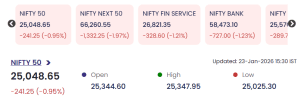
At market close (15:30 IST), the Nifty 50 settled at 25,048.65, down 241.25 points (-0.95%).

  • Open: 25,344.60

  • 23 January 2026Day’s High: 25,347.95

  • Day’s Low: 25,025.30

The index witnessed persistent selling throughout the session and decisively broke below the 25,100 support zone, indicating weakening short-term market structure.


Broader Indices Witness Steeper Declines

Selling pressure was sharper across broader indices, highlighting broad-based risk aversion:

  • Nifty Next 50: 66,260.55 (-1.97%)

  • Nifty Financial Services: 26,821.35 (-1.21%)

  • Nifty Bank: 58,473.10 (-1.23%)

The sharp fall in the Nifty Next 50 signals that selling was not limited to frontline stocks but extended across the wider market.


Top Gainers: Defensives Offer Limited Cushion

Only a handful of stocks managed to close in the green, providing marginal support to the indices:

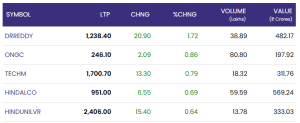
  • Dr Reddy’s Laboratories: ₹1,238.40, +1.72%

  • ONGC: ₹246.10, +0.86%

  • Screenshot 2026 01 23 235455Tech Mahindra: ₹1,700.70, +0.79%

  • Hindalco: ₹951.00, +0.69%

  • Hindustan Unilever (HUL): ₹2,406.00, +0.64%

Gains in Dr Reddy’s, HUL and Tech Mahindra reflected defensive positioning, while ONGC and Hindalco drew modest support from the commodities space.


Top Losers: Adani Enterprises Tanks Over 10%, Selling Deepens

The session was dominated by aggressive selling in momentum and high-volume counters:

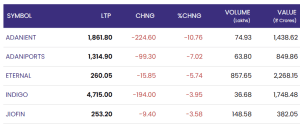
  • Adani Enterprises: ₹1,861.80, -10.76%

  • Adani Ports: ₹1,314.90, -7.02%

  • Screenshot 2026 01 23 235508Eternal: ₹260.05, -5.74%

  • IndiGo: ₹4,715.00, -3.95%

  • Jio Financial Services (JIOFIN): ₹253.20, -3.58%

The steep fall in Adani group stocks severely dented market sentiment, while continued weakness in IndiGo, Eternal and Jio Financial amplified the sell-off.


Market View: Breakdown Below Key Support Signals Weakness

Friday’s closing reflects a clear shift towards risk-off sentiment, with markets breaking below crucial technical levels. The session was marked by:

  • Heavy distribution in high-beta stocks

  • Persistent weakness in financials

  • Limited participation from defensives

  • Broad-based decline across sectors

Technically, analysts will now watch:

  • Immediate support: 24,950–25,000

  • Resistance: 25,200–25,300

Failure to hold the psychological 25,000 mark could open the door for further downside in the near term.


Conclusion: 23 January 2026

Markets ended the week on a decisively weak note, with selling pressure intensifying into the close. While select defensives provided marginal support, the broader structure now reflects caution and rising volatility. Investors are likely to remain selective and risk-aware in the coming sessions, closely tracking global cues and institutional flows.


For real time stock Updates, visit NSE website.

23 January 2026: Afternoon Market Wrap: Nifty Slides 194 Points to 25,095 as Adani Stocks, Aviation and Financials Drag Markets

Indian equity markets ended sharply lower on Friday, 23 January 2026, as heavy selling in Adani group stocks, aviation, financials and select pharma counters triggered broad-based weakness across indices. Despite pockets of strength in FMCG, IT and metals, the negative momentum dominated the second half of the session, pulling benchmarks close to the day’s lows.

Also Read: 23 January 2026: Midday Market Update: Nifty Slips Below 25,210 as Aviation and Financial Stocks Drag; Asian Paints and TCS Gain


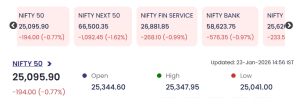
Nifty 50 Closes Weak Below 25,100

At market close (14:56 IST), the Nifty 50 settled at 25,095.90, down 194.00 points (-0.77%).

  • Open: 25,344.60

  • 23 January 2026Day’s High: 25,347.95

  • Day’s Low: 25,041.00

The index failed to sustain above the 25,300 zone and witnessed persistent selling pressure, indicating weakening short-term sentiment.


Broader Indices Witness Sharper Declines

Losses were deeper across broader and sectoral indices, reflecting risk-off sentiment:

  • Nifty Next 50: 66,500.35 (-1.62%)

  • Nifty Financial Services: 26,881.85 (-0.99%)

  • Nifty Bank: 58,623.75 (-0.97%)

The sharp fall in the Nifty Next 50 suggests heightened selling pressure in mid- and large-cap stocks beyond the benchmark.


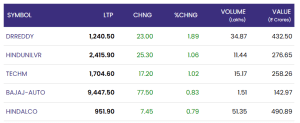
Top Gainers: Defensives and Select IT Provide Limited Support

Some resilience was seen in defensive and quality names:

  • Dr Reddy’s Laboratories: ₹1,240.50, +1.89%

  • Hindustan Unilever (HUL): ₹2,415.90, +1.06%

  • Screenshot 2026 01 23 145656Tech Mahindra: ₹1,704.60, +1.02%

  • Bajaj Auto: ₹9,447.50, +0.83%

  • Hindalco: ₹951.90, +0.79%

Gains in HUL, Dr Reddy’s and Tech Mahindra reflected defensive buying, while Bajaj Auto and Hindalco offered marginal support from the auto and metal space.


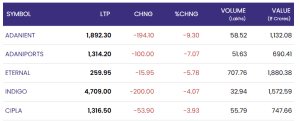
Top Losers: Adani Stocks, IndiGo and Pharma Counters Under Heavy Selling

The session was dominated by aggressive selling in high-beta and momentum stocks:

  • Adani Enterprises: ₹1,892.30, -9.30%

  • Adani Ports: ₹1,314.20, -7.07%

  • Screenshot 2026 01 23 145706Eternal: ₹259.95, -5.78%

  • IndiGo: ₹4,709.00, -4.07%

  • Cipla: ₹1,316.50, -3.93%

The steep fall in Adani group stocks significantly impacted market sentiment, while weakness in IndiGo, Eternal and Cipla further intensified the decline.


Market View: Risk-Off Sentiment, Volatility Increases

Friday’s session reflected a clear risk-off mood, with investors cutting exposure to high-valuation and momentum stocks. The market displayed:

  • Sharp profit booking in recent outperformers

  • Weakness across financials and broader markets

  • Screenshot 2026 01 23 145706Defensive buying limited to select FMCG and pharma names

Technically, analysts are now watching:

  • Immediate support: 25,000–25,050

  • Resistance: 25,300–25,350

A decisive break below the psychological 25,000 level could trigger further short-term volatility.


Conclusion: 23 January 2026

Markets ended the week on a weak note, with broad-based selling overpowering selective defensive gains. With volatility rising and sectoral rotation intensifying, investor sentiment remains cautious. Near-term direction will likely depend on global cues, institutional flows and upcoming earnings reactions.


For real time stock Updates, visit NSE website.

23 January 2026: Midday Market Update: Nifty Slips Below 25,210 as Aviation and Financial Stocks Drag; Asian Paints and TCS Gain

Indian equity benchmarks traded lower in the early afternoon session on Friday, 23 January 2026, as selling pressure in aviation, financials and select PSU stocks outweighed gains in IT, FMCG and pharma counters. Despite some resilience in large-cap defensives, overall sentiment remained cautious amid broad-based weakness across indices.

Also Read: 22 January 2026: Market Wrap: Nifty Ends Higher at 25,289 as Pharma, Defence and Adani Stocks Lead Rally


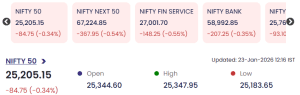
Nifty 50 Trades in Red Near 25,205

As of 12:16 IST, the Nifty 50 stood at 25,205.15, down 84.75 points (-0.34%).

  • Open: 25,344.60

  • 23 January 2026Day’s High: 25,347.95

  • Day’s Low: 25,183.65

The index failed to sustain early highs and slipped into negative territory, with selling emerging near the 25,340–25,350 resistance zone.


Broader Indices Also Under Pressure

Weakness was visible across broader and sectoral indices:

  • Nifty Next 50: 67,224.85 (-0.54%)

  • Nifty Financial Services: 27,001.70 (-0.55%)

  • Nifty Bank: 58,992.85 (-0.35%)

The decline in financial services and banking stocks continued to cap any meaningful recovery in the broader market.


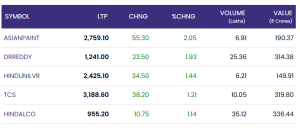
Top Gainers: Asian Paints, Dr Reddy’s and TCS Support the Market

Selective buying was seen in defensives and quality large caps:

  • Asian Paints: ₹2,759.10, +2.05%

  • Dr Reddy’s Laboratories: ₹1,241.00, +1.93%

  • Screenshot 2026 01 23 121713Hindustan Unilever (HUL): ₹2,425.10, +1.44%
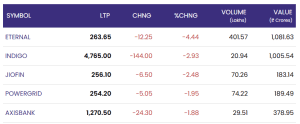
  • TCS: ₹3,188.60, +1.21%

  • Hindalco: ₹955.20, +1.14%

Strength in Asian Paints, HUL and TCS reflected defensive positioning, while continued momentum in Dr Reddy’s supported the pharma pack.


Top Losers: Eternal, IndiGo and Axis Bank Drag

Heavy selling pressure was visible in select high-volume and financial stocks:

  • Eternal: ₹263.65, -4.44%

  • IndiGo: ₹4,765.00, -2.93%

  • Screenshot 2026 01 23 121723Jio Financial Services (JIOFIN): ₹256.10, -2.48%
  • Power Grid: ₹254.20, -1.95%

  • Axis Bank: ₹1,270.50, -1.88%

The sharp decline in IndiGo weighed on the aviation space, while continued weakness in Axis Bank and Jio Financial dragged financials lower.


Market View: Cautious Sentiment with Defensive Rotation

The session reflects a clear shift towards defensive and quality large-cap stocks, as investors booked profits in recent outperformers. The market continues to exhibit:

  • Weakness in financials and high-beta stocks

  • Strength in FMCG, IT and pharma

  • Consolidation near key support levels

Technically, traders are closely tracking:

  • Immediate support: 25,150–25,180

  • Resistance: 25,340–25,360

A breakdown below support could invite further selling pressure in the short term.


Conclusion: 23 January 2026

Indian markets traded lower at midday, weighed down by financials and aviation stocks, even as select defensives provided limited support. With broader indices also in the red, investors appear to be adopting a cautious stance ahead of further triggers such as earnings announcements, institutional flows and global market cues.


For real time stock Updates, visit NSE website.

Tamil Nadu Weather Alert: Heavy Rain Warning for 6 Districts as Unstable Conditions Return

0

Tamil Nadu Weather Alert: Heavy Rain Warning for 6 Districts Signals Wet Spell Ahead

Tamil Nadu Weather Alert: Heavy Rain Warning for 6 Districts has been issued following the formation of a lower atmospheric circulation over southern India. Weather officials have indicated that this system, along with easterly wave activity, is likely to bring widespread rainfall across several parts of the state. Residents in affected areas have been advised to remain cautious as rainfall intensity may increase over the next 24 hours.

According to the Chennai Meteorological Centre, the changing weather pattern is expected to influence both coastal and interior regions of Tamil Nadu. While light rainfall is forecast in many places today, heavier spells are likely to develop tomorrow, especially in selected districts. The alert highlights the possibility of thunderstorms accompanied by moderate to heavy rain, which may cause brief disruptions to daily activities.Heavy

The weather system is seasonal in nature and commonly occurs during this period due to moisture movement from the Bay of Bengal. Meteorologists explained that the current circulation pattern is drawing moisture towards the state, creating conditions favourable for rain clouds to develop. As a result, several districts may experience cloudy skies and intermittent rainfall through the day.

Tamil Nadu Weather Alert: Heavy Rain Warning for 6 Districts Covers Coastal and Nearby Regions

Under the Tamil Nadu Weather Alert: Heavy Rain Warning for 6 Districts, Chennai, Chengalpattu, Kanchipuram, and a few surrounding areas are likely to receive heavy rainfall at isolated locations. Coastal Tamil Nadu, along with Puducherry and Karaikal, may see light to moderate rain accompanied by thunder activity.

Weather officials stated that rainfall intensity may vary from place to place. Some areas could experience short but intense spells, while others may see steady rain spread over several hours. Interior districts are also expected to receive rainfall, though the intensity may remain moderate in most locations.Heavy

On the following day, similar weather conditions are expected to continue across both coastal and interior Tamil Nadu. Cloudy skies and scattered rain are likely, with occasional thunderstorms during the afternoon or evening hours. Officials have advised fishermen and small boat operators to remain cautious, as sudden weather changes could lead to rough sea conditions in nearshore areas.

Urban areas, particularly Chennai and its suburbs, may experience temporary waterlogging in low-lying locations if heavy rain occurs within a short duration. Authorities have been instructed to monitor drainage systems and ensure preparedness in case of increased rainfall. Commuters are advised to plan travel with caution and allow extra time during peak hours.

The weather department has also noted that temperatures may remain slightly lower due to cloud cover and rainfall. Daytime temperatures are expected to stay within a comfortable range, while nighttime temperatures may feel cooler than usual in some regions.

Chennai Weather Outlook Under Tamil Nadu Weather Alert: Heavy Rain Warning for 6 Districts

As part of the Tamil Nadu Weather Alert: Heavy Rain Warning for 6 Districts, Chennai is expected to experience changing weather conditions over the next two days. Today, the city is likely to remain partly cloudy with chances of light rain at a few locations. The maximum temperature may hover around 28 to 29 degrees Celsius, while the minimum temperature could be around 22 degrees Celsius.

Tomorrow, rainfall activity is expected to increase across Chennai. Moderate to heavy rain accompanied by thunderstorms may occur during certain hours of the day. Cloud cover is likely to persist, keeping temperatures stable. Residents are advised to stay updated with local weather bulletins and follow instructions issued by civic authorities. Also Read: Tamil Nadu Weather Alert: Heavy Rain Warning for 6 Districts

Conclusion

The Tamil Nadu Weather Alert: Heavy Rain Warning for 6 Districts highlights the need for caution as rainfall activity is expected to intensify in parts of the state. While the rains may bring temporary inconvenience, timely preparedness and awareness can help reduce risks. Authorities and residents are advised to remain alert until weather conditions stabilise.

Southern Railways Announces Additional Stoppages for 103 Trains in TN, Kerala in a Massive Travel Boost

0

Southern Railways Announces Additional Stoppages for 103 Trains in TN, Kerala to Improve Regional Connectivity

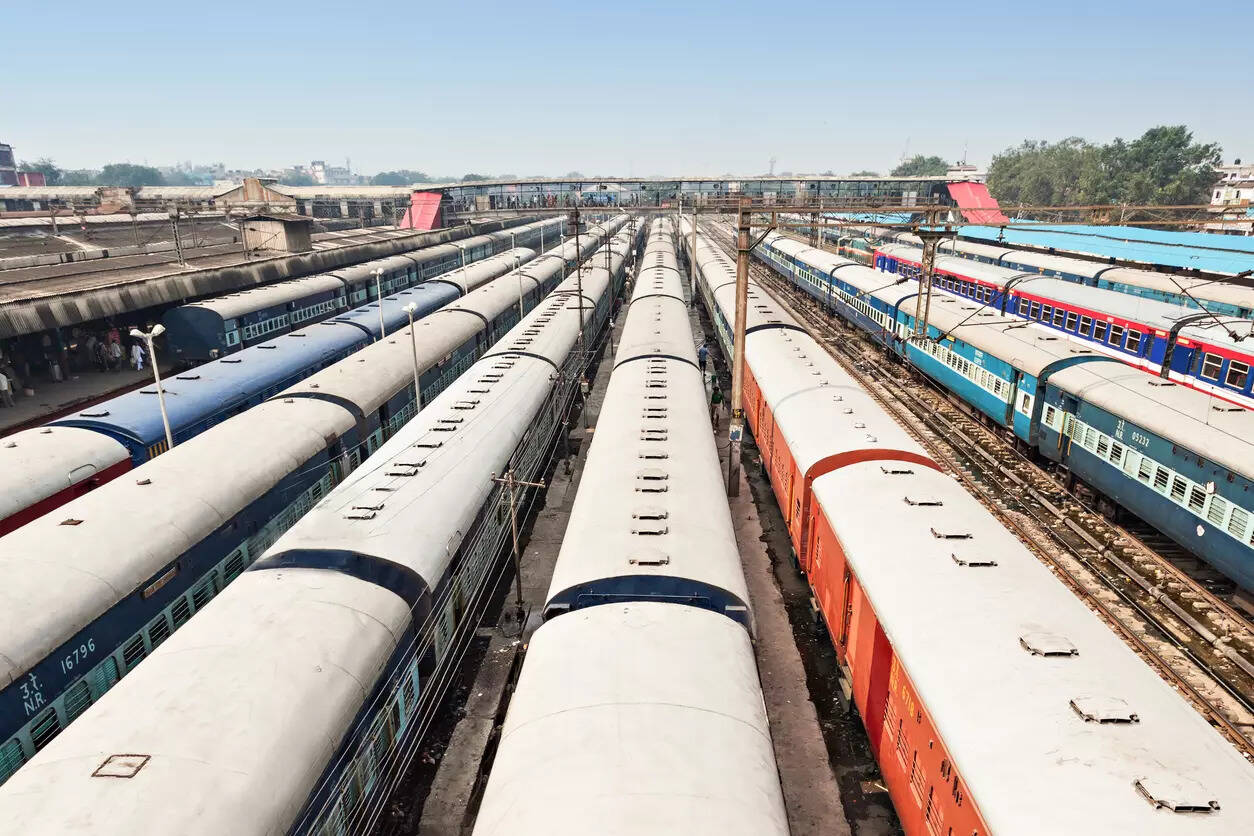
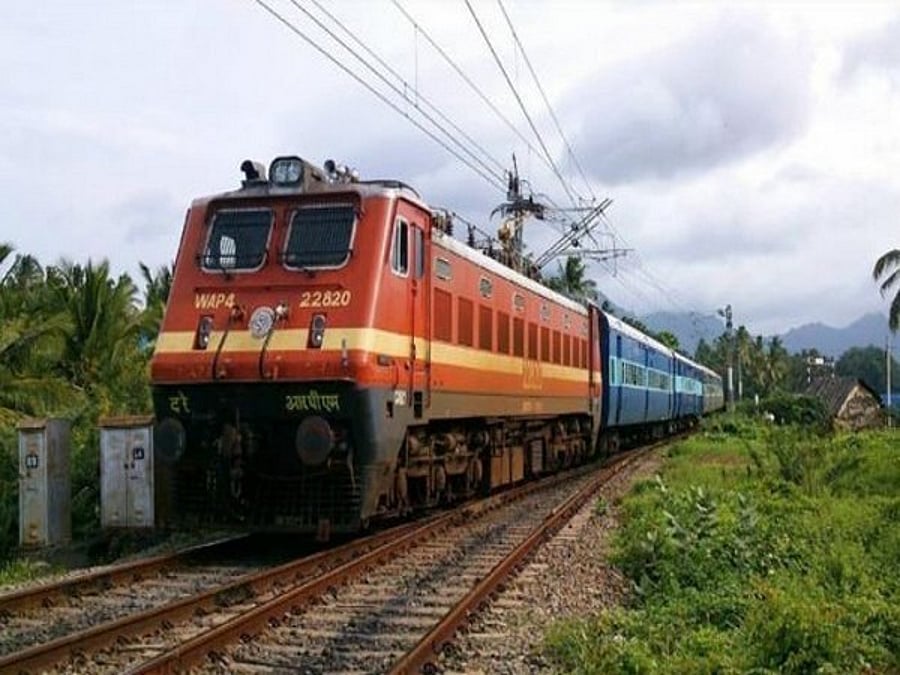
Southern Railways announces additional stoppages for 103 trains in TN, Kerala, fulfilling a long-pending demand of regular passengers across both states. This important decision is expected to ease daily travel, reduce last-mile difficulties, and improve access to rail services for people living in small towns and suburban areas.

According to the official announcement, these new stoppages will be introduced in phases starting from January 26, followed by additional dates on January 27, January 28, and February 2. In total, 109 stations will receive new train halts, of which 20 stations are located in Kerala and the remaining are spread across Tamil Nadu. The move mainly benefits passengers in delta districts, southern regions, and busy suburban corridors.Southern Railways

Railway officials stated that the decision was taken after reviewing repeated representations from commuters, local bodies, and passenger associations. Many stations that earlier had fast trains passing through without stopping will now have scheduled halts, allowing easier boarding and alighting.

Southern Railways Announces Additional Stoppages for 103 Trains in TN, Kerala Enhancing Passenger Convenience

One of the most welcomed changes is related to long-distance and superfast trains that now include additional stops at key suburban and regional stations. Passengers travelling from North Chennai areas will no longer need to go to central terminals to board certain express trains. This change significantly reduces travel time and crowd pressure at major stations.

For example, travellers heading towards Renigunta can now board the Kacheguda Express directly from Perambur. Similarly, the Chengalpattu–Kacheguda and Puducherry–Kacheguda Express trains will also halt briefly at Perambur, improving access for thousands of daily users.

Several important trains have been given new stoppages in both directions. The Tambaram–Sengottai Superfast Express will now stop at Chengalpattu, Sivaganga, and Peravurani. The Tambaram–Nagercoil Antyodaya Express has been provided halts at Manapparai, Tirumangalam, and Nanguneri. These changes are expected to benefit passengers from interior districts who earlier depended on slower passenger trains. Southern Railways

In Chennai and its surrounding suburban areas, additional stoppages have been introduced at stations such as Perambur, Ambattur, Basin Bridge, Wimco Nagar, and Chengalpattu. These stations serve a large working population and students who rely on trains for daily travel.

The delta and southern regions of Tamil Nadu have also received special attention. Stations like Adhiramapattinam, Muthupet, Tiruchy, Peravurani, Manapparai, Chidambaram, and Vaitheeswaran Koil are among those newly included. These areas often face limited connectivity, and the new halts are expected to boost local mobility and economic activity. According to southern railways, the new stoppages will improve regional access.

Regular travellers have welcomed the decision, especially passengers using the Coimbatore–Chennai Kovai Express. Earlier, passengers travelling to Tiruvallur from cities like Coimbatore, Tiruppur, and Salem had to get down at Arakkonam late at night and depend on local trains. Missing the last service often caused serious inconvenience. The new stoppage is expected to solve this long-standing issue. Also Read: Amrit Bharat trains routes: Kerala to get three 3 new trains – check numbers, stoppages

Conclusion

Southern Railways announces additional stoppages for 103 trains in TN, Kerala as a passenger-friendly step that strengthens rail connectivity and improves travel comfort. The move by southern railways is expected to make train travel more convenient. By addressing genuine commuter needs and extending services to smaller stations, this decision reflects a practical approach to public transport planning. The new halts are expected to make train journeys smoother, more accessible, and more reliable for lakhs of passengers across Tamil Nadu and Kerala.

‘Whistle Podu’: Take a Look at Interesting Links Between Vijay and Whistle as ECI Allocates TVK Its Symbol, Marking 1 Defining Moment

‘Whistle Podu’: Take a look at interesting links between Vijay and whistle as ECI allocates TVK its symbol, triggering excitement among cadres and fans

‘Whistle Podu’: Take a look at interesting links between Vijay and whistle as ECI allocates TVK its symbol, a development that has sparked wide attention across Tamil Nadu’s political and social circles. With the Election Commission of India officially allotting the ‘whistle’ symbol to Tamilaga Vettri Kazhagam (TVK), actor-turned-politician Vijay has taken his first formal step into the electoral arena with a symbol that strongly connects to his public image.‘Whistle Podu’

Soon after the announcement, Vijay took to social media to describe the whistle as a sound of joy, achievement, and determination. He said a whistle reflects the feeling people express when they finally reach their goal after sustained effort. He also added that a whistle, often used by those responsible for maintaining order, can be seen as a symbol of security and protection.

Party leaders welcomed the decision with visible enthusiasm. TVK’s Joint General Secretary said the whistle was Vijay’s first preference among the symbols submitted to the Election Commission. According to him, the symbol reflects energy, positivity, and discipline, values the party hopes to communicate as it prepares for upcoming elections.

Within hours of the announcement, the whistle symbol began trending widely on social media platforms. Supporters shared images, artwork, and wall paintings featuring the symbol, signalling early grassroots mobilisation. For many fans, the symbol felt familiar rather than new.

‘Whistle Podu’: Take a Look at Interesting Links Between Vijay and Whistle Through His Film Journey

For long-time followers of Vijay’s career, the whistle carries deep cinematic associations. Across several films spanning nearly two decades, the whistle has appeared as a recurring visual and emotional element, often used to signal confidence, authority, or celebration.

In multiple action and commercial films, Vijay has used a whistle during pivotal scenes to assert control or energise the moment. In some roles, it symbolised leadership; in others, it reflected playful confidence. Over time, this repeated imagery became closely associated with his on-screen persona.‘Whistle Podu’

One of the most recent examples is a song sequence that prominently features whistling, which has now gained renewed attention following the symbol allocation. What was once seen purely as a cinematic element has quickly been reinterpreted by supporters as a political metaphor.

Older films also contain memorable whistle moments, whether during action scenes, emotional turning points, or lighter sequences. In sports-themed roles, the whistle naturally aligned with discipline and direction. In law-enforcement roles, it represented authority. These repeated appearances have helped embed the whistle deeply into Vijay’s popular image.

Interestingly, even dubbed versions of his films in other languages leaned into this association, further strengthening the connection between the actor and the sound. For fans, the whistle is not just an object, but a familiar signal that carries nostalgia and recognition.

‘Whistle Podu’: Take a Look at Interesting Links Between Vijay and Whistle as Symbol Sparks Political Buzz

The political impact of the symbol was immediate. Supporters began using the whistle as a rallying image, while social media platforms saw a surge of memes, slogans, and creative posts. Some netizens drew humorous comparisons with everyday life, while others linked the whistle to governance themes such as alertness and responsibility.

The symbol also triggered playful online debates between fan groups, especially given the re-release of popular films featuring mass scenes where whistling is common in theatres. What began as a routine election symbol announcement quickly turned into a cultural moment. For Vijay’s supporters, WHISTLE PODU reflects a long-standing connection between his screen presence and the whistle imagery that now defines TVK’s political symbol‘Whistle Podu’

Political observers note that symbols play a crucial role in Tamil Nadu’s electoral landscape, where visual identity often carries as much weight as ideology. By receiving a symbol already familiar to the public, TVK may find it easier to establish recall among voters, especially first-time participants.

While it remains too early to predict electoral outcomes, the response to the whistle symbol suggests strong emotional engagement. The blend of cinema, symbolism, and politics has created momentum even before the campaign has formally begun. Also Read: “1st Victory, Divine Prelude”: Actor Vijay On Whistle Symbol For His Party

Conclusion

As ‘Whistle Podu’: take a look at interesting links between Vijay and whistle as ECI allocates TVK its symbol, the moment marks a symbolic beginning for the party’s political journey. With familiarity, emotion, and visibility already working in its favour, the real test now lies in how this early excitement translates on the ground in the months ahead.

Tamil Nadu Polls: PM Modi’s Strong Claim Says State Ready to Bid Farewell to ‘Corrupt’ DMK; Stalin Hits Back 2026

Tamil Nadu polls: PM Modi says state ready to bid farewell to ‘corrupt’ DMK; Stalin hits back as political temperature rises ahead of Assembly elections

Tamil Nadu polls: PM Modi says state ready to bid farewell to ‘corrupt’ DMK; Stalin hits back, setting the tone for an intense political battle in the state as the National Democratic Alliance (NDA) formally launched its Assembly election campaign. The Prime Minister made the remarks while addressing party workers and supporters ahead of a major rally in Maduranthakam, signalling the BJP-led alliance’s intent to challenge the ruling DMK government head-on.

PM Modi said the people of Tamil Nadu have made up their minds and are looking for change after years of what he described as misgovernance and corruption. According to him, the NDA’s development-focused approach and respect for regional aspirations are beginning to resonate with voters across the state. He said Tamil Nadu was ready to move forward with a government that prioritises transparency, growth, and inclusive development.PM

The rally in Maduranthakam marked the formal start of the NDA’s election push in Tamil Nadu. Senior leaders from alliance parties, including the AIADMK, were present, projecting unity and strength. The BJP sees this rally as a crucial moment to expand its influence in the state and position the NDA as a credible alternative to the DMK.

Tamil Nadu Polls: PM Modi Says State Ready to Bid Farewell to ‘Corrupt’ DMK as NDA Signals Confidence

During his address, PM Modi highlighted the NDA’s governance record at the national level and said it reflects the alliance’s ability to deliver results. He stressed that development should not be limited to a few regions and that Tamil Nadu deserves the same attention and opportunities as other states.

NDA leaders echoed similar sentiments, stating that the alliance was confident of gaining public support due to rising dissatisfaction with the DMK government. They claimed that issues related to corruption, law and order, and administrative inefficiency have affected public trust. The alliance portrayed itself as a disciplined and development-oriented alternative capable of bringing long-term stability to the state.PM

The rally was also meant to send a message of alliance unity. Leaders from various NDA partners shared the stage, underlining coordinated efforts ahead of the elections. The BJP believes that a strong partnership with regional allies will be key to making electoral inroads in Tamil Nadu.

Security arrangements were tightened in and around Maduranthakam for the Prime Minister’s visit. Officials made elaborate preparations, including crowd control measures and transport arrangements, as a large turnout was expected. The event passed without incident, further boosting NDA morale.

Tamil Nadu Polls: PM Modi Says State Ready to Bid Farewell to ‘Corrupt’ DMK; Stalin Hits Back with Sharp Response

Chief Minister M K Stalin responded strongly to PM Modi’s remarks, rejecting the accusations against the DMK government. He accused the BJP-led NDA of repeatedly betraying Tamil Nadu and ignoring its long-standing demands. Stalin said the Prime Minister’s visits to the state are limited to election periods, while key issues affecting Tamil Nadu remain unresolved.

Stalin raised concerns over pending central funds and delayed projects, questioning when Tamil Nadu would receive its dues under major welfare and infrastructure schemes. He also pointed to delays in education funding, healthcare projects, employment programmes, and disaster relief assistance. According to him, these unresolved matters reflect the Centre’s lack of commitment to the state.

The Chief Minister also criticised the role of the Governor, describing the situation as administrative disruption rather than cooperation. He said the state government has consistently sought constructive engagement with the Centre, but has often been met with indifference.

Political observers note that the sharp exchange between PM Modi and CM Stalin reflects the high stakes involved in the upcoming Assembly elections. With both sides hardening their positions, the campaign is expected to focus heavily on governance, federal relations, and development priorities. Also Read: PM targets DMK as poll battle kicks off, says Tamil Nadu ready to oust ‘corrupt’ Stalin-led govt

Conclusion

As Tamil Nadu polls: PM Modi says state ready to bid farewell to ‘corrupt’ DMK; Stalin hits back, the early phase of the election campaign has already turned confrontational. With strong claims and counterclaims from both sides, voters can expect an intense political contest in the months ahead.

Elector-Population Ratio Emerges as Key Issue in TN SIR Exercise Amid Large-Scale Voter Deletion, Revealing 1 Major Concern

Elector-Population Ratio Emerges as Key Issue in TN SIR Exercise Amid Large-Scale Voter Deletion, Highlighting 1 Serious Concern

Elector-population ratio emerges as key issue in TN SIR exercise amid large-scale voter deletion, as concerns grow over the way electoral rolls were revised during the recent Special Intensive Revision (SIR) in Tamil Nadu. While the Election Commission of India (ECI) has maintained that the exercise was necessary to remove inflated and outdated voter entries, emerging data suggests that the revision may have excluded a significant number of eligible voters, especially in urban areas.

The ECI has repeatedly cited rapid urbanisation and migration over the last two decades as reasons for cleaning up electoral rolls. There is broad agreement on the need for updating voter lists. However, what has drawn attention is the absence of strong “health checks” before the publication of the draft SIR rolls. These checks are clearly outlined in the ECI’s own Manual on Electoral Rolls.

One of the most important indicators mentioned in the manual is the elector-population ratio (EPR). This ratio compares the number of registered voters with the estimated population aged 18 and above. A healthy electoral roll is expected to closely match population estimates. Any sharp deviation usually signals errors such as excessive deletions or omissions.Elector

Elector-Population Ratio Emerges as Key Issue in TN SIR Exercise Amid Large-Scale Voter Deletion in Tamil Nadu’s Urban Areas

The ECI manual mandates that EPR checks be conducted at both district and state levels using standard reporting formats. These formats are meant to help election officials identify unusual patterns before finalising electoral rolls. Even in the absence of fresh Census data, the commission’s guidelines instruct officials to rely on population estimates to ensure accuracy.

However, officials familiar with the SIR process in Tamil Nadu have indicated that such checks were not properly carried out before the draft rolls were released. An analysis of available data shows worrying gaps between expected voter numbers and the revised rolls.

At the state level, the elector-population ratio is estimated to be around 90%, suggesting that nearly one in ten eligible voters may be missing from the rolls. The situation appears far more serious in urban centres. In Chennai, the EPR is estimated at under 65%, indicating that nearly one-third of eligible voters could have been left out.Elector

This pattern has raised serious questions because it does not align with known migration trends. Experts point out that Tamil Nadu has seen strong movement from rural areas to nearby towns and cities due to better non-farm employment opportunities. Logically, this should result in more deletions in rural areas than in urban ones. The data, however, shows the opposite.

Elector-Population Ratio Emerges as Key Issue in TN SIR Exercise Amid Large-Scale Voter Deletion and Roll Revision Concerns

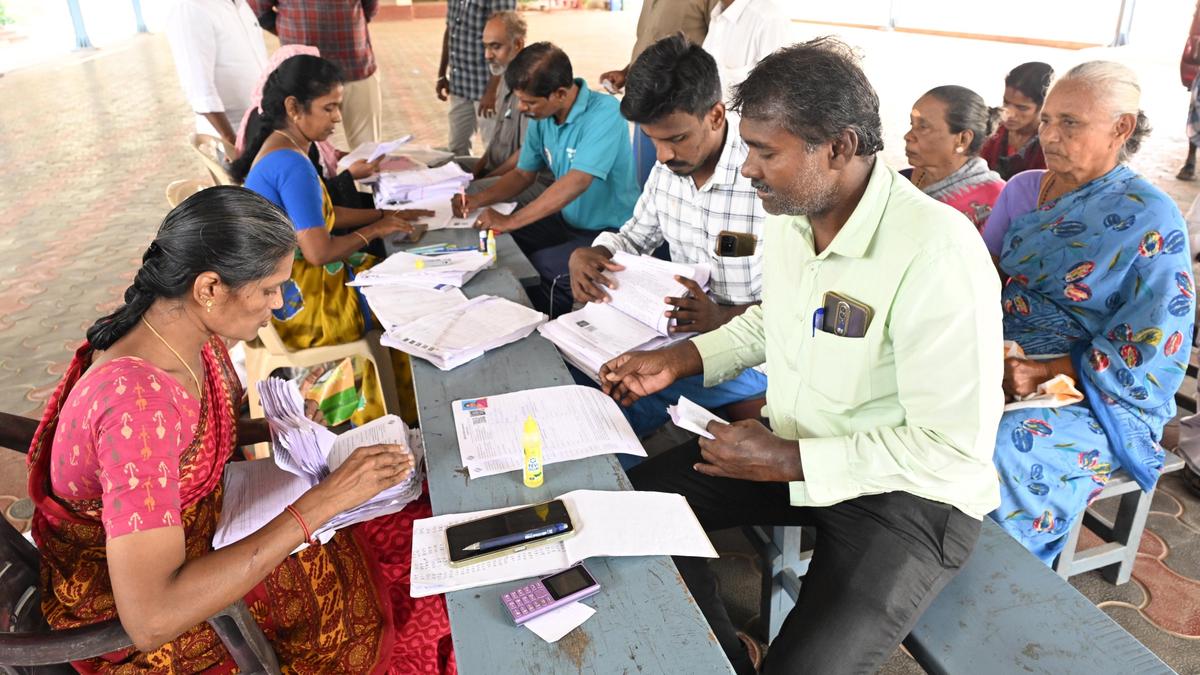
Experts and policymakers have also questioned the feasibility of conducting such a large and sensitive exercise within a short timeframe. Booth Level Officers (BLOs), who are mostly part-time staff, were tasked with verifying vast numbers of voter records. Many of them reportedly worked under heavy pressure to meet deadlines.

According to observers, as timelines tightened, some BLOs may have marked voters as “shifted” in bulk, without adequate verification. This has added to fears that genuine voters were removed simply to meet targets. Critics argue that such an approach undermines the credibility of the electoral process.

Political leaders monitoring the revision exercise have echoed similar concerns. They argue that a task of this scale requires proper training, sufficient time, and robust data comparison. Relying on incomplete checks, they say, amounts to operating without a clear picture of ground realities.Elector

Several experts believe the SIR exercise should have been aligned with the upcoming Census. Combining efforts could have ensured better population mapping and reduced errors. Without such coordination, the risk of large-scale exclusion becomes much higher.

The Election Commission has consistently stressed the importance of neutrality and fairness in electoral processes. However, critics argue that accuracy and competence are equally important. When health checks like the elector-population ratio are ignored or underused, the integrity of the rolls comes into question. Also Read: 97 Lakh Names Deleted From Tamil Nadu Voter List After SIR Phase 1

Conclusion

As elector-population ratio emerges as key issue in TN SIR exercise amid large-scale voter deletion, the focus has shifted from the need for clean rolls to the method used to achieve them. With urban areas showing sharp voter gaps that defy known migration patterns, calls are growing for a review and correction process. Ensuring that no eligible voter is left out remains the central challenge ahead.

Salman Khan Drops Patriotic ‘Maatrubhumi’ Teaser from Battle of Galwan; Full Song to Release January 24

Salman Khan Shares Powerful ‘Maatrubhumi’ Teaser from Battle of Galwan; Patriotic Song Set to Drop on January 24

Mumbai: In a stirring pre-Republic Day move, Salman Khan Films has released the official teaser of the highly anticipated patriotic song “Maatrubhumi” from the upcoming war drama Battle of Galwan, starring Salman Khan himself. The full track is scheduled to be released on January 24, 2026, just ahead of Republic Day — a deliberate timing intended to evoke strong national pride and pay tribute to the country’s armed forces.OIP

The 15-second teaser — shared by Salman Khan on his official Instagram handle — opens with the resonant sound of a military bugle that immediately sets a solemn, powerful tone. Moments later, visuals of the Indian tricolour standing proud against rugged terrain and symbolic shots of bravery and sacrifice appear, accompanied by a building musical score that hints at the emotional weight of the forthcoming song.

Composed by Himesh Reshammiya with heartfelt lyrics penned by Sameer Anjaan, “Maatrubhumi” will be sung by two of Bollywood’s most revered voices, Arijit Singh and Shreya Ghoshal. This creative collaboration has raised expectations that the song will not only deliver musical finesse but also an emotional depth befitting the film’s themes of courage, sacrifice and love for the motherland.

A Patriotic Anthem Ahead of Republic Day

The decision to launch the full song on January 24 — just ahead of Republic Day on January 26 — underscores the filmmakers’ intent to position Battle of Galwan as more than a commercial cinematic release; it is being framed as a musical tribute to India’s brave soldiers and a reminder of the nation’s enduring spirit. The song’s title, “Maatrubhumi” (meaning “motherland”), further highlights this emotional connection to the country and those who defend it.battle of galwan fd2q

The teaser’s imagery — from the bugle calls to the tricolour waving against adversity — evokes a sense of reverence and respect. Early responses on social media suggest that fans are excited not only for the song itself but also for how Battle of Galwan is positioning its music as part of a broader patriotic narrative.

From Teaser to Full Song

While the short teaser does not reveal the complete song, its carefully chosen elements — thematic visuals of soldiers, the bugle’s echoing call, and the Indian flag’s resilience — point to a musical piece designed to be both emotionally moving and musically profound. The full song’s release on January 24 is expected to give audiences a clearer sense of its lyrical depth and melodic structure.

The song will be released on the Salman Khan Films music channel, where fans can experience the complete track, accompanied by visuals from the film’s timeline or specially created music video footage. The involvement of Arijit Singh and Shreya Ghoshal — both known for their soulful and expressive voices — adds to the anticipation, as fans expect a performance that will match the film’s dramatic tone.

Battle of Galwan: A Much-Awaited War Drama

Battle of Galwan — directed by Apoorva Lakhia and produced by Salman Khan Films — dramatizes the June 2020 clash between Indian and Chinese troops in the Galwan Valley, one of the most serious and intense confrontations along the Line of Actual Control (LAC). The film stars Salman Khan as an army officer and features Chitrangda Singh in a pivotal role, promising an emotionally charged narrative of bravery, resilience and sacrifice.152503477

The film’s theatrical release is scheduled for April 17, 2026, giving audiences several months of buildup, which the trailer and now the song teasers are helping to sustain. Earlier teasers and discussion around the film have sparked both excitement and debate online, with some global media attention and commentary on its portrayal of historical events.

Musical Legacy and Audience Expectations

Music has always played a powerful role in Bollywood’s storytelling tradition, especially in films with patriotic themes. Songs that honour the nation and its heroes often become cultural touchpoints, resonating beyond the screen and finding a place in public sentiment. With “Maatrubhumi,” the Battle of Galwan team appears to be embracing this tradition, using music to reinforce the film’s emotional and thematic core.

As Republic Day approaches, the release of this song — and the way it ties into national feelings of pride and remembrance — is likely to be watched closely by audiences across India. Whether “Maatrubhumi” becomes a lasting anthem of patriotic cinema remains to be seen, but early indicators suggest it will make a strong impression.

Also read: https://channel6network.com/karan/