Friday, April 24, 2026
Home Blog Page 82

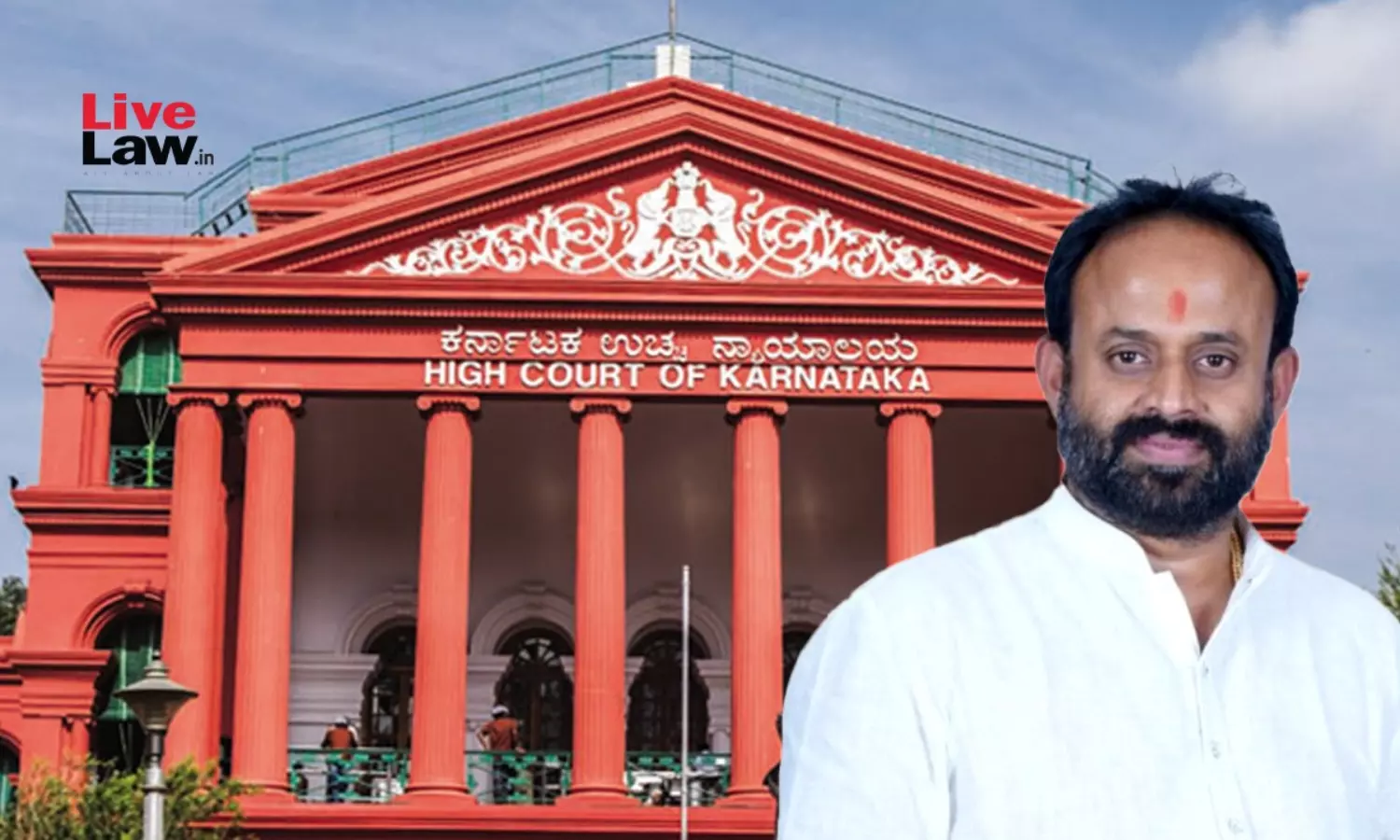
High Court Flags Lapses in Case Against Leader: Bold 7 Questions Over Dignity

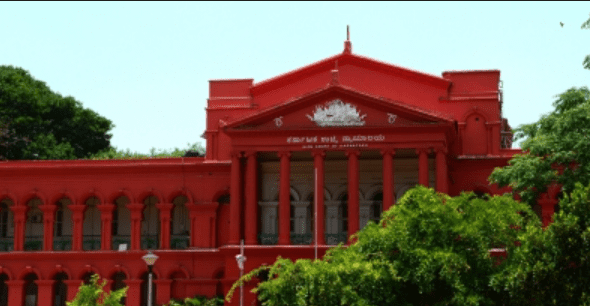
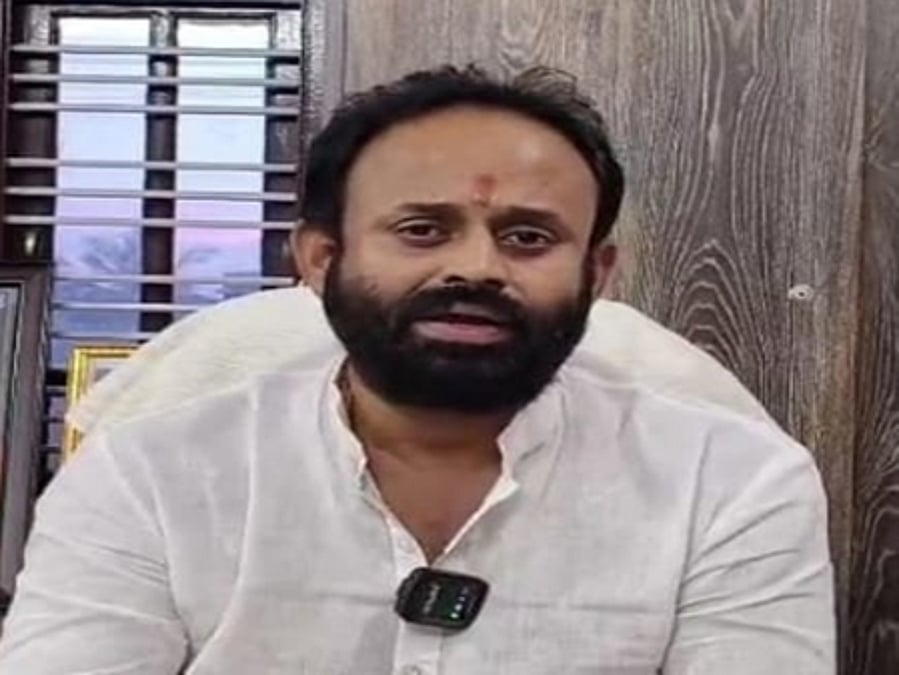
The Karnataka High Court on Wednesday raised sharp questions over the manner in which police registered offences against Congress leader Rajeev Gowda, asking why a more serious charge related to insulting the modesty of a woman was not invoked. The court’s observations came during the hearing of a petition connected to a complaint filed by a woman who alleged that certain remarks and conduct by the leader were inappropriate and offensive. The bench noted that the nature of the allegations, as recorded in the complaint, appeared to warrant closer scrutiny of the sections applied by the investigating agency.

The case has drawn attention due to the legal distinction between various offences dealing with outraging modesty, sexual harassment, and verbal or physical conduct directed at women. According to court proceedings, the complainant had approached police alleging behaviour that she believed crossed the line of decency and dignity. However, the FIR reportedly invoked milder provisions, prompting the court to question whether the police had exercised proper judgment while framing charges. The bench emphasized that the seriousness of allegations must be reflected in the sections of law applied at the initial stage.Threat, abuse to woman official: Karnataka Cong recommends suspension of  party leader Rajeev Gowda
During arguments, the petitioner’s counsel contended that the police had diluted the gravity of the accusations by not invoking the section specifically dealing with acts intended to insult the modesty of a woman. The lawyer argued that such omissions could influence the course of investigation and trial. The High Court observed that while courts do not ordinarily interfere at an early stage of investigation, they can examine whether there is a clear mismatch between the complaint’s contents and the offences registered. The bench said such inconsistencies raise concerns about investigative fairness.

Legal observers note that courts have repeatedly underlined the importance of sensitivity and accuracy in cases involving allegations by women. The High Court, in this instance, reportedly sought clarification from the State on the rationale behind the choice of charges. Judges indicated that when the complaint itself discloses elements of a more serious offence, failure to apply the appropriate section may send a wrong signal and undermine confidence in the justice process. The court stressed that legal provisions exist to protect dignity and must be applied with due care.

Legal Scrutiny Over Choice of Charges

The bench also pointed out that the stage of FIR registration is crucial because it shapes the direction of investigation. If offences are underplayed, evidence collection and questioning may not focus adequately on key aspects of the allegations. The High Court’s query was not a finding of guilt but an expression of concern over procedural correctness. It asked the police to explain whether they examined all relevant facts before deciding on the sections. The judges underscored that police discretion must be guided strictly by the complaint’s substance, not external considerations.

The State’s counsel, responding to the court, is understood to have said that the investigation is still in progress and that additional sections could be added if evidence supports such action. However, the court observed that waiting for later stages should not become an excuse for initial omissions when the complaint prima facie suggests certain offences. The bench said early classification of offences helps ensure the complainant’s allegations are treated with the seriousness they deserve and prevents the dilution of legal consequences that may follow.

Women’s rights advocates have followed the case closely, saying it highlights a broader issue regarding how police handle complaints involving dignity and modesty. They argue that undercharging offences can discourage victims from coming forward. The High Court’s remarks, according to activists, send a message that procedural lapses in such cases will not go unnoticed. They point out that the law relating to modesty and harassment has evolved through judicial interpretation, and enforcement agencies must remain updated on how courts view such matters.

From a legal standpoint, the offence of insulting the modesty of a woman carries specific ingredients that must be established. Courts have previously held that intention, words used, gestures, and surrounding circumstances are all relevant. In the present case, the High Court indicated that these aspects should have been carefully evaluated before finalizing the FIR. The bench appeared concerned that a superficial reading of the complaint may have led to the application of lesser sections, potentially affecting the strength of the prosecution case.Lawmaker Must Be Circumspect In Speech': Karnataka High Court Refuses To  Quash FIR Against Congress Leader For Abusing Woman Official
Implications for Investigation and Accountability

The High Court’s intervention may lead to a review of the FIR and the possibility of adding more serious charges if warranted. Legal experts say such judicial queries often act as a corrective mechanism, ensuring accountability within the investigative system. While the court stopped short of issuing immediate directions to alter the charges, its observations place the onus on the police to justify their decision. If the explanation is found unsatisfactory, further judicial orders could follow, including directions to modify the FIR.

Political reactions have been cautious, given the sensitivity of the issue. Supporters of the leader have maintained that the allegations are exaggerated and that he will cooperate with the investigation. Meanwhile, opposition voices have called for a transparent probe, arguing that public figures must be held to high standards of conduct. The High Court, however, made it clear that its focus remains on legal procedure rather than political narratives. It emphasized that every complainant is entitled to a fair and unbiased application of the law.

The case also brings into focus the role of police training in handling gender-related offences. Experts suggest that officers need continuous legal education to understand evolving judicial interpretations. The High Court’s remarks imply that misclassification of offences can have long-term consequences, from bail considerations to trial strategy. Correct sections ensure that the investigative framework aligns with the seriousness of the alleged act, thereby strengthening the credibility of the justice process and safeguarding the complainant’s rights.

For the complainant, the court’s intervention may be seen as an acknowledgment of her concerns. Judicial scrutiny at an early stage can help ensure that her allegations are neither minimized nor ignored. The High Court’s questions underline the principle that dignity-related offences deserve prompt and appropriate legal response. While the outcome of the investigation remains to be seen, the proceedings highlight the judiciary’s role in monitoring whether statutory protections for women are effectively implemented on the ground.Congress suspends Rajeev Gowda - The Hindu
As the matter progresses, the police are expected to submit a detailed response explaining their choice of sections and the status of the probe. The High Court may then decide whether further directions are necessary. Regardless of the final outcome, the case has already triggered discussion on how law enforcement agencies classify offences involving women’s dignity. It serves as a reminder that procedural precision is not a mere technicality but a cornerstone of justice, especially in cases carrying social and emotional weight.

The broader message emerging from the hearing is that legal safeguards exist not just on paper but must be meaningfully enforced. Courts, by questioning investigative decisions, reinforce accountability without overstepping into the domain of investigation. The High Court’s observations in this case underline the importance of aligning police action with the letter and spirit of the law. As proceedings continue, the focus will remain on whether the investigation reflects fairness, sensitivity, and strict adherence to statutory provisions designed to protect women’s dignity.

The High Court’s observations also revive debate on the accountability mechanisms available when investigative lapses are alleged. Senior advocates point out that courts increasingly examine whether procedural discretion has been exercised in a fair and reasoned manner. In cases involving public figures, the scrutiny becomes sharper because any perceived leniency can erode trust in institutions. The bench’s remarks signal that investigative choices are not immune from review, especially when they concern statutory protections for women. Such judicial oversight, experts say, strengthens rule of law by reminding agencies that their decisions must withstand legal and ethical examination.

Another dimension relates to the psychological impact on complainants when offences appear diluted. Legal counsellors working with women say that the framing of charges often shapes a victim’s confidence in the system. When serious allegations are met with lighter provisions, it may create a perception that authorities are hesitant to confront influential individuals. The High Court’s intervention could therefore have a reassuring effect, showing that courts are attentive to such concerns. By seeking explanations at an early stage, the judiciary reinforces the idea that legal processes must not only be fair but also appear fair to those seeking justice.

Procedurally, if the police decide to add or alter charges, they may file a supplementary report during the course of investigation. Courts have held that the FIR is not static and can evolve with emerging evidence. However, judges have also emphasized that initial classification should not be casual. The High Court’s questions underline that investigators must apply their mind carefully at the outset. Proper sections ensure that statements are recorded with relevant legal elements in view, medical or forensic evidence is assessed appropriately, and the prosecution case develops on a solid statutory foundation.

The case may also influence how future complaints of a similar nature are handled across the State. Police departments often circulate internal advisories after significant court observations to avoid repetition of errors. Legal trainers note that judicial comments, even when not formal orders, carry persuasive value. They become reference points in workshops and briefings for officers dealing with crimes against women. In that sense, the High Court’s scrutiny extends beyond one case, potentially shaping institutional practice and encouraging a more careful reading of complaints involving dignity, modesty, and gender-sensitive offences.

Ultimately, the matter underscores the delicate balance between investigative autonomy and judicial oversight. While police are empowered to assess facts and apply law, courts serve as constitutional guardians ensuring that this power is exercised responsibly. The High Court’s remarks do not prejudge the accused or dictate the investigation’s outcome. Instead, they reaffirm that legal categories exist for a reason and must correspond to the alleged conduct. As the investigation continues, the emphasis will remain on objectivity, procedural correctness, and a justice process that respects both the rights of the accused and the dignity of the complainant.

Follow: Karnataka Government

Also read: Home | Channel 6 Network – Latest News, Breaking Updates: Politics, Business, Tech & More
1 Shocking Industry Pushback: FKCCI Opposes Proposed Power Tariff Hike in Karnataka

The Federation of Karnataka Chambers of Commerce and Industry (FKCCI) has strongly opposed the proposed electricity tariff hike, after Electricity Supply Companies (ESCOMs) in the State sought approval for truing-up of their revenue gap. Industry representatives said the move would place an additional financial burden on businesses already dealing with rising input costs, inflationary pressures, and fluctuating market demand. They argued that any increase in power tariffs could directly affect production costs, competitiveness, and employment across sectors, particularly impacting small and medium enterprises that operate on thin margins.

ESCOMs have approached the regulatory authorities seeking adjustments to recover what they describe as accumulated revenue shortfalls. These gaps are typically attributed to factors such as higher power purchase costs, transmission losses, subsidies, and delays in tariff revisions. Power utilities maintain that truing-up is a regulatory mechanism meant to ensure financial sustainability and uninterrupted supply. However, industry bodies contend that inefficiencies, technical losses, and administrative issues should not be passed on to consumers without accountability and reforms within the power distribution system.FKCCI opposes power tariff hike as ESCOMs in Karnataka seek truing-up of revenue  gap - The Hindu

FKCCI leaders stated that industries in Karnataka are already paying comparatively high power tariffs when measured against some competing States. They warned that a further hike could discourage fresh investments and expansion plans. Manufacturing units, IT parks, and commercial establishments rely heavily on stable and affordable electricity to maintain operations. Increased tariffs, they said, may force some units to cut costs elsewhere, potentially affecting jobs or slowing production. Export-oriented businesses could also lose price competitiveness in global markets if operational expenses continue to rise.FKCCI opposes power tariff hike as ESCOMs in Karnataka seek truing-up of revenue  gap - The Hindu

The chamber has urged the Karnataka Electricity Regulatory Commission to conduct a detailed and transparent review before approving any tariff revision. FKCCI suggested that ESCOMs focus on reducing transmission and distribution losses, improving billing efficiency, and preventing power theft. Industry representatives believe that systemic improvements can reduce financial stress on utilities without burdening consumers. They also called for greater stakeholder consultation, stating that tariff decisions must balance utility viability with economic growth and public interest.

Energy policy experts note that such disputes reflect the broader challenge of managing power sector finances while supporting industrial development. Karnataka’s growing urbanisation and industrialisation have increased demand for electricity, requiring significant infrastructure investments. At the same time, consumer affordability remains a sensitive issue. As regulatory hearings progress, the debate is likely to focus on how to share financial responsibility between utilities, government support mechanisms, and consumers, without undermining economic momentum or the reliability of power supply in the State.

FKCCI

FKCCI opposes power tariff hike as ESCOMs in Karnataka seek truing-up of revenue  gap - The Hindu

Industry representatives also highlighted that frequent tariff revisions create uncertainty in long-term business planning. Companies, especially in manufacturing and heavy engineering sectors, calculate operational budgets months in advance, and sudden cost escalations disrupt financial projections. Entrepreneurs say such unpredictability affects their ability to commit to expansion, technology upgrades, and workforce growth. Stable energy pricing, they argue, is as important as infrastructure and policy incentives in attracting investors. If electricity costs continue to fluctuate sharply, Karnataka could lose its edge as a preferred industrial destination to States offering more predictable and industry-friendly power policies.

Small and medium enterprises have voiced particular concern, stating they are the worst affected by rising electricity charges. Unlike large corporations, smaller units lack the capital cushion to absorb repeated cost increases. Many MSMEs operate in sectors such as textiles, foundries, food processing, and fabrication, where electricity forms a significant portion of total expenses. FKCCI noted that these enterprises are key employment generators and contribute substantially to regional economies. A steep tariff hike, they warned, may push struggling units into financial distress, leading to closures, job losses, and reduced local economic activity.

Commercial establishments, including shopping complexes, hospitality businesses, and service providers, have also expressed unease. With consumer spending still recovering in several sectors, businesses fear they may be forced to raise prices to offset higher utility bills. This could reduce demand and slow down economic recovery. Representatives from the hospitality sector said hotels and restaurants, already coping with high fuel and raw material costs, would find it difficult to manage another major expense. They stressed that electricity is a non-negotiable necessity, leaving little scope to cut usage without affecting service quality.

Industry leaders have proposed alternative solutions to ease ESCOM financial stress without imposing immediate tariff hikes. One suggestion includes phased adjustments spread over longer periods to avoid sudden shocks. FKCCI also recommended that the State government enhance subsidy support for specific sectors or categories of consumers, particularly MSMEs and essential services. They emphasized that shared responsibility between government and utilities could maintain sector stability. Additionally, industry bodies have called for improved financial discipline within ESCOMs, arguing that better cost management could reduce the need for frequent consumer tariff revisions.

Another key concern raised is the impact on Karnataka’s start-up ecosystem. Technology parks, innovation hubs, and research facilities depend on uninterrupted and cost-effective power. Start-ups, especially in hardware, biotechnology, and manufacturing-related fields, often operate with limited initial funding. Rising energy costs may discourage experimentation and scaling efforts. FKCCI stated that while digital firms may have lower direct electricity usage, data centres and tech infrastructure still require significant power. Maintaining reasonable tariffs, they argued, supports innovation and strengthens the State’s reputation as a technology leader.

Agriculture-linked industries have also entered the debate, noting indirect effects of tariff changes. Processing units for dairy, sugar, rice, and other agricultural products rely on stable power for storage and production. Higher electricity charges could increase food processing costs, which may eventually reflect in consumer prices. FKCCI representatives cautioned that ripple effects across supply chains should be carefully assessed. They stressed that energy policy decisions do not affect only one sector but have wide-ranging consequences for the State’s overall economic ecosystem and inflation trends.

Energy analysts point out that ESCOMs face genuine financial challenges, including rising power purchase agreements and legacy dues. However, they agree that operational reforms are essential. Transmission and distribution losses, though gradually reducing, remain a concern in certain regions. Experts say investment in smart grids, metering systems, and infrastructure upgrades could improve efficiency. FKCCI has echoed this view, arguing that long-term structural improvements offer sustainable solutions, unlike repeated tariff hikes that merely provide temporary financial relief without addressing underlying systemic weaknesses.

Consumer advocacy groups have also joined industry voices in seeking transparency. They have requested detailed public disclosure of revenue gaps, cost structures, and loss components. According to them, informed public participation strengthens regulatory processes. FKCCI has supported this demand, stating that stakeholders should understand how tariff proposals are calculated. Transparent communication, they believe, builds trust and reduces conflict between utilities and consumers. Industry bodies have urged regulators to hold extensive hearings, ensuring that decisions reflect balanced consideration of financial realities and consumer welfare.

Another dimension of the issue relates to renewable energy integration. Karnataka has been a leader in solar and wind power generation. Industry representatives argue that greater reliance on renewables could reduce long-term power purchase costs. FKCCI suggested incentivizing industries to adopt rooftop solar systems and captive generation models. They believe such measures could ease grid pressure and lower overall energy expenditure. However, they stressed that supportive policies, streamlined approvals, and fair net-metering frameworks are necessary to make renewable adoption economically viable for businesses of all sizes.

The debate has also drawn attention to cross-subsidy structures in electricity pricing. Industrial consumers often bear higher tariffs to offset subsidized categories. FKCCI has argued that while social welfare objectives are important, excessive cross-subsidization can strain productive sectors. They urged gradual rationalization of tariff structures to ensure fairness. According to industry leaders, balanced pricing encourages economic growth, which ultimately increases tax revenues and supports public welfare schemes. They cautioned that overburdening industries could prove counterproductive in the long run.

Some industrialists have indicated they may increase dependence on diesel generators or alternative energy sources if tariffs rise sharply. However, this shift raises environmental concerns, as diesel usage contributes to pollution and higher carbon emissions. FKCCI noted that policy measures should discourage such outcomes. Affordable grid power, they said, aligns with sustainability goals and reduces environmental impact. Ensuring competitive electricity tariffs can thus support both economic and environmental objectives, reinforcing Karnataka’s commitment to sustainable development pathways.

Labour representatives have expressed worry that higher operational costs might translate into workforce reductions. Industries facing increased expenses may delay hiring or cut overtime, affecting workers’ incomes. FKCCI has underlined that employment stability depends on maintaining business viability. They stressed that energy pricing should be viewed not only as an economic issue but also as a social one, influencing livelihoods. Balanced decisions, they argue, can protect both enterprise growth and workforce welfare, ensuring broader socio-economic stability.

Regulatory authorities are expected to weigh all submissions before arriving at a decision. Observers say the outcome will signal the State’s approach to balancing fiscal discipline in utilities with industrial growth priorities. FKCCI has reiterated its willingness to engage constructively with regulators and ESCOMs. They emphasized dialogue and collaborative problem-solving rather than confrontation. Industry leaders believe that cooperative approaches can yield innovative solutions, ensuring reliable power supply without undermining Karnataka’s industrial competitiveness.

As discussions continue, the issue underscores the central role of electricity in modern economic life. From manufacturing floors to digital services, energy availability shapes productivity and progress. FKCCI’s opposition highlights the delicate balance policymakers must maintain between financial sustainability of utilities and economic resilience of consumers. The final decision on tariff adjustments will have lasting implications, influencing investment patterns, business confidence, and consumer affordability across Karnataka. Stakeholders now await regulatory conclusions that will shape the State’s energy and industrial landscape in the coming years.

Follow: Karnataka Government

Also read: Home | Channel 6 Network – Latest News, Breaking Updates: Politics, Business, Tech & More

5-Year Hope Boost for Aspirants as Karnataka Eases Civil Services Age Limit

The Karnataka Cabinet’s decision to grant a five-year age relaxation for candidates appearing in the Karnataka Civil Services examinations has brought significant relief to thousands of aspirants across the State. The move is being viewed as both a corrective and compassionate step, particularly for candidates whose preparation timelines were disrupted by extraordinary circumstances in recent years. Civil services examinations in Karnataka are seen as a crucial gateway to stable and prestigious public sector careers, and age eligibility often becomes a decisive factor. By extending the upper age limit, the government has widened access, rekindling hopes among many who feared losing their final opportunity.

The decision was taken during a Cabinet meeting where ministers discussed recruitment gaps, administrative efficiency, and youth employment. Officials indicated that multiple representations had been received from aspirant groups and civil society organisations seeking relaxation. Many candidates had argued that disruptions in examination cycles, delays in notifications, and broader socio-economic challenges had affected their preparation and attempts. The Cabinet reportedly considered these factors before approving the relaxation as a one-time or limited-period measure. The announcement has since triggered widespread discussion in academic circles, with coaching centres and student forums calling it a timely intervention that acknowledges ground realities.Karnataka Cabinet allows five-year age relaxation for Karnataka Civil  Services exams - The Hindu

Aspirants from rural and economically weaker backgrounds stand to benefit significantly from the measure. For many such candidates, preparation for civil services runs parallel to part-time work or family responsibilities, stretching timelines beyond conventional limits. Age relaxation provides them with a fairer competitive window. Students who had paused preparation due to financial stress or personal circumstances also see this as a second chance. The policy is being interpreted as an effort to make recruitment more inclusive, ensuring that capable individuals are not excluded merely due to rigid age criteria during an unusually challenging period.

WHY THE DECISION MATTERS FOR ASPIRANTS AND ADMINISTRATION

Experts in public administration say the relaxation could help the State tap into a more mature and experienced pool of candidates. Older aspirants often bring diverse professional exposure and stronger social awareness, qualities considered valuable in public service roles. Administrative positions require not just academic knowledge but also emotional intelligence and practical judgment. By expanding age eligibility, the State may gain officers with varied life experiences. However, experts also stress the need to balance inclusivity with timely recruitment cycles to ensure that departments are staffed efficiently without long delays in examinations and appointments.

Coaching institutes across Karnataka have reported a renewed surge of inquiries following the Cabinet announcement. Students who had previously shifted focus to other career options are reconsidering civil services preparation. Mentors say motivation levels have risen sharply, especially among candidates in the upper age bracket. Some aspirants described the decision as a “lifeline,” while others said it restored faith in the system’s responsiveness. Social media platforms and student groups have been abuzz with discussions on revised eligibility criteria, expected notification dates, and strategies to utilise the additional time effectively for focused and disciplined preparation.

The relaxation also carries implications for the competitive landscape of the examinations. With more candidates becoming eligible, the number of applicants is expected to increase significantly. This could intensify competition, particularly at the preliminary stage. Experts advise aspirants not to view the relaxation as an assurance of success but as an opportunity that demands stronger preparation. The quality of competition may improve as well, with experienced candidates re-entering the field. This dynamic could ultimately raise the overall standard of selection, benefiting the administrative system through the recruitment of well-prepared and resilient officers.Karnataka Cabinet Clears Five Year Age Limit Hike for Civil Service  Recruitment - The South India Times

Government sources emphasised that the relaxation aligns with broader efforts to address unemployment and expand opportunities for youth. Karnataka has been focusing on filling vacant posts across departments to improve service delivery. Delays in recruitment can affect governance outcomes, from revenue administration to social welfare implementation. By enabling more candidates to compete, the State seeks to accelerate the process of identifying suitable officers. The decision also sends a signal that the government is willing to adapt policies when exceptional conditions create barriers for deserving candidates.

WIDER SOCIAL AND POLICY IMPLICATIONS

Beyond examination logistics, the decision reflects a recognition of the psychological toll faced by aspirants over recent years. Preparing for civil services is often a long and uncertain journey marked by financial strain and emotional stress. Many candidates invest years of effort without guaranteed results. Age limits add to this pressure, creating a sense of finality. Relaxation helps reduce that anxiety, giving aspirants renewed confidence. Psychologists note that such policy gestures, while administrative in nature, can have significant morale-boosting effects, reinforcing the idea that institutions are attentive to citizens’ struggles.

However, some observers caution that age relaxation should be accompanied by systemic reforms in examination management. They argue that timely notifications, predictable schedules, and transparent processes are equally important. Without these, repeated relaxations may become necessary, creating uncertainty. Student groups have welcomed the current decision but also urged the government to streamline future recruitment cycles. Stability in the examination calendar allows aspirants to plan better and reduces dependence on exceptional measures. The Cabinet’s move, they say, should be the beginning of broader improvements rather than a standalone solution.

The decision has also sparked political reactions, with leaders across parties expressing support. Many acknowledged that aspirants represent a large and vocal segment of youth whose concerns deserve attention. Some leaders highlighted that civil services officers form the backbone of policy implementation and governance. Ensuring a fair and accessible recruitment process, they said, ultimately strengthens the administrative machinery. The relative consensus across political lines indicates the issue’s broad social relevance, cutting across ideological divides and reflecting shared recognition of the challenges faced by competitive exam aspirants.Karnataka approves five-year age relaxation for government job recruitment  - The HinduBusinessLine

As aspirants begin recalibrating their preparation strategies, education experts stress disciplined planning. The additional years should be used to strengthen fundamentals, improve answer-writing skills, and stay updated with current affairs. Time management and mental well-being remain crucial. Mentors caution against complacency, reminding candidates that the examination remains highly demanding. Still, the sense of renewed possibility is unmistakable. Study circles in cities like Bengaluru, Mysuru, Dharwad, and Kalaburagi have reported increased participation, with many aspirants returning to libraries and coaching centres with fresh determination.

Ultimately, the Karnataka Cabinet’s decision represents more than an administrative adjustment. It symbolises empathy within policymaking, acknowledging that rigid rules sometimes need flexibility in extraordinary contexts. For thousands of aspirants who had felt their dreams slipping away, the relaxation has reopened doors. Whether it translates into greater success in the examinations will depend on individual effort and systemic efficiency. Yet, as a gesture of opportunity and hope, the move has already made a meaningful impact, reinforcing the belief that public policy can respond to the lived realities of citizens striving for a place in public service.

The age relaxation is expected to particularly benefit candidates from backward districts where access to consistent coaching and guidance has traditionally been limited. Many aspirants from such regions depend on government libraries, scholarships, or community study circles, and disruptions in these support systems often delay preparation. With additional years now available, these students can compete on a more equal footing with urban counterparts. Education activists say this could gradually improve regional representation within the civil services, ensuring that administrative perspectives include voices familiar with grassroots realities, local governance challenges, and development gaps in smaller towns and rural parts of Karnataka.

Women aspirants are also seen as major beneficiaries of the Cabinet’s decision. A significant number of women pause competitive exam preparation due to caregiving responsibilities, marriage, or employment constraints. Age limits often hit them harder, cutting short attempts despite strong academic potential. The relaxation offers renewed opportunity and signals recognition of gendered realities in career progression. Women’s groups have welcomed the step, noting that more women in civil services can positively influence policy sensitivity in areas like health, education, and welfare. Increased female participation in administration, they argue, strengthens inclusive governance and improves responsiveness to community-level social issues.

From an economic perspective, the move may have indirect positive effects on the education sector as well. Coaching institutes, publishers, and online learning platforms are likely to see increased enrolment and demand for study materials. Libraries and study spaces could witness higher footfall as older aspirants rejoin preparation cycles. While this creates academic momentum, experts caution against commercial exploitation, urging institutions to maintain affordability. Government-run training support schemes for disadvantaged candidates may also see higher applications. The broader ecosystem around civil services preparation thus enters a phase of renewed activity, driven by the extended eligibility window and revived aspirations.

Administrative reform observers note that civil services recruitment is not merely about filling vacancies but shaping the character of governance. Officers recruited through competitive exams often serve for decades, influencing development outcomes at district and State levels. Allowing a broader age band could diversify this cadre in terms of professional backgrounds. Candidates with prior experience in teaching, engineering, social work, or private sector roles may bring cross-sector insights. Such diversity can help administrations design more practical and innovative solutions. The Cabinet’s step, therefore, may have long-term institutional effects beyond immediate relief to aspirants.

There is also discussion about how this relaxation might influence future policy debates. If implemented smoothly, it could serve as a model for other recruitment bodies facing similar representations. Policymakers may study its impact on applicant numbers, exam management, and selection quality. Data from this cycle could guide decisions on whether targeted relaxations are more effective than blanket extensions. Some analysts suggest periodic reviews of eligibility norms to keep them aligned with social and economic realities. The present decision, while specific, opens a broader conversation on flexibility and fairness in public recruitment frameworks.

For many aspirants, the announcement has emotional significance that goes beyond procedural changes. Years of preparation often involve sacrifices by families who invest time, savings, and encouragement. When age limits approach, the pressure intensifies, sometimes leading to anxiety and self-doubt. The relaxation eases that emotional burden, allowing candidates to continue with a sense of legitimacy rather than desperation. Counselors working with competitive exam students say such policy gestures restore morale and motivation. In a journey defined by uncertainty, the extra years represent not just time, but reassurance that perseverance still has institutional backing.

Follow: Karnataka Government

Also read: Home | Channel 6 Network – Latest News, Breaking Updates: Politics, Business, Tech & More
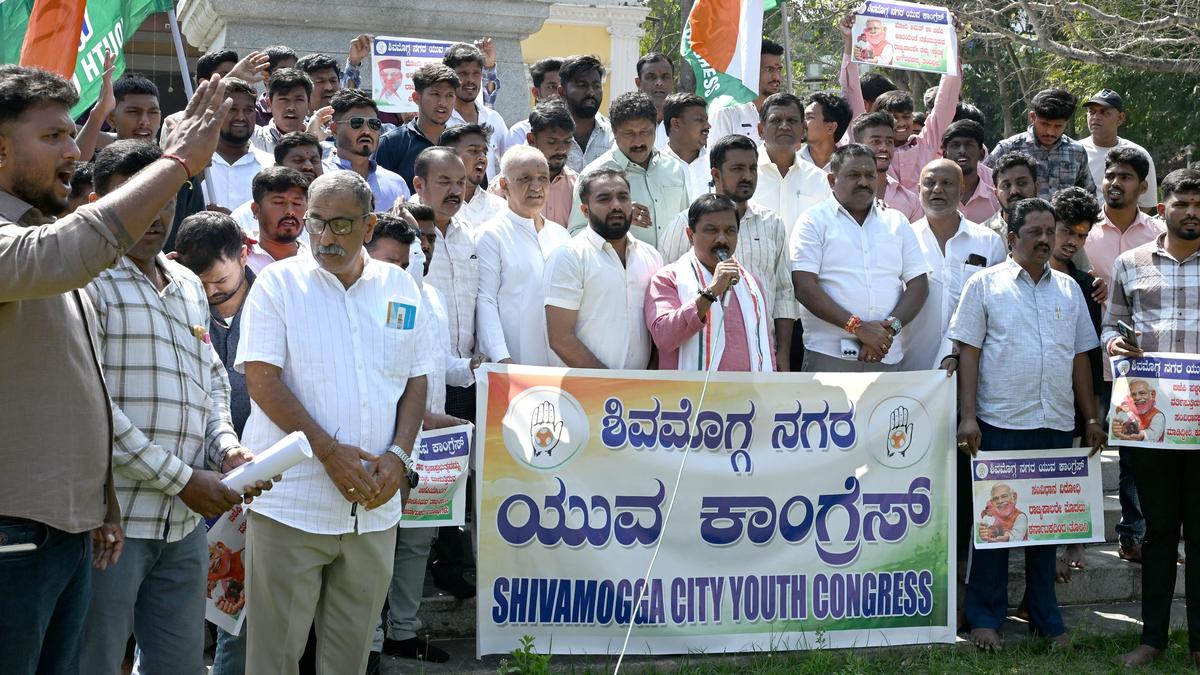
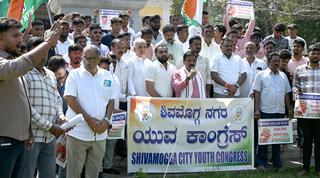
YOUTH CONGRESS RAISES VOICES: 1 Bold Protest Against Governor, Demands Presidential Recall

Follow: Karnataka Government

Also read: Home | Channel 6 Network – Latest News, Breaking Updates: Politics, Business, Tech & More

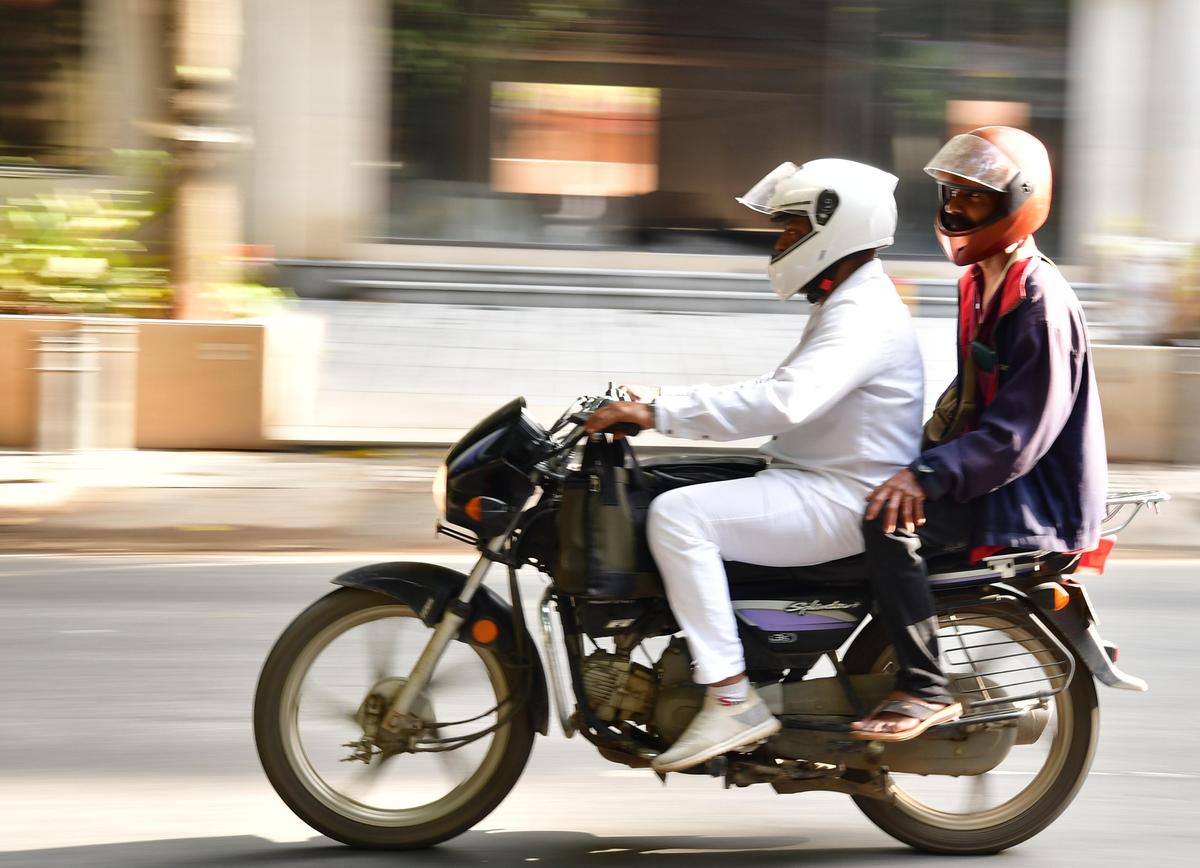
5 Big Smiles as High Court Order on Bike Taxis Welcomed by Aggregators, Riders, Commuters

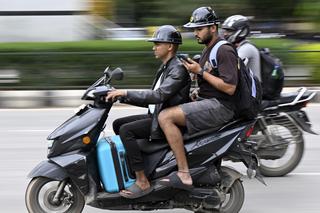
A recent High Court order concerning bike taxi operations has drawn a positive response from aggregators, riders, and daily commuters, who see the development as a step toward clarity and continuity in urban mobility. The decision has been viewed as crucial in addressing uncertainties that had affected thousands of gig workers and lakhs of passengers dependent on affordable last-mile transport. Stakeholders said the order brings regulatory direction while allowing services to function, offering relief to riders whose livelihoods depend on app-based bike taxi platforms operating across Karnataka’s cities.

Bike taxi aggregators said the court’s intervention recognises the importance of evolving mobility solutions in congested urban centres. They noted that bike taxis have become an essential mode of transport, particularly for short-distance travel and first- and last-mile connectivity. Representatives of major platforms stated that the ruling encourages them to continue engaging with authorities to ensure compliance with safety, licensing, and operational norms. They added that clear legal guidance is vital for planning investments, rider welfare initiatives, and service expansion.HC order on bike taxis welcomed by aggregators, riders and commuters in  Karnataka - The Hindu

Riders working with bike taxi platforms expressed relief, stating that regulatory uncertainty had created anxiety about income stability. Many riders depend on the service as a primary or supplementary source of earnings, particularly in a challenging employment market. They said the High Court’s direction provides hope for a stable framework that allows them to work without fear of sudden enforcement actions. Rider groups also urged the government to introduce clear policies covering insurance, safety training, and social security benefits.

COMMUTERS HAIL AFFORDABLE MOBILITY OPTION

Commuters welcomed the development, saying bike taxis offer a faster and more economical alternative in traffic-heavy cities like Bengaluru, Mysuru, and Mangaluru. Office-goers, students, and delivery workers rely on bike taxis to navigate narrow roads and peak-hour congestion. Many passengers said the service helps them reach metro stations, bus stops, and workplaces on time. The court’s order, they noted, ensures continuity of a transport option that has become part of daily urban life.

Urban mobility experts observed that bike taxis play a significant role in reducing travel time and supplementing public transport networks. They said encouraging regulated bike taxi operations can improve connectivity while easing pressure on roads. However, they emphasised that safety standards, rider training, and proper enforcement of traffic rules must remain priorities. A balanced approach, they noted, would allow innovation while protecting public interest.Karnataka High Court order for permission on bike taxis welcomed by  aggregators, riders and commuters - The Hindu

CALL FOR CLEAR REGULATORY FRAMEWORK

Following the order, stakeholders have called on the State government to frame comprehensive guidelines for bike taxi operations. Aggregators said they are ready to cooperate on licensing requirements, safety features such as helmets for passengers, and data-sharing norms. Riders have requested welfare measures, including accident insurance and grievance redressal mechanisms. Commuter groups stressed the need for affordable fares and service reliability.

Officials indicated that discussions on regulatory measures are ongoing, with the aim of balancing innovation, employment, and safety. The High Court’s order is being seen as an opportunity to formalise the sector and integrate it into the broader urban transport ecosystem. As stakeholders await detailed policy directions, the overall sentiment remains optimistic that bike taxis will continue serving as a vital mobility link for Karnataka’s growing cities.Karnataka Bike Taxi Ban Lifted: High Court Order Explained

Aggregators said the High Court order has restored operational confidence at a time when the urban mobility sector is undergoing rapid change. They noted that app-based platforms have invested significantly in technology, safety features, and rider onboarding systems. Sudden regulatory uncertainty in the past had affected planning and expansion strategies. With judicial clarity, companies believe they can better coordinate with transport authorities and improve service standards. Representatives added that predictable regulations help platforms implement long-term rider welfare measures, upgrade digital infrastructure, and ensure compliance without disrupting services that thousands of daily users rely upon.

Riders highlighted that many individuals joined bike taxi services after losing jobs during economic slowdowns or seeking flexible work options. The model allows them to earn while managing other responsibilities such as studies or family duties. They said the court’s order reduces the fear of penalties or service suspensions that previously affected daily earnings. Rider associations emphasised that stability in policy can improve morale and allow workers to focus on safe driving and customer service. They also reiterated demands for clearer welfare frameworks, including insurance coverage and support during medical emergencies.

Commuters pointed out that bike taxis have become indispensable in cities struggling with traffic congestion and limited parking. Passengers often choose two-wheeler rides to cover short distances quickly, especially when public transport schedules do not align with their needs. Many users said the service bridges connectivity gaps, linking residential areas with major transit hubs. They described the High Court’s direction as supportive of practical, commuter-centric transport solutions. Some added that the affordability of bike taxis makes them particularly useful for students and low-income workers who depend on economical daily travel options.

Transport analysts observed that bike taxis contribute to multimodal integration, complementing buses, metros, and suburban rail. They argued that encouraging such services within a regulated framework can help cities move toward sustainable mobility. By reducing dependence on private cars for short trips, bike taxis may help ease congestion and lower emissions. Experts said the High Court’s order provides an opportunity to design policies that align with urban transport goals, ensuring that innovation is supported while maintaining accountability and safety. They stressed the need for evidence-based planning and regular impact assessments.

Safety remains a key area of focus following the court’s direction. Aggregators stated that they are committed to ensuring that both riders and passengers follow safety protocols, including helmet use and adherence to traffic regulations. Some platforms have introduced in-app safety features such as ride tracking and emergency alerts. Officials indicated that regulatory guidelines may soon outline mandatory training and safety checks. Stakeholders agreed that building public trust in bike taxi services requires consistent enforcement of safety standards alongside technological safeguards and rider awareness programs.

Industry representatives also emphasised the economic contribution of bike taxi operations. Beyond direct employment for riders, the sector supports ancillary services such as vehicle maintenance, fuel supply, and digital payments. The High Court’s order is seen as supporting a growing segment of the gig economy that contributes to urban livelihoods. Analysts noted that formalising the sector could enhance tax compliance and data-driven policymaking. By recognising the role of app-based mobility services, authorities can better integrate them into the broader economic and transport landscape.

Riders’ groups said the present moment offers an opportunity to address long-standing concerns about social security. They urged policymakers to consider accident insurance, pension schemes, and access to health benefits for gig workers. While flexibility is valued, they said, the absence of basic protections leaves riders vulnerable. The court’s order, by stabilising operations, may open space for dialogue on worker welfare. Advocates believe that a structured regulatory environment can balance flexibility with safeguards, ensuring dignified working conditions in the rapidly expanding gig mobility sector.

Commuter associations highlighted the importance of fare regulation and transparency. They said that while affordability is a key attraction of bike taxis, dynamic pricing during peak hours sometimes causes confusion. Clear guidelines on pricing mechanisms, they suggested, would enhance consumer confidence. They also called for grievance redressal systems that allow passengers to report issues easily. The High Court’s intervention, according to these groups, signals that the sector is entering a more structured phase, where service quality, transparency, and accountability will receive greater attention alongside operational continuity.

Urban planners pointed out that bike taxis can play a role in last-mile connectivity for emerging suburban areas. As cities expand outward, traditional transport networks often lag behind. Two-wheeler taxi services can provide flexible coverage in areas not yet fully served by buses or metros. The court’s order has been interpreted as supportive of such adaptive mobility solutions. Planners stressed that integrating bike taxis into official transport planning, including designated pickup zones and data-sharing frameworks, can improve traffic management and passenger convenience.

Officials involved in transport policy discussions indicated that stakeholder consultations may be intensified following the judgment. Authorities aim to gather inputs from aggregators, rider unions, commuter groups, and safety experts before finalising regulations. The objective, they said, is to ensure that rules are practical and balanced. By involving multiple perspectives, policymakers hope to avoid abrupt measures and instead develop a framework that supports employment, innovation, and commuter safety. The High Court’s direction is seen as encouraging constructive engagement rather than conflict.

Environmental advocates noted that bike taxis, being fuel-efficient compared to larger vehicles, can support sustainability goals if managed responsibly. They suggested encouraging electric two-wheelers within the sector to further reduce emissions. Some platforms have already begun pilot programs with electric bikes, citing lower operating costs and environmental benefits. The court’s order, by providing operational continuity, may accelerate such transitions. Experts said combining regulatory clarity with incentives for cleaner technology can align bike taxi growth with broader climate and air quality objectives.

The order has also prompted discussions about data governance and digital regulation. Aggregators collect trip data that can help authorities understand travel patterns and congestion hotspots. Transport experts believe anonymised data-sharing arrangements can assist in planning and infrastructure development. However, privacy safeguards must be ensured. As the sector evolves under a clearer legal framework, digital governance issues are expected to gain prominence. Stakeholders emphasised that transparent data practices can build trust while supporting smarter urban mobility strategies.

Several riders expressed hope that formal recognition of bike taxis will reduce social stigma sometimes associated with gig work. They said that regulatory acceptance affirms the legitimacy of their profession. Many riders take pride in providing essential mobility services and contributing to urban life. The High Court’s direction, they believe, reinforces that such work is part of the modern transport ecosystem. Recognition, combined with fair regulations, may encourage more responsible participation and improve service standards across platforms.

Overall, stakeholders described the court’s order as a moment of transition for Karnataka’s urban mobility landscape. It signals movement toward structured governance of innovative transport solutions. While challenges remain in areas like safety, welfare, and regulation, the prevailing sentiment is one of cautious optimism. Aggregators, riders, and commuters alike expressed hope that collaborative policymaking will follow. If managed well, bike taxis could continue providing affordable, flexible, and efficient mobility while contributing to employment and sustainable urban transport systems.

Follow: Karnataka Government

Also read: Home | Channel 6 Network – Latest News, Breaking Updates: Politics, Business, Tech & More
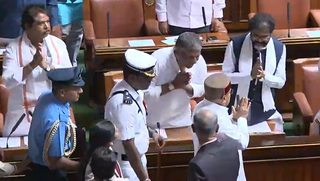
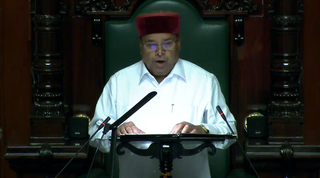
7 Sharp Words as B.Y. Raghavendra Slams Disruption After Governor’s Speech: 1 BOLD FIERY FACE-OFF

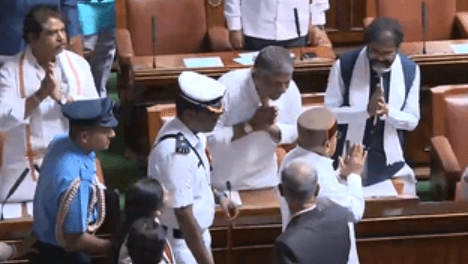
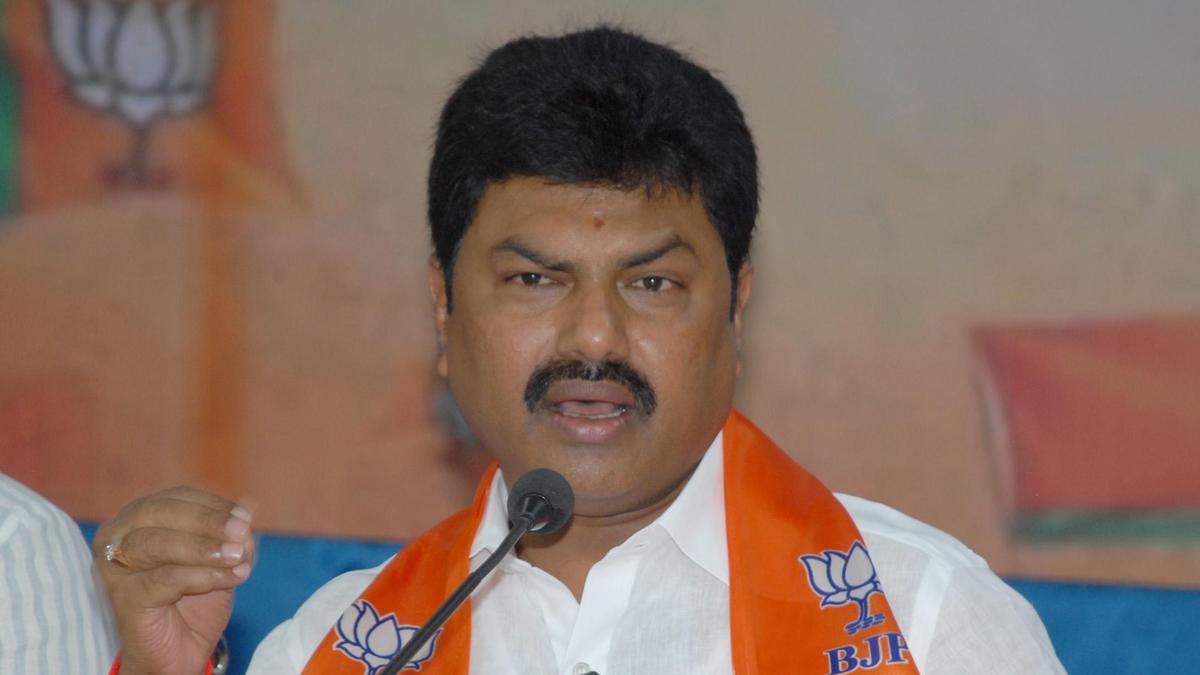
Shivamogga Member of Parliament B.Y. Raghavendra has strongly criticised the Congress-led Karnataka government over the disruptions that followed the Governor’s address to the State legislature. Calling the developments “unfortunate and avoidable,” he said such incidents reflect poorly on democratic functioning and legislative decorum. According to him, the Governor’s speech is a constitutional exercise and must be treated with respect, irrespective of political disagreements. He accused the ruling party of allowing political tensions to overshadow institutional traditions that form the backbone of parliamentary democracy in the State.

Raghavendra stated that the Governor’s address is meant to outline the government’s agenda and legislative priorities, and any disturbance during or after such a speech undermines the spirit of constitutional governance. He argued that if there are objections to the content, the appropriate place to raise them is through structured debate inside the House, not through confrontation or disorder. He stressed that elected representatives have a responsibility to maintain the dignity of the legislature and set an example for the public.BJP MP criticizes Congress govt for disturbance during joint legislature  session in Karnataka - The Hindu

The MP further alleged that the Congress government was creating unnecessary friction between constitutional offices and the elected administration. He said that such tensions divert attention from pressing public issues like inflation, employment, and infrastructure. Instead of engaging in political theatrics, he urged the government to focus on policy delivery and governance. Raghavendra added that frequent confrontations damage the State’s image and send negative signals about political stability and administrative focus.

He also noted that young citizens observing legislative proceedings form opinions about democracy based on what they see. Frequent disruptions, he warned, could foster cynicism among youth regarding political processes. Raghavendra said leaders must demonstrate that democracy is capable of handling disagreements through reason and procedure rather than confrontation. Setting a positive example, he argued, is critical in inspiring future generations to participate constructively in public life and trust democratic institutions as platforms for meaningful change.

CONCERNS OVER LEGISLATIVE DECORUM

Highlighting the importance of legislative discipline, Raghavendra said that the Assembly and Council are platforms for reasoned debate and accountability. He expressed concern that repeated scenes of disruption could erode public trust in democratic institutions. According to him, citizens expect their representatives to discuss development issues, welfare measures, and policy frameworks, rather than engage in confrontational politics. He emphasised that maintaining decorum is not merely procedural but essential for the credibility of governance.

He also pointed out that Governors, as constitutional heads of States, are expected to function within a defined framework, and their addresses are part of established parliamentary conventions. Disrupting such proceedings, he argued, risks setting a precedent that weakens institutional respect. While acknowledging that political disagreements are inevitable, Raghavendra insisted that they should be expressed within democratic norms.BJP MP criticizes Congress govt for disturbance during joint legislature  session in Karnataka - The Hindu

He further stated that political differences should not be allowed to overshadow institutional responsibilities. The MP noted that disagreements over policy or political direction can be effectively addressed through structured discussions, committee reviews, and floor debates. Resorting to confrontation during ceremonial or constitutional proceedings, he said, sends the wrong message to the public. He urged the ruling party to encourage constructive engagement and allow opposition voices to be heard without turning every disagreement into a spectacle. Such an approach, he added, would strengthen democracy rather than diminish it.

The Shivamogga MP also highlighted the importance of cooperative functioning between different constitutional offices. He observed that the relationship between the Governor and the State government should be guided by dialogue and mutual respect, even when differences arise. According to him, public disagreements between institutions can create uncertainty in administration and governance. He stressed that maintaining professional communication and constitutional boundaries is essential to prevent avoidable confrontations that distract from policy implementation and development priorities in the State.

POLITICAL CONTEXT AND RESPONSES

Political observers noted that tensions between the Governor and the State government have been evident in recent months over various issues. Raghavendra’s remarks come amid a broader political debate on the role of constitutional authorities and the limits of political expression within legislative forums. He reiterated that differences must be resolved through dialogue and legislative procedures rather than public confrontation.

The MP concluded by urging all parties to rise above partisan considerations and focus on governance and development. He said that Karnataka’s progress depends on constructive cooperation among institutions and political stakeholders. According to him, preserving democratic traditions and respecting constitutional roles are essential for ensuring stable governance and public confidence in the political system.

BJP MP criticizes Congress govt for disturbance during joint legislature  session in Karnataka - The Hindu

Raghavendra emphasised that legislative proceedings must reflect maturity and responsibility, especially when constitutional authorities are involved. He said that public faith in democratic institutions depends on how elected representatives conduct themselves inside the House. Any perception of disorder or disrespect can weaken confidence in governance. He argued that leaders across parties should introspect and ensure that debates, however sharp, remain within acceptable parliamentary limits. According to him, Karnataka has a strong legislative history, and preserving that legacy should be a shared priority rather than a partisan issue shaped by momentary political tensions.

He further stated that political differences should not be allowed to overshadow institutional responsibilities. The MP noted that disagreements over policy or political direction can be effectively addressed through structured discussions, committee reviews, and floor debates. Resorting to confrontation during ceremonial or constitutional proceedings, he said, sends the wrong message to the public. He urged the ruling party to encourage constructive engagement and allow opposition voices to be heard without turning every disagreement into a spectacle. Such an approach, he added, would strengthen democracy rather than diminish it.

The Shivamogga MP also highlighted the importance of cooperative functioning between different constitutional offices. He observed that the relationship between the Governor and the State government should be guided by dialogue and mutual respect, even when differences arise. According to him, public disagreements between institutions can create uncertainty in administration and governance. He stressed that maintaining professional communication and constitutional boundaries is essential to prevent avoidable confrontations that distract from policy implementation and development priorities in the State.

Raghavendra said the focus of the legislature should remain on pressing issues affecting citizens, such as employment, agriculture, infrastructure, and social welfare. He expressed concern that political controversies often overshadow meaningful discussions on development. By allowing procedural disputes to dominate headlines, he said, lawmakers risk neglecting their primary duty of addressing public concerns. He called for a shift back to issue-based debates, where performance, policy outcomes, and governance strategies receive the attention they deserve within legislative forums.

He also noted that young citizens observing legislative proceedings form opinions about democracy based on what they see. Frequent disruptions, he warned, could foster cynicism among youth regarding political processes. Raghavendra said leaders must demonstrate that democracy is capable of handling disagreements through reason and procedure rather than confrontation. Setting a positive example, he argued, is critical in inspiring future generations to participate constructively in public life and trust democratic institutions as platforms for meaningful change.

The MP pointed out that Karnataka’s legislative institutions have historically been respected for vibrant yet disciplined debates. He said preserving this culture requires conscious effort from all sides, especially during politically sensitive times. He urged party leaderships to counsel their members on adhering to parliamentary rules and maintaining decorum. According to him, strong political positions can still be conveyed effectively without crossing lines that disrupt institutional functioning or diminish the seriousness of legislative business.

Raghavendra further observed that constitutional processes are designed to accommodate dissent in a structured manner. Question hours, calling attention motions, and debates provide ample opportunity for opposition and ruling members alike to express concerns. Disruptions during formal addresses, he said, bypass these mechanisms and weaken procedural safeguards. He encouraged legislators to use established channels to register protest or disagreement, ensuring that their actions remain within the democratic framework that safeguards both rights and responsibilities.

He reiterated that respect for constitutional offices does not mean the absence of criticism but requires expressing dissent through proper forums. According to him, balancing criticism with decorum is essential in a parliamentary democracy. He cautioned against personalising institutional disagreements, as such an approach can intensify political divides. Instead, he suggested focusing on policy differences and governance outcomes, which allow debates to remain constructive and relevant to citizens’ interests.

Raghavendra also touched upon the broader perception of political stability. Investors, civil society, and the public often gauge governance through the functioning of legislative bodies. Visible disorder, he said, can create an impression of instability that may affect economic confidence and administrative focus. He urged political actors to consider these wider implications and ensure that legislative conduct reinforces Karnataka’s image as a State committed to orderly and effective governance.

Concluding his remarks, Raghavendra appealed for collective responsibility in safeguarding democratic traditions. He said that while political competition is natural, protecting the dignity of institutions must remain above partisan considerations. The MP expressed hope that future sessions would witness more constructive engagement and less confrontation, enabling the legislature to focus on delivering solutions to the people. By prioritising dialogue, procedure, and respect, he said, Karnataka’s political leadership can strengthen democratic credibility and ensure smoother governance in the years ahead.

Follow: Karnataka Government

Also read: Home | Channel 6 Network – Latest News, Breaking Updates: Politics, Business, Tech & More
1 Tragic Attack Leads to Leopard Capture at M. M. Hills: RELIEF AND RESOLVE

The Karnataka Forest Department has captured the leopard suspected to be involved in the fatal attack on a devotee near the Male Mahadeshwara (M. M.) Hills temple region, bringing a measure of relief to residents and pilgrims who had been gripped by fear. The incident, which occurred in a forest-fringe area frequented by visitors, had triggered widespread concern about wildlife movement near human settlements. Forest officials said the animal was trapped after an intensive search and monitoring operation, carried out in coordination with local authorities and wildlife experts.

Authorities explained that the operation began immediately after the attack, with camera traps, tracking teams, and tranquilising experts deployed in the region. The forest terrain around M. M. Hills is dense and forms part of an ecologically sensitive wildlife corridor, making such operations both delicate and complex. Officials said that careful planning was required to ensure public safety while minimising stress and harm to other wildlife in the area. The leopard was eventually captured using a cage trap placed along a frequently used animal path.

The fatal incident had deeply shaken the local community and devotees visiting the temple, a popular pilgrimage site drawing thousands of visitors. Forest officials confirmed that the attack took place in an area where human movement intersects with wildlife habitats, particularly during early morning and late evening hours. Following the incident, authorities issued advisories urging pilgrims to avoid isolated forest paths and adhere strictly to designated routes.Leopard involved in fatal attack on devotee at M. M. Hills captured - The  Hindu

OPERATION AND SAFETY MEASURES

Forest department teams intensified patrolling and surveillance after the incident. Camera traps were set up at multiple points to track the leopard’s movements, and experts studied pugmarks and other signs to identify the animal. Officials said the leopard’s behavior suggested it had strayed closer to human activity, possibly due to habitat disturbances or prey scarcity. After several days of monitoring, the animal entered the trap set in a strategic location, allowing the team to secure it safely.

Once captured, the leopard was examined by veterinary staff to assess its health and condition. Officials stated that the animal would be relocated to a suitable habitat or held for observation as per wildlife management protocols. The department emphasised that the capture was carried out in line with conservation guidelines, ensuring that the animal was not harmed unnecessarily.

Authorities also stepped up safety measures around M. M. Hills, including increased forest patrols, awareness campaigns for pilgrims, and temporary restrictions in vulnerable zones. Signage warning visitors about wildlife presence has been reinforced, and local volunteers have been roped in to guide pilgrims safely through designated routes.

HUMAN–WILDLIFE CONFLICT CONCERNS

The incident has once again highlighted the growing issue of human–wildlife conflict in regions bordering forest areas. Experts noted that expanding human activity, pilgrimage traffic, and environmental changes can increase encounters between people and wild animals. Forest officials stressed the need for coordinated efforts involving conservation planning, habitat protection, and community awareness to reduce such risks in the future.Karnataka shocker: Pilgrim killed in leopard attack near MM hills; safety  measures reviewed | Mysuru News - The Times of India

Local residents expressed relief at the leopard’s capture but also voiced concerns about recurring wildlife sightings near villages. Officials assured them that monitoring will continue and additional measures will be implemented to prevent further incidents. Compensation procedures for the victim’s family are also being processed in accordance with government norms.

The capture operation underscores the challenges faced by forest departments in balancing wildlife conservation with public safety. While authorities remain committed to protecting wildlife, they emphasised the importance of responsible behaviour by visitors in forested and pilgrimage regions. The M. M. Hills incident serves as a reminder of the delicate coexistence between humans and wildlife, and the need for vigilance, planning, and awareness to ensure safety for both.

Leopard mauls man to death in MM Hills in Karnataka

Follow: Karnataka Government

Also read: Home | Channel 6 Network – Latest News, Breaking Updates: Politics, Business, Tech & More

PM Sangrahalaya Marks 129th Birth Anniversary of Netaji Subhas Chandra Bose with Special Exhibition in New Delhi

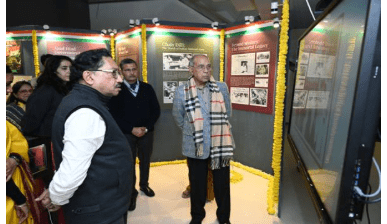
The Pradhanmantri Sangrahalaya (Prime Ministers’ Museum and Library) commemorated the 129th Birth Anniversary of Netaji Subhas Chandra Bose on 23 January 2026 by organising a special exhibition titled “The Patriot’s Path: Life and Legacy of Netaji Subhas Chandra Bose”, along with a series of engaging public activities. The exhibition was inaugurated by Shri Nripendra Misra, Chairman, Executive Council, Prime Ministers Museum and Library, highlighting the institution’s commitment to preserving and promoting India’s rich historical legacy.


Exhibition Highlights Netaji’s Courage, Sacrifice and Revolutionary Vision

The special exhibition presents Netaji Subhas Chandra Bose as a powerful symbol of:

  • Courage

  • Sacrifice

  • Unwavering patriotism

  • Revolutionary leadership

Visitors are offered a rich, immersive experience through a carefully curated display of:

  • Archival photographs

  • Rare historical documents

  • A documentary film on Netaji’s life

  • The Indian National Army (INA) flag

  • A detailed map tracing Netaji’s daring Great Escape

  • Visual representations of his revolutionary ideas and contributions

The exhibition brings history alive, especially for younger generations, by presenting Netaji’s legacy in an engaging and accessible format.


Themed Sections Showcase Different Phases of Netaji’s Life

The photo exhibition is divided into multiple thematic sections, each highlighting a distinct aspect of Netaji’s extraordinary journey, including:

  • The Great Escape

  • Azad Hind Government

  • Chalo Dilli – The March of the Indian National Army

  • Beyond Mystery: The Immortal Legacy

  • The Ranis of Azad Hind

  • And other key milestones from his life and movement

These sections collectively offer visitors a comprehensive understanding of Netaji’s leadership, ideology and enduring influence on India’s freedom struggle.


Strong Public Response and Engagement

The exhibition has received wide appreciation from visitors, with students, families, researchers and history enthusiasts actively engaging with the displays. The interactive and narrative-driven presentation has helped deepen public understanding of Netaji’s contributions and strengthened awareness of India’s freedom movement.


Exhibition Open to Public for One Month

The special exhibition will remain open to the general public for the next one month, giving citizens ample opportunity to explore and reflect on the life and legacy of one of India’s most inspiring national heroes.


Conclusion: PM Sangrahalaya 

Through this thoughtfully curated exhibition, PM Sangrahalaya has created a meaningful tribute to Netaji Subhas Chandra Bose, celebrating his courage, vision and unmatched patriotism. The initiative not only honours a towering figure of India’s freedom struggle but also serves as a powerful educational platform to inspire future generations with the values of sacrifice, leadership and love for the nation.


For more real-time updates, visit Channel 6 Network.

Source: PIB

Parakram Diwas 2026 Celebrated with Patriotic Grandeur at Sri Vijaya Puram, Andaman and Nicobar Islands

Parakram Diwas 2026 was commemorated with deep patriotic fervour at Sri Vijaya Puram in the Andaman and Nicobar Islands on 23 January 2026, paying tribute to the indomitable courage and enduring legacy of Netaji Subhas Chandra Bose. The event was graced by the Lieutenant Governor of Andaman and Nicobar Islands, Admiral V. K. Joshi (Retd.), as Chief Guest, while the Prime Minister of India addressed the nation through a video message, inspiring citizens to uphold Netaji’s ideals of courage, sacrifice and selfless service.


Prime Minister Pays Tribute to Netaji’s Vision and Legacy

In his address, the Prime Minister recalled Netaji’s:

  • Unparalleled courage

  • Visionary leadership

  • Unwavering commitment to India’s freedom struggle

He highlighted the deep historical association of the Andaman and Nicobar Islands with Netaji’s legacy, noting that the islands symbolize his vision of freedom and national pride. The Prime Minister emphasized that Netaji’s ideals continue to guide India’s journey towards a strong, self-reliant and Viksit Bharat.


INA Veteran Honoured for Lifelong Service

A special highlight of the ceremony was the felicitation of Indian National Army (INA) veteran Shri Madhavan Pillai, who was honoured for his invaluable contribution and lifelong dedication to the nation under Netaji’s leadership.

Shri Vivek Aggarwal, Secretary, Ministry of Culture, also addressed the gathering and underlined the significance of Parakram Diwas Celebrations 2026, particularly in the Andaman and Nicobar Islands, which hold a unique place in India’s freedom movement.


Month-Long Exhibition and Cultural Events Inaugurated

A month-long exhibition at Netaji Subhas Chandra Bose Island was remotely inaugurated by the Chief Guest. In addition, a series of cultural programmes at the ITF Ground, scheduled for 24 and 25 January, were also launched, further extending the spirit of Parakram Diwas beyond a single day.


Drone Show and Cultural Performances Enthral Audience

The celebrations featured vibrant cultural performances that celebrated the spirit of nationalism. A spectacular drone show captivated the audience, artistically depicting the life, ideals and historic journey of Netaji Subhas Chandra Bose and the Azad Hind Fauj.

The evening’s cultural segment brought together renowned artistes from across the country:

  • Ustad Amjad Ali Khan, with sons Amaan Ali Bangash and Ayaan Ali Bangash, presented a soulful rendition of Raag Bageshri

  • Sourendro–Soumyojit performed the timeless patriotic composition “Dhono Dhanyo Pushpa Bhara”

  • Folk singer Mangli rendered a powerful Shiv Stotra

  • Singer Papon paid tribute with his evocative performance “Subhas Ji”

  • A specially curated choral rendition of “Subh Sukh Chain Ki”, the anthem of the INA, deeply moved the audience

  • Smt. Pratibha Singh Baghel delivered a heartfelt rendition of “Aye Mere Watan Ke Logon”

  • The evening concluded with an energetic performance of “Tiranga” by Raghu Dixit, igniting patriotic fervour among spectators


Nationwide Observance at Iconic Locations Linked to Netaji

Parakram Diwas was not limited to the Andaman and Nicobar Islands alone. The occasion was also observed at 13 iconic locations across the country closely associated with Netaji’s life and legacy, including:
Cuttack, Kodalia, Ramgarh, Haripura, Jabalpur, Kolkata, Murshidabad, Dalhousie, Delhi, Moirang, Kohima, Gomoh and Meerut.

This nationwide observance reinforced the collective national reverence for Netaji and his contribution to India’s freedom.


Conclusion

Parakram Diwas 2026 emerged as a powerful national tribute to Netaji Subhas Chandra Bose, blending remembrance, cultural expression and collective pride. From inspiring messages and dignitary tributes to moving musical performances and public participation, the celebrations reaffirmed Netaji’s timeless relevance. The event strengthened national consciousness around courage, sacrifice and unity, ensuring that Netaji’s legacy continues to inspire generations in India’s journey towards Viksit Bharat. The event was graced by the Lieutenant Governor of Andaman and Nicobar Islands, Admiral V. K. Joshi (Retd.), as Chief Guest, while the Prime Minister of India addressed the nation through a video message, inspiring citizens to uphold Netaji’s ideals of courage, sacrifice and selfless service.


For more real-time updates, visit Channel 6 Network.

Source: PIB

India’s ‘Anna Chakra’ Among Six Global Finalists for 2026 Franz Edelman Award; DFPD Initiative Gains International Recognition

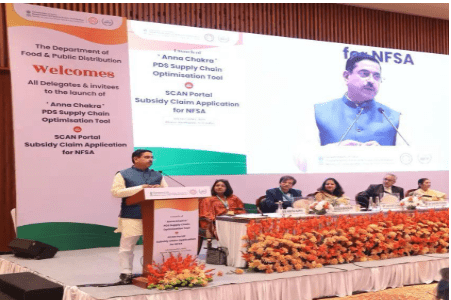
In a major recognition of India’s data-driven public governance reforms, the Department of Food and Public Distribution (DFPD) has been named among the six global finalists for the prestigious 2026 Franz Edelman Award for its pioneering initiative ‘Anna Chakra’. The announcement by INFORMS (Institute for Operations Research and the Management Sciences) places India’s public distribution reform initiative alongside global corporate leaders such as Google, Microsoft, NVIDIA, Chewy and ECCO Shoe.


Anna Chakra Recognised as Global Model for Analytics-Driven Public Systems

Widely regarded as the “Nobel Prize of Operations Research and Analytics”, the Franz Edelman Award honours the world’s most impactful applications of advanced analytics.

Being shortlisted among the top six finalists positions Anna Chakra on the global stage as a benchmark model for analytical innovation in government systems, logistics optimization and public sector reform.

The initiative was developed through a strong Government–UN–Academia collaboration involving:

  • Department of Food and Public Distribution (DFPD)

  • United Nations World Food Programme (WFP) India

  • Indian Institute of Technology (IIT) Delhi


What is Anna Chakra? Strengthening India’s Public Distribution System

Launched in December 2025 by Union Minister Shri Pralhad Joshi, Anna Chakra is an operations research (O.R.) based decision-support system designed to optimize food grain movement across India.

It uses advanced optimization models to:

  • Improve state-specific logistics planning

  • Strengthen supply chain efficiency

  • Reduce transportation costs

  • Improve delivery reliability under the Public Distribution System (PDS)

The initiative directly supports more than 81 crore beneficiaries, many of whom belong to vulnerable sections of society.


Measurable National Impact: Savings, Sustainability and Scale

The national deployment of Anna Chakra has already delivered significant measurable outcomes:

  • Estimated annual savings of ₹250 crore

  • 35% reduction in emissions, supporting India’s climate commitments

  • Improved operational efficiency across India’s large-scale food distribution network

  • Enhanced benefits for over 81 crore PDS beneficiaries

These outcomes demonstrate how advanced analytics can transform public service delivery at scale.


National Recognition Reinforces Global Impact

Earlier this month, the Anna Chakra initiative also received the CDSA ORSI Excellence in Management Science and Analytics Practice Award 2026 at the Indian Institute of Management Ahmedabad, further strengthening its credibility at both national and international levels.


Government Voices Pride in Achievement

Reacting to the recognition, Shri Sanjeev Chopra, Secretary, DFPD, said:

“The Anna Chakra model represents the power of applying scientific methods to strengthen public systems. Our partnership with WFP India and IIT Delhi has been instrumental in achieving this milestone.”

The recognition underscores how collaborative innovation can deliver high-impact governance solutions that are scalable beyond national boundaries.


Final Winner to Be Announced in the United States

The winner of the 2026 Franz Edelman Award will be announced at the INFORMS Analytics+ Conference, scheduled to be held in National Harbor, Maryland, USA, from April 12 to 14, 2026.

The selection of Anna Chakra among the global finalists already marks a significant milestone for India’s reputation in digital governance, analytics leadership and public system innovation.


Conclusion

Anna Chakra’s global recognition reflects a transformative shift in how India is leveraging data, analytics and scientific methods to improve governance outcomes. From generating large-scale savings and environmental benefits to strengthening food security for millions, the initiative stands as a powerful example of how technology-driven policymaking can deliver real-world impact. Its selection among the world’s top six analytics initiatives signals India’s growing leadership in applying advanced analytics to solve complex societal challenges.


For more real-time updates, visit Channel 6 Network.

Source: PIB