Saturday, December 27, 2025
Home Blog Page 86

Bengaluru Bomb Threat: Alarming Warning Targets Airport and Major Malls

0

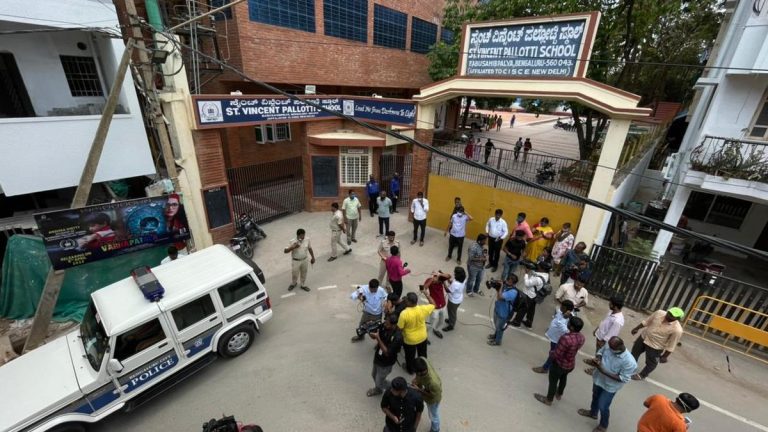
Bengaluru – The Commissioner of Police for Bengaluru city received a serious Bengaluru bomb threat on his official email address on Sunday, November 30, warning of coordinated attacks planned across multiple prominent locations in the metropolitan area. The threatening communication stated that a ‘white collar terror team’ had specifically targeted the Kempegowda International Airport and several major shopping malls throughout the city.

The email, which arrived directly at the police commissioner’s official correspondence address, raised immediate security concerns and prompted swift action from law enforcement agencies. The Bengaluru bomb threat represents the latest in a series of security alerts affecting major Indian cities and critical infrastructure locations.

Details of the Threatening Email Communication

The Bengaluru bomb threat originated from an email address carrying the name ‘Mohit Kumar’ and claimed affiliation with the terror outfit Jaish-e-Mohammed. The threatening message specifically stated its origins from a “Jaish-e-Mohammed White collar terror team,” suggesting a coordinated and planned operation targeting civilian infrastructure.

The complete text of the Bengaluru bomb threat read: “This is a warning from the Jaish-e-Mohammed White collar terror team, we targeted Kempegowda International Airport Bengaluru, Orion mall, Lulu Mall, Forum South mall, Mantri Square Mall, Lulu Mall for bomb blast at 7pm onwards. Thanks to our Allah and our master Mohit for serving our nation better…”

The message’s reference to multiple high-traffic locations and a specific timeframe of 7pm onwards indicated what appeared to be a coordinated attack plan, necessitating immediate security assessments across all mentioned venues.

Targeted Locations in the Threat

The Bengaluru bomb threat specifically identified several of the city’s most frequented commercial and transportation hubs. Kempegowda International Airport, serving as the primary aviation gateway for Karnataka’s capital city, was listed as the first target. The airport handles thousands of passengers daily, making it a critical infrastructure facility requiring heightened security protocols.

Additionally, the threat named multiple prominent shopping destinations including Orion Mall, Lulu Mall, Forum South Mall, and Mantri Square Mall. These establishments represent major commercial centers in Bengaluru, attracting substantial foot traffic from residents and visitors alike. The targeting of multiple malls in a single threat suggests an attempt to create widespread panic and disrupt normal civilian activities.

Legal Action and Investigation Initiated

Following receipt of the Bengaluru bomb threat, law enforcement authorities moved swiftly to register a formal complaint and initiate investigative procedures. An FIR was registered under Section 173 of the Bharatiya Nagarik Suraksha Sanhita (BNSS), which addresses offenses related to criminal intimidation and threats to public safety.

Also Read: IndiGo Flight Diverted: Urgent Emergency Landing After Bomb Threat

The registration of the FIR enables police to pursue comprehensive investigation into the source of the Bengaluru bomb threat, trace the email’s origin, and identify the individuals responsible for issuing the threatening communication. Cyber forensics teams are likely involved in tracking the digital footprint of the email sender.

Connection to Recent White-Collar Terror Module Investigations

The Bengaluru bomb threat arrives amid ongoing investigations into white-collar terror activities following recent incidents. Just days before this threat was received, police had launched an extensive crackdown on a ‘white-collar terror module’ responsible for the November 10 Delhi blast near Red Fort.

The timing of the Bengaluru bomb threat, coming so soon after the Delhi incident, raises concerns about potential coordination among terror networks operating within professional and educated circles. The reference to “white collar terror team” in the email directly mirrors terminology used in describing the perpetrators of the Delhi attack.

NIA Investigation Reveals Funding Network

National Investigation Agency (NIA) investigation into the November 10 Delhi blast case has uncovered disturbing details about how such operations are financed. The probe revealed that five doctors raised funds totaling up to ₹26 lakh to finance a conspiracy aimed at executing coordinated terror strikes across multiple cities.

The doctors identified in the investigation include Muzammil Ganaie, Adeel Ahmad Rather, Muzaffar Ahmad Rather, Shaheen Shahid, and Umar Un-Nabi Mohammad. These individuals worked at Al-Falah university in Faridabad, with Umar un-Nabi, Ganaie, and Shahid specifically employed at that institution.

Execution of the Delhi Attack

Umar un-Nabi was identified as the individual who was behind the wheel of the Hyundai i20 vehicle that was detonated using a cache of explosives on November 10. This revelation demonstrates how educated professionals have allegedly been radicalized and recruited into terror networks, fundamentally changing the profile of individuals involved in such activities.

Enhanced Security Measures and Public Safety

In response to the Bengaluru bomb threat, security has been intensified at all mentioned locations. Airport authorities, mall managements, and local police are coordinating comprehensive security sweeps and implementing additional screening procedures to ensure public safety.

The Bengaluru bomb threat serves as a reminder of evolving security challenges facing metropolitan areas and the need for constant vigilance. Authorities urge citizens to remain alert and report any suspicious activities or communications to law enforcement immediately, emphasizing that public cooperation remains essential in preventing potential attacks and maintaining urban security.

Sanchar Saathi App: Essential Government Clarification on Privacy Concerns

0

New Delhi – The Centre’s directive requiring pre-installation of the Sanchar Saathi app on all mobile handsets sold in India has sparked a political debate, with opposition parties raising privacy concerns while the government firmly defends the cybersecurity initiative. Union minister for communications Jyotiraditya Scindia has addressed these apprehensions, clarifying that the application is entirely optional and does not infringe upon citizens’ fundamental right to privacy.

The Department of Telecommunications (DoT) issued a directive to all mobile phone manufacturers and importers, mandating the pre-installation of the Sanchar Saathi app on every handset sold in India within 90 days. This requirement has become a subject of intense political scrutiny and public discussion regarding digital privacy rights.

Understanding the Sanchar Saathi App and Its Purpose

The Sanchar Saathi app serves as a comprehensive cybersecurity tool that allows users to verify their device’s unique International Mobile Equipment Identity (IMEI) number and report any misuse of telecommunications resources. Officials have emphasized that the application addresses a “serious endangerment” to telecom cyber security posed by duplicate or spoofed IMEI numbers, which are frequently exploited in scams and network misuse.

The Sanchar Saathi app enables citizens to protect themselves from various forms of digital fraud and ensures that their mobile connections are secure from unauthorized use. By providing a centralized platform for IMEI verification and fraud reporting, the application aims to create a safer digital ecosystem for all Indian mobile phone users.

Opposition’s Snooping Concerns and Privacy Criticisms

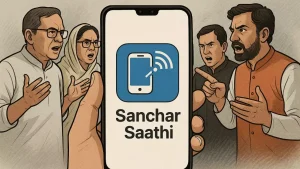
Several opposition leaders have voiced strong concerns about the mandatory pre-installation requirement for the Sanchar Saathi app. Congress MP Priyanka Gandhi Vadra has been particularly vocal, characterizing the application as a “snooping app” and asserting that it infringes on citizens’ constitutional right to privacy.

“The Sanchar Saathi is a snooping app, and clearly it is ridiculous. Citizens have the right to privacy. Everyone must have the right to privacy to send messages to family and friends without the government looking at everything,” Priyanka Gandhi Vadra told reporters, articulating the opposition’s fundamental objections to the pre-installation mandate.

These criticisms reflect broader concerns about government surveillance capabilities and the extent to which state authorities can access citizens’ personal communications and digital activities without their explicit consent.

Government’s Comprehensive Clarification

Union minister Jyotiraditya Scindia addressed the concerns flagged by opposition leaders on Tuesday, providing detailed clarification about the Sanchar Saathi app’s functionality and user controls. Scindia emphasized that activation of the application on mobile handsets is not mandatory and remains fully up to consumers’ discretion to use or delete it like any other mobile application.

“Digital security of every citizen of the country is our topmost priority,” Scindia stated, underscoring the government’s commitment to protecting citizens from cyber fraud while respecting their privacy rights. He explained that the objective of the Sanchar Saathi app is to enable each individual to protect their privacy and stay safe from online fraud, rather than to monitor or surveil citizens’ activities.

Impressive Impact Statistics of Sanchar Saathi App

The government has shared compelling data demonstrating the effectiveness and public acceptance of the Sanchar Saathi app. According to Scindia’s statement on social media platform X, over 20 crore people have used the portal so far, with over 1.5 crore users actively connected to the application.

Upon citizens selecting the ‘Not My Number’ feature within the Sanchar Saathi app, over 1.43 crore mobile connections have been successfully disconnected, protecting users from unauthorized connections registered in their names. Additionally, the platform has facilitated the tracing of 26 lakh mobile phones, of which 7.23 lakh devices have been successfully returned to their rightful owners.

These statistics demonstrate the tangible benefits that the Sanchar Saathi app provides in combating telecommunications fraud and helping citizens recover stolen or lost devices.

Details of the DoT Directive Implementation

Under the directive dated November 28, all original equipment manufacturers (OEMs) and importers have been given 90 days to install the Sanchar Saathi app across their entire device lineup. They will then have an additional 30 days to submit a compliance report to the Department of Telecommunications, ensuring accountability and transparency in the implementation process.

Manufacturers are also required to roll out software updates containing the Sanchar Saathi app for all devices already produced, sold, or currently in the supply chain. This comprehensive approach ensures that both new and existing devices will have access to the cybersecurity features provided by the application.

Clarifying Confusion Over App Functionality

The directive reviewed by authorities states that the Sanchar Saathi app “must be visible at first use” and that “its functionalities cannot be disabled.” Officials have acknowledged that confusion over these specific clauses may have led to claims that the application couldn’t be uninstalled by users.

The government has clarified that while the app’s core functionalities cannot be disabled when active, users retain complete freedom to delete the Sanchar Saathi app from their devices entirely, just as they would with any other mobile application, thereby preserving user autonomy and addressing privacy concerns effectively.

Parliament Winter Session 2025: Opposition MPs Drive Fierce Protest with ‘Vote Chor, Gaddi Chhod’ Chants

0

Day 2 erupts in Lok Sabha

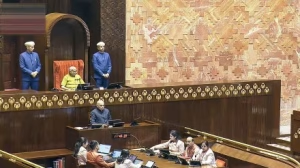
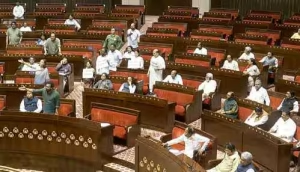
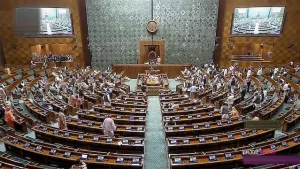
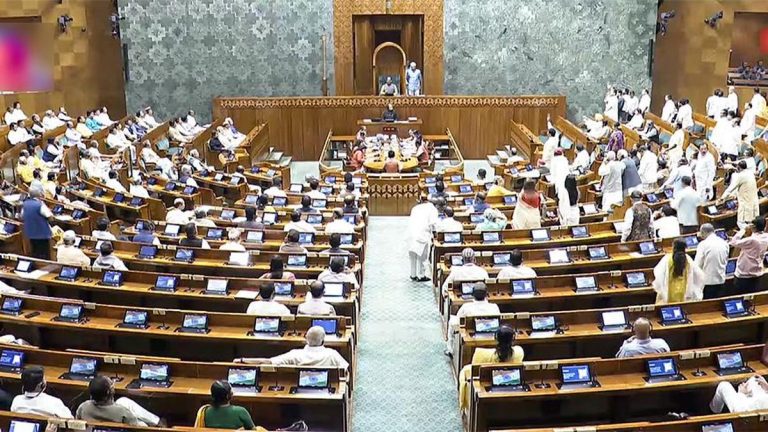
The second day of the Parliament Winter Session 2025 witnessed intense disruptions in the Lok Sabha as opposition MPs continued their protest with the slogan “vote chor, gaddi chhod.” The chant, directed at the ruling government, echoed across the chamber for several hours, halting normal proceedings and preventing members from participating in scheduled discussions.def 59

Opposition leaders stated that their protest was a response to perceived irregularities in the electoral process and alleged lapses in governance. They argued that their chants were a symbolic way to express dissent and demand accountability on issues affecting democracy and voter confidence.

The disruption and its impact

The continuous chanting created a tense environment within the house. Ministers and ruling party MPs were unable to deliver speeches or move forward with legislative business as usual. The Speaker of the Lok Sabha repeatedly called for order but faced challenges in restoring decorum, highlighting the depth of frustration among opposition members.1869769 rajya sabha ani image 1

Security personnel remained alert and monitored the situation carefully to ensure that proceedings did not escalate into physical confrontations. Despite repeated warnings, the opposition remained steadfast, demonstrating the intensity of their protest and the seriousness with which they approached their grievances.

Opposition perspective

Opposition leaders framed the protest as a fight for transparency and fairness in governance. They claimed that citizens’ trust in democratic institutions was at stake and that vocal demonstrations in Parliament were necessary to draw attention to alleged lapses. The slogan “vote chor, gaddi chhod” was intended to resonate with the public, expressing their view that elected representatives should be held accountable for their promises and conduct.

Several opposition MPs later addressed media outside Parliament, reiterating their concerns about the integrity of electoral rolls and questioning whether all processes were conducted in a fair and transparent manner. They emphasized that their protest was non-violent and aimed at raising awareness among citizens about their rights and the responsibilities of elected officials.

Government response

The ruling party responded cautiously to the protests, stating that they respected the right to dissent but emphasized that disruption in Parliament affects the nation’s legislative work. Ministers highlighted the importance of debate and discussion within the framework of parliamentary rules and procedures.ANI 20251130061427

Some government members described the protest as “theatrical” and urged opposition parties to utilize established mechanisms like question hours, debates and committee discussions to express their grievances. They reiterated that allegations should be addressed through dialogue and evidence rather than slogans that prevent normal functioning of the house.

Broader implications for democracy

The Day 2 disruptions underscore the challenges of balancing democratic dissent with legislative productivity. While protests are a core aspect of parliamentary democracy, repeated interruptions can delay bills, budget discussions and other crucial parliamentary functions. The standoff raises questions about how opposition and ruling parties can engage constructively while still holding each other accountable.Parliament 2025 12 83aec300e897d0020cf5be9fdd87c2de 16x9 1

Observers note that such visible protests reflect underlying political tension and can influence public opinion. Citizens watching proceedings on television or through media coverage are likely to interpret these events in ways that shape perceptions of governance, accountability and political maturity.

Looking ahead

As the Winter Session continues, attention will be on whether the opposition maintains its vocal stance or if dialogue can emerge between parties to restore order. How both sides manage dissent, debate and decision-making will determine the effectiveness of the session and the public’s trust in parliamentary processes.

The “vote chor, gaddi chhod” chants serve as a reminder that democracy is not only about elections but also about holding elected representatives accountable in real time. The coming days of the Winter Session will reveal whether protest and dialogue can coexist in India’s vibrant parliamentary system.

Also read: https://channel6network.com/gotham-awards-2025-win-by-jafar-panahi/

Sanchar Saathi Mandate Triggers 4 Strong Reactions From Leaders

0

What is Sanchar Saathi — and what’s changed

The Indian government has directed all smartphone manufacturers and importers to pre‑install the Sanchar Saathi cybersecurity app on every handset sold in India. For phones already in use the government has asked companies to push the app via software updates. Once installed the app cannot be disabled or removed by users. The stated objective is to combat telecom fraud, prevent the sale and use of counterfeit or stolen devices, and offer users a way to verify their devices and block suspicious telecom activity.157785 sanchar saathi app mandatory

Sanchar Saathi provides tools like IMEI verification, a fraud‑reporting facility, detection of suspicious connections, blocking or tracing lost or stolen phones, and reporting scam calls or messages. Under this mandate the app must be visible at first use — users cannot choose to skip or remove it. The government argues the move will help enhance mobile security for millions of users nationwide.

Opposition outcry: “Snooping App” and threats to privacy

The move has triggered sharp backlash from opposition politicians and digital‑rights activists. Priyanka Gandhi slammed the directive as tantamount to state surveillance calling Sanchar Saathi a “snooping app.” She warned that mandatory pre‑installation and non‑removability strips citizens of their right to privacy and unconstrained communication.

Critics draw parallels with dystopian surveillance regimes, arguing that once such an app is embedded in every phone, there’s potential for misuse — constant monitoring of calls messages location and device activity. They say the line between legitimate security and invasive oversight blurs dangerously when citizens lose control over what runs on their personal devices.

Concerns have been echoed by other voices as well describing the move as a threat to fundamental rights and individual freedoms. Many believe this push sets a troubling precedent — that security may be used as justification for surveillance without consent or transparency.

Government response: “Ready to discuss all issues”

Faced with mounting criticism the government has tried to reassure the public. Kiren Rijiju responded by saying that the government is open to debate and will engage with the opposition on all raised concerns. He insisted that while the issues matter the purpose is to enhance telecom security and protect citizens from fraud and stolen devices.1556613679 Priyanka Gandhi IANS

Rijiju urged opponents not to stall Parliament over the matter, offering to discuss concerns through dialogue rather than disruption. He emphasized that Sanchar Saathi is a part of larger efforts to curb telecom misuse and cyber‑fraud.

Government officials maintain that the app’s functionalities are intended for legitimate public good — reclaiming stolen phones, cutting down fake connections, preventing IMEI fraud — not to track or surveil personal communications or behavior.

Why the dispute matters beyond apps and phones

This controversy isn’t just about one app or a single government directive. It raises broader questions about privacy consent state‑citizen trust and the boundaries of digital governance. In an age when most people carry their private lives on their smartphones such mandates affect personal space more than ever.Since its May 2023 launch the Sanchar Saathi port 1764639148865 1764639158127

The debate puts into sharp focus what constitutes reasonable security measures and where intrusion begins. If citizens can be forced to carry government software with sweeping permissions on their personal devices it may set the stage for future overreach. For a democracy, balancing security and civil liberties becomes more delicate when the device in your pocket becomes a tool of the state.

What’s next: Debate, dissent and digital rights at crossroads

The conflicting views mean the issue is unlikely to die down soon. Opposition pressures may force the government to provide clarity on data‑collection rules, consent mechanisms, data retention, and oversight. Privacy advocates may push for legislation or judicial review to ensure citizens’ rights are protected.

Meanwhile many smartphone users may be left wondering: does a “security app” really safeguard me — or does it make me vulnerable to surveillance?

Ultimately, how this plays out will shape not just telecom security but the broader environment of trust in digital governance in India.

Also read: https://channel6network.com/gotham-awards-2025-win-by-jafar-panahi/

Gotham Awards 2025 Triumph by Jafar Panahi Becomes a Tribute to Filmmakers Denied a Voice

Jafar Panahi Dedicates Gotham Awards Wins to Filmmakers Deprived of the Right to See and Be Seen

At the 2025 Gotham Film Awards, Iranian filmmaker Jafar Panahi accepted multiple honors for his film It Was Just an Accident. But he used the spotlight not to celebrate personal glory but to send a powerful message. Panahi dedicated his awards to independent filmmakers in Iran and around the world who continue to create despite being silenced. He spoke for those “deprived of the right to see and be seen” — artists prevented from sharing their stories yet determined to keep telling them.AP f917250bfd1f406294f86917e200eaef 6f4fe824f0

His words resonated far beyond the glamour of awards ceremonies. They served as a reminder that cinema is not just entertainment but a form of courage, defiance and resilience.

From underground filmmaking to international acclaim

Panahi has a long history of working under difficult conditions. After 2010 he was banned from making films and barred from traveling abroad. Despite these restrictions he continued creating, finding unconventional ways to tell stories that challenge power and shine light on social realities.

It Was Just an Accident, filmed under secrecy, has become a symbol of artistic resistance. Its success at the Gotham Awards, including honors for Best Director, Best Original Screenplay and Best International Film, reflects Panahi’s persistence and the international community’s recognition of his artistry.

Shining a light on silenced voices

By dedicating his awards to unseen filmmakers, Panahi highlighted a global community of artists working under oppression. Many of these creators struggle without resources, face censorship, and risk persecution for pursuing their art. Panahi’s message was clear: even if systems try to silence you, your work has value and your voice matters.Jafar Panahi Iranian film director silver bear award berlin 2006

He acknowledged the hardships faced by filmmakers who continue despite these obstacles. His dedication became a tribute to their determination, reminding the world that true art often emerges from struggle and that these voices deserve to be seen.

Why this matters

Jafar Panahi’s recognition validates the work of marginalized and dissident filmmakers as equally important as mainstream productions. His speech brought attention to issues such as censorship, freedom of expression and human rights, framing cinema as both a mirror and a tool for social justice.1476

It also underscored that filmmaking is not only about entertainment but about bearing witness. Films can document injustice, challenge authority and provide a platform for voices that might otherwise go unheard. Panahi’s win and dedication emphasize the responsibility of the artistic community and audiences to support such creators.

Inspiring a global conversation

This moment at the Gotham Awards may encourage other marginalized filmmakers to persist in the face of adversity. It can inspire festivals and audiences worldwide to seek out stories from regions often ignored or suppressed. Jafar Panahi’s message serves as a call for solidarity with artists confronting obstacles to creative expression.Jafar Panahi Iranian film director silver bear award berlin 2006

For viewers, it is a reminder that every film carries the potential to represent a voice rescued from silence. His awards transformed personal achievement into a collective statement of courage and hope.

Cinema as a tool for change

Beyond recognition and accolades, Panahi’s work reinforces the idea that cinema can be a powerful instrument for social change. By telling stories that challenge conventions and expose injustice, filmmakers can influence public opinion, spark debates, and inspire action. Panahi’s dedication reminds the global community that supporting creative freedom is essential not just for the arts but for society as a whole.jafar panahi Getty H 2015

Looking forward

Panahi’s triumph and his dedication highlight the enduring power of art to transcend boundaries, confront injustice and unite communities. It reminds the world that storytelling is not only a craft but a lifeline for human expression and a testament to resilience. Through his work and words, Panahi proves that cinema can still give life to voices that the world might otherwise never hear.

Also read: https://channel6network.com/tamilnadu-based/

FM Sitharaman Makes Bold Pitch for Worldwide Collaboration to Address Rising Tax Challenges in 2025

0

A stronger push for cooperation

Finance Minister Nirmala Sitharaman has urged countries across the world to come together and build a more coordinated front to tackle rising tax challenges shaped by a changing global economy. Speaking at the Global Forum’s annual meeting she noted that digital transformation has made financial systems faster and more complex which has created gaps that can be exploited by bad actors. She stressed that cooperation is no longer optional but essential if nations want to ensure fairness and protect public revenue.Nirmala Sitharaman removebg preview

Sitharaman explained that financial behavior has changed dramatically over the past decade. Businesses operate across borders in seconds assets move through digital platforms and individuals have access to new tools that can make transactions harder to trace. Tax authorities are struggling to keep pace and she argued that this imbalance can only be corrected when countries share knowledge and work with a unified approach.

Why transparency is more important than ever

One of the central themes of her message was the need for greater transparency. Sitharaman said that tax systems cannot function smoothly unless countries trust one another and exchange relevant information on time. She added that secrecy in financial dealings gives room for evasion which harms honest taxpayers. Transparency she said builds a level playing field and helps create a more stable global economy.

At the same time she acknowledged the concerns some countries have about confidentiality. She emphasised that global cooperation must include strong data protection so that sensitive financial information remains safe. Without trust in data security she said cooperation would weaken which could slow down the fight against international tax evasion.

The Global Forum’s growing relevance

Sitharaman praised the Global Forum for bringing nations together on a common platform. She said that the forum plays a vital role in shaping global tax norms and helping countries upgrade their systems. Over the years the forum has supported developing nations by offering training and guidance which has helped them participate more effectively in international information exchange.e8n1aq5s nirmala sitharaman 625x300 04 September 25

This year’s meeting focuses on new challenges created by digitalisation. Representatives from different countries are discussing how to tighten oversight of digital transactions improve reporting systems and create updated frameworks that reflect modern financial behaviour. Sitharaman encouraged members to be ambitious with their commitments because the pace of change is accelerating and tax rules must evolve just as quickly.

Ensuring fairness in tax systems

A key part of Sitharaman’s message was that fairness in taxation is essential for public trust. She warned that when wealth moves across borders without proper oversight it shifts the tax burden onto those who follow the law. This imbalance affects development and weakens faith in institutions. She urged countries to recognise that tax fairness is not only a matter of revenue but also a matter of justice.Nirmala Sitharaman 5

She also highlighted that strong cooperation can help governments address inequality. When countries reduce tax evasion they free up resources for education health and welfare. According to her this is one of the biggest reasons why global unity on tax matters is not just desirable but necessary.

The road ahead

The discussions at the Global Forum mark an important moment for the future of tax governance. Sitharaman’s appeal sets a powerful tone by reminding countries that they stand to gain more by working together than by acting alone. The challenges ahead are significant yet the opportunities for improvement are just as strong.

As nations navigate new forms of wealth and digital assets the need for cooperation will continue to rise. Sitharaman expressed hope that the commitments made during this meeting will lead to meaningful reforms that strengthen transparency fairness and resilience across global tax systems.

Also read: https://channel6network.com/tamilnadu-based/

ECI Refuses “Baseless” Claims of Mass Disenfranchisement amid Supreme Court’s Critical Review of West Bengal’s SIR Process 2025

What’s the dispute about

Earlier in 2025 the ECI ordered a Special Intensive Revision (SIR) of electoral rolls in West Bengal, a process meant to update and clean voter-lists. The exercise, now being challenged in court by Dola Sen (a Member of Parliament), has sparked fierce debate. Supporters of the petition argue that SIR could lead to widespread disenfranchisement — genuine voters, they fear, might be removed from the rolls. On 1 December 2025 the Supreme Court began hearing the case, giving national attention to the controversy.20251009330L

ECI’s defense: no mass disenfranchisement

In a detailed counter-affidavit submitted to the court, the ECI pushed back strongly. It described the claims of mass deletion or disenfranchisement as “highly exaggerated” and said they were being amplified by actors with “vested political interests.” The commission stressed that SIR is not a new or arbitrary measure — better-known revisions under similar legal framework have happened repeatedly since the 1950s. This time too, ECI said, the process is rooted in constitutional obligation (Article 324) and statutory provisions (Sections 15, 21, 23 of the Representation of the People Act, 1950).west bengal sir 190804796 3x4 1

ECI also emphasized that the procedures built into SIR protect voters’ rights. It claims that nearly 99.77 percent of existing electors in West Bengal were supplied pre-filled enumeration forms and that 70.14 percent of these have already been returned. According to the commission those numbers — very high by any measure — undermine the argument that significant numbers of voters will be wrongly excluded.

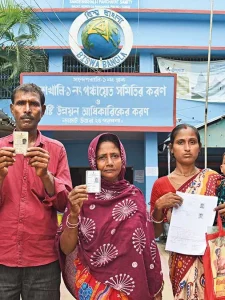
It explained that if a house is locked, the designated Booth Level Officer (BLO) must leave repeated notices and attempt contact at least three times. The revised SIR order prohibits BLOs from collecting any documents from electors during enumeration. And for people temporarily away from home, family members can submit forms on their behalf, or one may submit online through ECI’s portal or mobile app. According to ECI, special attention is being given to vulnerable groups — the elderly, people with disabilities — to make sure they are not left out.

What petitioners argue

On the other side, petitioners like Dola Sen argue that the SIR orders — issued on 24 June and 27 October 2025 — are arbitrary and unconstitutional. They claim that such large-scale revision close to elections threatens the voting rights of many genuine electors. The fear is especially acute among minority communities and those with uncertain documentation or residency status. Critics worry that the digital process or enumeration procedures may disproportionately harm migrants, refugees or people from marginalized backgrounds.

There is also concern that mass deletion of names — even if unintentional — could result in disenfranchisement of large swathes of voters just before an election. Such a shift could reshape electoral outcomes in a state that is politically volatile.

Where things stand now

The legal challenge is now before a bench of the Supreme Court of India, comprising Surya Kant (Chief Justice of India) and Joymalya Bagchi. The court is expected to hear further arguments on December 9, 2025. The ECI insists that the SIR is an important step to ensure integrity of electoral rolls and prevent fraud, duplication or ineligible votes. The petitioners counter that the timing and scale of SIR risk disenfranchising legitimate voters — especially those from vulnerable communities.

Why this matters

In a democracy, accuracy and fairness of voter lists are crucial. On one hand, a clean, updated roll ensures only eligible voters vote; on the other hand, any systematic error or mismanagement may deny valid voters their voice. The SIR in West Bengal — a politically charged state — becomes especially sensitive when cast as a risk to the voting rights of large groups.SIR West Bengal

If the court sides with ECI, it will reinforce the acceptability of SIR as a tool for maintaining electoral integrity. But if the petitioners get relief, it could stall or reshape the ongoing revision, and prompt questions about how electoral updates are managed across the country.

For voters in West Bengal and beyond the stakes are high: the outcome may determine who gets to vote — and who doesn’t — in the next elections.

Also read: https://channel6network.com/siddhant/

Tamil Nadu-Linked Visa Fraud Network Shattered in Dramatic IGI Airport Operation at Terminal 3

Tamil Nadu-based fake French-visa racket busted at IGI Airport

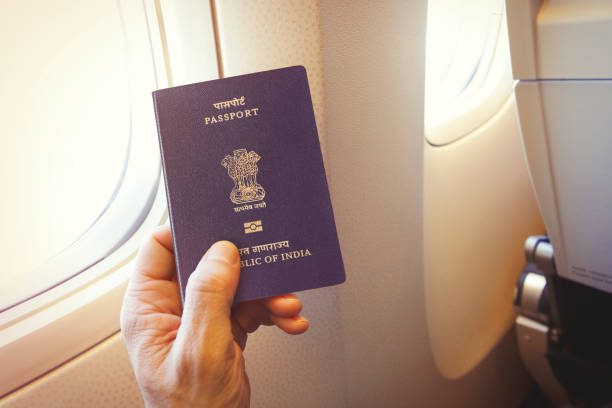
A major fake-visa racket allegedly operating from Tamil Nadu has been exposed after the IGI Airport Police intercepted three travelers carrying counterfeit French visas. The passengers were stopped during immigration checks at Terminal 3 when officers noticed irregularities in the long-term D-type visas they presented. What first appeared to be routine verification quickly turned into a deeper investigation that uncovered a wider network of agents facilitating forged travel documents.ANI 20251202042037

The incident has added to the rising number of visa-fraud cases detected at the Delhi airport this year. Authorities say the recent arrest is part of a broader campaign to crack down on agencies and individuals who lure people with promises of quick visas to Europe and other destinations.

How the racket operated

Preliminary investigation revealed that all three intercepted travelers had obtained their visas through agents based in Tamil Nadu. The visas appeared authentic at a glance but showed inconsistencies when scanned and cross-checked with immigration databases. Officers confirmed that the documents were fabricated and did not correspond to any entries in official French visa systems.

The passengers reportedly believed their visas were legitimate and had paid substantial amounts to the agents. This is a pattern authorities have seen repeatedly — many victims come from families who invest their savings, often through loans or the sale of property, because they believe they are buying a genuine opportunity to travel or work abroad.

Agents involved in such rackets typically operate through word-of-mouth networks, providing counterfeit Schengen visas, work permits and other forged documents. Many of these documents are sophisticated enough to deceive people who are unfamiliar with visa formats, making the scam even more dangerous.

A growing concern for authorities

The IGI Airport Police have been encountering an increasing number of travelers carrying forged visas in recent months. Officers note that the problem is no longer restricted to isolated cases but points toward well-organized networks spanning multiple states.jpg

To counter the trend, the police have stepped up surveillance, enhanced document-verification procedures and launched targeted operations to track down agents. These operations often involve monitoring suspicious travel patterns, keeping tabs on repeat offenders and following digital trails that link travelers to the agents who supplied them.

Authorities have also intensified efforts to dismantle entire networks rather than just intercept individual passengers. This means tracing the financial transactions behind these scams, identifying the teams involved in document fabrication and coordinating with other states when networks extend beyond Delhi.

Why travelers fall victim

Many of the people who fall prey to these scams are driven by the desire for better opportunities abroad. Long-term visas, especially those promising the possibility of residence or employment in European countries, are in high demand. Fraudulent agents exploit this demand by promising fast-tracked approvals and guaranteed outcomes.

For first-time travelers who are unfamiliar with official visa processes, these promises can appear convincing. Fraudsters often package their services as “complete travel arrangements,” offering everything from documentation to flight bookings and sometimes even false employment letters.

But relying on such agents can lead to serious consequences, including arrest, deportation and long-term travel restrictions.

A wake-up call for the public

The latest bust serves as a reminder that genuine visa applications must always go through official embassy channels. Any offer that seems “too easy” or “guaranteed” is almost always a red flag.1 cover 3 scaled e1717493646596

Travelers are advised to:

  • Avoid agents demanding large upfront payments

  • Cross-verify visa procedures through embassy websites

  • Insist on transparency and documentation for every service offered

  • Be cautious of promises of long-term visas without formal interviews or proper checks

Final thoughts

The exposure of a Tamil Nadu-based fake French-visa racket at IGI Airport highlights the urgent need for greater public awareness about visa fraud. With more people aspiring to travel or work abroad, scammers are becoming increasingly active and sophisticated.delhi air 660 1

For hopeful travelers, the safest route is always the official one. Shortcuts offered by fraudulent agents often lead not to opportunity but to financial loss, legal trouble and shattered dreams.

Also read: https://channel6network.com/siddhant/

IndiGo Flight Diverted: Urgent Emergency Landing After Bomb Threat

Maharashtra – An IndiGo flight diverted to Mumbai on Tuesday morning following a serious bomb threat that warned of a “human bomb” onboard the aircraft. The flight, which was bound for Telangana’s Hyderabad from Kuwait, was forced to make an emergency landing at Chhatrapati Shivaji Maharaj International Airport after security agencies received an alarming threat message via email at the Delhi airport.

The IndiGo flight diverted from its original route as a precautionary measure, prioritizing passenger safety above all other considerations. Operating under callsign 6E1234, the aircraft—an Airbus A321-251NX—had departed from Kuwait at 1:56 am local time before the threat was communicated to Indian aviation authorities.

Details of the Bomb Threat Communication

The threatening email received at Delhi airport specifically mentioned the presence of a “human bomb” aboard the Kuwait-Hyderabad flight, prompting immediate action from security agencies and airline officials. While the exact contents of the threat message have not been fully disclosed, the seriousness of the warning necessitated swift implementation of emergency protocols.

Aviation security experts treat such threats with utmost gravity, particularly when they mention specific flight routes and contain detailed warnings. The decision to have the IndiGo flight diverted to Mumbai rather than allowing it to continue to its intended destination reflects standard security procedures designed to handle potential threats in controlled environments with maximum security infrastructure.

Emergency Response Preparations at Mumbai Airport

Security teams, including specialized emergency responders, were placed on high alert and kept on standby at the Chhatrapati Shivaji Maharaj International Airport in anticipation of the IndiGo flight diverted from its Hyderabad route. The airport activated its comprehensive emergency response protocol, coordinating multiple agencies to ensure passenger safety during the unscheduled landing.

The aircraft landed safely at Mumbai airport at 8:10 am, according to flight tracking data. The IndiGo flight diverted successfully without any reported incidents during the landing procedure, demonstrating the professionalism and training of the flight crew in handling emergency situations.

Aircraft Specifications and Flight Timeline

Flight tracking data revealed that the aircraft involved in the incident was an Airbus A321-251NX, a modern narrow-body aircraft commonly used for medium-haul international routes. The journey from Kuwait to the point where the IndiGo flight diverted to Mumbai covered several hours, during which passengers and crew remained unaware of the security threat being assessed by ground authorities.

Also Read: Cyclone Ditwah: Devastating Storm Weakens After Causing Widespread Destruction

The decision-making process regarding the diversion likely involved coordination between multiple stakeholders, including airline management, aviation security agencies, and airport authorities at both the intended destination and the diversion airport.

Official Statements and Confirmations Pending

At the time of initial reports, an official statement from IndiGo airlines was still awaited. Airlines typically conduct thorough security assessments before releasing public statements regarding such incidents, ensuring that all facts are verified and appropriate authorities have completed their preliminary investigations.

The absence of immediate official confirmation reflects standard protocol where airlines coordinate with security agencies and government authorities before making public announcements about security threats that could impact ongoing investigations or public confidence in aviation safety.

Recent Pattern of Bomb Threats to Indian Flights

This incident follows a concerning pattern of bomb threats targeting flights operating to and from Indian airports. On November 23, Rajiv Gandhi International Airport in Hyderabad received a bomb threat for a flight arriving from Bahrain to the city. In that previous incident, the aircraft was also diverted to Mumbai, where it landed safely without any adverse developments.

Following comprehensive security checks of the Bahrain-Hyderabad flight, authorities determined that the threat was a hoax. Nothing suspicious was found during the extensive security examination carried out by specialized teams. An official confirmed that security checking was completed thoroughly and the bomb threat turned out to be entirely false.

Legal Consequences and Police Action

In the November 23 incident, police registered a case based on a complaint filed by Rajiv Gandhi International Airport officials. The threat email received by the airport claimed that a bomb was placed onboard the flight coming from Bahrain to Hyderabad, prompting the diversion to Mumbai.

Law enforcement agencies take bomb threats extremely seriously, regardless of whether they ultimately prove to be hoaxes. Making false bomb threats carries severe legal penalties, including imprisonment and substantial fines, as such actions disrupt aviation operations, cause financial losses, and create unnecessary panic among passengers and crew members.

Impact on Aviation Security Protocols

Each incident where an IndiGo flight diverted due to security threats reinforces the importance of maintaining robust aviation security protocols. These procedures, while occasionally causing inconvenience and delays, are essential for ensuring passenger safety and maintaining public confidence in air travel security.

Airports and airlines continuously refine their threat assessment procedures and response mechanisms based on lessons learned from previous incidents. The swift and coordinated response demonstrated in this case reflects the high level of preparedness maintained by Indian aviation security agencies.

The investigation into the latest threat continues as authorities work to determine the source and credibility of the warning that caused the IndiGo flight diverted to Mumbai.

Siddhant Chaturvedi’s 1st Look as V Shantaram for Legendary Filmmaker Biopic Unveiled

A First Glimpse Into a Legend’s Life

The very first look of actor Siddhant Chaturvedi as the legendary filmmaker V. Shantaram has been revealed and fans across India are buzzing with excitement. The poster captures a moment frozen in time — a respectful nod to the golden age of Indian cinema. Siddhant appears transformed in traditional period attire: a simple dhoti-kurta, a classic Nehru cap and a look of quiet resolve. He stands beside a vintage-era film camera, evoking the spirit of early filmmaking. The mood of the image is nostalgic yet powerful promising a cinematic journey that aims to honor a true pioneer of film.ANI 20251201180653

Why This Look Matters

More than just a striking image this first look carries weight because it embodies respect for the past and reverence for a man whose work shaped Indian cinema. V. Shantaram is remembered not just as a filmmaker but as a visionary who redefined storytelling and pushed boundaries in a time when the medium itself was young and evolving. For younger generations who may know little about those early years this poster offers a bridge to a legacy that helped build the foundations of Indian film. For longtime cinephiles it signals the resurgence of a story long waiting to be told — a story about ambition art and courage.

Siddhant’s Dedication and Emotional Connection

For Siddhant, this role is far more than another project — it is a deeply personal and humbling experience. He has described playing V. Shantaram as one of the greatest honors of his life believing that stepping into the filmmaker’s world will challenge him creatively and emotionally. As he delved into Shantaram’s life, from his earliest days in silent films to his evolution into a trailblazer of sound and color cinema, Siddhant was reportedly moved by the sheer passion persistence and vision that defined Shantaram’s journey. The actor seems determined to approach this transformation with sincerity and respect hoping to do justice to the legacy and the man behind it.Siddhantttt

What the Film Promises

Titled V. Shantaram — with the evocative subtitle The Rebel of Indian Cinema — the biopic aims to trace Shantaram’s extraordinary journey. From the silent era to the birth of talkies and eventually the arrival of color films the story will traverse decades of cinematic evolution. The film is designed as an ode not just to Shantaram’s films but to his daring choices his social consciousness and his willingness to break away from conventional norms in favor of meaningful cinema. It aims to bring alive the context of a changing nation through the lens of one man’s unshakeable creative spirit.122643286

A Revival of Memory and Legacy

This first look poster is more than a promotional image — it is a statement that some stories from our past deserve to be revisited remembered and celebrated. In a time when cinema often chases trends and commercial success sometimes at the cost of nuance it feels heartening to see a project centered around a man whose films stood for principle storytelling and bold ideas. The biopic presents an opportunity for audiences — both old and new — to reconnect with the roots of Indian cinema to reflect on its journey and to appreciate the visionaries who built it brick by brick.tamannaah bhatia joins siddhant chaturvedi in v shantaram biopic

What Lies Ahead

As anticipation builds around this film viewers will be keen to see more — glimpses of the screenplay the look of the sets the cast the music and above all how faithfully the story honors the man. For Siddhant the challenge will be to channel not just the appearance but the heart soul and conviction of a legend. For audiences it will be a chance to rediscover a chapter of film history often overshadowed by time and modernity. If the poster is any indication the film promises to be a heartfelt tribute a cinematic time machine and a celebration of artistry that once dared to dream big.

Also read: https://channel6network.com/modi-on-cyclone-ditwah-widespread-destruction/