Saturday, April 25, 2026
Home Blog Page 88

Vishal Bharadwaj Breaks Silence on O’Romeo Controversy with 1 Answer, Says “Didn’t Think I Needed Permission”

Vishal Bharadwaj Breaks Silence on O’Romeo Legal Rights Controversy: “Didn’t Think I Needed Permission”

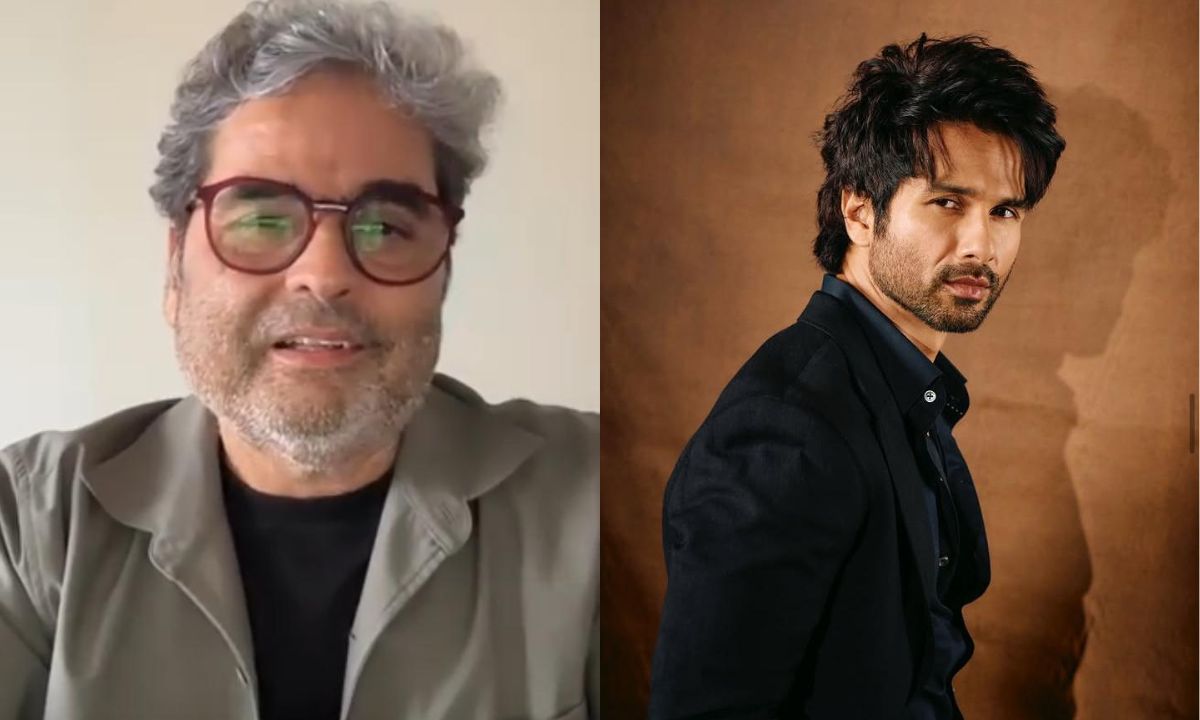
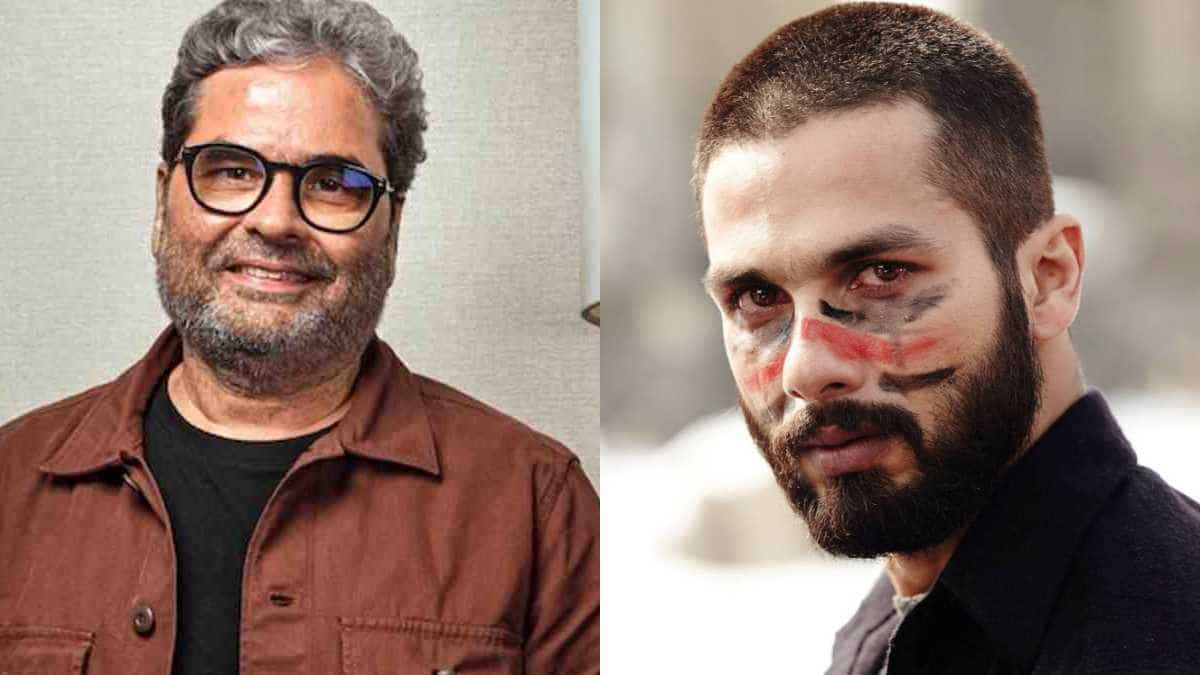
Mumbai: Filmmaker Vishal Bharadwaj has finally broken his silence on the legal controversy surrounding his upcoming film O’Romeo, firmly stating that he did not believe he needed permission to tell the story. The director’s remarks come after objections were raised over the film’s alleged resemblance to real-life individuals, sparking debate around creative freedom, adaptation rights, and ethical boundaries in cinema.Shahid Kapoor and Triptii Dimri O Romeo 1757855247536

O’Romeo, slated for release in 2026, is one of the most anticipated films of the year, featuring a powerful ensemble cast and promising Bharadwaj’s trademark dark, layered storytelling. However, soon after the release of its promotional material, the film landed in controversy when a family member of a real-life figure believed to have inspired the narrative reportedly issued a legal notice, alleging unauthorised use of personal history and misrepresentation.

Addressing the issue publicly for the first time, Bharadwaj clarified that O’Romeo is not an authorised biographical film. Instead, it is a cinematic adaptation of a published literary work, for which the filmmakers had legally acquired rights. According to the director, once the rights to adapt the book were secured, he did not consider it necessary to seek additional permission from individuals or families who may see similarities between the film and real-life events.

“I didn’t think I needed permission,” Bharadwaj stated candidly, explaining that the story is rooted in a broader social and historical context rather than a direct retelling of one person’s life. He emphasised that the characters and situations in the film are fictionalised interpretations, created to serve the narrative and cinematic intent, rather than precise representations of real people.o romeo vishal bhardwaj fallout rumour shahid kapoor national award kaminey rangoon haider
The director also pointed out that creative adaptations often involve blending facts with imagination, especially when stories are inspired by documented material already in the public domain. In his view, responsibility for permissions, if any, lies with the original author of the source material and not necessarily with filmmakers who adapt it for the screen after legally acquiring the rights.

The controversy has reignited a familiar debate in the Indian film industry — where should the line be drawn between artistic liberty and personal sensitivity? While filmmakers argue that creative expression must remain free to explore real-world inspirations, families of those portrayed often feel aggrieved if they believe the depiction affects personal legacy or public perception.vishal bhardwaj on his reunion with shahid kapoor 1741665282
Vishal Bharadwaj maintained that O’Romeo does not aim to glorify or defame any individual. Instead, it seeks to explore the emotional and social undercurrents of a particular era and environment. He reiterated that the film’s disclaimer clearly states that it is a work of fiction inspired by certain events, not a documentary or factual account.

Industry observers note that such disputes have become increasingly common as filmmakers mine real-life stories for compelling narratives. While copyright law typically protects adaptations of published works, the emotional and reputational concerns of families often lead to legal challenges, even when filmmakers believe they are on solid legal ground.shahid kapoor triptii dimri 1746417696

Despite the controversy, Vishal Bharadwaj remains focused on the film’s release and creative journey. Those close to the project suggest that the team is confident about its legal position and hopes the issue will be resolved through dialogue rather than prolonged litigation. The director also expressed respect for differing viewpoints, while standing by his belief that O’Romeo was made responsibly and within legal boundaries.

As the film inches closer to its release date, attention is likely to remain fixed not just on its performances and storytelling, but also on how the controversy unfolds. Whether the matter escalates legally or is settled amicably, Bharadwaj’s statement has made one thing clear — O’Romeo represents his creative interpretation, and he sees no requirement for additional permissions beyond the rights already obtained.

The episode once again highlights the complex intersection of law, art, and personal legacy in contemporary cinema — a space where stories inspired by reality continue to provoke both admiration and debate.

Sunita Williams Retirement: Inspiring 27-Year NASA Career Ends

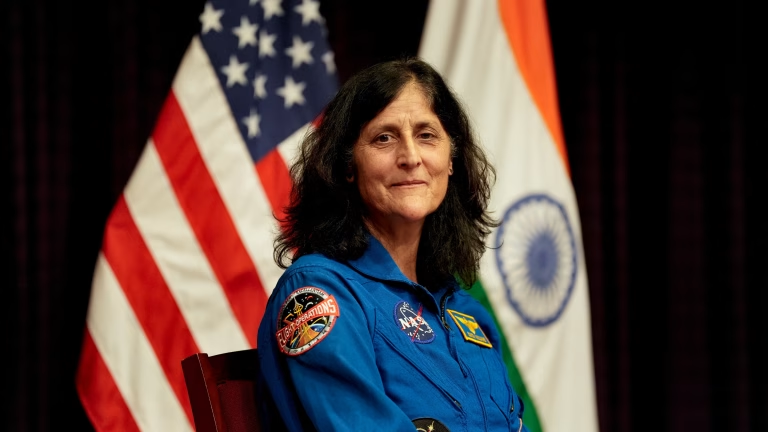
New Delhi – Indian-origin astronaut Sunita Williams has announced her Sunita Williams retirement from the National Aeronautics and Space Administration after an extraordinary 27-year career. The Sunita Williams retirement, which took effect on December 27, 2025, marks the end of an illustrious journey that included three missions aboard the International Space Station and a total of 608 days in space.

NASA Administrator Honors Distinguished Career

NASA Administrator Jared Isaacman paid tribute to the Sunita Williams retirement with heartfelt recognition of her contributions to space exploration. In an official statement, Isaacman described Williams as “a trailblazer in human spaceflight” who shaped the future of exploration through her leadership aboard the space station and paved the way for commercial missions to low Earth orbit.

The NASA Administrator emphasized that the Sunita Williams retirement comes after decades of advancing science and technology, laying the foundation for Artemis missions to the Moon and future journeys toward Mars. Isaacman congratulated Williams on her well-deserved retirement and thanked her for service to NASA and the nation.

Remarkable Career Spanning Three Decades

The Sunita Williams retirement concludes a career marked by groundbreaking achievements and historic milestones. Williams completed three missions aboard the International Space Station, accumulating 608 days in space throughout her career. Her journey began with her first launch aboard space shuttle Discovery with STS-116 in December 2006, returning aboard space shuttle Atlantis with the STS-117 crew while serving as flight engineer.

Her second space visit occurred in 2012, when she launched from the Baikonur Cosmodrome in Kazakhstan for a 127-day mission as a member of Expedition 32/33. During this mission, Williams served as space station commander for Expedition 33, demonstrating exceptional leadership capabilities.

Final Mission and Recent Accomplishments

Prior to the Sunita Williams retirement, her most recent spaceflight proved to be her longest and most challenging. Williams and fellow astronaut Barry Wilmore launched aboard the Boeing Starliner spacecraft in June 2024 as part of NASA’s Boeing Crew Flight Test mission. The pair joined Expedition 71/72, and Williams once again assumed command of the space station for Expedition 72.

Also Read: Boeing 787 Technical Faults Exposed: Alarming Safety Issues Revealed

During this final mission before the Sunita Williams retirement, she completed two spacewalks and returned to Earth in March 2025 as part of the agency’s SpaceX Crew-9 mission. This extended stay demonstrated her continued commitment to advancing space exploration even in the final phase of her NASA career.

Educational Background and Qualifications

The foundation for the successful career that preceded the Sunita Williams retirement was built on solid academic credentials. Williams holds a bachelor’s degree in physical science from the United States Naval Academy and a master’s degree in engineering management from Florida Institute of Technology in Melbourne. A native of Needham, Massachusetts, her educational background prepared her for the technical and leadership challenges of spaceflight.

Global Interest in Retirement Announcement

The Sunita Williams retirement announcement generated significant global interest, prompting her name to trend on Google searches worldwide. The top searches originated from Slovenia, India, Canada, and the United States, reflecting her international appeal and heritage. Many people also searched for information about her family, particularly her father, Deepak Pandya, highlighting the personal connection people feel to her story.

Emotional India Homecoming

Following the Sunita Williams retirement, the veteran astronaut is currently on an India tour, which she described as a “homecoming.” During an interactive session at the American Center in New Delhi, Williams spoke eloquently about India’s importance in her life and identity.

Williams shared her perspective on viewing Earth from space, explaining that astronauts naturally look for their homes. She mentioned her upbringing in Massachusetts, her father’s Indian heritage, and her mother’s Slovenian background, emphasizing how space travel changes one’s perception of human differences.

Inspiring Message of Unity

During her India visit following the Sunita Williams retirement, she delivered a powerful message about global unity. Williams reflected that seeing Earth from space makes one realize that every person, animal, plant, and everything we know exists in “one little space in our solar system.” This perspective, she explained, eliminates perceived differences and emphasizes humanity’s shared existence.

She advocated for closer collaboration among nations, stating that space travel “really makes you feel like we are just one and we all should probably work a little bit closer and easier together.”

Meeting with Space Legacy

The Sunita Williams retirement tour in India included a poignant meeting with late astronaut Kalpana Chawla’s 90-year-old mother and sister in Delhi. Chawla was the first Indian-origin female astronaut to travel to space before tragically dying with her crew in the Space Shuttle Columbia disaster when their spacecraft disintegrated during re-entry into Earth’s atmosphere in February 2003. This meeting connected two generations of pioneering Indian-origin space explorers.

Legacy and Future Impact

The Sunita Williams retirement marks the conclusion of active duty but not the end of her influence on space exploration. Her extraordinary achievements will continue inspiring future generations to dream big and push the boundaries of what’s possible. Williams’ work has directly contributed to advancing human presence in space and preparing for ambitious missions to the Moon and Mars.

As the space community reflects on the Sunita Williams retirement, her legacy as a trailblazer, leader, and inspiration remains firmly established in the history of human spaceflight.

India vs New Zealand T20I: Dominant Win Launches World Cup Campaign

0

New Delhi – India began their T20 World Cup preparations with a commanding performance in the first India vs New Zealand T20I, securing a convincing 48-run victory on Wednesday. The comprehensive win demonstrated India’s batting firepower and bowling depth as they opened the five-match series in dominant fashion.

Abhishek Sharma’s Match-Winning Performance

The first India vs New Zealand T20I belonged to Abhishek Sharma, who played a spectacular innings of 84 runs off just 35 deliveries. His blistering knock set the foundation for India’s imposing total and gave the team early momentum that New Zealand never recovered from throughout the match.

Abhishek Sharma‘s explosive batting in this India vs New Zealand T20I included a rapid half-century reached in just 22 deliveries. His aggressive approach at the top of the order put India firmly on the front foot and allowed the middle order to build on the strong platform he established.

India Posts Formidable Total

India compiled a daunting 238 for seven after batting first in the India vs New Zealand T20I series opener. The total was built on multiple contributions, with Abhishek Sharma’s 84 forming the backbone of the innings. Rinku Singh provided the perfect finish with an unbeaten 44 off just 20 balls, accelerating the scoring rate during the death overs.

Suryakumar Yadav contributed a confident knock that helped maintain momentum during the middle overs of this India vs New Zealand T20I. Hardik Pandya also played a valuable anchoring role, ensuring the innings maintained its aggressive tempo without losing too many wickets at crucial junctures.

Early Setbacks for India

The India vs New Zealand T20I didn’t begin smoothly for the hosts, as early wickets threatened to derail their innings. Sanju Samson departed cheaply for just 10 runs, while Ishan Kishan’s comeback to international cricket was brief, as he scored only eight runs before returning to the pavilion.

These early dismissals in the India vs New Zealand T20I left India two wickets down without a substantial score on the board. However, Abhishek Sharma’s aggressive response to this pressure situation turned the match firmly in India’s favor.

New Zealand’s Chase Falls Short

Chasing 239 in the India vs New Zealand T20I, the visitors finished on 190 for seven, falling 48 runs short of the target. Glenn Phillips top-scored for New Zealand with a fighting 78 off 40 balls, demonstrating the kind of explosive batting that makes T20 cricket so entertaining.

Mark Chapman added 39 runs to the New Zealand total in this India vs New Zealand T20I, but his contribution wasn’t enough to challenge India’s commanding position. Despite Phillips’ heroics, New Zealand never looked likely to reach the target after falling behind the required run rate early in their chase.

Indian Bowling Attack Delivers

The Indian bowling unit performed effectively in the India vs New Zealand T20I, maintaining pressure throughout New Zealand’s chase. Varun Chakravarthy struck crucial blows with his mystery spin, removing key batsmen at important moments. Arshdeep Singh provided the early breakthrough by dismissing Devon Conway, setting the tone for India’s bowling effort.

Hardik Pandya contributed with both bat and ball in this India vs New Zealand T20I, though he did concede some runs during his bowling spell. The varied bowling attack allowed India to maintain control even when Phillips was threatening to single-handedly chase down the target.

Team Selection and Strategy

India made interesting selection decisions for the India vs New Zealand T20I series opener. Kuldeep Yadav was left out of the playing XI, with team management opting instead to include Rinku Singh for additional batting depth and firepower in the middle order.

Mitchell Santner won the toss and elected to bowl first in this India vs New Zealand T20I, but the decision backfired as India’s batsmen took advantage of the conditions to post a massive total.

World Cup Preparation Context

This India vs New Zealand T20I series serves as the final dress rehearsal before the T20 World Cup. Head coach Gautam Gambhir and captain Suryakumar Yadav are using these matches to finalize team combinations and test different strategies ahead of the global tournament.

The return of key players like Hardik Pandya and Jasprit Bumrah for the India vs New Zealand T20I series significantly strengthens the squad. These players sat out the ODI leg but are crucial to India’s T20 plans, offering flexibility and quality in their respective roles.

Captain’s Form Concerns

Despite the victory in this India vs New Zealand T20I, concerns persist about Suryakumar Yadav’s batting form. The captain has scored just 244 runs across his last 22 innings in the format dating back to October 2024, without registering a single fifty. India desperately needs their skipper to rediscover his scoring touch before the World Cup.

Series Outlook

The dominant performance in the opening India vs New Zealand T20I sets a positive tone for the five-match series. New Zealand have won 13 of 21 T20 internationals since the 2024 T20 World Cup, making them formidable opponents. However, India’s comprehensive victory demonstrates their readiness for the challenges ahead as they build toward World Cup glory.

AI-Enabled Smart Glasses: Delhi Police Unveils Revolutionary Security Tech

0

New Delhi – Delhi Police is set to deploy AI-enabled smart glasses for the first time during Republic Day celebrations, marking a significant technological advancement in law enforcement and public security. These cutting-edge wearable devices will enable personnel to identify wanted criminals and suspicious elements in real-time, revolutionizing how security forces monitor large public gatherings.

Groundbreaking Technology for Republic Day

The deployment of AI-enabled smart glasses represents a historic first for Delhi Police and Indian law enforcement. Officials have confirmed that this technology will be integral to security arrangements for the Republic Day celebrations, allowing personnel on the ground to access criminal databases instantly and alert authorities about potential threats without delay.

The AI-enabled smart glasses will be worn by police personnel deployed at critical entry points, strategic junctions, and along the Republic Day parade route. This strategic positioning ensures comprehensive surveillance coverage of all vulnerable areas during the national celebration.

Advanced Features of AI-Enabled Smart Glasses

The AI-enabled smart glasses incorporate multiple sophisticated technologies to enhance security capabilities. These wearable devices are equipped with facial recognition systems, video analytics, and thermal imaging capabilities. The integration of these technologies allows the AI-enabled smart glasses to perform comprehensive threat assessment and identification functions simultaneously.

Developed by Mumbai-based technology firm Ajna Lens, the AI-enabled smart glasses connect to mobile phones through cables, enabling personnel to access criminal databases while on the move. This mobile connectivity ensures that officers remain agile and responsive while maintaining constant access to crucial information.

Database Integration and Scanning Capabilities

The AI-enabled smart glasses link to a mobile application that continuously scans a database containing more than 10,000 suspects. This extensive database has been specially curated for the Republic Day deployment and includes details of wanted criminals, proclaimed offenders, and individuals flagged as anti-national elements.

Also Read: EV Water Tankers: Delhi Approves Revolutionary 600-Vehicle Fleet

Additional Commissioner of Police (New Delhi) Devesh Kumar Mahla explained that the AI-enabled smart glasses have been developed and tested over the past year. The technology will now be utilized for Republic Day security and checking operations, providing police personnel with unprecedented access to criminal databases.

Sophisticated Facial Recognition Technology

One of the most impressive features of the AI-enabled smart glasses is their advanced facial recognition capability. The technology has been designed to identify suspects even when their appearance has changed significantly. Whether a suspect has grown a beard, sustained cuts or marks on their face, or altered their appearance in other ways, the AI-enabled smart glasses can still accurately identify them.

Mahla emphasized that even if photographs in the database are ten to twenty years old, the camera integrated into the AI-enabled smart glasses can capture facial features and match them successfully. This capability ensures that outdated database images do not compromise identification accuracy.

Offline Functionality and Data Management

A crucial advantage of the AI-enabled smart glasses is their ability to function without constant internet connectivity. The application can record footage, store data, and flag suspicious activity on the connected mobile phone independently. Internet or network access is required only when alerting other units or senior officers about identified threats.

This offline functionality ensures that the AI-enabled smart glasses remain operational even in areas with poor network coverage or during network disruptions, maintaining security effectiveness under all conditions.

Comprehensive Republic Day Security Arrangements

The deployment of AI-enabled smart glasses forms part of broader, extensive security arrangements for Republic Day celebrations. Approximately 10,000 personnel from New Delhi district have been deployed for security duties, with nine to ten full-scale rehearsals conducted to test all arrangements thoroughly.

Security measures include pedestrian checking at multiple locations, vehicle checks at designated points, and soft checking at four specific locations. The AI-enabled smart glasses complement these traditional security measures with advanced technological capabilities.

Surveillance Infrastructure Support

More than 3,000 CCTV cameras have been installed to support the AI-enabled smart glasses and overall security operations. Over thirty control rooms equipped with video analytics and facial recognition systems will monitor these cameras, creating a comprehensive surveillance network.

The integration of AI-enabled smart glasses with existing CCTV infrastructure and control room operations creates a multi-layered security system that combines human intelligence with artificial intelligence for maximum effectiveness.

Real-Time Threat Detection and Response

The AI-enabled smart glasses enable immediate threat detection and rapid response capabilities. When the facial recognition system identifies a match with the criminal database, personnel wearing the AI-enabled smart glasses can instantly alert command centers and coordinate appropriate responses.

This real-time identification capability transforms security operations from reactive to proactive, allowing authorities to intercept potential threats before they materialize into actual incidents.

Future Implications for Law Enforcement

The successful deployment of AI smart glasses during Republic Day celebrations could pave the way for broader adoption of this technology across Delhi Police operations. The wearable devices demonstrate how artificial intelligence and facial recognition technology can enhance traditional policing methods.

As the AI smart glasses prove their effectiveness during this high-profile deployment, other law enforcement agencies across India may consider adopting similar technologies for major public events and routine security operations.

The introduction of AI smart glasses marks a transformative moment in Indian law enforcement, showcasing how advanced technology can strengthen public safety while maintaining the essential human element in security operations.

EV Water Tankers: Delhi Approves Revolutionary 600-Vehicle Fleet

0

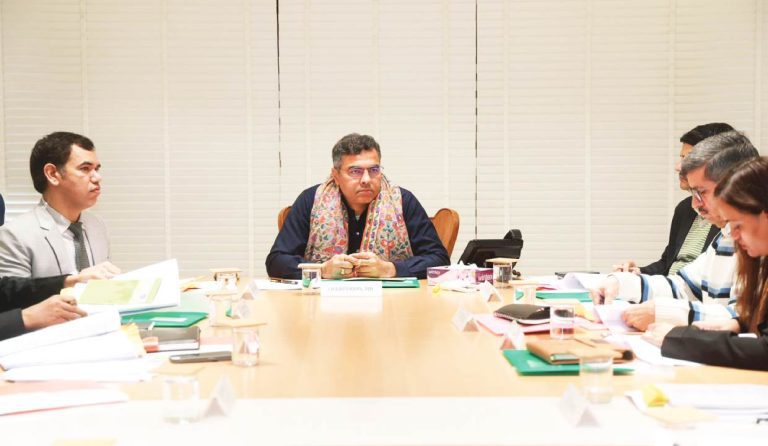
New Delhi – The Delhi Jal Board has approved an ambitious plan to deploy 600 EV water tankers across the capital, marking a transformative shift in the city’s water distribution infrastructure. This decision, announced at the 176th board meeting, represents a major step toward technology-driven governance and environmental accountability in Delhi’s water management system.

Historic Decision for Water Distribution

The approval of 600 EV water tankers signifies Delhi’s commitment to modernizing its water supply infrastructure while addressing environmental concerns. Water minister Parvesh Verma, who chaired the meeting, emphasized that the government is transitioning from temporary arrangements to permanent systemic solutions. The deployment of EV water tankers aims to end pollution, curb the grey market in water supply, and ensure transparent delivery to residents.

Officials stated that decisions taken at the board meeting promote technology-driven governance with a focus on curbing unregulated water supply practices and reducing pollution in the Yamuna river. The introduction of EV water tankers represents a cornerstone of this comprehensive strategy.

Distribution Strategy for EV Water Tankers

The 600 EV water tankers will be divided into two categories to serve different segments of Delhi’s population. Three hundred electric tankers will be deployed exclusively to supply free water in residential areas, particularly targeting water-stressed and underserved localities that face chronic supply challenges. These EV water tankers will ensure equitable access to clean water for vulnerable communities.

The remaining 300 EV water tankers will cater to commercial and institutional users on a regulated payment basis. This arrangement brings formal oversight to a sector traditionally dominated by private, unregulated operators, establishing accountability and transparency in commercial water distribution.

Advanced Features of EV Water Tankers

The approved EV water tankers will incorporate cutting-edge technology to ensure safety and efficiency. All tankers will be fitted with stainless steel tanks to guarantee water safety and prevent contamination during transport. This feature addresses long-standing concerns about water quality in tanker-supplied areas.

Also Read: Central Vista Redevelopment: Major Demolition of Historic Buildings Begins

Additionally, the EV water tankers will include GPS-based tracking systems enabling real-time monitoring of vehicle movements and deliveries. An app-based booking system will allow citizens to request and track water deliveries, bringing unprecedented transparency to the water supply process. These technological integrations make the EV water tankers a model for modern urban utility management.

Environmental Benefits and Emission Reduction

The transition to EV water tankers offers significant environmental advantages for Delhi. By replacing conventional diesel-powered tankers with electric vehicles, the initiative will substantially reduce vehicular emissions associated with water distribution operations. This change aligns with Delhi’s broader goals of improving air quality and reducing carbon footprint.

The deployment of EV water tankers demonstrates how essential public services can be delivered while simultaneously advancing environmental sustainability objectives. The electric fleet will contribute to cleaner air and reduced noise pollution in residential areas.

Wazirabad Barrage Restoration Project

Beyond the EV water tankers initiative, the Delhi Jal Board approved scientific desilting and restoration of the pondage area at Wazirabad barrage. Storage capacity at this crucial water source has diminished over years due to heavy silt accumulation. The restored pondage will help Delhi manage summer water demand more efficiently, complementing the improved distribution enabled by EV water tankers.

Remarkably, the desilting work will generate approximately twenty-five crore rupees in revenue for the Delhi Jal Board, as the contractor will sell the extracted silt at profit. Minister Verma highlighted this as a historic approach where the board earns revenue instead of spending money on desilting operations.

Sewage Connection Projects Approved

The board cleared house sewer connection projects for four colony groups including Sangam Nagar, Ranhola, Wazirabad, and Begumpur. These projects will add around 200,000 new water connections, benefiting an estimated 125,000 residents. The six to twelve-month timeline projects will connect households to formal sewer networks, replacing open drains and unsafe waste disposal practices.

Minister Verma emphasized that residents of unauthorized colonies have lived without proper sewerage for decades, and the government is committed to delivering dignity, hygiene, and environmental protection to every settlement.

Yamuna Rejuvenation Initiative

The Zindpur decentralized sewage treatment project, a key Yamuna rejuvenation initiative, received approval during the meeting. This project includes a fifteen MGD treatment plant and supporting infrastructure to intercept sewage currently flowing untreated into the river from areas around Narela, Burari, and Badli. The project will benefit over 417,000 people across 33 colonies and 14 villages.

Long-Term Water Planning

The Delhi Jal Board also approved consultancy services for preparation and revalidation of the Water Master Plan 2051. This long-term roadmap will guide water supply augmentation, infrastructure modernization, and sewerage management for the next quarter century.

Comprehensive Reform Vision

The deployment of 600 EV water tankers, combined with sewage infrastructure improvements and long-term planning initiatives, demonstrates the Delhi government’s holistic approach to water management. These interconnected projects address immediate supply challenges while building sustainable systems for future generations.

The EV water tankers initiative particularly exemplifies how technological innovation can transform essential services, making them more efficient, transparent, and environmentally responsible. As Delhi implements these ambitious projects, the capital sets a precedent for other Indian cities facing similar water management challenges.

Secret Sonic Weapon: Trump Reveals Shocking Military Technology Used

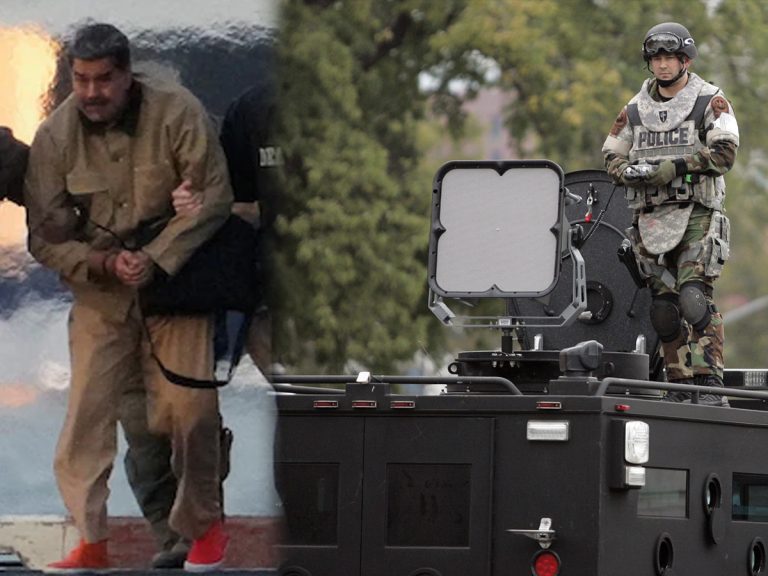
Washington D.C. – President Donald Trump has confirmed that the United States military deployed a secret sonic weapon during the recent operation that led to the capture of Venezuelan President Nicolás Maduro. This revelation has sparked intense interest in the capabilities and implications of this advanced technology that Trump claims no other nation possesses.

Trump Confirms Deployment of Advanced Technology

During an interview on the NewsNation program, Trump acknowledged the use of the secret sonic weapon in the Venezuelan military operation. The President displayed notable pride in discussing this exclusive military capability while maintaining a degree of caution about revealing too many specifics. His confirmation addressed weeks of speculation that had circulated since the operation’s conclusion.

Trump emphasized that the secret sonic weapon represents just one example of America’s superior military arsenal. He stated, “We have weapons nobody else knows about,” while adding that it’s “probably good not to talk about it.” Despite his reticence, the President described the operation as “an amazing attack,” highlighting the effectiveness of the secret sonic weapon deployment.

Exclusive American Military Capability

A crucial aspect of Trump’s revelation about the secret sonic weapon concerns its exclusivity. When asked whether Americans should be worried about the weapon’s capabilities, Trump raised his eyebrows and responded affirmatively, stating, “Well, yes. It’s something I don’t wanna…nobody else has it.” This assertion positions the secret sonic weapon as a unique advantage in America’s military arsenal.

The President’s emphasis on the weapon’s exclusivity suggests significant technological advancement that gives the United States a strategic edge over other nations. Trump’s reluctance to provide detailed specifications about the secret sonic weapon indicates concern about protecting classified military technology from potential adversaries.

White House Press Secretary’s Initial Revelations

Speculation about the secret sonic weapon began circulating after White House Press Secretary Karoline Leavitt made startling assertions about the operation. She claimed that the device utilized during the Venezuelan raid produced severe physiological effects on soldiers, including bleeding from noses and vomiting blood. These dramatic consequences suggested the secret sonic weapon possessed capabilities far beyond conventional acoustic devices.

Leavitt’s statements about the secret sonic weapon were based on eyewitness accounts from individuals present during the operation, lending credibility to claims about the technology’s devastating impact on those exposed to its effects.

Also Read: Trump Greenland Claim: Shocking Revelations at Davos Summit

Eyewitness Account of the Weapon’s Effects

A particularly revealing account of the secret sonic weapon came from someone who identified as one of Maduro’s guards. This eyewitness described the harrowing experience of being targeted by the technology during the military operation. The individual reported being unable to maintain footing after the secret sonic weapon was activated, describing complete physical disorientation.

The witness stated, “At one point, they launched something; I don’t know how to describe it. It was like a very intense sound wave. Suddenly, I felt like my head was exploding from the inside.” This testimony provides insight into the immediate sensory experience caused by the secret sonic weapon.

The eyewitness further described seeing fellow soldiers “bleeding” from the nose, while others were “vomiting blood.” These severe physiological reactions demonstrate that the secret sonic weapon produces effects substantially more extreme than previously known sonic technologies.

Understanding Sonic Weapon Technology

Sonic weaponry represents a category of non-lethal or less-lethal weapons that employ powerful sound waves to incapacitate adversaries. Traditional sonic weapon systems utilize concentrated, painful sound beams for direct assaults, while others deploy higher-frequency sounds targeting particular age demographics with varying auditory capabilities.

Conventional sonic weapons can induce headaches, balance issues, confusion, and irreversible hearing impairment. However, the secret sonic weapon used in the Venezuelan operation appears to produce significantly more severe consequences than standard acoustic devices, suggesting advanced technological capabilities beyond publicly known systems.

Implications of the Technology

The revelation about the secret sonic weapon raises important questions about the future of military technology and warfare. The device apparently combines incapacitating effects with precise targeting capabilities, allowing military forces to neutralize opposition without resorting to lethal force in certain situations.

The exclusive possession of this secret sonic weapon gives the United States a significant tactical advantage in military operations. The technology’s ability to rapidly incapacitate large numbers of personnel while minimizing permanent casualties represents a potentially transformative capability in modern warfare.

Strategic Secrecy and National Security

Trump’s careful approach to discussing the secret sonic weapon reflects broader considerations about maintaining technological superiority. By confirming the weapon’s existence while limiting specific details, the administration seeks to demonstrate American military strength without compromising operational security or revealing technical specifications that adversaries might exploit.

The President’s statement that “we have some amazing weapons” beyond the secret sonic weapon suggests additional classified technologies remain in America’s arsenal, further reinforcing claims of military technological superiority.

Future of Advanced Military Technology

The deployment of the secret sonic weapon in the Venezuelan operation may signal a new era in military technology application. As nations continue developing advanced non-lethal and less-lethal capabilities, acoustic weapons like the secret sonic weapon could become increasingly prominent in future military operations, particularly in situations requiring precise force application with minimal collateral damage.

Trump Greenland Claim: Shocking Revelations at Davos Summit

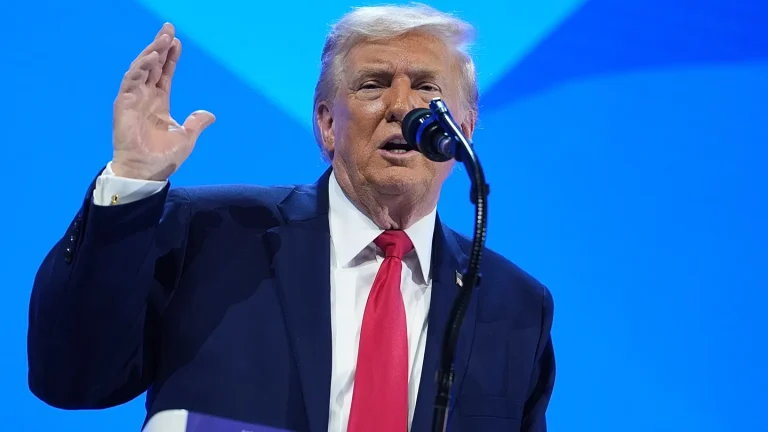
Washington D.C. – United States President Donald Trump made headlines at the World Economic Forum in Davos, Switzerland, by reiterating his Trump Greenland claim while simultaneously ruling out the use of military force to acquire the autonomous Danish territory. His speech sparked intense reactions from European allies and reignited debates about American foreign policy priorities.

Trump’s Key Statements on Greenland

During his address at the WEF, Trump clearly articulated his Trump Greenland claim, stating he wants to “get Greenland, including right, title and ownership.” However, he emphasized that he would not use force to achieve this objective, seeking instead immediate negotiations to discuss the acquisition. This clarification came after days of mounting international concern about his territorial ambitions.

The Trump Greenland claim centers on what the President described as the island’s “key strategic location” between the United States, Russia, and China. Trump argued that America’s proposal to take the territory stems from national and international security considerations, specifically refuting reports suggesting the desire was motivated by Greenland’s mineral resources.

Historical Context and Denmark Criticism

Trump’s Trump Greenland claim included controversial historical references to World War II. He stated that Denmark had fallen to Germany during the war and had been “unable to defend itself and Greenland.” In a statement that drew sharp criticism, Trump called Denmark “ungrateful” for resisting his proposal.

The US President characterized his Trump Greenland claim as a modest request, describing Greenland as “a piece of ice, cold and poorly located.” He argued it was “a very small ask compared to what we have given them for many, many decades,” referring to American support for Denmark over the years.

NATO and Security Implications

Addressing concerns about how his Trump Greenland claim might affect transatlantic relations, Trump insisted the acquisition would not threaten NATO. Instead, he claimed the takeover would enhance the alliance’s security. However, he simultaneously alleged that NATO had treated the United States “very unfairly,” adding complexity to his security arguments.

The Trump Greenland claim has become intertwined with broader NATO discussions, as the President suggested American control of Greenland would strengthen the alliance’s strategic position in the Arctic region against potential adversaries.

Also Read: EU US Trade Deal Frozen: Shocking Impact of Trump’s Greenland Threats

European Response and Trade Deal Suspension

The Trump Greenland claim triggered strong reactions from European leaders attending the Davos summit. European Commission President Ursula von der Leyen warned that Europe is “fully prepared to act” in response to Trump’s threats and tariff warnings. She cautioned that Trump’s approach could push US-European Union relations into a “downward spiral.”

The European Parliament took concrete action by suspending the EU-US trade deal in direct response to the Trump Greenland claim and associated tariff threats. This unprecedented move demonstrates the seriousness with which European lawmakers view Trump’s territorial ambitions.

Trump’s Criticism of Europe

Beyond his Trump Greenland claim, the US President offered broader criticism of Europe during his Davos address. He alleged that “Europe is not heading in the right direction” and claimed certain places on the continent were “unrecognizable.” Despite stating “I love Europe, and I want to see Europe go good,” Trump maintained his critical stance toward European policies and direction.

Tariff Threats and Reversals

The Trump Greenland claim was initially accompanied by threats to impose tariffs on eight European countries. However, Trump made a significant U-turn after meeting with NATO Secretary General Mark Rutte in Davos, withdrawing these tariff threats. This reversal came after he announced an agreement on a “framework of a future deal” concerning Arctic security.

International Reactions at Davos

The Trump Greenland claim dominated discussions at the World Economic Forum, where a record number of almost 400 senior political figures attended. French President Emmanuel Macron pledged to stand up to “bullies,” while other European leaders united in opposition to what they characterized as American unilateralism.

Canadian Prime Minister Mark Carney, who has worked to limit his country’s reliance on Washington after Trump suggested Canada should become the 51st US state, received a standing ovation at Davos for his position against American territorial expansion.

Strategic Importance Emphasized

Trump’s Trump Greenland claim rests heavily on strategic considerations. He highlighted Greenland’s position as crucial for countering Russian and Chinese influence in the Arctic. The island’s geographic location, mineral wealth, and potential military significance make it attractive from a national security perspective, according to the administration’s reasoning.

Greenland’s Response

Greenland’s Prime Minister has maintained that military conflict over the Trump Greenland claim cannot be “ruled out,” though the territory’s leadership continues to assert its right to self-determination. The autonomous territory has shown no indication of willingness to accept American ownership.

Looking Forward

The Trump Greenland claim continues to shape international relations and Atlantic alliance dynamics. As negotiations and diplomatic tensions evolve, the claim represents a fundamental challenge to post-World War II norms regarding territorial sovereignty and international law. The coming weeks will determine whether Trump’s stated preference for negotiation over force leads to diplomatic resolution or further escalation.

Critical Minerals Meeting: Jaishankar Invited to Crucial US Summit

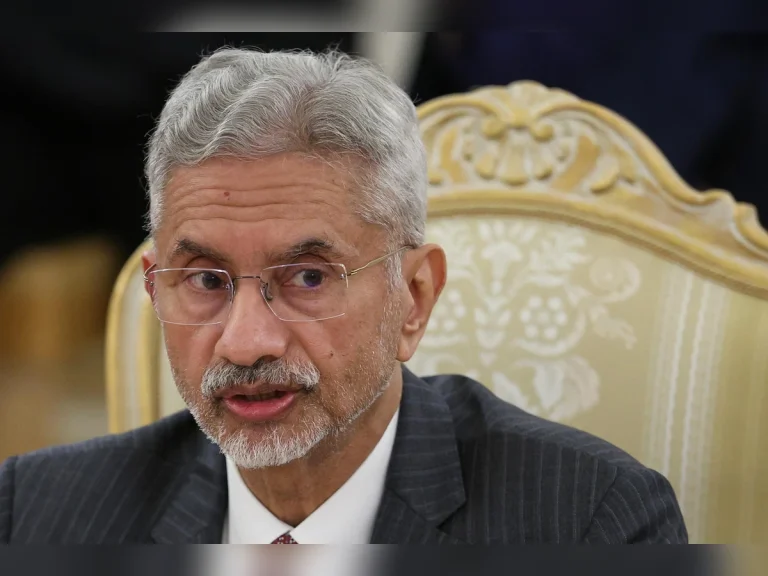
New Delhi – India’s External Affairs Minister S. Jaishankar has received an invitation to attend a critical minerals meeting in Washington scheduled for February 4-5, marking another significant engagement in India-US bilateral relations. This strategic summit represents an important opportunity for New Delhi to strengthen its position in global supply chain security discussions.

Invitation Details and Potential Bilateral Engagement

The critical minerals meeting invitation extends to Jaishankar for a two-day visit to the US capital, though a final decision on his participation remains pending. According to sources familiar with the matter, if the visit materializes, Jaishankar could potentially hold discussions with US Secretary of State Marco Rubio during his time in Washington.

This critical minerals meeting comes at a crucial juncture in India-US relations, with both nations seeking to deepen cooperation across multiple strategic domains including trade, defense, and supply chain security.

Recent Diplomatic Engagement Between India and US

Prior to the critical minerals meeting invitation, Jaishankar and Rubio engaged in substantive discussions during a January 13 telephone call. Their conversation covered bilateral trade negotiations and explored possibilities for expanded US-India civil nuclear cooperation. Following the call, US Ambassador to India Sergio Gor publicly announced that both officials had discussed the prospect of a February meeting.

The last face-to-face encounter between Rubio and Jaishankar occurred in September 2025 on the sidelines of the UN General Assembly session in New York City. That meeting played a pivotal role in stabilizing India-US relations following weeks of public diplomatic tensions, making the upcoming critical minerals meeting even more significant.

Background of Bilateral Tensions and Progress

The relationship between Washington and New Delhi faced challenges when the Trump administration imposed a fifty percent tariff on India, which included a twenty-five percent tariff penalty specifically targeting India’s purchases of Russian energy. These measures created friction between the two strategic partners and necessitated high-level diplomatic intervention.

Despite these challenges, the partnership has demonstrated resilience and made notable progress. A significant milestone was reached in October with the announcement of a ten-year Framework for the US-India Major Defence Partnership. However, the finalization of a comprehensive bilateral trade deal has remained elusive, lending additional importance to the critical minerals meeting as a platform for advancing economic cooperation.

Strategic Importance of the Summit

The US State Department has emphasized the significance of this critical minerals meeting in an official statement. Secretary Rubio will welcome partners from across the globe to the State Department for the inaugural Critical Minerals Ministerial on February 4. The department highlighted that strengthening critical mineral supply chains with international partners is vital to America’s economic and national security, technological leadership, and a resilient energy future.

For India, participation in this critical minerals meeting aligns with its strategic objectives of diversifying supply chains and reducing dependence on single-source suppliers, particularly China.

Streamlining Multinational Initiatives

According to informed sources, the critical minerals meeting could serve to streamline numerous overlapping multinational initiatives focused on securing supply chains. The newly announced Pax Silica initiative and the Biden-era Minerals Security Partnership share largely similar economic security objectives. However, the overlap between these programs has generated bureaucratic difficulties for US-led international cooperation with partners like India.

New Delhi currently holds membership in the Minerals Security Partnership and received an invitation to join Pax Silica earlier this month. The critical minerals meeting provides an opportunity to clarify roles and coordinate efforts more effectively.

Official Responses and Confirmation Status

When queried about Jaishankar’s planned participation in the critical minerals meeting and a possible bilateral meeting with Secretary Rubio, the US State Department indicated it had no additional details to share at this time. Similarly, India’s Ministry of External Affairs did not respond to press queries seeking confirmation of the visit.

India’s Growing Engagement on Minerals Security

The critical minerals meeting invitation follows closely after another significant engagement. Just weeks earlier, Union minister Ashwini Vaishnaw joined finance ministers from ten countries at a multinational meeting in Washington to discuss strengthening critical minerals supply chains. These discussions centered on concerns regarding China’s dominance in the sector.

China’s Market Dominance Challenge

The strategic importance of the critical minerals meeting becomes clearer when examining China’s current market position. China leads production of thirty minerals deemed critical by the US Geological Survey and accounts for roughly seventy percent of rare earths mining globally. Additionally, China controls over ninety percent of rare earth processing worldwide, creating significant supply chain vulnerabilities for other nations.

Benefits for India’s Manufacturing Sector

Speaking after the earlier summit, Minister Vaishnaw emphasized that strengthening critical mineral supply chains would significantly aid India’s manufacturing capabilities and electronics sector. This underscores why participation in the critical minerals meeting represents a strategic priority for New Delhi.

The upcoming critical minerals meeting in Washington offers India an important platform to advance its economic security interests, deepen strategic partnerships, and contribute to building resilient global supply chains independent of single-source dependencies. As discussions continue regarding Jaishankar’s participation, both nations recognize the meeting’s potential to enhance bilateral cooperation and address shared strategic challenges.

Boeing 787 Technical Faults Exposed: Alarming Safety Issues Revealed

Gujarat – A US-based aviation safety organization has raised serious concerns about Boeing 787 technical faults that allegedly plagued the Air India aircraft involved in the June 12, 2025, Ahmedabad crash. The Foundation for Aviation Safety has presented evidence suggesting the aircraft experienced persistent problems throughout its entire service life, raising questions about global aviation safety standards.

Foundation Submits Evidence to US Senate

The Foundation for Aviation Safety submitted a comprehensive presentation dated January 12, 2026, to the US Senate detailing its findings on Boeing 787 technical faults. The submission outlines claims based on documents allegedly in the organization’s possession, though these documents could not be independently verified. The presentation suggests that the aircraft registered VT-ANB experienced system failures from its very first day in service with the airline.

According to the safety group, Boeing 787 technical faults stemmed from what they described as a “wide and confusing” mix of engineering, manufacturing, quality, and maintenance shortcomings affecting the ill-fated aircraft.

Extensive System Failures Documented

The Boeing 787 technical faults cited by the Foundation for Aviation Safety include a troubling array of problems. These issues encompass electronic and software faults, repeated tripping of circuit breakers, wiring damage, short circuits, loss of electrical power, and overheating of power system components. The organization claims these problems persisted throughout the aircraft’s eleven-year operational history.

The safety group alleges that Boeing 787 technical faults began immediately upon the aircraft’s arrival in India on February 1, 2014, and continued unabated until the tragic crash. The aircraft had rolled out of the factory in late 2011, flew for the first time in December 2013, was delivered on January 28, 2014, and made its first commercial flight on February 8, 2014.

Critical Power System Incidents

Among the most serious Boeing 787 technical faults alleged by the Foundation was a fire incident in January 2022 involving the P100 primary power panel. This critical power distribution unit, located in the aft electronics bay, receives power from the left engine and supplies electricity to several aircraft systems. The fire reportedly caused extensive damage around the L2 bus tie breaker—a crucial safety and power distribution device—and wiring, requiring complete panel replacement.

Additional Boeing 787 technical faults were documented in April 2022 when the aircraft was grounded due to problems with the landing gear indication system. Following this incident, multiple components were replaced, including a proximity sensing data concentrator module and a remote power distribution unit.

Broader Fleet Concerns Raised

The Foundation for Aviation Safety claims that Boeing 787 technical faults are not isolated to the crashed aircraft. The organization analyzed over two thousand aircraft systems failure reports related to the 787, covering approximately eighteen percent of the global fleet of 1,235 aircraft. The group argues this represents “just the tip of the iceberg” regarding safety issues with this aircraft type.

Also Read: EU US Trade Deal Frozen: Shocking Impact of Trump’s Greenland Threats

Furthermore, Boeing 787 technical faults have allegedly been observed in other aircraft registered in the United States, Canada, and Australia, suggesting a potential fleet-wide problem rather than isolated incidents.

Comparison to Previous Boeing Controversies

The Foundation drew parallels between the investigation into these Boeing 787 technical faults and the early investigations into the Boeing 737 MAX crashes. Commenting on the preliminary report released by India’s Aircraft Accident Investigation Bureau, the organization claimed the findings appeared to suggest pilot error, particularly regarding fuel control switches. The Foundation alleged a pattern of “blame the pilots,” similar to initial responses in previous Boeing incidents.

The safety group also noted that Boeing 787 technical faults emerged from a troubled development program that was more than three years behind schedule and ran billions of dollars over budget.

Official Responses and Reactions

When questioned about the allegations regarding Boeing 787 technical faults, a Boeing spokesperson deferred to India’s Aircraft Accident Investigation Bureau, citing adherence to United Nations International Civil Aviation Organization protocol known as Annex 13. The civil aviation ministry declined to comment on the report, while the airline did not respond to requests for comment.

Allegations of Information Suppression

The Foundation for Aviation Safety made serious accusations regarding transparency about Boeing 787 technical faults. The organization alleged that Boeing, the airline, and Indian government officials were withholding safety information from the public. It called for criminal investigations by US authorities into these alleged omissions.

The group urged the US National Transportation Safety Board to disclose relevant information with the investigation team and called on the US Federal Aviation Administration to investigate all reported Boeing 787 technical faults and conduct inspections across the entire fleet.

Public Safety Implications

In its assessment, the Foundation emphasized that passengers and crew fly on 787 aircraft without awareness of what it termed “ongoing public safety issues.” The organization’s allegations about Boeing 787 technical faults raise significant questions about aviation safety oversight and the responsibility of manufacturers, airlines, and regulatory authorities to ensure passenger safety.

The claims suggest that Boeing 787 technical faults may have been systematically underreported or downplayed, potentially compromising safety standards globally. The organization’s call for comprehensive fleet inspections underscores the gravity of their concerns about this widely-used aircraft type.

As investigations continue, the aviation industry faces mounting pressure to address these allegations about Boeing 787 technical faults and restore public confidence in the safety of modern commercial aircraft.

EU US Trade Deal Frozen: Shocking Impact of Trump’s Greenland Threats

Washington D.C. – The EU US trade deal has been abruptly suspended as the European Parliament decided to freeze its ratification vote in response to mounting threats from US President Donald Trump regarding Greenland, a Danish territory. This unprecedented move marks a significant deterioration in transatlantic relations and puts a major economic agreement in jeopardy.

Parliament Postpones Critical Vote

The European Parliament’s trade committee was scheduled to establish its position through votes planned for January 26-27. However, the EU US trade deal ratification has been postponed indefinitely following Trump’s aggressive stance on Greenland. This decision reflects the growing tension between two historically close allies and demonstrates the EU’s willingness to use economic leverage to protect member state sovereignty.

The EU US trade deal, originally agreed upon with Washington last July, now hangs in the balance as lawmakers reassess their commitment to the agreement. The postponement signals that economic cooperation cannot proceed independently from broader diplomatic and security concerns affecting the transatlantic partnership.

Trump’s Greenland Ambitions Create Standoff

President Trump‘s repeated ambitions to take control of Greenland have created a diplomatic standoff between the United States and the European Union. His threats to impose tariffs on European countries unless permitted to purchase the Arctic island have been met with strong resistance from the twenty-seven-member bloc, fundamentally undermining trust in the EU US trade deal negotiations.

The Greenland dispute has evolved into a major obstacle for the EU US trade deal, as European lawmakers view Trump’s territorial demands as an unacceptable threat to EU member state sovereignty. Denmark, which governs Greenland, is an EU member state, making Trump’s threats a direct challenge to the bloc’s territorial integrity.

Tariff Threats and Temporary Reversal

Trump initially threatened to impose tariffs on eight European nations over the Greenland issue, directly jeopardizing the EU US trade deal. However, on Wednesday, the US President scrapped these threatened tariffs after announcing an agreement with NATO leadership on a “framework of a future deal” concerning Arctic security.

Despite this temporary reversal, the damage to the EU US trade deal appears substantial. The tariff warning issued over the weekend prompted EU lawmakers to fundamentally reconsider their support for the agreement, questioning whether the United States can be trusted as a reliable trade partner.

Details of the Suspended Agreement

Under the terms of the EU US trade deal, most European goods would face a fifteen percent tariff upon entering the United States. In exchange, the European Union agreed to eliminate all tariffs on American industrial products and selected agricultural items. This asymmetric arrangement has been a point of contention among European lawmakers.

Parts of the EU US trade deal have already been implemented provisionally, but the agreement requires full Parliamentary approval to become final and permanent. Without this ratification, the long-term stability of the agreement remains uncertain, leaving businesses on both sides of the Atlantic in limbo.

Trade Committee’s Strong Statement

Bernd Lange, chair of the European Parliament’s trade committee, issued a forceful statement explaining the suspension of the EU US trade deal. He emphasized that by threatening the territorial integrity and sovereignty of an EU member state and using tariffs as a coercive instrument, the United States is undermining the stability and predictability of transatlantic trade relations.

Lange stated that European lawmakers have been “left with no alternative but to suspend work” on the EU US trade deal “until the US decides to reengage on a path of cooperation rather than confrontation.” This statement reflects the EU’s determination to link trade policy with broader diplomatic principles.

Parliamentary Leadership Speaks Out

Manfred Weber, leader of Parliament’s largest bloc, the centre-right European People’s Party, reinforced opposition to advancing the EU US trade deal under current circumstances. Weber made clear that there would be “no ratification, no zero percentage tariff access to the EU for US products until we have clarified the question of reliability.”

This position demonstrates unified opposition across the European Parliament’s major political groups to proceeding with the EU US trade deal while territorial threats remain on the table.

European Commission Issues Warning

European Commission President Ursula von der Leyen, the EU’s top executive, delivered a stern warning to Trump and the American administration. She told EU lawmakers that “Europe prefers dialogue and solutions, but we are fully prepared to act, if necessary, with unity, urgency and determination.”

This statement signals that the EU is prepared to abandon the EU US trade deal entirely if American threats continue, demonstrating Brussels’ willingness to prioritize sovereignty over economic benefits.

Concerns About Agreement Balance

Several European lawmakers have expressed concerns that the EU US trade deal is fundamentally unbalanced. Critics argue that while the European Union would eliminate most import duties, the United States maintains a broad fifteen percent rate on European goods.

Despite these reservations, lawmakers had previously seemed prepared to accept the EU US trade deal with specific conditions, including an eighteen-month sunset clause and mechanisms to address potential surges in American imports. However, Trump’s Greenland threats have transformed parliamentary sentiment, making ratification increasingly unlikely without significant American concessions and diplomatic repair.