Washington D.C. – The prospects for a Trump Modi trade deal received a significant boost as US President Donald Trump expressed optimism about reaching an agreement with India. Speaking at the World Economic Forum in Davos, Switzerland, Trump praised Prime Minister Narendra Modi as a “fantastic leader” and expressed confidence about future bilateral trade relations between the two nations.
Trump’s Positive Remarks on Modi at Davos
During his address at the World Economic Forum, Trump responded to questions about the Trump Modi trade deal with enthusiastic praise for the Indian Prime Minister. The US President described Modi as “a fantastic man and a friend of mine,” adding that the two countries are “gonna have a good deal.” These comments signal a potentially positive shift in the ongoing trade negotiations between the world’s largest economies.
Trump’s remarks at Davos demonstrate his personal rapport with the Indian leader, which could prove crucial for advancing the Trump Modi trade deal. The US President emphasized his “great respect” for Modi, suggesting that their personal relationship might help overcome the current trade challenges between the two nations.
The Tariff Challenge Facing India
The path to a Trump Modi trade deal has been complicated by significant tariff increases imposed on Indian exports. Nearly five months ago, tariffs on Indian goods entering the United States reached a staggering fifty percent. Half of this tariff burden was characterized as a “penalty” related to India’s purchase of Russian oil, creating substantial economic pressure on Indian exporters.
This tariff situation has cast uncertainty over when a Trump Modi trade deal might materialize. Despite ongoing negotiations between officials from both countries, the timeline for reaching an agreement remains unclear. The high tariff rates have created urgency for Indian businesses and policymakers seeking resolution.
Trade Negotiations Timeline and Progress
Formal discussions regarding the Trump Modi trade deal began last year, with a green light for talks given in February. Official negotiations commenced in March and April, with representatives from both nations working to address trade imbalances and tariff concerns. However, the process has been marked by complexity and occasional setbacks.
The Trump Modi trade deal negotiations have continued despite various challenges. Both countries recognize the importance of their bilateral trade relationship, which encompasses technology, defense, pharmaceuticals, and numerous other sectors vital to their economies.
Recent statements from Trump administration officials have created confusion about the Trump Modi trade deal prospects. US Commerce Secretary Howard Lutnick claimed that a potential agreement fell through because Prime Minister Modi allegedly did not call President Trump. Another aide suggested that Trump had approved legislation potentially hiking tariffs on India to five hundred percent.
These contradictory messages have complicated efforts to assess the true status of the Trump Modi trade deal. India promptly rejected Lutnick’s claims, maintaining its commitment to constructive engagement with the United States.
Hope Renewed Through Diplomatic Channels
Despite mixed signals, hope for a Trump Modi trade deal has been rekindled through recent diplomatic statements. Sergio Gor, the new US ambassador to India, affirmed that the United States considers India an important partner and confirmed that trade discussions remain active and ongoing.
Earlier this month, Trump provided hints about the future direction of the Trump Modi trade deal during a media interaction aboard Air Force One. He described Modi as “a good guy” and noted that India wanted to address his concerns. Trump stated that Modi “knew I was not happy” and emphasized the importance of resolving these issues, while warning that tariffs could be raised further if necessary.
Trump’s Economic Vision at Davos
While discussing the Trump Modi trade deal, the US President also outlined his broader economic vision at the World Economic Forum. Trump described the United States as the “economic engine on the planet” and highlighted achievements during his first year back in office.
The President characterized the American economy as “booming,” with growth exploding, productivity surging, and investment soaring. He emphasized that inflation is being defeated and described what he called “the fastest and most dramatic economic turnaround in the country’s history.”
Implications for India-US Relations
The Trump Modi trade deal represents more than just commercial agreements between two nations. It reflects the broader strategic partnership between India and the United States, encompassing defense cooperation, technology sharing, and geopolitical alignment on various issues.
As negotiations continue, both countries must balance their domestic economic interests with the benefits of maintaining strong bilateral relations. The personal friendship between Trump and Modi, repeatedly emphasized by the US President, may prove instrumental in bridging differences and finalizing a comprehensive trade agreement that serves both nations’ interests.
The coming months will reveal whether the positive rhetoric surrounding the Trump Modi trade deal translates into concrete agreements that address tariff concerns and strengthen economic ties between these two major democracies.
Karnataka is bracing for a potentially stormy session of the State legislature as debates are expected to intensify over the proposed new job scheme and other pressing policy matters. Lawmakers from both ruling and opposition parties have already indicated that the session will see heated discussions, with the opposition raising concerns over the scheme’s implementation, funding, and long-term impact. Sources said the government plans to introduce the scheme aimed at boosting employment opportunities for youth, but questions regarding budget allocation, transparency, and eligibility criteria are likely to dominate the floor debates.
Government officials maintain that the job scheme is designed to address the growing demand for employment among graduates and skilled workers. The proposed initiative is expected to focus on generating both public and private sector opportunities, promoting entrepreneurship, and providing skill development programs. Officials emphasised that the scheme is part of a broader strategy to strengthen Karnataka’s workforce and attract investment, particularly in technology and industrial sectors, thereby addressing unemployment while fostering economic growth.
GOVERNMENT DEFENDS JOB SCHEME
Government officials have defended the new job scheme, stating that it has been designed to address both urban and rural employment challenges. They highlighted that the initiative will focus on creating opportunities in emerging sectors such as information technology, renewable energy, manufacturing, and logistics. By aligning employment opportunities with skill development programs, the administration believes that young job seekers will not only find work but also gain long-term career growth. Officials emphasised that the scheme is backed by detailed feasibility studies and cost-benefit analyses, aiming to ensure both effectiveness and financial sustainability.
OPPOSITION VOICES CONCERNS
Opposition leaders have raised concerns over the timing and scale of the scheme. They argued that similar initiatives in the past have often fallen short due to poor implementation, inadequate monitoring, and bureaucratic delays. Several members have demanded a clear roadmap showing how the government plans to ensure accountability at every stage, from recruitment to placement. They also questioned whether sufficient funds have been allocated to support a scheme of this magnitude and whether smaller districts and remote areas would receive equitable attention.
FOCUS ON SKILL DEVELOPMENT
Skill development is expected to be a major theme during the session. Legislators noted that creating jobs alone is insufficient unless candidates are equipped with relevant skills to meet industry demands. The government has proposed training programs in collaboration with private companies and educational institutions to prepare youth for employment. These programs will include practical apprenticeships, technical training, and certification courses aimed at enhancing employability, particularly in sectors experiencing rapid technological changes.
RURAL EMPLOYMENT INITIATIVES
Rural employment is another critical aspect under discussion. Officials said that the scheme will focus on generating opportunities in agriculture, agro-processing, and cottage industries. By providing financial incentives, microcredit facilities, and skill-based support, the government aims to reduce rural unemployment and discourage migration to cities. Opposition leaders, however, have urged for clarity on the selection process and monitoring mechanisms to ensure that benefits actually reach the rural poor.
PUBLIC-SECTOR JOB CREATION
The session is expected to cover the role of public-sector recruitment in the scheme. Government sources confirmed plans to open several positions in State-run enterprises, education, and healthcare. These roles are intended to provide stable employment while also contributing to service delivery in critical sectors. Opposition parties have suggested that recruitment processes should be transparent, merit-based, and inclusive to prevent favoritism or political influence.
FUNDING AND BUDGETARY ALLOCATION
Funding for the job scheme is expected to dominate discussions. The government has proposed a phased financial allocation, with priority given to districts facing higher unemployment. Lawmakers are likely to debate the source of funds, potential reallocation from other budgets, and the sustainability of the initiative over multiple years. Analysts predict that the financial discussion will be a focal point of contention, with opposition parties scrutinising every expenditure detail.
MONITORING AND ACCOUNTABILITY MEASURES
Accountability mechanisms are expected to be highlighted by both government and opposition members. Officials said that monitoring committees will be established at the State and district levels to oversee implementation. These committees will include representatives from government, civil society, and industry to ensure transparency. Regular audits and public reporting are planned to prevent mismanagement and ensure that the scheme achieves its intended outcomes.
INDUSTRY AND PRIVATE-SECTOR PARTNERSHIP
The government plans to collaborate with private companies to expand job opportunities under the scheme. Partnerships with industries in technology, manufacturing, and services sectors are expected to create employment pipelines for trained youth. Officials said that private-sector involvement will also enhance skill development programs, providing practical exposure and increasing the likelihood of successful placements. Opposition members have called for clear guidelines to prevent exploitation of candidates or underpayment of wages in such partnerships.
YOUTH EXPECTATIONS AND PUBLIC PRESSURE
The session is likely to be influenced by public expectations, particularly from young graduates awaiting job opportunities. Advocacy groups and student organisations have already called for swift implementation and clear communication regarding eligibility, application procedures, and timelines. Lawmakers noted that citizen pressure will play a significant role in shaping the debate and holding the government accountable for delivery.
POLITICAL IMPLICATIONS
Finally, analysts suggest that the session’s discussions on the job scheme could have significant political ramifications. Opposition parties may use perceived delays or inadequacies to highlight governance gaps, while the ruling party may showcase the initiative as a commitment to youth employment and economic growth. The debates are expected to be closely followed by the media and public, influencing political narratives and potentially shaping voter sentiment ahead of upcoming elections. The session, therefore, carries both policy and political significance for Karnataka.
Opposition parties, however, have raised red flags regarding the scheme’s feasibility and funding. They have questioned whether sufficient budgetary provisions have been made and whether the implementation mechanisms are robust enough to ensure equitable access. Critics also warned that without proper monitoring and accountability, the scheme could become a populist measure rather than a sustainable solution. They plan to use the legislative session to press the government on these concerns, potentially leading to extended debates and procedural confrontations.
CONTENTIOUS ISSUES EXPECTED TO DOMINATE
Aside from the new job scheme, other contentious issues are expected to dominate the session, including proposed amendments to labour laws, state infrastructure projects, and welfare schemes. Lawmakers are likely to clash over budgetary allocations, prioritisation of development projects, and transparency in government decision-making. Analysts said that the session may see walkouts, adjournments, and intense question-and-answer exchanges as legislators seek to hold the government accountable on multiple fronts.
Observers noted that the upcoming session also provides an opportunity for the government to defend its record on employment generation and social welfare. Officials stressed that the new job scheme is designed after extensive consultations with industry experts, economists, and labour representatives, aiming to create meaningful and sustainable employment opportunities. By presenting data, projected outcomes, and monitoring plans, the government hopes to convince legislators and the public that the initiative is both viable and impactful.
The administration has indicated that detailed briefings and presentations will be provided to legislators ahead of debates to clarify the objectives, scope, and budgetary details of the job scheme. Government sources said these measures are intended to pre-empt misinformation and facilitate informed discussions, though opposition leaders have indicated that they will continue to scrutinise every aspect of the proposal.
POLITICAL TENSIONS AND PUBLIC EXPECTATIONS
Political analysts predict that the session could be marked by a mix of legislative theatrics and genuine policy discussions. Opposition parties may attempt to mobilise public sentiment by highlighting alleged gaps or shortcomings in the scheme, while the government will focus on showcasing its commitment to job creation and economic development. The outcome of the session may influence public perception ahead of upcoming local body and assembly elections, raising the stakes for both sides.
Citizen groups and industry representatives have expressed keen interest in the debates, as the job scheme directly affects students, graduates, and young professionals across the State. Many stakeholders are awaiting clarity on eligibility criteria, application processes, and timelines for employment generation. Advocacy groups have also called for transparent monitoring mechanisms to ensure that the benefits reach intended beneficiaries.
The session is expected to test the balance between political contestation and constructive policymaking. While disagreements are natural in a vibrant democracy, observers emphasised the importance of focusing on practical solutions that address unemployment and skill development effectively. Both the government and opposition will need to navigate the session carefully to avoid procedural gridlock while ensuring accountability and debate.
Officials have also indicated that supplementary policies related to vocational training, apprenticeship programs, and private-sector collaboration may be discussed alongside the job scheme. These complementary measures are aimed at equipping the youth with the necessary skills to meet market demands and improve employability. By integrating such initiatives, the government hopes to present a comprehensive approach to tackling unemployment.
As Karnataka prepares for the legislative session, all eyes will be on how political parties engage with the new job scheme and other critical issues. The debates are likely to be closely followed by media, stakeholders, and citizens, reflecting the high public interest in employment, governance, and accountability. The session promises to be a defining moment in shaping the State’s policy direction and political narrative around youth employment and development.
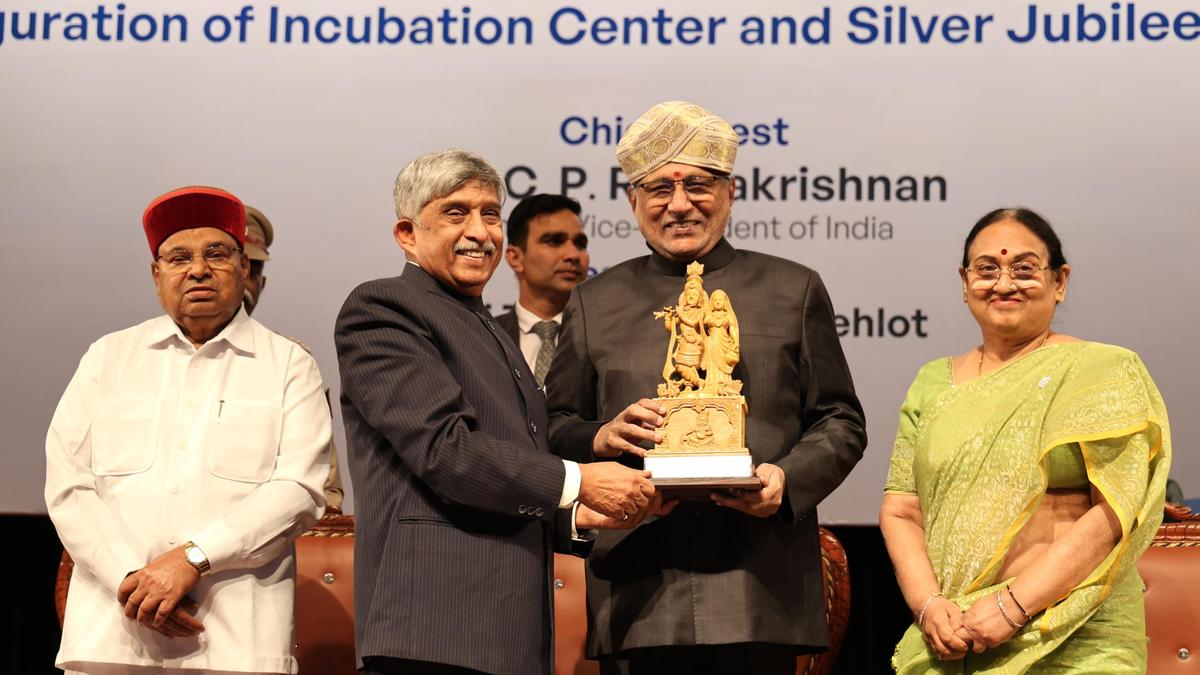
The Vice President of India recently emphasised the transformative potential of Indian start-ups in addressing pressing global challenges, highlighting innovation, entrepreneurship, and technology as key drivers for sustainable solutions. Speaking at a high-profile industry and innovation summit, he noted that Indian, with their agility, cost-effectiveness, and problem-solving approach, are uniquely positioned to contribute to solving global issues ranging from climate change and renewable energy to healthcare, urban infrastructure, and digital inclusion. According to the Vice President, leveraging creativity can accelerate development goals both domestically and internationally.
The Vice President underlined that India’s ecosystem has grown rapidly over the past decade, fueled by government initiatives like Startup India, increased access to venture capital, and a robust talent pool of engineers, scientists, and entrepreneurs. He noted that the sector’s dynamism allows it to respond faster than traditional institutions to emerging problems, offering solutions that are scalable and adaptable across diverse contexts. Highlighting examples of innovative products and services already making an impact globally, he called upon start-ups to aim for solutions that address both local and international challenges.
PROMOTING SUSTAINABLE INNOVATION
The Vice President stressed that sustainability should be at the heart of every start-up initiative. Indian entrepreneurs are increasingly focusing on eco-friendly solutions, from biodegradable packaging and renewable energy systems to water conservation technologies and low-emission transportation. Such innovations not only address environmental concerns domestically but also create exportable solutions for countries facing similar ecological challenges. By embedding sustainability into their business models, start-ups can ensure long-term relevance, attract socially conscious investors, and contribute meaningfully to global environmental goals.
BUILDING GLOBAL COLLABORATIONS
International collaboration was highlighted as a key driver for scaling Indian solutions. The Vice President encouraged to engage in cross-border partnerships, research collaborations, and participation in global accelerators. Collaborating with international organisations allows Indian innovators to test solutions under diverse conditions, adapt to global standards, and access wider markets. Such interactions also foster knowledge exchange, exposing Indian entrepreneurs to best practices and technological advances from around the world, which can further enhance the impact of their innovations.
FOCUS ON HEALTHCARE AND DIGITAL EDUCATION
The Vice President drew attention to sectors where Indian start-ups have already made a visible global impact, particularly healthcare and education. Affordable diagnostic devices, telemedicine platforms, and AI-driven patient management systems are helping bridge healthcare gaps in underserved regions. Similarly, digital learning platforms are providing quality education to students across remote geographies, ensuring that access is not limited by location or socio-economic status. He noted that these sectors represent opportunities where Indian solutions can be scaled globally, improving lives while creating business growth.
CALL FOR ENTREPRENEURIAL RESPONSIBILITY
Finally, the Vice President urged entrepreneurs to balance ambition with responsibility. Start-ups, he said, should aim not just for profits but for societal impact, ensuring their innovations are inclusive, ethical, and sustainable. He encouraged founders to engage with communities, understand real-world problems, and design solutions that empower citizens. By combining technology, creativity, and a commitment to social good, Indian start-ups can become global leaders in innovation, setting examples for other nations while contributing to a more sustainable and equitable world.
He further stressed the importance of fostering innovation that is inclusive and sustainable. Start-ups, he said, should focus on solutions that not only create economic value but also promote social good. Sectors such as renewable energy, affordable healthcare, sustainable agriculture, and digital education are areas where Indian start-ups can provide globally replicable models. The Vice President encouraged entrepreneurs to harness technology for environmental conservation, energy efficiency, and equitable access to resources, reinforcing the idea that profit and social impact can coexist.
INDIA’S START-UP ECOSYSTEM: A GLOBAL PLAYGROUND
India’s start-up ecosystem has emerged as one of the largest in the world, with thousands of registered ventures across multiple sectors. According to recent data, the country hosts more than 120 unicorns—start-ups valued at over $1 billion—with several making a mark in sectors such as fintech, healthtech, edtech, and clean technology. The Vice President highlighted that this growth demonstrates India’s ability to innovate at scale and impact both domestic markets and global solutions. Start-ups in India, he noted, are leveraging mobile connectivity, AI, and data analytics to address challenges that resonate worldwide.
Start-ups’ ability to combine low-cost models with high-impact solutions was emphasised as a critical advantage. For instance, affordable health monitoring devices and telemedicine platforms developed by Indian start-ups are now being considered for deployment in other developing nations facing similar healthcare challenges. Likewise, agricultural innovations such as precision farming solutions, water-efficient irrigation systems, and AI-driven crop forecasting have the potential to help farmers globally mitigate climate-related risks. The Vice President urged start-ups to expand beyond national borders with such scalable technologies.
He also pointed out the crucial role of collaboration between government, academia, and industry. Start-ups, he said, can greatly benefit from partnerships with universities, research institutions, and multinational organisations to validate their solutions, improve scalability, and ensure compliance with international standards. By working together, Indian innovators can develop solutions that are not only cutting-edge but also adaptable for varied geographies and socio-economic conditions, reinforcing India’s global leadership in innovation.
TECHNOLOGY AND ENTREPRENEURSHIP AS TOOLS FOR IMPACT
Technology was described as the central enabler of start-up-driven solutions. The Vice President emphasised that emerging technologies such as artificial intelligence, blockchain, machine learning, and IoT can help tackle complex global challenges efficiently. For example, AI-driven diagnostic tools and blockchain-based supply chain management systems have already started transforming sectors such as healthcare and agriculture, ensuring transparency, efficiency, and accessibility. Indian start-ups, with their expertise in developing cost-effective technology solutions, can lead global markets in such applications.
Entrepreneurship, he said, plays a complementary role, as start-ups bring agility, risk-taking capacity, and customer-focused innovation to the table. Unlike large corporations, start-ups can experiment rapidly, pivot when necessary, and develop context-specific solutions. By nurturing entrepreneurial culture, India can not only create domestic job opportunities but also export innovation models and solutions to countries facing similar challenges. He called upon policymakers and investors to continue supporting start-ups with funding, mentorship, and infrastructure to strengthen this ecosystem.
The Vice President also highlighted the importance of sustainable business models. Start-ups must ensure that their solutions address global challenges without creating unintended social or environmental consequences. Companies focusing on renewable energy, circular economy practices, and low-carbon solutions were cited as examples of ventures that combine profitability with societal benefits. He encouraged young entrepreneurs to view sustainability as an integral part of business strategy, rather than an optional consideration.
LEVERAGING INDIA’S TALENT AND KNOWLEDGE BASE
India’s large pool of skilled professionals, engineers, and researchers offers a unique advantage to the start-up ecosystem. The Vice President said this talent, combined with growing access to capital and mentorship networks, provides fertile ground for innovation. He encouraged start-ups to leverage local expertise to create solutions that can be tested and perfected domestically before scaling internationally. Knowledge-sharing initiatives, hackathons, and global collaboration platforms were cited as effective tools to enhance problem-solving and innovation.
The Vice President also urged start-ups to focus on solutions that are inclusive. He highlighted areas such as affordable healthcare, digital education for underserved communities, and accessible financial services as domains where Indian innovations can bridge global inequalities. By designing products and services that are economically and socially inclusive, start-ups can ensure that their impact reaches the most vulnerable populations, enhancing both reach and relevance.
SUPPORTING START-UPS THROUGH POLICY AND INVESTMENT
Government support has been instrumental in the growth of the Indian start-up ecosystem. The Vice President lauded initiatives such as simplified registration processes, tax incentives, incubation programs, and seed funding support as key enablers. He stressed the importance of continued policy support to reduce regulatory burdens, facilitate global market access, and ensure intellectual property protection. Investor confidence, he added, is critical for scaling innovation and enabling Indian start-ups to compete on the international stage.
The Vice President encouraged venture capitalists, angel investors, and global funding agencies to look beyond domestic returns and focus on the potential of Indian solutions to address global challenges. Strategic funding, mentorship, and international exposure can help start-ups refine products, meet global standards, and expand their reach. Public-private partnerships were cited as a model that can strengthen start-up capabilities while addressing social and environmental challenges.
START-UPS AS SOLVERS OF GLOBAL CHALLENGES
Highlighting concrete examples, the Vice President spoke about start-ups addressing renewable energy solutions, sustainable urban mobility, water conservation, and precision agriculture. For instance, solar-powered microgrids developed by Indian start-ups are being adapted for deployment in Africa and Southeast Asia. AI-based educational platforms are providing affordable learning solutions for students worldwide. Similarly, innovations in low-cost healthcare devices are making quality diagnostics accessible in rural and underserved regions. These examples demonstrate how Indian start-ups can combine affordability with global applicability.
He also urged start-ups to focus on collaborative solutions, combining expertise from multiple sectors and geographies. Addressing global problems requires interdisciplinary approaches, and start-ups can lead by integrating technology, social insight, and business strategy. Initiatives such as joint research with international universities, cross-border incubators, and participation in global innovation challenges were suggested as avenues to strengthen India’s footprint in global problem-solving.
A CALL TO ACTION
In conclusion, the Vice President called upon Indian start-ups to embrace their role as global problem-solvers. He emphasised that India’s innovation ecosystem has matured to a point where domestic solutions can be replicated internationally, driving progress on sustainable development goals. With the right blend of technology, entrepreneurship, talent, and policy support, Indian can lead the way in solving some of the world’s most pressing challenges.
He urged entrepreneurs to be bold, think globally, and act locally—addressing immediate domestic challenges while ensuring scalability for international impact. The Vice President also stressed that collaboration, ethical innovation, and sustainability must remain guiding principles. By taking responsibility for both profit and purpose, Indian start-ups can emerge as a global force for positive change, demonstrating that innovation is not just a business tool but a pathway to solving critical societal and environmental problems.
The address concluded with a call for continued engagement between government, investors, academia, and industry to nurture a start-up ecosystem capable of delivering scalable, sustainable, and globally relevant solutions. Indian , he said, are uniquely positioned to transform challenges into opportunities, making the nation a hub of innovation with impact beyond borders.
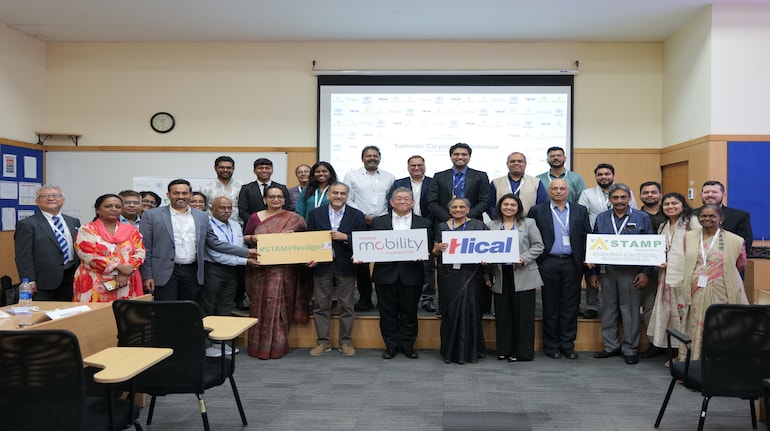
Hical Technologies has officially launched its “Corporate Commute” initiative, a comprehensive program designed to encourage employees to shift from private vehicles to public transport, ride-sharing, and other sustainable mobility solutions. The initiative comes as part of the company’s broader corporate social responsibility and environmental sustainability strategy, aimed at reducing carbon emissions, easing urban congestion, and promoting healthier commuting habits among staff. Company officials said the move aligns with global trends in corporate mobility management and reflects a commitment to both environmental stewardship and employee well-being.
The program, which was rolled out across Hical Technologies’ multiple campuses, includes incentives for employees who adopt public transportation, use bicycles, or participate in carpooling schemes. Officials said the company has partnered with local transport authorities and private mobility providers to ensure seamless integration of commuting options. Employees are provided with digital tools to track and report their use of sustainable transport, making participation simple and rewarding.
INCENTIVISING SUSTAINABLE COMMUTES
Hical Technologies’ Corporate Commute program is structured around a system of rewards and recognition. Employees who consistently use public transport, share rides, or reduce single-occupancy vehicle trips earn points that can be redeemed for benefits such as vouchers, wellness perks, and recognition in internal company communications. HR officials explained that the incentive system is designed to create positive reinforcement, encouraging a culture where sustainable commuting becomes the norm rather than the exception.
In addition to tangible rewards, employees are educated about the environmental impact of their commuting choices. The program highlights the reduction in carbon emissions, fuel consumption, and overall congestion that can result from switching to greener alternatives. By providing data-driven insights into the environmental benefits of public transport, Hical Technologies hopes to foster long-term behavioural change that extends beyond the workplace
The company also emphasised that Corporate Commute is part of its broader ESG (Environmental, Social, and Governance) strategy. Officials noted that urban mobility is a key factor in reducing corporate carbon footprints, and employee commuting contributes significantly to total emissions. By targeting this area, the company aims to demonstrate measurable progress in sustainability reporting, while aligning with global standards for corporate environmental responsibility.
TECHNOLOGY-DRIVEN SOLUTIONS
A key feature of the Corporate Commute initiative is its reliance on digital technology to manage and monitor commuting patterns. Employees can use an integrated app to log their travel, select transport modes, and access incentives. The platform also provides real-time information on public transport schedules, ride-sharing availability, and bike-sharing stations near office locations. By leveraging technology, the company ensures convenience, transparency, and engagement in sustainable commuting.
The digital tools also allow the company to measure the program’s impact accurately. HR and sustainability teams can track reductions in private vehicle use, monitor fuel savings, and calculate associated decreases in CO₂ emissions. This data-driven approach helps Hical Technologies refine its strategy, identify areas for improvement, and report outcomes to stakeholders in a structured manner.
To further promote adoption, the company has introduced gamification elements in the app. Employees can compete in friendly challenges, track progress on leaderboards, and earn badges for milestones achieved in sustainable commuting. Officials said this approach enhances engagement, builds camaraderie, and makes sustainable commuting an enjoyable experience rather than a mandatory obligation.
ENVIRONMENTAL AND SOCIAL IMPACT
The Corporate Commute initiative is expected to produce measurable environmental benefits. With hundreds of employees transitioning from private vehicles to public transport or shared mobility, fuel consumption and traffic congestion are likely to decline, contributing to cleaner air in urban areas. Officials noted that even small shifts in commuting behaviour, when aggregated across a large workforce, can generate significant reductions in greenhouse gas emissions.
Beyond environmental outcomes, Hical Technologies highlighted the social benefits of the initiative. Encouraging public transport use fosters community engagement, reduces stress associated with driving in traffic, and promotes physical activity through walking or cycling to transit points. The company believes that these factors contribute to improved employee health, satisfaction, and productivity, aligning sustainability with well-being.
INFRASTRUCTURE AND FACILITY SUPPORT
Hical Technologies has invested in infrastructure to support the program, including secure bicycle parking, charging stations for e-bikes, and shuttle connections to major transit hubs. Officials explained that by removing logistical barriers, the company makes it easier for employees to adopt sustainable commuting habits. Additionally, flexible work hours have been introduced to align commuting times with peak and off-peak transit schedules, further easing the transition.
The program also addresses safety concerns associated with commuting. Ride-sharing partnerships are vetted for security, and public transport guidance includes safety protocols for peak-hour travel. The company stressed that employee safety is paramount and that infrastructure and policy measures are designed to complement environmental objectives with practical considerations.
ENGAGING STAKEHOLDERS AND PARTNERS
Hical Technologies has actively engaged multiple stakeholders in the rollout of Corporate Commute. Discussions with local municipal authorities, transport operators, and urban mobility experts ensured that solutions are practical, scalable, and sustainable. Officials said such partnerships are critical for integrating corporate initiatives with broader city-level mobility plans, allowing the company to contribute to systemic improvements in urban transport.
The company also plans to engage employees through workshops, seminars, and internal campaigns to raise awareness of the program. Sustainability ambassadors from within the workforce have been identified to mentor colleagues, answer questions, and champion the adoption of greener commuting habits. This peer-driven approach complements formal policies and fosters a culture of shared responsibility.
FUTURE PLANS AND SCALABILITY
Hical Technologies indicated that the Corporate Commute initiative is a pilot that will be expanded based on adoption rates and effectiveness. Officials said they plan to monitor outcomes over six months, track reductions in emissions, and gather employee feedback to refine the program. The ultimate goal is to scale the initiative across all offices, potentially including remote locations, while exploring additional sustainable commuting options such as electric vehicle pools or micro-mobility solutions.
The company also envisions integrating Corporate Commute into its broader sustainability reporting, linking employee behaviour with organizational ESG commitments. By doing so, Hical Technologies aims to demonstrate accountability to shareholders, employees, and the community, while encouraging other companies to adopt similar initiatives.
CULTIVATING A CULTURE OF SUSTAINABILITY
Corporate Commute is not only a mobility program but also a tool for cultural change within the organization. Officials emphasised that creating a mindset where sustainability is embedded into everyday choices requires consistent communication, incentives, and recognition. By aligning commuting habits with corporate values, Hical Technologies hopes to instil a sense of environmental responsibility among employees that extends beyond office boundaries.
Employees who have already participated in early phases of the program reported positive experiences. Many noted reduced commuting stress, cost savings, and a sense of contributing to environmental goals. Officials said these testimonials will be shared internally to encourage wider adoption, highlighting the tangible benefits of participating in Corporate Commute.
ADDRESSING CHALLENGES AND CONTINUOUS IMPROVEMENT
While the program has been widely welcomed, officials acknowledge challenges in implementation, including varying access to public transport for employees residing in suburban or remote areas. To address this, Hical Technologies is exploring shuttle services, flexible work schedules, and digital solutions to bridge gaps in mobility. Continuous feedback loops will allow the company to refine policies and expand support where needed.
By identifying and addressing such challenges proactively, the company ensures that Corporate Commute remains inclusive, practical, and effective. Officials reiterated that the program is designed to remove barriers rather than impose restrictions, encouraging voluntary adoption while demonstrating tangible rewards and benefits.
LEADERSHIP AND CORPORATE RESPONSIBILITY
Hical Technologies’ leadership highlighted Corporate Commute as part of a broader commitment to responsible corporate citizenship. Officials said the program demonstrates that environmental responsibility and employee well-being can go hand in hand. By modelling sustainable commuting at scale, the company positions itself as a leader in corporate environmental stewardship in the region, inspiring peers to adopt similar strategies.
Executives noted that corporate initiatives such as these are critical in addressing urban mobility challenges and climate change simultaneously. The program also reinforces the company’s vision of integrating social and environmental considerations into daily operations, ensuring that growth and development are aligned with sustainability goals.
TRACKING AND REPORTING SUCCESS
To measure success, Hical Technologies has established a robust monitoring framework. Data on participation rates, reduction in private vehicle usage, and estimated carbon emission savings will be tracked and reported periodically. Officials said these metrics will guide decision-making, validate the program’s impact, and inform future expansions, ensuring that Corporate Commute continues to meet its objectives effectively.
ALIGNING WITH NATIONAL AND GLOBAL INITIATIVES
The Corporate Commute program also aligns with India’s national efforts to reduce vehicular emissions and promote sustainable urban transport. Officials said the initiative complements policies encouraging public transport, carpooling, and low-emission mobility, reinforcing Hical Technologies’ commitment to supporting national sustainability priorities. On a global scale, the program reflects trends in corporate responsibility, where organizations actively manage environmental impacts of employee commuting.
LOOKING AHEAD
With Corporate Commute, Hical Technologies aims to create lasting change in commuting behaviour, reduce environmental impact, and enhance employee satisfaction. Officials stressed that the program is a long-term commitment rather than a one-time initiative. Through continued investment, partnerships, and employee engagement, the company seeks to cultivate a culture of sustainable commuting, setting a benchmark for corporate environmental responsibility in India and beyond.
The program represents a comprehensive, multi-faceted approach to workplace mobility that balances environmental goals, employee welfare, and operational efficiency. By combining incentives, technology, infrastructure, and awareness campaigns, Hical Technologies hopes to achieve meaningful reductions in private vehicle dependency, promote sustainable lifestyles, and contribute to healthier urban ecosystems for Bengaluru and other cities where it operates.
KEONICS, the Karnataka State Electronics Development Corporation, has agreed to replace 17 computers supplied to the Karnataka Information Commission (KIC) after the Commission raised concerns about technical faults and operational inefficiency. Officials said the move comes after repeated complaints regarding system slowdowns, frequent crashes, and hardware issues that were affecting the day-to-day functioning of the Commission. KIC members highlighted that the faulty computers hindered timely processing of RTI applications, delayed official correspondence, and affected the overall administrative efficiency of the State’s key transparency watchdog.
According to sources at KEONICS, the replacement will involve newer models with upgraded specifications capable of supporting modern software and multi-tasking needs. The company assured that the replacement process would be completed within a stipulated timeframe, and existing data on the old machines would be safely migrated to the new systems. KIC officials said they were satisfied with KEONICS’ prompt response, but insisted on stricter quality checks to ensure no recurring technical problems.
The Karnataka Information Commission, responsible for enforcing the Right to Information Act across the State, relies heavily on IT infrastructure to manage hundreds of RTI applications daily. Members said delays due to faulty computers had caused backlogs, affecting citizens awaiting timely information. With the replacement of all 17 computers, the Commission expects smoother operations, faster processing of applications, and improved overall productivity.
Officials pointed out that KEONICS has been a long-term technology partner for multiple government departments in Karnataka, supplying hardware and supporting IT services. However, repeated complaints about defective machines had raised concerns over quality control and accountability. The Commission said this replacement would serve as a precedent, ensuring that suppliers take responsibility for providing functional and durable systems for public offices.
Members of the Commission expressed hope that the upgraded computers would also support better digital record management, data security, and seamless access to online resources. They emphasised that modern and reliable IT infrastructure is critical for the Commission to fulfil its mandate of transparency, accountability, and citizen service in the digital era. With KEONICS’ commitment to replacement, officials said they are optimistic about enhanced operational efficiency.
The State government has also taken note of the issue, with officials underlining the importance of timely equipment replacement in public offices. Sources said other departments facing similar challenges might receive guidance to escalate complaints to KEONICS or other suppliers for swift resolution. The replacement at KIC is being viewed as part of a larger effort to modernise government IT infrastructure and ensure uninterrupted service delivery.
The replacement process is expected to be completed in phases to minimise disruption to the Commission’s work. Officials said that some computers would be replaced first, allowing ongoing operations to continue, while the rest would be upgraded subsequently. This phased approach is intended to prevent downtime and maintain continuity in the Commission’s workflow.
KEONICS engineers are also expected to provide initial training and troubleshooting support for the new systems, ensuring that KIC staff can fully utilise upgraded features. Officials said this hands-on support will help avoid common user errors and ensure smooth adaptation to the new computers. Additionally, technical warranties and service agreements are expected to accompany the new machines.
Transparency advocates welcomed the development, stating that functional IT infrastructure is vital for accountability institutions like the KIC. They said delays caused by defective equipment can indirectly impact citizens’ right to timely information. With upgraded computers in place, the Commission is better positioned to maintain high standards of service and uphold the principles of the RTI Act effectively.
With KEONICS’ commitment to replace all 17 computers, the Karnataka Information Commission is poised to resume seamless operations, reduce application backlogs, and strengthen its role as the State’s key transparency institution. Officials said the upgrade represents a step forward in improving public service delivery and restoring confidence in the efficiency of government IT systems.
IT UPGRADE: Karnataka Information Commission Set for Smooth Operations
The Karnataka Information Commission (KIC) is preparing for a significant improvement in its IT infrastructure with KEONICS’ commitment to replace 17 defective computers. Commission officials emphasised that the move is crucial to maintain efficiency in processing Right to Information (RTI) applications across the State. Delays caused by malfunctioning systems had previously slowed down case handling, affecting transparency and accountability. With the replacement computers, the Commission expects to streamline operations, ensuring timely responses to citizens and smoother coordination among staff handling large volumes of applications.
TECHNICAL CHALLENGES AND KEONICS’ RESPONSE
The issues with the original computers included frequent system crashes, slow processing speeds, and hardware failures, which hampered day-to-day work. KEONICS, as the State’s official IT supplier, has agreed to provide upgraded machines to address these problems. Officials confirmed that the replacement computers will feature better specifications to handle modern software and multitasking demands, ensuring staff can work efficiently without recurring disruptions. KEONICS has committed to completing the replacement process within a set timeframe and providing technical support during the transition.
IMPROVING WORKFLOW AND PRODUCTIVITY
With the new systems in place, the Commission anticipates a significant reduction in delays and backlogs. Staff members will be able to process RTI applications more efficiently, manage records digitally, and communicate effectively with stakeholders. Officials said that improved IT infrastructure will also enhance coordination across departments, streamline internal workflows, and ensure faster decision-making. This upgrade is expected to have a lasting impact on the overall productivity of the Commission, strengthening its ability to serve citizens.
ENSURING DATA SECURITY AND DIGITAL RECORDS
In addition to performance improvements, the upgraded computers will provide enhanced security features. KIC officials stressed the importance of safeguarding sensitive citizen data and official records. The new systems will allow for better digital record management, secure storage, and efficient retrieval of information, ensuring compliance with data protection protocols. Officials believe that modern IT infrastructure is vital for transparency institutions to function reliably in the digital era.
PHASED IMPLEMENTATION TO MINIMISE DISRUPTION
KEONICS and KIC plan to implement the computer replacements in phases to avoid operational downtime. Some computers will be replaced first, allowing staff to continue daily operations, while the remaining units will be upgraded subsequently. This phased approach is designed to maintain continuity in the Commission’s work, ensuring that ongoing RTI processing is not delayed during the transition. Officials highlighted the importance of careful planning to avoid service interruptions.
TRAINING AND TECHNICAL SUPPORT
KEONICS has also committed to providing technical support and initial training to KIC staff on the new systems. This will help employees adapt quickly to updated features and prevent common operational errors. Additionally, the replacement computers will come with warranties and service agreements to ensure long-term reliability. Officials emphasised that hands-on support is crucial to maximise the benefits of upgraded technology.
ADDRESSING PUBLIC ACCOUNTABILITY
Transparency advocates welcomed KEONICS’ move, stating that functional IT infrastructure is critical for upholding citizens’ right to information. Delays caused by faulty equipment previously hindered public access to timely information. With the replacement computers, the Commission will be better equipped to deliver reliable services, respond to RTI requests promptly, and maintain high standards of accountability.
PRECEDENT FOR OTHER GOVERNMENT DEPARTMENTS
Officials indicated that this replacement sets a precedent for other State departments facing similar IT challenges. KEONICS has been asked to respond promptly to complaints and ensure that public offices have functional and reliable systems. The KIC’s upgrade may encourage other departments to review their hardware and seek timely replacements, thereby improving service delivery across government institutions.
COLLABORATION BETWEEN KIC AND KEONICS
The replacement process underscores the importance of collaboration between government agencies and technology providers. KIC officials praised KEONICS for responding to complaints and taking responsibility for delivering functional equipment. This partnership aims to strengthen operational efficiency, improve citizen services, and ensure that public institutions can fulfil their mandates without technical hindrances.
FUTURE-READY INFRASTRUCTURE
With all 17 computers replaced and upgraded, the Karnataka Information Commission is set to enhance operational efficiency and maintain its role as a key transparency institution. Officials believe the move represents a step towards modernising government IT infrastructure, ensuring reliable service delivery, and meeting citizens’ expectations. The upgrade will enable the Commission to handle increasing workloads effectively, reinforce public trust, and future-proof its operations in the digital era.
ADDRESSING LONG-STANDING IT CHALLENGES
The replacement of 17 computers at the Karnataka Information Commission addresses long-standing technical challenges that had slowed down administrative processes. Staff had repeatedly reported issues such as system freezes, software incompatibility, and slow network response times, which affected the timely processing of RTI applications. With upgraded machines in place, officials said day-to-day operations will become more efficient, reducing stress on employees and ensuring smoother handling of citizen requests. This initiative demonstrates the State’s commitment to improving institutional functionality through reliable technology.
ENHANCING CITIZEN SERVICE
KIC officials highlighted that the upgraded computers will directly benefit citizens seeking information under the RTI Act. Faster processing speeds and more reliable systems mean that applications can be acknowledged, reviewed, and resolved with minimal delay. The Commission stressed that improving IT infrastructure is not merely an internal matter but a critical step toward upholding transparency and accountability in governance. Citizens are expected to notice tangible improvements in service delivery once the replacements are fully operational.
FOCUS ON DIGITAL TRANSFORMATION
The computer replacement aligns with broader efforts to digitise and modernise government offices across Karnataka. Officials said that upgraded systems will facilitate better integration with digital records, cloud storage, and online communication channels. The move reflects the growing importance of technology in public administration, ensuring that institutions like the KIC remain efficient, accessible, and resilient in the face of increasing workloads and technological demands.
MONITORING AND QUALITY ASSURANCE
KEONICS and KIC have agreed to closely monitor the replacement process to ensure that all machines meet quality standards. Officials emphasised that periodic checks, proper installation, and performance evaluations will be conducted to prevent recurrence of past technical issues. This focus on quality assurance demonstrates a proactive approach to maintaining reliable IT infrastructure for long-term efficiency.
STRENGTHENING THE COMMISSION’S MANDATE
Ultimately, the replacement of defective computers strengthens the Karnataka Information Commission’s ability to fulfill its mandate of promoting transparency and accountability. With enhanced IT infrastructure, the Commission can process RTI applications efficiently, safeguard sensitive data, and provide reliable information services to the public. Officials said the upgrade reinforces the institution’s credibility and ensures that it remains a robust pillar of good governance in the State.
The Karnataka Governor is likely to skip certain portions of the text prepared for his address to the joint sitting of the State legislature, sources indicated, triggering fresh political debate over the evolving relationship between the Raj Bhavan and the elected government. The customary address, which outlines the government’s priorities and policy direction, is expected to see selective omissions that may reflect reservations over specific claims or proposals included in the draft. Such a move, while not unprecedented, carries significant constitutional and political implications.
According to officials familiar with the process, the Governor has reportedly conveyed concerns about portions of the address that make strong political assertions or include content that may not align with established conventions governing gubernatorial speeches. The Governor’s address is traditionally delivered on the aid and advice of the Council of Ministers, but constitutional practice allows the Governor limited discretion, especially when factual accuracy or propriety is questioned. The anticipated omissions are therefore being closely watched across political circles.
The development comes amid heightened tension between the ruling government and the opposition, with both sides already gearing up for a charged legislative session. The address is seen as a formal starting point for legislative business, setting the tone for debates, discussions, and policy scrutiny. Any deviation from the prepared text is likely to be interpreted as a political signal, regardless of the Governor’s intent to remain within constitutional boundaries.
Government sources said the draft address was prepared in accordance with established procedure and reflects the mandate and priorities of the elected government. They maintained that the address is not meant to be a neutral document but a reflection of the administration’s vision, achievements, and future plans. From this perspective, any omissions could be viewed as diluting the government’s message to the legislature and the public.
Opposition leaders, however, have welcomed reports of possible omissions, arguing that gubernatorial scrutiny is essential to prevent exaggerated claims or politically charged language from entering official legislative records. They said the Governor’s role includes safeguarding constitutional propriety and ensuring that the address does not become a platform for partisan assertions. According to them, selective omissions would reinforce the principle of institutional checks and balances.
Constitutional experts noted that Governors in several States have, in the past, skipped or modified portions of addresses that they found contentious. While such actions often spark political controversy, courts have generally upheld the Governor’s limited discretion in this area. Experts stressed, however, that frequent or extensive omissions risk politicising the office of the Governor, which is expected to function as a neutral constitutional authority.
The possibility of omissions has also raised questions about the aftermath of the address. Traditionally, the Governor’s speech is followed by a motion of thanks, during which legislators debate the content of the address. If portions are skipped, the government may still choose to defend the original draft during the debate, potentially leading to sharper confrontations on the floor of the House.
Senior legislators pointed out that such situations often shift attention away from substantive governance issues to procedural and constitutional disputes. They cautioned that prolonged focus on the Governor’s role could overshadow discussions on policy, development, and public welfare, which are expected to dominate the session. At the same time, they acknowledged that constitutional conventions themselves are an important subject of legislative scrutiny.
The Raj Bhavan has so far maintained silence on the matter, adhering to convention. Officials indicated that the final contours of the address would become clear only when it is delivered in the House. This uncertainty has added to political anticipation, with parties preparing responses to multiple possible scenarios.
As Karnataka prepares for the legislative session, the likely omissions in the Governor’s address underscore the delicate balance between constitutional roles and political realities. Whether the move leads to confrontation or remains a procedural footnote will depend on how both the government and the opposition choose to respond. What is clear, however, is that even symbolic gestures in constitutional processes can carry weight far beyond the words spoken or left unsaid.
CONSTITUTIONAL CONVENTIONS AND THE LIMITS OF DISCRETION
The likelihood of the Karnataka Governor skipping portions of the address has reopened a long-standing debate on the constitutional boundaries of gubernatorial discretion. While the Governor is expected to deliver the address on the advice of the elected government, constitutional scholars point out that the office is not a mere ceremonial rubber stamp. Governors have, in the past, exercised discretion when they believed certain statements were factually questionable, politically provocative, or outside the scope of constitutional propriety. Such actions, though legally permissible in limited circumstances, often invite intense political scrutiny.
Experts note that the Constitution does not explicitly spell out the exact procedure for resolving disagreements over the content of the Governor’s address. This grey area leaves room for interpretation and convention to play a decisive role. In most cases, Governors choose quiet consultation over public deviation. When text is skipped during the address, it signals that such consultations may not have resolved differences, pushing the issue into the public and political domain.
Government insiders argue that the address reflects the democratic mandate given to the ruling party and is meant to communicate its agenda to the legislature. From their perspective, omissions undermine the principle that executive authority flows from the people’s will as expressed through elections. They contend that disagreements over policy or claims should be addressed during legislative debate rather than through selective silences in a constitutional address.
Opposition parties, however, see the Governor’s potential move as a necessary corrective. They argue that addresses should not be used to legitimise controversial claims or partisan narratives under the guise of constitutional formality. For them, the Governor’s scrutiny acts as a safeguard against the politicisation of a document that holds symbolic constitutional value.
Former bureaucrats caution that repeated friction between Governors and elected governments risks normalising institutional conflict. They warn that such confrontations, if frequent, could erode mutual respect between constitutional offices. At the same time, they stress that restraint must operate on both sides, with governments avoiding provocative language and Governors exercising discretion sparingly.
POLITICAL RAMIFICATIONS AND LEGISLATIVE AFTERSHOCKS
Politically, the anticipated omissions are expected to shape the tone of the legislative session. The Governor’s address traditionally sets the agenda for discussion, and any perceived dilution of the government’s message may provoke strong reactions from treasury benches. Ruling party legislators are likely to use the motion of thanks debate to reiterate points that may have been skipped, ensuring they enter the official record through legislative proceedings.
Opposition members, on the other hand, may cite the omissions as validation of their criticism of the government’s claims. They are expected to argue that the Governor’s actions highlight inconsistencies or exaggerations in the administration’s narrative. This dynamic could sharpen confrontations early in the session, potentially diverting attention from policy discussions to procedural disputes.
Political analysts observe that such episodes often resonate beyond the legislature, shaping public discourse. Supporters of the government may view the Governor’s actions as overreach, while critics may see them as an assertion of constitutional accountability. In an era of heightened political polarisation, even procedural decisions tend to be interpreted through partisan lenses.
The situation also places the Governor’s office under intense public gaze. Any perception of bias could invite criticism from one side or the other, complicating the delicate role the Governor is expected to play. Analysts note that maintaining neutrality in both action and perception is increasingly challenging in politically charged environments.
Historically, similar confrontations in other States have sometimes led to prolonged standoffs, with governments responding through resolutions, public statements, or even legal recourse. While no such escalation is evident yet in Karnataka, observers say the possibility cannot be ruled out if political rhetoric intensifies.
Legal experts emphasise that courts have generally refrained from intervening in disputes over Governor’s addresses, treating them as part of legislative proceedings. This places greater responsibility on political actors to manage disagreements through dialogue and convention rather than confrontation.
Ultimately, the significance of the Governor skipping portions of the address will depend on scale and response. Limited omissions may fade quickly, absorbed into routine political sparring. Extensive or pointed omissions, however, could deepen institutional tensions and set precedents for future interactions.
As the legislature convenes, all eyes will be on how the government, opposition, and Raj Bhavan navigate the moment. Beyond immediate politics, the episode raises enduring questions about constitutional balance, mutual restraint, and the unwritten conventions that sustain democratic functioning. Whether this moment becomes a flashpoint or a footnote will be determined not just by what is omitted, but by how political actors choose to engage with the silence.
A TEST OF INSTITUTIONAL RESTRAINT AND DEMOCRATIC MATURITY
The unfolding situation is also being viewed as a test of institutional restraint in a politically charged climate. Constitutional observers note that while disagreements between Governors and elected governments are not new, the manner in which they are handled often determines whether they escalate into crises or remain manageable differences. They stress that democratic maturity lies not in avoiding disagreement, but in resolving it through dialogue, convention, and respect for constitutional roles. How Karnataka’s political leadership responds to the Governor’s likely omissions may therefore set the tone for future interactions between Raj Bhavan and the State government.
The Karnataka State Cricket Association has expressed confidence that all recommended security measures at the M. Chinnaswamy Stadium will be fully implemented by the end of February, signalling a renewed institutional push to prioritise spectator safety and restore public confidence in one of the country’s most iconic cricket venues. Senior KSCA officials said the association is working closely with multiple stakeholders, including the police, disaster management authorities, and structural experts, to ensure that the stadium meets enhanced safety and crowd-management standards ahead of upcoming high-profile matches.
KSCA officials said financial planning has been a key component of the security upgrade, with funds being reallocated to prioritise safety-related infrastructure. While acknowledging that such measures involve significant expenditure, the association maintained that safety cannot be compromised for cost considerations. Officials said investments in surveillance, access control, and emergency preparedness should be viewed as long-term assets rather than one-time expenses. They added that a safer stadium also reduces legal and reputational risks, making it a prudent decision from both administrative and ethical standpoints.
Former players and cricket administrators have welcomed the renewed focus on safety, stating that spectator security is integral to the spirit of the game. Several former cricketers noted that modern audiences expect international-level standards at Indian venues, especially in metropolitan cities. They said incidents or lapses, even if isolated, can overshadow sporting achievements. According to them, KSCA’s proactive approach sends a positive message about accountability and responsibility in sports administration.
Security experts associated with the review process pointed out that urban stadiums like Chinnaswamy face unique challenges compared to venues on city outskirts. Limited surrounding space, mixed land use, and high pedestrian traffic complicate crowd management. They said the measures being implemented must therefore be precise and adaptable. Experts stressed that Bengaluru’s dynamic urban environment requires constant reassessment, especially during high-profile matches that draw national and international attention.
KSCA has also indicated that feedback from spectators will be formally incorporated into future safety planning. Officials said mechanisms are being explored to gather crowd experience inputs after matches, focusing on entry ease, signage clarity, and emergency awareness. Such feedback, they believe, will help identify blind spots that may not emerge during official inspections. Involving spectators in the safety conversation is seen as a step towards shared responsibility and continuous improvement.
Looking ahead, KSCA officials said the current exercise could serve as a model for other sporting venues in the State. They expressed hope that the lessons learned from upgrading Chinnaswamy Stadium would inform safety planning for smaller grounds and multi-sport arenas. By institutionalising safety as a core value rather than a reactive measure, the association said it aims to contribute to a broader culture of preparedness in Indian sports infrastructure.
The renewed focus on safety follows a series of inspections and recommendations made after concerns were raised about crowd control, emergency evacuation, and access management during large-scale events. Chinnaswamy Stadium, located in the heart of Bengaluru, regularly hosts international fixtures and high-attendance league matches, drawing tens of thousands of spectators into a compact urban space. KSCA officials acknowledged that while the stadium has a strong legacy, evolving safety norms and rising crowd expectations require urgent upgrades and procedural reforms.
According to KSCA representatives, the recommendations encompass both physical infrastructure improvements and operational changes. These include better segregation of entry and exit points, upgraded surveillance systems, reinforced barricading, clearer signage, and enhanced coordination between private security staff and law enforcement agencies. Officials stressed that the association views the deadline as non-negotiable, given the importance of ensuring a safe environment for players, officials, and spectators alike.
The association said it has already initiated several measures, including reassessing crowd flow patterns and redesigning vulnerable choke points within the stadium premises. Temporary arrangements are also being reviewed to ensure they do not compromise safety during peak attendance. KSCA officials emphasised that the goal is not merely compliance with recommendations but a holistic upgrade of the stadium’s safety ecosystem to meet modern standards expected of a world-class sporting venue.
INFRASTRUCTURE UPGRADES AND OPERATIONAL REFORMS UNDERWAY
One of the central components of the safety overhaul involves improving crowd movement inside and around the stadium. Officials said revised entry and exit protocols are being put in place to prevent overcrowding at gates, particularly during peak arrival and dispersal times. Additional access points are being evaluated, and existing gates are being modified to allow smoother pedestrian flow. Clear demarcation of zones within the stadium is also being planned to reduce confusion among spectators.
Surveillance and monitoring systems form another major pillar of the recommended measures. KSCA officials confirmed that the stadium’s CCTV coverage is being expanded and modernised, with better camera placement to eliminate blind spots. The upgraded system will allow real-time monitoring of crowd density and movement, enabling quicker response to potential safety risks. Control rooms will be staffed by trained personnel capable of coordinating with on-ground security teams and emergency services.
Fire safety and emergency preparedness are also being prioritised. Officials said fire-fighting equipment, emergency lighting, and evacuation routes are being reviewed and upgraded where necessary. Mock drills involving stadium staff, police, and medical teams are planned to test response times and coordination during emergency scenarios. KSCA stressed that preparedness, rather than reactive measures, is central to the current approach.
The role of private security personnel is also being redefined under the new framework. KSCA officials said security staff will undergo additional training focused on crowd psychology, de-escalation techniques, and emergency response. Better communication systems are being introduced to ensure seamless coordination between security teams stationed at different points. The association believes that well-trained personnel can prevent minor incidents from escalating into serious safety threats.
Parking and traffic management around the stadium have long been areas of concern due to the venue’s central location. KSCA officials said they are working with civic authorities and traffic police to improve vehicular flow on match days. Temporary traffic diversions, designated parking zones, and better public communication are being considered to reduce congestion and ensure emergency vehicles can access the stadium area without delay.
Medical preparedness is another key focus area. The association confirmed that medical facilities within the stadium are being upgraded, with better-equipped first-aid centres and trained medical staff on standby during events. Ambulance access routes are being reassessed to ensure quick evacuation in case of medical emergencies. Officials said these measures are essential in a venue that often hosts tens of thousands of spectators across all age groups.
RESTORING PUBLIC CONFIDENCE AND FUTURE-PROOFING THE VENUE
KSCA leaders said the push to implement all recommended measures is driven not only by regulatory requirements but also by the need to rebuild trust among spectators. Safety concerns, they acknowledged, can significantly affect public perception and attendance, especially in an era where audiences have multiple entertainment options. Ensuring a secure and well-managed environment is therefore seen as fundamental to preserving the stadium’s reputation.
The association also highlighted the emotional and cultural significance of Chinnaswamy Stadium for cricket fans. Over decades, the venue has been the site of historic victories, memorable performances, and shared moments of collective joy and heartbreak. KSCA officials said safeguarding spectators is essential to protecting this legacy and ensuring that families continue to feel comfortable attending matches together.
Experts involved in the review process noted that stadium safety is an evolving discipline, requiring periodic reassessment as crowd sizes, behaviour, and expectations change. They stressed that the measures being implemented now should not be viewed as a one-time exercise but as part of a continuous improvement process. KSCA officials echoed this sentiment, stating that regular audits and feedback mechanisms will be introduced even after the February deadline.
The association also emphasised the importance of coordination between multiple agencies in managing large sporting events. Police, fire services, health departments, and civic authorities all play critical roles, and effective communication among them is essential. KSCA said the current exercise has helped strengthen inter-agency coordination, which will benefit not just cricket matches but other large events hosted at the venue in the future.
Public communication is another area receiving attention. KSCA officials said clearer instructions will be provided to spectators regarding entry timings, prohibited items, seating zones, and emergency procedures. Better pre-match communication, they believe, can reduce confusion and improve compliance, making crowd management smoother and safer on event days.
The February deadline is being seen as a crucial milestone, particularly with major domestic and international fixtures on the calendar. KSCA officials said missing the timeline is not an option, as the safety of spectators and the credibility of the association are at stake. They added that progress is being monitored closely, with regular reviews to ensure that implementation stays on track.
Cricket administrators also pointed out that modern stadium management increasingly places the spectator experience at the centre. Safety, they said, is inseparable from comfort, accessibility, and enjoyment. By addressing security concerns comprehensively, KSCA aims to elevate the overall match-day experience, reinforcing Chinnaswamy Stadium’s status as a premier cricketing destination.
As the end-of-February deadline approaches, KSCA remains confident that the recommended measures will be in place. Officials said the process has been demanding but necessary, requiring financial investment, administrative effort, and coordination across agencies. The association believes that these efforts will not only address immediate concerns but also future-proof the stadium against emerging challenges.
Ultimately, KSCA officials said the objective is simple yet profound: to ensure that every spectator who enters Chinnaswamy Stadium can focus on the joy of the game without fear or uncertainty. By prioritising safety and preparedness, the association hopes to reaffirm the stadium as a space of celebration, community, and shared sporting emotion, where memories are created in an environment that values human life above all else.
A woman allegedly stabbed her husband to death on Tuesday night after enduring repeated harassment and physical abuse, police said, in a case that has once again brought domestic violence and alcoholism into sharp focus. According to preliminary investigations, the man routinely returned home drunk and subjected his wife to physical assault and verbal abuse, creating an atmosphere of constant fear inside the household. The incident occurred following yet another confrontation late in the night, when the argument escalated into fatal violence.
Police said neighbours reported frequent quarrels from the house, especially during late hours, but no formal complaint had been registered earlier. On Tuesday night, the argument reportedly turned aggressive after the man began assaulting the woman, prompting her to retaliate in what investigators believe may have been an act of desperation. The husband sustained serious stab injuries and collapsed at the spot. He was rushed to a nearby hospital, where doctors declared him dead.
A PATTERN OF ABUSE THAT WENT UNCHECKED
Investigators are now piecing together the history of the couple’s marriage, which neighbours describe as turbulent and marked by frequent violence. Residents in the locality said the man often returned home late at night in an intoxicated state, leading to loud arguments and physical confrontations. Despite the recurring disturbances, no formal complaint was lodged with the police earlier, highlighting how domestic abuse often remains confined within household walls. Officers said this lack of early reporting limits preventive intervention, allowing violence to escalate silently over long periods.
Police sources indicated that the woman had reportedly confided in a few close acquaintances about the abuse but feared approaching authorities. Financial dependence, social pressure, and concern for family reputation are believed to have contributed to her silence. Investigators said this pattern is common in domestic violence cases, where victims normalise abuse or believe it is a private matter. The absence of institutional support at an early stage often leaves victims isolated, with no coping mechanisms when violence intensifies.
Preliminary findings suggest that the incident was not premeditated but occurred during a heated confrontation. On the night of the incident, the man allegedly assaulted the woman after returning home drunk, triggering a struggle that culminated in the stabbing. Police are examining the crime scene to determine whether the weapon used was readily available in the household, which could support the argument of a spontaneous act rather than planned violence.
Medical reports indicate that the fatal injury was caused by a single deep stab wound, suggesting panic rather than sustained attack. Forensic experts are analysing injury patterns on both individuals to assess whether the woman acted in self-defence. Investigators said such details will be critical in determining charges, as the law recognises prolonged abuse and immediate threat as mitigating factors in cases involving domestic violence survivors.
Legal experts noted that courts increasingly acknowledge the psychological toll of sustained abuse while assessing criminal responsibility. However, they stressed that each case hinges on evidence demonstrating imminent danger and proportional response. The woman’s statement, medical records, and testimonies from neighbours may collectively establish whether the act was a desperate response to continued violence or exceeded the bounds of self-defence under the law.
The case has also brought attention to the role of alcohol addiction in domestic crimes. Officials said substance abuse frequently intensifies aggression and reduces self-control, increasing the risk of fatal outcomes. Social workers emphasised that addiction treatment and family counselling, if accessed earlier, might have altered the course of events. The absence of such interventions reflects systemic gaps in addressing alcohol-related domestic violence.
LEGAL, SOCIAL, AND MORAL QUESTIONS AFTER THE TRAGEDY
As the investigation progresses, authorities face the complex task of balancing accountability with compassion. Police confirmed that the woman remains in custody while legal procedures are followed, but added that her claims of sustained abuse are being taken seriously. Senior officers said sensitivity is essential in such cases, as criminal proceedings must not ignore the context of long-term victimisation that may have driven the act.
Women’s rights organisations have urged the justice system to adopt a survivor-centric approach. They argue that punitive action alone fails to address the root causes of domestic violence and may discourage other victims from seeking help. Activists stressed the importance of recognising patterns of coercion, fear, and helplessness that accumulate over years and can erupt suddenly when a victim perceives an immediate threat to life.
The incident has sparked public debate on societal responsibility in preventing domestic violence. Neighbours admitted that while they were aware of frequent fights, they chose not to intervene, viewing it as a private matter. Experts said such social indifference enables abuse to persist unchecked. Community awareness and bystander intervention, they argued, are crucial in identifying and supporting victims before situations turn fatal.
Legal scholars also highlighted the need for stronger implementation of existing domestic violence laws. While legal provisions exist to protect victims, awareness and access remain limited, particularly among economically dependent women. Delays in obtaining protection orders, lack of counselling facilities, and fear of retaliation often deter victims from using legal remedies available to them.
The case has renewed calls for mandatory counselling and de-addiction support in households where alcohol-related violence is reported. Experts suggested that coordinated efforts between police, social welfare departments, and healthcare providers could help identify high-risk families. Early intervention, they said, can save lives by addressing both abusive behaviour and underlying addiction issues.
Psychologists pointed out that prolonged exposure to violence can severely impair a victim’s decision-making ability. Living under constant threat often leads to heightened fear responses, where individuals act instinctively rather than rationally during confrontations. This psychological dimension, they said, must be considered while evaluating the woman’s actions and mental state at the time of the incident.
The impact of the tragedy extends beyond the couple, affecting extended family members who are now grappling with shock and stigma. Relatives of the deceased expressed grief and anger, while those close to the woman described her as withdrawn and fearful in recent years. The case has divided opinions, reflecting broader societal discomfort in confronting domestic abuse as a serious public issue rather than a private conflict.
Police officials reiterated that the investigation would be thorough and impartial. They said all evidence, including forensic findings and witness statements, would be presented before the court to determine the appropriate legal course. Authorities emphasised that while the law must take its course, the context of sustained abuse cannot be ignored in the pursuit of justice.
As the case unfolds, it stands as a stark reminder of the devastating consequences of unaddressed domestic violence. Experts stressed that prevention lies not only in law enforcement but in societal change, where victims feel safe to speak out and communities respond with support rather than silence. The tragedy underscores the urgent need for awareness, intervention, and empathy to prevent desperation from turning into irreversible loss.
Initial inquiries suggest a long history of domestic abuse, with the woman allegedly facing violence on an almost daily basis. Police said the accused woman told investigators that she had repeatedly pleaded with her husband to stop drinking and abusing her, but the violence only worsened over time. Investigators are now examining whether the act falls under culpable homicide or was committed in self-defence under extreme circumstances, considering the alleged pattern of abuse.
The woman was taken into custody for questioning, and a case has been registered. Police said they are recording statements from neighbours, relatives, and local residents to establish the sequence of events and the nature of the relationship between the couple. Medical and forensic reports are expected to play a crucial role in determining the legal course of the case, particularly in assessing the extent of provocation and threat faced by the woman.
The incident has sparked renewed discussion on the silent suffering of women trapped in abusive marriages. Legal experts noted that many victims of domestic violence hesitate to approach authorities due to fear, social stigma, or economic dependence. They stressed that timely intervention, counselling, and legal support could prevent such situations from escalating into irreversible tragedies.
Women’s rights activists said the case underlines the urgent need for stronger awareness and support systems for survivors of domestic abuse. They emphasised that alcohol-fuelled violence remains a major trigger in many households and called for community-level vigilance and accessible helplines. As the investigation continues, the case stands as a grim reminder of how unchecked domestic violence can push victims to a breaking point with devastating consequences.
A woman allegedly stabbed her husband to death on Tuesday night after enduring repeated harassment and physical abuse, police said, in a case that has once again brought domestic violence and alcoholism into sharp focus. According to preliminary investigations, the man routinely returned home drunk and subjected his wife to physical assault and verbal abuse, creating an atmosphere of constant fear inside the household. The incident occurred following yet another confrontation late in the night, when the argument escalated into fatal violence.
A person was killed in a serial accident involving multiple vehicles at Nelamangala on the outskirts of Bengaluru, triggering traffic chaos and raising fresh concerns over road safety on one of the region’s busiest stretches. The accident occurred during peak hours, when the road was witnessing heavy movement of trucks, private vehicles, and two-wheelers. Police said the victim died on the spot due to the impact of the collision, while several others narrowly escaped with injuries of varying severity.
According to preliminary investigations, the incident began when one vehicle abruptly slowed down, forcing the vehicles behind it to brake suddenly. This led to a chain reaction, with multiple vehicles crashing into each other within seconds. Eyewitnesses described scenes of panic as motorists rushed to help the injured while traffic came to a complete standstill. Emergency services were alerted immediately, and the injured were shifted to nearby hospitals for treatment.
Police officials said overspeeding and inadequate distance between vehicles appear to be the primary causes of the accident. The stretch where the incident occurred is known for frequent congestion, especially due to the movement of heavy vehicles heading towards industrial and logistics hubs. Officers noted that despite repeated warnings and signage, many drivers fail to maintain lane discipline and safe braking distance, increasing the risk of pile-ups.
The deceased has not yet been formally identified, and police said efforts are under way to inform the family. The body was sent for postmortem, and a case has been registered. Investigators are also examining CCTV footage from nearby areas to reconstruct the sequence of events and determine whether any vehicle was being driven rashly or negligently at the time of the accident.
The Multi-Vehicle Accident
The accident resulted in massive traffic snarls, with commuters stranded for over an hour as authorities worked to clear damaged vehicles from the road. Traffic police diverted vehicles through alternate routes to ease congestion. Several commuters expressed frustration but also concern over the frequency of such accidents on the Nelamangala stretch, which has witnessed multiple fatal incidents in recent months.
Road safety experts said serial accidents are often the result of systemic issues, including poor traffic regulation, driver fatigue, and lack of enforcement on highways connecting urban and semi-urban zones. They stressed the need for stricter monitoring of speed limits, better signage, and increased awareness among drivers about defensive driving practices, especially on high-risk corridors.
The incident has once again highlighted the urgent need for coordinated efforts between traffic authorities, highway agencies, and local administrations to prevent fatal accidents. Police appealed to motorists to drive cautiously, avoid overspeeding, and maintain adequate distance between vehicles. As Nelamangala continues to serve as a critical transit point, officials said sustained enforcement and public cooperation are essential to prevent further loss of life on its roads.
Officials from the transport department said the accident would be reviewed as part of a broader safety audit of the Nelamangala corridor. Such audits, they explained, involve examining traffic density, accident history, road geometry, and enforcement gaps. Based on findings, authorities may recommend corrective measures such as rumble strips, additional warning signage, or restricted movement for heavy vehicles during certain hours. However, experts cautioned that audits must be followed by swift implementation to have a meaningful impact on accident reduction.
Insurance and legal experts pointed out that serial accidents often lead to complicated compensation claims, as determining fault becomes more challenging when multiple vehicles are involved. Families of victims may face prolonged legal processes to secure relief. They stressed the importance of proper documentation, timely filing of complaints, and preservation of evidence. Simplifying compensation mechanisms and ensuring prompt interim relief, they said, could ease the burden on families already dealing with sudden loss and trauma.
The tragedy has also reignited discussions on the role of technology in accident prevention. Intelligent transport systems, speed sensors, and automated warning signals can alert drivers to sudden congestion ahead. Experts said such systems are particularly effective on highways approaching urban areas, where traffic patterns change abruptly. While these solutions require investment, they argued that the cost is justified when weighed against the human and economic losses caused by fatal accidents.
For commuters who regularly use the Nelamangala stretch, the accident has become a stark reminder of everyday vulnerability on the roads. Many said they would reconsider their driving habits, especially during peak hours. Authorities echoed this sentiment, urging motorists to view road safety as a shared responsibility rather than an individual choice. As investigations progress, the incident continues to cast a shadow over the region, reinforcing the urgent need for sustained efforts to make highways safer for all.
The serial accident has renewed scrutiny on the Nelamangala stretch, which serves as a critical junction connecting Bengaluru to several national highways. Daily traffic volume on this corridor has increased sharply due to industrial growth, logistics hubs, and long-distance transport movement. Despite this, infrastructure upgrades have not kept pace with traffic demands. Narrow lanes, sudden merges, and poorly marked diversions often force drivers into abrupt braking, creating conditions ripe for chain collisions, particularly during peak hours and low-visibility periods.
Eyewitnesses said confusion prevailed immediately after the collision, as drivers struggled to understand how many vehicles were involved. Several motorists abandoned their vehicles and ran towards the crash site to pull out injured passengers. The lack of immediate access for ambulances due to traffic congestion further complicated rescue efforts. Locals said such delays are common and can prove fatal, especially when victims suffer severe head or internal injuries requiring urgent medical attention.
Traffic police officials admitted that enforcing speed regulations on highways near urban fringes remains challenging. While speed limits are clearly notified, constant monitoring is difficult due to manpower constraints and the sheer volume of vehicles. Officers said many drivers treat these stretches like open highways, ignoring the fact that local traffic, pedestrians, and service roads intersect at multiple points. This mismatch between road usage and driver behaviour significantly raises accident risks.
Heavy vehicles were again identified as a major factor contributing to the severity of the accident. Trucks and container vehicles often maintain minimal braking distance to maximise travel time, leaving little margin for error. Experts said when a heavy vehicle collides with smaller ones, the impact multiplies rapidly, resulting in pile-ups. Calls are growing for stricter regulation of freight movement during peak commuter hours to reduce the likelihood of such incidents.
Medical professionals noted that victims of serial accidents often suffer complex injuries due to repeated impacts. Unlike single-vehicle crashes, pile-ups expose passengers to multiple collision forces, increasing the risk of spinal trauma and internal bleeding. Doctors stressed the importance of rapid response systems and trauma-ready hospitals along major highways. Delays of even a few minutes, they warned, can significantly affect survival chances in such cases.
The incident has also drawn attention to driver fatigue, especially among long-distance transport operators. Continuous driving without adequate rest reduces reaction time and decision-making ability. Road safety activists argue that fatigue-related accidents are underreported but play a substantial role in highway crashes. They have urged authorities to strictly enforce rest-hour norms and conduct random checks to identify exhausted drivers before accidents occur.
Residents living near the accident-prone zone expressed fear and frustration, saying they witness crashes far too often. Many said they hear screeching brakes and collisions late at night or early morning, followed by sirens and traffic jams. Locals demanded the installation of speed-calming measures, better lighting, and clearer lane markings. They also urged authorities to redesign junctions that force sudden lane changes.
Transport experts emphasised that public awareness remains as important as enforcement. They pointed out that many drivers underestimate the dangers of tailgating, especially at high speeds. Maintaining safe distance, anticipating sudden stops, and respecting speed limits are basic principles that are frequently ignored. Experts said sustained awareness campaigns targeting both private motorists and commercial drivers could help reduce such preventable accidents.
The accident has also sparked debate on accountability beyond individual drivers. Experts argued that road design, signage placement, and traffic flow management must be examined after every fatal crash. Treating accidents as isolated incidents, they said, prevents systemic improvements. A scientific crash analysis could help identify recurring patterns and guide long-term safety interventions on dangerous corridors like Nelamangala.
As investigations continue, authorities reiterated appeals for caution and patience on the roads. Officials stressed that reaching a destination a few minutes earlier is never worth risking lives. With traffic volumes expected to rise further in the coming years, they warned that without behavioural change, infrastructure upgrades alone will not be enough. The Nelamangala tragedy stands as yet another reminder of the fragile balance between speed, safety, and responsibility on India’s roads.
For commuters who regularly use the Nelamangala stretch, the accident has become a stark reminder of everyday vulnerability on the roads. Many said they would reconsider their driving habits, especially during peak hours. Authorities echoed this sentiment, urging motorists to view road safety as a shared responsibility rather than an individual choice. As investigations progress, the incident continues to cast a shadow over the region, reinforcing the urgent need for sustained efforts to make highways safer for all.
The Janata Dal JD (Secular) has urged the State Election Commission to deploy electronic voting machines for the forthcoming elections to the Greater Bengaluru Authority, arguing that EVMs are essential to ensure transparency, efficiency, and voter confidence in a high-stakes urban poll. The party said Bengaluru’s scale, population density, and complex ward structure make manual ballot-based elections vulnerable to logistical lapses and prolonged counting processes. According to JD(S) leaders, the use of EVMs would reduce the scope for human error and disputes, while delivering quicker and clearer electoral outcomes.
JD(S) functionaries maintained that elections to a civic body as influential as the GBA demand the highest standards of credibility. They pointed out that Bengaluru’s civic governance directly affects infrastructure, public transport, water supply, and urban planning for millions of residents. In such a context, they argued, the electoral process itself must inspire public trust. The party said EVMs have been used in several elections across the country and have become familiar to voters, making their adoption both practical and reassuring.
Party leaders also expressed concern that reverting to ballot papers could complicate the polling process in a metropolis where voter turnout varies sharply across regions. They claimed that manual ballots could slow down voting, especially in densely populated wards, leading to longer queues and voter fatigue. JD(S) representatives said EVMs would streamline polling day operations, minimise confusion among first-time voters, and reduce the burden on polling personnel who already work under intense pressure.
The demand comes amid broader political debate over the conduct of civic elections in Bengaluru, with parties raising questions about timing, ward delimitation, and administrative preparedness. JD(S) leaders said the choice of voting mechanism should not become a source of controversy or suspicion after results are declared. They argued that EVMs, combined with strict monitoring and procedural safeguards, would limit post-poll disputes and allegations of malpractice that often cloud civic elections.
Responding to criticism from sections that favour ballot papers, JD(S) leaders said the party’s position is guided by administrative efficiency rather than political convenience. They contended that concerns over EVMs must be addressed through awareness and transparency, not by abandoning technology altogether. The party added that any apprehensions among voters could be mitigated through demonstrations, mock polls, and clear communication by the Election Commission well ahead of polling day.
The party also linked its demand to the broader goal of strengthening urban democracy. Bengaluru’s civic body has faced repeated delays in elections, leading to prolonged periods of administrator-led governance. JD(S) leaders said timely elections conducted through a credible and efficient system are vital to restoring the democratic mandate of the city’s local government. They argued that a smooth polling and counting process would reinforce faith in local self-governance, which often receives less attention than Assembly or Parliamentary elections.
The Janata Dal JD (Secular)
The discussion around the voting mechanism has also brought attention to the broader issue of voter engagement in Bengaluru’s civic elections. JD(S) leaders argued that low turnout in past municipal polls reflects public disillusionment with local governance and cumbersome electoral processes. They said a smoother, quicker voting experience through EVMs could encourage greater participation, particularly among young professionals and daily wage workers who often skip voting due to time constraints. Making the act of voting simpler, they maintained, is an essential step towards reviving interest in urban local body elections.
The party further noted that civic elections often suffer from delayed results, which can create administrative uncertainty and political instability. Prolonged counting periods, they said, allow rumours and misinformation to spread, sometimes escalating tensions between rival party supporters. JD(S) leaders contended that faster result declaration through EVMs would reduce speculation and ensure a smoother post-election transition. Quick clarity, they argued, is especially important in a city where governance decisions cannot afford prolonged limbo.
JD(S) functionaries also pointed to the increasing role of election observers and monitoring agencies in ensuring credibility. They said EVM-based elections allow for more systematic monitoring, including sealing procedures, mock polls, and audit trails, which can be verified at multiple stages. According to the party, such structured safeguards are harder to implement uniformly in ballot-based systems, especially across hundreds of polling booths in a large metropolitan area like Bengaluru.
As political parties continue to present their views, the debate has underscored the importance of institutional trust in the electoral process. JD(S) leaders said that irrespective of the final decision, the State Election Commission must communicate its rationale clearly to the public. Transparent decision-making, they argued, is as crucial as the voting mechanism itself. With the GBA poised to play a key role in shaping Bengaluru’s future, the credibility of its elections remains central to the health of urban democracy in the State.
Meanwhile, officials from the State Election Commission have indicated that the decision on the mode of voting will be taken after assessing legal provisions, logistical readiness, and resource availability. Sources said the Commission is aware of the political sensitivities surrounding the issue and is expected to weigh arguments from all stakeholders before arriving at a final decision. The choice is likely to have implications not only for the GBA polls but also for future urban local body elections in the State.
As the debate continues, the JD(S) has reiterated that its demand is rooted in ensuring fairness and efficiency rather than political advantage. Party leaders said the credibility of the GBA elections will shape public confidence in Bengaluru’s civic institutions at a time when urban governance challenges are intensifying. Whether the State Election Commission opts for EVMs or ballot papers, the decision is expected to influence both the conduct of the polls and the narrative around democratic accountability in the State’s capital city.
The JD(S) has further argued that Bengaluru’s electoral complexity makes technological support unavoidable rather than optional. With a large migrant population, mixed residential–commercial wards, and varying literacy levels, party leaders said polling systems must be intuitive and time-efficient. They claimed that EVMs reduce ambiguity for voters by simplifying the act of voting, especially for senior citizens and persons with disabilities. According to the party, quicker voting also lowers crowding at polling stations, which is crucial in densely packed neighbourhoods where space and security are constant challenges.
Senior JD(S) leaders also raised concerns about the manpower requirements involved in ballot-based elections. They said manual voting demands a significantly higher number of polling and counting staff, increasing the risk of fatigue-induced errors. Counting ballot papers in a citywide election like the GBA polls could stretch over several days, potentially delaying results and fuelling speculation. In contrast, they said, EVMs enable faster counting and quicker declaration of results, helping maintain public confidence in the electoral process and reducing political tension.
The party’s memorandum to the State Election Commission reportedly highlighted past instances where civic elections witnessed disputes over invalid votes, unclear markings, and recount demands. JD(S) leaders said such issues undermine the legitimacy of elected bodies and erode voter trust. They argued that EVMs virtually eliminate invalid votes, ensuring that every validly cast vote is counted accurately. In a city where voter turnout is already inconsistent, the party said safeguarding each vote becomes even more critical.
JD(S) representatives also linked the issue to administrative cost and efficiency. While the initial deployment of EVMs requires preparation and maintenance, they argued that the long-term costs of printing, transporting, storing, and securing millions of ballot papers are significantly higher. The party maintained that Bengaluru’s civic elections should be managed with fiscal prudence, especially when public resources are under pressure. According to them, a modern electoral system reflects responsible governance and efficient use of taxpayer money.
The demand for EVMs has also been framed as a signal of technological confidence in an otherwise tech-driven city. JD(S) leaders pointed out that Bengaluru, often referred to as India’s technology capital, should not rely on outdated electoral methods when more efficient alternatives are available. They said the symbolic value of using EVMs in civic elections is important, as it aligns the city’s democratic processes with its broader identity as a hub of innovation and modern governance.
At the same time, the party acknowledged that concerns over transparency and trust cannot be dismissed lightly. JD(S) leaders said they are open to additional safeguards, including mock polling, cross-verification mechanisms, and observer oversight, to address apprehensions about EVM use. They emphasised that the debate should not become ideological but remain focused on ensuring a free, fair, and credible election. According to them, strengthening oversight would reinforce, not weaken, public faith in the voting process.
Political observers noted that the JD(S) demand also reflects broader anxieties among parties over electoral unpredictability in Bengaluru. With shifting demographics and issue-based voting patterns, civic elections have become increasingly competitive. Analysts said parties are keen to minimise procedural controversies that could overshadow campaign issues such as infrastructure, water supply, and urban planning. In this context, the choice of voting mechanism assumes heightened political significance.
Civil society groups have offered mixed reactions to the demand. While some agree that EVMs can improve efficiency, others argue that voter education and transparency must precede any such decision. Activists stressed that the State Election Commission must ensure that whichever system is adopted, it is accompanied by clear communication to voters. Confusion or mistrust on polling day, they warned, could suppress turnout and weaken the democratic mandate of the GBA.
The State Election Commission now faces the challenge of balancing administrative feasibility with political consensus. Officials are expected to consult legal provisions governing local body elections, past precedents, and logistical readiness before arriving at a decision. The Commission’s choice will likely set a precedent for future civic polls across Karnataka, particularly in other large urban centres facing similar administrative pressures.
As the GBA elections approach, the debate over EVMs versus ballot papers has become a proxy for larger questions about urban democracy and governance. JD(S) leaders insist that their demand is aimed at strengthening electoral credibility rather than securing partisan advantage. Ultimately, the manner in which the elections are conducted may shape not only the composition of the Greater Bengaluru Authority but also public trust in the institutions responsible for managing the city’s future.