Saturday, April 25, 2026
Home Blog Page 91

KSLSA Member-Secretary Urges Respect for Dignity and Privacy of People Living with HIV at Conclave: EMPOWERING VOICES WITH 1 MESSAGE

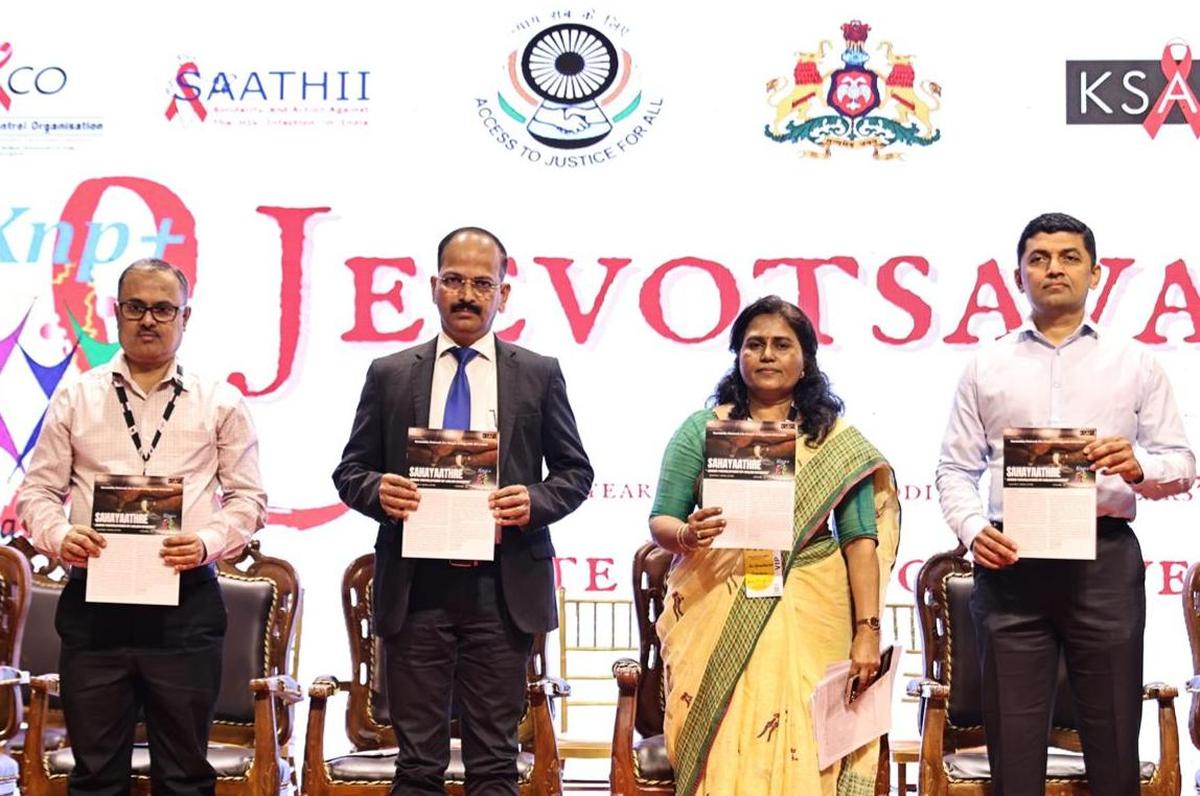
Bengaluru, Karnataka – Emphasising the importance of empathy and ethical governance, the Member-Secretary of Karnataka State Legal Services Authority (KSLSA) urged participants at a state-level HIV conclave to respect the dignity and privacy of people living with HIV (PLHIV) and those undergoing antiretroviral therapy (ART). Speaking at the event, the official highlighted that societal stigma, discrimination, and violations of confidentiality remain major obstacles to effective HIV care and prevention. He called for stronger legal safeguards, awareness campaigns, and sensitivity among healthcare providers, administrators, and the public to ensure that the rights and well-being of PLHIV are upheld.

The conclave, attended by healthcare professionals, social workers, policymakers, and representatives of non-governmental organisations, focused on challenges faced by PLHIV in accessing healthcare, employment, and social support. KSLSA’s Member-Secretary stressed that the law mandates protection of privacy and confidentiality in medical records and treatment details, warning that breaches not only violate human rights but also discourage individuals from seeking timely care. He urged authorities and communities to foster an environment free of fear, prejudice, and social exclusion.

KSLSA highlighted the importance of awareness campaigns to reduce societal stigma against people living with HIV. The Member-Secretary stressed that myths and misconceptions often lead to isolation, discrimination, and denial of basic rights. Awareness drives in schools, workplaces, and communities can challenge prejudices, ensuring that PLHIV are treated with respect and empathy. Authorities noted that media, civil society organisations, and public institutions have a role in shaping perceptions, promoting inclusivity, and reinforcing the principle that HIV is a medical condition, not a moral failing, and that dignity and privacy must always be preserved.

Healthcare infrastructure plays a critical role in protecting the rights of PLHIV. KSLSA officials emphasised that ART centers and hospitals must maintain strict confidentiality protocols, including secure patient records, discreet counselling sessions, and private consultation areas. Training of medical and support staff in sensitivity and legal compliance is essential. The conclave highlighted that lapses in privacy, such as public disclosure of HIV status, can cause emotional distress, social ostracism, and loss of employment, discouraging patients from accessing care and ultimately undermining public health goals.

Participants discussed the role of legal mechanisms in addressing violations of PLHIV rights. KSLSA officials explained that individuals who face discrimination or breach of confidentiality have avenues to seek redress through human rights commissions, consumer courts, and civil litigation. Proactive enforcement of laws, coupled with awareness campaigns about legal rights, ensures that PLHIV can assert their entitlements confidently. The Member-Secretary emphasised that empowering patients legally is as critical as providing medical treatment, as both are necessary to uphold dignity and encourage adherence to ART regimens.

The conclave also addressed challenges faced by vulnerable groups, including women, children, and economically disadvantaged individuals living with HIV. Authorities noted that gender-based discrimination and poverty exacerbate barriers to healthcare access. Special measures, such as mobile ART units, financial support, and targeted counselling, were suggested to ensure these groups receive uninterrupted treatment. KSLSA stressed that equitable access to care, combined with legal safeguards and social inclusion programs, is vital for comprehensive HIV management and protection of human rights.

Education emerged as a key tool for combating stigma. KSLSA representatives recommended integrating HIV awareness into school curricula and workplace training programs. Early education can dismantle misconceptions, encourage empathy, and foster a culture of support. Community workshops for parents, employers, and local leaders were proposed to reinforce the importance of confidentiality, non-discrimination, and inclusion. The conclave concluded that public education is not only preventative in nature but also crucial in creating a supportive environment where PLHIV can live without fear of marginalization.

The Member-Secretary stressed that collaborative approaches between government, NGOs, and healthcare institutions are essential. He highlighted successful initiatives where partnerships between legal authorities and civil society resulted in improved adherence to ART and protection of privacy. By combining legal literacy, healthcare guidance, and community support, PLHIV receive holistic care. KSLSA emphasized that fostering such collaborations ensures patients are not just treated medically, but socially empowered, with mechanisms to report violations and access necessary services without prejudice or fear.

Technology was identified as a potential enabler for maintaining patient privacy. Digital health records, encrypted patient data, and telemedicine consultations were discussed as tools to ensure confidentiality while improving access to care. The conclave highlighted that technological solutions can reduce administrative errors, prevent unauthorized disclosure of sensitive information, and improve continuity of care for patients living in remote or underserved areas, reinforcing trust in ART services and health systems overall.

KSLSA officials also underlined the need for monitoring and evaluation of ART centers to maintain standards. Periodic audits, patient feedback mechanisms, and compliance checks were recommended to ensure that facilities respect patient rights. Authorities argued that oversight not only improves service quality but also reinforces accountability among staff, ensuring that breaches of confidentiality or discriminatory practices are addressed promptly. These measures, combined with legal awareness and community sensitisation, form the backbone of a patient-centered HIV care ecosystem.

The conclave highlighted psychosocial support as an integral part of HIV management. Counseling services, peer support networks, and mental health interventions were emphasized to help PLHIV cope with societal stigma, treatment adherence challenges, and emotional stress. KSLSA recommended embedding mental health professionals within ART centers to provide continuous guidance. The Member-Secretary stated that dignified care requires addressing the emotional and psychological well-being of patients alongside medical treatment, ensuring holistic health outcomes.

Finally, KSLSA reaffirmed the state’s commitment to protecting the rights, dignity, and privacy of PLHIV. The Member-Secretary called on healthcare workers, administrators, legal authorities, and community leaders to adopt patient-centric approaches in all HIV-related initiatives. Emphasizing that societal change requires both policy enforcement and cultural transformation, he urged continuous collaboration, awareness-building, and adherence to legal protections. The conclave concluded with a unified message: respect for privacy and dignity is central to effective HIV care, and only through comprehensive, inclusive, and legally guided approaches can Karnataka ensure a safer and more equitable environment for all people living with HIV.


LEGAL SAFEGUARDS AND HEALTHCARE RESPONSIBILITY

The KSLSA official underlined the role of legal frameworks in protecting PLHIV. He highlighted provisions under the HIV and AIDS (Prevention and Control) Act, which safeguard the rights of individuals, prohibit discrimination in workplaces, healthcare, and education, and ensure informed consent for HIV testing and treatment. According to him, the implementation of these laws is critical to creating trust between patients and healthcare systems. Legal awareness among both service providers and communities, he added, strengthens adherence to ethical practices in ART clinics and HIV care centres.Respect dignity and privacy of people living with HIV and ART, says KSLSA  Member-Secretary at HIV conclave - The Hindu
Healthcare professionals at the conclave were reminded of their ethical obligations. The Member-Secretary stressed that ART treatment requires not only medical expertise but also sensitivity to the emotional and social challenges faced by patients. Respecting confidentiality, providing counselling, and addressing misconceptions are as important as prescribing medication. He noted that stigma in hospitals and clinics can deter patients from continuing therapy, undermining national HIV prevention goals. Training programs for staff, he suggested, must include legal, ethical, and psychosocial dimensions of patient care.


COMMUNITY AWARENESS AND INCLUSION

Participants discussed strategies to combat social stigma and misinformation surrounding HIV. KSLSA emphasized the importance of community engagement, awareness campaigns, and education programs to foster inclusion. Families, neighbours, and employers play a crucial role in supporting PLHIV, and sensitisation initiatives can reduce discrimination in workplaces, schools, and public spaces. The conclave highlighted the need for dialogue between legal, medical, and social sectors to create a holistic support system for affected individuals, ensuring they live with dignity and without fear of prejudice or social marginalisation.

The Member-Secretary also noted the role of peer support groups and civil society organisations in empowering PLHIV. These groups provide counselling, advocacy, and awareness, bridging gaps between healthcare providers and communities. He stressed that partnerships between government agencies, NGOs, and legal authorities can strengthen mechanisms to address complaints, prevent harassment, and ensure equitable access to social benefits and healthcare services. Strengthening these networks is essential for achieving the dual goals of health and human rights protection.


GOVERNMENT INITIATIVES AND FUTURE DIRECTIONS

Karnataka’s state government, through KSLSA and the Health Department, has undertaken several initiatives to ensure confidentiality and equitable access to ART. The conclave highlighted measures such as anonymous HIV testing, mobile clinics, and sensitisation workshops for government employees. The Member-Secretary encouraged continued innovation in service delivery, including digital platforms to maintain patient privacy while improving treatment adherence. He called for a sustained focus on legal literacy, healthcare ethics, and community engagement as pillars of Karnataka’s comprehensive approach to HIV management.Charter of rights for People Living with HIV and ART to be placed before  State HIV conclave - The Hindu

Officials reiterated that the success of HIV prevention and care programs depends not just on medical interventions but also on fostering a climate of trust and dignity. The KSLSA representative urged that any policy implementation must be patient-centric, ensuring that human rights are prioritised alongside clinical outcomes. Confidentiality breaches, discrimination, and social exclusion, he warned, could undermine years of progress in HIV awareness and treatment adherence, making the protection of privacy and dignity a cornerstone of public health strategy.

Participants discussed practical solutions to ensure compliance with privacy norms, including staff sensitisation, secure record-keeping, and strict monitoring of ART centres. KSLSA stressed that violations must be addressed promptly through legal mechanisms to reinforce accountability. The conclave also explored collaboration between legal authorities and healthcare providers to facilitate grievance redressal, safeguard patient rights, and promote transparency, all while maintaining trust in medical institutions.

The conclave concluded with a consensus that respect for human rights and dignity must guide all HIV-related interventions. KSLSA’s Member-Secretary emphasised that ART programs succeed not merely through medication but through comprehensive care that integrates medical, psychological, and social support. Protecting patient confidentiality and addressing stigma are crucial for adherence to therapy, improving quality of life, and achieving broader public health goals in the fight against HIV/AIDS.

Officials highlighted that empowering PLHIV requires multi-sectoral collaboration. Education, legal protection, healthcare, and community support must operate in unison to dismantle barriers faced by individuals. KSLSA’s guidance emphasised proactive engagement, monitoring, and advocacy to prevent discrimination and ensure that rights are upheld. The conclave reaffirmed the commitment of Karnataka authorities to create inclusive, respectful, and legally compliant frameworks for all people living with HIV.

The KSLSA Member-Secretary’s address at the conclave serves as a reminder that healthcare delivery extends beyond clinical treatment. Upholding dignity, protecting privacy, and eliminating stigma are central to effective HIV care. Karnataka’s initiatives, guided by these principles, aim to set a standard for other states, demonstrating that legal frameworks, ethical healthcare practices, and community engagement can work together to improve the lives of PLHIV while promoting social equity and inclusion.
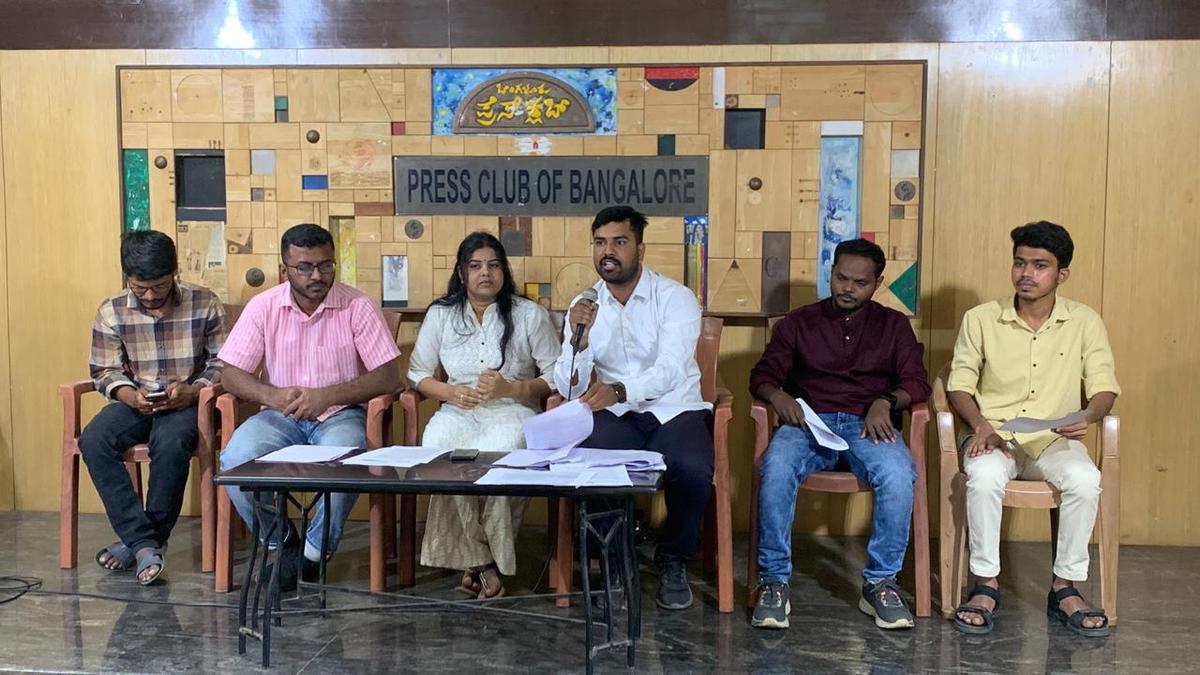
Left student organisations condemn KPS magnet scheme - The Hindu

Follow: Karnataka Government

Also read: Home | Channel 6 Network – Latest News, Breaking Updates: Politics, Business, Tech & More
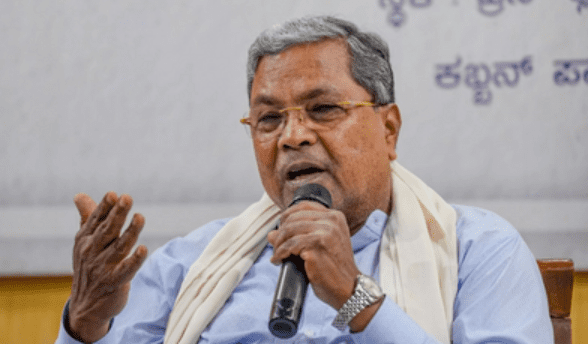
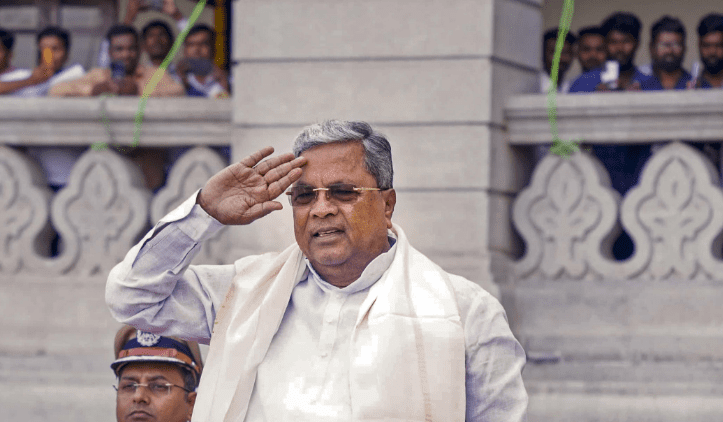
Karnataka CM Siddaramaiah Sounds Alarm on Shift from Cooperative Federalism to Coercive Centralism: ALARMING TREND WITH 1 WARNING

Bengaluru, Karnataka – Karnataka Chief Minister Siddaramaiah has issued a stern warning about the political trajectory of India, stating that the country is witnessing a dangerous shift from cooperative federalism to coercive centralism. Speaking at a recent public event, Siddaramaiah emphasised that the essence of India’s federal structure lies in mutual respect, collaboration, and the devolution of powers to states. He expressed concern that increasing central intervention in state matters could undermine democracy, weaken regional governance, and erode the autonomy envisaged under the Constitution, potentially creating tension between the Centre and states.

The Chief Minister argued that cooperative federalism allows states to implement region-specific policies, manage local resources effectively, and address unique challenges without undue interference. In contrast, coercive centralism, he said, concentrates decision-making at the national level, limiting the scope for states to exercise legislative, financial, and administrative autonomy. Siddaramaiah highlighted instances where states’ policy decisions faced delays, interventions, or challenges from central agencies, describing this as a shift that could threaten the federal balance of power and hinder effective governance.

Siddaramaiah’s concerns reflect growing unease among several states regarding centralisation trends in governance. Over the past decade, multiple states have expressed frustration over perceived interference in matters that constitutionally fall under their jurisdiction, including law and order, resource management, and welfare schemes. Critics argue that frequent directives from central agencies, sometimes accompanied by political undertones, erode the decision-making power of state governments. Siddaramaiah emphasised that such approaches weaken the federal fabric by undermining the authority of locally elected representatives, potentially creating friction between state administrations and the Union government, which can ultimately impact service delivery to citizens.

He highlighted education and healthcare as sectors where cooperative federalism is essential. States, he noted, are better positioned to design policies that address local needs, from curriculum relevance to hospital accessibility. When central authorities override or delay state-led initiatives, critical interventions are slowed, affecting millions of citizens. Siddaramaiah argued that decentralised decision-making fosters innovation and responsiveness, whereas coercive centralism risks standardising policies in a manner that may be ill-suited to diverse socio-economic realities across India’s states, particularly in regions with unique cultural, linguistic, and geographic considerations.

Siddaramaiah also referenced fiscal autonomy, asserting that cooperative federalism ensures states have flexibility in budgeting and resource allocation. He warned that coercive centralism could compromise states’ ability to plan development projects independently, impacting infrastructure, social welfare, and employment programs. State governments, he noted, must retain the freedom to prioritise initiatives based on local challenges. Without this flexibility, centralised control could lead to delays, inefficiencies, and mismatched resource deployment, undermining both development outcomes and public trust in governance structures at the regional level.

The Chief Minister’s remarks drew attention to the role of central investigative agencies in state governance. He pointed out that frequent scrutiny and intervention, particularly in states governed by opposition parties, can be perceived as politically motivated. Siddaramaiah argued that while accountability is necessary, excessive interference risks turning administrative tools into instruments of coercion. He stressed that federalism functions best when oversight is exercised transparently and equitably, maintaining trust between the Centre and states rather than fostering fear or suspicion among elected representatives.

Political analysts observing the debate highlighted that India’s federal structure is inherently asymmetrical, with states enjoying varying degrees of autonomy depending on legislative competencies. Siddaramaiah’s comments reinforce concerns that this balance may be shifting. States like Karnataka, with significant economic contributions and diverse populations, require flexibility to implement policies effectively. Analysts noted that continued centralisation could provoke political and administrative friction, as states struggle to reconcile constitutional powers with central directives that sometimes appear top-down rather than consultative.

Civil society organisations have responded to Siddaramaiah’s warnings, supporting calls for greater dialogue and cooperative governance. They argue that citizens benefit when states can tailor policies to local conditions while coordinating with the Centre on national priorities. Conversely, coercive centralism risks alienating regional populations and may reduce participation in governance. NGOs emphasised that India’s democratic framework is strengthened when federal principles are respected, ensuring accountability, equity, and responsiveness to local needs without compromising national cohesion.

Siddaramaiah also touched upon the symbolic importance of federalism for India’s democracy. He argued that decentralised governance is a safeguard against overconcentration of power, ensuring that diverse voices and regional perspectives are represented in policymaking. By allowing states to exercise autonomy within constitutional limits, cooperative federalism promotes inclusivity and prevents the central government from unilaterally determining policies that affect millions. In contrast, coercive centralism could marginalise regional identities and weaken the democratic ethos that forms the foundation of India’s political system.

The Chief Minister cited examples from resource management, particularly water and agriculture, where centralised decision-making has created challenges. Karnataka, with its unique monsoon patterns and river systems, requires tailored approaches to irrigation, water distribution, and crop planning. Siddaramaiah argued that unilateral central interventions in such sectors risk mismanagement, disputes, and inefficient utilisation of natural resources. Cooperative federalism, he said, ensures that local expertise guides decisions, preventing conflicts and promoting sustainable management of resources critical to the livelihoods of millions.

Legal scholars noted that constitutional safeguards exist to maintain the balance between the Centre and states, but implementation depends on mutual respect and political will. Siddaramaiah’s observations highlight that legal provisions alone are insufficient if governance practices undermine the spirit of federalism. They suggested that continuous dialogue, transparent dispute resolution, and institutional mechanisms such as the Inter-State Council are essential to prevent coercive centralism from eroding state authority, ensuring that India’s federal framework remains resilient, adaptable, and inclusive.

Finally, Siddaramaiah appealed to citizens, policymakers, and institutions to safeguard India’s federal structure actively. He called for a collective effort to respect state autonomy, strengthen cooperative governance, and prevent the slide toward centralisation that could compromise democracy. According to him, balanced federalism allows both the Centre and states to function effectively, ensuring equitable development, responsive administration, and citizen participation. His remarks have reignited nationwide discussions about the future of India’s democracy, the role of state governments, and the importance of preserving the delicate equilibrium that sustains cooperative federalism.

Country is in a dangerous shift from cooperative federalism to coercive  centralism: Karnataka CM - The Hindu


STATES’ AUTONOMY UNDER PRESSURE

Siddaramaiah cited examples of fiscal and administrative encroachments, pointing to the use of central directives and oversight in areas traditionally managed by states. He warned that such interventions could discourage innovation, create conflicts, and slow down developmental initiatives. According to him, when states are unable to make timely decisions due to central overreach, citizens ultimately suffer from delays in welfare schemes, infrastructure projects, and public services. He stressed the need for dialogue and negotiation rather than coercion, urging the Centre to respect the federal framework while ensuring national unity.

The Chief Minister also addressed concerns about political bias in central interventions. He said selective scrutiny and pressure on state governments led by opposition parties are becoming increasingly visible. This, he argued, sets a dangerous precedent and can erode public trust in governance institutions. Siddaramaiah called for the strengthening of cooperative mechanisms such as the Inter-State Council, Finance Commission recommendations, and regular consultations to ensure balanced federal governance, emphasizing that democracy thrives on respect for institutional roles.


POLITICAL AND ECONOMIC IMPLICATIONS- KARNATAKA

Experts note that a drift toward centralised decision-making can have significant political and economic consequences. Centralised control may streamline policy implementation in some areas but risks overlooking local needs, diversity, and socio-economic conditions unique to each state. Economists warn that reduced state autonomy could impact resource allocation, investment priorities, and revenue management, potentially stalling development initiatives in regions dependent on state-specific planning. Political analysts argue that cooperative federalism strengthens democratic processes by encouraging debate, compromise, and decentralised problem-solving.

Siddaramaiah also emphasised the need for transparent mechanisms for dispute resolution between the Centre and states. He argued that courts, intergovernmental councils, and parliamentary consultations must play a proactive role in balancing authority without undermining constitutional provisions. He cited cooperative federalism as a tool for inclusive governance, where regional voices contribute to national policymaking, and warned that coercive centralism risks creating political alienation, discontent, and social unrest in diverse states like Karnataka.Karnataka CM says cooperative federalism giving way to 'coercive centralism'|  India News

The Chief Minister’s remarks have sparked discussion across political and civil society circles. Opposition parties have echoed concerns about the shrinking space for state autonomy, while supporters of stronger central control argue that uniform policies are essential for national integration and economic efficiency. The debate highlights a tension between regional diversity and national cohesion, illustrating the delicate balance federal structures must maintain to function effectively in a large, pluralistic country like India.

Officials in Karnataka have reaffirmed their commitment to state-led initiatives across sectors, from infrastructure development and education to healthcare and agriculture. Siddaramaiah stressed that states must be allowed to plan and execute policies tailored to local conditions while contributing to national goals. He urged the Centre to adopt a collaborative approach, focusing on dialogue and consensus-building rather than imposing top-down directives that could hinder the effectiveness of state governance.

Legal experts argue that constitutional provisions provide for a clear division of powers between the Centre and states, but enforcement often depends on political will and interpretation. They caution that repeated central intervention can set precedents that weaken federalism and limit the ability of states to exercise their legislative and executive authority. Siddaramaiah’s warning, they say, draws attention to the potential long-term consequences of undermining the balance envisioned in India’s Constitution.

Siddaramaiah concluded by appealing to citizens and policymakers to safeguard the principles of cooperative federalism. He called for increased awareness of constitutional rights, responsible governance, and respect for state autonomy as pillars of India’s democratic framework. According to him, strengthening federalism is essential for equitable development, social harmony, and effective administration, particularly in a country as diverse and populous as India.

Political analysts note that Karnataka’s position as a large southern state gives added weight to Siddaramaiah’s warning. The state’s proactive policies in infrastructure, industry, and welfare reflect the potential of empowered state governance. Observers say that the Chief Minister’s remarks underscore broader debates about the limits of central power, the need for institutional checks, and the importance of respecting regional aspirations while maintaining national cohesion.NEWSTRAIL | English daily published in Bengaluru & Doha

Siddaramaiah’s statements are likely to fuel ongoing discussions on federalism, state autonomy, and Centre-state relations in India. Lawmakers, bureaucrats, and civil society groups are expected to engage in dialogue on mechanisms to strengthen cooperative federalism while ensuring that national interests are not compromised. The Chief Minister’s warning serves as a reminder that India’s federal system depends on balance, mutual respect, and dialogue rather than coercion for it to remain robust and effective.

Follow: Karnataka Government

Also read: Home | Channel 6 Network – Latest News, Breaking Updates: Politics, Business, Tech & More
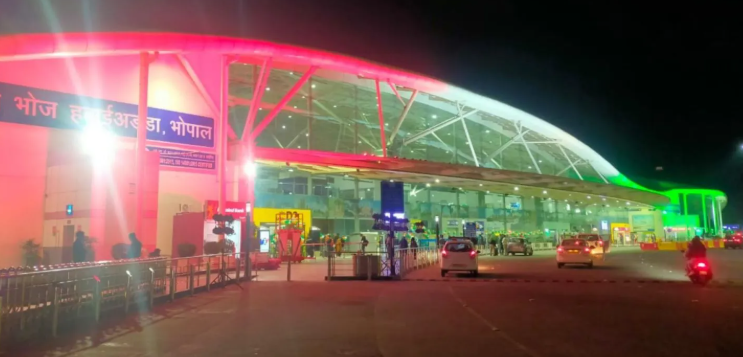
4th Place in AAI Customer Satisfaction Rankings Brings Pride to Karnataka

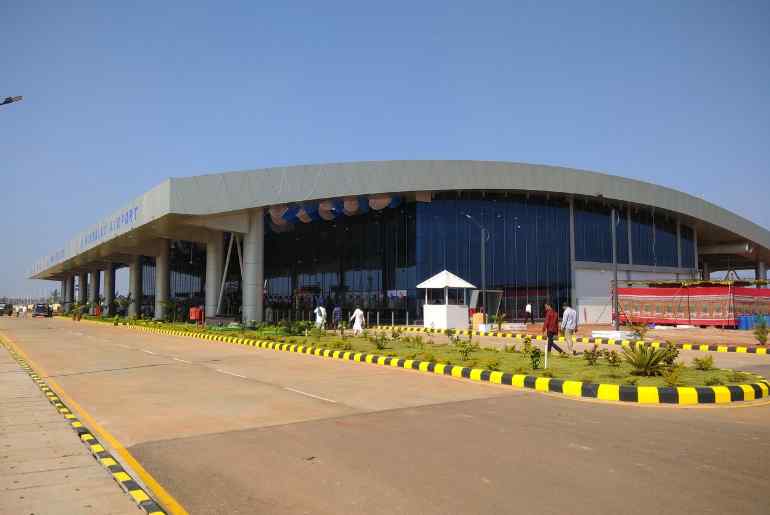
Hubbali, Karnataka – Hubballi Airport has achieved a significant milestone, securing the fourth position in the Airports Authority of India’s (AAI) latest Customer Satisfaction Index (CSI) survey. The survey, conducted across major airports in the country, assesses passenger experiences based on parameters such as check-in efficiency, security, terminal cleanliness, boarding procedures, and overall services. Hubballi Airport’s ranking reflects improvements in passenger facilities and operational efficiency, highlighting the airport’s growing importance as a regional aviation hub. Authorities said the achievement reinforces their commitment to enhancing travel experiences for both domestic and international passengers.

Passengers praised the airport’s cleanliness, organized queues, and helpful staff, noting that improvements in terminal amenities have enhanced overall satisfaction. Travelers highlighted smooth check-in procedures, timely flight information, and courteous security personnel as contributing factors to the high ranking. Officials said ongoing upgrades, including better signage, improved waiting areas, and increased digital information displays, have played a key role in enhancing passenger experiences and meeting international standards in service quality.Hubbali airport ranked 4th in AAI customer satisfaction index survey - The  Hindu


INFRASTRUCTURE AND SERVICE ENHANCEMENTS

Hubballi Airport has seen significant infrastructure upgrades in recent years, including expanded terminal space, modernized lounges, and upgraded baggage handling systems. The airport has also introduced automated check-in kiosks and improved accessibility features for differently-abled passengers. Authorities noted that these enhancements, coupled with staff training programs, have directly contributed to the positive feedback reflected in the CSI survey.

The AAI survey evaluates airports based on multiple parameters, including cleanliness, customer service, safety, security, and efficiency. Hubballi Airport performed exceptionally in terminal maintenance and passenger assistance. Officials said that the airport’s commitment to continuous monitoring and improvement, along with timely implementation of suggestions from previous surveys, has strengthened its reputation among travelers and boosted confidence in regional air travel.


REGIONAL CONNECTIVITY AND ECONOMIC IMPACT

Hubballi Airport serves as a key aviation hub connecting Karnataka’s northern region to major cities across India. Improved passenger experiences and higher satisfaction scores are expected to attract more travelers and potentially encourage additional airline operations. Authorities said the ranking is a testament to the airport’s role in supporting business travel, tourism, and regional economic development.

Officials emphasised that higher passenger satisfaction also reflects positively on staff performance and airport management practices. Continuous monitoring, feedback collection, and swift redressal of passenger grievances are key strategies that have helped Hubballi Airport climb the CSI rankings. Authorities aim to sustain and further improve this standing through ongoing investments in infrastructure and service excellence.

Travelers expressed pride in the airport’s recognition, noting that improved services have made travel to and from Hubballi more convenient and efficient. Local businesses and tourism operators welcomed the announcement, stating that enhanced passenger satisfaction is likely to stimulate tourism and boost the local economy. The airport’s achievements also align with the government’s broader initiatives to enhance regional connectivity and strengthen aviation infrastructure across smaller cities.Karnataka: Belagavi & Hubli Airports Rank Among Top 5 In AAI's Customer  Satisfaction Index

Hubballi Airport’s high ranking in the AAI Customer Satisfaction Index demonstrates that focused improvements in infrastructure, service quality, and passenger management can significantly enhance the travel experience. Authorities said the airport will continue implementing initiatives to maintain cleanliness, reduce waiting times, and improve operational efficiency, ensuring that travelers enjoy a smooth and convenient journey.

Officials highlighted that Hubballi’s fourth-place ranking serves as encouragement to other regional airports, showing that quality service standards can be achieved outside major metropolitan centers. The achievement underscores the importance of regular training, infrastructure modernization, and responsive passenger services in creating a positive airport experience.

Passenger feedback has been central to the airport’s continuous improvement strategy. Authorities said that surveys and direct suggestions are actively monitored and integrated into operational planning, from staffing adjustments to facility upgrades. This participatory approach ensures that passenger needs are met and the airport remains aligned with expectations.

The airport authority plans to further enhance digital infrastructure, including mobile applications, online check-in systems, and real-time updates on flight schedules. Officials said these measures will help reduce passenger wait times and improve convenience, particularly for frequent flyers and business travelers, contributing to sustained high satisfaction levels.

As Hubballi Airport continues its growth trajectory, officials emphasised the importance of balancing expansion with sustainability and operational efficiency. Maintaining high standards in cleanliness, service, and safety will remain the top priority. The airport’s fourth-place ranking is seen as both a milestone and a motivation to aim higher in future CSI surveys, strengthening its reputation as a reliable regional aviation hub.Karnataka: Belagavi & Hubli Airports Rank Among Top 5 In AAI's Customer  Satisfaction Index

The airport’s success in the AAI Customer Satisfaction Index demonstrates the potential of regional airports in India to provide world-class services. By combining infrastructure upgrades, efficient management, and attentive customer service, Hubballi Airport has set a benchmark for smaller airports striving to improve passenger experiences and support regional connectivity.

Hubballi Airport’s recognition in the AAI Customer Satisfaction Index (CSI) survey comes at a time when regional airports across India are focusing on operational excellence and passenger experience. Unlike major metropolitan airports, smaller airports often struggle with resource limitations and fluctuating passenger volumes. Hubballi’s achievement demonstrates that strategic planning, efficient staff management, and targeted infrastructure upgrades can yield measurable improvements in passenger satisfaction, even in tier-2 cities. Officials said the CSI ranking also highlights the airport’s ability to adapt to rising traffic and maintain service quality, setting a benchmark for similar regional airports across Karnataka and neighboring states.

The airport has invested heavily in staff training programs aimed at enhancing customer service. Frontline personnel, including check-in staff, security personnel, and housekeeping teams, undergo regular workshops to improve responsiveness, communication skills, and efficiency. This focus on human resources has had a visible impact on passenger experiences, with travelers reporting faster check-ins, smoother boarding procedures, and courteous assistance. Authorities emphasised that a service-oriented workforce, combined with modern infrastructure, is critical to sustaining high satisfaction scores and fostering a positive perception of regional airports among domestic and international travelers.

Technological upgrades at Hubballi Airport have played a pivotal role in improving operational efficiency. Advanced baggage handling systems reduce errors and delays, while automated check-in kiosks allow passengers to complete processes quickly, decreasing congestion during peak hours. Digital display boards provide real-time flight information, and improved public address systems ensure clarity in announcements. Officials said that integrating technology into airport operations not only improves passenger convenience but also reduces the burden on staff, allowing them to focus on direct customer assistance and security, thereby creating a safer and more efficient travel environment.

Cleanliness and hygiene standards have been another area of focus. The airport authority has implemented strict protocols for regular cleaning of terminals, restrooms, lounges, and boarding areas. Waste management systems ensure proper disposal of garbage and recycling wherever possible. During the COVID-19 pandemic, additional measures such as sanitisation of high-touch surfaces and health screening of passengers were introduced. These initiatives have contributed significantly to the airport’s positive CSI ranking, reflecting passengers’ increasing expectation for sanitary, well-maintained, and safe airport environments in line with global standards.

Passenger feedback mechanisms have been integrated into daily operations to ensure continual improvement. Comment cards, online surveys, and interactive kiosks allow travelers to share experiences and suggestions. Authorities actively monitor this data to identify areas needing attention, from queue management to seating availability in lounges. By responding promptly to complaints and implementing actionable recommendations, Hubballi Airport has demonstrated its commitment to passenger-centric services. Officials said that this participatory approach helps align operational priorities with passenger expectations and fosters trust between travelers and airport management.

The airport has also focused on accessibility, ensuring that differently-abled passengers can travel comfortably. Features include wheelchair-friendly pathways, accessible restrooms, and assistance counters staffed by trained personnel. Signage has been improved to ensure easy navigation, and priority boarding services are available for senior citizens and passengers with special needs. Authorities said that such inclusivity measures are critical not only for passenger satisfaction but also for compliance with legal accessibility standards, reflecting a commitment to equitable services for all travelers irrespective of physical ability or age.

Regional connectivity is another key dimension driving Hubballi Airport’s importance. The airport connects northern Karnataka to major cities like Bengaluru, Hyderabad, Mumbai, and Chennai. The improved passenger experience and high CSI score are expected to attract additional airlines and routes, further boosting connectivity and economic opportunities in the region. Local businesses, tourism operators, and trade associations have welcomed the achievement, noting that smoother travel and higher satisfaction will encourage business visits and tourism, stimulating growth in hospitality, retail, and service sectors.

Environmental management has been integrated into airport operations to balance infrastructure development with sustainability. The airport employs energy-efficient lighting, water conservation practices, and green landscaping to reduce its ecological footprint. Authorities also monitor noise pollution levels and ensure compliance with environmental norms. Officials noted that integrating sustainability into operations contributes indirectly to passenger satisfaction, as travelers increasingly value environmentally responsible practices alongside comfort, convenience, and safety during their airport experience.

Authorities said that Hubballi Airport plans to further expand services and facilities in the coming years. Proposed projects include modern lounges, additional boarding gates, enhanced retail and dining options, and upgraded parking infrastructure. Officials emphasised that any expansion will be carefully planned to avoid congestion and maintain service quality. By prioritising strategic growth while sustaining operational excellence, the airport aims to further improve its CSI ranking, demonstrating that smaller regional airports can deliver experiences comparable to national and international standards without losing efficiency or passenger focus.

Finally, the airport’s fourth-place ranking in the AAI Customer Satisfaction Index serves as a model for other regional airports across India. It highlights the effectiveness of combining infrastructure upgrades, staff training, technology adoption, and sustainability initiatives to deliver measurable improvements in passenger experience. Authorities reiterated their commitment to continuous improvement, ensuring that Hubballi Airport remains not only a critical transportation hub but also a benchmark for customer-centric operations in smaller cities. The recognition is both an achievement and a motivation to set even higher standards in the years ahead.

Follow: Karnataka Government

Also read: Home | Channel 6 Network – Latest News, Breaking Updates: Politics, Business, Tech & More

4 Family Members Missing Near Bhadra Canal, Search Continues: TRAGIC LOSS WITH 1 RECOVERY

Bhadra, Karnataka – A harrowing incident unfolded near the Bhadra canal as four members of a local family went missing under mysterious circumstances, prompting an urgent search-and-rescue operation. Local authorities confirmed that one body has been retrieved, while three others remain unaccounted for. The family, residents of a nearby village, reportedly approached the canal in the late afternoon, after which they failed to return. The cause of the incident is yet to be determined, with officials exploring possibilities including accidental drowning, strong currents, or other unforeseen hazards in the canal area.

Authorities revealed that the rescued body has been sent for postmortem at a nearby government hospital, with forensic experts scheduled to confirm the cause of death. Early indications suggest drowning as the most likely cause, but investigators are keeping other possibilities open, including accidental slips or entanglement in aquatic vegetation. Officials stressed the importance of conducting a thorough investigation to ensure clarity for the family and the public, while also helping authorities take preventive measures to avoid similar tragedies in the future.

Search teams have intensified their efforts using specialized equipment such as underwater cameras, sonar devices, and life-saving rafts. Divers are working in shifts to cover the entire canal stretch systematically, while drone surveillance provides aerial views of the waterway. Police officials have mapped potential drift paths based on the canal’s current flow, water levels, and the monsoon-fed inflow from nearby reservoirs. They are also examining areas downstream where debris has accumulated, as strong currents could have carried the missing individuals several kilometres away from the original point of disappearance.

Local villagers are assisting authorities by providing crucial information about the canal’s geography, hidden pools, and submerged rocks. Many residents know the waterway intimately, having lived near it for generations, and their guidance has helped rescuers navigate treacherous sections. Community members have also set up temporary shelters and food stations to support the search teams, ensuring that personnel can remain in the field without interruption. Volunteers are maintaining logs of all observations, which help authorities prioritize areas for rescue and increase the efficiency of the ongoing operation.

Officials confirmed that the missing family consists of two adults and two children, heightening concerns about the urgency of the search. The children’s vulnerability has prompted the deployment of additional divers and emergency medical personnel to nearby hospitals. Authorities are coordinating with local ambulance services and doctors to ensure that if any of the missing are rescued alive, immediate treatment can be provided. Psychological support teams are also on standby to assist both the family and local residents coping with trauma.

The Bhadra canal, a key irrigation channel, has steep and slippery banks, making it particularly dangerous during the monsoon season. Officials explained that sudden water level rises, caused by upstream dam releases or heavy rainfall, can generate strong currents and whirlpools. Such hazards make rescue operations complex and slow. Authorities have warned residents and visitors to avoid canal banks, emphasizing that even experienced swimmers face life-threatening risks under these conditions. Public awareness campaigns are being considered to prevent similar incidents in other parts of the district.

The district administration has announced immediate relief for the affected family, including financial aid and assistance in arranging funerals for the recovered body. Local authorities are also working with social welfare departments to provide long-term support to the family, such as housing assistance, educational support for the children if recovered, and trauma counselling. These measures aim to help the family cope with both the emotional and practical challenges caused by the tragedy.

Police officials indicated that environmental factors may have contributed to the incident. Heavy rain, submerged roots, and slippery canal edges can easily destabilize even experienced adults. Investigators are also examining whether the family was aware of recent water releases or had received safety warnings. Such information could provide critical insight into the sequence of events leading to the accident and help authorities issue better alerts in the future to protect villagers living along canals and rivers.

The State Disaster Response Force (SDRF) has highlighted the importance of coordinated operations during such emergencies. They said the combined deployment of local police, volunteers, divers, and medical staff exemplifies how rapid response can save lives in high-risk areas. Coordination meetings are held every few hours to adjust search patterns based on new findings, weather conditions, and water levels. This dynamic planning ensures that no potential area is overlooked and that rescue efforts are conducted safely and efficiently.

Relatives and neighbours expressed anguish over the incident, describing the missing family as well-known, respected residents of the village. Many reported having last seen them near the canal in the late afternoon, unaware of the danger that awaited. Local schools and community centers have been temporarily closed, allowing villagers to assist in the search and support the grieving family. The emotional toll on the community has been significant, with many volunteers expressing fear and sorrow over the uncertainty of the missing family members’ fate.

Authorities stressed that the search would continue tirelessly until the remaining three family members are located. Officials also warned against speculation or spreading unverified information, urging the public to rely on official updates. Continuous monitoring of water flow, weather forecasts, and canal conditions is being maintained to ensure the safety of both rescue personnel and residents. The incident has prompted a broader review of safety measures along the Bhadra canal, with the goal of preventing future tragedies in one of Karnataka’s most rain-prone and ecologically sensitive regions.

4 persons missing near Bhadra canal in Karnataka, search in progress - The Hindu

Witnesses said the missing family members had gone near the canal to fetch water and collect aquatic plants when they were swept away by unexpectedly strong currents. Locals immediately alerted authorities, triggering a joint response by the Karnataka State Disaster Response Force (SDRF), police, and village volunteers. Rescue teams deployed boats, ropes, and divers to scour the canal, while aerial surveillance was coordinated to monitor the waterway and surrounding banks.


RESCUE OPERATIONS INTENSIFY

Police and disaster response teams confirmed the recovery of one body downstream, identified through preliminary visual assessment. The identity is yet to be officially confirmed through formal procedures, including local verification and medical examination. Rescue officials said that the water current, depth, and submerged obstacles are complicating search efforts, requiring specialised equipment and trained personnel. Authorities have urged villagers to maintain caution and keep a safe distance from canal banks until the operation concludes.

Officials added that monsoon-fed canals like Bhadra can experience sudden fluctuations in water level and flow speed. Local administration is monitoring upstream dam releases and rainfall patterns, which may affect ongoing rescue efforts. Temporary safety measures, including warning signals and barricades, have been set up to prevent additional casualties. Teams are working round the clock to locate the remaining three family members.4 members of family missing near Bhadra canal in Karnataka: 1 more body retrieved - The Hindu


COMMUNITY RESPONSE AND GOVERNMENT ASSISTANCE

The local community has rallied around the affected family, providing support to relatives and assisting with the search. Volunteers are assisting rescue personnel by mapping likely spots along the canal and coordinating local logistics. Authorities have announced that compensation and support measures will be provided to the victims’ family under relevant state disaster relief schemes. Social workers and local officials are offering counselling to relatives and neighbours traumatized by the incident.

Officials emphasised that public awareness and caution are essential near water bodies, especially during the monsoon season. The Bhadra canal, a critical source of irrigation, has steep banks and strong currents, which pose significant risks. Authorities continue to coordinate with nearby districts to ensure that resources, divers, and rescue boats are deployed efficiently. The search is expected to continue until all missing members are located, with updates to be shared with the public as the operation progresses.

Karnataka canal tragedy: Second body recovered, search on for missing family members

Authorities have appealed to nearby villagers and travellers to remain vigilant while near the canal, particularly during the monsoon season. They emphasised that sudden water surges, strong currents, and hidden underwater debris can create fatal hazards. Residents have been advised to avoid venturing near the banks alone and to immediately alert authorities if anyone is seen in distress. Safety awareness campaigns are being planned in nearby schools and communities to educate residents about the risks of canals and rivers during high rainfall periods.

Rescue teams are also coordinating with meteorological departments to monitor ongoing rainfall in upstream regions. Heavy rains could increase the water flow in the Bhadra canal, potentially affecting search operations and safety. Authorities have temporarily restricted access to certain canal sections to ensure both the public and rescue teams remain safe. The SDRF noted that such coordinated monitoring is crucial for operations in water bodies that are prone to rapid changes in depth and flow during monsoon seasons.

Officials are considering deploying additional resources, including inflatable rescue boats and sonar equipment, to improve the chances of locating the missing family members quickly. Local fishermen and villagers with knowledge of the canal’s currents are assisting the rescue teams in navigating treacherous sections. Authorities stressed that every hour is critical in cases involving potential drowning, and timely intervention can make the difference between life and death.

Social workers have arrived at the site to provide emotional support to the family and the wider community affected by the incident. Relatives expressed fear and frustration as the search continues, while neighbours have rallied to provide food, shelter, and logistical support to the rescue teams. Authorities said that maintaining the morale of both rescuers and affected families is vital to ensure the operation proceeds efficiently and safely.

The district administration has assured the public that no effort will be spared in the search for the remaining missing family members. Officials said that updates would be shared regularly through official channels, discouraging rumours and misinformation. The incident has prompted a broader review of safety measures along canals in the region, highlighting the need for emergency preparedness, public awareness, and stronger coordination between authorities and local communities to prevent similar tragedies in the future.

Follow: Karnataka Government

Also read: Home | Channel 6 Network – Latest News, Breaking Updates: Politics, Business, Tech & More
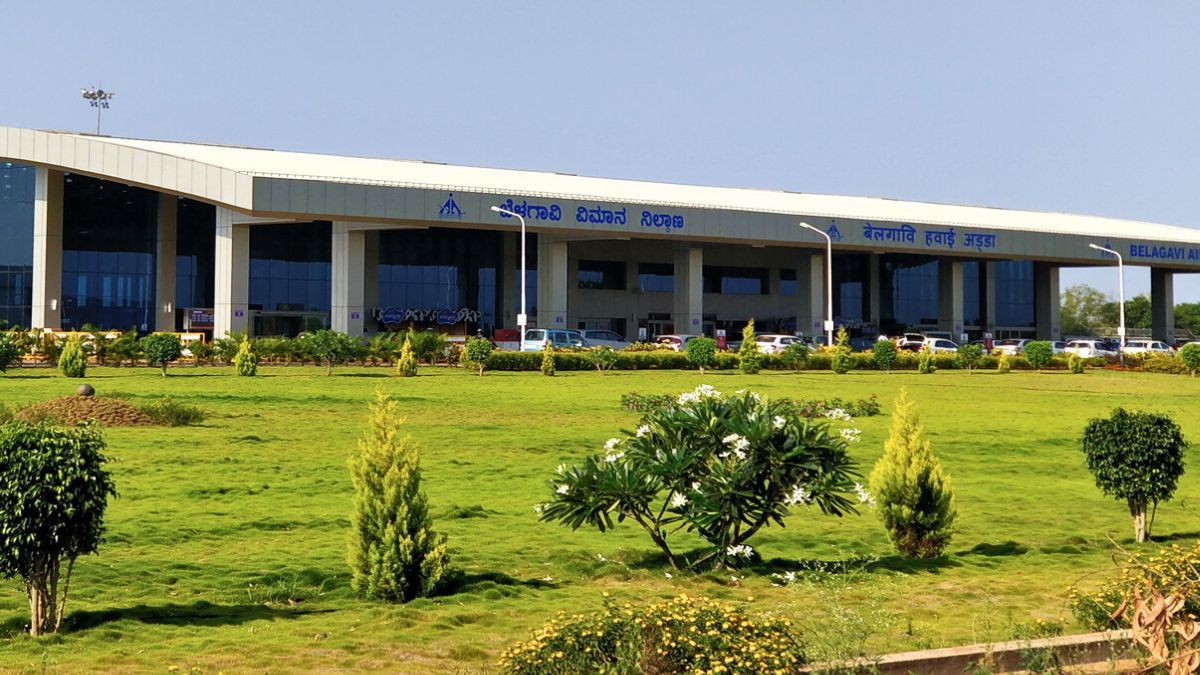
How Agumbe’s Once-Isolated Rainforest Found a Digital Lifeline: 1 Bold Signal

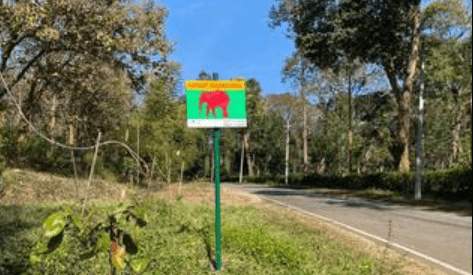
For decades, Agumbe, the mist-laden rainforest village perched in the Western Ghats of Karnataka, was known as a place beyond reach — geographically remote, ecologically fragile, and digitally disconnected. Often referred to as the “Cherrapunji of the South,” Agumbe’s dense forests, heavy rainfall, and rugged terrain made mobile connectivity nearly impossible. Emergency calls failed, internet access was non-existent, and residents lived with the paradox of being surrounded by rich biodiversity while remaining cut off from the modern world. That reality has now changed, following a carefully planned effort to bring connectivity without compromising ecology.

Agumbe’s transformation from a no-network zone to a connected settlement was not sudden, nor was it easy. The region’s ecological sensitivity meant that conventional infrastructure expansion, such as tall mobile towers or extensive road digging, faced strong resistance from conservationists and forest authorities. At the same time, local residents, healthcare workers, students, and researchers increasingly voiced the need for basic communication facilities, especially during medical emergencies and natural disasters.

The challenge was clear: how to introduce digital connectivity into one of India’s most environmentally sensitive rainforests without damaging what makes Agumbe unique.No network zone to connected rainforest: How Agumbe was brought online -  The Hindu


A LONG STRUGGLE BETWEEN CONNECTIVITY AND CONSERVATION

Agumbe lies within the Western Ghats, a globally recognised biodiversity hotspot. Any developmental activity in the region requires multiple layers of environmental clearance. Earlier attempts to install mobile towers were rejected due to concerns about deforestation, visual intrusion, and long-term ecological impact. Environmental groups feared that connectivity could accelerate unregulated tourism and construction, threatening wildlife corridors and fragile ecosystems.

However, residents argued that lack of connectivity posed real risks. During medical emergencies, villagers had to travel long distances to make phone calls. Researchers studying snakes, frogs, and climate patterns struggled to transmit data. Students preparing for competitive exams were disadvantaged, relying on sporadic access in nearby towns. During heavy monsoons, when landslides and road blockages are common, complete communication blackouts made the situation even more dangerous.

Gradually, the narrative shifted from “development versus conservation” to “essential services with ecological responsibility.”


THE TECHNOLOGICAL SOLUTION THAT MADE IT POSSIBLE

The breakthrough came through the use of low-impact telecom infrastructure. Instead of conventional high-rise towers, authorities approved compact, camouflaged installations designed to blend into the forest landscape. Fibre-optic cables were laid using existing pathways to avoid fresh land disturbance, and power requirements were minimised through energy-efficient systems.

Officials involved in the project said every stage required coordination between telecom providers, the forest department, district administration, and environmental experts. Clearances were granted with strict conditions, including limits on radiation levels, regular environmental audits, and restrictions on future expansion.

The rollout was phased and closely monitored. Initial connectivity focused on basic voice services and limited data access, prioritising emergency communication rather than high-speed commercial usage. This cautious approach helped ease fears among conservationists while addressing critical needs of the local population.No network zone to connected rainforest: How Agumbe was brought online -  The Hindu


WHAT CONNECTIVITY HAS CHANGED ON THE GROUND

For Agumbe’s residents, even basic network coverage has had a transformative impact. Health workers can now coordinate emergencies, consult doctors remotely, and alert authorities during crises. Students access online learning resources, apply for scholarships, and attend virtual classes without leaving the village. Government services, once dependent on physical travel, are now accessible digitally, reducing delays and costs.

Local homestay operators say connectivity has improved safety and coordination rather than triggering uncontrolled tourism. Visitors can communicate responsibly, while authorities monitor inflow more effectively. Researchers studying Agumbe’s famed king cobras and amphibians say real-time data sharing has improved scientific accuracy and response capabilities.

Importantly, connectivity has also strengthened disaster preparedness. During peak monsoon months, officials can issue warnings, track conditions, and maintain contact with isolated households, reducing the risks posed by floods and landslides.


BALANCING MODERN NEEDS WITH ECOLOGICAL LIMITS

Officials emphasise that Agumbe’s connectivity model is not about rapid digital expansion but sustainable inclusion. Internet speeds remain regulated, and infrastructure growth is tightly controlled. The aim, they say, is to ensure dignity, safety, and access — not to turn Agumbe into a commercial hub.

Environmental experts monitoring the project note that connectivity, when implemented thoughtfully, can actually support conservation. Digital tools help track wildlife, report illegal activities, and educate visitors about ecological responsibility. Connectivity has also enabled local voices to participate in policy discussions rather than remain unheard due to isolation.

However, they caution that continued vigilance is essential. Any future upgrades must follow the same principles of minimal intrusion and ecological accountability.No network zone to connected rainforest: How Agumbe was brought online -  The Hindu


A MODEL FOR REMOTE REGIONS ACROSS INDIA

Agumbe’s journey from digital silence to cautious connectivity is now being cited as a model for other remote and ecologically sensitive regions. It demonstrates that development and conservation need not be mutually exclusive if policy, technology, and community engagement align.

For residents, the change is deeply personal. Connectivity has not altered Agumbe’s misty mornings, rainforest sounds, or slow rhythms of life. It has simply ensured that when help is needed, voices can be heard beyond the forest canopy.

In bridging the digital divide without breaking the ecological balance, Agumbe’s story stands as a quiet but powerful example of how modern infrastructure can adapt to nature — not dominate it.

Follow: Karnataka Government

Also read: Home | Channel 6 Network – Latest News, Breaking Updates: Politics, Business, Tech & More
Trusted Doctor’s Heartless Crime Shocks Shivamogga: CHILLING BETRAYAL WITH 2 VICTIMS

Shivamogga was left stunned after police arrested a medical practitioner for allegedly murdering an elderly couple by administering an excessive dosage of anaesthesia, a crime that has shaken public faith in the medical profession. The accused doctor, who was known to the victims, was taken into custody following a detailed investigation that revealed deliberate misuse of medical drugs leading to the couple’s deaths. The case has sparked outrage and raised serious questions about ethics, trust, and accountability in healthcare.

Investigators said the method used in the crime indicates careful planning and medical precision. Administering anaesthesia in lethal quantities requires knowledge of dosage thresholds, drug interactions, and physiological responses, which police believe points to deliberate intent rather than negligence. Officials said the absence of struggle or alarm raised by the victims further supports the theory that the couple trusted the accused completely at the time of administration.

Police sources revealed that the accused allegedly administered the drugs in a controlled setting to avoid immediate suspicion. Anaesthetic agents can suppress breathing gradually, making deaths appear natural if not examined carefully. Investigators said this aspect initially delayed suspicion, underscoring how professional expertise was allegedly exploited to conceal the crime.

Forensic experts involved in the case said toxicology reports played a decisive role in establishing homicide. Samples sent for advanced analysis detected levels of anaesthetic compounds far exceeding therapeutic limits. Experts noted that such quantities would not be prescribed or administered outside a hospital environment, strengthening the prosecution’s case that the deaths were neither accidental nor medically justified.

The role of regulatory oversight has come under scrutiny following the arrest. Questions are being raised about how the accused accessed anaesthetic drugs outside institutional protocols. Health department officials said an internal inquiry would examine procurement records, storage practices, and compliance with drug control norms to identify systemic lapses.

Residents of Shivamogga expressed fear and disbelief, with many saying the incident has shaken their confidence in private medical practitioners. Some families said they are now hesitant to seek home-based medical care, highlighting the broader social impact of the crime. Community leaders urged authorities to reassure the public through transparency and swift legal action.

Senior police officers said the case will be investigated under stringent legal provisions, as abuse of professional trust is considered a serious aggravating factor. Legal experts noted that courts often treat crimes committed using specialised knowledge as particularly grave, which could influence sentencing if the accused is convicted.

Medical associations reiterated that the accused’s actions, if proven, represent an extreme violation of medical ethics. Doctors stressed that the profession is governed by strict moral codes and that misuse of medical knowledge for criminal purposes must be met with zero tolerance to protect public trust.

Investigators are also exploring whether the accused acted alone or received assistance in procuring or administering the drugs. Police said they are questioning pharmaceutical suppliers and reviewing CCTV footage from medical stores to trace the movement of controlled substances linked to the case.

Family members of the deceased couple described them as peaceful and vulnerable individuals who relied heavily on medical advice due to age-related ailments. Relatives said the betrayal by a trusted doctor has compounded their grief and demanded the harshest punishment to prevent similar crimes.

As the investigation progresses, authorities said the focus remains on building a watertight case supported by scientific evidence and expert testimony. The case is expected to have long-term implications for medical regulation and criminal jurisprudence, serving as a stark reminder that professional power, when misused, can cause irreversible harm.

According to police officials, the elderly couple was found dead under suspicious circumstances at their residence in Shivamogga district. Initial reports suggested natural causes, but inconsistencies in medical findings prompted a deeper probe. Forensic analysis later indicated abnormally high levels of anaesthetic substances in their bodies, ruling out accidental overdose and pointing towards intentional administration.

Investigators said the accused doctor had access to anaesthetic drugs and possessed the technical knowledge to administer them without leaving immediate external signs of violence. This, police said, made the crime particularly calculated and difficult to detect in the early stages. The arrest came after officers pieced together medical records, drug procurement details, and circumstantial evidence linking the doctor to the deaths.Doctor arrested for murdering elderly couple in Shivamogga using anaesthesia  - The Hindu


INVESTIGATION REVEALS MEDICAL MISUSE AND MOTIVE

Police sources revealed that the accused had been in regular contact with the elderly couple and had reportedly gained their trust over time. Preliminary investigations suggest that the doctor may have exploited this trust to carry out the crime discreetly. Officers said the anaesthetic dosage administered was far beyond permissible medical limits and was sufficient to cause respiratory failure and cardiac arrest.

Autopsy reports confirmed that the cause of death was acute anaesthetic toxicity. Forensic experts noted that such a high dosage could not have been self-administered and required professional expertise. Based on this evidence, the police registered a case of murder and intensified their inquiry, eventually zeroing in on the doctor.

While the exact motive is still under investigation, police are examining possible financial disputes, property-related issues, or personal grievances. Investigators are also scrutinising bank transactions, phone records, and digital communications to establish whether the crime was premeditated. Officials said more clarity on the motive is expected once custodial interrogation is completed.

The accused was produced before a magistrate and remanded to judicial custody. Police have not ruled out the possibility of additional charges, depending on further findings. Authorities are also verifying whether similar complaints or suspicious deaths can be linked to the doctor in the past.


PUBLIC OUTRAGE AND QUESTIONS ON MEDICAL ETHICSDoctor arrested for murdering elderly couple in Shivamogga using anaesthesia  - The Hindu

The arrest has triggered widespread shock and anger among residents, particularly because the accused belonged to a profession traditionally associated with healing and care. Locals expressed disbelief that a doctor could allegedly misuse medical knowledge to commit such a crime, calling it a profound betrayal of trust.

Medical professionals and associations have also reacted strongly, emphasising that such acts are a gross violation of ethical standards. Several doctors said incidents like this tarnish the reputation of the entire medical community and called for strict punishment if the accused is found guilty. They also stressed the need for tighter regulation and monitoring of access to potent drugs like anaesthetics.

Residents of Shivamogga expressed fear and disbelief, with many saying the incident has shaken their confidence in private medical practitioners. Some families said they are now hesitant to seek home-based medical care, highlighting the broader social impact of the crime. Community leaders urged authorities to reassure the public through transparency and swift legal action.

Senior police officers said the case will be investigated under stringent legal provisions, as abuse of professional trust is considered a serious aggravating factor. Legal experts noted that courts often treat crimes committed using specialised knowledge as particularly grave, which could influence sentencing if the accused is convicted.

Legal experts noted that the case could set an important precedent, particularly in how crimes involving medical expertise are investigated and prosecuted. They said courts may view the abuse of professional knowledge as an aggravating factor while determining punishment.

Meanwhile, the families of the deceased elderly couple have demanded swift justice. They described the victims as vulnerable and trusting individuals who never imagined harm from someone they believed was caring for their well-being. Grief-stricken relatives said the betrayal has left deep emotional scars.


WIDER IMPLICATIONS AND NEXT STEPS

Authorities have assured that the investigation will be thorough and impartial. Senior police officials said they are consulting forensic and medical experts to strengthen the case and ensure that all evidence stands legal scrutiny. The health department is also expected to review the accused doctor’s professional record, licences, and access to controlled drugs.Cardiologist charged with fraud for allegedly altering patient records,  billing for unnecessary procedures

The case has reignited debate about safeguards in the healthcare system, particularly regarding monitoring the use and storage of anaesthetic drugs. Experts argue that while trust is fundamental in medicine, robust checks are equally essential to prevent misuse.

As Shivamogga grapples with the shock of the crime, the incident stands as a grim reminder of how professional authority can be abused if left unchecked. The coming days are expected to bring more revelations as the investigation progresses, with public attention firmly fixed on whether justice will be delivered swiftly and decisively.

Residents of Shivamogga expressed fear and disbelief, with many saying the incident has shaken their confidence in private medical practitioners. Some families said they are now hesitant to seek home-based medical care, highlighting the broader social impact of the crime. Community leaders urged authorities to reassure the public through transparency and swift legal action.

Senior police officers said the case will be investigated under stringent legal provisions, as abuse of professional trust is considered a serious aggravating factor. Legal experts noted that courts often treat crimes committed using specialised knowledge as particularly grave, which could influence sentencing if the accused is convicted.

Senior police officers said the case will be investigated under stringent legal provisions, as abuse of professional trust is considered a serious aggravating factor. Legal experts noted that courts often treat crimes committed using specialised knowledge as particularly grave, which could influence sentencing if the accused is convicted.

Follow: Karnataka Government

Also read: Home | Channel 6 Network – Latest News, Breaking Updates: Politics, Business, Tech & More

Laxmi Hebbalkar’s Emotional Hindutva Push Sparks Political Debate: : BOLD CLAIM WITH 152 SYMBOLS OF FAITH

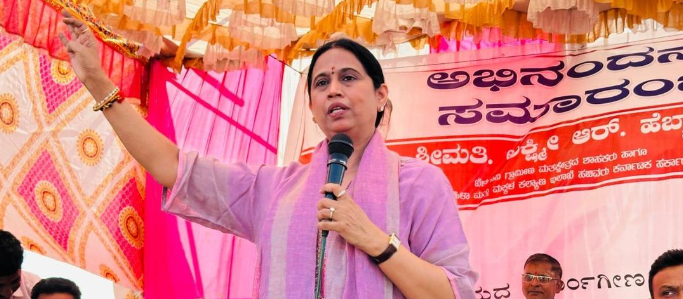
Karnataka Women and Child Development Minister Laxmi Hebbalkar on Tuesday triggered a fresh political debate by asserting that while some leaders make “empty speeches” on Hindutva, she is focused on tangible action by facilitating the construction of 152 temples. Her remarks, delivered at a public programme, were widely seen as a pointed response to critics who question her ideological positioning and commitment to cultural and religious causes.

Hebbalkar said that true devotion and cultural commitment should be measured through work on the ground rather than rhetoric. Without naming individuals, she criticised political leaders who, according to her, repeatedly invoke Hindutva in speeches but fail to translate it into meaningful initiatives that serve local communities. Her statement comes at a time when debates around religion, development, and political credibility are intensifying in Karnataka’s political landscape.

The Minister maintained that temple construction and renovation projects undertaken with her support were aimed at preserving local traditions, strengthening community bonds, and ensuring that places of worship in rural and semi-urban areas are properly maintained. She stressed that her actions were inclusive in nature and rooted in respect for faith rather than political symbolism.Some people make empty speeches on Hindutva while I am building 152 temples:  Karnataka Minister - The Hindu


ACTION OVER RHETORIC, SAYS MINISTER

Laxmi Hebbalkar said that her work in facilitating the construction of 152 temples reflects her belief that governance should respond to people’s cultural and spiritual needs alongside developmental priorities. She argued that in many villages, temples are not merely religious spaces but also serve as community centres where social and cultural life is anchored. According to her, strengthening these institutions contributes to social cohesion.

The Minister pointed out that several of these temples had been neglected for decades due to lack of funds or administrative attention. By mobilising resources and coordinating with local bodies, she said, the government has ensured that such heritage structures are restored and made accessible to devotees. She emphasised that these initiatives were carried out transparently and in accordance with existing norms.

Hebbalkar rejected the notion that support for temple construction contradicts secular governance. She argued that respecting all faiths and facilitating their legitimate needs is an essential part of inclusive administration. According to her, selective outrage over temple-related initiatives ignores the broader welfare work undertaken by the government across communities.

She also said that leaders should avoid using religion as a tool for political polarisation. Instead, she argued, faith-related initiatives should be handled with sensitivity, responsibility, and a focus on community welfare. Her remarks appeared aimed at repositioning the narrative around Hindutva from ideological posturing to service-oriented action.Karnataka minister Laxmi Hebbalkar suggests BJP to protest against central  govt for price hikes | Hubballi News - The Times of India


POLITICAL REACTIONS AND IDEOLOGICAL CONTEST

Hebbalkar’s statement drew sharp reactions from opposition parties, particularly those that position themselves as the primary proponents of Hindutva politics. Some leaders accused the Congress Minister of attempting to appropriate religious symbolism while belonging to a party that often criticises majoritarian politics. They alleged that temple construction was being highlighted selectively for political mileage.

Congress leaders, however, defended Hebbalkar, saying her remarks reflect the party’s approach of respecting all faiths while focusing on governance. They argued that the Minister’s work demonstrates that cultural engagement and secular governance are not mutually exclusive. Party sources said her comments should be seen in the context of responding to repeated accusations questioning her religious credentials.

Political analysts note that Hebbalkar’s remarks reveal the evolving nature of religious discourse in Karnataka politics. With religion continuing to play a significant role in public life, leaders across parties are increasingly seeking to demonstrate cultural engagement through visible actions rather than ideological claims alone.

Observers also point out that the focus on temple construction highlights a competitive political environment where credibility is often established through demonstrable outcomes. In this context, Hebbalkar’s assertion of having built 152 temples serves as a counter-narrative to opponents who dominate religious discourse through speeches and symbolism.


GOVERNANCE, FAITH, AND PUBLIC PERCEPTION

Experts say that public perception increasingly values action-oriented governance, even in areas linked to faith and culture. Hebbalkar’s emphasis on numbers and tangible work resonates with voters who expect leaders to deliver measurable outcomes. However, they caution that such initiatives must be balanced with broader development priorities to avoid accusations of selective focus.

The Minister also highlighted that her department’s primary responsibilities remain centred on women and child welfare, nutrition, and social development. She said religious and cultural initiatives should not overshadow core governance duties but can coexist as part of a holistic approach to administration.

Civil society voices have offered mixed reactions. While some welcomed the focus on preserving local temples and traditions, others urged the government to ensure that public funds are allocated equitably across sectors. They emphasised the need for transparency and accountability in all faith-related projects.

Hebbalkar also sought to contextualise her remarks within her long political career, stating that her engagement with religious institutions predates her ministerial position. She said her involvement with temple activities emerged from local demands and community participation rather than political calculation. According to her, many villages approached her for assistance in renovating dilapidated temples that lacked basic infrastructure, prompting her to facilitate support through legal and administrative channels.

She further stated that temple construction and renovation projects were undertaken with contributions from local communities, donors, and legally permissible government assistance. Hebbalkar emphasised that these initiatives were not imposed from above but reflected grassroots aspirations. She argued that community participation ensured transparency and ownership, reducing the scope for politicisation of religious work.

Political analysts observe that Hebbalkar’s statement reflects a broader shift within the Congress, where leaders are increasingly asserting cultural engagement to counter allegations of being indifferent or hostile to Hindu traditions. This strategy, they say, aims to neutralise opposition narratives while retaining the party’s emphasis on constitutional secularism and inclusivity.

Opposition leaders, however, argue that highlighting temple numbers risks reducing faith to a metric for political legitimacy. They contend that religious commitment cannot be measured through construction statistics and accused the Minister of entering a competitive religious discourse traditionally dominated by Hindutva-focused parties. Such criticism underscores the sensitive balance between faith-based initiatives and political messaging.

Supporters of Hebbalkar counter that her remarks expose what they describe as performative politics by some leaders who rely heavily on symbolism without delivering tangible outcomes. They argue that infrastructure development at places of worship addresses real needs and should not be dismissed as political theatre. According to them, action-oriented governance resonates more deeply with communities than ideological speeches.

Within Congress circles, Hebbalkar’s statement is being viewed as an assertion of individual political identity. Party insiders say leaders are increasingly encouraged to highlight constituency-level work to counter opposition narratives. This decentralised approach allows leaders to build personal credibility while aligning broadly with party ideology.

Sociologists note that temples in rural Karnataka often function as social hubs, hosting festivals, meetings, and welfare activities. In this context, investment in temple infrastructure can have social implications beyond religious practice. However, they caution that such initiatives must remain inclusive and avoid marginalising other faith communities.

The debate has also reignited discussions about the role of religion in governance. While the Constitution mandates secular administration, it also allows the state to facilitate religious institutions within legal boundaries. Experts say Hebbalkar’s defence rests on this constitutional balance, though its interpretation remains politically contested.

Public response to the Minister’s remarks has been mixed. Some citizens praised her for prioritising visible work over rhetoric, while others expressed concern that competitive religious claims could deepen political polarisation. This divergence reflects broader societal debates about how faith should intersect with public life and political authority.

As Karnataka’s political discourse evolves, Hebbalkar’s comments highlight the growing emphasis on demonstrable action as a source of legitimacy. Whether this approach reshapes narratives around Hindutva and governance or intensifies ideological competition will depend on how parties and voters interpret the relationship between faith, development, and political accountability in the months ahead.

Some people make empty speeches on Hindutva while I am building 152 temples:  Karnataka Minister - The Hindu

As debates continue, Hebbalkar’s remarks have added another layer to Karnataka’s complex political discourse, where religion, development, and credibility intersect. Whether her claims reshape public perception or intensify political contestation remains to be seen, but the statement has firmly placed action versus rhetoric at the centre of the Hindutva debate in the State.

Hebbalkar also addressed criticism that temple-related initiatives divert attention from pressing socio-economic issues. She argued that governance is not a zero-sum exercise and that cultural, social, and developmental responsibilities can be addressed simultaneously. According to her, supporting places of worship does not come at the cost of welfare programmes, as budgetary allocations and departmental priorities remain clearly demarcated. She said reducing governance to a binary choice between faith and development oversimplifies the complex needs of society.

The Minister further said that her actions should be viewed in the context of local governance realities, where elected representatives are often approached for help in resolving community concerns, including those related to religious institutions. She maintained that responding to such requests is part of public service and should not automatically be framed as ideological posturing. Hebbalkar said ignoring such demands could alienate communities and weaken trust between citizens and their representatives.

Political commentators observe that Hebbalkar’s remarks also reflect a changing communication style among leaders, where quantifiable achievements are increasingly used to counter ideological criticism. By citing a specific number of temples, she sought to anchor her argument in verifiable action rather than abstract positioning. Analysts say this reflects a broader trend in politics where credibility is built through demonstrable outcomes rather than ideological claims alone.

As reactions continue to unfold, the episode underscores how religion remains deeply embedded in Karnataka’s political discourse. Leaders across parties are navigating a fine line between cultural engagement and ideological signalling. Whether Hebbalkar’s emphasis on action reshapes the debate or further sharpens political contestation will depend on how voters interpret her remarks within the broader framework of governance, inclusivity, and public accountability.

Follow: Karnataka Government

Also read: Home | Channel 6 Network – Latest News, Breaking Updates: Politics, Business, Tech & More
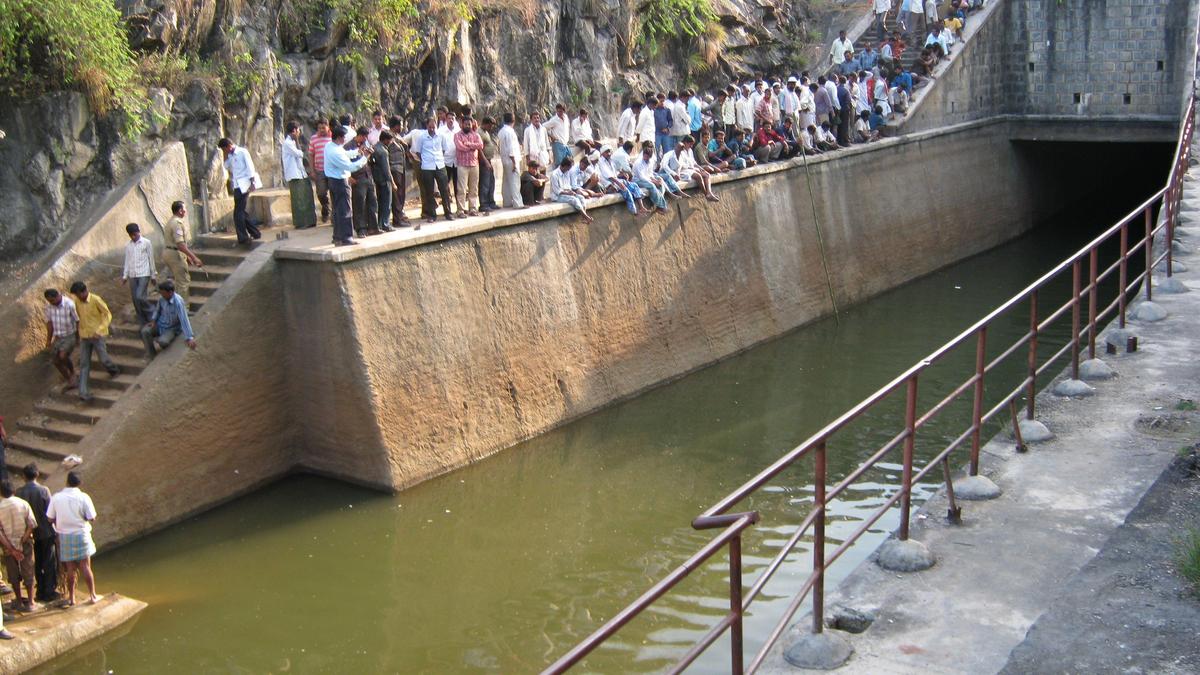
Kumaraswamy’s Calculated Alliance Call Reshapes Local Body Politics: STRATEGIC TURN WITH 1 CLEAR SIGNAL

Former Chief Minister and JD(S) leader H.D. Kumaraswamy on Tuesday indicated his preference for an electoral understanding with the Bharatiya Janata Party for the upcoming local body elections in Karnataka, a move that has stirred political debate across the State. His remarks signal a pragmatic approach aimed at strengthening the JD(S) at the grassroots level amid an increasingly bipolar political contest between the Congress and the BJP.

Speaking to reporters, Kumaraswamy said that local body elections require ground-level coordination rather than ideological rigidity. He argued that JD(S) must take decisions based on political realities, organisational strength, and the need to prevent vote fragmentation. According to him, an alliance with the BJP could help consolidate anti-Congress votes in several regions where JD(S) retains a traditional support base.

Kumaraswamy also stressed that any alliance decision would be driven by consultations with district and taluk-level leaders, who are more attuned to local political realities. He said leadership at the top cannot impose strategies without understanding grassroots dynamics, especially in local body elections where personal equations often outweigh party symbols. This consultative approach, he argued, would help the party avoid internal dissatisfaction and ensure that any understanding reflects ground-level consensus.

He further clarified that cooperation with the BJP does not mean compromising on JD(S)’s core principles or regional identity. According to Kumaraswamy, alliances are tools for governance and representation, not permanent ideological mergers. He said the party would continue to articulate its independent positions on state-specific issues even if it enters into tactical electoral arrangements at the local level.

Political analysts note that Kumaraswamy’s emphasis on flexibility reflects a broader shift in regional politics, where ideological boundaries are increasingly blurred at the grassroots. Local elections, they say, are often driven by development expectations rather than ideological commitments. In such a scenario, alliances become mechanisms to secure administrative influence rather than expressions of shared ideology.

The possible JD(S)–BJP understanding could also influence candidate selection strategies. Party insiders suggest that seat-sharing arrangements may focus on relative strengths, with each party contesting in areas where it has organisational advantage. This approach, analysts say, could reduce friction and improve electoral efficiency, though managing local rivalries will remain a challenge.

Observers also point out that the Congress may respond by strengthening its local networks and highlighting ideological contrasts. The ruling party is expected to emphasise its welfare agenda and portray itself as the only viable alternative to what it may label as opportunistic alliances. Such counter-narratives are likely to intensify as election schedules are announced.

As discussions continue, Kumaraswamy’s remarks have positioned JD(S) at the centre of Karnataka’s evolving local body political equations. Whether the party opts for a formal alliance, selective cooperation, or independent contests will have implications beyond local governance, shaping perceptions of JD(S)’s future role in state politics.

Kumaraswamy emphasised that the proposed understanding is being considered specifically for local body polls and should not be viewed through the lens of state or national politics. He said governance at the local level demands cooperation to ensure development, effective administration, and representation of local aspirations.

Union Minister for Heavy Industries and Steel and JD(S) State president H.D.  Kumaraswamy favours an alliance with the BJP for the local body elections  in Karnataka.


LOCAL BODY REALITIES AND ELECTORAL STRATEGY

The JD(S) leader pointed out that elections to gram panchayats, taluk panchayats, and zilla panchayats are largely driven by local issues such as roads, water supply, sanitation, and employment. In this context, Kumaraswamy said, political parties must prioritise winnability and grassroots strength rather than ideological positioning alone.

He noted that in several districts, JD(S) and BJP share overlapping voter bases, particularly among rural and agrarian communities. An understanding between the two parties, he argued, could help avoid multi-cornered contests that often benefit the Congress. Kumaraswamy maintained that such strategic coordination would enable better representation of regional interests and stronger local governance.

Political analysts say the statement reflects JD(S)’s effort to remain politically relevant in a landscape where it faces erosion of its traditional base. Aligning with the BJP in local elections could help the party retain influence in local bodies, which serve as important platforms for cadre building and future electoral mobilisation.


POLITICAL REACTIONS AND BROADER IMPLICATIONS

The Congress reacted sharply to Kumaraswamy’s remarks, accusing the JD(S) of abandoning its professed commitment to secular and regional politics. Congress leaders said the statement confirms what they described as a “tacit understanding” between JD(S) and BJP, even in previous elections. They argued that such alliances undermine the JD(S)’s claim of being an independent regional force.

Within the JD(S), reactions were mixed, with some leaders supporting Kumaraswamy’s pragmatic approach while others urged caution. Party insiders said discussions are ongoing and that final decisions would be taken after consultations with district-level leaders and cadres.BJP central leaders prefer coalition for local body polls amidst concerns  over protecting cadre interests - The Hindu

Political observers believe the proposed alliance could significantly alter local electoral dynamics. If implemented, it may strengthen the BJP-JD(S) combine in several rural pockets while posing a challenge to the Congress, which has traditionally relied on strong local body networks.

Analysts also point out that local body control often translates into administrative influence and political visibility. For JD(S), retaining a foothold at the grassroots is seen as essential for long-term survival. For the BJP, an alliance could help expand its reach in regions where it lacks deep organisational penetration.BJP–JD(S) Alliance at Crossroads Ahead of Local Body Elections: What Will  Be HD Kumaraswamy's Next Move? Bengaluru, January 14: The issue of an  alliance for the upcoming local body elections has turned

As Karnataka heads toward local body elections, Kumaraswamy’s remarks suggest a phase of strategic recalibration rather than ideological confrontation. Whether this proposed alliance materialises or remains a tactical signal will become clearer in the coming weeks, but it has already added a new dimension to the State’s evolving political equations.

Kumaraswamy underlined that local body elections are fundamentally different from Assembly or Lok Sabha polls, as candidates are often chosen based on personal credibility, caste equations, and local service records rather than party ideology. He said that rigid political positioning at the grassroots level often weakens regional parties like JD(S), which rely heavily on local networks and community-based support. An alliance, he argued, could help prevent unnecessary vote splits that weaken non-Congress forces.

The former Chief Minister also suggested that a tactical alliance would allow JD(S) to protect its traditional strongholds in Old Mysuru region, where the party continues to enjoy influence despite electoral setbacks. He said retaining control of local bodies in these regions is essential not just for political relevance but also for ensuring development projects are implemented without partisan bias. Analysts note that JD(S) sees local governance as its remaining institutional anchor.

Political observers say Kumaraswamy’s statement reflects a broader acceptance of coalition politics as a survival strategy for regional parties. With national parties dominating electoral narratives, smaller parties often face marginalisation unless they align strategically. In this context, Kumaraswamy’s remarks are seen as a realistic assessment of JD(S)’s current position rather than a sudden ideological shift.

The BJP has so far responded cautiously, with senior leaders stating that any alliance decision would be taken after evaluating ground-level feedback. Party insiders say that while cooperation could benefit both parties, seat-sharing arrangements and local rivalries could pose challenges. Analysts say negotiations, if they proceed, are likely to be complex and district-specific rather than a blanket statewide arrangement.

Congress leaders have argued that a JD(S)–BJP alliance would confuse voters and weaken JD(S)’s identity as a regional party. They claim that such an understanding would primarily benefit the BJP while reducing JD(S) to a junior partner. However, JD(S) leaders counter that electoral survival and representation matter more than ideological posturing at the local level.

Within JD(S), grassroots workers appear divided on the proposal. Some see an alliance as a practical move to regain lost ground, while others fear erosion of the party’s independent identity. Party sources said Kumaraswamy’s views would be discussed extensively in internal meetings before any formal announcement, highlighting the sensitivity of the decision.

Political analysts point out that local body elections often serve as a testing ground for larger alliances. Performance at the grassroots level can influence confidence, cadre morale, and future negotiations ahead of Assembly or parliamentary elections. In this sense, Kumaraswamy’s statement may also be read as a signal to both allies and rivals about JD(S)’s strategic direction.

The proposed alliance has also sparked debate among voters, particularly in rural areas where JD(S) has traditionally positioned itself as an alternative to national parties. Some voters see cooperation as a necessity to counter Congress dominance, while others worry it could dilute regional representation. Such mixed responses underline the political risks involved in coalition strategies.

Experts note that governance considerations also play a role in local alliances. Control over local bodies affects implementation of schemes, allocation of funds, and administrative coordination. Kumaraswamy argued that political cooperation at this level could lead to smoother governance, provided it is based on mutual respect and clearly defined responsibilities.

As the political climate heats up ahead of local body polls, Kumaraswamy’s remarks have added momentum to alliance discussions across parties. Whether the JD(S) and BJP translate this openness into a formal understanding or limit it to selective cooperation will significantly shape the local electoral landscape. For now, the statement underscores the evolving nature of Karnataka’s coalition politics and the strategic recalculations underway within regional parties.

Follow: Karnataka Government

Also read: Home | Channel 6 Network – Latest News, Breaking Updates: Politics, Business, Tech & More

H.D. Kumaraswamy Questions Siddaramaiah’s AHINDA Legacy, Alleges Protection to Corrupt Officers: 1 SHARP ATTACK REIGNITES DEBATE

Former Chief Minister and JD(S) leader H.D. Kumaraswamy on Tuesday launched a sharp political attack on Karnataka Chief Minister Siddaramaiah, questioning his actual contribution to the AHINDA framework and alleging that corrupt officers are being shielded under the present Congress government. His remarks have reignited political debate in the State, especially around social justice politics, governance, and administrative accountability.

Kumaraswamy also questioned the credibility of internal vigilance mechanisms within the state administration. He argued that when inquiries into corruption remain inconclusive or delayed, it raises doubts about the seriousness of the government’s commitment to clean governance. According to him, prolonged investigations without visible outcomes create public suspicion and allow accused officials to continue functioning without consequences. He said stronger and time-bound vigilance processes are necessary to restore public confidence.

The JD(S) leader further claimed that the Congress government’s narrative of social justice is weakened when administrative transparency is lacking. He argued that marginalised communities suffer the most when corruption goes unchecked, as leakages in welfare delivery directly affect those dependent on state support. Kumaraswamy said that genuine empowerment requires not only welfare announcements but also corruption-free implementation and responsive governance.

Political commentators note that such sharp exchanges are likely to intensify as parties prepare for future electoral contests. AHINDA remains a central ideological tool, and competing claims over its ownership are expected to shape campaign narratives. Analysts say governance performance, especially on corruption and bureaucratic accountability, will be closely scrutinised by voters beyond ideological assertions.

Ultimately, observers believe the controversy underscores a broader demand for measurable governance outcomes. Citizens increasingly expect transparency, swift action against wrongdoing, and clear evidence of social justice policies translating into real change. Whether the government responds with reforms or dismisses the criticism as political rhetoric may significantly influence public trust and the credibility of AHINDA politics in Karnataka.

Speaking to the media, Kumaraswamy said that Siddaramaiah frequently projects himself as the architect and protector of AHINDA — an acronym for minorities, backward classes, and Dalits — but has failed to deliver tangible outcomes for these communities. According to him, the concept has increasingly become a political slogan rather than a policy-driven commitment reflected in governance decisions.

Kumaraswamy alleged that under the current Congress rule, several officers facing serious allegations of corruption continue to hold influential positions. He claimed that instead of acting against such officials, the government has either transferred them to “comfortable postings” or ignored complaints altogether. This, he argued, contradicts the Congress party’s stated commitment to clean administration and social justice.

HDK questions Siddaramaiah's contribution to AHINDA, alleges corrupt  officers get protection in Karnataka - The Hindu


AHINDA POLITICS AND CLAIMED CONTRADICTIONS

Questioning Siddaramaiah’s long association with AHINDA politics, Kumaraswamy said that real empowerment of backward classes and marginalised groups requires systemic reforms, not rhetorical assertions. He alleged that communities under the AHINDA umbrella continue to face unemployment, lack of access to quality education, and inadequate representation in decision-making bodies.

The JD(S) leader said that if Siddaramaiah had genuinely strengthened AHINDA over decades in public life, the condition of these communities would not remain unchanged. He pointed to rural distress, farmer suicides, and stagnation in employment opportunities as indicators that governance has failed to translate ideology into action.

Kumaraswamy further accused the Congress government of selectively invoking AHINDA only during elections while pursuing policies that benefit a limited political and bureaucratic elite. He said this selective approach undermines the original spirit of inclusive politics and reduces social justice to a vote-gathering exercise.


ALLEGATIONS OF BUREAUCRATIC PROTECTION

A major part of Kumaraswamy’s criticism focused on the alleged protection being extended to tainted officers. He claimed that multiple complaints regarding corruption, irregularities in transfers, and misuse of power are pending without action. According to him, this has created an atmosphere where honest officers feel demoralised while erring officials operate with impunity.

He alleged that political patronage has weakened administrative discipline and accountability. Kumaraswamy said that governance cannot claim moral high ground if the system shields those accused of wrongdoing. “When corrupt officers are protected, it sends a dangerous signal that integrity is optional,” he remarked.

The former Chief Minister also questioned the Congress government’s silence on internal vigilance reports and audit findings. He argued that a truly reform-oriented administration would proactively disclose findings and take corrective action rather than dismiss criticism as political attacks.


CONGRESS RESPONSE AND POLITICAL CONTEXT

Congress leaders dismissed Kumaraswamy’s remarks as politically motivated and said the AHINDA framework remains central to the government’s policy agenda. They argued that several welfare schemes, social security initiatives, and budgetary allocations reflect the government’s commitment to marginalised communities.

Party leaders also accused Kumaraswamy of attempting to reclaim political relevance by attacking Siddaramaiah. They pointed out that Siddaramaiah’s political career has consistently focused on social justice issues and that the government has initiated measures aimed at redistribution and welfare.

However, political analysts note that Kumaraswamy’s remarks tap into a broader public debate about governance credibility. Allegations of bureaucratic protection, even when politically charged, tend to resonate with citizens frustrated by perceived lack of accountability in administration.HDK questions Siddaramaiah's contribution to AHINDA, alleges corrupt  officers get protection in Karnataka - The Hindu


WIDER IMPLICATIONS FOR STATE POLITICS

Observers say the exchange reflects deeper tensions within Karnataka’s political landscape, particularly as parties position themselves around social justice narratives. AHINDA has long been a powerful ideological framework in the State, and competing claims over its legacy are likely to intensify ahead of future electoral battles.

Analysts also point out that corruption allegations against bureaucrats place additional pressure on the government to demonstrate transparency. Even if the claims are contested, public perception plays a crucial role in shaping political narratives.HDK questions Siddaramaiah's contribution to AHINDA, alleges corrupt  officers get protection in Karnataka - The Hindu

As the political war of words continues, the spotlight remains on whether the government will address concerns related to accountability and governance, or whether the issue will remain confined to partisan exchanges. For now, Kumaraswamy’s remarks have ensured that debates around AHINDA, corruption, and administrative integrity remain firmly in the public discourse.

Kumaraswamy also questioned whether the benefits of welfare schemes claimed under the AHINDA framework were actually reaching intended beneficiaries. He alleged that implementation gaps, middlemen, and administrative delays had diluted the impact of several flagship programmes. According to him, marginalised communities continue to struggle with access to basic services despite repeated assurances from the government. He said that slogans alone cannot substitute measurable outcomes and accused the Congress of focusing more on optics than delivery.

The former Chief Minister further argued that social justice politics loses credibility when governance is perceived as selective or biased. He said that protecting officers accused of wrongdoing sends a message that political loyalty matters more than integrity. This, he claimed, disproportionately affects weaker sections who depend on a fair and transparent administration for access to welfare, land records, housing benefits, and grievance redressal.

Kumaraswamy also raised concerns about frequent transfers and postings within the bureaucracy, alleging that they were driven by political considerations rather than administrative necessity. He said such practices disrupt governance continuity and create an environment where officers focus on pleasing political masters instead of serving the public. According to him, this weakens institutional accountability and undermines public confidence in the system.

Political observers note that Kumaraswamy’s attack is also aimed at reclaiming space in the social justice discourse, traditionally dominated by the Congress. With AHINDA remaining a powerful mobilising concept, JD(S) leaders appear keen to challenge the Congress narrative and highlight perceived contradictions between ideology and governance. Analysts say this reflects an ongoing battle to define who truly represents backward classes and marginalised communities in Karnataka.

The controversy has also sparked discussions among civil society groups, some of whom argue that debates around AHINDA must go beyond political ownership. Activists say that the focus should shift to outcomes such as quality education, employment generation, healthcare access, and fair representation. They stress that social justice frameworks must be periodically evaluated to ensure they evolve with changing socio-economic realities.

Within the bureaucracy, Kumaraswamy’s remarks have triggered quiet unease, with some officers privately acknowledging that allegations of political pressure are not new. While many officers insist they function independently, others admit that fear of transfers or stalled careers can influence decision-making. Experts say strengthening institutional safeguards is essential to ensure officers can act without undue influence.

Congress leaders, meanwhile, have reiterated that allegations of protecting corrupt officers are unfounded and politically driven. They argue that disciplinary processes take time and must follow due procedure. Party spokespersons said selective highlighting of cases creates a misleading narrative and ignores actions taken against erring officials when evidence is established.

However, analysts point out that perception often outweighs process in public discourse. Even isolated incidents of inaction can fuel broader mistrust, especially when accompanied by political accusations. They note that governments must balance procedural fairness with visible accountability to maintain credibility among citizens.

The debate has also reignited questions about the future of AHINDA as a political and governance model. Critics argue that unless accompanied by structural reforms and transparent administration, the framework risks losing relevance. Supporters, however, maintain that it remains essential for addressing historical inequalities and must be strengthened rather than dismissed.

As political sparring continues, the issue has moved beyond individual leaders to larger questions of governance culture in Karnataka. Whether the controversy leads to concrete administrative reforms or remains a rhetorical battle will likely shape public opinion in the coming months. For now, Kumaraswamy’s remarks have ensured that scrutiny of power, accountability, and social justice remains firmly in focus.

Follow: Karnataka Government

Also read: Home | Channel 6 Network – Latest News, Breaking Updates: Politics, Business, Tech & More

ECI failed in SIR Draft Rolls as Mass Deletions Surface Across Tamil Nadu

0

ECI failed to verify SIR draft rolls as thousands of voters vanish in Tamil Nadu

ECI failed to ensure basic verification during the Special Intensive Revision (SIR) of electoral rolls in Tamil Nadu, leading to large-scale deletions that have raised serious concerns about the credibility of the process. The latest draft rolls show living voters marked as “deceased,” entire neighbourhoods removed in bulk, and eligible electors left unaware that their names no longer exist on voter lists.India Today | The Election Commission of India on December 19 published the integrated draft electoral roll for Tamil Nadu, following the Special... | Instagram

The issue is not limited to isolated cases. Field visits and data analysis reveal a pattern of sweeping deletions carried out without adequate checks. Voters who had appeared in previous electoral rolls, and even participated in recent elections, were suddenly removed during the SIR exercise.

In a small hamlet under the Tirumangalam constituency near Madurai, draft rolls showed 77 people listed as dead within a single year. Shockingly, 47 of them were below the age of 40. Ground verification revealed that many of them were alive and residing in the same location. Entire sequences of voters, listed consecutively in earlier rolls, were deleted in one stroke.

This booth alone saw 128 deletions, with 123 marked as deceased. The improbability of such a demographic event highlights the absence of even basic scrutiny before releasing the draft.

ECI failed as consecutive voter blocks were deleted without scrutiny

An analysis of deletions across districts indicates that this was not an administrative error limited to one region. At least 57 instances were identified where 50 or more voters, listed consecutively in earlier rolls, were removed together. Such patterns strongly suggest bulk action rather than individual verification.SIR kicks off in Tamil Nadu and 11 other states

In Madathukulam constituency in Tiruppur district, one rural booth saw 205 out of 276 deleted voters marked as deceased. More than half of them were under the age of 50. Overall, 35.6% of the booth’s voters disappeared from the draft rolls. Officials admitted that they lacked the tools and time to flag such anomalies before publication.

Statewide, nearly 97.4 lakh electors were dropped in the SIR draft. Despite this massive figure, there appears to have been no system-level audit to detect irregular trends like unusually high death markings or sudden mass removals in specific booths.

Officials at various levels acknowledged that many of those deleted are now submitting Form 6 applications for re-inclusion. However, this correction process depends entirely on voter awareness, which remains alarmingly low in many areas.

ECI failed voters as awareness gaps left many excluded

In urban areas like Vadapalani in Chennai, a single booth recorded 802 deletions from a voter base of 1,312. Records show that 753 people from the same booth had voted in the 2024 Lok Sabha election. The numbers simply do not add up.Tamil Nadu draft roll released after SIR, over 97 lakh voters deleted| India News

On Bhajanai Koil Second Street alone, 332 out of 485 voters were removed. Several residents said they were unaware that the SIR process was even underway. Couples who had lived in the same houses for decades were marked as “shifted” or “absent.” Some were marked deceased while standing very much alive in front of officials.

Similar patterns emerged in Egmore, where nearly half the voters in a booth were deleted. Even households that submitted enumeration forms were removed, raising questions about whether field data was properly recorded or reviewed.


View this post on Instagram


A post shared by National Herald (@nationalherald_nh)

What makes the situation more troubling is that while genuine residents were deleted, some voters who had actually shifted residences continued to remain on the rolls. This points to random and inconsistent application of deletion criteria.

Many officials privately admitted that the rushed timeline of the SIR exercise led to unintended consequences. But unintended or not, the responsibility lies squarely with the system that released unchecked draft rolls impacting millions. Also Read: Doctor Booked in Tamil Nadu After Court-Ordered Hospital Demolition Move in 2026

Conclusion

ECI failed to uphold the integrity of voter verification during the SIR process in Tamil Nadu. The scale and pattern of errors suggest systemic weaknesses rather than isolated mistakes. As corrections continue, the real concern remains whether all affected voters will even realise they were deleted before final rolls are published. The credibility of the electoral process depends not on corrections after damage, but on accuracy before publication.