Saturday, April 25, 2026
Home Blog Page 92

Pongal Bird 2026 Highlights a Rare Discovery in Tamil Nadu

0

Pongal Bird 2026 Records 343 Species With Rare Bluethroat Sighting

Pongal Bird 2026 has once again drawn attention to the rich bird diversity of Tamil Nadu and Puducherry, while also raising concerns about changing ecological patterns. Conducted over four days from January 14 to 17, the annual bird survey recorded a total of 343 bird species across different habitats. The most notable highlight of this year’s count was the first-ever recorded sighting of a female bluethroat in Tirupattur district, a rare winter migrant not previously documented in the region.Pongal Bird Count 2026 records 343 species, rare bluethroat sighted in Tamil Nadu's Tirupattur

The Pongal Bird Count has become an important citizen-led initiative that tracks bird populations across wetlands, forests, farmlands, villages, and urban areas. This year’s findings reflect both the strength of local ecosystems and the growing challenges faced by migratory and resident bird species.

Pongal Bird 2026 Documents Migratory and Resident Species Across Regions

During Pongal Bird 2026, birders documented several migratory species in large numbers. Rosy starlings, barn swallows, and northern pintails were commonly observed across multiple districts. These winter visitors typically arrive in South India during the colder months, using wetlands and open fields as feeding and resting grounds.

Resident species were also widely recorded. Eastern cattle egrets, glossy ibises, and Indian pond herons were seen across rural and semi-urban landscapes, indicating that certain local habitats continue to support stable bird populations. In addition to commonly sighted species, birders recorded notable appearances of tufted ducks, taiga flycatchers, and blue-cheeked bee-eaters, highlighting the ecological diversity of the surveyed regions.12th PONGAL BIRD COUNT 2026 Taste the sweetness of Pongal and enjoy with birds! FOR MORE DETAILS: https://birdcount.in/event/pongal-bird-count-2026-english/ Salem Ornithological Foundation. #pongal #pongal2026🌾🔥❤️ #pongalopongal #happypongal ...

A significant contribution came from surveys conducted across Puducherry, Cuddalore, and Villupuram districts, where extensive wetland coverage allowed birders to document a wide range of waterbirds. Several inland water bodies served as key observation points during the four-day count.

However, birders also observed a noticeable decline in the presence of certain duck species that were previously common. Species such as the Eurasian wigeon were not recorded in expected numbers, pointing to possible changes in water availability and habitat conditions.

Pongal Bird 2026 Raises Concerns Over Habitat and Participation Gaps

While Pongal Bird 2026 recorded an impressive number of species, the overall count showed a decline compared to previous years. In 2024, birders recorded 352 species, and in 2025, the number rose to 383. This year’s total of 343 species represents a drop that bird experts believe is influenced by multiple factors.12th PONGAL BIRD COUNT 2026 Taste the sweetness of Pongal and enjoy with birds! FOR MORE DETAILS: https://birdcount.in/event/pongal-bird-count-2026-english/ Salem Ornithological Foundation. #pongal #pongal2026🌾🔥❤️ #pongalopongal #happypongal ...

One key reason identified is reduced participation from certain regions, particularly Kanniyakumari, which had strong birding contributions in earlier years. Fewer checklists submitted from this biodiversity-rich district may have affected the overall count. Organisers also noted that some sightings are still under verification and that additional data may slightly alter the final figures.

Environmental factors also played a role. Reduced water storage levels in wetlands and drought-like conditions in some areas may have impacted migratory patterns. Birds that depend heavily on large water bodies for feeding and breeding may have diverted to other regions due to insufficient resources.

In southern Tamil Nadu, surveys recorded encouraging signs, including large gatherings of knob-billed ducks and painted storks in select ponds. Educational institutions also played a role, with students participating in local surveys and documenting bird species in surrounding villages and agricultural areas.

These findings underline the importance of continued monitoring and conservation efforts. Changes in bird populations often reflect deeper environmental shifts, including climate variability, habitat loss, and water management challenges. Also Read: Doctor Booked in Tamil Nadu After Court-Ordered Hospital Demolition Move in 2026

Conclusion

Pongal Bird 2026 not only celebrated the sighting of a rare bluethroat but also highlighted the need for stronger habitat protection and wider participation in citizen science. While the count reaffirmed Tamil Nadu’s avian richness, it also served as a reminder that conservation efforts must keep pace with environmental change.
Karaikal Farmers Caught Between Crop Loss and Delayed Relief in 2026

0

Karaikal Farmers Await Compensation After Severe Crop Loss in 2025-26 Season

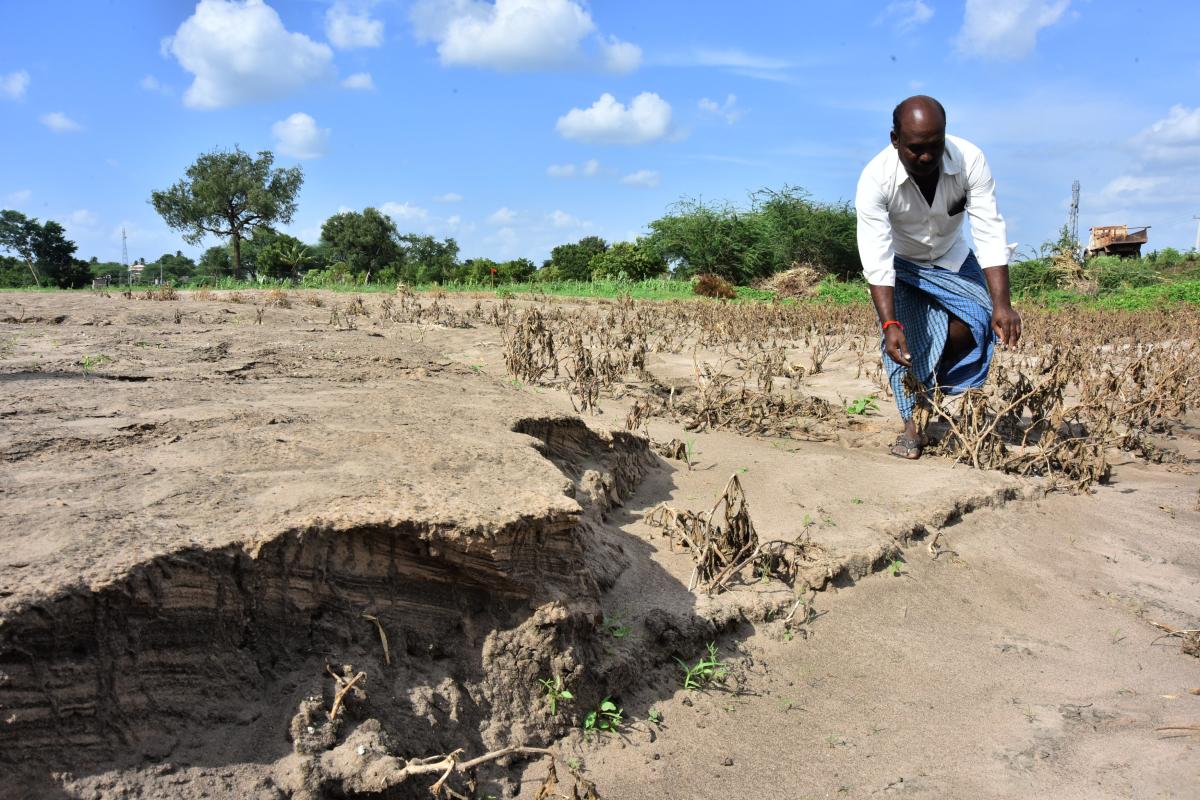
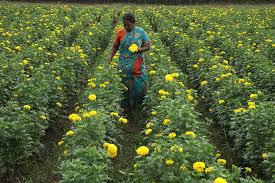
Karaikal farmers are waiting for relief from the Puducherry government after large-scale crop damage caused by the northeast monsoon and Cyclone Ditwah during the 2025–26 paddy harvesting season. Across Karaikal region, nearly 4,500 hectares of cultivated land have been affected, leaving farming families under heavy financial stress at the peak of harvest time.3.6 lakh farmers in Tamil Nadu to get Rs 290 crore in compensation for crop  damage

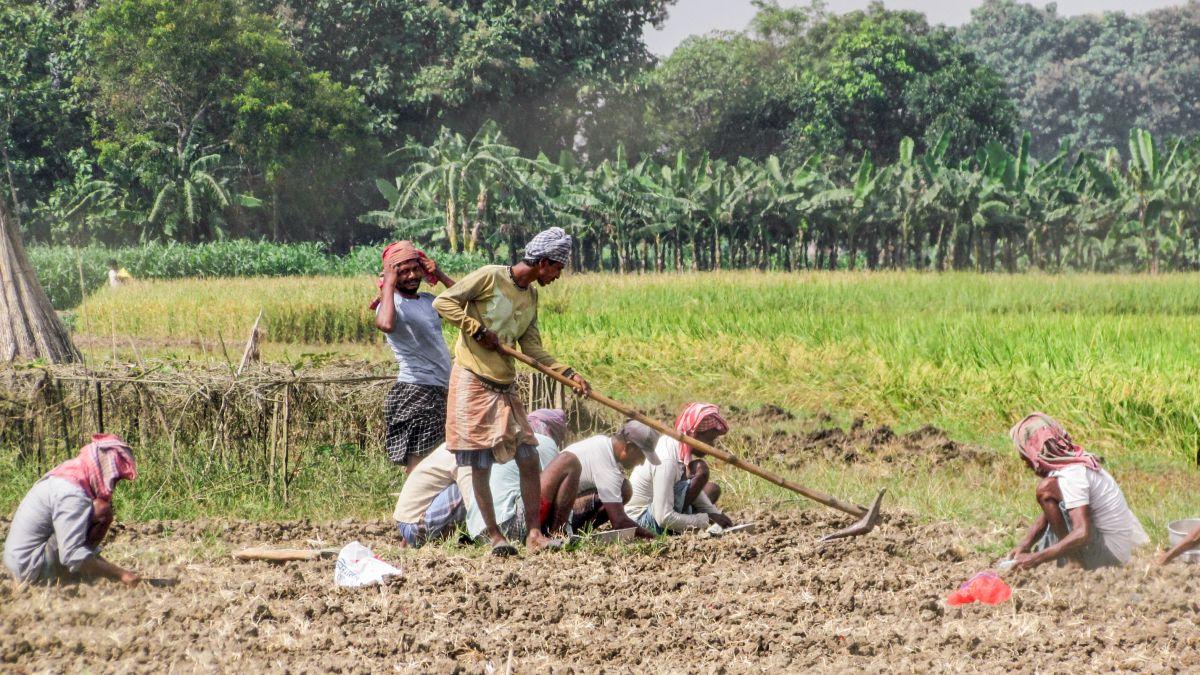
The current season saw the cultivation of samba and thaladi paddy across thousands of hectares. Farmers planted both high-yielding and traditional rice varieties, expecting a stable harvest. However, repeated spells of excess rainfall, followed by cyclone-related flooding, severely impacted standing crops just weeks before harvesting could begin.

Many farmers say this season has been one of the most challenging in recent years, as unpredictable weather patterns damaged crops that were otherwise healthy and ready for harvest.

Karaikal Farmers Face Heavy Losses After Months of Investment

Farmers in Karaikal report that they invested heavily in the season, spending at least ₹30,000 per acre on seeds, fertilisers, labour, irrigation, and crop protection. High-yielding varieties such as CR 1009, BPT, and IR 20 were widely cultivated alongside traditional rice varieties including Karuppu Kavuni, Mappillai Samba, Seeraga Samba, Thanga Samba, and Kichadi Samba.No 'parihara' for this: Karnataka farmers cry foul over crop loss  compensation

As the crops matured, prolonged rainfall led to waterlogging in many fields. In several areas, farmers observed black spot disease, which caused grain hardening and affected both yield quantity and quality. This has reduced market value and made harvesting economically unviable in some cases.

Farmers say the timing of the damage has worsened their situation. With most expenses already incurred and income now uncertain, many are struggling to repay loans taken for cultivation. Small and marginal farmers, in particular, fear slipping into debt as they have little savings to absorb such losses.

Farmer representatives have stated that climate changes and repeated weather extremes are increasing production risks, making government intervention more critical than ever.

Karaikal Farmers Urge Puducherry Government to Act Quickly

Farmers have urged the Puducherry government to announce relief compensation at the earliest, pointing out that neighbouring Tamil Nadu has already declared financial assistance for farmers affected by similar weather conditions. They say timely compensation is essential not only to cover losses but also to prepare for the next agricultural season.Maha farmers get Rs 3 as compensation under crop insurance scheme -  Rediff.com

According to farmer associations, delayed relief could discourage cultivation in the coming months, affecting food production and rural livelihoods. They have requested that compensation be announced before the Republic Day period, allowing farmers some financial stability and confidence to continue farming.

Officials from the agriculture department have confirmed that a detailed assessment report on submerged and damaged crops has been submitted to the government. The report includes data on areas affected by monsoon rains and cyclone-related flooding. Authorities say that further action will depend on decisions taken at higher levels.

Farmers, however, remain anxious as past experiences have shown that delays in compensation often worsen their economic condition. With rising input costs and unstable weather patterns, they argue that swift administrative response is no longer optional but necessary. Also Read: Doctor Booked in Tamil Nadu After Court-Ordered Hospital Demolition Move in 2026

The situation in Karaikal highlights the growing vulnerability of agriculture to extreme weather and the urgent need for responsive relief mechanisms. For many farming families, government support at this stage could determine whether they recover or fall deeper into financial hardship.

Conclusion

For Karaikal farmers, the 2025–26 season has brought uncertainty instead of reward. As crops lie damaged and expenses remain unpaid, timely relief from the Puducherry government has become crucial to protect livelihoods and sustain farming in the region.

Majhi Ladki Bahin Yojana e-KYC Update: Women Beneficiaries Who Missed Deadline Can Complete Verification Through This Process

New Process for Missed e-KYC Beneficiaries

The Maharashtra government has announced a major update for women enrolled under the Mukhyamantri Majhi Ladki Bahin Yojana who were unable to complete the mandatory e-KYC verification by the December 31, 2025 deadline. Many beneficiaries faced technical issues or procedural challenges while completing their e-KYC, leading to potential disruption of the monthly financial assistance of ₹1,500. In response, the state has introduced an alternative verification process to help affected women retain their benefits and ensure inclusion in the scheme.

Why e-KYC Was Necessary in the First Place

When the Ladki Bahin Yojana was launched, e-KYC was made mandatory for all beneficiaries to establish identity and eligibility, with the aim of streamlining disbursement and curbing misuse of funds. Beneficiaries were originally given a deadline of December 31, 2025, to complete this digital Know Your Customer process through the official scheme portal. Failure to do so would result in suspension of benefits due to incomplete verification.

Under this policy, every beneficiary is expected to upload Aadhaar-linked details and authenticate the information using OTP based procedures. The process also includes required fields such as linking bank accounts for direct benefit transfer and may involve additional steps such as providing relative Aadhaar authentication to confirm eligibility criteria.

Majhi Ladki Bahin Yojana e-KYC Update Women Beneficiaries Who Missed Deadline Can Complete Verification Through This Process says Maharashtra Government

Technical Issues Led to Missed Deadlines

Despite earnest efforts by many beneficiaries, a significant number were unable to complete the process due to various technical obstacles. Women in rural and remote areas, in particular, encountered hurdles such as OTP failures, server downtime, incorrect form entries, and difficulty linking Aadhaar with bank accounts. Some beneficiaries also reported selecting incorrect options during the online process, which led to e-KYC failure. These glitches prevented the automatic continuation of the monthly stipend for several months in some cases.

Alternative Physical Verification Now Available

To address these issues and prevent deserving women from losing out on benefits due to technical barriers, the government has instructed district collectors to conduct physical field verification of affected beneficiaries. This verification will be carried out through anganwadi workers at the local level, who will visit the homes or communities of these women to confirm their eligibility and correct records.

The directive aims to ensure that the benefits of the scheme reach the rightful recipients without unnecessary exclusion. Officials have clarified that this verification is not a punitive action but a corrective process designed to resolve discrepancies and support genuine beneficiaries who faced procedural problems.

Guidance from the Women and Child Development Ministry

Women and Child Development Minister Aditi Tatkare has emphasised the importance of the Ladki Bahin Yojana in empowering women by improving their economic stability, health and nutrition outcomes. In her announcement, she highlighted that the government is committed to ensuring that the monthly assistance continues uninterrupted for all eligible women.

Minister Tatkare urged beneficiaries who encountered errors during their e-KYC submission to cooperate fully with anganwadi workers and local officials during the physical verification process. She reiterated that the aim of these measures is to uphold transparency while safeguarding the social welfare goals of the scheme.

images 12 1
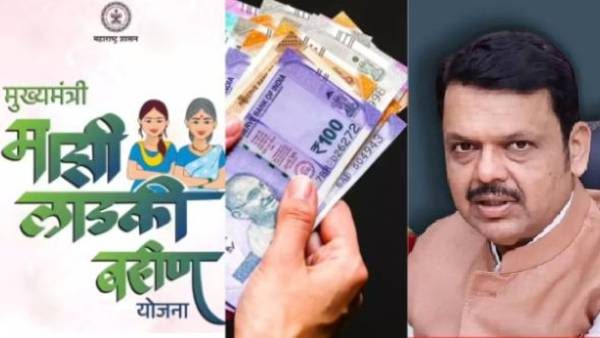
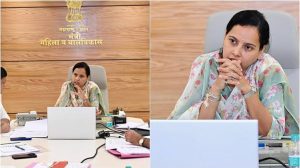
After the confusion over questions in the mandatory e-KYC process of Mukhyamantri Majhi Ladki Bahin Yojana surface, Women and Child Welfare (WCD) Department Minister Aditi Tatkare announced to carry physical verification of these respondents, extending the process.

Who Can Benefit From the New Process

The alternative verification process is intended primarily for those women who:

  • Did not complete their e-KYC by the December 31, 2025 deadline.
  • Encountered technical issues that prevented successful authentication.
  • Made errors while entering information that led to rejection or suspension of benefits.

Women whose e-KYC status remains unresolved and whose payments have been paused are encouraged to await physical verification and ensure they provide accurate information during those visits.

Importance of Completing e-KYC to Avoid Future Issues

Although physical field verification is now available as an alternative route, completing the official e-KYC online remains the simplest and most direct method to validate eligibility. Women can check their e-KYC status and complete the process by visiting the official portal of the Ladki Bahin Yojana at ladakibahin.maharashtra.gov.in.

Officials caution that future benefits — including monthly instalments and any potential increases — may still be contingent on successful verification. Therefore, beneficiaries who have access to internet facilities and support should complete their e-KYC online where possible.

Scheme Overview and Beneficiary Numbers

The Mukhyamantri Majhi Ladki Bahin Yojana was introduced to provide financial assistance of ₹1,500 per month to eligible women in Maharashtra, particularly those from economically disadvantaged households. Earlier reports suggested that millions of women benefit from this scheme, which has seen a wide roll-out across both urban and rural areas of the state.

Government data previously indicated that about 2.25 crore women were enrolled under the scheme, although subsequent verification exercises and digital audits revealed several ineligible entries that needed correction. The e-KYC mandate was seen as a key step in ensuring eligibility verification and reducing misuse of funds.

What Beneficiaries Should Do Next

Beneficiaries who have not received their instalments due to incomplete or failed e-KYC are advised to:

  1. Await physical verification by anganwadi workers if they missed the deadline or encountered errors.
  2. Ensure their Aadhaar information is accurate and link it correctly with their bank account details if not already done.
  3. Visit the official portal at ladakibahin.maharashtra.gov.in to attempt online e-KYC completion if feasible.

Women who fall under special circumstances — such as widows, divorcees, or those whose husbands or fathers are deceased — may have to submit additional supporting documents during physical verification to avoid future delays in receiving benefits.

Government Focus on Inclusive Implementation

The introduction of physical verification alongside the existing e-KYC process reflects the Maharashtra government’s effort to make welfare delivery more inclusive and responsive to on-ground realities. By addressing both digital and non-digital challenges, officials aim to minimise exclusions and reinforce the scheme’s impact on women’s economic empowerment.

In describing the update, senior officials noted that ensuring continuity of benefits and correcting procedural errors takes precedence over strict procedural deadlines. This move is expected to reassure beneficiaries that technical setbacks will not automatically deprive them of their rightful support.

Conclusion: A Lifeline for Eligible Women

The recent update on the Majhi Ladki Bahin Yojana’s e-KYC process provides relief and a second chance for many women in Maharashtra who faced hurdles in completing digital verification. With physical verification now an available option, eligible beneficiaries have renewed hope of receiving uninterrupted financial assistance and continuing to benefit from the scheme designed to uplift their economic condition and well-being.

Read More: https://channel6network.com/abhay-bhutada-foundation-youth-sports/

Sandeshkhali SIR Hearings Violence 2026 – Detailed Analysis of Mob Attack, Villager Allegations, and Governance Lessons for Bengal

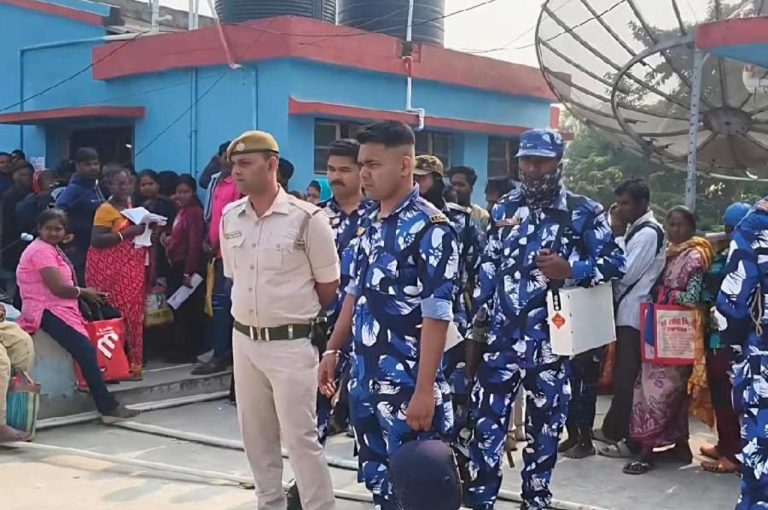
The Sandeshkhali SIR hearings violence 2026 has become one of the most alarming episodes in Bengal’s ongoing voter roll revision exercise. Over 100 people stormed the Sandeshkhali‑I Block Development Office (BDO) in North 24‑Parganas, vandalising furniture, laptops, computers, and documents while the Special Intensive Revision (SIR) hearings were underway.

Villagers alleged misbehaviour by officials and expressed frustration over a technical snag in the Election Commission’s system, which reportedly rejected Madhyamik admit cards despite a Supreme Court directive to accept them as valid proof of age.


2. Sandeshkhali SIR Hearings Violence 2026: The Incident

  • Mob attack: Over 100 people shouting slogans stormed the BDO office.
  • Damage: Furniture, laptops, computers, and documents vandalised.
  • Panic: Employees fled as hearings were disrupted.
  • Police response: Initial inaction alleged; later, Nazat police dispersed the mob.
  • Resumption: Hearings resumed in the afternoon after temporary suspension.

3. Villagers’ Allegations

  • Misbehaviour: Officials allegedly insulted and harassed villagers during hearings.
  • Technical snag: EC’s online system rejected Madhyamik admit cards.
  • Repeated summons: Villagers complained of being called multiple times for trivial discrepancies.
  • Frustration: Many felt harassed and disenfranchised.
  • Quote: “The EC is testing our patience. There should be an end to such harassment,” said one villager.

4. Political Reactions

  • BJP: Blamed Mamata Banerjee for inciting violence and obstructing the SIR process.
  • Suvendu Adhikari: Accused TMC of voter harassment and poor data entry management.
  • TMC: Called the incident a “spontaneous outburst of public anger” against harassment.
  • Civil society: Expressed concern over repeated violence at BDO offices across Bengal.

5. Governance Challenges

The Sandeshkhali violence reflects systemic governance issues:

  • Electoral transparency: Lack of trust in the voter roll revision process.
  • Administrative neutrality: Allegations of bias against election officials.
  • Public safety: Violence undermines democratic processes.
  • Judicial oversight: Supreme Court’s directive on admit cards not implemented effectively.

6. Wider Pattern of Violence

  • Farakka & Chakulia: Similar attacks on BDO offices reported earlier.
  • Bhangar bombing: A TMC worker narrowly escaped a bomb attack in South 24‑Parganas.
  • Beldanga unrest: Calcutta High Court refused BJP’s plea for central forces, directing state police to maintain peace.

7. Government External Links for Assistance


8. Historical Context of Electoral Disputes in Bengal

  • 1970s–80s: Allegations of voter list manipulation during Left Front rule.
  • 2011: TMC rose to power, promising electoral reforms.
  • 2019–2021: BJP gained ground, raising concerns about fictitious voters.
  • 2026: Sandeshkhali violence reflects continuity of disputes over voter rolls.

9. Community Impact

  • Families: Fear wrongful deletion of names due to minor errors.
  • Students: Frustrated by rejection of Madhyamik admit cards.
  • Civil society groups: Demand transparency and grievance redressal mechanisms.
  • Opposition voices: Warn of potential misuse of relaxed verification standards.

10. Global Comparisons

Similar electoral disputes worldwide:

  • USA: Allegations of voter suppression through purges in Georgia and Florida.
  • UK: Concerns about disenfranchisement under new voter ID laws.
  • Nigeria: Disputes over duplicate registrations and ghost voters.

Bengal’s case mirrors these global struggles where electoral integrity collides with political rivalry and human vulnerability.


11. Governance Lessons

The Sandeshkhali violence teaches:

  • Transparency in electoral processes is non‑negotiable.
  • Neutrality of election officials must be ensured.
  • Community engagement reduces panic and misinformation.
  • Judicial oversight is vital to protect democratic rights.

12. Future Outlook – Electoral Governance in Bengal

India must move towards:

  • Digitised grievance redressal portals for voter roll issues.
  • Periodic audits of electoral rolls by independent agencies.
  • Public dashboards showing deletions and additions transparently.
  • Educational campaigns to help citizens verify their status.

13. Conclusion

The Sandeshkhali SIR hearings violence 2026 is more than a local skirmish—it is a test of India’s democratic resilience. As mobs storm BDO offices and villagers allege harassment, ordinary citizens bear the brunt of confusion and insecurity. For Bengal, the lesson is clear: democracy thrives when governance delivers clarity, fairness, and respect for citizens.

Also read: Home | Channel 6 Network – Latest News, Breaking Updates: Politics, Business, Tech & More

Siliguri BJP MLA Hunger Strike 2026 – Detailed Analysis of Blocked Development Projects, Political Reactions, and Governance Lessons for Bengal

The Siliguri BJP MLA hunger strike 2026 has brought renewed attention to the city’s stalled development projects. A Bharatiya Janata Party (BJP) legislator announced plans to fast in protest against the West Bengal government, accusing it of deliberately blocking infrastructure and welfare initiatives in Siliguri.

This confrontation underscores the deep political rivalry between the ruling Trinamool Congress (TMC) and the opposition BJP, while also highlighting governance challenges in one of Bengal’s most strategically important urban centres.


2. Siliguri BJP MLA Hunger Strike 2026: The Protest

  • Form of protest: Hunger strike announced by BJP MLA.
  • Reason: Alleged obstruction of development projects by the state government.
  • Location: Siliguri, a gateway city to North Bengal and the Northeast.
  • Objective: To draw public attention to stalled projects and pressure the government into action.

3. Why Siliguri Matters

  • Strategic location: Connects Bengal to Sikkim, Bhutan, Nepal, and the Northeast.
  • Economic hub: Known for tea, timber, and trade.
  • Tourism gateway: Entry point to Darjeeling, Dooars, and Sikkim.
  • Political battleground: BJP and TMC both see Siliguri as crucial for expanding influence in North Bengal.

4. Community Concerns

  • Residents: Frustrated by delays in infrastructure projects.
  • Business stakeholders: Demand better roads, drainage, and civic facilities.
  • Civil society: Calls for depoliticisation of development.
  • Youth: Seek employment opportunities linked to urban growth.

5. Political Context

  • BJP’s narrative: State government deliberately blocking projects to undermine opposition‑led constituencies.
  • TMC’s response: Accuses BJP of politicising development and exaggerating issues.
  • Civil society: Urges cooperation between parties for Siliguri’s growth.
  • Electoral impact: Hunger strike seen as a symbolic move to mobilise public sentiment ahead of elections.

6. Governance Challenges

The hunger strike reflects systemic governance issues:

  • Partisan politics: Development projects often stalled due to political rivalry.
  • Urban infrastructure gaps: Roads, drainage, and healthcare facilities remain inadequate.
  • Trust deficit: Citizens sceptical of promises from both parties.
  • Judicial oversight: Courts may be called upon to ensure fairness in project approvals.

7. Government External Links for Assistance


8. Historical Context of Siliguri’s Development Politics

  • 2000s: Siliguri emerged as a key urban centre in North Bengal.
  • 2011: TMC’s rise shifted political focus to rural welfare, leaving urban projects contested.
  • 2019–2021: BJP gained ground in North Bengal, intensifying rivalry.
  • 2026: Hunger strike reflects continuity of disputes over urban development.

9. Community Impact

  • Families: Frustrated by lack of civic amenities.
  • Students: Demand better educational infrastructure.
  • Business stakeholders: Call for improved connectivity to boost trade.
  • Civil society groups: Demand participatory urban planning.

10. Global Comparisons

Similar urban development disputes worldwide:

  • Brazil: Cities like Rio faced delays due to political rivalry.
  • South Africa: Urban projects stalled amid governance disputes.
  • USA: Infrastructure bills often contested along partisan lines.

Siliguri’s case mirrors these global struggles where urban growth collides with political rivalry and governance gaps.


11. Governance Lessons

The Siliguri hunger strike teaches:

  • Urban development must be depoliticised.
  • Transparency in project approvals is essential.
  • Community participation ensures legitimacy.
  • Judicial oversight protects democratic values.

12. Future Outlook – Urban Governance in Bengal

India must move towards:

  • Balanced urban policies combining infrastructure and welfare.
  • Digitised project dashboards to track progress.
  • Public‑private partnerships for sustainable development.
  • Educational campaigns linking urban growth with civic responsibility.

13. Conclusion

The Siliguri BJP MLA hunger strike 2026 is more than a protest—it is a test of Bengal’s ability to reconcile political rivalry with urban governance. As BJP and TMC clash over development projects, ordinary citizens bear the brunt of stalled progress. For Bengal, the lesson is clear: democracy thrives when governance delivers clarity, fairness, and respect for citizens.


Also read: Home | Channel 6 Network – Latest News, Breaking Updates: Politics, Business, Tech & More

Mamata Banerjee Plans Singur Meet 2026 – Strategic Response to Modi’s Rally and Revival of Bengal’s Industrial Debate

Mamata Banerjee Plans Singur Meet 2026: West Bengal Chief Minister Mamata Banerjee is expected to hold a political meeting in Singur next week, just days after Prime Minister Narendra Modi’s rally in the state. The move is seen as a strategic attempt to reclaim the symbolic ground of Singur, which has long represented the clash between industrialisation and farmers’ rights in Bengal politics.


1. Context of the Announcement

  • Singur’s symbolism: The site of the aborted Tata Nano factory project in 2008, which became the cornerstone of Mamata Banerjee’s rise to power.
  • Modi’s rally: The Prime Minister recently addressed a rally in Bengal but avoided mentioning Singur, sparking speculation.
  • Mamata’s move: By holding a meeting in Singur, she aims to reassert her political ownership of the issue and counter BJP’s narrative of industrial revival.

2. Political Significance

  • TMC strategy: Reinforce the narrative that Singur was a victory for farmers against forced land acquisition.
  • BJP’s counter: State BJP leaders, including Samik Bhattacharya, have promised industry on the Singur plot, positioning it as a lost opportunity under TMC.
  • Electoral impact: Singur remains a touchstone for Bengal’s voters, especially in rural and industrial constituencies.

3. Governance Challenges

The Singur debate highlights systemic governance issues:

  • Land acquisition: Balancing farmers’ rights with industrial needs.
  • Industrialisation: Bengal lags behind other states in attracting investment.
  • Trust deficit: Farmers remain sceptical after past controversies.
  • Political rivalry: Industrialisation debates often overshadow policy clarity.

4. Community Concerns

  • Farmers: Divided between pride in TMC’s victory and hope for jobs through industry.
  • Youth: Demand employment opportunities, see industry as future.
  • Civil society: Call for balanced development respecting both agriculture and industry.
  • Business stakeholders: Interested in clarity on land policy before investing.

5. Historical Context of Singur

  • 2006: Tata Motors began construction of Nano factory.
  • 2008: Tata withdrew after protests led by Mamata Banerjee.
  • 2011: TMC used Singur as a key campaign issue to win power.
  • 2016: Supreme Court ruled land acquisition illegal, ordering return of land to farmers.
  • 2026: Mamata’s planned meet reopens the debate amid BJP’s industrial promises.

6. Global Comparisons

Similar land‑industry disputes worldwide:

  • China: Balances rapid industrialisation with rural displacement.
  • Brazil: Agro‑industrial conflicts between farmers and corporations.
  • South Africa: Land reform debates intersect with industrial development.

Singur’s case mirrors these global struggles where land, livelihood, and industrialisation collide in political discourse.


7. Government External Links for Assistance


8. Governance Lessons

The Singur debate teaches:

  • Industrialisation must respect farmers’ rights.
  • Transparency in land acquisition is essential.
  • Community participation ensures legitimacy.
  • Judicial oversight protects democratic values.

9. Mamata Banerjee Plans Singur Meet 2026: Future Outlook

India must move towards:

  • Balanced land policies combining agriculture and industry.
  • Digitised land records to prevent disputes.
  • Public dashboards showing industrial project progress.
  • Educational campaigns linking industrialisation with employment.

✅ Conclusion

Mamata Banerjee’s planned Singur meet in 2026 is more than a political event—it is a symbolic reaffirmation of her legacy and a direct counter to BJP’s industrialisation narrative. For Bengal, the lesson is clear: democracy thrives when governance delivers jobs, fairness, and respect for both farmers and industry.

Also read: Home | Channel 6 Network – Latest News, Breaking Updates: Politics, Business, Tech & More

Tea Garden Ambulance Service Bengal 2026 – Detailed Analysis of Free Healthcare Initiative, Worker Welfare, and Governance Lessons

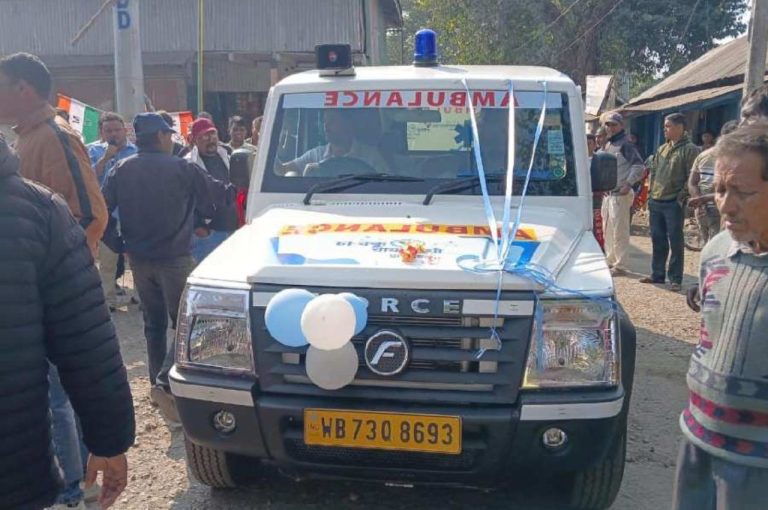
The tea garden ambulance service Bengal 2026 marks a significant step in the state’s commitment to improving healthcare access for marginalised communities. The West Bengal government has launched a free ambulance service in tea gardens, aimed at supporting workers and their families who often struggle with limited medical facilities in remote areas.

This initiative is seen as both a welfare measure and a political message, reinforcing the government’s focus on rural healthcare and worker rights.


2. Tea Garden Ambulance Service Bengal 2026: The Initiative

  • Location: Tea gardens in Alipurduar district, North Bengal.
  • Beneficiaries: Tea garden workers and their families.
  • Service: Free ambulance facilities to transport patients to hospitals.
  • Objective: To reduce delays in medical treatment and improve emergency response.
  • Symbolism: Reinforces the government’s commitment to worker welfare in politically sensitive tea belt regions.

3. Why Ambulance Services Matter in Tea Gardens

  • Geographic isolation: Tea gardens are often located in remote, hilly areas with poor connectivity.
  • Healthcare gaps: Limited access to hospitals and doctors.
  • Worker vulnerability: Tea workers face occupational hazards, malnutrition, and chronic illnesses.
  • Emergency needs: Ambulances ensure timely transport during accidents, pregnancies, and critical illnesses.

4. Community Reaction

  • Workers: Expressed relief at having free emergency transport.
  • Families: Welcomed the initiative as a safeguard for children and elderly.
  • Civil society: Called for expansion of services to all tea gardens.
  • Youth: Saw the initiative as recognition of their community’s struggles.

5. Political Context

  • Government of West Bengal: Framed the initiative as part of its welfare agenda.
  • Opposition voices: Questioned whether ambulances alone can solve healthcare gaps.
  • Civil society: Urged integration of ambulance services with broader healthcare reforms.
  • Tourism stakeholders: Saw potential for improved image of tea tourism with better healthcare facilities.

6. Governance Challenges

The ambulance service reflects systemic governance issues:

  • Infrastructure gaps: Roads and hospitals remain inadequate in many tea garden areas.
  • Funding: Sustaining free services requires consistent budget allocation.
  • Community engagement: Workers must be involved in monitoring usage.
  • Integration: Ambulance services must connect with primary healthcare centres and hospitals.

7. Government External Links for Assistance


8. Historical Context of Tea Garden Welfare

  • Colonial era: Tea plantations established with little concern for worker welfare.
  • Post‑Independence: Workers continued to face poor living conditions.
  • 2000s: Civil society raised concerns about malnutrition and healthcare gaps.
  • 2026: Free ambulance service reflects growing recognition of worker rights.

9. Community Impact

  • Families: Greater sense of security during medical emergencies.
  • Workers: Improved morale and recognition of their contribution to Bengal’s economy.
  • Civil society groups: Demand for expansion of healthcare infrastructure.
  • Tourism stakeholders: Anticipate positive impact on tea tourism image.

10. Global Comparisons

Similar worker welfare initiatives worldwide:

  • Kenya: Tea plantation workers provided mobile clinics.
  • Sri Lanka: Estate workers benefit from government‑run healthcare schemes.
  • Brazil: Agro‑industrial workers supported with free transport to hospitals.

Bengal’s case mirrors these global practices where worker welfare initiatives strengthen both economy and community resilience.


11. Governance Lessons

The tea garden ambulance service teaches:

  • Healthcare access must be universal.
  • Community participation ensures legitimacy.
  • Sustainability requires consistent funding.
  • Integration with broader healthcare reforms is essential.

12. Future Outlook – Worker Welfare in Bengal

India must move towards:

  • Comprehensive healthcare networks in tea garden regions.
  • Digitised health records for workers.
  • Public dashboards showing ambulance usage and healthcare outcomes.
  • Educational campaigns linking worker welfare with economic growth.

13. Conclusion

The tea garden ambulance service Bengal 2026 is more than a healthcare initiative—it is a recognition of the struggles faced by tea workers and their families. By providing free emergency transport, the government has taken a step toward bridging healthcare gaps in remote areas. For Bengal, the lesson is clear: democracy thrives when governance delivers dignity, fairness, and respect for workers.

Also read: Home | Channel 6 Network – Latest News, Breaking Updates: Politics, Business, Tech & More

Mangarai Tribal Families Still Waiting for a Livable Home in 2026

0

Mangarai Tribal Families in Coimbatore Unable to Occupy New Houses Due to Lack of Amenities

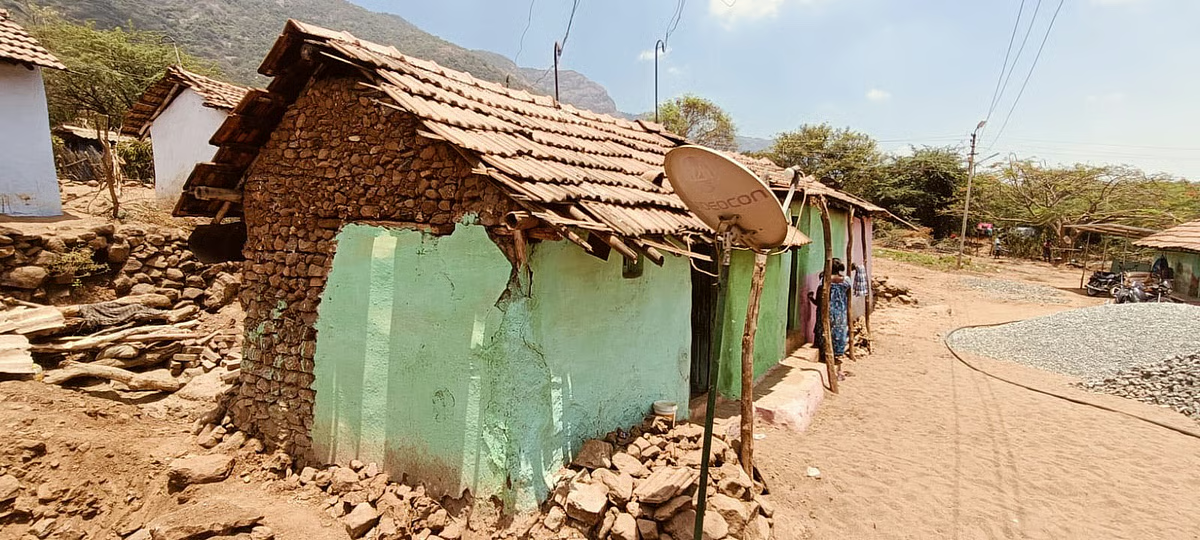
Mangarai tribal families in Coimbatore district continue to live in unsafe and temporary shelters despite being allotted newly constructed houses under government housing schemes. The houses, built with concrete roofs and solid walls, remain largely unused as they lack basic amenities such as electricity, drinking water, and functional toilets, forcing residents to stay in old huts closer to forest areas.Mangarai tribal families

In Mangarai hamlet near Thadagam, elderly residents like a 73-year-old woman continue to live in asbestos-roofed sheds along with livestock, even though a new house stands just a few metres away. For her and several others, the absence of essential facilities has made the new houses unsuitable for daily living. What was meant to offer safety and dignity has instead become an incomplete solution.

Residents say they step into the new houses only during emergencies, such as heavy rains or elephant movement at night, and return to their makeshift homes once the immediate danger passes. Daily life, they explain, is still centred around their older huts where basic routines are easier to manage.

Mangarai Tribal Families Caught Between Forest Risk and Incomplete Development

Mangarai village lies close to a reserve forest boundary and is home to families from the Irula tribal community. Human-animal conflict is a regular concern, especially during summer months when wild elephants move through the area in search of food and water. The concrete houses were expected to reduce this risk and improve living conditions, but incomplete infrastructure has limited their usefulness.Tribal families in Kunjapanai want their houses rebuilt - The Hindu

Many families previously lived in thatched-roof houses for decades. About ten years ago, a small number of concrete houses were built to replace older structures. In 2023, additional houses were constructed under a central housing scheme aimed at improving living standards for tribal communities. However, the core needs of residents were not fully addressed before handover.

Beneficiaries point out that toilets remain unfinished, water connections are absent, and power supply has not been extended. Without these, the houses become difficult to occupy, especially for families with children, elderly members, and livestock. During hot weather, the concrete structures also become uncomfortable without proper ventilation and water access.

For families of six or seven members, the expectation was that these houses would provide safety, space, and stability. Instead, residents say they are forced to balance between unsafe forest-adjacent huts and incomplete government houses that cannot support daily life.

Mangarai Tribal Families Await Basic Services as Officials Cite Delays

Each house has been built on a small plot of land and includes multiple rooms, with construction costs running into several lakh rupees per unit. Despite this investment, residents say the lack of final-stage amenities has defeated the purpose of the scheme.Tribal residents seek funds to rebuild houses damaged in rain - The Hindu

Local officials acknowledge delays, particularly in the release of funds meant for sanitation facilities. Authorities say the toilet construction phase is linked to pending fund disbursements, which has slowed completion. Officials also state that similar issues affect several hamlets within the same panchayat, not just Mangarai.

District-level authorities have stated that efforts are underway to provide basic services such as electricity, drinking water connections, toilets, and street lighting across identified tribal clusters. According to officials, Mangarai is among the areas scheduled to receive these facilities soon as part of a broader development plan covering multiple hamlets.

However, residents remain cautious. Past promises have taken years to materialise, and until services are actually provided, the houses remain symbols of unfinished governance rather than progress. For families living at the edge of forest land, delay is not just an inconvenience but a safety concern. Also Read: Doctor Booked in Tamil Nadu After Court-Ordered Hospital Demolition Move in 2026

The situation highlights a recurring issue in rural and tribal development where construction is completed but habitability is overlooked. Without a coordinated approach that ensures water, sanitation, and power alongside housing, the goal of improving quality of life remains unmet.

Conclusion

For Mangarai tribal families, the gap between policy intent and ground reality is still wide. Until basic amenities are provided, the newly built houses will remain largely unused, leaving families caught between unsafe forest living and incomplete development promises.

Doctor Booked in Tamil Nadu After Court-Ordered Hospital Demolition Move in 2026

0

Doctor Booked in Tamil Nadu for Threatening Workers Demolishing Illegal Hospital

Doctor booked in Tamil Nadu after Tirunelveli city police registered a case against a medical practitioner and his associates for allegedly threatening civic workers during the demolition of an illegally constructed hospital building. The demolition was carried out following clear directions from the Madurai Bench of the Madras High Court, which found the structure to be in violation of approved building norms.TN: Mini Clinic Doctors Protest Demanding Extension of Contract and  Permanent Jobs | NewsClick

The incident took place in Palayamkottai area of Tirunelveli when a corporation contractor began demolition work on a five-storey hospital building that had been constructed without proper permission. According to police, the situation escalated when the doctor and his aides allegedly interfered with the official process and intimidated workers, forcing the work to be temporarily halted.

Doctor Booked in Tamil Nadu After Police Act on Contractor Complaint

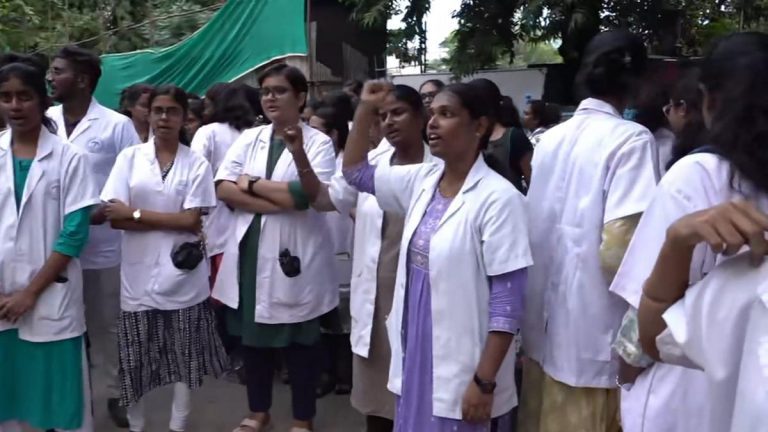
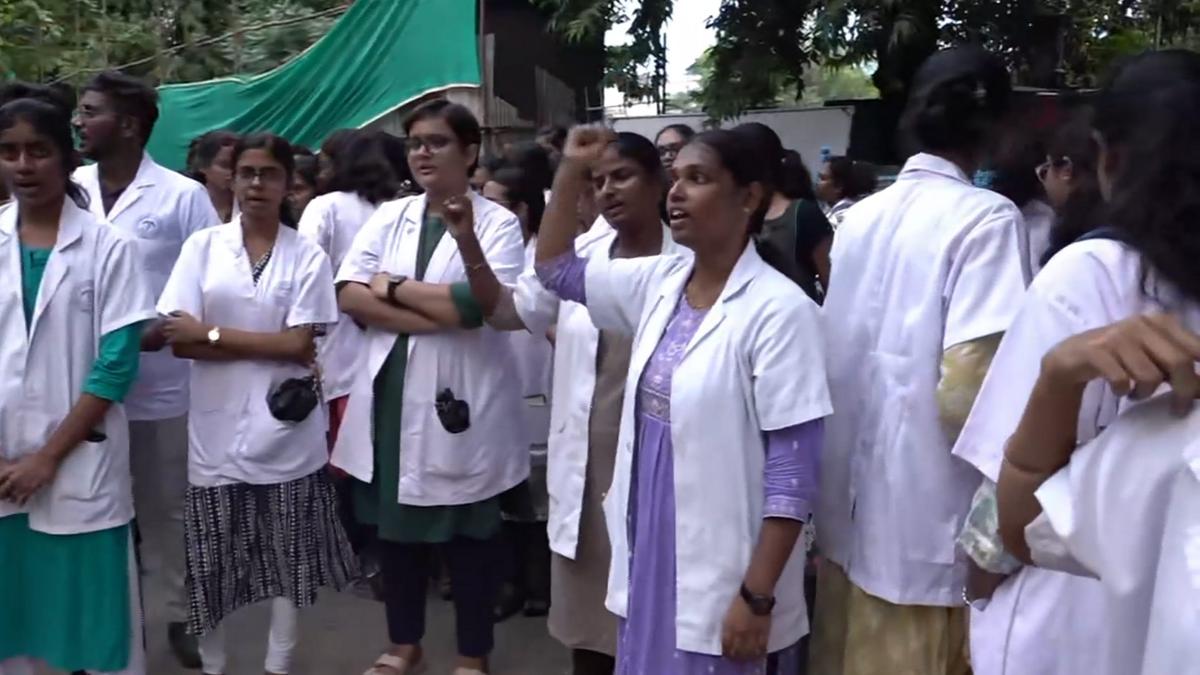
Based on a complaint filed by a corporation worker, Tirunelveli city police registered a case against multiple individuals, including the doctor associated with the hospital. The complainant stated that he was part of a team assigned to carry out the demolition as per court orders when the accused allegedly entered the premises without authorisation.Doctors go on protest across Tamil Nadu demanding better security in govt  hospitals

Police officials said the accused, along with their associates, allegedly trespassed onto the site while carrying weapons. They are accused of using abusive language and issuing threats, creating fear among the workers and stopping the demolition process midway. Following the complaint, a case was registered under relevant sections for criminal intimidation, unlawful entry, and obstruction of official duty.

The building in question housed a multi-speciality hospital that had been operating from a structure later declared illegal. Authorities confirmed that the hospital was constructed without obtaining the necessary approvals from the Tirunelveli Corporation. The demolition was initiated only after prolonged legal proceedings and a final directive from the High Court.

Officials stated that the demolition contractor was executing lawful instructions and that any interference with such operations would be treated seriously. Police added that further investigation is underway and that action would be taken based on evidence collected from the site.

Doctor Booked in Tamil Nadu Following Long Legal Battle Over Violations

The case has its roots in a public interest litigation filed several years ago by a social activist who raised concerns over multiple violations in the hospital building. According to the petitioner, permission had originally been granted only for a three-storey commercial structure. However, a five-storey building was later constructed, and a hospital was established without obtaining revised approval.Doctor stabbed by patient's son: Demanding security, Tamil Nadu government  doctors begin indefinite strike - The Hindu

The petitioner also alleged that a portion of public road space, measuring nearly 1,500 square feet, was encroached upon to extend the building. These violations were brought to the attention of the court, along with claims that the building lacked basic safety features required for a hospital.

It was further stated that the structure did not have proper lighting and ventilation and posed a serious fire hazard. The building layout allegedly obstructed the free movement of fire engines, raising concerns about emergency response in case of accidents. The absence of ramps for patients was also highlighted as a major safety and accessibility issue.

After examining the matter in detail, the Madurai Bench of the Madras High Court issued orders directing the demolition of the unauthorised portions of the building. Following the order, the Tirunelveli Corporation initiated steps to remove the illegal structure.

However, the demolition process was delayed after the doctor sought temporary relief to remove medical equipment and belongings from the premises. Corporation officials granted a short period for this purpose, after which demolition work was expected to resume. Also Read: India UAE Defence Partnership: Modi and MBZ Strengthen Bilateral Ties

Authorities have made it clear that court orders must be implemented without obstruction and that no individual, regardless of profession, is above the law. The police action, officials said, sends a strong message against attempts to interfere with judicially mandated civic actions.

Conclusion

With a doctor booked in Tamil Nadu for allegedly threatening demolition workers, the incident highlights the strict enforcement of court orders and building regulations. As investigations continue, authorities are expected to ensure that the demolition proceeds as directed, reinforcing accountability and public safety in urban development.

Madras HC Orders State to Act on Long-Pending Hostel Demand in 2026

0

Madras HC Orders State to Build Men’s Hostel for Tiruchy Law College Within One Year

Madras HC orders the Tamil Nadu government to construct a men’s hostel for the Government Law College in Tiruchy within a period of one year, bringing relief to hundreds of male students who have been waiting for basic accommodation facilities for years. The direction was issued by the Madurai Bench of the Madras High Court while disposing of a Public Interest Litigation that highlighted the long-standing hardship faced by students from rural and economically weaker backgrounds.Madras HC seeks Govt order on licence cancellation in Kidney Transplant  Racket Case

The court made it clear that the absence of hostel facilities for male students amounted to an unfair situation, especially when a women’s hostel already exists within the campus. The bench permitted the state to proceed with construction on land already earmarked for the purpose and fixed a strict timeline for completion.

Madras HC Orders Relief After Years of Student Hardship

The case was filed by a law student who pointed out that the Government Law College in Tiruchy has around 1,400 students, nearly half of whom are men. Despite this, the institution has only a hostel facility for women students, forcing male students to depend on private accommodation or travel long distances every day.

According to the petition, most of the affected students come from rural areas and socially disadvantaged communities. Due to the lack of hostel facilities, they are compelled to stay in overcrowded private rooms that charge at least ₹4,000 per month, excluding food expenses. For many families, this financial burden is unsustainable and directly affects the students’ ability to continue their education.Madras HC imposes costs of Rs 50 lakh on TN govt for concealing records on  appointment of staff to aided college

Some students also commute daily from their hometowns, spending several hours travelling, which impacts their academic performance and physical well-being. The petition argued that access to safe and affordable accommodation is a basic requirement for students pursuing professional education and that the government failed to address this issue despite repeated representations.

The petitioner also stated that as early as 2018, authorities had informed that funds were allocated for the hostel project. An amount of ₹84 lakh was reportedly sanctioned for the construction on land measuring about 7,700 square metres at Abhishekam village. This land had been identified for the hostel as far back as 2007. However, no visible progress was made even years after the allocation.

Madras HC Orders Construction After Clearing Legal Obstacles

During the hearing, the court also examined a separate petition filed by a private company claiming ownership over the land proposed for the hostel. The company argued that the land had originally belonged to it before being taken over by the government under the Tamil Nadu Urban Land Ceiling Act.Hostels Are Residential, Not Commercial: Madras HC Quashes Tax Hike For  Working Men & Women's Homes | India News - News18

The division bench rejected the company’s claim and dismissed its petition, stating that the government had lawful authority over the land. With this legal hurdle removed, the court stated that there was no justification for further delay in constructing the hostel.

While allowing the student’s petition, the bench clearly stated that the state government is free to proceed with the construction and must ensure that the men’s hostel is completed within one year. The court’s order underlined the responsibility of the government to provide essential infrastructure in public educational institutions.

The ruling has been welcomed by students and education activists, who see it as a reminder that welfare infrastructure cannot remain on paper indefinitely. The judgment also reinforces the role of the judiciary in ensuring accountability when administrative delays affect students’ rights. Also Read: India UAE Defence Partnership: Modi and MBZ Strengthen Bilateral Ties

Conclusion

With Madras HC orders setting a firm deadline, the focus now shifts to implementation. If carried out as directed, the new men’s hostel will address a long-standing gap in student facilities at the Tiruchy Government Law College and improve access to legal education for students from disadvantaged backgrounds.