On Feb 1st Coimbatore Begins the Annual Velliangiri Hills Trekking Season
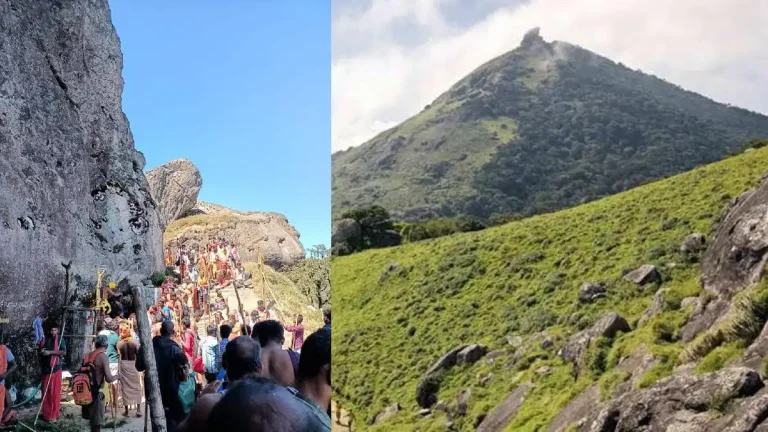
On Feb 1st Coimbatore will officially reopen the trekking season at the sacred Velliangiri Hills, allowing devotees and nature lovers to climb the seven hills until May 31. Located in the Western Ghats, the Velliangiri Hills attract lakhs of pilgrims every year who trek to the seventh hill to worship Lord Shiva. The forest department has completed preparations to manage the expected increase in visitors during the four-month season.
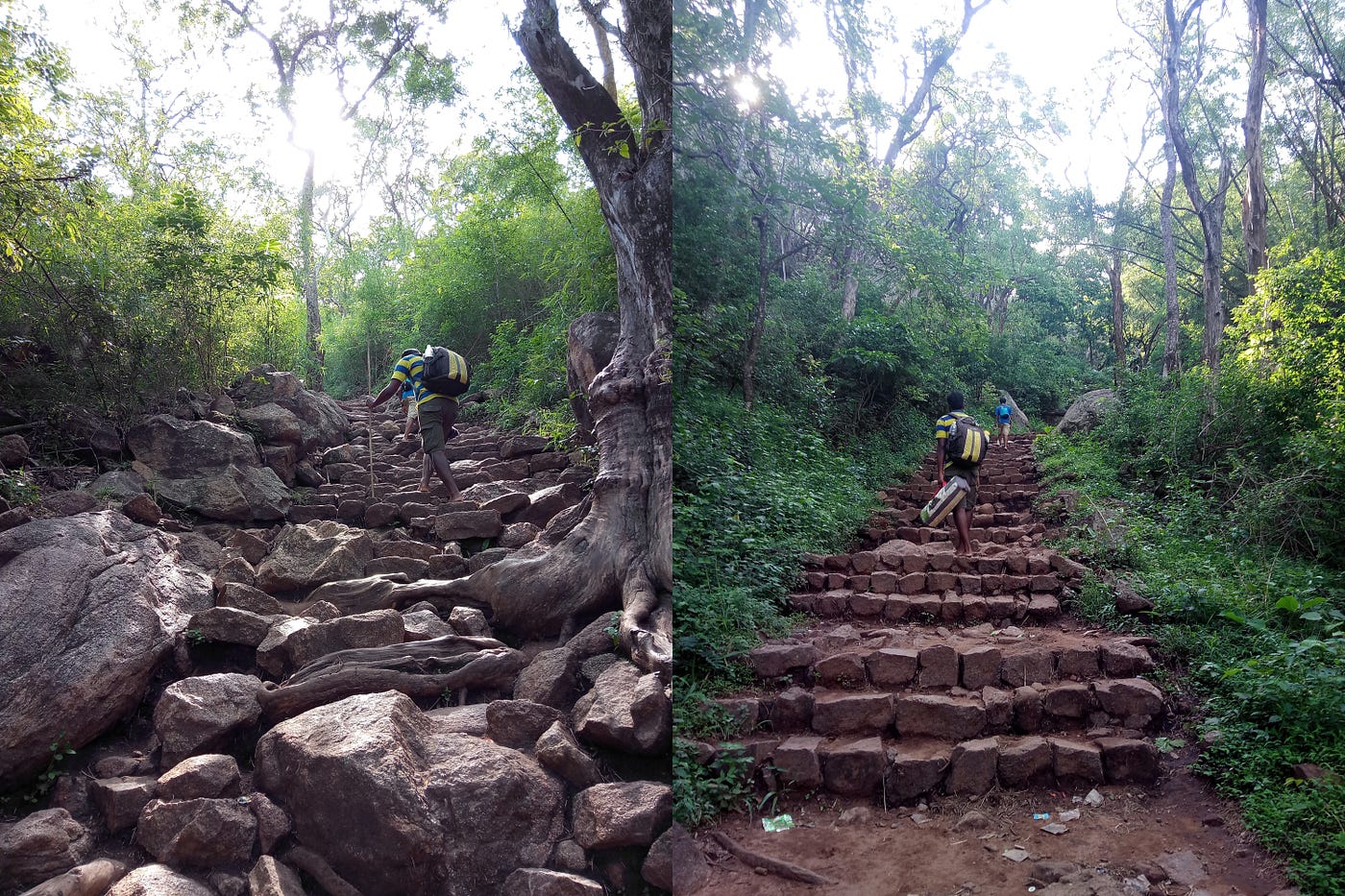
The trekking route, which stretches about 6.5 kilometres, passes through steep paths, rocky terrain, and forested zones. The seventh hill stands at around 1,850 metres above sea level and holds strong spiritual importance. Every year, the trekking season draws devotees from across Tamil Nadu and neighbouring states, especially during important occasions such as Shivaratri.
On Feb 1st Coimbatore Sees Crowd Management and Safety Measures in Place
Officials from the Boluvampatti forest range, under which the Velliangiri Hills fall, have started processing applications from tribal communities seeking permission to set up temporary shops along the trekking path. These shops, numbering over forty, are allowed from the first hill to the seventh hill and sell basic refreshments, water, and essential items to pilgrims during the season.
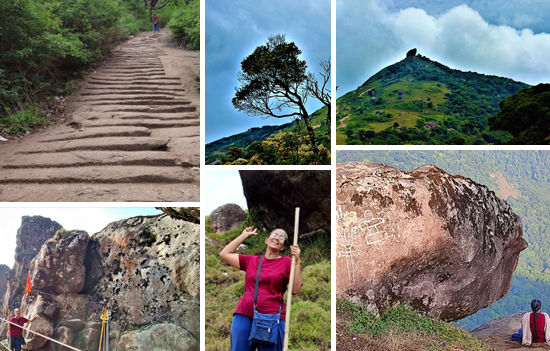
The forest department has stated that safety will remain a key focus this year, as past seasons have recorded health-related incidents. In previous years, several trekkers lost their lives due to heart and breathing complications while climbing the hills. As a result, officials have strongly advised people with existing health issues to avoid attempting the trek.
Medical support staff, crowd control teams, and forest personnel will be stationed at key points along the route. Entry timings, regulated movement, and constant monitoring are expected to help manage the large inflow of visitors, particularly during peak days. Authorities are preparing for higher footfall compared to last year.
In 2024, around 2.3 lakh people visited the Velliangiri Hills. In 2025, the number rose to nearly 2.5 lakh, even though trekking was suspended a week early due to bad weather conditions. With the trek open for the full season this year, officials anticipate an even larger turnout.
On Feb 1st Coimbatore Focuses on Environmental Protection at Velliangiri Hills
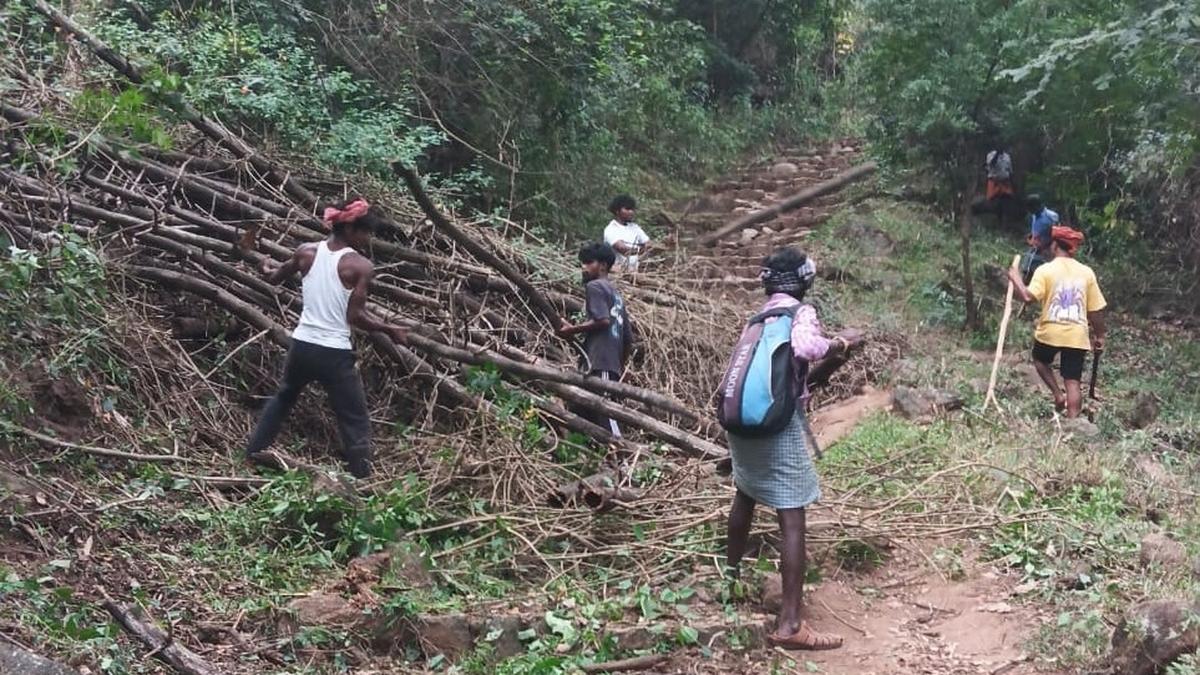
Since the Velliangiri Hills are part of the Nilgiri Biosphere Reserve, forest officials have renewed their appeal to visitors to protect the fragile ecosystem. Devotees have been asked to avoid carrying plastic items such as food wrappers, bottles, and disposable covers into the hills.
Environmental damage caused by plastic waste has been a growing concern. During the last trekking season alone, volunteers collected more than 10,000 plastic food wrappers from the hills. Officials believe this number can be reduced significantly if visitors carry food in reusable containers and avoid single-use plastics altogether.
Volunteers and forest guards will conduct regular clean-up drives throughout the trekking season. Signboards and awareness messages will also be placed along the trekking route to remind pilgrims about responsible behaviour and waste disposal.
Authorities have emphasised that protecting the hills is a shared responsibility. The Velliangiri Hills are not only a place of worship but also an ecologically sensitive region that supports diverse plant and animal life. Any damage caused during the trekking season has long-term effects on the environment. Also Read: India UAE Defence Partnership: Modi and MBZ Strengthen Bilateral Ties
Conclusion
As On Feb 1st Coimbatore marks the reopening of the Velliangiri Hills trekking season, officials are balancing devotion, safety, and environmental care. With increased crowd control, health advisories, and strict guidelines on plastic use, the focus this year is on ensuring a safe and responsible trekking experience for all visitors.

Viral Video of Tourists Singing Slogans in Paris Triggers Outrage
A video capturing a group of Indian tourists loudly chanting slogans such as “Jai Maharashtra,” “Jai Shiv Sena” and “Chhatrapati Shivaji Maharaj ki Jai” in the streets of Paris has gone viral, sparking widespread backlash across social media platforms. The footage, reportedly filmed in the crowded Montmartre area of the French capital, shows the group beside a street mime performer as they raise their voices in regional and political chants, drawing strong criticism and igniting a debate on public conduct abroad.
The incident has prompted intense discussion on how cultural pride and expressions of regional identity should be balanced with respect for local norms and public spaces in an international setting. While the group appeared enthusiastic, many online observers found their behaviour disruptive and inconsiderate of other people nearby.
Details of the Paris Encounter and Public Reaction
In the video, one man is seen placing his arm around a mime performer — an artist relying on silent, physical storytelling — before breaking into loud chanting. Others in the group quickly join in, amplifying the slogans. Despite repeated gestures from the performer asking them to stop and maintain silence, the chanting continues for several seconds, prompting astonished reactions from onlookers.
The location, Montmartre, is a well-known tourist spot in Paris where street performers often draw crowds. The performer’s discomfort was visible in the clip, as he repeatedly signalled the group to lower their volume or cease their chanting. However, the group continued unabated, turning the space into a scene of loud celebration, which many found incongruous with the quiet artistic setting.
Online Backlash and Civic Sense Concerns
Criticism on social media was swift and sharp, with many netizens condemning the group’s behaviour as lacking basic civic sense and respect for others. One user on X commented that the performers were “harassed” despite “peacefully performing his art,” emphasising that the group showed “no respect for his space.” Another user went further, suggesting that the individuals “should be deported and banned for life from entering the country.”
Several viewers pointed out that the chants continued despite visible cues from the mime to be quiet, highlighting a perceived disregard for common etiquette and sensitivity to others in a public, shared environment. The strong reactions reflect broader concerns about how tourists’ actions abroad can influence perceptions of their home country and its people.
Cultural Pride Versus Respect for Local Norms
The incident has sparked a larger conversation about the line between expressing cultural pride and respecting local customs. Slogans such as “Jai Maharashtra” hold deep emotional significance for many from the Indian state of Maharashtra, where they are commonly used in political, cultural and social gatherings to express regional identity and pride.
However, the debate intensified because the chanting took place in a foreign public space where others were engaged in different activities, such as enjoying a street performance. Critics argue that expressions of cultural identity should be mindful of context, especially in international settings where diverse groups share the same space.
Some defenders of the group’s actions viewed the chanting as an act of cultural expression and enthusiasm, suggesting that it was intended to celebrate pride rather than disrupt. But the dominant discourse on social media has centred on civic awareness and the importance of adapting behaviour in a manner that respects local communities and public decorum abroad.
Implications for Tourism and Public Behaviour Abroad
Tourism experts and frequent travellers have pointed out that such incidents can affect how tourists from India are perceived internationally. Public conduct, they note, contributes to forming impressions about a nation’s citizens, and missteps in etiquette may trigger misconceptions or negative stereotypes. The Paris video has thus become a case study for discussions on responsible tourism and cultural sensitivity.
Observers argue that while celebrating one’s cultural roots is natural for visitors abroad, it should not come at the expense of others’ comfort or respect for local norms. Public places, especially those revered for artistic expression or cultural significance, often have unspoken rules of conduct that are expected to be followed by all visitors.
Voices on Social Media: Divided Opinions
While many responses emphasised shame and embarrassment, noting that such behaviour could damage the broader reputation of tourists from India, there were also a few comments that perceived the chants as harmless cultural pride. Some users responded with numerical affirmations of pride in regional identity, echoing slogans in support. However, these supportive voices were markedly fewer compared to those urging civic awareness and respectful conduct.
The online debate highlights a split in public opinion: one perspective prioritises freedom of expression and cultural celebration, while the other underscores the importance of context and sensitivity, especially when interacting with strangers in foreign public spaces.
Lessons on Global Conduct and Etiquette
The Paris video incident has prompted reflection among many on how tourists represent not just themselves but their broader communities and countries. Travellers are increasingly encouraged to learn about local customs, cultural etiquette and behavioural expectations before visiting foreign destinations. Such awareness, proponents argue, enhances mutual respect and fosters positive cross-cultural interactions.
As global travel continues to increase, with millions exploring destinations far from home each year, balancing cultural expression with public courtesy remains an ongoing conversation in travel and social discourse.
The incident stands as a reminder that seemingly small actions in shared spaces can have far-reaching implications — both for the individuals involved and for broader national and cultural perceptions abroad.
Conclusion: A Viral Moment Sparks Wider Debate
What began as a short video clip filmed in a bustling Paris street has evolved into a broader discussion about civic sense, cultural expression and responsible behaviour abroad. The chanting of “Jai Maharashtra” and other regional slogans by Indian tourists has drawn both sharp criticism and thoughtful debate, urging travellers to consider how their actions are interpreted far from home.
As opinions continue to circulate and the conversation evolves, the incident serves as a moment for introspection on how cultural pride, public etiquette, tourism and international perceptions intersect in an increasingly connected world.
Tiruchy City to a Halt Following Peak Hour Awareness Rally
Tiruchy city to a halt was the situation faced by thousands of commuters on Tuesday morning after a road safety awareness rally organised by the city police caused severe traffic congestion at one of the busiest junctions in the city. What was planned as an educational event under Road Safety Month turned into a major inconvenience for office-goers, school students, patients, and daily commuters who were caught in long vehicle queues for nearly an hour.
The rally was conducted near the MGR statue roundabout, a crucial traffic point that connects several important roads leading to government offices, hospitals, courts, bus stands, and residential areas. Due to its location and constant vehicle movement, the junction already experiences heavy congestion during morning peak hours. The decision to hold a large public rally at this time led to widespread criticism from the public.
Tiruchy City to a Halt at MGR Statue Junction During Peak Hours
The MGR statue roundabout plays a vital role in Tiruchy’s traffic network. Roads from the district collectorate, government hospital, court complex, old central bus stand, Chathiram bus stand, and nearby residential zones all converge at this point. Several schools, temples, and medical facilities are also located close by, making uninterrupted traffic flow essential, especially in the morning.
On Tuesday, around 1,200 students were brought to the junction along with police personnel as part of the awareness rally. Roads near the roundabout were blocked well before the rally began, and traffic restrictions were put in place from around 9 am. The rally officially started at 10 am, but congestion had already built up much earlier.
Vehicles moving through EVR Road, Bharathidasan Road, Students’ Road, and Major Saravanan Road were forced to slow down or stop completely. Commuters reported being stuck for long durations, with some taking nearly double their usual travel time. School buses, ambulances, and government staff vehicles were also affected.
Many office-goers said they reached their workplaces late despite leaving home on time. Parents accompanying children to schools faced stress as buses and private vehicles remained stationary for extended periods. Patients travelling to hospitals nearby experienced delays, raising concerns about emergency access during such events.
Tiruchy City to a Halt Raises Questions on Planning and Crowd Management
The rally was flagged off by the city’s top police official and concluded near the head post office. While the intention was to spread awareness about road safety and helmet usage, the execution drew criticism. Citizens questioned why such an event was scheduled during peak office and school hours at a highly congested location.
Several commuters expressed frustration, stating that Tiruchy frequently faces traffic problems due to rallies, protests, and public programmes. Many felt that a police-organised event should have set an example in planning and traffic coordination rather than adding to the problem.
A few residents pointed out that road safety awareness loses its meaning when it creates unsafe and stressful road conditions. Long queues, honking vehicles, and stranded pedestrians reflected poor crowd and traffic management, according to locals.
Police officials defended the timing, stating that students could not be brought earlier in the morning or later in the day due to school schedules. They maintained that the disruption was temporary and unavoidable. However, this explanation did little to satisfy commuters who bore the brunt of the disruption.
Urban planners and civic observers have long argued that awareness programmes should be held in open grounds, auditoriums, or less congested areas. Using major junctions during rush hours, they say, reflects a lack of coordination between public safety goals and everyday city functioning. Also Read: India UAE Defence Partnership: Modi and MBZ Strengthen Bilateral Ties
Conclusion
The incident where Tiruchy city to a halt became a reality has once again highlighted the need for better planning of public events. While road safety awareness is important, poor execution during peak hours at critical junctions defeats the purpose and inconveniences the public. The episode has sparked a wider discussion on how authorities can balance awareness initiatives with the daily needs of a growing city.
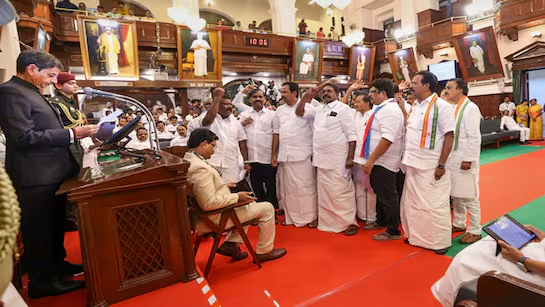
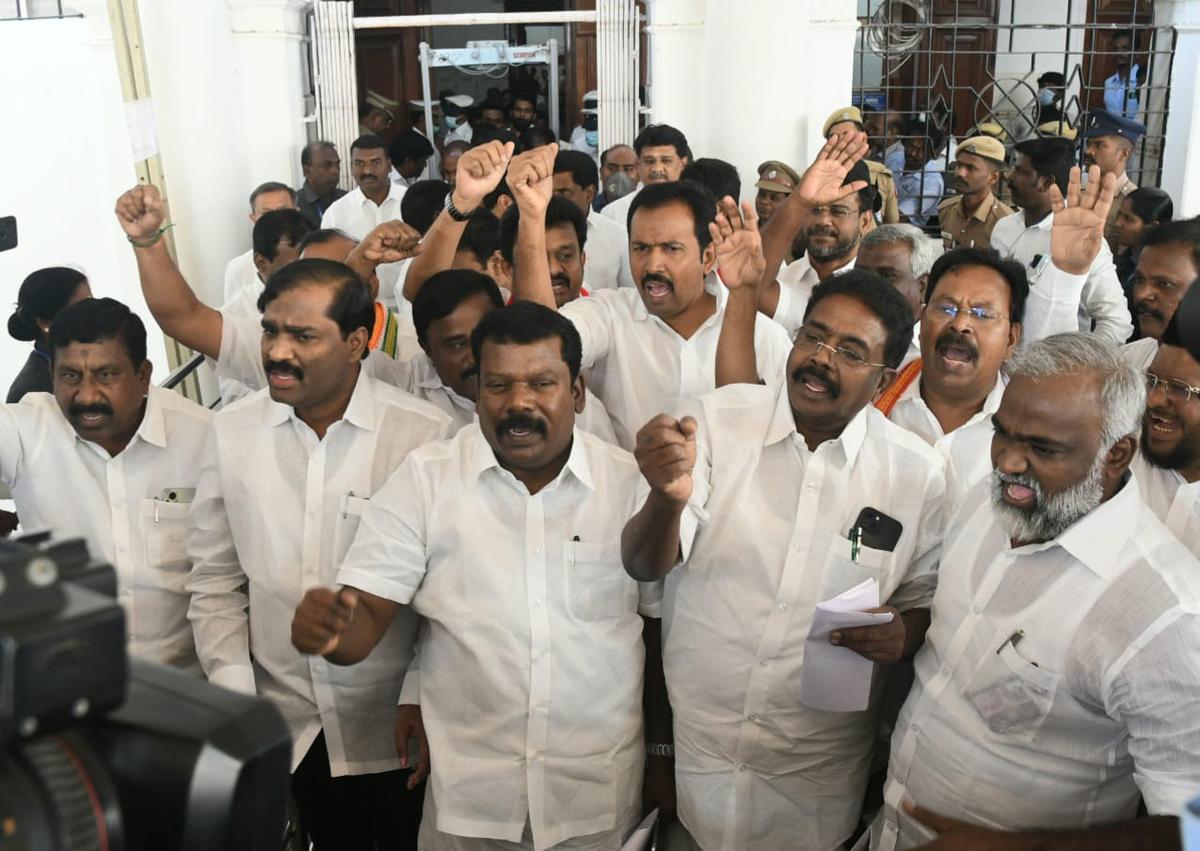
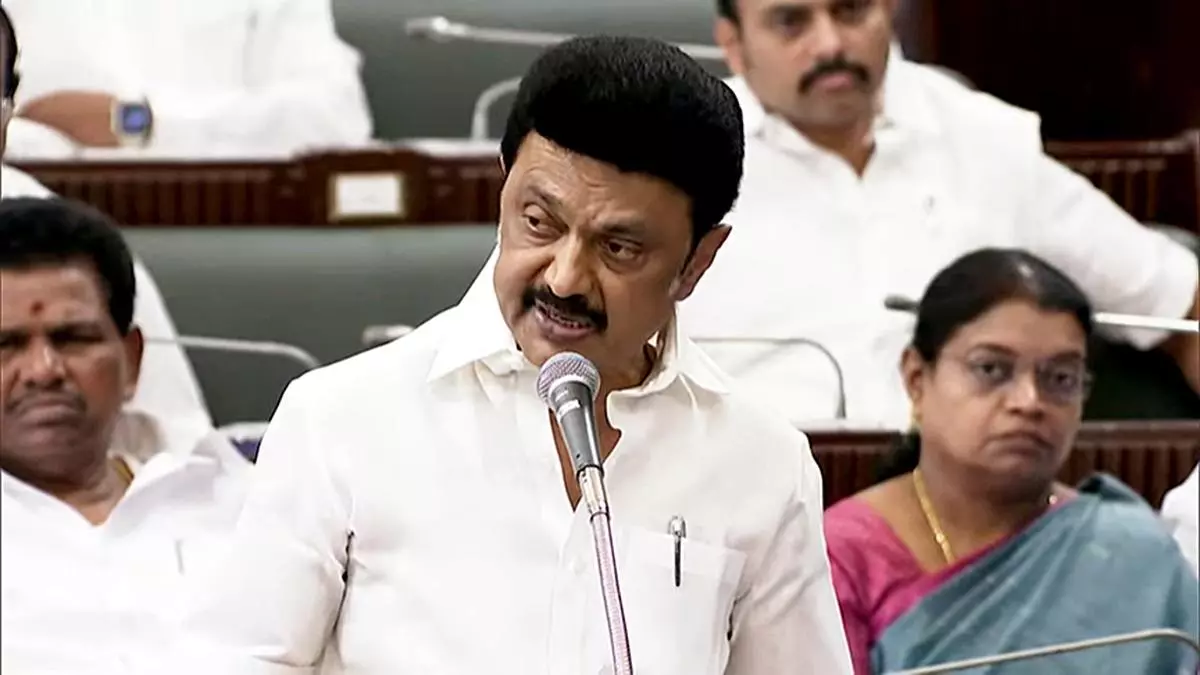
DMK allies expressed strong opposition on Tuesday after Tamil Nadu Governor R N Ravi walked out of the Legislative Assembly without delivering the customary governor’s address at the opening of the first session of the year. DMK allies said the move was against constitutional practice and amounted to a deliberate disregard for legislative norms followed in the state for decades.
Leaders from parties aligned with the ruling DMK described the governor’s action as unprecedented and politically motivated. They stated that the governor is constitutionally bound to address the Assembly and that his failure to do so undermines democratic institutions and elected representatives.
The walkout took place at the beginning of the Assembly session, where the governor is traditionally expected to read the address prepared by the elected government. Instead, Ravi exited the House, triggering sharp reactions from alliance leaders who said the act reflected a continued pattern of confrontation.
DMK Allies Call Walkout a Violation of Constitutional Duty
DMK allies argued that the governor’s role is not ceremonial alone but carries constitutional responsibility. Tamil Nadu Congress Committee president K Selvaperunthagai said the governor’s refusal to deliver the address showed disrespect towards the Constitution, Assembly traditions, and the mandate of the people.
He stated that the governor has repeatedly created controversy during Assembly proceedings over the last three years and accused him of failing to act in a neutral manner. According to Selvaperunthagai, the continued defiance of established conventions makes the governor unfit to hold office, and he urged him to resign.
CPI state secretary M Veerapandian echoed the criticism, saying the governor’s conduct risked disturbing political stability in a state known for its democratic values and social harmony. He appealed to the President of India to take note of the situation and consider removing the governor from the post.
CPM state secretary P Shanmugam took a stronger stance, stating that the governor had intentionally failed to perform his constitutional duty. He said the walkout was not accidental or procedural but a deliberate political statement. Shanmugam demanded the governor’s resignation, asserting that constitutional authorities must respect the legislature.
DMK allies maintained that repeated conflicts between the governor and the elected government weaken federal principles. They said such actions create unnecessary tension between the Union and the state.
DMK Allies Highlight Disregard for Assembly Tradition
DMK allies also focused on the breach of Assembly traditions. MDMK general secretary Vaiko said the governor had ignored long-established customs of the Tamil Nadu Assembly. He pointed out that the Speaker had clearly explained the order followed during sessions, where the Tamil Thai Vaazhthu is sung at the beginning and the National Anthem at the conclusion.
Vaiko accused the governor of using the issue as a pretext to boycott the House. He said Assembly conventions are not arbitrary practices but deeply rooted traditions reflecting the state’s cultural and constitutional identity.
According to alliance leaders, the governor was informed of the procedures in advance and had no justification for walking out. They alleged that such actions reduce the dignity of the office and create avoidable confrontation.
DMK allies also noted that the governor’s address is meant to reflect the policy direction of the elected government. By refusing to deliver it, they argued, the governor effectively ignored the democratic will expressed through the Assembly.
Political observers within the alliance stated that the incident is part of a broader pattern of friction between the Raj Bhavan and the state government. They warned that repeated disregard for constitutional conventions could set a troubling precedent.
The alliance leaders urged constitutional authorities to ensure that governors act within the framework defined by the Constitution and avoid direct political engagement. They emphasised that cooperation, not confrontation, is essential for democratic governance. Also Read: India UAE Defence Partnership: Modi and MBZ Strengthen Bilateral Ties
Conclusion
DMK allies have united in condemning Governor R N Ravi’s Assembly walkout, calling it a clear breach of constitutional duty and legislative tradition. The incident has intensified political tensions in Tamil Nadu, with alliance leaders demanding accountability and respect for democratic norms.
US Tariff Hike Raises Fresh Concerns for India’s Textile Industry
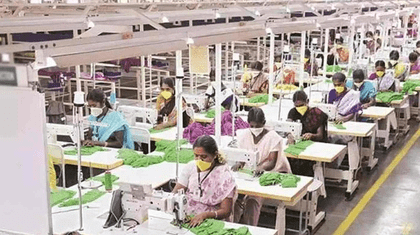
US tariff hike has emerged as a major concern for India’s textile sector, especially in export-driven hubs like Tiruppur, where manufacturers and workers are already facing prolonged economic stress. US tariff hike is now being cited as a direct reason for stalled orders, shrinking margins, and growing uncertainty among small and medium textile units.
Addressing the media in Tiruppur, Member of Parliament K Subbarayan urged the central government to take immediate steps to address the crisis. He said the textile and allied industries have been severely affected and warned that continued inaction could lead to the collapse of many small and micro units across industrial regions.
According to him, the impact of the US tariff hike has gone beyond temporary disruption and is now threatening the survival of businesses that depend heavily on exports to the American market.
US Tariff Hike Deepens Crisis in Tiruppur’s Textile Ecosystem
US tariff hike has hit Tiruppur at a time when the textile sector is still recovering from previous global disruptions. The city, known as one of India’s largest knitwear export hubs, relies significantly on international demand, particularly from the United States. Exporters say higher tariffs have made Indian products less competitive, leading to order cancellations and price renegotiations.
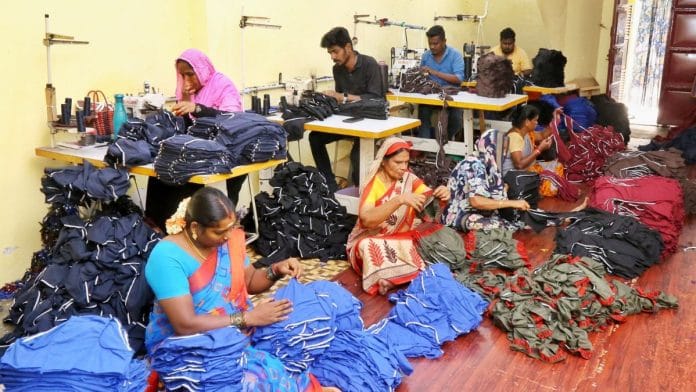
Industry representatives have pointed out that increased duties directly affect production planning. Many units operate on thin margins and cannot absorb sudden cost increases. As a result, smaller manufacturers are either reducing output or suspending operations temporarily.
Subbarayan stated that the central government should have reacted immediately by engaging with the United States and by consulting domestic industry stakeholders. He criticised the absence of a strong response, saying the situation required urgent diplomatic and economic intervention.
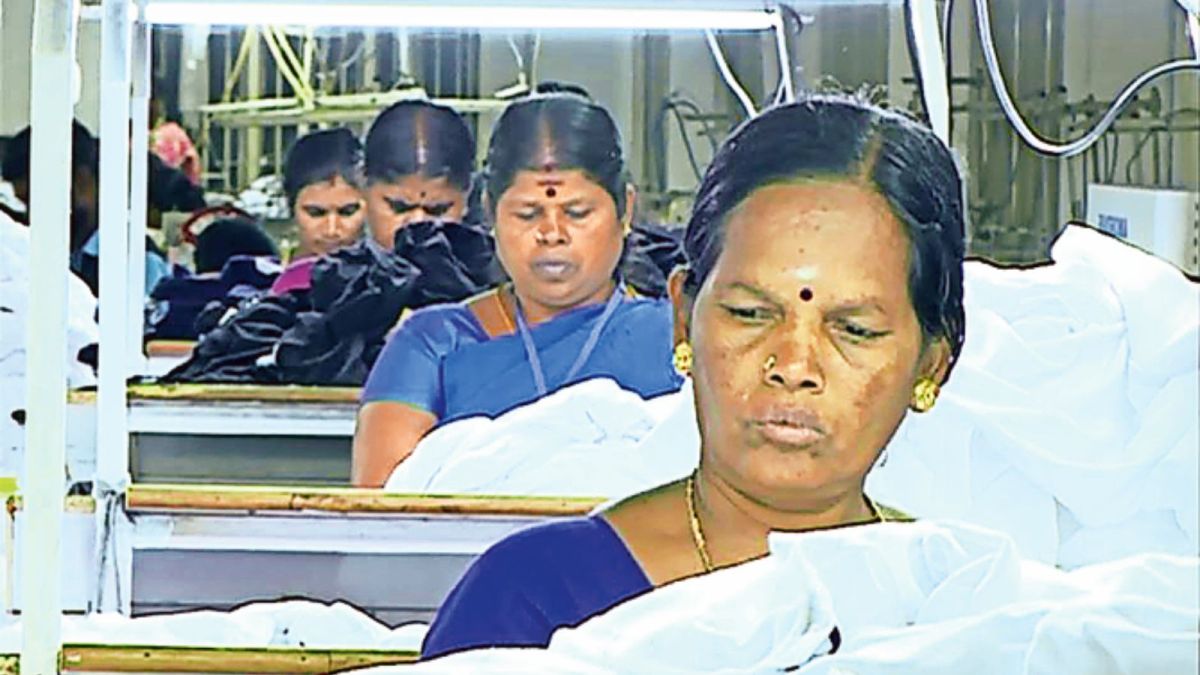
He also warned that prolonged pressure from the US tariff hike could push thousands of workers into unemployment. Tiruppur’s economy depends heavily on textile-related jobs, including dyeing units, logistics, garment finishing, and ancillary services. A slowdown in exports impacts the entire chain.
The MP further said that ignoring the demands of the textile sector would only worsen regional inequality, as industrial towns like Tiruppur depend far more on exports than metropolitan economies.
US Tariff Hike and Policy Concerns Raised by Tiruppur MP
Beyond the immediate effects of the US tariff hike, Subbarayan also criticised broader economic policies. He argued that continued emphasis on privatisation has weakened the domestic industrial base. According to him, industrial resources are increasingly concentrated among large corporate players, while small and medium enterprises are left vulnerable to global shocks.
He stressed that MSMEs form the backbone of India’s textile industry and require active policy protection, especially during international trade disruptions. Without targeted support, he said, many units may not survive the current phase.
The MP called on the centre to hold direct consultations with textile associations and exporters to understand ground-level challenges. He said relief measures should not be delayed, as financial stress is already visible across the sector.
Alongside textile issues, Subbarayan also spoke about the ongoing poultry farmers’ protest. He supported the farmers’ demand for a revision in the rearing rate for hens, calling it reasonable and justified. He urged the state government to step in and mediate between farmers and broiler companies to reach a fair settlement.
He expressed concern over the arrest of protesting farmers and said cases filed against them should be withdrawn. According to him, criminalising economic protests only deepens distress in rural and semi-urban communities. Also Read: India UAE Defence Partnership: Modi and MBZ Strengthen Bilateral Ties
While the textile sector struggles with the US tariff hike, allied sectors like poultry farming are also under pressure, highlighting broader structural challenges in India’s production economy.
Exporters and worker unions in Tiruppur have echoed similar concerns, stating that without timely intervention, industrial stability cannot be guaranteed. Many have urged both the centre and the state to coordinate responses instead of shifting responsibility.
Conclusion
US tariff hike has intensified existing stress in India’s textile sector, with Tiruppur emerging as one of the worst-affected regions. Calls from industry leaders and political representatives underline the need for swift consultation, policy correction, and relief measures to prevent long-term damage to employment and industrial capacity.
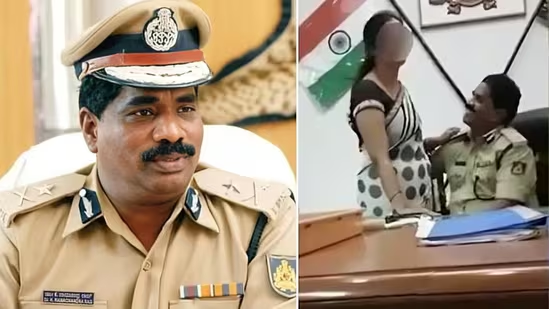
Karnataka – The Karnataka government took swift action on Monday by suspending senior IPS officer K Ramachandra Rao with immediate effect, pending an inquiry. The Karnataka DGP suspended decision came after videos allegedly showing him acting in an obscene manner circulated widely across television and digital media platforms. This high-profile Karnataka DGP suspended case has drawn attention from various stakeholders, including the state women’s commission and political leaders.
The suspension order issued by the Karnataka government stated that the officer’s conduct was “unbecoming of a Government Servant” and had caused “embarrassment to the Government.” The Karnataka DGP suspended action was taken under the All India Services (Conduct) Rules, 1968, which governs disciplinary proceedings against senior civil servants.
Officer’s Claims of AI-Generated Content
In response to the Karnataka DGP suspended order, Rao vehemently rejected all allegations, insisting that the video was fabricated and generated using Artificial Intelligence (AI). “I am shocked. It is all fabricated, a lie. The video is all false. I have no idea about it,” he stated while addressing the Karnataka DGP suspended controversy. Rao, who is also the father of actor Ranya Rao, questioned the origins of the video and the motives behind its circulation.
The officer maintained his innocence throughout the Karnataka DGP suspended proceedings, suggesting that the content was not genuine and expressing bewilderment about how and when such material could have been created. He indicated his intention to consult with his advocate and explain to the Home Minister that false information was being spread about him.
Government’s Stance on Disciplinary Action
State Home Minister G Parameshwara addressed the Karnataka DGP suspended matter with a stern warning that Rao “can be dismissed” depending on the outcome of the ongoing inquiry. The minister’s statement underscored the government’s commitment to taking serious action regardless of the officer’s seniority or position. This approach to the Karnataka DGP suspended case demonstrates the administration’s zero-tolerance policy toward misconduct.
Chief Minister Siddaramaiah ordered a comprehensive probe into the Karnataka DGP suspended incident, emphasizing that seniority would not shield anyone from accountability. “We will get it investigated,” the Chief Minister stated. He added, “I got to know about it in the morning. We will initiate disciplinary action against him. No one is above the law, notwithstanding how senior the police officer is.” This firm stance on the Karnataka DGP suspended case reflects the government’s commitment to maintaining institutional integrity.
Women’s Commission Intervention
The state women’s commission took serious note of the Karnataka DGP suspended matter, expressing concern that such conduct sends the wrong message to society. The commission sought action against Ramachandra Rao, emphasizing the importance of holding senior officers accountable for their behavior. The women’s commission’s involvement in the Karnataka DGP suspended case highlights the broader social implications of the controversy.
The commission’s intervention in the Karnataka DGP suspended matter underscores the need for exemplary conduct from senior government officials, particularly those in law enforcement positions who are expected to uphold public trust and moral standards.
Political Reactions and Public Response
BJP MLA condemned Rao’s alleged actions as a “disgraceful act,” adding political pressure to the Karnataka DGP suspended controversy. A state minister stated that action would be taken irrespective of seniority, reinforcing the government’s position on the Karnataka DGP suspended case. These political responses indicate the seriousness with which the government is treating this matter.
Failed Attempt to Meet Home Minister
After the Karnataka DGP suspended controversy erupted, Rao attempted to meet Home Minister G Parameshwara, but the meeting did not materialize. Speaking to journalists outside the minister’s residence, he reiterated his denial of the allegations. “I am also thinking how and when it happened and who has done it. In this era, anything can happen. I have no idea about it,” Rao said regarding the Karnataka DGP suspended situation.
Previous Controversies and Reinstatement
The DGP suspended order comes months after Rao was reinstated by the Karnataka government in August last year. At that time, he was appointed DGP of the Directorate of Civil Rights Enforcement after the state withdrew a compulsory leave order imposed on him in March. This previous controversy related to the Karnataka DGP suspended officer involved his stepdaughter’s arrest in a gold smuggling case.
Rao had been sent on compulsory leave following the arrest of his stepdaughter, actor Ranya Rao, in a high-profile gold smuggling case. She was arrested by the Directorate of Revenue Intelligence (DRI) on March 3 at Bengaluru’s Kempegowda International Airport after arriving from Dubai. Officials seized gold bars worth ₹12.56 crore from her possession.
The following day, the DRI recovered gold jewellery valued at ₹2.06 crore and cash amounting to ₹2.67 crore from her Bengaluru residence. The 34-year-old was accused of misusing police escorts, allegedly to bypass Customs checks at the airport. This history adds another dimension to the current Karnataka DGP suspended controversy.
Implications for Law Enforcement
The Karnataka DGP suspended case raises important questions about accountability, conduct standards for senior officers, and the impact of technology in creating potentially fabricated evidence.
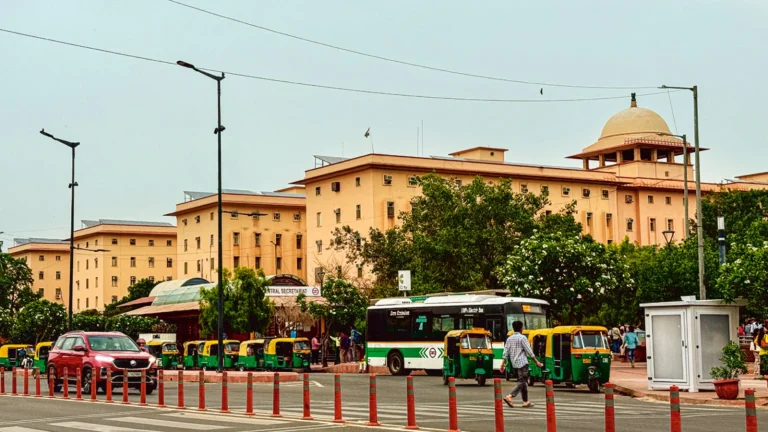
New Delhi – The Central Public Works Department (CPWD) has officially commenced the demolition process for two iconic government buildings, Shastri Bhawan and Krishi Bhawan, as part of the ambitious Central Vista redevelopment plan. The CPWD floated tenders on Monday for constructing the fourth and fifth buildings under the Common Central Secretariat (CCS) project, which will replace these historic structures. This phase of the Central Vista redevelopment carries an estimated cost of ₹3,006 crore, marking a significant milestone in transforming India’s administrative architecture.
The Central Vista redevelopment project involves constructing two modern secretariat blocks, each featuring a basement, ground floor, and seven additional floors. The comprehensive scope includes associated civil, electrical, mechanical, and landscaping works, according to the tender documents. This demolition and reconstruction initiative represents a crucial component of the broader Central Vista redevelopment strategy.
Comprehensive Scope of Central Vista Redevelopment
The Central Vista redevelopment plan encompasses an ambitious vision of constructing 10 new Common Central Secretariat buildings, along with two executive enclaves dedicated to the Prime Minister’s Office and the Prime Minister’s residence. This massive infrastructure overhaul aims to modernize India’s administrative infrastructure and create more efficient working spaces for government ministries and departments.
Several landmark projects have already been completed under the Central Vista redevelopment initiative. The new Parliament building, which became operational and hosted its first session in September 2023, stands as a testament to the project’s scale and ambition. The redevelopment of Raj Path, rechristened as Kartavya Path in September 2022, and the vice-president’s enclave completed in April 2024 are integral parts of the same Central Vista redevelopment blueprint.
Historical Significance of Buildings Being Demolished
Shastri Bhawan and Krishi Bhawan represent important chapters in India’s post-Independence administrative expansion. These structures were built during the 1950s and 1960s to accommodate the growing administrative machinery of the Union government, extending beyond the capacity of the original North and South blocks. The Central Vista redevelopment project acknowledges this historical significance while prioritizing modern infrastructure needs.
Shastri Bhawan was named in honor of former Prime Minister Lal Bahadur Shastri, serving as a memorial to his legacy. Krishi Bhawan became the long-standing headquarters of the Union Ministry of Agriculture, playing a crucial role in India’s agricultural policy formulation for decades. Their demolition under the Central Vista redevelopment marks the end of an era in Delhi’s administrative landscape.
Ministry Relocations and Kartavya Bhawan 2
In preparation for the Central Vista redevelopment demolition phase, government ministries housed in these buildings have been relocated. Over the past week, the Ministry of Information and Broadcasting, previously located at Shastri Bhawan, received allocated space in Kartavya Bhawan 2, also designated as CCS Building 2. This relocation represents the careful planning underlying the Central Vista redevelopment execution.
Kartavya Bhawan 2 now houses multiple ministries as part of the Central Vista redevelopment consolidation strategy. Along with the Ministry of Information and Broadcasting, it accommodates the Ministry of Law and Justice, Ministry of Culture, Ministry of Chemicals and Fertilizers, a section of the Ministry of Agriculture and Farmers Welfare, and the Ministry of Education. This centralization aims to improve inter-ministerial coordination and administrative efficiency.
The tender specifications for this phase of the Central Vista redevelopment outline a comprehensive 24-month timeline for execution. The schedule allocates three months for planning, obtaining necessary clearances, and systematic dismantling of the existing structures. The subsequent 21 months are dedicated to construction activities. Following completion, the contractor will be responsible for operating and maintaining the new buildings for an additional five years, ensuring the Central Vista redevelopment delivers sustainable infrastructure.
The Central Vista redevelopment project will be executed under an engineering-procurement-construction (EPC) mode. This approach makes the contractor responsible for all phases of work, from initial planning through final construction, streamlining accountability and project management for this critical phase of the Central Vista redevelopment.
Security Protocols and Location Details
Given the sensitive nature of government operations, the CPWD has classified the site as a high-security zone within the Central Vista redevelopment framework. Stringent access control measures have been specified for workers, materials, and equipment during the execution phase, ensuring security is not compromised throughout the construction process.
The two buildings stand adjacent to one another along Dr. Rajendra Prasad Road, forming part of the older Central Secretariat cluster that also includes Nirman Bhawan and Udyog Bhawan. Their strategic location within the Central Vista redevelopment zone makes them prime candidates for modernization, contributing to the overall transformation of India’s power corridor.
Future Vision of Central Vista Redevelopment
The redevelopment project represents more than just physical reconstruction; it symbolizes India’s commitment to creating world-class administrative infrastructure. Upon completion, the project will provide modern, efficient workspaces equipped with contemporary amenities, supporting the government’s administrative functions for generations to come.
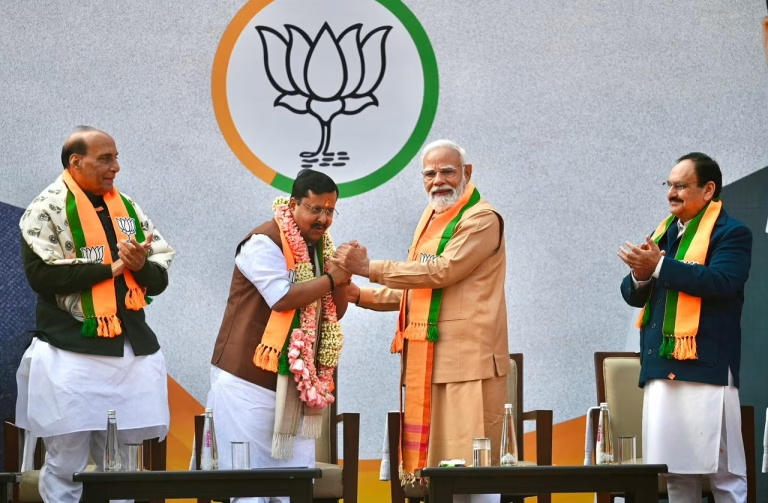
New Delhi – At 45 years of age, Nitin Nabin BJP president appointment marks a historic moment for India’s ruling party as he becomes the youngest leader to hold this prestigious position. The formal ceremony took place at the BJP headquarters in Delhi on Tuesday, with Prime Minister Narendra Modi, outgoing president JP Nadda, and several senior party leaders in attendance. The Nitin Nabin BJP president transition represents the party’s 12th leadership change and signals a generational shift in the organization’s top leadership.
The Nitin Nabin BJP president ceremony witnessed the presence of Union ministers Rajnath Singh and Nitin Gadkari, along with chief ministers from several BJP-ruled states, underscoring the significance of this leadership change. Party workers and supporters celebrated across the country, particularly in Bihar, Nabin’s home state, where the enthusiasm was palpable.
PM Modi’s Remarks on Nitin Nabin BJP President
Prime Minister Narendra Modi made remarkable statements during the Nitin Nabin BJP president installation ceremony, referring to him as a “millennial” and playfully calling him “boss” while describing himself as a “worker.” This gesture highlighted Modi’s approach to empowering younger leadership within the party structure. The Prime Minister’s endorsement of the Nitin Nabin BJP president appointment demonstrates the party’s confidence in youth leadership.
During his address, PM Modi emphasized how the BJP has connected the Northeast region to both the heart (Dil) and the capital (Delhi) of the nation, showcasing the party’s outreach efforts. His presence at the Nitin Nabin BJP president ceremony underscored the importance the party places on this leadership transition.
Political Journey Leading to Nitin Nabin BJP President Role
The journey to becoming Nitin Nabin BJP president began in 2006 when he entered politics following the death of his father, Nabin Kishore Prasad Sinha, a senior BJP leader and four-time Bihar Assembly legislator. Nabin reportedly won a by-election from Patna West, marking his entry into electoral politics. His rise through party ranks demonstrates the BJP’s tradition of promoting dedicated workers to leadership positions.
The Nitin Nabin BJP president candidacy received overwhelming support, with thirty-seven sets of nomination papers backing his name submitted to K Laxman, the Returning Officer for the election. Among the proposers were heavyweights including PM Modi, Union ministers Amit Shah, Rajnath Singh, Nitin Gadkari, Dharmendra Pradhan, Bhupendra Yadav, Kiren Rijiju, Hardeep Puri, and outgoing president JP Nadda.
JP Nadda’s Tenure and Transition
The Nitin Nabin BJP president appointment comes after JP Nadda’s tenure, who held the position since January 20, 2020. Nadda was initially appointed as the party’s working president before receiving a full three-year term, which was subsequently extended until June 2024. The smooth transition to the Nitin Nabin BJP president era reflects the party’s institutional strength and succession planning.
JP Nadda congratulated his successor during the ceremony, expressing confidence in the new leadership. The outgoing president’s gracious handover highlighted the party’s democratic traditions and organizational discipline.
Political Reactions and Opposition Jibes
The Nitin Nabin BJP president appointment drew mixed reactions from opposition parties. Congress leader Pawan Khera made a “Bigg Boss” reference, questioning whether a game was being played. Another Congress leader offered congratulations while simultaneously taking a jibe, suggesting that “we should be getting a younger PM as well,” attempting to politicize the leadership change.
Bihar RJD MP Jha and AIMIM’s Owaisi commented on the “pre-decided” nature of the election, though the Nitin Nabin BJP president selection followed the party’s established constitutional procedures. These opposition remarks attempted to diminish the significance of this democratic transition within the party.
Celebrations and Support Across India
The Nitin Nabin BJP president installation triggered celebrations nationwide, particularly in Bihar. Party workers described it as “no better day for all Biharis,” celebrating the elevation of their state’s representative to the party’s highest organizational position. The Nitin Nabin BJP president appointment has been seen as recognition of Bihar’s importance in the party’s national strategy.
Tamil Nadu BJP co-incharge stated that the new chief would take the party to “every corner of Bharat,” indicating ambitious expansion plans. Madhya Pradesh Chief Minister Yadav expressed hope that the young president would be very successful in his role.
Security and Preparations
Prior to assuming charge as Nitin Nabin BJP president, he was accorded ‘Z’ category CRPF security, reflecting the importance and responsibility of his position. On the morning of the ceremony, he visited a Delhi gurdwara to offer prayers before heading to the party headquarters.
Future Vision and Leadership Approach
In his address after becoming Nitin Nabin BJP president, he emphasized that this was “not just a position” but about “embracing ideology.” This statement reflected his understanding of the role’s responsibilities beyond mere administrative functions. Party leaders described him as highly energetic and possessing strong on-ground connections, qualities essential for leading India’s largest political party.
The Nitin Nabin BJP president era begins at a crucial time as the party prepares for upcoming electoral challenges and seeks to expand its footprint across India.
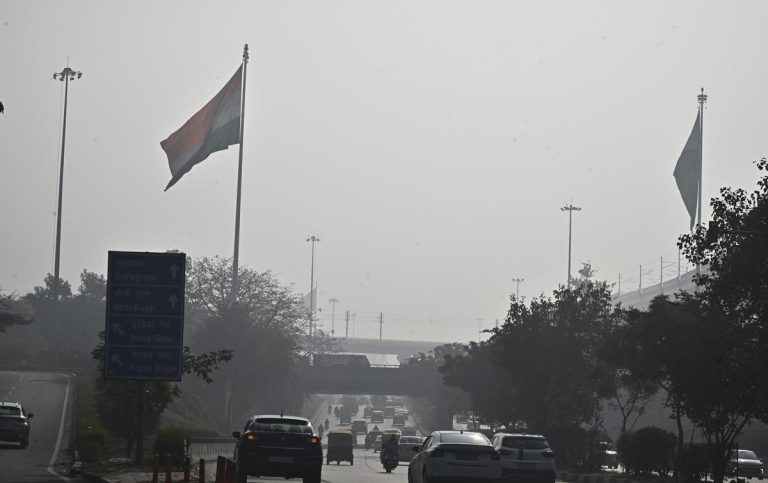
New Delhi – The Commission for Air Quality Management (CAQM) lifted restrictions under Delhi Grap Stage 4 on Tuesday following a marginal improvement in the capital’s air quality. The 24-hour average air quality index (AQI) stood at 378, categorized as “very poor” at 4 pm, marking a significant drop from the reading of 410 categorized as “severe” recorded at 4 pm on Monday. The removal of Delhi Grap Stage 4 comes after a three-day streak where the AQI had consistently remained at 400 or higher.
The air quality had been particularly hazardous over the weekend, with readings of 440 in the severe category on Sunday and 400 in the very poor category on Saturday. The lifting of Delhi Grap Stage 4 brings relief to various sectors that had been operating under strict restrictions.
Air Quality Forecast and Weather Predictions
According to the Air Quality Early Warning System (EWS) for Delhi, a forecasting model under the Centre, the capital’s air quality is likely to remain in the very poor category from January 21 through January 23. Despite Delhi Grap Stage 4 being lifted, forecasts indicate that the AQI will continue to fluctuate between very poor and poor ranges for the subsequent six days, from January 24 onwards.
The forecast also shows that a western disturbance is approaching, potentially bringing light rain and gusty winds on January 23. This weather change could further improve air quality conditions beyond the current Delhi Grap Stage 4 removal.
Key Restrictions Lifted With Delhi Grap Stage 4 Removal
The removal of Delhi Grap Stage 4 has resulted in several significant changes to operational restrictions in the capital. Trucks and diesel-operated BS-4 Heavy Goods Vehicles (HGVs) are now permitted to enter Delhi again, easing logistical challenges that businesses had been facing under Delhi Grap Stage 4 restrictions.
Construction and demolition activities for linear projects have been allowed to resume following the Delhi Grap Stage 4 lifting, though private construction and demolition activities remain prohibited. This partial resumption allows essential infrastructure projects to continue while maintaining some level of pollution control.
The mandatory restriction on schools to conduct hybrid classes for students in grades six through eleven (excluding grades 10 and 12) has also been lifted with the Delhi Grap Stage 4 removal. Schools can now return to normal operations, providing relief to students and parents who had been managing hybrid learning schedules.
Vehicle Movement and Government Restrictions
Additionally, a restriction imposed by the Delhi government on non-Delhi registered vehicles below BS-6 standards has been lifted following the Delhi Grap Stage 4 removal. This allows greater mobility for vehicles entering the capital from neighboring states and regions.
The Delhi Grap Stage 4 measures were initially invoked on Saturday, January 17, when the day’s AQI began rising rapidly and crossed 400 in the evening. Typically, Delhi Grap Stage 4 is implemented when the AQI is expected to cross 450, though authorities can invoke it preemptively based on deteriorating conditions.
CAQM’s Decision Rationale
The CAQM issued a statement on Tuesday explaining the decision to lift Delhi Grap Stage 4, citing the forecast for “very poor” air quality. The commission also considered “the disruptive nature of restrictions” and “the trend of improvement in the average AQI of Delhi” when making this decision regarding Delhi Grap Stage 4.
Air Quality Station Data and Regional Variations
Central Pollution Control Board data at 8 am on Tuesday showed that of the 39 active ambient air quality stations in the city, 23 were still recording readings in the severe category despite the Delhi Grap Stage 4 removal. However, by 7 pm, only five stations remained in the severe category as winds picked up during the day, allowing better dispersion of pollutants.
On Monday, as many as 25 stations were in the severe range, while on Sunday, 33 stations recorded severe air quality levels. Wazirpur emerged as the worst impacted location on Tuesday morning, recording a reading of 445, followed by Anand Vihar at 444. On Monday, Wazirpur had peaked at 473, followed by Vivek Vihar at 472. On Sunday, Anand Vihar peaked at 497, only three points short of the maximum reading of 500.
Weather Conditions and Temperature Updates
The India Meteorological Department (IMD) has issued a yellow alert for Friday, forecasting chances of very light to light rain. There are also possibilities of gusty winds reaching speeds up to 40 kilometers per hour during the day, which could further aid in pollutant dispersion beyond the Delhi Grap Stage 4 period.
Delhi witnessed shallow to moderate fog on Tuesday morning, with visibility dropping to 200 meters at Safdarjung and 700 meters at Palam. The minimum temperature stood at 7.2°C, approximately normal for this time of year, compared to 7.7°C on Monday.
The maximum temperature reached 25.7°C, six degrees above normal, following the unusually warm 26.7°C recorded the previous day. The maximum temperature is forecast to hover between 22-24°C on Wednesday and between 24-26°C on Thursday as weather patterns continue to evolve after the Delhi Grap Stage 4 removal.
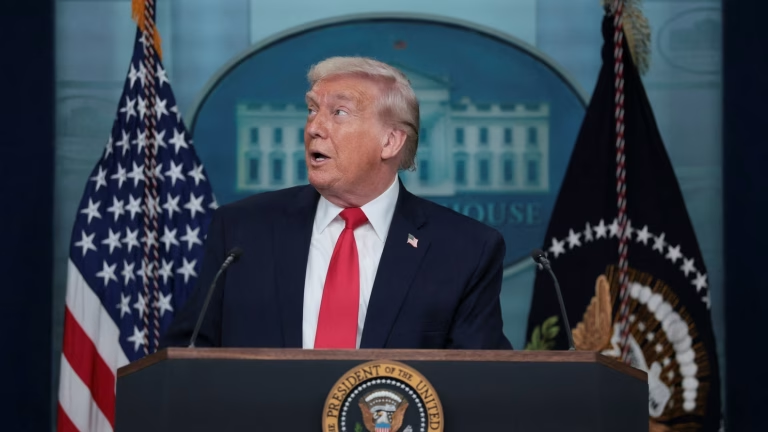
Washington D.C. – During the one-year anniversary celebration of his second term, President Donald Trump shared a childhood memory that quickly became controversial. The Trump Cunningham Park story emerged as he recounted his Little League baseball practice days in New York City, claiming he would practice at Cunningham Park where he could see the Creedmoor Psychiatric Hospital. However, this Trump Cunningham Park story immediately drew scrutiny from New Yorkers familiar with the area’s geography.
As Trump discussed his executive order to bring back insane asylums and mental institutions, he referenced his childhood baseball experiences. “I was quite the baseball player,” Trump declared while sharing the Trump Cunningham Park story during his extensive White House press briefing on Tuesday.
Geographic Inaccuracy Identified by New Yorkers
The Trump Cunningham Park story quickly unraveled as New Yorkers took to social media to point out a significant geographic error in the President’s recollection. Multiple users noted that Cunningham Park is actually more than three miles away from the Creedmoor Psychiatric Center, making the Trump Cunningham Park story geographically impossible as described.
Social media users who grew up in Queens were particularly vocal in correcting the Trump Cunningham Park story. “In case anyone didn’t know, Creedmoor Psychiatric Center is almost THREE miles from Cunningham Park,” one user wrote, highlighting the fundamental problem with the Trump Cunningham Park story’s geographic accuracy.
Alley Pond Park: The Likely Confusion
Many New Yorkers suggested that the Trump Cunningham Park story contained a simple mix-up of park names. They pointed out that Alley Pond Park is actually located directly adjacent to the Creedmoor Psychiatric Center, making it the more likely location for Trump’s childhood Little League practices. This correction suggests the Trump Cunningham Park story should have been an “Alley Pond Park story” instead.
“Alley Pond Park is next to Creedmoor. He doesn’t know what he’s rambling about,” one user commented, attempting to provide the correct geographic context for the Trump Cunningham Park story. Another user clarified: “He got the park wrong, too. Alley Pond Park is adjacent to Creedmor. Cunningham Park is in Fresh Meadows, three miles away.”
Social Media Response to Geographic Error
The Trump Cunningham Park story generated substantial online discussion and ridicule. Users across social media platforms shared their knowledge of Queens geography, with many expressing disbelief at the error. “Cunningham park is not near Creedmore. Several neighborhoods apart!” wrote another New Yorker, adding to the chorus of voices correcting the Trump Cunningham Park story.
Some users speculated about the implications of the geographic confusion. “I think he confused Cunningham Park with Alley Pond Park with his reference to Creedmoor. But almost no one will notice this,” one user predicted, though the widespread attention to the Trump Cunningham Park story proved this prediction incorrect.
Concerns About Memory and Accuracy
The Trump Cunningham Park story also raised questions among some observers about memory accuracy and cognitive function. “Trump is sounding off on old Queens neighborhoods. This is seriously, seriously senile stuff. Creedmoor Psychiatric Center was not near Cunningham Park, btw,” noted one social media user, connecting the Trump Cunningham Park story to broader concerns about presidential fitness.
Another observer characterized the entire press briefing as unusual, noting the Trump Cunningham Park story as part of a broader pattern: “Content-wise, this is the weirdest presser he’s ever done. From his ambitions at being a baseball player in Cunningham Park in Queens to ‘a little river called the Nile.'”
Context of Tuesday’s White House Briefing
The Trump Cunningham Park story emerged during a press briefing that lasted more than an hour, where the President touched on numerous topics and recounted various accomplishments from his first term. Trump began by discussing immigration raids in Minnesota, showing mugshots of individuals arrested by ICE during these operations.
Beyond the Trump Cunningham Park story, Trump addressed multiple subjects throughout the briefing. When asked if God would be proud of his work, Trump responded philosophically: “I think God is very proud of the job I’ve done, and that includes for religion.”
Additional Topics Discussed
While the Trump Cunningham Park story captured significant attention on social media, Trump also addressed other substantive issues during the briefing. He hinted at a possible compromise with NATO amid ongoing controversy over Greenland, suggesting that something would be “worked out” where both parties would be “very happy.”
“I think that we will work something out where NATO is going to be very happy and where we’re going to be very happy,” Trump stated, though this comment received less attention than the Trump Cunningham Park story among social media users focused on the geographic error.
Impact on Public Perception
The viral nature of the Trump Cunningham story demonstrates how seemingly minor details in presidential communications can generate significant public attention and discussion, particularly when they involve verifiable factual errors that local residents can immediately identify and correct.