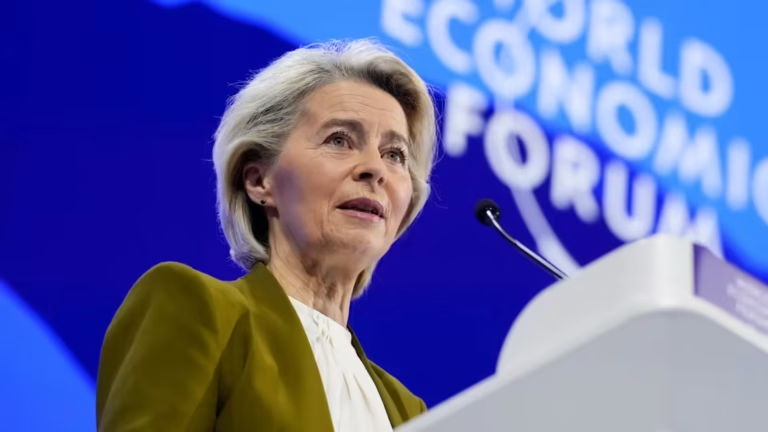
Davos – European Commission President Ursula von der Leyen announced at the World Economic Forum in Davos on Tuesday that India and the European Union are on the verge of finalizing what she described as a historic trade agreement. The India EU trade deal would create an unprecedented market comprising approximately 2 billion people, representing nearly a quarter of the global GDP. Von der Leyen characterized this landmark India EU trade deal as potentially “the mother of all deals,” emphasizing its transformative economic significance.
The announcement comes just days before von der Leyen’s scheduled trip to Delhi for India’s Republic Day celebrations, where the India EU trade deal is expected to be formally concluded. Her remarks highlight the strategic importance both parties place on this comprehensive economic partnership.
Strategic Timing Amid Global Trade Tensions
The India EU trade deal gains particular significance against the backdrop of US President Donald Trump’s aggressive use of tariffs against both India and European countries. Von der Leyen’s emphasis on the scale and importance of the India EU trade deal reflects Europe’s strategy to build economic independence and diversify trade relationships in response to current geopolitical uncertainties.
“It is time to seize this opportunity and build a new independent Europe,” von der Leyen stated, referencing current geopolitical shocks and the 27-nation bloc’s response. The India EU trade deal represents a cornerstone of this strategic repositioning, offering both parties significant economic and political advantages.
Republic Day Summit to Finalize Negotiations
President of the European Council Antonio Costa and European Commission President von der Leyen will visit India from January 25 to 27 as chief guests for Republic Day celebrations. During this visit, they will hold summit talks with Prime Minister Narendra Modi, where the two sides are set to announce the conclusion of negotiations on the much-awaited India EU trade deal.
The formal announcement of the India EU trade deal is scheduled for January 27 during the India-EU summit. This timing underscores the symbolic importance both parties attach to the agreement, choosing one of India’s most significant national occasions to unveil this historic partnership.
Von der Leyen explained that finalizing the India EU trade deal would provide a first-mover advantage for Europe with one of the world’s fastest-growing and most dynamic regions. The agreement positions Europe to engage with growth centers and economic powerhouses of the twenty-first century, with the India EU trade deal serving as a model for similar partnerships.
“From Latin America to the Indo Pacific and far beyond, Europe will always choose the world. And the world is ready to choose Europe,” von der Leyen declared in her televised address, positioning the India EU trade deal within Europe’s broader global engagement strategy.
Current Trade Relations and FTA Background
The European Union already serves as India’s biggest trade partner, with bilateral trade in goods recording $135 billion in the financial year 2023-24. The India EU trade deal is expected to significantly enhance these already substantial economic ties, creating new opportunities for businesses and consumers on both sides.
The EU and India first launched negotiations for the India EU trade deal in 2007, but talks were suspended in 2013 due to differences in ambition levels. The negotiations were relaunched in June 2022, reflecting renewed commitment from both parties to overcome previous obstacles and achieve a comprehensive agreement.
Defence and Strategic Cooperation
Beyond the India EU trade deal, the two sides are also expected to unveil a defence framework pact and a strategic agenda during the January 25-27 summit. India and the European Union have maintained a strategic partnership since 2004, with the India EU trade deal representing an evolution of this long-standing relationship.
The summit will also establish a joint comprehensive strategic vision governing their relationship for the period 2026-2030. This framework will complement the India EU trade deal by addressing broader strategic, security, and geopolitical cooperation.
Geopolitical Context and European Independence
Von der Leyen addressed various geopolitical challenges, including tensions over Greenland and the Russia-Ukraine conflict, positioning the India EU trade deal as part of Europe’s strategy to build a new form of independence. She emphasized that the seismic changes occurring globally represent both an opportunity and a necessity for Europe to strengthen its economic and strategic autonomy.
Regarding EU-US relations, von der Leyen stressed that Europe considers Americans not just allies but friends, while making clear that the India EU trade deal and similar partnerships represent Europe’s commitment to maintaining diverse and robust international relationships.
Future Implications and Global Impact
The EU trade deal represents more than just a bilateral economic agreement; it symbolizes a shift in global trade architecture. As both India and Europe seek to navigate an increasingly complex geopolitical landscape characterized by trade tensions and shifting alliances, the India EU trade deal offers a framework for cooperation that could influence international trade patterns for decades to come.
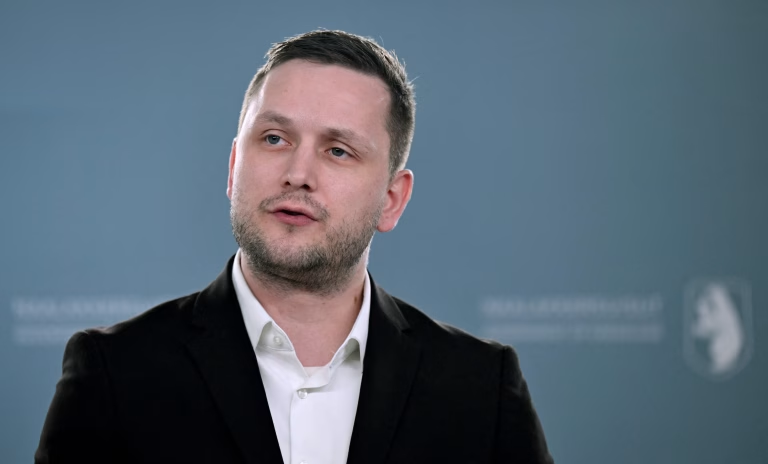
Greenland – Greenland’s Prime Minister Jens-Frederik Nielsen has issued a stark warning to citizens and local authorities, urging them to prepare for a possible military invasion as concerns mount over US President Donald Trump’s repeated threats to take control of the Arctic territory. The Greenland military conflict Trump situation has escalated to a point where the Prime Minister felt compelled to address the nation about potential military action, despite acknowledging that such a scenario remains unlikely.
During a press conference held in the capital city of Nuuk on Tuesday, Nielsen emphasized the gravity of the situation, stating that while a military conflict is not likely, it cannot be ruled out entirely. This marks a significant escalation in the Greenland military conflict Trump controversy that has dominated international headlines in recent weeks.
Preparation Measures for Potential Military Action
In response to the growing Greenland military conflict Trump concerns, Nielsen announced that the Greenlandic government would establish a dedicated task force comprising representatives from key local authorities. This task force will be responsible for helping residents prepare for any potential disruption to daily life that could result from military action or heightened tensions with the United States.
The Greenland military conflict Trump preparedness initiative includes the development of new guidelines for the public. Among the specific recommendations, the government will advise households to store enough food supplies to last at least five days. This practical measure reflects the serious nature of the Greenland military conflict Trump situation and the government’s commitment to ensuring citizen safety.
Trump’s Persistent Claims on Greenland Ownership
The Greenland military conflict Trump crisis has been fueled by President Trump’s repeated assertions that the United States needs to own Greenland for security reasons. Trump has made numerous public statements emphasizing his administration’s interest in acquiring the territory, even going so far as to share an AI-generated image of himself planting a US flag on the island. These actions have intensified international concern about the Greenland military conflict Trump scenario.
Greenland, home to approximately 57,000 people, is part of the Kingdom of Denmark but maintains autonomy over most domestic matters. However, defense and foreign policy remain under Denmark’s control, making the Greenland military conflict Trump situation a matter that involves both Greenlandic and Danish authorities.
Denmark’s Military Response to Rising Tensions
In direct response to the Greenland military conflict Trump threats, Denmark has significantly increased its military presence in Greenland to strengthen Arctic defense capabilities. This enhanced military posture demonstrates Denmark’s commitment to protecting Greenland’s sovereignty amid the escalating Greenland military conflict Trump crisis.
Former Prime Minister and current Finance Minister Mute B. Egede acknowledged the mounting pressure facing the territory, stating that Greenland is under significant stress and must be ready for all possible scenarios. His comments underscore the seriousness with which Greenlandic leadership is treating the Greenland military conflict Trump situation.
Operation Arctic Endurance and NATO Involvement
To boost security amid the Greenland military conflict Trump tensions, Denmark and seven other NATO countries deployed a small group of officers to Greenland last week under Operation Arctic Endurance. This multinational military presence represents a coordinated response to the perceived threat and demonstrates NATO’s solidarity with Denmark regarding the Greenland military conflict Trump issue.
Denmark’s Joint Arctic Command is also expected to expand military exercises in the region, with plans to potentially make these exercises year-round operations. This increased military activity reflects the long-term strategic implications of the Greenland military conflict Trump controversy and the need for sustained defensive preparedness.
Economic and Diplomatic Fallout
The Greenland military conflict Trump situation has created significant diplomatic and economic tensions between the United States and Europe. President Trump has threatened to impose fresh tariffs from February 1 on the eight NATO allies involved in Operation Arctic Endurance, further escalating tensions beyond the immediate military concerns.
These threatened tariffs represent an attempt to pressure NATO allies who are supporting Denmark’s defensive measures in Greenland, adding an economic dimension to the Greenland military conflict Trump crisis. The move has been widely criticized as undermining traditional alliances and creating unnecessary friction within the NATO framework.
Strategic Importance of the Arctic Territory
The Greenland military conflict Trump controversy highlights the strategic importance of the Arctic region in contemporary geopolitics. Greenland’s location provides significant military and economic advantages, including access to important shipping routes, natural resources, and strategic positioning for defense installations. These factors explain Trump’s persistent interest in acquiring the territory, even as such ambitions face legal, diplomatic, and practical obstacles.
As the Greenland military conflict Trump situation continues to develop, international observers are closely monitoring both the rhetoric from Washington and the defensive preparations being undertaken by Greenland and Denmark. The coming weeks will be critical in determining whether this crisis can be resolved through diplomatic channels or whether tensions will continue to escalate.
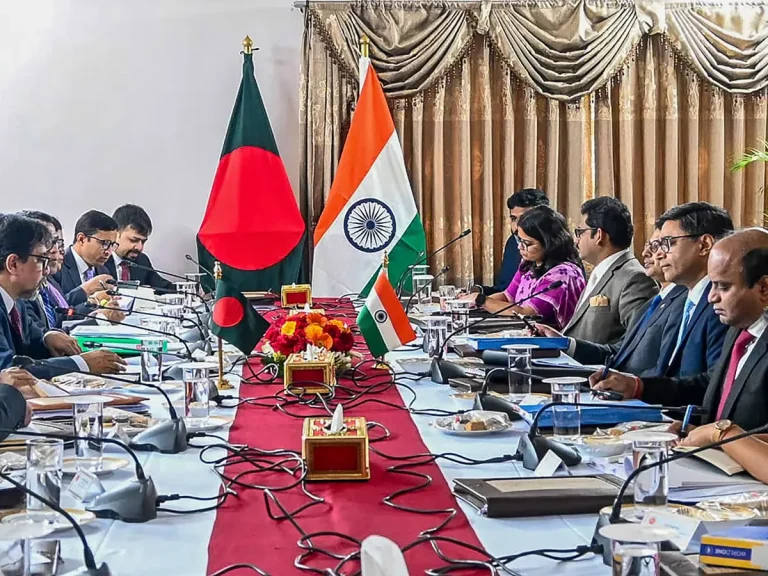
New Delhi – India has made the significant decision to designate Bangladesh as a “non-family” posting for its diplomatic personnel due to escalating security concerns. Despite this precautionary measure, all five Indian diplomatic missions in the neighboring country will continue to operate at full strength. The move affects India diplomats Bangladesh stationed at the high commission in Dhaka and four assistant high commissions located in Chattogram, Khulna, Rajshahi, and Sylhet.
According to officials familiar with the matter, this decision had been under consideration for some time due to growing concerns about the safety and security of India diplomats Bangladesh and their families. The primary threats have been identified as coming from extremist and radical elements operating within Bangladesh.
Precautionary Measures for Diplomatic Families
As a precautionary measure, the Indian government has officially advised the dependents of officials at the high commission and the four assistant high commissions to return to India. This decision impacts all family members of India diplomats Bangladesh currently stationed across the five diplomatic posts. The high commission and assistant high commissions will remain open and continue their operations without any reduction in diplomatic staff strength.
Officials have not provided specific details regarding when the India diplomats Bangladesh families are expected to complete their return to India. Additionally, authorities have declined to disclose the exact number of diplomatic personnel currently serving in Bangladesh, citing security concerns that make such information sensitive.
Understanding Non-Family Posting Classification
The designation of Bangladesh as a “non-family” posting represents one of the most stringent security measures implemented for India diplomats Bangladesh and Indian diplomatic personnel globally. This classification indicates a serious assessment of security risks in the host country. To provide context, Pakistan, with which India maintains relations at an all-time low, is currently classified as a “no children” posting, where spouses are permitted to join officials but children are not allowed. The Bangladesh classification is therefore more restrictive than even Pakistan.
The decision to make Bangladesh a non-family posting for India diplomats Bangladesh reflects the severity of security threats identified by Indian intelligence and diplomatic assessments. This measure ensures that diplomatic personnel can focus on their duties without the additional concern for their families’ safety.
Security Threats and Extremist Elements
Officials familiar with the situation have indicated that concerns intensified regarding the safety of India diplomats Bangladesh families due to threats from radical and extremist elements. Additionally, there are concerns about the freedom reportedly provided to Pakistani elements by the interim government led by Muhammad Yunus. These factors combined have created an environment deemed unsafe for diplomatic families.
The Indian government has repeatedly criticized the interim Bangladesh government for failing to adequately protect Bangladesh’s minorities, a charge that Dhaka has dismissed. New Delhi has also accused the Yunus-led regime of turning a blind eye to the activities of radical groups, further complicating the security environment for India diplomats Bangladesh.
Deteriorating Bilateral Relations
India-Bangladesh relations have plummeted to an all-time low since the caretaker administration assumed office in August 2024. The deteriorating relationship has necessitated both countries to step up security measures at their respective missions in New Delhi and Dhaka. Recent weeks have witnessed protests that heightened security concerns for India diplomats Bangladesh and their Bangladeshi counterparts in India.
The situation became particularly tense following violent protests outside the Indian mission in Chattogram last month. Such incidents have reinforced the decision to evacuate families of India diplomats Bangladesh and implement the non-family posting designation.
Diplomatic Outreach Despite Tensions
Despite the security concerns affecting India diplomats Bangladesh, the Indian government has made strategic efforts to maintain diplomatic channels with key political actors in Bangladesh. New Delhi has reached out to the Bangladesh Nationalist Party (BNP), which is widely expected to emerge as the single-largest party in the general election scheduled for February 12.
External Affairs Minister S Jaishankar recently represented India at the funeral of former Premier and BNP chief Khaleda Zia. During this visit, he met with her son and political heir, Tarique Rahman. This engagement is viewed as an effort at rapprochement with the BNP, demonstrating that while security measures for India diplomats Bangladesh have been tightened, diplomatic engagement continues.
Operational Continuity for India Diplomats Bangladesh
It is important to note that despite the family evacuation, India diplomats Bangladesh will continue their work without interruption. All five diplomatic missions will maintain full operational strength, ensuring that consular services, diplomatic functions, and bilateral engagement continue unaffected. This approach balances security concerns with the need to maintain India’s diplomatic presence and protect its interests in Bangladesh.
The decision underscores India’s commitment to safeguarding India diplomats Bangladesh while maintaining critical diplomatic operations during a challenging period in bilateral relations.
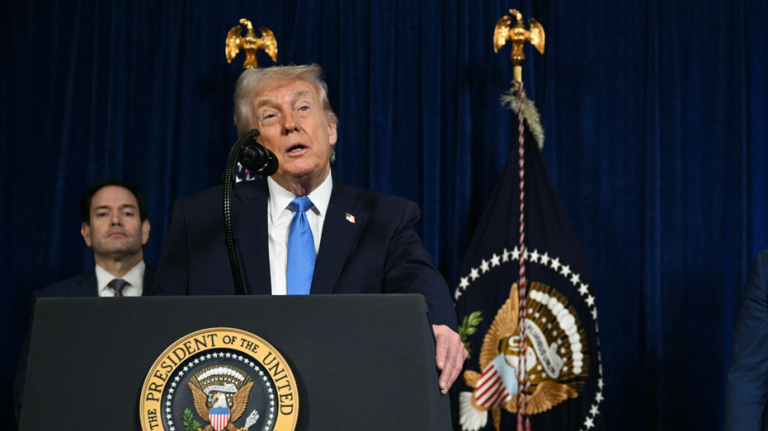
Washington D.C. – US President Donald Trump conducted an extensive media interaction at the White House on Tuesday, commemorating his one-year mark in office for the second term. The Trump White House presser lasted approximately two hours and began almost 50 minutes behind schedule. During this comprehensive briefing, Trump addressed numerous topics ranging from immigration enforcement in Minnesota to military operations in Venezuela and Iran, while also claiming credit for preventing eight wars during his ten months in office.
The Trump White House presser comes just one day before the President is scheduled to deliver a keynote address to global elites and billionaires at the World Economic Forum in Davos, Switzerland. Trump indicated that his Davos speech would primarily focus on recapping what he described as the tremendous success of his first year back in office.
Military Operations Against Venezuela and Iran
During the Trump White House presser, the President expressed pride in recent military actions taken against Venezuela and Iran. Trump stated that the country’s nuclear capability was wiped out, referencing operations that targeted key figures he described as threats to regional stability. The President mentioned that earlier in the month, US forces carried out military raids on Venezuela, resulting in the capture of President Nicolas Maduro and his wife Cillia Flores, who were brought to the United States. The Trump administration has accused Maduro of narcoterrorism and corruption, justifying these extraordinary actions.
The Trump White House presser highlighted these military operations as significant accomplishments of his administration’s foreign policy approach, emphasizing a more aggressive stance toward nations the US considers hostile or destabilizing.
Greenland Acquisition Plans and International Tensions
Questions about Greenland dominated portions of the Trump White House presser, with journalists pressing the President on how far he would go to acquire the territory. Trump’s response was characteristically cryptic, simply stating “You will find out” when asked about specific plans or actions regarding Greenland. This ongoing controversy has strained relations between the United States and several European allies.
The Trump White House presser also featured sharp criticism of French President Emanuel Macron. When asked about attending an emergency meeting called by Macron on the Greenland issue, Trump dismissed the invitation, suggesting that Macron would not remain in power much longer and that there was “no longevity there.” Relations between the US and France have deteriorated as France and other European nations have openly rejected American statements on Greenland and plans to take over the territory.
A significant portion of the Trump White House presser focused on immigration enforcement activities in Minnesota. Trump displayed photographs of individuals allegedly arrested during federal immigration enforcement operations, describing them as “rough” people removed from Minnesota streets. The President’s administration is currently facing intense backlash over anti-immigration actions in the state.
During the Trump White House presser, Trump also linked fraud allegations in Minnesota to the state’s Somali community, a claim that has generated additional controversy. The administration has urged a judge to reject efforts by Minnesota and its largest cities to halt the immigration enforcement surge, calling a lawsuit filed after the fatal shooting of Renee Good by an immigration officer “legally frivolous.”
Nobel Prize Claims and War Prevention
The Trump White House presser included extensive discussion of the President’s belief that he deserves Nobel Prize recognition. Trump claimed that he helped prevent eight wars in ten months and suggested he deserved a Nobel Prize for each prevented conflict. He specifically repeated his claim of brokering a truce between India and Pakistan in May 2025, when the two countries were engaged in heightened military escalation following Operation Sindoor.
Trump referenced Venezuelan politician Maria Machado, who recently presented her peace prize medal to him, prompting a stern message from the Nobel foundation. During the Trump White House presser, Trump stated, “I saved millions and millions of people,” while discussing Norway’s role in controlling Nobel Prize decisions.
Davos Speech Preview
The Trump White House presser served as a preview for the President’s upcoming appearance at the World Economic Forum. Trump emphasized that his Davos address would highlight his administration’s achievements, stating, “I think more than anything else, what I’m going to be speaking about is the tremendous success that we’ve had in one year. I didn’t think we could do it this fast.”
International Relations and UN Criticism
Throughout the Trump White House presser, the President targeted the United Nations, criticizing the international organization’s effectiveness and support. The briefing showcased Trump’s broader foreign policy approach, which emphasizes American interests and bilateral relationships over multilateral institutions and traditional diplomatic channels.
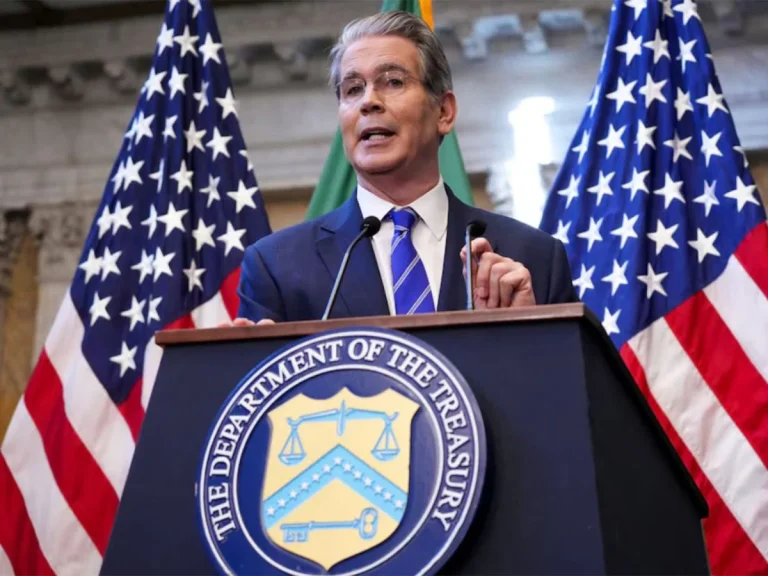
Washinton D.C. – The United States Treasury Secretary Scott Bessent made significant claims regarding India’s oil purchasing patterns, stating that New Delhi has stopped buying Russian energy following the Trump administration’s imposition of tariffs. The statement came during discussions about the proposed 500 percent tariff legislation targeting countries that purchase Russian oil. According to Bessent, the US tariff Russian oil India policy has already shown results, with India reducing its Russian energy imports after a 25 percent tariff was implemented.
The Treasury Secretary emphasized that President Donald Trump does not require Senate authority to impose the proposed 500 percent tariffs on countries purchasing Russian oil, stating that the administration can execute such measures under existing legislation. However, he acknowledged that the Senate is considering granting this authority through a formal bill.
The Russia Sanctions Bill and Its Implications
The Russia Sanctions Bill represents a significant escalation in US efforts to curtail global purchases of Russian energy. The legislation would allow the United States to impose at least 500 percent tariffs on countries purchasing Russian oil, a measure that President Trump greenlit earlier this month. The US tariff Russian oil India discussion has become central to understanding how this policy might affect major economies.
Senator Lindsey Graham, who made the bill’s details public, explained that the proposed legislation would provide President Trump with substantial leverage against major economies. The bill specifically mentions countries like China, India, and Brazil as potential targets, aiming to incentivize them to stop purchasing Russian oil that finances ongoing conflicts.
India’s Position and Official Response
The Ministry of External Affairs responded to questions about the US tariff Russian oil India policy by stating that India is fully aware of the proposed bill and is carefully monitoring all related developments. The ministry spokesperson emphasized that India remains guided by the imperative of securing energy at affordable prices for its 1.4 billion population.
India has consistently reiterated its approach to energy procurement, maintaining that decisions take into account prevailing conditions and the environment in the global market. The country’s energy security concerns remain paramount, given the needs of its massive population and growing economy.
Bessent’s Comments on Global Oil Purchases
While discussing the US tariff Russian oil India situation, Bessent also criticized European nations for continuing to purchase Russian oil four years after the conflict began. He stated that Europe is effectively financing aggression against itself through these purchases, highlighting what he views as inconsistent policy approaches among Western allies.
The Treasury Secretary reserved particularly strong criticism for China, identifying it as one of the top buyers of Russian oil. The United States has been planning to impose up to 500 percent tariffs on China specifically for Russian oil purchases, with 85 US senators reportedly willing to support giving President Trump this authority.
According to Bessent’s claims regarding the US tariff Russian oil India implementation, India began purchasing Russian oil after the conflict started but has since “geared down” following the 25 percent tariff imposition. He asserted that India has stopped buying Russian oil entirely, though this claim requires independent verification given India’s historical energy import patterns and requirements.
The US tariff Russian oil India policy represents a significant shift in bilateral economic relations, potentially affecting India’s energy security strategies and long-term procurement planning. The effectiveness of this tariff in changing India’s purchasing behavior remains a subject of ongoing analysis.
Presidential Authority and Legislative Process
Bessent clarified that while the Senate is considering formally granting tariff authority through the Russia Sanctions Bill, the Trump administration believes it already possesses the necessary power under the International Emergency Economic Powers Act (IEEPA). This suggests that the US tariff Russian oil India measures could be expanded or modified without additional congressional approval.
The discussion around the US tariff Russian oil India framework highlights broader questions about executive authority in trade policy and the mechanisms available to the president for implementing economic sanctions and tariffs without legislative action.
Future Implications for Global Energy Markets
The implementation of the US tariff Russian oil India policy and similar measures against other nations could significantly reshape global energy markets. Major economies may need to diversify their energy sources, potentially increasing demand for oil from Middle Eastern, American, and other producers.
As the US tariff Russian oil India situation continues to evolve, the balance between energy security, economic considerations, and geopolitical alignment will likely remain a central challenge for policymakers in New Delhi and other capitals worldwide.
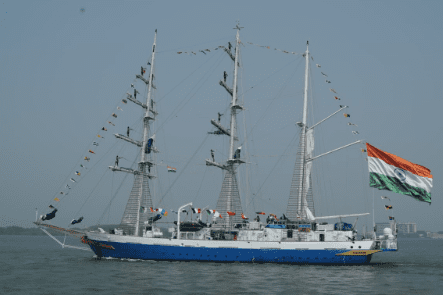
The Indian Navy’s Sail Training Ship INS Sudarshini was formally flagged off for the Lokayan 26 transoceanic expedition on January 20, 2026, from Naval Base, Kochi. The expedition was inaugurated by Vice Admiral Sameer Saxena, Flag Officer Commanding-in-Chief, Southern Naval Command, marking the beginning of a landmark global voyage that highlights India’s maritime heritage, professional naval training, and international outreach.
The ten-month-long expedition stands as a symbol of India’s growing presence in global maritime engagement and the Indian Navy’s commitment to excellence in traditional ocean sailing.
The ceremonial flag-off was attended by senior naval officers, members of the naval community, school children, families of the crew, and media representatives. On the occasion, the Lokayan 26 plaque was unveiled by the Flag Officer Commanding-in-Chief (South).
Interacting with the crew, Vice Admiral Saxena described INS Sudarshini as India’s “Ambassador at Large”, emphasizing that the voyage goes beyond geographical boundaries to build “Bridges of Friendship” across nations. The traditional send-off saw the three-masted barque unfurl her sails to the stirring accompaniment of the Naval band, reflecting the rich heritage of naval traditions.
A 10-Month Global Voyage Across 13 Countries
During the ten-month-long deployment, INS Sudarshini will:
Sail approximately 22,000 nautical miles
Visit 18 ports across 13 countries
Engage in international maritime interactions
Promote India’s cultural and naval diplomacy
The expedition reflects the spirit of Vasudhaiva Kutumbakam (the world is one family) and advances India’s maritime vision of MAHASAGAR — Mutual and Holistic Advancement for Security and Growth Across Regions.
Participation in Prestigious Global Maritime Events
A key highlight of Lokayan 26 will be the ship’s participation in globally renowned maritime events:
Escale à Sète, France (March–April 2026): INS Sudarshini will make her debut at one of Europe’s premier maritime festivals, representing India alongside internationally renowned tall ships in the Mediterranean.
SAIL 250, New York (July 2026): As part of the United States’ 250th Independence Day celebrations, INS Sudarshini will join the grand International Parade of Sails, further strengthening India’s global maritime presence.
INS Sudarshini is an indigenously built sail training ship, constructed by Goa Shipyard Limited. The vessel reflects India’s growing self-reliance in maritime engineering.
Key features include:
Length: 54 metres
Rig: Three-masted barque
Sail configuration: 20 sails
Sail area: Over 1,000 square metres
The ship provides an exceptional platform for sea trainees and officer cadets to master traditional seamanship, leadership, and navigation, guided purely by wind and ocean conditions.
Strengthening Maritime Cooperation and Cultural Diplomacy
As INS Sudarshini sails along ancient trade routes and modern sea lanes, the voyage is positioned not only as a training mission but also as a powerful instrument of:
Maritime diplomacy
Cultural exchange
International cooperation
Youth and naval engagement
The expedition reinforces India’s commitment to building global goodwill, mutual trust, and cooperation across oceans.
Conclusion
The flag-off of Lokayan 26 marks a significant milestone in India’s maritime journey. Through training, diplomacy, heritage, and global engagement, INS Sudarshini continues to serve as a floating ambassador of India’s values, professionalism, and seafaring legacy. The voyage embodies the nation’s vision of connected oceans, peaceful cooperation, and sustainable maritime growth.
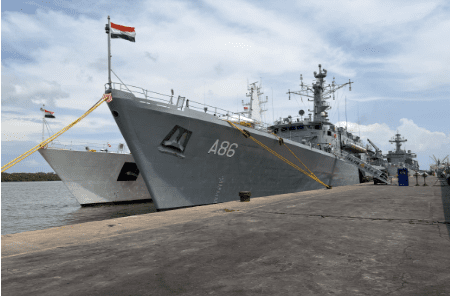
The Indian Navy’s First Training Squadron (1TS) comprising INS Tir, INS Shardul, INS Sujata, along with ICGS Sarathi, made a port call at Belawan, Indonesia on January 20, 2026, as part of its ongoing training deployment to Southeast Asia. The squadron received a warm ceremonial welcome from the Indonesian Navy, including a traditional dance performance, reflecting the strong maritime ties between the two nations.
Strengthening Maritime Cooperation Through Joint Engagements
During the port call, personnel from the Indian Navy and the Indonesian Navy will participate in a wide range of professional and social engagements aimed at enhancing cooperation and operational synergy.
Key activities include:
Cross-deck visits between naval ships
Joint training exercises
Professional exchanges between officers and sailors
Discussions on maritime operations and best practices
These interactions are designed to strengthen interoperability and mutual understanding between the two navies.
Cultural Exchange and People-to-People Connect
Beyond professional engagements, the visit also emphasizes cultural diplomacy and community bonding. A variety of cultural and outreach activities have been scheduled, including:
Joint yoga sessions
Visits by school children
Friendly sports matches
Community outreach programmes
Such initiatives help build enduring people-to-people connections and foster goodwill between the two countries.
Aligned with Act East Policy and MAHASAGAR Vision
The deployment of the First Training Squadron to Indonesia underscores India’s strong commitment to the Act East Policy, which focuses on deepening engagement with Southeast Asian nations.
The visit also reinforces India’s maritime vision of MAHASAGAR — Mutual and Holistic Advancement for Security and Growth Across Regions. Through regular interactions with navies of partner nations, including members of the Indian Ocean Naval Symposium (IONS), India continues to promote collaborative security and regional stability.
Conclusion
The port call of the Indian Navy’s First Training Squadron at Belawan reflects the growing depth of India–Indonesia maritime cooperation. Through training exchanges, cultural engagement, and professional interaction, the visit strengthens bilateral naval ties while advancing India’s broader strategic and diplomatic engagement in the Indo-Pacific region.
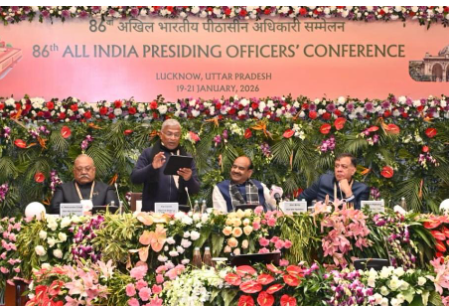
The Deputy Chairman of Rajya Sabha, Shri Harivansh, called for greater synergy between Parliament and State Legislatures to ensure the effective, accurate, and responsible adoption of Artificial Intelligence (AI) in legislative functioning. He made these remarks while addressing the plenary session of the 86th All India Presiding Officers’ Conference (AIPOC) in Lucknow on January 20, 2026.
He emphasized that while AI can significantly enhance legislative efficiency, its success depends on the quality of knowledge and data on which the system is trained.
Legislatures as Custodians of Institutional Knowledge
Highlighting the intellectual wealth embedded in legislative institutions, Shri Harivansh noted:
“Legislatures are custodians of all official policy documents including debates on legislation, budgets, and proceedings. These documents become part of the House when laid on the table.”
He pointed out that much of this valuable institutional knowledge remains scattered across ministries, and stressed that AI can help build an integrated platform to make such information easily accessible, thereby transforming legislatures into knowledge hubs.
Call for Creation of a National Legislative ‘Data Lake’
The Deputy Chairman proposed the creation of a comprehensive legislative ‘Data Lake’, comprising:
Parliamentary debates
Legislative vocabulary and conventions
Budget discussions
Rulings and precedents
Policy documents across States and Parliament
Such a repository, he said, would allow AI systems to be trained in a manner that is uniquely suited to the Indian legislative context, ensuring accuracy, relevance, and institutional sensitivity.
“AI Must Be Trained on Parliamentary Knowledge”
Shri Harivansh underscored that the effectiveness of AI in legislatures does not lie merely in its algorithms, but in the knowledge ecosystem that feeds it.
“What makes AI suitable for parliamentary use is not merely its algorithmic capability. It is the knowledge on which the technology is trained.”
He stressed that parliamentary AI must be trained within Parliament itself, using carefully curated legislative data. While technical skills can be outsourced, he noted that institutional knowledge is deeply contextual and built over decades of constitutional practices, debates, and conventions.
AI Already Enhancing Parliamentary Functioning
The Deputy Chairman highlighted ongoing AI-driven initiatives within Parliament, including:
AI-enabled transcription of debates
Simultaneous interpretation services across languages
Access to House business and administrative documents in the language of choice for Members of Parliament
He also noted that AI can assist in routine administrative tasks such as:
Scrutiny of admissibility of Questions for Question Hour
Searching historical precedents and rulings
Document management and legislative research
Need for Human Oversight and Capacity Building
Advocating a hybrid model, Shri Harivansh emphasized that while AI can assist, human oversight must remain central to decision-making.
He also called for:
Greater awareness programmes on AI for legislators
Training and orientation sessions for legislative staff
Capacity building to ensure responsible and effective use of emerging technologies
Beyond digital tools, the session also featured discussions on strengthening accountability and building legislative capacity.
Background of the Conference
The 86th All India Presiding Officers’ Conference (AIPOC) began on January 19, 2026, in the presence of:
Governor of Uttar Pradesh, Smt. Anandiben Patel
Lok Sabha Speaker, Shri Om Birla
The conference serves as a key national platform for dialogue on strengthening democratic institutions and legislative practices.
Conclusion
Shri Harivansh’s address places a strong emphasis on responsible, knowledge-driven adoption of AI in India’s legislatures. By advocating institutional collaboration, curated data ecosystems, and human oversight, the Deputy Chairman outlined a roadmap for making AI a powerful tool for strengthening democracy rather than merely a technological upgrade.
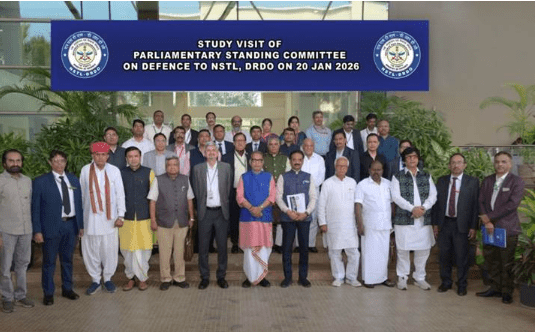
The Parliamentary Standing Committee on Defence, chaired by Shri Radha Mohan Singh, conducted an on-the-spot study visit to the Naval Science & Technological Laboratory (NSTL), Visakhapatnam on January 20, 2026. The visit focused on reviewing India’s progress in indigenous research and development of advanced underwater weapon systems and maritime defence technologies.
The delegation examined several critical technologies developed by NSTL that support the operational requirements of the Indian Navy.
Indigenous Defence Systems Showcased to the Committee
During the visit, the Committee witnessed a wide range of NSTL-developed products and technologies, including:
Torpedoes:
Advanced Light Weight Torpedo (ALWT)
Varunastra
Electric Heavy Weight Torpedo (EHWT)
Naval Mines:
Multi Influence Ground Mine (MIGM)
Programmable Bottom Mine (PBGM)
Decoys and Countermeasures:
Submarine-launched Floating Decoy (SFD)
Torbuster
Advanced Systems and Platforms:
SMART
HEAUV
SWARM
Underwater systems and vehicles
Associated underwater weapon technologies
These technologies represent key components of India’s indigenous naval warfare and underwater defence capability.
Live Demonstration of Hydrodynamic Testing Facility
The Committee also witnessed a live demonstration of hydrodynamic testing at NSTL’s Sea-keeping and Manoeuvring Basin using a scale-down model of a ship.
Members of the delegation appreciated the laboratory’s advanced infrastructure and its role in supporting the design, validation, and performance assessment of naval platforms and underwater systems.
Delegation Briefed on R&D and Future Technology Roadmap
The delegation was welcomed by senior leadership, including:
Dr Samir V. Kamat, Secretary, Department of Defence R&D and Chairman, DRDO
Dr R.V. Hara Prasad, DG (Naval Systems & Materials)
Dr Abraham Varughese, Director, NSTL
Dr Abraham Varughese briefed the Committee on:
Ongoing R&D programmes at NSTL
Collaboration with industry and academia
The laboratory’s future technology roadmap
Contributions toward indigenous defence capability building
Focus on Maritime and Underwater Domain Awareness
The Committee particularly appreciated NSTL’s work in the strategically critical areas of:
Maritime Domain Awareness (MDA)
Underwater Domain Awareness (UDA)
These capabilities are essential for strengthening India’s naval preparedness, surveillance capabilities, and underwater security architecture in an increasingly complex maritime environment.
Conclusion
The visit of the Parliamentary Standing Committee on Defence to NSTL highlights the growing national emphasis on indigenous defence R&D and self-reliance in strategic technologies. NSTL’s advancements in underwater platforms, weapons, and sensing technologies reaffirm its vital role in enhancing India’s maritime security and supporting the long-term operational strength of the Indian Navy.
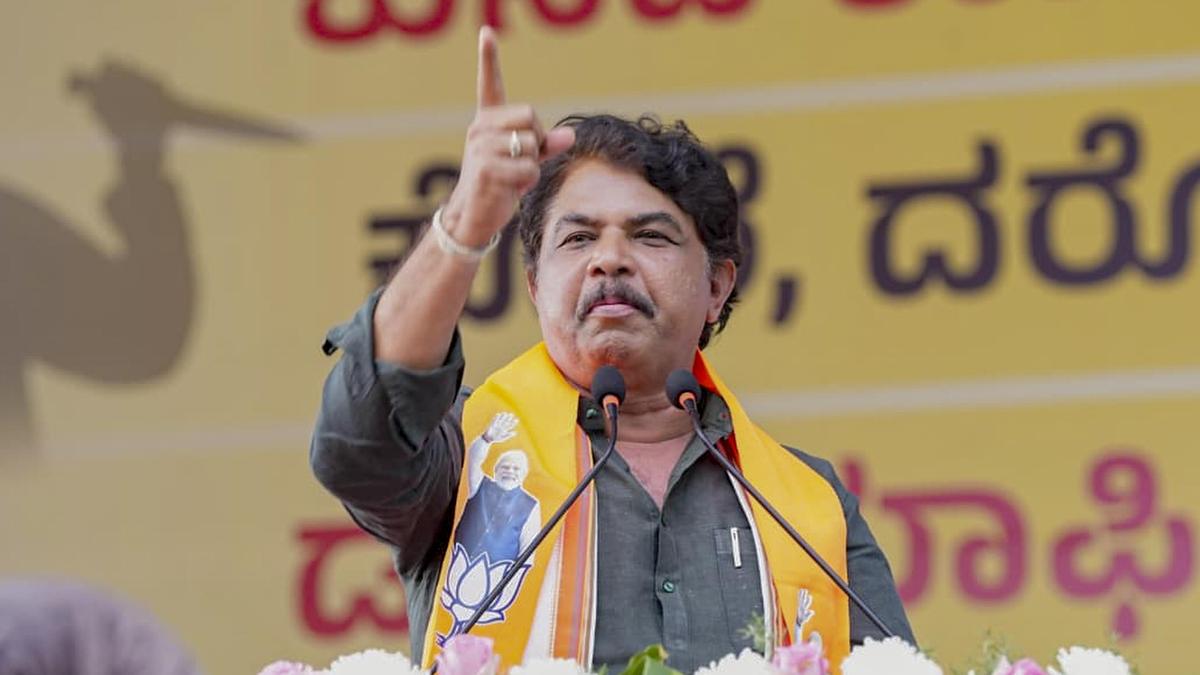
A public statement by Ashok, a prominent civic leader, has sparked debate and drawn attention to the conduct of police forces in the state. Speaking at a press briefing, he claimed that law enforcement agencies are increasingly being reported in the media not for effective crime prevention or arrests, but for acts that violate legal norms and public trust. The statement comes amid a series of high-profile incidents involving alleged procedural lapses, custodial controversies, and accusations of overreach by police personnel across Karnataka.
Ashok also highlighted the role of citizen feedback and community policing in improving accountability. He suggested that regular public hearings, complaint portals, and citizen advisory committees could serve as early warning systems for misconduct. Such mechanisms, he argued, would allow law enforcement to identify procedural gaps and correct behaviour before minor lapses escalate into high-profile controversies. Experts agree that engaging communities in oversight not only improves transparency but also strengthens the relationship between police and the public, fostering cooperation in investigations and crime prevention while reinforcing the legitimacy of the force.
In conclusion, Ashok urged the government and police leadership to treat accountability as a continuous process rather than a reactive measure. He emphasised that training, supervision, legal compliance, and technological monitoring must be integrated into a systemic framework to prevent officers from making headline-grabbing errors. By combining internal reforms with public engagement and strict enforcement of rules, he said, the police can restore trust, ensure justice, and focus on their core mission of maintaining law and order. The statement serves as both a warning and a roadmap for institutional improvement.
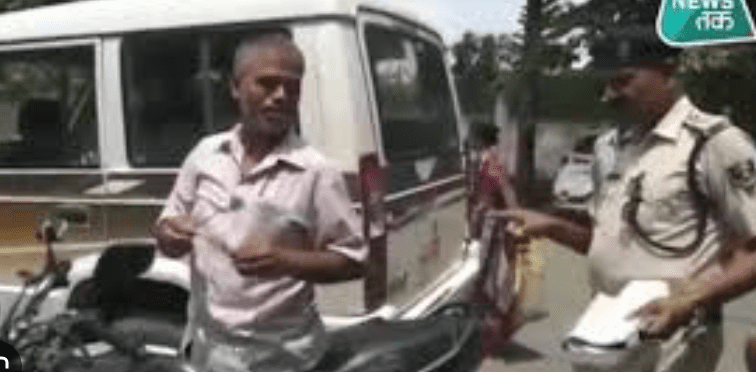
According to Ashok, this trend undermines public confidence and shifts focus from crime-fighting to controversies that tarnish the reputation of law enforcement. He stressed that while officers are tasked with maintaining law and order, accountability and adherence to legal procedures are equally important. “When the police themselves break laws, intentionally or due to negligence, it erodes trust and compromises the justice system,” he said.
Ashok cited recent cases where police action has been questioned in courts and criticised by civic groups. These include custodial deaths, mishandling of sensitive investigations, and reports of officers exceeding their authority. He argued that such incidents, widely covered by media, overshadow the efforts of honest officers who work diligently to apprehend criminals and maintain public safety.
PUBLIC TRUST AND POLICE ACCOUNTABILITY
Experts say that police credibility is central to effective governance. Citizens are less likely to cooperate with law enforcement if they perceive officers as violating legal norms. Ashok highlighted that accountability mechanisms, such as internal inquiries and oversight by independent bodies, need to be strengthened. He urged the government to ensure that disciplinary action is swift, transparent, and fair to prevent recurrence of misconduct.
Civic groups welcomed Ashok’s statement, noting that while policing is inherently challenging, systemic reforms are essential. They emphasised the need for proper training in ethics, legal procedures, and human rights, alongside measures to reduce political interference in policing. Many activists argued that an honest and accountable police force is not just beneficial for citizens but also enhances the morale and reputation of officers themselves.
The state police department, when approached for comment, reiterated that it has mechanisms to investigate allegations against officers and that most personnel uphold law and order professionally. Officials stressed that a small number of incidents should not overshadow the work of thousands of officers committed to public safety. They also said that ongoing reforms, including technology-driven monitoring and internal audits, aim to improve accountability and reduce misconduct.
IMPACT ON LAW ENFORCEMENT AND PUBLIC PERCEPTION
Ashok’s statement has generated discussion in political and social circles about the balance between enforcement and adherence to legal norms. Analysts note that repeated controversies can undermine citizen confidence, making law enforcement less effective even in routine crime prevention. They argue that public perception is as important as operational efficiency; a police force perceived as law-abiding earns greater cooperation from the community.
The remarks also sparked debate on social media, with citizens expressing frustration over reported cases of police misconduct. Many pointed to high-profile controversies and lapses in investigation protocols as examples supporting Ashok’s claim. Others emphasised that while accountability is necessary, the broader efforts of law-abiding officers must be acknowledged to maintain morale and public cooperation.
Officials from police reform bodies suggest implementing independent oversight panels, enhanced grievance mechanisms, and public reporting systems. Such measures, they argue, can address complaints effectively while providing transparency. They emphasised that constructive criticism, like that raised by Ashok, should be used to strengthen institutional practices rather than politicised.
Several senior citizens’ forums and human rights organisations have echoed Ashok’s concerns, noting that repeated instances of police misconduct erode faith in the criminal justice system. They emphasised that while individual officers may act improperly, systemic issues such as lack of accountability, political interference, and insufficient training often exacerbate misconduct. Many argued that citizens are hesitant to report crimes or cooperate in investigations if they fear harassment or unlawful actions, which ultimately hinders crime detection and resolution. Experts recommend independent monitoring committees to review complaints and ensure transparency in disciplinary actions against erring officers.
Civil society leaders have urged the state government to prioritise reforms in police training, particularly in areas such as legal procedures, human rights, and ethical decision-making. They argue that modern policing must balance enforcement with fairness and respect for due process. Training alone, they say, is not enough; robust supervision, mentoring, and evaluation mechanisms must ensure that officers internalise these principles. Ashok stressed that public scrutiny, combined with institutional checks, is essential to prevent situations where the police are themselves accused of breaking the law they are meant to enforce.
Analysts note that media coverage of police lapses has grown, with investigative journalism exposing custodial deaths, illegal detentions, and procedural violations. While such reporting can be uncomfortable for authorities, it is necessary to maintain transparency. Ashok argued that instead of dismissing criticism, the police must use it as an opportunity to review practices, strengthen protocols, and demonstrate accountability. Experts say that openness to critique enhances institutional legitimacy and public cooperation, ultimately improving both the effectiveness and perception of law enforcement agencies.
Ashok also highlighted cases where investigations were mishandled due to procedural lapses, leading to acquittals or prolonged trials. He said that failures in following the law not only let perpetrators escape justice but also demoralise honest officers who adhere to proper procedures. “When the system rewards shortcuts or ignores negligence, it sends the wrong message internally and externally,” he noted. Observers say this dual impact—on public trust and internal morale—underscores the critical importance of stringent adherence to legal and ethical standards within police departments.
The civic leader suggested that accountability must extend to supervisory officers who fail to monitor subordinates effectively. Investigations into misconduct should assess whether lapses were due to individual negligence, systemic failures, or inadequate supervision. Experts emphasise that a culture of accountability requires leaders to take responsibility, ensure compliance with protocols, and foster an environment where officers are encouraged to act lawfully even under pressure. Ashok argued that ignoring supervisory responsibility allows misconduct to persist unchecked, eroding the credibility of the police institution as a whole.
Ashok called for better integration of technology in policing to reduce human error and increase transparency. Automated case management systems, body cameras, and GPS tracking can help monitor officer conduct and ensure adherence to procedures. Experts argue that technological tools can provide impartial records of police activity, reducing opportunities for negligence or unlawful actions. Combined with strong training and accountability frameworks, these measures can help prevent situations where officers are in the news for breaking laws rather than enforcing them effectively.
Public reactions to Ashok’s statement have been mixed, with citizens praising the call for accountability while some police unions criticised the remarks as unfair generalisation. Union representatives said that most officers work diligently under challenging conditions and that highlighting misconduct alone overlooks their contributions. Analysts note that such tension is common when systemic criticism intersects with institutional pride. Ashok countered that acknowledging wrongdoing does not diminish honest officers’ efforts but is necessary to strengthen overall credibility and ensure the police remain answerable to the law and public trust.
Experts in criminal justice say that recurring cases of misconduct suggest a need for independent oversight bodies with the power to investigate allegations and recommend action. Ashok echoed this sentiment, suggesting the establishment of a state-level police accountability commission. Such a body could function separately from internal police hierarchies, review complaints impartially, and make enforceable recommendations for disciplinary or legal proceedings, thereby reinforcing transparency and trust in law enforcement institutions.
The statement has reignited debate about political influence over policing. Analysts note that undue interference can pressure officers into violating procedures or prioritising politically motivated actions over legal obligations. Ashok emphasised that law enforcement must remain autonomous in decision-making, accountable only to legal frameworks and judicial oversight. Maintaining independence, he said, is essential for justice and for preventing situations where officers are publicly criticised for acting outside the law or failing to uphold legal standards.
Finally, Ashok stressed that improving public trust requires a combination of reforms, training, supervision, and citizen engagement. He urged authorities to actively implement recommendations from past reports on police accountability and human rights. By doing so, he argued, law enforcement agencies can reclaim the narrative—being recognised for crime prevention and protection rather than controversy. Citizens, civil society, and police alike have a stake in ensuring that the force remains a symbol of integrity, fairness, and professionalism rather than an institution criticised for breaking the law it is meant to uphold.