Saturday, April 25, 2026
Home Blog Page 95

Andhra Pradesh 5 Residents Killed Near Sindhanur

A devastating road accident near Sindhanur in Raichur district claimed the lives of five people from Andhra Pradesh, while several others sustained injuries, police and local authorities confirmed. The incident occurred when a private vehicle carrying the victims collided with a lorry along a busy stretch of the highway, resulting in catastrophic damage. The victims, reportedly travelling together for personal reasons, were all pronounced dead at the site, while the injured were rushed to nearby hospitals for treatment. Officials have launched an investigation to determine the exact cause of the collision.

Eyewitnesses said the vehicle was moving at high speed when it lost control and collided with the heavy truck. Several passengers were reportedly trapped inside the vehicle, and local residents immediately rushed to assist. Rescue teams used hydraulic cutters and other equipment to extricate those caught in the wreckage. Authorities said the severity of the impact suggested significant overspeeding or a sudden deviation from the lane, though formal investigations are underway.

Authorities confirmed that the lorry involved in the accident was a heavy commercial vehicle transporting goods between states. Preliminary inquiries suggest that it was travelling at moderate speed in its lane, and investigators are focusing on whether the private vehicle carrying the Andhra Pradesh passengers may have attempted to overtake unsafely or lost control. Skid marks on the road, vehicle positions, and damage patterns are being carefully analysed to reconstruct the sequence of events.

Police officials said survivor statements are crucial to understanding the moments leading up to the collision. Some passengers reportedly saw the vehicle swerve or drift before impact, while others were asleep at the time. Combined with forensic evidence from the crash site, these accounts will help investigators determine responsibility and whether negligence, human error, or mechanical failure played a role.

Hospital authorities treating the injured described several cases of serious trauma, including fractures, head injuries, and internal bleeding. Some victims required surgery, while others were stabilised and kept under observation. Doctors emphasised that early medical intervention was critical and credited local residents and first responders for assisting before official help arrived.

The accident has prompted renewed discussion on road safety awareness among inter-state travellers. Many private vehicles and buses frequently travel long distances without adequate rest breaks, increasing the risk of fatigue-related accidents. Road safety advocates argue for stricter enforcement of driver working hours, mandatory vehicle checks, and awareness campaigns targeting both commercial and private vehicle operators.

Transport department officials noted that highways like the one near Sindhanur see a mix of commercial and private traffic, creating high-risk conditions. Measures such as lane separation for heavy vehicles, speed monitoring, and road quality improvements are being considered as long-term solutions. They also emphasised that driver training and public awareness are critical to complement infrastructure improvements.

The district administration has coordinated with Andhra Pradesh authorities to provide financial assistance and facilitate the return of the deceased to their hometowns. Compensation under state accident relief schemes is expected to be expedited, and local officials are providing counselling and support to grieving families. Police have assured that the case will be thoroughly investigated and justice ensured.

Local media reported that residents have been calling for additional safety interventions on the highway, particularly signage, reflectors, and lighting for night travel. The area where the accident occurred has sharp curves and limited visibility, making it prone to collisions. Authorities said these recommendations would be taken into consideration in a broader review of road safety infrastructure.

Officials reiterated that adherence to traffic regulations, especially speed limits and safe overtaking practices, is vital for preventing accidents. Drivers were urged to avoid distractions, not drive under fatigue, and ensure that vehicles are properly maintained. Enforcement of rules for both private and commercial vehicles is being intensified in accident-prone zones.

Investigators are also examining whether the vehicle involved was overloaded or did not meet road safety standards. Vehicle weight, tyre condition, and brake functionality are under scrutiny to rule out mechanical failure. If negligence or violation of transport regulations is found, strict action will be taken against the vehicle operator.

Finally, police and transport officials emphasised that public awareness campaigns, infrastructural improvements, and stringent enforcement must work in tandem to reduce accidents on highways. While tragic accidents like the Sindhanur crash draw immediate attention, sustained measures are necessary to prevent recurrence. Authorities have promised regular audits of high-risk highways and continued monitoring to ensure the safety of all road users.

The victims, identified as residents of a town in Andhra Pradesh, were traveling together when tragedy struck. Police officials have contacted the families and are coordinating with local administrations in Andhra Pradesh to provide assistance. Compensation under state road accident relief schemes is expected to be processed for the bereaved families, officials said. Relatives who arrived at the scene expressed grief and urged authorities to implement stricter road safety measures to prevent similar incidents in the future.

Five killed in road accident near Sindhanur - The Hindu


HIGHWAY SAFETY AND INFRASTRUCTURE CHALLENGES

Road safety experts note that highways in Karnataka, particularly in semi-urban and rural stretches like Sindhanur, are prone to accidents due to a combination of high-speed traffic, poor road conditions, and inadequate signage. Oversized trucks and commercial vehicles sharing the same lanes with smaller passenger cars often create dangerous conditions, particularly during night or early morning travel when visibility is low. Authorities emphasise that stricter enforcement of speed limits and lane discipline is critical.

Officials also pointed out that emergency response infrastructure in the region can affect survival rates in serious crashes. Ambulances and trauma care units may not always be immediately available, particularly in remote stretches. The golden hour following a major accident often determines the outcome, making rapid response, trained first responders, and access to medical facilities crucial. Advocates argue that strengthening these systems can significantly reduce fatalities on high-risk highways.

Police have registered a case and begun collecting evidence, including statements from the lorry driver and surviving passengers. Vehicle condition, brake functionality, and driver logs are being examined to determine whether mechanical failure, human error, or negligence contributed to the accident. Investigators are also looking into whether fatigue, speeding, or alcohol consumption may have played a role in the collision. The inquiry is expected to provide a clearer picture in the coming days.Four killed on the spot in road accident near Raichur's Sindhanur - The  Hindu


IMPACT ON FAMILIES AND LOCAL RESPONSE- Andhra pradesh

The tragic accident has left families devastated, with many relatives travelling from Andhra Pradesh to Sindhanur for the post-accident formalities. Local authorities are coordinating with district officials to ensure the smooth repatriation of bodies and assistance for funeral arrangements. Social workers and volunteers are assisting affected families, highlighting the importance of community support in times of sudden tragedy.

Local residents also expressed concern over the high volume of commercial traffic passing through the highway. Many called for additional safety measures, including speed breakers, proper lighting, and stricter monitoring of truck and bus operators. Authorities said these recommendations would be reviewed as part of a broader effort to reduce the frequency of fatal accidents on this busy corridor.

The Sindhanur administration has urged drivers and transport operators to adhere to traffic regulations and exercise caution, particularly on stretches with sharp curves or inadequate visibility. Police have announced intensified patrolling and monitoring of commercial vehicles in the region. Officials also stressed that regular maintenance of highways, clear signage, and strict enforcement of lane discipline are essential to prevent such accidents in the future.Five killed in road accident near Sindhanur - The Hindu

Authorities said the accident highlights the urgent need for better coordination between neighbouring states in managing inter-state traffic safety. Vehicles carrying passengers across state borders are often subjected to varying levels of enforcement, which can create inconsistencies in driver behaviour and compliance with safety regulations. Officials indicated that enhanced cooperation between Karnataka and Andhra Pradesh traffic departments could improve monitoring and reduce risks on shared routes.

Road safety experts emphasised the importance of installing speed cameras and automated monitoring systems along accident-prone stretches like the Sindhanur highway. These systems can deter overspeeding and reckless overtaking, two factors frequently cited in highway collisions. Experts argue that technological interventions, combined with regular patrolling, can significantly enhance safety without disrupting traffic flow.

Witnesses reported that the accident occurred quickly, leaving little time for either driver to react. The private vehicle was crushed under the impact, and many passengers were thrown from their seats, illustrating the catastrophic force of high-speed collisions involving heavy trucks. Police officials reiterated that even minor lapses in attention or judgment on such roads can have irreversible consequences, highlighting the need for vigilance at all times.

The district administration is also considering community-based safety measures, such as local watch groups and volunteer first responders, who can provide immediate assistance before professional help arrives. Residents expressed willingness to participate in such initiatives, acknowledging the value of rapid response in improving survival chances. Authorities noted that similar schemes in other districts have proven effective in reducing fatalities in remote areas.

Finally, the Sindhanur accident serves as a grim reminder of the human cost of road negligence and inadequate infrastructure. Officials reiterated that while investigations will determine liability, proactive steps—including stricter enforcement, improved road conditions, and public awareness—are essential to prevent future tragedies. Families of the victims have been assured of support, and authorities promised a comprehensive follow-up to ensure justice and safety measures are implemented.

Follow: Karnataka Government

Also read: Home | Channel 6 Network – Latest News, Breaking Updates: Politics, Business, Tech & More

Inspector Suspended for Negligence in 1 Murder Probe

Bengaluru police have suspended an inspector for alleged negligence in handling a high-profile murder investigation, highlighting continuing concerns over procedural lapses and accountability within the city’s law enforcement system. The suspension follows an internal inquiry that found the officer failed to follow standard protocols, resulting in delays and potential compromise of evidence. Senior officials said the move is intended to reinforce institutional discipline and send a clear message that negligence in criminal investigations, particularly in sensitive cases, will not be tolerated.

The incident has sparked debate over training and workload management within the Bengaluru police. Analysts point out that inspectors often juggle multiple cases simultaneously, and excessive administrative duties can detract from fieldwork. However, officials emphasised that responsibility cannot be excused by workload, and standard operating procedures must be followed meticulously, especially in violent crimes. Police leadership said that while systemic improvements are necessary, individual accountability remains non-negotiable.

The victim’s family expressed shock and disappointment at the delay in investigation, highlighting the emotional toll of procedural lapses. “We expected the police to act immediately,” a relative said, “but the delay left us anxious and uncertain. Justice is delayed when officers fail to act responsibly.” Family members called for a thorough review of the case handling and stricter oversight in all serious investigations.

Senior police officials indicated that the suspension was communicated after preliminary findings confirmed lapses in the investigation. They clarified that administrative action was taken promptly to prevent any further compromise of evidence or investigative integrity. Sources said that the suspension is a temporary measure while the inquiry continues, and additional disciplinary or legal action may follow depending on the findings.

The departmental inquiry will examine multiple aspects, including crime scene management, evidence preservation, witness interrogation, and report filing. Investigators are also reviewing whether the inspector failed to coordinate effectively with subordinate officers or neglected timely reporting to higher authorities. Each aspect of procedure is being scrutinised to ensure that accountability measures are comprehensive and proportionate.

Criminal law experts emphasised that procedural lapses can have severe implications for the judicial process. Evidence compromised due to negligence may be challenged in court, affecting the admissibility of critical material and weakening the prosecution’s case. Delays in recording statements or preserving forensic evidence can provide opportunities for suspects to manipulate or destroy evidence, undermining the rule of law.

Bengaluru police officials have reiterated that the suspension is a reminder to all officers that rank does not shield them from responsibility. They stated that ensuring proper investigation protocols is crucial not only for solving individual cases but also for maintaining public trust in law enforcement. Internal briefings and workshops have been planned to reinforce procedural compliance.

Residents in the locality where the murder occurred have voiced concerns about safety and policing efficiency. Community leaders have requested regular patrolling, timely response to complaints, and public engagement initiatives to reassure citizens. Police officials assured the community that steps are being taken to enhance vigilance and that ongoing investigations will not be affected by the suspension of a single officer.

Technology is expected to play a key role in improving accountability within the department. Sources said Bengaluru police are considering digital case-tracking systems that record each procedural step, including evidence collection, report filing, and supervisory review. Such systems can help detect lapses early and provide transparency in case handling, reducing the likelihood of negligence or oversight.

The suspension has also prompted discussion on merit-based monitoring and performance evaluation in police departments. Experts argue that regular audits, peer reviews, and accountability benchmarks can improve investigative quality while motivating officers to adhere to professional standards. They stress that disciplinary measures must be balanced with capacity-building initiatives to prevent repeat errors.

Finally, police officials emphasised that while procedural lapses are concerning, the department remains committed to solving the murder case efficiently. The suspended inspector’s absence is not expected to delay progress, as a senior officer has been assigned to oversee the investigation. Authorities reiterated that their priority is justice for the victim and ensuring that accountability mechanisms prevent similar lapses in the future.

According to police sources, the case involved the murder of a middle-aged man in a residential area, with circumstances suggesting premeditation. The inspector in charge reportedly delayed registering crucial statements and failed to secure the crime scene adequately. This, officials said, led to critical evidence being mishandled or lost, which could have hampered the investigation. The delay also caused public concern and eroded confidence in the police’s ability to handle serious criminal matters efficiently.

The city’s police department emphasised that the suspension does not absolve other officers of responsibility. A detailed review of the investigative team’s performance is underway to ensure that all lapses are addressed and corrective measures implemented. Supervisory officers are also being instructed to monitor case progress closely, particularly in murder and high-priority investigations, to prevent recurrence of similar incidents.Bengaluru Police Inspector Suspended for Negligence in Murder Case  Investigation | Asianet Newsable


INVESTIGATION PROCEDURES AND THE IMPORTANCE OF TIMELY ACTION

Police experts note that in murder cases, time is of the essence. Prompt collection of evidence, recording of eyewitness statements, and securing of the crime scene are critical to solving cases. Any delay or negligence can compromise forensic analysis and allow suspects to escape or tamper with evidence. Bengaluru’s police officials said that this incident has prompted a review of protocols and additional training for officers on timely case management.

The suspended inspector, who had served in the department for over a decade, is now under administrative inquiry. The findings of this inquiry will determine whether further disciplinary action, including possible dismissal or legal proceedings, is warranted. Senior police officials said that the move underscores the department’s commitment to accountability, irrespective of rank or tenure.Police inspector suspended for negligence in probe into desecration of  idgah in Belagavi district - The Hindu


PUBLIC RESPONSE AND ACCOUNTABILITY MEASURES

The case has triggered criticism from citizens and local media, with many questioning the effectiveness of the police in responding to serious crimes. Residents in the area expressed frustration over perceived delays in investigation and fear that negligence could embolden criminal activity. In response, city police have vowed to increase oversight, implement stricter monitoring, and provide regular updates to ensure transparency.

Experts suggest that Bengaluru, being a rapidly growing metropolitan city, requires not only increased manpower but also strengthened supervisory mechanisms. They recommend independent audits of high-profile investigations to ensure adherence to procedures and prevent lapses in accountability. Public trust, they argue, is as vital as investigative success.

Officials also stressed that the suspension is part of a broader effort to reinforce professional responsibility within the force. Police leadership said officers must recognise that lapses in criminal investigations can have serious consequences, including legal liability, loss of public trust, and endangerment of victims’ families.

The suspension comes amid ongoing reforms within the Bengaluru police department, aimed at improving efficiency, introducing technology-driven case tracking, and strengthening forensic capabilities. The city police emphasised that swift and transparent handling of such lapses is crucial for restoring confidence in law enforcement agencies.Atiq Ahmed killing | Five police officials suspended for 'negligence' - The  Hindu

Bengaluru police have suspended an inspector for alleged negligence in handling a high-profile murder investigation, highlighting continuing concerns over procedural lapses and accountability within the city’s law enforcement system. The suspension follows an internal inquiry that found the officer failed to follow standard protocols, resulting in delays and potential compromise of evidence. Senior officials said the move is intended to reinforce institutional discipline and send a clear message that negligence in criminal investigations, particularly in sensitive cases, will not be tolerated.

Experts suggest that Bengaluru, being a rapidly growing metropolitan city, requires not only increased manpower but also strengthened supervisory mechanisms. They recommend independent audits of high-profile investigations to ensure adherence to procedures and prevent lapses in accountability. Public trust, they argue, is as vital as investigative success.

Officials also stressed that the suspension is part of a broader effort to reinforce professional responsibility within the force. Police leadership said officers must recognise that lapses in criminal investigations can have serious consequences, including legal liability, loss of public trust, and endangerment of victims’ families.

Criminal law experts emphasised that procedural lapses can have severe implications for the judicial process. Evidence compromised due to negligence may be challenged in court, affecting the admissibility of critical material and weakening the prosecution’s case. Delays in recording statements or preserving forensic evidence can provide opportunities for suspects to manipulate or destroy evidence, undermining the rule of law.

Bengaluru police officials have reiterated that the suspension is a reminder to all officers that rank does not shield them from responsibility. They stated that ensuring proper investigation protocols is crucial not only for solving individual cases but also for maintaining public trust in law enforcement. Internal briefings and workshops have been planned to reinforce procedural compliance.

The incident has sparked debate over training and workload management within the Bengaluru police. Analysts point out that inspectors often juggle multiple cases simultaneously, and excessive administrative duties can detract from fieldwork. However, officials emphasised that responsibility cannot be excused by workload, and standard operating procedures must be followed meticulously, especially in violent crimes. Police leadership said that while systemic improvements are necessary, individual accountability remains non-negotiable.

Follow: Karnataka Government

Also read: Home | Channel 6 Network – Latest News, Breaking Updates: Politics, Business, Tech & More
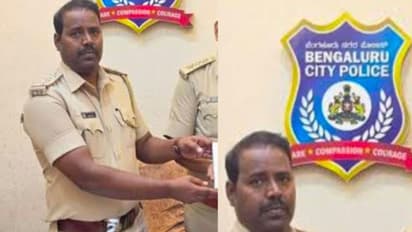
ED Cracks Down in Sabarimala Gold Theft Case: SHOCKING 3- STATE RAID

The Enforcement Directorate carried out extensive raids across Kerala, Karnataka, and Tamil Nadu in connection with the high-profile Sabarimala gold theft case, significantly escalating the probe into what officials describe as a complex financial crime with religious, administrative, and interstate dimensions. The coordinated action, conducted at multiple residential and commercial premises, marks a crucial phase in the investigation, which centres on the alleged diversion and misappropriation of gold linked to the Sabarimala temple ecosystem.

According to official sources, the raids were based on evidence gathered during earlier stages of the investigation, including financial trails, transaction records, and statements recorded from key individuals. The agency is probing suspected money laundering, benami transactions, and the possible involvement of intermediaries who allegedly facilitated the movement and monetisation of the stolen gold. While the ED has not publicly disclosed the total value under investigation, sources indicate that the amounts involved are substantial.

The case has drawn widespread attention due to its association with Sabarimala, one of the most revered pilgrimage centres in the country. Any allegation involving temple-linked assets has deep emotional and social implications, prompting calls for transparency and accountability. Officials said the agency is proceeding with caution, conscious of the sensitivity of the matter, while remaining focused on tracing proceeds of crime and identifying beneficiaries.

Officials indicated that the ongoing investigation also involves scrutiny of business transactions linked to jewellers and intermediaries suspected of facilitating the movement of gold. Digital trails, invoices, and ledger entries are being examined meticulously. Experts from the ED are reconstructing financial networks to determine the flow of assets across states, which may reveal additional participants or beneficiaries who are currently not in the spotlight. Sources said this methodical approach is crucial because tracing gold-related transactions often requires correlating physical movement with recorded financial activity to build a comprehensive case.

Several senior temple officials and administrative staff have been asked to provide statements regarding security protocols and inventory management of gold assets. The ED is reportedly analysing whether lapses in record-keeping or oversight contributed to the misappropriation. Temple authorities have cooperated with investigators, providing access to storage areas, historical logs, and transaction documents. Officials emphasised that establishing accountability is a priority, but care is being taken to ensure that procedural errors are not conflated with intentional wrongdoing.

In Karnataka, raids targeted residential and commercial properties linked to suspected intermediaries. Local law enforcement assisted the ED in coordinating the operations to maintain order and prevent tampering with evidence. Authorities said that while no immediate arrests were made, custodial questioning of several key individuals is expected in the coming days. Investigators are also focusing on verifying bank transactions, property ownership, and suspicious monetary transfers that may indicate laundering or concealment of stolen assets.

Public reaction has been a mix of shock, concern, and calls for transparency. Many devotees expressed disappointment that temple assets could be misused, while others cautioned against assuming guilt before investigations are completed. Civil society groups and religious organisations have urged the government and investigative agencies to maintain impartiality, stressing that the investigation must distinguish between systemic lapses and deliberate criminal acts. Officials have reiterated that all actions are being carried out with procedural integrity and legal oversight.

Financial analysts involved in the case noted that gold theft linked to temples often involves intricate networks that span multiple states, making forensic accounting essential. Unlike cash, gold can be sold, melted, or traded, creating layers of complexity for investigators. The ED is reportedly deploying teams specialised in precious metal transactions and digital tracking of assets to reconstruct the chain of custody. This multi-pronged approach aims to prevent potential concealment or destruction of evidence.

Looking ahead, investigators are expected to expand their probe to identify whether there were attempts to integrate the gold or proceeds into legitimate business operations. This could include analysing jewellery manufacturing, pawn shops, and interstate trade patterns. The agency has stressed that tracing ownership and financial benefits is as important as recovering physical assets. As the case progresses, officials indicated that legal actions, including attachment of properties and prosecution of those implicated, may follow, sending a strong message about accountability for financial crimes, even within revered institutions.

The raids reportedly covered premises linked to traders, transport intermediaries, and individuals suspected of handling or laundering the gold after it was illegally removed. In Karnataka and Tamil Nadu, the searches focused on locations believed to be connected to downstream transactions and storage points. Documents, digital devices, and financial records were seized for further examination, officials said.Sabarimala gold theft case: ED raids several premises in Kerala, Karnataka  and Tamil Nadu - The Hindu


INSIDE THE PROBE: HOW THE CASE EXPANDED ACROSS STATES

The Sabarimala gold theft case initially emerged from allegations of irregularities in the handling and movement of gold associated with temple-linked activities. Over time, investigators began uncovering inconsistencies in records, unexplained financial flows, and discrepancies between declared and actual transactions. These findings prompted the involvement of central agencies, as the scope appeared to extend beyond local jurisdiction.

Officials familiar with the investigation said the ED stepped in after preliminary probes suggested possible violations of money laundering laws. The focus shifted from the physical theft of gold to the financial ecosystem that enabled its concealment, transfer, and monetisation. “Gold theft is only the surface offence. The real concern is how the proceeds were integrated into the financial system,” a senior official said.

The interstate nature of the raids underscores the complexity of the alleged network. Investigators believe the gold may have been moved across state borders to avoid detection, taking advantage of trade routes and existing commercial relationships. Karnataka and Tamil Nadu, with their established jewellery markets and logistics networks, are suspected to have played a role in the downstream movement of the gold.

Sources said the agency is also examining whether shell entities or proxy account holders were used to disguise ownership and movement of funds. Bank transactions, property purchases, and business investments made by suspects are under scrutiny to determine whether they are disproportionate to known sources of income. Officials said the analysis of seized digital data will be key to mapping the full network.

The raids were carried out simultaneously to prevent suspects from destroying evidence or coordinating responses. Teams were deployed early in the morning, following standard operating procedures. While no immediate arrests were announced, officials indicated that custodial questioning could follow based on the findings of the searches.

Legal experts note that ED involvement typically signals a shift from criminal investigation to financial accountability. If money laundering is established, the case could result in attachment of properties and prolonged legal proceedings, even if parallel criminal cases continue in state jurisdictions.


FAITH, ACCOUNTABILITY, AND PUBLIC RESPONSE

The case has triggered strong reactions from devotees, civil society groups, and political leaders, many of whom have stressed the need for a thorough and impartial investigation. Sabarimala holds immense spiritual significance, and any allegation of financial misconduct linked to the temple evokes deep concern among devotees. Several groups have demanded that those responsible be held accountable regardless of their position or influence.

Temple administration officials have maintained that they are cooperating fully with investigators and have welcomed efforts to bring clarity to the matter. They have emphasised that safeguarding temple assets is a collective responsibility and that any breach of trust must be addressed decisively. At the same time, they have urged the public not to speculate until investigations are complete.

Political reactions have varied, with opposition parties accusing authorities of lapses in oversight, while ruling party leaders have cautioned against politicising a sensitive issue. Analysts observe that cases involving religious institutions often become flashpoints, making transparent communication from investigative agencies particularly important to prevent misinformation.Sabarimala Gold Theft Case; ED Raids Several Locations Across Kerala, Tamil  Nadu And Karnataka | OdishaBytes

The involvement of multiple states has also raised questions about regulatory coordination. Experts argue that temple-linked economic activities, including donations, offerings, and asset management, require stronger audit mechanisms to prevent misuse. They say the case could prompt a broader review of how religious assets are tracked and protected.

From a legal perspective, the case highlights the challenges of prosecuting financial crimes involving movable assets like gold. Unlike cash, gold can be easily transported, reshaped, or merged into legitimate supply chains. This makes forensic accounting and transaction tracking essential but time-consuming.


WHAT LIES AHEAD IN THE INVESTIGATION

Officials said the current phase of raids is likely to be followed by detailed questioning of suspects and analysis of seized materials. Financial experts, chartered accountants, and digital forensics teams are expected to play a key role in decoding complex transaction patterns. The agency is also expected to coordinate with state police and other central agencies to align findings and avoid duplication.

If sufficient evidence is found, the ED may move to provisionally attach properties believed to be acquired using proceeds of crime. Such actions often have significant legal and financial consequences for those involved, even before trials are concluded. Sources said investigators are being meticulous to ensure that any action taken can withstand judicial scrutiny.Sabarimala Gold Case: శబరిమల ఆలయంలో బంగారం చోరీ కేసు కీలక మలుపు.. రంగంలోకి  ఈడీ..! - Telugu News | Sabarimala gold theft case: ED raids several premises  in Kerala, Karnataka and Tamil Nadu | TV9 Telugu

The case may also have policy implications. Observers believe it could lead to tighter norms for handling and auditing temple assets, particularly precious metals. There may be renewed emphasis on digitisation, third-party audits, and real-time tracking to reduce scope for manipulation.

For devotees and the wider public, the investigation represents a test of institutional accountability. Many see it as an opportunity to reinforce trust by demonstrating that no domain, however sacred, is beyond scrutiny when it comes to financial integrity. Others caution that care must be taken to separate individual wrongdoing from institutional reputation.

As the ED continues its probe across Kerala, Karnataka, and Tamil Nadu, the Sabarimala gold theft case stands at the intersection of faith, finance, and law. The outcome will not only determine criminal liability but also shape how religious assets are protected in the future. For now, the raids signal a clear message: financial misconduct, even when intertwined with deeply revered institutions, will be pursued with the full force of the law.

Follow: Karnataka Government

Also read: Home | Channel 6 Network – Latest News, Breaking Updates: Politics, Business, Tech & More
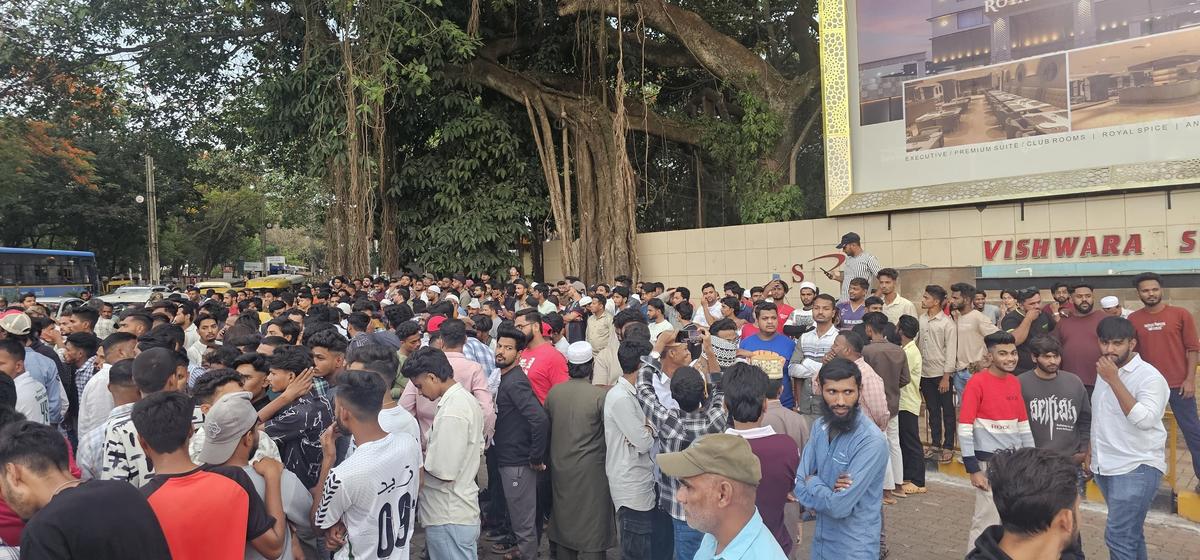
8 More Lakkundi Structures to Get Protected Status

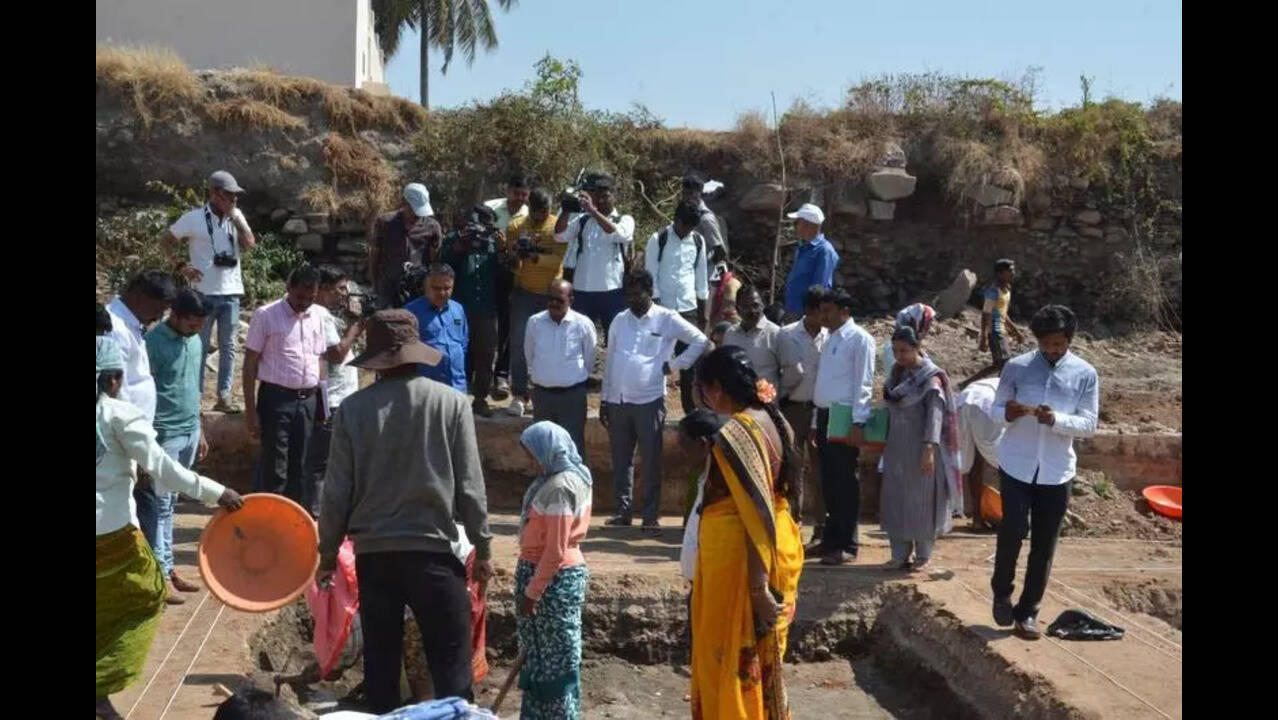
The Karnataka government has announced that eight additional historical structures in Lakkundi will soon be declared protected monuments, reinforcing the state’s commitment to conserving its architectural and cultural heritage. The announcement was made by the Minister in charge of archaeology, museums, and heritage, who said the move reflects a long-term vision to safeguard historically significant sites that represent Karnataka’s civilisational past. Lakkundi, located in Gadag district, is widely regarded as one of the most important temple towns of the Western Chalukya period, known for its refined stone architecture and advanced water management systems.

Officials from the archaeology department said the expanded list of protected structures would allow for more comprehensive mapping of Lakkundi’s historical landscape. Detailed surveys will help identify structural vulnerabilities, previous alterations, and areas requiring urgent intervention. Conservation plans, they said, will prioritise stabilisation and preventive care over aggressive restoration, in line with established heritage conservation principles that emphasise authenticity and minimal intervention.

The Minister also noted that documentation of inscriptions and sculptural details from the newly protected structures would be undertaken systematically. Many inscriptions in Lakkundi remain partially studied or undocumented, limiting scholarly understanding of the region’s social, religious, and administrative history. By bringing more structures under protection, the government aims to create an accessible archival record that can support academic research and educational initiatives.

Local historians welcomed the announcement, saying it validates years of advocacy for broader recognition of Lakkundi’s heritage. They argued that focusing only on prominent temples has long overshadowed smaller but equally significant structures that reveal everyday religious and civic life of the period. Protecting these sites, they said, will help present a more complete and layered narrative of the town’s historical importance.

However, some residents expressed concerns about restrictions that may accompany protected status, particularly regarding property use and renovations. Addressing these worries, officials clarified that regulations would be implemented sensitively and in consultation with affected families. The Minister assured that heritage laws are not meant to displace communities but to ensure that development occurs without erasing historical character.

The move is also expected to strengthen Karnataka’s case for promoting heritage-based education. Schools and universities could use Lakkundi as a living classroom for architecture, history, and conservation studies. Experts believe that engaging students with tangible heritage fosters deeper appreciation and awareness, creating future generations that value preservation rather than viewing it as an obstacle to development.

In the long term, the government hopes that sustained conservation efforts will reposition Lakkundi as a model heritage town rather than a neglected historical site. By combining legal protection, community participation, and responsible tourism, officials believe the town can demonstrate how heritage preservation and local development can reinforce each other. The declaration of eight more protected structures, they say, is a crucial step in that broader vision.

Speaking at a public event, the Minister said the decision to extend protected status to more monuments was based on expert assessments, historical value, and the urgent need for conservation. He noted that many structures in Lakkundi remain vulnerable due to natural ageing, environmental exposure, and limited local resources for upkeep. Declaring them protected monuments would bring them under the formal care of the state, ensuring systematic preservation, documentation, and regulated development around the sites.

The Minister emphasised that heritage protection is not merely about safeguarding old stones but about preserving collective memory and identity. “These monuments are silent storytellers of our past. Once lost, they cannot be recreated,” he said. According to him, the government’s approach goes beyond symbolic declarations and focuses on creating sustainable conservation frameworks that benefit both heritage and local communities.

Lakkundi already has several protected monuments under state and national lists, including temples, stepwells, and inscriptions. The addition of eight more structures is expected to strengthen the town’s heritage profile and open up new possibilities for academic research, cultural tourism, and community-based conservation initiatives. Officials said the process of notification is underway and will be completed after necessary surveys and legal formalities.Eight more Lakkundi structures will be declared as protected monument, says  Minister - The Hindu


Lakkundi’s Architectural Importance and the Case for Protection

Lakkundi occupies a unique place in Karnataka’s architectural history. Once a flourishing centre of learning, trade, and temple construction, the town is renowned for its Kalyani Chalukya–era temples that showcase a transitional architectural style. These structures bridge earlier forms and later developments seen in Hoysala architecture, making them crucial for understanding the evolution of temple design in southern India.

Historians note that Lakkundi’s temples are characterised by intricate carvings, lathe-turned pillars, and innovative layouts. Equally significant are its stepwells, locally known as kalyanis, which reflect advanced knowledge of water conservation and urban planning. Many of these features remain understudied and underprotected, leaving them susceptible to damage and neglect.

The Minister said expert committees had identified eight structures that meet the criteria for protected status due to their historical, architectural, and cultural significance. While the specific list will be officially released later, officials indicated that it includes lesser-known temples, ancillary shrines, and structural remnants that form part of larger heritage complexes. Bringing these under protection will ensure that even secondary and supporting structures are not ignored in conservation efforts.

Archaeologists have long argued that selective preservation often distorts historical understanding by isolating major monuments from their broader contexts. By expanding the list of protected structures, the government aims to adopt a more holistic approach. “Heritage exists in clusters, not in isolation,” an official from the archaeology department said. “Protecting only prominent temples while ignoring surrounding structures weakens the narrative of the site.”

The declaration will impose restrictions on construction, alterations, and commercial activity in the immediate vicinity of the monuments. While such measures are sometimes met with resistance, officials stressed that they are essential to prevent irreversible damage. The government has assured local residents that their concerns will be addressed through consultation and compensation mechanisms where necessary.


Balancing Conservation, Community, and Development

One of the central challenges in heritage protection is balancing conservation with the needs of local communities. The Minister acknowledged this, stating that preservation efforts must not alienate residents who live alongside historic structures. He said the government is committed to involving local communities in conservation, maintenance, and tourism-related activities, ensuring that heritage becomes a source of pride and livelihood rather than restriction.8 more sites declared as protected monuments: Min Patil | Hubballi News -  The Times of India

Officials said training programmes for local youth as heritage guides and site caretakers are being considered. Such initiatives, they believe, can create employment while fostering a sense of ownership among residents. Experience from other heritage towns suggests that community involvement significantly improves conservation outcomes and reduces vandalism or neglect.

The Minister also highlighted the role of sustainable tourism in supporting heritage sites. With proper planning, Lakkundi could attract scholars, students, and culturally inclined visitors rather than mass tourism that strains infrastructure. Improved signage, interpretation centres, and basic visitor amenities are part of the proposed development plan, officials said.

At the same time, the government is cautious about over-commercialisation. The Minister warned that uncontrolled tourism can be as damaging as neglect. “Heritage must be experienced with respect,” he said, adding that regulatory frameworks will accompany any tourism promotion efforts.

Urban planners and heritage experts have welcomed the announcement, calling it a step in the right direction. They argue that protecting additional structures now will be more cost-effective than attempting restoration after severe deterioration. Early intervention, they say, preserves authenticity and reduces long-term maintenance costs.


Administrative Process and Long-Term Vision

The process of declaring a structure a protected monument involves detailed documentation, legal notification, and coordination between multiple departments. Officials said surveys, photographic documentation, and historical assessments have already been completed for the identified structures. Once notified, the monuments will come under the jurisdiction of the state archaeology department, which will be responsible for their conservation and management.

The Minister said the government plans to increase budgetary support for heritage conservation in the coming years. He acknowledged that archaeology and heritage often receive limited funding compared to other sectors but argued that cultural preservation yields long-term social and economic benefits. “Heritage investment may not show immediate returns, but its impact is generational,” he said.

He also stressed the importance of integrating heritage planning into broader development policies. Infrastructure projects, road expansion, and urban growth must account for archaeological sensitivity, particularly in historically rich regions like Gadag district. The government, he said, is working on guidelines to ensure that development does not come at the cost of cultural loss.

Scholars believe the expanded protection of Lakkundi structures could encourage similar initiatives in other heritage-rich towns across Karnataka. The state is home to numerous lesser-known historical sites that remain undocumented or unprotected. A proactive approach, they argue, could prevent irreversible damage and enrich the state’s cultural landscape.Karnataka government working to get UNESCO tag for Lakkundi: Minister HK  Patil

As the announcement was received with cautious optimism, the Minister reiterated that the real test lies in implementation. Declaring monuments protected is only the first step; sustained maintenance, monitoring, and community engagement are what ultimately determine success. “Protection is a commitment, not a label,” he said.

With eight more Lakkundi structures set to receive protected status, Karnataka signals a renewed seriousness in preserving its past. In doing so, the state not only honours its architectural legacy but also reaffirms the idea that heritage, when cared for thoughtfully, can coexist with progress and modern aspirations.

Follow: Karnataka Government

Also read: Home | Channel 6 Network – Latest News, Breaking Updates: Politics, Business, Tech & More
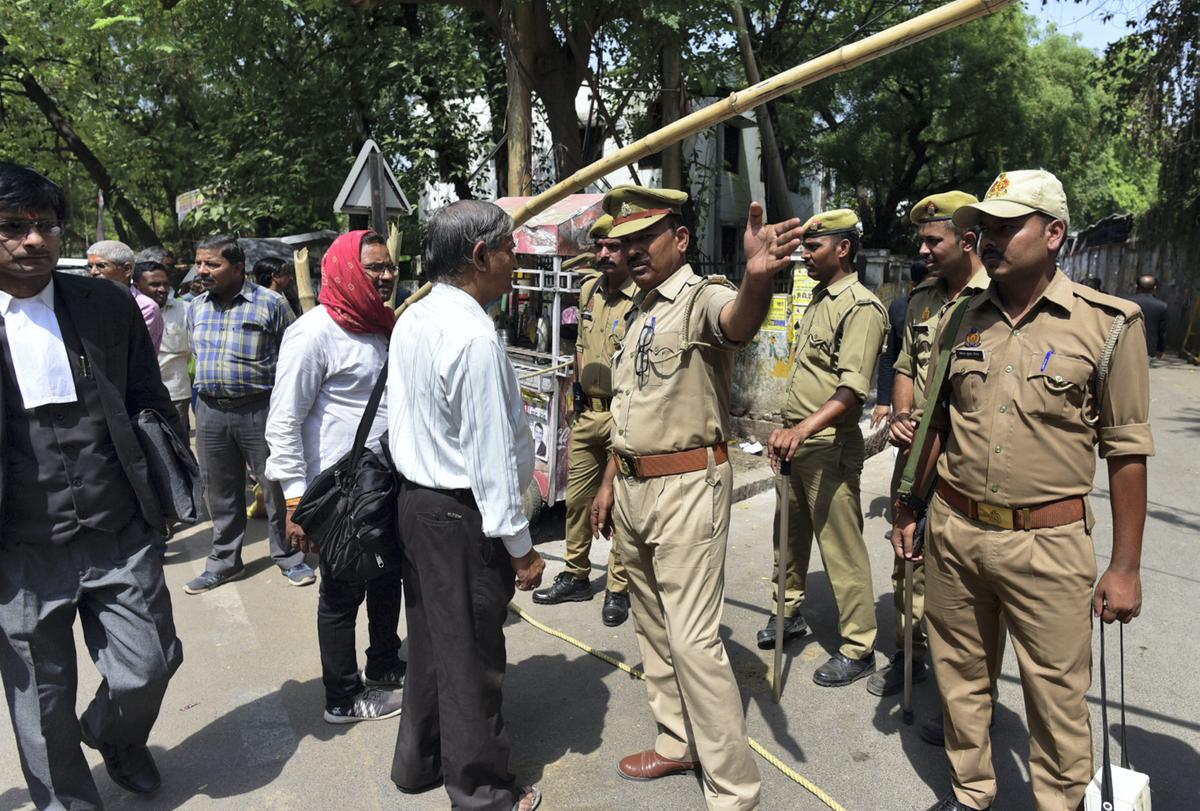
1 Killed, 12 Injured in Chikkaballapur Bus–Truck Collision: TRAGIC 1-NIGHT CRASH THAT SHOOK A DISTRICT

A fatal road accident in Karnataka’s Chikkaballapur district claimed one life and left at least twelve others injured after a private passenger bus collided head-on with a container truck in the early hours of the day. The crash, which occurred on a busy stretch of the national highway passing through the district, has once again drawn attention to the dangers of high-speed travel, poor visibility, and the vulnerability of passengers on long-distance private bus routes.

Local elected representatives from Chikkaballapur visited the injured passengers at hospitals and met district officials to assess the situation. They assured families of all possible assistance, including compensation under existing government schemes. Officials said ex gratia payments would be processed after verification of records and post-mortem formalities. The district administration has also directed hospital authorities to ensure that no injured person is denied treatment due to financial constraints, especially in the initial critical phase.

The accident has once again highlighted gaps in emergency preparedness along highways passing through semi-urban districts. While ambulances reached the spot relatively quickly, residents said the lack of a nearby trauma care centre delayed advanced medical intervention. Health experts argue that decentralised trauma facilities along highways could significantly reduce fatalities in severe crashes. They stress that the “golden hour” following an accident often determines survival outcomes, making infrastructure placement crucial.

Transport department officials acknowledged that enforcement remains a challenge due to manpower constraints and the sheer volume of commercial traffic. They said periodic checks are conducted, but constant monitoring of private buses and container trucks is difficult. Officials added that the department is considering stricter penalties and increased inspections for operators with repeated violations, as part of a broader effort to improve compliance and deterrence.

Survivors of the crash described moments of panic and confusion inside the bus after the collision. Several passengers said they were asleep when the impact occurred and woke up to screams and shattered glass. Some credited fellow passengers and locals for helping them escape before emergency teams arrived. Their accounts underline how quickly routine travel can turn catastrophic, especially when safety margins are thin.

As investigations proceed, road safety advocates are urging authorities to treat the incident as a warning rather than an isolated tragedy. They argue that sustained enforcement, infrastructure upgrades, and accountability for operators must follow each major crash. Without systemic changes, they warn, similar accidents will continue to claim lives, turning highways meant to connect communities into recurring sites of loss and grief.

According to police officials, the accident took place when the private bus, carrying passengers from a neighbouring district, rammed into a container truck coming from the opposite direction. The impact of the collision was severe, crushing the front portion of the bus and trapping several passengers inside. Emergency responders said the force of the crash suggested high speed on at least one side, though the exact sequence of events is still under investigation.

The deceased has been identified as a male passenger seated in the front rows of the bus, who suffered fatal injuries on the spot. Several of the injured passengers were rushed to nearby government and private hospitals, with a few reported to be in serious condition. Local residents and passersby were among the first to assist, helping police and rescue teams pull injured passengers from the wreckage.

Authorities have registered a case and initiated a detailed investigation to determine whether negligence, overspeeding, driver fatigue, or road conditions contributed to the accident. Traffic on the highway was disrupted for several hours as cranes were deployed to remove the damaged vehicles and clear debris from the road.


NIGHT TRAVEL, SPEED, AND THE MOMENTS BEFORE IMPACT

Preliminary accounts suggest that the bus was travelling during low-visibility hours, a factor that often increases accident risk on highways cutting through semi-rural stretches. Police officials said the stretch of road where the accident occurred has witnessed multiple accidents in the past, particularly involving heavy vehicles and long-distance buses.

Eyewitnesses told authorities that the collision appeared sudden, leaving little time for either driver to react. “There was a loud sound, like an explosion,” said one local resident who rushed to the spot after hearing the crash. “The front of the bus was completely damaged, and people were screaming for help.” Several passengers were reportedly thrown from their seats due to the force of the impact.1 killed after private bus collides with container truck in Karnataka - The  Hindu

Investigators are examining whether one of the vehicles veered off its lane or attempted an unsafe manoeuvre. Skid marks on the road and damage patterns on both vehicles are being analysed to reconstruct the moments leading up to the collision. Police have also seized dashcam footage, if available, and are questioning the surviving drivers and conductors.

The container truck driver sustained injuries but is reported to be stable. His statement will be crucial in determining whether fatigue, distraction, or mechanical failure played a role. Officials said alcohol tests were conducted on both drivers as part of standard procedure, though results are awaited.

Transport experts note that night travel on highways in Karnataka has become increasingly risky due to a mix of heavy commercial traffic, long-haul buses, and inadequate enforcement of speed limits. They argue that private buses, under pressure to maintain tight schedules, often travel at unsafe speeds, particularly during early morning hours when roads appear deceptively clear.


PASSENGERS, EMERGENCY RESPONSE, AND QUESTIONS OF SAFETY

Among the twelve injured are women and elderly passengers, some of whom sustained fractures, head injuries, and internal trauma. Hospital authorities said a few patients were shifted to higher medical centres in Bengaluru due to the seriousness of their injuries. Doctors described the condition of two passengers as critical but stable, while others are undergoing treatment for moderate injuries.

District officials praised the prompt response of local residents and emergency services, stating that timely rescue efforts likely prevented further loss of life. Fire and emergency services personnel used hydraulic cutters to free passengers trapped inside the mangled bus. Ambulances from nearby towns were pressed into service to transport the injured.

However, the incident has reignited debate over passenger safety in private buses. Unlike state-run buses, private operators are often accused of lax enforcement of safety norms, including driver working hours, vehicle maintenance, and adherence to speed regulations. Passengers injured in the crash alleged that the bus was moving at a high speed and that sudden braking just before impact caused several people to be thrown forward.

Road safety activists argue that such accidents are not isolated incidents but symptoms of systemic issues. They point to inadequate monitoring of private bus operators, insufficient rest periods for drivers, and poor road engineering in certain highway stretches. “Every major crash is followed by promises of action, but structural reforms remain slow,” said a senior road safety campaigner.

Police officials said they would examine the bus operator’s compliance with safety regulations, including driver duty logs, vehicle fitness certificates, and insurance documents. If violations are found, stringent action will be initiated, they added.

The families of the injured and deceased have demanded accountability, calling for stricter checks on private transport services. Several relatives gathered at hospitals, expressing anger and grief, while urging the government to prevent such tragedies through stronger enforcement.One dead, 11 injured after pvt sleeper bus rams into parked truck in  Chikkaballapur - Public TV English


A PATTERN OF HIGHWAY ACCIDENTS AND THE BROADER CONCERN

The Chikkaballapur accident adds to a growing list of serious road crashes reported across Karnataka in recent months. Highways connecting Bengaluru to northern and central districts have seen a rise in accidents involving buses, trucks, and multi-axle vehicles. Officials attribute this trend to increased traffic volume, infrastructure stress, and risky driving behaviour.

Data from transport authorities indicate that collisions between heavy vehicles and passenger buses often result in high casualty numbers due to the sheer force involved. Experts note that while highways are designed for speed, enforcement mechanisms have not kept pace with traffic growth. Speed cameras, patrol units, and rest-stop regulations remain unevenly implemented.

The issue of driver fatigue has emerged as a critical concern. Long-distance bus drivers often operate overnight routes with limited rest, increasing the risk of delayed reaction times and poor judgement. While regulations exist to limit continuous driving hours, enforcement remains inconsistent, particularly among private operators.

In response to recurring accidents, the state government has announced several road safety initiatives, including improved signage, black spot identification, and awareness campaigns. However, critics argue that implementation is slow and reactive, often triggered by fatalities rather than sustained planning.

Chikkaballapur district officials said they would review traffic management measures on the accident-prone stretch and consider additional warning signs, rumble strips, and speed monitoring. They also urged drivers to exercise caution, especially during night and early morning hours.bus%20accident%20Chikkaballapur%202

For the families affected by the crash, such measures come too late. The loss of a loved one and the trauma of injury underscore the human cost behind road safety statistics. As investigations continue, the accident serves as a grim reminder of the fragile line between routine travel and irreversible tragedy on India’s highways.

The police have assured a transparent probe and said further details will emerge once technical analysis is completed. Meanwhile, the injured remain under medical care, and the district mourns yet another life lost to a preventable road accident.

Follow: Karnataka Government

Also read: Home | Channel 6 Network – Latest News, Breaking Updates: Politics, Business, Tech & More
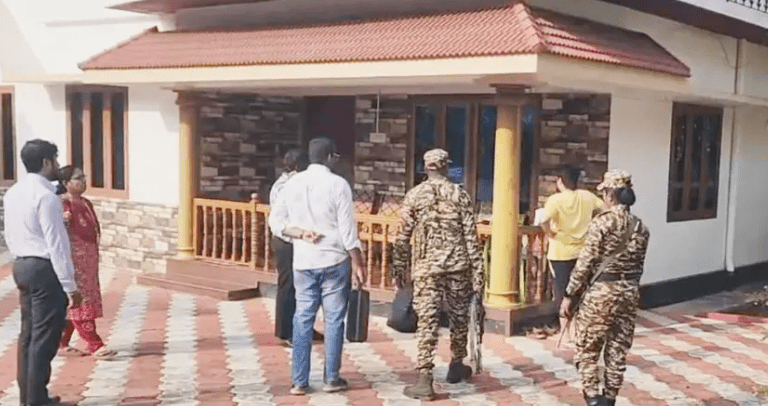
Karnataka’s Cattle Protection Is Policy, Not Tokenism: STRONGER 5-POINT COMMITMENT TO FAITH AND FARMERS

The Karnataka government’s approach towards cattle protection is rooted in policy intent and administrative continuity, not symbolic gestures, Minister for Information Technology and Biotechnology Priyank Kharge said, responding to criticism that the state’s stance on the issue was merely performative. Addressing public discourse surrounding cattle welfare, enforcement of protection laws, and the broader political narrative around the subject, Kharge asserted that the government views cattle protection as an economic, cultural, and ethical responsibility that goes beyond ideology.

He said cattle protection in Karnataka must be understood within the framework of rural livelihoods, agrarian sustainability, and constitutional values. According to the minister, the government’s policies are designed to balance religious sentiments with legal clarity, farmer welfare, and humane treatment of animals. “This is not about optics or appeasement. It is about governance that respects tradition while remaining grounded in law and reason,” he said.

Kharge’s remarks come amid renewed political debate on cattle protection following incidents of vigilantism, concerns raised by minority communities, and criticism from opposition parties accusing the Congress government of diluting enforcement. The minister rejected these claims, stating that enforcement mechanisms remain firmly in place and that the government has taken steps to ensure cattle protection does not become a pretext for lawlessness or social division.Karnataka government's approach towards cattle protection is genuine, not  tokenism: Minister - The Hindu

He emphasised that the state’s responsibility is twofold: to protect cattle and to protect citizens from arbitrary violence or harassment. “Cattle protection cannot be reduced to street-level enforcement by private individuals. It has to be institutional, legal, and humane,” Kharge said, adding that the government has strengthened monitoring systems and issued clear instructions to law enforcement agencies.

The minister added that genuine cattle protection must ultimately be measured by outcomes rather than rhetoric. He said improvements in cattle health indicators, reduced distress among farming households, and the absence of communal flashpoints are more reliable markers of success than loud political posturing. According to Kharge, governance on sensitive issues requires restraint, consistency, and the willingness to take decisions that may not yield immediate applause. As Karnataka navigates economic pressures, climate challenges, and social diversity, he said the government remains committed to an approach where animal welfare, human rights, and constitutional values reinforce each other rather than compete.

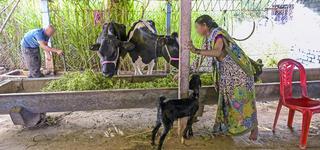
The minister also underlined that Karnataka’s approach is deeply linked to farmer welfare. Cattle play a central role in agrarian economies, particularly in small and marginal farming households. Protecting cattle, he said, means ensuring access to veterinary services, fodder support, shelter, and compensation mechanisms, rather than merely criminalising certain activities. In this context, he argued that tokenism would involve rhetoric without resources, whereas the government has chosen sustained investment and administrative oversight.

Kharge pointed to increased budgetary allocations for gaushalas, veterinary infrastructure, and animal husbandry schemes as evidence of this commitment. He said these measures are part of a long-term strategy to integrate cattle welfare into rural development rather than isolate it as a polarising political issue. According to him, the Congress government’s approach reflects a conscious effort to depoliticise cattle protection while still acknowledging its cultural significance.Karnataka government's approach towards cattle protection is genuine, not  tokenism: Minister - The Hindu


POLICY OVER SYMBOLISM: HOW THE STATE DEFINES CATTLE PROTECTION

The Karnataka government’s cattle protection framework is anchored in existing legislation, administrative rules, and welfare-oriented schemes rather than ad hoc enforcement. Officials say the focus has been on strengthening institutional capacity instead of relying on punitive measures alone. This includes improving veterinary outreach, disease control programmes, and the regulation of cattle markets to prevent illegal trade without disrupting legitimate livelihoods.

Kharge noted that cattle protection laws are enforced through the police and animal husbandry departments, not through informal groups. He said clear guidelines have been issued to prevent misuse of the law, particularly against vulnerable communities. “Protection of cattle cannot come at the cost of human dignity or constitutional rights,” he said, stressing that the government has zero tolerance for vigilantism.

The minister highlighted that the state has taken steps to streamline cattle transportation rules, ensuring that farmers and traders are not subjected to harassment. He said ambiguity in implementation often creates space for abuse, and the government has worked to reduce such grey areas through clearer protocols and inter-departmental coordination. Training programmes for police personnel on handling cattle-related cases sensitively have also been initiated, he added.Cow protection laws: The Opposition must make the repeal of these laws an  election issue in 2019

In defending the government’s approach, Kharge contrasted it with what he described as “headline-driven governance” seen elsewhere. He argued that symbolic politics often prioritises visibility over viability, whereas Karnataka has focused on administrative depth. “Real protection is invisible. It happens through systems, not slogans,” he said.

Experts in animal husbandry note that Karnataka’s emphasis on welfare infrastructure marks a shift from earlier approaches that focused largely on enforcement. Increased funding for mobile veterinary units, vaccination drives, and fodder banks during drought periods has had tangible effects on cattle health and farmer confidence. While challenges remain, they say the policy direction indicates seriousness rather than superficiality.

The minister also addressed concerns about the economic impact of cattle protection laws on farmers, particularly those owning unproductive cattle. He said the government is aware of the burden and is working on sustainable solutions, including support for maintenance and shelter. According to him, ignoring this dimension would indeed amount to tokenism, which the government is consciously avoiding.

Kharge reiterated that cattle protection must be inclusive, humane, and lawful. He said any policy that relies on fear or social exclusion ultimately weakens the very cause it claims to serve. “Our approach is rooted in balance — between faith and law, tradition and modernity, protection and compassion,” he said.


POLITICS, POLARISATION, AND THE QUESTION OF INTENT

Cattle protection has long been a politically charged issue in Karnataka and across the country, often invoked during elections and moments of social tension. Kharge acknowledged this reality but said the government’s responsibility is to rise above polarisation. He argued that politicising cattle protection reduces it to a tool for division, undermining both animal welfare and social harmony.

The minister said the Congress government has consciously avoided using cattle protection as a political weapon. Instead, it has focused on administrative continuity and legal enforcement. “Intent matters in governance,” he said. “When intent is genuine, policies are consistent, budgets are allocated, and institutions are strengthened. When intent is tokenistic, everything stops at announcements.”

Kharge also responded to opposition allegations that the government is soft on cattle-related offences. He said enforcement statistics and ongoing prosecutions contradict this narrative. However, he added that the government distinguishes between organised illegal activity and livelihood-related issues, treating each with appropriate proportionality. This, he said, reflects maturity in governance rather than weakness.

Civil society groups have welcomed the emphasis on preventing vigilantism, noting that past incidents have eroded trust and created fear among certain communities. They argue that cattle protection laws must be applied uniformly and without prejudice. Kharge’s statements, they say, indicate a recognition of this concern at the highest levels of government.

At the same time, some groups advocating stricter enforcement have expressed dissatisfaction, arguing that the government should adopt a more aggressive posture. Kharge responded by saying that aggression is not a substitute for effectiveness. “A government that shouts is not necessarily a government that delivers,” he said, adding that Karnataka’s approach aims for durability rather than drama.

Political analysts view the minister’s remarks as an attempt to reclaim the narrative around cattle protection from ideological extremes. By framing it as an issue of governance and welfare rather than identity politics, the government appears to be repositioning itself in a complex socio-political landscape. Whether this approach yields long-term political dividends remains to be seen, but it has clearly set a different tone.

Kharge concluded by saying that cattle protection cannot be evaluated through isolated incidents or rhetoric. “Look at the budgets, the schemes, the enforcement structures, and the absence of chaos,” he said. “That is where genuine intent reveals itself.”


GOVERNANCE, WELFARE, AND THE ROAD AHEAD

Looking ahead, the Karnataka government plans to further integrate cattle welfare into its broader rural development agenda. Officials say this includes linking animal husbandry schemes with climate resilience strategies, particularly in drought-prone regions. Improved fodder management, water access, and disease surveillance are expected to form key components of this effort.

Kharge said the government is also exploring technological interventions to improve cattle management, including digital tracking of veterinary services and better data collection on livestock health. These measures, he said, would help policymakers move from reactive responses to proactive planning. “Protection is not just about preventing harm. It is about enabling wellbeing,” he said.

The minister acknowledged that challenges persist, including funding constraints, administrative capacity, and social tensions. However, he maintained that these challenges require patience and institutional reform rather than populist shortcuts. He said the government remains open to feedback from farmers, religious groups, and civil society to refine its approach.

As debates around cattle protection continue to shape public discourse, Karnataka’s model is likely to be closely watched. By emphasising welfare, legality, and restraint, the government has staked a claim to a middle path in a deeply polarised issue. Whether this approach can sustain public trust and deliver measurable outcomes will determine its long-term credibility.

For now, Kharge’s assertion stands clear: cattle protection in Karnataka is not a matter of symbolism but of sustained governance. “Tokenism fades quickly,” he said. “Policy endures.”

Follow: Karnataka Government

Also read: Home | Channel 6 Network – Latest News, Breaking Updates: Politics, Business, Tech & More

DGP K. Ramachandra Rao: Senior Police Officer Suspended After 1 Shocking Obscene Video Controversy

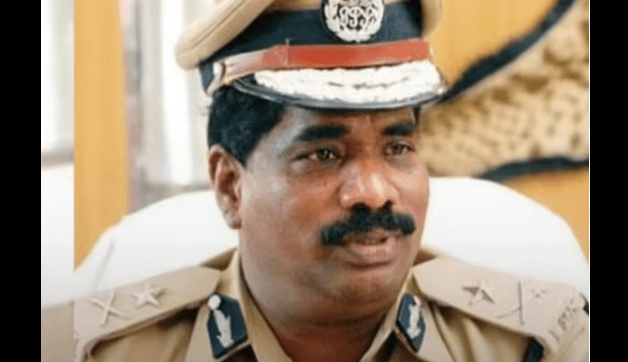
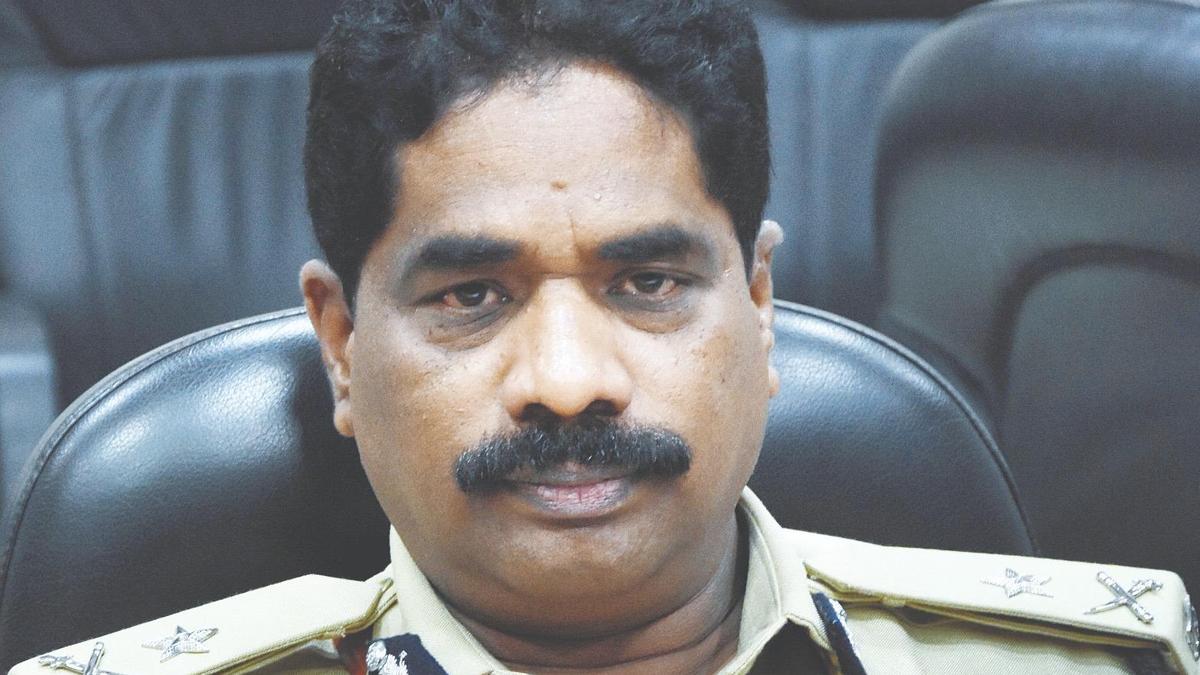
Karnataka Director General of Police K. Ramachandra Rao, one of the state’s most senior police officers, has been suspended following the circulation of an obscene video allegedly involving him. The development has sent shockwaves through the state’s police establishment and political circles, raising serious questions about conduct, accountability, and institutional credibility at the highest levels of law enforcement.

K. Ramachandra Rao is a senior Indian Police Service officer of the 1993 batch, known for holding several key postings in Karnataka over three decades. He has served in both operational and administrative roles, including law and order, intelligence, and internal security-related assignments. His career trajectory reflected steady institutional trust, culminating in his appointment as Director General of Police. Colleagues have often described him as procedurally strong and well-versed in policing systems, making the controversy particularly jarring for a force that values discipline and public conduct.

The emergence of the obscene video has sharply contrasted with the expectations placed on the state’s top police officer. Senior police officials privately acknowledge that the position of DGP carries not just administrative authority but also symbolic leadership. Any perceived lapse, they say, damages public confidence in the force as a whole. The suspension signals the government’s intent to uphold institutional integrity, even when allegations involve officers at the highest level of the hierarchy.

Officials familiar with the matter say the government acted swiftly to prevent further erosion of credibility. A formal inquiry has been initiated to ascertain the authenticity of the video, the circumstances under which it was recorded, and whether any misuse of authority or violation of service conduct rules occurred. The inquiry process is expected to examine both technical evidence and testimonial accounts before arriving at conclusions that could shape Rao’s professional future.

The controversy has also reignited conversations around accountability mechanisms for senior officials. Retired officers and governance experts note that while vigilance systems exist, public scrutiny intensifies significantly when allegations involve top-ranking figures. They argue that transparent inquiries are essential not only for justice but also for reinforcing public trust in institutions meant to uphold law, ethics, and order across the state.

As the investigation proceeds, the episode stands as a critical moment for Karnataka’s police establishment. The outcome will likely influence how future allegations against senior officials are handled and perceived. For now, K. Ramachandra Rao’s suspension marks a dramatic pause in a long career, underscoring how swiftly authority can be challenged when conduct comes under question in the public domain.

The suspension comes amid intense public scrutiny and mounting pressure on the government to act decisively. While investigations into the authenticity and circumstances surrounding the video are ongoing, the decision to suspend the officer has been framed as an interim administrative measure to protect the integrity of the inquiry and uphold the image of the police force.

The controversy has also triggered a wider debate on standards of conduct for top officials and the mechanisms in place to address allegations of personal misconduct involving those entrusted with public authority.Karnataka DGP Ramachandra Rao suspended after obscene video goes viral -  The Hindu

Career and Background

K. Ramachandra Rao is a senior Indian Police Service officer of the Karnataka cadre, with decades of experience in policing, intelligence, and administration. Over the years, he has held several key positions within the state police, earning a reputation as a firm administrator with a deep understanding of law and order management.

Before his appointment as Director General of Police, Rao served in various senior roles, including district-level postings, intelligence-related assignments, and leadership positions within specialised units. Colleagues have often described him as a technically competent officer who rose through the ranks through a combination of field experience and bureaucratic acumen.

His appointment to the top post came at a time when Karnataka was grappling with complex law-and-order challenges, including communal tensions, cybercrime, and urban policing pressures. As DGP, Rao was expected to provide strategic direction to a large and diverse police force, balancing enforcement with public trust.

Role as Director General of Police

As the head of the Karnataka Police, the Director General of Police occupies a position of immense responsibility. The DGP oversees law and order, crime prevention, internal discipline, and coordination with intelligence and central agencies. The role also carries symbolic weight, representing the professionalism and moral authority of the police institution.

During his tenure, Rao presided over several major policing initiatives, including efforts to modernise the force, strengthen intelligence networks, and improve coordination between district units. He was also involved in managing security arrangements for high-profile events and sensitive political developments.

However, like many senior officers, his tenure was not without criticism. Civil society groups and opposition leaders have periodically questioned policing decisions under his leadership, particularly in politically sensitive cases. Until the current controversy, however, his career had not been marked by allegations of personal impropriety of this magnitude.

The Obscene Video Controversy

The controversy erupted after an obscene video allegedly featuring Rao began circulating widely, triggering outrage and embarrassment for the police department. The content of the video, though not officially authenticated at the time of suspension, was deemed serious enough to warrant immediate administrative action.Karnataka Women's Commission seeks action against senior IPS officer  Ramachandra Rao - The Hindu

Government sources indicated that the suspension was ordered to ensure a fair and unhindered investigation. Officials emphasised that suspension does not amount to a finding of guilt but is a precautionary step commonly taken in cases involving senior officials facing grave allegations.

The incident has raised difficult questions about personal conduct, misuse of position, and vulnerability to compromise. In law enforcement circles, such controversies are viewed as particularly damaging, as they risk eroding public confidence in institutions tasked with upholding morality and legality.

Government Response and Administrative Action

The state government moved swiftly after the video surfaced, reportedly seeking legal and administrative advice before issuing the suspension order. The decision was framed as necessary to preserve the dignity of the office of the DGP and maintain public trust in the police system.

Officials have stated that an internal inquiry, along with possible criminal and disciplinary proceedings, will examine the matter thoroughly. Digital forensics experts are expected to analyse the video to determine its authenticity, origin, and whether any laws were violated in its creation or circulation.

The government has also sought to distance the institution from the individual, stressing that the police force as a whole must not be judged by the alleged actions of one officer. An interim arrangement has been put in place to ensure continuity in leadership and operational stability.

Impact on the Police Force

The suspension of a serving DGP is a rare and unsettling event for any state police force. For officers on the ground, it creates uncertainty and affects morale, particularly when the controversy involves allegations of personal misconduct rather than policy or operational failures.

Senior officers have privately acknowledged the damage such incidents cause to institutional credibility. The police rely heavily on public trust to function effectively, and controversies at the top can undermine discipline and confidence throughout the ranks.

At the same time, some within the force see the swift action as a sign that accountability applies even at the highest levels. From this perspective, the suspension could reinforce the principle that no individual is above scrutiny, regardless of rank.Karnataka DGP suspended after obscene video goes viral

Political and Public Reactions

The incident has sparked sharp political reactions, with opposition parties demanding transparency and accountability. Critics have questioned how such an officer continued in a sensitive position and whether there were earlier warning signs that were ignored.

Civil society voices have also weighed in, calling for clear guidelines on ethical conduct for senior officials and stronger internal monitoring mechanisms. Many argue that the controversy highlights the need for institutional safeguards to prevent misuse of power and protect the dignity of public office.

Public reaction has been a mix of shock, disappointment, and anger. For many citizens, the episode reinforces cynicism about those in authority, while others have urged restraint until investigations establish the facts conclusively.

Legal and Disciplinary Process Ahead

The road ahead for K. Ramachandra Rao depends on the outcome of multiple inquiries. If the video is authenticated and found to involve misconduct, he could face departmental action, including dismissal, as well as possible criminal charges depending on the nature of the acts involved.

If, however, the video is proven to be manipulated or fabricated, the focus may shift to identifying those responsible for creating and circulating it, raising issues of cybercrime, defamation, and privacy violations. In such a scenario, Rao could seek reinstatement and legal redress.

Legal experts note that cases involving digital evidence are complex and require careful handling to avoid premature conclusions. The emphasis, they stress, must remain on due process and evidence-based decision-making.

A Test for Institutions

Beyond the individual, the episode represents a test for Karnataka’s administrative and policing institutions. How transparently and fairly the case is handled will shape public perception of the government’s commitment to accountability and rule of law.

The controversy also underscores the evolving challenges faced by public officials in the digital age, where personal actions can quickly become public scandals with far-reaching consequences. For institutions built on authority and trust, managing such crises requires both firmness and fairness.

As investigations continue, the suspension of K. Ramachandra Rao marks a moment of reckoning for the state police leadership. Whether it ultimately reinforces accountability or deepens public distrust will depend on the clarity, integrity, and credibility of the process that follows.

Follow: Karnataka Government

Also read: Home | Channel 6 Network – Latest News, Breaking Updates: Politics, Business, Tech & More

Congress Delegation Seeks ₹1,000 Crore Boost for Greater Mysuru

A Congress delegation has urged Karnataka Chief Minister Siddaramaiah to allocate ₹1,000 crore in the first phase for the proposed Greater Mysuru City Corporation, marking a significant political push to accelerate urban expansion and infrastructure development in one of the state’s most culturally and historically important cities. The demand reflects growing consensus within the party that Mysuru, long regarded as Karnataka’s cultural capital, requires a comprehensive and well-funded administrative framework to manage its rapid growth and rising civic expectations.

The coming months will therefore be crucial in shaping the fate of the Greater Mysuru City Corporation proposal. If the state government moves swiftly from discussion to allocation, it could set a precedent for proactive urban governance beyond Bengaluru. A clear financial commitment in the first phase would not only empower planners and administrators but also reassure citizens that the vision for Greater Mysuru is grounded in action. As expectations rise, the proposed ₹1,000 crore allocation now stands as a symbol of intent—one that will test the government’s ability to convert regional aspirations into structured, inclusive, and sustainable urban growth.

The delegation, comprising senior legislators, local representatives, and party leaders from the Mysuru region, presented a detailed case to the Chief Minister, outlining the urgent need for financial backing to operationalise the Greater Mysuru City Corporation. They argued that the proposed expansion is not merely a change in administrative boundaries but a transformative step aimed at ensuring planned development, equitable service delivery, and long-term sustainability for the city and its surrounding areas.

According to members of the delegation, Mysuru’s population growth, urban sprawl, and increasing economic activity have placed immense pressure on existing civic infrastructure. Roads, water supply systems, drainage networks, waste management facilities, and public transport are struggling to keep pace with demand. Without a substantial initial allocation, they warned, the vision of a Greater Mysuru risks remaining on paper rather than translating into tangible improvements for citizens.

The appeal to allocate ₹1,000 crore in the first phase is being positioned as a foundational investment rather than an exhaustive solution. Leaders stressed that early financial commitment from the state government would signal seriousness of intent, build public confidence, and enable systematic planning. They emphasised that delayed or piecemeal funding could undermine the effectiveness of the new civic body and repeat mistakes seen in other urban expansions.

Mysuru’s unique identity also featured prominently in the delegation’s argument. As a city that blends heritage with modern aspirations, Mysuru requires development that is sensitive to its cultural legacy while meeting contemporary urban needs. The proposed Greater Mysuru City Corporation, they said, offers an opportunity to strike this balance through integrated planning and adequate financial support.Congress delegation urges CM to allocate ₹1,000 crore for Greater Mysuru  City Corporation - The Hindu

Why Greater Mysuru Needs a Strong Financial Start

The concept of Greater Mysuru involves expanding the city corporation’s jurisdiction to include surrounding urbanising areas, villages, and growth corridors. This expansion aims to bring rapidly developing peripheral regions under a unified governance structure, enabling coordinated planning and uniform civic standards. However, such an expansion significantly increases administrative responsibility, making substantial funding essential from the outset.

Members of the Congress delegation pointed out that newly added areas often suffer from inadequate basic amenities. Many peripheral localities lack proper roads, underground drainage, reliable water supply, and solid waste management systems. Bringing these areas up to urban standards requires heavy capital investment, particularly in the initial years. The proposed ₹1,000 crore allocation, they argued, would help address these gaps systematically.

They also highlighted the importance of strengthening core infrastructure within Mysuru city limits. Ageing pipelines, congested roads, and overstretched public services require urgent upgrades. Without parallel investment in the existing city, the expansion could exacerbate inequalities between old and new areas. A strong first-phase allocation would allow planners to adopt a holistic approach rather than a fragmented one.

Urban experts supporting the demand note that cities transitioning to larger municipal corporations often face financial stress if initial funding is inadequate. In such cases, civic bodies are forced to rely excessively on loans or user charges, placing a burden on citizens. By committing ₹1,000 crore upfront, the state government could reduce long-term financial strain and enable sustainable revenue planning.

The delegation also stressed employment generation as a key benefit of early investment. Large-scale infrastructure projects create jobs across skill levels, from construction workers to engineers and planners. In a city like Mysuru, where youth employment is a growing concern, accelerated urban projects could provide both immediate and long-term economic opportunities.

Another critical aspect raised was environmental planning. Mysuru’s lakes, green spaces, and tree cover are integral to its identity and livability. Delegation members argued that adequate funding would allow the Greater Mysuru City Corporation to invest in eco-friendly infrastructure, lake rejuvenation, and sustainable mobility solutions, preventing unplanned growth from damaging the city’s ecological balance.Congress delegation urges CM to allocate ₹1,000 crore for Greater Mysuru  City Corporation - The Hindu

Political Signals and Regional Aspirations

The Congress delegation’s demand is being viewed as a strong political signal within the party and to the public. Mysuru holds symbolic importance for the Congress, both historically and electorally. By advocating for a substantial allocation, party leaders aim to reinforce their commitment to regional development and decentralised urban growth.

Several delegation members noted that Bengaluru-centric development has long dominated Karnataka’s policy landscape. While the capital city’s needs are undeniable, they argued that secondary cities like Mysuru must also receive focused attention to achieve balanced regional growth. Strengthening Mysuru, they said, would ease migration pressure on Bengaluru and create multiple urban growth centres across the state.

The timing of the demand is also significant. With the state government preparing budgets and planning long-term infrastructure priorities, early advocacy ensures that Mysuru’s needs are firmly on the agenda. Delegation leaders emphasised that waiting for later phases could result in reduced allocations or diluted focus.

Chief Minister Siddaramaiah, who represents a constituency in the Mysuru region, was reportedly receptive to the delegation’s concerns. While no immediate commitment was announced, sources indicated that the Chief Minister acknowledged the importance of planned urban expansion and assured the delegation that their proposal would be examined seriously within the government’s financial framework.

Political analysts observe that the demand aligns with the Congress government’s broader narrative of inclusive development. By focusing on urban infrastructure outside Bengaluru, the party can project itself as attentive to regional aspirations and long-term planning rather than short-term political gains.

However, analysts also caution that translating such demands into budgetary reality requires careful fiscal balancing. With competing priorities across sectors like welfare, rural development, and infrastructure, allocating ₹1,000 crore in one phase will require strong political will and administrative clarity.

Challenges and Expectations Ahead

While the demand has generated optimism, experts warn that funding alone will not guarantee success. The effectiveness of the Greater Mysuru City Corporation will depend on governance capacity, technical expertise, and transparent implementation. Without these, even substantial allocations risk being underutilised or misdirected.

Urban planners stress the need for a clear roadmap detailing how the ₹1,000 crore would be spent. Prioritisation of projects, phased execution, and measurable outcomes are essential to ensure accountability. Citizens, they note, will closely watch whether promised funds translate into visible improvements on the ground.

Coordination between state departments, local bodies, and planning authorities is another challenge. Expanding municipal boundaries often involves integrating different administrative cultures and systems. Adequate funding can ease this transition, but strong leadership and institutional coordination are equally critical.

Public participation is also expected to play a key role. Residents of areas proposed to be included in the Greater Mysuru City Corporation have diverse concerns, ranging from taxation to service delivery. Transparent communication and consultation can help build trust and reduce resistance to change.

The delegation underscored that the first phase allocation should prioritise essential services and connectivity. Roads linking peripheral areas, water and sewage infrastructure, and waste management facilities were identified as immediate needs. Investments in these areas would lay the foundation for future economic and social development.Congress delegation urges CM to allocate ₹1,000 crore for Greater Mysuru  City Corporation - The Hindu

Education, healthcare, and public spaces were also highlighted as priority sectors. A growing city requires not just infrastructure but also institutions that enhance quality of life. Adequate funding could support the development of schools, health centres, parks, and community facilities across the expanded city.

A Test of Vision and Commitment

The demand for a ₹1,000 crore allocation in the first phase for the Greater Mysuru City Corporation represents more than a budgetary request; it is a test of the state government’s vision for urban Karnataka. Mysuru’s transformation into a larger municipal entity has the potential to redefine its development trajectory for decades to come.

For the Congress, the issue carries political, administrative, and emotional weight. Delivering on this promise could strengthen the party’s credibility in the region and demonstrate its commitment to decentralised growth. Failure to act decisively, on the other hand, could fuel disappointment and scepticism among citizens who have long awaited comprehensive urban planning.

As discussions move from political advocacy to administrative decision-making, expectations are high. Citizens, experts, and party workers alike will watch closely to see whether the proposed allocation finds a place in the state’s financial plans and how effectively it is implemented.

The Congress delegation’s appeal has brought Greater Mysuru into sharp focus, framing it as a city at the cusp of transformation. Whether the ₹1,000 crore first-phase allocation becomes reality will determine if this moment is remembered as a turning point of promise fulfilled or another chapter of delayed aspiration. For Mysuru, the stakes are not just financial, but deeply tied to its future identity, livability, and pride.

Follow: Karnataka Government

Also read: Home | Channel 6 Network – Latest News, Breaking Updates: Politics, Business, Tech & More

D.K. Suresh Says Power Comes Through Patience: Steady 1 Resolve That Signals Hope

Senior Congress leader and Member of Parliament D.K. Suresh has said that Deputy Chief Minister D.K. Shivakumar is waiting patiently and that power does not come easily to anyone in public life. His remarks come amid ongoing political discussions within the party and growing speculation about leadership roles and future responsibilities. By emphasising patience and perseverance, Suresh sought to frame ambition not as entitlement but as a journey shaped by struggle, timing, and collective will.

Suresh also indicated that democratic politics demands emotional intelligence as much as strategic planning. He said leaders must know when to assert themselves and when to step back, allowing institutions and collective leadership to function. According to him, impatience often leads to avoidable confrontations that can weaken both the government and the party. By contrast, patience allows leaders to build wider consensus, deepen public trust, and strengthen their moral authority. In this sense, he argued, waiting is not inactivity but a conscious investment in credibility and stability.

Referring indirectly to public expectations, Suresh said voters judge leaders not only by ambition but by restraint. He noted that people value stability, continuity, and visible governance outcomes over constant leadership churn. When leaders demonstrate patience, he said, it reassures citizens that governance will not be disrupted by internal rivalries. This, he added, is particularly important at a time when Karnataka is focused on welfare delivery, infrastructure expansion, and administrative reforms that require consistent political direction and steady leadership.

Suresh further observed that political power, when attained after long periods of effort, carries greater responsibility. Leaders who have waited, he said, understand the value of authority and are less likely to misuse it. Such leaders tend to prioritise institutional strength over personal gain. Drawing from political history, he remarked that many respected leaders across parties earned their stature through perseverance rather than immediate elevation, reinforcing the idea that endurance often shapes more grounded leadership.

He also addressed concerns among party workers who sometimes feel anxious during periods of uncertainty. Suresh urged them to view patience as part of political training rather than neglect. He said organisational loyalty, consistent grassroots engagement, and disciplined conduct are always noticed, even if recognition takes time. According to him, parties ultimately rely on those who remain steadfast during waiting phases, as they form the backbone of long-term political success.

Political commentators believe Suresh’s words also reflect an awareness of public fatigue with power struggles. In an environment where constant speculation can dominate headlines, his emphasis on patience offers a counter-narrative focused on governance and responsibility. By downplaying immediacy and highlighting process, the statement seeks to shift attention back to policy delivery and administrative performance rather than individual ambition.

Ultimately, Suresh’s remarks frame patience as a defining democratic virtue. By stating that power does not come easily to anyone, he underscored the idea that authority must be earned through time, trust, and service. In doing so, he offered both a political message and a philosophical reflection, reminding leaders and supporters alike that endurance, discipline, and timing often shape the most enduring careers in public life.

Speaking to reporters, D.K. Suresh said that leadership positions are earned through sustained effort, public trust, and political maturity. He stressed that there is no shortcut to power in a democracy and that even the most influential leaders have had to wait, work, and prove themselves repeatedly. His comments were widely interpreted as a message both to party workers and the public that internal discipline and long-term vision remain central to the Congress leadership’s approach.

According to Suresh, D.K. Shivakumar’s political career itself is an example of resilience. From organisational work at the grassroots to handling complex responsibilities within the party and government, Shivakumar’s rise has been marked by challenges rather than ease. “Power does not come easily to anyone,” Suresh reiterated, underlining that patience is not weakness but a strategic and moral strength in politics.DKS waiting patiently, power does not come easily to anyone: D.K. Suresh -  The Hindu

Patience as a Political Strategy

D.K. Suresh’s statement highlights patience as a deliberate political choice rather than passive waiting. He noted that in a coalition-based democracy and a party with a collective leadership structure, timing and consensus play a decisive role. Leaders must balance personal aspirations with party unity and governance priorities, he said, adding that impatience can destabilise both government and organisation.

He also pointed out that Karnataka has given the Congress a clear mandate, and the responsibility of leaders is to honour that trust through stable governance. According to him, the focus should remain on delivering development, welfare, and good administration rather than internal power equations. Any leadership transition, he suggested, must emerge naturally from performance and collective agreement.DKS waiting patiently, power does not come easily to anyone: D.K. Suresh -  The Hindu

Suresh’s remarks come at a time when political observers are closely watching the Congress leadership dynamics in Karnataka. With the party firmly in power, questions around succession, authority, and future leadership naturally arise. By choosing to speak about patience rather than entitlement, Suresh appeared to deliberately lower the temperature of internal speculation and reinforce the idea that governance, not power struggle, should dominate the political discourse.

He also reminded critics and supporters alike that political journeys are rarely linear. According to Suresh, moments of waiting often define leaders more than moments of authority. He said that resilience during uncertain phases builds credibility, both within the party and among the electorate. This, he argued, is especially true in a state like Karnataka, where political awareness among voters is high and leadership is constantly scrutinised.

Party insiders view the statement as a reaffirmation of faith in institutional decision-making within the Congress. Suresh stressed that leadership roles are not decided overnight but emerge from collective discussions, performance assessments, and broader political realities. He cautioned against reading too much into day-to-day political commentary, noting that such speculation often distracts from governance priorities.

Suresh also highlighted the importance of loyalty and organisational discipline. He said that leaders who respect party processes and wait for the right moment tend to command greater respect when responsibility finally comes their way. In contrast, impatience, he warned, can erode trust and weaken both individual credibility and party unity.

Addressing comparisons with other political formations, Suresh noted that the Congress has historically valued collective leadership and ideological commitment. He argued that power-sharing and patience are intrinsic to the party’s functioning, distinguishing it from personality-driven politics. This approach, he said, has allowed the party to endure political cycles and remain relevant over decades.

He further pointed out that D.K. Shivakumar’s current role itself carries significant responsibility. According to Suresh, governance positions should not be viewed merely as stepping stones to higher office but as opportunities to serve. He added that performance in existing roles often determines future leadership trajectories more than public speculation.

Political analysts believe the statement also serves as a signal to allies and opponents that the Congress leadership is conscious of stability. By emphasising patience, Suresh positioned the party as focused on continuity and governance rather than internal churn. This message, they say, could help counter narratives of factionalism.

Suresh also spoke about the broader lesson for aspiring politicians. He said that public life demands endurance, humility, and acceptance of delayed rewards. According to him, those who enter politics seeking quick authority often struggle, while those who invest time in public service build lasting influence.

The comments have resonated with sections of party workers who see patience as validation of their own long years of grassroots work. For them, Suresh’s words reaffirm that recognition may take time but is not denied to those who remain committed and disciplined.

As Karnataka’s political journey continues, Suresh’s remarks add a reflective note to an otherwise competitive environment. By framing patience as strength and power as a consequence rather than a right, he articulated a political philosophy rooted in endurance—one that seeks to align ambition with responsibility, and authority with timing.

Political observers view Suresh’s remarks as an attempt to calm speculation and reinforce the message of unity within the party. By publicly acknowledging the reality of ambition while stressing restraint, he positioned patience as a virtue that strengthens leadership credibility. The emphasis on waiting “patiently” was seen as an assurance that internal processes are being respected.

Message to Cadres and the Public

Beyond internal politics, Suresh’s comments also carried a message for party workers and supporters. He urged cadres to remain focused on organisational strengthening and public service, rather than getting distracted by rumours or power debates. According to him, political authority ultimately flows from people’s support, not internal positioning alone.

He added that history shows how enduring leaders are those who withstand pressure and continue working despite uncertainty. In that sense, patience becomes a test of leadership character. Suresh suggested that D.K. Shivakumar’s approach reflects this understanding, reinforcing his image as a leader rooted in long-term commitment rather than immediate gain.DKS waiting patiently, power does not come easily to anyone: D.K. Suresh -  The Hindu

As Karnataka’s political landscape continues to evolve, Suresh’s remarks underline a broader truth about democratic politics: leadership is as much about timing and restraint as it is about ambition and ability. His statement frames patience not as delay, but as preparation—an idea likely intended to reassure both party loyalists and the wider electorate.

Follow: Karnataka Government

Also read: Home | Channel 6 Network – Latest News, Breaking Updates: Politics, Business, Tech & More
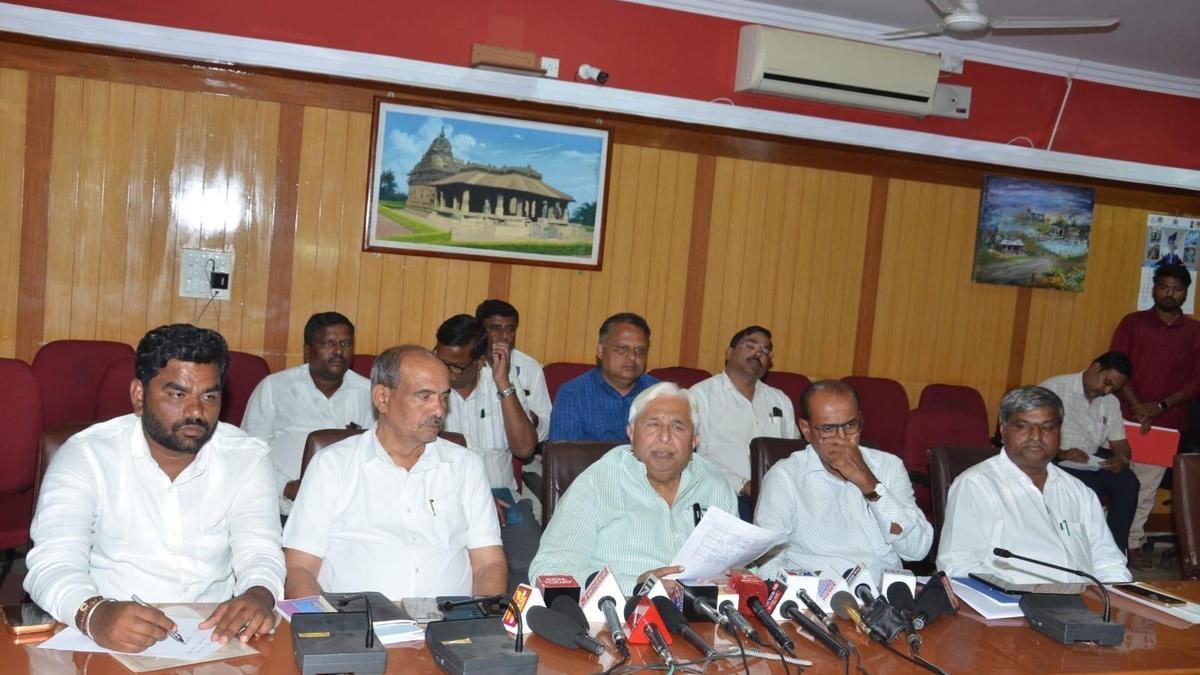
Singur Industry Promise BJP 2026 – Detailed Analysis of Samik Bhattacharya’s Statement, Modi’s Rally Silence, and Governance Lessons for Bengal

The Singur industry promise BJP 2026 has reignited one of Bengal’s most contentious political and economic debates. State BJP president Samik Bhattacharya vowed that the party would establish industry on the Singur plot, a site that has symbolised Bengal’s industrial decline since the Tata Nano project was scrapped in 2008. His statement came immediately after Prime Minister Narendra Modi’s rally in Bengal, where Modi notably avoided mentioning Singur, sparking speculation and political reactions.


2. Singur Industry Promise BJP 2026: The Context

  • Singur plot: Located in Hooghly district, it was once earmarked for Tata Motors’ Nano factory.
  • 2008 withdrawal: Tata pulled out after prolonged protests led by Mamata Banerjee and the Trinamool Congress (TMC).
  • Symbolism: Singur became a rallying cry for TMC’s rise to power, representing farmers’ rights against forced land acquisition.
  • 2026 BJP promise: Bhattacharya’s vow signals the party’s intent to revive industrialisation in Bengal, using Singur as a symbolic starting point.

3. Samik Bhattacharya’s Statement

  • Promise: Industry will be established on the Singur plot if BJP comes to power.
  • Timing: Statement followed Modi’s silence on Singur during his rally.
  • Political messaging: Aimed at reassuring Bengal’s electorate that BJP remains committed to industrial revival.
  • Contrast: Highlights divergence between national leadership’s cautious silence and state leadership’s assertive promise.

4. Modi’s Rally Silence

  • Observation: Modi did not mention Singur in his speech.
  • Speculation: Analysts suggest silence was deliberate to avoid reigniting farmer resentment.
  • Impact: Left space for state BJP leaders to take a stronger stance.
  • Political reading: Silence interpreted differently by TMC (as weakness) and BJP (as strategic restraint).

5. TMC’s Position

  • Claim: BJP’s promise is unrealistic and politically motivated.
  • Narrative: TMC continues to frame Singur as a victory for farmers against corporate exploitation.
  • Strategy: Emphasises rural welfare and agricultural development over industrialisation.
  • Spokespersons: TMC leaders argue BJP is using Singur as a political gimmick.

6. BJP’s Position

  • Promise: Industry revival in Singur as part of broader industrialisation agenda.
  • Narrative: Bengal needs jobs and investment, not just agriculture.
  • Strategy: Positioning Singur as a symbol of lost opportunities under TMC.
  • Spokespersons: State leaders argue that industrialisation is essential for Bengal’s youth.

7. Governance Challenges

The Singur promise reflects systemic governance issues:

  • Land acquisition: Balancing farmers’ rights with industrial needs.
  • Trust deficit: Farmers sceptical after past controversies.
  • Infrastructure gaps: Bengal lags behind other states in industrial corridors.
  • Political rivalry: Industrialisation debates often overshadowed by partisan conflict.

8. Government External Links for Assistance


9. Historical Context of Singur

  • 2006: Tata Motors began construction of Nano factory.
  • 2008: Tata withdrew after protests led by Mamata Banerjee.
  • 2011: TMC used Singur as a key campaign issue to win power.
  • 2016: Supreme Court ruled land acquisition illegal, ordering return of land to farmers.
  • 2026: BJP revives promise of industry on the same plot.

10. Community Impact

  • Farmers: Divided between pride in TMC’s victory and hope for jobs through industry.
  • Youth: Demand employment opportunities, see industry as future.
  • Civil society groups: Call for balanced development respecting both agriculture and industry.
  • Business stakeholders: Interested in clarity on land policy before investing.

11. Global Comparisons

Similar land‑industry disputes worldwide:

  • China: Balances rapid industrialisation with rural displacement.
  • Brazil: Agro‑industrial conflicts between farmers and corporations.
  • South Africa: Land reform debates intersect with industrial development.

Singur’s case mirrors these global struggles where land, livelihood, and industrialisation collide in political discourse.


12. Governance Lessons

The Singur promise teaches:

  • Industrialisation must respect farmers’ rights.
  • Transparency in land acquisition is essential.
  • Community participation ensures legitimacy.
  • Judicial oversight protects democratic values.

13. Future Outlook – Industrialisation in Bengal

India must move towards:

  • Balanced land policies combining agriculture and industry.
  • Digitised land records to prevent disputes.
  • Public dashboards showing industrial project progress.
  • Educational campaigns linking industrialisation with employment.

14. Conclusion

The Singur industry promise BJP 2026 is more than a political statement—it is a test of Bengal’s ability to reconcile its agricultural legacy with industrial aspirations. By vowing industry on the Singur plot, Samik Bhattacharya has reignited a debate that has defined Bengal’s politics for two decades. For Bengal, the lesson is clear: democracy thrives when governance delivers jobs, fairness, and respect for both farmers and industry.

Also read: Home | Channel 6 Network – Latest News, Breaking Updates: Politics, Business, Tech & More