Saturday, April 25, 2026
Home Blog Page 96

Sikkim Paragliding Championship 2026 – Detailed Analysis of Adventure Tourism, Global Recognition, and Governance Lessons for Himalayan States

The Sikkim Paragliding Championship 2026 marks a milestone in the state’s tourism journey. For the first time, Sikkim hosted a full‑scale paragliding competition, drawing participants from across India and abroad. The event not only showcased the state’s natural beauty but also highlighted its growing reputation as a hub for adventure tourism in the eastern Himalayas.


2. The Event

  • Location: Gangtok and surrounding valleys, Sikkim.
  • Debut: First official paragliding championship in the state.
  • Participants: Athletes from across India and international competitors.
  • Organisers: Supported by Sikkim Tourism Department and adventure sports associations.
  • Objective: To promote adventure tourism and diversify Sikkim’s visitor profile.

3. Why Paragliding Matters for Sikkim

  • Adventure tourism: Expands beyond traditional trekking and mountaineering.
  • Global recognition: Positions Sikkim alongside Nepal and Himachal Pradesh as a paragliding destination.
  • Economic boost: Adventure sports attract high‑spending tourists.
  • Youth engagement: Provides opportunities for local youth to train and compete.

4. Community Reaction

  • Residents: Proud of Sikkim’s global recognition.
  • Tourism stakeholders: See potential for increased footfall and revenue.
  • Youth: Inspired to pursue adventure sports careers.
  • Civil society: Calls for sustainable tourism practices to protect fragile ecosystems.

5. Political Context

  • Government of Sikkim: Framed the event as part of its tourism diversification strategy.
  • Centre’s role: Ministry of Tourism and Civil Aviation supported infrastructure development.
  • Opposition voices: Questioned whether adventure tourism could overshadow cultural heritage.
  • Civil society: Urged balance between development and ecology.

6. Governance Challenges

The championship reflects systemic governance issues:

  • Infrastructure gaps: Need for better roads, safety equipment, and training centres.
  • Environmental concerns: Risk of ecological damage if tourism is not regulated.
  • Community engagement: Local residents must benefit from tourism revenue.
  • Safety standards: Adventure sports require strict regulation to prevent accidents.

7. Government External Links for Assistance


8. Historical Context of Sikkim Tourism

  • 1975: Sikkim merged with India, opening to domestic tourism.
  • 1990s: Trekking and mountaineering gained popularity.
  • 2000s: Eco‑tourism initiatives promoted sustainable travel.
  • 2026: Paragliding championship signals diversification into adventure sports.

9. Community Impact

  • Families: Pride in Sikkim’s recognition as adventure hub.
  • Students: Opportunity to train in new sports.
  • Tourism businesses: Anticipate growth in hospitality and services.
  • Civil society groups: Demand participatory management of tourism projects.

10. Global Comparisons

Similar adventure tourism initiatives worldwide:

  • Nepal: Pokhara is a global paragliding hub.
  • Switzerland: Alps attract paragliding enthusiasts year‑round.
  • Brazil: Rio de Janeiro promotes paragliding as part of its tourism identity.

Sikkim’s case mirrors these global practices where adventure sports strengthen tourism appeal and diversify economies.


11. Sikkim Paragliding Championship 2026: Governance Lessons

The Sikkim championship teaches:

  • Adventure tourism must be regulated.
  • Community participation ensures legitimacy.
  • Safety standards are non‑negotiable.
  • Environmental sustainability must guide development.

12. Future Outlook – Adventure Tourism in Himalayan States

India must move towards:

  • Annual adventure sports festivals in Himalayan states.
  • Digitised tourism dashboards showing visitor trends.
  • Public‑private partnerships for infrastructure development.
  • Educational campaigns linking adventure sports with ecology.

13. Conclusion

The Sikkim Paragliding Championship 2026 is more than a sporting event—it is a symbol of the state’s ambition to redefine its tourism identity. By embracing adventure sports, Sikkim has positioned itself as a global destination while reminding policymakers that sustainability and community welfare must remain central to tourism growth.

Also read: Home | Channel 6 Network – Latest News, Breaking Updates: Politics, Business, Tech & More

 

Netaji Kurseong Heritage Museum 2026 – Detailed Analysis of Subhas Chandra Bose’s Home, Heritage Tag Demand, and Cultural Lessons for Bengal

The Netaji Kurseong heritage museum 2026 initiative has reignited public interest in preserving the legacy of Subhas Chandra Bose, one of India’s most revered freedom fighters. The property in Kurseong, Darjeeling district, where Netaji once lived, has functioned as a museum since 2000. Now, stakeholders are pressing for it to be officially declared a heritage site, ensuring its protection, recognition, and promotion as a cultural landmark.


2. The Property and Museum

  • Location: Kurseong, Darjeeling district, West Bengal.
  • Historical significance: Netaji Subhas Chandra Bose stayed here during the 1930s when he was convalescing.
  • Museum status: Converted into a museum in 2000, showcasing Bose’s personal belongings, photographs, and documents.
  • Current demand: Heritage tag to secure government protection and funding.

3. Why Heritage Status Matters

  • Preservation: Ensures structural conservation and protection against encroachment.
  • Recognition: Elevates the site’s importance nationally and internationally.
  • Tourism: Attracts visitors, boosting local economy.
  • Education: Provides students and researchers access to authentic historical resources.

4. Community Concerns

  • Residents: Proud of Kurseong’s association with Netaji but demand better infrastructure.
  • Civil society: Calls for transparent management of heritage funds.
  • Tourism stakeholders: See potential for increased footfall and revenue.
  • Youth: Express interest in connecting with Netaji’s legacy through interactive exhibits.

5. Political Context

  • Government of West Bengal: Has promoted Bose’s legacy but heritage recognition remains pending.
  • Centre’s role: Ministry of Culture and Archaeological Survey of India oversee heritage declarations.
  • Civil society: Urges cooperation between state and central governments.
  • Opposition voices: Question delays in granting heritage status.

6. Governance Challenges

The heritage demand reflects systemic governance issues:

  • Bureaucratic delays: Heritage recognition often takes years.
  • Funding gaps: Museums struggle without sustained financial support.
  • Community engagement: Local residents must be included in planning.
  • Balancing past and present: Heritage preservation must coexist with modern development.

7. Government External Links for Assistance


8. Historical Context of Netaji’s Kurseong Stay

  • 1930s: Bose stayed in Kurseong while recovering from illness.
  • Freedom struggle: Continued correspondence and planning from the property.
  • Post‑Independence: The site became symbolic of Bose’s resilience.
  • 2000: Converted into a museum to preserve his memory.
  • 2026: Demand for heritage status reflects renewed interest in Bose’s legacy.

9. Community Impact

  • Families: Pride in Kurseong’s association with Netaji.
  • Students: Opportunity to learn about Bose’s life beyond textbooks.
  • Tourism stakeholders: Anticipate growth in heritage tourism.
  • Civil society groups: Demand participatory management of the museum.

10. Netaji Kurseong Heritage Museum 2026: Global Comparisons

Similar heritage recognitions worldwide:

  • South Africa: Nelson Mandela’s homes declared heritage sites.
  • USA: Martin Luther King Jr.’s home preserved as a national historic site.
  • UK: Winston Churchill’s Chartwell estate maintained as a heritage property.

Kurseong’s case mirrors these global practices where heritage recognition strengthens civic identity and tourism appeal.


11. Governance Lessons

The Kurseong heritage demand teaches:

  • Heritage preservation must be continuous.
  • Community participation ensures legitimacy.
  • Tourism development must be sustainable.
  • Educational integration builds awareness among youth.

12. Future Outlook – Netaji’s Cultural Landscape

India must move towards:

  • Annual heritage festivals celebrating Bose’s legacy.
  • Digitised archives accessible to citizens and researchers.
  • Public dashboards showing heritage project progress.
  • Educational campaigns linking history with civic responsibility.

13. Conclusion

The Netaji Kurseong heritage museum 2026 is more than a demand for a heritage tag—it is a call to honour India’s freedom struggle and preserve Bose’s legacy for future generations. By granting heritage status, the government can ensure that Kurseong becomes a beacon of history, culture, and civic pride. For Bengal, the lesson is clear: democracy and heritage thrive when cultural icons are respected and preserved.

Also read: Home | Channel 6 Network – Latest News, Breaking Updates: Politics, Business, Tech & More
January 20, 2026: Nifty Slumps Over 350 Points to Close Near 25,232; Broader Markets Witness Sharp Sell-Off

Indian equity markets ended Tuesday’s session on a sharply negative note, with heavy selling across sectors dragging benchmark indices significantly lower. Weak sentiment in broader markets, sustained pressure in financials, and sharp declines in heavyweight stocks led to a broad-based decline.

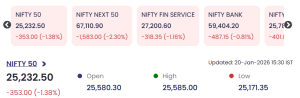
At the close of trade on January 20, 2026, the Nifty 50 settled at 25,232.50, down 353.00 points or 1.38%. The index recorded an intraday high of 25,585.00 and slipped to a low of 25,171.35, after opening at 25,580.30.

Also Read: January 20, 2026 (mid-cap): Nifty Slips to 25,420 in Early Afternoon Trade; Broader Markets See Sharper Selling Pressure


Market Snapshot: Deep Cuts Across Indices

All key indices ended firmly in the red, reflecting strong risk-off sentiment:

  • Nifty 50: 25,232.50 ▼ 1.38%

  • Nifty Next 50: 67,110.90 ▼ 2.30%

  • January 20, 2026Nifty Financial Services: 27,200.60 ▼ 1.16%

  • Nifty Bank: 59,404.20 ▼ 0.81%

  • Nifty IT: 25,78x (weaker trend)

The sharp fall in the Nifty Next 50 highlights the extent of selling pressure in mid and large-cap stocks beyond the benchmark.


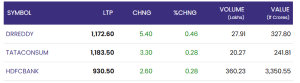
Top Gainers: Defensive Strength in Dr Reddy’s, Tata Consumer, HDFC Bank

In an otherwise weak session, only a handful of stocks managed to close higher:

  • Dr Reddy’s Laboratories rose 0.46% to ₹1,172.60.

  • Tata Consumer Products gained 0.28% to ₹1,183.50.

  • Screenshot 2026 01 20 231405HDFC Bank edged up 0.28% to ₹930.50, showing relative resilience among banking stocks.

The limited number of gainers reflects broad-based weakness across the market.


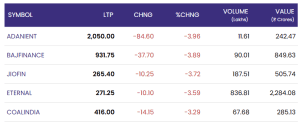
Top Losers: Adani Ent, Bajaj Finance, Jio Financial Drag Indices

Heavyweight stocks witnessed steep declines, contributing significantly to the benchmark’s fall:

  • Adani Enterprises plunged 3.96% to ₹2,050.00, emerging as the biggest loser.

  • Bajaj Finance dropped 3.89% to ₹931.75.

  • Jio Financial Services declined 3.72% to ₹265.40.

  • Screenshot 2026 01 20 231411Eternal slipped 3.59% to ₹271.25.

  • Coal India fell 3.29% to ₹416.00.

The sharp decline in financial and conglomerate stocks weighed heavily on overall sentiment.


Market Sentiment: Risk-Off Mood Intensifies

Tuesday’s session reflected a clear risk-off environment, with selling pressure extending from frontline stocks to broader indices. The steep fall in Nifty Next 50 signals weak underlying market breadth.

From a technical perspective, the 25,200 zone becomes an important near-term support for Nifty. A decisive break below this level could open further downside, while any recovery would face resistance near 25,500–25,600.


Conclusion: January 20, 2026

The market ended the session with strong bearish undertones, as heavy selling dominated most sectors. With limited buying support and widespread declines across stocks, sentiment remains fragile. Until stability returns in heavyweight stocks and broader indices, market participants are likely to remain cautious.


For real time stock Updates, visit NSE website.

January 20, 2026 (mid-cap): Nifty Slips to 25,420 in Early Afternoon Trade; Broader Markets See Sharper Selling Pressure

Indian equity markets continued to trade under pressure in early afternoon trade on January 20, 2026, as weakness in broader indices and selective profit booking across sectors weighed on sentiment. Despite marginal strength in a few banking and pharma stocks, overall market breadth remained negative.

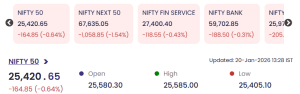
At 1:28 PM IST, the Nifty 50 was trading at 25,420.65, down 164.85 points or 0.64%. The index traded within an intraday range of 25,405.10 (low) and 25,585.00 (high) after opening at 25,580.30.

Also Read: January 20, 2026 (opening): Nifty Trades Below 25,500 in Mid-Morning Trade; Financials and Broader Indices Remain Under Pressure


Market Snapshot: Broader Indices Underperform

Selling pressure intensified in the broader market space, reflecting a cautious risk appetite among investors:

  • Nifty 50: 25,420.65 ▼ 0.64%

  • Nifty Next 50: 67,635.05 ▼ 1.54%

  • January 20, 2026Nifty Financial Services: 27,400.40 ▼ 0.43%

  • Nifty Bank: 59,702.85 ▼ 0.31%

  • Nifty IT: 25,97x (weaker bias)

The sharper decline in the Nifty Next 50 highlights sustained weakness beyond frontline indices.


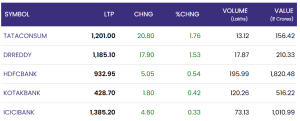
Top Gainers: Tata Consumer, Dr Reddy’s, Select Banks Show Resilience

Amid the broader weakness, a few stocks managed to post modest gains:

  • Tata Consumer Products rose 1.76% to ₹1,201.00, emerging as the top gainer.

  • Dr Reddy’s Laboratories gained 1.53% to ₹1,185.10.

  • Screenshot 2026 01 20 132826HDFC Bank advanced 0.54% to ₹932.95, lending limited support to the index.

  • Kotak Mahindra Bank added 0.42% to ₹428.70.

  • ICICI Bank climbed 0.33% to ₹1,385.20.

Strength in select FMCG, pharma, and large private banks indicates stock-specific buying rather than broad-based optimism.


Top Losers: Eternal, Coal India, Trent Drag Markets

On the downside, several stocks witnessed sharp selling pressure:

  • Eternal plunged 3.64% to ₹271.10, the biggest loser among the listed names.

  • Coal India slipped 2.67% to ₹418.65.

  • Screenshot 2026 01 20 132826Trent declined 2.49% to ₹3,847.50.

  • Sun Pharma fell 2.44% to ₹1,634.50.

  • Bajaj Finance dropped 2.43% to ₹945.90.

The weakness in heavyweight financial and consumption stocks continued to cap any recovery attempt.


Market Sentiment: Risk-Off Mood in Broader Markets

Overall market sentiment remains decidedly cautious, with broader indices witnessing deeper cuts than the benchmark. The divergence between gainers and losers suggests that investors are selectively exiting higher-valued stocks while rotating cautiously into defensives.

Technically, analysts see 25,400 as an immediate support zone for Nifty, while resistance remains around 25,650–25,700.


Conclusion: January 20, 2026

The market continues to trade in a corrective and consolidation phase. While selective buying in stocks like Tata Consumer and Dr Reddy’s offers limited support, sustained weakness in broader indices and key heavyweights suggests that sentiment remains fragile. Until stronger cues emerge, the market is likely to remain range-bound with a negative bias.


For real time stock Updates, visit NSE website.

January 20, 2026 (opening): Nifty Trades Below 25,500 in Mid-Morning Trade; Financials and Broader Indices Remain Under Pressure

Indian equity benchmarks traded with a negative bias in mid-morning trade on January 20, 2026, as selling pressure across financials and broader indices kept the market subdued. While selective buying was visible in a few defensive and large-cap stocks, the overall sentiment remained cautious.

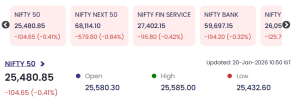
At 10:50 AM IST, the Nifty 50 was trading at 25,480.85, down 104.65 points or 0.41%. The index moved within a narrow intraday range, touching a high of 25,585.00 and a low of 25,432.60 after opening at 25,580.30.

Also Read: January 19, 2026 : Nifty Ends Lower Near 25,585 Despite Late Recovery; Indigo, FMCG Stocks Support Market


Market Snapshot: Indices Trade in the Red

Most sectoral and broader indices continued to witness selling pressure:

  • Nifty 50: 25,480.85 ▼ 0.41%

  • Nifty Next 50: 68,114.10 ▼ 0.84%

  • January 20, 2026Nifty Financial Services: 27,402.15 ▼ 0.42%

  • Nifty Bank: 59,697.15 ▼ 0.32%

  • Nifty IT: 26,05x (weaker trend visible)

The sharper decline in the Nifty Next 50 reflects continued weakness in the broader market space.


Top Gainers: NTPC, Dr Reddy’s, Kotak Bank Support the Market

Despite the weak tone, select stocks managed to post modest gains:

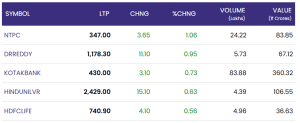
  • NTPC rose 1.06% to ₹347.00, emerging as the top gainer among frontline names.

  • Dr Reddy’s Laboratories gained 0.95% to ₹1,178.30.

  • Screenshot 2026 01 20 105030Kotak Mahindra Bank advanced 0.73% to ₹430.00, showing resilience within the banking pack.

  • Hindustan Unilever added 0.63% to ₹2,429.00, supported by defensive buying.

  • HDFC Life climbed 0.56% to ₹740.90.

The presence of power, pharma, FMCG, and select financial stocks among gainers highlights continued rotation into defensive and quality counters.


Top Losers: Bajaj Finance, Apollo Hospitals, Indigo Drag

On the downside, profit booking was evident in several heavyweight stocks:

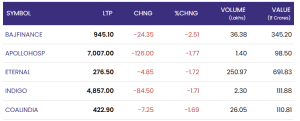
  • Bajaj Finance fell 2.51% to ₹945.10, the steepest decline among major stocks.

  • Apollo Hospitals declined 1.77% to ₹7,007.00.

  • Screenshot 2026 01 20 105039Eternal slipped 1.72% to ₹276.50.

  • IndiGo dropped 1.71% to ₹4,857.00 after recent strong gains.

  • Coal India eased 1.69% to ₹422.90.

The weakness in high-weightage financial and aviation stocks continued to cap any recovery attempt.


Market Sentiment: Cautious, Stock-Specific Action Dominates

Overall sentiment remains cautious, with investors preferring selective positioning rather than aggressive risk-taking. Broader market weakness, as reflected in the sharper fall in Nifty Next 50, suggests that traders remain defensive.

Technically, analysts view the 25,400–25,450 zone as an immediate support for Nifty, while any sustainable upside move would require the index to reclaim 25,650–25,700 levels.


Conclusion: January 20, 2026

The market continues to trade in a consolidation phase with a negative bias. While pockets of strength are visible in stocks like NTPC, Dr Reddy’s and Hindustan Unilever, persistent weakness in financials and broader stocks is keeping the benchmark under pressure. Until stronger triggers emerge, markets are likely to remain range-bound with heightened stock-specific action.


For real time stock Updates, visit NSE website.

Form 7 Clashes Bengal 2026 – Detailed Analysis of TMC vs BJP Confrontations, Electoral Transparency, and Governance Lessons

The Form 7 clashes Bengal 2026 have become the latest flashpoint in West Bengal’s turbulent political landscape. As the deadline for submitting Form 7—used to object to the inclusion or seek deletion of names in the electoral roll—ended, violent confrontations erupted across the state between the ruling Trinamool Congress (TMC) and the opposition Bharatiya Janata Party (BJP).

The clashes underscore the deep mistrust between Bengal’s two dominant political forces and highlight the challenges of conducting a fair and transparent voter roll revision amid heightened political rivalry.


2. What is Form 7?

  • Purpose: Form 7 allows citizens or parties to object to the inclusion of names or request deletion of entries in the electoral roll.
  • Role in SIR: It is a critical part of the Special Intensive Revision (SIR) exercise aimed at ensuring clean voter lists.
  • Controversy: While BJP claims it is using Form 7 to remove duplicate or fictitious voters, TMC alleges the opposition is attempting to disenfranchise genuine voters supportive of Mamata Banerjee’s government.

3. The Clashes Reported

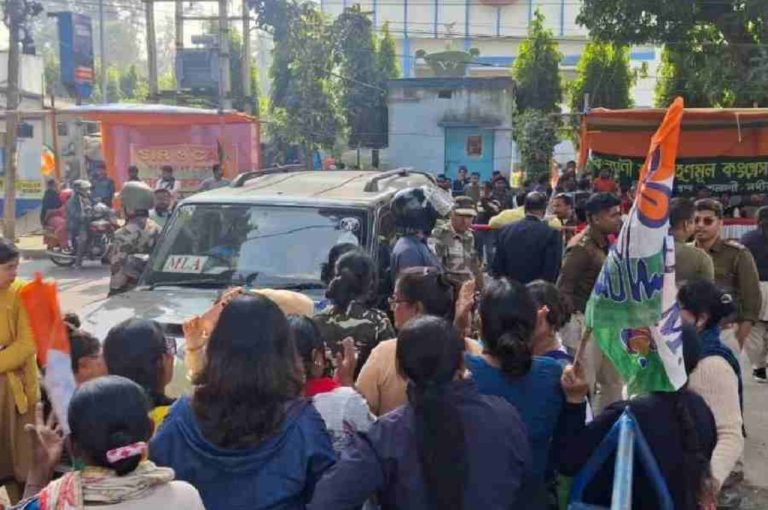
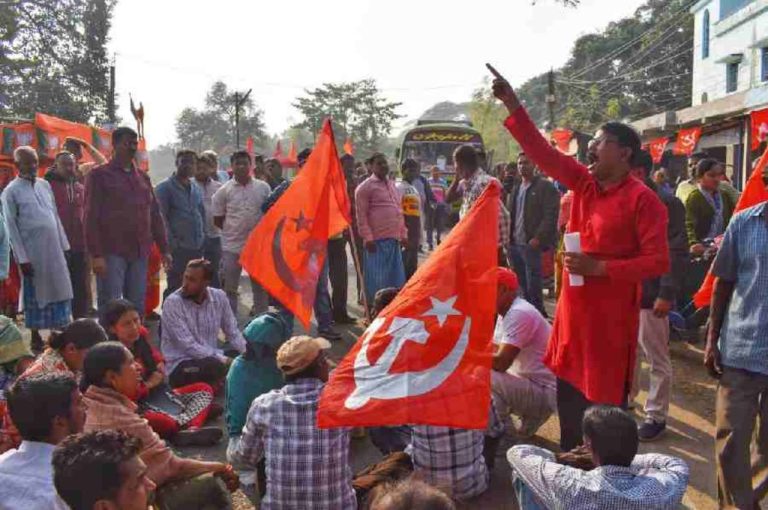
  • Kalyani: BJP MLA Ambika Roy was allegedly gheraoed for three hours by TMC supporters and prevented from submitting Form 7.
  • Bongaon: TMC workers reportedly snatched bundles of Form 7 from BJP MLA Ashok Kirtania outside the SDO office, leading to police intervention.
  • Murshidabad (Lalbagh): TMC supporters allegedly set fire to Form 7 sheets taken from BJP leaders; BJP claimed police stood by as their car was vandalised.
  • Asansol: BJP leaders faced obstruction; one activist was detained, prompting road blockades and dharnas led by MLA Agnimitra Paul.
  • Kalna & Chinsurah: Confrontations between party workers escalated into violence, with BJP alleging attacks by local TMC leaders.

4. Form 7 Clashes Bengal 2026: TMC’s Position

  • Allegation: BJP is submitting thousands of Form 7 to delete genuine voters.
  • Strategy: TMC booth‑level workers set up camps outside electoral offices to resist BJP submissions.
  • Leadership directive: Mamata Banerjee reportedly instructed cadres to “properly welcome” BJP leaders attempting to submit Form 7.
  • Spokespersons: TMC leaders argue that resistance will continue until the SIR exercise is completed.

5. BJP’s Position

  • Allegation: TMC is obstructing legitimate submissions of Form 7 and inciting violence.
  • Complaint: BJP accused election officials of “stonewalling” by refusing to accept forms or leaving offices.
  • Demand: State BJP president Shamik Bhattacharya urged the Election Commission to extend the deadline and ensure proper deletion of duplicate, fake, dead, and “shifted” voters.
  • Accusation: BJP claims TMC fears losing illegal voters, including alleged Rohingya entries.

6. Governance Challenges

The clashes reflect systemic governance issues:

  • Electoral transparency: Lack of trust in the voter roll revision process.
  • Administrative neutrality: Allegations of bias against election officials.
  • Public safety: Violence and vandalism undermine democratic processes.
  • Judicial oversight: Supreme Court already intervened in related SIR disputes, highlighting the need for checks and balances.

7. Human Cost of SIR

The clashes coincided with tragic reports of suicides linked to panic over hearing notices:

  • Nadia: A private tutor, Fuzir Khan, allegedly took his life fearing his wife would be declared an intruder.
  • Birbhum (Rampurhat): A hawker, Jonny Seikh, reportedly committed suicide after receiving a summons.

These incidents highlight the psychological toll of the SIR exercise on ordinary citizens.


8. Government External Links for Assistance


9. Historical Context of Electoral Disputes in Bengal

  • 1970s–80s: Allegations of voter list manipulation during Left Front rule.
  • 2011: TMC rose to power, promising electoral reforms.
  • 2019–2021: BJP gained ground, raising concerns about fictitious voters.
  • 2026: Form 7 clashes reflect continuity of disputes over voter rolls.

10. Global Comparisons

Similar electoral disputes worldwide:

  • USA: Allegations of voter suppression through purges in Georgia and Florida.
  • UK: Concerns about disenfranchisement under new voter ID laws.
  • Nigeria: Disputes over duplicate registrations and ghost voters.

Bengal’s case mirrors these global struggles where electoral integrity collides with political rivalry and human vulnerability.


11. Governance Lessons

The Form 7 clashes teach:

  • Transparency in electoral processes is non‑negotiable.
  • Neutrality of election officials must be ensured.
  • Community engagement reduces panic and misinformation.
  • Judicial oversight is vital to protect democratic rights.

12. Future Outlook – Electoral Governance in Bengal

India must move towards:

  • Digitised grievance redressal portals for voter roll issues.
  • Periodic audits of electoral rolls by independent agencies.
  • Public dashboards showing deletions and additions transparently.
  • Educational campaigns to help citizens verify their status.

13. Conclusion

The Form 7 clashes Bengal 2026 are more than political skirmishes—they are a test of India’s democratic resilience. As TMC and BJP butt heads over voter roll revisions, ordinary citizens bear the brunt of confusion, harassment, and even tragedy. For Bengal, the lesson is clear: democracy thrives when governance delivers clarity, fairness, and respect for citizens.


Also read: Home | Channel 6 Network – Latest News, Breaking Updates: Politics, Business, Tech & More
Bengal Voter Discrepancy List 2026 – Detailed Analysis of Election Commission’s 94.5 Lakh Names, Political Reactions, and Governance Lessons

The Bengal voter discrepancy list 2026 has become the latest flashpoint in the state’s political and electoral landscape. The Election Commission of India (ECI), during its Special Intensive Revision (SIR) of electoral rolls, flagged 94.5 lakh voters under the category of “logical discrepancy.” This massive figure has triggered political uproar, citizen anxiety, and judicial scrutiny, with the Supreme Court already intervening to ensure transparency and fairness.


2. What the Discrepancy List Means

  • Definition: “Logical discrepancy” refers to inconsistencies in voter records, such as mismatched addresses, duplicate entries, or incomplete documentation.
  • Scale: 94.5 lakh names flagged across Bengal, representing a significant portion of the electorate.
  • Process: Booth Level Officers (BLOs) tasked with verifying records and conducting hearings.
  • Outcome expected: Clarification of voter rolls before upcoming elections.

3. Why This Matters

  • Electoral integrity: Ensures that rolls are free of fictitious or duplicate voters.
  • Citizen rights: Prevents wrongful disenfranchisement of genuine voters.
  • Political balance: Large discrepancies can alter electoral outcomes.
  • Judicial oversight: Supreme Court’s intervention highlights the seriousness of the issue.

4. Bengal Voter Discrepancy List 2026: Community Concerns

  • Families: Fear wrongful deletion of names due to minor errors.
  • Students: Worry about rejection of documents, though Madhyamik admit cards are now accepted.
  • Civil society: Demand transparency and grievance redressal mechanisms.
  • Minority groups: Concerned about targeted disenfranchisement.

5. Political Reactions

  • Trinamool Congress (TMC): Accused the Election Commission of bias and harassment.
  • BJP: Defended the SIR exercise as necessary to weed out fictitious voters.
  • Other parties: Expressed concern about fairness and transparency.
  • Civil society: Welcomed Supreme Court’s directive to display discrepancy lists publicly.

6. Governance Challenges

The discrepancy list reflects systemic governance issues:

  • Workload imbalance: BLOs burdened with excessive cases.
  • Communication gaps: Citizens unaware of schedules, leading to confusion.
  • Trust deficit: Allegations of bias undermine confidence in institutions.
  • Judicial intervention: Courts remain vital in protecting democratic rights.

7. Government External Links for Assistance


8. Historical Context of Bengal’s Electoral Disputes

  • 1970s–80s: Allegations of voter list manipulation during Left Front rule.
  • 2011: TMC rose to power, promising electoral reforms.
  • 2019–2021: BJP gained ground, raising concerns about fictitious voters.
  • 2026: Discrepancy list of 94.5 lakh names reflects continuity of disputes over voter rolls.

9. Community Impact

  • Families: Relief at Supreme Court’s directive to display names publicly.
  • Students: Madhyamik admit cards provide accessible proof of identity.
  • Civil society groups: Demand for transparency and grievance redressal mechanisms.
  • Opposition voices: Warn of potential misuse of relaxed verification standards.

10. Global Comparisons

Similar electoral roll controversies worldwide:

  • USA: Allegations of voter suppression through purges in Georgia and Florida.
  • UK: Concerns about disenfranchisement under new voter ID laws.
  • Nigeria: Disputes over duplicate registrations and ghost voters.

Bengal’s case mirrors these global struggles where electoral integrity collides with human vulnerability.


11. Governance Lessons

The discrepancy list teaches:

  • Transparency in electoral processes is non‑negotiable.
  • Human sensitivity must guide bureaucratic procedures.
  • Community engagement ensures inclusivity.
  • Judicial oversight is vital to protect democratic rights.

12. Future Outlook – Electoral Governance in Bengal

India must move towards:

  • Digitised grievance redressal portals for voter roll issues.
  • Periodic audits of electoral rolls by independent agencies.
  • Public dashboards showing deletions and additions transparently.
  • Educational campaigns to help citizens verify their status.

13. Conclusion

The Bengal voter discrepancy list 2026 is more than a bureaucratic exercise—it is a test of India’s democratic resilience. By flagging 94.5 lakh names, the Election Commission has raised questions about electoral integrity, citizen rights, and political balance. For Bengal, the lesson is clear: democracy thrives when governance delivers clarity, fairness, and respect for citizens.

Also read: Home | Channel 6 Network – Latest News, Breaking Updates: Politics, Business, Tech & More

Supreme Court Bengal SIR Order 2026 – Detailed Analysis of TMC’s Celebration, BJP’s Reaction, and Governance Lessons for Electoral Transparency

The Supreme Court Bengal SIR order 2026 has reshaped the political discourse in West Bengal. The Court directed the Election Commission to publicly display names flagged under “logical discrepancy” lists and to accept Madhyamik admit cards as valid proof of identity during the Special Intensive Revision (SIR) of electoral rolls.

This ruling has left the Trinamool Congress (TMC) jubilant, claiming vindication of its stance that the SIR process was unfair, while the Bharatiya Janata Party (BJP) appeared downcast, arguing that the order undermines efforts to weed out fictitious voters.


2. The Supreme Court’s Directives

  • Transparency mandate: Names flagged under “logical discrepancy” must be displayed publicly.
  • Document acceptance: Madhyamik admit cards are to be accepted as valid proof for voter verification.
  • Relief for citizens: The ruling aims to reduce wrongful disenfranchisement and ease confusion.
  • Judicial oversight: Reinforces the principle that electoral integrity must balance with citizens’ rights.

3. Supreme Court Bengal SIR Order 2026: Political Reactions

  • TMC: Declared the ruling a victory for democracy, accusing the Election Commission of bias.
  • BJP: Expressed disappointment, arguing that the order weakens the fight against bogus voters.
  • Civil society: Welcomed the ruling as a safeguard for voter rights.
  • Neutral observers: Saw the decision as a balancing act between transparency and integrity.

4. Governance Challenges Highlighted

The controversy reflects systemic issues in electoral governance:

  • Workload imbalance: BLOs burdened with excessive cases.
  • Communication gaps: Citizens unaware of schedules, leading to confusion.
  • Trust deficit: Allegations of bias undermined confidence in institutions.
  • Judicial intervention: Courts remain vital in protecting democratic rights.

5. Government External Links for Assistance


6. Historical Context of Bengal’s Electoral Disputes

  • 1970s–80s: Allegations of voter list manipulation during Left Front rule.
  • 2011: TMC rose to power, promising electoral reforms.
  • 2019–2021: BJP gained ground, raising concerns about fictitious voters.
  • 2026: Supreme Court’s intervention reflects continuity of disputes over voter rolls.

7. Community Impact

  • Families: Relief at reduced risk of wrongful disenfranchisement.
  • Students: Madhyamik admit cards provide accessible proof of identity.
  • Civil society groups: Demand for transparency and grievance redressal mechanisms.
  • Opposition voices: Warn of potential misuse of relaxed verification standards.

8. Global Comparisons

Similar electoral roll controversies worldwide:

  • USA: Allegations of voter suppression through purges in Georgia and Florida.
  • UK: Concerns about disenfranchisement under new voter ID laws.
  • Nigeria: Disputes over duplicate registrations and ghost voters.

Bengal’s case mirrors these global struggles where electoral integrity collides with human vulnerability.


9. Governance Lessons

The Supreme Court’s order teaches:

  • Transparency in electoral processes is non‑negotiable.
  • Human sensitivity must guide bureaucratic procedures.
  • Community engagement ensures inclusivity.
  • Judicial oversight is vital to protect democratic rights.

10. Future Outlook – Electoral Governance in Bengal

India must move towards:

  • Digitised grievance redressal portals for voter roll issues.
  • Periodic audits of electoral rolls by independent agencies.
  • Public dashboards showing deletions and additions transparently.
  • Educational campaigns to help citizens verify their status.

11. Conclusion

The Supreme Court Bengal SIR order 2026 is more than a legal directive—it is a reaffirmation of democratic values. By mandating transparency and accepting widely available documents like Madhyamik admit cards, the Court has sought to balance electoral integrity with human dignity. For Bengal, the lesson is clear: democracy thrives when governance delivers clarity, fairness, and respect for citizens.

Also read: Home | Channel 6 Network – Latest News, Breaking Updates: Politics, Business, Tech & More

Tourism Stakeholders Push for Siliguri’s Recognition as Gateway City to Northeast and Himalayas

Tourism Stakeholders Push: Tourism Stakeholders Push: Tourism industry stakeholders in North Bengal have urged the West Bengal government to promote Siliguri as a “gateway city” to the Northeast and the Himalayan region, highlighting its strategic location, tea estates, and transport connectivity. They believe that branding Siliguri as a tourism hub could boost regional development, attract investment, and create jobs.


📍 Tourism Stakeholders Push: Background

Siliguri, located in Darjeeling district, is often described as the “gateway to the Northeast and the Himalayas” because of its proximity to Bhutan, Nepal, Bangladesh, and the northeastern states of India. It is also a transit point for travelers heading to Darjeeling, Sikkim, Dooars, and Assam.

Despite this strategic importance, tourism stakeholders argue that Siliguri has not been adequately promoted by the state government as a standalone destination. They believe that with proper branding and infrastructure, Siliguri could emerge as a major tourism hub.


🏞️ Stakeholders’ Plea

  • Promotion as Gateway City: Industry representatives want Siliguri to be marketed as the entry point to North Bengal and the Northeast.
  • Tea Tourism: The surrounding tea estates could be developed into heritage tourism spots.
  • Transport Connectivity: With an airport (Bagdogra), railway junction, and highways, Siliguri is well‑connected for domestic and international travelers.
  • Urban Facilities: Hotels, shopping complexes, and healthcare facilities make it suitable for tourists to stay before heading to hill stations.

🌍 Why Siliguri Matters

  • Strategic location: Links four international borders (Nepal, Bhutan, Bangladesh, China via Sikkim).
  • Economic hub: Serves as a commercial centre for tea, timber, and transport.
  • Tourism potential: Gateway to Darjeeling, Kalimpong, Dooars, and Sikkim.
  • Cultural diversity: A melting pot of Bengali, Nepali, Marwari, and tribal communities.

⚖️ Governance Context

  • West Bengal government: Has promoted Darjeeling and Dooars but less emphasis on Siliguri.
  • Tourism stakeholders: Demand recognition of Siliguri’s role in regional tourism.
  • Civil society: Calls for sustainable development to balance urban growth with environmental concerns.

🚧 Challenges

  • Urban congestion: Rapid growth has strained infrastructure.
  • Environmental concerns: Pollution and deforestation in surrounding areas.
  • Lack of branding: Tourists see Siliguri only as a transit point, not a destination.
  • Policy gaps: Limited government schemes for tea tourism and heritage promotion.

🌐 Global Comparisons

Similar gateway cities worldwide:

  • Kathmandu (Nepal): Gateway to the Himalayas, promoted as a cultural hub.
  • Chiang Mai (Thailand): Marketed as a gateway to northern highlands.
  • Cusco (Peru): Entry point to Machu Picchu, developed as a heritage city.

Siliguri’s case mirrors these global examples where gateway cities thrive when promoted as destinations in themselves.


📚 Governance Lessons

  • Branding matters: Cities must be marketed beyond transit value.
  • Infrastructure investment: Roads, airports, and hotels need expansion.
  • Community involvement: Local stakeholders must be part of planning.
  • Sustainability: Tourism growth must balance ecology and economy.

🔮 Future Outlook

India must move towards:

  • Official recognition of Siliguri as gateway city in tourism policy.
  • Tea estate tourism circuits to attract heritage travelers.
  • Eco‑friendly urban planning to reduce congestion.
  • Cross‑border tourism initiatives with Bhutan, Nepal, and Bangladesh.

✅ Conclusion

The plea to promote Siliguri as a gateway city reflects both its strategic importance and untapped potential. By branding Siliguri as more than a transit point, the West Bengal government could unlock new opportunities in tourism, commerce, and cultural exchange. For North Bengal, the lesson is clear: regional development depends on recognizing Siliguri’s role as the heart of connectivity and hospitality in the eastern Himalayas.

Here are some relevant government external links connected to tourism development and the promotion of Siliguri as a gateway city in North Bengal:

  • Government of West Bengal (Tourism Department): https://wbtourism.gov.in
    Official portal for West Bengal tourism policies, destinations, and promotional initiatives.
  • Government of West Bengal (Main Portal): https://wb.gov.in
    For state‑level notifications, administrative orders, and citizen services.
  • Ministry of Tourism, Government of India: https://tourism.gov.in
    National tourism policies, schemes, and promotional campaigns.
  • Ministry of Culture, Government of India: https://indiaculture.gov.in (indiaculture.gov.in in Bing)
    For heritage preservation, cultural tourism, and related projects.
  • Ministry of Home Affairs (MHA): https://mha.gov.in
    Relevant for border management and cross‑border tourism initiatives, given Siliguri’s strategic location.
  • Supreme Court of India: https://main.sci.gov.in (main.sci.gov.in in Bing)
    For judgments and legal frameworks that may affect land use, tourism, and governance.

Also read: Home | Channel 6 Network – Latest News, Breaking Updates: Politics, Business, Tech & More

Hong Kong Actor Yang Xiaolong Remembered for a Legacy That Still Echoes in 2026

0

Hong Kong Actor Yang Xiaolong Passes Away, Leaving a Lasting Film Legacy

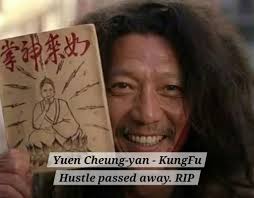
Hong Kong Actor Yang Xiaolong, also known as Liang Xiaolong, passed away at the age of 77, marking the end of an era for martial arts cinema and Hong Kong film history. Hong Kong Actor Yang Xiaolong reportedly died on January 14, according to multiple Chinese and Hong Kong media reports released on January 18. His sudden passing has brought a wave of remembrance among fans and film lovers who grew up watching his work.Veteran Hong Kong martial arts actor Yang Xiaolong, known globally as Bruce Leung, has died suddenly at 77, leaving fans and the film world heartbroken. A respected icon of Hong Kong cinema,

Hong Kong Actor Yang Xiaolong became widely known to global audiences for his role as the toad beast Hwaun Sashin in the cult classic film Kung Fu Hustle. Though his screen time was limited, his presence left a strong impression, proving his ability to command attention through physical expression, timing, and traditional martial arts performance.

His death has prompted reflections not only on one iconic role but on a career shaped by discipline, cultural influence, and dedication to action cinema.

Hong Kong Actor Yang Xiaolong’s Journey Through Martial Arts Cinema

Hong Kong Actor Yang Xiaolong was part of a generation that helped define the martial arts genre during its formative years. Trained in traditional martial arts, he built his career during a time when physical skill and authenticity mattered more than visual effects. His performances were rooted in technique, control, and years of rigorous training.Hong Kong actor Yang Xiaolong (Liang Xiaolong), best known for his role as the toad beast Hwaun Sashin in Kung Fu Hustle, has passed away at the age of 77. According to

While many modern viewers associate him primarily with Kung Fu Hustle, his career extended far beyond a single film. He worked across cinema and television, contributing to the broader ecosystem of Hong Kong action storytelling. His roles often reflected the era’s focus on discipline, moral strength, and physical mastery rather than exaggerated heroism.

The role of Hwaun Sashin became memorable because of how Hong Kong Actor Yang Xiaolong portrayed the character with restraint and precision. Instead of relying on dialogue, he used posture, movement, and expression to establish identity. This approach aligned with classic martial arts storytelling, where presence carried more weight than words.

His work resonated with audiences because it felt grounded. Even in a stylised film like Kung Fu Hustle, his character stood out due to its authenticity. For many viewers, his performance represented a bridge between traditional martial arts cinema and modern interpretations.

Beyond acting, Hong Kong Actor Yang Xiaolong was respected within the industry for his professionalism. Colleagues often regarded him as someone who valued preparation and respect for the craft. He belonged to a time when martial artists transitioned naturally into cinema, bringing real-world experience to the screen.

Hong Kong Actor Yang Xiaolong’s Cultural Impact and Enduring MemoryHong Kong actor Yang Xiaolong (Liang Xiaolong), best known for his role as the toad beast Hwaun Sashin in Kung Fu Hustle, has passed away at the age of 77. According to

The passing of Hong Kong Actor Yang Xiaolong has led many to revisit his contributions and the period he represented. His career reflects the discipline-driven era of Hong Kong cinema, where physical storytelling played a central role in shaping global perceptions of martial arts films.

For international audiences, his role in Kung Fu Hustle served as an introduction to his presence. For long-time followers of Hong Kong cinema, his body of work symbolised consistency rather than fame-driven visibility. He was never defined by excessive publicity but by the respect his performances earned over time.

His influence can also be seen in how modern filmmakers continue to reference classic martial arts archetypes. Characters like Hwaun Sashin remain memorable because they were crafted by performers who understood movement, balance, and silence as narrative tools.


View this post on Instagram


A post shared by Sarcasm (@sarcastic_us)

As tributes continue to surface, fans and film communities have expressed gratitude for the moments he brought to the screen. His work remains accessible through cinema, allowing new generations to experience the style and discipline he represented.

Hong Kong Actor Yang Xiaolong’s passing is not just the loss of an actor but the quiet closing of a chapter in martial arts film history. His contributions remind audiences of a time when dedication to craft defined success more than visibility or volume. Also Read: India UAE Defence Partnership: Modi and MBZ Strengthen Bilateral Ties

Conclusion

Hong Kong Actor Yang Xiaolong leaves behind a legacy shaped by discipline, authenticity, and memorable performances. While his life has come to an end, his work continues to speak through the films that introduced his presence to the world and preserved his place in cinematic history.