Sunday, December 28, 2025
Home Blog Page 98

Warning on Shady Voter Data as EC Appointed Observers Flag Lax BLOs During Bengal SIR 2025: Electoral Roll Revision Controversy, Governance Failures, Political Fallout, Public Trust Concerns, and Policy Reform Needs in West Bengal

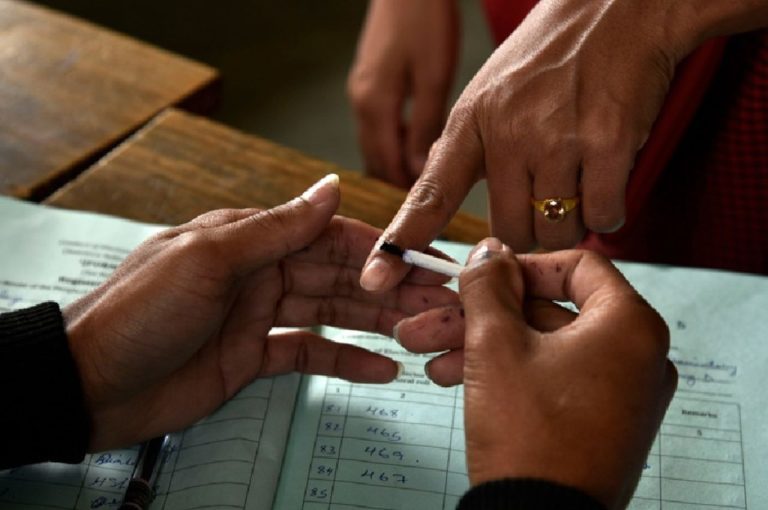
The Warning on Shady Voter Data as EC Appointed Observers Flag Lax BLOs During Bengal SIR 2025 controversy has become a defining moment in West Bengal’s democratic process. On November 29, 2025, Election Commission observers raised alarm over irregularities in the Special Intensive Revision (SIR) of electoral rolls. They warned that Booth Level Officers (BLOs) were failing to mark dead, absent, shifted, and duplicate voters correctly, thereby risking the integrity of the draft rolls.


2. The Special Intensive Revision (SIR): What It Means

The SIR is a voter roll update exercise mandated by the Election Commission of India (ECI).

  • BLOs must verify voter identities against the 2002 electoral roll benchmark.
  • Families without proper linkage risk exclusion.
  • Aadhaar is accepted only as identity proof, not citizenship proof.
  • Normally, the process takes 18–24 months.
  • In 2025, the EC compressed it into two months, sparking chaos.

This hurried timeline has become the root of the crisis, with BLOs collapsing under workload pressure and communities fearing disenfranchisement.


3. Warning on Shady Voter Data: Observers’ Warning

Special observer Subrata Gupta and 13 other officials flagged:

  • BLOs were keeping forms without uploading them on the BLO app.
  • Dead, absent, shifted, and duplicate voters were not being marked.
  • Opposition parties alleged ruling party cadres pressured BLOs to hand over forms.
  • Around 7.03 crore forms digitised out of 7.65 crore distributed, but progress was slower than expected.

Their warning reflects the systemic risks of rushed electoral exercises.


4. Governance Challenges Exposed

The incident highlights systemic governance failures:

  • Unrealistic deadlines imposed by EC.
  • Weak communication with BLOs.
  • Poor technology infrastructure in rural areas.
  • Delayed response to BLO grievances and deaths.

Without reforms, electoral integrity itself is at risk.


5. Human Dimension: BLOs in Fear

Families of BLOs describe:

  • Sudden collapses from exhaustion.
  • Panic attacks and high blood pressure.
  • Anxiety about punitive action if targets are missed.

Their plight is deeply personal and emotional, affecting communities across Bengal.


6. Political Fallout

The controversy has political consequences:

  • BJP accused TMC of manipulating voter rolls by inserting ineligible names.
  • TMC accused EC of acting under BJP’s instructions.
  • Civil society debated governance failures in electoral processes.

The issue has become a flashpoint ahead of the 2026 Assembly elections.


7. Historical Context: Electoral Roll Controversies

India has witnessed similar controversies:

  • Assam’s NRC excluded millions due to documentation gaps.
  • Past revisions saw BLOs complain of underpayment and overwork.
  • Bengal’s SIR echoes these controversies, highlighting systemic flaws.

8. Broader Implications for Democracy

The incident raises fundamental questions:

  • Can elections be credible if BLOs collapse under workload?
  • Will voter rolls be accurate if frontline staff are demoralised?
  • Does democracy risk losing legitimacy if electoral processes are rushed?

9. Recommendations for Reform

Experts suggest:

  • Staggered timelines for voter roll revision.
  • Hiring additional staff to support BLOs.
  • Improved technology for faster digitisation.
  • Compensation packages for BLO families.
  • Policy reform to recognise BLOs as permanent electoral staff.

10. Comparative Lessons from Other States

Other states have faced similar controversies:

  • Assam’s NRC excluded millions despite decades of residence.
  • Tripura’s refugee politics shaped electoral outcomes.
  • Bengal’s case reflects a national challenge of balancing electoral integrity with human dignity.

11. Human Stories: Families in Distress

Families of BLOs and community members describe:

  • Sudden collapses from exhaustion.
  • Panic attacks and high blood pressure.
  • Anxiety about disenfranchisement.

These stories highlight the human cost of governance failures.


12. Law Enforcement and Accountability

Observers directed district magistrates to ensure:

  • BLOs are not forced to visit homes more than thrice.
  • No false information is uploaded on the BLO app.
  • Accountability measures are enforced to prevent manipulation.

This reflects the importance of institutional safeguards in democracy.


13. Conclusion: A Test of Governance and Democracy

The Warning on Shady Voter Data as EC Appointed Observers Flag Lax BLOs During Bengal SIR 2025 is more than a bureaucratic exercise — it is a test of governance, democracy, and public trust. Unless systemic reforms are undertaken, BLOs will remain vulnerable, and public trust in institutions will erode.

The controversy underscores the urgency of balancing electoral integrity with compassion for frontline workers.


🔗 Government External Links

For further reading and official updates, here are relevant government sources:

Also read: Home | Channel 6 Network – Latest News, Breaking Updates: Politics, Business, Tech & More
3 North Bengal Districts to Draw Investments MSME Minister’s Big Prediction 2025: Darjeeling, Jalpaiguri, and Kalimpong Industrial Growth, Tourism Potential, Governance Challenges, Job Creation, and Policy Reform Needs in West Bengal

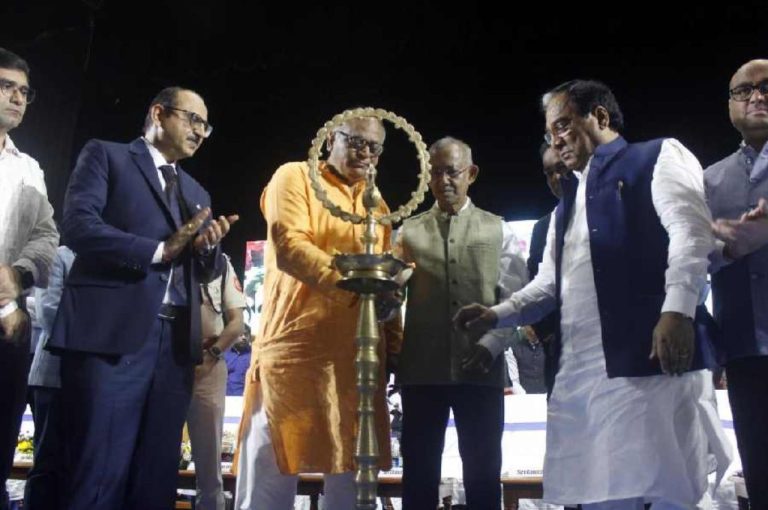
The 3 North Bengal Districts to Draw Investments MSME Minister’s Big Prediction 2025 has become a defining moment in West Bengal’s economic roadmap. On November 29, 2025, Chandranath Sinha, the state MSME and textiles minister, announced that Darjeeling, Jalpaiguri, and Kalimpong are expected to attract investment proposals worth ₹3,129 crore in the coming year. His statement, delivered at the Synergy and Business Facilitation Conclave in Siliguri, reflects the government’s ambition to transform North Bengal into a hub of tourism, horticulture, floriculture, and real estate.


2. The Investment Breakdown

According to Sinha:

  • Darjeeling: ₹1,523 crore.
  • Jalpaiguri: ₹1,442 crore.
  • Kalimpong: ₹164 crore.
  • Total: ₹3,129 crore.

These investments are expected to generate around 10,000 jobs, offering hope to youth and entrepreneurs in the region.


3. 3 North Bengal Districts to Draw Investments: Sectors of Growth

The minister highlighted four key sectors:

  • Tourism: Homestays, hotels, and eco‑tourism projects.
  • Horticulture: Expansion of fruit and vegetable cultivation.
  • Floriculture: Commercial flower farming for domestic and export markets.
  • Real Estate: Housing and commercial complexes in Siliguri and surrounding areas.

These sectors reflect the unique strengths of North Bengal’s geography and culture.


4. Governance Innovation: Synergy Conclaves

Sinha emphasized that the state government is bridging “critical gaps” faced by MSME entrepreneurs by organizing synergy events across Bengal.

  • These conclaves bring together investors, entrepreneurs, and government officials.
  • They provide platforms for networking and policy dialogue.
  • They aim to reduce bureaucratic hurdles and improve ease of doing business.

This reflects a new model of governance innovation.


5. Infrastructure Development

The MSME roadmap includes:

  • Two industrial parks over 72 acres in Jalpaiguri, with 40 units already operational.
  • A common facilitation centre for household appliances and home textiles in Kalimpong.
  • A wooden furniture manufacturing centre in Naxalbari block, Siliguri.

These projects aim to create industrial clusters and boost local employment.


6. Strategic Role of Siliguri

Siliguri Mayor Gautam Deb noted:

  • Siliguri is the gateway to the Northeast.
  • Adequate land availability makes it attractive for hotel chains and industrial projects.
  • The chief minister is keen to accelerate development in North Bengal.

Siliguri’s strategic location positions it as a logistics and investment hub.


7. Human Dimension: Voices from the Ground

Local entrepreneurs expressed optimism:

  • Homestay owners welcomed government support.
  • Farmers saw opportunities in horticulture and floriculture.
  • Youth hoped for job creation in industrial parks.

Their voices reflect the human impact of investment promises.


8. Historical Context: North Bengal’s Economic Struggles

North Bengal has long faced challenges:

  • Limited industrialization compared to South Bengal.
  • Dependence on tea, tourism, and agriculture.
  • Political unrest in Darjeeling hills affecting stability.

The new investment roadmap seeks to reverse decades of underdevelopment.


9. Broader Implications for Democracy and Development

The announcement raises broader questions:

  • Can investment promises translate into real jobs?
  • Will governance reforms reduce bureaucratic delays?
  • How can development balance heritage preservation with modernization?

10. Recommendations for Policy Reform

Experts suggest:

  • Transparent monitoring of investment proposals.
  • Community participation in tourism projects.
  • Integration of smart technology in industrial parks.
  • Policy reforms to replicate North Bengal’s model across India.

11. Comparative Lessons from Other States

Other states have undertaken similar initiatives:

  • Gujarat’s industrial corridors.
  • Himachal Pradesh’s eco‑tourism projects.
  • Sikkim’s horticulture and floriculture exports.

Bengal’s case reflects a national trend of regional development through sectoral specialization.


12. Human Stories: Families and Entrepreneurs

Families describe:

  • Easier livelihoods through homestay tourism.
  • Farmers diversifying into floriculture.
  • Youth finding jobs in industrial parks.

These stories highlight the human dimension of economic growth.


13. Challenges Ahead

Despite optimism, challenges remain:

  • Ensuring timely completion of projects.
  • Preventing corruption in land allocation.
  • Balancing environmental sustainability with industrial growth.
  • Addressing political tensions in Darjeeling hills.

14. Conclusion: A Model for Inclusive Governance

The 3 North Bengal Districts to Draw Investments MSME Minister’s Big Prediction 2025 is more than an economic forecast — it is a model for inclusive governance, sustainable tourism, and industrial growth. By integrating modern amenities with cultural identity, Bengal has created a blueprint for regional transformation.

Unless systemic reforms are undertaken, challenges will persist. But the investment roadmap underscores the urgency of balancing development with dignity.


🔗 Government External Links

For further reading and official updates, here are relevant government sources:

Also read: Home | Channel 6 Network – Latest News, Breaking Updates: Politics, Business, Tech & More
Drones to Surveil Hill Forests and Boost Wildlife Protection in North Bengal 2025: Technology in Conservation, Governance Challenges, Community Participation, Tourism Implications, and Policy Reform Needs in West Bengal

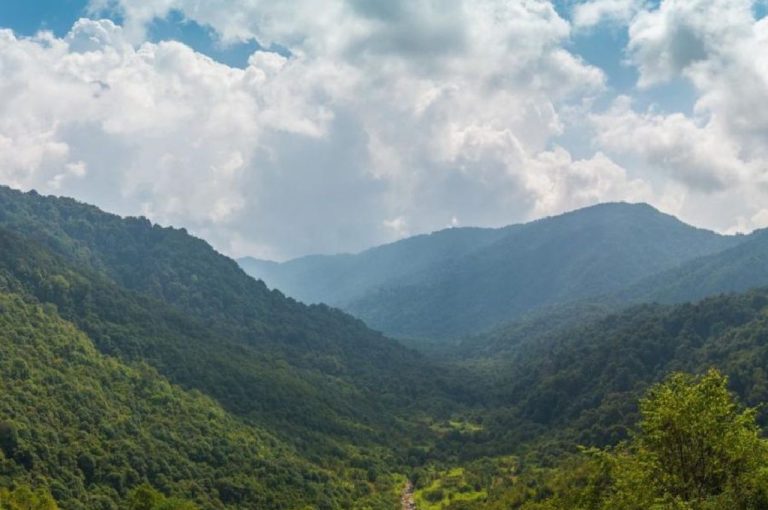
The Drones to Surveil Hill Forests and Boost Wildlife Protection in North Bengal 2025 initiative marks a transformative moment in India’s conservation journey. On November 29, 2025, the West Bengal forest department announced the deployment of drones in the hill forests of Singalila, Senchal, and Neora Valley, following the successful use of drones in Jaldapara National Park. This decision reflects the growing reliance on technology to safeguard biodiversity, prevent poaching, and respond to emergencies.


2. The Success Story of Jaldapara

Jaldapara National Park, spread over 216.51 sq km, became the testing ground for drone surveillance.

  • Four drones were deployed in 2024.
  • They proved effective in tracking elephants, gaurs, and one‑horned rhinos.
  • During floods, drones helped locate and rescue rhinos swept into the Torsa river.
  • No poaching incidents were reported in the past year.
  • Timber smuggling was significantly curbed.

This success inspired the expansion of drone surveillance to other hill forests.


3. Expansion to Hill Forests

Encouraged by Jaldapara’s results, the forest department will now deploy five drones each in:

  • Singalila National Park (Darjeeling district).
  • Senchal Wildlife Sanctuary (Darjeeling district).
  • Neora Valley National Park (Kalimpong district).

These areas are ecologically sensitive, home to endangered species, and vulnerable to illegal activities.


4. Governance Innovation: Community Policing Through Technology

Officials emphasized that drones are not replacing traditional methods but complementing them.

  • Foot patrols and elephant‑back patrols remain essential.
  • Drones provide real‑time monitoring of inaccessible terrain.
  • Internet‑linked drones allow live tracking of wildlife.
  • Immediate action can be taken if unusual activity is detected.

This reflects a new model of governance innovation, where technology integrates with community‑based conservation.


5. Drones to Surveil Hill Forests: Wildlife Protection Impact

Drone surveillance enhances protection by:

  • Monitoring wide river stretches and grasslands.
  • Detecting poacher movements.
  • Preventing timber smuggling.
  • Tracking straying wildlife during floods or emergencies.

The initiative positions North Bengal as a leader in technology‑driven conservation.


6. Human Dimension: Voices from the Ground

Local foresters expressed enthusiasm:

  • They highlighted drones’ ability to scan large areas quickly.
  • They praised real‑time monitoring of rhinos and elephants.
  • They noted reduced risks for frontline staff.

Community members welcomed the initiative, seeing potential for eco‑tourism and livelihood opportunities.


7. Historical Context: Conservation in Bengal

West Bengal has long been a hub of conservation:

  • Jaldapara and Gorumara are famous for one‑horned rhinos.
  • Singalila is known for red pandas.
  • Neora Valley hosts rich biodiversity, including Himalayan black bears.

The drone initiative continues this tradition, linking heritage with modern innovation.


8. Broader Implications for Democracy and Development

The initiative raises broader questions:

  • Can technology strengthen democracy by improving transparency in conservation?
  • Will eco‑tourism reduce economic vulnerability in hill districts?
  • How can governance balance heritage preservation with modernization?

9. Recommendations for Policy Reform

Experts suggest:

  • Institutionalize drone surveillance as a permanent conservation tool.
  • Expand funding for eco‑tourism and community participation.
  • Integrate digital platforms for global outreach.
  • Collaborate with universities for research on biodiversity.
  • Policy reforms to replicate similar models in other states.

10. Comparative Lessons from Other States

Other states have experimented with similar initiatives:

  • Sikkim uses drones for snow leopard monitoring.
  • Karnataka deploys drones for forest fire detection.
  • Bengal’s case reflects a unique blend of heritage, technology, and governance.

11. Human Stories: Wildlife Rescues

One of the biggest successes came on October 4, 2025, when floods swept eight rhinos into the Torsa river.

  • Drones tracked each rhino.
  • Forest teams tranquilized and rescued them safely.
  • Officials described it as a rare coordinated operation in Bengal’s history.

These stories highlight the life‑saving potential of technology.


12. Tourism and Community Impact

Drone surveillance also benefits tourism:

  • Tourists can witness safer wildlife experiences.
  • Eco‑tourism packages may include drone‑assisted safaris.
  • Communities benefit from increased tourist inflows.

This positions North Bengal as a global eco‑tourism destination.


13. Conclusion: A Model for Inclusive Governance

The Drones to Surveil Hill Forests and Boost Wildlife Protection in North Bengal 2025 initiative is more than a conservation project — it is a model for inclusive governance, sustainable tourism, and heritage preservation. By integrating technology with traditional methods, Bengal has created a blueprint for holistic development.

Unless systemic reforms are undertaken, challenges will persist. But the drone initiative underscores the urgency of balancing heritage, tourism, and governance innovation in West Bengal.


🔗 Government External Links

For further reading and official updates, here are relevant government sources:

Also read: Home | Channel 6 Network – Latest News, Breaking Updates: Politics, Business, Tech & More

BJP Targets Mamata Banerjee Over Waqf Act Compliance and Murshidabad Violence 2025: Political Fallout, Governance Challenges, Minority Rights, Electoral Implications, and Policy Reform Needs in West Bengal

The BJP Targets Mamata Banerjee Over Waqf Act Compliance and Murshidabad Violence 2025 controversy has become a defining moment in West Bengal’s political discourse. On November 29, 2025, BJP leaders accused Chief Minister Mamata Banerjee of hypocrisy after her government directed district magistrates to upload details of waqf properties onto the central government’s Umeed portal. This move came despite Mamata’s earlier opposition to the amended Waqf Act, which she had described as an attack on minority rights.


2. The Amended Waqf Act: What It Means

The amended Waqf Act, enforced in April 2025, introduced several changes:

  • Stricter conditions for creating waqf endowments.
  • Easier procedures to declare properties non‑waqf.
  • Inclusion of non‑Muslims in waqf boards.
  • Mandatory uploading of property details onto the central Umeed portal.

While the Supreme Court stayed some provisions in September 2025, rules requiring property uploads remained valid.


3. Bengal Government’s Directive

On November 27, 2025, Bengal’s minority affairs department ordered district magistrates to ensure waqf property details were uploaded by December 5.

  • Bengal has nearly 82,000 waqf properties under 8,000 estates.
  • Officials argued compliance was necessary to avoid legal complications.
  • Trinamool leaders insisted the move was meant to protect assets from privatization .

4. BJP’s Allegations Against Mamata

BJP leaders accused Mamata of double standards:

  • Suvendu Adhikari claimed she instigated protests against the Act earlier, leading to violence in Murshidabad.
  • He asked whether Mamata would apologize to Hindus whose shops were vandalized.
  • BJP alleged that Mamata’s government was now quietly implementing the Act to appease the Centre.

Their rhetoric framed Mamata as politically opportunistic and responsible for unrest.


5. Murshidabad Violence: The Context

In April 2025, protests against the amended Waqf Act in Samserganj, Murshidabad, turned violent.

  • Two Hindus were killed, and dozens of shops vandalized.
  • BJP blamed Mamata for inciting minorities against the Act.
  • Trinamool accused BJP of exploiting the unrest for political gain.

The violence remains a sensitive flashpoint in Bengal’s communal politics.


6. Trinamool’s Defense

Trinamool spokespersons argued:

  • Uploading property details was necessary to safeguard minority assets.
  • The BJP wanted to sell waqf properties to corporate allies.
  • Compliance with the portal did not mean acceptance of the Act’s controversial provisions.

Their defense framed the directive as pragmatic rather than ideological.


7. Governance Challenges Exposed

The incident highlights systemic governance challenges:

  • Balancing minority rights with central directives.
  • Preventing communal violence during protests.
  • Ensuring transparency in waqf property management.
  • Managing political fallout from compliance decisions.

8. Political Fallout

The controversy has political consequences:

  • BJP consolidates support by portraying Mamata as inconsistent.
  • TMC positions itself as defender of minority rights.
  • Civil society debates governance failures in electoral processes.

The issue has become a flashpoint ahead of the 2026 Assembly elections.


9. Historical Context: Waqf Politics in India

Waqf properties have long been politically sensitive:

  • In Uttar Pradesh, waqf boards faced allegations of mismanagement.
  • In Karnataka, waqf reforms sparked protests.
  • Bengal’s case reflects a national challenge of balancing religious endowments with governance accountability.

10. Broader Implications for Democracy

The incident raises fundamental questions:

  • Can democracy thrive if minority rights are politicized?
  • Will waqf properties remain protected amid privatization pressures?
  • Does governance risk losing legitimacy if compliance decisions spark violence?

11. Recommendations for Reform

Experts suggest:

  • Transparent audits of waqf properties.
  • Community participation in waqf management.
  • Legal safeguards against arbitrary privatization.
  • Dialogue between Centre and states to reduce political friction.

12. Comparative Lessons from Other States

Other states have faced similar controversies:

  • Uttar Pradesh’s waqf reforms triggered communal tensions.
  • Karnataka’s waqf board faced corruption allegations.
  • Bengal’s case reflects a national challenge of balancing governance with minority trust.

13. Human Dimension: Families in Fear

Families in Murshidabad describe:

  • Shops destroyed during riots.
  • Fear of exclusion from waqf benefits.
  • Anxiety about political manipulation of religious institutions.

Their plight is deeply personal and emotional, affecting communities across Bengal.


14. Conclusion: A Test of Governance and Democracy

The BJP Targets Mamata Banerjee Over Waqf Act Compliance and Murshidabad Violence 2025 is more than a political controversy — it is a test of governance, democracy, and minority rights in West Bengal. Unless systemic reforms are undertaken, communities will remain vulnerable, and public trust in institutions will erode.

The controversy underscores the urgency of balancing electoral integrity, minority rights, and governance accountability.


🔗 Government External Links

For further reading and official updates, here are relevant government sources:

Also read: Home | Channel 6 Network – Latest News, Breaking Updates: Politics, Business, Tech & More
Arrests and Cash Haul in South Dinajpur Police Job Racket Case 2025: Governance Failures, Law Enforcement Response, Political Fallout, Public Safety Concerns, and Policy Reform Needs in West Bengal Recruitment System

The Arrests and Cash Haul in South Dinajpur Police Job Racket Case 2025 has shaken public confidence in West Bengal’s recruitment processes. On November 27, 2025, police arrested Subhash Biswas, a 40‑year‑old resident of Gangarampur, with ₹20.87 lakh in cash, multiple admit cards, OMR sheets, and electronic devices. The racket allegedly offered police constable jobs in exchange for bribes, exposing deep flaws in governance, accountability, and transparency.


2. The Arrests and Cash Seizure

Police confirmed:

  • Biswas was caught while attempting to flee with a bag of cash.
  • A laptop and three mobile phones were seized.
  • Several admit cards and OMR sheets linked to the police constable exam were recovered.
  • Investigators are probing whether the documents are genuine or forged.

The arrest followed complaints by a job seeker whose original certificate was withheld by intermediaries demanding ₹9 lakh.


3. The Role of Civic Volunteers

Earlier, police arrested Narayan Bhattacharya, a civic volunteer at Gangarampur police station, and his wife Parbati Roy.

  • They allegedly withheld a woman’s certificate.
  • They demanded ₹9 lakh for securing her employment.
  • Their interrogation led to the raid on Biswas’s house.

This highlights the misuse of civic volunteer positions in recruitment scams.


4. Governance Challenges Exposed

The incident underscores systemic governance failures:

  • Weak oversight of recruitment processes.
  • Inadequate monitoring of civic volunteers.
  • Poor transparency in exam administration.
  • Delayed response to complaints of corruption.

Without reforms, recruitment integrity itself is at risk.


5. Arrests and Cash Haul in South Dinajpur: Political Fallout

The controversy has political consequences:

  • BJP leaders alleged ruling party involvement in the racket.
  • TMC leaders dismissed the charges, insisting police acted independently.
  • Civil society debated governance failures in recruitment.

The issue has become a flashpoint ahead of the 2026 Assembly elections.


6. Human Dimension: Job Seekers in Distress

Aspiring candidates expressed anguish:

  • Many sold assets to pay bribes.
  • Families faced financial ruin due to fraudulent promises.
  • Youth voiced frustration at systemic corruption.

Their voices reflect the human cost of recruitment scams.


7. Historical Context: Recruitment Scams in Bengal

West Bengal has witnessed similar scandals:

  • Teacher recruitment scams in 2022–23.
  • Allegations of bribes in municipal hiring.
  • Police recruitment controversies in past decades.

The South Dinajpur case reflects a continuing pattern of corruption in public employment.


8. Broader Implications for Democracy

The incident raises fundamental questions:

  • Can democracy thrive if recruitment is corrupted?
  • Will governance lose legitimacy if youth lose faith in exams?
  • How can law enforcement balance accountability with public trust?

9. Recommendations for Reform

Experts suggest:

  • Digital transparency in recruitment processes.
  • Independent oversight committees for exams.
  • Whistleblower protection for job seekers.
  • Policy reforms to safeguard recruitment integrity.

10. Comparative Lessons from Other States

Other states have faced similar challenges:

  • Assam’s police recruitment scam in 2020.
  • Bihar’s teacher recruitment controversies.
  • Bengal’s case reflects a national challenge of balancing employment with integrity.

11. Human Stories: Families in Fear

Families describe:

  • Selling land to pay bribes.
  • Anxiety about children’s future.
  • Fear of retaliation for filing complaints.

These stories highlight the human dimension of governance failures.


12. Law Enforcement Response

South Dinajpur police confirmed:

  • Biswas was remanded in custody for six days.
  • Investigations will probe wider networks.
  • Police promised accountability and transparency.

Their response reflects the importance of swift law enforcement action.


13. Conclusion: A Test of Governance and Democracy

The Arrests and Cash Haul in South Dinajpur Police Job Racket Case 2025 is more than a crime report — it is a test of governance, democracy, and public trust. Unless systemic reforms are undertaken, recruitment scams will persist, and youth will remain vulnerable.

The incident underscores the urgency of balancing law enforcement with compassion for job seekers and proactive governance reforms.


🔗 Government External Links

For further reading and official updates, here are relevant government sources:

Also read: Home | Channel 6 Network – Latest News, Breaking Updates: Politics, Business, Tech & More

Woman Allegedly Molested in Moving Car on EM Bypass Kolkata 2025: Police Arrest Three, Governance Challenges, Law Enforcement Response, Public Safety Concerns, and Policy Reform Needs in West Bengal

The Woman Allegedly Molested in Moving Car on EM Bypass Kolkata 2025 case has shocked the city and reignited debates about women’s safety in urban India. On November 29, 2025, a woman reported being molested by three men in a moving car after accepting a lift near Ambedkar Bridge on EM Bypass. Police swiftly arrested the accused, but the incident has raised urgent questions about governance, law enforcement, and public safety.


2. The Incident: What Happened

According to the complaint:

  • The woman was waiting for a bus near Ambedkar Bridge.
  • A car stopped, and the occupants offered her a lift.
  • After boarding, she was allegedly forced to drink a substance laced with drugs.
  • The men molested her while driving across different parts of the city.
  • She was later abandoned near the Maidan area, where police rescued her.

The case reflects the vulnerability of women in public spaces.


3. Woman Allegedly Molested in Moving Car: Police Response

Kolkata Police acted quickly:

  • Three men were arrested within 24 hours.
  • CCTV footage from EM Bypass and Maidan areas was scanned.
  • The case was transferred to Pragati Maidan police station, as the crime originated there.
  • Senior officers confirmed that the main accused was known to the victim.

This demonstrates the importance of rapid law enforcement intervention.


4. Governance Challenges Exposed

The incident highlights systemic governance failures:

  • Insufficient public transport safety measures.
  • Weak surveillance coverage across urban corridors.
  • Delayed implementation of women’s safety schemes.
  • Lack of awareness campaigns about accepting lifts from strangers.

5. Human Dimension: Victim’s Trauma

The victim’s ordeal reflects the emotional toll of such crimes:

  • Physical vulnerability compounded by psychological trauma.
  • Fear of social stigma in reporting molestation.
  • Anxiety about navigating legal processes.

Her courage in filing a complaint underscores the importance of survivor voices in justice systems.


6. Public Reaction

Citizens expressed outrage:

  • Women’s groups demanded stricter enforcement of safety laws.
  • Social media campaigns called for better street lighting and patrolling.
  • Commuters voiced concerns about EM Bypass being unsafe after dark.

The incident has become a flashpoint for civic activism.


7. Historical Context: Crimes Against Women in Kolkata

Kolkata has witnessed similar cases:

  • Past incidents of molestation in taxis and buses.
  • Reports of harassment in crowded public transport.
  • Civic groups repeatedly demanded stronger policing.

The EM Bypass case reflects a continuing challenge in urban safety.


8. Broader Implications for Democracy and Development

The incident raises fundamental questions:

  • Can democracy thrive if women fear public spaces?
  • Will governance lose legitimacy if safety is compromised?
  • How can urban development balance infrastructure with security?

9. Recommendations for Reform

Experts suggest:

  • Enhanced CCTV coverage across EM Bypass and major corridors.
  • Dedicated women’s safety patrols during peak hours.
  • Awareness campaigns about safe commuting practices.
  • Policy reforms to integrate safety audits into urban planning.

10. Comparative Lessons from Other States

Other states have faced similar challenges:

  • Delhi introduced “Pink Booths” for women’s safety.
  • Maharashtra deployed women constables in public transport.
  • Bengal’s case reflects a national challenge of balancing urban growth with safety.

11. Human Stories: Commuters in Fear

Commuters describe:

  • Anxiety about traveling alone at night.
  • Parents worried about daughters commuting to colleges.
  • Women professionals demanding safer ride‑sharing options.

These stories highlight the human dimension of governance failures.


12. Conclusion: A Test of Governance and Accountability

The Woman Allegedly Molested in Moving Car on EM Bypass Kolkata 2025 is more than a crime report — it is a test of governance, democracy, and public safety. Unless systemic reforms are undertaken, women will remain vulnerable, and public trust in institutions will erode.

The incident underscores the urgency of balancing law enforcement with compassion for survivors and proactive safety measures.


🔗 Government External Links

For further reading and official updates, here are relevant government sources:

Also read: Home | Channel 6 Network – Latest News, Breaking Updates: Politics, Business, Tech & More
Budget for New Jalpaiguri Station Revamp Raised to Rs 500 Crore 2025: Amrit Bharat Scheme, Infrastructure Modernisation, Passenger Amenities, Tourism Gateway, Governance Challenges, and Policy Reform Needs in West Bengal

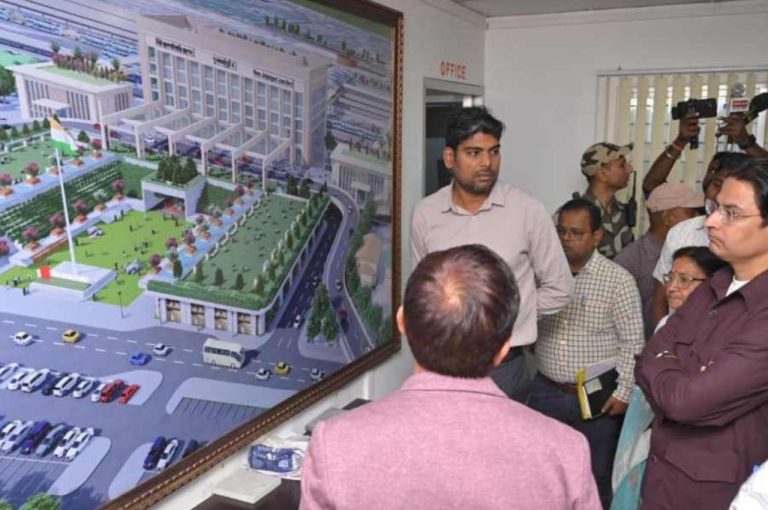
The Budget for New Jalpaiguri Station Revamp Raised to Rs 500 Crore 2025 marks a transformative moment in Indian railway modernization. Situated in Siliguri, NJP is one of the busiest transit hubs in eastern India, connecting the Darjeeling hills, Dooars, Terai, North Bengal, and the Northeast. The redevelopment project, initially sanctioned at ₹334 crore, has now been revised to ₹500 crore to accommodate additional public conveniences and passenger amenities.


2. The Amrit Bharat Station Scheme

The NJP revamp is part of the Amrit Bharat Station Scheme, a nationwide initiative to modernize railway stations.

  • Focus on airport‑style terminals with large concourses.
  • Emphasis on sustainability features like solar power and eco‑friendly systems.
  • Integration of digital technology for passenger convenience.
  • Enhanced safety measures including CCTV surveillance and improved lighting.

This scheme reflects the government’s ambition to make railway stations world‑class transit hubs.


3. Key Features of the NJP Redevelopment

The redesigned station will include:

  • Airport‑style terminal with sleek glass façade.
  • Modern waiting lounges for passengers.
  • 12 escalators and 10 lifts for accessibility.
  • Wider platforms to ease congestion.
  • Separated arrival and departure systems for smoother flow.
  • Dedicated Darjeeling Himalayan Railway (DHR) section for tourists boarding the heritage toy train.
  • Larger parking zones to accommodate rising traffic.

These features aim to double NJP’s handling capacity from 60,000 passengers a day to 1.2 lakh.


4. Timeline of Completion

  • Portions of arrival and departure areas: March 2026.
  • Entire project completion: March 2027.
  • Interim milestones include installation of escalators, lifts, and concourse development.

The phased approach ensures that passenger services continue uninterrupted during construction.


5. Governance and Policy Challenges

The project highlights governance challenges:

  • Budget escalation from ₹334 crore to ₹500 crore.
  • Coordination between central government, state agencies, and local stakeholders.
  • Balancing heritage preservation (DHR section) with modernization.
  • Ensuring transparency in tendering and execution.

6. Budget for New Jalpaiguri Station: Tourism Impact

NJP is the gateway to Darjeeling, Sikkim, Bhutan, and Northeast India.

  • Improved facilities will boost domestic and international tourism.
  • Dedicated DHR section enhances heritage tourism.
  • Airport‑style amenities attract high‑end travelers.
  • Larger parking zones benefit tour operators.

The revamp positions NJP as a tourism hub of national importance.


7. Human Dimension: Passenger Voices

Passengers expressed optimism:

  • Daily commuters welcomed wider platforms and escalators.
  • Tourists praised the dedicated DHR section.
  • Families appreciated modern lounges and safety features.

Their voices reflect the positive social impact of infrastructure investment.


8. Historical Context: NJP’s Evolution

NJP has long been a critical junction:

  • Established as a gateway to Darjeeling Himalayan Railway.
  • Expanded during the Northeast railway integration.
  • Now serves as a strategic transit hub for trade and tourism.

The revamp continues this legacy, linking heritage with modernization.


9. Broader Implications for Democracy and Development

The incident raises fundamental questions:

  • Can infrastructure investment strengthen democracy by improving public trust?
  • Will modernization balance heritage preservation?
  • Does governance risk losing legitimacy if projects face delays?

10. Recommendations for Reform

Experts suggest:

  • Transparent monitoring of budget escalation.
  • Community participation in heritage preservation.
  • Integration of smart technology for passenger services.
  • Policy reforms to replicate NJP’s model across India.

11. Comparative Lessons from Other States

Other states have undertaken similar projects:

  • Gujarat’s Gandhinagar station revamp.
  • Karnataka’s Bengaluru station modernization.
  • Bengal’s NJP reflects a national trend of railway transformation.

12. Human Stories: Families and Tourists

Families describe:

  • Easier travel with escalators and lifts.
  • Safer journeys with CCTV surveillance.
  • More enjoyable experiences with modern lounges.

Tourists highlight:

  • Heritage toy train access.
  • Improved connectivity to Sikkim and Bhutan.

These stories highlight the human dimension of infrastructure modernization.


13. Conclusion: A Model for Inclusive Governance

The Budget for New Jalpaiguri Station Revamp Raised to Rs 500 Crore 2025 is more than an infrastructure project — it is a model for inclusive governance, sustainable tourism, and heritage preservation. By integrating modern amenities with cultural identity, NJP sets a blueprint for railway transformation across India.

Unless systemic reforms are undertaken, challenges will persist. But NJP’s revamp underscores the urgency of balancing development with dignity.


🔗 Government External Links

For further reading and official updates, here are relevant government sources:

Also read: Home | Channel 6 Network – Latest News, Breaking Updates: Politics, Business, Tech & More

Ajoy Edwards Joins One Northeast Rally as Darjeeling Seeks Stronger National Platform 2025: Regional Solidarity, Marginalized Voices, Governance Challenges, Political Fallout, and Policy Reform Needs in West Bengal and Beyond

The Ajoy Edwards Joins One Northeast Rally as Darjeeling Seeks Stronger National Platform 2025 controversy has become a defining moment in Indian regional politics. On November 29, 2025, Ajoy Edwards, chief convener of the Indian Gorkha Janshakti Front (IGJF), joined leaders from Tripura, Meghalaya, Assam, and Ladakh at the “One Northeast” rally in Agartala. His participation signals a growing push for marginalized regions to unite and demand greater bargaining power at the national level.


2. The “One Northeast” Campaign

The campaign seeks to merge political parties of the Northeast into one entity with a single flag.

  • Leaders argue that national parties have eroded regional aspirations.
  • The initiative aims to create a unified indigenous political voice.
  • Edwards clarified that Darjeeling and Ladakh would not merge but ally with the bloc.
  • The goal is to amplify marginalized voices on land, language, and culture.

3. Ajoy Edwards’ Position

Edwards stated:

  • “We are not part of the Northeast, but we want to join hands with them so that the voices of Darjeeling and also those of Ladakh can be pushed forward more strongly at the national level.”
  • He emphasized retaining IGJF’s singular identity while becoming an alliance partner.
  • He argued that democracy is about bargaining power, and unity strengthens negotiation with the Centre.

4. Governance Challenges Exposed

The incident highlights systemic governance failures:

  • Weak protection of regional identities.
  • Delayed response to demands for autonomy.
  • Poor representation of marginalized voices in Parliament.
  • Over‑centralization of power in national parties.

5. Ajoy Edwards Joins One Northeast Rally: Political Fallout

The controversy has political consequences:

  • TMC and BJP face pressure to respond to regional solidarity movements.
  • IGJF gains visibility as a defender of Darjeeling’s identity.
  • Civil society debates governance failures in electoral processes.

The issue has become a flashpoint ahead of the 2026 Assembly elections.


6. Human Dimension: Voices from Darjeeling and Ladakh

Citizens expressed enthusiasm:

  • Many welcomed Edwards’ effort to amplify their voices.
  • Communities fear cultural erosion without stronger representation.
  • Youth see regional solidarity as a path to empowerment.

Their voices reflect the human cost of political marginalization.


7. Historical Context: Regional Movements in India

India has witnessed similar movements:

  • Assam’s student movements in the 1980s.
  • Gorkhaland agitation in Darjeeling.
  • Ladakh’s demand for Union Territory status.

The “One Northeast” campaign echoes these struggles, highlighting systemic flaws in governance.


8. Broader Implications for Democracy

The incident raises fundamental questions:

  • Can democracy thrive if marginalized voices remain unheard?
  • Will regional solidarity reshape national politics?
  • Does governance risk losing legitimacy if autonomy demands are ignored?

9. Recommendations for Reform

Experts suggest:

  • Greater autonomy for regional councils.
  • Transparent dialogue between Centre and regional leaders.
  • Policy reforms to safeguard land, language, and culture.
  • Institutional representation for marginalized communities.

10. Comparative Lessons from Other Regions

Other regions have faced similar challenges:

  • Nagaland and Mizoram negotiated autonomy through accords.
  • Sikkim was integrated into the North Eastern Council in 2002.
  • Bengal’s case reflects a national challenge of balancing regional aspirations with national unity.

11. Human Stories: Citizens in Transition

Families in Darjeeling and Ladakh describe:

  • Anxiety about cultural erosion.
  • Hope for stronger bargaining power.
  • Desire for recognition at the national level.

These stories highlight the human dimension of regional solidarity.


12. Conclusion: A Test of Governance and Democracy

The Ajoy Edwards Joins One Northeast Rally as Darjeeling Seeks Stronger National Platform 2025 is more than a political statement — it is a test of governance, democracy, and human dignity. Unless systemic reforms are undertaken, marginalized communities will remain vulnerable, and public trust in institutions will erode.

Edwards’ participation underscores the urgency of balancing electoral integrity with compassion for marginalized voices.


🔗 Government External Links

For further reading and official updates, here are relevant government sources:

Also read: Home | Channel 6 Network – Latest News, Breaking Updates: Politics, Business, Tech & More

Imran Khan Proof Of Life: Urgent Demands Amid Death Rumors

Pakistan – Amid swirling rumors about former Pakistani prime minister Imran Khan’s death, demands for Imran Khan proof of life have intensified from his family members and supporters. A lawmaker from the Pakistan Tehreek-e-Insaf party has claimed that Khan remains alive in Adiala Jail but is under intense pressure to leave the country. PTI Senator Khurram Zeeshan’s remarks come as the former leader’s son Kasim Khan and family members urgently seek verification of his wellbeing.

Over the past week, the campaign demanding Imran Khan proof of life has gained momentum as his son and sister have publicly called for evidence that the ousted prime minister is alive. The demands emerged amid widespread speculation that Khan may have died or been killed during his extended incarceration. The situation has raised serious concerns about transparency and human rights in Pakistan’s prison system.

Son’s Emotional Appeal Highlights Dire Situation

Kasim Khan made an emotional public statement on Friday highlighting the urgent need for Imran Khan proof of life. “My father has been under arrest for 845 days. For the past six weeks, he has been kept in solitary confinement in a death cell with zero transparency. His sisters have been denied every visit, even with clear court orders allowing access. There have been no phone calls, no meetings and no proof of life. Me and my brother have had no contact with our father,” Kasim stated.

The desperate plea for Imran Khan proof of life underscores the family’s growing anxiety about the former prime minister’s condition and safety. The reference to a “death cell” and complete isolation has amplified concerns among supporters and human rights organizations monitoring the situation in Pakistan.

Court Orders Violated as Family Denied Access

The campaign seeking Imran Khan proof of life gained additional urgency after his sisters were repeatedly denied permission to meet him, despite clear court orders authorizing such visits. This violation of judicial directives has raised questions about the rule of law and whether prison authorities are operating beyond legal oversight. The systematic denial of family access has fueled speculation and conspiracy theories about Khan’s actual condition.

The refusal to allow family visits despite court orders represents a significant escalation in the controversy surrounding Imran Khan proof of life. Legal experts have noted that such denials undermine both judicial authority and fundamental rights guaranteed under Pakistani law, including the right of prisoners to receive family visits.

PTI Lawmaker Confirms Khan’s Status

Speaking publicly to address mounting concerns, PTI Senator Khurram Zeeshan provided what he characterized as confirmation regarding Imran Khan proof of life. He refuted rumors of Khan’s death and stated that the former prime minister remains lodged in Adiala Jail. Zeeshan explained that Khan has been kept in isolation as a tactical measure designed to pressure him into agreeing to leave Pakistan permanently.

“It is very unfortunate. It’s been almost a month of his isolation, and his family, his lawyers, and even the senior leadership of Pakistan Tehreek-e-Insaf have not been allowed to meet him. This is a complete violation of human rights. It seems they are trying to force him into something,” Zeeshan stated, addressing concerns about Imran Khan proof of life.

Guarantee Given to Party and Lawyers

Putting an end to speculation, Zeeshan added that regarding Imran Khan proof of life, the party and his lawyers have been given a guarantee that the former prime minister is alive. However, this assurance has not satisfied family members who continue demanding direct verification and access to Khan. The lack of transparency continues to fuel doubts despite official statements.

The guarantee concerning Imran Khan proof of life came through official channels, according to Zeeshan, though specific details about who provided this assurance and under what circumstances remain unclear. The vague nature of these guarantees has failed to alleviate concerns among Khan’s supporters and family members.

Alleged Pressure to Leave Pakistan

Zeeshan revealed that authorities are attempting to negotiate Khan’s departure from Pakistan as part of resolving the political impasse. “They are trying to strike a deal with Imran Khan, asking him to leave the country. They even promise him concessions if he goes abroad and stays silent at a place of his choice. But Imran Khan will never agree to it. The kind of leader he is, he will never approve it,” the senator explained.

This disclosure adds another dimension to the controversy surrounding Imran Khan proof of life, suggesting that his isolation serves a strategic purpose beyond mere incarceration. The alleged deal-making efforts indicate that political considerations may be driving the restrictions on access and communication.

Human Rights Concerns Mount

The situation demanding Imran Khan proof of life has attracted international attention to human rights conditions in Pakistani prisons. The combination of solitary confinement, denial of family visits despite court orders, and complete communication blackout for six weeks raises serious questions about treatment of political prisoners. The case highlights broader concerns about due process and prisoner rights in Pakistan’s justice system.

Navi Mumbai AQI Builders: Urgent Notices Issued As Pollution Soars

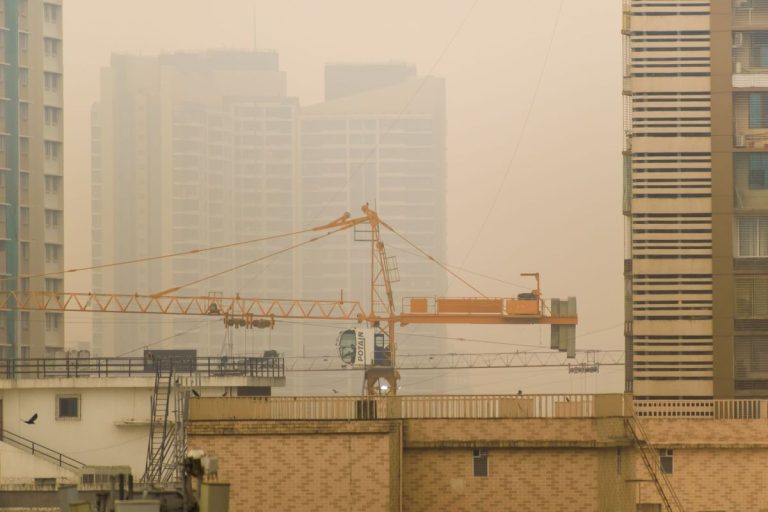
Maharashtra – With a dense winter haze pushing pollution levels dangerously upward across the satellite city, concerns about Navi Mumbai AQI builders have prompted the Navi Mumbai Municipal Corporation to intensify its crackdown on dust-generating construction activity. The civic body has issued notices to 79 developers and expanded dust-suppression and deep-cleaning operations across arterial corridors, industrial belts, and rapidly developing nodes.

Real-time Air Quality Index dashboards have revealed alarming trends affecting Navi Mumbai AQI builders and residents alike over the past week. Air quality has dipped sharply across the city, with night-time readings in parts of Rabale and Ghansoli touching the ‘Very Poor’ range. One Rabale monitor peaked around AQI 280, indicating hazardous conditions that pose serious health risks to the population.

Dangerous Air Quality Readings Across Multiple Nodes

Over recent days, the situation involving Navi Mumbai AQI builders has worsened as Ghansoli, Mahape, Airoli, and Rabale repeatedly slipped into the ‘Unhealthy’ band. PM2.5 levels have crossed 100 micrograms per cubic meter, with citywide readings hovering between AQI 145 and 165. Civic officials stated that these deteriorating conditions made immediate citywide compliance essential for all construction activities.

The enforcement action targeting Navi Mumbai AQI builders follows extensive inspections launched in October under the Bombay High Court’s December 2023 directive. This directive mandated strict adherence to dust and noise-control measures at all construction sites throughout the Mumbai Metropolitan Region, recognizing the significant contribution of construction activities to urban air pollution.

Municipal Commissioner’s Stern Warning

Municipal Commissioner Kailas Shinde reviewed the situation concerning Navi Mumbai AQI builders with civic officials and reiterated that the corporation would continue to enforce the Standard Operating Procedure issued on August 1, 2024, without exception. “Citizens are already suffering from smog,” he emphasized. “Developers and businesses must act responsibly. Pollution control is not optional, it is mandatory.”

The commissioner’s statement underscores the seriousness with which authorities are treating violations by Navi Mumbai AQI builders. The municipal corporation has made clear that economic considerations cannot override public health concerns during this pollution crisis.

Comprehensive Violations Identified

According to civic officials, 79 notices were issued to Navi Mumbai AQI builders after a citywide inspection sweep verified whether pollution-control measures were being strictly and effectively implemented. The violations discovered during inspections included non-functional fogging and sprinkler systems, inadequate barricading, missing wheel-wash facilities, uncovered material stacks, and transportation of debris in open vehicles.

Navi Mumbai AQI builders who received notices have been asked to rectify violations within eight days. Failure to comply will result in construction activities being halted for up to one week, demonstrating the municipal corporation’s commitment to enforcing environmental regulations regardless of potential economic impacts.

Intensive Inspection Regime Implemented

Ward-level teams comprising engineers, health inspectors, and sanitation staff are conducting daily surprise visits across major nodes to monitor Navi Mumbai AQI builders compliance. These inspections cover construction sites, ready-mix concrete plants, stone quarries, and commercial kitchens using coal-fired tandoors, addressing multiple sources of particulate matter pollution.

Also Read: Pune Metro Rail Project Phase-2 Approved: Major Expansion in Urban Connectivity

Senior NMMC officials have also begun personal field inspections at larger township projects in Nerul, Kharghar, Airoli, and Ghansoli. This hands-on approach involving senior management has been used in past years during peak smog conditions to accelerate compliance at high-impact sites operated by Navi Mumbai AQI builders.

Parallel Dust Control Operations Intensified

Parallel to issuing notices to Navi Mumbai AQI builders, the civic body has intensified dust-control and road-cleaning operations across all eight wards. Dust-suppression vehicles procured under the National Clean Air Programme are operating along major pollution-prone corridors, including Thane-Belapur Road and the Rabale-Mahape MIDC belt. These vehicles spray fine mist to reduce resuspended particles that significantly contribute to elevated PM2.5 levels.

Mechanical road sweepers and high-pressure jet-spray machines have been deployed to clear accumulated silt from pavements, medians, and service lanes in Vashi, Nerul, Turbhe, Belapur, and other nodes. Civic officials confirmed these cleaning cycles are being repeated more frequently during winter months when loose soil and settled dust contribute significantly to pollution levels affecting both residents and construction activities by Navi Mumbai AQI builders.

Contributing Factors to Pollution Spike

Sector observers noted that the pollution crisis involving Navi Mumbai AQI builders is shaped by a combination of construction activity, industrial emissions, and heavy traffic along the Thane-Belapur industrial corridor. Historically, nodes near the logistics and manufacturing belt—Rabale, Mahape, and Pawne—have recorded sharper spikes during the winter season, reflecting broader smog-cycle patterns seen across the Mumbai Metropolitan Region.

“Our engineers are visiting sites every day,” Commissioner Shinde stated. “Where fogging, barricading or wheel-wash systems are missing, notices are issued immediately. Developers must comply or face closure.” This uncompromising stance toward Navi Mumbai AQI builders signals a new era of environmental enforcement in the satellite city.