Sunday, April 26, 2026
Home Blog Page 99

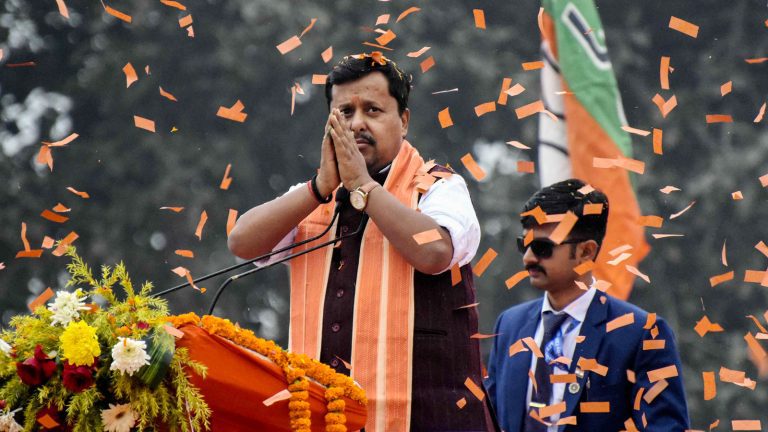
Nitin Nabin BJP President: Historic Generational Shift Transforms Party Leadership

New Delhi – In a historic development, Nitin Nabin BJP president candidacy has become certain after the five-time Bihar legislator emerged as the sole candidate for the Bharatiya Janata Party’s top post. The Nitin Nabin BJP president nomination received overwhelming support with 37 sets of nomination papers filed in his favor on January 19, 2026, endorsed by the party’s most prominent leaders including Prime Minister Narendra Modi, outgoing president JP Nadda, and chief ministers from multiple states.

The Nitin Nabin BJP president election is scheduled for formal completion on January 20, 2026, marking a significant generational shift in India’s largest political party. This transition represents not just a change in leadership but a strategic move to provide a platform for the younger generation within the party’s organizational structure.

Unanimous Support from Senior Leadership

The Nitin Nabin BJP president candidacy received unprecedented backing from the party’s entire leadership hierarchy. K Laxman, serving as the returning officer for the election, announced at the party headquarters that after scrutiny, all 37 nomination sets were found valid and properly filled in the required format. Following the withdrawal period, only the Nitin Nabin BJP president nomination remained, ensuring his unopposed election to the prestigious position.

Among the prominent leaders who proposed and seconded the Nitin Nabin BJP president nomination were Union ministers Rajnath Singh, Amit Shah, Nitin Gadkari, Dharmendra Pradhan, Bhupendra Yadav, Kiren Rijiju, and Hardeep Puri, along with several other members of the parliamentary party. Chief ministers from Gujarat, Delhi, and Chhattisgarh also endorsed the nomination papers, demonstrating widespread support across state units for the Nitin Nabin BJP president candidacy.

Electoral Process and Constitutional Compliance

The Nitin Nabin BJP president election process followed the party’s constitutional requirements meticulously. Laxman explained that the notification of the schedule of events was announced on January 16, 2026, along with the publication of the electoral roll. The nomination process was completed between 2 PM and 4 PM on January 19, during which all 37 nomination sets were received exclusively for the Nitin Nabin BJP president position.

The organizational election was initiated after the completion of elections for 30 state presidents out of 36 states. According to the party’s constitution, the process to elect the national president can begin once elections are completed in 50 percent of state units, a threshold that was successfully achieved before commencing the Nitin Nabin BJP president election process.

Youngest National President Signals Generational Shift

The Nitin Nabin BJP president elevation marks a watershed moment in party history, as he will become the youngest chief in the organization’s existence. This generational shift represents the party’s commitment to empowering younger leaders and providing them with opportunities to shape the organization’s future direction. Senior party leaders emphasized that the Nitin Nabin BJP president selection demonstrates the party’s forward-thinking approach and dedication to nurturing fresh leadership.

Bihar Deputy Chief Minister Samrat Choudhary expressed pride in the development, stating it was a moment of joy for Bihar and a historic day for the party. He highlighted that the Nitin Nabin BJP president nomination represented both regional pride and national significance, showcasing the party’s ability to recognize talent across different states.

Also Read: Mumbai Mayor Row: Shinde Dismisses Bargaining Allegations With BJP

Internal Democracy and Transparent Selection

The Nitin Nabin BJP president election has been portrayed as a testament to the party’s internal democratic processes. Senior party leaders emphasized that the organizational election illustrated transparent, participatory decision-making from the booth level to the national level. An official party statement noted that while other parties remain confined to family-centric politics, the Nitin Nabin BJP president selection through democratic means sets the party apart in India’s political landscape.

Former Union minister Anurag Thakur, who headed the Yuva Morcha when Nabin served as the outfit’s general secretary, described the Nitin Nabin BJP president decision as a source of pride for both the party and the nation. Thakur characterized it as a powerful message from PM Modi to Generation Z, inviting young people to actively participate in politics and leadership roles.

Strategic Message to Youth

The Nitin Nabin BJP president appointment carries significant symbolic value beyond organizational restructuring. Thakur emphasized that this represents a deliberate outreach to younger voters and potential political workers, demonstrating that the party values youth perspectives and is willing to entrust them with the highest organizational responsibilities. He stated that in upcoming elections, the party would fight under the leadership of the new president, with PM Modi’s popularity providing additional momentum.

Political Experience and Background

As a five-time legislator from Bihar, the Nitin Nabin BJP president credentials include substantial electoral experience and grassroots connection. His journey through various organizational positions, including his tenure as general secretary of the Yuva Morcha, has provided him with comprehensive understanding of party operations at multiple levels. This experience positions him well to lead the organization through upcoming electoral challenges and organizational expansion.

The Nitin Nabin BJP president transition from outgoing president JP Nadda will be formally completed on January 20, 2026, ushering in a new era of leadership that balances youthful energy with organizational experience and party loyalty.

Trump Greenland Takeover: Shocking Threats Escalate Tensions with Europe

Washington D.C. – US President Donald Trump has intensified discussions around a potential Trump Greenland takeover, making headlines with his unwavering determination to gain control over the Danish territory. During a recent interview, Trump declined to rule out the use of force to achieve his objective, stating only “no comment” when directly asked whether military action remained an option. This ambiguity has raised concerns across Europe and among NATO allies about the Trump Greenland takeover strategy and its implications for international relations.

The Trump Greenland takeover initiative has been characterized by increasingly bold rhetoric, with the President threatening additional tariffs against European nations that oppose his demands. Trump has cited Chinese and Russian threats over the island as justification for American control, framing the Trump Greenland takeover as a matter of national security and global stability.

Europe Should Focus on Ukraine, Not Greenland

In defending the Trump Greenland takeover position, the President urged European nations to redirect their attention toward more pressing matters. Trump stated that Europe should focus on the war with Russia and Ukraine rather than concerning themselves with Greenland. He emphasized that European nations ought to concentrate on addressing the consequences of the ongoing conflict in Ukraine, suggesting that opposition to the Trump Greenland takeover represents misplaced priorities.

“Europe ought to focus on the war with Russia and Ukraine because, frankly, you see what that’s gotten them,” Trump remarked, adding, “That’s what Europe should focus on — not Greenland.” This statement underscores the Trump Greenland takeover strategy of deflecting criticism by pointing to other geopolitical challenges facing the continent.

Denmark Negotiations Yield No Progress

Discussions between Washington and Denmark regarding the Trump Greenland takeover have failed to produce any meaningful results. Despite diplomatic efforts, the Trump Greenland takeover remains at an impasse, with Denmark firmly rejecting any possibility of ceding control over Greenland. The Danish government has maintained that Greenland, an autonomous territory within the Kingdom of Denmark, is not for sale under any circumstances.

The stalled negotiations have not deterred Trump’s pursuit of the Trump Greenland takeover. Instead, the President has escalated his approach by introducing economic pressure through threatened tariffs and continuing to assert that Washington must control Greenland for global safety.

Tariff Threats Target European Nations

To advance the Trump Greenland takeover agenda, President Trump announced plans to impose 10 percent tariffs on Denmark and seven other European nations. These tariffs, scheduled to take effect on February 1, will remain in place until an agreement is reached on US control over Greenland. This economic leverage represents a significant escalation in the Trump Greenland takeover campaign and has put considerable strain on transatlantic relations.

The tariff announcement demonstrates Trump’s willingness to use economic coercion to achieve the Trump Greenland takeover objectives. European allies have expressed strong opposition to this approach, viewing it as an inappropriate use of economic power to pressure sovereign nations on territorial matters.

Nobel Peace Prize Snub Influences Trump’s Approach

In an unexpected development, Trump has linked the Trump Greenland takeover stance to his disappointment over not receiving the Nobel Peace Prize. In a letter to Norwegian Prime Minister Jonas Gahr Store, Trump cited the Nobel Committee’s decision as influencing his shift in approach to global affairs. The President stated he no longer feels “an obligation to think purely of peace” since Norway didn’t award him the prestigious prize.

Also Read: H-1B Visa Abuse: Trump Ally Slams Foreign Worker Program

Trump rejected the notion that Norway lacks control over Nobel Committee decisions, claiming, “Norway totally controls it despite what they say. They like to say they have nothing to do with it, but they have everything to do with it.” This connection between the Trump Greenland takeover and Nobel Prize considerations adds a personal dimension to the geopolitical strategy.

Interestingly, Norway is among the countries targeted by the new tariffs related to the Trump Greenland takeover initiative. When asked about the Nobel Prize, Trump stated, “I don’t care about the Nobel Prize,” yet his correspondence with Norwegian leadership suggests the snub continues to influence his policy decisions.

NATO Alliance Faces Unprecedented Test

The Trump Greenland takeover campaign has created unprecedented tensions within NATO, with allies expressing concern about the President’s rhetoric and methods. Trump’s willingness to threaten force and impose tariffs on allied nations represents a departure from traditional diplomatic approaches. The President has declared his intention to take over Greenland “one way or the other,” leaving European nations uncertain about future American actions.

Global Security Implications

Trump has framed the Trump Greenland takeover as essential for global security, asserting that the world will not be safe until Washington controls the strategically located island. Earlier statements suggested that after being snubbed for a Nobel Prize, he no longer needs to think “purely of peace” when considering the Trump Greenland takeover and other foreign policy matters.

The Trump Greenland takeover initiative continues to evolve, with international observers watching closely to see whether diplomatic solutions can be found or if tensions will continue escalating between the United States and its European allies over this contentious territorial ambition.

India UAE Defence Partnership: Modi and MBZ Strengthen Bilateral Ties

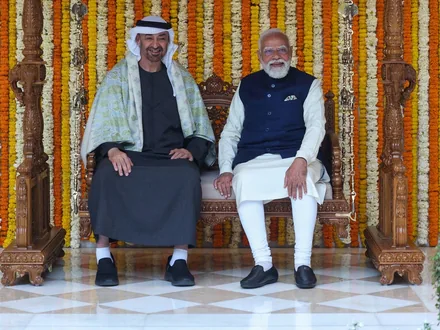
New Delhi – Prime Minister Narendra Modi and UAE President Sheikh Mohamed bin Zayed Al Nahyan unveiled ambitious plans to deepen the India UAE defence partnership during a focused three-hour visit to New Delhi on January 19, 2026. The meeting, characterized by warmth and strategic purpose, saw both leaders commit to finalizing a comprehensive strategic defence framework while announcing a significant 10-year LNG supply agreement and setting an ambitious bilateral trade target of $200 billion by 2032.

The personal rapport between the two leaders was evident as Modi personally received MBZ at his arrival, greeting him with a hug and sharing the same vehicle to the Prime Minister’s residence. This gesture underscored the significance India attaches to its relationship with the UAE, home to nearly 4.5 million Indians and a crucial energy supplier.

Strategic Defence Framework Strengthens India UAE Defence Partnership

The cornerstone of the visit was the signing of a letter of intent toward establishing a strategic defence partnership framework agreement. This India UAE defence partnership will significantly expand collaboration across multiple domains including defence industrial cooperation, defence innovation, training protocols, doctrines, special operations, interoperability, cyber-security, and counter-terrorism initiatives.

Foreign Secretary Vikram Misri clarified that the India UAE defence partnership represents a natural evolution of existing cooperation rather than a response to regional security developments. He emphasized that the agreement would not draw India into West Asian conflicts. The framework builds upon ongoing defence cooperation between the two nations, which already includes joint military exercises and high-level consultations.

The proposed India UAE defence partnership will focus on advanced technology partnerships, defence industrial cooperation, and enhanced linkages in training and education, particularly between special forces of both countries. Both sides characterized defence and security cooperation as a core pillar of their comprehensive strategic partnership while condemning all forms of terrorism, including cross-border terror.

Energy Security and Economic Cooperation

Beyond the India UAE defence partnership, the visit produced concrete outcomes in energy cooperation. Hindustan Petroleum Corporation Limited and Abu Dhabi National Oil Company Gas signed an agreement for purchasing 0.5 million tonnes of LNG annually over ten years, beginning in 2028. This agreement strengthens India’s energy security, with the UAE already serving as India’s fourth-largest oil source and second-largest LNG and LPG supplier.

The two leaders celebrated robust trade growth since the 2022 Comprehensive Economic Partnership Agreement, with bilateral trade reaching $100 billion in 2024-25. Modi and MBZ set an ambitious target to double this figure to $200 billion by 2032, reflecting confidence in expanding business collaboration between both nations.

Innovation and Technology Collaboration

The India UAE defence partnership extends into emerging technology sectors. Both leaders identified innovation, space, and civil nuclear energy, including small modular reactors, as priority areas for future cooperation. Following India’s enactment of the SHANTI law, the two sides will explore partnerships in advanced nuclear technologies and nuclear power plant operations.

Also Read: Global Peace Push: Trump Invites PM Modi to Join Gaza ‘Board of Peace’, 2026

In the technology sector, leaders decided to strengthen collaboration in artificial intelligence and emerging technologies. Plans include establishing a supercomputing cluster and data centers in India. Significantly, they directed teams to explore establishing “digital embassies” under mutually recognized sovereignty arrangements, enabling sovereign data storage in each other’s territories.

Space and Investment Initiatives

The Indian National Space Promotion and Authorisation Centre and the UAE Space Agency signed a letter of intent for joint space industry development, including launch complexes and an accelerator for space startups. This collaboration complements the broader India UAE defence partnership by extending cooperation into strategic sectors.

Investment cooperation received a boost with agreements involving Gujarat’s Dholera special investment region. The project envisages developing strategic infrastructure including an international airport, pilot training school, maintenance facilities, greenfield port, smart township, and energy infrastructure.

Regional Cooperation and Payment Systems

Both leaders reaffirmed commitment to the India-Middle East-Europe Corridor initiative and exchanged views on regional stability. They directed teams to interlink national payment platforms, enabling efficient cross-border payments and facilitating trade and investment flows.

An agreement on food safety and technical requirements aims to encourage exports of rice, food, and agricultural products from India to the UAE, diversifying economic cooperation beyond energy and defence sectors.

Conclusion

The Delhi visit reinforced the India UAE defence partnership as a comprehensive strategic relationship spanning defence, energy, technology, space, and economic cooperation. With petroleum products accounting for significant bilateral trade and the UAE ranking as India’s third-largest trade partner, this multifaceted partnership positions both nations for deeper collaboration addressing shared interests in regional stability, technological advancement, and economic prosperity through 2032 and beyond.

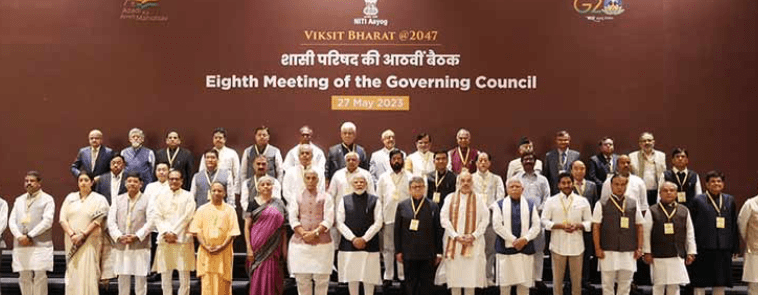
V.K. Saraswat Highlights Youth, Women, Poor, and Farmers as India’s Foundation: Empowering 4 Bold Pillars of Progress

In a recent address that underscored the essence of inclusive development, V.K. Saraswat, member of the NITI Aayog, emphasised that the youth, women, the economically underprivileged, and farmers constitute the foundational pillars of India. Speaking at a policy dialogue on sustainable development, Saraswat highlighted that any roadmap for the nation’s growth must recognise and empower these groups, as they are integral to the country’s social, economic, and cultural fabric. For policymakers and citizens alike, his remarks serve as a reminder that equitable progress depends on strengthening these core segments.

Saraswat stressed that youth empowerment is not only about employment but also about fostering leadership, civic engagement, and innovation. He pointed out that mentoring programs, entrepreneurship incubators, and research opportunities can channel the creativity and energy of young citizens into productive avenues. According to him, such measures can reduce social unrest, improve economic outcomes, and strengthen the democratic fabric of the country.

Highlighting education, Saraswat underscored the need for quality learning opportunities, both formal and informal. He noted that access to higher education and vocational training must be expanded, especially in rural and semi-urban areas, to ensure that no segment of youth is left behind. He emphasised the importance of STEM education, skill-based curricula, and digital literacy as critical tools for equipping the next generation to compete globally.

For women, Saraswat called for greater representation in decision-making roles across government, corporate, and community institutions. He argued that women’s participation in leadership positions strengthens policy outcomes, promotes inclusivity, and fosters gender-sensitive governance. He also highlighted the importance of addressing social barriers, such as domestic responsibilities and safety concerns, that hinder women from fully participating in economic and public life.

Saraswat also pointed to financial empowerment initiatives targeting women, including microfinance schemes, self-help groups, and entrepreneurship funds. He suggested that such programs, combined with mentorship and market linkages, could significantly boost women’s economic independence. He emphasised that women-led enterprises contribute not only to household incomes but also to local economies and community development.

SARASWAT’S STATEMENT

Addressing poverty alleviation, Saraswat argued that empowering the poor requires a holistic approach combining economic, educational, and social interventions. He cited examples of cash transfer programs, subsidised healthcare, and skill development initiatives that have demonstrated measurable impacts on reducing vulnerability. According to him, these programs need to be scaled up and monitored to ensure that benefits reach the intended beneficiaries.

Saraswat highlighted that social protection schemes, such as ration distribution, health insurance, and pension programs, are crucial for creating a safety net for the underprivileged. He stressed that protecting the poor from economic shocks, natural disasters, and market fluctuations strengthens social stability and allows them to participate more actively in the economy.

On agriculture, Saraswat emphasised the need to modernise practices, promote technology adoption, and ensure sustainable farming methods. He pointed out that farmers face challenges such as unpredictable weather, rising input costs, and limited market access. Addressing these issues through policy interventions, cooperative structures, and digital tools can enhance productivity, income stability, and long-term sustainability.

He also highlighted the role of crop insurance, irrigation infrastructure, and access to credit as key enablers for farmers. By reducing risk and providing financial security, these measures encourage innovation and investment in agriculture. Saraswat underlined that a thriving farming sector is essential for food security, rural employment, and balanced regional development.

Saraswat stressed that the four pillars—youth, women, poor, and farmers—are interdependent. For instance, empowering women in rural areas contributes to better agricultural practices, while youth engagement can accelerate adoption of technology in farming. Similarly, improving the economic status of the poor creates more consumers and supports overall market growth.

He urged policymakers to adopt a coordinated, multi-sectoral approach that integrates education, skill development, social protection, and infrastructure. Saraswat argued that isolated interventions, while beneficial, cannot achieve the transformative impact needed for inclusive growth. A holistic strategy, he said, would ensure that all four pillars reinforce each other.

Saraswat also highlighted the importance of community participation and grassroots governance. He encouraged local bodies, panchayats, and citizen collectives to actively engage in planning and monitoring development initiatives. According to him, decentralised decision-making ensures that policies address real needs and promotes accountability at the local level.

Digital transformation, he noted, can be a powerful tool in this process. E-governance, online learning platforms, and digital financial services can bridge gaps for underserved populations. By leveraging technology, Saraswat said, India can create scalable solutions that empower youth, women, poor communities, and farmers simultaneously, while ensuring transparency and efficiency.

He also called for private sector collaboration in skill development and entrepreneurship. Public-private partnerships, he explained, can provide resources, mentorship, and market access that complement government efforts. Such partnerships, Saraswat argued, are essential to create sustainable opportunities that empower citizens and drive inclusive economic growth.

Saraswat emphasised that social awareness campaigns are equally important. Encouraging citizens to recognise the value of empowerment, gender equity, and rural development fosters a culture of inclusion. Awareness initiatives, when combined with concrete policy measures, can transform societal attitudes and create an environment conducive to long-term growth.

Concluding his address, Saraswat reiterated that India’s development is anchored in its people. He stressed that investments in human capital—through education, skill development, financial inclusion, and technology—are not optional but fundamental to national progress. By strengthening youth, women, the poor, and farmers, India can build a resilient, inclusive, and sustainable future.

Poor, farmers, youth, and women are the 4 pillars of developed India: PM  Modi

Saraswat elaborated that India’s demographic dividend, driven by its young population, can only translate into economic prosperity if the youth are equipped with education, skills, and meaningful employment opportunities. He warned that ignoring this segment could result in a lost generation, while focused investment could accelerate innovation, entrepreneurship, and global competitiveness. “The energy, talent, and ambition of the youth are the engines of India’s future,” he asserted, stressing the need for robust vocational training, mentorship, and accessible platforms for skill development.

Women, Saraswat noted, form the second critical pillar. He emphasised that gender equity is not just a moral imperative but an economic necessity. Citing studies that show higher female participation boosts GDP growth, he urged the government and private sector to create safe work environments, equal pay policies, and initiatives that empower women entrepreneurs. Beyond economics, he highlighted the transformative impact of women in communities, particularly in education, healthcare, and grassroots governance, where their leadership strengthens societal resilience.

The third pillar, according to Saraswat, is the poor, or economically underprivileged citizens. He pointed out that poverty alleviation is central to achieving sustainable and inclusive development. Policies aimed at financial inclusion, skill-building, and social security not only uplift the marginalized but also create demand-driven growth. Saraswat stressed that empowering the poor requires a multi-pronged strategy encompassing education, affordable healthcare, access to credit, and social empowerment programs that allow them to participate fully in the economy.Panel launches campaign to empower women - The Hindu

Farmers, he said, form the fourth foundational pillar, linking India’s growth with food security and rural stability. Recognising the challenges of climate change, fragmented landholdings, and fluctuating markets, Saraswat emphasised the need for modernisation in agriculture, access to technology, irrigation, and fair pricing mechanisms. He called for policies that strengthen rural supply chains and cooperative models, ensuring that farmers are economically secure and motivated to innovate in their practices.

Inclusive Development as the Cornerstone of Nation-Building

Saraswat’s remarks came against the backdrop of India’s ongoing efforts to achieve inclusive development through targeted government schemes, reforms, and digital initiatives. He stressed that focusing on these four pillars simultaneously would create a virtuous cycle of growth: empowered youth would drive innovation; women’s participation would enhance economic efficiency; poverty reduction would expand the consumer base and human capital; and resilient farmers would secure food supply and rural prosperity.

The NITI Aayog member also highlighted the role of technology in enabling empowerment. He argued that digital literacy, e-governance, and fintech solutions could bridge gaps for marginalized populations, providing them with access to education, healthcare, and financial services. By leveraging technology, Saraswat said, India could ensure that the benefits of development reach every citizen, from remote villages to urban centres, creating a more balanced and inclusive growth trajectory.Panel launches campaign to empower women - The Hindu

Policy analysts welcomed Saraswat’s emphasis on the four pillars, noting that recognition of these groups is crucial for long-term planning. Experts observed that programs such as skill development missions, women entrepreneurship funds, direct benefit transfers, and farmer welfare initiatives are steps in the right direction but require consistent monitoring, adequate resources, and participatory governance to achieve maximum impact.

Saraswat also urged collaborative efforts between the government, private sector, and civil society. He noted that public policies alone cannot address the complex challenges faced by youth, women, the poor, and farmers. Partnerships that provide mentorship, training, financial support, and market access are essential to create self-reliant communities capable of contributing meaningfully to India’s socio-economic development.

In conclusion, Saraswat’s address highlighted a fundamental truth: the strength of India lies in the empowerment of its people. By investing in youth, ensuring gender equity, uplifting the poor, and modernising agriculture, India can create a foundation that supports sustainable growth, social cohesion, and national resilience. His remarks serve as a strategic reminder that development must be holistic, inclusive, and rooted in the welfare of the nation’s core human capital.

Follow: Karnataka Government

Also read: Home | Channel 6 Network – Latest News, Breaking Updates: Politics, Business, Tech & More

Karnataka Commission Holds GBA Accountable: Critical 1 Notice That Demands Answers

Follow: Karnataka Government

Also read: Home | Channel 6 Network – Latest News, Breaking Updates: Politics, Business, Tech & More

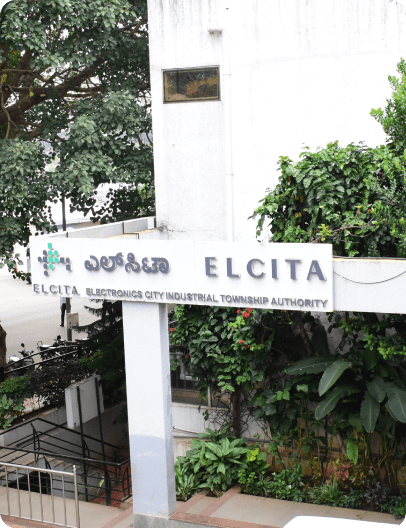
Electronics City Authority Declared a Public Body: Landmark 1 Ruling That Restores Public Trust

Follow: Karnataka Government

Also read: Home | Channel 6 Network – Latest News, Breaking Updates: Politics, Business, Tech & More

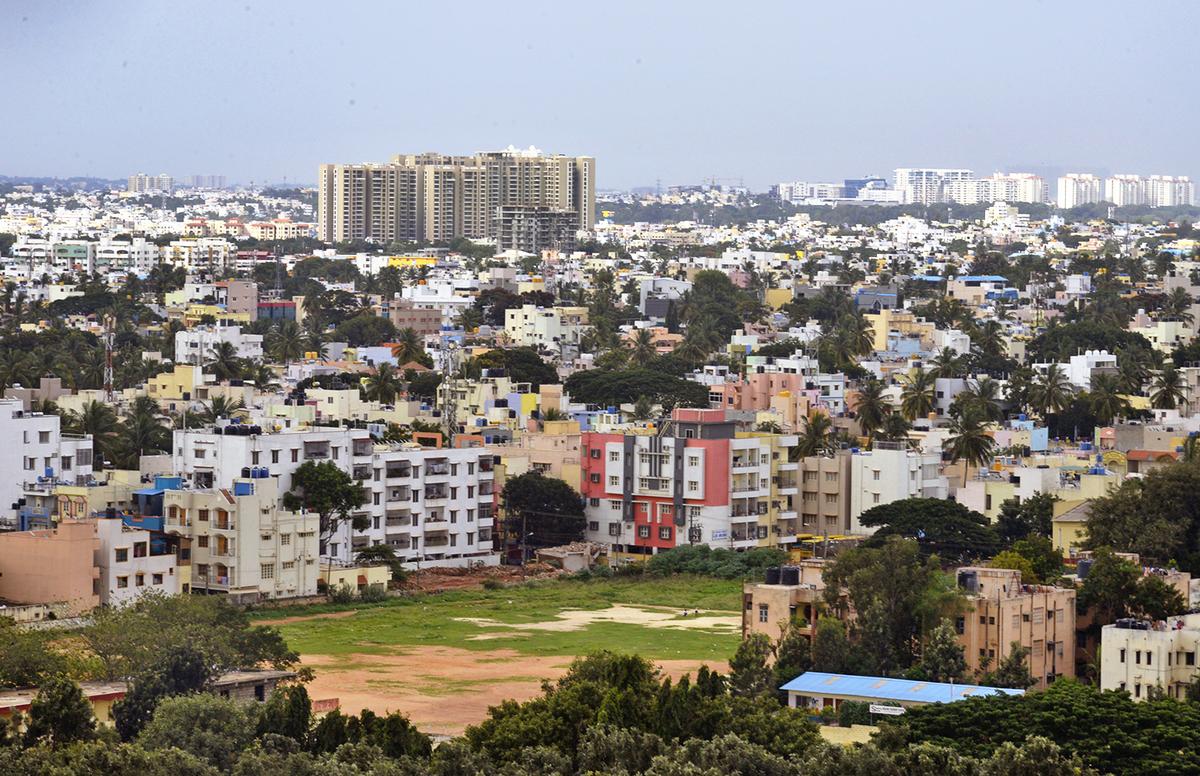
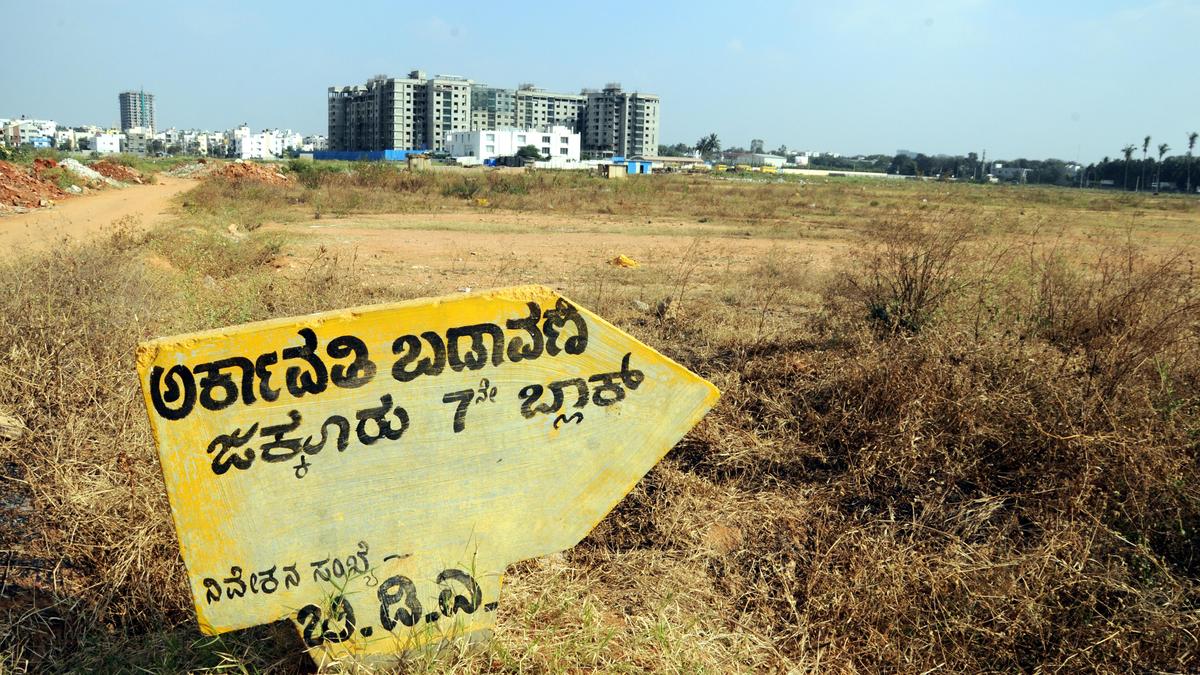
How the BDA Site Dream Turned Sour: Broken 50-Year Promise That Hurt a City’s Heart

Follow: Karnataka Government

Also read: Home | Channel 6 Network – Latest News, Breaking Updates: Politics, Business, Tech & More

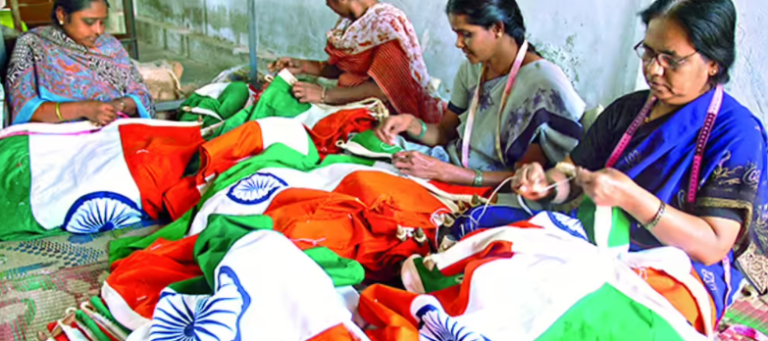
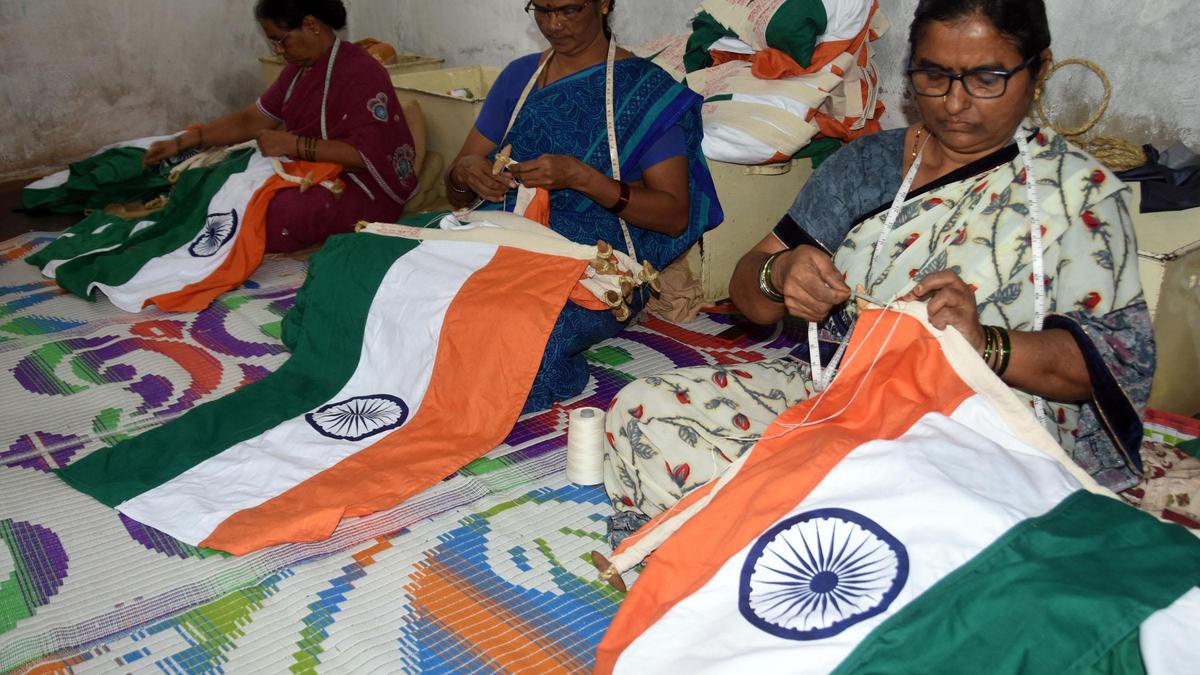
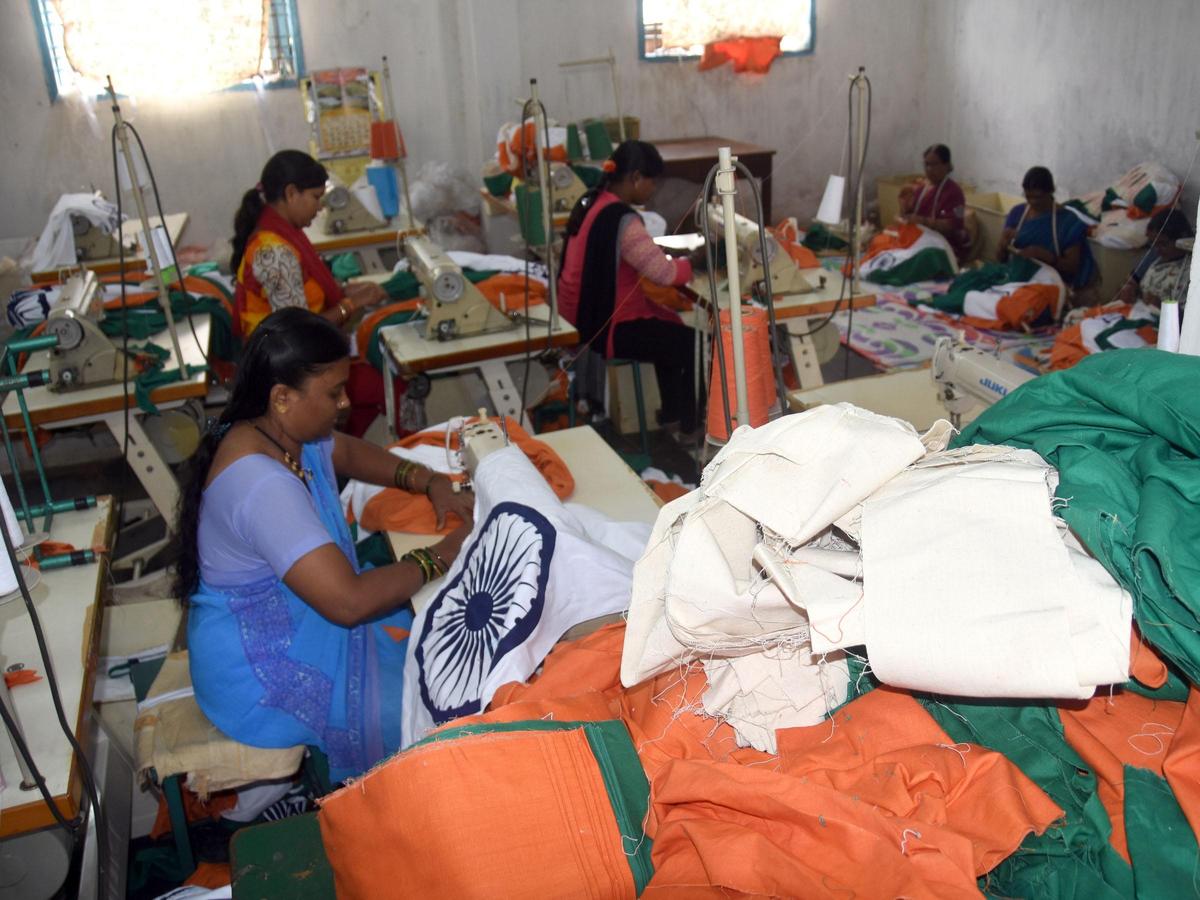
Polyester Flags Threaten the Soul of Khadi Livelihoods: Silent 75-Year Struggle Steals Pride and Bread

Follow: Karnataka Government

Also read: Home | Channel 6 Network – Latest News, Breaking Updates: Politics, Business, Tech & More

Karnataka’s Emotional Bet to Grow Beyond Bengaluru: Bold ₹1.93-Crore Push Sparks New Hope

In a decisive move aimed at reshaping Karnataka’s economic geography, the state government has sanctioned a ₹1.93 crore grant to Vertex Managed Workspace in Mangaluru, signalling a renewed push for the “Beyond Bengaluru” growth strategy. The initiative is designed to decentralise economic opportunities, reduce pressure on the capital city, and nurture emerging urban centres as engines of innovation and employment. For coastal Karnataka, particularly Mangaluru, the decision marks a significant moment of validation and promise.

The grant to Vertex Managed Workspace is part of a broader state vision to encourage flexible, technology-enabled workspaces in tier-two and tier-three cities. These workspaces are expected to attract startups, small and medium enterprises, and remote teams from larger corporations seeking cost-effective yet high-quality infrastructure. By supporting such ventures, the government hopes to create local employment, curb migration to Bengaluru, and foster balanced regional development.

Officials familiar with the decision said the funding would be used to strengthen infrastructure, expand capacity, and enhance digital and operational capabilities at the Mangaluru facility. The project is expected to generate direct and indirect employment, while also creating an ecosystem that supports entrepreneurship and innovation. The move aligns with Karnataka’s long-standing reputation as a technology leader, now extended beyond its capital.

The grant has also reignited discussion about the role of public funding in supporting private workspaces. Supporters argue that such investments act as enablers, reducing early-stage risk and encouraging private players to expand into non-metro markets. They point out that without initial state backing, many companies hesitate to experiment beyond Bengaluru due to uncertainties around demand and scalability. In this view, the Vertex grant is seen as a confidence-building measure rather than a subsidy.

Industry experts note that managed workspaces are increasingly becoming critical infrastructure rather than optional amenities. With startups and small firms prioritising flexibility over ownership, these spaces offer an efficient entry point into new cities. In Mangaluru’s case, the presence of a professionally managed facility could help attract firms testing satellite operations before committing to larger investments. This incremental approach is being seen as well-suited to tier-two city growth.

The decision has also sparked interest among educational institutions and skill development centres in the region. Academics believe closer proximity between workspaces and campuses could open pathways for internships, apprenticeships, and collaborative projects. Such linkages could help align curricula with industry needs, improving employability and retaining talent locally. Over time, this integration could strengthen Mangaluru’s position as a knowledge-driven city rather than merely a service hub.

From a regional planning perspective, officials suggest that Mangaluru’s selection is not incidental. Its port connectivity, improving road and rail links, and relative cost advantages make it an attractive test case for decentralised growth. If the model succeeds here, similar grants could be extended to other cities such as Hubballi-Dharwad, Shivamogga, and Kalaburagi, creating a network of emerging economic nodes across the state.

There is also growing emphasis on measuring outcomes rather than announcements. Government sources indicate that employment generation, occupancy rates, and the number of firms operating from the workspace will be key indicators of success. Periodic reviews are expected to assess whether the grant is translating into real economic activity. Such monitoring, officials say, will inform future decisions and ensure that public money delivers tangible returns.

As Karnataka continues to navigate the balance between concentration and dispersion of growth, initiatives like this reflect a broader recalibration of priorities. The ₹1.93 crore grant to Vertex Managed Workspace is not just an investment in a building or a business, but in an idea—that opportunity need not be confined to one city. For Mangaluru and similar urban centres, it represents a moment of possibility, where policy intent, local aspiration, and economic strategy briefly converge, offering a glimpse of a more evenly distributed future.

For Mangaluru, a city with strong educational institutions, port-based commerce, and a growing professional population, the grant is being viewed as a catalyst. Local stakeholders believe the investment could help retain talent that traditionally migrates to Bengaluru or other metros. The announcement has also sparked optimism among young professionals and entrepreneurs who see the city as a viable base for ambitious ventures.

The “Beyond Bengaluru” narrative has gained momentum in recent years, driven by concerns over congestion, rising costs, and infrastructure strain in the capital. By backing projects like Vertex Managed Workspace, the government is attempting to translate policy intent into tangible outcomes. The challenge now lies in ensuring that such initiatives deliver sustainable growth rather than symbolic expansion.Beyond Bengaluru: ₹1.93 crore grant to Vertex Managed Workspace in Mangaluru  - The Hindu

Why Mangaluru Matters in Karnataka’s Growth Map

Mangaluru occupies a strategic position in Karnataka’s economic landscape. As a coastal city with a major port, robust banking and education sectors, and improving connectivity, it offers a unique blend of opportunities. Despite these advantages, it has historically remained on the periphery of the state’s technology-driven growth story, overshadowed by Bengaluru’s dominance.

State officials argue that cities like Mangaluru possess untapped potential to host knowledge-based industries, particularly in an era where remote and hybrid work models are becoming mainstream. Managed workspaces are seen as critical enablers in this transition, offering plug-and-play offices, shared resources, and professional environments without the high entry costs of traditional setups.

The grant to Vertex Managed Workspace reflects this thinking. By lowering initial financial barriers, the government aims to accelerate the creation of modern work infrastructure outside Bengaluru. Such spaces are expected to attract startups, IT services firms, creative professionals, and even satellite offices of larger companies seeking geographic diversification.

Local industry representatives have welcomed the move, noting that Mangaluru’s talent pool has long been underutilised. Graduates from engineering, management, and medical institutions often leave the city due to limited local opportunities. The presence of high-quality workspaces could encourage firms to set up operations locally, offering professionals a chance to build careers without relocating.

The initiative also aligns with broader regional development goals. By stimulating economic activity in Mangaluru, the state hopes to create spillover benefits for surrounding districts. Increased employment and business activity can boost demand for housing, services, and infrastructure, creating a virtuous cycle of growth.

However, experts caution that infrastructure alone is not enough. Reliable connectivity, policy stability, and access to capital will be crucial in determining whether Mangaluru can truly emerge as a growth hub. The Vertex grant is therefore being seen as a starting point rather than a complete solution.Beyond Bengaluru: ₹1.93 crore grant to Vertex Managed Workspace in Mangaluru  - The Hindu

Beyond Bengaluru Strategy and Its Wider Implications

The “Beyond Bengaluru” strategy represents a shift in Karnataka’s development philosophy. For decades, Bengaluru has been the primary magnet for investment, talent, and innovation. While this concentration has driven impressive growth, it has also led to severe challenges, including traffic congestion, water scarcity, and rising living costs.

Policymakers now acknowledge that sustained growth requires diversification. By promoting multiple urban centres, the state aims to distribute economic activity more evenly, improve quality of life, and build resilience against regional shocks. Managed workspaces, startup hubs, and innovation centres are key instruments in this approach.

The grant to Vertex Managed Workspace fits into a pattern of targeted interventions aimed at nurturing local ecosystems. Rather than relying solely on large industrial parks or mega projects, the government is increasingly supporting flexible, scalable models that can adapt to changing work patterns. This approach is particularly relevant in the post-pandemic era, where decentralised work has gained acceptance.

Critics, however, question whether such grants can deliver long-term impact without complementary measures. They argue that talent attraction depends on lifestyle amenities, educational opportunities, and healthcare facilities, not just office space. Ensuring that tier-two cities can offer a holistic living environment will be essential to sustaining growth.

There are also questions about accountability and outcomes. Observers stress the need for clear performance benchmarks to assess whether public funds are translating into jobs and economic activity. Transparent monitoring and periodic evaluation, they say, will help build confidence in the model and justify further expansion.

Despite these concerns, the symbolic value of the move is undeniable. By investing in Mangaluru, the government is sending a message that growth is no longer confined to one city. This narrative shift could influence investor perceptions and encourage private players to explore opportunities in other regions of the state.Beyond Bengaluru: ₹1.93 crore grant to Vertex Managed Workspace in Mangaluru  - The Hindu

Local Expectations, Employment, and the Road Ahead

For residents of Mangaluru, the announcement has generated cautious optimism. Many see it as recognition of the city’s potential and a step towards reversing the long-standing trend of outward migration. Young professionals, in particular, view managed workspaces as gateways to global opportunities without the personal and financial costs of relocating to Bengaluru.

Vertex Managed Workspace is expected to play a central role in shaping these outcomes. By offering modern infrastructure, networking opportunities, and professional support, it could become a nucleus for a growing business community. The presence of diverse firms under one roof may also foster collaboration and innovation, amplifying the impact of the initial investment.

Local authorities have indicated that they will work closely with the project to address operational challenges and facilitate smoother execution. This includes coordination on approvals, utilities, and connectivity. Such administrative support will be critical in ensuring that the workspace becomes functional and attractive within planned timelines.

At the same time, there is awareness that expectations must be managed. Transforming a city’s economic profile is a gradual process that requires sustained effort and multiple interventions. The Vertex grant alone cannot achieve this, but it can act as a catalyst if followed by consistent policy support and private investment.

Economists note that Karnataka’s experiment with decentralised growth could serve as a model for other states grappling with similar challenges. If successful, it would demonstrate that targeted public investment, combined with evolving work patterns, can unlock regional potential. Failure, on the other hand, would reinforce scepticism about moving beyond established urban centres.

As Karnataka pushes forward with its “Beyond Bengaluru” vision, the ₹1.93 crore grant to Vertex Managed Workspace stands as a tangible expression of intent. It embodies hope for balanced development, emotional reassurance for regions seeking recognition, and a strategic bet on the future of work. Whether this bet pays off will depend on execution, ecosystem building, and the collective will to imagine growth beyond familiar boundaries.

Follow: Karnataka Government

Also read: Home | Channel 6 Network – Latest News, Breaking Updates: Politics, Business, Tech & More

Bhadra Canal Tragedy Tests Hope and Resilience: Urgent 4-Hour Search That Broke Hearts

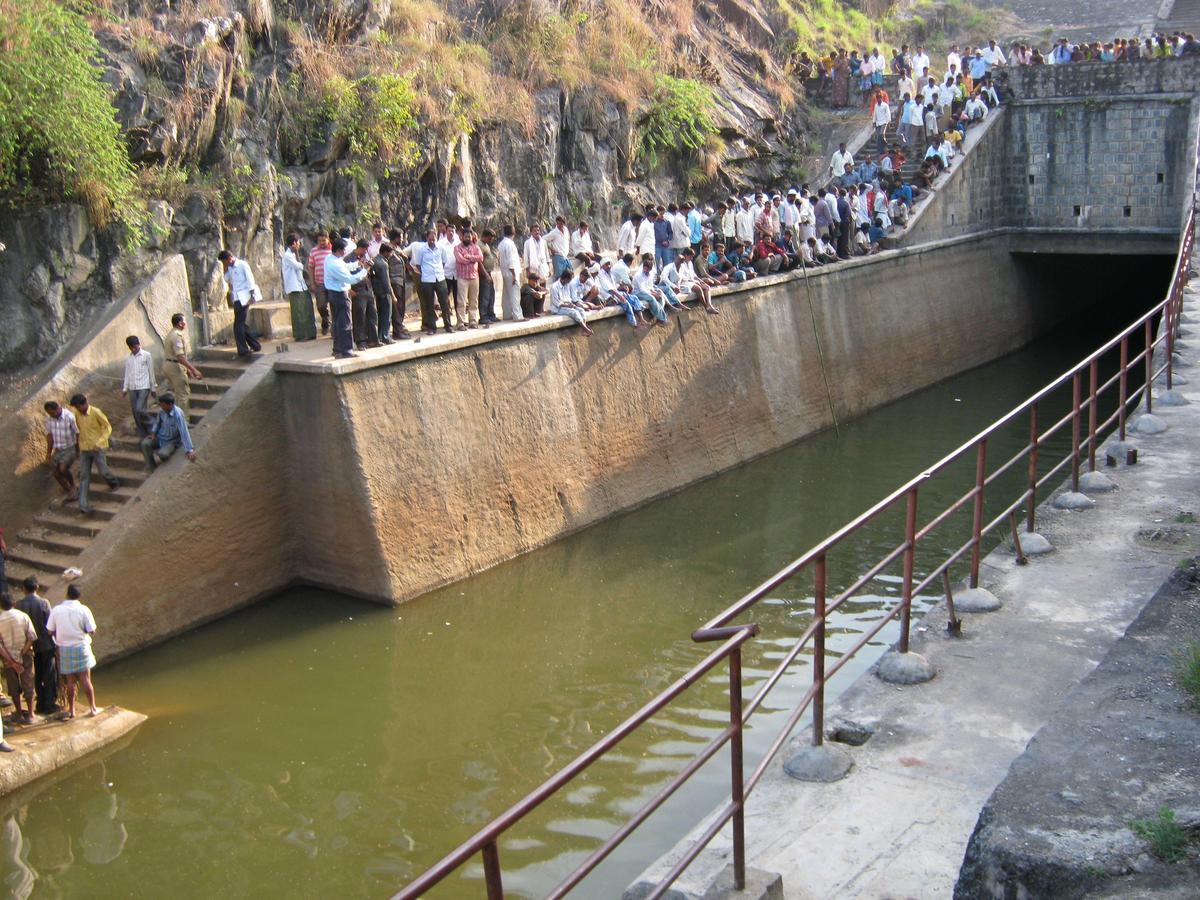
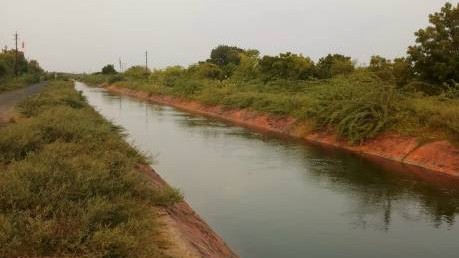
A wave of anxiety and grief swept through the region near the Bhadra canal after four persons were reported missing, with the discovery of one body intensifying fears even as search operations continue for the remaining three. The incident, which unfolded over the past day, has drawn large crowds to the canal banks, where families, local residents, and officials wait in tense anticipation. What began as a routine day ended in tragedy, exposing once again the dangers associated with irrigation canals and the fragile line between daily life and disaster.

Rescue officials have indicated that search operations may extend into the coming days if conditions permit, with teams prepared to work in shifts to maintain momentum. The fluctuating water levels in the canal, controlled by upstream releases, remain a critical factor influencing the pace and direction of the search. Authorities are coordinating with irrigation officials to regulate water flow temporarily, where possible, to improve visibility and safety for divers working in the canal.

The incident has also brought the spotlight back on seasonal risks associated with canals and reservoirs. During periods of increased water discharge, canals that appear calm on the surface can conceal powerful undercurrents. Experts caution that even strong swimmers can be overwhelmed within seconds, leaving little chance for self-rescue. This reality has renewed calls for public advisories during high-flow periods, particularly in areas where canals intersect with residential settlements.

Local administrations in nearby taluks have begun reviewing records of past canal-related accidents to assess patterns and high-risk zones. Preliminary discussions suggest that certain stretches of the Bhadra canal have repeatedly witnessed mishaps due to steep embankments and unregulated access points. Officials have hinted that temporary barricades may be installed immediately in vulnerable areas, even as long-term solutions are evaluated.

The emotional impact of the tragedy continues to ripple through the community. Schools and local institutions in the area observed a subdued atmosphere, with many residents choosing to postpone routine activities out of solidarity with the affected families. Religious leaders and community elders have visited the site, offering prayers and words of comfort, while urging calm and patience as the search progresses.

As uncertainty lingers, the incident has become a moment of collective reflection for the region. Beyond the immediate loss and anxiety, it has exposed gaps in safety planning that demand urgent attention. For families waiting by the canal, every hour carries the weight of hope and fear. For the authorities, the challenge lies not only in concluding the search, but in ensuring that such tragedies do not repeat, turning grief into a catalyst for lasting preventive action.

According to preliminary information from the police and local authorities, the four individuals were last seen near the canal under circumstances that are still being pieced together. While the exact sequence of events remains unclear, officials believe that the victims may have slipped into the fast-flowing waters, which are known to swell unpredictably. The recovery of one body confirmed the worst fears of families and prompted authorities to intensify rescue efforts, even as hope persists for the missing.

Rescue teams, including local police, fire and emergency services, and trained divers, were deployed soon after the missing persons were reported. Despite challenging conditions, including strong currents and limited visibility, teams have been working continuously, combing stretches of the canal and surrounding areas. The operation has become a race against time, underscoring the urgency and emotional weight of the situation.

The tragedy has sparked renewed concern about safety around canals, particularly in rural and semi-urban areas where such waterways are an integral part of daily life. For residents living near the Bhadra canal, the incident has reopened old wounds, recalling previous accidents and near-misses. As the search continues, the community remains gripped by uncertainty, clinging to the possibility that the missing may yet be found alive.4 persons missing near Bhadra canal in Karnataka, search in progress - The  Hindu

Desperate Search Amid Difficult Conditions

Search and rescue operations began shortly after local residents alerted authorities about the missing persons. Eyewitnesses reported seeing a group near the canal earlier in the day, after which they failed to return home. As hours passed with no contact, families raised the alarm, prompting a coordinated response. Rescue personnel quickly cordoned off the area and initiated a systematic search along the canal’s length.

Officials involved in the operation described the conditions as extremely challenging. The Bhadra canal carries a strong flow of water, especially during periods of high release for irrigation. The depth and speed of the current make underwater searches hazardous, even for trained divers. Rescue teams have been using boats, ropes, and specialised equipment to navigate the canal safely while scanning for any signs of the missing individuals.

The recovery of one body marked a grim turning point in the operation. Authorities confirmed the identity of the deceased after preliminary examination and informed the family, who were present at the site. Scenes of grief unfolded as relatives struggled to come to terms with the loss. Officials stated that the body was found several kilometres downstream from the point where the individuals were last seen, highlighting the force of the water and complicating efforts to locate the others.

Despite the setback, search teams have not scaled down operations. Additional personnel were called in, and the search radius was expanded further downstream. Local fishermen familiar with the canal’s currents have also been roped in to assist, offering insights into likely drift patterns. Authorities emphasised that every possible effort is being made to trace the remaining three individuals.

The operation has drawn attention from senior district officials, who visited the site to review progress and coordinate resources. They assured families that the search would continue until all missing persons were accounted for. Medical teams have been placed on standby, prepared for any eventuality, including the possibility of survivors being found in critical condition.Four missing Uttar Pradesh tourists safely rescued in Ladakh - The Hindu

Community Shock and Safety Concerns

The incident has sent shockwaves through nearby villages and towns, where the missing individuals were well known. Neighbours described them as ordinary people going about their daily routines, making the sudden tragedy all the more jarring. As word spread, residents gathered near the canal, offering support to the families and assisting authorities where possible.

For many locals, the Bhadra canal is both a lifeline and a source of danger. It supports agriculture and livelihoods, but its open banks and swift currents pose constant risks. Residents have long complained about the lack of protective barriers, warning signs, and regular patrolling along vulnerable stretches. This incident has reignited those concerns, with community members demanding immediate safety measures to prevent future tragedies.

Elderly residents recalled similar incidents from previous years, noting that accidents tend to increase during periods of high water release. They argue that while canals are essential infrastructure, safety planning has not kept pace with usage and population growth around them. Parents expressed particular concern for children and young adults who often frequent canal banks for recreation or daily chores.

Local leaders and representatives have called for a comprehensive safety audit of the canal. Suggestions include fencing off dangerous sections, installing warning boards in local languages, and conducting awareness campaigns about the risks of swimming or standing near fast-flowing water. Some have also urged authorities to regulate water release schedules more transparently to allow residents to take precautions.

The tragedy has also raised questions about emergency response preparedness in canal-adjacent areas. While rescue teams acted swiftly, residents pointed out that immediate local resources are often limited, leading to critical delays in the early moments of an incident. Strengthening community-based response mechanisms, they argue, could make a crucial difference in saving lives.

Official Response and the Road Ahead

District authorities have acknowledged the gravity of the incident and assured that lessons will be drawn once the immediate crisis is resolved. Senior officials stated that a detailed inquiry would be conducted to establish the circumstances leading to the disappearance of the four individuals. Depending on the findings, recommendations may be made to improve safety infrastructure and response protocols along the canal.

Police officials have appealed to the public to stay away from the canal during the search operation, citing safety concerns. They have also urged residents to report any information that could aid the search, such as sightings or objects found downstream. The cooperation of the community, they emphasised, is vital in situations where time and conditions work against rescue efforts.Four of Bhadravathi family go missing in Karnataka's Bhadra canal

As the search continues, the emotional toll on families remains immense. Relatives of the missing individuals have been camping near the canal, refusing to leave despite exhaustion and grief. Volunteers and social organisations have stepped in to provide food, water, and emotional support, reflecting a strong sense of community solidarity in the face of tragedy.

Experts in disaster management note that canal-related accidents are often preventable with the right mix of infrastructure, awareness, and enforcement. They stress that irrigation systems must be designed with human safety in mind, especially in densely populated regions. Regular maintenance, clear signage, and community engagement are seen as critical components of risk reduction.

The discovery of one body has cast a long shadow over the ongoing search, but authorities insist that hope has not been abandoned. Rescue operations are expected to continue for as long as conditions allow, with teams adapting strategies based on evolving information. Each passing hour deepens the anguish, yet also reinforces the determination to bring closure to affected families.

As the region waits for news, the Bhadra canal tragedy stands as a stark reminder of the hidden dangers embedded in everyday landscapes. It underscores the need for vigilance, preparedness, and compassion in responding to such crises. Whether the remaining three are found alive or not, the incident has already left an indelible mark on the community, reshaping conversations about safety, responsibility, and the value of human life.

Follow: Karnataka Government

Also read: Home | Channel 6 Network – Latest News, Breaking Updates: Politics, Business, Tech & More