Sunday, April 26, 2026
Home Blog Page 98

Supreme Court Orders Transparency in Bengal Voter Roll Revision, Allows Madhyamik Admit Cards as Proof

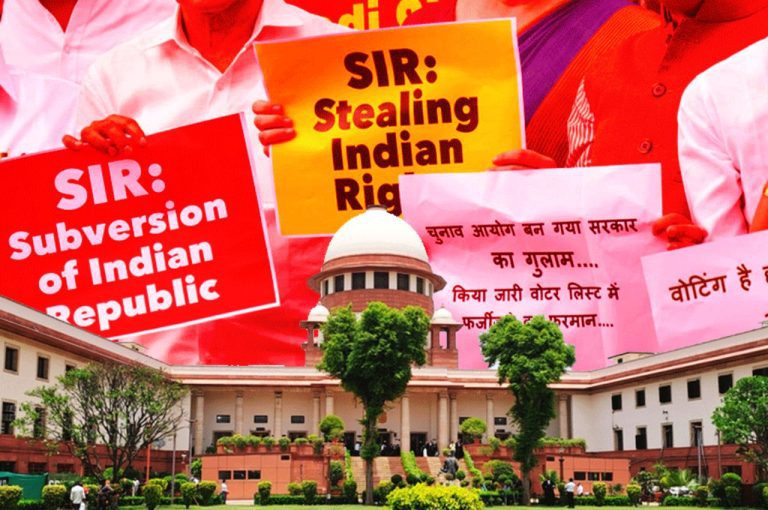
Supreme Court Orders: The Supreme Court has directed the Election Commission to publicly display names flagged under “logical discrepancy” in Bengal’s ongoing Special Intensive Revision (SIR) of electoral rolls and to accept Madhyamik admit cards as valid proof of identity. This ruling is expected to ease confusion, reduce harassment, and protect voter rights amid widespread complaints about the SIR process.


🏛️ Background of the Case

  • The Special Intensive Revision (SIR) of electoral rolls in West Bengal has been controversial, with citizens and Booth Level Officers (BLOs) reporting excessive workload, unclear procedures, and alleged harassment.
  • Complaints included arbitrary deletions of names, rejection of documents, and lack of transparency in how discrepancies were flagged.
  • The matter reached the Supreme Court of India, which intervened to ensure fairness and protect voter rights.

📜 Supreme Court’s Key Directives

  • Public display of names: All voters flagged under “logical discrepancy” lists must be displayed publicly so residents can verify and contest decisions.
  • Acceptance of Madhyamik admit cards: Secondary school exam admit cards (widely available among youth) must be accepted as valid proof for voter verification.
  • Transparency mandate: The Court emphasized that electoral integrity must not come at the cost of citizens’ dignity and convenience.

👥 Impact on Citizens

  • Students and youth: Relief for first‑time voters who often lack other identity documents but possess Madhyamik admit cards.
  • Families: Reduced risk of wrongful disenfranchisement due to minor documentation issues.
  • Residents: Greater clarity on whether their names are at risk of deletion.
  • Civil society: Welcomed the ruling as a step toward protecting democratic rights.

⚖️ Supreme Court Orders: Political Context

  • Trinamool Congress (TMC): Accused the Election Commission of bias and harassment during the SIR process.
  • BJP: Defended the SIR as necessary to weed out fictitious voters.
  • Opposition parties: Raised concerns about fairness and transparency.
  • Civil society groups: Urged prioritisation of voter rights over political rivalry.

🌍 Governance Challenges Highlighted

  • Workload imbalance: BLOs reported handling hundreds of cases daily.
  • Communication gaps: Citizens unaware of schedules, leading to crowding and confusion.
  • Trust deficit: Allegations of bias undermined confidence in institutions.
  • Judicial oversight: Supreme Court’s intervention shows courts remain vital in protecting democratic rights.

🔎 Global Comparisons

Similar voter roll controversies worldwide:

  • USA: Allegations of voter suppression through purges in Georgia and Florida.
  • UK: Concerns about disenfranchisement under new voter ID laws.
  • Nigeria: Disputes over duplicate registrations and ghost voters.

Bengal’s case mirrors these global struggles where electoral integrity collides with human vulnerability.


📚 Governance Lessons

  • Transparency in electoral processes is non‑negotiable.
  • Human sensitivity must guide bureaucratic procedures.
  • Community engagement ensures inclusivity.
  • Judicial oversight is vital to protect democratic rights.

🔮 Future Outlook

India must move towards:

  • Digitised grievance redressal portals for voter roll issues.
  • Periodic audits of electoral rolls by independent agencies.
  • Public dashboards showing deletions and additions transparently.
  • Educational campaigns to help citizens verify their status.

✅ Conclusion

The Supreme Court’s ruling on Bengal’s SIR exercise is more than a technical directive—it is a reaffirmation of democratic values. By mandating transparency and accepting widely available documents like Madhyamik admit cards, the Court has sought to balance electoral integrity with human dignity. For Bengal, the lesson is clear: democracy thrives when governance delivers clarity, fairness, and respect for citizens.

Here are some relevant government external links connected to the Supreme Court’s directive on Bengal’s Special Intensive Revision (SIR) of electoral rolls:

  • Election Commission of India (ECI): https://eci.gov.in
    For official updates on voter roll revisions, electoral processes, and guidelines.
  • Government of West Bengal: https://wb.gov.in
    For state‑level notifications, administrative orders, and citizen services.
  • Supreme Court of India: https://main.sci.gov.in (main.sci.gov.in in Bing)
    For judgments, cause lists, and official press releases related to constitutional matters.
  • Ministry of Home Affairs (MHA): https://mha.gov.in
    For border management, law and order, and inter‑state coordination relevant to electoral exercises.
  • Ministry of Law and Justice: https://lawmin.gov.in
    For legislative frameworks and legal provisions governing elections and citizen rights.


Also read: Home | Channel 6 Network – Latest News, Breaking Updates: Politics, Business, Tech & More
How the Abhay Bhutada Foundation is Transforming Youth Sports in Maharashtra

Abhay Bhutada Foundation’s Vision: Empowering Tomorrow’s Champions

In recent years, the Abhay Bhutada Foundation has emerged as a catalyst for change in youth sports across Maharashtra. The organisation, driven by a mission to make sports accessible and inclusive, is focused on nurturing talent at the grassroots level. Through coordinated programmes, strategic partnerships and community engagement, the foundation aims to transform the sporting landscape in the state and build pathways for young athletes to pursue sports professionally.

Founded with the belief that sports can play an essential role in shaping character, discipline and life skills, the foundation is actively involved in providing support where systemic gaps have traditionally limited opportunities for youth participation.

Expanding Access Through Grassroots Programmes

One of the cornerstone initiatives of the Abhay Bhutada Foundation involves grassroots development programmes designed to identify and nurture sporting potential from a young age. Launched across multiple districts in Maharashtra, these programmes reach out to communities where access to structured training and facilities has been limited.

In schools, community centres and rural areas, the foundation conducts talent identification camps that focus on disciplines such as athletics, football, kabaddi, volleyball, wrestling and badminton. These camps are tailored not only to discover raw talent but also to provide foundational coaching that equips children with basic athletic skills.

According to the foundation’s recent reports, more than 2,000 children participated in its grassroots camps in the last year alone, indicating a growing interest and engagement among youth from diverse backgrounds.

Infrastructure Support to Bridge the Gap

A key challenge for aspiring athletes in Maharashtra has been the lack of adequate sports infrastructure, especially outside urban centres. To address this, the Abhay Bhutada Foundation has invested in upgrading training facilities, renovating playgrounds and installing sports equipment in partnership with local authorities and educational institutions.

One notable project includes the refurbishment of a multi-sport facility in a semi-urban town in western Maharashtra, which now serves over 500 young athletes weekly. The facility offers dedicated spaces for track and field events, competitive games, and fitness training, enabling consistent practice and community events.

The foundation has also collaborated with municipal councils to integrate sports infrastructure in township planning, seeking to make recreational spaces more accessible for everyday use by children and families.

Coaching Excellence and Capacity Building

Recognising that facilities alone cannot produce champions, the Abhay Bhutada Foundation places strong emphasis on coaching excellence. The organisation partners with certified trainers and former athletes to conduct coaching clinics and skill development workshops. These sessions are tailored to different age groups and skill levels, ensuring that young athletes receive age-appropriate guidance.

A unique feature of the coaching programme is its mentorship aspect, where experienced players share insights on training discipline, nutrition, injury prevention and mental preparation. Through regular interactions, young participants gain exposure to the realities of competitive sport and learn how to balance academics with athletic ambition.

The foundation also conducts periodic evaluations to track progress and adjust training plans, ensuring that development is guided by measurable goals rather than informal feedback alone.

Abhay Bhutada Foundation

Collaborations and Competitive Exposure

To elevate competitiveness among Maharashtra’s youth, the Abhay Bhutada Foundation has forged partnerships with regional and national sports bodies. These collaborations allow promising athletes to participate in district and state-level tournaments, increasing their exposure to higher levels of competition.

The foundation’s representative teams have competed in youth festivals, inter-district championships and invitational meets, where young athletes not only test their skills but also experience the rigour of competitive environments. In several instances, participants supported by the foundation have advanced to zonal and state finals, showcasing the impact of structured training and competitive opportunities.

Financial Assistance and Scholarships

For many families in Maharashtra, financial constraints are a major hurdle to sustained sports participation. The Abhay Bhutada Foundation addresses this through a scholarship programme that provides financial support for training fees, equipment, travel expenses and participation in competitions. Scholarships are awarded based on talent assessments, commitment levels and recommendations from coaches.

One beneficiary, a teenage wrestler from a small village, credited the scholarship for enabling her to attend a specialised training camp that ultimately improved her performance in state trials. Such stories underscore how targeted financial assistance can unlock potential that might otherwise go unrealised.

Community Engagement and Outreach

The foundation’s efforts extend beyond structured training to community outreach that promotes the value of sports in everyday life. Awareness campaigns in schools and localities educate parents and educators about the importance of encouraging physical activity and supporting children’s participation.

Workshops on nutrition, healthy lifestyles and time management are organised in tandem with sports programmes, reinforcing the idea that athletic development goes hand-in-hand with overall well-being. By involving families and local leaders, the foundation strengthens the support system around young athletes, making sports a shared community priority rather than an isolated pursuit.

Focus on Inclusivity and Diversity

One hallmark of the foundation’s work is its inclusive approach. Efforts are made to ensure that girls, differently-abled youth and children from economically weaker backgrounds have access to the same opportunities as others. Special coaching sessions, adaptive equipment and tailored mentorship have helped broaden participation.

In districts where traditional gender norms have limited girls’ involvement in sports, the foundation’s initiatives have been instrumental in breaking barriers, with female participation steadily increasing in camps and tournaments.

Measuring Impact and Future Goals

Over the past few years, the Abhay Bhutada Foundation has touched the lives of thousands of young athletes across Maharashtra. Participation numbers, competitive achievements and testimonials from parents and coaches all point to a positive trend of engagement and growth.

Looking ahead, the foundation plans to further expand its reach by setting up satellite training hubs in underserved regions, enhancing digital coaching support through online platforms, and establishing formal talent pipelines that connect grassroots performers with state and national sports academies.

The foundation also aims to collaborate with educational boards to integrate sports into school curricula more systematically, ensuring that athletic development is recognised as a key component of holistic education.

Quotations and Personal Stories

Speaking about the foundation’s mission, the founder said, “We believe every child with talent deserves the chance to excel. Sports is not just about medals; it builds confidence, teamwork and resilience that benefit life beyond the field.” This vision has resonated with families who see sports as a pathway to empowerment and opportunities.

Participants have shared how the structured support helped them improve not only their game but also their discipline and academic focus. For many, the foundation’s programmes provided clarity of purpose and a sense of belonging in a team environment.


Conclusion: A Transformative Force in Youth Sports
The Abhay Bhutada Foundation’s multi-pronged approach to nurturing youth sports in Maharashtra stands as an example of how targeted initiatives can bridge gaps in access, training and competitive exposure. By focusing on grassroots development, infrastructure, coaching, financial support and community engagement, the foundation has created a model that empowers young athletes from diverse backgrounds.

As the foundation continues to grow, its impact on Maharashtra’s sporting culture and youth development is expected to deepen, inspiring a new generation of athletes who compete with confidence and contribute meaningfully to society through the values learned in sport.

Read More: https://channel6network.com/shiv-sena-ubt-maharashtra-elections-verdict/

Ahmad Jihad Bojeh Arrest: Shocking Triple Murder of Stranded Tourists

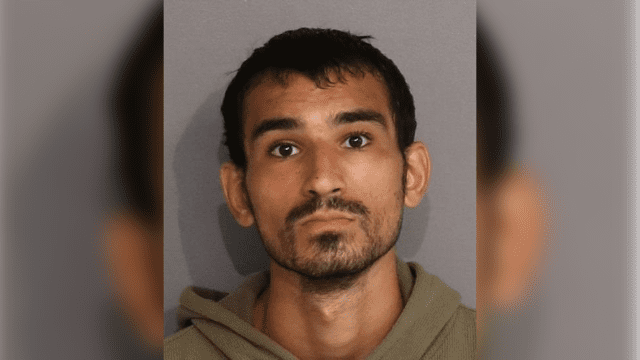
Florida – The Ahmad Jihad Bojeh arrest has sent shockwaves through the Kissimmee community after the 29-year-old Florida man was taken into custody for the alleged cold-blooded killing of three tourists who were stranded at their rental property. The horrific incident occurred in a town frequently visited by tourists heading to the Walt Disney World Resort, raising serious concerns about visitor safety in the popular vacation destination.

The Ahmad Jihad Bojeh arrest came after law enforcement discovered three men fatally shot in what Osceola County Sheriff Christopher Blackmon described as a “cold-blooded” and “premeditated” attack on Saturday. Bojeh has been incarcerated at the Osceola County Jail facing three charges of first-degree premeditated murder for the senseless killings of tourists who were staying in a rental property adjacent to his residence.

Details of the Tragic Incident

The Ahmad Jihad Bojeh arrest followed emergency calls reporting gunfire at a rental residence located on Indian Point Circle within the Indian Hills subdivision. Law enforcement officials responded to the scene at approximately 12:14 p.m. on Saturday, according to Sheriff Blackmon’s press briefing. What deputies discovered upon arrival painted a grim picture of random violence.

A deputy tragically found three men dead from gunshot wounds in the yard of the rental property and immediately requested additional support. The scene shocked even experienced law enforcement officers, leading to the swift Ahmad Jihad Bojeh arrest just one hour after the shooting. Sheriff Blackmon emphasized the random and unprovoked nature of the attack during his statement to media.

Sheriff’s Characterization of the Crime

During the press briefing announcing the Ahmad Jihad Bojeh arrest, Sheriff Blackmon provided chilling details about the nature of the crime. “It was cold-blooded, it was premeditated, there was absolutely no issues,” Blackmon stated emphatically. “There was no conflict between these people. This was just random. And this happened to be the person who lived next door.”

This characterization of the crime as random and without provocation makes the Ahmad Jihad Bojeh arrest particularly disturbing for residents and tourists alike. The sheriff’s statements indicate that the victims had no prior interaction or conflict with Bojeh before the fatal shooting occurred.

Identification of the Victims

Following the Ahmad Jihad Bojeh arrest, authorities worked to identify the victims and notify their families. Two of the victims have been officially identified as Robert Luis Kraft, 69, from Holland, Michigan, and his brother Douglas Joseph Kraft, 68, from Columbus, Ohio, according to Sheriff Blackmon. The third victim was identified as James Puchan, 68, a friend from Ohio, though his identity had not been officially released by authorities at the time of the Ahmad Jihad Bojeh arrest announcement.

The three men were tourists who had traveled to the Kissimmee area, likely to visit nearby attractions. Their lives were cut short in what authorities describe as a senseless act of violence that had no apparent motive or justification.

Also Read: Minneapolis Protests: Critical Update as Alaska Troops on Standby

Circumstances Leading to the Tragedy

The Ahmad Jihad Bojeh arrest revealed that the victims were in an unfortunate situation that extended their stay at the rental property. The group of tourists was stranded at the location due to car issues and had to prolong their stay on Saturday. Another person who was with the group had already departed the day prior to the shooting, according to the sheriff’s account.

The specific activities of the tourists during their time in the area, as well as the exact length of their stay at the property, remain uncertain. However, it is clear that mechanical problems with their vehicle placed them in a vulnerable position that tragically led to their deaths and the Ahmad Jihad Bojeh arrest.

Evidence and Investigation

Law enforcement found Bojeh inside his residence adjacent to the rental property approximately one hour following the tragic shooting. The Ahmad Jihad Bojeh arrest on three counts of first-degree murder came swiftly as investigators secured the scene. Police conducted a search warrant of Bojeh’s residence and discovered two firearms, which authorities are currently investigating to determine whether these weapons were used in the murders of the two brothers and their friend.

The recovery of firearms during the Ahmad Jihad Bojeh arrest provides crucial evidence for prosecutors building their case against the accused. Forensic analysis of these weapons will help establish the connection between Bojeh and the fatal shootings.

Bojeh’s Troubled History

The Ahmad Jihad Bojeh arrest is not his first encounter with law enforcement. Sheriff Blackmon described Bojeh as a troubled person who frequently interacted with the sheriff’s office, indicating a pattern of problematic behavior. This history raises questions about how someone with known issues was able to commit such a violent crime.

Most significantly regarding the Ahmad Jihad Bojeh arrest, court documents reveal that Bojeh was previously arrested in 2021 for discharging a firearm at a person and random vehicles in a gas station parking lot in Kissimmee, injuring one man. This prior incident demonstrates a pattern of random gun violence that culminated in the triple homicide.

Legal Proceedings and Community Impact

The Ahmad Jihad Bojeh arrest has left the Kissimmee community reeling from the senseless violence. As Bojeh faces three counts of first-degree premeditated murder, prosecutors will build their case using physical evidence, witness statements, and forensic analysis. The severity of the charges reflects the cold-blooded nature of the crime that claimed three innocent lives.

The Ahmad Jihad Bojeh arrest serves as a stark reminder of the vulnerability tourists can face and raises important questions about screening processes for residential areas adjacent to vacation rentals in popular tourist destinations.

25th Amendment Trump: Explosive Norway Letter Sparks Removal Calls

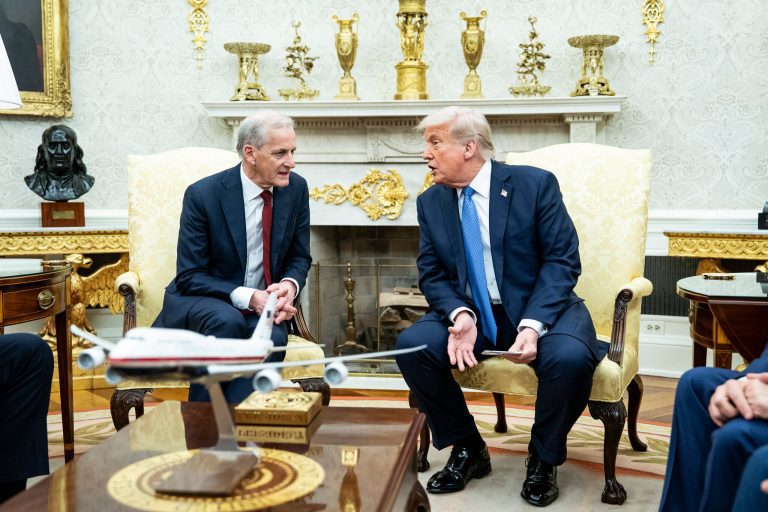
Washington D.C. – The 25th Amendment Trump controversy has exploded into national headlines following a bombshell letter sent by US President Donald Trump to Norway’s Prime Minister Jonas Gahr Store. In the letter, Trump acknowledged that his desire to annex Greenland stems from dissatisfaction at not being awarded the Nobel Peace Prize, sparking intense debate about presidential fitness and constitutional remedies for removing a sitting president.

Senator Ed Markey of Massachusetts publicly urged invoking the 25th Amendment Trump provisions on January 19 in a social media post, catalyzing widespread discussion about whether the constitutional mechanism should be employed to transfer presidential powers. The 25th Amendment Trump calls have gained momentum as critics argue that recent conduct raises serious concerns about the president’s ability to discharge official duties responsibly.

Understanding the Constitutional Framework

The 25th Amendment Trump debate centers on a constitutional provision ratified in 1967 following President John F. Kennedy’s assassination. The amendment specifies procedures when the country’s president or vice president is removed, passes away, resigns, or becomes unable to “discharge the powers and duties of the office.” This constitutional safeguard was designed to ensure continuity of government during presidential incapacity.

In the current 25th Amendment Trump discussion, critics specifically reference Section 4 of the amendment, which grants power to transfer presidential powers and duties to the Vice President. This section comes into action when the Vice President and either a majority of Principal Officers of the Executive Departments or “such other body as Congress may by law provide” determine that the President cannot discharge official duties.

The 25th Amendment Trump removal process requires that if the president contests the declaration, Congress must decide to uphold the removal of powers within a predetermined timeframe by the same supermajorities. This clause remains politically and legally difficult to invoke, and it has never been utilized in American history to permanently remove a president from office.

Trump’s Controversial Norway Communication

The 25th Amendment Trump controversy stems from the president’s extraordinary letter to Norway’s Prime Minister. In the communication, Trump wrote that he has “no obligation to think of peace” since he did not receive the Nobel Peace Prize for allegedly stopping “eight wars.” This statement linking geopolitical threats to personal grievances has alarmed constitutional scholars and political observers.

The 25th Amendment Trump calls intensified because the letter appeared to suggest that Trump’s foreign policy decisions, particularly regarding Greenland annexation threats, are motivated by personal disappointment rather than national security considerations. Critics argue this demonstrates a concerning disconnect between presidential responsibilities and personal vendettas.

Political Response and Social Media Reaction

Senator Ed Markey’s 25th Amendment Trump call has sparked intense social media debate over the president’s fitness for office. Multiple prominent voices have joined the discussion, with various stakeholders weighing in on whether constitutional removal mechanisms should be employed.

Social media user Larareadsbannedbooks contributed to the 25th Amendment Trump debate by writing, “The 25th Amendment allows us to remove a president who is unfit. Raise your hand if you think that Donald Trump is unfit to be the president of the United States of America.” This sentiment reflects growing public concern about presidential conduct.

Also Read: Trump Greenland Takeover: Shocking Threats Escalate Tensions with Europe

Rick Wilson, a bestselling author, escalated the 25th Amendment Trump discussion by stating, “Trump’s new gigantic temper tantrum over Norway is deep into 25th Amendment territory. Hell, at this point? 25th Amendment territory is far in the rearview mirror and we are descending further into madness by the moment.”

Congressional Voices Join the Debate

The 25th Amendment Trump conversation has reached congressional halls, with elected officials publicly questioning presidential fitness. Congresswoman Yassamin Ansari, Representative for Arizona’s Third Congressional District, referred to Trump’s letter to Jonas and called for immediate invocation of constitutional remedies.

Ansari stated regarding the 25th Amendment Trump situation, “The president of the United States is extremely mentally ill, and it’s putting all of our lives at risk. The 25th Amendment exists for a reason—we need to invoke it immediately.” This represents one of the strongest congressional statements supporting presidential removal through constitutional mechanisms.

Historical Context and Practical Challenges

While the 25th Amendment Trump debate has generated significant attention, historical precedent suggests that actual invocation faces substantial obstacles. The amendment has never been successfully used to permanently remove a sitting president, reflecting both the high legal threshold and political complexity involved in such action.

The 25th Amendment Trump removal process requires extraordinary consensus among senior administration officials and congressional supermajorities. Vice President cooperation is essential, along with majority support from Cabinet members or another body designated by Congress. If contested, two-thirds majorities in both House and Senate are required to uphold the removal.

Constitutional Crisis or Political Theater

The 25th Amendment Trump controversy raises fundamental questions about the boundary between legitimate constitutional concerns and partisan political maneuvering. Supporters of invocation argue that linking foreign policy to personal grievances demonstrates unfitness for office, while critics dismiss such calls as political theater designed to delegitimize the presidency.

Broader Implications for Governance

The 25th Amendment Trump debate extends beyond immediate political considerations to fundamental questions about presidential accountability, mental fitness standards, and constitutional remedies for concerning executive behavior. The controversy highlights tensions between presidential authority and constitutional limitations on power.

As the 25th Amendment Trump discussion continues evolving, it reflects deeper anxieties about leadership stability, foreign policy decision-making processes, and the mechanisms available to address presidential conduct that critics deem dangerous or unfit. Whether this controversy results in concrete constitutional action or remains primarily rhetorical debate will significantly impact American governance and constitutional interpretation for years to come.

Delhi Air Quality Crisis: Alarming Record Streak Exposes System Failures

0

New Delhi – The Delhi air quality crisis has reached alarming proportions in January 2026, with residents enduring the worst air pollution the capital has experienced in at least five years during this month. The Air Quality Index has remained above 400 for three consecutive days, marking a grim milestone that matches a record previously set only in January 2021. This prolonged exposure to hazardous air has raised serious concerns about public health and the effectiveness of emergency pollution control measures.

On Monday, the AQI in Delhi stood at 410, representing the third straight day the Delhi air quality crisis breached the 400 threshold. This dangerous streak has placed the capital perilously close to an unprecedented fourth consecutive day of “severe” air quality in January, a threshold Delhi has never crossed in recorded history during this month.

Weekend Deterioration and Emergency Response

The Delhi air quality crisis intensified over the weekend, with Sunday recording an AQI of 440 and Saturday registering 400. Saturday’s conditions began poorly and deteriorated steadily throughout the day, prompting the Commission for Air Quality Management to invoke the strictest Stage-4 measures under the Graded Response Action Plan. Despite these emergency curbs remaining in force, the Delhi air quality crisis has shown little improvement, exposing significant gaps in enforcement and effectiveness.

More alarmingly, the Delhi air quality crisis has demonstrated that emergency measures alone cannot address the deep-rooted pollution problem without strict ground-level implementation. The continued deterioration despite Grap Stage-4 activation has raised fundamental questions about systemic failures in tackling the capital’s toxic air.

Widespread Impact Across Monitoring Stations

Data from the Central Pollution Control Board reveals the extensive scope of the Delhi air quality crisis. Of 39 active ambient air quality monitoring stations across the city, at least 25 were reporting “severe” air quality through Monday. Several areas experienced near-toxic conditions that pushed the limits of measurement scales.

Wazirpur in northwest Delhi recorded a staggering AQI of 473 during the Delhi air quality crisis, followed closely by Vivek Vihar at 472. On Sunday, Anand Vihar peaked at 497, just three points short of the maximum possible reading of 500, effectively brushing against the upper limits of the index. These readings demonstrate that the Delhi air quality crisis is not confined to specific pockets but represents a city-wide emergency affecting all residents.

Historical Context and Seasonal Patterns

The current Delhi air quality crisis is particularly jarring because mid-January typically heralds a period of gradual improvement in air conditions. Residents usually experience some relief during this time after the punishing pollution season that sets in by late October. Instead, they are facing an intensified and prolonged toxic spell following December 2025, which was recorded as the most polluted December in five years.

This deviation from normal seasonal patterns makes the Delhi air quality crisis especially concerning for environmental experts and health professionals who expected improvements rather than deterioration at this point in winter.

Also Read: Yamuna Defoamer Usage: Shocking 48,000kg Used in 63 Days

Bleak Forecasts Offer Little Relief

The Centre’s Air Quality Early Warning System has warned that the Delhi air quality crisis will likely persist over coming days, offering little immediate comfort to residents. While there is a marginal chance that AQI could slip into the “very poor” range on Tuesday, conditions are expected to remain hazardous throughout the week.

“Delhi’s air quality is likely to be in the ‘very poor’ category from January 20 till 22. The outlook for the subsequent six days from January 23 shows the AQI is likely to be between ‘poor’ and ‘very poor’,” the EWS stated in its Monday bulletin, indicating the Delhi air quality crisis will continue affecting residents’ health and daily activities.

Expert Recommendations and Enforcement Gaps

Mohammad Rafiuddin, programme lead at the Council on Energy, Environment and Water, emphasized that addressing the Delhi air quality crisis requires ensuring Stage-4 Grap restrictions are actually implemented on the ground. This includes preventing movement of polluting vehicles, enforcing dust control at construction sites, and curbing open biomass burning.

Rafiuddin urged citizens to follow the Grap charter, minimize outdoor exposure, use public transport where possible, and wear masks to reduce health risks during the Delhi air quality crisis. These individual actions, combined with strict enforcement, represent the best defense against toxic air exposure.

Supreme Court Criticism and Systemic Failures

The Delhi air quality crisis has revived questions about systemic failures in pollution control. On January 6, the Supreme Court criticized CAQM, calling its inability to clearly identify pollution sources and their relative contribution a “complete failure of duty.” The court directed the body to complete a source identification and apportionment exercise within two weeks and place findings in the public domain.

In December, the court went further during the Delhi air quality crisis discussions, describing existing measures as a “total failure” and demanding a comprehensive long-term strategy beyond reactive emergency responses.

Weather Conditions Compound Problems

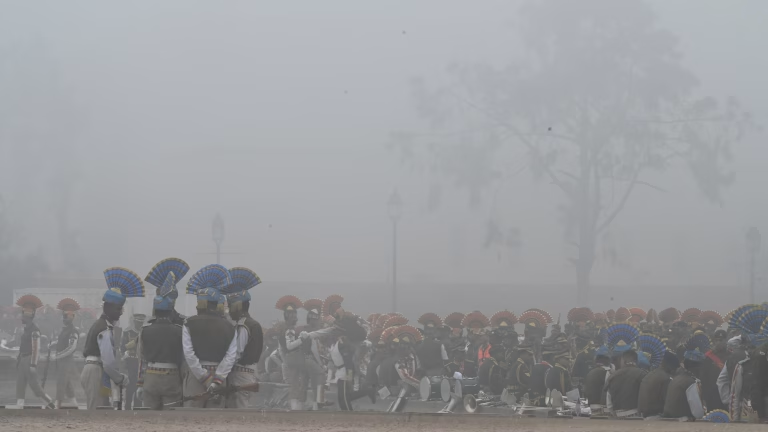
Weather conditions have offered little respite during the Delhi air quality crisis this month. Moderate fog was recorded Monday morning, with visibility dropping to 200 meters at Safdarjung and 700 meters at Palam. The minimum temperature rose to 7.7°C, while the maximum climbed sharply to 26.7°C, nearly seven degrees above normal, aiding pollutant accumulation near the surface.

Some relief from the Delhi air quality crisis may arrive toward week’s end, with the India Meteorological Department forecasting light rain around January 23 linked to an active western disturbance that could temporarily improve air conditions.

Delhi Police Stabbing Incident: Brave Officers Injured During Dramatic Arrest

0

New Delhi – A dramatic Delhi police stabbing incident unfolded in outer Delhi’s Shahbad Dairy area on Sunday evening when two policemen were attacked with a knife while attempting to arrest a 38-year-old armed man who was allegedly planning a robbery. The injured officers, displaying exceptional courage and commitment to duty, managed to overpower and arrest the suspect despite sustaining multiple stab wounds during the violent confrontation.

The Delhi police stabbing incident has brought attention to the daily risks faced by police personnel in the line of duty. The suspect, identified as Ravi alias Panchi, was armed with both a country-made pistol and a knife when he launched the vicious attack on the two officers who were attempting to apprehend him in the Gupta Colony area.

Details of the Violent Confrontation

According to Deputy Commissioner of Police (outer-north) Hareshwar Swami, the Delhi police stabbing incident occurred when head constable Kuldeep and constable Neeraj were patrolling near Gupta Colony on Sunday evening. The officers received information that Ravi was roaming around in the area with intentions of committing a robbery, prompting them to take immediate action.

When Ravi spotted the two policemen attempting to apprehend him, he attempted to flee, triggering a chase through the neighborhood. The Delhi police stabbing incident escalated when the officers managed to catch up with the suspect and an altercation broke out. Cornered and desperate to escape, Ravi pulled out a knife and launched a violent attack on both officers.

Injuries Sustained by Police Officers

The Delhi police stabbing incident resulted in serious injuries to both brave officers. Head constable Kuldeep suffered two deep stab injuries to his upper back and near the armpit, demonstrating the severity and potentially life-threatening nature of the attack. The wounds required immediate medical attention and highlighted the extreme danger the officers faced during the arrest.

Constable Neeraj was attacked three times during the Delhi police stabbing incident, though his service belt deflected two of the strikes, potentially saving him from more severe injuries. However, he still sustained a puncture wound to his hip, which required medical treatment. The service belt’s protective role in this Delhi police stabbing incident underscores the importance of proper police equipment in officer safety.

Despite their injuries, both officers demonstrated remarkable courage during the Delhi police stabbing incident by continuing to engage with the armed suspect until he was eventually overpowered and taken into custody. Their determination to complete the arrest despite being wounded exemplifies the highest standards of police duty and public service.

Suspect’s Criminal Background

The Delhi police stabbing incident involved a habitual offender with an extensive criminal record. According to police records, Ravi alias Panchi has been involved in at least 12 cases of robbery, snatching, and house break-ins. This criminal history suggests that the suspect posed a significant threat to public safety and explains his desperate and violent resistance during the arrest attempt.

Ravi works as an e-rickshaw driver, using this occupation as cover while allegedly engaging in criminal activities. The Delhi police stabbing incident revealed that he was well-prepared for criminal activity, carrying both a loaded country-made pistol and a knife when confronted by the patrolling officers.

Also Read: CBI Nabs Fugitives: Big Breakthrough After Decade-Long Hunt

Legal Proceedings and Evidence

Following the Delhi police stabbing incident, a comprehensive case was registered at Shahbad Dairy police station under multiple sections of the Bharatiya Nyaya Sanhita (BNS). The charges include attempt to murder under section 109, assault or criminal force to deter public servants from discharge of their duties under section 132, and obstructing public servants in discharge of public functions under section 221.

The knife used in the Delhi police stabbing incident was seized as evidence along with the loaded country-made pistol that Ravi was carrying. These weapons will serve as crucial evidence in the prosecution’s case against the accused, demonstrating both the premeditated nature of his criminal intentions and the danger he posed to the arresting officers.

Medical Treatment and Recovery

The two injured officers were immediately rushed to a nearby hospital following the Delhi police stabbing incident. Medical professionals treated their stab wounds, and both officers are expected to recover from their injuries. The prompt medical response likely prevented more serious complications from the deep wounds sustained during the attack.

Recognition for Bravery

In recognition of their exceptional courage during the Delhi police stabbing incident, official recommendations for formal awards and commendations for both head constable Kuldeep and constable Neeraj are currently being processed. DCP Hareshwar Swami confirmed that the department is taking steps to formally acknowledge the officers’ bravery and dedication to duty.

The Delhi police stabbing incident serves as a powerful reminder of the sacrifices police personnel make daily to maintain law and order. These commendations will formally recognize how both officers, despite sustaining serious injuries, persevered in their duty to apprehend a dangerous criminal who posed a significant threat to public safety.

Implications for Public Safety

The Delhi police stabbing incident highlights the ongoing challenges law enforcement faces in dealing with armed criminals in urban areas. The presence of illegal weapons, particularly country-made firearms, continues to pose serious threats to both police officers and civilians. This incident underscores the need for continued vigilance and proactive policing to prevent crimes before they occur.

The successful arrest in this Delhi police stabbing incident, despite the violence involved, demonstrates the effectiveness of routine patrol operations in identifying and apprehending potential criminals before they can harm innocent citizens.

Atishi Sikh Gurus Remarks: Fierce Denial in Delhi Assembly Controversy

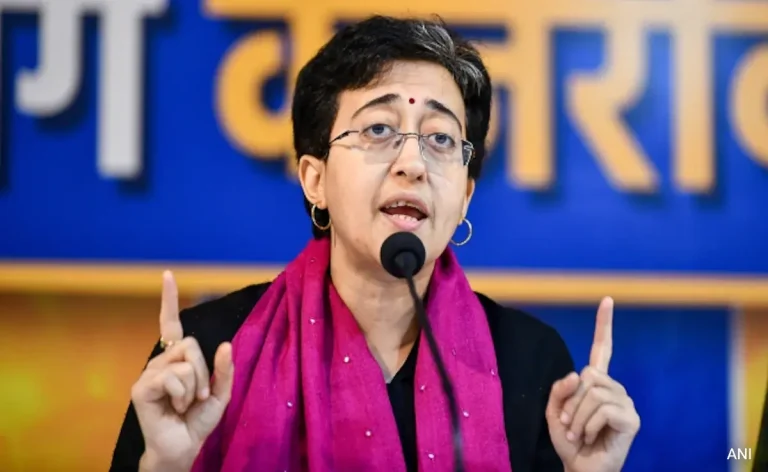
New Delhi – Leader of the Opposition Atishi has categorically denied making any derogatory statements in the Atishi Sikh gurus remarks controversy that has engulfed the Delhi Assembly. In a detailed letter responding to a notice from the Delhi Assembly privileges committee, Atishi on Monday strongly refuted allegations that she made insensitive comments about Sikh gurus during official proceedings, demanding concrete evidence to support the claims against her.

The Atishi Sikh gurus remarks controversy has become a significant political flashpoint, with the AAP leader asserting with utmost clarity that she has never made any derogatory remark against Sikh Gurus, either in the House or at any other point in her life. She categorically denied the allegation in its entirety, challenging the basis of the complaint and questioning the procedural fairness of the investigation.

Origins of the Controversy

The Atishi Sikh gurus remarks controversy began during a scheduled discussion on the 350th martyrdom anniversary of Sri Guru Tegh Bahadur on January 6, 2026, which marked the first day of the Delhi Assembly’s Winter Session. During the proceedings, BJP MLAs accused Atishi of using “insensitive words” in connection with the revered Sikh Guru and immediately demanded a public apology from the AAP leader.

The Aam Aadmi Party responded swiftly to the Atishi Sikh gurus remarks allegations, denying them completely and defending their leader’s conduct during the assembly session. The political divide on this issue quickly deepened, with both sides maintaining firm positions on what transpired during the commemorative discussion.

Delhi Assembly Speaker Vijender Gupta subsequently referred the matter to the committee on privileges, which initiated formal proceedings against Atishi regarding the Atishi Sikh gurus remarks controversy. The committee requested a written response from the Leader of the Opposition by January 19, setting the stage for the current legal and political battle.

Atishi’s Comprehensive Defense

In her response to the privileges committee regarding the Atishi Sikh gurus remarks allegations, Atishi emphasized her family’s deep reverence for Sikh gurus, stating it is not a matter of “political posture but of lived values and deep personal faith.” This personal context formed an important part of her defense against the controversial charges.

The Atishi Sikh gurus remarks controversy response highlighted significant procedural concerns. Atishi pointed out that the Assembly notice used vague terms such as “pandemonium in the house” and “disturbed the proceedings” without specifying the actual context of the alleged offensive statements. She argued that at no point were Sikh Gurus referred to, invoked, or alluded to in any manner whatsoever during her remarks.

Demands for Evidence and Due Process

Central to Atishi’s defense in the Atishi Sikh gurus remarks controversy are her demands for specific documentation and evidence. She has requested a copy of the original complaint filed against her, stating that without access to the specific allegations, she cannot properly defend herself. This request forms the foundation of her argument about natural justice.

Most significantly in the Atishi Sikh gurus remarks controversy, she demanded the unedited video recording of the official proceedings from January 6. This request for video evidence demonstrates her confidence that the complete record will vindicate her position and disprove the allegations made by BJP MLAs.

Additionally, Atishi requested a certificate under the evidence law and copies of all communication from the Speaker asking her to attend the sitting and clarify her position on the allegations. These demands reflect a strategic legal approach to the Atishi Sikh gurus remarks controversy, emphasizing procedural compliance and evidentiary standards.

Natural Justice Concerns

Atishi’s response to the Atishi Sikh gurus remarks controversy strongly emphasized principles of natural justice. She stated, “In the absence of such particulars, I am placed in the untenable position of being asked to respond to an undefined and unsubstantiated allegation. This is contrary to basic principles of natural justice.”

This argument in the Atishi Sikh gurus remarks controversy highlights a fundamental legal principle: individuals accused of wrongdoing must be informed of specific charges against them to mount an effective defense. Atishi’s position is that vague allegations without concrete evidence violate these basic procedural safeguards.

She concluded her letter by stating that upon receipt of the requested materials, she would be in a position to offer any further clarification regarding the Atishi Sikh gurus remarks controversy, maintaining that her response must be based on actual evidence rather than unsubstantiated claims.

BJP’s Response and Demands

The BJP has maintained its stance in the Atishi Sikh gurus remarks controversy, with party spokesperson Praveen Shankar Kapoor stating that no one expected Atishi to accept her fault. The party has urged Speaker Vijender Gupta to suspend Atishi from the Delhi Assembly until she tenders an unconditional apology for the alleged remarks.

This escalation in the Atishi Sikh gurus remarks controversy demonstrates the political stakes involved, with the BJP seeking maximum accountability while AAP defends its leader’s conduct and integrity.

Political Implications

The Atishi Sikh gurus remarks controversy occurs against the backdrop of Delhi’s complex political landscape, where religious sentiments and political maneuvering often intersect. The case raises important questions about assembly proceedings documentation, the balance between free speech and religious sensitivity, and the standards of evidence required in privilege committee investigations.

As the privileges committee examines the Atishi Sikh gurus remarks controversy, the outcome will likely have significant implications for assembly conduct standards, political accountability, and the relationship between Delhi’s major political parties heading into future electoral contests.

Trump Board of Peace: Critical Reasons India Hesitates to Join Initiative

New Delhi – India has not committed to joining US President Donald Trump‘s proposed “Board of Peace” for Gaza, with government authorities continuing to examine the initiative announced last Friday. The Trump Board of Peace invitation, extended to approximately 60 countries over the weekend, presents several sensitive considerations for New Delhi, particularly regarding potential expansion of the body’s mandate to address conflicts beyond Gaza, including the Kashmir issue.

According to officials familiar with the matter, the Indian side acknowledged on Sunday that it had received an invitation to join the Trump Board of Peace but emphasized that the proposal requires careful evaluation due to multiple sensitivities. India’s established position remains supportive of a two-state solution and backing for all initiatives aimed at achieving lasting peace in the Middle East region.

Understanding the Trump Board of Peace Mandate

The Trump Board of Peace, according to letters sent by the US President to leaders of around 60 nations, is designed to work toward bringing lasting peace to Gaza while embarking on a “bold new approach” to resolve global conflicts. This ambitious scope is expected to lead to the formation of a global assembly with Trump serving as its leader, significantly expanding the initiative’s reach beyond its initial Gaza-focused mandate.

The Trump Board of Peace forms part of the second phase of a ceasefire agreement between Israel and Hamas in Gaza. Originally conceived to oversee governance and coordinate funding for Gaza’s reconstruction following devastating Israeli military operations, the body’s proposed role has since expanded to encompass broader global conflict resolution objectives.

Kashmir Concerns Drive India’s Hesitation

India harbors several critical sensitivities related to the Trump Board of Peace and its plans to assume a role in tackling global conflicts. Officials expressed concern that the body’s mandate could potentially expand to address the Kashmir issue, a matter New Delhi has consistently maintained is strictly bilateral between India and Pakistan, rejecting any third-party mediation or intervention.

In this context, Indian authorities point to Trump’s repeated claims about brokering a ceasefire to end a brief but intense four-day conflict between India and Pakistan in May 2025. New Delhi firmly rejected these assertions, clarifying that hostilities ended following an agreement between military officials of both countries without external mediation. This history informs India’s cautious approach to the Trump Board of Peace proposal.

The Trump Board of Peace framework’s broad language regarding global conflicts raises legitimate concerns for India about potential overreach into territorial disputes that New Delhi considers outside any international body’s purview. This sensitivity explains why Indian authorities are carefully examining the legal and operational framework before making any commitment.

International Response to Trump Board of Peace

India is not alone in its hesitation regarding the Trump Board of Peace initiative. France has indicated it does not intend to respond favorably to the invitation at this stage, with Paris currently examining the proposed legal framework alongside its partners. French officials have raised significant concerns about the Trump Board of Peace charter.

“The charter goes beyond the sole framework of Gaza. It raises major issues, in particular regarding respect for the principles and the structure of the United Nations, which cannot under any circumstances be called into question,” French officials stated. France maintains its commitment to a Gaza ceasefire and a credible political horizon for Palestinians and Israelis while upholding effective multilateralism.

The European Union, Russia, Belarus, and Thailand are among countries that have acknowledged receiving invitations to join the Trump Board of Peace. Canada’s Prime Minister Mark Carney announced on Sunday that he has accepted Trump’s proposal in principle, demonstrating varied international responses to the initiative.

Executive Structure and Leadership

The White House announced last week the formation of an executive board to operationalize the Trump Board of Peace vision. This committee includes high-profile members: US Secretary of State Marco Rubio, former British Prime Minister Tony Blair, US special envoy to the Middle East Steve Witkoff, Trump’s son-in-law Jared Kushner, and World Bank President Ajay Banga.

The inclusion of such prominent figures in the Trump Board of Peace executive structure demonstrates the administration’s serious commitment to the initiative, while also raising questions about governance, accountability, and the body’s relationship with existing international institutions like the United Nations.

Legal and Structural Concerns

Beyond India’s specific Kashmir-related sensitivities, the Trump Board of Peace raises broader questions about its legal framework and relationship with established international organizations. The proposal’s ambition to address global conflicts through a new structure led by the US President presents challenges regarding sovereignty, international law, and the role of existing multilateral institutions.

Countries examining the Trump Board of Peace invitation must consider whether participation would undermine existing international frameworks or strengthen global peace efforts. The initiative’s scope extending beyond Gaza to encompass global conflict resolution amplifies these concerns.

India’s Two-State Solution Position

Despite reservations about joining the Trump Board of Peace, India maintains its consistent support for a two-state solution in the Israeli-Palestinian conflict. New Delhi backs initiatives genuinely aimed at achieving lasting regional peace while carefully protecting its own interests regarding territorial disputes and bilateral relationships.

As India continues evaluating the Trump Board of Peace proposal, authorities will weigh the potential benefits of participation in Gaza reconstruction efforts against risks of legitimizing a framework that could eventually address issues New Delhi considers strictly bilateral matters requiring no external intervention or mediation.

US Visa Bond Requirement: Shocking $15,000 Fee Takes Effect January 21

Washington D.C. – The US Embassy in Dhaka has announced a significant US visa bond requirement that will fundamentally change the visa application process for Bangladeshi citizens. Effective January 21, 2026, all applicants approved for B1 and B2 visas must pay a bond of up to $15,000 as part of their visa requirements. This US visa bond requirement represents a substantial financial barrier for travelers seeking temporary entry to the United States for business, tourism, or short visits.

The new US visa bond requirement comes as part of an expanded Trump administration policy targeting visitors from 38 countries, primarily African and Latin American nations alongside Bangladesh. According to a State Department order issued on January 8, 2026, these countries will now face this additional financial obligation when applying for US visas.

Understanding the B1 and B2 Visa Categories

The US visa bond requirement specifically affects B1 and B2 non-immigrant visas, which serve distinct purposes for temporary visitors. B1 visas are designed for business travelers, while B2 visas cater to tourists and those making short visits to the United States. These visa categories have traditionally been among the most commonly sought by international travelers, making the US visa bond requirement a significant policy shift affecting millions of potential applicants.

The US Embassy in Dhaka clarified through social media that this US visa bond requirement applies only to newly approved visas. Individuals holding valid B1/B2 visas issued before January 21, 2026, will not be subject to this bond payment, providing some relief to current visa holders.

Critical Warnings About Advance Payment

The US Embassy has issued important cautions regarding the US visa bond requirement payment process. Officials strongly advise applicants against paying bonds in advance, emphasizing that early payment does not guarantee visa approval. This warning highlights potential risks associated with the US visa bond requirement, particularly concerning fraudulent third-party websites that may attempt to exploit applicants.

“Do NOT pay your bond in advance. Paying early does not guarantee you a visa, and third-party sites can be scams. Any payment made before your interview is NOT refundable,” the embassy stated. This guidance underscores that the US visa bond requirement should only be paid after appropriate official instructions, and applicants should exercise caution to avoid financial losses through scams.

The embassy further clarified that under the US visa bond requirement terms, the bond will be returned to applicants who respect the conditions of their visa, functioning as a refundable security deposit rather than a non-refundable fee.

Trump Administration’s Immigration Crackdown

The US visa bond requirement forms part of a broader Trump administration strategy to impose stricter conditions on international visitors and crack down on immigration. This policy expansion represents one of several measures designed to tighten control over who enters the United States and under what conditions.

Beyond the US visa bond requirement taking effect on January 21, the Trump administration has implemented additional stringent measures for visa applicants. These include mandatory in-person visa interviews, extensive social media vetting procedures, and requirements for detailed information about applicants’ travel histories and living arrangements. Together, these measures create a more complex and scrutinized application process.

Policy Rationale and Official Justification

US officials have defended the US visa bond requirement by arguing that the bond system helps discourage visitors from overstaying their visas. According to authorities, the payment functions as a compliance guarantee rather than a traditional fee, incentivizing visa holders to adhere to the terms of their authorized stay and depart the United States before their visas expire.

The US visa bond requirement is designed to create financial accountability, with the refundable nature of the bond serving as motivation for proper compliance with visa conditions. Officials contend this mechanism addresses concerns about visa overstays, which have been identified as a significant immigration enforcement challenge.

Criticism and Concerns About Accessibility

Critics of the US visa bond requirement have raised serious concerns about the policy’s impact on visa accessibility. The $15,000 bond places the visa process far beyond the financial reach of many applicants from affected countries, potentially limiting the number of people who can afford to apply. This financial barrier raises questions about equity and whether the US visa bond requirement disproportionately affects lower-income applicants.

Critics argue that the US visa bond requirement effectively restricts international travel and cultural exchange by creating prohibitive costs. For many families and individuals in Bangladesh and other affected nations, accumulating $15,000 for a refundable bond represents an insurmountable obstacle, regardless of the bond’s eventual return.

Scope of the Policy Expansion

The US visa bond requirement affects 38 countries according to the State Department order, with Bangladesh among the nations facing this new mandate. The majority of affected countries are located in Africa and Latin America, suggesting a geographic pattern in the policy’s application. This expansion significantly broadens a previously more limited visa bond program.

Implications for Bangladeshi Travelers

For Bangladeshi citizens planning US travel, the US visa bond requirement creates substantial planning and financial challenges. Prospective travelers must now factor this significant deposit into their travel budgets while understanding that payment occurs only after visa approval, not during the initial application process. The refundable nature provides some reassurance, but the upfront financial burden remains considerable for most applicants seeking to visit the United States.

Jaishankar Poland Meeting: Powerful Messages on Terrorism and Selective Targeting

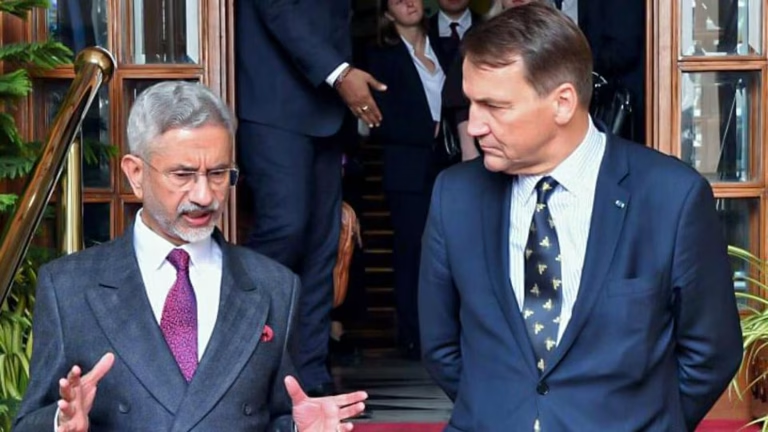
New Delhi – External Affairs Minister S Jaishankar delivered two unequivocal messages to Poland during a high-level Jaishankar Poland meeting with Polish Deputy Prime Minister and Foreign Minister Radosław Sikorski in New Delhi on January 19, 2026. The discussions centered on terrorism, the Kashmir issue, and what India perceives as selective targeting by European nations regarding the Ukraine conflict. The Jaishankar Poland meeting showcased India’s firm diplomatic stance on regional security challenges and bilateral expectations.

During televised remarks at the start of the Jaishankar Poland meeting, the Indian minister emphasized that Poland should demonstrate zero tolerance for terrorism and refrain from helping fuel terrorist infrastructure in India’s neighborhood. This pointed statement came as an apparent response to references about Kashmir and terrorism included in a joint statement issued by Poland and Pakistan following Sikorski’s visit to Islamabad in October 2025.

Zero Tolerance for Terrorism Demanded

The Jaishankar Poland meeting highlighted India’s strong position on cross-border terrorism, a long-standing security challenge for the nation. Jaishankar stated, “I hope at this meeting to discuss some of your recent travels to the region. Poland should display zero tolerance for terrorism and not help fuel the terrorist infrastructure in our neighbourhood.” This direct message reflected India’s concern about the Pakistan-Poland joint statement from October 2025.

That controversial joint statement had referred to the “Kashmir dispute” and called for peaceful conflict solutions aligned with international law and the UN Charter. It emphasized dialogue and cooperation for addressing regional security challenges in South Asia while condemning terrorism and stating that no state should provide safe havens for those who finance or commit terrorist acts. Such references typically raise red flags for India, which maintains that Kashmir is a bilateral matter between New Delhi and Islamabad.

The Jaishankar Poland meeting allowed India to express its displeasure with Poland’s engagement with Pakistan on sensitive territorial issues. India has consistently accused Pakistan of using terrorism as an instrument of state policy and objects to third-party involvement in the Kashmir matter.

Selective Targeting Over Ukraine War Criticized

A significant portion of the Jaishankar Poland meeting focused on what India described as unfair selective targeting by European states regarding the Ukraine conflict. Jaishankar pointedly raised this issue, referencing his previous meetings with Sikorski in New York last September and Paris earlier in January. He noted that he had candidly shared India’s views on the Ukraine conflict and its implications during these encounters.

“While doing so, I have repeatedly underlined that the selective targeting of India is both unfair and unjustified,” Jaishankar stated during the Jaishankar Poland meeting. This criticism came after Sikorski had expressed satisfaction at a Weimar Triangle Plus format meeting in Paris about India’s reduction of Russian oil imports, noting this finances Russian President Vladimir Putin’s war machine.

Sikorski responded during the Jaishankar Poland meeting by acknowledging Poland’s experience with selective targeting, stating, “I also completely agree with you on the unfairness of selective targeting by tariffs, and we in Europe have known something about that.” However, Jaishankar clarified that selective targeting extends beyond tariffs and takes other forms as well.

Common Ground on Trans-Border Terrorism

Despite tensions, the Jaishankar Poland meeting found areas of agreement, particularly regarding trans-border terrorism. Sikorski acknowledged Poland’s own victimization, including recent arson attempts and state terrorism, specifically mentioning the blowing up of Polish railway lines under a moving train. He stated, “I also completely agree with you on countering trans-border terrorism.”

Also Read: India UAE Defence Partnership: Modi and MBZ Strengthen Bilateral Ties

At a media briefing following the Jaishankar Poland meeting, Sikorski acknowledged that India raised terrorism-related concerns about Pakistan while Poland discussed India’s participation in Russia’s Zapad military exercise last year. He emphasized, “On terrorism, we are of one mind…I was very glad that we were able to discuss frankly what’s on our minds.”

Sikorski further stated during the Jaishankar Poland meeting discussions, “Both of our countries condemn the crossing of international borders, either by tanks or by terrorists. Both India and Poland are victims of transnational terrorists, and therefore we condemn it in the strongest terms.”

Bilateral Cooperation and Economic Partnership

Beyond security concerns, the Jaishankar Poland meeting reviewed the bilateral action plan for 2024-28 and explored advancing cooperation in trade, investment, defence, security, clean technologies, and digital innovation. Poland stands as one of India’s largest trading partners in Central Europe, with bilateral ties elevated to a strategic partnership in 2024.

Current two-way trade values approximately $7 billion, representing nearly 200 percent growth over the past decade. Indian investments in Poland have exceeded $3 billion. During the Jaishankar Poland meeting, Jaishankar emphasized that India’s economic growth, market size, and pro-investment policies offer significant opportunities for Polish businesses.

Poland has supported a proposed India-European Union free trade agreement, with negotiations expected to conclude during the India-EU Summit in New Delhi on January 27. Sikorski also met with National Security Adviser Ajit Doval during his Delhi visit.

Future Engagement and Ukraine Resolution

Concluding remarks from the Jaishankar Poland meeting indicated Sikorski’s confidence that India “will be among those countries that urge the perpetrator” of aggression toward Ukraine to settle the issue without further bloodshed. This diplomatic exchange demonstrated both nations’ willingness to address difficult topics candidly while maintaining strategic partnership objectives and identifying areas for enhanced bilateral cooperation across multiple sectors.