Sunday, April 26, 2026
Home Blog Page 100

Belagavi’s Painful Test of Faith and Law: Fierce 7-Name Flashpoint That Shook Harmony

Follow: Karnataka Government

Also read: Home | Channel 6 Network – Latest News, Breaking Updates: Politics, Business, Tech & More
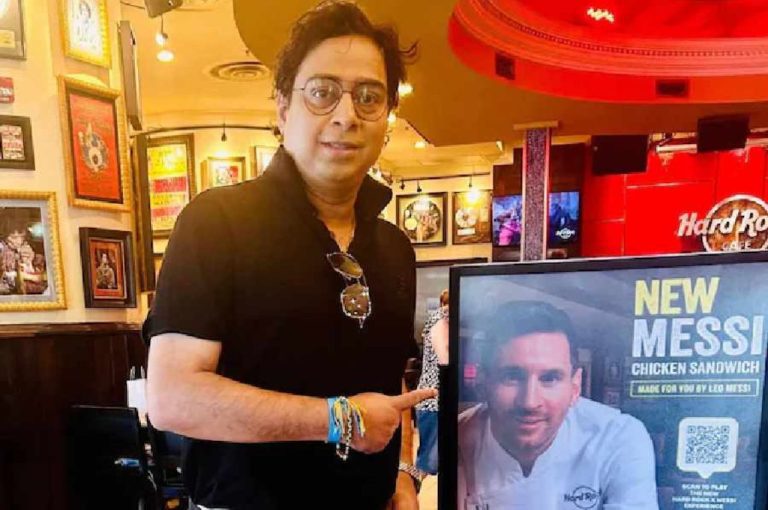
Messi Tour Kolkata Controversy 2026 – Detailed Analysis of Satadru Dutta’s Bail, Event Collapse, and Governance Lessons for Sports Management in India

The Messi tour Kolkata controversy 2026 has once again highlighted the challenges of sports event management in India. Satadru Dutta, the prime accused and organiser of the much‑anticipated Lionel Messi tour, was granted bail after spending weeks in custody. The case has drawn widespread attention, not only because of Messi’s global stature but also due to the financial, legal, and reputational implications for Kolkata and Indian sports administration.


2. The Controversy

  • Event planned: Lionel Messi’s visit to Kolkata for a football exhibition and promotional activities.
  • Collapse: The event failed to materialise, leaving fans disappointed and sponsors enraged.
  • Accusations: Mismanagement, financial irregularities, and breach of trust.
  • Custody: Satadru Dutta was arrested and kept in custody for weeks.
  • Outcome: Recently granted bail, reigniting debate about accountability in sports events.

3. Messi Tour Kolkata Controversy 2026: Why This Case Matters

  • Global spotlight: Messi’s name brought international attention to Kolkata.
  • Fan disappointment: Thousands of football fans felt betrayed.
  • Financial losses: Sponsors and partners reported heavy losses.
  • Governance lessons: Exposed gaps in India’s sports event regulation.

4. Community Concerns

  • Fans: Anger and frustration at being misled.
  • Sponsors: Demand for stricter contracts and accountability.
  • Civil society: Called for transparency in sports event funding.
  • Local residents: Worried about Kolkata’s reputation as a sports hub.

5. Political Context

  • West Bengal government: Distanced itself from the controversy, emphasising it was a private event.
  • Opposition voices: Criticised lack of oversight and accountability.
  • Civil society: Urged creation of a regulatory framework for mega sports events.
  • Sports bodies: Highlighted need for professional management standards.

6. Governance Challenges

The Messi tour controversy reflects systemic governance issues:

  • Event mismanagement: Lack of professional planning and execution.
  • Financial irregularities: Sponsors allege misuse of funds.
  • Legal ambiguity: Contracts and liabilities often poorly defined.
  • Public trust deficit: Fans sceptical about future sports events.

7. Government External Links for Assistance


8. Historical Context of Sports Events in Kolkata

  • 1986: Diego Maradona’s visit to Kolkata became legendary.
  • 2000s: Several international football stars visited for promotional events.
  • 2011–2019: Kolkata hosted FIFA U‑17 World Cup matches successfully.
  • 2026: Messi tour collapse tarnishes Kolkata’s reputation for sports hospitality.

9. Community Impact

  • Families: Disappointed children and youth who idolise Messi.
  • Local businesses: Lost potential revenue from tourism and hospitality.
  • Sports academies: Missed opportunity to inspire young players.
  • Civil society groups: Demand for better sports governance.

10. Global Comparisons

Similar sports event controversies worldwide:

  • Brazil: Football tours cancelled due to financial mismanagement.
  • USA: Concert and sports event scams exposed gaps in regulation.
  • China: Strict government oversight prevents such collapses.

Kolkata’s case mirrors these global struggles where sports passion collides with weak governance and mismanagement.


11. Governance Lessons

The Messi tour controversy teaches:

  • Professional event management is essential.
  • Transparency in contracts builds trust.
  • Community engagement ensures legitimacy.
  • Judicial oversight protects fans and sponsors.

12. Future Outlook – Sports Governance in India

India must move towards:

  • Regulatory frameworks for mega sports events.
  • Digitised ticketing and sponsorship systems to prevent fraud.
  • Public dashboards showing event finances transparently.
  • Educational campaigns to promote accountability in sports management.

13. Conclusion

The Messi tour Kolkata controversy 2026 is more than a failed event—it is a test of India’s ability to manage global sports spectacles. Satadru Dutta’s bail may provide temporary relief, but the larger questions of accountability, transparency, and governance remain. For Bengal, the lesson is clear: sports passion must be matched by professional management and ethical governance.

Also read: Home | Channel 6 Network – Latest News, Breaking Updates: Politics, Business, Tech & More
Bengaluru Civic Polls Head for a Paper Ballot Test: Decisive 3-Step Shift Rekindles Faith

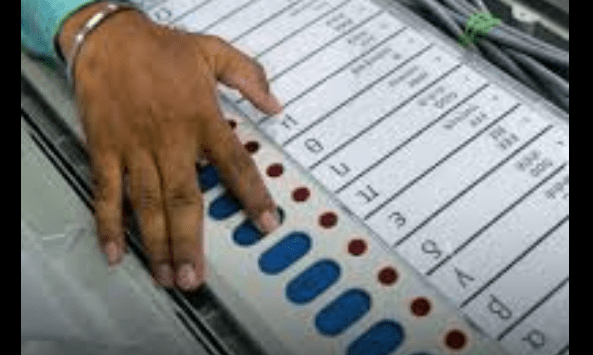
Bengaluru is set to witness a significant electoral shift as civic polls are scheduled to be held after May 25, with authorities confirming that ballot papers will be used instead of Electronic Voting Machines. The decision marks a notable departure from the voting method employed in recent elections and has triggered widespread discussion among political parties, election officials, and citizens. For India’s technology capital, often associated with digital governance and innovation, the move has a symbolic weight that extends beyond administrative logistics into questions of trust, transparency, and democratic participation.

The administrative machinery has begun preliminary groundwork to adapt to the paper ballot system, with officials reviewing past municipal election manuals and updating protocols to suit present-day requirements. Warehousing, secure transport, and round-the-clock monitoring of ballot materials are expected to form the backbone of the operational plan. Senior officials have indicated that coordination with district authorities and local police will be intensified to prevent any lapse that could undermine the credibility of the exercise.

Voter education is likely to emerge as a critical focus area in the weeks ahead. With a significant portion of Bengaluru’s electorate comprising young, first-time voters who may be more familiar with electronic voting, authorities and civil society groups are expected to roll out awareness campaigns explaining the ballot marking process. Clear instructions, mock demonstrations, and multilingual guidance are being discussed to reduce the risk of invalid votes and confusion on polling day.

The shift has also revived conversations about electoral memory and generational experience. Older voters have expressed a sense of familiarity and reassurance with ballot papers, recalling earlier elections where the physical act of voting felt more tangible. Younger voters, however, have voiced curiosity and occasional scepticism, viewing the method as slower and less aligned with the city’s technological identity. This generational contrast adds a social dimension to what is otherwise an administrative decision.

From a governance perspective, experts argue that the credibility of the upcoming civic body will depend heavily on how smoothly the election is conducted. After years without elected representatives, expectations from the new council are high. Any controversy during polling or counting could weaken the mandate of the eventual winners and delay urgently needed decisions on urban planning, infrastructure investment, and service delivery.

As the city moves closer to polling day, the return to ballot papers has become a symbol of both caution and course correction. It reflects an attempt to prioritise trust over speed and familiarity over novelty. Whether this approach strengthens democratic confidence or exposes new challenges will only become clear once votes are cast and counted. For now, Bengaluru stands at a crossroads, preparing for an election that could redefine not just its civic leadership, but also its relationship with democratic processes at the grassroots level.

The announcement comes after prolonged delays in holding civic elections to the Bruhat Bengaluru Mahanagara Palike, which have been pending for years due to ward delimitation, reservation issues, and legal challenges. With timelines finally emerging, the emphasis has now shifted to the manner in which votes will be cast and counted. The choice of ballot papers, officials say, is rooted in legal provisions governing local body elections and practical considerations linked to the scale and structure of the polls.Nothing wrong in using ballot papers: K'taka EC - Telangana Today

Election authorities have clarified that the use of ballot papers is in accordance with existing rules for municipal elections in the state. Unlike Assembly or parliamentary polls, which fall under the direct purview of the Election Commission of India, civic polls are conducted by the State Election Commission. This distinction allows states to frame their own procedures, including the choice between electronic and paper-based voting systems. In Bengaluru’s case, officials argue that paper ballots offer clarity, legal certainty, and administrative control.

Political reactions have been swift and sharply divided. While some parties have welcomed the decision as a return to a more transparent and verifiable voting process, others have expressed concern over logistical challenges and the potential for disputes during counting. For voters, the announcement has evoked mixed emotions, ranging from nostalgia for traditional voting to apprehension about longer queues and delayed results. As the city prepares for the polls, the debate has highlighted deeper anxieties about electoral integrity and public confidence.

The backdrop to this decision is a city grappling with governance challenges, from infrastructure strain and water shortages to traffic congestion and waste management. Civic elections are widely seen as crucial to restoring democratic accountability at the grassroots level. The method of voting, therefore, assumes heightened importance, as it directly shapes perceptions of fairness and legitimacy. With ballot papers returning to centre stage, Bengaluru’s civic polls are poised to become a test case watched closely across the state.

Why Ballot Papers and What It Means for the Process

The decision to use ballot papers has been defended by officials as both lawful and pragmatic. State Election Commission sources point out that the legal framework governing urban local body elections permits paper ballots and does not mandate the use of Electronic Voting Machines. Given the prolonged gap since the last civic polls, authorities argue that reverting to a familiar system reduces the risk of technical glitches and legal disputes that could further delay the process.

Administrative preparedness has been cited as another factor. Conducting elections across hundreds of wards, each with multiple candidates, requires extensive coordination. Officials say that printing and distributing ballot papers, while labour-intensive, offers flexibility in managing ward-level variations. The counting process, though slower than EVM-based tallies, is considered more transparent by many stakeholders, as it allows for physical verification in the presence of candidates’ representatives.

However, the return to paper ballots also brings challenges. Past experiences have shown that ballot-based elections are more susceptible to human error, invalid votes, and allegations of manipulation. Ensuring secure storage, transportation, and counting of ballots will require tight protocols and enhanced supervision. Election authorities have indicated that additional personnel will be deployed and training intensified to minimise errors and maintain credibility.

Political parties have adjusted their strategies in response. Campaign managers acknowledge that ballot papers demand greater emphasis on voter education, as incorrect marking can render a vote invalid. Smaller parties and independent candidates have welcomed the move, arguing that it levels the playing field by reducing the perception of technological bias. Larger parties, while publicly supportive, are reportedly recalibrating booth-level operations to account for the longer counting timelines.

For voters, the shift alters the election-day experience. Ballot voting typically involves more time inside polling stations, as voters must carefully mark their choice. While this may slow the process, advocates argue that it encourages deliberate decision-making. Civic groups have called for clear instructions at polling booths and widespread awareness campaigns to ensure that first-time voters and senior citizens are not disadvantaged.Bengaluru civic polls after May 25, ballot papers to be used instead of EVMs - The Hindu

Political Stakes and the Larger Democratic Signal

Beyond procedural considerations, the use of ballot papers has acquired political symbolism. In recent years, debates around voting technology have intensified nationwide, with concerns about transparency and trust dominating public discourse. Though Electronic Voting Machines continue to be upheld by courts and election authorities, scepticism persists among sections of the electorate. In this context, the Bengaluru civic polls are being framed by some as a reassurance exercise aimed at rebuilding confidence.

Opposition parties have sought to project the decision as a victory for democratic safeguards, claiming that paper ballots restore a tangible link between voter intent and electoral outcome. Ruling parties, on the other hand, have emphasised that the choice is purely administrative and should not be politicised. Analysts note that the narrative adopted by parties during the campaign could influence voter turnout and engagement, particularly in urban wards where apathy has been a persistent issue.

The timing of the polls adds another layer of complexity. Scheduled after May 25, the elections will take place amid summer conditions, raising concerns about voter comfort and participation. Authorities have assured that measures will be taken to ensure adequate facilities at polling stations, including water and shade. The extended counting process associated with ballot papers may also delay results, potentially prolonging political uncertainty.

Civic activists argue that the focus should remain on substantive issues rather than the voting method alone. They stress that Bengaluru’s governance crisis stems from prolonged administrative control without elected representatives. From stalled infrastructure projects to inconsistent service delivery, the absence of a functioning municipal council has had tangible consequences. For these groups, the election, regardless of the medium used, represents an opportunity to reassert local democracy.

At the same time, legal experts caution that the use of ballot papers does not automatically guarantee dispute-free elections. Close contests could still lead to recount demands and litigation, especially in densely contested wards. The State Election Commission’s ability to handle such challenges efficiently will be critical to maintaining momentum and avoiding further delays in constituting the civic body.Bengaluru civic polls after May 25, SEC to use ballot papers instead of EVMs

As preparations gather pace, the Bengaluru civic polls are shaping up as more than a routine local election. They reflect a moment of institutional reset, where procedural choices intersect with public sentiment and political strategy. The decision to use ballot papers underscores the delicate balance between efficiency and trust, technology and tradition. For a city that prides itself on innovation, the return to paper may appear counterintuitive, yet it resonates with a broader desire for reassurance in democratic processes.

Ultimately, the success of the polls will be judged not just by turnout figures or result timelines, but by whether they restore a sense of ownership among citizens. As Bengaluru heads to the ballot after years of delay, the election represents a collective chance to reaffirm faith in local governance. Whether paper ballots will strengthen that faith remains to be seen, but their return has undeniably placed trust, transparency, and participation at the heart of the civic conversation.

Follow: Karnataka Government

Also read: Home | Channel 6 Network – Latest News, Breaking Updates: Politics, Business, Tech & More

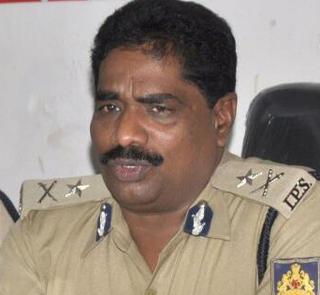
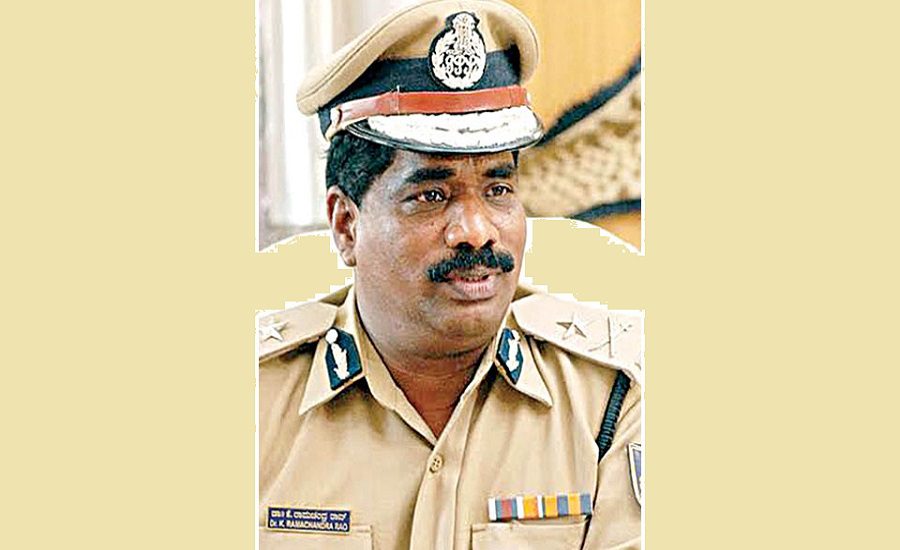
Explosive 7-Minute Scandal That Shook Trust: The Painful Return of DGP K. Ramachandra Rao to Controversy

The re-emergence of senior police officer and Director General of Police K. Ramachandra Rao in a fresh controversy scandal has sent shockwaves through administrative corridors and the wider public sphere. A video clip, allegedly showing Rao engaging in inappropriate behaviour, surfaced on social media platforms late this week, triggering outrage, disbelief, and renewed scrutiny of accountability within the higher echelons of the police force. The controversy is particularly striking given Rao’s previous brushes with allegations, making this incident not just a singular lapse but a reopening of unresolved questions about conduct, power, and institutional response.

The video, reportedly recorded in a private setting but circulated widely in the public domain, has raised serious ethical concerns. Though the authenticity of the clip is yet to be officially verified, the content has already caused reputational damage and sparked intense debate. Civil society groups, opposition leaders, and former police officials have demanded a transparent probe, arguing that the credibility of the police force itself is at stake. As the state government maintains cautious silence, the incident has reignited conversations about moral responsibility, misuse of authority, and the fragile trust between law enforcement and citizens.

K. Ramachandra Rao, a senior Indian Police Service officer with decades of experience, has held some of the most influential positions in the state’s policing hierarchy. Known for his sharp administrative acumen and controversial style of functioning, Rao’s career has been punctuated by both commendations and criticism. For many observers, the resurfacing of controversy is not entirely unexpected, but the nature of the allegations has intensified the fallout. The video has transformed what might have been internal disciplinary matter into a public reckoning, amplified by digital platforms and collective outrage.

The immediate aftermath saw a flood of reactions across political and social spaces. While supporters cautioned against trial by media, critics argued that public officials must be held to the highest standards of conduct, both in professional and personal spaces. The debate has also highlighted the blurred boundaries between private behaviour and public accountability, especially for individuals occupying positions of immense power. As calls for action grow louder, the episode threatens to erode public confidence not only in one officer, but in the system that enabled his rise and continued influence.DGP K. Ramachandra Rao back in controversy after video of inappropriate  behaviour surfaces - The Hindu

A Troubled Past Returns to the Fore

This is not the first time K. Ramachandra Rao’s name has been associated with controversy. In earlier phases of his career, he faced allegations ranging from administrative high-handedness to questionable decision-making. Though he emerged unscathed from several inquiries, critics have long alleged that institutional protection and political patronage played a role in shielding him from lasting consequences. The resurfacing of a new scandal has therefore been viewed by many as part of a pattern rather than an isolated incident.

Former colleagues recall Rao as an officer who wielded authority decisively, sometimes crossing lines that others hesitated to approach. While some praised his efficiency and fearlessness, others described an environment of intimidation under his leadership. These conflicting perceptions have now gained renewed relevance as the public revisits his past conduct in light of the present allegations. The video, regardless of its final legal standing, has acted as a catalyst for reopening old files, both literal and metaphorical.

The timing of the controversy is also significant. Coming at a moment when policing institutions across the country are under pressure to reform and modernise, the incident undermines ongoing efforts to project transparency and professionalism. Senior officers are often seen as symbols of discipline and moral authority, and any deviation from that image carries consequences far beyond the individual. For younger officers and recruits, such episodes can be deeply disillusioning, raising doubts about the values upheld within the force.

Political reactions have followed predictable lines. Opposition parties have seized upon the controversy to attack the ruling establishment, accusing it of double standards and selective accountability. They argue that swift action is taken against lower-ranking personnel, while senior officials enjoy prolonged impunity. The government, meanwhile, has adopted a wait-and-watch approach, emphasising the need for verification before any punitive measures. This cautious stance has been criticised as evasive, further fuelling public anger.

Legal experts note that the case presents complex challenges. While the circulation of the video has created a presumption of misconduct in the public mind, any formal action must be grounded in due process. Questions about consent, context, and authenticity will play a crucial role in determining the course of inquiry. However, experts also point out that ethical standards for public officials extend beyond criminal liability, encompassing conduct unbecoming of office.Ranya Rao Case: DGP Ramachandra Rao Re-appointed as Head of Civil Rights  Enforcement in Karnataka - Know More - https://indianmasterminds.com

Public Trust, Digital Outrage, and the Road Ahead

The rapid spread of the video underscores the transformative role of digital media in shaping public discourse. Within hours of its appearance, clips and screenshots flooded social networks, accompanied by commentary ranging from anger to sarcasm. For many citizens, the video became symbolic of a deeper malaise, reflecting perceived arrogance and entitlement among powerful officials. The immediacy of digital outrage has left authorities struggling to control the narrative or contain the damage.

Women’s rights organisations were among the first to demand accountability, stressing that inappropriate behaviour by senior officials sends a dangerous message. They argue that such incidents discourage victims of harassment from coming forward, especially when the accused occupies a position of authority. The controversy has thus transcended individual conduct, touching upon broader issues of gender sensitivity, workplace safety, and power imbalance.

Within police circles, the mood is reportedly one of unease and embarrassment. Many serving officers privately acknowledge that the incident has tarnished the image of the force, undoing years of effort to build community trust. Retired officers have called for introspection, urging the leadership to prioritise ethical training and strict enforcement of conduct rules. Some have even suggested that the current framework for monitoring senior officials is inadequate, allowing misconduct to go unchecked.

The state government now faces a delicate balancing act. On one hand, there is immense public pressure to act decisively, possibly by ordering a suspension or inquiry. On the other, premature action without verification could invite legal challenges and claims of witch-hunting. The outcome of this dilemma will set an important precedent, signalling whether accountability applies uniformly across ranks or remains selective.

As the controversy unfolds, the personal toll on those involved cannot be ignored. Rao himself has remained out of public view since the video surfaced, with no official statement issued in his name. His silence has been interpreted in multiple ways, from legal caution to tacit admission. Meanwhile, his family and associates are reportedly facing intense scrutiny, illustrating how public scandals extend far beyond the individual at their centre.

Ultimately, the episode raises uncomfortable questions about governance, power, and morality. Can institutions effectively police themselves, or is external oversight essential? How should society balance the right to privacy with the demand for accountability from public officials? And most importantly, what measures are needed to restore trust once it has been shaken so profoundly?Had the privilege of meeting Shri K. Ramachandra Rao, DGP of Karnataka  State Police Housing Corporation. A meaningful discussion on the ongoing  efforts to enhance law enforcement and maintain the safety of

As investigations are anticipated and reactions continue to pour in, the controversy surrounding DGP K. Ramachandra Rao stands as a stark reminder of the responsibilities that accompany authority. Whether this moment leads to meaningful reform or fades into another unresolved scandal will depend on the actions taken in the days ahead. For now, the incident has left a deep emotional imprint, marked by anger, disappointment, and a lingering hope that accountability will prevail over silence.

The unfolding controversy has also intensified scrutiny of internal complaint mechanisms within the police department. Activists argue that if senior officers are perceived as immune to consequences, it discourages reporting of misconduct at all levels. Several former officials have pointed out that disciplinary systems tend to function hierarchically, often protecting those at the top. This incident has therefore reopened debates on whether independent oversight bodies with real authority are necessary to ensure impartial investigations and prevent conflicts of interest when allegations involve high-ranking officers.

Public discourse has further expanded to include the psychological impact of such scandals on citizens’ perception of safety and justice. Trust in law enforcement is built not only on crime control but also on moral credibility. When a senior-most officer faces allegations of inappropriate behaviour, it creates cognitive dissonance for the public, particularly for victims of abuse seeking protection from the same institution. Sociologists note that repeated exposure to such controversies can normalise cynicism, weakening democratic accountability in the long run.

Within political circles, the issue has begun influencing broader governance narratives. Lawmakers across party lines have been compelled to comment, some cautiously advocating restraint, others openly demanding resignation. This divergence reflects the tension between institutional loyalty and public sentiment. Analysts observe that how the government handles this episode could shape its credibility on issues of transparency and ethical governance, especially ahead of future administrative or electoral milestones.

Media organisations, too, have faced ethical dilemmas in covering the story. While the public’s right to know remains paramount, editors have had to weigh concerns of sensationalism against responsible reporting. The widespread circulation of the video has raised questions about consent, privacy, and journalistic boundaries. Media critics argue that while exposure can catalyse accountability, it must not come at the cost of due process or human dignity, even for those accused of misconduct.

As the state waits for official clarity, the controversy continues to resonate as more than a fleeting scandal. It has become a mirror reflecting systemic weaknesses, societal expectations, and the fragile nature of institutional trust. Whether this moment leads to corrective reform or reinforces public disillusionment will depend on transparency, fairness, and the willingness to confront uncomfortable truths. For many observers, the hope remains that accountability will emerge not as an exception, but as a norm.

Follow: Karnataka Government

Also read: Home | Channel 6 Network – Latest News, Breaking Updates: Politics, Business, Tech & More

Buxa Tiger Reserve Prey Base Survey 2026 – Detailed Analysis of Herbivore Census, Carnivore Signs, and Conservation Lessons for Bengal

The Buxa Tiger Reserve prey base survey 2026 is a landmark initiative in Bengal’s conservation efforts. Conducted over six days, the survey focused on herbivore census and carnivore sign detection to assess the ecological health of the reserve. The findings will help determine whether Buxa can sustain a viable tiger population, a question that has long haunted conservationists given the reserve’s dwindling tiger sightings in recent decades.


2. Buxa Tiger Reserve Prey Base Survey 2026: The Survey

  • Location: Buxa Tiger Reserve, Alipurduar district, West Bengal.
  • Duration: Six days.
  • Focus: Herbivore census (deer, gaur, wild boar, etc.) and carnivore signs (pugmarks, scat, scratch marks).
  • Objective: To evaluate prey base density and carnivore presence.
  • Methodology: Transect walks, camera traps, and indirect sign surveys.

3. Why Prey Base Matters

  • Tiger survival: Tigers require a healthy prey base to sustain populations.
  • Ecological balance: Herbivores regulate vegetation, carnivores regulate herbivores.
  • Conservation planning: Data helps design habitat restoration and anti‑poaching strategies.
  • Tourism potential: A thriving prey base attracts wildlife enthusiasts and boosts eco‑tourism.

4. Community Concerns

  • Residents: Fear human‑wildlife conflict if prey base expands near villages.
  • Farmers: Worry about crop damage from herbivores.
  • Civil society: Demand transparency in survey results.
  • Youth: Express excitement about prospects of tiger revival.

5. Political Context

  • Government of West Bengal: Supports survey as part of conservation strategy.
  • National Tiger Conservation Authority (NTCA): Provides technical guidance.
  • Opposition voices: Question whether surveys translate into real conservation outcomes.
  • Civil society: Urges integration of community welfare with conservation.

6. Governance Challenges

The prey base survey reflects systemic governance issues:

  • Habitat degradation: Encroachment and deforestation reduce prey density.
  • Poaching: Herbivores often targeted for meat, weakening tiger survival chances.
  • Corridor disruption: Connectivity with Bhutan and Assam forests disrupted.
  • Trust deficit: Communities sceptical about conservation promises.

7. Government External Links for Assistance


8. Historical Context of Buxa Tiger Reserve

  • 1980s: Declared a tiger reserve under Project Tiger.
  • 1990s–2000s: Reports of dwindling tiger numbers raised alarm.
  • 2010s: Doubts emerged about tiger extinction in the reserve.
  • 2026: Current survey aims to provide clarity on prey base and carnivore presence.

9. Community Impact

  • Families: Pride in reserve’s recognition but concern about safety.
  • Farmers: Demand compensation for crop damage.
  • Youth: See eco‑tourism opportunities in tiger revival.
  • Civil society groups: Call for participatory conservation.

10. Global Comparisons

Similar prey base surveys worldwide:

  • Nepal: Chitwan National Park revived tiger numbers through prey base expansion.
  • Bangladesh: Sundarbans tigers face prey depletion due to climate change.
  • Russia: Siberian tiger conservation succeeded with strict prey protection laws.

Buxa’s case mirrors these global struggles where prey base management is key to carnivore survival.


11. Governance Lessons

The Buxa survey teaches:

  • Scientific monitoring is vital for credible conservation.
  • Prey base expansion must be prioritised.
  • Community participation ensures coexistence.
  • Judicial oversight can protect reserves from encroachment.

12. Future Outlook – Tiger Conservation in Bengal

India must move towards:

  • Digitised prey base monitoring systems accessible to forest officials.
  • Eco‑friendly tourism models to generate revenue for conservation.
  • Cross‑border cooperation with Bhutan for corridor management.
  • Integration of conservation with rural development in North Bengal.

13. Conclusion

The Buxa Tiger Reserve prey base survey 2026 is more than a scientific exercise—it is a symbol of resilience. By assessing herbivore density and carnivore presence, conservationists hope to determine whether Buxa can once again become a thriving tiger landscape. For Bengal, the lesson is clear: conservation success depends on respecting nature’s balance while empowering local communities.

Also read: Home | Channel 6 Network – Latest News, Breaking Updates: Politics, Business, Tech & More

Andaman & Nicobar Islands Biodiversity Crucial for Environmental and Economic Security: Dr Jitendra Singh: 2026

The Union Minister of State (Independent Charge) for Science & Technology and Earth Sciences, Dr Jitendra Singh, underscored the strategic importance of the Andaman & Nicobar Islands’ biodiversity for India’s environmental and economic security during his visit to the Andaman & Nicobar Regional Centre of the Zoological Survey of India (ZSI) at Sri Vijaya Puram on January 19, 2026.

He described the islands as a “living laboratory of biodiversity”, emphasizing that conservation, scientific research, and sustainable livelihoods must progress together to strengthen climate resilience and support India’s long-term development goals.


Andaman & Nicobar: A Living Laboratory of Biodiversity

Addressing scientists and officials, Dr Jitendra Singh highlighted that the unique ecosystems of the Andaman & Nicobar Islands hold immense value for:

  • Biodiversity conservation

  • Climate resilience strategies

  • Sustainable development

  • Ocean-based economic growth

He stressed that institutions like ZSI play a critical role in generating credible scientific data, which directly informs national policy on biodiversity protection and environmental governance.


ZSI’s Five Decades of Scientific Contribution

Established in 1977, the Andaman & Nicobar Regional Centre of ZSI has completed nearly five decades of dedicated research service. Over the years, it has emerged as a nodal institution for tropical island biodiversity research.

Key contributions include:

  • Nearly 90 research programmes across multiple faunal groups

  • Publication of 85 books

  • More than 850 research papers in national and international journals

  • Extensive work in taxonomy, molecular systematics, DNA barcoding, and biodiversity assessment

  • Capacity building for young researchers and conservation professionals

These efforts have significantly strengthened India’s biodiversity knowledge base.


Discoveries of Global Significance

Scientists at the Centre have made globally important discoveries, including:

  • Reporting over 20 species new to science, such as the Narcondam Tree Shrew

  • Documenting nearly 900 new faunal records from the Andaman & Nicobar Islands, India, and Southeast Asia

These findings underscore the international ecological significance of the region.


ZSI Museum: Bridging Science and Public Awareness

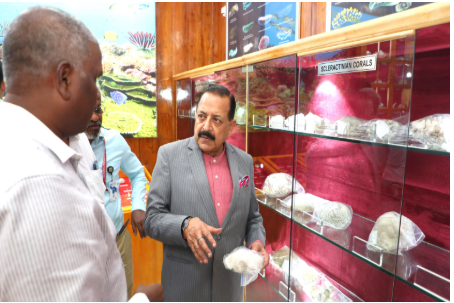
During his visit, the Minister toured the ZSI Museum, a prominent educational and tourist destination in the islands.

The museum houses:

  • Around 3,500 specimens

  • Representing 22 faunal groups

  • Exhibits on endemic, endangered, and threatened species

With an annual footfall of 75,000 to 1,00,000 visitors, including students, researchers, and tourists, the museum plays a vital role in public outreach, awareness generation, and environmental education.


Strengthening Marine Science and the Blue Economy

The Minister was also briefed on ZSI’s role as the nodal centre for India’s first National Coral Reef Research Institute (NCRRI). He noted that such specialized institutions are essential for:

  • Protecting fragile marine ecosystems

  • Strengthening coral reef research

  • Supporting evidence-based marine governance

  • Advancing India’s Blue Economy vision

He emphasized that robust scientific institutions are central to achieving India’s environmental goals in a sustainable manner.


Call for Stronger Integration of Science and Policy

Interacting with scientists and staff, Dr Jitendra Singh called for greater integration between:

  • Scientific research

  • Public policy

  • Conservation planning

  • Community awareness

He appreciated the work being carried out by the ZSI team and described the visit as an “extremely informative and educative experience,” noting that curated zoological collections not only advance scientific understanding but also inspire public consciousness about India’s irreplaceable natural heritage.


Conclusion

Dr Jitendra Singh’s visit to the Andaman & Nicobar ZSI centre highlights the critical role of scientific institutions in safeguarding biodiversity, strengthening climate resilience, and supporting sustainable economic growth. By reinforcing research capacity and linking science with policy, institutions like ZSI remain central to India’s environmental future and Blue Economy ambitions.


For more real-time updates, visit Channel 6 Network.

Source: PIB

Fisheries Secretary Dr Abhilaksh Likhi Visits ICAR–CIBA Chennai, Engages with Shrimp Farmers to Strengthen Indigenous and Climate-Smart Aquaculture: 2026

Dr Abhilaksh Likhi, Secretary, Department of Fisheries (DoF), Government of India, visited the ICAR–Central Institute of Brackishwater Aquaculture (ICAR–CIBA) and its Muttukadu Experimental Station in Chennai on January 19, 2026. The visit focused on strengthening farmer-centric innovation, promoting indigenous technologies, and advancing climate-smart aquaculture practices across the shrimp sector.

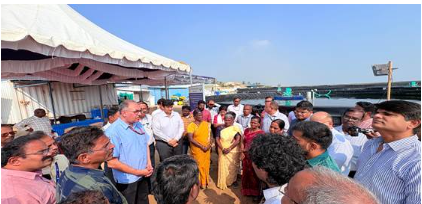
During the visit, Dr Likhi interacted with shrimp farmers and entrepreneurs, who shared their success stories, best practices, and challenges across production, processing, and marketing.


Focus on Scientific Shrimp Breeding Under PMMSY

A key highlight of the visit was Dr Likhi’s inspection of the Penaeus indicus Genetic Improvement Programme, being implemented by ICAR–CIBA under the Pradhan Mantri Matsya Sampada Yojana (PMMSY).

The programme aims to:

  • Develop genetically improved stocks of Indian white shrimp (Penaeus indicus)

  • Strengthen scientific shrimp breeding in India

  • Reduce dependence on imported broodstock

  • Support long-term sustainability of shrimp farming


Exposure to Advanced Aquaculture Research Facilities

The Secretary reviewed ICAR–CIBA’s ongoing research and innovation ecosystem and visited multiple facilities, including:

  • Finfish and crustacean research units

  • Ornamental fish and crab culture facilities

  • Feed mill and nutrition laboratories

  • Experimental aquaculture systems

The visit provided firsthand insight into India’s expanding capabilities in brackishwater aquaculture science, innovation, and technology deployment.


Shrimp Sector: Backbone of India’s Seafood Exports

The visit holds strategic significance for the sector, as shrimp accounts for nearly 70% of India’s total seafood exports, reaching around 130 countries worldwide.

Despite the imposition of a 58% tariff by the United States, the sector has demonstrated resilience, registering:

  • 21% growth in export value

  • 12% increase in export quantity
    (Period: April–October 2025)

These figures underscore the strength and global competitiveness of India’s shrimp industry.


PMMSY Projects Driving Innovation and Resource Efficiency

ICAR–CIBA is implementing two major PMMSY-funded projects aimed at strengthening indigenous aquaculture:

  1. Development of Indigenous Shrimp Aquaculture: Genetic Improvement Program of Penaeus indicus

    • Project cost: ₹25.04 crore

    • Focus: Developing genetically improved indigenous shrimp lines

  2. New Age Shrimp System for Precise Use of Land, Water and Feed

    • Project cost: ₹2.21 crore

    • Focus: Promoting climate-smart, resource-efficient shrimp farming models

Dr Likhi reviewed the progress of both projects during his visit.


MoUs Signed to Promote Indigenous Shrimp Feed and Reduce Import Dependence

Two key Memoranda of Understanding (MoUs) were signed in the presence of the Secretary to strengthen India’s indigenous aquaculture ecosystem.

Indigenous Shrimp Larval Feed Commercialisation

An MoU between ICAR–CIBA and M/s Selle Hatchery Tech (Tamil Nadu) enables commercialisation of India’s first indigenous shrimp larval feed.

  • Successfully tested in 50+ hatcheries across Tamil Nadu and Andhra Pradesh

  • Reduces reliance on expensive imported feeds

  • Marks a major step towards self-reliance in hatchery inputs

Use of Rice-based DDGS in Shrimp Feed

A second MoU between ICAR–CIBA and M/s BRC Marine Products (Odisha) focuses on using Rice Distillers’ Dried Grains with Solubles (DDGS) as a sustainable protein source in shrimp feed.

Key outcomes:

  • DDGS inclusion of 7.5–10% shows no negative impact on shrimp growth

  • Expected to reduce feed costs by 5–6%

  • Promotes use of locally available, affordable inputs over costly imports


Drone Demonstration for Aquaculture Applications

A live drone demonstration was conducted during the visit, showcasing applications for:

  • Feed spraying

  • Feed transport

  • Precision aquaculture operations

The Department of Fisheries has entrusted pilot drone projects to ICAR–CIFRI, Barrackpore with a project cost of ₹1.16 crore, reflecting the growing role of emerging technologies in fisheries management.


Emphasis on Coordination Between Science, States and Industry

Dr Likhi also chaired a hybrid review meeting with officials from States and Union Territories including Rajasthan, Haryana, and Uttar Pradesh.

He emphasized:

  • Stronger coordination between research institutions, industry partners, and State governments

  • Faster technology transfer from labs to farmers

  • Government’s focus on indigenous innovation, climate-smart aquaculture, and efficient resource utilisation

Senior officials including representatives from DoF, ICAR, ICAR–CIBA and NFDB participated in the deliberations.


Conclusion

Dr Abhilaksh Likhi’s visit to ICAR–CIBA highlights the Government of India’s strategic push toward self-reliant, science-driven, and climate-resilient aquaculture. With indigenous feed development, genetic improvement programmes, drone integration, and farmer-focused innovation, India’s shrimp sector is steadily advancing toward sustainable growth and global leadership.


For more real-time updates, visit Channel 6 Network.

Source: PIB

Chief of Naval Staff Visits NCC Cadets at Republic Day Camp 2026, Praises Youth Leadership and Discipline

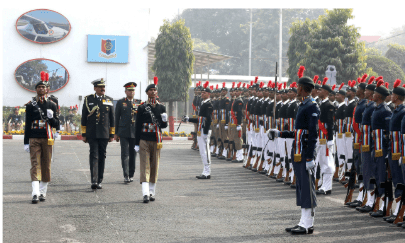
The Chief of Naval Staff (CNS), Admiral Dinesh K. Tripathi, visited the National Cadet Corps (NCC) Republic Day Camp (RDC) 2026 at Delhi Cantt on January 19, 2026. On arrival, he was accorded a Guard of Honour by NCC cadets drawn from the Army, Navy, and Air Force wings.

The visit underscored the Indian Navy’s strong commitment to nurturing youth leadership, discipline, and national service through the NCC.


Admiral Tripathi Commends Cadets’ Performance

Addressing the cadets, Admiral Tripathi recalled his own journey as a former NCC cadet and congratulated the participants on their selection for the prestigious Republic Day Camp.

He praised the cadets for their:

  • Outstanding parade turnout

  • Precision drill

  • Band performance

  • Cultural presentations

Describing the overall display as exemplary, he awarded the cadets a “Bravo Zulu” — a naval term signifying “Well Done.”


NCC’s Role in Nation-Building and Civil Defence

Highlighting the pivotal role of NCC in shaping responsible citizens, the CNS emphasized that the organization continues to nurture values of patriotism, discipline, leadership, and social responsibility.

He particularly acknowledged the contribution of nearly 72,000 NCC cadets in civil defence efforts during Operation Sindoor, calling their service an inspiring example of youth commitment to the nation.

Admiral Tripathi also appreciated the innovative training initiatives adopted by NCC, including:

  • Drone operations training

  • Cyber awareness programmes

  • Technology-oriented skill development


Five Life Lessons Shared with Cadets

Drawing from his own service experience, the Chief of Naval Staff shared five key life lessons with cadets to help them realize their full potential:

  • Stay away from distractions and practise self-discipline

  • Commit to continuous learning and upskilling

  • Show physical and moral courage, inspired by heroes like Lt Arun Khetarpal and Capt Mahendra Nath Mulla

  • Be a team player — “One for all, all for one”

  • Never Give Up

Quoting Prime Minister Narendra Modi’s words, “India’s youth are a force for global good,” the CNS expressed strong confidence in young Indians to shape Viksit Bharat by 2047.


Indian Navy’s Continued Support to NCC

Admiral Tripathi reaffirmed the Indian Navy’s ongoing support to NCC through multiple initiatives, including:

  • Puneet Sagar Abhiyan

  • All India Nausainik Camp and specialized training camps

  • Hands-on exposure to seamanship, sailing and yachting

  • Ship attachments and overseas deployments

  • Educational visits to naval ships, submarines and shore establishments

These initiatives aim to provide cadets with practical exposure and inspire them towards careers in the armed forces and public service.


Cultural and Technical Showcases by Cadets

As part of the event, cadets showcased their talents through a vibrant programme that included:

  • Band performance by Birla Balika Vidyapeeth, Pilani (Rajasthan Directorate)

  • Visit by the CNS to the Flag Area, displaying the cultural heritage and development of various States and Union Territories

  • Technical and academic exhibitions featuring static and functional models of ships and aircraft

  • Cultural performances reflecting the NCC motto:
    “Rashtriya Pratham, Kartavya Nishth Yuva”


Conclusion

The visit of the Chief of Naval Staff to the NCC Republic Day Camp 2026 stands as a powerful affirmation of the faith India’s armed forces place in the country’s youth. Through motivation, guidance, and continued institutional support, the Indian Navy and NCC together continue to nurture disciplined, capable, and nation-first citizens for the future.


For more real-time updates, visit Channel 6 Network.

Source: PIB

Union Environment Minister Proudly Chairs 88th Meeting of Standing Committee of National Board for Wildlife in New Delhi

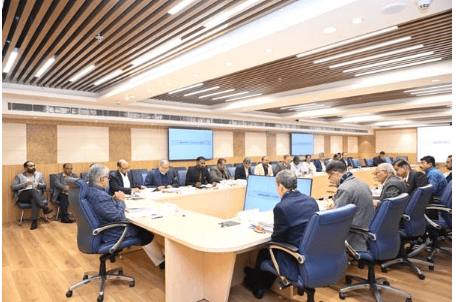
The 88th Meeting of the Standing Committee of the National Board for Wildlife (SC-NBWL) was held on January 19, 2026, in New Delhi under the chairmanship of the Union Minister for Environment, Forest and Climate Change, Shri Bhupender Yadav. The meeting focused on balancing development needs with ecological protection while reviewing policy mechanisms for stronger wildlife monitoring.


70 Proposals on Public Utility and Infrastructure Considered

During the meeting, the Standing Committee considered 70 proposals related to:

  • Public utility services

  • Defence requirements

  • Infrastructure development projects

These proposals pertained to projects located in and around Protected Areas, Wildlife Sanctuaries, Tiger Reserves, and Eco-Sensitive Zones, and were examined strictly in accordance with the provisions of the Wild Life (Protection) Act, 1972.

The Committee ensured that all proposals were assessed with due regard to:

  • Ecological sensitivity

  • Statutory requirements

  • Need to ensure essential services for local communities


Key Public Utility Projects Reviewed

Several important development proposals with direct public benefit were deliberated, including:

  • Drinking water supply projects under Jal Jeevan Mission (JJM)

  • Establishment of Primary and Community Health Centres

  • Widening of roads in remote regions

  • Installation of 4G mobile towers

  • Development of power transmission lines

The Committee also reviewed a medium irrigation project in Madhya Pradesh, aimed at improving drinking water and irrigation access in the Bundelkhand region, while simultaneously enhancing water availability for wildlife, including gharials.


Defence Proposals in Strategic Border Areas

The Standing Committee also considered 17 defence-related proposals, primarily located in:

  • Union Territory of Ladakh

  • State of Sikkim

These proposals relate to strategic infrastructure development in high-altitude and border regions. The Committee recommended their approval in view of national security imperatives, while emphasizing strict compliance with wildlife mitigation measures and environmental safeguards.


Review of Policy Processes and PARIVESH Portal

The Committee reviewed the Action Taken Report (ATR) on decisions from previous meetings, with special focus on:

  • Policy measures for wildlife conservation

  • Process streamlining

  • Improvement of the PARIVESH portal for environmental clearances

It was decided that policies and programmes related to wildlife conservation, as well as compliance with SC-NBWL directions, will be continuously reviewed in future meetings to strengthen monitoring and implementation.


Role of the Standing Committee of NBWL

The Standing Committee of the National Board for Wildlife is a statutory body constituted under the Wild Life (Protection) Act, 1972. It plays a crucial role in advising the Government on:

  • Conservation and protection of wildlife

  • Protection of forests and biodiversity

  • Ensuring that development near protected areas is conducted in a balanced, sustainable, and responsible manner


Conclusion

The 88th meeting of SC-NBWL reflects the government’s ongoing effort to strike a careful balance between developmental priorities and environmental conservation. By scrutinizing infrastructure, defence, and public utility projects alongside strengthening monitoring frameworks, the Committee continues to reinforce sustainable governance in ecologically sensitive regions.


For more real-time updates, visit Channel 6 Network.

Source: PIB

INS Sudarshini to Embark on Lokayan 26, a 10-Month Strong Transoceanic Sail Expedition Across 13 Countries

The Indian Navy’s Sail Training Ship INS Sudarshini is set to embark on a landmark transoceanic voyage titled Lokayan 26 on January 20, 2026. The 10-month expedition will span over 22,000 nautical miles, covering 18 ports across 13 countries, showcasing India’s maritime heritage while strengthening international maritime cooperation.

The expedition reflects the ethos of Vasudhaiva Kutumbakam — the world is one family — carried across the oceans through cultural diplomacy and naval engagement.


Global Presence Through Prestigious International Events

A key highlight of the deployment will be INS Sudarshini’s participation in two globally renowned tall-ship events:

  • Escale à Sète (France)

  • SAIL 250, New York (USA)

At both events, INS Sudarshini will represent India’s rich seafaring legacy, naval traditions, and maritime diplomacy, reinforcing the country’s image on the international maritime stage.


Training Over 200 Navy and Coast Guard Trainees

The voyage holds significant training value for future maritime leaders. Over 200 trainees from the Indian Navy and Indian Coast Guard will undergo intensive sail training during the expedition.

The journey will provide hands-on experience in:

  • Long-range ocean navigation

  • Traditional seamanship

  • Life aboard a tall sailing ship

  • Leadership and teamwork under real sea conditions

Trainees will also engage with counterparts from other navies, promoting professional exchange and long-term camaraderie.


Strengthening Maritime Cooperation and MAHASAGAR Vision

INS Sudarshini will participate in multiple maritime partnership engagements and training interactions with foreign navies during port visits. These interactions are aimed at strengthening:

  • Maritime cooperation

  • Mutual understanding

  • Strategic partnerships

  • Regional and global maritime stability

The voyage actively supports India’s vision of MAHASAGAR (Mutual and Holistic Advancement for Security and Growth Across Regions) and stands as a symbol of cultural diplomacy and global goodwill.


A Legacy of Maritime Excellence

INS Sudarshini is the second sail training ship of the Indian Navy and has already logged more than 1,40,000 nautical miles in service. Through Lokayan 26, the ship continues to serve as:

  • A symbol of India’s maritime strength

  • A platform for youth development and naval professionalism

  • A floating ambassador of India’s values and goodwill


Conclusion

The Lokayan 26 expedition is more than a naval voyage — it is a statement of India’s maritime vision, cultural diplomacy, and commitment to building global partnerships. Through training, outreach, and international engagement, INS Sudarshini will continue to strengthen India’s presence across oceans while nurturing the next generation of maritime leaders.


For more real-time updates, visit Channel 6 Network.

Source: PIB