Sunday, December 28, 2025
Home Blog Page 100

Rangayana Announces Weekend Theatre Festival from Nov. 30: SURPRISING GRAND CULTURAL EXTRAVAGANZA

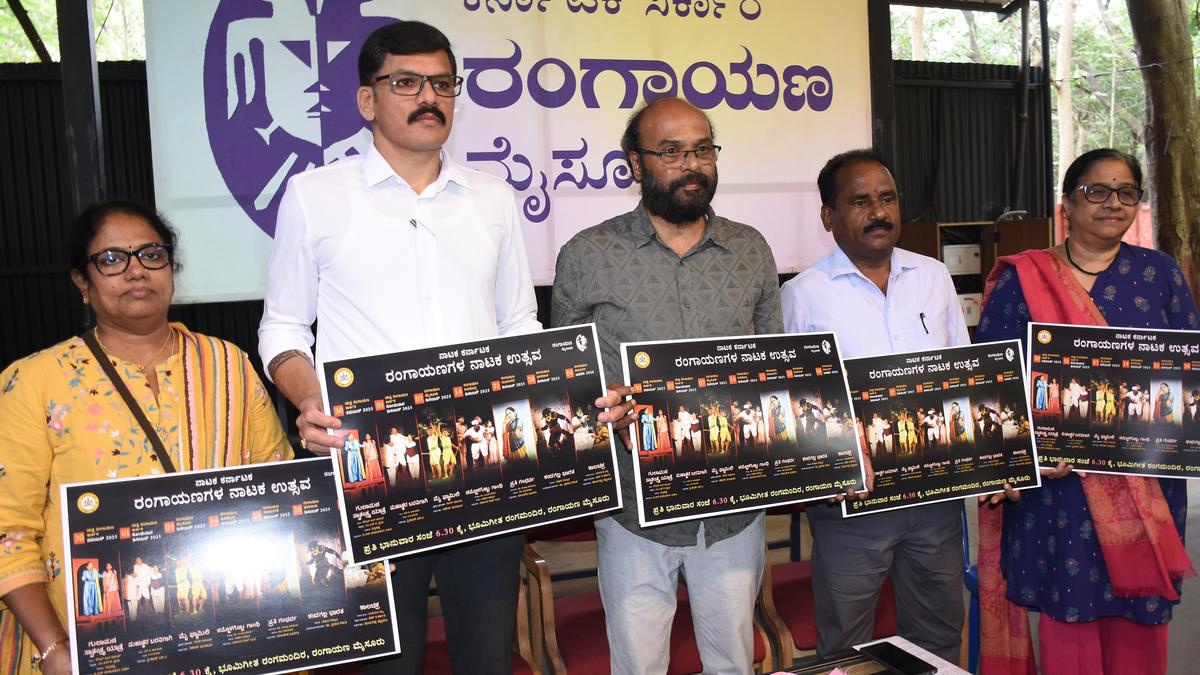
Bengaluru — Rangayana, the prestigious repertory theatre of Karnataka, has announced its much-awaited Weekend Theatre Festival, scheduled to begin on November 30. The festival promises a vibrant celebration of performing arts, showcasing a diverse range of plays, workshops, and interactive sessions over the weekends. Theatre enthusiasts, students, and cultural connoisseurs across the city are eagerly anticipating this event, which aims to revive the theatre culture and provide a platform for both established and emerging artists.

Rangayana has been at the forefront of promoting theatre in Karnataka since its inception, nurturing talent and preserving regional drama traditions while embracing contemporary themes. The upcoming festival seeks to further this mission by creating a space for dialogue, creativity, and audience engagement. Organizers have promised a carefully curated lineup of plays that blend classical Kannada theatre, modern adaptations, and experimental performances.


FESTIVAL STRUCTURE AND HIGHLIGHTS

The Weekend Theatre Festival is designed as a recurring event every Saturday and Sunday, allowing audiences multiple opportunities to attend performances without the constraints of a week-long schedule. Each weekend will feature two to three plays, followed by discussions with directors, actors, and playwrights.

The festival will also include interactive workshops focusing on acting, stagecraft, direction, and playwriting. These sessions are intended to provide hands-on experience for aspiring theatre practitioners and students, while also offering enthusiasts a deeper understanding of the creative process behind stage productions.

Special emphasis will be placed on regional theatre, highlighting the richness of Kannada drama. Classical works, contemporary plays addressing social themes, and adaptations of literary pieces will be staged. Organizers have emphasized inclusivity, ensuring performances cater to a wide audience, from schoolchildren to senior citizens.Rangayana to conduct weekend theatre festival from Nov. 30 - The Hindu

PROMOTING LOCAL AND EMERGING TALENT

Rangayana has consistently prioritized promoting local talent, and the Weekend Theatre Festival is no exception. Young actors, playwrights, and directors from Karnataka have been given an opportunity to showcase their work alongside seasoned theatre veterans.

The festival will provide a platform for experimental and non-traditional plays that often struggle to find mainstream audiences. “Our goal is to encourage innovation while maintaining the cultural essence of Kannada theatre,” said a senior Rangayana official. “We want to ensure that audiences experience a blend of tradition and experimentation, keeping the art form dynamic and engaging.”

In addition to performances, the festival will feature discussions on theatre pedagogy, script development, and production techniques. These interactions are intended to foster mentorship, networking, and collaboration within the theatre community, creating a sustainable ecosystem for performing arts in Karnataka.


AUDIENCE ENGAGEMENT AND EDUCATIONAL INITIATIVES

A unique feature of the festival is its focus on audience engagement. Post-performance discussions, Q&A sessions, and interactive forums are designed to provide insights into the creative process, themes, and challenges of theatre production.

Educational institutions are being invited to participate actively. Students from schools, colleges, and theatre academies will have opportunities to attend performances, participate in workshops, and interact with theatre professionals. This initiative aims to nurture the next generation of theatre enthusiasts and practitioners, fostering appreciation for performing arts from a young age.

The festival will also include storytelling sessions for children and young audiences, encouraging early exposure to theatre and the arts. By combining performances with educational initiatives, Rangayana seeks to cultivate a deeper understanding and lifelong interest in the theatre tradition.


CULTURAL AND SOCIAL SIGNIFICANCE

The Weekend Theatre Festival is more than just an entertainment event; it carries significant cultural and social value. By presenting plays that explore historical, social, and political themes, the festival engages audiences in reflection and dialogue.

Themes ranging from gender issues, environmental concerns, and social equity to historical narratives and literary adaptations will be explored. Such performances encourage critical thinking and awareness, reinforcing the role of theatre as a medium for social change.

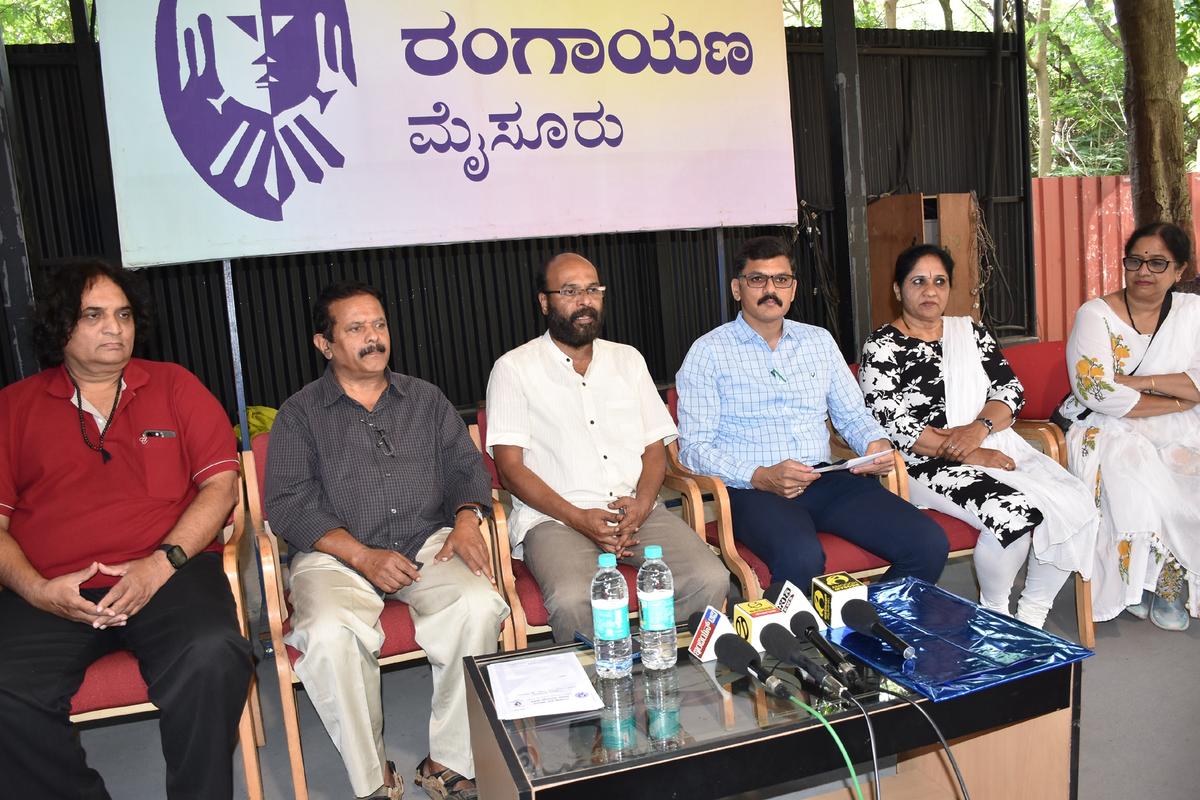
Rangayana’s efforts also contribute to preserving Kannada cultural heritage. Classical texts and folk dramas are being adapted for contemporary audiences, ensuring that the rich legacy of regional theatre continues to thrive in modern times.Rangayana to conduct theatre festival for college students - The Hindu

FESTIVAL ORGANIZATION AND SUPPORT

The festival has been meticulously organized by Rangayana’s administrative and artistic teams, with support from local cultural bodies, sponsors, and community partners. Logistics, stage design, lighting, and sound have been carefully planned to ensure a professional and immersive experience for audiences.

Safety and accessibility have also been emphasized. Venues are being equipped with adequate seating arrangements, emergency facilities, and provisions for differently-abled individuals. Organizers have also adopted digital booking systems to facilitate smooth ticketing and crowd management.

Municipal and cultural authorities have expressed support for the festival, recognizing its contribution to the city’s cultural vibrancy and tourism potential. The initiative aligns with broader efforts to promote Bengaluru as a hub for performing arts and cultural exchange.


ARTISTIC LINEUP AND PERFORMANCE SCHEDULE

The festival will showcase a mix of classical, contemporary, and experimental plays. Classical Kannada works by renowned playwrights such as Kuvempu and Girish Karnad will be staged, alongside modern plays that address current social issues.

Experimental and avant-garde performances will be held in smaller, intimate venues within the Rangayana premises, allowing for close interaction between actors and audiences. These performances will challenge traditional storytelling methods and explore innovative stagecraft, lighting, and sound techniques.

Weekend schedules will feature matinee and evening shows, ensuring flexibility for audiences. Special weekend events, including theatre walks, behind-the-scenes tours, and script reading sessions, are planned to provide a holistic experience of the theatre ecosystem.


INTERVIEWS AND DIRECTOR PERSPECTIVES

Directors and actors participating in the festival have expressed enthusiasm about engaging with diverse audiences. Many highlighted the importance of such platforms for exploring creative boundaries, experimenting with narrative forms, and connecting with viewers on an emotional level.

“Festivals like these breathe life into theatre,” said a young director. “We get to present our work, receive feedback, and interact with the audience directly. It is an invaluable experience for both emerging and established artists.”

Veteran actors participating in the festival emphasized the opportunity to mentor young talent and share their experiences. These interactions contribute to a dynamic learning environment and strengthen the collaborative spirit within the theatre community.


PROMOTING THEATRE CULTURE IN BENGALURU

Bengaluru has long been recognized as a cultural hub in southern India, with a rich tradition of theatre, music, and arts. Festivals such as the Weekend Theatre Festival help sustain this cultural legacy while making theatre accessible to broader audiences.

The initiative also encourages community participation, allowing citizens to engage actively with performing arts. By bringing theatre into the public consciousness, Rangayana strengthens cultural literacy, civic engagement, and appreciation for creative expression.

Such initiatives have the potential to influence urban culture, inspiring similar programs in other parts of the city and state. Schools, colleges, and community centers are encouraged to collaborate with theatre institutions, promoting a vibrant, city-wide cultural ecosystem.

The festival is also expected to foster collaborations with other regional theatre groups and institutions, promoting exchange of ideas and techniques. Guest troupes from neighboring states will be invited to perform, allowing audiences to experience a range of theatrical traditions and styles. This cross-cultural engagement enriches the local theatre ecosystem and encourages innovation in storytelling and stagecraft.

Special attention is being given to accessibility for all audiences. Arrangements for differently-abled viewers, audio-assisted performances, and sign-language interpretation for select plays are part of the festival’s inclusive approach. Organizers hope these measures will ensure that theatre remains an art form that can be enjoyed by everyone, regardless of physical or sensory limitations.

In addition to on-stage performances, the festival will host seminars and panel discussions featuring theatre scholars, critics, and historians. These sessions aim to provide a deeper understanding of the evolution of Kannada theatre, its societal impact, and the challenges faced by contemporary practitioners. Attendees will gain insight into both the creative and academic dimensions of theatre.

Finally, Rangayana plans to document the festival extensively through recordings, photography, and interviews, creating an archive that can be used for educational purposes and future research. By capturing performances and discussions, the institution hopes to preserve the festival’s legacy, inspire future artists, and provide a reference point for theatre enthusiasts and scholars interested in Karnataka’s performing arts tradition.


ECONOMIC AND TOURISM IMPACT

Cultural festivals like Rangayana’s Weekend Theatre Festival also have economic implications. They generate employment opportunities for actors, technicians, stage designers, and administrative staff. Local businesses, such as restaurants, hotels, and transport providers, benefit from increased footfall during festival weekends.Ranga Shankara's Theatre for Children Festival returns to Bengaluru - The  Hindu

Tourism is expected to receive a boost, as theatre enthusiasts from other regions travel to Bengaluru to experience performances. This contributes to the city’s cultural tourism profile and strengthens the local economy, highlighting the intersection of arts and economic development.

Organizers are also collaborating with local media and cultural organizations to maximize outreach, ensuring that performances reach diverse audiences and generate interest across demographics.


CONCLUSION: A CELEBRATION OF THEATRE AND CULTURE

Rangayana’s Weekend Theatre Festival, beginning November 30, promises to be a landmark cultural event in Bengaluru. With a carefully curated lineup, inclusive programming, and extensive audience engagement, the festival reinforces the importance of theatre as a medium for creative expression, social dialogue, and cultural preservation.

By providing a platform for both emerging and established artists, Rangayana continues to nurture talent, foster innovation, and promote Kannada theatre traditions. The festival not only entertains but educates, inspires, and strengthens the city’s cultural fabric.

As citizens, students, and theatre enthusiasts prepare to attend the performances, workshops, and interactive sessions, the Weekend Theatre Festival stands as a testament to the enduring power of performing arts to connect communities, celebrate creativity, and preserve cultural heritage.

With meticulous planning, community involvement, and a commitment to artistic excellence, Rangayana’s initiative is set to invigorate Bengaluru’s theatre scene, inspiring similar efforts across the state and ensuring that theatre remains a vibrant and accessible art form for generations to come.

Follow: Karnataka Government

Also read: Home | Channel 6 Network – Latest News, Breaking Updates: Politics, Business, Tech & More
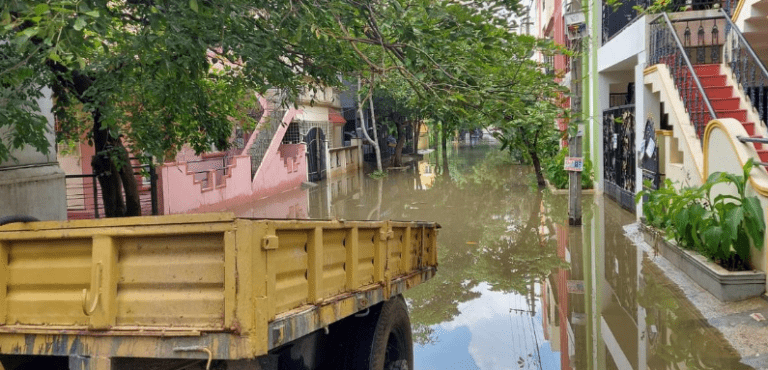
Citizens of Electronics City and Anekal Demand Urgent Road Upgrades: 1 INFRASTRUCTURE ALERT

Bengaluru — Residents of Electronics City and Anekal have raised urgent demands for comprehensive road upgrades, citing deteriorating infrastructure, traffic congestion, and safety hazards as major concerns. Commuters, local businesses, and educational institutions in these rapidly growing suburban areas report that poor road conditions are affecting daily life, transportation efficiency, and economic activity. The situation has prompted citizens to appeal to municipal authorities, the state government, and elected representatives for immediate intervention and long-term infrastructure planning.

Electronics City and Anekal have witnessed exponential growth in recent years, driven by the IT boom, industrial expansion, and residential developments. However, the rapid expansion has not been matched by corresponding improvements in road infrastructure. Potholes, uneven surfaces, narrow lanes, and inadequate signage have become a source of frustration for motorists and pedestrians alike.


CURRENT ROAD CONDITIONS AND CHALLENGES

Several stretches in Electronics City and Anekal are plagued by poor maintenance and inadequate capacity. Heavy vehicle traffic, combined with monsoon rains, has led to the formation of potholes, cracks, and waterlogging in key areas. Commuters report damage to vehicles, increased travel times, and heightened risk of accidents.

In addition to structural issues, the lack of pedestrian walkways, cycle lanes, and street lighting exacerbates safety concerns. Residents highlighted incidents where pedestrians narrowly avoided accidents due to uneven surfaces or poor visibility at night. Schoolchildren and senior citizens are particularly vulnerable, and citizens have demanded urgent corrective measures to ensure road safety.

Local business owners emphasize that damaged roads affect supply chains and customer access. Delivery vehicles and commercial trucks frequently experience delays, impacting timely operations. Public transport services are also disrupted, leading to overcrowding and commuter dissatisfaction.


CITIZENS’ APPEALS AND INITIATIVES

Community organizations, residents’ welfare associations, and local citizens have come together to highlight the urgent need for road upgrades. Petitions, online campaigns, and local meetings with municipal authorities have been organized to communicate the concerns effectively.

“We face daily challenges commuting to workplaces, schools, and hospitals due to deteriorating roads,” said a resident of Electronics City. “Despite repeated complaints, progress has been slow. We urge authorities to prioritize road maintenance and expansion projects in our area.”

Residents have also suggested potential solutions, including resurfacing existing roads, widening narrow stretches, installing proper drainage systems, and creating pedestrian-friendly pathways. The use of modern road materials, routine maintenance schedules, and stricter oversight has been emphasized as critical steps for long-term improvement.Citizens of Electronics City and Anekal seek urgent road upgrades - The  Hindu


MUNICIPAL RESPONSE AND GOVERNMENT INITIATIVES

Municipal authorities and local government representatives have acknowledged the citizens’ concerns and assured that proposals for road improvement projects are under consideration. Officials cited ongoing assessments of road conditions, budget allocations, and planning for sustainable infrastructure upgrades.

The Bangalore Metropolitan Transport Corporation (BMTC) and Bruhat Bengaluru Mahanagara Palike (BBMP) are reportedly coordinating to address high-traffic corridors, improve drainage, and implement periodic maintenance programs. Temporary repair works are underway in some stretches, but residents insist that comprehensive long-term solutions are necessary to prevent recurring problems.

Authorities also emphasized the importance of public cooperation, noting that illegal encroachments, dumping of waste on roads, and unauthorized construction work contribute to the degradation of infrastructure. Civic awareness campaigns have been suggested to educate citizens about responsible use of roadways.


TRAFFIC AND ECONOMIC IMPACT

Poor road infrastructure in Electronics City and Anekal directly impacts traffic flow and economic productivity. Commuters face extended travel times, leading to lost work hours, increased fuel consumption, and elevated stress levels. Peak-hour traffic congestion exacerbates the problem, creating bottlenecks in key areas connecting industrial zones, residential colonies, and educational institutions.

Businesses dependent on timely transportation of goods report financial losses due to delays caused by damaged roads. Logistics providers and delivery services face operational challenges, resulting in increased costs and reduced efficiency. The cumulative impact on local economies underscores the urgency of targeted infrastructure improvements.

Public transport services, including buses and taxis, struggle to maintain schedules on poorly maintained roads. Passengers often experience discomfort and longer commuting times, which reduces confidence in public transportation options and increases reliance on private vehicles, further worsening traffic congestion.


SAFETY CONCERNS AND ACCIDENT RISKS

Residents emphasize that unsafe road conditions pose significant hazards to motorists, pedestrians, and cyclists. Numerous minor and major accidents have been reported, often attributed to potholes, uneven surfaces, and poor street lighting. Two-wheelers are particularly vulnerable to skidding on damaged roads during monsoon seasons.

Local hospitals and emergency services have highlighted delays in reaching accident-prone areas due to road deterioration. Emergency response times are compromised, placing lives at risk and straining healthcare infrastructure. Citizens have urged authorities to implement immediate measures, including pothole filling, reflective signage, speed calming devices, and better lighting, to prevent accidents and fatalities.

Road safety activists have called for the inclusion of pedestrian crossings, cycle tracks, and speed monitoring mechanisms in all road upgrade plans. Comprehensive planning that accounts for safety alongside capacity and durability is seen as essential to long-term improvements.


INFRASTRUCTURE PLANNING AND FUTURE ROAD PROJECTS

Urban planners and civil engineers suggest that the road issues in Electronics City and Anekal cannot be resolved through piecemeal repairs alone. Long-term solutions include widening key arterial roads, improving drainage systems to prevent waterlogging, and adopting modern materials for durability.

Proposed projects include upgrading junctions, implementing intelligent traffic management systems, and integrating roads with broader urban development plans. Experts highlight that coordinated planning between municipal authorities, state government, and urban development agencies is essential to ensure seamless connectivity and sustainable infrastructure.

Some proposals also include flyovers or underpasses in congestion-prone areas, along with better integration of public transport corridors to reduce private vehicle dependency. Technology-driven monitoring, such as GPS tracking of repair crews and data-driven prioritization of maintenance zones, is being considered to optimize efficiency.

How is it that roads in Electronics City have no potholes? - Citizen Matters


COMMUNITY PARTICIPATION AND ADVOCACY

Residents’ involvement remains a critical factor in addressing road infrastructure challenges. Community groups have organized surveys to identify the worst stretches, documented hazards, and presented evidence to authorities. Such citizen engagement ensures that planning is grounded in practical experience and addresses the most urgent needs first.

Local media coverage has amplified citizens’ voices, putting additional pressure on authorities to act promptly. Awareness campaigns, public consultations, and regular updates on project timelines contribute to transparency and accountability, fostering trust between residents and government agencies.

Schools, colleges, and corporate offices in the region have also advocated for safer commuting routes, emphasizing the need for smooth roads, pedestrian pathways, and reliable public transport. Collaborative initiatives between citizens, institutions, and municipal authorities are viewed as a key strategy to implement sustainable road infrastructure improvements.


MONITORING AND MAINTENANCE STRATEGIES

Experts stress that consistent monitoring and preventive maintenance are crucial to sustaining road quality in rapidly urbanizing areas like Electronics City and Anekal. This includes routine inspections, early identification of cracks or potholes, and timely intervention to prevent further deterioration.

Use of technology, such as mobile applications for residents to report road damage, drone surveys, and automated monitoring systems, can significantly improve efficiency. Coupled with robust enforcement against illegal encroachments and unauthorized dumping, these measures ensure that road upgrades provide lasting benefits rather than temporary fixes.

Maintenance schedules should also be adapted to seasonal challenges, particularly during monsoons when waterlogging accelerates damage. Coordination between municipal engineers, contractors, and local stakeholders ensures faster response times and better overall infrastructure quality.


CALL FOR URGENT ACTION

Residents of Electronics City and Anekal have collectively appealed for immediate government intervention, emphasizing that delays in road upgrades impact public safety, economic activity, and quality of life. Citizens have requested that authorities prioritize high-traffic stretches, allocate sufficient funding, and establish transparent timelines for completion.

Civic activists insist that temporary fixes alone are inadequate and that comprehensive planning, long-term maintenance, and accountability mechanisms are necessary to prevent recurring problems. There is a strong consensus among stakeholders that infrastructure development must keep pace with rapid urbanization to ensure sustainable growth and livable conditions.

Authorities have assured residents that their concerns are being taken seriously. Preliminary surveys and planning exercises have already begun, with proposals for phased road upgrades expected to be implemented over the coming months. Residents remain cautiously optimistic, hoping that timely action will address their long-standing grievances.How is it that roads in Electronics City have no potholes? - Citizen Matters


CONCLUSION: INFRASTRUCTURE DEVELOPMENT AS A PRIORITY

The growing demands of Electronics City and Anekal residents underscore the critical importance of urban infrastructure development in fast-expanding suburbs. Safe, durable, and efficient roads are essential for commuter convenience, economic productivity, and public safety.

Collaboration between municipal authorities, state government, residents, and community organizations is vital to ensure that infrastructure projects are completed effectively and sustainably. The current advocacy by citizens highlights not only the immediate need for road upgrades but also the broader challenge of managing urban growth responsibly.

As authorities begin planning and executing road improvement projects, the combined efforts of government agencies and active citizen participation will play a key role in transforming Electronics City and Anekal into safer, more accessible, and better-connected urban corridors. The call for urgent road upgrades serves as a reminder that infrastructure development must remain a top priority to support the health, mobility, and prosperity of rapidly urbanizing regions.

Follow: Karnataka Government

Also read: Home | Channel 6 Network – Latest News, Breaking Updates: Politics, Business, Tech & More

1 CLEANLINESS MILESTONE: Thanisandra Stretch in Walkaluru Reports Shocking Zero Garbage Spots

Walkaluru, Karnataka — In a remarkable achievement for urban sanitation, the Thanisandra stretch of Walkaluru has officially reported zero garbage spots, marking a significant step toward cleanliness and environmental sustainability in the city. Municipal officials, civic volunteers, and local residents have praised this milestone, attributing it to coordinated efforts in waste management, awareness campaigns, and strict monitoring of sanitation practices. This development reflects a growing commitment among citizens and authorities to maintain clean public spaces and enhance the overall quality of urban life.

The Thanisandra stretch, a key urban corridor connecting residential, commercial, and industrial areas, had previously been identified as a zone prone to littering and illegal dumping. Over the past year, Walkaluru municipal authorities undertook extensive measures to address these issues, resulting in a visible improvement in cleanliness, public health, and aesthetic appeal.


STRATEGIES AND INITIATIVES BEHIND ZERO GARBAGE

Officials attribute the achievement to a combination of effective waste collection systems, civic engagement, and innovative monitoring mechanisms. The municipal corporation implemented a door-to-door garbage collection system, ensuring that waste is segregated at the source into biodegradable and non-biodegradable categories. Special attention was given to commercial establishments and high-traffic areas along Thanisandra, where waste accumulation had historically been a major problem.

Civic volunteers played a crucial role in maintaining awareness and encouraging responsible behavior among residents. Educational campaigns, workshops in schools, and neighborhood clean-up drives reinforced the importance of waste segregation and proper disposal. “We realized that maintaining cleanliness requires not just infrastructure, but active participation from the community,” said a municipal sanitation officer.

Additionally, technology has been leveraged to monitor cleanliness levels. GPS-enabled waste collection vehicles, mobile apps for reporting garbage spots, and periodic inspections by municipal officers ensured real-time tracking and rapid response. Violations, such as littering or illegal dumping, were met with warnings and penalties, creating a culture of accountability.Thanisandra, Bangalore: Map, Property Rates, Projects, Photos, Reviews, Info


COMMUNITY ENGAGEMENT AND RESIDENTIAL PARTICIPATION

Residents along Thanisandra have embraced these initiatives enthusiastically, recognizing that a cleaner environment directly contributes to better health and quality of life. Local Resident Welfare Associations (RWAs) organized street cleaning drives, installed dustbins at strategic locations, and monitored compliance with municipal directives.

“The zero garbage report is a result of sustained effort by the community,” said a resident leader. “People have become more conscious about disposing of waste properly, and children in our neighborhood actively participate in clean-up campaigns. It’s encouraging to see visible results from our collective action.”

Community participation also extended to businesses and commercial establishments, which were encouraged to adopt responsible waste management practices. Many shopkeepers and office managers agreed to segregate waste, reduce single-use plastics, and participate in awareness drives, further contributing to the zero-garbage milestone.


ENVIRONMENTAL AND PUBLIC HEALTH IMPACTS

The achievement along Thanisandra has notable environmental benefits. Zero garbage spots reduce the risk of water and soil contamination, prevent the spread of disease-carrying pests, and contribute to improved air quality. Proper segregation and timely collection of waste also enable recycling and efficient disposal, minimizing the environmental footprint of urban activities.

Public health experts highlight that clean urban spaces are linked to reduced incidence of waterborne and vector-borne diseases. In areas prone to garbage accumulation, residents often face higher risks of dengue, malaria, and gastrointestinal illnesses. The zero-garbage stretch along Thanisandra has already shown improvements in hygiene standards, contributing to better community health outcomes.

Environmental activists have also praised the initiative as a model for other urban stretches. “This demonstrates that urban cleanliness is achievable when authorities and citizens collaborate effectively,” said a local environmentalist. “It sets an example for sustainable urban living and responsible citizenship.”


TECHNOLOGY AND INNOVATION IN WASTE MANAGEMENT

Walkaluru’s municipal corporation has deployed several technological interventions to maintain the cleanliness of Thanisandra. Smart dustbins equipped with sensors alert sanitation teams when full, ensuring timely collection. GPS-enabled garbage trucks follow optimized routes, reducing operational inefficiencies and ensuring that waste is collected without delay.

In addition, mobile applications allow residents to report garbage accumulation, illegal dumping, or overflowing bins directly to municipal authorities. This real-time reporting system ensures rapid response and prevents minor issues from escalating into larger sanitation problems.

Data analytics has also been employed to track patterns of waste generation, identify high-risk zones, and allocate resources more efficiently. By combining technology with community participation, the Walkaluru corporation has created a model for sustainable urban waste management that is both proactive and responsive.Spending a day in and around Thanisandra – Vajram Group Blog


CHALLENGES FACED AND OVERCOME

Achieving zero garbage status along Thanisandra was not without challenges. Illegal dumping, public apathy, and lack of awareness were among the major hurdles. Additionally, managing waste from commercial establishments, construction activities, and street vendors required consistent monitoring and enforcement.

The municipal corporation addressed these challenges by increasing the frequency of waste collection, imposing fines for violations, and conducting awareness campaigns targeted at both residents and businesses. Regular patrols and inspections helped maintain compliance, while community engagement ensured that citizens felt a sense of ownership over the cleanliness of their surroundings.

Weather conditions, especially during monsoon seasons, also posed challenges by causing waterlogging and spreading litter from other areas. The municipal corporation responded with temporary drainage measures, increased cleaning frequency, and public advisories to ensure that waste management remained effective even during adverse conditions.


REPERCUSSIONS FOR THE CITY AND OTHER STRETCHES

The success of Thanisandra has set a benchmark for other stretches in Walkaluru. Municipal authorities are now extending similar strategies to nearby areas, aiming for comprehensive urban cleanliness. Lessons learned from Thanisandra, such as community participation, technological monitoring, and strict enforcement, are being applied to improve sanitation across the city.

Urban planners and environmentalists suggest that replicating this success requires sustained commitment from authorities and citizens. Incentives, recognition programs, and awareness campaigns are key components that encourage residents to maintain clean surroundings and prevent regression.

Businesses and commercial hubs along other stretches have also shown interest in adopting similar waste management practices, motivated by the visible success of Thanisandra. Companies see both corporate responsibility and public image benefits in maintaining clean, hygienic surroundings.


ROLE OF GOVERNMENT AND MUNICIPAL AUTHORITIES

The Walkaluru municipal corporation has played a pivotal role in achieving this milestone. Authorities have coordinated closely with RWAs, NGOs, and environmental groups to design and implement effective waste management strategies. Training programs for sanitation staff, workshops for residents, and regular performance evaluations have ensured that the system functions smoothly.

Officials emphasized that zero garbage spots are not a one-time achievement but require continuous monitoring, maintenance, and reinforcement of best practices. “We cannot afford complacency,” said a senior municipal officer. “Our goal is to maintain these standards across the city and make cleanliness a permanent feature of urban life.”

Government policies supporting sanitation, waste segregation, and urban cleanliness have also contributed to this success. Funding for infrastructure upgrades, public awareness campaigns, and technological solutions has enabled municipal authorities to implement robust waste management practices effectively.


RESIDENTS’ PERSPECTIVE AND SUSTAINABILITY EFFORTS

Residents of Thanisandra have expressed pride in their contribution to maintaining a clean environment. Many attribute the success to sustained awareness campaigns, strict adherence to segregation norms, and a collective sense of responsibility. Community-driven initiatives, such as street cleaning drives, neighborhood audits, and educational programs, have reinforced the culture of cleanliness.

Sustainability efforts are also being promoted through waste reduction strategies, such as composting biodegradable waste, recycling non-biodegradable materials, and reducing the use of single-use plastics. These measures not only contribute to maintaining zero garbage spots but also promote environmental conservation and responsible consumption habits among residents.Top 5 Reason to Invest in Thanisandra Road Bangalore

Neighborhood schools and colleges have participated actively, teaching students the importance of waste segregation and environmental stewardship. Youth engagement has played a crucial role in ensuring long-term sustainability, as younger generations are more likely to adopt responsible habits and influence their families positively.


CONCLUSION: A MODEL FOR URBAN CLEANLINESS

The achievement of zero garbage spots along Thanisandra stretch in Walkaluru is a testament to the power of coordinated efforts, technological intervention, and community participation. It demonstrates that urban cleanliness is attainable when residents, authorities, and businesses work together toward a shared goal.

This milestone has implications beyond aesthetic appeal. Cleaner public spaces lead to improved public health, reduced environmental degradation, and a stronger sense of community pride. Walkaluru’s experience serves as a model for other urban areas striving for sustainable sanitation and effective waste management.

As municipal authorities plan to replicate these practices across the city, the Thanisandra stretch will remain an example of how consistent monitoring, proactive governance, and civic responsibility can create a clean, safe, and healthy urban environment. The journey underscores that zero garbage spots are not merely about hygiene but reflect a city’s commitment to sustainability, citizen well-being, and responsible urban living.

As municipal authorities plan to replicate these practices across the city, the Thanisandra stretch will remain an example of how consistent monitoring, proactive governance, and civic responsibility can create a clean, safe, and healthy urban environment. The journey underscores that zero garbage spots are not merely about hygiene but reflect a city’s commitment to sustainability, citizen well-being, and responsible urban living.

Residents, civic volunteers, and authorities continue to collaborate, ensuring that the success of Thanisandra is sustained and expanded, setting the stage for a cleaner, greener, and healthier Walkaluru.

Follow: Karnataka Government

Also read: Home | Channel 6 Network – Latest News, Breaking Updates: Politics, Business, Tech & More
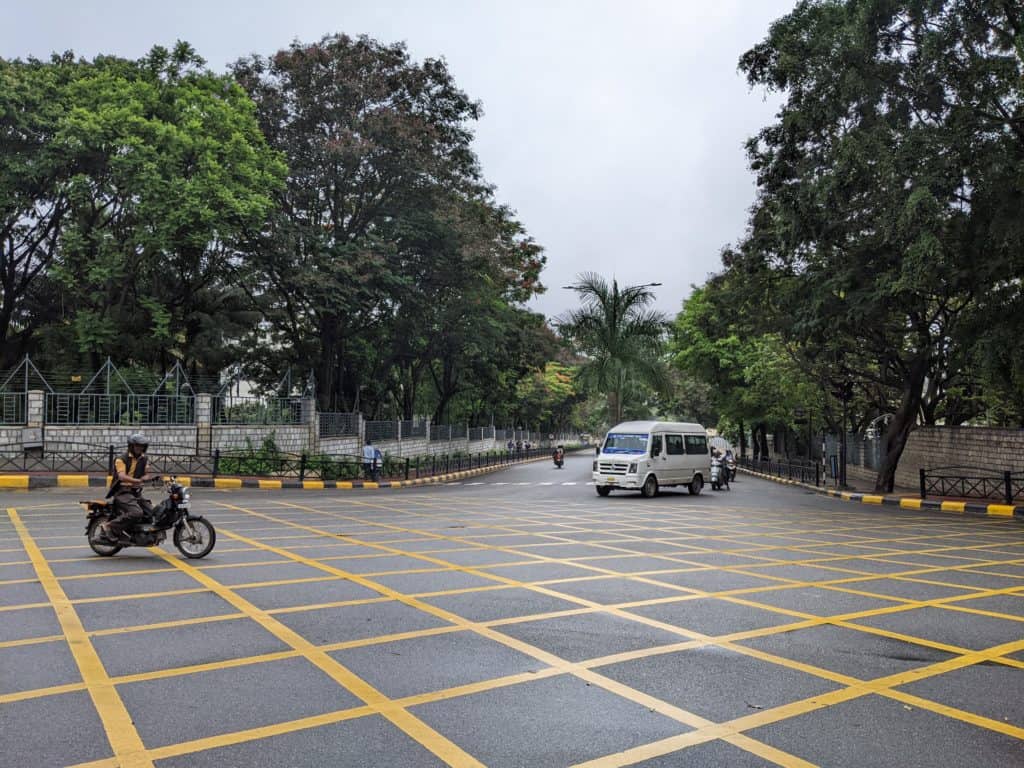
South Corporation Orders Falcon Apartment to Disinfect All Water Sources: 1 SHOCKING ALERT ON WATER SAFETY

The South Corporation has issued an urgent directive to the management of Falcon Apartment, located in one of Bengaluru’s densely populated residential areas, to disinfect all water sources within the premises. The decision comes after reports of contamination in the apartment’s water supply raised concerns over public health and hygiene. Officials emphasized that the step is necessary to prevent waterborne diseases and ensure the safety of residents.

Water contamination in urban residential complexes has become a recurring issue in Bengaluru, given the rapid urbanization, aging pipelines, and inconsistent water quality monitoring. In the case of Falcon Apartment, the South Corporation’s order specifically targets overhead tanks, underground storage tanks, and pipeline systems to be treated with approved disinfectants and subjected to rigorous testing before resumption of normal supply.South Corporation directs Falcon Apartment management to disinfect all its  water sources - The Hindu


REASONS BEHIND THE DISINFECTION ORDER

The directive follows routine water quality testing conducted by the South Corporation’s public health department. Preliminary results indicated the presence of coliform bacteria, a potential indicator of fecal contamination, which can lead to serious health issues if consumed untreated. Officials stressed that such contamination is common in large residential complexes where water storage and distribution systems are extensive and not adequately maintained.

Residents had also reported unusual taste and odor in tap water, along with minor cases of stomach discomfort among children and elderly individuals. These complaints prompted the corporation to conduct a thorough inspection and recommend immediate remedial action. Public health experts note that even low-level contamination can lead to gastrointestinal infections, diarrhea, and other waterborne illnesses, underscoring the urgency of proper disinfection.

Falcon Apartment management has been instructed to follow a structured procedure, including chlorination of tanks, flushing of pipelines, and testing water samples until laboratory results confirm that the supply is safe for consumption. The corporation also advised residents to avoid using tap water for drinking or cooking until further notice and to rely on bottled or boiled water as a precautionary measure.


STEP-BY-STEP DISINFECTION PROTOCOL

According to the South Corporation, the disinfection protocol includes several critical steps to ensure water safety. First, all storage tanks — both underground and overhead — must be drained and cleaned to remove sediment, algae, or accumulated debris. Next, tanks are to be treated with chlorine or other approved disinfectants at the recommended concentration to eliminate bacteria, viruses, and other pathogens.

Once the initial disinfection is completed, the water is to be flushed through all pipelines to remove residual contaminants and disinfectant. Samples are then collected at multiple points within the complex for laboratory testing to ensure uniform quality. Only after achieving acceptable standards for coliform and other microbial parameters will water be declared safe for residents.

Public health officials stress the importance of maintaining records of cleaning and disinfection, as well as periodic monitoring to prevent recurrence. “Regular maintenance and monitoring are essential,” said a senior officer from the South Corporation. “Disinfection is not a one-time activity; it must be coupled with preventive measures to ensure long-term water safety.”


IMPACT ON RESIDENTS AND DAILY LIFE

The order has significant implications for the daily routines of Falcon Apartment residents. While the disinfection process is underway, water supply may be interrupted, forcing residents to rely on alternative sources. Many families have expressed concern over managing household chores, including cooking, washing, and sanitation, during this period.

Some residents have reported increased expenses for bottled water and water delivery services, which may continue until the water supply is restored. In addition, children and elderly individuals are particularly vulnerable to any contamination, highlighting the need for immediate and effective action.

Community representatives have been coordinating with the South Corporation to ensure timely completion of disinfection and minimal disruption. Volunteers are assisting in disseminating information, advising residents on safe practices, and monitoring the progress of the cleaning activities.South Corporation directs Falcon Apartment management to disinfect all its  water sources - The Hindu


RESIDENTS’ REACTIONS AND CONCERNS

Residents of Falcon Apartment have expressed a mix of relief and concern following the corporation’s directive. Many welcomed the proactive action, acknowledging that maintaining water safety is crucial for health and hygiene. “It is reassuring to know that the authorities are taking immediate action,” said one resident. “We hope the process is completed quickly and thoroughly to avoid any health risks.”

At the same time, some residents raised questions about the apartment’s prior maintenance practices. Complaints included irregular cleaning of overhead tanks, lack of water quality monitoring, and delayed communication from management regarding water issues. Several residents urged the management to adopt a regular maintenance schedule and ensure transparency in reporting water quality results.

Public health activists also weighed in, calling for stricter regulations and regular inspections of all residential complexes. “This incident is not unique,” said an activist. “Many large apartment complexes face similar challenges. Authorities should enforce mandatory disinfection schedules and monitoring to prevent outbreaks of waterborne diseases.”


CORPORATION’S ROLE AND OVERSIGHT

The South Corporation has assumed a supervisory role to ensure that disinfection is carried out according to prescribed standards. Officers are conducting regular inspections, collecting water samples, and verifying the use of approved disinfectants. They have also provided technical guidance to the apartment management on best practices for tank cleaning and pipeline maintenance.

Officials emphasized that accountability lies with the apartment management for implementing the disinfection measures effectively. Non-compliance could result in penalties or further action under public health regulations. The corporation is also documenting the incident to improve future response protocols and identify areas where preventive measures can be strengthened.

Furthermore, the South Corporation is reviewing water safety practices across nearby residential complexes to ensure that similar issues do not arise. Teams have been instructed to conduct spot checks, educate residents on hygiene measures, and promote awareness regarding safe water storage and handling.


HEALTH IMPLICATIONS AND PRECAUTIONARY MEASURES

Experts emphasize that consuming contaminated water can lead to a range of illnesses, including diarrhea, gastroenteritis, and infections caused by bacteria, viruses, or protozoa. Children, the elderly, and individuals with compromised immunity are particularly susceptible. Public health guidelines recommend boiling or filtering water before use until disinfection is confirmed.

Residents have been advised to maintain personal hygiene, including washing hands before meals, sanitizing kitchen utensils, and avoiding use of untreated water for drinking or cooking. The South Corporation also encouraged reporting any signs of illness promptly and seeking medical attention if necessary.

Additionally, experts recommend adopting preventive measures, such as periodic cleaning of storage tanks, ensuring proper sealing of pipelines, and monitoring for any signs of contamination, including discoloration, odor, or sediment. These practices are essential to reduce the risk of outbreaks and maintain long-term water quality.Bengaluru water crisis: Posh gated community asks residents to use  disposable plates, wet wipes


WIDER IMPLICATIONS FOR URBAN WATER MANAGEMENT

The Falcon Apartment case highlights broader challenges in urban water management in Bengaluru. Aging infrastructure, intermittent supply, and inadequate maintenance of private water systems contribute to recurring contamination risks. Experts suggest that authorities and residents collaborate to ensure water safety through regular monitoring, preventive maintenance, and adherence to health regulations.

Policy makers emphasize the need for integrated approaches that combine municipal oversight, community engagement, and technological solutions. For instance, automated water quality monitoring systems and regular testing schedules can provide early warnings, reducing health risks and improving efficiency in water management.

Urban planning and housing policies also play a critical role. Proper design, regular inspections, and accountability mechanisms for apartment management are essential to prevent contamination and ensure reliable water supply for residents. The South Corporation’s directive serves as a reminder that proactive governance and community cooperation are vital for maintaining public health in densely populated urban areas.


FUTURE STEPS AND MONITORING

Once disinfection is completed, Falcon Apartment management is expected to submit water quality reports to the South Corporation for verification. Continuous monitoring will be required to prevent recurrence and maintain safe water standards. Authorities have also advised implementing preventive measures such as monthly tank cleaning, pipeline flushing, and use of residual disinfectants to ensure long-term safety.

Educational campaigns within the apartment are planned to raise awareness among residents about safe water practices. These include guidance on storing water properly, avoiding cross-contamination, and reporting issues promptly. Community participation is considered essential for sustaining safe and healthy water systems.

Experts also suggest that urban residential complexes should adopt water safety certifications or compliance checklists to maintain transparency and accountability. This approach can ensure residents are informed, management is proactive, and authorities have a clear oversight mechanism.


CONCLUSION: ENSURING SAFE WATER FOR RESIDENTS

The South Corporation’s directive to Falcon Apartment underscores the importance of vigilance, preventive maintenance, and timely action in maintaining safe water supply in urban areas. By mandating the disinfection of all water sources, authorities aim to protect residents from potential health hazards while reinforcing the importance of public health standards.

The incident serves as a broader reminder for other residential complexes to prioritize water quality, adopt regular maintenance schedules, and coordinate with municipal authorities. Safe and clean water is a fundamental necessity, and proactive steps such as the current directive ensure that residents can live in a healthy environment without fear of contamination.

As Falcon Apartment undergoes disinfection, officials, residents, and management alike are working together to restore water safety and confidence. The case highlights that effective urban water governance requires cooperation, accountability, and a shared commitment to public health. By implementing these measures, Bengaluru can continue to address challenges of urban living while safeguarding the health and well-being of its residents.

Follow: Karnataka Government

Also read: Home | Channel 6 Network – Latest News, Breaking Updates: Politics, Business, Tech & More
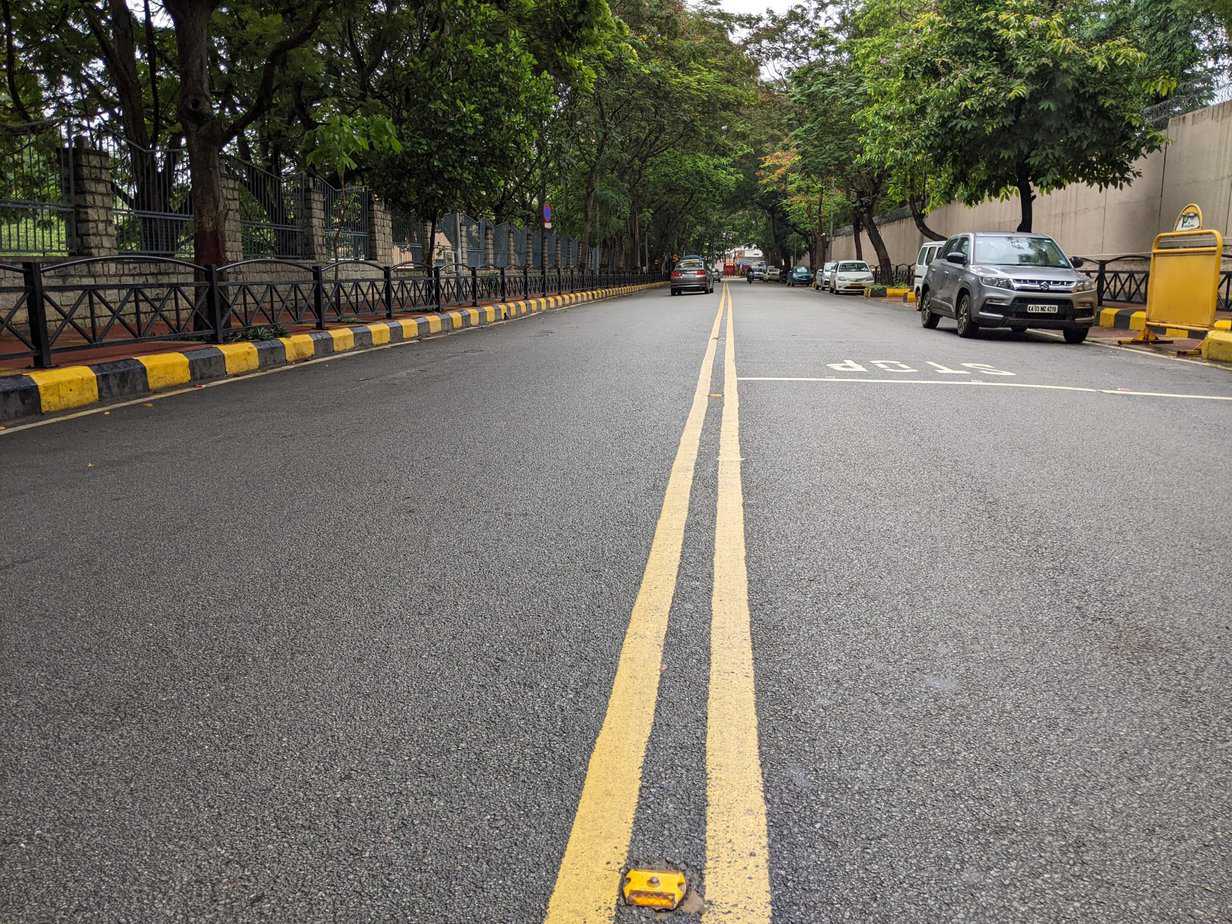
IIIT-B Develops 1 System to Detect Manufacturing Flaws Instantly

Researchers at the International Institute of Information Technology, Bangalore (IIIT-B) have developed a groundbreaking system capable of detecting manufacturing flaws in real time — without requiring extensive training data or conventional artificial intelligence models. The innovation promises to revolutionize quality control in industries, enabling faster detection of defects, reducing wastage, and improving overall production efficiency. By circumventing the typical requirements of AI-based systems, this approach is being hailed as a significant advancement in industrial automation and smart manufacturing.

The system was unveiled during a demonstration at IIIT-B, where researchers showcased its ability to instantly identify faults in various manufactured components, from automotive parts to electronic circuits. Unlike traditional machine learning models that require months of training with extensive datasets, this new method employs an adaptive algorithmic approach that learns patterns dynamically and flags anomalies in real time. Industry experts have lauded the development as a major step toward “plug-and-play” quality assurance systems.


THE INNOVATION: HOW IT WORKS

At the core of the IIIT-B system is a combination of signal processing, statistical analysis, and adaptive anomaly detection. The system continuously monitors manufacturing outputs, comparing sensor data, surface textures, and structural patterns against expected norms. When deviations occur, it immediately alerts operators, allowing for corrective action without halting production.

Dr. Raghavendra Rao, the lead researcher, explained, “Our approach eliminates the need for prior training data. Conventional AI systems rely on extensive datasets to ‘learn’ what is normal and what is faulty. Our system, in contrast, uses a real-time analytical framework that identifies inconsistencies as they occur, ensuring instant detection without the overhead of training.”

This system is particularly advantageous for industries that deal with high variability in components, where acquiring comprehensive datasets for training AI models can be both time-consuming and expensive. By using adaptive algorithms, the IIIT-B system can detect new types of defects it has never encountered before, making it more versatile than traditional AI-based inspection solutions.No training, No AI: New IIIT-B system catches manufacturing flaws instantly  - The Hindu


INDUSTRY APPLICATIONS AND IMPACT

The immediate applications of this technology are vast. Manufacturing sectors such as automotive, electronics, aerospace, and consumer goods stand to benefit from instant defect detection. Early identification of flaws can prevent defective products from reaching consumers, reduce the need for post-production quality checks, and cut down on material wastage.

Industry representatives attending the IIIT-B demonstration expressed optimism about integrating the system into existing production lines. “This is a game-changer for us,” said an operations manager from an automotive manufacturing firm. “Being able to detect defects immediately — without investing heavily in AI training — is exactly what the industry needs. It reduces downtime and significantly improves operational efficiency.”

The system also offers cost advantages. Traditional AI-based inspection systems often require substantial investment in both software and training data. In contrast, IIIT-B’s solution can be implemented with minimal setup, making it accessible even to small and medium enterprises that struggle with high technology costs.


BENEFITS OVER CONVENTIONAL AI

One of the major limitations of AI in industrial settings is the dependency on historical data. Models often fail when presented with anomalies that were not included in training datasets, leading to missed defects or false alarms. IIIT-B’s system overcomes this challenge by relying on continuous analysis and adaptive detection methods rather than static pre-trained models.

The adaptive approach ensures that every product is evaluated in context, making it capable of handling variations in materials, shapes, or production conditions. “What makes this system unique is its ability to dynamically adjust to new conditions without needing retraining,” said Dr. Rao. “It effectively ‘learns’ from the production process in real time, which is a significant advantage over conventional AI methods.”

Additionally, the system’s simplicity in deployment allows manufacturers to integrate it without extensive reconfiguration of existing assembly lines. This means companies can enhance their quality control mechanisms almost immediately, leading to improved product reliability and customer satisfaction.


CHALLENGES AND FUTURE DEVELOPMENT

Despite its promise, the IIIT-B system faces challenges in scaling across different industries and product types. The complexity of some manufacturing processes may require calibration of sensors and adjustment of detection thresholds to optimize performance. Researchers are actively working on refining the system to make it compatible with diverse industrial environments.AI slows down some experienced software developers, study finds - The Hindu

Another area of focus is enhancing the system’s reporting and analytics capabilities. While instant defect detection is crucial, providing actionable insights and predictive maintenance suggestions can further increase its value. The research team is exploring integration with cloud platforms and IoT devices, enabling centralized monitoring and remote diagnostics for multiple production facilities simultaneously.

Experts also suggest that combining this system with human oversight can maximize benefits. While the technology can flag anomalies instantly, human experts are needed to evaluate complex scenarios, interpret nuanced signals, and implement corrective measures, creating a synergy between automation and human judgment.


POTENTIAL TO TRANSFORM MANUFACTURING SECTORS

The introduction of a system that operates without training data challenges the conventional reliance on AI in industrial quality assurance. It is expected to set a precedent for the development of more adaptive, efficient, and accessible smart manufacturing solutions. By reducing reliance on pre-labeled datasets and extensive AI expertise, the IIIT-B model could democratize advanced quality control, enabling smaller manufacturers to adopt high-tech solutions.

Economists and industry analysts predict that widespread adoption could improve productivity, reduce waste, and enhance competitiveness in the Indian manufacturing sector. As industries strive to meet global standards, technologies that provide real-time insights and ensure product quality will be crucial. This system, with its low implementation cost and high adaptability, positions India as a hub for innovative industrial solutions.

Furthermore, the system can help industries adhere to sustainability goals by minimizing defective production, which in turn reduces resource consumption and environmental impact. This aligns with broader government initiatives aimed at promoting green manufacturing practices and improving operational efficiency.


EXPERT VIEWS AND ACADEMIC PERSPECTIVES

Academics and technology experts have praised the IIIT-B approach for its ingenuity and practicality. “The real breakthrough here is the elimination of the training requirement, which is traditionally the bottleneck in AI adoption for industry,” said Dr. Priya Natarajan, a professor of industrial engineering. “This makes advanced monitoring accessible and scalable, which is a huge step forward.”

Industry consultants note that such systems can also enhance safety in production environments. Detecting manufacturing defects in real time can prevent malfunctions in critical machinery, reduce accidents, and improve worker safety. This dual impact on efficiency and safety makes the system particularly valuable for high-stakes industries like aerospace, defense, and automotive manufacturing.

Experts also see potential for integration with existing AI frameworks. While the IIIT-B system functions independently, combining it with predictive analytics or machine learning could further enhance defect detection, providing a layered approach to quality control.Visakhapatnam lacks premier training institutes for engineering and  technology students - The Hindu


SUCCESS STORIES AND PILOT IMPLEMENTATIONS

During pilot testing, the IIIT-B system reportedly identified flaws that traditional inspection methods had missed. In one case, an automotive component with microscopic defects in weld joints was flagged instantly, preventing its use in assembly lines. In another pilot, electronic circuit boards with subtle structural inconsistencies were detected, allowing manufacturers to correct issues before shipment.

During pilot testing, the IIIT-B system reportedly identified flaws that traditional inspection methods had missed. In one case, an automotive component with microscopic defects in weld joints was flagged instantly, preventing its use in assembly lines. In another pilot, electronic circuit boards with subtle structural inconsistencies were detected, allowing manufacturers to correct issues before shipment.

These successful demonstrations have attracted interest from major industrial players and startups alike. Several companies are reportedly in discussions with IIIT-B to implement pilot projects on production floors, exploring scalability, integration with existing systems, and ROI (return on investment).

Manufacturers participating in pilot programs report immediate benefits, including reduced scrap rates, lower quality control costs, and improved consistency in production. The system also reduces reliance on manual inspection, allowing employees to focus on higher-value tasks such as process optimization and innovation.

Manufacturers participating in pilot programs report immediate benefits, including reduced scrap rates, lower quality control costs, and improved consistency in production. The system also reduces reliance on manual inspection, allowing employees to focus on higher-value tasks such as process optimization and innovation.


CONCLUSION: A NEW ERA IN SMART MANUFACTURING

The development of a real-time manufacturing flaw detection system by IIIT-B without the need for training or conventional AI represents a significant milestone in industrial automation. By combining adaptive algorithms, sensor data analysis, and instant anomaly detection, the system addresses critical challenges in quality control, cost efficiency, and operational reliability.

This innovation holds promise not only for large-scale industrial operations but also for smaller manufacturers seeking affordable, high-tech solutions. Its potential to improve product quality, reduce waste, enhance worker safety, and support sustainable manufacturing practices positions it as a transformative tool for India’s industrial sector.

As IIIT-B continues to refine and expand the system, it may set a benchmark for future smart manufacturing solutions globally. By proving that advanced quality monitoring is possible without traditional AI training, the research team has opened doors for more inclusive, efficient, and practical technological adoption in the industrial landscape.

Experts predict that as more industries adopt adaptive, real-time monitoring systems, manufacturing will become smarter, safer, and more responsive — marking a new era where innovation meets practicality, efficiency, and sustainability.

Follow: Karnataka Government

Also read: Home | Channel 6 Network – Latest News, Breaking Updates: Politics, Business, Tech & More

Tiger Sighted on BEML Campus?: 1 WILD ENCOUNTER IN URBAN KARNATAKA

A sighting of a tiger on the BEML (Bharat Earth Movers Limited) campus in Bengaluru has triggered alarm and curiosity among employees, wildlife authorities, and local residents. The alleged sighting, reported early in the morning by security personnel and employees, prompted immediate action from the forest department. Though tigers are typically associated with forest reserves and protected wildlife sanctuaries, occasional ventures into urban or semi-urban areas are not unprecedented, especially when their natural habitat is under pressure due to deforestation or human encroachment.

Reports indicate that the tiger, believed to be a sub-adult, was spotted near the eastern periphery of the sprawling BEML campus, close to areas that border greenery and scrubland. Several employees shared that they heard unusual rustling in the bushes and noticed large paw prints near the periphery gate. Security cameras reportedly captured fleeting images of a large striped animal moving quickly, prompting authorities to treat the sighting seriously.


INITIAL RESPONSE AND SAFETY MEASURES

Upon receiving reports, BEML management immediately alerted the Karnataka Forest Department and instructed employees to remain indoors. Gates were temporarily closed, and movement in outdoor areas was restricted until confirmation of the tiger’s presence. Authorities emphasized that public safety was the top priority while also trying to prevent panic.

The Forest Department dispatched a rapid response team equipped with tranquilizer guns, vehicles for monitoring, and GPS-enabled tracking devices. Wildlife officials are following standard protocols for urban sightings, including establishing a secure perimeter, monitoring the animal’s movement, and preventing its entry into densely populated areas. Rangers also conducted surveys to ensure there were no other large predators or strays in the vicinity that could pose additional risks.

BEML officials assured employees that strict safety measures were in place. “We are coordinating closely with forest authorities,” said a spokesperson. “Our priority is the safety of our workforce while ensuring minimal disturbance to wildlife.” Employees have been advised to avoid venturing into isolated areas, report any unusual sightings, and follow instructions from security and forest officials.


HISTORICAL AND ECOLOGICAL CONTEXT

Tiger sightings near urban centers in Karnataka are rare but not unprecedented. The state is home to several tiger reserves, including Bandipur, Nagarhole, and Bhadra, which form part of the Nilgiri Biosphere. Tigers occasionally travel long distances in search of territory, prey, or mating opportunities, especially young males dispersing from their maternal ranges. Urban expansion, deforestation, and infrastructure projects have fragmented habitats, sometimes pushing wildlife into human-dominated landscapes.

Experts note that sightings of big cats in urban fringes are often linked to ecological stress. “When forests are fragmented and prey is scarce, tigers, leopards, and other carnivores may wander into nearby urban or industrial areas,” said a wildlife biologist. “While it is alarming for residents, such encounters highlight the need for better habitat management, corridors, and awareness campaigns to reduce human-wildlife conflict.”

Urban wildlife ecologists also point out that BEML’s location, with pockets of greenery and water bodies nearby, may act as a temporary refuge or transit corridor for animals. Tigers are known to move stealthily, often avoiding human interaction, which explains why sightings are rare and fleeting.Serial lights adorn Albert Victor Road ahead of Dasara. #mysuru #mysurudasara2020 #mysore #starofmysore


EMPLOYEE AND PUBLIC RESPONSE

News of the tiger sighting spread rapidly across the campus and surrounding communities, leading to both concern and fascination. Employees reported mixed reactions, with some expressing fear and others excitement at the possibility of observing a tiger in the wild. Social media buzzed with speculation, images of paw prints, and discussion about safety precautions.

Parents of employees and residents in nearby areas have been particularly vigilant. Many have requested forest authorities to ensure the animal is safely relocated if necessary. Local schools and offices have also been advised to remain alert, and public parks close to the campus have been temporarily restricted for outdoor activities until the situation stabilizes.

While authorities caution against panic, community members are reminded to exercise vigilance, avoid approaching the tiger, and immediately report any movement near populated areas. Experts stress that tigers are generally elusive and avoid humans unless cornered, making careful monitoring essential for both safety and conservation.


ACTIONS TAKEN BY THE FOREST DEPARTMENT

The Karnataka Forest Department has mobilized additional personnel to monitor the area around BEML. Tracking teams have been deployed to identify paw prints, scat, and other signs to confirm the presence of a tiger. Drones equipped with cameras are also being used for aerial surveillance to ensure the animal does not move into densely populated areas.

Authorities have requested cooperation from the campus security team to provide detailed layouts of the premises, including possible escape routes for the tiger, water sources, and vegetative cover. Tranquilization and relocation plans are being readied as a precaution, but wildlife experts emphasize that capturing or relocating the animal will only occur if absolutely necessary, to prevent stress or injury to the tiger.

Additionally, forest officials are monitoring nearby lakes, ponds, and forest patches, assessing whether the tiger is transient or part of a broader dispersal. Collaboration with wildlife NGOs and researchers has been initiated to document behavior and ensure long-term strategies for mitigating human-wildlife conflict.


ENVIRONMENTAL AND POLICY IMPLICATIONS

Urban tiger sightings highlight the delicate balance between development and wildlife conservation. Rapid industrialization, residential expansion, and infrastructure growth often encroach upon tiger habitats, leading to conflicts. Experts suggest that urban planning must incorporate ecological considerations, including green corridors, buffer zones, and wildlife monitoring systems.

“This sighting is a wake-up call,” said a conservationist. “It underscores the need to maintain habitat connectivity and create safe corridors for wildlife movement. Tigers are apex predators, and their presence indicates a healthy ecosystem. However, when humans and wildlife intersect, proactive planning is crucial to prevent accidents and fatalities.”

Policy makers are also urged to increase awareness among industries, campuses, and urban residents about coexisting with wildlife. Regular training sessions for employees, community awareness programs, and collaboration with forest authorities can mitigate risks while promoting conservation values.Tiger sighted on BEML campus? - The Hindu


POSSIBLE SCENARIOS AND NEXT STEPS

While the sighting has yet to be confirmed conclusively, authorities are preparing for multiple scenarios. If the tiger remains within the campus area, forest officials may attempt safe relocation to a nearby forest reserve. If the animal moves towards residential areas, additional safety measures, temporary barricades, and alert systems will be deployed to prevent encounters with humans.

Wildlife biologists stress that the tiger’s behavior will largely dictate interventions. Young or dispersing tigers are more likely to move quickly and avoid humans, reducing the likelihood of prolonged presence in urban areas. Continuous monitoring using cameras, GPS collars, and tracking teams will guide any necessary action.

Authorities also plan to document the incident as part of a broader urban wildlife monitoring initiative. This includes recording patterns of movement, potential causes for urban ingress, and assessing prey availability in nearby forests. Such data can inform future policies and preparedness plans for human-wildlife coexistence.


COMMUNITY ENGAGEMENT AND AWARENESS

The BEML campus management, in coordination with forest authorities, has initiated awareness campaigns for employees. Posters, digital alerts, and training sessions on wildlife safety have been circulated. Employees are instructed to remain indoors during early mornings and evenings, avoid isolated areas, and report any sightings immediately.

Local residents are also being sensitized about tiger behavior, including how to respond to encounters and the importance of not provoking or chasing wildlife. Community engagement plays a crucial role in preventing accidents and ensuring that the animal’s movement does not result in harm to humans or itself.

Experts emphasize that fostering a culture of coexistence and respect for wildlife can help reduce conflicts. Awareness drives often include information on safe distances, avoiding loud noises, not leaving food waste in open areas, and understanding animal behavior.

The BEML campus management, in coordination with forest authorities, has initiated awareness campaigns for employees. Posters, digital alerts, and training sessions on wildlife safety have been circulated. Employees are instructed to remain indoors during early mornings and evenings, avoid isolated areas, and report any sightings immediately.

Local residents are also being sensitized about tiger behavior, including how to respond to encounters and the importance of not provoking or chasing wildlife. Community engagement plays a crucial role in preventing accidents and ensuring that the animal’s movement does not result in harm to humans or itself.

Experts emphasize that fostering a culture of coexistence and respect for wildlife can help reduce conflicts. Awareness drives often include information on safe distances, avoiding loud noises, not leaving food waste in open areas, and understanding animal behavior.

Leopard captured in BEML complex on Mysuru outskirts - The Hindu


CONCLUSION: BALANCING SAFETY AND CONSERVATION

The alleged tiger sighting at BEML campus serves as a reminder of the ongoing challenges of human-wildlife coexistence in rapidly urbanizing areas. While the immediate priority is ensuring public safety, authorities are equally focused on protecting the tiger and preserving ecological balance.

Urban tigers, though rare, are increasingly indicators of habitat stress and environmental disruption. As cities expand, proactive measures, ecological awareness, and collaborative monitoring become essential to prevent accidents and preserve biodiversity. The situation at BEML also underscores the need for long-term planning, including green corridors, habitat restoration, and community education.

The coming days will reveal whether the tiger is transient or part of a larger dispersal pattern. Meanwhile, employees, residents, and authorities remain vigilant, balancing concern, curiosity, and responsibility. This incident offers both a cautionary tale and an opportunity — to understand, respect, and coexist with the wildlife that remains integral to Karnataka’s rich ecological heritage.

Wildlife experts hope that the episode will raise awareness about conservation challenges, prompting communities and organizations to adopt practices that minimize human-wildlife conflict while celebrating the presence of India’s majestic apex predators.

Follow: Karnataka Government

Also read: Home | Channel 6 Network – Latest News, Breaking Updates: Politics, Business, Tech & More

HDK WARNS SEERS AGAINST 1 Bold POLITICAL INVOLVEMENT: Upholding Spiritual Neutrality in Karnataka

Karnataka Deputy Chief Minister and JD(S) leader H. D. Kumaraswamy (HDK) has issued a stern warning to religious seers and spiritual leaders, urging them to maintain a distance from political affairs. Speaking at a public event in Bengaluru, HDK emphasized that spiritual leaders wield considerable influence over public opinion and that mixing religion with politics can undermine the sanctity of religious institutions while destabilizing political discourse. His remarks come amid growing concerns about the role of seers in mobilizing votes and influencing policy debates, a trend that has intensified in recent state elections.

HDK stated that spiritual and religious leaders have a responsibility to guide followers on moral and ethical issues rather than taking sides in political battles. “Religion is meant to elevate human consciousness, not to manipulate electoral outcomes,” he said. “When seers enter politics, they compromise their moral authority and blur the line between spiritual guidance and political influence. This is harmful for both society and the democratic process.”


THE CONTEXT: POLITICS AND RELIGIOUS INFLUENCE

Kumaraswamy’s statement comes at a time when several seers across Karnataka have been increasingly vocal about political matters, endorsing candidates, or indirectly influencing voter preferences. Analysts point out that religious leaders often have large followings, with devotees willing to heed their guidance on social, cultural, and political issues. This has led to a blurring of lines between spiritual authority and political endorsement, raising concerns about ethical governance, voter manipulation, and undue influence in democratic processes.

Experts argue that the intersection of religion and politics is historically sensitive in India. While faith and morality can play a role in shaping societal values, the direct involvement of seers in partisan politics can erode secular principles and encourage polarization. HDK’s warning appears aimed at preserving the neutrality of religious institutions, ensuring that temples, ashrams, and other centers of faith remain sanctuaries of spirituality rather than political arenas.Vokkaliga seers warn against destabilising HDK government - The Hindu

Kumaraswamy further noted that when seers endorse or oppose political parties, it can create a culture of expectation among followers, pressuring individuals to vote in line with religious guidance rather than personal conviction. “Faith should inspire ethical choices, not coerced political decisions,” he added. “Religious leaders have immense responsibility. Misusing their influence for political ends is a betrayal of the trust placed in them by society.”


REACTIONS FROM POLITICAL AND RELIGIOUS CIRCLES

HDK’s remarks have elicited mixed reactions from political analysts and religious groups. Some politicians welcomed the cautionary note, stating that spiritual neutrality is essential for a healthy democracy. “We often see polarization based on religious influence during elections,” said a senior observer of Karnataka politics. “Deputy Chief Minister’s comments are timely, emphasizing that seers should focus on moral guidance, not political maneuvering.”

Religious institutions, however, reacted cautiously. While some seers acknowledged the concern, they argued that moral and ethical guidance can naturally intersect with political discussions, especially when policies impact societal welfare. “We guide our followers on issues of justice, welfare, and integrity,” said one prominent seer from the Mysuru region. “That should not be seen as partisan politics, but as responsible leadership aligned with dharma.”

Meanwhile, opposition parties have weighed in, suggesting that HDK’s comments also serve as a subtle critique of seers aligned with rival parties. Analysts noted that in Karnataka, as in many states, religious endorsements can sway elections, and politicians are often wary of such influence. By urging seers to remain apolitical, HDK is sending a dual message: cautioning religious leaders while positioning his party as committed to ethical political conduct.

Karnataka govt formation updates: Kumaraswamy promises 'balance' between  Congress, JD(S) agenda – Firstpost


ETHICAL AND DEMOCRATIC IMPLICATIONS

Political scientists note that the involvement of spiritual leaders in politics presents multiple challenges. First, it raises questions about the independence of voters, who may feel compelled to follow religious guidance rather than exercising individual judgment. Second, it can undermine secular governance by prioritizing religious considerations over policy or constitutional obligations. Third, it risks creating conflicts of interest, where leaders of faith may favor political parties that align with personal or institutional gains.

By highlighting these issues, HDK has called attention to the need for clearer boundaries between spiritual authority and political power. “Democracy functions best when citizens make informed choices based on policy, competence, and vision,” said a political analyst. “Religious authority should never overshadow this process. Leaders like HDK are emphasizing that the sanctity of faith and ethical governance must be protected.”

Kumaraswamy also suggested that religious leaders have a societal duty to focus on social welfare, ethical education, and community service rather than political campaigning. He pointed to initiatives where seers have contributed to health camps, educational programs, and poverty alleviation — actions that are uncontroversial and socially constructive. “Influence should uplift society, not distort democratic processes,” HDK remarked.


THE POLITICAL BACKDROP: KARNATAKA ELECTIONS AND RELIGIOUS INFLUENCE

Karnataka has witnessed multiple elections where religious endorsements played a significant role. In certain constituencies, temples and ashrams have hosted rallies, organized community outreach, or publicly expressed support for candidates. While these actions may not be illegal, they often shape public perception, creating pressure on voters and influencing outcomes indirectly. HDK’s comments are an attempt to address this recurring phenomenon, urging both politicians and seers to respect boundaries.

Election observers highlight that in a multi-party system like Karnataka’s, small margins can decide results. A few thousand votes influenced by religious guidance can tip an election, making the neutrality of spiritual leaders a matter of serious concern. Political experts argue that comments like HDK’s serve as both guidance and warning — reminding religious institutions of moral obligations while signaling to the public that undue influence in elections must be avoided.


RECOMMENDATIONS AND FUTURE STRATEGIES

HDK’s statement has prompted discussions on potential policy and procedural measures to safeguard secularism and ethical governance. Suggestions include issuing guidelines for religious institutions during elections, creating awareness among voters about the independence of choice, and promoting codes of conduct for spiritual leaders. Some experts propose workshops or advisory committees to educate religious figures on legal boundaries, ethical responsibilities, and societal impact.

Another recommendation focuses on media and social platforms, urging responsible reporting of political statements made by religious leaders. Experts note that amplification of endorsements can intensify influence, making neutral guidance appear partisan. By combining awareness campaigns with policy frameworks, Karnataka can work toward reducing conflicts between spirituality and politics.

HDK’s remarks also resonate with broader national conversations about the role of religion in governance. Across India, courts and election commissions have repeatedly emphasized the importance of maintaining neutrality in religious institutions during political campaigns. Scholars argue that aligning with political parties can erode public trust in spiritual guidance and damage long-standing religious traditions.


SOCIAL PERSPECTIVE: FAITH, ETHICS, AND CIVIC RESPONSIBILITY

Sociologists argue that the warning from HDK has deeper social implications. Faith and spirituality are integral to cultural identity, moral development, and community cohesion. When religious leaders take partisan stances, it risks creating divisions among followers, eroding trust, and compromising ethical authority. Conversely, maintaining neutrality reinforces the role of spiritual institutions as centers of moral guidance and social support.

The public has largely welcomed HDK’s advice, particularly urban middle-class citizens who are wary of polarization during elections. Community leaders point out that voters often respect the guidance of seers, making it essential that spiritual advice is free from political bias. Citizens and activists have also called for greater civic education, ensuring that people can make informed decisions based on policy, performance, and governance rather than religious influence.Editorial | Seers must stay out of politics

Youth groups and students’ forums have echoed similar sentiments, emphasizing that the younger generation values independence and rational decision-making. They argue that ethical leadership — both in politics and religion — is critical to building trust and ensuring social cohesion.


CONCLUSION: ETHICAL GUIDANCE AND DEMOCRATIC HEALTH

H. D. Kumaraswamy’s call for seers to remain apolitical is both timely and significant. It highlights the responsibility of spiritual leaders to focus on social welfare, moral guidance, and ethical education while respecting democratic processes. At the same time, it sends a clear message to political parties and voters that religion should not be exploited for electoral gains.

Experts suggest that Karnataka can benefit from a broader dialogue on faith, ethics, and governance. Encouraging voluntary codes of conduct, educational outreach, and public awareness campaigns can reduce the potential for misuse of religious authority in politics. By maintaining this balance, society ensures that faith remains a source of moral strength, ethical reflection, and community cohesion rather than a tool for partisan maneuvering.

For Karnataka, HDK’s warning reinforces the principle that democracy and spirituality can coexist without compromising each other — provided that boundaries are respected, ethical standards are upheld, and the role of religion remains focused on uplifting society rather than influencing political outcomes.

For Karnataka, HDK’s warning reinforces the principle that democracy and spirituality can coexist without compromising each other — provided that boundaries are respected, ethical standards are upheld, and the role of religion remains focused on uplifting society rather than influencing political outcomes.

The dialogue initiated by the Deputy Chief Minister is likely to resonate across political and religious circles, shaping debates about civic responsibility, electoral ethics, and the moral obligations of spiritual leaders in contemporary India.

Follow: Karnataka Government

Also read: Home | Channel 6 Network – Latest News, Breaking Updates: Politics, Business, Tech & More

BJP Targets Mamata Banerjee Over Waqf Act Compliance and Murshidabad Violence 2025: Electoral Roll Politics, Governance Challenges, Minority Rights, and Policy Reform Needs in West Bengal

The BJP Targets Mamata Banerjee Over Waqf Act Compliance and Murshidabad Violence 2025 controversy has become a defining moment in West Bengal’s political discourse. On November 29, 2025, BJP leaders accused Chief Minister Mamata Banerjee of hypocrisy after her government directed district magistrates to upload details of waqf properties onto the central government’s Umeed portal. This move came despite Mamata’s earlier opposition to the amended Waqf Act, which she had described as an attack on minority rights.


2. The Amended Waqf Act: What It Means

The amended Waqf Act, enforced in April 2025, introduced several changes:

  • Stricter conditions for creating waqf endowments.
  • Easier procedures to declare properties non‑waqf.
  • Inclusion of non‑Muslims in waqf boards.
  • Mandatory uploading of property details onto the central Umeed portal.

While the Supreme Court stayed some provisions in September 2025, rules requiring property uploads remained valid.


3. Bengal Government’s Directive

On November 27, 2025, Bengal’s minority affairs department ordered district magistrates to ensure waqf property details were uploaded by December 5.

  • Bengal has nearly 82,000 waqf properties under 8,000 estates.
  • Officials argued compliance was necessary to avoid legal complications.
  • Trinamool leaders insisted the move was meant to protect assets from privatization.

4. BJP’s Allegations Against Mamata

BJP leaders accused Mamata of double standards:

  • Suvendu Adhikari claimed she instigated protests against the Act earlier, leading to violence in Murshidabad.
  • He asked whether Mamata would apologize to Hindus whose shops were vandalized.
  • BJP alleged that Mamata’s government was now quietly implementing the Act to appease the Centre.

Their rhetoric framed Mamata as politically opportunistic and responsible for unrest.


5. Murshidabad Violence: The Context

In April 2025, protests against the amended Waqf Act in Samserganj, Murshidabad, turned violent.

  • Two Hindus were killed, and dozens of shops vandalized.
  • BJP blamed Mamata for inciting minorities against the Act.
  • Trinamool accused BJP of exploiting the unrest for political gain.

The violence remains a sensitive flashpoint in Bengal’s communal politics.


6. Trinamool’s Defense

Trinamool spokespersons argued:

  • Uploading property details was necessary to safeguard minority assets.
  • The BJP wanted to sell waqf properties to corporate allies.
  • Compliance with the portal did not mean acceptance of the Act’s controversial provisions.

Their defense framed the directive as pragmatic rather than ideological.


7. Governance Challenges Exposed

The incident highlights systemic governance challenges:

  • Balancing minority rights with central directives.
  • Preventing communal violence during protests.
  • Ensuring transparency in waqf property management.
  • Managing political fallout from compliance decisions.

8. BJP Targets Mamata Banerjee: Political Fallout

The controversy has political consequences:

  • BJP consolidates support by portraying Mamata as inconsistent.
  • TMC positions itself as defender of minority rights.
  • Civil society debates governance failures in electoral processes.

The issue has become a flashpoint ahead of the 2026 Assembly elections.


9. Historical Context: Waqf Politics in India

Waqf properties have long been politically sensitive:

  • In Uttar Pradesh, waqf boards faced allegations of mismanagement.
  • In Karnataka, waqf reforms sparked protests.
  • Bengal’s case reflects a national challenge of balancing religious endowments with governance accountability.

10. Broader Implications for Democracy

The incident raises fundamental questions:

  • Can democracy thrive if minority rights are politicized?
  • Will waqf properties remain protected amid privatization pressures?
  • Does governance risk losing legitimacy if compliance decisions spark violence?

11. Recommendations for Reform

Experts suggest:

  • Transparent audits of waqf properties.
  • Community participation in waqf management.
  • Legal safeguards against arbitrary privatization.
  • Dialogue between Centre and states to reduce political friction.

12. Comparative Lessons from Other States

Other states have faced similar controversies:

  • Uttar Pradesh’s waqf reforms triggered communal tensions.
  • Karnataka’s waqf board faced corruption allegations.
  • Bengal’s case reflects a national challenge of balancing governance with minority trust.

13. Human Dimension: Families in Fear

Families in Murshidabad describe:

  • Shops destroyed during riots.
  • Fear of exclusion from waqf benefits.
  • Anxiety about political manipulation of religious institutions.

Their plight is deeply personal and emotional, affecting communities across Bengal.


14. Conclusion: A Test of Governance and Democracy

The BJP Targets Mamata Banerjee Over Waqf Act Compliance and Murshidabad Violence 2025 is more than a political controversy — it is a test of governance, democracy, and minority rights in West Bengal. Unless systemic reforms are undertaken, communities will remain vulnerable, and public trust in institutions will erode.

The controversy underscores the urgency of balancing electoral integrity, minority rights, and governance accountability.


🔗 Government External Links

For further reading and official updates, here are relevant government sources:

Also read: Home | Channel 6 Network – Latest News, Breaking Updates: Politics, Business, Tech & More

Election Commission Appoints Special Roll Observer for Bengal SIR 2025 and Writes to DGP Over Apparent Threats to BLOs: Electoral Roll Revision Controversy, Governance Challenges, Political Fallout, and Policy Reform Needs in West Bengal

The Election Commission Appoints Special Roll Observer for Bengal SIR 2025 and Writes to DGP Over Apparent Threats to BLOs controversy has become a defining moment in West Bengal’s electoral politics. On November 29, 2025, the Election Commission of India (ECI) appointed retired IAS officer Subrata Gupta as Special Roll Observer for the Special Intensive Revision (SIR) of electoral rolls in Bengal. Simultaneously, the Commission wrote to the state’s Director General of Police (DGP), expressing concern about threats to Booth Level Officers (BLOs). This intervention underscores the gravity of the situation, where electoral integrity, governance accountability, and frontline worker safety intersect.


2. The Special Intensive Revision (SIR): What It Means

The SIR is a voter roll update exercise mandated by the Election Commission.

  • BLOs must verify voter identities against the 2002 electoral roll benchmark.
  • Families without proper linkage risk exclusion.
  • Aadhaar is accepted only as identity proof, not citizenship proof.
  • Normally, the process takes 18–24 months.
  • In 2025, the EC compressed it into two months, sparking chaos.

This hurried timeline has become the root of the crisis, with BLOs collapsing under workload pressure and communities fearing disenfranchisement.


3. Appointment of Subrata Gupta as Special Roll Observer

The EC appointed Subrata Gupta, a 1990‑batch IAS officer of the West Bengal cadre, as Special Roll Observer.

  • His mandate: ensure compliance with EC directions.
  • Verify that no eligible voter is excluded and no ineligible voter is included.
  • Oversee coordination between BLOs, district officials, and EC headquarters.
  • Act as a neutral authority to monitor ground realities.

His appointment reflects the EC’s attempt to strengthen oversight amid rising tensions.


4. Election Commission Appoints Special Roll: Deployment of Additional Observers

To support Gupta, the EC deputed 12 IAS officers as Electoral Roll Observers across the state.

  • Each officer assigned to specific districts.
  • Their role: monitor BLO activities, ensure transparency, and report irregularities.
  • This multi‑layered oversight structure reflects the EC’s recognition of Bengal’s volatile political climate.

5. Writing to the DGP: Concerns Over BLO Safety

The EC wrote to West Bengal DGP Rajeev Kumar, directing him to ensure BLO safety.

  • Inputs suggested “apparent threats” to BLOs.
  • BLOs reported intimidation, coercion, and excessive workload.
  • EC emphasized that fear and undue influence must be prevented.
  • Police instructed to provide protection and prevent untoward incidents.

This letter reflects the EC’s concern for frontline workers’ safety.


6. Governance Challenges Exposed

The incident highlights systemic governance failures:

  • Unrealistic deadlines imposed by EC.
  • Weak communication with BLOs.
  • Poor technology infrastructure in rural areas.
  • Delayed response to BLO grievances and deaths.

Without reforms, electoral integrity itself is at risk.


7. Human Dimension: BLOs in Fear

Families of BLOs describe:

  • Sudden collapses from exhaustion.
  • Panic attacks and high blood pressure.
  • Anxiety about punitive action if targets are missed.

Their plight is deeply personal and emotional, affecting communities across Bengal.


8. Political Fallout

The controversy has political consequences:

  • BJP accuses TMC of intimidating BLOs to manipulate rolls.
  • TMC accuses EC of acting under BJP’s instructions.
  • Civil society debates governance failures in electoral processes.

The issue has become a flashpoint ahead of the 2026 Assembly elections.


9. Historical Context: Electoral Roll Controversies

India has witnessed similar controversies:

  • Assam’s NRC excluded millions due to documentation gaps.
  • Past revisions saw BLOs complain of underpayment and overwork.
  • Bengal’s SIR echoes these controversies, highlighting systemic flaws.

10. Broader Implications for Democracy

The incident raises fundamental questions:

  • Can elections be credible if BLOs collapse under workload?
  • Will voter rolls be accurate if frontline staff are demoralised?
  • Does democracy risk losing legitimacy if electoral processes are rushed?

11. Recommendations for Reform

Experts suggest:

  • Staggered timelines for voter roll revision.
  • Hiring additional staff to support BLOs.
  • Improved technology for faster digitisation.
  • Compensation packages for BLO families.
  • Policy reform to recognise BLOs as permanent electoral staff.

12. Comparative Lessons from Other States

Other states have faced similar controversies:

  • Assam’s NRC excluded millions despite decades of residence.
  • Tripura’s refugee politics shaped electoral outcomes.
  • Bengal’s case reflects a national challenge of balancing electoral integrity with human dignity.

13. Human Stories: Families in Distress

Families of BLOs and community members describe:

  • Sudden collapses from exhaustion.
  • Panic attacks and high blood pressure.
  • Anxiety about disenfranchisement.

These stories highlight the human cost of governance failures.


14. Conclusion: A Test of Governance and Democracy

The Election Commission Appoints Special Roll Observer for Bengal SIR 2025 and Writes to DGP Over Apparent Threats to BLOs is more than a bureaucratic exercise — it is a test of governance, democracy, and human dignity. Unless systemic reforms are undertaken, BLOs will remain vulnerable, and public trust in institutions will erode.

The EC’s intervention underscores the urgency of balancing electoral integrity with compassion for frontline workers.


🔗 Government External Links

For further reading and official updates, here are relevant government sources:

Also read: Home | Channel 6 Network – Latest News, Breaking Updates: Politics, Business, Tech & More

SHOCKING GAME CRACKDOWN: ED Arrests WinZO Directors, Freezes ₹ 505 Crore Assets

In a sweeping crackdown on alleged financial irregularities in India’s online gaming sector, the Enforcement Directorate arrested WinZO founders Saumya Singh Rathore and Paavan Nanda on money-laundering charges under the Prevention of Money Laundering Act. The arrests came after raids across multiple premises linked to the company, resulting in freezing of assets worth around ₹505 crore, including bank balances, fixed deposits, bonds and mutual funds associated with WinZO. The ED alleges that the platform continued operating real-money games even after the nationwide ban came into effect, and that several financial inconsistencies were detected during the investigation.

As the investigation deepens, enforcement officials are also expected to scrutinise the internal communication records of the company to determine whether senior management was aware of the alleged financial irregularities. Emails, meeting logs, and decision-making memos are likely to play a crucial role in establishing responsibility. Investigators believe that patterns of directives, internal approvals, and instructions may reveal whether the founders acted independently or whether a broader network within the organisation supported the financial operations now under question.

Meanwhile, the arrests have sent shockwaves through the online gaming community, particularly those involved in real-money formats. Several executives from competing platforms are reportedly reviewing their own compliance frameworks to ensure they are not vulnerable to similar allegations. Industry observers say that this moment may usher in a new era of stringent self-regulation, as companies attempt to demonstrate transparency and rebuild public confidence. Many believe that stricter audits, clearer payout disclosures, and third-party oversight of algorithmic processes may soon become the norm.

For policymakers, the case highlights the urgent need to bridge gaps between technological innovation and regulatory preparedness. As digital economies evolve faster than traditional governance structures, challenges such as cross-border transactions, data mismanagement, and algorithmic manipulation become harder to monitor. This incident is likely to accelerate discussions around a dedicated regulatory body for gaming and digital entertainment industries, one with the authority to enforce compliance, certify platforms, and protect consumers at scale.

In the coming weeks, the direction of the case will depend heavily on the evidence presented and the responses of the accused during custodial interrogation. If investigators uncover clearer proof of fund diversion or fraudulent gameplay design, the probe could widen significantly. Conversely, if the accused manage to contest the charges successfully, the debate around real-money gaming regulations may take a more nuanced turn. For now, the arrests mark a pivotal moment, signalling that high-growth digital sectors will no longer operate without rigorous scrutiny.

The agency claims that complaints from multiple users indicated blocked withdrawals, withheld winnings, misrepresentation of game outcomes and arbitrary account suspensions. According to preliminary findings, the platform allegedly manipulated user engagement through undisclosed bots and controlled algorithms, which created an unfair digital environment and resulted in systematic losses for players. The magnitude of the suspected violations prompted ED officials to expand scrutiny into the company’s financial records, operational structures and associated entities.


Allegations, Evidence and Investigative Trail

According to investigation officials, a portion of the company’s revenue, including user deposits and in-game transaction proceeds, was allegedly diverted to foreign accounts. Authorities suspect the existence of offshore entities in the United States and Singapore that were used to route funds abroad while the core operations remained India-based. Documents seized during earlier raids reportedly show transactions that indicate large-scale capital movement inconsistent with company disclosures.ED arrests WinZO promoters, freezes Rs 505 crore in money-laundering  crackdown - India Today

The ED has also alleged that WinZO held over ₹40 crore of user funds without disbursing withdrawals for several months following the ban on real-money gaming. These actions, investigators say, violate directives issued under digital gaming compliance frameworks and point to deliberate withholding of customer money. The investigation team claims that internal communication records and algorithm logs found during the search highlight how the company may have programmed automated opponents or bots to play against human users without transparency.

Several complaints submitted by affected users also indicate a pattern of financial exploitation. Players allege that the games were rigged to minimise chances of winning, and that refunds were systematically denied. Officials state that these findings align with the broader pattern of financial fraud they are currently tracing. The ED maintains that the company’s methods created an illusion of fair play while concealing significant operational manipulation.

Authorities further revealed that multiple shell companies and third-party vendors may have been used to move funds, obscure transaction origins and distance primary operators from financial discrepancies. Several statements have been recorded, and digital forensics teams are now reconstructing transaction flows to determine the full extent of the laundering network. Officials believe the case may widen in scope as more data is analysed.


Sector-Wide Scrutiny and Industry Repercussions

This operation forms part of a larger crackdown on real-money gaming platforms that reportedly continued operations despite increased regulatory restrictions. Several companies came under investigation for non-compliance, misuse of user funds and algorithmic manipulation. The ED’s actions suggest that the gaming industry is now under rigorous surveillance, especially for violations involving user data, financial transactions and cross-border capital transfers.

Analysts note that India’s fast-growing online gaming sector may face substantial slowdown due to increased regulatory pressure. Investors may hesitate to direct capital into real-money gaming ventures until compliance frameworks become more transparent and enforcement clearer. Some experts predict that smaller gaming firms may shut down or consolidate, while larger companies may shift to less-regulated game formats, such as ad-supported casual gaming or skill-based models certified by regulatory agencies.

The crackdown also reflects rising public concern about user safety in digital platforms. With increasing reports of addiction, financial losses and fraudulent game outcomes, regulators have been under pressure to treat online gaming with the seriousness applied to digital lending or cryptocurrency markets. The WinZO case, given its scale, could become a precedent that shapes the regulatory future of digital gaming in India.ED arrests WinZO founders Saumya Singh Rathore and Paavan Nanda on money  laundering charges | India News - The Indian Express


Implications for Users, Investors and the Broader Digital Economy

Thousands of users with unresolved withdrawals or frozen accounts may now face long waiting periods before recovery is initiated. Legal experts warn that refund processes could be complex, especially because the frozen assets include funds stored across multiple financial instruments. Consumer-rights groups are already preparing to support affected users in filing claims once the ED formally opens compensation channels.

Investors associated with the company are also likely to be impacted. With the founders in custody and the company’s financial assets frozen, several ongoing and planned projects may be halted. Venture investors, especially those backing gaming and digital entertainment sectors, may reassess their portfolios to reduce exposure to regulatory risks. This could lead to a shift in investment patterns within India’s tech startup ecosystem.

Industry watchers believe the episode highlights a growing divide between compliant gaming companies and those that attempted to exploit regulatory gaps. Platforms that operate with full transparency may eventually benefit, as public trust shifts toward companies with strong reputations for fairness, security and responsible gaming practices. The long-term effect, however, may be a more subdued and cautious gaming sector.

The case also raises fundamental questions about the integrity of online game algorithms. As investigations continue, authorities may demand that platforms disclose more about their game mechanics, win probabilities and bot usage. Legal experts believe that algorithmic transparency may become a mandatory requirement for obtaining licenses in future.


Legal Proceedings and Upcoming Steps in the Case

Following the arrests, a special PMLA court granted ED custody of the two directors for an extended period to facilitate deeper interrogation and document examination. During this custody period, investigators are expected to present financial trails, server logs, internal company communications and foreign-transaction evidence to build a comprehensive case under money-laundering and fraud statutes.

Authorities will scrutinise every layer of financial activity, from user deposits to withdrawals, promotions, operational expenses and foreign remittances. The ED may also make further arrests if evidence indicates involvement of additional company officials or external collaborators. Enforcement teams will evaluate whether the funds allegedly transferred abroad can be repatriated, and whether international agencies need to be engaged for cooperation.

Legal experts believe this case could stretch over an extended period due to its scale and the complexity of digital financial ecosystems. Once the ED files formal charges, the process will move into a prosecution phase, during which the company’s legal team will challenge the allegations. Depending on the court’s findings, the case may set a benchmark for future digital-economy investigations.

Affected users will also have the opportunity to register claims for recovery once the legal process allows fund distribution. However, experts caution that recoveries may take time as courts determine liabilities and asset ownership across domestic and foreign holdings. Regulatory bodies may simultaneously launch their own inquiries based on ED findings.Who is Paavan Nanda? WinZO co-founder arrested by ED on money laundering  charges | India News


Wider Implications for Digital Regulation and Governance in India

The arrests represent one of the most significant interventions in the history of India’s online gaming sector. They highlight the increasing resolve of enforcement agencies to monitor digital markets, particularly those involving financial risk. Public trust in online gaming could be affected in the short term, as users reconsider the safety of sharing financial and personal data on such platforms.

This incident also underscores the urgent need for clear regulatory frameworks governing online gaming. Policymakers may use the case as momentum to accelerate legislation related to licensing, compliance, operational transparency and consumer protection. Experts believe that India may soon move toward a centralised gaming-regulation system similar to international models.

For tech entrepreneurs, the case serves as a reminder that innovation must be accompanied by accountability. As India continues its digital expansion, sectors like gaming, fintech and online services will need to operate with heightened compliance, making transparency a core pillar of sustainable business. The WinZO episode may ultimately strengthen the digital ecosystem by emphasising ethical governance.

Follow: Karnataka Government

Also read: Home | Channel 6 Network – Latest News, Breaking Updates: Politics, Business, Tech & More