Sunday, December 28, 2025
Home Blog Page 101

Modi Warns Adversaries — India Knows How to Safeguard Peace:1 STEADY HAND, STRONG WORDS

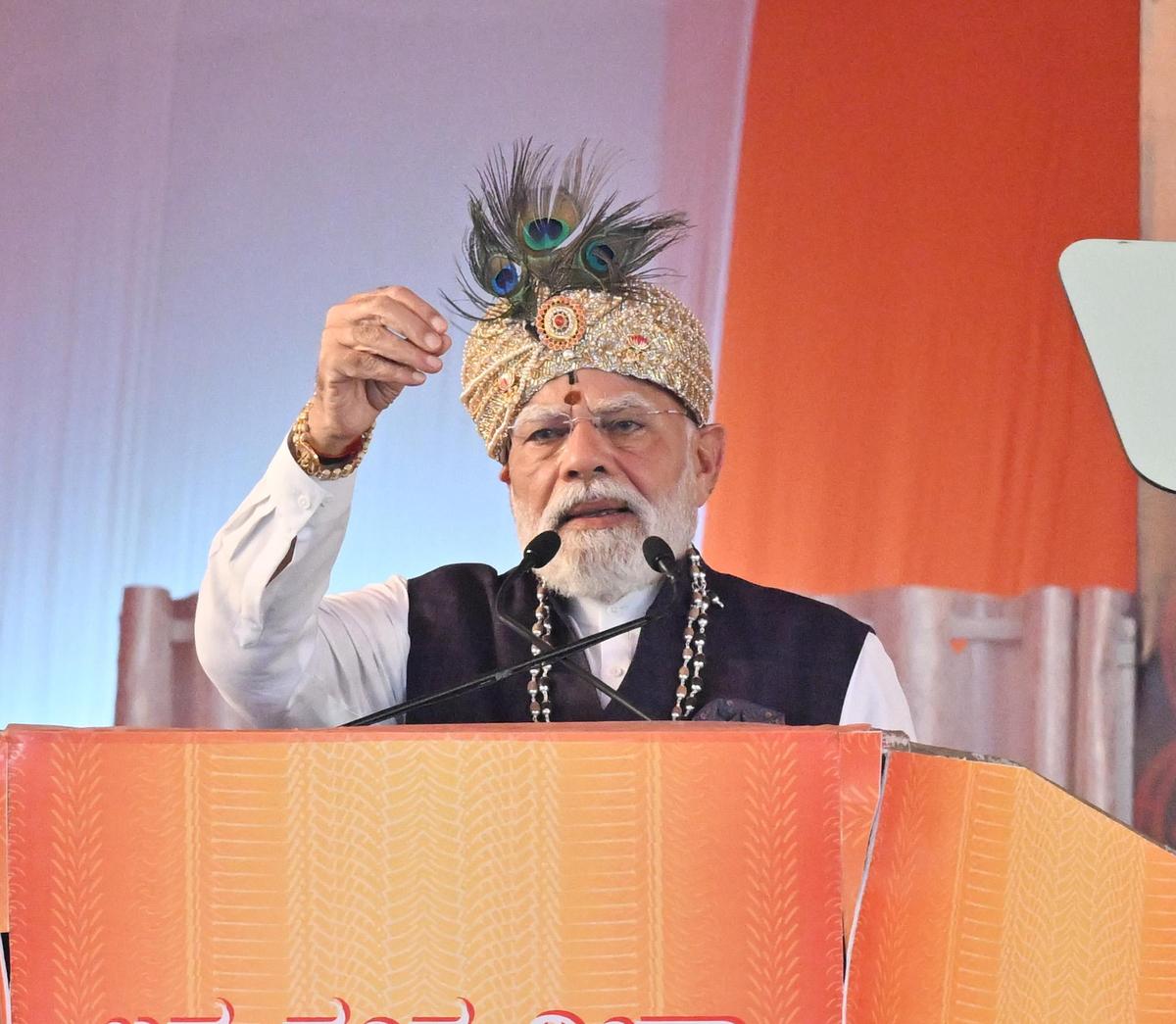
Narendra Modi’s visit to Udupi on Friday turned into a powerful assertion of India’s resolve on national security and diplomatic posture, as the Prime Minister delivered pointed remarks that many interpreted as directed at neighbouring Pakistan. At the heart of his address was a simple but firm message: India values peace, but it will not hesitate to defend itself when provoked.

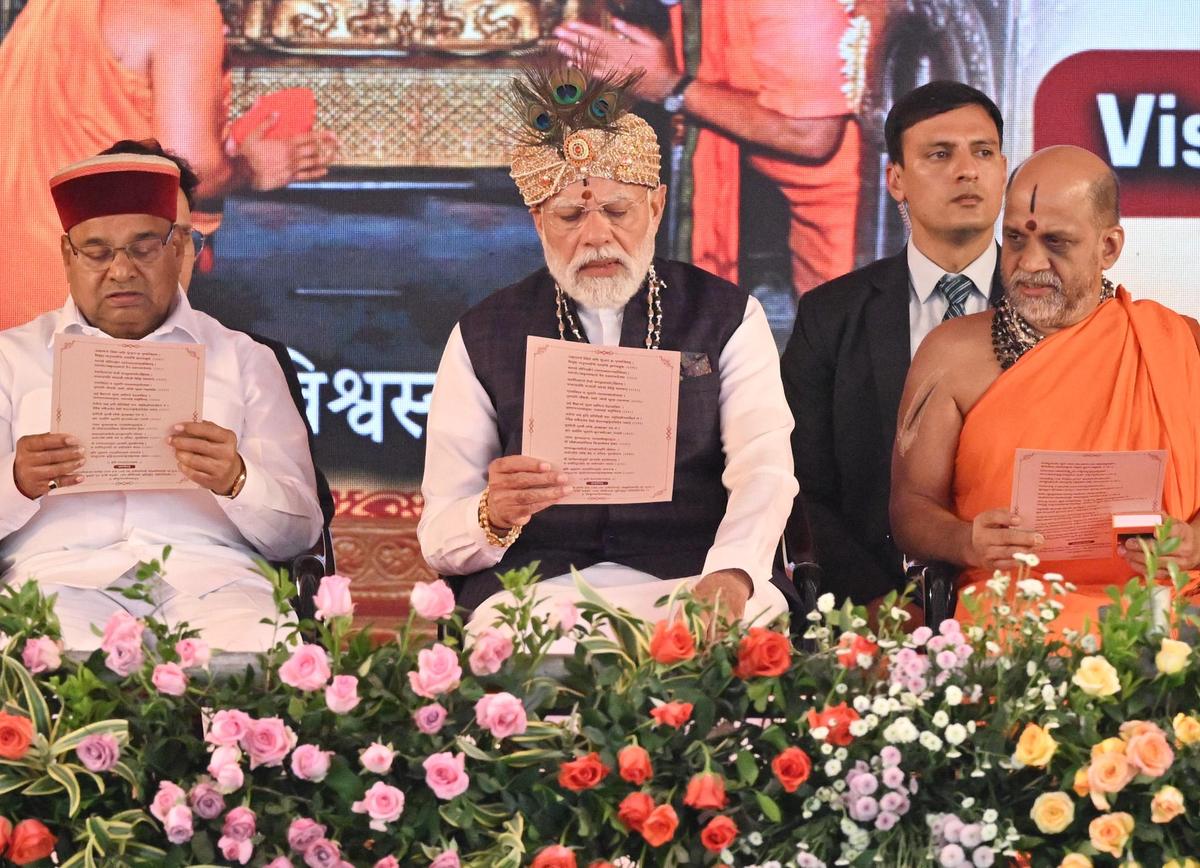
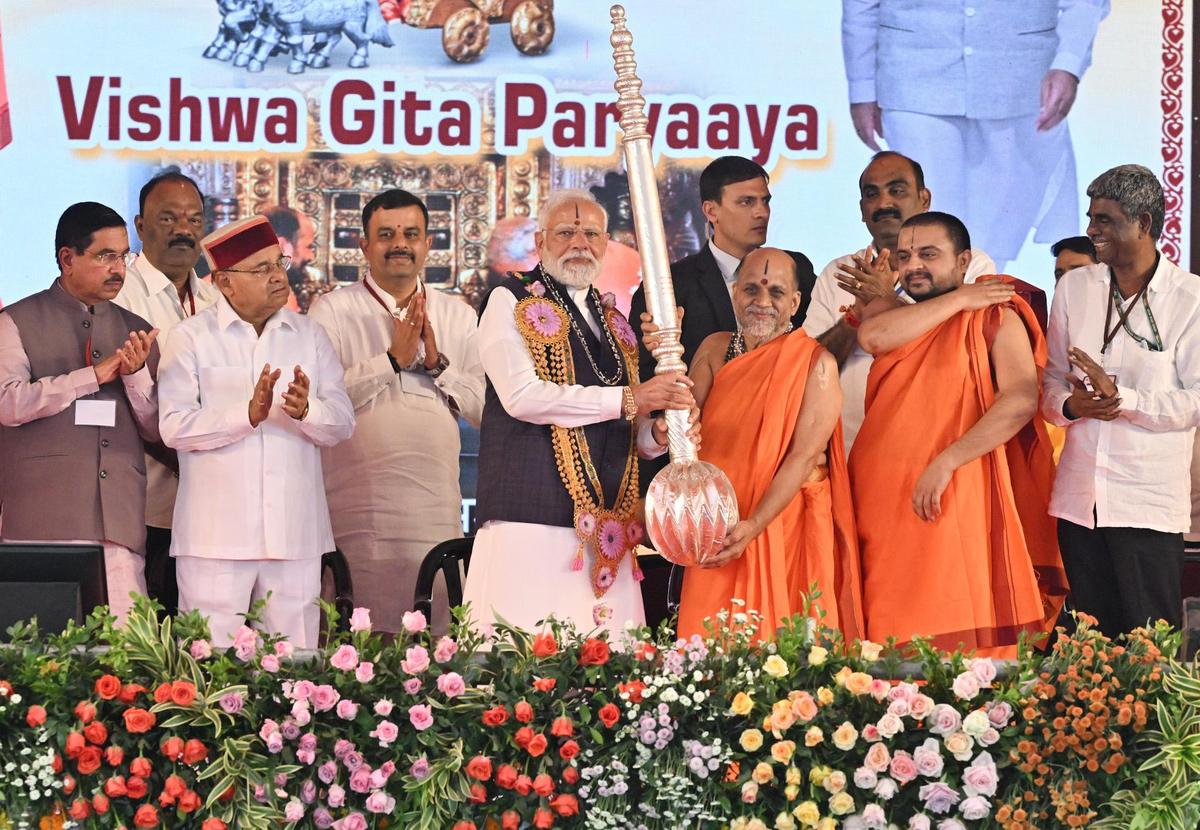
Addressing a gathering at the historic Sri Krishna Matha during the devotional “Laksha Kantha Gita Parayana,” Modi invoked the teachings of the Bhagavad Gita to explain his government’s security philosophy. He said that the Gita does not preach passive placidity, but balance: a commitment to peace, tempered with the readiness to confront injustice. He asserted that India knows how to establish peace and also how to safeguard peace.

The Prime Minister’s remarks reflected recent developments, including the country’s response to cross-border terrorism and the much-discussed military operation known as Operation Sindoor. Modi said that in contrast to earlier eras, India under his leadership no longer hesitates to protect its citizens. He reaffirmed that whenever threats emerge, the country will respond decisively but only after exhausting all efforts for peace.

The political significance of the Prime Minister’s remarks in Udupi is expected to reverberate through upcoming national debates on security and foreign policy. Observers note that Modi’s statement blends cultural symbolism with strategic messaging, a combination that often bolsters public sentiment during politically sensitive periods. His emphasis on peace, paired with a warning to adversaries, suggests an intentional framing of India as both morally grounded and militarily prepared. Analysts believe this dual messaging is crafted to reassure citizens while signaling strength to external actors who may misinterpret India’s patience as weakness.

At the community level, Modi’s visit also uplifted the cultural identity of Udupi, highlighting its status as a spiritual hub while tying it to national priorities. Locals expressed pride that such a critical statement on security and sovereignty was delivered in their temple town. The Prime Minister’s reference to the Gita reinforced the belief that India’s ancient wisdom continues to guide contemporary governance. This merging of tradition and statecraft has long been a theme in Modi’s public communication, and supporters argue that it strengthens India’s global image as a civilizational state.

Political parties across Karnataka closely monitored the speech, with many interpreting it as a precursor to increased national discussions on India’s defense posture. While ruling party leaders praised the clarity and confidence displayed in the address, opposition leaders offered a more measured response. They acknowledged the importance of national security but urged the government to balance strong words with diplomatic sensitivity to avoid unnecessary escalation. This difference in tone reflects broader political divides on how India should engage with neighbouring countries during periods of tension.Modi in Udupi: Hinting at Pakistan, PM says India knows how to maintain  peace and protect itself - The Hindu
Security experts have also dissected the Prime Minister’s emphasis on readiness and resilience, suggesting that recent global conflicts may be influencing India’s strategic recalibrations. They note that India’s elevated role in international politics requires a stronger domestic narrative on protecting borders and citizens. Modi’s comments about defending peace, they argue, reflect an alignment with global powers who adopt deterrence strategies to safeguard national interests. The emerging emphasis on offensive defence, without abandoning diplomatic channels, may shape India’s long-term security architecture.

The mention of proposed initiatives like Mission Sudarshan Chakra has sparked discussions on their potential scale and implementation. Officials within the country’s security apparatus believe such measures could unify multiple agencies under a cohesive defensive framework. While details remain limited, the idea of creating a protective infrastructure around vital installations has been widely welcomed. Critics, however, caution that such plans must be accompanied by strong accountability mechanisms to ensure transparency and prevent misuse. They also stress that any security expansion should not overshadow civil liberties or democratic safeguards.

Religious leaders in Udupi were quick to note the significance of the Gita-centric message, stating that India’s spiritual texts have historically emphasised the balance between peace and righteous action. They believe Modi’s interpretation aligns with centuries-old principles that guide individuals and nations through moments of crisis. By situating national security within this philosophical framework, the Prime Minister reinforced a continuity between ancient teachings and modern governance. Many devotees present at the event said the message carried emotional weight, blending devotion, patriotism, and responsibility.

The economic implications of Modi’s address were also quietly discussed among policymakers and industry observers. They believe that reinforcing internal security and ensuring geopolitical stability can help India maintain investor confidence and support long-term economic growth. With global supply chains shifting and foreign companies seeking stable environments, a robust national security narrative can contribute to economic resilience. The Prime Minister’s speech, therefore, may have been aimed not only at political signaling but also at strengthening India’s economic positioning during an uncertain global climate.

Civil society groups, however, continue to emphasise that national security should evolve through democratic debate and inclusive policymaking. They argue that while strong leadership is essential, open communication and constructive criticism must also be welcomed to prevent polarisation. Some commentators highlighted the importance of building trust with neighbouring nations through sustained dialogue rather than relying solely on security measures. They believe that peace is best achieved through cooperation and mutual understanding, even when firm boundaries must be maintained.

Strategists also observe that Modi’s remarks could influence India’s diplomatic engagements in the coming months. By signalling strength without overtly naming Pakistan, the government has preserved room for diplomatic manoeuvring. This approach can prevent unnecessary tension while still communicating India’s intolerance for cross-border provocations. It also allows international partners to support India’s position without being drawn into rhetorical confrontations. The speech may therefore serve as a foundational message ahead of key global summits and bilateral meetings.

Overall, the Prime Minister’s Udupi address appears to be a carefully layered statement that integrates spirituality, national identity, and strategic intent. It reinforces the narrative of a confident India, rooted in heritage yet responsive to modern threats. For the citizens who heard the speech in person and the millions who will encounter it through public discourse, the message remains clear: peace is precious, but safeguarding it requires strength, clarity, and unwavering resolve. As geopolitical landscapes shift and new challenges emerge, the sentiments expressed in Udupi are likely to shape the country’s direction in both policy and public imagination.Modi in Udupi: Hinting at Pakistan, PM says India knows how to maintain  peace and protect itself - The Hindu

From Spiritual Session to Strategic Signal: What Modi Said in Udupi

During the spiritual event, where thousands recited verses from the Gita, Modi stressed the principle of “Dharmo Rakshati Rakshitah” — the idea that dharma protects those who uphold dharma. He framed this as the moral foundation of India’s security doctrine. India cherishes peace, he said, but cannot allow oppressors or terror sponsors to continue unchecked.

He also referenced the tragic April terror attack in Pahalgam this year, in which several tourists, including some from Karnataka, were killed. This, he said, was a reminder that the new India does not remain passive in the face of terror. The government’s response through Operation Sindoor demonstrated that India can and will act when its security is challenged.

Modi described a new strategic initiative named Mission Sudarshan Chakra, a proposed protective framework for key installations, public sites, and civilian hubs. He emphasised that this was not about aggression, but about deterrence and ensuring peace by strengthening security preparedness across vulnerable zones.

He also appealed to the value of “Vasudhaiva Kutumbakam,” the ancient Indian philosophy of the world as one family. Modi said India remains open to peace, dialogue, and cooperation, but these values do not signify weakness. He stressed that justice will be delivered firmly to terror actors and any forces that promote violence.


Domestic and Diplomatic Ramifications

Modi’s speech in Udupi appears carefully calibrated, combining cultural and religious symbolism with a clear security message. Domestically, the remarks are expected to resonate strongly with supporters who believe in a robust stance against cross-border terrorism. Analysts suggest that this narrative of “strength-with-peace” will likely become a central theme in the government’s political messaging ahead of key electoral cycles.

On the diplomatic front, while Modi did not name Pakistan explicitly, his references to terror attacks, military operations, and a philosophy of readiness were widely interpreted as directed at Islamabad. The blend of spiritual ethos and security doctrine signals that India’s foreign policy will continue to blend cultural identity with geopolitical strategy.

Observers believe that invoking the Gita and moral reasoning helps frame national security as a civilisational duty, making it more relatable to domestic audiences and potentially giving India a distinctive diplomatic posture abroad.

Reactions from political opponents, however, included caution that rhetoric must be matched by sustainable diplomacy and long-term de-escalation measures. Security experts emphasised that deterrence and symbolic initiatives must be backed by improvements in intelligence coordination, border management, and international cooperation against terror financing.

In Karnataka, the choice of Udupi — a town known for spiritual tradition and cultural influence — strengthens the symbolic impact of the Prime Minister’s message. Tying together cultural heritage and national security allows the government to speak to both emotion and policy simultaneously.Modi in Udupi: Hinting at Pakistan, PM says India knows how to maintain  peace and protect itself - The Hindu
For now, the Udupi speech appears to be a strategic blend of devotion and deterrence, offering a clear message that India will continue pursuing peace without compromising on its sovereignty and safety. This dual framework of compassion and vigilance may shape the government’s security narrative in the months ahead, especially amid shifting geopolitical currents and rising regional tensions.

Follow: Karnataka Government

Also read: Home | Channel 6 Network – Latest News, Breaking Updates: Politics, Business, Tech & More
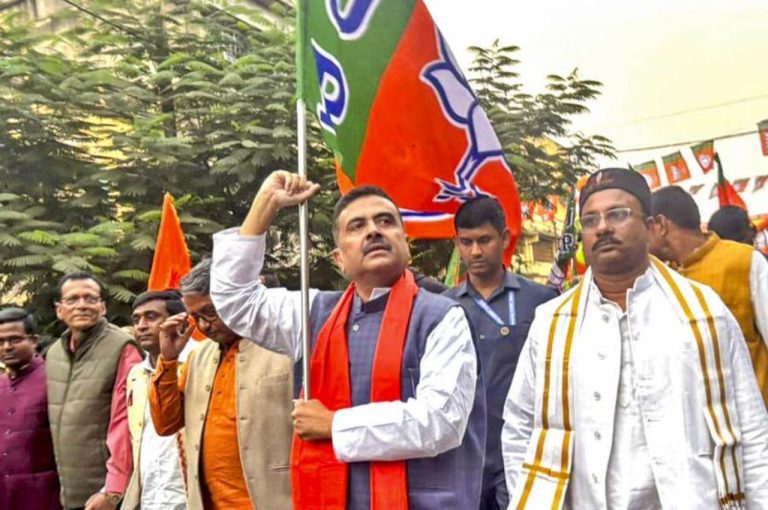
Suvendu Adhikari Alleges Bengal Government Adding Bangladeshi Infiltrators to Voter List During SIR 2025: Electoral Roll Revision Controversy, Governance Failures, Political Fallout, and Policy Reform Needs in West Bengal

The Suvendu Adhikari Alleges Bengal Government Adding Bangladeshi Infiltrators to Voter List During SIR 2025 controversy has become a defining moment in West Bengal’s political discourse. On November 25, 2025, Suvendu Adhikari, Leader of the Opposition in the Bengal Assembly and senior BJP leader, accused the state government of manipulating the Special Intensive Revision (SIR) of electoral rolls by including names of Bangladeshi infiltrators. His remarks, delivered in Siliguri, have sparked fierce debate about electoral integrity, governance accountability, and the future of democracy in Bengal.


2. The Special Intensive Revision (SIR): What It Means

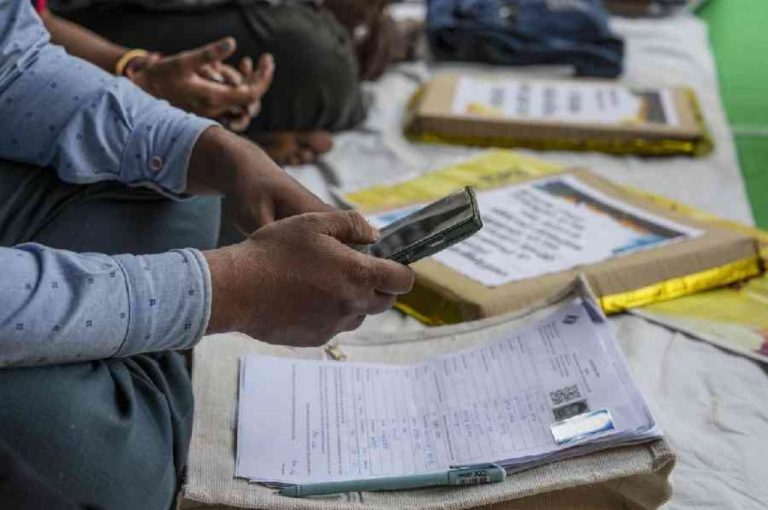
The SIR is a voter roll update exercise ordered by the Election Commission of India (ECI).

  • BLOs (Booth Level Officers) must verify voter identities against the 2002 electoral roll benchmark.
  • Families without proper linkage risk exclusion.
  • Aadhaar is accepted only as identity proof, not citizenship proof.
  • Normally, the process takes 18–24 months.
  • In 2025, the EC compressed it into two months, sparking chaos.

This hurried timeline has become the root of the crisis, with BLOs collapsing under workload pressure and communities fearing disenfranchisement.


3. Adhikari’s Allegations

Adhikari declared:

  • “The state machinery is trying to include the names of Bangladeshi infiltrators in the voter list.”
  • He accused senior officials of calling district election officers to ensure certain names remained on rolls.
  • He alleged that dead voters, duplicate voters, and fake voters were being deliberately retained.
  • He questioned why the Election Commission had not acted faster to prevent manipulation.

His rhetoric framed the SIR as a political conspiracy rather than an administrative exercise.


4. BJP’s Strategy: Booth‑Level Agents

Adhikari emphasized that the BJP had deployed the highest number of booth‑level agents to counter tampering.

  • Agents were tasked with monitoring BLO activities.
  • They were instructed to report irregularities immediately.
  • The strategy reflects BJP’s attempt to institutionalize vigilance at the grassroots level.

5. Suvendu Adhikari Alleges Bengal Government: Governance Challenges Exposed

The incident highlights systemic governance failures:

  • Unrealistic deadlines imposed by EC.
  • Weak communication with BLOs.
  • Poor technology infrastructure in rural areas.
  • Delayed response to BLO grievances and community protests.

Without reforms, electoral integrity itself is at risk.


6. Political Fallout

The controversy has political consequences:

  • BJP consolidates support by portraying itself as defender of democracy.
  • TMC accuses BJP of fear‑mongering and communal polarization.
  • Civil society debates governance failures in electoral processes.

The issue has become a flashpoint ahead of the 2026 Assembly elections.


7. Human Dimension: BLOs in Fear

Families of BLOs describe:

  • Sudden collapses from exhaustion.
  • Panic attacks and high blood pressure.
  • Anxiety about punitive action if targets are missed.

Their plight is deeply personal and emotional, affecting communities across Bengal.


8. Historical Context: Electoral Roll Controversies

India has witnessed similar controversies:

  • Assam’s NRC excluded millions due to documentation gaps.
  • Past revisions saw BLOs complain of underpayment and overwork.
  • Bengal’s SIR echoes these controversies, highlighting systemic flaws.

9. Broader Implications for Democracy

The incident raises fundamental questions:

  • Can elections be credible if BLOs collapse under workload?
  • Will voter rolls be accurate if communities fear manipulation?
  • Does democracy risk losing legitimacy if electoral processes are politicised?

10. Recommendations for Reform

Experts suggest:

  • Staggered timelines for voter roll revision.
  • Hiring additional staff to support BLOs.
  • Improved technology for faster digitisation.
  • Compensation packages for BLO families.
  • Policy reform to safeguard refugee rights and community trust.

11. Comparative Lessons from Other States

Other states have faced similar controversies:

  • Assam’s NRC excluded millions despite decades of residence.
  • Tripura’s refugee politics shaped electoral outcomes.
  • Bengal’s case reflects a national challenge of balancing electoral integrity with refugee rights.

12. Human Stories: Families in Distress

Families of BLOs and community members describe:

  • Sudden collapses from exhaustion.
  • Panic attacks and high blood pressure.
  • Anxiety about disenfranchisement.

These stories highlight the human cost of governance failures.


13. Conclusion: A Test of Governance and Democracy

The Suvendu Adhikari Alleges Bengal Government Adding Bangladeshi Infiltrators to Voter List During SIR 2025 is more than a political statement — it is a test of governance, democracy, and human dignity. Unless systemic reforms are undertaken, BLOs and communities will remain vulnerable, and public trust in institutions will erode.

Adhikari’s allegations underscore the urgency of balancing electoral integrity with compassion for frontline workers and respect for community sentiments.


🔗 Government External Links

For further reading and official updates, here are relevant government sources:

Also read: Home | Channel 6 Network – Latest News, Breaking Updates: Politics, Business, Tech & More
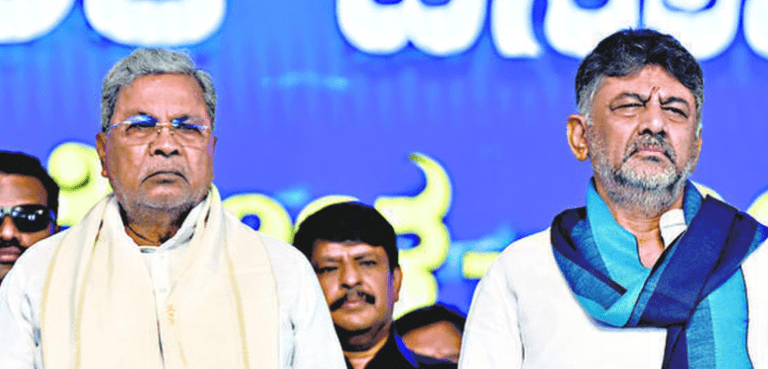
Bold Leadership Shift in Karnataka: 7 Strategic Moves

The debate over a potential leadership change in Karnataka has intensified, with the Congress high command said to be carefully evaluating multiple political, regional, and organisational considerations before taking any decisive step. While speculations continue to swirl around Chief Minister Siddaramaiah and Deputy Chief Minister D.K. Shivakumar, party insiders insist that no hasty decision will be made. The leadership question has evolved into a complex matrix involving caste equations, regional aspirations, government stability, and electoral strategies. As conversations deepen, the national leadership remains focused on ensuring unity, continuity, and minimal political turbulence in the State.


HIGH COMMAND’S CALCULATED APPROACH

Background of the Discussion
The current debate emerged after a series of closed-door meetings involving senior Congress leaders in both Bengaluru and Delhi. Reports indicate that the high command has been gathering detailed assessments from multiple stakeholders, including Ministers, MLAs, local cadres, and organisational observers. The issue is not limited to replacing or retaining an individual leader but rather ensuring the party’s long-term relevance in Karnataka. With local body polls, panchayat elections, and the 2028 Assembly race in view, the Congress wants a structure that strengthens its grassroots presence while preventing internal fissures.

Balancing Siddaramaiah’s Experience and Shivakumar’s Influence
Central to the leadership conversation is the balancing act between Siddaramaiah’s administrative experience and Shivakumar’s organisational clout. Siddaramaiah enjoys strong backing among AHINDA groups, while Shivakumar commands influence within the Vokkaliga belt. The Congress believes both leaders are indispensable, which has made the decision-making process more delicate. Rather than projecting competition, the high command is attempting to maintain harmony between them. Sources suggest that any move, if made, will not undermine either leader’s political stature but instead aim to strengthen the party’s collective image.

Assessing Political Costs and Benefits
The high command’s evaluation includes a cost-benefit analysis of making a leadership shift. While some leaders say a change could help energise the party, others warn of possible dissatisfaction among MLAs or voters who associate stability with Siddaramaiah. Additionally, there is concern about how Opposition parties might exploit the narrative. The Congress wants to avoid making Karnataka appear politically unstable. Thus, decisions are being weighed not just in terms of internal expectations but also broader public perception, administrative momentum, and media impact.

Leadership change: Congress high command carefully weighing multiple options  - The Hindu


REGIONAL AND ELECTORAL CALCULATIONS

Caste and Regional Representation Dynamics
Caste representation remains a major factor in the leadership debate. Karnataka’s political landscape is significantly shaped by caste blocs, and the Congress high command is studying how each possible leadership model will affect various communities. Siddaramaiah’s AHINDA social coalition has been vital for the party, while Shivakumar’s Vokkaliga outreach strengthens the party in the Old Mysuru region. The leadership model chosen must balance all these demographic considerations, especially ahead of polls in districts where voting patterns shift dramatically based on representation and identity.

Impact on Coalition Building and Opposition Strategies
The Congress must also consider how a leadership change could influence its relationship with other national and regional parties, especially in the context of larger national political alignments. Coalition spacing, perception, and future collaborations could be affected if the party seems internally divided. Additionally, the BJP and JD(S) could use leadership uncertainty to fuel narratives of instability. The high command is therefore evaluating whether maintaining the current arrangement helps preserve political continuity or whether a recalibration may better position the party against its rivals.

Government Performance and Public Sentiment
Public perception of government performance is another key area of review. Siddaramaiah’s administration has been appreciated for the implementation of guarantee schemes, which significantly boosted the Congress’s electoral prospects. Meanwhile, Shivakumar has played a central role in holding the organisation together. The high command must evaluate whether the public sentiment strongly favours continuity or whether evolving political scenarios demand a different leadership approach. The Congress is conscious that any miscalculation may disrupt administrative progress or dilute the success of its flagship welfare programmes.

Voices of MLAs and Ground Cadre Feedback
The opinions of MLAs, district-level leaders, and grassroots workers have formed an important part of the leadership review. Many MLAs reportedly feel that both leaders need to stay in prominent roles, as each contributes differently to the government and party. The high command is studying these internal assessments closely before arriving at any conclusion. It aims to prevent factionalism and maintain the morale of cadres, especially since local leaders often shape the party’s mobilisation strength across the State.

National-Level Considerations and Parallel Issues
The high command’s decision will also be influenced by the national political climate. With several states heading into elections, the Congress does not want Karnataka to signal internal conflict. The party wants to project national coherence, especially as it prepares to challenge the BJP across multiple states. Karnataka is one of the few large states where the Congress is in power, making it vital for the party’s national narrative. Thus, any leadership decision here carries implications beyond the State’s boundaries.


LEADERSHIP MODEL OPTIONS UNDER REVIEW

Status Quo with Strengthened Coordination Mechanisms
One option under review is to maintain the current leadership but introduce stronger coordination committees and periodic reviews to ensure smoother functioning. This model would help reduce friction, improve communication between leaders, and allow both Siddaramaiah and Shivakumar to continue shaping policy and organisation. The high command sees this path as the lowest-risk option, especially considering the government’s existing stability and the positive public response to welfare schemes.

Mid-Term Leadership Rotation PossibilityMLAs loyal to DKS in Delhi to put pressure on Congress high command - The  Hindu
Another scenario involves a mid-term leadership rotation, a model that had been informally discussed earlier. Under such a framework, Siddaramaiah would continue for a certain period before handing over the role to Shivakumar. Though this formula is contentious and not officially confirmed, it remains one of the ideas circulating in party circles. However, the high command must evaluate whether such a rotation would create unnecessary pressure or uncertainty around governance continuity.

Expanding Responsibilities Without Changing the CM
There is also discussion around expanding D.K. Shivakumar’s responsibilities both within the government and the party, without altering the Chief Minister’s position. This could include enhanced portfolio roles, sharper organisational oversight, or new responsibilities in strategic districts. Such a model would reward Shivakumar’s contributions while minimising administrative disruption. It could also deepen cooperation between the two leaders and stabilise internal dynamics.

Balancing Cabinet Expectations and Ministerial Demands
The high command is also reviewing larger Cabinet dynamics, as some Ministers and MLAs have been expressing the need for reshuffles or expanded responsibilities. Any leadership decision must be consistent with Cabinet stability. A leadership change could necessitate further reshuffling, which might open new fronts of disagreement. Thus, the party is evaluating whether combining limited Cabinet adjustments with stronger coordination committees is a more strategic approach.

Communication Strategy for Public and Cadres
Another significant consideration is how the Congress will communicate any leadership decision. The party understands that public messaging must be clear, unified, and positive. Whether the decision is to retain the current leadership, restructure roles, or introduce new mechanisms, the Congress wants to avoid any narrative that suggests division. A well-planned communication strategy is being drafted to ensure that cadres remain motivated and the public remains confident in the government’s stability.


LOOKING AHEAD: THE HIGH COMMAND’S FINAL CALL

Ensuring Long-Term Stability Over Short-Term Gains
As discussions progress, the Congress high command appears intent on prioritising long-term stability over temporary political gains. The party is aware that Karnataka remains a crucial State in shaping its national revival strategy. Therefore, any leadership shift must strengthen governance, streamline administration, and enhance electoral prospects—not create avoidable turbulence. The high command’s cautious approach indicates that Karnataka’s political stability is being treated as a national strategic priority.

Avoiding Public Confrontation Between Senior Leaders
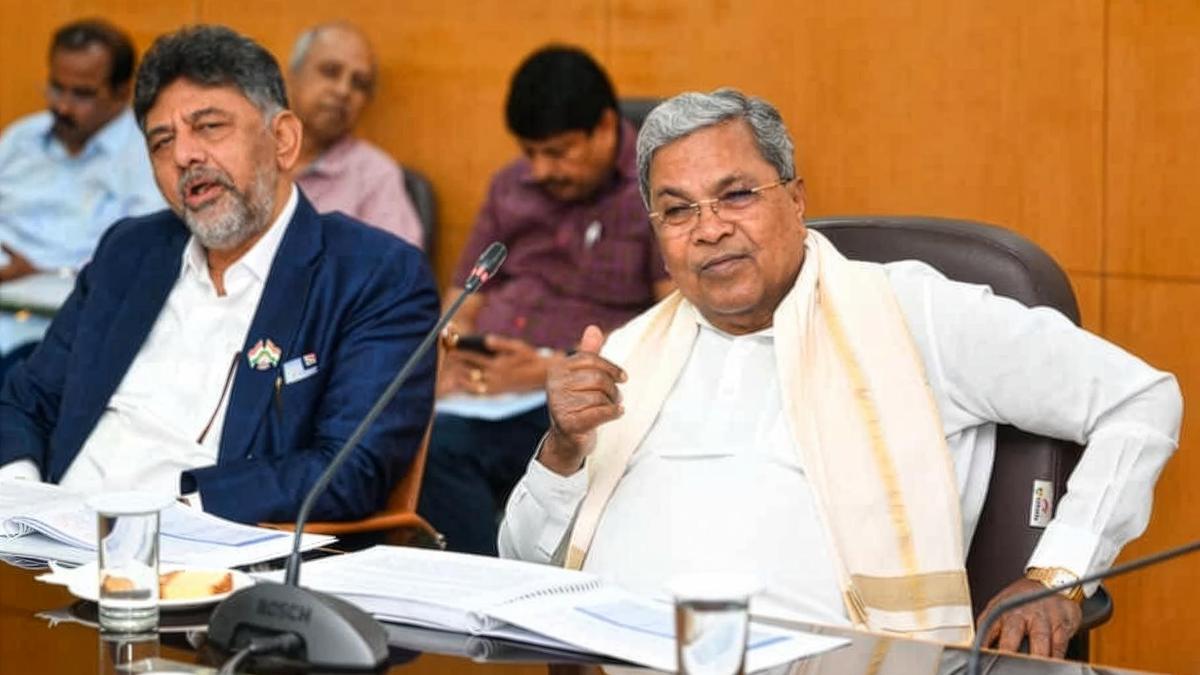
Despite external speculation, both Siddaramaiah and Shivakumar have refrained from making confrontational statements. Their recent coordination meetings and joint appearances have helped reduce rumours of rivalry. The high command is keen to preserve this unity, as public disagreements could weaken the government’s credibility. By maintaining mutual respect and disciplined communication, the two leaders have signalled that they remain committed to collective governance.Karnataka Govt. completes half term amid tussle over power sharing and  suspense of Cabinet reshuffle - The Hindu

Final Decision Expected After Comprehensive Consultations
The Congress high command is expected to make a final decision only after completing a full round of consultations with central observers, state leaders, and organisational strategists. There is no fixed timeline, indicating the leadership wants to avoid rushed conclusions. The objective is to build consensus and prevent any internal rupture. Whether the outcome involves continuity or recalibration, the guiding principle remains political harmony and administrative steadiness.

Conclusion: A Decision Rooted in Strategy, Not Pressure
The leadership conversation in Karnataka is unfolding against a backdrop of political expectations, social representation, organisational needs, and national positioning. The Congress high command’s carefully measured approach underscores its desire to protect both governance stability and party unity. As Karnataka waits for clarity, one message is evident: any decision will be rooted in long-term strategy rather than external pressure or short-term calculations. Whatever the final call, the Congress aims to keep the State government strong, cohesive, and focused on delivering its promises to the people.

Follow: Karnataka Government

Also read: Home | Channel 6 Network – Latest News, Breaking Updates: Politics, Business, Tech & More
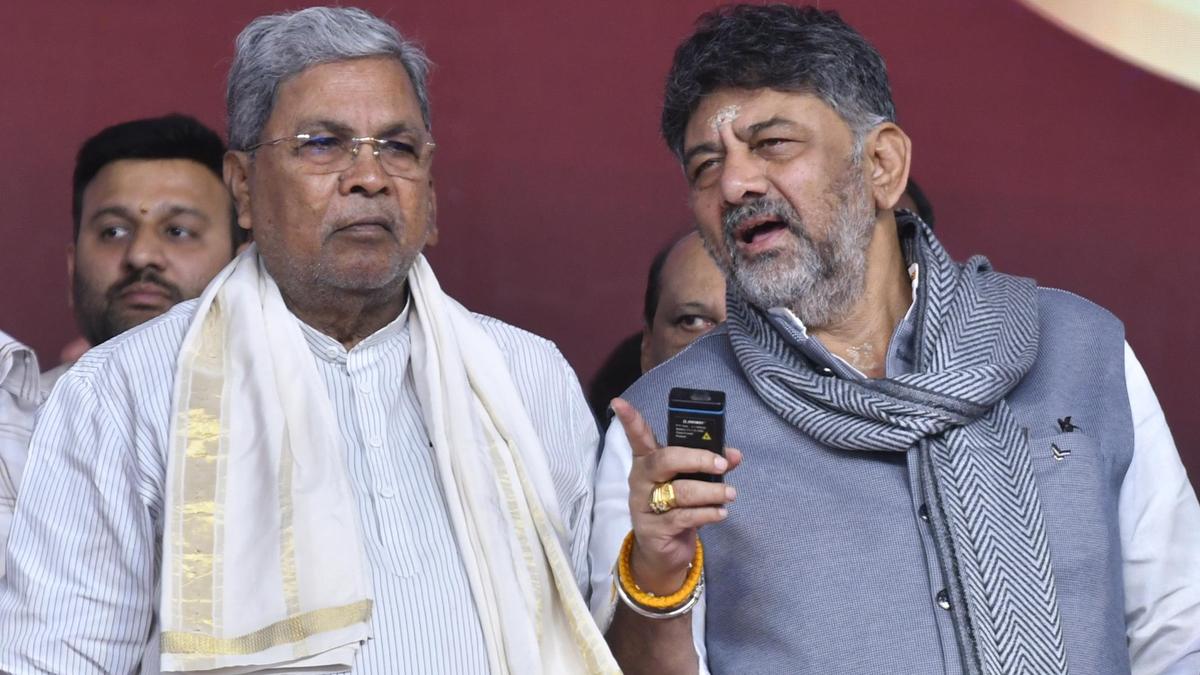
Karnataka Leaders Reaffirm Unity Amid Spiralling Leadership Crisis: Bold 7-Point Calm

The ongoing leadership friction within the Karnataka Congress reached a crucial moment as Chief Minister Siddaramaiah and Deputy Chief Minister D.K. Shivakumar met for a closed-door breakfast meeting amid growing speculation about internal dissent. Supporters of both leaders have been increasingly vocal, especially after threads of discontent surfaced shortly after the government completed its first year in office. Despite the rising political temperature, the two senior leaders projected a message of unity and discipline, signalling that they would follow the guidance of the party’s national leadership.

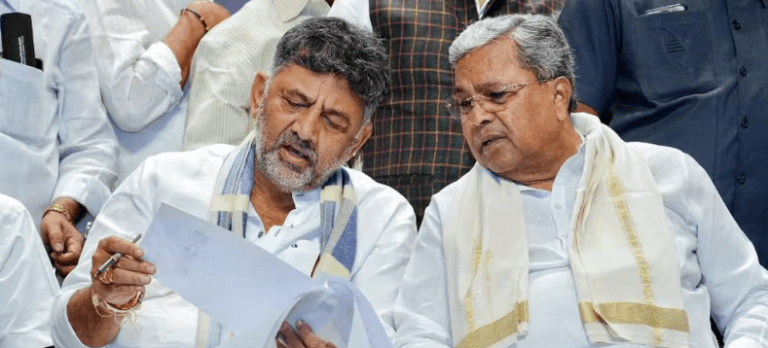
The renewed show of unity between Siddaramaiah and Shivakumar has temporarily eased tensions within the party, but senior Congress functionaries admit that the underlying leadership struggle remains unresolved. While both leaders continue to affirm loyalty to the high command, their respective supporter groups persist in lobbying aggressively. Party observers say this balancing act is becoming increasingly difficult to manage, especially with the state budget session approaching. The high command is now under pressure to clarify its stance to prevent further speculation. For now, the central leadership appears cautious, hoping that internal negotiations will calm friction between the two camps.

Despite the attempts to present a cohesive front, the murmurs among legislators suggest that the debate over power sharing is likely to resurface. Several MLAs privately express frustration at the prolonged uncertainty, arguing that it distracts from governance and weakens the party’s ability to counter the opposition effectively. The BJP, meanwhile, has seized the opportunity to highlight the Congress government’s internal discord. Political analysts believe that unless the high command delivers a decisive and long-term solution, periodic flare-ups will continue. The current truce, though visibly cordial, may not hold indefinitely.

The breakfast meeting itself was seen as an important step in reaffirming party discipline, with both leaders agreeing that public disagreements must be avoided. Sources indicate that the high command advised Siddaramaiah and Shivakumar to refrain from making statements that could be interpreted as competitive claims to leadership. This directive followed a series of cryptic social media posts and indirect remarks from supporters of both camps. For now, the message from Delhi is clear: maintain stability, avoid public confrontations, and focus on implementing flagship welfare programmes.

Congress leaders in Delhi are expected to hold further consultations with Karnataka ministers to gather a more accurate picture of the political mood in the state. The high command is reportedly concerned that prolonged internal differences could dilute administrative performance and cause public dissatisfaction. With several key policy decisions due in the coming months, the party aims to project a united leadership capable of delivering on its electoral promises. Senior leaders believe that the current phase requires sensitivity, restraint, and disciplined communication from all prominent state figures.Karnataka leadership standoff: Siddaramaiah-Shivakumar's breakfast meet a  calm before political storm? - The Statesman

Across the party base, cadre reactions remain mixed. While many welcome the visible interactions between the Chief Minister and the Deputy Chief Minister, others say the party must address underlying issues rather than rely on symbolic gestures. District-level functionaries note that local disagreements often escalate due to perceived factions at the top. They argue that unless the central leadership provides a clear roadmap, organisational unity will remain fragile. At the same time, grassroots workers emphasise that the government’s welfare initiatives continue to enjoy strong public support, which could help stabilise the party’s internal environment.

Political analysts also point out that Karnataka’s complex caste equations influence leadership negotiations. Siddaramaiah’s AHINDA base and Shivakumar’s strong Vokkaliga support make both leaders indispensable for the Congress. This dual dependence, analysts say, is precisely what complicates high command decisions. Any shift in responsibility or symbolic authority can trigger ripple effects across districts. Therefore, the leadership in Delhi is likely to tread carefully, aiming to maintain a balance that keeps both constituencies engaged. The success of this strategy will depend on how long both leaders remain committed to cooperation.

In the government, several ministers have expressed confidence that the leadership issue will not disrupt ongoing administrative work. They insist that the Cabinet continues to function smoothly and that departmental coordination remains intact. However, opposition leaders counter this claim, alleging that governance has slowed due to internal distractions. They argue that such instability damages investor confidence and delays policy execution. The coming weeks are expected to test how effectively the government can demonstrate its administrative cohesion, especially in sectors where decisions have been pending due to political sensitivities.

Amid the political developments, Chief Minister Siddaramaiah is expected to intensify his focus on welfare schemes, particularly those under the guarantee programme. Government insiders say this renewed administrative push aims to reaffirm his commitment to governance, distancing the administration from narratives of internal conflict. Meanwhile, Shivakumar is likely to concentrate on strengthening party organisation ahead of upcoming local body elections. Both leaders have been advised by Delhi to prioritise their official responsibilities and avoid statements that could reignite speculation. Whether this dual strategy can maintain calm remains uncertain.

The opposition BJP and JD(S) have continued to use the leadership debate as a political weapon, framing it as evidence of instability. They argue that the Congress government is preoccupied with internal calculations instead of addressing development challenges. The BJP has signalled that it will amplify this narrative during the Belagavi session, where it intends to aggressively target the government’s performance. Congress strategists, however, believe that visible unity between Siddaramaiah and Shivakumar will help blunt these attacks, provided the high command maintains steady communication with state leaders.

For now, the Congress leadership crisis in Karnataka stands at a delicate juncture. The breakfast-table show of unity has provided temporary relief, but deeper questions about power balance remain unresolved. Party insiders say the high command will likely take a long-term view, choosing stability over abrupt changes. How effectively Siddaramaiah and Shivakumar navigate the coming weeks will determine whether the party can preserve its governance momentum or whether internal strains will resurface. The next round of discussions in Delhi is expected to be crucial, potentially setting the tone for the state’s political landscape in the months ahead.

Growing Tensions and Their Political Ripples

Party insiders noted that the meeting came at a time when internal disagreements had begun attracting national attention. Legislators from different factions were reportedly pressing their preferences with renewed assertiveness, reflecting long-standing ambitions and emerging political calculations. The gathering between the two top leaders was therefore seen as a timely attempt to ease the narrative of discord. While neither leader made detailed statements about the agenda of the discussion, both acknowledged the need to address concerns collectively and avoid sending confusing political signals.

During the interaction, the Chief Minister expressed that leadership issues cannot be allowed to overshadow governance, particularly when the administration is handling sensitive matters like law and order, farmer distress, and economic recovery. He emphasised that the government’s key programmes need the united backing of the party, clarifying that internal discussions must stay within organisational channels. Meanwhile, the Deputy Chief Minister reinforced that the party’s traditions are rooted in collective decision-making and respect for the hierarchy established by the high command.

Reassurances From Delhi’s High Command

Both Siddaramaiah and Shivakumar reiterated that the party’s high command would take the final call on leadership questions. The Chief Minister said that they would abide by whatever the national leaders decide, making it clear that there would be no public debate or parallel narrative on the matter. The Deputy Chief Minister echoed this position and stated that the Congress has weathered many such phases by adhering to discipline and allowing senior leadership to guide the way forward. Observers believe this is an attempt to stabilise the discourse and prevent rumours from escalating.There Is Confusion": Siddaramaiah Admits Amid Karnataka Leadership Crisis

Party sources indicated that senior national leaders are monitoring the situation closely, aiming to maintain balance between regional aspirations and national considerations. They are expected to hold consultations in the coming days to gauge the views of different sections of the Karnataka unit. The reassurance from both state leaders was also seen as a way of reducing anxiety among party workers who had expressed concern over the possibility of prolonged factional debates. By signalling compliance, the leaders attempted to shift focus back to governance responsibilities.

The Road Ahead for Karnataka Congress

The breakfast meeting, though brief, marked an important gesture in the effort to maintain party cohesion. While it did not result in any major announcement, its symbolic value was significant as it suggested a temporary cooling of tensions. The interactions also highlighted the leaders’ awareness of the political risks of internal friction, especially with national elections approaching in the coming years. As both leaders agreed to defer all decisions to the high command, the party is expected to engage in further internal dialogues to resolve outstanding concerns.Leadership crisis: Karnataka CM meets Kharge, says high command's decision  final

Political observers note that the Congress in Karnataka has historically been successful when its leadership functioned in harmony, and the latest meeting appears to be an attempt to reinforce that model. Stakeholders within the party hope that this moment will pave the way for more structured conversations, avoiding the pitfalls of public airing of grievances. For now, the message from the state’s two tallest Congress leaders is clear: the high command will have the final word, and they will abide by it, placing unity above personal differences in the larger interest of the party.

Follow: Karnataka Government

Also read: Home | Channel 6 Network – Latest News, Breaking Updates: Politics, Business, Tech & More
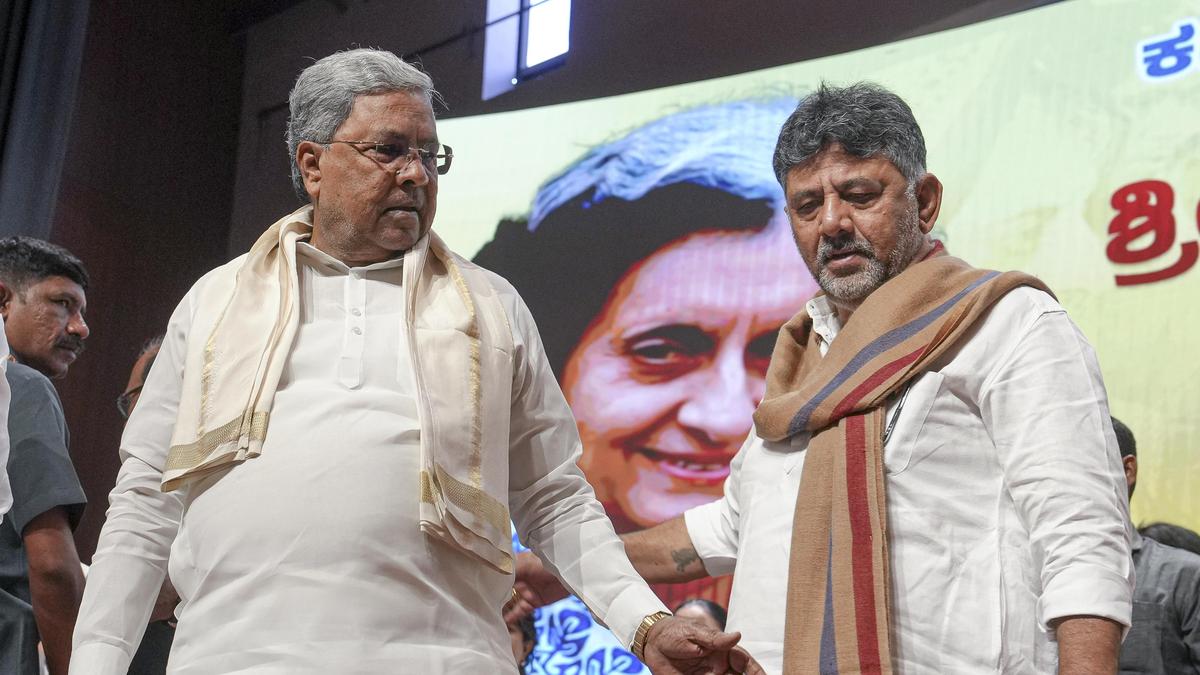
Trinamool Congress Sticks to Its Guns Against Election Commission Over SIR Linked BLO Deaths in Bengal 2025: Electoral Roll Revision Controversy, Governance Failures, Political Fallout, and Policy Reform Needs


The Trinamool Congress Sticks to Its Guns Against Election Commission Over SIR Linked BLO Deaths in Bengal 2025 controversy has become a defining moment in West Bengal’s governance and electoral politics. On November 29, 2025, TMC leaders accused the Election Commission of negligence after another Booth Level Officer (BLO) died during the Special Intensive Revision (SIR) of electoral rolls. This marks the fifth reported death linked to the process, intensifying demands for accountability and systemic reform.


2. The Special Intensive Revision (SIR): What It Means

The SIR is a voter roll update exercise ordered by the Election Commission of India (ECI).

  • BLOs must verify voter identities against the 2002 electoral roll benchmark.
  • Families without proper linkage risk exclusion.
  • Aadhaar is accepted only as identity proof, not citizenship proof.
  • Normally, the process takes 18–24 months.
  • In 2025, the EC compressed it into two months, sparking chaos.

This hurried timeline has become the root of the crisis, with BLOs collapsing under workload pressure.


3. The Death of Mastura Khatun

The latest tragedy involved Mastura Khatun, a 41‑year‑old BLO from Bhatar in Burdwan.

  • She reportedly collapsed under stress linked to the SIR workload.
  • TMC leaders claimed she feared losing her voting rights and citizenship.
  • Her death has become symbolic of the human cost of bureaucratic rigidity.

4. Trinamool’s Allegations Against the EC

At a press conference in New Delhi, TMC MPs declared:

  • “She was scared of losing her voting rights, her citizenship. This is because of the pressure created by the Centre’s Election Commission.”
  • They accused the EC of ignoring BLO grievances.
  • They demanded the release of full minutes of meetings between TMC and EC officials.
  • They alleged that the EC was selectively planting news instead of issuing transparent press releases.

Their rhetoric framed the SIR as a political weapon rather than an administrative exercise.


5. The EC’s Response

The Election Commission rejected TMC’s allegations:

  • Officials claimed BLOs were being threatened by political parties.
  • They insisted that safeguards were in place to prevent voter exclusion.
  • They accused TMC of spreading “baseless” claims.
  • They refused to release transcripts of meetings, citing confidentiality.

This counter‑narrative sought to portray TMC as dramatizing events for political gain.


6. Governance Failures Exposed

The incident highlights systemic governance failures:

  • Unrealistic deadlines imposed by EC.
  • Weak communication with BLOs.
  • Poor technology infrastructure in rural areas.
  • Delayed response to BLO protests and deaths.

Without reforms, electoral integrity itself is at risk.


7. Human Dimension: BLOs in Fear

Families of BLOs describe:

  • Sudden collapses from exhaustion.
  • Panic attacks and high blood pressure.
  • Anxiety about punitive action if targets are missed.

Their plight is deeply personal and emotional, affecting communities across Bengal.


8. Political Fallout

The controversy has political consequences:

  • TMC consolidates support by portraying Mamata Banerjee as defender of democracy.
  • BJP accuses TMC of fear‑mongering.
  • Civil society debates governance failures in electoral processes.

The issue has become a flashpoint ahead of the 2026 Assembly elections.


9. Historical Context: Electoral Roll Controversies

India has witnessed similar controversies:

  • Assam’s NRC excluded millions due to documentation gaps.
  • Past revisions saw BLOs complain of underpayment and overwork.
  • Bengal’s SIR echoes these controversies, highlighting systemic flaws.

10. Broader Implications for Democracy

The incident raises fundamental questions:

  • Can elections be credible if BLOs collapse under workload?
  • Will voter rolls be accurate if frontline staff are demoralised?
  • Does democracy risk losing legitimacy if electoral processes are rushed?

11. Recommendations for Reform

Experts suggest:

  • Staggered timelines for voter roll revision.
  • Hiring additional staff to support BLOs.
  • Improved technology for faster digitisation.
  • Compensation packages for BLO families.
  • Policy reform to recognise BLOs as permanent electoral staff.

12. Comparative Lessons from Other States

Other states have faced similar controversies:

  • Assam’s NRC excluded millions despite decades of residence.
  • Tripura’s refugee politics shaped electoral outcomes.
  • Bengal’s case reflects a national challenge of balancing electoral integrity with human dignity.

13. Human Stories: Families in Distress

Families of BLOs describe:

  • Children dropping out of school due to financial hardship.
  • Women struggling to feed families without wages.
  • Elderly BLOs unable to cope with workload stress.

These stories highlight the human cost of governance failures.


14. Conclusion: A Test of Governance and Democracy

The Trinamool Congress Sticks to Its Guns Against Election Commission Over SIR Linked BLO Deaths in Bengal 2025 is more than a bureaucratic exercise — it is a test of governance, democracy, and human dignity. Unless systemic reforms are undertaken, BLOs will remain vulnerable, and public trust in institutions will erode.

The controversy underscores the urgency of balancing electoral integrity with compassion for frontline workers.


🔗 Government External Links

For further reading and official updates, here are relevant government sources:

Also read: Home | Channel 6 Network – Latest News, Breaking Updates: Politics, Business, Tech & More
Fresh TMC Clash in Bongaon as Mamata Banerjee Omits Matua Shrine from SIR Protest Plan 2025: Electoral Roll Revision Controversy, Community Resentment, Governance Challenges, Political Fallout, and Policy Reform Needs in West Bengal

Fresh TMC Clash in Bongaon: The Fresh TMC Clash in Bongaon as Mamata Banerjee Omits Matua Shrine from SIR Protest Plan 2025 has become a defining moment in West Bengal’s political landscape. On November 25, 2025, Chief Minister Mamata Banerjee intensified her protests against the Election Commission’s Special Intensive Revision (SIR) of electoral rolls. However, her decision to skip the revered Matua shrine at Thakurnagar triggered anger among community members and sparked clashes within the Trinamool Congress (TMC).


2. The Special Intensive Revision (SIR): What It Means

The SIR is a comprehensive exercise mandated by the Election Commission of India (ECI).

  • BLOs (Booth Level Officers) must verify voter identities against the 2002 electoral roll benchmark.
  • Families without proper linkage risk exclusion.
  • Normally, the process takes 18–24 months.
  • In 2025, the EC compressed it into two months, sparking chaos.

This hurried timeline has become the root of the crisis, with BLOs collapsing under workload pressure and communities fearing disenfranchisement.


3. Mamata’s Protest Plan

Mamata Banerjee announced a march from Chandpara to Bongaon against the SIR.

  • She accused the EC of acting under BJP’s instructions.
  • She demanded accountability for BLO deaths linked to workload stress.
  • She framed the SIR as a political weapon rather than an administrative exercise.
  • However, she omitted Thakurnagar’s Matua shrine from her route.

This omission became the flashpoint for community resentment.


4. The Matua Community: A Decisive Voting Bloc

The Matua community, descendants of Dalit refugees from Bangladesh, is politically significant.

  • Estimated to influence nearly 40% of voters in Bongaon subdivision.
  • The shrine at Thakurnagar is their spiritual and cultural center.
  • BJP has sought to woo them through promises under the Citizenship Amendment Act (CAA).
  • TMC positions itself as their protector against exclusion under SIR.

Mamata’s absence at the shrine was seen as a symbolic betrayal.


5. Fresh TMC Clash in Bongaon: Community Resentment

Pro‑TMC factions within the Matua Mahasangha expressed anger:

  • Leaders accused rival TMC groups of conspiring to block Mamata’s visit.
  • They warned of electoral fallout if the shrine was ignored.
  • Posters demanding Mamata’s apology for mispronouncing community leaders’ names appeared across Thakurnagar.

The resentment reflects the fragile trust between TMC and the Matua community.


6. Intra‑Party Clashes

The omission triggered clashes within TMC:

  • Factions led by Mamatabala Thakur and Biswajit Das accused each other of sabotage.
  • Goons allegedly linked to one faction attacked councillors who refused to sign a no‑confidence motion.
  • Rival leaders openly criticized each other, deepening divisions.

The clashes highlight the internal fractures within TMC’s local units.


7. Governance Challenges Exposed

The incident highlights systemic governance failures:

  • Unrealistic deadlines imposed by EC.
  • Weak communication with BLOs and communities.
  • Poor technology infrastructure in rural areas.
  • Delayed response to BLO grievances and community protests.

Without reforms, electoral integrity itself is at risk.


8. Political Fallout

The controversy has political consequences:

  • BJP accused Mamata of insulting Matua gurus by mispronouncing their names.
  • TMC faced embarrassment over internal clashes.
  • Civil society debated governance failures in electoral processes.

The issue has become a flashpoint ahead of the 2026 Assembly elections.


9. Historical Context: Electoral Roll Controversies

India has witnessed similar controversies:

  • Assam’s NRC excluded millions due to documentation gaps.
  • Past revisions saw BLOs complain of underpayment and overwork.
  • Bengal’s SIR echoes these controversies, highlighting systemic flaws.

10. Broader Implications for Democracy

The incident raises fundamental questions:

  • Can elections be credible if BLOs collapse under workload?
  • Will voter rolls be accurate if communities feel betrayed?
  • Does democracy risk losing legitimacy if electoral processes are politicised?

11. Recommendations for Reform

Experts suggest:

  • Staggered timelines for voter roll revision.
  • Hiring additional staff to support BLOs.
  • Improved technology for faster digitisation.
  • Compensation packages for BLO families.
  • Policy reform to safeguard refugee rights and community trust.

12. Comparative Lessons from Other States

Other states have faced similar controversies:

  • Assam’s NRC excluded millions despite decades of residence.
  • Tripura’s refugee politics shaped electoral outcomes.
  • Bengal’s case reflects a national challenge of balancing electoral integrity with refugee rights.

13. Human Dimension: Families in Fear

Families of BLOs and community members describe:

  • Sudden collapses from exhaustion.
  • Panic attacks and high blood pressure.
  • Anxiety about disenfranchisement.

Their plight is deeply personal and emotional, affecting communities across Bengal.


14. Conclusion: A Test of Governance and Democracy

The Fresh TMC Clash in Bongaon as Mamata Banerjee Omits Matua Shrine from SIR Protest Plan 2025 is more than a local controversy — it is a test of governance, democracy, and human dignity. Unless systemic reforms are undertaken, BLOs and communities will remain vulnerable, and public trust in institutions will erode.

Mamata’s omission underscores the urgency of balancing electoral integrity with compassion for frontline workers and respect for community sentiments.


🔗 Government External Links

For further reading and official updates, here are relevant government sources:

Also read: Home | Channel 6 Network – Latest News, Breaking Updates: Politics, Business, Tech & More
BMTC Conductor and BSWML Marshal Qualify in KSET: 1 INSPIRING SUCCESS

In a remarkable display of perseverance and dedication, a BMTC (Bangalore Metropolitan Transport Corporation) conductor and a BSWML (Bangalore Suburban Water Management Limited) marshal have successfully cleared the Karnataka State Eligibility Test (KSET), making headlines across the state. Their achievement is being celebrated not just as personal success but also as a testament to the possibilities of upward mobility and education among working professionals who balance demanding jobs with rigorous academic preparation.

The KSET is a highly competitive examination conducted to determine eligibility for the position of assistant professor in colleges and universities across Karnataka. It is recognized as a benchmark of academic competence and subject expertise. Qualifying in this exam is considered a significant achievement, requiring months of preparation, discipline, and a deep understanding of the chosen subject.

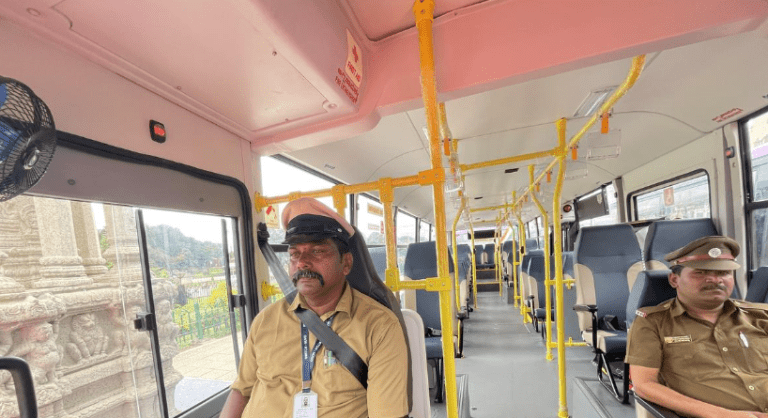
The BMTC conductor, who has been working in public transport services for over a decade, reportedly dedicated evenings and weekends to study despite the demanding schedule of bus shifts and long hours on the road. Meanwhile, the BSWML marshal, responsible for overseeing water management and supply infrastructure, also balanced professional duties with a rigorous study regimen. Both candidates exemplify the growing trend of working professionals seeking higher education and academic credentials to expand their career prospects and intellectual horizons.Final selection list of BMTC conductors


THE HUMAN SIDE OF KSET SUCCESS: DEDICATION BEYOND JOBS

Interviews with the successful candidates reveal stories of grit, resilience, and an unyielding pursuit of education. The BMTC conductor, a father of two, explained that his motivation stemmed from a desire to secure a stable academic career that could provide financial stability and professional recognition for his family. “I wanted to show my children that it is never too late to pursue your dreams,” he said. “Every evening after my bus routes, I would sit down with my books, revising concepts and solving previous years’ papers. It was exhausting, but the thought of qualifying kept me going.”

The BSWML marshal, similarly, attributed his success to disciplined planning and support from family and colleagues. Working in infrastructure oversight, the marshal often spent long days monitoring water distribution and maintenance schedules. Despite this, he committed himself to a strict study schedule, waking up early before reporting to work and dedicating evenings to lecture notes, research papers, and practice tests. He emphasized that the encouragement from his spouse and peers played a critical role in sustaining motivation during moments of fatigue and doubt.

Educationists note that the success of these professionals highlights the democratization of opportunities in competitive examinations. “The KSET is no longer restricted to full-time students or academics,” said a senior faculty member from Bangalore University. “What these candidates show is that with commitment, time management, and persistence, even individuals with full-time jobs in non-academic sectors can achieve high academic goals. It is a morale booster for countless aspirants who believe that their circumstances may limit their potential.”


BALANCING JOBS AND STUDY: STRATEGIES AND CHALLENGES

Both the BMTC conductor and BSWML marshal spoke about the challenges of balancing employment with rigorous study schedules. Working shifts often meant irregular sleep patterns, fatigue, and limited leisure time. However, both candidates adopted strategies to maximize efficiency. These included early morning and late-night study sessions, leveraging digital learning resources, group study with fellow aspirants, and creating structured timetables to cover the vast syllabus of KSET.

One of the biggest hurdles, they admitted, was mental fatigue. After long hours at work, concentrating on dense academic material required extraordinary self-discipline. To overcome this, they incorporated small breaks, meditation, and short exercises to maintain focus and stamina. Experts suggest that such routines are essential for working professionals attempting competitive examinations, where consistency is often more important than intensity in any single session.

Family support emerged as another crucial factor. Both candidates credited their spouses and children for providing emotional encouragement and practical support, such as handling household chores or offering quiet time for study. This underscores the collective nature of academic success, especially for working professionals who must navigate multiple responsibilities.


KSET EXAM: STRUCTURE, COMPETITION, AND SIGNIFICANCE

The Karnataka State Eligibility Test is divided into two papers: Paper I assesses general knowledge, reasoning, and teaching aptitude, while Paper II evaluates subject-specific expertise. Candidates must achieve qualifying marks in both papers to be declared eligible. The exam is recognized across the state’s colleges and universities, making it a highly sought-after credential for aspiring academics.

With thousands of candidates appearing each year, the KSET maintains a rigorous standard of evaluation. Subjects range from sciences, commerce, and humanities to emerging interdisciplinary fields. Passing the exam signifies not only mastery of content but also readiness for teaching and research responsibilities. Experts note that candidates with practical work experience often bring unique perspectives to academic discourse, enhancing the teaching-learning process in colleges and universities.

The success of professionals like the BMTC conductor and BSWML marshal underscores the inclusive nature of the exam. It demonstrates that the KSET, while competitive, provides a level playing field for aspirants from diverse backgrounds — including working adults, self-learners, and those outside traditional academic pathways.Shakthi scheme: Teething troubles taking toll on BMTC bus conductors - The Hindu


IMPACT ON PERSONAL AND PROFESSIONAL LIFE

For the BMTC conductor, qualifying in KSET represents a potential career transformation. Moving from a public transport role to an academic position offers greater stability, intellectual engagement, and long-term growth. The conductor expressed hope that this qualification could lead to opportunities in teaching, research, and mentoring future generations. “It’s a new chapter,” he said. “I am eager to contribute to the academic community and inspire others who are juggling jobs and dreams.”

The BSWML marshal echoed similar sentiments, emphasizing that passing KSET opens doors to higher responsibilities in academia. He also sees it as a chance to bridge practical experience with theoretical knowledge, bringing real-world insights into classrooms. Both candidates’ success stories are expected to inspire colleagues within their organizations, motivating peers to consider further education and skill enhancement.

Furthermore, the achievement has social implications. In communities where access to higher education is limited, stories like these challenge stereotypes and reinforce the message that dedication and perseverance can overcome structural and economic barriers. Local media reports indicate a surge in enquiries from working professionals seeking guidance on preparing for KSET, reflecting heightened aspirations among non-traditional students.


RECOGNITION AND CELEBRATION

The achievement of the BMTC conductor and BSWML marshal has been widely celebrated. Educational forums, local community groups, and media outlets have praised their determination and success. Social media posts have lauded their ability to overcome odds and serve as role models for working professionals who aspire to academic careers.

Faculty members from colleges and universities have also acknowledged their success, noting that their practical experience combined with academic rigor could enrich the learning environment. “Professionals entering academia bring unique perspectives,” said one senior professor. “Their journey demonstrates that education is a lifelong pursuit, not confined to a particular age or career path.”

Several aspirants preparing for upcoming KSET exams have reached out to the successful candidates for guidance. They have shared tips on study materials, time management, stress handling, and integrating work-life-study balance. This mentorship role highlights how personal success can translate into community impact and knowledge sharing.


EDUCATION AS A PATHWAY FOR SOCIAL MOBILITY

The story of these qualifiers highlights the broader theme of education as a vehicle for social and professional mobility. Working professionals who invest time and effort in academic advancement often unlock opportunities previously inaccessible due to economic or occupational constraints. By clearing KSET, these candidates illustrate that merit, perseverance, and commitment can create avenues for career progression, social recognition, and personal fulfillment.

Experts argue that policies and programs that support working learners, including flexible exam schedules, online resources, and preparatory workshops, can further democratize access to competitive examinations. The success of BMTC and BSWML employees could encourage institutional and government agencies to facilitate similar initiatives, creating a more inclusive environment for adult learners seeking academic advancement.BMTC women conductors appeal for reduced work hours - The Hindu


THE ROAD AHEAD: TEACHING, RESEARCH, AND FUTURE PLANS

Both the BMTC conductor and BSWML marshal have expressed interest in pursuing academic careers beyond eligibility. Their immediate goal is to secure teaching positions in reputed colleges, engage in research, and contribute to curriculum development. They also aim to mentor students, particularly working professionals and those from marginalized backgrounds, demonstrating that education and career growth are attainable despite initial disadvantages.

Their story is likely to influence policy discussions about recognizing practical experience in academic recruitment, integrating skill-based knowledge in curricula, and encouraging diversity among faculty members. Experts suggest that colleges could benefit from hiring such candidates who bring both real-world expertise and formal academic qualifications, enriching classroom discussions and bridging theory with practice.


CONCLUSION: INSPIRATION AND IMPLICATIONS

The success of a BMTC conductor and a BSWML marshal in clearing KSET is more than a personal achievement; it is a celebration of perseverance, resilience, and the pursuit of lifelong learning. It underscores the fact that competitive examinations are not solely the domain of full-time students or traditional academics — they are open to anyone willing to dedicate time, effort, and discipline.

Their journey serves as a powerful reminder that education is a transformative tool capable of creating opportunities, reshaping careers, and inspiring communities. It also highlights the importance of flexible policies, mentorship, and support networks for working professionals seeking academic success. As these qualifiers embark on new professional paths, their story will continue to inspire countless aspirants to pursue their dreams, balancing work, study, and personal commitments in the pursuit of knowledge and growth.

Follow: Karnataka Government

Also read: Home | Channel 6 Network – Latest News, Breaking Updates: Politics, Business, Tech & More

Businessman Held for Injecting Wife With Mercury as Case Turns Into Dowry Death Probe: 1 SHOCKWAVE IN CITY

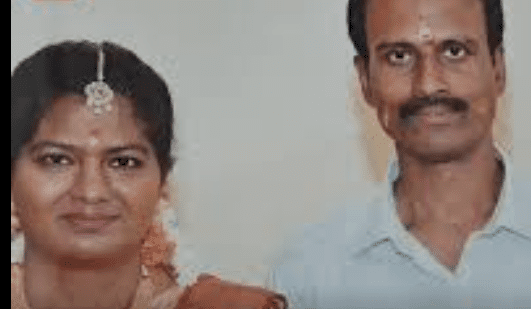
In a disturbing turn of events, police have arrested a 38-year-old businessman for allegedly injecting his wife with mercury, leading to her death after days of critical illness. The incident, which initially began as a case of medical negligence and assault, has now been reclassified as a dowry death following revelations gathered during the investigation and statements from the woman’s family. The chilling details of the case have triggered widespread outrage, raising urgent concerns about domestic violence, toxic chemical misuse, and the persistent horrors of dowry-related abuse.

A businessman from Karnataka was arrested after allegedly injecting his wife with mercury, leading to her hospitalization in critical condition. The shocking incident came to light when the victim was admitted to a private hospital with symptoms of poisoning, including severe abdominal pain, organ malfunction, and neurological complications. Preliminary medical reports confirmed traces of mercury in her system, prompting immediate police intervention. The case initially registered as attempted murder has now been altered to include charges under the Dowry Prohibition Act, reflecting the gravity and socio-legal implications of the crime.

According to police sources, the couple had been married for several years and were reportedly facing ongoing domestic disputes. Family members suggested that the husband’s behaviour had become increasingly controlling and abusive. Neighbours claimed that the couple often argued over financial and dowry-related issues, with the victim reportedly subjected to coercion and harassment over alleged demands for additional property or gifts. Investigators are now scrutinising communication records, financial transactions, and witness testimonies to understand the chain of events leading to the poisoning.

The arrest came after intensive investigation by the local police, who were alerted by the hospital after the patient’s blood tests confirmed mercury exposure. Authorities stated that the businessman had allegedly used a syringe to administer mercury directly into the victim’s body over several occasions. “This was a premeditated act with the intent to harm,” a police officer involved in the case said. “Given the emerging evidence and eyewitness accounts, we had no option but to arrest the accused and initiate further legal action.”


CHARGES AND LEGAL IMPLICATIONS

Initially booked under sections of the Indian Penal Code related to grievous hurt and attempted murder, the charges against the businessman were revised after the victim’s condition worsened and police gathered evidence suggesting a dowry-related motive. The formal alteration now includes provisions under Section 304B of the IPC, which addresses dowry deaths — a serious offense that carries stringent legal consequences, including life imprisonment. Authorities emphasised that dowry-related harassment and violence remain prevalent despite decades of legal safeguards, and cases like these highlight the urgent need for enforcement and awareness.

Legal experts point out that this case illustrates the intersection of domestic violence, dowry harassment, and chemical poisoning — a rare but increasingly concerning method of spousal abuse. “Dowry deaths can take many forms, and poisoning, though less common than physical assault, is particularly insidious because it can be difficult to detect and leave delayed symptoms,” said a criminal law expert. “The courts take such incidents very seriously, especially when intent can be demonstrated and forensic evidence supports the claims.”

The police have seized household items, medical equipment, and other materials from the accused’s residence, including syringes and containers that may have been used to store mercury. Forensic teams are analysing these items to establish the sequence and method of administration. Investigators are also examining whether the accused obtained mercury illegally and whether there were any accomplices in the act. Statements from family members suggest that other household members may have been aware of the ongoing abuse but did not intervene, raising questions of negligence or complicity.


SOCIAL AND COMMUNITY RESPONSE

News of the incident has shocked local communities and drawn attention to the issue of domestic violence and dowry harassment in Karnataka. Women’s rights activists have condemned the act as barbaric and emblematic of deeper systemic issues that allow abuse to continue unchecked. Many have demanded stronger enforcement of existing laws, awareness campaigns, and accessible reporting mechanisms to protect victims. “This is not just an isolated incident,” said a representative of a local NGO. “It reflects the persistent vulnerability of women, even in educated and urban households, to violence in the name of dowry and control.”

Community leaders and neighbours reported that the couple had maintained a public façade of harmony, but tension and disputes had been escalating privately for months. Friends of the victim described her as intelligent and independent, but subjected to emotional and financial pressure by her husband. The revelations of mercury injection have intensified public outrage, with many demanding stricter punishments and immediate judicial action.

Healthcare professionals involved in the case emphasised the critical risks of mercury poisoning, including permanent organ damage, neurological impairment, and long-term health complications. The victim remains under intensive medical supervision, and doctors have confirmed that her condition is improving slowly with specialized treatment. However, recovery is expected to be prolonged, and medical experts warn of potential long-term disabilities resulting from heavy metal exposure.


LEGAL PROCESS AND NEXT STEPS

Following the arrest, the businessman has been remanded to police custody for interrogation, during which authorities are gathering evidence related to financial transactions, dowry demands, and previous acts of harassment. The court will now decide on judicial custody and further investigation timelines. Legal representatives for the victim have stated that they will pursue the case vigorously, seeking not only criminal penalties but also restitution and protective measures for the survivor.

The police have also initiated inquiries into whether other members of the family or household were complicit or negligent. If proven, they may face charges for aiding or abetting the crime. The case is expected to move quickly due to the severity of the offence and the ongoing medical risks to the victim. Authorities have stated that expedited trials under the Dowry Prohibition Act are likely, in order to provide justice and set a precedent for similar crimes.

Experts note that this case underscores the importance of forensic evidence in prosecuting domestic abuse, particularly when unconventional methods such as chemical poisoning are employed. Modern investigative techniques, including blood and tissue analysis, material testing, and digital forensics, play a critical role in establishing culpability and intent. This approach is expected to form the backbone of the prosecution’s case against the accused.


BROADER IMPLICATIONS AND PUBLIC OUTLOOK

The arrest and charge revision have sparked wider discussions about domestic safety, spousal rights, and enforcement of anti-dowry laws in India. Women’s organisations are calling for improved awareness and legal literacy, as well as stronger protection mechanisms for victims of marital abuse. Mental health experts stress the importance of counselling and support systems for survivors of such trauma, highlighting the psychological toll of prolonged domestic violence.

Law enforcement agencies are under scrutiny to ensure that cases of dowry harassment and domestic abuse are treated with urgency, and that victims are protected from retaliation. The case is being closely monitored as a benchmark for how chemical poisoning incidents within households can be detected and prosecuted effectively. Officials have also reiterated that public vigilance, reporting of suspected abuse, and community support are crucial to preventing such crimes.

The public response has been a mix of outrage, concern, and calls for action. Social media campaigns have amplified demands for justice, highlighting that domestic violence, when combined with dowry pressures, can escalate to life-threatening situations. Many observers believe that swift legal action and exemplary sentencing could act as deterrence for future crimes of a similar nature.

According to investigators, the victim, a 32-year-old homemaker, was admitted to a private hospital exhibiting severe symptoms of poisoning, including organ failure and neurological collapse. Doctors immediately suspected exposure to a heavy metal substance and communicated their findings to authorities. Subsequent toxicological analysis reportedly confirmed the presence of mercury in her bloodstream at dangerous levels. Despite aggressive treatment, she succumbed to multi-organ failure.He injected me with mercury': Bengaluru woman's 'poisonous' death puts  businessman in soup | Bengaluru News - The Times of India


FAMILY’S STATEMENTS TURN CASE TOWARD DOWRY DEATH

During initial inquiry, police registered charges of attempted murder against the husband. However, the case took a decisive turn after the victim’s parents and siblings provided statements alleging prolonged harassment for dowry, financial demands and repeated threats from the accused. They claimed the harassment escalated weeks before the incident, with the husband pressuring the woman to bring money for expanding his business.How Bengaluru Woman Died 9 Months After Her Husband Injected Mercury - Is  Dowry Behind the Crime?

Based on these statements and corroborative evidence retrieved from the couple’s home, including text messages and voice recordings that hinted at coercion and intimidation, authorities added dowry harassment charges. After the victim’s death, the police formally altered the sections to dowry death under relevant penal provisions, making the crime non-bailable and significantly more serious. Officers say the shift reflects the growing clarity of motive behind the mercury poisoning.

Investigators believe the accused may have deliberately chosen mercury — a toxic element banned for domestic use — to make the cause appear like a mysterious illness. Forensic experts are now evaluating whether the substance was procured illegally from industrial channels. Police are also probing if anyone else facilitated the procurement of the chemical.


MEDICAL TEAM FLAGGED UNUSUAL SYMPTOMS, LED TO EARLY POLICE ALERT

Doctors treating the victim reportedly played a crucial role in identifying the unnatural nature of her condition. Hospital staff told police that the symptoms did not match accidental poisoning or food contamination, prompting them to suspect deliberate injection. The medical team’s early alert helped police begin their inquiry before the victim passed away, enabling them to secure forensic samples.

Mercury poisoning through injection is extremely rare and far more dangerous compared to ingestion. Experts warn that injected mercury can cause catastrophic internal damage within hours, affecting kidneys, lungs and neurological systems. A senior toxicologist described the act as “one of the most brutal and deliberate forms of poisoning,” highlighting the severity of intent behind the attack.Bengaluru Horror: Woman Dies After Alleged Mercury Injection; Husband  Booked for Dowry Death - The Logical Indian


ACCUSED CLAIMS INNOCENCE; POLICE SEEK FORENSIC RECONSTRUCTION

During interrogation, the businessman has reportedly denied harming his wife, claiming she fell ill due to an unknown infection. However, contradictions in his statements and physical evidence recovered from the crime scene have strengthened the prosecution’s stance. Police say several inconsistencies emerged between his narrative and medical findings.

A forensic reconstruction is underway to determine the exact method, location and timeframe of the injection. Officers are examining CCTV footage from around the couple’s residence, digital communications and hospital records. Investigators have also seized the accused’s phone and computer for data recovery, hoping to trace any online searches or communication related to toxic substances.

Follow: Karnataka Government

Also read: Home | Channel 6 Network – Latest News, Breaking Updates: Politics, Business, Tech & More

Shettar’s Bold Warning: 1 Stark Appeal for President’s Rule Amid Karnataka’s Governance Paralysis

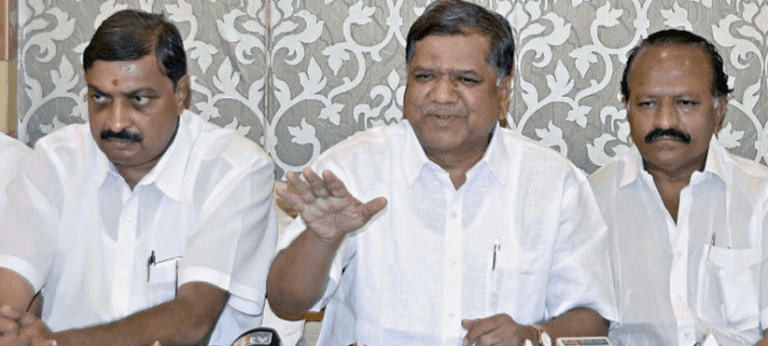
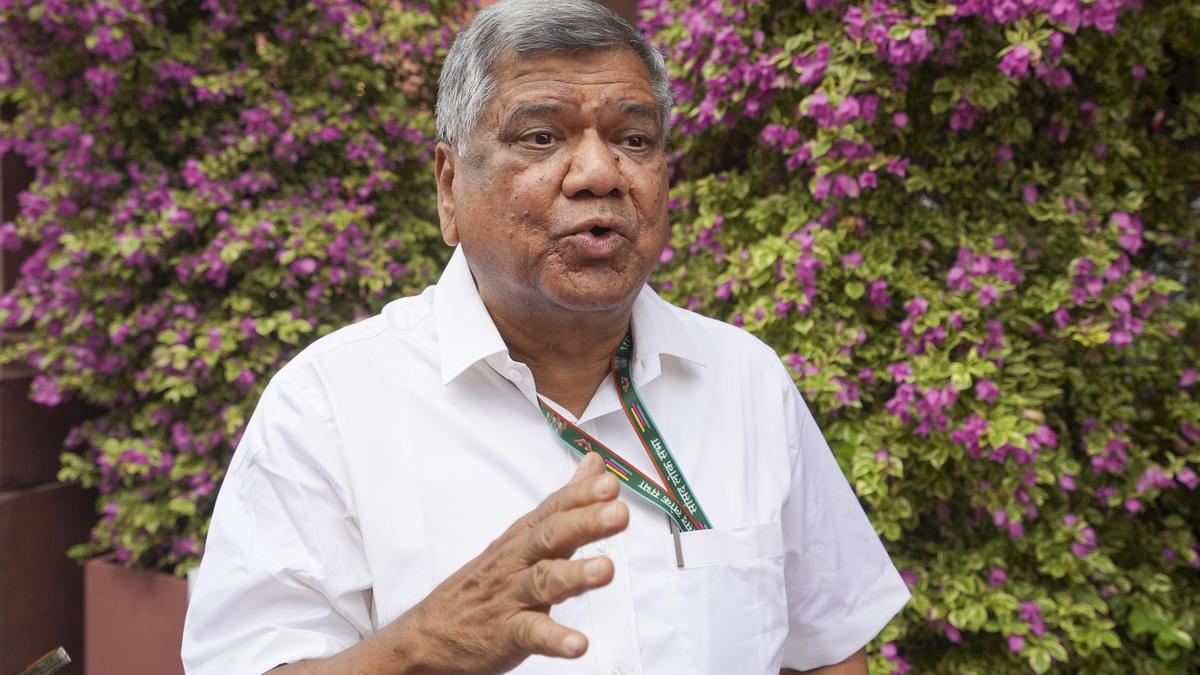
In a sharp escalation of Karnataka’s ongoing political turbulence, senior BJP leader Jagadish Shettar has indicated that he may formally demand the imposition of President’s Rule in the State, arguing that governance has come to a “complete standstill.” His remarks have intensified the already heated debate on administrative breakdown, accountability, and political responsibility. According to Shettar, the ruling government has failed to maintain even the minimum functional efficiency required to run essential services, resulting in widespread public frustration. His statement comes at a time when the State is already grappling with internal leadership tussles, administrative delays, and deteriorating service delivery.

Background of the Crisis

Karnataka has been witnessing persistent political uncertainty for several months, largely driven by factional disputes within the ruling dispensation, delays in executing crucial development schemes, and a growing sense of disconnect between bureaucratic functioning and public needs. Shettar’s assertion of administrative collapse has resonated with sections of the opposition, who accuse the government of being too consumed by internal leadership negotiations to focus on governance. The accumulation of pending files, delayed welfare rollouts, and increasing complaints from rural districts have become recurring themes in political discussions.

Shettar’s Argument for President’s Rule

Shettar emphasized that his call is not politically motivated but arises from what he describes as “the alarming condition of administrative paralysis.” He argues that the government appears incapable of making decisions, implementing projects, or providing direction to departments, leaving citizens to cope with uncertainties. According to him, the situation has reached a point where intervention from the Centre may be required to restore stability and ensure uninterrupted governance. Though invoking President’s Rule is a rare and serious demand, Shettar insists that the constitutional mechanism exists precisely for moments like this.

Government’s Alleged Inaction

A key component of Shettar’s criticism centers on what he terms the government’s “habit of endless indecision.” Several infrastructure projects have remained stuck at the approval stage, and welfare schemes have reportedly slowed due to administrative bottlenecks. He argues that officers are unwilling to take decisions because they fear inconsistent instructions from political leaders. This, he claims, has resulted in a governance system where files move without direction and departments operate without clarity. Shettar contends that such dysfunction poses long-term risks for Karnataka’s economic and social wellbeing.Shettar may raise need for President's Rule as governance comes to a standstill - The Hindu

Opposition’s Growing Confidence

The opposition, emboldened by Shettar’s strong words, has begun consolidating its narrative that the ruling government has lost public trust. Leaders from various parties have echoed similar concerns, saying that the State’s administrative decline is evident in delayed farm compensation, stalled urban infrastructure upgrades, and inconsistent policy announcements. They argue that Karnataka, once regarded as a benchmark for administrative efficiency, is now struggling to maintain basic service delivery. This political momentum is expected to intensify in the coming weeks as the opposition works to frame the governance issue as a central public concern.

Ruling Party’s Reaction

In response, leaders from the ruling party have dismissed Shettar’s comments as “exaggerated and politically charged.” They maintain that governance is functioning smoothly, and any delays are part of standard administrative processes. However, internal disagreements appear to be simmering beneath the surface, as some members have privately acknowledged that the leadership tussle has caused temporary disruptions. Publicly, the government insists that all departments are operating normally and that the opposition is attempting to divert attention from its own shortcomings.

Bureaucratic Strain Increasing

Government employees and officers, speaking in unofficial capacities, have indicated that the ongoing political uncertainty has placed significant strain on bureaucratic functioning. Frequent changes in instructions, lack of clarity on pending approvals, and delays in financial sanctions have reportedly slowed down departmental operations. Shettar argues that this bureaucratic hesitation stems directly from an unstable political environment, which has created conflicting priorities and inconsistent directives. As a result, the usual seamless coordination between departments has been disrupted.

Impact on Public Services

Citizens across Karnataka have reported disruptions in various public services, including delays in issuing land records, approving housing applications, processing pensions, and executing local infrastructure works. Shettar highlights these issues as evidence that governance has indeed reached a critical point. Many rural communities complain of prolonged waits for essential services that previously took only days to process. These everyday inconveniences, he says, demonstrate that the administrative machinery is no longer functioning with the efficiency expected of a state as prominent as Karnataka.

Political Tensions Rising

The prospect of discussing President’s Rule has heightened political tensions, with several ruling party members accusing Shettar of “instigating instability for personal gain.” They argue that such rhetoric undermines the State’s image and could discourage long-term investments. Shettar, however, counters that protecting Karnataka’s reputation requires honesty about the current administrative challenges rather than attempting to hide them. The political exchange has added further layers to an already tense environment marked by ongoing leadership disputes and uneven party cohesion.


Governance and Constitutional Questions

The discussion about President’s Rule raises important constitutional issues. Shettar emphasizes that this provision should not be viewed as punitive but as a temporary corrective measure when a state government is unable to function smoothly. Constitutional experts, meanwhile, caution that such action requires substantial evidence of breakdown, not merely political dissatisfaction. Nonetheless, Shettar maintains that the current situation qualifies under constitutional definitions of administrative failure. This debate is expected to continue as political observers assess the evolving conditions within the State.Shettar may raise need for President's Rule as governance comes to a standstill - The Hindu

Public Reactions Mixed

Among the public, responses have been divided. Some believe Shettar’s statement reflects genuine concern about the declining efficiency of governance. Others see it as a political strategy aimed at destabilizing the ruling government. Urban residents, particularly in Bengaluru, have expressed frustration over stalled infrastructure works and delays in civic services, lending credibility to claims of administrative slowdown. Conversely, there are also voices that argue the situation is not severe enough to justify such drastic constitutional intervention.

Economic Concerns Intensify

Economic stakeholders have begun expressing worries that prolonged political uncertainty could affect investment flows, project timelines, and business confidence. Karnataka’s strong position in technology, manufacturing, and agriculture depends heavily on stable governance. Shettar argues that if urgent measures are not taken, the State risks losing its competitive advantage to more politically stable regions. Entrepreneurs have reportedly faced challenges in obtaining approvals, contributing to anxiety about the overall environment for business operations.

Agricultural Sector Impact

The rural sector has been especially affected, with farmers reporting setbacks due to delays in subsidies, procurement approvals, and irrigation-related clearances. Many agricultural schemes that require timely intervention have slowed, leaving farmers in a vulnerable position. Shettar emphasizes that governance breakdown hits the rural population hardest, as they depend heavily on swift administrative responses to seasonal challenges. The mounting complaints from rural districts strengthen his argument that governance is not functioning as intended.Why Shettar, Savadi joining Congress may uproot BJP from Karnataka

Implications for Upcoming Elections

Political analysts suggest that Shettar’s statements may influence the narrative heading into future elections. If the opposition successfully frames the governance slowdown as the ruling party’s failure, it could significantly shift voter sentiment. On the other hand, if the ruling government demonstrates rapid corrective action, it may challenge the opposition’s narrative. Shettar’s call, therefore, has strategic political relevance apart from its administrative implications, making it a focal point in Karnataka’s evolving political landscape.

Leadership Crisis Adding Pressure

The ruling party’s internal leadership struggle has complicated the situation. Ongoing differences between key leaders have created uncertainty about the government’s priorities, leading many to question who is effectively steering the administration. Shettar argues that this leadership vacuum directly contributes to governance delays, as administrative decisions often await political consensus. These internal disputes, he insists, must be resolved urgently to restore stability and normal governance.

The ruling party’s internal leadership struggle has complicated the situation. Ongoing differences between key leaders have created uncertainty about the government’s priorities, leading many to question who is effectively steering the administration. Shettar argues that this leadership vacuum directly contributes to governance delays, as administrative decisions often await political consensus. These internal disputes, he insists, must be resolved urgently to restore stability and normal governance.

Opposition Planning Stronger Campaign

Following Shettar’s remarks, opposition parties are expected to intensify their scrutiny of government functioning. They plan to launch statewide campaigns highlighting administrative delays and public grievances. These campaigns aim to mobilize citizens and create momentum around demands for accountability. Shettar’s statement, though made independently, aligns with the broader opposition strategy of portraying the current administration as distracted, divided, and unable to govern effectively.

Future Political Scenario

As Karnataka continues to navigate political uncertainty, the coming weeks will determine whether Shettar’s demand for President’s Rule gains broader support or remains a symbolic warning. Much depends on whether the ruling party can demonstrate strong administrative action, restore public confidence, and resolve its internal disputes. For now, Shettar’s statement has added urgency to the debate about Karnataka’s governance, compelling political leaders to confront questions that have long been circulating beneath the surface.

As Karnataka continues to navigate political uncertainty, the coming weeks will determine whether Shettar’s demand for President’s Rule gains broader support or remains a symbolic warning. Much depends on whether the ruling party can demonstrate strong administrative action, restore public confidence, and resolve its internal disputes. For now, Shettar’s statement has added urgency to the debate about Karnataka’s governance, compelling political leaders to confront questions that have long been circulating beneath the surface.

Follow: Karnataka Government

Also read: Home | Channel 6 Network – Latest News, Breaking Updates: Politics, Business, Tech & More
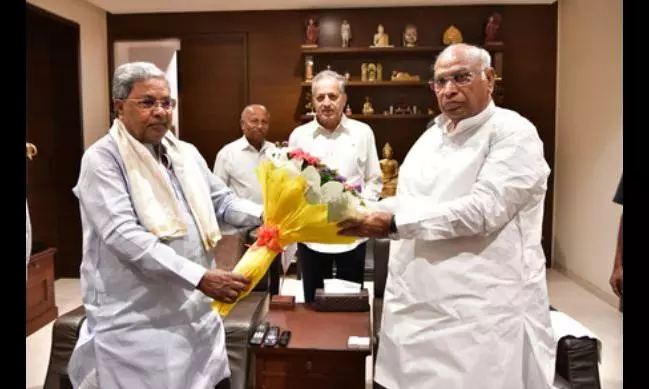
Abhishek Banerjee Warns TMC of Zero Laxity on SIR Bengal 2025: Electoral Roll Revision, Performance‑Linked Poll Tickets, Governance Challenges, BLO Unrest, and Policy Reform Needs in West Bengal Politics

The Abhishek Banerjee Warns TMC of Zero Laxity on SIR Bengal 2025 controversy has become a defining moment in West Bengal’s political landscape. On November 25, 2025, Abhishek Banerjee, national general secretary of the Trinamool Congress (TMC), addressed over 20,000 party cadres virtually, warning that any laxity in the Special Intensive Revision (SIR) of electoral rolls would not be tolerated. He tied poll tickets for the 2026 Assembly elections directly to leaders’ performance in the SIR process.


2. The Special Intensive Revision (SIR): What It Means

The SIR is a comprehensive exercise mandated by the Election Commission of India (ECI).

  • BLOs (Booth Level Officers) must verify voter identities against the 2002 electoral roll benchmark.
  • Families without proper linkage risk exclusion.
  • Normally, the process takes 18–24 months.
  • In 2025, the EC compressed it into two months, sparking chaos.

This hurried timeline has become the root of the crisis, with BLOs collapsing under workload pressure.


3. Abhishek Banerjee Warns TMC of Zero Laxity

Abhishek Banerjee declared:

  • “This is no longer a three‑month assignment but a six‑month task that includes the SIR.”
  • He warned leaders that negligence would cost them poll tickets.
  • He criticized booth‑level agents for failing to ensure proper enumeration.
  • He demanded accountability from MLAs and district leaders.

His rhetoric framed the SIR as a political battlefield rather than a bureaucratic exercise.


4. Linking Poll Tickets to Performance

Abhishek’s decision to tie poll tickets to SIR performance is unprecedented.

  • Leaders must prove efficiency in monitoring voter roll revisions.
  • Poor performance could mean exclusion from candidate lists.
  • Strong performers will be rewarded with tickets.

This strategy reflects a performance‑based approach to party discipline.


5. Governance Challenges Exposed

The incident highlights systemic governance failures:

  • Unrealistic deadlines imposed by EC.
  • Weak communication with BLOs.
  • Poor technology infrastructure in rural areas.
  • Delayed response to BLO grievances.

Without reforms, electoral integrity itself is at risk.


6. Human Dimension: BLOs in Fear

Families of BLOs describe:

  • Sudden collapses from exhaustion.
  • Panic attacks and high blood pressure.
  • Anxiety about punitive action if targets are missed.

Their plight is deeply personal and emotional, affecting communities across Bengal.


7. Political Fallout

The controversy has political consequences:

  • TMC consolidates support by portraying Abhishek as a strict disciplinarian.
  • BJP accuses TMC of politicizing the SIR process.
  • Civil society debates governance failures in electoral processes.

The issue has become a flashpoint ahead of the 2026 Assembly elections.


8. Historical Context: Electoral Roll Controversies

India has witnessed similar controversies:

  • Assam’s NRC excluded millions due to documentation gaps.
  • Past revisions saw BLOs complain of underpayment and overwork.
  • Bengal’s SIR echoes these controversies, highlighting systemic flaws.

9. Broader Implications for Democracy

The incident raises fundamental questions:

  • Can elections be credible if BLOs collapse under workload?
  • Will voter rolls be accurate if frontline staff are demoralised?
  • Does democracy risk losing legitimacy if electoral processes are rushed?

10. Recommendations for Reform

Experts suggest:

  • Staggered timelines for voter roll revision.
  • Hiring additional staff to support BLOs.
  • Improved technology for faster digitisation.
  • Compensation packages for BLO families.
  • Policy reform to recognise BLOs as permanent electoral staff.

11. Comparative Lessons from Other States

Other states have faced similar controversies:

  • Assam’s NRC excluded millions despite decades of residence.
  • Rajasthan and Gujarat have experimented with staggered voter roll updates.
  • Bengal’s case reflects a national challenge of balancing electoral integrity with human dignity.

12. Conclusion: A Test of Governance and Democracy

The Abhishek Banerjee Warns TMC of Zero Laxity on SIR Bengal 2025 is more than a political speech — it is a test of governance, democracy, and human dignity. Unless systemic reforms are undertaken, BLOs will remain vulnerable, and public trust in institutions will erode.

Abhishek’s warning underscores the urgency of balancing electoral integrity with compassion for frontline workers.


🔗 Government External Links

For further reading and official updates, here are relevant government sources:

Also read: Home | Channel 6 Network – Latest News, Breaking Updates: Politics, Business, Tech & More