Monday, December 29, 2025
Home Blog Page 110

Election Commission Meeting TMC Delegation November 28 SIR Bengal 2025: Voter Roll Revision Controversy, BLO Unrest, Governance Challenges, Political Fallout, and Policy Reform Needs in West Bengal

The Election Commission Meeting TMC Delegation November 28 SIR Bengal 2025 controversy has become a defining moment in West Bengal’s political landscape. On November 28, 2025, the Election Commission (EC) scheduled talks with a Trinamool Congress (TMC) delegation amid growing unrest over the Special Intensive Revision (SIR) of electoral rolls. The meeting reflects both the urgency of addressing BLO grievances and the political stakes of voter roll accuracy ahead of the 2026 Assembly elections.


2. Background: The Special Intensive Revision (SIR)

The SIR is a comprehensive exercise to update electoral rolls.

  • BLOs (Booth Level Officers) must verify voter identities against the 2002 electoral roll benchmark.
  • Families without proper linkage risk exclusion.
  • Normally, the process takes 18–24 months.
  • In 2025, the EC compressed it into two months, sparking chaos.

This hurried timeline has become the root of the crisis, with BLOs collapsing under workload pressure.


3. Election Commission Meeting: BLOs in Crisis

BLOs are the backbone of India’s electoral system.

  • Each BLO is responsible for 1,000–1,800 voters.
  • They must distribute and collect forms, conduct house‑to‑house verification, and digitise data into the EC’s mobile app.
  • Many BLOs lack training in the app, which frequently crashes.
  • Reports of exhaustion, collapses, and suicides have shocked Bengal.

Their plight has become a humanitarian issue, not just an administrative one.


4. Mamata Banerjee’s Intervention

Chief Minister Mamata Banerjee accused the EC of rushing the process:

  • “Why the terrible rush now? To satisfy which political party are you pushing people to the brink of death?”
  • She demanded answers from the Chief Election Commissioner.
  • She warned of a “terrifying situation” if draft rolls were published without correction.
  • She linked the SIR to attempts at disenfranchising refugee communities.

Her rhetoric framed the SIR as a political weapon rather than an administrative exercise.


5. The EC’s Response: Meeting Scheduled

The EC responded by scheduling a meeting with a TMC delegation on November 28, 2025.

  • The delegation included senior MPs led by Derek O’Brien.
  • The EC emphasised its openness to dialogue with political parties.
  • Officials promised to review grievances and clarify procedures.

This meeting reflects the EC’s attempt to balance administrative integrity with political accountability.


6. Political Context: Bengal’s Volatile Climate

The controversy reflects Bengal’s volatile political climate:

  • BJP seeks to expand influence in refugee belts.
  • TMC positions itself as defender of marginalized communities.
  • The SIR controversy has become a flashpoint ahead of the 2026 Assembly elections.

7. Governance Failures Exposed

The incident highlights systemic governance failures:

  • Unrealistic deadlines imposed by EC.
  • Weak communication with BLOs.
  • Poor technology infrastructure in rural areas.
  • Delayed response to BLO protests.

Without reforms, electoral integrity itself is at risk.


8. Human Dimension: Families in Fear

Families of BLOs describe:

  • Sudden collapses from exhaustion.
  • Panic attacks and high blood pressure.
  • Anxiety about punitive action if targets are missed.

The crisis is deeply personal and emotional, affecting communities across Bengal.


9. Historical Parallels: NRC and Electoral Roll Controversies

India has witnessed similar controversies:

  • Assam’s NRC excluded millions due to documentation gaps.
  • Past revisions saw BLOs complain of underpayment and overwork.
  • Bengal’s SIR echoes these controversies, highlighting systemic flaws.

10. Broader Implications for Democracy

The incident raises fundamental questions:

  • Can elections be credible if BLOs collapse under workload?
  • Will voter rolls be accurate if frontline staff are demoralised?
  • Does democracy risk losing legitimacy if electoral processes are rushed?

11. Recommendations for Reform

Experts suggest:

  • Staggered timelines for voter roll revision.
  • Hiring additional staff to support BLOs.
  • Improved technology for faster digitisation.
  • Compensation packages for BLO families.
  • Policy reform to recognise BLOs as permanent electoral staff.

12. Political Fallout

The controversy has political consequences:

  • TMC consolidates support by portraying Mamata as defender of democracy.
  • BJP accuses Mamata of fear‑mongering.
  • Civil society debates governance failures in electoral processes.

13. Conclusion: A Test of Governance and Democracy

The Election Commission Meeting TMC Delegation November 28 SIR Bengal 2025 is more than a bureaucratic exercise — it is a test of governance, democracy, and human dignity. Unless systemic reforms are undertaken, BLOs will remain vulnerable, and public trust in institutions will erode.

The meeting underscores the urgency of balancing electoral integrity with human dignity.


🔗 Government External Links

For further reading and official updates, here are relevant government sources:

Also read: Home | Channel 6 Network – Latest News, Breaking Updates: Politics, Business, Tech & More

Musk Deer Rediscovery Neora Valley West Bengal 2025: Rare Wildlife Sighting After 70 Years, Conservation Challenges, Biodiversity Significance, and Policy Reform Needs in India’s Eastern Himalayas

The Musk Deer Rediscovery Neora Valley West Bengal 2025 has become a landmark moment in Indian conservation history. For the first time in seven decades, forest officials captured images of the elusive musk deer in Neora Valley National Park, Jalpaiguri district. This rediscovery underscores the ecological richness of the Eastern Himalayas and highlights the urgent need for stronger conservation policies.


2. The Musk Deer Rediscovery Neora Valley: An Endangered Species

Musk deer (Moschus spp.) are small, shy ungulates native to the Himalayan region.

  • Known for their musk gland, historically exploited for perfumes and traditional medicine.
  • Listed as endangered under the IUCN Red List.
  • Protected under Schedule I of India’s Wildlife Protection Act, 1972.
  • Populations have declined due to poaching and habitat loss.

Their rediscovery in Bengal is both a scientific triumph and a conservation challenge.


3. Neora Valley National Park: The Setting

Neora Valley, established in 1986, spans over 159 square kilometers.

  • Located in the Kalimpong district, bordering Bhutan.
  • Rich biodiversity: red pandas, clouded leopards, Himalayan black bears, and diverse bird species.
  • Dense forests and rugged terrain make it ideal for elusive species like musk deer.

The park’s rediscovery of musk deer adds to its reputation as a biodiversity hotspot.


4. Historical Context: Last Recorded 70 Years Ago

The last confirmed sighting of musk deer in Bengal dates back to the 1950s.

  • Since then, the species was presumed locally extinct.
  • Occasional anecdotal reports surfaced but lacked photographic evidence.
  • The 2025 rediscovery provides scientific confirmation of their survival.

This moment bridges a seven‑decade gap in ecological records.


5. The Rediscovery: How It Happened

Forest officials deployed camera traps as part of routine monitoring.

  • Images revealed a musk deer moving through dense undergrowth.
  • Officials confirmed identification based on physical features: fang‑like canines, small body size, and distinctive gait.
  • The discovery was announced by the West Bengal Forest Department, sparking excitement among conservationists.

6. Conservation Significance

The rediscovery has immense implications:

  • Confirms survival of a species thought extinct in Bengal.
  • Highlights resilience of Neora Valley’s ecosystem.
  • Provides opportunities for scientific research on population size and distribution.
  • Strengthens arguments for expanding conservation funding in Eastern Himalayas.

7. Threats to Musk Deer

Despite rediscovery, musk deer face serious threats:

  • Poaching for musk pods, highly valued in illegal trade.
  • Habitat loss due to deforestation and human encroachment.
  • Climate change altering Himalayan ecosystems.
  • Low reproductive rates making recovery difficult.

Without urgent action, rediscovery may not translate into long‑term survival.


8. Governance Challenges

The rediscovery exposes governance challenges:

  • Weak enforcement of anti‑poaching laws.
  • Limited resources for monitoring remote habitats.
  • Insufficient community engagement in conservation.
  • Poor coordination between state and central agencies.

9. Policy Recommendations

Experts suggest:

  • Strengthening anti‑poaching patrols in Neora Valley.
  • Expanding camera trap networks for population monitoring.
  • Community awareness programs to involve locals in conservation.
  • Scientific studies on musk deer ecology in Bengal.
  • Cross‑border cooperation with Bhutan for habitat protection.

10. Broader Implications for Biodiversity

The rediscovery raises broader questions:

  • How many other species presumed extinct may survive in hidden pockets?
  • Can rediscoveries inspire stronger conservation policies?
  • Will biodiversity hotspots like Neora Valley receive adequate protection?

11. Human Dimension: Local Communities

Local communities play a crucial role:

  • Many depend on forest resources for livelihood.
  • Awareness campaigns can reduce poaching pressures.
  • Eco‑tourism initiatives can provide alternative income.

Their participation is essential for sustainable conservation.


12. Conclusion: A Landmark Rediscovery

The Musk Deer Rediscovery Neora Valley West Bengal 2025 is more than a wildlife sighting — it is a reminder of nature’s resilience and fragility. Rediscoveries inspire hope but also demand responsibility. Unless systemic reforms are undertaken, musk deer may vanish again, this time permanently.

This rediscovery must become a turning point for inclusive, science‑based, and community‑driven conservation in Bengal’s Eastern Himalayas.


🔗 Government External Links

For further reading and official updates, here are relevant government sources:

Also read: Home | Channel 6 Network – Latest News, Breaking Updates: Politics, Business, Tech & More
Mamata Banerjee Criticism of Rushed SIR Voter Roll Revision Bengal 2025: BLO Unrest, Deaths, Governance Failures, Electoral Integrity Challenges, and Policy Reform Needs

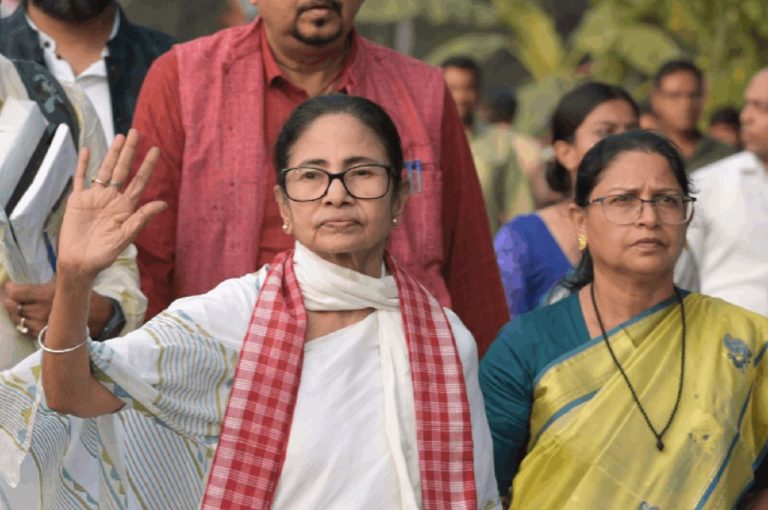
The Mamata Banerjee Criticism of Rushed SIR Voter Roll Revision Bengal 2025 controversy has become a defining moment in India’s electoral governance. On November 25, 2025, Mamata Banerjee accused the Election Commission (EC) of rushing the Special Intensive Revision (SIR) of electoral rolls in Bengal, citing unrest among Booth Level Officers (BLOs) and tragic deaths linked to workload stress. Her intervention has sparked debate about governance, accountability, and the integrity of democracy.


2. The Special Intensive Revision (SIR): What It Means

The SIR is a comprehensive exercise to update electoral rolls.

  • BLOs must verify voter identities against the 2002 electoral roll benchmark.
  • Families without proper linkage risk exclusion.
  • Normally, the process takes two years.
  • In 2025, the EC compressed it into two months, creating chaos.

This hurried timeline has become the root of the crisis.


3. BLOs in Crisis

BLOs are the backbone of India’s electoral system.

  • Each BLO is responsible for 1,000–1,800 voters.
  • They must distribute and collect forms, conduct house‑to‑house verification, and digitise data.
  • Many BLOs lack training in the EC’s mobile app, which frequently crashes.
  • Reports of exhaustion, collapses, and suicides have shocked Bengal.

Their plight has become a humanitarian issue, not just an administrative one.


4. Mamata Banerjee Criticism: Mamata Banerjee’s Allegations

At a rally in Bongaon, Mamata declared:

  • “Why the terrible rush now? To satisfy which political party are you pushing people to the brink of death?”
  • She accused the EC of acting under BJP’s instructions.
  • She demanded answers from the Chief Election Commissioner.
  • She warned of a “terrifying situation” if the draft rolls were published without correction.

Her rhetoric framed the SIR as a political weapon rather than an administrative exercise.


5. Political Context: Bengal’s Volatile Climate

The controversy reflects Bengal’s volatile political climate:

  • BJP seeks to expand influence in refugee belts.
  • TMC positions itself as defender of marginalized communities.
  • The SIR controversy has become a flashpoint ahead of the 2026 Assembly elections.

6. Governance Failures Exposed

The incident highlights systemic governance failures:

  • Unrealistic deadlines imposed by EC.
  • Weak communication with BLOs.
  • Poor technology infrastructure in rural areas.
  • Delayed response to BLO protests.

Without reforms, electoral integrity itself is at risk.


7. Human Dimension: Families in Fear

Families of BLOs describe:

  • Sudden collapses from exhaustion.
  • Panic attacks and high blood pressure.
  • Anxiety about punitive action if targets are missed.

The crisis is deeply personal and emotional, affecting communities across Bengal.


8. Historical Parallels: NRC and Electoral Roll Controversies

India has witnessed similar controversies:

  • Assam’s NRC excluded millions due to documentation gaps.
  • Past revisions saw BLOs complain of underpayment and overwork.
  • Bengal’s SIR echoes these controversies, highlighting systemic flaws.

9. Broader Implications for Democracy

The incident raises fundamental questions:

  • Can elections be credible if BLOs collapse under workload?
  • Will voter rolls be accurate if frontline staff are demoralised?
  • Does democracy risk losing legitimacy if electoral processes are rushed?

10. Recommendations for Reform

Experts suggest:

  • Staggered timelines for voter roll revision.
  • Hiring additional staff to support BLOs.
  • Improved technology for faster digitisation.
  • Compensation packages for BLO families.
  • Policy reform to recognise BLOs as permanent electoral staff.

11. Political Fallout

The controversy has political consequences:

  • TMC consolidates support by portraying Mamata as defender of democracy.
  • BJP accuses Mamata of fear‑mongering.
  • Civil society debates governance failures in electoral processes.

12. Conclusion: A Test of Governance and Democracy

The Mamata Banerjee Criticism of Rushed SIR Voter Roll Revision Bengal 2025 is more than a bureaucratic exercise — it is a test of governance, democracy, and human dignity. Unless systemic reforms are undertaken, BLOs will remain vulnerable, and public trust in institutions will erode.

Mamata’s allegations underscore the urgency of balancing electoral integrity with human dignity.


🔗 Government External Links

For further reading and official updates, here are relevant government sources:

Also read: Home | Channel 6 Network – Latest News, Breaking Updates: Politics, Business, Tech & More

Mamata Banerjee Helicopter Sabotage Allegation Bongaon Rally 2025: Chief Minister Accuses BJP of Political Conspiracy After Chopper Grounded, Governance Failures, Electoral Roll Crisis, and Policy Reform Needs in West Bengal

The Mamata Banerjee Helicopter Sabotage Allegation Bongaon Rally 2025 has become one of the most talked‑about controversies in West Bengal’s political landscape. On November 25, 2025, Chief Minister Mamata Banerjee accused the BJP of attempting “political sabotage” after her helicopter was grounded hours before she was scheduled to land in Bongaon, a refugee stronghold. The BJP dismissed her claims, calling them “laughable” and urging her to stop politicising everything.


2. The Incident: Chopper Grounded Before Rally

Banerjee was scheduled to fly to Bongaon to address a rally amid tensions over the Special Intensive Revision (SIR) of electoral rolls.

  • At around 10 a.m., she was informed that the hired helicopter “would not fly.”
  • Officials cited expired licence and lapsed insurance as reasons.
  • The chopper had undergone a trial flight the previous day, but lapses were not flagged.
  • Banerjee eventually travelled by road, turning the disruption into an impromptu outreach.

Her delayed arrival became a political flashpoint, with supporters rallying behind her claims of sabotage.


3. Mamata’s Allegations

At the rally, Mamata declared:

  • “Don’t play games with me. When I play my game, you will have no clue.”
  • She accused the BJP of attempting to corner her politically.
  • She framed the incident as part of a larger conspiracy to disrupt her campaign.
  • She promised to protect refugee families from exclusion during the SIR process.

Her rhetoric transformed the disruption into a campaign pitch of resilience and defiance.


4. Mamata Banerjee Helicopter Sabotage: BJP’s Response

The BJP dismissed Mamata’s allegations:

  • State BJP president Samik Bhattacharya called the charges “laughable.”
  • He argued that if authorities grounded the helicopter, there must have been valid reasons.
  • He accused Mamata of politicising routine administrative lapses.

The BJP’s counter‑narrative sought to portray Mamata as dramatizing events for political gain.


5. Governance Failures Exposed

The incident highlights systemic governance failures:

  • Expired licence and lapsed insurance not detected during checks.
  • Poor coordination between aviation authorities and state administration.
  • Delayed communication to the Chief Minister’s Office.
  • Weak accountability in VVIP movement protocols.

Officials admitted negligence, prompting Mamata to demand a full explanation.


6. Political Context: Refugee Stronghold Bongaon

Bongaon is a Matua refugee stronghold, making Mamata’s rally politically significant.

  • The Matua community, descendants of Dalit refugees from Bangladesh, are a decisive voting bloc.
  • BJP has sought to woo them through promises under the Citizenship Amendment Act (CAA).
  • Mamata positions herself as their protector against exclusion under SIR.

The helicopter controversy thus unfolded in a symbolically charged location.


7. Human Dimension: Turning Disruption into Outreach

Banerjee reframed the road journey as an opportunity:

  • She met people along the way, turning the delay into a campaign pitch.
  • Supporters saw her resilience as proof of commitment.
  • Her ability to transform adversity into political advantage reflects her populist style.

8. Historical Parallels

India has witnessed similar controversies:

  • Leaders alleging sabotage during transport disruptions.
  • Opposition accusing ruling parties of negligence in VVIP protocols.
  • Past incidents of grounded flights sparking political blame games.

The Mamata helicopter case fits into this broader pattern of politics over logistics.


9. Broader Implications for Democracy

The incident raises fundamental questions:

  • Can governance be credible if VVIP movement lapses occur?
  • Will citizens trust institutions if leaders allege sabotage?
  • Does democracy risk losing legitimacy if electoral processes are politicised?

10. Recommendations for Reform

Experts suggest:

  • Stricter checks on aviation licences and insurance.
  • Independent audits of VVIP movement protocols.
  • Transparency in communication between aviation and administration.
  • Policy reforms to prevent politicisation of routine lapses.

11. Political Fallout

The controversy has political consequences:

  • TMC consolidates refugee support by portraying Mamata as victim of conspiracy.
  • BJP frames Mamata as dramatizing events for sympathy.
  • Civil society debates governance failures in aviation and electoral processes.

12. Conclusion: A Test of Governance and Democracy

The Mamata Banerjee Helicopter Sabotage Allegation Bongaon Rally 2025 is more than a logistical lapse — it is a test of governance, law enforcement, and democracy in West Bengal. Unless systemic reforms are undertaken, VVIP movement lapses will continue to erode public trust.

Mamata’s allegations and BJP’s counter‑dismissals underscore the urgency of balancing electoral integrity with governance accountability.


🔗 Government External Links

For further reading and official updates, here are relevant government sources:

Also read: Home | Channel 6 Network – Latest News, Breaking Updates: Politics, Business, Tech & More
Cyclone Ditwah: Devastating Storm Claims 46 Lives in Sri Lanka

Tamil Nadu – Heavy rains from Cyclone Ditwah wreaked catastrophic havoc across Sri Lanka on Friday, claiming 46 lives and leaving 23 people missing, as officials warned the storm could intensify in the coming hours. The weather disaster marks one of the most severe events the island nation has faced in recent years, prompting massive evacuation and rescue operations involving military personnel.

Deadly Landslide in Tea-Growing Region

The most devastating single incident related to Cyclone Ditwah occurred in the central tea-growing district of Badulla, where a massive landslide swept through homes overnight, killing 21 people. The Disaster Management Centre (DMC) reported that this catastrophic event resulted from extraordinarily heavy rainfall that saturated hillsides, causing them to collapse onto residential areas below.

Most casualties from Cyclone Ditwah were caused by landslides after more than 300 mm (11.8 inches) of rainfall drenched the island’s eastern and central regions within just 24 hours. This intense precipitation overwhelmed drainage systems and destabilized slopes across vulnerable areas, creating conditions for multiple deadly landslides.

Mass Evacuations and Shelter Operations

The scale of displacement caused by Cyclone Ditwah has been substantial. The DMC reported that 43,991 people had been evacuated to schools and public shelters, including families rescued from rooftops as floodwaters rose rapidly. Nearly 44,000 people have been affected by the storm’s impact, requiring emergency accommodation and humanitarian assistance.

The evacuation operations during Cyclone Ditwah involved dramatic rescues of stranded individuals. In Anuradhapura, a military helicopter conducted three rescue operations, including airlifting a man who had sheltered atop a coconut tree overnight to escape rising waters. These operations highlight the desperate situations many residents faced as the storm intensified.

Storm Characteristics and Trajectory

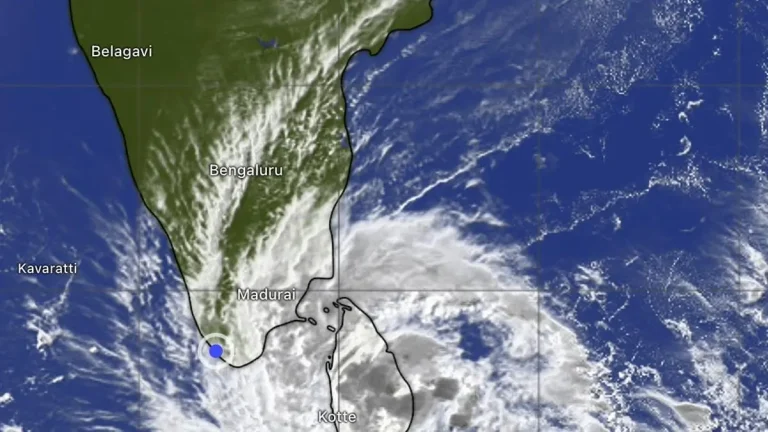
Cyclone Ditwah began as a deep depression before intensifying into a full cyclonic storm. The name “Ditwah” was contributed by Yemen and refers to the Detwah Lagoon on Socotra Island, known for its unique coastal ecosystem. The storm is currently located over coastal Sri Lanka and the adjoining southwest Bay of Bengal, moving north-northwest at 10 kmph over the last six hours.

Also Read: User-Generated Content Regulation: Supreme Court Orders Critical New Framework

Meteorological authorities warn that Cyclone Ditwah continues to pose significant threats. More than 200 mm (7.8 inches) of additional rain is expected in central and northern regions, according to the Met Department. River levels are rising dangerously, with a red-level flood warning issued for low-lying areas of the Kelani River valley, including Colombo, for the next 48 hours.

Massive Military Deployment

Sri Lankan authorities deployed approximately 20,500 army personnel for relief and rescue operations related to Cyclone Ditwah. Brigadier S. Dharmawickrema explained the challenges facing rescue teams: “We are continuing rescue operations in the worst-hit areas, but some villages are difficult to reach because roads are blocked by landslides…we are doing our best to get everyone to safety.”

The military response to Cyclone Ditwah has involved helicopter operations, boat rescues, and ground evacuation efforts across affected regions. The scale of deployment reflects the severity of the disaster and the government’s commitment to saving lives and providing assistance to affected populations.

Transportation and Infrastructure Impact

Cyclone Ditwah has severely disrupted transportation networks across Sri Lanka. Key roads have been closed and most train services cancelled since 06:00 on Friday. The Colombo Stock Exchange halted trading early as heavy rain persisted, reflecting the storm’s economic impact beyond immediate physical damage.

Aviation has also been affected by Cyclone Ditwah. Ports and Civil Aviation Minister Anura Karunathilake announced that flights may be diverted to Trivandrum or Cochin in India. Six flights from Muscat, Dubai, New Delhi, and Bangkok were already rerouted due to dangerous conditions at Sri Lankan airports.

Parliamentary Response and Emergency Measures

During parliamentary proceedings, MP Ajith Perera raised urgent concerns about a stranded bus near Kala Wewa during Cyclone Ditwah, stating: “I have been getting multiple reports of a bus that has been stranded near the Kala Wewa for one and a half hours,” urging approval for helicopter rescue. Justice Minister Harshana Nanayakkara confirmed the bus was halted due to dangerous conditions and authorized helicopter deployment, assuring “They will be rescued.”

Schools were closed and A-level exams have been postponed due to the extreme weather conditions created by Cyclone Ditwah. These measures aim to protect students and prevent unnecessary risk during the ongoing crisis.

Tamil Nadu Alert

With Cyclone Ditwah nearing, the IMD’s Regional Meteorological Centre in Chennai issued a three-hour yellow alert for several districts in Tamil Nadu on Friday. The alert covers isolated areas in Pudukkottai, Ramanathapuram, Thoothukkudi, Tirunelveli, Kanyakumari and other districts, with light to moderate rain, thunderstorms and lightning likely.

Historical Context

Sri Lanka rarely experiences such severe conditions during monsoon season. The worst flooding this century occurred in 2003, killing 254 people. The devastation wrought by Cyclone Ditwah approaches that historical benchmark, underscoring the exceptional nature of this weather event and its tragic human toll.

Bengal BLO Deaths SIR Workload App Failures 2025: Tragic Losses, Hurried Electoral Roll Process, Governance Challenges, and Policy Reform Needs in West Bengal

The Bengal BLO Deaths SIR Workload App Failures 2025 controversy has shaken the foundations of electoral governance in India. BLOs, the frontline workers of democracy, are collapsing under the burden of the Special Intensive Revision (SIR) of electoral rolls. Reports of suicides, health crises, and exhaustion have sparked outrage, raising questions about the Election Commission’s hurried process and the human cost of bureaucratic rigidity.


2. Bengal BLO Deaths SIR Workload: The Role of BLOs

Booth Level Officers are the backbone of India’s electoral system.

  • They distribute and collect voter forms.
  • Conduct house‑to‑house verification.
  • Digitise data into the EC’s mobile app.
  • Ensure accuracy of electoral rolls.

In Bengal, each BLO is responsible for 1,000–1,800 voters, often without transport or logistical support.

Bengal BLO Deaths SIR Workload


3. The Special Intensive Revision (SIR)

The SIR is designed to update voter rolls comprehensively.

  • Normally takes 18 months to 2 years.
  • In 2025, compressed into two months.
  • BLOs must meet daily targets of 70–80 forms.
  • Deadlines set for December 4, creating immense pressure.

This hurried timeline has become the root of the crisis.


4. App Failures and Digital Divide

The EC’s mobile app, used for digitisation, has been plagued by failures:

  • Frequent crashes during peak hours.
  • Slow processing, taking 10 minutes per voter entry.
  • Not computer‑friendly, forcing BLOs to use phones while on the move.
  • Many BLOs are not tech‑savvy, lacking proper training.

The digital divide has worsened stress, especially in rural and tribal areas.


5. Human Toll: Tragic Deaths

Several BLOs have died during the SIR process:

  • Shanti Muni Oraon (46) of Jalpaiguri was found hanging after complaining of unbearable pressure.
  • Rinku Tarafdar (51) of Nadia left a suicide note, admitting she could not complete online work due to lack of technical knowledge.
  • Families allege inhuman workload and rejected resignations.

These deaths symbolise the human cost of electoral governance failures.


6. Families in Anguish

Families of deceased BLOs describe:

  • Exhaustion and stress before death.
  • Collapses after long hours of work.
  • Fear of punitive action if targets were missed.
  • Rejected pleas for resignation.

Their voices reflect both grief and anger at systemic neglect.


7. Governance Challenges

The crisis exposes governance failures:

  • Unrealistic deadlines imposed by EC.
  • Lack of training for BLOs.
  • No transport or logistical support.
  • Poor communication between EC and BLOs.

Without reforms, electoral integrity itself is at risk.


8. Political Fallout

The controversy has political consequences:

  • Trinamool Congress (TMC) accuses EC of imposing “inhuman hurriedness.”
  • Opposition parties highlight governance failures.
  • Civil society demands better treatment of BLOs.

The issue has become a flashpoint ahead of the 2026 Assembly elections.


9. Historical Context: Electoral Roll Controversies

India has witnessed similar crises:

  • Past revisions saw BLOs complain of underpayment and overwork.
  • Assam’s NRC excluded millions due to documentation gaps.
  • Bengal’s SIR echoes these controversies, highlighting systemic flaws.

10. Broader Implications for Democracy

The incident raises fundamental questions:

  • Can elections be credible if BLOs collapse under workload?
  • Will voter rolls be accurate if frontline staff are demoralised?
  • Does democracy risk losing legitimacy if electoral processes are rushed?

11. Recommendations for Reform

Experts suggest:

  • Staggered timelines for voter roll revision.
  • Hiring additional staff to support BLOs.
  • Improved technology for faster digitisation.
  • Compensation packages for BLO families.
  • Policy reform to recognise BLOs as permanent electoral staff.

12. Human Dimension: BLOs in Fear

Despite challenges, BLOs continue working:

  • Leaving home early morning, returning late at night.
  • Uploading forms in between house visits.
  • Facing constant pressure from supervisors.

Their resilience reflects the fragile balance between duty and survival.


13. Conclusion: A Test of Governance and Democracy

The Bengal BLO Deaths SIR Workload App Failures 2025 is more than a bureaucratic exercise — it is a test of governance, democracy, and human dignity. Unless systemic reforms are undertaken, BLOs will remain vulnerable, and public trust in institutions will erode.

The deaths of BLOs must not be forgotten. They symbolise the urgent need for accountability, compassion, and reform in India’s electoral system.


🔗 Government External Links

For further reading and official updates, here are relevant government sources:

Also read: Home | Channel 6 Network – Latest News, Breaking Updates: Politics, Business, Tech & More
 

India, UAE proudly review CEPA as bilateral trade surges past USD 100 billion

India and the United Arab Emirates (UAE) have held the third meeting of the Joint Committee under the India–UAE Comprehensive Economic Partnership Agreement (CEPA) in New Delhi, with both sides noting that bilateral trade reached USD 100.06 billion in FY 2024–25, a robust 19.6% year‑on‑year increase. The milestone reinforces the UAE’s status as one of India’s most important trading partners and underscores CEPA’s role in deepening the strategic economic partnership.​

Joint Committee meeting and agenda

The meeting was co‑chaired by Additional Secretary, Department of Commerce, Shri Ajay Bhadoo, and UAE Assistant Undersecretary for International Trade Affairs, H.E. Juma Al Kait, under the institutional framework of the India–UAE Joint Committee that oversees CEPA implementation. Delegations from both sides conducted a comprehensive review of the agreement’s progress, examining how to remove remaining bottlenecks and maximise preferential access offered under CEPA.​


Market access, Gold TRQ and trade remedies

Officials discussed a wide set of market‑access and operational issues, including tariff lines, data‑sharing mechanisms, allocation of Gold Tariff Rate Quota (TRQ), anti‑dumping matters, services trade, Rules of Origin and Bureau of Indian Standards (BIS) licensing. The Indian side briefed the UAE on its recent decision to allocate Gold TRQ through a transparent competitive bidding process, aimed at improving predictability and fairness for importers using CEPA preferences.​

Focus on non-oil trade and regulatory cooperation

Both countries reviewed recent high‑level engagements, including meetings between Commerce & Industry Minister Shri Piyush Goyal and UAE Minister Dr. Thani Al Zeyoudi in Mumbai and Dubai, and reaffirmed their commitment to grow non‑oil, non‑precious‑metal trade towards a separate USD 100 billion target by 2030. Discussions also covered regulatory cooperation in pharmaceuticals, faster resolution of issues around Certificates of Origin and BIS coordination, along with early signing of a food‑safety and technical‑requirements MoU between APEDA and the UAE’s Ministry of Climate Change & Environment (MoCCAE) to facilitate agri‑food exports.​

Trade facilitation and services

The two sides agreed to strengthen trade‑facilitation measures, enhance regulatory collaboration and improve data‑sharing systems so that exporters and importers can better utilise CEPA preferences. They also decided to convene a dedicated Services Subcommittee meeting to address barriers and opportunities in sectors such as IT, professional services, tourism and logistics, which are seen as key drivers of future growth beyond goods trade.​

Strategic significance of the visit

During the visit, the UAE delegation met Commerce Secretary Shri Rajesh Agrawal to discuss ways to optimise CEPA use by businesses on both sides and to promote a more balanced trade structure. The meetings highlighted the shared intent of India and the UAE to expand market opportunities, diversify trade beyond hydrocarbons and jewellery, and further cement their partnership as a cornerstone of India’s economic engagement with West Asia.​

For more real-time updates, visit Channel 6 Network.

Source: PIB

Union Agriculture Minister’s stubble-free farming, promises model village status and 5-year farm roadmap

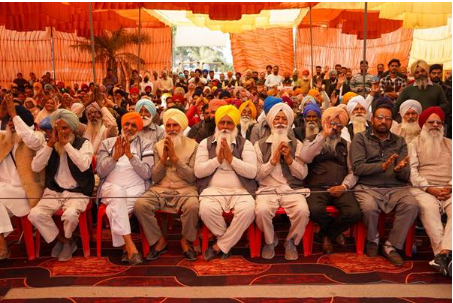
Union Minister for Agriculture & Farmers’ Welfare and Rural Development Shri Shivraj Singh Chouhan undertook a one-day visit to Punjab’s Moga district, where he interacted with farmers, villagers and stakeholders in Ransih Kalan village and praised them for not burning crop stubble for the last six years. Calling Ransih Kalan a “school of knowledge” and an inspiration for the nation, he said the village’s success proves that stubble is not a burden but a boon when managed scientifically.​

Ransih Kalan’s zero-stubble model

During his visit, the Minister lauded the village for completely eliminating stubble burning while maintaining crop yields of around 20–22 quintals of wheat per acre, demonstrating that residue management does not compromise productivity. Farmers here use Happy Seeders and similar machinery to cut and mix stubble into the soil and then undertake direct seeding without additional irrigation, which saves diesel, water and input costs.​


Soil health, fertiliser and water savings

Shri Chouhan highlighted that mixing stubble back into fields enriches the soil with potash and other nutrients, reduces weed growth and improves moisture retention, thereby increasing soil organic carbon levels. Local farmers shared that, after adopting this practice, their fertiliser requirement has fallen from around one-and-a-half bags of DAP to one bag and from three bags of urea to two bags per acre, while potato and mustard crops are also showing better size, quality and lower dependence on chemical inputs.​

Wider village initiatives and social impact

The Minister noted that under Sarpanch Preet Inderpal Singh Mintu’s leadership, Ransih Kalan has implemented underground drainage, rainwater harvesting, plastic management, and created lakes, parks and a library, which have together eliminated dengue and malaria issues in the village. He also praised the village’s anti-drug campaign and incentive schemes for reading, tree plantation and plastic-free living, describing Ransih Kalan as a model of holistic rural development.​

Punjab’s success in cutting stubble burning

Citing recent data, Shri Chouhan said stubble-burning incidents in Punjab have fallen by about 83 per cent this year—from nearly 83,000 fires earlier to around 5,000 now—calling it a major achievement that has eased air-pollution concerns across the country. He stressed that Punjab’s experience shows that with community participation, scientific support and local leadership, farm fires can be phased out while improving farm incomes.​

Plans for national replication and support

The Union Agriculture Minister announced that Ransih Kalan will be presented as a national model, and that he will convene a brainstorming meeting with selected farmers on December 22–23 to draw up five-year plans for agriculture and similar efforts in rural development. He directed the Indian Council of Agricultural Research to strengthen Custom Hiring Centres as mechanisation hubs so that small farmers can rent machinery collectively instead of buying expensive equipment individually.​

Procurement assurance and pulses mission

Reiterating the government’s commitment to price support, Shri Chouhan assured farmers that procurement of wheat and paddy at Minimum Support Price (MSP) will continue and that the Centre will also buy lentil, pigeon pea, black gram and chickpea at MSP to give farmers full value for their labour. He linked these measures to the Self-Reliance in Pulses Mission, under which regions producing pulses will receive subsidies for dal mills, helping boost domestic availability and reduce import dependence.​

Conclusion

Concluding his visit, the Minister said Punjab has long been a “centre of knowledge” in agriculture and that the innovations of villages like Ransih Kalan will guide future national policy on sustainable farming and pollution control. He expressed happiness at the warm welcome received and pledged that, under the Prime Minister’s leadership, the Union government will make every possible effort for Punjab’s development while scaling up successful stubble-management practices across India.​

For more real-time updates, visit Channel 6 Network.

Source: PIB

C-DOT, IIT Roorkee launch Centre of Excellence to drive indigenous 5G, 6G and advanced telecom R&D

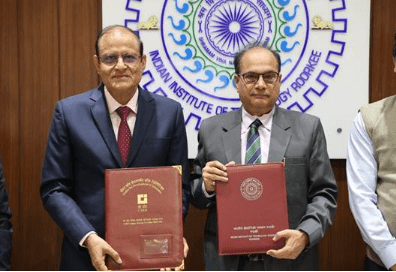
The Centre for Development of Telematics (C-DOT), the premier R&D arm of the Department of Telecommunications, has signed a Memorandum of Understanding (MoU) with the Indian Institute of Technology Roorkee (IIT Roorkee) to set up a Centre of Excellence (CoE) on the institute’s campus. Conceived as a dedicated hub for high‑impact research and innovation, the CoE will focus on advanced communication technologies to support a self‑reliant and Viksit Bharat in the telecom sector.​

MoU to strengthen academia–industry collaboration

Under the MoU, C-DOT will bring its expertise in indigenous telecom product development, while IIT Roorkee will contribute its academic strengths in communication engineering, semiconductor technologies and emerging wireless systems. The collaboration aims to create a seamless innovation pipeline where faculty, researchers, students and C-DOT engineers jointly work on mission‑critical projects rather than isolated research assignments.​


Centre of Excellence: mandate and focus areas

The newly established CoE at IIT Roorkee is mandated to accelerate research, innovation and capacity building in cutting‑edge communication domains. Key focus areas include wireless communication, quantum technologies, cybersecurity, AI‑based telecom applications, as well as emerging fields such as 5G/6G networks, RF and sub‑THz integrated circuits, sensors, millimetre‑wave beamforming antennas with integrated ICs, V2X communication and data‑driven, energy‑efficient wireless systems.​

Supporting start-ups, IP creation and skill development

Beyond pure research, the CoE is envisioned as a launchpad for start‑ups and deep‑tech ventures in telecom and allied areas. It will facilitate intellectual property creation, joint prototype development and continuous knowledge exchange through workshops, specialised training programmes and structured academic–industry engagements, helping to build a skilled talent pool for India’s telecom value chain.​

Leadership remarks and strategic vision

At the signing ceremony, C-DOT CEO Dr. Rajkumar Upadhyay stressed that the partnership brings together the strengths of a leading academic institution and a national R&D organisation to reduce dependence on foreign systems and build home‑grown solutions in 5G, 6G, AI and secure communication technologies. IIT Roorkee Director Prof. K.K. Pant described the initiative as a milestone for the institute, noting that the CoE will offer a transformative platform for faculty, researchers and students to co‑develop technologies of strategic national importance and advance India’s long‑term vision of technological leadership in telecom.​

Memorial lecture underscores indigenous telecom push

As part of the sixth Prof. A.K. Kamal Memorial Lecture Series held on the same day, Dr. Upadhyay delivered a talk on “Building Indigenous Communication Technologies for Viksit Bharat”. His address covered India’s telecom landscape, Bharat 6G Vision, the telecom value chain and standards, while highlighting C-DOT’s indigenous solutions in 4G/5G, TRINETRA cybersecurity, secure quantum communication, disaster management platforms, AI‑enabled applications such as Sanchar Saathi and fraud detection systems, and mission‑critical communication solutions.​

Conclusion

The C-DOT–IIT Roorkee Centre of Excellence is poised to become a key pillar of India’s quest for a secure, indigenous and future‑ready telecom ecosystem. By fusing academic depth with industrial R&D capabilities and nurturing start‑ups and IP, the CoE is expected to strengthen India’s global leadership in telecom innovation and significantly advance the national goal of technological self‑reliance.​

For more real-time updates, visit Channel 6 Network.

Source: PIB

TRAI drive test shows strong 4G/5G data speeds for Airtel and RJIL, gaps in MTNL voice quality across Delhi

The Telecom Regulatory Authority of India (TRAI) has released the results of its Independent Drive Test (IDT) for the Delhi Licensed Service Area, assessing how mobile networks actually perform on the ground during October 2025. Tests covered 402 km of city routes, 14 hotspot locations, 6.1 km of walk tests and inter‑operator calling, across 2G, 3G, 4G and 5G services.​

Scope and methodology

TRAI’s teams drove through dense urban neighbourhoods and major institutional and commercial hubs, including areas such as Shalimar Bagh, Paschim Vihar, Dwarka, Rohini, Kirti Nagar, Cyber Hub Gurugram and several metro stations and schools. The tests captured real‑world performance for voice and data in vehicles, at busy public places and on crowded pedestrian routes, using standardised equipment and protocols approved by the regulator.​

Voice service performance

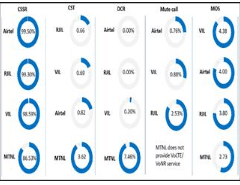
For call setup success rate (CSSR), Airtel  and RJIL (Jio)  recorded around 99.5% and 99.3% respectively, while VIL (Vodafone Idea)  stood near 98.6% and MTNL  lagged at about 86.5% in auto‑selection mode. Drop call rates were virtually zero for Airtel and RJIL, about 0.2% for VIL and a high 7.46% for MTNL, highlighting a marked quality gap on the legacy MTNL network.​


Call quality and user experience

Average call setup times were well under one second for RJIL, VIL and Airtel at roughly 0.66–0.82 seconds, while MTNL connections took over 3.6 seconds to be established. Mean Opinion Score (MOS), which reflects perceived voice clarity, was highest for VIL at 4.38, followed by Airtel at 4.00, RJIL at 3.80 and MTNL at 2.73, with silence/mute issues reported at relatively low levels for the packet‑switched 4G/5G networks.​

Overall data download and upload speeds

In combined 5G/4G/2G measurements, RJIL delivered the fastest average download speed at about 249 Mbps, closely followed by Airtel at around 234 Mbps, while VIL averaged roughly 23.8 Mbps and MTNL’s 3G/2G network trailed at about 5 Mbps. For uploads, Airtel led with roughly 31.8 Mbps, followed by RJIL at 26 Mbps, VIL at 11.4 Mbps and MTNL at just 1.68 Mbps, underscoring the gulf between modern 5G/4G networks and legacy platforms.​

Latency and hotspot performance

Median latency (50th percentile) was lowest for Airtel at about 11.7 ms, with RJIL around 15.2 ms, MTNL around 21.3 ms and VIL at roughly 35 ms, indicating quicker response times on the leading 5G/4G networks. At hotspot locations, RJIL’s 5G downlink speeds reached nearly 292 Mbps and Airtel’s about 235 Mbps, while VIL’s 5G clocked about 30 Mbps; on 4G, hotspot downlink speeds ranged from roughly 18 Mbps for VIL to over 44 Mbps for RJIL.​

Coverage gaps and technology mix

TRAI noted that 4G and 5G services were not observed on MTNL during the tests, meaning its users in Delhi still rely primarily on 3G/2G networks with significantly lower speeds and poorer voice quality. By contrast, Airtel, RJIL and VIL offered multi‑generation coverage, with 5G contributing strongly to the highest data speeds, especially along high‑traffic corridors and institutional clusters.​

Implications and next steps

The regulator has already shared operator‑wise findings with all telecom service providers so they can address localised gaps in coverage, call drops, latency and throughput. Detailed results, including route‑wise and location‑wise performance, are available on TRAI’s website, and the authority has invited stakeholders to seek clarifications from its Delhi regional office.​

For more real-time updates, visit Channel 6 Network.

Source: PIB