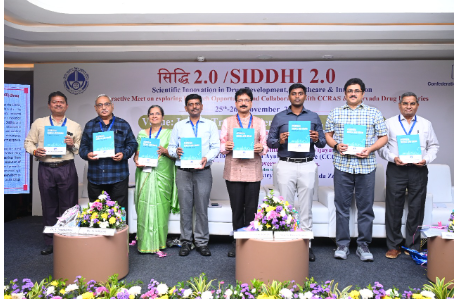
The Central Council for Research in Ayurvedic Sciences (CCRAS), Ministry of Ayush, has launched SIDDHI 2.0 (Scientific Innovation in Drug Development, Healthcare & Integration) in Vijayawada, marking a new chapter for industry-driven research and innovation in the Ayurveda pharmaceutical sector.
National Industry–Research Platform for Evidence-Based Ayurveda
SIDDHI 2.0 is a national platform designed to act as an industry–research interface, facilitating partnerships between academia, regulators, and pharmaceutical companies to accelerate evidence-based Ayurvedic drug development. The two-day conclave, organised by the Regional Ayurveda Research Institute (RARI), Vijayawada, and the Confederation of Indian Industry (CII), brought together over 100 delegates from more than 25 leading Ayurvedic pharma companies, including Himalaya Wellness Company, Oushadhi, IMPCOPS, and Laila Nutra Pvt. Ltd..
New Initiatives Unveiled: Digital, Literary, and Regulatory Boost
At the event, CCRAS unveiled several new initiatives, including a medico-historical publication on Ayurveda, Siddha, and Unani drug regulations and the Drug Inventory Management System portal, aimed at improving quality standards, regulatory frameworks, and global competitiveness. The program featured technical sessions where CCRAS researchers showcased research outcomes, advanced formulations, and cutting-edge technologies to fast-track product commercialisation.
Driving Translational Research and Industry Partnerships
Building on momentum from PRAGATI-2024, SIDDHI 2.0 marks a strategic shift toward indigenous technology, research-led product pipelines, and direct industry engagement. CCRAS champions an innovation agenda that includes IPR-sharing, standards validation, and support for start-ups developing AI-driven and tech-enabled Ayurvedic solutions. The Council emphasised that leveraging CCRAS data and collaborative research will be key for sectoral growth.
Strengthening Ayurveda’s Role in National and Global Health
Experts at the conclave highlighted the growing relevance of Ayurveda’s wellness-centric approach in tackling lifestyle diseases and enhancing healthy lifespans. Attendees agreed that modern science extends life expectancy, while Ayurveda can improve quality of life. SIDDHI 2.0 aims to position India as a global hub for research-driven, high-quality Ayurveda pharmaceuticals, with a focus on scientific validation, industrial partnerships, and regulatory excellence.
The Ministry of Culture concluded the year-long “Hamara Samvidhan – Hamara Swabhiman” campaign on November 26, 2025, at the Indira Gandhi National Centre for the Arts (IGNCA), New Delhi, marking 75 years since the adoption of India’s Constitution. Union Minister of Culture Shri Gajendra Singh Shekhawat led the closing ceremony, highlighting the document’s transformative role in empowering Indian citizens through fundamental rights, equality, and universal adult franchise.
Celebrating Citizen Empowerment
In his keynote, Shri Gajendra Singh Shekhawat described the Constitution as the embodiment of India’s civilizational ethos and a driving force behind the nation’s social and economic progress. He underscored its vital contributions to grassroots democracy, women’s participation, and resilience through challenging times such as the Emergency. The Minister encouraged India’s youth to commit to constitutional values, noting that democracy thrives when citizens actively safeguard foundational principles.
Exhibitions and Reflective Programming
The Chief Guest inaugurated two distinguished exhibitions: “Neev – Bharatiya Samvidhan ki Mahila Shilpi,” honouring the women architects of the Constitution, and “Making of the Constitution of India,” presenting a comprehensive visual narrative drawn from historical debates, archival photographs, and key milestones. The programme featured addresses from Ministry officials and legal scholars, screenings of commemorative films, and collective renditions of Vande Mataram and the National Anthem.
Campaign Impact and Legacy
The “Hamara Samvidhan – Hamara Swabhiman” campaign reached over one crore citizens through 13,700 events nationwide, leveraging pledges, contests, legal literacy initiatives, and grassroot outreach via MyGov and QR codes. Special emphasis was placed on youth engagement, marginalised communities, and regional outreach. The seamless transition into the Swabhiman phase reinforces the Government’s intent to instill enduring pride and deepen public understanding of constitutional values, rights, and duties.
Conclusion
With the closing of commemorations, the Ministry of Culture reaffirmed its commitment to promoting justice, liberty, equality, and fraternity nationwide. The campaign strengthened democratic literacy and inspired citizens to uphold constitutional ideals for generations to come.
The Union Cabinet, chaired by Prime Minister Narendra Modi, has greenlit Phase-2 of the Pune Metro Rail Project, approving Line 4 (Kharadi–Hadapsar–Swargate–Khadakwasla) and Line 4A (Nal Stop–Warje–Manik Baug), marking a transformative milestone for Pune’s public transport infrastructure.
Project Details and Strategic Impact
Lines 4 and 4A will span a combined 31.636 km, with 28 elevated stations connecting vital IT hubs, commercial areas, educational institutions, and residential clusters across East, South, and West Pune. This corridor will integrate seamlessly into existing and sanctioned metro lines at Kharadi Bypass, Nal Stop (Line 2), and Swargate (Line 1), ensuring smooth multimodal connections for metro, rail, and bus transit across the city. The corridors will also link with future extensions towards Loni Kalbhor and Saswad Road, further expanding the city’s reach and connectivity.
Ridership Growth and Timeline
The project is slated for completion within five years, at an estimated cost of Rs 9,857.85 crore, jointly funded by the Government of India, Government of Maharashtra, and external bilateral or multilateral funding agencies. Ridership is expected to grow significantly: combined daily usage for Lines 4 and 4A will start at 4.09 lakh in 2028, rise to nearly 7 lakh in 2038, reach 9.63 lakh in 2048, and surpass 11.7 lakh by 2058. The Kharadi–Khadakwasla section alone will handle 3.23 lakh daily passengers in 2028, while the Nal Stop–Warje–Manik Baug spur will grow from 85,555 to 2.41 lakh passengers over this period.
Urban Benefits and Implementation
The expansion will knit together diverse neighborhoods and major destinations—such as Kharadi IT Park, Khadakwasla’s tourist belt, Hadapsar industrial area, Solapur Road, Sinhagad Road, Karve Road, and Mumbai–Bengaluru Highway—while easing congestion, enhancing safety, and promoting sustainable, green mobility. Maharashtra Metro Rail Corporation Limited (Maha-Metro) will execute all project works, with pre-construction activities already underway, including surveys and detailed design.
Conclusion: Pune Metro Rail
With the approval of Phase-2, Pune Metro’s network will exceed the 100 km milestone, positioning Pune for a modern, integrated, and environmentally friendly urban transit future. Line 4 and 4A will become lifelines, delivering faster commutes, reduced traffic, and better connectivity for all citizens.
Wipro Limited has announced a strategic collaboration with the Indian Institute of Science (IISc), Bengaluru, aimed at advancing research and innovation in frontier technologies. The partnership focuses on areas such as artificial intelligence, quantum computing, cybersecurity, and next-generation digital solutions. By combining Wipro’s industry expertise with IISc’s cutting-edge research capabilities, the collaboration seeks to accelerate the development of transformative technologies that can drive India’s digital economy and strengthen its global competitiveness.
The partnership was formalized through a memorandum of understanding (MoU) that outlines joint research programs, technology development initiatives, and knowledge-sharing frameworks. Both organizations emphasized that the collaboration is designed to foster innovation ecosystems, promote academic-industry engagement, and encourage student and faculty participation in applied research. Wipro and IISc will work closely to identify high-impact projects that can translate research outcomes into real-world applications, spanning sectors such as healthcare, manufacturing, finance, and energy.
Several specific projects have already been identified under the collaboration, focusing on artificial intelligence applications in healthcare, predictive analytics for smart manufacturing, and secure quantum communication. These projects aim to demonstrate the practical impact of frontier technologies and serve as prototypes for larger-scale deployment. Researchers from IISc will lead foundational studies, while Wipro’s engineering teams will contribute industrial insights and implementation expertise, ensuring that solutions are both innovative and commercially viable.
Student engagement is a key aspect of the collaboration. Internships, research assistant positions, and project-based learning programs are being designed to give students hands-on experience in cutting-edge technology. IISc students will work alongside Wipro engineers on real-world problems, learning how theoretical knowledge can be applied to industrial challenges. This experiential approach is expected to cultivate a new generation of technology leaders capable of driving innovation across sectors.
Faculty exchange programs are also planned to foster knowledge transfer. IISc professors will spend time at Wipro innovation labs to understand industrial processes, project management, and applied problem-solving. Similarly, Wipro researchers will collaborate at IISc labs to access academic resources, conduct experiments, and contribute to research publications. This continuous exchange is expected to break silos between academia and industry, creating an integrated ecosystem for technological advancement.
The partnership emphasizes the development of intellectual property, including patents and research publications. Both Wipro and IISc aim to file joint patents on innovative solutions emerging from collaborative projects. These patents will cover areas such as AI algorithms, quantum computing frameworks, and cybersecurity protocols. By protecting intellectual property, the partnership ensures that India’s contributions to frontier technologies gain global recognition and economic advantage.
Workshops and hackathons are planned to encourage innovation at multiple levels. Students, faculty, and industry professionals will be invited to develop creative solutions to defined problems. Competitions focused on AI, cybersecurity, and quantum computing are expected to generate new ideas, prototype solutions, and potentially commercial products. Organizers emphasized that such events not only accelerate innovation but also help build a community of problem-solvers who can collaborate on future technological challenges.
The collaboration is expected to benefit multiple industrial sectors. In healthcare, AI-driven diagnostic tools, early warning systems, and telemedicine platforms could revolutionize patient care. In manufacturing, predictive maintenance, process automation, and supply chain optimization are among the anticipated applications. Financial institutions may benefit from advanced fraud detection algorithms, blockchain-based solutions, and secure data handling mechanisms. The partnership ensures that frontier research has tangible, sector-specific impact.
Cybersecurity is another critical focus area. With increasing reliance on digital infrastructure, ensuring secure data handling, privacy, and resilience against cyberattacks is a priority. Collaborative projects will focus on developing advanced threat detection systems, secure communication protocols, and encryption techniques that can be applied across industries. Experts noted that strengthening cybersecurity capabilities is essential for building trust in emerging digital services and technologies.
Quantum computing research under the partnership is aimed at solving complex computational problems faster than conventional systems. Potential applications include optimization in logistics, drug discovery in healthcare, and advanced financial modeling. By combining IISc’s theoretical expertise with Wipro’s practical implementation experience, the collaboration seeks to accelerate progress in this transformative field. Successful outcomes could place India among global leaders in quantum technology research.
The initiative also highlights sustainable and ethical innovation. Projects are being designed with environmental and social considerations in mind, including energy-efficient computing, reducing carbon footprint in manufacturing, and promoting digital inclusion. Wipro and IISc stressed that responsible innovation is central to the collaboration, ensuring that technological advancements contribute positively to society and do not exacerbate existing inequalities or environmental challenges.
Long-term, the partnership aims to create a replicable model for academic-industry collaboration in India. By integrating research, talent development, and industrial application, Wipro and IISc hope to inspire similar initiatives across sectors and institutions. Officials emphasized that the partnership will not only enhance India’s technological capabilities but also strengthen the country’s innovation ecosystem, fostering a culture of continuous learning, experimentation, and applied research.
Focus on Frontier Technologies and Innovation
The joint initiatives will prioritize research in frontier areas including artificial intelligence, machine learning, quantum computing, and cybersecurity. Experts from both Wipro and IISc will collaborate on developing advanced algorithms, high-performance computing models, and secure digital infrastructures. The partnership also envisions creating prototype solutions that demonstrate practical applications of emerging technologies, helping bridge the gap between theoretical research and industrial deployment.
Wipro highlighted that the collaboration aligns with its long-term strategic vision to lead in technology-driven transformation. IISc, India’s premier research institute, will provide access to state-of-the-art laboratories, high-performance computing resources, and interdisciplinary expertise. The partnership is expected to accelerate innovation cycles, allowing the co-development of solutions that are both technologically advanced and commercially viable. This synergy aims to strengthen India’s position in global tech research and innovation landscapes.
Academic-Industry Collaboration and Talent Development
Beyond research, the partnership will focus on talent development and skill enhancement. Wipro and IISc plan to offer internship programs, collaborative workshops, and joint certification courses for students and young researchers. By engaging students in applied research projects, the collaboration aims to nurture a pipeline of skilled professionals equipped to handle emerging technological challenges. This approach not only benefits the companies and institutions involved but also contributes to India’s broader human resource capabilities in cutting-edge technology sectors.
The initiative also emphasizes faculty engagement and knowledge exchange. IISc researchers will have the opportunity to work on industrial projects, while Wipro’s technology teams can leverage academic insights to develop innovative products. Collaborative seminars, hackathons, and innovation challenges are expected to stimulate creative problem-solving and accelerate the translation of research outcomes into practical solutions. This mutually beneficial arrangement is designed to cultivate a culture of innovation and continuous learning.
Potential Applications and Industry Impact
The collaboration aims to develop practical applications across multiple industries. In healthcare, AI-driven diagnostics, predictive analytics, and telemedicine solutions are among the potential focus areas. In manufacturing, automation, process optimization, and predictive maintenance are expected to benefit from advanced technologies developed through the partnership. Financial services could see enhanced cybersecurity solutions, fraud detection systems, and blockchain-based platforms. By fostering applied research, Wipro and IISc aim to accelerate adoption of frontier technologies in real-world industry scenarios.
Experts noted that such collaborations are crucial to India’s digital economy ambitions. By combining industrial experience with academic rigor, the partnership can reduce innovation cycles, improve solution reliability, and enhance scalability. Both organizations emphasized that the initiative will also contribute to thought leadership in technology, producing research papers, patents, and prototype solutions that set new standards for innovation in India.
Strengthening India’s Global Technology Footprint
The Wipro-IISc partnership is expected to position India as a hub for research and innovation in emerging technologies. By focusing on high-impact projects and globally relevant solutions, the collaboration aims to strengthen the country’s technology export potential and attract international partnerships. Policy analysts believe that such academic-industry alliances are critical for fostering a robust ecosystem where research, entrepreneurship, and industrial innovation thrive together.
The collaboration also underscores the importance of sustainable innovation. Projects will be designed with ethical, environmental, and social considerations in mind, ensuring that technological progress aligns with broader societal goals. Researchers and industry experts highlighted that innovations developed through this partnership could address critical challenges such as energy efficiency, climate change mitigation, and digital inclusion, making technology both practical and socially responsible.
Future Roadmap and Strategic Vision
Wipro and IISc have outlined a phased roadmap for the partnership, beginning with pilot projects in selected research areas, followed by scaling successful initiatives. The institutions plan to establish dedicated labs, research chairs, and innovation hubs to facilitate continuous experimentation and collaboration. Joint evaluation mechanisms will track progress, identify opportunities for improvement, and ensure that projects deliver measurable impact.
Stakeholders from both organizations expressed optimism about the long-term outcomes of the collaboration. By leveraging each other’s strengths, Wipro and IISc aim to create an innovation pipeline that continuously generates solutions for emerging technological challenges. The partnership is expected to enhance India’s competitiveness, foster talent development, and promote sustainable, high-impact innovations that can transform industries and society.
The collaboration also underscores the importance of sustainable innovation. Projects will be designed with ethical, environmental, and social considerations in mind, ensuring that technological progress aligns with broader societal goals. Researchers and industry experts highlighted that innovations developed through this partnership could address critical challenges such as energy efficiency, climate change mitigation, and digital inclusion, making technology both practical and socially responsible.
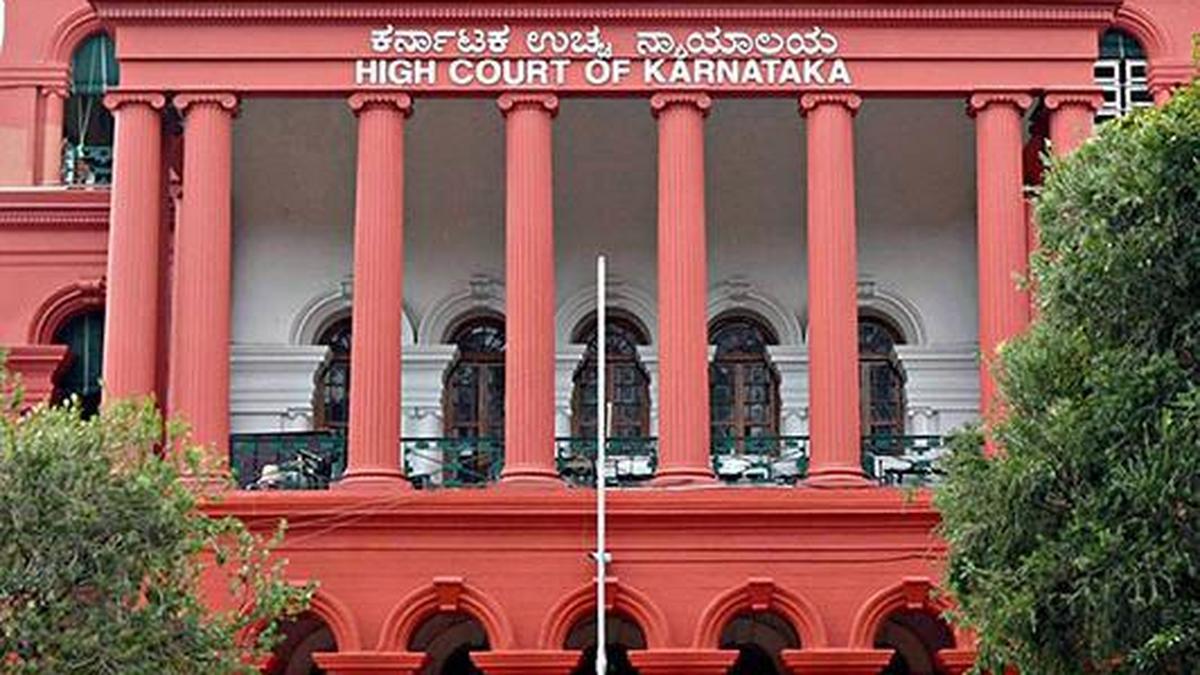
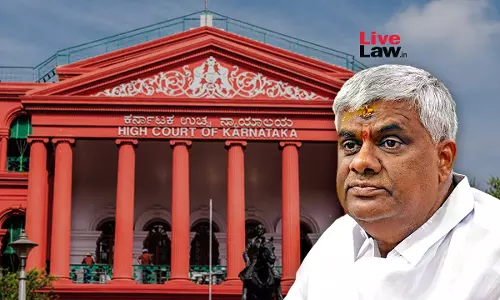
The Karnataka High Court has directed the Karnataka State Cricket Association (KSCA) to produce video recordings of the scrutiny process of nomination papers for its upcoming elections. The directive comes amid allegations of procedural irregularities and lack of transparency in handling nominations. The court emphasized that maintaining credibility and fairness in the electoral process is essential to protect the integrity of the state cricket body, which plays a key role in nurturing talent and overseeing cricket activities across Karnataka.
The court’s order was passed in response to a petition filed by one of the aspirants for the KSCA elections, who raised concerns that the scrutiny process was not conducted transparently. The petitioner alleged that certain nomination papers were arbitrarily accepted or rejected without providing proper reasoning or documentation. Highlighting the significance of accountability in the electoral process, the High Court instructed KSCA authorities to submit the complete video evidence of the scrutiny procedure to verify the claims and ensure fair play.
Ensuring Transparency in Electoral Processes
Legal experts said the High Court’s directive marks a significant step toward improving transparency in sports administration. Video recording of the scrutiny process is expected to provide a clear and verifiable account of the evaluation of nomination papers. It will serve as evidence in case of disputes and help prevent potential manipulation or mismanagement. KSCA, which manages cricketing affairs in Karnataka, including domestic tournaments and player development, has faced repeated calls for better governance practices. Ensuring transparency in elections is seen as a crucial first step to restoring public confidence in the body.
Officials from KSCA confirmed that the scrutiny of nomination papers was completed recently and that the recordings were stored for reference. The court has asked the association to produce the footage within a specified timeline, ensuring that all stakeholders have access to objective evidence of the process. Observers noted that this move could set a precedent for other sports associations in the state, urging them to adopt more transparent practices in their internal electoral and administrative procedures.
Allegations and Background of the KSCA Polls
The KSCA elections have drawn attention following multiple allegations from aspirants claiming bias, lack of proper documentation, and irregularities in the nomination process. Some candidates alleged that their nominations were rejected without adequate justification, while others reported discrepancies in the verification of supporting documents. These issues have raised questions about the fairness and credibility of the electoral process, prompting intervention by the judiciary to ensure accountability.
The association’s elections are significant as KSCA oversees cricketing activities in Karnataka, including selection committees, youth development programs, and management of iconic stadiums like M. Chinnaswamy Stadium in Bengaluru. Leadership of the KSCA directly affects domestic cricket administration, talent nurturing, and coordination with the Board of Control for Cricket in India (BCCI). Therefore, ensuring a transparent election process is crucial not only for aspirants but also for the broader cricket ecosystem in the state.
Legal representatives noted that video documentation could also address claims of selective treatment or arbitrary decision-making during the scrutiny of nomination papers. Courts have increasingly emphasized the need for procedural fairness and verifiable records in elections of autonomous bodies, including sports associations. This case reflects the judiciary’s commitment to ensuring that governance in influential institutions adheres to standards of accountability, transparency, and equality.
Looking Ahead: Implications for KSCA Governance
The Karnataka High Court’s directive has sent a strong message that adherence to transparent procedures is non-negotiable. KSCA authorities now face pressure to not only submit the recordings but also ensure that all future electoral processes are conducted in a fully accountable manner. Observers believe that the scrutiny of the video could potentially lead to further clarifications or adjustments in the election process to maintain credibility.
Stakeholders, including players, aspirants, and cricket enthusiasts, have welcomed the move, viewing it as a positive step toward reforming governance in the association. Transparency in elections is expected to foster trust among members and prevent disputes that could otherwise disrupt cricketing activities in the state. Experts noted that stronger oversight mechanisms, such as live recording of important procedural steps, could become a standard practice for KSCA and other sports bodies in India.
With the scrutiny video now mandated, attention turns to the election process itself. Candidates and observers hope that the court’s involvement will encourage adherence to rules, fairness, and impartiality throughout. The judiciary’s intervention underscores the broader principle that governance in sports and other autonomous institutions must be accountable to members, stakeholders, and the public at large.
Several aspirants for the KSCA elections have welcomed the High Court’s directive, seeing it as a safeguard against arbitrary decision-making. One candidate, who requested anonymity, said that the video footage could clarify why certain nominations were initially rejected and ensure that every application is assessed fairly. Aspirants hope that with judicial oversight, procedural errors or lapses will be corrected promptly, allowing all eligible candidates an equal opportunity to participate in the electoral process.
The directive also raises questions about the association’s internal governance practices. Over the years, KSCA has faced criticism from members and players for lack of transparency in decision-making, particularly in elections and appointments to committees. Critics argue that ensuring documented, verifiable procedures, such as video-recorded scrutiny, could prevent accusations of favoritism and improve trust among stakeholders. Experts believe that the court’s order may set a benchmark for other state sports bodies across India.
KSCA officials have stated that they will fully comply with the court’s order, producing all requested video footage within the stipulated timeframe. They emphasized that the association is committed to maintaining credibility in its elections and will cooperate with legal authorities to resolve any pending disputes. Officers also highlighted that the recordings had been made to ensure internal transparency, but producing them in court reinforces accountability to all stakeholders, including players, officials, and members.
The scrutiny of nomination papers is a critical step in ensuring that candidates meet eligibility requirements. Documentation such as membership validity, fee payments, and compliance with KSCA regulations are assessed during this process. Allegations of selective scrutiny had sparked legal intervention, and producing video recordings aims to provide an indisputable record of every evaluation step. Legal experts say that such measures reduce the scope for contesting results based on procedural irregularities.
Candidates and observers have pointed out that video evidence could also deter future manipulation or bias in elections. By recording each stage of scrutiny, from document verification to acceptance or rejection of nominations, KSCA can demonstrate that decisions were made objectively. Experts highlight that technology-backed transparency is increasingly important in governance of autonomous bodies, helping build confidence among stakeholders and the public.
Historically, KSCA elections have been contentious, with disputes occasionally escalating to legal battles. Allegations have ranged from partiality in nominations to opaque voting procedures. The High Court’s intervention is viewed as a necessary measure to prevent similar controversies in the current elections. Observers believe that judicial oversight may encourage the association to adopt more robust election protocols, including live monitoring, digital records, and independent auditing of processes.
Player associations and former cricketers have also expressed support for the court’s directive. They argue that fair governance of KSCA is crucial not only for administrative transparency but also for the development of cricket in the state. Players rely on the association for coaching programs, talent scouting, infrastructure development, and participation in domestic tournaments. Ensuring a transparent electoral process is seen as integral to maintaining an environment that prioritizes merit and the sport’s growth.
Some aspirants have indicated that they plan to review the video footage carefully to understand the basis of any rejections and to raise clarifications if necessary. Legal representatives suggest that producing recordings in court may expedite resolution of disputes, reducing the likelihood of prolonged litigation that could affect the election timeline. The move also demonstrates the judiciary’s increasing role in ensuring accountability in sports administration, reinforcing legal norms in organizational governance.
Looking ahead, the focus will shift to conducting free, fair, and transparent elections once the scrutiny process is verified. The High Court’s involvement signals the importance of procedural compliance, fairness, and documentation. Stakeholders hope that adopting these measures will prevent unnecessary delays, strengthen confidence in KSCA, and ensure that elected officials can focus on improving cricket administration, player development, and infrastructure in Karnataka.
Looking ahead, the focus will shift to conducting free, fair, and transparent elections once the scrutiny process is verified. The High Court’s involvement signals the importance of procedural compliance, fairness, and documentation. Stakeholders hope that adopting these measures will prevent unnecessary delays, strengthen confidence in KSCA, and ensure that elected officials can focus on improving cricket administration, player development, and infrastructure in Karnataka.
Historically, KSCA elections have been contentious, with disputes occasionally escalating to legal battles. Allegations have ranged from partiality in nominations to opaque voting procedures. The High Court’s intervention is viewed as a necessary measure to prevent similar controversies in the current elections. Observers believe that judicial oversight may encourage the association to adopt more robust election protocols, including live monitoring, digital records, and independent auditing of processes.
Indian equity markets remained buoyant on November 26, 2025, with Nifty Next 50 outperforming and headline indices surging to record levels. Market movements highlighted both robust index strength and pronounced volatility among select stocks.
The Nifty 50 closed at 26,205.30, up by 320.50 points (1.24%), while Nifty Next 50 soared 1,016.95 points (1.49%) to close at 69,189.40. Other major indices, such as Nifty Financial Services and Nifty Bank, also posted significant gains, rising by 1.42% and 1.20% respectively, underscoring broad-based buying. The day’s high for Nifty Next 50 stood at 69,230.05, and the low at 68,219.40.
Top Performing Stocks
Gains were concentrated in momentum stocks, with SVPGLOB jumping 20%, INDOUS advancing by 19.99%, and BESTAGRO rallying 19.99%. Globecivil was up 17.99%, and SMSPHARMA climbed 17.68%, supported by high turnover and robust trading volumes. SMSPHARMA, in particular, witnessed outstanding activity, trading nearly 117.65 lakh shares for a total value of ₹371.33 crore, signifying aggressive buying interest likely from both retail and institutional participants.
Major Decliners and Volume Highlights
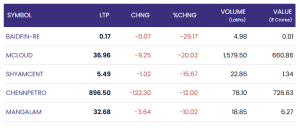
Losses weren’t absent amid the bullish undertone. BAIDFIN-RE plummeted by 29.17%, MCLOUD fell 20.02%, and SHYAMCENT dropped 15.67%. Among the significant losers, MCLOUD’s turnover was exceptional, at 1,579.50 lakh shares worth ₹660.86 crore. CHENNPETRO and MANGALAM also registered steep declines, down 12% and 10.02% respectively, with notable trading volumes and high value turnover.
Conclusion: November 26, 2025
November 26’s trading session signaled ongoing strength in Indian equities, led by large gains in headline indices and select stocks. While positive sentiment drove major index rallies and high-value trades in top movers like SMSPHARMA and MCLOUD, pockets of profit booking and volatility persisted across small and mid-cap counters.
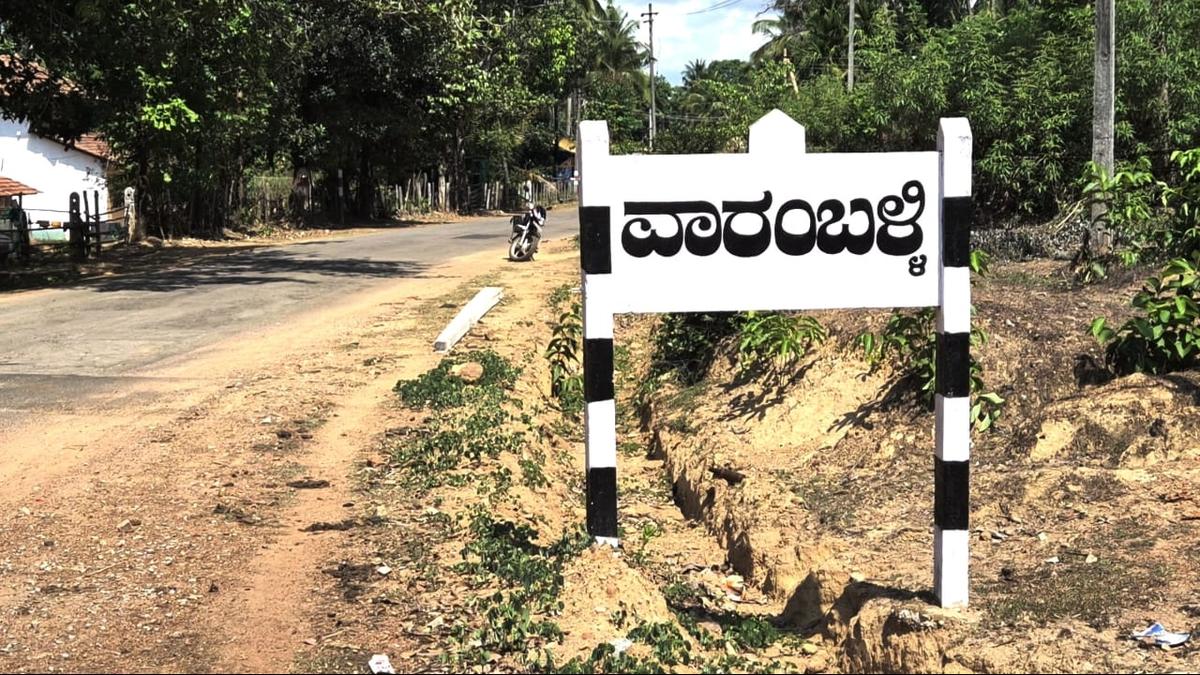
After nearly a decade of persistent struggle, residents of Varamballi village in Karnataka have finally gained BSNL network connectivity, ending years of isolation from reliable telecommunication services. The lack of mobile network had long hampered communication, access to emergency services, and economic opportunities for villagers. Local officials and community leaders celebrated the arrival of the network, calling it a milestone that promises to improve education, health, and livelihoods in the remote settlement. For residents who had relied on occasional visits to nearby towns for connectivity, the development marks a transformative step toward inclusion in the digital age.
Many residents of Varamballi shared personal stories of how the lack of connectivity had impacted daily life. Students described trekking long distances to nearby towns just to access mobile networks for submitting assignments or attending online classes. Elderly villagers recalled difficulties in communicating with family members who lived in distant cities. Shopkeepers mentioned lost business opportunities, as customers and suppliers relied on phone communication. The arrival of the network, therefore, has brought both emotional relief and practical advantages, ending years of inconvenience and uncertainty.
Teachers in the village reported that digital learning had been nearly impossible in the absence of mobile connectivity. With the BSNL network now active, educators can conduct virtual classes, share learning materials, and communicate with parents in real time. Students are already taking advantage of online tutorials, exam updates, and educational apps, which were previously inaccessible. Teachers emphasized that connectivity will significantly improve academic engagement and help bridge the digital divide between urban and rural students.
Healthcare workers highlighted the crucial role of connectivity in improving medical access. Previously, patients had to travel long distances to consult doctors or seek emergency medical advice, sometimes with life-threatening consequences. With mobile networks available, villagers can now book appointments, consult telemedicine services, and receive alerts about vaccination programs and public health campaigns. Health officials believe that improved communication will enhance preventive care and reduce avoidable delays in treatment.
Farmers in Varamballi expressed optimism that mobile connectivity would revolutionize agricultural practices. They can now access daily market rates for crops, weather forecasts, and pest management tips through apps and official portals. Real-time information enables better planning for harvesting, selling, and irrigation. Some farmers mentioned that they plan to join digital farmer groups to exchange knowledge and coordinate sales, potentially improving income and productivity despite geographical isolation.
Local women’s groups welcomed the network as a tool for empowerment. Mobile connectivity allows women to participate in self-help group activities, access government welfare schemes, and communicate about health, education, and community development initiatives. Leaders of these groups believe that the ability to connect digitally will provide them with greater decision-making power and autonomy, fostering gender equity in a community that had previously faced barriers to information.
The BSNL installation has also inspired plans for other infrastructural improvements. Village leaders are discussing the possibility of setting up community internet hubs, digital kiosks, and computer learning centers. These initiatives aim to expand the benefits of network access beyond mobile phones, enabling residents to gain digital literacy, access e-governance services, and participate in online markets. Officials stressed that connectivity is a first step toward integrating the village into broader socio-economic networks.
Community members also reflected on the emotional impact of finally gaining connectivity. Many described the feeling as a long-awaited validation of their efforts and persistence. Elders said that younger generations could now envision opportunities that were previously unimaginable, from online education to remote employment. The sense of inclusion and empowerment has fostered renewed community spirit, motivating residents to participate actively in development projects and collaborative initiatives.
Looking forward, authorities plan to monitor network performance and address any technical issues promptly. BSNL engineers will conduct periodic maintenance, signal quality checks, and updates to ensure reliable service. Panchayat leaders and community volunteers will also act as local support points, helping residents with setup, troubleshooting, and awareness programs. Officials emphasized that sustained engagement and technical support are essential to ensure that connectivity translates into tangible socio-economic benefits for Varamballi villagers.
Villagers recounted years of repeated complaints and petitions to both state and central authorities, urging intervention to install telecommunication towers and extend network coverage. Many highlighted the difficulties faced by students, who were unable to access online classes during the pandemic, and small business owners, whose trade relied on digital communication. Health emergencies were particularly challenging, as patients had to travel kilometers to contact hospitals or call ambulances. With the BSNL network now operational, these obstacles are expected to reduce significantly.
Community Efforts and Administrative Support Key to Success
The successful installation of BSNL towers in Varamballi was the result of sustained efforts by local residents, panchayat leaders, and advocacy groups. Community petitions, combined with constant follow-ups and site surveys, eventually persuaded the state government and BSNL officials to act. Technical teams conducted feasibility studies to identify optimal tower locations, ensuring that signal coverage reaches all hamlets in the village. Authorities emphasized that the project was not only about connectivity but also about empowering residents through access to information, services, and communication channels.
BSNL representatives stated that the network rollout involved installation of multiple towers, signal boosters, and backup power systems to maintain service even during electricity outages. Engineers collaborated with local volunteers to ensure minimal disruption to the environment and community spaces during construction. Residents actively participated in guiding teams through difficult terrain and providing logistical support, reflecting a strong sense of ownership over the initiative. The collaboration between authorities and villagers is being hailed as a model for expanding network coverage in other remote areas of Karnataka.
Impact on Education, Health, and Economy
The arrival of BSNL connectivity is expected to have immediate and long-term benefits for the village. Students can now attend online classes, access study materials, and communicate with teachers without traveling to distant towns. Villagers can seek telemedicine consultations, book appointments at hospitals, and receive updates on public health initiatives. Local businesses, from small shops to agricultural traders, can leverage mobile banking, digital payments, and online marketplaces, improving economic participation and financial inclusion.
Women in Varamballi have particularly welcomed the network, as it provides them access to safety apps, social support groups, and government schemes. Farmers can now access weather forecasts, market rates, and extension services in real time, enabling informed decision-making. Community leaders hope that the network will also facilitate emergency response, ensuring faster assistance in cases of accidents, medical crises, or natural events. Residents expressed emotional relief and optimism, noting that the network marks the end of years of isolation and struggle.
Challenges Overcome During the Long Wait
Despite repeated promises over the years, network installation faced multiple hurdles, including difficult terrain, low population density, and funding constraints. Previous proposals were delayed due to logistical challenges in transporting equipment to remote locations, bureaucratic delays, and limited prioritization in state planning. Villagers recalled the frustration of standing in nearby towns just to make a phone call or send messages. The perseverance of the community, combined with advocacy and technical planning, ultimately overcame these obstacles, demonstrating the effectiveness of coordinated efforts between citizens and authorities.
The journey also highlighted gaps in digital inclusion policy for rural areas. Experts note that villages like Varamballi, despite being part of an increasingly connected country, remained marginalized due to infrastructure limitations. The success story serves as a reminder that rural connectivity initiatives require persistent advocacy, sufficient funding, and adaptive technical solutions to reach underserved communities. Officials emphasized that lessons learned from Varamballi’s experience will inform future network expansion projects across Karnataka.
Future Prospects and Digital Empowerment
With BSNL connectivity now established, local authorities plan to integrate digital literacy programs to ensure residents can fully utilise the network. Workshops on mobile banking, government portals, online education, and digital safety are being organized in coordination with panchayat offices and NGOs. Community leaders stressed that connectivity alone is insufficient; residents must be empowered with knowledge and skills to benefit from the digital revolution.
The network is expected to attract additional development initiatives, such as e-governance services, tele-education programs, and online marketplaces for local crafts and agricultural produce. By bridging the communication gap, Varamballi can now participate more actively in state and national programs, enhancing socio-economic development. Residents expressed hope that the achievement will motivate authorities to address similar connectivity gaps in neighboring villages, spreading the benefits of digital inclusion throughout the region.
Conclusion: Connectivity as a Gateway to Opportunity
The arrival of BSNL network in Varamballi after eight years of struggle is more than a technological milestone — it is a symbol of persistence, community effort, and the transformative power of digital inclusion. For villagers, it opens pathways to education, health, economic growth, and social empowerment, dramatically improving quality of life. Authorities and citizens alike view the achievement as a model for replicating connectivity projects in remote areas, ensuring that no community remains isolated in an increasingly digital world. The Varamballi experience underscores a key lesson: when communities and governments collaborate with patience and commitment, long-standing barriers to development can finally be overcome.
The Indian stock market continued its upward momentum on November 26, 2025, with Nifty 50 and other major indices posting strong gains, while individual stocks experienced notable swings in both directions. This session demonstrated a classic case of headline bullishness coupled with concentrated stock-specific action.
The trading session saw Nifty 50 opening at 25,842.95 and climbing steadily to close at 26,189.65, up by 304.85 points or 1.18%. Other key indices such as Nifty Next 50, Nifty Financial Services, and Nifty Bank all marked sizable advances between 1.15% and 1.36%—underscoring broad market optimism and healthy institutional participation. The high for Nifty 50 during the day was 26,195.90, while the lowest was the opening price itself.
Top Gainers and Losers: Wide Divergence
Among the day’s most prominent gainers were SVPGLOB (up 20%), INDOUS (up 19.99%), BESTAGRO (up 19.80%), SMSPHARMA (up 17.66%), and IGARASHI (up 15.57%). SMSPHARMA, in particular, stood out with a robust volume of 92.57 lakh shares and a turnover of ₹290.52 crore, highlighting significant buying interest.
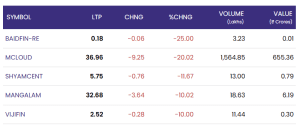
On the flip side, some stocks faced steep corrections. BAIDFIN-RE dropped 25%, MCLOUD lost 20.02%, while SHYAMCENT, MANGALAM, and VIJIFIN each declined in the range of 10–12%. MCLOUD’s extraordinary volume of 1,564.85 lakh shares and ₹655.36 crore value indicated notable trading activity despite the severe drop.
Volume Dynamics and Market Sentiment
High turnover in SMSPHARMA, IGARASHI, and MCLOUD made these stocks focal points for both institutional and retail attention. Gains in SVPGLOB, INDOUS, and BESTAGRO mirrored speculative enthusiasm in select pockets. Meanwhile, losses in MCLOUD and BAIDFIN-RE signaled profit booking and risk aversion among traders.
Conclusion: November 26, 2025 (mid-cap)
November 26, 2025, showcased Indian equity resilience, with Nifty 50 and sectoral indices climbing sharply despite sharp falls in several individual stocks. This environment illustrates both bullish confidence in large caps and persistent volatility in select segments, offering opportunities and risks for active participants.
The Indian stock market opened strong on November 26, 2025, with the Nifty 50 index gaining momentum, even as several mid- and small-cap stocks exhibited wide swings. Aggregate market action reflected both bullish optimism in headline indices and sharp sectoral rotations.
The Nifty 50 kicked off the session at 25,842.95, reaching a high of 26,085.25 before settling at 26,074.65 by 09:59 IST. This marked a rise of 189.85 points (0.73%), signaling sustained buying interest in blue-chip stocks. Key gainers included Axis Bank and Bajaj Auto, which posted advances of 1.61% and 0.66%, respectively.
Sectoral Indices and Significant Movers
Sectoral indices echoed the broader uptrend, with Nifty Dividend Opportunities 50, Nifty Growth Sectors 15, Nifty Next 50, and Nifty Financial Services all recording gains between 0.58% and 0.96% in early trade. However, volatility remained pronounced among individual stocks. BAIDFIN-RE, VIJIFIN, and SHYAMCEMT faced sharp declines exceeding 7%–29%.
Conversely, stocks like SVPGLOB, BESTAGRO, ATL-RE, and LPDC surged with gains from 15% to over 20%, highlighting the breadth of speculative and momentum-driven moves in select segments.
Notably, CHENNPETRO saw a sharp drop of ₹65.40 (-6.42%) but commanded one of the highest traded volumes of 13.71 lakh shares and a value turnover of ₹133.23 crore, suggesting institutional activity behind the swing. On the rise, ROSSTECH rallied 13.16%, signaling investor enthusiasm for its prospects.
Market Dynamics and Investor Sentiment
Market activity on this date showed a clear divergence: macro indices rallied on the back of blue-chip buying, while many smaller stocks faced steep corrections or high-flying speculative gains. This reflects investors’ selective exposure and recent trend reversals in certain segments, aligning with cautious optimism and opportunistic positioning heading into the year’s end.
Conclusion: November 26, 2025
November 26’s trading demonstrated a resilient Indian equity market, with frontline indices advancing and heightened rotation observed across mid- and small-caps. The day’s action underscored robust sentiment in top stocks, juxtaposed with volatility in other pockets, a pattern likely to persist as institutional and retail participants adjust strategies amid uncertain global and local cues.
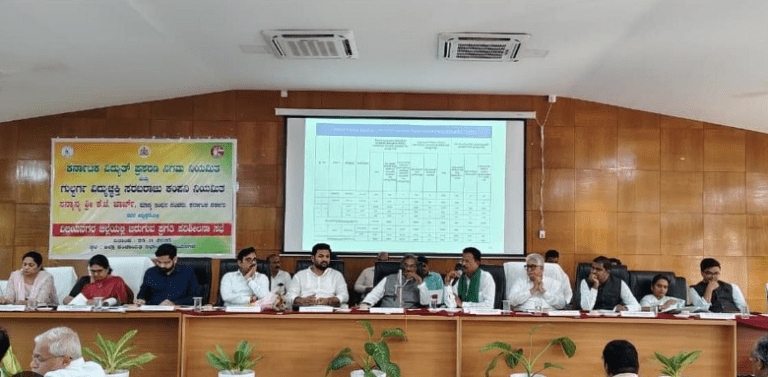
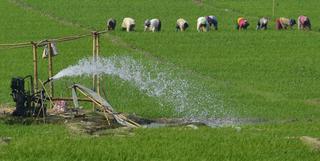
The Karnataka government has identified approximately 4.5 lakh illegal agricultural pumpsets operating across the state, prompting urgent calls for regularisation. Minister for Water Resources announced that these unregistered installations not only violate regulatory norms but also contribute to unsustainable groundwater extraction, energy wastage, and inequitable irrigation access. The initiative to identify and regularise these pumpsets reflects the state’s focus on water conservation, efficient resource management, and fair distribution among farmers while addressing environmental and policy compliance concerns.
District-wise data show that the largest concentration of illegal pumpsets is in northern Karnataka districts such as Belagavi, Vijayapura, Bagalkot, and Dharwad. These regions, known for sugarcane, maize, and paddy cultivation, have witnessed rapid installation of unregistered pumpsets over the last decade. Farmers often set up these pumps without formal approval to meet increasing irrigation demands, especially during dry spells. Authorities noted that repeated warnings in the past had limited effect, making the current regularisation program a more structured and monitored effort.
Southern districts such as Kodagu and Chikmagalur also reported unregistered pumps, albeit in smaller numbers. Here, farmers primarily rely on coffee, pepper, and horticulture crops that require precise irrigation schedules. Illegal pumps in these areas are particularly concerning because water-intensive crops draw heavily from local streams and reservoirs, impacting both agricultural and domestic water supply. Local officials are now coordinating with forest and water authorities to ensure that regularisation does not compromise environmental balance in sensitive zones.
The regularisation drive also aims to address groundwater depletion. Experts warn that unregulated pumping has significantly lowered water tables in many districts, forcing farmers to dig deeper wells or rely on costly borewells. Authorities believe that bringing pumpsets under a monitored framework will allow for controlled water extraction, enabling sustainable use of aquifers. Early estimates suggest that compliance could reduce groundwater extraction by up to 15–20%, easing pressure on stressed regions and securing water availability for future cultivation cycles.
Energy efficiency is another major focus of the program. Illegal pumpsets often use high-capacity motors that consume substantial electricity, sometimes exceeding the officially allotted supply per hectare. This results in frequent power grid overloads, affecting nearby villages and causing disputes between farmers and electricity boards. Regularisation, paired with installation of energy meters and adherence to permissible capacity, will help stabilise rural power distribution while allowing farmers to continue irrigation legally. Authorities stressed that compliance benefits both the environment and the rural electricity network.
Farmers’ cooperatives and associations have been roped in to assist with documentation and verification. Many smallholders face difficulties navigating bureaucratic procedures or gathering necessary records such as land ownership proofs, well depth details, and prior water permits. Cooperatives are now offering guidance, helping members complete applications, pay regularisation fees, and schedule inspections. Officials say that community-level support is vital for a smooth process, especially for marginal farmers who risk exclusion without assistance.
Financial aspects of regularisation have been a point of discussion. While authorities have set nominal fees for registration, some farmers argue that additional costs for technical upgrades or energy meters may be burdensome. In response, the government is exploring subsidy options, low-interest loans, and phased payment plans to ensure compliance without creating financial strain. Agricultural banks and cooperative credit societies are expected to play a role in facilitating these arrangements, helping farmers invest in safer and more efficient pumpsets.
Local farmers have expressed mixed reactions to the initiative. Many see it as an opportunity to legalise their operations, gain access to subsidies, and avoid potential fines in the future. Others, particularly those in remote areas, are concerned about inspections, the time required for approval, and fear of penalties for minor procedural lapses. Authorities are conducting awareness campaigns, public meetings, and workshops to address concerns, emphasizing that the program is meant to safeguard livelihoods while promoting responsible water and energy use.
Community engagement is emerging as a key component of success. Farmers, local panchayats, and district officials are being encouraged to monitor pump installations, share best practices, and report unauthorised setups in their areas. This participatory approach aims to create a culture of compliance, reducing reliance on punitive measures. Experts believe that sustained community involvement, along with technological monitoring, will ensure that Karnataka’s agriculture sector can grow while conserving water resources and electricity, ultimately benefiting both farmers and the environment.
Officials said the survey to detect illegal pumpsets was conducted using satellite mapping, field inspections, and reports from local authorities. The move comes in response to mounting concerns over falling groundwater levels, frequent electricity overloads in rural areas, and reports of farmers using multiple unregistered pumps for private irrigation. Authorities noted that many of these pumpsets operate without proper permits, safety measures, or connection to government-subsidised electricity programs, which strains both infrastructure and public resources.
Environmental and Energy Implications of Illegal Pumpsets
The proliferation of unregulated pumpsets has exacerbated groundwater depletion in several districts, particularly in northern and central Karnataka, where water tables are already under stress. Experts warn that continued over-extraction could affect drinking water availability, reduce soil moisture, and even harm crop productivity over time. Illegal pumpsets, often more powerful than approved models, consume high amounts of electricity, leading to frequent power cuts and increasing financial burden on state-run electricity boards. By bringing these pumpsets into a legal framework, the government aims to balance irrigation needs with environmental sustainability.
Energy efficiency is a major consideration in the regularisation process. Government programs have long provided subsidised electricity for authorised pumps, but illegal installations divert power and reduce the benefits available to compliant farmers. By regularising these pumpsets, authorities can integrate them into official monitoring systems, enforce energy-saving measures, and promote equitable electricity distribution. Officials emphasised that compliance will allow farmers to benefit from subsidies, financial incentives, and technical support while preventing unsanctioned energy consumption.
Policy Measures and Regularisation Process
The Water Resources Department has outlined a phased approach for regularisation, including identification, verification, and documentation of existing pumpsets. Farmers operating unregistered pumps are being urged to apply for registration within a stipulated time frame to avoid penalties. The process will involve field verification, payment of regularisation fees, and installation of monitoring devices to ensure future compliance. Officials clarified that failure to comply could result in disconnection or legal action, emphasizing the importance of adherence for both sustainability and legal protection.
State authorities are also exploring technical support for farmers to upgrade old or inefficient pumpsets as part of the regularisation program. Grants or low-interest loans may be provided to replace outdated models with energy-efficient variants, reducing electricity consumption and ensuring better water management. Training sessions on proper maintenance, responsible water use, and drip irrigation techniques are being planned to accompany the regularisation drive. The government hopes that a combination of policy enforcement and capacity-building will lead to long-term resource sustainability.
Farmers’ Perspectives and Challenges
While many farmers welcome the regularisation program, some express concerns about potential costs, bureaucratic procedures, and timelines. Smallholders with limited resources fear that fees or technical requirements may create barriers to compliance. Others worry about the verification process and the possible disruption to irrigation schedules during inspection. Authorities have assured that support teams will assist farmers throughout the process and that measures will be taken to minimise inconvenience during peak agricultural seasons.
Environmentalists and agricultural experts have praised the initiative as a critical step toward responsible water management. They note that illegal pumpsets, if left unchecked, could accelerate aquifer depletion, reduce soil fertility, and create long-term ecological imbalances. By regulating usage, the state can ensure that water resources are conserved, farmers have fair access to irrigation, and electricity is distributed efficiently. Experts also highlighted the broader message: regularisation is not a punitive measure but a tool to align agricultural practices with sustainable development goals.
Looking Ahead: Sustainable Agriculture and Resource Management
The identification and regularisation of 4.5 lakh illegal farm pumpsets in Karnataka mark a significant policy intervention to secure the state’s water and energy resources. Authorities emphasise that compliance will enable farmers to access legal support, subsidies, and technical guidance while contributing to sustainable agriculture. Monitoring, training, and infrastructure upgrades are expected to accompany the regularisation process, ensuring long-term efficiency and equity.
As Karnataka moves forward with this initiative, officials hope it will set a precedent for other states facing similar challenges with unregulated agricultural infrastructure. The success of the program hinges on cooperation between farmers, local authorities, and technical experts. By combining enforcement with education, the state seeks to protect vital water resources, stabilise electricity consumption, and maintain agricultural productivity. For farmers, the initiative represents both a challenge and an opportunity — to modernise practices, secure legal benefits, and contribute to a sustainable agricultural future.
As Karnataka moves forward with this initiative, officials hope it will set a precedent for other states facing similar challenges with unregulated agricultural infrastructure. The success of the program hinges on cooperation between farmers, local authorities, and technical experts. By combining enforcement with education, the state seeks to protect vital water resources, stabilise electricity consumption, and maintain agricultural productivity. For farmers, the initiative represents both a challenge and an opportunity — to modernise practices, secure legal benefits, and contribute to a sustainable agricultural future.







/newsfirstprime/media/media_files/2025/11/22/ksca-election-postponed-2025-11-17-15-12-16-2025-11-17-15-19-10-2025-11-22-15-27-44.webp)

 The Nifty 50 closed at 26,205.30, up by 320.50 points (1.24%), while Nifty Next 50 soared 1,016.95 points (1.49%) to close at 69,189.40. Other major indices, such as Nifty Financial Services and Nifty Bank, also posted significant gains, rising by 1.42% and 1.20% respectively, underscoring broad-based buying. The day’s high for Nifty Next 50 stood at 69,230.05, and the low at 68,219.40.
 Gains were concentrated in momentum stocks, with SVPGLOB jumping 20%, INDOUS advancing by 19.99%, and BESTAGRO rallying 19.99%. Globecivil was up 17.99%, and SMSPHARMA climbed 17.68%, supported by high turnover and robust trading volumes. SMSPHARMA, in particular, witnessed outstanding activity, trading nearly 117.65 lakh shares for a total value of ₹371.33 crore, signifying aggressive buying interest likely from both retail and institutional participants.
 Losses weren’t absent amid the bullish undertone. BAIDFIN-RE plummeted by 29.17%, MCLOUD fell 20.02%, and SHYAMCENT dropped 15.67%. Among the significant losers, MCLOUD’s turnover was exceptional, at 1,579.50 lakh shares worth ₹660.86 crore. CHENNPETRO and MANGALAM also registered steep declines, down 12% and 10.02% respectively, with notable trading volumes and high value turnover.

 Conclusion: Connectivity as a Gateway to Opportunity
 The trading session saw Nifty 50 opening at 25,842.95 and climbing steadily to close at 26,189.65, up by 304.85 points or 1.18%. Other key indices such as Nifty Next 50, Nifty Financial Services, and Nifty Bank all marked sizable advances between 1.15% and 1.36%—underscoring broad market optimism and healthy institutional participation. The high for Nifty 50 during the day was 26,195.90, while the lowest was the opening price itself.
 Among the day’s most prominent gainers were SVPGLOB (up 20%), INDOUS (up 19.99%), BESTAGRO (up 19.80%), SMSPHARMA (up 17.66%), and IGARASHI (up 15.57%). SMSPHARMA, in particular, stood out with a robust volume of 92.57 lakh shares and a turnover of ₹290.52 crore, highlighting significant buying interest.
 On the flip side, some stocks faced steep corrections. BAIDFIN-RE dropped 25%, MCLOUD lost 20.02%, while SHYAMCENT, MANGALAM, and VIJIFIN each declined in the range of 10–12%. MCLOUD’s extraordinary volume of 1,564.85 lakh shares and ₹655.36 crore value indicated notable trading activity despite the severe drop.
 The Nifty 50 kicked off the session at 25,842.95, reaching a high of 26,085.25 before settling at 26,074.65 by 09:59 IST. This marked a rise of 189.85 points (0.73%), signaling sustained buying interest in blue-chip stocks. Key gainers included Axis Bank and Bajaj Auto, which posted advances of 1.61% and 0.66%, respectively.
 Conversely, stocks like SVPGLOB, BESTAGRO, ATL-RE, and LPDC surged with gains from 15% to over 20%, highlighting the breadth of speculative and momentum-driven moves in select segments.
 Market activity on this date showed a clear divergence: macro indices rallied on the back of blue-chip buying, while many smaller stocks faced steep corrections or high-flying speculative gains. This reflects investors’ selective exposure and recent trend reversals in certain segments, aligning with cautious optimism and opportunistic positioning heading into the year’s end.