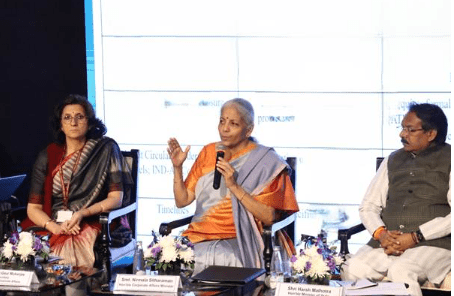
Union Finance and Corporate Affairs Minister Nirmala Sitharaman chaired a review meeting with the Regional Directorates and Registrar of Companies in New Delhi, emphasizing the need for process simplification and user-centric reforms to enable India’s development goals for Viksit Bharat 2047. She called for governance that is easy, transparent, and facilitative, and urged the Ministry of Corporate Affairs (MCA) to adopt a forward-looking approach.
Driving Legislative and Structural Reforms
Sitharaman highlighted the importance of frequent legislative reforms, such as updates to the Insolvency and Bankruptcy Code (IBC), as evidence of India’s responsiveness to a rapidly changing regulatory environment. She directed the MCA to build a live dashboard for improved transparency and standardized manuals for enforcement, ensuring rule simplification and timely service delivery. The FM credited Indian corporate governance frameworks for earning public trust by delivering transparent financial information.
Maximum Governance, Minimum Government
Minister of State for Corporate Affairs Harsh Malhotra reiterated the motto of “maximum governance, minimum government,” advocating frequent stakeholder interactions, compliance simplification, and efforts to reduce the burden of forms. Malhotra further suggested digital guidance materials to empower stakeholders, along with time-bound processes for efficient service.
Elevating India’s Corporate Landscape
Discussions included improvements in the delivery of services such as incorporation, mergers, voluntary exits, e-governance, and adjudication procedures. Advanced compliance tools and harmonized forms will ease regulatory challenges and strengthen India’s competitive edge in the global market. The review meeting reinforced the government’s commitment to modernize systems aligned with national development goals.
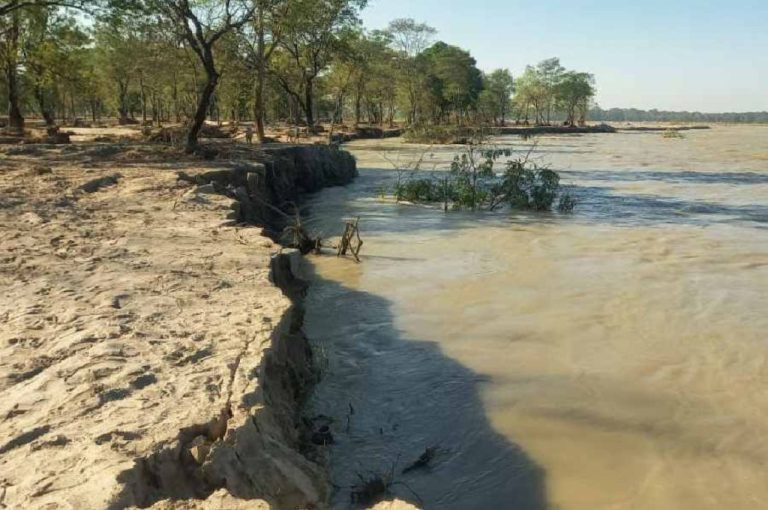
Tea Garden Shutdown Threat 2025: The Subhasini Tea Estate in Alipurduar district, West Bengal, is facing an unprecedented crisis. Following the October 2025 floods, nearly 92 hectares of young tea bushes were buried under heavy silt after the Torsha river changed its course and inundated the plantation. Estate officials warn that unless urgent government intervention arrives, the garden may be forced to suspend operations, leaving over 1,200 workers jobless.
2. The Floods: Nature’s Fury
On the intervening night of October 4–5, 2025, torrential rains caused the Torsha river to swell and breach its banks. The river diverted into the Subhasini estate, submerging vast stretches of tea plantations. Workers from the Nadi Line were evacuated to the garden school premises as waters rose dangerously. By morning, the damage was catastrophic:
92 hectares of plantation destroyed.
Entire stretches buried under silt, unfit for replantation.
One‑fourth of the estate’s productive area lost in a single day.
3. Tea Garden Shutdown Threat 2025: The Scale of Loss
Experts assessed that the silt‑covered land is unsuitable for tea cultivation. Replantation would require massive investment, soil rehabilitation, and years of waiting before bushes mature. For an estate already struggling with rising costs and stagnant tea prices, the loss is crippling.
4. Worker Crisis
The Subhasini Tea Garden employs 1,257 workers, most of whom live in estate quarters and depend entirely on the garden for livelihood. With operations threatened:
Workers fear loss of wages and rations.
Families face food insecurity.
Migration to towns may increase if shutdown occurs.
The crisis is not just economic but deeply social, affecting education, healthcare, and community stability.
5. Government Response
Chief Minister Mamata Banerjee visited Subhasini soon after the floods during a meeting at Nilpara to assess damage. She assured support but concrete measures are awaited. Estate officials argue that without financial aid or rehabilitation packages, closure is inevitable.
6. Tea Industry Context in Bengal
West Bengal’s tea industry, concentrated in Darjeeling, Jalpaiguri, and Alipurduar, is a major employer and export earner. However, it faces multiple challenges:
Climate change impacts — erratic rainfall, floods, and droughts.
Stagnant tea prices despite rising production costs.
Labour unrest over wages and benefits.
Competition from Assam and international markets.
The Subhasini crisis exemplifies how vulnerable tea estates are to environmental shocks.
7. Environmental Dimensions
The floods highlight broader ecological issues:
River course changes due to deforestation and soil erosion.
Experts urge integrated river management and climate‑resilient agricultural practices to protect tea estates.
8. Governance Challenges
The crisis exposes governance gaps:
Lack of disaster preparedness for tea estates.
Weak coordination between estate management and government agencies.
Insufficient insurance coverage for plantations.
Without systemic reforms, similar disasters may recur across North Bengal.
9. Worker Voices
Workers expressed despair: “If the garden shuts down, we have nowhere to go. Our children study here, our rations come from here. We cannot survive without the estate.” Their voices reflect the human dimension of the crisis, beyond statistics and economics.
10. Recommendations for Policy Reform
Experts suggest:
Emergency relief packages for affected estates.
Soil rehabilitation programs to restore fertility.
Insurance schemes for tea gardens against climate disasters.
Alternative livelihood training for workers.
Climate‑resilient planning integrating river management and plantation protection.
11. Broader Implications for Bengal’s Tea Industry
The Subhasini case is a warning for the entire industry. If one‑fourth of a plantation can be lost overnight, similar risks loom over other estates. The future of Bengal’s tea industry depends on climate adaptation, government support, and sustainable practices.
12. Conclusion: A Garden’s Plea for Survival
The Flood‑Hit Subhasini Tea Garden Shutdown Threat 2025 is not just about one estate — it is about the survival of an industry, the dignity of workers, and the resilience of communities. Unless urgent steps are taken, Subhasini may become a symbol of how climate change and governance failures can erase livelihoods overnight.
🔗 Government External Links
For further reading and official updates, here are relevant government sources:
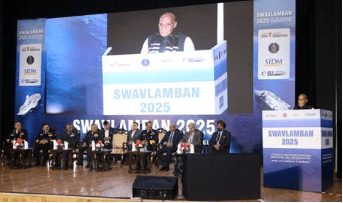
Raksha Mantri Rajnath Singh declared India’s defence sector is entering a golden era of innovation, propelled by young entrepreneurs and start-ups who fuse economic strength, strategic vision, and technological advancement. Addressing the fourth edition of the Indian Navy’s Swavlamban seminar in New Delhi, Singh called for a “profit-plus” approach in the private sector—blending financial returns with nationalism, duty, and strategic responsibility.
Strong Domestic Supply Chain and Reduced Import Dependency
The minister stressed that India must remain ahead of global geopolitical shifts by proactively strengthening its domestic defence supply chain. He noted that local manufacturing of components and subsystems would cut costs and boost reliability and strategic independence. Singh urged the private sector, R&D labs, and startups to help lift indigenous content and set a target for private industry’s share in defence manufacturing to exceed 50% in the coming years.
Swavlamban Seminar: Showcasing Innovation and Collaboration
Swavlamban 2025 featured an extensive exhibition with around 80 MSMEs and startups showcasing new naval technologies, including AI, autonomous systems, quantum computing, smart munitions, and stealth solutions. Products developed via iDEX (Innovations for Defence Excellence) challenges now strengthen Navy, Army, Air Force, Coast Guard, and CAPFs—highlighting pan-defence ecosystem impact and fostering collaboration for future operational deployments.
New Launches: SARATHI App and Innovathon
The SARATHI app, unveiled by the Defence Minister, is an analytical tool for managing all stages of naval armament, from development to disposal, enhancing quality and indigenisation. The event also launched Innovathon, a Naval hackathon inviting students, technologists, and developers to solve real-world maritime challenges in algorithms, encryption, and intelligence systems. MoUs between IIT Madras, Apollo Micro Systems, and the Navy further boosted indigenous R&D and production.
Conclusion
Swavlamban 2025 spotlights India’s transformation from technology importer to exporter, with defence innovation and strategic autonomy now central to growth. The integrated push—supported by government, industry, and research networks—aims to ensure India’s security, reduce import dependency, and position the nation as a builder and leader in the sector.
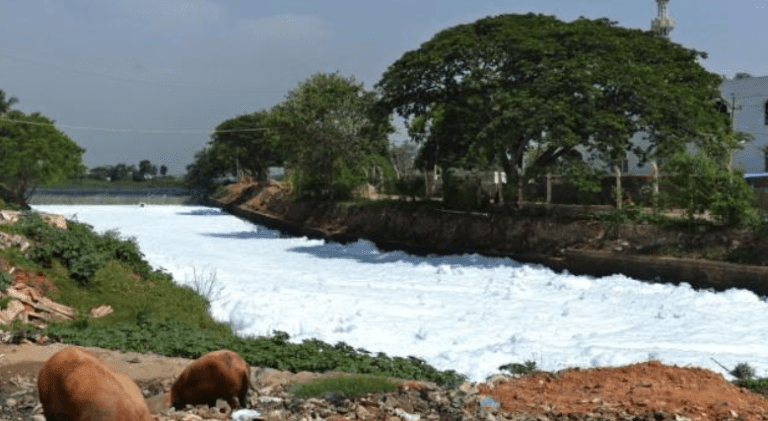
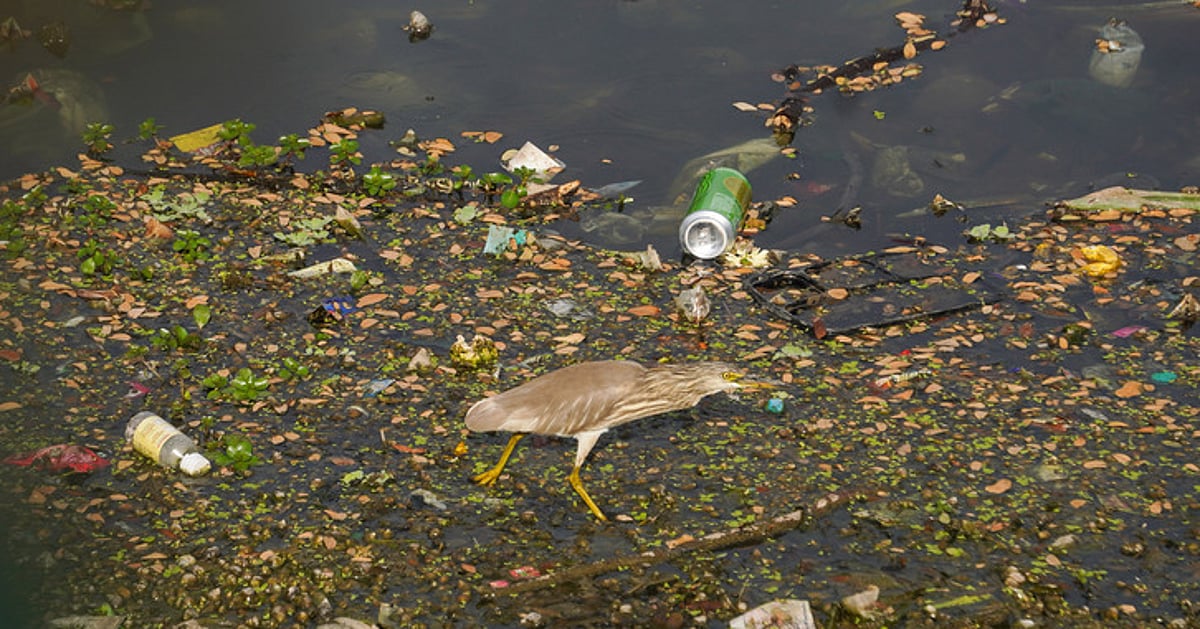
Doddagubbi residents are gripped by anxiety and anger after a sudden spike in pollution turned the local lake toxic, resulting in the death of fish, birds, and plant life over the past two days. What was once a serene neighbourhood waterbody, frequented by walkers and birdwatchers, has transformed into a foul-smelling mass of dark foam, chemical residue, and floating carcasses. Families living nearby say the disaster has unfolded rapidly, with dead fish washing up on the banks and birds collapsing mid-flight after attempting to drink the water. The incident has brought back fears of ecological collapse as locals anxiously blame unchecked sewage discharge and industrial waste for poisoning the ecosystem.
Residents claim that the problem has been building for months, but recent developments have made the situation unbearable. For many living close to the lake, the unbearable stench entering homes has caused headaches, nausea, and breathing difficulties. The visible contamination has sparked an intense outcry on local forums and WhatsApp groups, with citizens organizing to demand urgent intervention. Parents fear that children playing outdoors may be exposed to harmful airborne contaminants drifting from the water surface. Relatives of senior citizens with respiratory illnesses say immediate action is needed before the lake becomes a health hazard more dangerous than anyone anticipates.
Toxic Water, Silent Deaths: Locals Blame Sewage and Chemical Waste as Lake Ecology Collapses
For years, Doddagubbi lake has been shrinking due to encroachments and unplanned construction, but stakeholders say pollution has become the latest and most destructive threat. Environmental activists allege that untreated sewage from nearby residential pockets and small-scale industrial outlets has been flowing into the lake through unauthorized pipelines. Residents say they have repeatedly reported foul-smelling effluents entering water channels during night hours, suggesting systematic dumping. What once supported thriving aquatic life is now suffocating under layers of thick grey foam and oily residues, leaving fish gasping for oxygen before dying in massive numbers.
Environmentalists warn that the situation at Doddagubbi lake could set a dangerous precedent for other water bodies in the region. With Bengaluru’s rapid urban expansion, many lakes have already been reduced to stagnant pits or encroached upon for construction. Experts caution that if authorities fail to act promptly, the chemical contamination could seep into adjoining farmlands and groundwater, affecting crop yield and potable water supplies. The risk is particularly high during the upcoming monsoon season, when rainwater may carry toxins to neighbouring areas, multiplying the environmental impact far beyond the lake’s immediate vicinity.
Local communities are also raising concerns about accountability. Residents claim that nearby industries and informal sewage outlets have long discharged untreated waste into the lake without facing penalties. Some citizens allege collusion between private entities and municipal authorities, leading to lax monitoring and selective enforcement. Activists argue that without strict identification and punishment of polluters, any cleanup efforts will be short-lived. They are demanding public disclosure of all industrial permits, sewage inflows, and environmental audits to ensure transparency and prevent recurrence.
The human toll is already visible. Clinics in Doddagubbi report rising cases of skin rashes, eye irritation, and mild respiratory symptoms among those who live near the lake or use water from surrounding wells. Some families are now relying on bottled water for domestic use until authorities can confirm that groundwater has not been affected. Health professionals caution that long-term exposure to chemical pollutants and decomposing organic matter could lead to more serious illnesses if the contamination continues unchecked. Citizens fear that inaction could turn the crisis into a sustained public health emergency.
The ecological loss is equally alarming. Birdwatchers lament the disappearance of migratory and local species that once frequented the lake. The death of fish and aquatic plants has disrupted the food chain, affecting amphibians, reptiles, and smaller mammals that relied on the waterbody for survival. Conservationists emphasize that once an aquatic ecosystem reaches such a toxic state, recovery is extremely difficult and may require years of active restoration. They argue that early intervention is the only way to save remaining species and prevent the lake from becoming a biological dead zone.
Several residents have taken grassroots initiatives to raise awareness. Local youth groups are documenting the ongoing damage through photographs and videos, sharing them widely to generate public pressure on authorities. Community meetings have been organized to plan legal and civic actions, including petitions to environmental tribunals and appeals to the state pollution control board. Volunteers are also educating residents on precautions to avoid contamination from water and air exposure, while lobbying for emergency cleanup teams to be deployed immediately.
The crisis at Doddagubbi lake has now become a test of civic responsibility and governance. Citizens emphasize that water bodies are not just ecological assets but also social and cultural spaces that sustain communities. The current situation illustrates how neglect, pollution, and weak enforcement can combine to create environmental disasters that harm both nature and people. As residents, activists, and experts call for urgent, sustained action, the future of the lake—and the safety of the surrounding population—depends on whether authorities respond decisively to restore, regulate, and protect this vital ecosystem before it’s too late.
The sudden impact has disrupted wildlife patterns around the area. Local birdwatchers report that aquatic birds, especially egrets and kingfishers, are dying after feeding on poisoned fish or ingesting chemically contaminated water. Some birds have been found motionless on the banks, while others appear disoriented with sluggish movements, indicating toxic exposure. The disappearance of dragonflies and other insects around the lake has also alarmed ecologists, who note that rapid insect loss often signals a breakdown in ecosystem balance. Concerns are rising over potential contamination of soil and groundwater, with experts cautioning that pollutants may enter the food chain through crops grown near the lake.
Environmental researchers emphasize that the lake’s plight reflects an increasing urban ecological crisis driven by uncontrolled waste discharge into water bodies surrounding Bengaluru. They warn that the combination of sewage and industrial chemicals creates deadly water conditions that deplete oxygen, suffocate aquatic species, and trigger irreversible biodiversity loss. While cleanup efforts may be launched, they caution that restoring a dead ecosystem requires years of sustained rehabilitation and strict regulatory action. Residents believe that without accountability and enforcement, the disaster will continue to repeat, turning community lakes into toxic dumps rather than ecological assets.
A Community in Fear: Public Health Worries Rise as Experts Warn of Long-Term Risks
Residents across Doddagubbi are increasingly worried about the effects of living near a toxic lake for prolonged periods. Doctors in nearby clinics report a rise in complaints of skin irritation, mild respiratory distress, and headaches among people who frequently walk near the lake. Some veterinarians also confirm that pets have shown signs of illness after contact with the water, suggesting that toxicity is severe enough to affect mammals. Public health advocates caution that toxins released from decaying biomass combined with chemical contaminants can generate harmful gases, posing a serious threat to human health.
Concerned families are restricting outdoor activities for children and discouraging elderly residents from visiting lake pathways. Fear has spread among parents who say they previously encouraged morning walks and nature observation as a healthy alternative to city pollution. Now, schools in the area have received requests from parents asking that outdoor activities near the lake be avoided until authorities declare the space safe. Local medical professionals say they are preparing to offer awareness sessions to help residents avoid exposure until water quality reports are publicly released.
Despite urgent complaints, residents argue that authorities have responded slowly. Multiple messages shared by community groups highlight how officials often visit the lake only for brief surveys without clear commitments. Many call for immediate action such as water testing, removal of carcasses, and stoppage of pollution sources, criticizing the lack of real-time enforcement. The absence of transparent communication has intensified distrust, with citizens insisting they will escalate the matter to higher environmental bodies or pursue legal intervention if local governance continues to delay action.
Community volunteers are trying to salvage some parts of the lake environment using temporary measures. Groups of youths have taken it upon themselves to remove dead fish from the surface to control foul odour and prevent further spread of contamination. However, they acknowledge that their efforts only treat symptoms, not the cause. Residents emphasize that a scientific cleanup involving aeration, desilting, and chemical detoxification is required for any meaningful recovery. Several environmental experts have suggested appointing a dedicated monitoring body for the lake along with surveillance to prevent illegal waste dumping.
There are also growing demands for stricter penalties against polluters and for the installation of sewage treatment systems dedicated to the locality. Urban planners point out that lakes across Bengaluru are falling victim to similar patterns of neglect and mismanagement caused by rapid urbanization and weak enforcement. They stress that local governments must incorporate lake management into mainstream infrastructure planning instead of treating it as an afterthought. Citizens argue that if lakes are lost, the region will face irreversible consequences, including flooding, water scarcity, and public health crises.
The emotional connection that residents once had with Doddagubbi lake has now turned into collective anguish. Families recall how the lake once hosted migratory birds, supported fishing, and served as a peaceful recreational space. Its current toxic condition stands as a painful reminder of how ecological spaces can deteriorate when neglected. Locals say they will no longer remain silent observers and are mobilizing to protect what remains. As protests and petitions build, the fate of Doddagubbi lake now hinges on whether authorities act decisively or allow another urban waterbody to succumb to dangerous pollution.
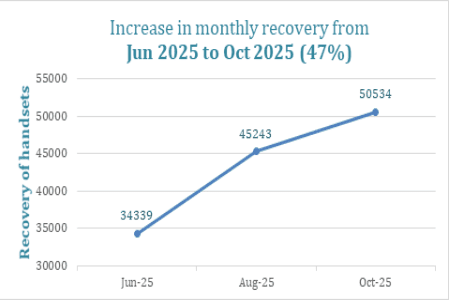
The Sanchar Saathi digital safety platform, spearheaded by the Department of Telecommunications (DoT), enabled the recovery of over 50,000 lost or stolen mobile phones across India in October 2025—a record for a single month. This achievement marks a significant milestone for citizen-centric digital governance and showcases the transformative impact of technology on day-to-day security.
Karnataka and Telangana Lead the Nation
Karnataka and Telangana are the top performers, each crossing 1 lakh recoveries since the launch of the Sanchar Saathi initiative. Maharashtra follows closely with over 80,000 recoveries. Since inception, the cumulative number of recovered devices has surpassed 7 lakh nationwide. Impressively, monthly recoveries have surged by 47% between June and October 2025, with the system now facilitating the recovery of more than one handset every minute across the country.
Advanced Tech and Police Coordination
Sanchar Saathi’s success is built on an indigenously developed platform that integrates automated workflows, real-time traceability, and collaboration between state and UT police forces, DoT’s Digital Intelligence Unit, and other field teams. When a SIM is inserted into a reported device, alerts are sent to both the registered user and the relevant police station, ensuring swift action and reducing potential misuse of blocked devices.
Citizen Empowerment and Digital India Vision
The initiative advances the Digital India vision by empowering citizens to report and block stolen/lost phones, verify devices before purchase, and report fraudulent calls/messages through the Sanchar Saathi app. The DoT urges all citizens to leverage the platform for better device security and to stay vigilant against telecom frauds.
India-Nepal: The 19th edition of Joint Military Exercise SURYAKIRAN XIX—2025 commenced today in Pithoragarh, Uttarakhand, running from 25 November to 8 December. The Indian contingent, primarily from the ASSAM Regiment, and the Nepalese contingent from the DEVI DATTA Regiment, each consist of 334 personnel. This annual exercise alternates between India and Nepal, aiming to deepen defence ties and operational synergy through joint training on pressing real-world scenarios.
Focused Training on Counter-Terrorism and Disaster Relief
SURYAKIRAN XIX is being conducted under the framework of Chapter VII of the UN mandate, with joint drills focused on sub-conventional operations such as:
Jungle warfare
Counter-terrorism in mountainous terrain
Humanitarian Assistance and Disaster Relief (HADR)
Medical response
Environmental conservation
Integrated ground-aviation missions
The exercise prioritizes adapting troops to challenging terrains and disaster environments, with increased emphasis on cooperative and coordinated action in peacekeeping and security operations.
Integration of Emerging Technologies
A key highlight for 2025 is the use of niche technologies, including Unmanned Aerial Systems (UAS), drone-based intelligence, AI-powered support tools, unmanned logistics, and armored protection platforms. The incorporation of these innovations will enhance tactical decision-making, risk reduction, and interoperability among participating troops in response to global security dynamics.
Throughout the exercise, both armies will exchange best practices and conduct joint drills across a range of combat skills. These activities are designed to boost mutual learning, fortify operational coordination, and further solidify defence cooperation between the Indian Army and Nepal Army, fostering strong bilateral relations between the two nations.
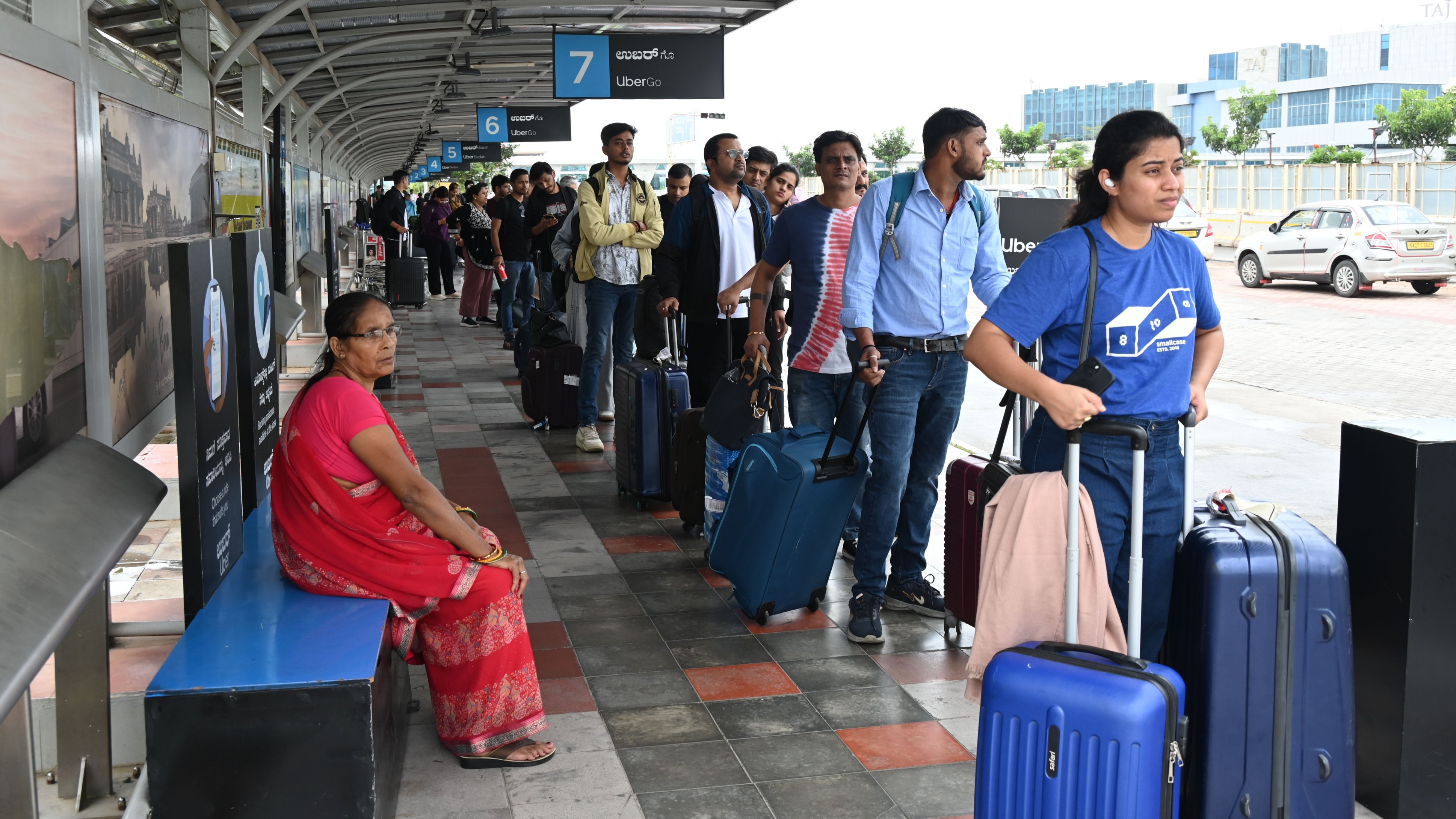
Passengers arriving at the Kempegowda International Airport (KIA) in Bengaluru are facing unprecedented hurdles in finding cabs, leading to prolonged waiting hours, last-minute fare hikes, and growing frustration among travelers. What began as sporadic complaints from a handful of passengers has now turned into a widespread issue affecting both domestic and international arrivals, including families, office commuters, students, and elderly travellers who depend heavily on app-based taxis for city transit. Many passengers assert that the shortage has deepened over the last two months, resulting in delays that they describe as “exhausting, unpredictable, and mentally draining.”
At the terminal pickup area, long queues now stretch across barricaded lanes where commuters wait for cabs that sometimes never arrive. Several app-based platform drivers say they prefer intra-city trips rather than airport pickups because of high parking charges and low incentives. For many passengers landing during late-night or early-morning hours, this has turned into a nightmare. A visibly stressed passenger arriving from Kolkata expressed that it took them nearly two hours just to receive a driver confirmation, only for it to be canceled minutes later. The terminal staff acknowledges the recurring complaints but insists that operational decisions lie with private taxi operators.
The pressure on the authorities has intensified as passenger groups begin to organize complaints collectively. Several citizens’ groups that track urban mobility have already drafted petitions, demanding a regulatory framework that forces ride-hailing companies to disclose how many cabs are allocated to the airport at any given time. They argue that transparency can expose whether the shortage is due to corporate incentive policies or driver decisions. Some activists emphasize that a lack of regulation allows platforms to operate without accountability, forcing passengers to deal with uncertainty as a routine part of travel rather than an avoidable breakdown.
Another increasingly discussed solution among airport regulars is the introduction of state-backed shuttle cabs that charge fixed fares. Advocates claim that a government-supported model could reduce dependency on private companies whose surge-based incentives regularly discourage drivers from servicing the airport. These passengers point to international airports that offer subsidized or structured taxi options, insisting that Bengaluru needs similar innovation to match its global aspirations. Many also believe that a competitive market where government services coexist with private taxis would force companies to offer better prices, reducing passenger exploitation.
Airport taxi unions, meanwhile, are pushing back against the assumption that they are abandoning passengers for profits. They argue that taxi drivers are being blamed for a crisis created by pricing strategies of private ride apps. According to them, inconsistent incentive structures compel drivers to avoid the airport to avoid losses. They say the problem would resolve if companies guaranteed minimum earnings for airport pickups, ensuring drivers do not have to choose between financial viability and public service. Their representatives emphasize that without economic dignity for drivers, no regulation can sustainably solve the issue.
Several drivers have also expressed fear over penalties imposed by app-based companies when they cancel trips due to passenger location changes or sudden route preferences. Many drivers allege that they are fined automatically, even if cancellations are not their fault. This, they claim, discourages them from accepting rides from locations where passengers frequently switch platforms, including airports. Passengers waiting outside terminals remain unaware of these dynamics, interpreting driver refusals as apathy rather than economic pressure. Thus, a cycle of mistrust has formed, deepening the divide between passengers and the driver community.
While the government has acknowledged receiving complaints, officials have yet to announce a clear corrective policy. A senior official indicates that discussions are underway to evaluate modifications to parking fees, incentive structures, and regulatory obligations for app services. However, passengers argue that a slow consultation process is out of sync with an urgent crisis affecting thousands daily. Civic bodies also face questions on why public transport alternatives—such as a direct metro link—have not been prioritized even after years of planning discussions. For now, broad promises offer little relief to those stranded at the terminal.
The situation has turned into a reflection of Bengaluru’s struggle to balance rapid urban expansion with fundamental infrastructure needs. The city’s growing reputation as a technology hub sits in stark contrast with its last-mile transport inefficiencies. Passengers say they are tired of hearing about ambitious future projects while suffering immediate distress. Their calls for swift intervention emphasize that mobility must be treated as a public right, not a market-driven privilege. As air traffic grows, the real test for policymakers will lie in whether they protect passenger dignity or continue to rely on unpredictable private solutions that leave travelers stranded.
Rising Complaints as Drivers Avoid Airport Trips, Leaving Passengers With No Options
App-based taxi drivers argue that airport trips are no longer profitable due to long waiting hours before receiving bookings, fuel expenses, and the airport’s parking fees that are deducted from their earnings. Many drivers state that they often spend up to an hour waiting in designated holding areas without assurance of a profitable trip. As drivers reduce their airport availability, demand far outstrips supply, forcing passengers to either wait indefinitely or negotiate with unauthorized operators who charge much higher fares. Some commuters have started walking out of the terminal to catch public buses or request relatives to pick them up after hours of frustration.
Families landing at the airport with children have particularly struggled during late hours when buses are less frequent and metro connectivity remains absent. Parents recount situations where exhausted children had to wait on cold seats with luggage piled around them, adding pressure to already long travel schedules. Office commuters who return from short work trips report missing connecting meetings and facing penalties for late reporting. The emotional distress has been particularly evident among international travellers after long flights, who face a second ordeal before reaching home.
KIA officials explain that the airport sees a 12–15% seasonal increase in passengers during holidays and long weekends, yet the number of cabs servicing the airport has not increased proportionately. Industry representatives argue that the city’s growing air traffic clearly warrants a scalable transport strategy that includes taxi, bus, and metro network expansion. Until a long-term plan is implemented, the burden continues to fall on fliers who are left negotiating transportation at the last minute.
City Transport Chaos Exposed as Bengaluru’s Growth Outpaces Mobility Planning
The chaotic situation has reignited a broader debate on whether Bengaluru’s transportation infrastructure can keep pace with its expansion. The airport authorities state that they have been requesting app-based platforms to provide more drivers during peak hours. However, drivers insist they earn more by operating shorter trips within the city during surge pricing. Drivers also oppose frequent cancellations by passengers who switch platforms to save a few rupees, claiming that these cancellations waste their time and fuel. This tug of war between drivers and passengers has created a near-gridlock situation where neither side gains.
Transport experts believe that the core of the crisis lies in the absence of real-time regulation or structured fare controls at the airport. They claim that private companies dominate decision-making without citywide regulatory oversight, effectively leaving passengers at the mercy of fluctuating driver availability and unpredictable pricing. The city’s airport is one of the busiest in India, yet the lack of seamless last-mile connectivity stands out as a glaring infrastructure gap. Critics point out that the city continues to focus heavily on air travel expansion while paying inadequate attention to how passengers will travel to and from the airport sustainably.
The shortage has also fueled a rise in informal operators who approach passengers near the exit gates offering premium-priced rides. Authorities have not issued an official directive on how these practices will be controlled, leading to concerns over safety and exploitation. Female travellers, especially those arriving late at night, warn that refusing such offers is difficult after waiting for hours. Many insist that the state government must intervene urgently to regulate operations and create safeguards, especially for vulnerable passengers.
Passengers continue to voice demands for guaranteed minimum cab availability and controlled fares during peak hours. A group of frustrated commuters has proposed that the government explore fixed-rate airport taxis, similar to prepaid counters seen at smaller airports. They argue that providing a transparent and predictable option could protect passengers from arbitrary surge pricing and fluctuating driver availability. Without such measures, they say travel costs will continue to depend more on luck than planning.
Transport analysts also recommend reworking parking fee structures to reduce financial burdens on drivers. They argue that incentivizing drivers during peak international arrival windows could stabilize service and lower wait times. Until such changes materialize, passengers are forced to gamble with long waits, high fares, or unreliable alternatives. With Bengaluru’s air passenger volumes projected to keep growing for the next decade, the ongoing cab shortage stands as a sharp reminder that air travel convenience must extend beyond the runway.
For now, stranded passengers wait anxiously under bright terminal lights, watching cabs appear and disappear on their phone screens, hoping that the next acceptance will not be cancelled. As more voices join the complaints and the city’s aviation operations expand, pressure is building on the state and transport authorities to finally treat last-mile connectivity as an essential service rather than a private experiment. If not addressed immediately, what passengers describe as today’s inconvenience could soon become a defining failure in Bengaluru’s transportation planning.
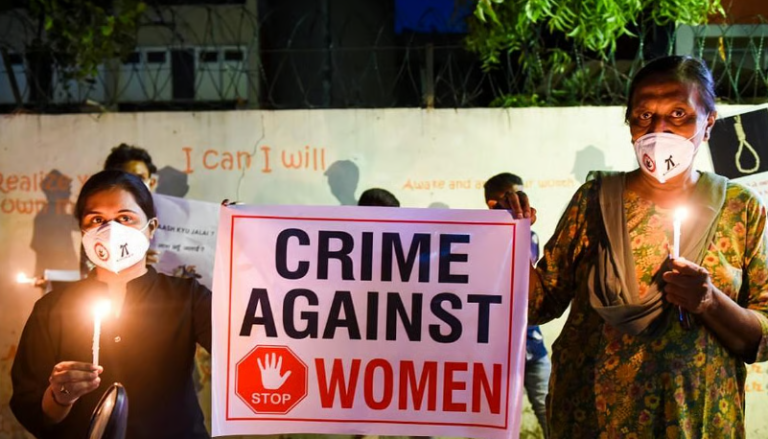
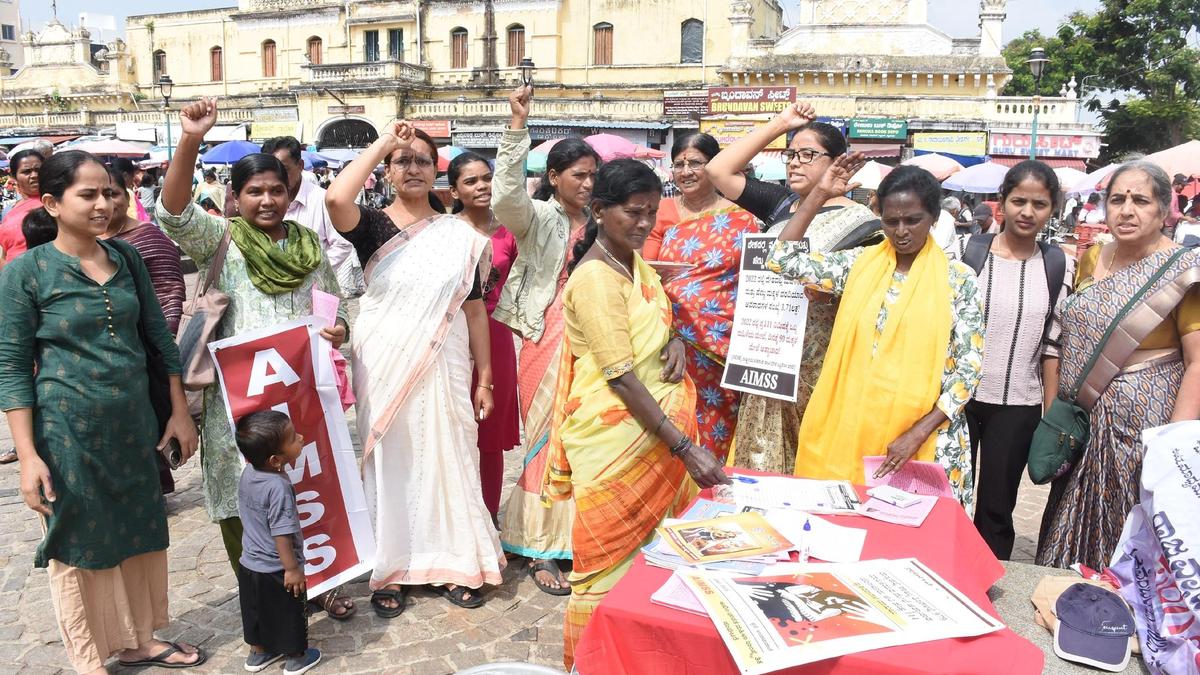
The All India Mahila Samskrutika Sanghatane (AIMSS) has raised strong concerns over the increasing number of crimes against women, calling it a pressing social emergency rather than a periodic headline issue. In response to this alarming trend, the organisation has launched a month-long nationwide signature campaign demanding stronger legal implementation, gender-sensitive policing, and immediate government intervention. The campaign aims to collect at least one million signatures from citizens across states, urging authorities to prioritise women’s safety as a national commitment instead of leaving it to sporadic legal responses after every violent incident.
The campaign also aims to highlight the gap between legal reforms and their implementation. AIMSS leaders stated that while India has passed several legislations for women’s safety—such as stronger anti-rape laws, anti-trafficking provisions, workplace harassment protections, and stricter penalties for acid attacks—the ground reality remains grim because enforcement is inconsistent.
According to activists, the existence of a law does not guarantee justice if officials lack training, sensitivity, or willingness to act. They emphasised that justice systems must not be shaped by personal biases or social hierarchies, especially when cases involve Dalit women, Adivasi women, or those from economically weaker backgrounds who face harsher intimidation and often have fewer support networks. AIMSS argued that a country that claims legal strength must show real protection in daily life, not just in official documents.
Another recurring issue raised during the launch was the absence of comprehensive rehabilitation systems for survivors of gender crimes. Activists pointed out that many women who report violence face long-term trauma, relocation challenges, financial insecurity, and social stigma. Without psychological counselling, legal assistance, safe shelters, and guaranteed job opportunities, survivors are often forced to withdraw complaints or reconcile with perpetrators for survival.
AIMSS demanded that the government create rehabilitation schemes that provide free counselling, employment quota support, housing provisions for abandoned or victimised women, and public funds for legal assistance. They argued that justice does not end at conviction but continues through rebuilding the life of a survivor, enabling her to live with dignity and independence.
The organisation also criticised society’s tendency to victim-blame women, especially in cases of sexual assault or harassment. AIMSS speakers noted that questions about a woman’s clothing, profession, social behaviour, or the time at which she travelled are repeatedly used to shift responsibility away from offenders. They stressed that such questions have no place in a legal system rooted in constitutional rights.
One activist stated that when courts, police officers, or community leaders entertain victim-blaming narratives, they indirectly legitimise violence. The organisation urged the government to introduce legal penalties for attempts to shame victims publicly or obstruct justice through moral policing, arguing that victim-blaming is not just insensitive—it is a form of psychological violence that pushes women into silence and depression.
Another concern raised by AIMSS was the lack of safe public infrastructure. Leaders pointed out that poorly lit streets, absence of CCTV surveillance in crowded markets, and lack of accessible complaint centres create an environment where crimes are easier to commit and harder to report.
They suggested that women’s safety must be treated as a key factor in city planning and rural development, not as an afterthought. The organisation asked urban bodies to install help kiosks, emergency response systems at bus stops, and GPS-linked monitoring of public transport. They believe that technology, when used responsibly, can act as a preventive force against crimes and ensure immediate intervention when women face threats.
AIMSS further emphasised that women’s safety must extend to digital spaces, where abuse is increasingly sophisticated. They cited examples of cyberbullying, revenge pornography, identity theft, data breaches involving personal photographs, and targeted hate campaigns. Activists argued that most women hesitate to file cybercrime complaints due to social judgment, lack of awareness, or lack of trained cyber police officers who can handle technology-based crimes efficiently.
AIMSS demanded expansion of women-friendly cyber cells, appointment of digital forensic specialists, and public education on legal remedies available to victims of online violence. They reiterated that digital harassment must be treated with the same seriousness as physical assault because its emotional and social consequences can be devastating.
In conclusion, the AIMSS campaign calls for systemic transformation, not symbolic promises. The organisation insists that women’s safety must be integrated into governance, education, law enforcement, and community values. They believe that a million signatures will reflect not just outrage but resolve—proving that women, alongside men, are demanding structural justice.
The campaign challenges governments to move beyond emotional rhetoric and create lasting protective systems. As volunteers mobilise across the country, the movement seeks to redefine safety as a constitutional guarantee that India must uphold with discipline, empathy, and accountability. Through public participation and persistent pressure, AIMSS hopes to build a future where women can live without fear, where justice is swift, and where dignity is not a privilege, but a fundamental right.
AIMSS members allege that crimes against women are not merely acts of individual violence but a symptom of a deeper societal imbalance rooted in discrimination, exploitation, and systemic neglect. The organisation pointed out that sexual assault cases, human trafficking, workplace harassment, and domestic violence continue to rise despite multiple laws and awareness initiatives. Members argued that these crimes are aggravated by slow investigation processes, weak evidence collection, lack of survivor counselling, and failure to ensure safety for victims who approach the police. They believe that without institutional reform, punitive laws alone cannot protect women effectively.
During the campaign launch, AIMSS leaders criticised what they describe as a culture of “reactionary outrage,” where authorities act only when faced with public protests after horrific crimes. They argued that women’s safety cannot depend on outrage-driven governance but requires proactive systems that catch offenders early and create deterrence. They also stressed that prevention must go beyond policing and include educational reforms, community awareness, and safe infrastructure in public spaces. According to AIMSS, emotional solidarity is not enough—society must build functional, gender-just institutions.
Many participants in the campaign spoke about their own experiences of harassment and intimidation, emphasising that crimes against women are not limited to remote areas or night-time violence. They described threats in classrooms, workplaces, public transport, and even online spaces. AIMSS representatives highlighted that cyber harassment and digital exploitation have rapidly increased, targeting women through blackmail, stalking, doctored images, and abusive messages. The organisation argues that without specialised cyber units and sensitised officers, many victims are discouraged from filing complaints, leaving offenders free to repeat crimes.
Demand for Accountability and Gender-Sensitive Policing
One of the central demands of AIMSS is the establishment of gender-sensitive policing backed by strict accountability mechanisms. Activists argue that many cases collapse not due to the absence of laws but because of poor investigation practices. They point out that delayed FIR registration, improper forensic collection, insensitive questioning, and intimidation by police personnel discourage victims from pursuing justice. To address this, AIMSS has proposed specialised training modules for officers handling women’s cases, mandatory timelines for FIRs, and periodic audits on the progress of investigations.
Another demand focuses on the creation of fast-track courts that are truly accessible to survivors and supported by legal-aid cells dedicated to women’s rights. Activists note that many women from rural and marginalised backgrounds do not file complaints because court processes are complicated, expensive, and emotionally traumatising. AIMSS states that unless the justice system supports women at every stage—from complaint to trial—laws remain symbolic. They argue that the courts must not simply deliver punishment but also protect survivors from retaliation by families, communities, or accused individuals.
Community involvement is another pillar of AIMSS’s strategy. The organisation insists that crimes against women cannot be solved through policing alone if communities continue to normalise harassment or shame survivors. Activists want local bodies, schools, colleges, and resident associations to adopt safety pledges and conduct workshops on gender equality. They say that prevention must start early, with boys being taught about consent, respect, and boundaries as part of school curriculum. Without such social change, policing efforts may reduce crimes temporarily, but inequalities will persist.
Signature Campaign as Public Empowerment Tool
The AIMSS signature campaign does not stop at collecting public support—it aims to transform signatures into actionable recommendations that will be presented to state governments, law enforcement agencies, and parliamentary committees. Leaders emphasise that the campaign is a form of democratic participation, giving ordinary citizens a role in shaping policy changes. Volunteers will visit colleges, workplaces, marketplaces, and residential areas to collect signatures, while social media drives will encourage digital endorsements.
The organisation plans to use the data to highlight regions where women express fear or dissatisfaction with policing and legal outcomes. Such information could help authorities identify areas needing urgent safety reforms. AIMSS is also encouraging men to sign the campaign, underscoring that women’s safety is not a gender-exclusive responsibility but a human-rights issue requiring collective action. They believe public participation will force authorities to treat gender crimes as systemic threats rather than isolated acts committed by individuals.
Grassroots participation is expected to be a major strength of the movement. Volunteers from rural regions said that women in villages often face more severe barriers to justice because crimes are dismissed as “family matters” or “community issues” controlled by informal systems like caste panchayats. These practices deter victims and enable perpetrators. The signature campaign therefore aims to bypass informal barriers by directly appealing to formal state institutions, demanding that constitutional rights must override regressive community customs.
The campaign will also collect testimonies from survivors who choose to share their stories anonymously. AIMSS leaders say that these testimonies will not be used as emotional tokens but as evidence of systemic failures that need immediate correction. The organisation’s approach seeks to balance empathy with policy advocacy, ensuring that emotions lead to constructive demands rather than momentary outrage.
At the campaign launch, AIMSS members expressed hope that building public pressure would push governments to integrate women’s safety into everyday governance, rather than treating it as a reactive response to brutal crimes. They stressed that long-term change depends on transforming policing, education, community culture, and public accountability systems. If the campaign meets its goal, it will not only symbolise solidarity but act as a documented demand for structural reforms.
Ultimately, AIMSS’s initiative shows that women’s safety is not a problem of individual behaviour alone—it reflects collective values, administrative priorities, and legal culture. As the campaign gathers signatures across India, it urges society to turn empathy into action and demand institutions that truly protect women. By standing together, citizens can replace fear with justice and transform signatures into social power.
With the early onset of winter winds, harriers have begun arriving across India’s grasslands, marking their annual migration from Central Asia, Mongolia, Afghanistan, and parts of Europe. These elegant raptors, known for their low-flight hunting style, rely heavily on undisturbed open habitats to survive their winter stay. However, conservationists warn that the grassland ecosystems which once welcomed thousands of harriers every year are shrinking rapidly due to encroachment, agricultural expansion, and development projects. Their arrival this year highlights the fragile future of grassland-dependent species and the urgent need to rethink conservation strategies beyond forests and wetlands.
Loss of native grasslands also affects pastoral communities who depend on them for grazing. Villages that traditionally relied on open commons for livestock now face shrinking fodder resources, pushing herders to sell animals or buy costly feed. Conservationists argue that saving grasslands is not merely about protecting birds, but about sustaining long-standing rural economies. In places where grassland restoration has been attempted through native species planting and regulated grazing, both pastoral livelihoods and wildlife have shown signs of revival. This demonstrates that conservation does not have to oppose local communities; instead, it can support them through shared ecological goals.
Another emerging concern is the unregulated installation of solar power plants on grassland ecosystems. While renewable energy projects are vital for climate goals, conservationists say that many installations are built directly over important roosting areas without ecological assessments. Large solar farms require land clearance and fencing, which block access to prey and remove native vegetation. As a result, a project meant to fight climate change inadvertently displaces species that regulate grassland ecology. Experts suggest that renewable energy planning must avoid critical biodiversity sites and prioritise degraded lands instead of intact native grasslands.
Poaching and disturbance also threaten harriers, especially when communal roosts are not adequately protected. Harriers prefer to nest on the ground or in low vegetation, which makes them vulnerable to stray dogs, cattle trampling, and illegal hunting. Birdwatchers report that in some regions, roosting birds are disturbed by night-time vehicular movement or intentional fires lit for land clearing. These activities force birds to abandon safe sites and waste essential energy reserves needed for migration. Strict regulation, especially during peak roosting seasons, could help reduce such disturbances and protect vulnerable flocks.
Some state governments and conservation groups have begun discussing the creation of community-led grassland reserves. Such reserves would allow traditional grazing while preserving roosting areas and prey bases for migratory birds. Instead of excluding people, these reserves encourage coexistence by training locals to monitor roosts and prevent disturbances. This approach recognises that habitat protection is most effective when communities feel ownership over biodiversity resources. Ecologists believe that the success of such models could push policymakers to re-evaluate how land use is planned in grassland regions.
Education and awareness remain crucial for safeguarding harriers. Many local residents are unaware of how significant these winter visitors are to agriculture and biodiversity. Workshops in schools, farmer training sessions, and public events centred around roost counts help create a conservation mindset at the grassroots level. Once people understand that these birds help protect fields from pests, they are more willing to protect their habitats. Some farmers have even begun adopting harrier-friendly practices such as retaining patches of native grass or avoiding pesticide use during peak migration months.
Ultimately, the annual arrival of harriers is a reminder that migration patterns that have existed for centuries are now under unprecedented threat. As grasslands disappear, the skies lose not only the birds that travel from distant lands, but also the ecological protections they bring. The future of harriers in India will depend on whether governments, communities, and industries recognise the value of grassland ecosystems. Safeguarding these open habitats is not just about saving a migratory raptor—it is about preserving a delicate network of life, livelihoods, and landscapes that define the subcontinent’s drylands.
Harriers belong to a group of migratory birds that prefer open, wide landscapes with natural grass cover for roosting and feeding. The species most commonly spotted in India during winter include the pallid harrier, Montagu’s harrier, and the western marsh harrier. Historically, large flocks would gather in communal roosting sites, particularly in regions like the Deccan plateau, Kutch, Rajasthan plains, and central Karnataka. Birdwatchers and researchers say that while harriers continue to return, the flock sizes are noticeably smaller than in previous decades. Many now struggle to find safe roosting spaces as grasslands turn into croplands, industrial zones, or real estate layouts.
The migration of harriers is one of the most remarkable journeys undertaken by raptors, covering thousands of kilometres across continents. Their arrival signals the beginning of the winter ecological cycle, where they feed on locusts, small reptiles, insects, rodents, and other prey. This natural predation helps control pests in agriculture, making harriers allies of farmers rather than ecological competitors. Yet, many grasslands are being converted for commercial plantations and solar farms without evaluating their impacts on raptors. Experts argue that grasslands are wrongly perceived as “wastelands,” leading to policies that promote development in these areas without biodiversity assessments.
Bird researchers warn that the loss of grasslands also threatens the nesting habitats of resident species like the Indian courser, larks, floricans, and numerous reptiles and insects that form the prey base for harriers. Without food security, migratory birds may arrive only to starve or move further south in search of suitable feeding grounds. Some studies suggest that changing rainfall patterns and prolonged monsoon cycles have altered the arrival timings and roosting behaviour of harriers. While climate change affects migration routes, habitat destruction blocks crucial stopover points that birds need to rest and feed during long journeys.
Grasslands Under Threat from Rapid Land Conversion
Many ecologists emphasize that grasslands are among the most neglected ecosystems in Indian conservation policy. While forests receive protection under various laws, grasslands continue to lack legal recognition as biodiversity-rich habitats. In several states, common grazing lands, savannahs, and scrublands are leased out for developmental projects as non-productive land. This perception overlooks their role in supporting migratory birds, pollinators, and grazing ecosystems that sustain livestock-based rural economies.
Reports from field researchers highlight that communal harrier roosts are shrinking in number and size. Areas that once hosted hundreds of birds now hold only a few dozen. Expansion of monoculture plantations, including eucalyptus and commercial grasses, has altered natural vegetation. In some regions, invasive plant species like Prosopis juliflora crowd out native shrubs and grasses, rendering the landscape unsuitable for low-flying predators. Urban expansion has added another layer of threat as fragmented grass patches cannot support the prey base required by harriers.
Agriculture plays a complex role in this transformation. While harriers benefit farmers by controlling pests, rapid mechanisation and pesticide use reduce grassland insects and rodents. Short-term crops that replace traditional grazing fields erase nesting grounds and feeding sites. Even when harriers arrive, they often avoid pesticide-laced fields, making large stretches of agricultural land useless as hunting grounds. Conservationists argue that sustainable agriculture policies must incorporate bird-friendly practices, including controlled pesticide usage, seasonal patches of unploughed land, and maintaining native grasses along field boundaries.
Why Harriers Matter to Local Ecology
The survival of harriers is intricately linked to the overall health of dryland ecosystems. Their presence indicates a balanced food chain, healthy insect populations, and intact habitats. Ecologically, harriers act as regulators, maintaining population control among fast-breeding prey such as locusts, which can become agricultural pests if unchecked. Farmers in states like Rajasthan and Gujarat unknowingly benefit from this natural pest management system. Some researchers claim that the economic value of harriers as pest control agents far exceeds the monetary returns from converting grasslands into short-term commercial projects.
Harriers also serve as umbrella species for grassland conservation. Protecting their roosting areas indirectly safeguards entire ecosystems, supporting mammals such as foxes, wild hares, and small herbivores, as well as several ground-nesting birds. The loss of harriers could trigger cascading ecological imbalances that extend beyond raptors, affecting crop health, pollinator diversity, and rural livelihoods linked to livestock grazing. Ecologists warn that without protection, grassland collapse would parallel the sudden decline of vultures experienced in the 1990s.
Citizen science is proving to be a powerful tool in tracking harrier populations. Birdwatchers, local communities, and conservation groups are increasingly documenting roosting numbers and migration timings. Such data has helped identify declining patterns and prompted discussions on policy change. Some regions now conduct roost counts during winter, involving farmers and local youth. These initiatives not only gather crucial information but also build awareness about the ecological value of grasslands, fostering community-driven conservation.
For effective protection, experts recommend designating critical grassland zones as conservation reserves rather than forest lands. Traditional policies that prioritize dense forests fail to protect open landscapes. Conservationists argue that India’s environmental laws must evolve to include grasslands as unique ecosystems rather than degraded forests. This shift in classification could restrict industrial land-use change and encourage sustainable grazing, natural vegetation restoration, and eco-sensitive tourism centred on winter migratory birds.
The arrival of harriers every winter is more than a seasonal migration—it is a reminder of the fragile relationship between climate, land, and living species that travel across continents to survive. Their journey underscores the interconnectedness of global ecosystems and the consequences of local habitat neglect. As policymakers debate development priorities, harriers continue to fly thousands of kilometres, trusting that grasslands will welcome them.
Whether these birds will keep returning in large numbers depends on decisions made today. If grasslands continue to shrink, the silence of vanished wings may one day replace this winter spectacle. Protecting harriers means protecting an ecosystem that supports both biodiversity and human livelihoods. Their arrival brings beauty, balance, and ecological value. It now rests with society to ensure that the skies remain open and the ground remains habitable for these winter migrants, whose presence silently speaks of nature’s resilience.
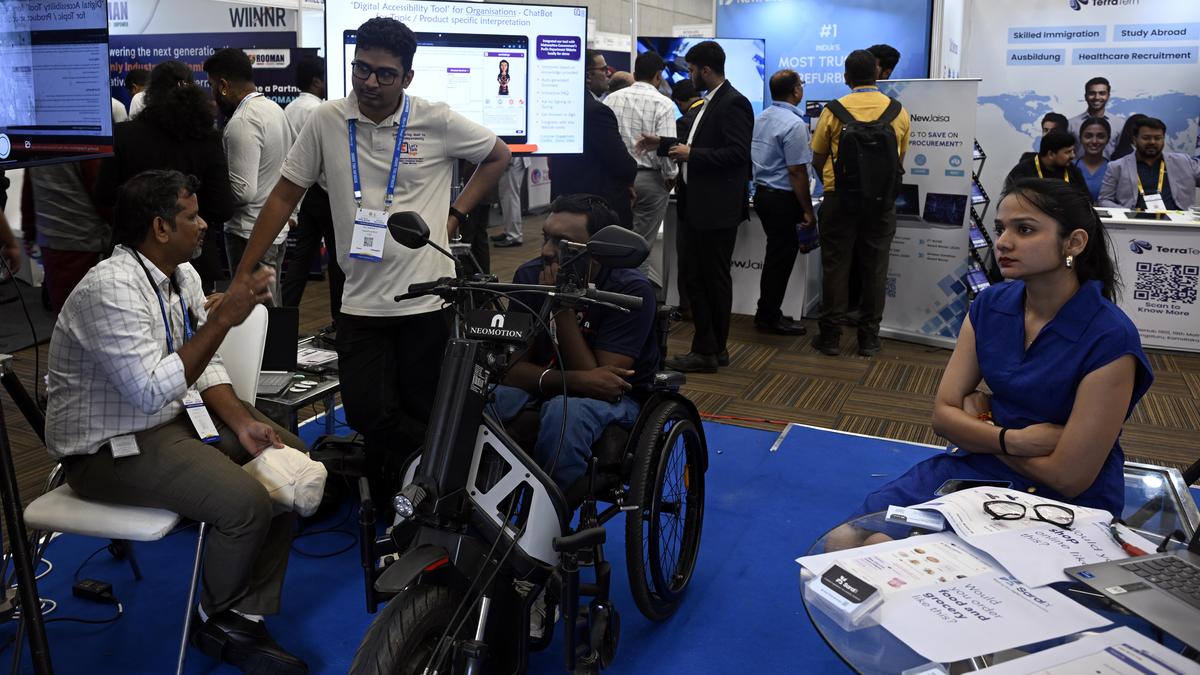
Karnataka is preparing a landmark reform that could significantly alter the landscape of disability rights in India. The State government has begun drafting a policy that proposes reservation for persons with disabilities (PwDs) not only in government jobs and educational institutions, but for the first time, in the private sector as well. Senior officials have indicated that discussions are underway to frame legally enforceable quotas that can compel private companies, colleges, and professional institutions to admit, train, and hire qualified individuals with disabilities. If implemented, this move could create a transformative shift in employment and academic opportunities for nearly 5 million persons living with disabilities in Karnataka.
According to government sources, the proposed quotas may require private companies with a certain employee strength to allocate a percentage of their workforce to disabled persons, similar to the mandatory reservation already applicable in the public sector. The State is reportedly studying international frameworks to devise a model that balances rights enforcement with industry participation. Officials believe that voluntary corporate inclusion programmes, while beneficial, have not been adequate to address widespread employment inequality. Many companies claim to support inclusivity, yet disability representation in the private labour market remains disproportionately low. Advocates therefore argue that a legal mandate is essential.
Alongside employment, the draft policy also aims to expand reservation in private educational institutions, including engineering colleges, business schools, medical courses, management academies, and professional training centres. Disability rights activists say that access to higher education is the foundation for meaningful employment, but many students face hidden barriers such as inaccessible infrastructure, high cost of assistive technologies, and limited scholarships. By pushing reservations into private institutions, the government seeks to reduce inequality at the root, enabling students with disabilities to pursue competitive careers rather than being forced into low-income roles due to lack of training.
The State’s move gains significance in light of the Rights of Persons with Disabilities (RPwD) Act, 2016, which mandates the government to “take measures” to ensure inclusion in both public and private workplaces. Legal experts point out that this language allows States to create their own frameworks extending quotas beyond public institutions. Karnataka’s current plan is therefore not just a welfare measure but a legal responsibility rooted in national law. Disability organisations welcome the State’s interpretation, saying that employment rights cannot depend solely on goodwill or corporate ethics. They insist that rights must be enforceable, not merely encouraged.
However, the proposal is expected to face challenges in implementation, particularly from private industry groups that worry about mandatory employment liabilities. Business associations argue that firms may struggle to accommodate different disabilities without proper government guidance, funding, and precautionary infrastructure. They highlight the cost of workplace accessibility, assistive technology, and specialised training. Industry leaders say that any quota law must be accompanied by incentives, subsidies, and clear guidelines to avoid friction between employers and employees. Policymakers are therefore considering tax benefits, skill development support, assistive device grants, and shared training centres to ease corporate participation.
A Transformative Shift Towards Inclusive Workplaces: Karnataka
One of the most crucial elements of the policy is a proposed expansion of disability categories within private employment. Historically, companies tend to hire persons with mild physical disabilities while overlooking those with speech, cognitive, or neurodevelopmental conditions. Experts warn that a quota without comprehensive representation risks creating a narrow labour market that excludes several disability groups. The State is therefore working to ensure equitable distribution of opportunities among visual, hearing, locomotor, intellectual, psychosocial, and multiple disabilities.
Officials are also studying how to enforce anti-discrimination clauses that prevent termination or forced resignation due to disability. Activists emphasise that workplace discrimination often begins after hiring—when employers find ways to push workers out, citing “performance challenges” that stem from failed accessibility. As a result, companies may technically meet quotas without genuinely supporting disabled employees. Disability rights advocates are urging the government to impose penalties for non-compliance and require periodic audits to check whether workplace adaptations, safety protocols, and grievance mechanisms are functional.
Technology will play a central role in this reform. From screen readers and tactile displays to speech-recognition software and low-vision accessibility tools, modern workplaces must integrate adaptive systems. Officials believe that digital inclusion should be viewed not as an expense, but as a business investment that improves workforce diversity, problem-solving, and innovation. Corporate inclusion experts say that companies that embrace disability employment often benefit from stronger productivity outcomes and employee loyalty. International studies highlight that firms with inclusive hiring practices tend to outperform peers due to better organisational ethics and employee wellbeing.
Education Reform to Build Future Skill Pipelines
Parallel to workplace quotas, the government plans to strengthen disability-focused education initiatives in private institutions. The policy may require colleges to reserve seats and ensure accessible infrastructure such as tactile flooring, ramps, digital accessibility in classrooms, sign language interpreters, mobility assistance, and subsidised assistive devices. Activists argue that reservation alone is ineffective unless universities are mandated to implement universal accessibility norms. Many students with disabilities drop out due to lack of transportation support, appropriate learning materials, or accurate accommodations for exams.
To bridge the skill gap between education and employment, the State plans to integrate skill development programmes tailored to different disabilities. These may include training in IT, data entry, design, customer engagement, finance backend operations, and specialised trades like physiotherapy support, accessible tourism, and adaptive manufacturing. Vocational courses will be redesigned with flexible modules that accommodate cognitive diversity. The government may also require private institutes offering high-end courses—such as engineering, management, and biotechnology—to make their laboratories accessible, a move that has long been demanded by disability groups.
Scholarship expansion is also under consideration. Activists point out that disabled students often require expensive assistive technologies like Braille displays, mobility equipment, hearing aids, or medical treatments. Without financial support, reservation only helps numerically but fails to equalise the playing field. As a result, many students are either forced into less competitive courses or remain dependent on low-income government institutes despite high potential. The State may introduce need-based and technology grants to ensure that private education does not become a financial burden for disabled individuals.
The State government is also discussing a disability employment exchange that will allow private companies to find candidates based on skill, course background, and disability category. The proposed portal will connect employers with government-run training centres and specialised institutions, streamlining recruitment rather than leaving hiring to chance or individual outreach. Officials believe that structured digital recruitment will eliminate bias and expand corporate participation.
Another possible provision is the creation of a grievance redressal commission that will monitor complaints from disabled employees in the private sector. Such a body could allow workers to seek justice for harassment, workplace exclusion, or forced resignation. Activists emphasise that many disability discrimination cases never reach courts because affected individuals lack resources, awareness, or legal access. A dedicated commission with quick complaint resolution could help restore dignity after discriminatory treatment and prevent recurring abuse.
Political analysts observe that the timing of this policy reflects growing public expectations for social justice in employment. Karnataka has long positioned itself as a leader in education, technology, and healthcare. Expanding disability rights could strengthen its reputation as a progressive State responsive to inclusive development. Moreover, disability policy reform has bipartisan support, as leaders across parties acknowledge the importance of empowerment over charity-based solutions. The shift signals a broader transition from welfare thinking to rights-based governance.
Yet, significant execution challenges remain. For disability quotas to succeed, the State must invest in training teachers, sign language interpreters, therapists, corporate counsellors, and accessibility engineers. Policymakers must also confront deeply rooted prejudices about disability in classrooms and workplaces. Many employers still view disabilities through a lens of sympathy rather than equal aptitude. Experts argue that the reform will only succeed if companies understand disability as a spectrum of strengths and challenges rather than an inability to work productively.
The coming months will determine whether the government can convert its ambitious proposal into actionable law. Disability rights organisations plan to hold consultations to suggest improvements, while industry representatives are expected to negotiate terms that ensure clarity before enforcement. If Karnataka manages to balance legal accountability with corporate cooperation, it could create a national model that inspires other Indian States to broaden disability rights into the private sector.
For now, the draft proposal carries hopes of thousands of students denied professional opportunities and millions who remain unemployed despite possessing skills. By pushing inclusion into spaces that were previously inaccessible, Karnataka’s proposal aims to expand dignity, independence, and economic justice. Whether as employees, entrepreneurs, students, or professionals, individuals with disabilities may finally move beyond symbolic representation into empowered participation. The State’s bold initiative signals that disability inclusion is not merely an act of kindness—it is a fundamental right woven into the democratic promise of equal opportunity.
For now, the draft proposal carries hopes of thousands of students denied professional opportunities and millions who remain unemployed despite possessing skills. By pushing inclusion into spaces that were previously inaccessible, Karnataka’s proposal aims to expand dignity, independence, and economic justice. Whether as employees, entrepreneurs, students, or professionals, individuals with disabilities may finally move beyond symbolic representation into empowered participation. The State’s bold initiative signals that disability inclusion is not merely an act of kindness—it is a fundamental right woven into the democratic promise of equal opportunity.