Tuesday, December 30, 2025
Home Blog Page 127

Dramatic Congress Expels Leaders: Bihar Poll Debacle Sparks Internal Crisis

Bihar – The Bihar Pradesh Congress Committee made a decisive move when Congress expels leaders involved in anti-party activities, removing seven prominent members from primary membership for six years. This action follows the party’s disappointing performance in the recent Bihar assembly elections, where strategic failures and organizational issues contributed to the National Democratic Alliance’s victory. The decision has ignited fresh controversy within party ranks, with critics characterizing it as an attempt to shield senior leadership from accountability for the electoral defeat.

The expulsion order was issued by Kapildeo Prasad Yadav, chairman of the BPCC disciplinary committee, marking a significant escalation in the party’s efforts to address internal dissent and restore organizational discipline.

Charges Against Expelled Members

When Congress expels leaders, the accusations typically involve serious breaches of party protocol and discipline. According to the official press communiqué, the expelled members were accused of deviating from the party’s core ideology, breaching organizational decorum, and issuing misleading statements outside official party platforms. The disciplinary committee highlighted that these leaders repeatedly criticized party decisions through print and social media channels, including making baseless allegations of ticket racketeering that damaged the party’s reputation.

The committee emphasized that candidate selections for the Bihar assembly elections were conducted transparently after thorough reviews by observers, the Pradesh Election Committee, and the All India Congress Committee, with consent from central observer Avinash Pandey.

Identity of Expelled Leaders

The Congress expels leaders list includes seven prominent party members holding significant positions within the Bihar organization. The expelled individuals are Aditya Paswan, former vice president of Congress Seva Dal; Shakeelur Rahman, former vice president of the BPCC; Raj Kumar Sharma, former president of Kisan Congress; Raj Kumar Rajan, former president of state Youth Congress; Kundan Gupta, former president of extremely backward department; Kanchana Kumari, president of Banka district Congress committee; and Ravi Golden from Nalanda District.

Disciplinary Committee’s Findings

The disciplinary panel stated that when Congress expels leaders, such actions are based on substantial violations of party norms. The committee found the leaders’ explanations unsatisfactory and determined their actions violated three out of five established disciplinary norms. These violations included deliberate disregard for directives from competent authorities and spreading confusion within the organization. The order noted that despite the appointment of assembly observers with central approval, these leaders continued their indiscipline throughout the election period.

Internal Opposition and Controversy

The decision that Congress expels leaders has sparked significant internal debate and criticism. The expulsions come amid growing turmoil following the party’s dismal performance in the 2025 Bihar Assembly polls, where Congress failed to meet expectations. A section of party leaders has questioned the legitimacy of the disciplinary committee itself, arguing it lacks formal notification from the AICC, unlike other established panels.

Also Read: Explosive BJP TMC Clash: Violence Erupts Over Electoral Rolls in Kolkata

Critics allege that when Congress expels leaders in this manner, it represents an attempt to deflect blame from senior leadership for strategic blunders, including poor candidate choices and alliance coordination issues. One of the 43 dissident leaders previously issued show-cause notices stated, “The party is expelling dedicated workers who raised alarms about weak candidates and lack of synergy among allies before the polls.”

Questions About Committee Impartiality

Dissidents have raised concerns about the disciplinary chairman’s impartiality when Congress expels leaders under his authority. Some critics pointedly questioned why Yadav was reportedly seen celebrating the victory of a rival BJP candidate during the elections, suggesting potential conflicts of interest in the disciplinary process.

Additional Resignations and Unrest

The controversy surrounding when Congress expels leaders has been compounded by other developments. Bihar Mahila Congress Committee chief Sharbat Jahan Fatima resigned from her position on Monday, reportedly over the denial of a ticket to contest the polls. Her departure underscores simmering frustrations over ticket distribution, which dissidents claim favored influential figures at the expense of grassroots leaders.

Comprehensive Review Process Initiated

In response to the electoral defeat that preceded when Congress expels leaders, BPCC president Rajesh Ram has initiated a comprehensive review process. Ram directed all district Congress committee presidents and executive presidents to convene urgent review meetings analyzing political, organizational, and regional factors behind the defeats. The analysis must cover voting percentages, booth-level activities, organizational strength, campaign outreach, local issues, and alliance dynamics.

“Election results are not just about wins and losses; they signal areas needing improvement. This is a time for introspection, united efforts, and organisational strengthening,” Ram stated.

Upcoming Party Campaigns

Following the decision that Congress expels leaders for disciplinary violations, the BPCC is organizing nationwide campaigns. On November 26, Constitution Day, the party will conduct “Save the Constitution” programs at all district headquarters. These events will feature seminars on “Constitution Protection and Defense of Democratic Values,” involving senior leaders, intellectuals, social activists, lawyers, youth, and community organizations.

Additionally, preparations are intensifying for the “Vote Chor, Gaddi Chhod Mahrally” scheduled for December 14 at Delhi’s Ramlila Maidan. Ram described this rally as a collective call to protect voting rights, ensure electoral fairness, and restore credibility to democratic institutions amid allegations of voter suppression and data manipulation.
Shocking Body Found Suitcase: Mumbai Woman’s Decomposed Remains Discovered

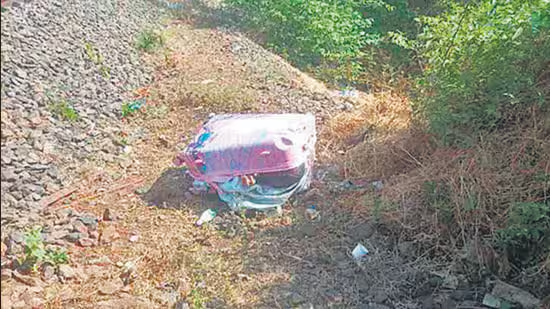
Maharashtra – A shocking case emerged in Thane when a body found suitcase was discovered near the Palava Flyover in Dombivli on Monday afternoon, prompting immediate police action and the registration of a murder case. The decomposed remains of an unidentified woman were stuffed inside the suitcase and dumped in a secluded area, leading authorities to launch a comprehensive multi-city search to establish the victim’s identity and apprehend the perpetrators of this heinous crime.

The body found suitcase incident occurred around 1:45 PM in a remote patch near Desai Creek, falling under the jurisdiction of the Shil-Daighar police station. This grim discovery has sent shockwaves through the local community and raised serious concerns about public safety in the region.

Location and Discovery Details

The body found suitcase was spotted in an isolated area under the Palava Flyover, specifically near Desai Creek. Police officers responding to the scene determined that the perpetrators had deliberately chosen this secluded location to dispose of the body, utilizing the creeks and drains along the flyover in an apparent attempt to conceal their crime. The remote nature of the disposal site suggests premeditation and an effort to delay discovery of the victim.

Victim’s Physical Description and Condition

According to Shriram Pol, senior police inspector at Shil-Daighar police station, the body found suitcase contained the remains of a woman estimated to be between 25 and 30 years of age. The body was in an advanced state of decomposition, indicating that the murder may have occurred approximately three days before the discovery. The severe decomposition has complicated identification efforts and made determining the exact circumstances of death more challenging for investigators.

Suspected Cause of Death

Police officials investigating the body found suitcase case have indicated multiple possible scenarios regarding the victim’s death. Authorities suspect the woman may have been murdered following a possible sexual assault, though investigators emphasized that the post-mortem examination will be crucial in confirming the exact cause of death and determining whether sexual violence occurred. The forensic examination will provide definitive answers about the nature of the attack and any additional crimes committed against the victim.

Alternative Assessment by Manpada Police

A parallel investigation by Manpada police, who also responded to the scene where the body found suitcase was discovered, offered a slightly different initial assessment. Their evaluation suggested the victim might have been in her late 30s, indicating some uncertainty in age determination due to the body’s condition. More significantly, Manpada police believe the woman may have been beaten to death before her body was stuffed into the suitcase for disposal in the creek area.

Also Read: Shocking Voter Threat By Ajit Pawar Sparks Democratic Crisis

Senior Inspector Sandipan Shinde of Manpada police station confirmed that extensive efforts are underway to establish the woman’s identity in this body found suitcase case.

Multi-City Investigation Efforts

The investigation into the body found suitcase discovery has expanded across multiple jurisdictions. Police teams are systematically checking missing person reports from Thane, Mumbai, Kalyan, and Dombivli, hoping to match the victim’s description with someone who has been reported missing in recent days. This comprehensive approach reflects the possibility that the victim may have been transported from another location before being disposed of in Dombivli.

CCTV Surveillance Analysis

Investigators examining the body found suitcase case are conducting extensive reviews of closed-circuit television footage from Palava and adjoining areas. This digital evidence could prove crucial in identifying suspects, tracking their movements, and establishing a timeline of events leading to the victim’s death and disposal. The proliferation of security cameras in urban areas often provides law enforcement with valuable leads in such investigations.

Legal Actions and Forensic Procedures

Following the discovery of the body found suitcase, police have registered a First Information Report (FIR) under relevant sections of the Bharatiya Nyaya Sanhita. The charges include murder of an unidentified person and destruction of evidence, reflecting the serious nature of the crimes committed. The body has been sent for a comprehensive post-mortem examination, which will provide critical forensic evidence about the cause and manner of death, timing, and any other relevant medical findings.

Concealment and Evidence Destruction

The manner in which the body found suitcase was disposed suggests deliberate efforts to conceal the crime and destroy evidence. By stuffing the victim into a suitcase and dumping it in a secluded area near water bodies, the perpetrators likely hoped to delay discovery and allow decomposition to eliminate identifying features and forensic evidence. However, investigators remain confident that modern forensic techniques and thorough investigative work will lead to identifying both the victim and her killer.

Ongoing Investigation

The body found suitcase case remains under active investigation, with multiple police stations coordinating their efforts. Authorities are appealing to the public for any information that might help identify the victim or provide leads about suspicious activities in the area around the time of disposal. The combination of traditional investigative methods, forensic analysis, and technological tools gives investigators multiple avenues to pursue justice for the victim.

Explosive BJP TMC Clash: Violence Erupts Over Electoral Rolls in Kolkata

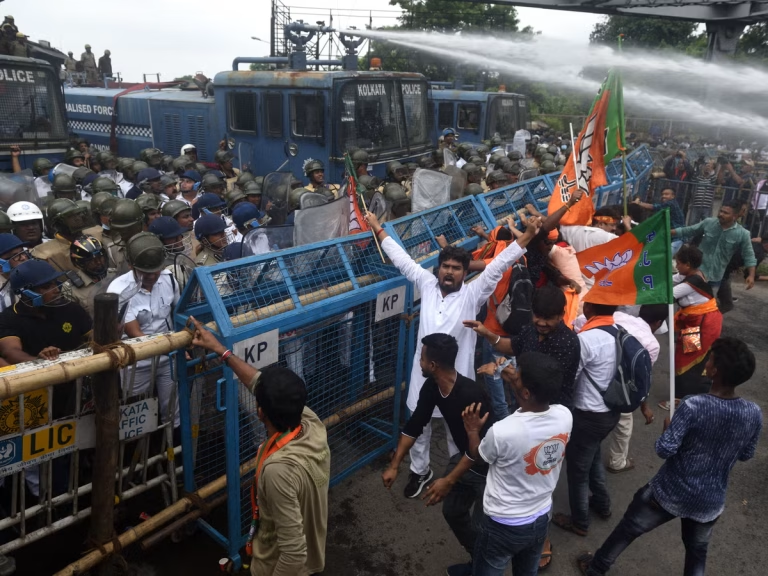
West Bengal – A violent BJP TMC clash erupted outside the Chief Electoral Officer’s office in Kolkata late Monday night, marking a significant escalation in political tensions over the ongoing special intensive revision (SIR) of electoral rolls in West Bengal. The confrontation required immediate police intervention, with authorities deploying barricades to separate the two rival political groups as hundreds of protesters gathered at the main gate of the Election Commission office, creating a volatile and potentially dangerous situation.

The BJP TMC clash highlights the deep political divide over the electoral revision process, which has become a flashpoint for accusations and counter-accusations between the two major political parties in the state.

BJP Allegations Against TMC

During the BJP TMC clash, Tamoghna Ghosh, BJP North Kolkata district president, leveled serious accusations against the Trinamool Congress. He alleged that the TMC had sent “goons” to disrupt the SIR process and commit hooliganism outside the CEO’s office. Ghosh claimed that TMC workers had arrived at the office at midnight with intentions to commit tampering with the electoral revision process.

“These are TMC goons and are here to commit hooliganism… Look at their behaviour and actions. These people are not BLOs… They had come here to the CO office at midnight to commit tampering. We stopped them,” Ghosh stated during the BJP TMC clash confrontation.

Police Deployment and Crowd Control

As the BJP TMC clash intensified, police teams maintained a tight cordon around the Election Commission office to prevent direct confrontation between the two groups. Visuals from the scene showed large groups surrounding the Election Commission gate, shouting slogans and demanding intervention from senior officials. The deployment of barricades became necessary to maintain order and prevent the situation from deteriorating further during the BJP TMC clash.

Law enforcement officials worked throughout the night to keep the opposing factions separated, demonstrating the seriousness of the political tensions surrounding the electoral revision process.

Teachers Join Protests in Solidarity

Beyond the BJP TMC clash, several schoolteachers joined the demonstrations, expressing solidarity with Booth-Level Officers (BLOs) who have been conducting the special intensive revision. One teacher clarified their position, stating they were not BLOs themselves but were supporting those officers facing excessive workload.

“I am a teacher. I am not a BLO. We are here in support of the BLOs…We are here to meet the Election Commission officers. Our representatives are inside the office. Till the time the officers don’t meet us, our protest will continue here,” a protester explained during the BJP TMC clash demonstrations.

Concerns Over Accelerated SIR Timeline

Another teacher from Murshidabad raised serious concerns about the compressed timeline for the electoral revision, suggesting this contributed to the BJP TMC clash tensions. The protester alleged that the SIR process, which typically takes two years to complete, was being conducted within just two months. They referenced the deletion of voters from electoral lists in Bihar, claiming a similar conspiracy was unfolding in West Bengal. Thousands of BLOs were reportedly prepared to return their duties if officials failed to address their concerns.

Also Read: Historic Ram Temple Flag Hoisting: PM Modi’s Big Ayodhya Ceremony

BLO Workload and Health Crisis

Earlier on Monday, before the BJP TMC clash escalated, BLOs engaged in the SIR process held a separate demonstration outside the CEO’s office, protesting what they described as “excessive work pressure” and “unmanageable workload.” Their attempt to enter the office led to scuffles with police, further complicating an already tense situation.

The unrest surrounding the BJP TMC clash comes amid disturbing reports of BLOs falling ill, with at least three deaths reported since the enumeration phase began on November 4. Two deaths occurred by suicide, while another happened under “unnatural circumstances,” according to official confirmations. In the past two days alone, four additional BLOs fell ill and required hospital admission.

Chief Minister’s Criticism

Chief Minister Mamata Banerjee has publicly blamed the Election Commission for what she termed “unplanned implementation” of the SIR and conducting it in “express haste.” Her criticisms align with protester concerns that emerged during the BJP TMC clash and subsequent demonstrations, adding political weight to the BLOs’ complaints about working conditions.

CEO Acknowledges Pressure on BLOs

West Bengal CEO Manoj Kumar Agarwal responded to concerns raised during and around the BJP TMC clash by acknowledging the heavy strain on BLOs. “We are receiving complaints that the BLOs are under pressure and some are falling ill. We have asked the District Magistrate to assist them. There are also reports that some BLOs have died. We have asked the DMs of four districts to send the police report and the post-mortem report,” Agarwal stated.

He indicated that reports would be available within a day or two, after which appropriate action could be taken. Describing their work as “very hard,” Agarwal praised BLOs as the “real heroes” of the ongoing revision, acknowledging they were “putting their level best” into the SIR exercise despite the challenging circumstances that contributed to the BJP TMC clash and ongoing protests.

Outrageous Arunachal Woman Detained: India Issues Strong Protest to China

Arunachal Pradesh – India lodged a strong protest with Beijing after an Arunachal woman detained at Shanghai airport faced harassment and humiliation when Chinese authorities declared her Indian passport invalid on November 21. The incident involving Prema Wangjom Thongdok, who was held for over 18 hours, has sparked a diplomatic row between the two nations and highlighted ongoing territorial disputes over Arunachal Pradesh.

India’s foreign ministry issued a strong demarche to the Chinese side, both in Beijing and in Delhi, on the same day the incident occurred, emphasizing that such actions are unacceptable and contravene international aviation conventions.

18-Hour Ordeal at Shanghai Airport

The Arunachal woman detained at Shanghai’s international airport described her experience as deeply humiliating and distressing. Prema Wangjom Thongdok, who resides in the United Kingdom, was traveling to Japan for a vacation with a planned three-hour layover in Shanghai. Despite holding a valid Japanese visa and Indian passport, immigration officials refused to allow her to board her onward China Eastern Airlines flight.

The Arunachal woman detained by Chinese authorities reported that immigration officials claimed her birthplace of Arunachal Pradesh was Chinese territory, thereby rendering her Indian passport invalid. Throughout her detention, she faced mockery and inappropriate suggestions from airport staff, creating an extremely distressing situation for the traveler.

Harassment and Mockery by Chinese Officials

When the Arunachal woman detained at the airport attempted to question the officials about the issue, she received shocking responses. According to her account, immigration staff stated that “Arunachal is not part of India” and began mocking her while laughing. Officials even suggested that she should apply for a Chinese passport, telling her “you’re Chinese, you’re not Indian.”

Also Read: Ramaphosa Modi Meeting: Delightful Exchange at G20 Summit in Johannesburg

The Arunachal woman detained described the behavior of both immigration staff and airline personnel as “very humiliating and questionable.” This treatment represents a serious violation of diplomatic norms and passenger rights, particularly considering she had transited through Shanghai approximately a year earlier without encountering any problems during her 14 years of residence in the United Kingdom.

Indian Diplomatic Intervention

The situation for the Arunachal woman detained improved only after swift Indian diplomatic intervention. Thongdok contacted the Indian embassies in Shanghai and Beijing, and within an hour, Indian officials arrived at the airport to assist her. The diplomatic personnel provided food, negotiated with Chinese authorities, and worked to resolve the issues preventing her departure.

The prompt response by Indian officials helped the Arunachal woman detained secure her release after the grueling 18-hour ordeal. This quick action demonstrated India’s commitment to protecting its citizens abroad and asserting its territorial sovereignty.

India’s Official Diplomatic Response

India’s foreign ministry took immediate and decisive action regarding the Arunachal woman detained incident. A strong demarche was issued to Chinese representatives in both Beijing and Delhi on November 21 itself. The Indian consulate in Shanghai also addressed the matter locally, providing fullest assistance to the stranded passenger.

Indian officials stressed that the Arunachal woman detained had been held on ludicrous grounds, emphasizing that Arunachal Pradesh is indisputably Indian territory. They firmly stated that residents of Arunachal Pradesh are perfectly entitled to hold and travel with Indian passports, making the detention completely unjustified.

Violation of International Aviation Conventions

India highlighted that the treatment of the Arunachal woman detained violated international agreements. Officials pointed out that Chinese authorities’ actions contravened the Chicago and Montreal Conventions relating to civil aviation, which establish standards for international air travel and passenger rights.

The diplomatic note emphasized that at a time when both nations are working toward restoring normalcy in bilateral relations, such actions by the Chinese side introduce unnecessary obstructions to the normalization process.

India’s Consistent Position on Territorial Integrity

India has consistently and firmly rejected Chinese claims over Arunachal Pradesh, maintaining that the northeastern state is an integral and inalienable part of the country. The incident involving the Arunachal woman detained reinforces India’s unwavering stance on this matter.

Pattern of Chinese Territorial Assertions

In recent years, China has resorted to various measures to assert its claims over Arunachal Pradesh. These include renaming dozens of towns and geographical features in the region as part of systematic efforts to lay claim to the territory. The detention of the Arunachal woman detained represents another manifestation of China’s ongoing territorial assertions.

Implications for Bilateral Relations

The case of the Arunachal woman detained at Shanghai airport has significant implications for India-China relations. While both countries have been working toward improving bilateral ties and restoring normalcy following border tensions, such incidents create serious obstacles to the reconciliation process. The treatment of Indian citizens based on their place of birth within Indian territory remains a contentious issue that requires immediate resolution to prevent future diplomatic conflicts.

Historic Ram Temple Flag Hoisting: PM Modi’s Big Ayodhya Ceremony

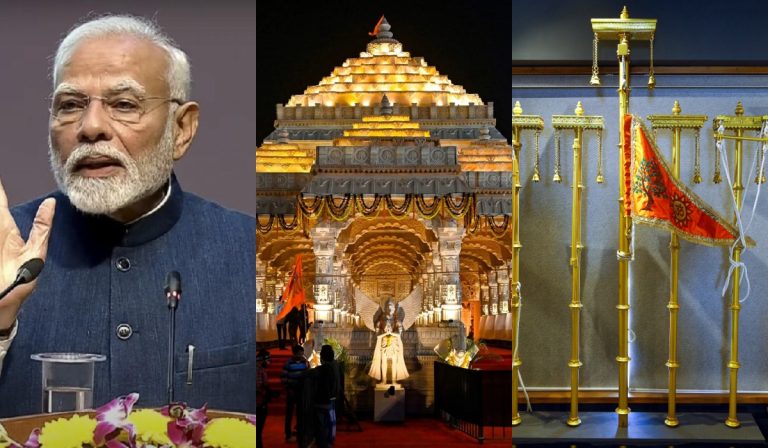
Uttar Pradesh – Prime Minister Narendra Modi will participate in the momentous Ram temple flag hoisting ceremony on Tuesday, marking the symbolic completion of Ayodhya’s grand temple construction. The Ram temple flag hoisting represents a significant milestone in the temple’s development, coming months after the consecration of Ram Lalla in the sanctum sanctorum in January 2024. This ceremonial event, being described by many as the symbolic “second pran pratishtha,” will see the prime minister address the gathering following the flag raising.

The Ram temple flag hoisting marks the formal declaration of the temple’s completion, with the triangular saffron flag serving as a powerful symbol of dignity, unity, and cultural continuity while embodying the ideals of Ram Rajya.

Significance of the Saffron Flag

The Ram temple flag hoisting will feature a distinctive right-angled triangular flag measuring 10 feet in height and 20 feet in length. The flag bears the image of a radiant Sun symbolizing the brilliance and valour of Lord Rama, with an ‘Om’ inscribed on it along with the image of the Kovidara tree. These symbols carry deep spiritual and cultural significance, representing various aspects of Hindu philosophy and Lord Rama’s legacy.

According to the Prime Minister’s Office, the saffron flag will convey messages of dignity, unity, and cultural continuity while embodying the ideals of Ram Rajya. The Ram temple flag hoisting ceremony will take place at noon on Tuesday, with the flag rising atop a ‘shikhar’ constructed in the traditional north Indian Nagara architectural style.

Massive Security Deployment

Ahead of the Ram temple flag hoisting, security has been significantly heightened throughout Ayodhya. A total of 6,970 security personnel have been deployed in the city as part of comprehensive security measures. This extensive force includes commandos from the Anti-Terrorist Squad (ATS), National Security Guard (NSG) snipers, cyber experts, and specialized technical teams.

The massive security arrangement reflects the importance of the Ram temple flag hoisting and the expected arrival of large numbers of domestic and international visitors. Authorities have implemented multiple layers of security to ensure the smooth conduct of this historic ceremony.

Devotees Gather for Historic Occasion

Large numbers of devotees reached the Ram Janmabhoomi Temple on Monday for the ‘darshan’ of Lord Ram ahead of the ceremonial event. The Ram temple flag hoisting occasion is expected to attract significant crowds, with visitors traveling from across India and abroad to witness this momentous ceremony. The temple complex and the entire city of Ayodhya have been adorned with elaborate floral decorations, with approximately 100 tons of flowers used to beautify the sacred site.

Also Read: PM Modi G20 Summit: Latest Visit to South Africa Marks Crucial Diplomatic Milestone

Architectural Splendor on Display

The Ram temple flag hoisting will showcase the temple’s magnificent architecture. The flag will rise atop the ‘shikhar’ constructed in traditional north Indian Nagara architectural style, while the surrounding 800-meter Parkota will display the temple’s diverse architectural elements. This combination of traditional design and spiritual symbolism creates a visually stunning backdrop for the ceremony.

Prime Minister’s Spiritual Itinerary

During his stay in Ayodhya for the Ram temple flag hoisting, PM Modi will undertake several spiritual activities. He will visit the Saptmandir, which houses temples dedicated to Maharshi Vashishtha, Maharshi Vishwamitra, Maharshi Agastya, Maharshi Valmiki, Devi Ahilya, Nishadraj Guha, and Mata Shabari. The prime minister will also visit the Sheshavtar Mandir and the Mata Annapurna temple, where he will perform ‘darshan’ and ‘pooja’ at the Ram Darbar Garbh Grah.

Auspicious Timing of the Ceremony

The Ram temple flag hoisting falls on the auspicious Panchami date of the Shukla Paksha in the month of Margashirsha, coinciding with the Abhijit Muhurat of Shri Ram and Maa Sita’s Vivah Panchami. This timing adds spiritual significance to the already momentous occasion. Additionally, the date marks the martyrdom day of Guru Tegh Bahadur, the ninth Sikh Guru, who meditated in Ayodhya for 48 hours during the 17th century, adding another layer of religious importance to the day.

Journey from Foundation to Completion

The Ram temple flag hoisting represents the culmination of a multi-year construction effort. PM Modi had performed ‘Bhoomi Pujan’ at Ram Temple on August 5, 2020, laying the foundation for the grand structure. The ‘Pran Pratishtha’ ceremony was subsequently held on January 22, 2024, when Ram Lalla was consecrated in the garbhagriha. The current Ram temple flag hoisting ceremony marks the final symbolic step in declaring the temple’s construction complete, though work continues on various aspects of the sprawling complex that will serve millions of devotees for generations to come.

Shocking Volcanic Ash India Crisis: Ethiopian Eruption Disrupts Flights

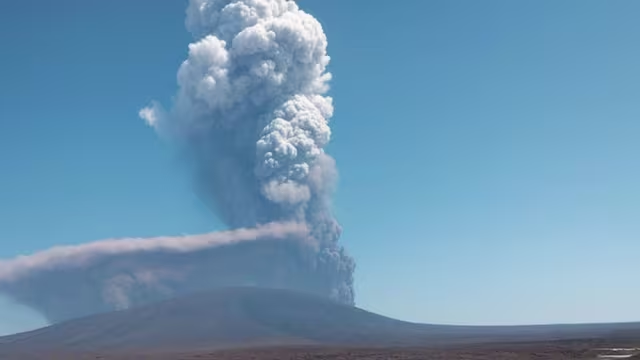
New Delhi – A massive plume of volcanic ash India witnessed on Monday night swept across the northwestern region, creating unprecedented aviation challenges and reducing visibility across major cities. The ash originated from Ethiopia’s Hayli Gubbi volcano, which erupted for the first time in nearly 12,000 years, sending debris up to 14 kilometers into the atmosphere. This volcanic ash India experienced traveled at remarkable speeds of 100-120 kilometers per hour at high altitudes, crossing multiple states before continuing its eastward journey across the subcontinent.

The volcanic ash India’s airspace encountered entered around 6:30 PM on Monday, immediately darkening skies and forcing aviation authorities to take swift action. The plume crossed Rajasthan first before rapidly moving through Gujarat, Maharashtra, Delhi-NCR, and Punjab, affecting millions of residents and causing significant disruptions to air travel operations across the region.

Major Flight Disruptions Across Northwest India

Airlines responded quickly to the volcanic ash India’s aviation sector faced by cancelling and diverting numerous flights. IndiGo cancelled at least six flights as a precautionary measure, while Akasa Air suspended all services to international destinations including Jeddah, Kuwait, and Abu Dhabi for November 24-25. Several other flights were diverted to alternate airports to avoid the ash cloud’s path.

The Directorate General of Civil Aviation issued an urgent ASHTAM alert, a specialized volcanic ash warning directing all airlines to avoid affected altitudes and implement strict volcanic-ash procedures. This volcanic ash India alert emphasized the serious risks posed by ash particles to aircraft engines, which can cause catastrophic mechanical failures if ingested.

International Airspace Complications

The situation became more complex as international airlines began rerouting flights through Pakistani airspace to avoid the volcanic ash India regions were experiencing. However, Indian carriers cannot utilize these alternative routes due to existing airspace restrictions, resulting in increased cancellations and delays for domestic airlines. This limitation placed Indian aviation operators at a significant disadvantage compared to their international counterparts.

Composition and Altitude of Volcanic Plume

The volcanic ash India received consists of dangerous materials including volcanic ash particles, sulphur dioxide, and microscopic fragments of rock and glass. These materials not only darken skies but pose severe hazards to aircraft engines and mechanical systems. The plume traveled at altitudes between 10-15 kilometers, keeping most particles well above surface level but within critical aviation flight paths.

Also Read: Tejas Crash: Heartbreaking Farewell to Wing Commander Namansh Syal

Impact on Air Quality and Surface Conditions

The India Meteorological Department’s Director General M Mohapatra provided reassurance that the volcanic ash India experienced at ground level would have minimal impact on surface air quality due to its high altitude. However, hazy skies and a minor rise in minimum temperatures were expected across affected regions.

Despite these official assessments, some environmental analysts expressed concern. Experts, including envirocatalysts’ Sunil Dahiya, warned that the volcanic ash India residents breathe could temporarily worsen air quality in the National Capital Region, which was already approaching ‘severe’ pollution levels before the ash cloud’s arrival.

Pre-existing Air Quality Concerns

The volcanic ash India faced compounded existing pollution problems in major cities. Delhi’s Air Quality Index stood at 382, categorized as ‘very poor,’ at 4 PM on Monday. Neighboring cities Ghaziabad and Noida recorded AQIs of 396 and 397 respectively, dangerously close to ‘severe’ levels even before the volcanic ash India’s atmosphere received had arrived.

Airport Safety Preparations

Aviation authorities placed all major airports on high alert as the volcanic ash India’s airspace contained moved across the region. The DGCA instructed airports to prepare for immediate runway, taxiway, and apron inspections if ashfall occurred at surface level. Operations would be suspended immediately if contamination was detected, prioritizing passenger and aircraft safety above all scheduling concerns.

Volcanic Eruption Details

The Hayli Gubbi volcano in Ethiopia’s Afar region erupted on Sunday, marking its first eruption in approximately 12,000 years. According to the Toulouse Volcanic Ash Advisory Centre, the eruption had stopped by Monday, but the massive plume continued drifting toward and across India. The volcanic ash India witnessed represented material that had traveled thousands of kilometers across international airspace, demonstrating the far-reaching impacts of major geological events in our interconnected word.

WB Weather Forecast November 2025: Minimum Temperature to Drop Across Districts, Dry Conditions to Prevail, IMD Advisory and Regional Climate Trends

WB Weather Forecast November 2025: The India Meteorological Department (IMD) has issued a forecast indicating a drop in minimum temperatures across West Bengal districts during late November 2025. The announcement comes as winter begins to set in, with residents in both the hills and plains experiencing cooler mornings and evenings. The IMD also predicted that dry weather will prevail for at least seven days, signaling a stable but chilly period for the state.


2. WB Weather Forecast November 2025: Key Temperature Highlights

  • Darjeeling: Coldest in the state at 5.8°C.
  • Kalimpong: Comparatively warmer at 13°C.
  • Sriniketan (Birbhum plains): Lowest in plains at 14.2°C.
  • Jalpaiguri: Recorded 14.5°C.
  • Kalyani: Registered 14.7°C.
  • Bardhaman: Recorded 15°C.
  • Kolkata: Minimum temperature at 18°C, with mist forecast for the next morning.

These figures reflect the north–south climatic variation within West Bengal, with the Himalayan districts experiencing harsher cold compared to the plains.


3. IMD Forecast: Short‑Term Trends

The IMD stated:

  • Minimum temperatures will fall by 2°C across districts in the next two days.
  • A gradual rise of 2°C is expected over the subsequent three days.
  • Dry weather will dominate for at least a week.

This pattern suggests a transitional phase typical of late November, where temperatures fluctuate before stabilizing into winter.


4. Impact on Daily Life

Residents across Bengal are adjusting to the seasonal shift:

  • In the hills: Tourists flock to Darjeeling and Kalimpong to enjoy the chill.
  • In the plains: Farmers prepare for winter crops, with cooler nights aiding cultivation.
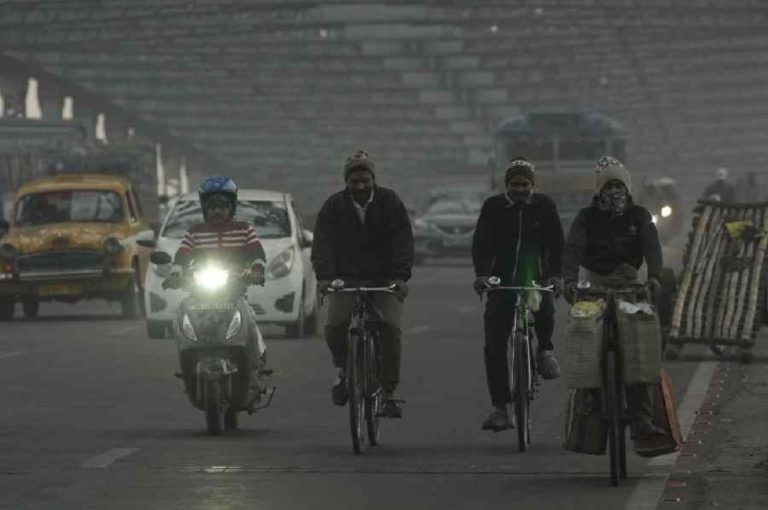
  • In Kolkata: Commuters brace for misty mornings, which may affect visibility.

The drop in temperature also influences energy consumption, with increased demand for heating appliances in colder districts.


5. Agricultural Implications

The forecast has direct consequences for agriculture:

  • Rabi crops such as wheat, mustard, and pulses benefit from cooler nights.
  • Tea plantations in Darjeeling and Jalpaiguri adjust irrigation schedules.
  • Vegetable growers prepare for frost protection in northern districts.

Dry weather ensures fewer disruptions, but farmers remain cautious about sudden cold waves.


6. Tourism Boost in the Hills

Darjeeling, Kalimpong, and Jalpaiguri are witnessing a surge in tourists eager to experience the crisp winter air. Hotels report increased bookings, while local businesses benefit from seasonal demand. The IMD forecast reassures visitors of stable dry weather, ideal for sightseeing.


7. Health Considerations

The dip in temperature raises health concerns:

  • Respiratory issues: Mist and cold air exacerbate asthma and bronchitis.
  • Seasonal flu: Higher incidence of colds and fevers.
  • Elderly care: Vulnerable populations require extra protection.

Public health advisories emphasize warm clothing, hydration, and caution during misty mornings.


8. Historical Climate Trends

West Bengal typically experiences:

  • November minimums: 5–7°C in hills, 14–18°C in plains.
  • Gradual cooling: December and January mark peak winter.
  • Dry spells: Winter months are usually rain‑free, except for occasional western disturbances.

The current forecast aligns with historical patterns, though urban heat islands like Kolkata remain warmer.


9. Governance and Preparedness

Authorities are preparing for seasonal challenges:

  • Traffic police: Issuing advisories for mist‑related visibility issues.
  • Health departments: Stocking medicines for seasonal flu.
  • Tourism boards: Promoting winter packages in hill districts.

The IMD’s forecast helps government agencies plan ahead for both urban and rural needs.


10. Conclusion: A Chilly but Stable Week Ahead

The West Bengal Weather Forecast November 2025 signals the arrival of winter across the state. With minimum temperatures dipping by 2°C and dry weather prevailing, residents can expect a week of crisp mornings and cool evenings. From agriculture to tourism, the seasonal shift brings both opportunities and challenges.


🔗 Government External Links

For further reading and official updates, here are relevant government sources:

Also read: Home | Channel 6 Network – Latest News, Breaking Updates: Politics, Business, Tech & More

6th International Agronomy Congress Proudly Opens in New Delhi: Minister Inaugurates Major Global Agriculture Event

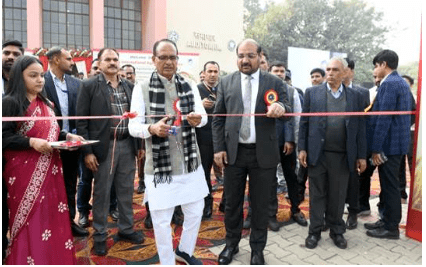
Union Agriculture Minister Shivraj Singh Chouhan inaugurated the 6th International Agronomy Congress (IAC-2025) at the NPL Auditorium, Pusa Campus, New Delhi. The three-day event, running from November 24–26, unites more than 1,000 delegates from India and worldwide, including scientists, policymakers, students, and industry leaders. Organized by the Indian Society of Agronomy with partners ICAR, IARI, NAAS, and TAAS, the Congress focuses on re-envisioning agronomy for smart, sustainable, and productive agri-food systems.​

Smart, Sustainable, and Profitable Agriculture for Viksit Bharat

Minister Chouhan highlighted that smart, sustainable, and profitable agriculture is the cornerstone for India’s development vision, “Viksit Bharat @2047.” He emphasized optimizing soil health, water use, biodiversity, eco-nutrition, and the adoption of digital agriculture, noting that agronomy acts as the bridge between scientific research and real-world farming. The Congress will shape national policy and regional strategies based on its outcomes.​


Key Recommendations and Scientific Priorities

At the Congress, Minister Chouhan released the IAC-2025 Declaration, recommending priorities such as:

  • Soil-carbon sequestration and water-efficient farming

  • Scaling up AI-driven digital agriculture and the Agri-Stack framework

  • Mainstreaming natural and regenerative farming systems

  • Targeted innovation for youth and women farmers

  • Advancing agronomy education, One-Health, LiFE Mission, and Net-Zero 2070 agricultural strategies

The Congress also features ten thematic symposia covering climate-resilient farming, resource efficiency, eco-nutrition, post-harvest management, young scientists’ innovation, and more. These discussions aim to advance the United Nations’ Sustainable Development Goals (SDGs), including zero hunger and climate action.​

Global Partnerships and Research Leadership

Scientific leaders, including Dr. M.L. Jat (ICAR), highlighted India’s leadership in climate-smart agriculture research and the strategic alignment of IAC-2025 outcomes with the ICAR Vision–2050. The Congress reinforces India’s partnerships with the G20, FAO, CGIAR, and South–South Cooperation for global research advancement.​

Conclusion

The opening of IAC-2025 marks a historic step for global agronomic dialogue, with new strategies proposed to cultivate a smarter, more sustainable, and inclusive agricultural future for India and the world.​


For more real-time updates, visit Channel 6 Network.

Source: PIB

India-Oman Strong Defence Collaboration Deepens at 13th Joint Military Cooperation Committee Meeting

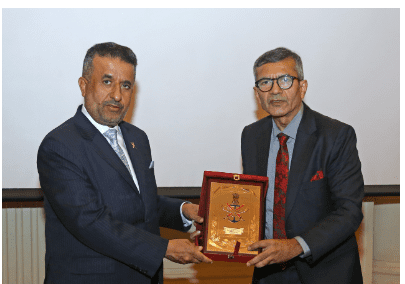
The 13th India-Oman Joint Military Cooperation Committee (JMCC) meeting convened in New Delhi on November 24, 2025, co-chaired by Defence Secretary Shri Rajesh Kumar Singh and Dr Mohammed Bin Naseer Bin Ali Al Zaabi, Secretary General, Ministry of Defence, Oman. Senior officials from both sides reviewed the strong and evolving defence partnership, exchanging perspectives on current regional and international security, with a particular focus on the Indian Ocean Region.​

Joint Development, Technology Sharing, and Production Partnerships

A major highlight of discussions was the commitment to deepen defence industrial collaboration through joint development, technology sharing, and expanded production partnerships. Both countries emphasized the need for resilient supply chains, enhanced interoperability, and innovation in emerging defence technologies. The talks also prioritized co-development frameworks, indigenous manufacturing, and strategic resilience, supporting long-term regional stability and mutual security interests.​


Strengthening Strategic and Operational Frameworks

Additional meetings between Omani officials and senior Indian defence leaders—including Raksha Rajya Mantri Shri Sanjay Seth and Chief of Defence Staff General Anil Chauhan—focused on expanding cooperation in shipbuilding, maintenance, repair and overhaul (MRO), and training programmes, while boosting avenues for defence exports. Ongoing collaboration includes new agreements for military logistics, border management, and enhanced operational clearances for Indian military platforms in Oman.​

Broader Bilateral Ties and Strategic Interests: India-Oman

India and Oman share a multifaceted strategic partnership covering defence, energy, trade, culture, and mutual interests in counter-terrorism and maritime security within the Indian Ocean region. Both sides reaffirmed their commitment to maintain regular high-level dialogues to further strengthen these foundational ties.​


For more real-time updates, visit Channel 6 Network.

Source: PIB

Hotel, Industry and Farmer Partnerships Key to Strong Growth: Dr. Devesh Chaturvedi: 2025

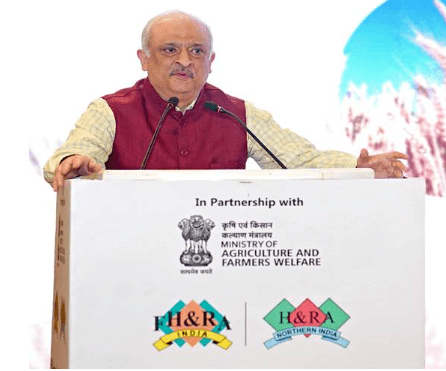
Dr. Devesh Chaturvedi, Secretary, Department of Agriculture & Farmers’ Welfare, emphasized that direct, structured alliances between Farmer Producer Organizations (FPOs) and the hospitality sector are critical for mutual growth. Speaking at the FPO–Hospitality & Farmers’ Benefit Summit 2025, organized by the Federation of Hotel & Restaurant Associations of India (FHRAI), Dr. Chaturvedi urged hotels to forge long-term partnerships with FPOs to ensure consistent, high-quality supply of agricultural produce.​

Win-win Model for Farmers and Hospitality

He outlined that direct FPO–hotel collaborations would create a win-win model for both stakeholders: increasing farmers’ income and enabling hotels to reliably source premium, chemical-free ingredients. India is home to about 40,000 FPOs, many of which offer organic and GI-tagged products aligning well with the hospitality industry’s rising demand for sustainable and safe food.​


Addressing Market Imbalances and Raising Farmer Profitability

Dr. Chaturvedi addressed the persistent pricing imbalance faced by farmers, where inputs are bought at retail rates while output is sold at wholesale. He highlighted that direct procurement partnerships would reduce middlemen, provide stable supply chains, boost farmer earnings, and help the hospitality sector contribute more to GDP growth and employment. Government efforts include promoting organic farming and responsible tourism, with the Kumarakom Model of Kerala cited as a best practice example.​

Industry Leaders and Technical Blueprint

The Summit was marked by consensus among industry leaders, government officials, and technical experts on the need for structured farm-to-hospitality supply chains. FHRAI’s President pledged hotels’ readiness to procure from FPOs, provided quality and consistency are assured. A curated exhibition showcased products from 50 FPOs representing 17 states, giving FPOs unprecedented visibility into the requirements of institutional buyers.​

Conclusion

The Summit delivered India’s first multi-stakeholder blueprint to integrate farmers with the hospitality supply chain, reflecting a clear operational roadmap for sustainable, mutually beneficial partnerships in the sector.​


For more real-time updates, visit Channel 6 Network.

Source: PIB