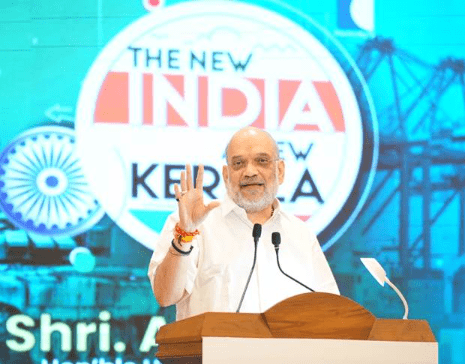
Wednesday, April 29, 2026
Home Blog Page 139

BMC Poll Duty Crackdown: Shocking Action Against 6,871 Officials

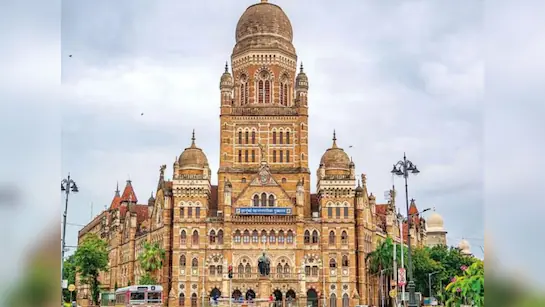
Maharashtra – The Brihanmumbai Municipal Corporation has initiated unprecedented action regarding BMC poll duty, issuing show-cause notices to 6,871 officials and employees for failing to fulfill their assigned election responsibilities. This stern measure comes just days before the scheduled BMC elections on Thursday, highlighting authorities’ determination to ensure adequate staffing for the crucial democratic exercise. The crackdown on BMC poll duty absenteeism represents one of the largest disciplinary actions taken by Mumbai’s civic body against its workforce.

Scale of Absenteeism and Response

Out of the 6,871 officials who initially failed their BMC poll duty obligations, 2,350 eventually reported for election-related work after receiving notices. However, action has been initiated against the remaining 4,521 individuals who repeatedly ignored instructions to attend mandatory training sessions or perform their assigned duties. These officials demonstrated persistent negligence regarding their BMC poll duty responsibilities despite multiple opportunities to comply with election-related directives.

Police action against these BMC poll duty defaulters will commence on Monday, marking an escalation in consequences for those who shirk their constitutional obligations. This represents a significant departure from previous practices where election duty absenteeism often went unpunished or received minimal administrative reprimand.

Constitutional and Legal Mandate Emphasized

Additional Municipal Commissioner (City) Dr. Ashwini Joshi, who ordered the crackdown on BMC poll duty violations, emphasized that participation in election duty constitutes both a constitutional obligation and a legal mandate for government employees. “All officials and employees must immediately accept and sincerely perform their assigned election duties. Failure to do so will invite strict legal and administrative action,” she declared.

This statement underscores that BMC poll duty is not optional or discretionary for civic employees but rather a fundamental responsibility that comes with government service. The constitutional framework supporting free and fair elections depends heavily on government machinery fulfilling these obligations without exception.

High-Level Review Meeting Drives Decision

The decision to take strict action regarding BMC poll duty defaulters emerged from a high-level review meeting held at BMC headquarters on January 11. Senior civic officials attended this critical session, where the scale of absenteeism was assessed and appropriate responses determined. The meeting revealed the extent of non-compliance with BMC poll duty requirements, prompting authorities to adopt a zero-tolerance approach.

With polling scheduled for Thursday and vote counting set for January 16, officials recognized that robust workforce participation in BMC poll duty was essential to conducting smooth, credible elections for India’s richest municipal corporation.

Also Read: Pact With AIMIM: Shocking Alliance Between NCP And Shiv Sena

Multi-Phase Training and Final Opportunities

Election training for BMC poll duty was conducted in two phases, providing officials multiple opportunities to fulfill their obligations. Employees who missed both initial training sessions received a final opportunity to attend on January 10. This three-phase approach demonstrated authorities’ willingness to accommodate officials while maintaining training standards necessary for effective BMC poll duty performance.

Those who failed to report even for this final training session now face comprehensive disciplinary proceedings. The phased approach ensures that officials cannot claim ignorance or cite scheduling conflicts as excuses for BMC poll duty non-compliance.

Comprehensive Disciplinary Measures

Officials who continue shirking their BMC poll duty responsibilities face a multi-pronged disciplinary response. Consequences include police action, registration of criminal offenses, monetary penalties, and departmental inquiries. This comprehensive approach ensures that BMC poll duty violations carry meaningful consequences that will deter future non-compliance.

The severity of these measures reflects authorities’ determination to establish that election duty represents a serious obligation that cannot be ignored without significant personal and professional repercussions. The combination of legal, financial, and administrative penalties creates a robust deterrent framework.

Beyond BMC: Multi-Agency Involvement

The BMC poll duty requirements and subsequent crackdown extend beyond civic body employees to encompass staff from numerous government and semi-government organizations. Affected agencies include nationalized banks, BEST, BSNL, HPCL, insurance companies, LIC, MHADA, MTNL, the postal department, railways, RCF, NABARD, and various other governmental bodies.

This broad scope reflects the massive human resource requirements for conducting elections in Mumbai, where BMC poll duty necessitates mobilizing personnel from across the public sector ecosystem. The multi-agency approach ensures adequate staffing across thousands of polling stations serving the city’s vast electorate.

Electoral Scale and Workforce Requirements

With more than 1.03 crore voters expected to cast ballots in the BMC elections, Additional Municipal Commissioner Joshi emphasized that a robust and disciplined workforce was absolutely essential. “There will be zero tolerance for negligence or disobedience of election-related orders,” she stated, highlighting the critical importance of BMC poll duty compliance.

The sheer scale of the electoral exercise—involving over 10 million voters—makes reliable workforce participation in BMC poll duty non-negotiable. Even minor staffing shortages could create bottlenecks, delays, or administrative failures that might compromise the election’s integrity.

Ensuring Free and Fair Elections

The strict enforcement of BMC poll duty obligations directly serves the fundamental democratic goal of ensuring free, fair, and transparent elections. Dr. Joshi explicitly linked workforce discipline to electoral integrity, recognizing that well-trained, committed personnel form the backbone of credible democratic processes.

BMC poll duty violations don’t merely represent administrative infractions; they potentially undermine the constitutional right of citizens to participate in genuine democratic elections. This connection between individual duty compliance and collective democratic rights justifies the stern measures being implemented.

Precedent and Future Implications

The aggressive stance on BMC poll duty enforcement may establish important precedents for future elections. By demonstrating willingness to impose serious consequences for non-compliance, authorities send a clear message that election duty represents an inviolable obligation for government employees. This approach could reduce absenteeism in subsequent elections as the consequences of BMC poll duty violations become widely understood across the public sector workforce.
Guru Tegh Bahadur Remarks Controversy: Explosive Political Clash Erupts

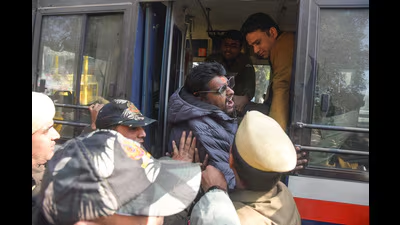
New Delhi – A major political controversy surrounding Guru Tegh Bahadur remarks has engulfed Delhi’s political landscape, resulting in detentions, protests, and cross-border police action. Several Aam Aadmi Party workers and MLA Saurabh Bhardwaj were briefly detained during a demonstration near the Bharatiya Janata Party headquarters on DDU Marg in central Delhi. The dispute over alleged Guru Tegh Bahadur remarks centers on a January 6 Delhi Assembly debate that has now triggered parallel FIRs, forensic video examinations, and intense political mudslinging between the ruling BJP and opposition AAP.

Origins in Assembly Proceedings

The controversy over Guru Tegh Bahadur remarks began during the Winter Session of the Delhi Assembly on January 6, when legislators discussed the 350th Martyrdom Anniversary of Sri Guru Tegh Bahadur. During this session, ruling BJP members accused Leader of the Opposition Atishi of using “insensitive words” regarding the revered Sikh guru and demanded an immediate apology. The AAP vehemently denied these allegations, claiming the BJP was making “false claims” and deliberately creating controversy around the Guru Tegh Bahadur remarks.

The session descended into chaos as both parties traded accusations, with Atishi subsequently absent from house meetings on following days. The party explained she was in Goa, while the political firestorm over the Guru Tegh Bahadur remarks continued to intensify.

BJP Escalates With Video Evidence

Delhi BJP president Virendra Sachdeva escalated the Guru Tegh Bahadur remarks controversy on Sunday by sharing what he claimed was video evidence of Atishi speaking against the Sikh guru. At a press conference, Sachdeva challenged AAP to file an FIR against him, stating: “Delhi minister Kapil Mishra had shared the video clip related to Atishi Marlena’s controversial statement during the assembly proceedings, following which the AAP government in Punjab got an FIR registered against him.”

Sachdeva argued that since the incident occurred in the Delhi Assembly, only the Speaker could take cognizance of the matter. He criticized Punjab government’s intervention in the Guru Tegh Bahadur remarks dispute as procedurally improper and politically motivated.

AAP’s Counter-Protest and Allegations

Led by Saurabh Bhardwaj, AAP workers staged a protest near BJP headquarters, categorically rejecting the Guru Tegh Bahadur remarks allegations and claiming the circulated video was “doctored.” The party turned the tables, accusing BJP leaders of actually disrespecting Guru Tegh Bahadur and other Sikh gurus through their manipulated content.

Also Read: Capital Expenditure: Massive Rs. 2,100 Crore Boost In Revised Delhi Budget

Speaking at the protest site, Bhardwaj demanded an apology from Chief Minister Rekha Gupta regarding the Guru Tegh Bahadur remarks controversy. “It has been proven that BJP minister Kapil Mishra inserted false words in Atishi’s video and attempted to vitiate religious harmony in the country. Action should be taken against them,” Bhardwaj declared.

Delhi police detained approximately 20 protesters, including the MLA, though all were released within hours. No FIR was registered against the demonstrators protesting the Guru Tegh Bahadur remarks allegations.

Forensic Examination Ordered

Assembly Speaker Vijender Gupta formally directed that video footage containing the disputed Guru Tegh Bahadur remarks be sent for forensic examination, seeking a comprehensive report within 15 days. This technical analysis aims to determine whether the video evidence has been altered or authentically represents what transpired during the assembly session.

The forensic investigation represents a critical juncture in resolving the Guru Tegh Bahadur remarks controversy, potentially providing definitive evidence about video manipulation claims.

Punjab Police Intervention

In a dramatic development, Punjab Police registered an FIR against Delhi minister Kapil Mishra on Friday for posting the controversial video related to Guru Tegh Bahadur remarks. Police authorities in the AAP-governed state declared the video “doctored” and “edited,” providing Atishi what BJP termed a “clean chit” before forensic examination results were available.

This cross-border police action regarding Guru Tegh Bahadur remarks triggered immediate backlash from the Delhi Assembly, which issued formal privilege notices to Punjab’s Director General of Police, special DGP of cyber cell, and Jalandhar’s police commissioner.

Breach of Privilege Claims

The Delhi Assembly characterized Punjab Police’s FIR regarding Guru Tegh Bahadur remarks as a breach of legislative privilege. The formal notices questioned Punjab authorities’ jurisdiction to investigate and prosecute matters arising from Delhi Assembly proceedings without appropriate coordination or respect for parliamentary procedures.

BJP spokesperson Praveen Shankar Kapoor stated that since the Guru Tegh Bahadur remarks issue relates to Sikhs and Punjab, AAP national convenor Arvind Kejriwal attempted to suppress the matter by claiming video manipulation. He suggested political calculations rather than truth-seeking motivated AAP’s response.

Weak Protest Turnout Noted

Despite AAP’s strong rhetoric about the Guru Tegh Bahadur remarks controversy, observers noted poor turnout at their protest near BJP headquarters. According to BJP sources, the party could barely mobilize around 100 workers for the demonstration, with most AAP MLAs notably absent from the protest organized in Atishi’s support.

This weak showing raised questions about internal party cohesion regarding the Guru Tegh Bahadur remarks defense strategy and whether AAP legislators privately harbor concerns about their leader’s actual statements.

Competing Narratives and Religious Sensitivity

The Guru Tegh Bahadur remarks controversy highlights how religious sentiments intersect with political warfare in contemporary Indian politics. Both parties invoke the ninth Sikh Guru’s martyrdom and legacy while accusing opponents of disrespect, creating competing narratives that complicate public understanding.

BJP maintains that Atishi made insensitive Guru Tegh Bahadur remarks requiring apology, while AAP insists the entire controversy stems from deliberately doctored videos designed to create communal discord. Sachdeva emphasized that AAP’s attempt to characterize edited footage as authentic represents an effort to “vitiate religious harmony.”

Awaiting Forensic Clarity

As the Guru Tegh Bahadur remarks dispute continues, all parties await the Speaker’s forensic examination report. This technical analysis will potentially resolve whether video manipulation occurred or whether Atishi’s actual words sparked legitimate controversy. Until then, the political storm surrounding Guru Tegh Bahadur remarks will likely continue generating protests, counter-protests, and escalating rhetoric between Delhi’s principal political adversaries.

Digital Arrest Scam Exposed: Shocking 16-Day Ordeal Costs Rs.14 Crore

0

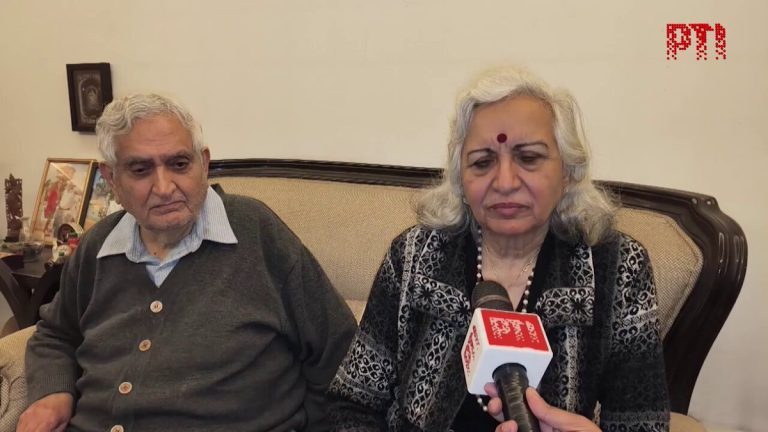
New Delhi – An elderly NRI doctor couple in Delhi became victims of an elaborate digital arrest scam that resulted in the loss of nearly ₹14 crore, their entire life savings. Om Taneja, 81, and his wife Indira Taneja, 77, both medical professionals who returned to India from the United States in 2015, were confined to their Greater Kailash II residence for 16 days while fraudsters subjected them to relentless mental torture and surveillance. This digital arrest scam represents one of the most prolonged and financially devastating cases of cyber fraud reported in the national capital.

Initial Contact and Threatening Claims

The digital arrest scam began on December 24, 2025, when Indira Taneja received a call from individuals identifying themselves as officials from the Telecom Regulatory Authority. The fraudsters claimed that 26 complaints had been filed against her phone number, alleging it was being used for illegal activities and sending obscene messages. This initial contact set the stage for what would become a harrowing digital arrest scam lasting over two weeks.

“They told me that the couple was involved in a money laundering case, which had become a matter of ‘national security,'” Indira recounted. The sophisticated digital arrest scam exploited the couple’s fear, particularly given that Om had recently undergone surgery and his health was being monitored by doctors.

Escalation Through Fake Law Enforcement

The digital arrest scam intensified when fraudsters threatened that officers from Mumbai’s Colaba police station would contact the couple. Shortly thereafter, a man posing as officer “Vikrant Singh Rajput” connected with Indira via video call, adding perceived legitimacy to the digital arrest scam. The impersonator claimed the couple held bank accounts at Canara Bank in Mumbai, which Indira denied, explaining they only maintained joint accounts.

The perpetrators of this digital arrest scam then linked the couple’s supposed case to the high-profile Naresh Goyal money laundering investigation, further pressuring the victims by associating them with a nationally recognized financial crime case. This tactic is common in digital arrest scam operations, where fraudsters reference real cases to intimidate victims.

Constant Surveillance and Isolation

Throughout the 16-day digital arrest scam, the fraudsters maintained continuous surveillance over the couple through video calls and messages. “They made me write letters to the Supreme Court and other agencies, and told us not to talk to anyone,” Indira revealed. This isolation tactic is a hallmark of digital arrest scam methodology, designed to prevent victims from seeking outside help or verification.

The couple’s friends, lawyers, and relatives attempted to contact them throughout the Christmas and New Year period, but the digital arrest scam perpetrators forbade any communication. “My friends, lawyers, relatives kept calling me from Christmas till New Year, but we were not allowed to talk,” Indira stated, highlighting the complete control fraudsters exercised during this digital arrest scam.

Monitored Communications With Family

Even when the couple was permitted to speak with their children in the United States, the digital arrest scam operators monitored every conversation. “The suspects monitored all our voice and text conversations, and kept threatening us not to talk to anyone,” Indira explained. This level of surveillance demonstrates the sophisticated nature of modern digital arrest scam operations, where fraudsters maintain psychological control through constant monitoring.

Financial Devastation and Coerced Transfers

The financial impact of this digital arrest scam proved catastrophic for the retired doctors. Over 16 days, the couple was coerced into transferring their entire life savings, including fixed deposits and mutual funds, totaling approximately ₹14 crore. Police confirmed that eight separate transactions were made to seven different bank accounts controlled by the digital arrest scam perpetrators.

The couple transferred funds accumulated over decades of medical practice and prudent savings, believing they were protecting themselves from prosecution and potential imprisonment. This digital arrest scam exploited their vulnerability, medical concerns, and unfamiliarity with such sophisticated fraud schemes.

Threats and Intimidation Tactics

The digital arrest scam operators employed various intimidation tactics to maintain control. When the couple’s driver arrived at their residence with X-ray reports, it angered the fraudsters. “They said we could not have anyone in the house or there could be serious consequences,” Indira recalled. This incident illustrates how the digital arrest perpetrators enforced complete isolation, threatening severe repercussions for any deviation from their instructions.

National Security Narrative

Central to this digital arrest was the repeated invocation of “national security threats.” The fraudsters weaponized this concept, warning that the couple’s life was in danger and that their case involved matters of national importance. This psychological manipulation tactic made the digital arrest scam particularly effective, as victims feared both legal prosecution and physical harm.

Also Read: Umar Khalid: MEA’s Sharp Response To NYC Mayor’s Controversial Letter

Police Investigation Underway

Delhi Police have registered an FIR with the Special Cell and launched an investigation into this elaborate digital arrest. However, police officials stated they have yet to identify the suspects behind the fraud. The sophisticated nature of this digital arrest scam, involving multiple perpetrators, fake identities, coordination across different communication platforms, and numerous bank accounts, presents significant investigative challenges.

Social Impact and Community Involvement

The victims of this digital arrest were respected members of their community, actively involved in social work since returning to India. Their professional background as doctors and their engagement in community service made them unlikely targets in conventional thinking, yet the digital arrest scam proved that no demographic is immune to such sophisticated cyber fraud operations.

Trump Threatens Cuba: Explosive Ultimatum Over Oil and Money Flow

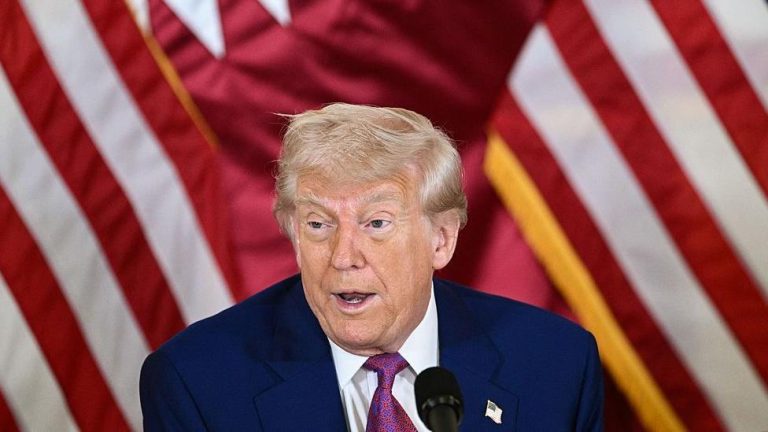
Washington D.C. – United States President Donald Trump threatens Cuba with an unprecedented ultimatum, demanding the island nation negotiate a deal with Washington “before it’s too late.” The stark warning came Sunday as Trump declared that no oil or money would flow to Cuba unless they comply with American demands. This aggressive stance marks a dramatic escalation in US-Cuba relations and follows recent military action in Venezuela that has fundamentally altered regional dynamics.

Complete Economic Cutoff Threatened

In a characteristically forceful Truth Social post written entirely in capital letters, Trump threatens Cuba with total economic isolation. “THERE WILL BE NO MORE OIL OR MONEY GOING TO CUBA – ZERO! I strongly suggest they make a deal, BEFORE IT IS TOO LATE,” the President wrote, leaving no ambiguity about his intentions. This represents one of the most severe threats directed at Cuba by an American president in recent decades.

Historical Context of Cuba-Venezuela Alliance

Trump threatens Cuba while referencing the island’s long-standing relationship with Venezuela, claiming Cuba “lived” on “large amounts of oil and money” from Venezuela “for many years.” The President alleged that in exchange for Venezuelan oil and financial support, Cuba provided “security services” for what he termed the last two Venezuelan “dictators.” This security arrangement, according to Trump, involved Cuban personnel protecting Venezuelan leadership from internal and external threats.

Aftermath of US Military Action

The context in which Trump threatens Cuba relates directly to recent US military intervention in Venezuela. The President claimed that “most of those Cubans are DEAD from last week’s U.S.A. attack,” referring to alleged Cuban security personnel killed during American operations. Trump declared “BUT NOT ANYMORE!” indicating the end of Cuba’s protective role in Venezuela and the termination of oil and financial flows that sustained this relationship.

Venezuela Under US Protection

Following the military action, Trump threatens Cuba while simultaneously promising American protection for Venezuela. “Venezuela now has the United States of America, the most powerful military in the World (by far!), to protect them, and protect them we will,” he wrote. This statement suggests a fundamental realignment of regional power structures, with the US replacing Cuba as Venezuela’s primary external security guarantor.

Marco Rubio Cuba Speculation

Adding another provocative dimension to how Trump threatens Cuba, the President shared a screenshot suggesting that Secretary of State Marco Rubio could become “President of Cuba.” When confronted with a post reading “Marco Rubio will be President of Cuba” followed by a laughing emoji, Trump responded “Sounds good to me!” This endorsement, whether serious or facetious, represents an extraordinary statement about potential regime change in Havana.

Also Read: Take Greenland: Explosive Reasons Behind Trump’s Controversial Push

Cuban President’s Defiant Response

Cuban President Miguel Díaz-Canel Bermúdez responded defiantly after Trump threatens Cuba, though carefully avoiding direct mention of the American President. “They have no moral authority to point fingers at Cuba on anything, absolutely anything, those who turn everything into a business, even human lives,” Díaz-Canel wrote on social media platform X.

The Cuban leader blamed severe economic shortages on “draconian measures of extreme strangulation that the U.S. has been applying to us for six decades” and suggested conditions would now worsen. He emphasized Cuban sovereignty, declaring: “#Cuba is a free, independent, and sovereign nation. No one dictates what we do.”

Revolutionary Rhetoric and Resistance

Díaz-Canel’s response to how Trump threatens Cuba included traditional revolutionary rhetoric. “Cuba does not aggress; it is aggressed upon by the United States for 66 years, and it does not threaten; it prepares, ready to defend the Homeland to the last drop of blood,” he proclaimed. This language invokes Cuba’s long history of resistance to American pressure and suggests Havana will not easily capitulate to Trump’s demands.

Venezuela Releases Political Prisoners

The regional transformation following which Trump threatens Cuba includes the release of political prisoners in Venezuela. Opposition leader María Corina Machado’s party members were among those freed Saturday, representing a significant political development. Trump claimed credit for this outcome, stating Venezuela “has started the process, in a BIG WAY, of releasing their political prisoners.”

Trump’s Warning to Released Prisoners

Even as Trump threatens Cuba, he also issued warnings to newly freed Venezuelan prisoners. “I hope those prisoners will remember how lucky they got that the USA came along and did what had to be done. I HOPE THEY NEVER FORGET! If they do, it will not be good for them,” Trump declared, suggesting consequences for anyone who fails to appreciate American intervention.

Regional Power Dynamics Shift

The way Trump threatens Cuba reflects broader changes in Latin American geopolitics. The severing of Cuba-Venezuela ties, combined with American military presence in Venezuela and threats of complete economic isolation for Cuba, represents a dramatic reconfiguration of regional alliances. The decades-old partnership between Havana and Caracas, built on oil exports and security cooperation, appears to have ended abruptly.

Implications for US-Cuba Relations

As Trump threatens Cuba with unprecedented severity, questions arise about the future of bilateral relations. The complete cutoff of oil and money flows would intensify already severe economic hardships facing the Cuban population. Whether Havana will negotiate under such pressure or maintain its defiant stance remains uncertain. The President’s ultimatum creates a critical diplomatic crossroads, with Trump demanding Cuban capitulation while Díaz-Canel vows to defend sovereignty “to the last drop of blood.” This high-stakes confrontation will significantly influence Caribbean and Latin American politics for years to come.

Sikh Procession New Zealand Disrupted: Shocking Haka Protest Returns

New Zealand – A Sikh procession New Zealand event faced confrontation for the second time in less than a month when right-wing protesters disrupted the annual Nagar Kirtan celebration in Tauranga city on Sunday, January 11. The religious procession, organized to commemorate the birth anniversary of Guru Gobind Singh, the tenth Sikh master, encountered opposition from a Christian group led by Pentecostal leader Brian Tamaki and his Destiny Church organization. This repeated targeting of the Sikh procession New Zealand has triggered deep concern among Sikh bodies globally, including the Shiromani Gurdwara Parbandhak Committee in Amritsar.

Details of the Tauranga Incident

The Sikh procession New Zealand began at 11 am on Sunday from the Gurdwara Sikh Sangat temple in Tauranga, located approximately 225 kilometers from Auckland. The procession followed its planned route toward Tauranga Boys’ College via Cameron Road, with participants peacefully observing their religious traditions. Despite enhanced security arrangements implemented by local police who had anticipated potential disruptions, members of the right-wing group managed to confront the procession.

Haka Performance as Protest Tool

Protesters linked to Brian Tamaki’s Destiny Church performed the traditional Maori haka, a tribal dance, directly in front of the Sikh procession New Zealand participants. The demonstrators carried banners with provocative messages reading “This is New Zealand not India,” attempting to challenge the community’s right to practice their religious customs. Tamaki shared video footage of the confrontation on social media with captions declaring “WHOSE STREETS? KIWI STREETS” and “The True Patriots Are Not Backing Down.”

In his social media post, Tamaki stated: “Today in Tauranga, our True Patriots answered the Sikh Parade with a haka…not violence, not silence, but peaceful defiance. Our chant rang out across our streets: ‘Whose streets? OUR streets. Whose streets? KIWI streets.” This rhetoric framed the Sikh procession New Zealand as somehow incompatible with local culture.

Previous Auckland Confrontation

Nearly three weeks before this incident, the same right-wing group had confronted another Sikh procession New Zealand in Auckland. That earlier parade commemorated the martyrdom of the Sahibzadas, the sons of Guru Gobind Singh. The Auckland confrontation sparked significant tensions within the local Sikh community and drew sharp reactions from prominent leaders, including Punjab Chief Minister Bhagwant Mann, the Akal Takht jathedar, and the Shiromani Gurdwara Parbandhak Committee.

Effective Security Prevents Major Escalation

Anticipating potential disruptions to the Sikh procession New Zealand, local police had substantially increased security arrangements throughout Tauranga. The enhanced deployment of law enforcement personnel, combined with effective coordination between police and volunteer organizers, ensured the event concluded without major untoward incidents. Despite the provocative confrontation, the security measures prevented the situation from escalating into violence or significant chaos.

SGPC President Issues Strong Condemnation

Harjinder Singh Dhami, president of the Shiromani Gurdwara Parbandhak Committee, issued a forceful condemnation of the opposition faced by the Sikh procession New Zealand. He emphasized that the Nagar Kirtan was peacefully organized by Sikhs in accordance with established religious traditions and posed no threat to public order or local culture.

Dhami expressed profound disappointment that such incidents have now occurred twice in New Zealand, stating: “Viewing the religious traditions of the Sikh community — which has always made an exemplary contribution to strengthening global brotherhood — with a hateful mindset is completely unacceptable.”

Also Read: Iran Protests Escalate: President Offers Talks as Deaths Surpass 500

Religious Freedom and Social Harmony Concerns

The SGPC chief characterized the disruption of the Sikh procession New Zealand as an attack on fundamental values. “Nagar Kirtan is a sacred religious tradition of Sikhism, and opposing it is not only an attack on the humanitarian values of the Sikh faith but also a challenge to social harmony and mutual coexistence,” Dhami declared.

He highlighted the Sikh community’s consistent record of peaceful coexistence worldwide, noting: “Sikh community living in every country has always coexisted peacefully with local people and has consistently respected the laws and culture of the host nations. Despite this, deliberately preventing Sikhs from practicing their religion is highly disappointing.”

Global Sikh Community Contribution

The disruptions targeting the Sikh procession New Zealand stand in stark contrast to the community’s historical contributions to their adopted countries. Sikh communities globally have established reputations for civic engagement, charitable work, and respect for local laws and customs. The Nagar Kirtan processions represent peaceful religious observances that have been conducted in numerous countries without incident for decades.

Appeals for Government Intervention

In response to the repeated confrontations facing the Sikh procession New Zealand events, SGPC President Dhami appealed to both the New Zealand and Indian governments to take serious notice of the matter. He called for strict action against those responsible for deliberately disrupting religious observances and threatening social harmony.

Implications for Religious Pluralism

The repeated targeting of the Sikh procession New Zealand raises broader questions about religious freedom and multicultural coexistence in New Zealand society. The incidents test the country’s commitment to protecting minority religious practices and preventing hate-motivated disruptions of peaceful religious celebrations.

Community Resilience and Future Outlook

Despite facing two confrontations within three weeks, the Sikh community in New Zealand has demonstrated remarkable resilience and commitment to continuing their religious traditions peacefully. The successful completion of the Tauranga Sikh procession New Zealand, despite opposition, reflects both community determination and effective law enforcement support in protecting religious freedom rights.

Iran Protests Escalate: President Offers Talks as Deaths Surpass 500

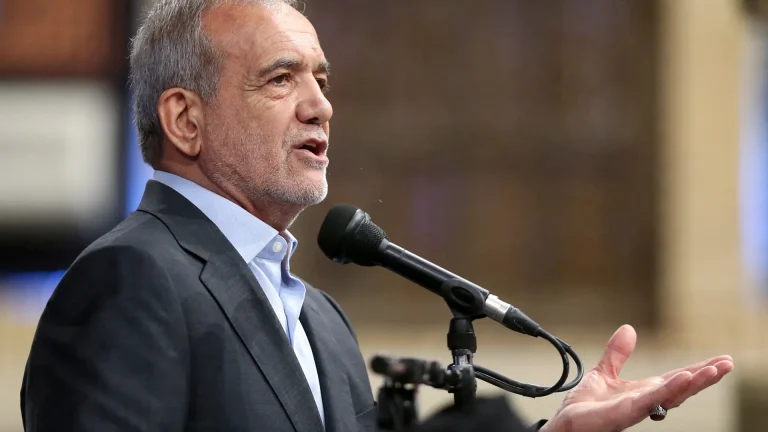
Iran – Iranian President Masoud Pezeshkian has finally addressed the nation regarding the ongoing Iran protests that have shaken the country for weeks. Speaking on state television Sunday, this marked the first time the President commented publicly after three consecutive nights of intensified demonstrations against the clerical government. His statement came as the death toll from Iran protests crossed 538 people since the agitation began last month, according to activist reports.

Dual Approach: Dialogue With Conditions

President Pezeshkian adopted a measured tone during his state television interview, acknowledging that “protesting is the people’s right” while simultaneously drawing a sharp distinction between legitimate protesters and what the government labels as “rioters.” His approach to the Iran protests reflects the administration’s attempt to balance acknowledging public grievances while maintaining control over what officials characterize as externally supported disruption.

“If people have a concern we will hear them, it is our duty to hear them and solve their problems,” Pezeshkian stated, extending an olive branch to demonstrators. However, he immediately qualified this offer by adding, “However, our highest duty is to not allow rioters to come and disrupt the society.”

The Rioters Caveat and Foreign Interference Claims

The Iranian President maintained the government’s consistent narrative regarding the Iran protests, alleging that certain elements within the demonstrations are backed by the United States and Israel. Pezeshkian urged Iranians to “come together and not let these people riot” on the streets, emphasizing that citizens should believe the government’s intention to establish justice.

“They have taken some people here inside and abroad and trained them. They brought terrorists in from abroad into the country,” Pezeshkian claimed, referring to those he accused of setting a mosque on fire as “not human.” He specifically alleged that the United States and Israel are “trying to escalate this unrest with regard to the economic discussion and solutions we are working on.”

Origins and Evolution of Iran Protests

The Iran protests erupted on December 28 in several markets across capital Tehran, initially focused on economic grievances. Citizens took to the streets expressing frustration over rising inflation and the dramatically falling value of the Iranian Rial. What began as localized economic demonstrations quickly evolved into broader anti-government sentiment.

University students soon joined the Iran protests, amplifying the movement’s scope and intensity. The participation of educated youth transformed the nature of the demonstrations, adding demands beyond immediate economic relief to include broader systemic concerns about governance and civil liberties.

Also Read: Iran Unrest: Urgent Plea From Reza Pahlavi To Trump For Intervention

Thursday’s Massive Escalation

The Iran protests reached unprecedented levels on Thursday when massive crowds flooded streets across multiple cities. This escalation coincided with exiled prince Reza Pahlavi’s call for stronger demonstrations against the government of Supreme Leader Ayatollah Ali Khamenei. The convergence of domestic frustration and external encouragement created a perfect storm that prompted the government’s harsh response.

Government Crackdown and Communication Blackout

Faced with intensifying Iran protests, authorities implemented severe measures to control the situation. The government severed internet and telephone lines, effectively pushing Iran into a communication blockade. This digital shutdown aimed to prevent coordination among protesters and limit information flow to the outside world.

Despite these restrictions, videos from Iran protests continue surfacing online, likely transmitted through Starlink satellite technology. Footage from Mashhad, Iran’s second-largest city, shows protesters directly confronting security forces, illustrating the demonstrations’ confrontational nature.

Arrests and Human Rights Concerns

US-based Human Rights Activists News Agency reported that over 200 individuals, including women and children, have been violently arrested by police during the Iran protests. The organization documented that protest patterns in Tehran have evolved into “scattered, short-lived, and fluid gatherings” designed to evade the heavy security force presence.

“Reports were received of surveillance drones flying overhead and movements by security forces around protest locations, indicating ongoing monitoring and security control,” the agency stated, highlighting the government’s comprehensive surveillance apparatus deployed against Iran protests.

Supreme Leader’s Hardline Stance

Supreme Leader Ayatollah Ali Khamenei issued a stern warning last week, declaring that “rioters must be put in their place.” This hardline position from Iran’s ultimate authority figure contrasts somewhat with President Pezeshkian’s more conciliatory rhetoric, though both maintain the distinction between legitimate protesters and alleged foreign-backed agitators.

State Media Counter-Narrative

Iranian state television attempted to project normalcy Sunday morning by broadcasting correspondents from various cities showing calm areas with visible date stamps. Notably, Tehran and Mashhad—epicenters of the Iran protests—were conspicuously excluded from this reassurance campaign, suggesting authorities acknowledge the ongoing volatility in these critical urban centers.

Historical Context and Future Implications

The Iran protests occur against the backdrop of the clerical government established following the Islamic Revolution in 1979, which ousted the last Shah. Current demonstrations represent one of the most significant challenges to the regime’s authority in recent years, combining economic desperation with broader political dissatisfaction.

The Road Ahead

As Iran protests continue despite government crackdowns, President Pezeshkian’s offer of dialogue represents a potential pathway toward de-escalation. However, his qualification about “rioters” and the regime’s continued arrests and internet shutdowns suggest the government remains unwilling to address demonstrators’ fundamental concerns without maintaining strict control parameters. The coming days will reveal whether dialogue can bridge the widening gap between Iran’s government and its increasingly frustrated population.

Pakistan Drones Alert: Urgent Security Operations Along J&K Border

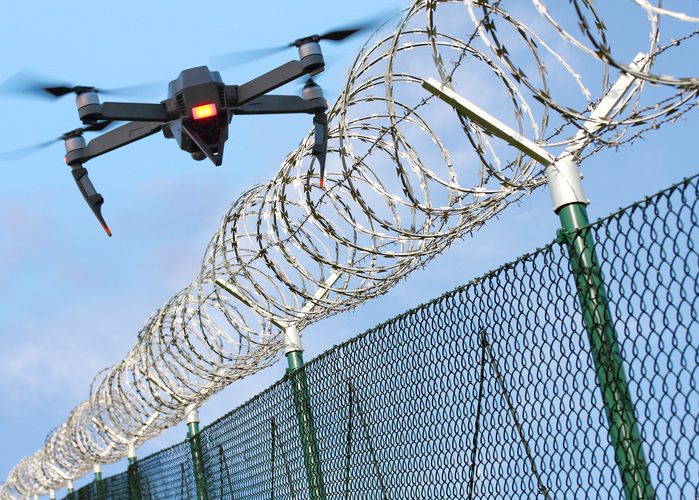
Jammu & Kashmir – Security forces detected suspected Pakistan drones hovering over several strategic areas along the International Border and Line of Control in Jammu and Kashmir on Sunday evening. The incidents, reported across Samba, Rajouri, and Poonch districts, have prompted immediate search operations and heightened security vigilance along the entire border region. Officials confirmed that all flying objects originated from Pakistani territory before returning after brief surveillance over Indian areas.

Coordinated Drone Activity Across Multiple Sectors

The detection of Pakistan drones occurred almost simultaneously across different border sectors, suggesting a coordinated surveillance operation. Security personnel stationed at various points along the border observed these unmanned aerial vehicles between 6:25 pm and 7:15 pm, with each incident lasting several minutes. The pattern of movements and timing has raised serious concerns among security agencies about potential infiltration attempts or reconnaissance activities.

Nowshera Sector Incident and Military Response

In the Nowshera sector along the Line of Control in Rajouri, army personnel responded decisively when they observed Pakistan drones movement over Gania-Kalsian village around 6:35 pm. Troops immediately opened fire using machine guns to counter the aerial threat. This prompt military response demonstrates the heightened state of alert maintained by security forces along the volatile border region, where any unauthorized aerial activity is treated as a potential security breach.

Rajouri District Records Second Sighting

Another Pakistan drones sighting was reported in Khabbar village within the Teryath area of Rajouri district at approximately 6:35 pm. Officials described observing a flying object equipped with a blinking light that approached from the direction of Dharmsal village in Kalakote. The drone subsequently moved toward Bharakh, following a deliberate flight path that suggested planned surveillance rather than random movement. Security forces tracked the object’s trajectory before it returned to Pakistani territory.

Samba Sector Experiences Prolonged Hovering

The Ramgarh sector of Samba witnessed Pakistan drones activity around 7:15 pm when a drone-like object with blinking lights was observed hovering for several minutes over Chak Babral village. This prolonged hovering raised particular concern among security officials, as extended surveillance periods typically indicate detailed reconnaissance operations. The incident occurred in an area that has previously witnessed cross-border smuggling attempts and infiltration activities.

Poonch District Reports Earlier Detection

Poonch district recorded the earliest Pakistan drones sighting of the evening at 6:25 pm. Security personnel observed a drone-like object moving from the direction of Tain toward Topa in the Mankote sector, located along the Line of Control. The Mankote sector represents a strategically sensitive area where security forces maintain constant vigilance against infiltration attempts and cross-border violations.

Pattern of Cross-Border Drone Operations

The simultaneous detection of Pakistan drones across multiple sectors indicates a systematic approach to aerial surveillance along the International Border and Line of Control. Security experts suggest that such coordinated operations could serve multiple purposes, including testing Indian response mechanisms, conducting reconnaissance for future operations, or facilitating smuggling and infiltration activities. The brief duration of each incursion suggests operators are attempting to gather intelligence while minimizing detection and interception risks.

Recent Arms Recovery Links to Drone Activity

The Sunday evening Pakistan drones incidents gain additional significance when viewed against recent arms recovery operations. On Friday night, security forces recovered a weapons consignment in Paloora village of Ghagwal near the international border in Samba district. Officials confirmed the arms cache was dropped by a drone originating from Pakistan. The recovery included two pistols, three magazines, sixteen rounds of ammunition, and one grenade, establishing a clear link between drone operations and weapon smuggling activities.

Comprehensive Ground Search Operations Launched

Following the multiple Pakistan drones sightings, security forces immediately launched extensive ground search operations across all affected areas. These operations aim to locate any dropped contraband, identify potential landing zones, and ensure no infiltrators have entered Indian territory under cover of drone activity. Search teams are employing advanced detection equipment and conducting thorough area domination exercises to secure the border regions.

Also Read: Umar Khalid: MEA’s Sharp Response To NYC Mayor’s Controversial Letter

Enhanced Security Measures Implemented

The recurring Pakistan drones incidents have prompted security agencies to enhance surveillance and response protocols along the entire Jammu and Kashmir border. Additional troops have been deployed to vulnerable sectors, and anti-drone technology systems are being positioned strategically. Intelligence gathering efforts have been intensified to anticipate and counter future drone operations effectively.

Strategic Implications for Border Security

The persistent use of Pakistan drones for cross-border operations presents evolving challenges for Indian security forces. These unmanned aerial vehicles provide adversaries with low-risk reconnaissance capabilities and smuggling mechanisms that traditional border security measures struggle to counter comprehensively. The incidents underscore the critical need for advanced counter-drone technologies and integrated surveillance systems along the International Border and Line of Control.

Ongoing Vigilance and Future Preparedness

Security forces remain on high alert following the multiple Pakistan drones sightings, maintaining round-the-clock surveillance across all border sectors. The coordinated response demonstrated on Sunday evening reflects improved preparedness and inter-agency coordination in addressing aerial threats. As drone technology becomes increasingly accessible and sophisticated, Indian security establishments continue adapting their defensive strategies to protect territorial integrity and prevent cross-border criminal activities.

Heater-Related Deaths Surge: Critical Winter Safety Guide for India

New Delhi – As North India experiences one of its harshest winters, heater-related deaths have emerged as a devastating crisis affecting families from urban apartments to rural villages. The biting cold has driven people to use various heating devices, but improper usage is transforming these life-saving appliances into fatal hazards. Recent weeks have witnessed a alarming surge in tragedies, with entire families losing their lives while seeking warmth during frigid nights.

Recent Tragedies Across Multiple States

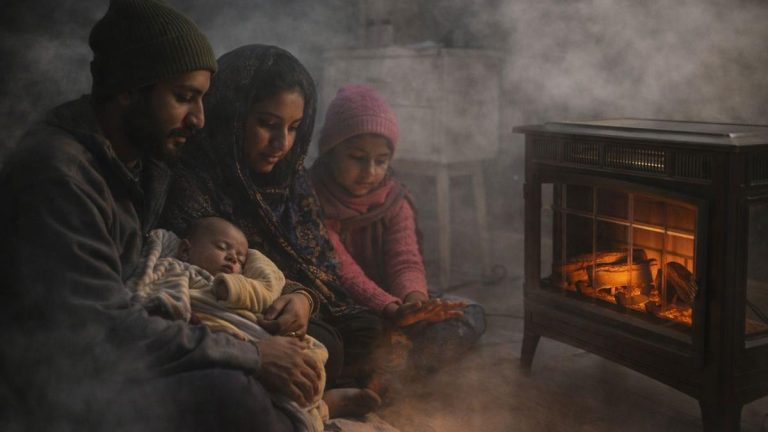
The scale of heater-related deaths has shocked communities nationwide. In Punjab’s Tarn Taran, a young couple and their month-old infant succumbed to asphyxiation after sleeping with a brazier in a completely sealed room. The family had closed all doors and windows to retain heat, unknowingly creating a death trap.

Delhi’s Mukundpur area witnessed another heartbreaking incident where a family of three perished in a fire. An engineer with the Delhi Metro Rail Corporation, his wife, and their 10-year-old daughter died when their room heater allegedly exploded or caused a short circuit. Neighbours discovered the victims on their bed with no signs of struggle, suggesting they were rendered unconscious by smoke before flames engulfed the room.

Bihar’s Gayaji reported heater-related deaths involving a 60-year-old grandmother and her two grandchildren, aged 6 and 5, who died from suffocation in a closed room where a traditional brazier had been lit. Similarly, in Srinagar, a chef, his wife, and three children, including a 28-day-old infant, were found dead with an electric blower running in their rented accommodation.

Understanding the Silent Killer

Medical experts have identified carbon monoxide as the primary culprit behind most heater-related deaths. This deadly gas is particularly dangerous because it remains completely undetectable to human senses—it’s colourless, odourless, and tasteless. The head of the Chest Disease Hospital in Srinagar explained that heating devices running on gas, wood, or coal consume oxygen within closed spaces while simultaneously producing toxic gases like carbon monoxide and carbon dioxide.

The Science Behind Carbon Monoxide Poisoning

A comprehensive 15-year retrospective study conducted by researchers at AIIMS New Delhi revealed alarming statistics about heater-related deaths. The research found that 95% of carbon monoxide fatalities occurred during winter months, with coal-burning vessels in poorly ventilated spaces identified as the primary cause.

Victims of carbon monoxide poisoning often remain unaware of the danger until it’s too late. Initial symptoms include dizziness, headaches, and fatigue, which people frequently mistake for ordinary winter ailments. As exposure continues, victims fall unconscious and eventually succumb to the toxic gas accumulation.

Beyond Carbon Monoxide: Additional Health Risks

While carbon monoxide poisoning accounts for most heater-related deaths, medical professionals warn about other significant health impacts from improper heater usage. Senior consultants note that prolonged heater operation depletes air moisture, causing the nose, throat, and skin to dry out severely.

This moisture depletion can exacerbate existing respiratory conditions such as asthma and allergies. In extreme cases, the excessive dryness can lead to serious complications, including internal bleeding in the brain. These health risks compound the already dangerous situation created by inadequate ventilation and heating device misuse.

Why Traditional and Modern Heaters Both Pose Risks

Heater-related deaths are not limited to traditional coal-based braziers. Electric heaters, gas-powered devices, and even modern heating appliances can become lethal when used improperly. The common factor in most heater-related deaths is the combination of closed spaces and continuous operation without adequate ventilation, creating conditions for toxic gas accumulation or fire hazards.

Also Read: Pollution Record: Explosive Clash Between BJP And AAP Over Delhi Air

Essential Safety Measures to Prevent Tragedies

Experts have outlined critical steps to prevent heater-related deaths. First, never completely seal all doors and windows when operating any heating device. Adequate ventilation is non-negotiable for safe heater operation.

Leaving heaters running throughout the night in sealed rooms represents a critical and potentially fatal mistake. If overnight heating is necessary, ensure proper ventilation and consider using timer-controlled devices.

Maintaining air moisture helps counteract the drying effects of heaters. Keeping a pot of water in heated rooms can help preserve humidity levels and reduce respiratory irritation.

Investing in carbon monoxide monitoring sensors provides an essential early warning system for dangerous gas accumulation. These affordable devices can alert families before heater-related deaths occur.

Regular appliance servicing prevents gas leakage and electrical faults that contribute to heater-related deaths. Professional maintenance ensures heating devices operate safely and efficiently throughout winter.

Conclusion

As winter continues its grip on North India, awareness about heater-related deaths must become a priority for every household. The tragedies devastating families from Delhi to Bihar serve as stark reminders that warmth should never come at the cost of safety.

Dr. Jitendra Singh Hosts Informal Interaction with J&K and Ladakh Youth Participating in Viksit Bharat Strong Young Leaders’ Dialogue: 2026

Dr. Jitendra Singh, today hosted an informal interaction with the youth contingent from the Union Territory of Jammu & Kashmir and the Union Territory of Ladakh at his residence in New Delhi.

The interaction was held in a warm and cordial atmosphere, with the Minister hosting a special dinner for the visiting participants.


83 Youth Participants Representing J&K and Ladakh

The contingent comprises:

  • 52 youth from Jammu & Kashmir

  • 31 youth from Ladakh

They are in the national capital to participate in the National Youth Festival – Viksit Bharat Young Leaders’ Dialogue 2026, being organised by MY Bharat under the Ministry of Youth Affairs and Sports.

The national event is being held at Bharat Mandapam, New Delhi, from January 10 to 12, 2026, and will culminate on January 12, when the youth will have an opportunity to interact with Prime Minister Shri Narendra Modi. The National Youth Festival is organised every year to mark the birth anniversary of Swami Vivekananda, celebrated as National Youth Day.


Youth Enthralling Peers with Creativity and Talent

For the past two days, the youth participants from J&K and Ladakh have been actively engaging with peers from across the country, impressing them with their creativity, confidence, and talent.

During the interaction, Dr. Jitendra Singh met each participant individually and took keen interest in understanding their:

  • Backgrounds

  • Aspirations

  • Participation in the national event

He discussed their engagement in the Viksit Bharat Challenge Track and the Cultural and Innovation Track, and encouraged them to make the most of this prestigious national platform.


Youth as Partners in Nation-Building

Addressing the youth, Dr. Jitendra Singh said that the future of a developed India rests on the energy, innovation and leadership of its young citizens. He emphasised that the Viksit Bharat Young Leaders’ Dialogue is not merely a festival but a nation-building platform where ideas, creativity and leadership converge.

He noted that this novel initiative was conceptualised by Prime Minister Shri Narendra Modi to ensure that youth are not just beneficiaries of development, but active stakeholders and co-creators in India’s journey towards becoming a developed nation by 2047.


Strengthening National Integration Through Youth Participation

The Minister highlighted the vital role of youth from regions like Jammu & Kashmir and Ladakh in strengthening national unity and social cohesion. He encouraged the participants to:

  • Engage with peers from across India

  • Appreciate the country’s diversity

  • Present youth-led solutions in areas such as innovation, governance, culture and social development

He underlined that such platforms help strengthen the spirit of Ek Bharat, Shreshtha Bharat.


Conclusion

Concluding the interaction, Dr. Jitendra Singh expressed confidence that the youth from Jammu & Kashmir and Ladakh would represent their regions with distinction at the national platform and return as ambassadors of positive change, carrying forward the spirit of unity and the transformative vision of Viksit Bharat.

For more real-time updates, visit Channel 6 Network.

Source: PIB

Amit Shah Proudly Addresses Kerala Kaumudi Conclave in Thiruvananthapuram: 2026

Union Home Minister and Minister of Cooperation Shri Amit Shah addressed the Kerala Kaumudi Conclave in Thiruvananthapuram today, calling for the creation of a Developed Kerala, Secure Kerala, and a Kerala that respects every faith, and asserting that only when Kerala progresses can the vision of a Developed India be fully realised.

Several dignitaries were present on the occasion.


Vision of ‘Viksit Keralam’: Development Rooted in Performance

Addressing the gathering, Shri Amit Shah said that Prime Minister Shri Narendra Modi’s vision of ‘New India, New Kerala’ is rooted in the idea that every state must develop to its full potential. He outlined that the vision for ‘Viksit Keralam’ includes:

  • Strong infrastructure

  • Quality education

  • Investment in R&D

  • Industrial development

  • Increase in individual income levels

  • Governance based on performance rather than politics

He stressed that a developed Kerala must ensure security for every citizen and protection of all faiths, irrespective of religion or community.


PM Modi’s Leadership Driving Holistic Development

Shri Shah said that Prime Minister Modi is the only leader in Indian history to envision comprehensive development across sectors ranging from renewable energy to power generation and environmental protection.

He highlighted that under PM Modi’s leadership:

  • India has risen from the 11th largest economy (2014) to the 4th largest economy (2025)

  • India is projected to become the 3rd largest economy before 2027

  • Infrastructure growth has increased by nearly 610%

  • India accounts for 50% of global digital transactions

  • 27 crore people have moved out of poverty in the last decade

  • Welfare schemes have ensured housing, electricity, drinking water, food security, and health insurance for crores of citizens

He described this as a model of holistic and inclusive development.


Kerala’s Potential and the Need for New Political Thinking

Acknowledging Kerala’s strengths in culture, education, Ayurveda, IT, sports, tourism, and innovation, Shri Shah said the state possesses immense potential. However, he expressed concern that the alternating cycle of power between two political alliances has led to political stagnation and corruption.

He urged the people of Kerala to consider:

  • New leadership

  • New political thinking

  • Governance based on transparency and merit

He asserted that only his party and alliance could deliver corruption-free governance, delivery without discrimination, and vision beyond vote-bank politics.


Economic Vision Beyond Remittances

Shri Shah noted that while remittances play an important role in Kerala’s economy, a remittance-based model alone cannot ensure inclusive development.

He called for greater focus on:

  • Tourism potential

  • Maritime trade

  • Ayurveda, spices, and medicinal exports

  • IT, data centres, and semiconductor industries

  • High-IQ industries that require less land but more innovation

He emphasised the need for a diversified and inclusive economic model that benefits every citizen.


Law, Order and Security Concerns

On internal security, Shri Shah stressed the importance of identifying and addressing hidden threats to social harmony. Referring to the ban on PFI, he questioned whether organisations that do not believe in coexistence can preserve Kerala’s unity.

He also called for an impartial investigation into the alleged gold theft at the Sabarimala temple, stating that justice must not only be done but must also be seen to be done.


Centre’s Financial Support to Kerala

Shri Shah cited figures to highlight the Centre’s contribution to Kerala’s development:

  • ₹72,000 crore allocated to Kerala between 2004–2014

  • ₹3.13 lakh crore allocated between 2014–2024 under PM Modi’s government

  • Additional allocations included:

    • ₹22,000 crore for infrastructure

    • ₹4,000 crore for roads

    • ₹17,000 crore for railways and airports

    • ₹22,000 crore for urban development

    • AMRUT projects across multiple cities

    • Smart City Mission for Thiruvananthapuram and Kochi

    • ₹130 crore for community infrastructure projects under Jan Vikas Programme

He asserted that it is not the central government but the state government that has failed to fully utilise Kerala’s potential.


Praise for Kerala Kaumudi Conclave

Shri Shah lauded Kerala Kaumudi as a credible voice in regional journalism, describing it as the voice of the soul of Kerala’s people, reflecting the state’s culture, consciousness, and public sentiment.


Conclusion

Concluding his address, Shri Amit Shah stated that:

“Only when a New Kerala is created will New India emerge. Only when Kerala becomes developed can India truly become developed.”

He reiterated his call for:

  • Development-driven governance

  • Corruption-free administration

  • Social harmony

  • Economic opportunity for every citizen

For more real-time updates, visit Channel 6 Network.

Source: PIB