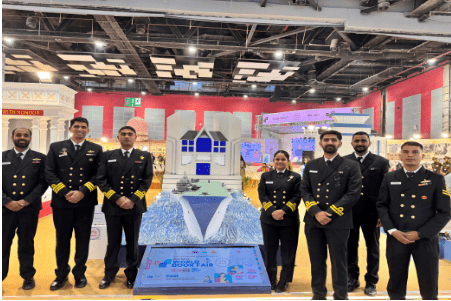
The Indian Navy is participating in the New Delhi World Book Fair (NDWBF) 2026, reaffirming its commitment to preserving and promoting India’s rich maritime heritage. The nine-day mega cultural event is being organised by the National Book Trust (NBT), an autonomous organisation under the Ministry of Education, and was inaugurated by the Union Minister for Education, Shri Dharmendra Pradhan.
The Navy’s participation highlights its role not only as a maritime force but also as a custodian of India’s naval history, traditions, and heritage.
Naval History Division Leads the Initiative
The initiative is being spearheaded by the Naval History Division (NHD), the premier research institution of the Indian Navy. In collaboration with NBT, NHD has set up dedicated Indian Navy stalls featuring:
Authoritative naval publications
Official histories of the Indian Navy
Meticulously crafted scale ship models
Visual exhibits on naval evolution and traditions
These curated displays offer visitors a vivid insight into the evolution, traditions, and operational excellence of the Indian Navy.
Official Naval Histories and Maritime Literature on Display
At the Navy Pavilion in Hall No. 5, visitors can explore:
Seven volumes of the official history of the Indian Navy (1945–2021)
Histories of Indian naval ships, submarines, air squadrons, and establishments
Publications on India’s broader maritime history
Together, these exhibits present a compelling narrative of India’s maritime journey, blending academic scholarship with visual appeal.
Panel Discussions Enrich Academic Engagement
As part of its academic outreach, the Naval History Division has organised a series of high-level panel discussions:
On 10 January 2026, a panel on the 1971 War was conducted, moderated by Cdr Neeraj Vashisth, with panelists Cdr Vijai Prakash Kapil, VrC, NM (Retd.), and renowned defence journalist Mr Sandeep Unnithan, offering deep insights into a defining chapter of India’s naval history.
A panel discussion on ‘Naval Maritime Expeditions: Past and Present’ is scheduled for 11 January 2026 (6:00 PM onwards) at the Theme Pavilion in Hall 5. The session will be moderated by Cdr Kalesh Mohanan, with panelists including Capt Prashant C. Menon and Cdr Neeraj Vashisth.
Another significant panel titled ‘Creating Rule-Based Order: The Role of Indian Navy’ is scheduled for 14 January 2026, moderated by Associate Professor Abhimanyu Singh Arha, with insights from Lt Cdr Anupama Thapliyal and Lt Jeevitesh Saharan, highlighting the Navy’s strategic role in the Indian Ocean Region.
Book Release by Chief of the Naval Staff
A major highlight of the Book Fair will be the release of a new book on the Indian Navy, prepared by the Naval History Division. The publication will be unveiled by the Chief of the Naval Staff at a special event during the fair.
Inspiring the Next Generation
Beyond exhibitions and scholarly discussions, NHD is actively engaging with young visitors, encouraging boys and girls to consider a career in the Indian Navy. The Navy’s publications, displays, and interactive stalls have already attracted significant interest from students, educators, and the general public.
Conclusion
Through its vibrant presence at the New Delhi World Book Fair 2026, the Indian Navy is strengthening public awareness of India’s enduring maritime legacy, promoting historical scholarship, and inspiring future generations to connect with the nation’s naval heritage.
The Indian Navy has invited all visitors to the Book Fair to explore its pavilion and learn more about its proud service and India’s timeless maritime tradition.
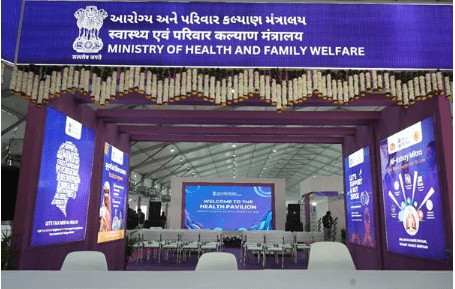
The Union Ministry of Health and Family Welfare (MoHFW) has set up a comprehensive Health Pavilion at the Vibrant Gujarat Regional Exhibition 2026, being held at Marwadi University, Rajkot, Gujarat, from January 11 to 15, 2026, to showcase the Government of India’s flagship public health programmes and initiatives.
The pavilion has emerged as a major attraction at the exhibition, drawing significant interest from visitors, including international delegates.
Theme: “Swasthya Bharat, Shreshtha Bharat”
Spread across approximately 700 square metres, the Health Pavilion was jointly inaugurated by senior officers of the Ministry of Health and Family Welfare, along with representatives of the State Government and District Health Authorities.
Conceptualised around the theme “Swasthya Bharat, Shreshtha Bharat”, the pavilion reflects the Government of India’s commitment to:
Strengthening public health systems
Promoting preventive healthcare
Building a healthy, resilient, and empowered society
26 Stalls Representing 12 Programme Divisions
The pavilion features 26 stalls representing 12 Programme Divisions of the Ministry of Health and Family Welfare, with active participation from State Government and District Health Authorities.
These stalls are offering:
Free healthcare services
Information on government health schemes
Awareness activities on key health issues
To enhance visitor experience, a Programme Division–wise list of services is prominently displayed at both entry points, enabling easier navigation and informed engagement.
Promoting Preventive Healthcare and Community Engagement
The Ministry’s participation aims to:
Promote preventive healthcare practices
Enhance public awareness about Government health programmes
Encourage active community participation in health initiatives
To make outreach more effective, the pavilion includes a dedicated interactive zone, designed to communicate health-related messages in an innovative, engaging, and accessible manner.
Powerful Testimonials from TB Champions and PLHIV Peers
Following the inauguration, local TB Champions — individuals who have successfully recovered from tuberculosis — shared their inspiring experiences and highlighted the crucial role of Government support throughout their treatment and recovery journey.
Similarly, Peer PLHIV (People Living with HIV) shared their testimonies, underscoring the positive impact of Government interventions in:
Improving access to treatment
Strengthening psychosocial support
Enhancing overall quality of life for individuals affected by HIV & AIDS
Strong Public Response and International Interest
The Health Pavilion has received a highly encouraging response from visitors, including international delegates, and has emerged as one of the most prominent attractions at the Vibrant Gujarat Regional Exhibition 2026.
The strong footfall reflects:
Growing public awareness of health issues
Increased trust in Government health programmes
Appreciation for accessible and inclusive healthcare initiatives
Conclusion: MoHFW
The Union Ministry of Health and Family Welfare reaffirmed its commitment to advancing the vision of “Swasthya Bharat, Shreshtha Bharat” through:
Sustained innovation
Close collaboration with States and stakeholders
Implementation of people-centric health initiatives
The Health Pavilion at Vibrant Gujarat Regional Exhibition 2026 stands as a powerful demonstration of the Government’s continued efforts to ensure inclusive, accessible, and quality healthcare for all.
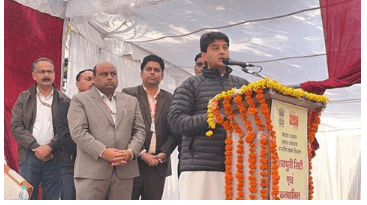
Union Minister for Communications and Development of North Eastern Region and Member of Parliament from Guna, Shri Jyotiraditya M. Scindia, during his official visit to Madhya Pradesh from 8–11 January 2026, inaugurated six renovated and modernised post offices across the State and made key announcements reflecting the Government’s sustained focus on strengthening postal infrastructure, capacity building, and time-bound public service delivery.
Six Upgraded Post Offices Inaugurated Across the State
The Minister inaugurated Sub-Post Offices at Kolaras, Jagatpura, Badarwas, Pichhore and Katthamil, along with the City Post Office.
These upgraded post offices are equipped with:
Improved customer amenities
Enhanced infrastructure
Seamless access to services such as:
Mail and parcel delivery
Savings and insurance schemes
Digital postal services
Financial inclusion initiatives
The new infrastructure is expected to significantly enhance operational efficiency and service outreach, particularly in semi-urban and rural areas.
₹111-Crore National Postal Training Centre Announced for Shivpuri
Addressing the gathering, Shri Scindia stated that the occasion marked not only the inauguration of modernised facilities but also a major policy announcement for capacity building within the Department of Posts.
He informed that the Department currently operates six Postal Training Centres at:
Saharanpur
Vadodara
Mysuru
Guwahati
Madurai
Darbhanga
These centres collectively train around 2,000 personnel annually and have so far trained nearly 18,000 postal officials and employees.
The Minister announced the establishment of a seventh National Postal Training Centre at Shivpuri, at an estimated cost of ₹111 crore. He said the new centre would:
Strengthen the national postal training ecosystem
Place Shivpuri among India’s premier postal training hubs
Support long-term capacity building for India Post
Drawing inspiration from the timely completion of the Gwalior airport project, Shri Scindia set a target of completing the Shivpuri training centre within 8 to 12 months, directing senior officials to expedite execution. He also announced that the foundation stone would be laid during his next visit, followed by the inauguration within the stipulated timeframe.
Announcement of New Services: Speed Post 24 and Speed Post 48
During a programme held in Pichhore (Shivpuri district), the Union Minister announced the launch of two upcoming India Post services:
Speed Post 24 – Guaranteed delivery within 24 hours
Speed Post 48 – Guaranteed delivery within 48 hours
These services are expected to establish new benchmarks for fast, reliable and time-bound delivery across the India Post network.
New Infrastructure Development at Pichhore
On the same occasion, Shri Scindia:
Inaugurated the renovated Pichhore Sub-Post Office, upgraded at a cost of ₹2 lakh
Laid the foundation stone and performed Bhoomi Pujan for a new Sub-Post Office building, to be constructed at an estimated cost of ₹1.11 crore
These initiatives will further strengthen postal connectivity and service delivery in the region.
Strengthening Last-Mile Connectivity and Public Service Delivery
The Department of Posts reiterated its commitment to:
Modernising postal infrastructure
Leveraging technology for stronger last-mile connectivity
Promoting inclusive growth
Supporting the Government’s vision of responsive, accessible, and efficient public service delivery
Conclusion
The inauguration of modernised post offices and the announcement of a National Postal Training Centre underscore the Government’s strategic push toward transforming India Post into a modern, citizen-centric, and future-ready public service institution.
The sacred land of Prabhas Patan, closely associated with the Somnath Temple, preserves a rich civilisational legacy through its inscriptions, copper plates, memorial stones, and archaeological remains, which reflect its prosperity, spiritual heritage, and enduring spirit of valor. These tangible remnants continue to affirm the region’s significance as one of the foremost centres of Sanatan culture, devotion, and resilience.
Prabhas Patan Museum Safeguards Inscriptions and Historic Remains
Epigraphic records and authenticated remains revealing the history of Prabhas Patan and the Somnath Temple are found across the Prabhas region. Inscriptions, copper plates, and remnants of temples destroyed during invasions are preserved at the Prabhas Patan Museum, which currently functions from the premises of the ancient Sun Temple at Prabhas Patan.
These artefacts stand not only as archaeological evidence but also as powerful symbols of strength, faith, and cultural continuity.
Rare Bhadrakali Temple Inscription Preserved in Private Courtyard
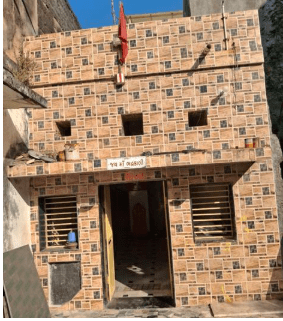
One significant inscription is located near the museum in Bhadrakali Lane, beside the old Ram Temple at Prabhas Patan. The inscription is preserved at the residence of Sompura Brahmin Shri Dipakbhai Dave, where it remains embedded in the wall of the ancient Bhadrakali Temple within his courtyard.
According to Shri Tejal Parmar, Curator (Museum Head) of the Prabhas Patan Museum, the inscription was carved in 1169 CE(Valabhi Samvat 850 and Vikram Samvat 1255) and is currently protected by the State Department of Archaeology.
Inscription Documents the Ancient and Medieval History of Somnath
The inscription is a eulogistic record of Param Pashupata Acharya Shriman Bhavabrihaspati, the spiritual preceptor of Maharajadhiraj Kumarapala of Anhilwad Patan. It offers a rare historical narrative documenting the continuity of the Somnath Temple across the ages.
The inscription mentions the construction of Somnath Mahadev in all four yugas:
In Satya Yuga, Chandra (Soma) built the temple of gold
In Treta Yuga, Ravana built it of silver
In Dvapara Yuga, Shri Krishna built it of wood
In Kali Yuga, King Bhimdev Solanki constructed a magnificent stone temple
Historical accounts further confirm that:
Bhimdev Solanki built the fourth temple upon earlier remains
The fifth temple was constructed by Kumarapala in 1169 CE at the same sacred site
Solanki Era: Golden Age of Religion, Architecture and Literature
Under the Solanki dynasty, Prabhas Patan emerged as a flourishing centre of:
Religion
Architecture
Literature
Scholarly traditions
The justice of Siddharaj Jaysinh and the devotion of Kumarapala elevated Somnath into a proud symbol of Gujarat’s Golden Age. The Bhadrakali inscription stands as enduring testimony to the devotion of Solanki rulers and the scholarly legacy of figures such as Bhavabrihaspati.
Living Heritage of Sanatan Culture
The sacred geography of Prabhas Patan preserves not merely ruins, but the spiritual pride and civilisational memory of Sanatan Dharma. Its inscriptions and monuments continue to inspire future generations through their legacy of art, architecture, scholarship, and resilience.
Conclusion
The heritage of Prabhas Patan and Somnath affirms that devotion, cultural self-respect, and civilisational continuity are timeless. Through preserved inscriptions, archaeological remains, and institutional efforts such as the Prabhas Patan Museum, India’s ancient heritage continues to speak powerfully across centuries — echoing valor, faith, and identity.
Lizard Kurti Turns a Simple Wall Lizard Into a Viral Moment
Lizard kurti became an unexpected talking point after a short video showed a man creating a tiny kurti for a wall lizard. The handmade outfit was carefully designed to fit the small reptile, which calmly walked along the wall wearing it. The moment looked simple, quiet, and oddly charming, and that simplicity is exactly why it caught people’s attention.
The video did not rely on loud reactions, jokes, or dramatic edits. Instead, it showed careful effort and patience. The kurti was neatly stitched, light in fabric, and placed gently on the lizard without causing harm. The animal appeared relaxed, moving naturally as if unaware that it was part of something unusual. This calm behavior made the scene more interesting and less forced.
Viewers quickly noticed that this was not meant to shock or scare. It was a small creative act that felt harmless and playful. Many people appreciated the effort rather than the idea itself. The clip spread across social media platforms, with users sharing it as a moment of light entertainment in between serious news and routine content.
Lizard Kurti Creativity Draws Calm and Curious Reactions
The lizard kurti video stood out because it avoided exaggeration. There was no loud background music, no staged reactions, and no attempt to turn the moment into a prank. This made viewers focus on the craftsmanship behind the kurti and the gentle way the lizard was handled.
Some viewers described the moment as funny in a quiet way. Others found it oddly soothing to watch. A few expressed concern at first but later noted that the lizard did not appear stressed or harmed. The kurti was loose, did not restrict movement, and was removed after the clip ended.
This balance between creativity and care played a big role in how the video was received. Instead of outrage or controversy, it created curiosity. People began discussing how small creative acts can bring brief joy online without crossing boundaries.
The video also sparked short discussions about animals and human creativity. While no message was directly stated, the clip showed how attention to detail and patience can turn an everyday creature into the center of a peaceful viral moment.
Lizard Kurti Video Shows How Simple Ideas Still Work
The lizard kurti trend proves that viral content does not always need scale or complexity. A small idea, done carefully, can still connect with a large audience. There were no special effects or strong opinions attached to the video. Its strength came from how natural it felt.
In a time where many online trends are loud and fast, this clip slowed people down. It made viewers watch closely, smile briefly, and move on without stress. That reaction itself explains why the video worked.
Conclusion: The lizard kurti video shows that simple creativity, when done gently, can still capture public interest. It was small, calm, and brief, yet it left a positive impression without trying too hard.
With just days to go before the Maharashtra municipal elections on January 15, 2026, political activity across the state has reached a fever pitch. Elections for 29 municipal corporations, including major urban centres such as Mumbai, Pune, Nagpur and Pimpri-Chinchwad, are set to take place, prompting parties to intensify campaigns and rally their supporters in what is being described as one of the most consequential civic polls in recent years. The state government has declared January 15 a public holiday to ensure maximum voter participation, while political parties make last-minute efforts to woo voters ahead of the final Sunday before polling.
This election marks a critical test for all political formations in Maharashtra. It comes at a time when local governance issues such as infrastructure, water supply, urban planning, sanitation, and public services are dominating public discourse. Parties are striving to strike a balance between broader state political narratives and hyper-local civic issues that affect day-to-day life for millions of urban residents. The rural-urban divide, changing demographic patterns in fast-growing cities, and debates over development versus identity politics have all contributed to a highly charged political landscape.
Election Logistics and Voter Engagement
According to state election notifications, polling will be held on January 15, with votes counted and results to be announced on January 16. The election commission has issued comprehensive schedules and guidelines, ensuring that all procedural requirements, including candidate nominations, withdrawals and campaigning codes, are followed strictly. Voters across Maharashtra’s municipal jurisdictions have been urged to participate actively in the democratic process, with political parties emphasising the importance of turnout in shaping local leadership.
Several cities, including Pimpri-Chinchwad and Nagpur, have seen vigorous party activity, where competing alliances are trying to consolidate their base ahead of the final phase of campaigning. With reservations in various wards for different communities, electoral strategists are focusing on tailored outreach to specific demographic groups. In Nagpur, for example, statutory seat reservations account for over half of the available seats, influencing how parties allocate resources and campaign efforts.
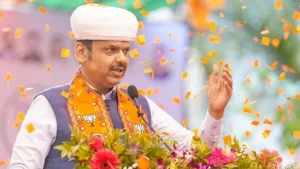
Maharashtra Municipal Election 2026: Fadnavis was speaking at a BJP rally in Akurdi organised as part of the PCMC poll campaign.
Mahayuti’s Early Advantage and Opposition Concerns
One of the most talked-about developments ahead of the election is the early unopposed victories secured by 68 candidates from the ruling Mahayuti alliance, which primarily includes the Bharatiya Janata Party, Eknath Shinde’s Shiv Sena faction and Ajit Pawar’s Nationalist Congress Party faction. These seats were won after rival candidates withdrew their nominations before the deadline, leaving Mahayuti candidates uncontested in some urban localities. While the alliance hailed this as an indication of strong grassroots support, opposition parties have raised concerns about the fairness of the process and alleged pressure tactics in certain areas.
The opposition has accused the ruling coalition of using administrative influence and money power to encourage rival withdrawals, intensifying debates about electoral ethics and campaign conduct. Critics argue that unopposed wins, especially in key municipal bodies, reduce democratic competition and may hurt the credibility of local governance. These debates have become a central talking point in public discussions, debates, and election forums across the state.
Parties’ Campaign Themes and Strategy
Campaign themes across different parties vary widely, reflecting both local civic concerns and broader political narratives. The Mahayuti alliance has been emphasising development, infrastructure, and continuity of governance, focusing on tangible achievements in urban planning, sanitation improvements, and public services. Leaders claim that sustained development work under their watch merits voter trust and support in the municipal polls.
In contrast, opposition parties such as the Congress, Maha Vikas Aghadi formations and regional outfits are pushing narratives related to inclusive governance, accountability and better representation in local bodies. They argue that issues such as housing affordability, traffic congestion, access to healthcare and community-specific needs require more responsive local leadership. These contrasting campaign themes are shaping how parties connect with diverse voter segments.
Local Issues Driving Voter Sentiment
Urban voters today are deeply concerned with everyday issues that directly impact quality of life. In cities like Pune and Mumbai, urban infrastructure, waste management, water scarcity, transportation networks and air quality are top priorities for residents. Similarly, smaller municipal bodies are grappling with issues such as street safety, stormwater drainage, community health facilities and basic civic sanitation.
Poll analysts have noted that these local governance concerns often overshadow larger state or national narratives when it comes to municipal elections. Residents tend to reward candidates or parties with clear, actionable plans that promise practical improvements in public services and community living standards.
Security, Law and Order During Polling
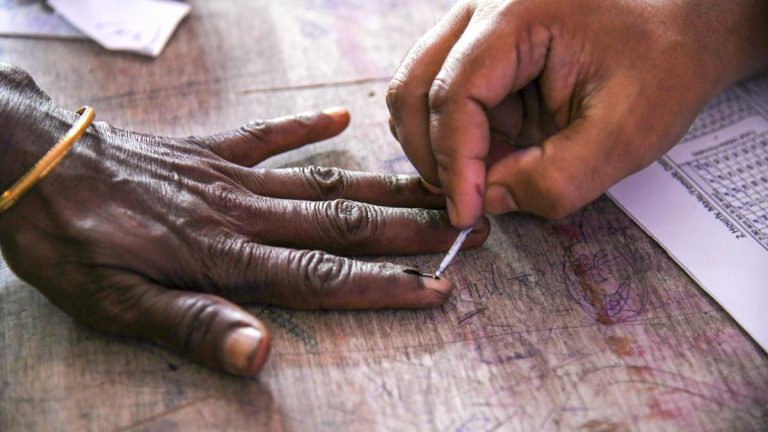
In anticipation of high voter engagement, the state government has implemented security measures to ensure that polling day proceeds smoothly. Law enforcement agencies have been mobilised to maintain public order, manage crowds at polling stations and ensure that voters can exercise their franchise peacefully. The four-day liquor ban imposed prior to polling day aims to minimise the risk of election-related disruptions and bribery through inducements.
Additionally, extensive deployment of police and election observers in sensitive zones reflects a concerted effort to uphold electoral integrity. Voters have been urged to report any violation of election rules, and the election commission has set up hotlines and complaint mechanisms for real-time monitoring of polling day conduct.
Alliance Politics and Strategic Seat Sharing
A noteworthy trend in these elections is the strategic alliances formed by major political factions to enhance their electoral prospects. For instance, the Nationalist Congress Party has seen efforts toward unity between rival factions to contest key municipal bodies like the Pimpri-Chinchwad Municipal Corporation together, aiming to prevent a splintered vote share that could benefit rivals. Such shifts reflect evolving political calculations in the state as parties assess the best possible combinations to secure victory in urban local governance.
These alliances are not merely tactical but often represent deeper negotiations about post-poll arrangements, power sharing in key committees and influence over local administrative appointments. Voters are watching these developments closely, aware that alliance prowess can influence policy priorities and service delivery in their cities.
Candidate Profiles and Campaign Outreach
Across Maharashtra’s urban landscape, a mix of veteran politicians and new faces are contesting the municipal elections. Local leaders with deep community ties and issue-based credibility are being fielded by different parties to appeal to specific demographic groups. Some aspirants are well known in civic activism circles, while others are rising stars with fresh ideas on urban development.
Campaign outreach has taken multiple forms, including traditional rallies, door-to-door canvassing, public meetings and digital engagement. Parties are increasingly using data-driven strategies to tailor messages for localities with distinct needs. For instance, areas struggling with water shortages might see targeted promises on solutions, while densely populated wards receive focused messaging on sanitation and road improvements.
Public Engagement and Voter Awareness
Citizen groups and civil society organisations in various cities have stepped up efforts to raise voter awareness about the importance of municipal governance. Workshops, stakeholder meetings and information drives are helping voters understand not only how to vote but why these elections matter for everyday urban life. Increased public engagement is seen as a positive development in strengthening democratic participation at the grassroots level.
These citizen initiatives often highlight the practical power of local bodies in addressing neighbourhood concerns, encouraging voters to assess candidates on track record, integrity and commitment to community welfare rather than party loyalty alone.
Looking Ahead: What These Elections Could Mean
The outcome of the Maharashtra municipal elections 2026 could shape urban governance for years to come. With municipal corporations playing a direct role in planning, budgeting and service delivery, winning control over these bodies is a major political prize. Successful parties could leverage these victories to build momentum for future state or national contests, while losers may need to recalibrate their organisational strategies.
Analysts stress that these elections are more than a routine democratic exercise; they are a barometer of public sentiment on governance, development and responsiveness of political parties. As voters step into polling booths on January 15, their choices will reflect not just party affiliation but expectations of better urban living and accountable local leadership.
In a remarkable rescue operation, a sambar deer was successfully pulled out of a 40-foot-deep well in Maharashtra, bringing relief to local residents and wildlife officials who worked for hours to save the distressed animal. The incident took place in a rural area where the deer is believed to have accidentally fallen into the uncovered well while roaming in search of water or food.
Villagers first noticed the trapped animal after hearing loud noises coming from the well early in the morning. Upon closer inspection, they saw the deer struggling inside the narrow structure, unable to climb out due to the steep and slippery walls. Concerned for the animal’s safety, locals immediately informed the forest department and local authorities, triggering a swift rescue response.
Swift Action by Forest and Rescue Teams
After receiving the alert, a team from the forest department, along with trained rescue workers, reached the spot with ropes, nets and other necessary equipment. Given the depth of the well and the limited space inside, the operation required careful planning to avoid injuring the animal.
Rescue personnel first assessed the condition of the deer and the structure of the well. The sambar deer appeared exhausted but conscious. To prevent panic and further injury, the team worked quietly and steadily, ensuring the animal remained as calm as possible throughout the rescue.
A safety harness was lowered into the well, and one trained rescuer went down carefully to secure the deer. Using strong ropes and coordinated effort, the team slowly lifted the animal upward. After several tense minutes, the deer was brought out of the well and placed safely on the ground.
The rescue took place in Alme village, Maharashtra from a 40-foot-deep water-filled well.
Medical Examination and Recovery
Once rescued, the deer was immediately examined by veterinary officials. Fortunately, it did not suffer any major injuries, though it showed signs of dehydration and fatigue after being trapped for several hours. The veterinary team administered first aid and fluids to stabilise the animal.
Officials confirmed that the deer would be kept under observation for some time before being released back into its natural habitat. They also ensured that the animal was not harmed during the fall and that it was fit enough to survive on its own in the wild.
Community Support and Awareness
The rescue operation drew a large crowd of villagers who watched anxiously as the teams worked to save the deer. Many locals expressed relief and happiness when the animal was safely pulled out. Some residents also helped by providing water and assisting the rescue team in setting up equipment.
Wildlife officials used the opportunity to raise awareness about the dangers posed by open wells and pits, especially in rural areas close to forest regions. They urged landowners to cover or fence such structures to prevent accidents involving animals and even humans.
Importance of Wildlife Protection
Sambar deer are among the largest deer species found in India and play a vital role in maintaining ecological balance. They are commonly found in forests and grasslands, but due to shrinking habitats and human encroachment, these animals often wander into villages and agricultural lands.
Incidents like this highlight the growing interaction between humans and wildlife, especially in areas near forest boundaries. Experts stress the need for better land management, wildlife corridors and awareness programmes to reduce such accidents and ensure the safety of both animals and people.
Officials Praise Rescue Efforts
Forest department officials praised the rescue team and the villagers for their quick response and cooperation. They said that without timely action, the deer might not have survived the fall or the prolonged stress of being trapped.
Authorities also stated that similar rescue operations have been conducted in the past, but every situation presents unique challenges. They emphasised the importance of having trained personnel and proper equipment ready to deal with wildlife emergencies.
Following the incident, local authorities have planned to inspect wells and water pits in the surrounding area to identify potential hazards. Landowners will be advised to cover open wells or install protective barriers to prevent animals from falling in.
The forest department also plans to increase patrolling in nearby forest and village areas to monitor wildlife movement and respond quickly to emergencies. Educational drives may be organised to inform villagers about what to do if they encounter wild animals in distress.
A Positive Outcome for Wildlife
The successful rescue of the sambar deer serves as a reminder of the importance of compassion and quick action when it comes to wildlife conservation. It also shows how cooperation between authorities and local communities can lead to positive outcomes.
As the deer prepares to return to the wild, officials hope that such incidents will encourage greater responsibility in maintaining safe environments for both humans and animals. The rescue has been widely appreciated, and it stands as a heartening example of how lives can be saved through timely intervention and teamwork.
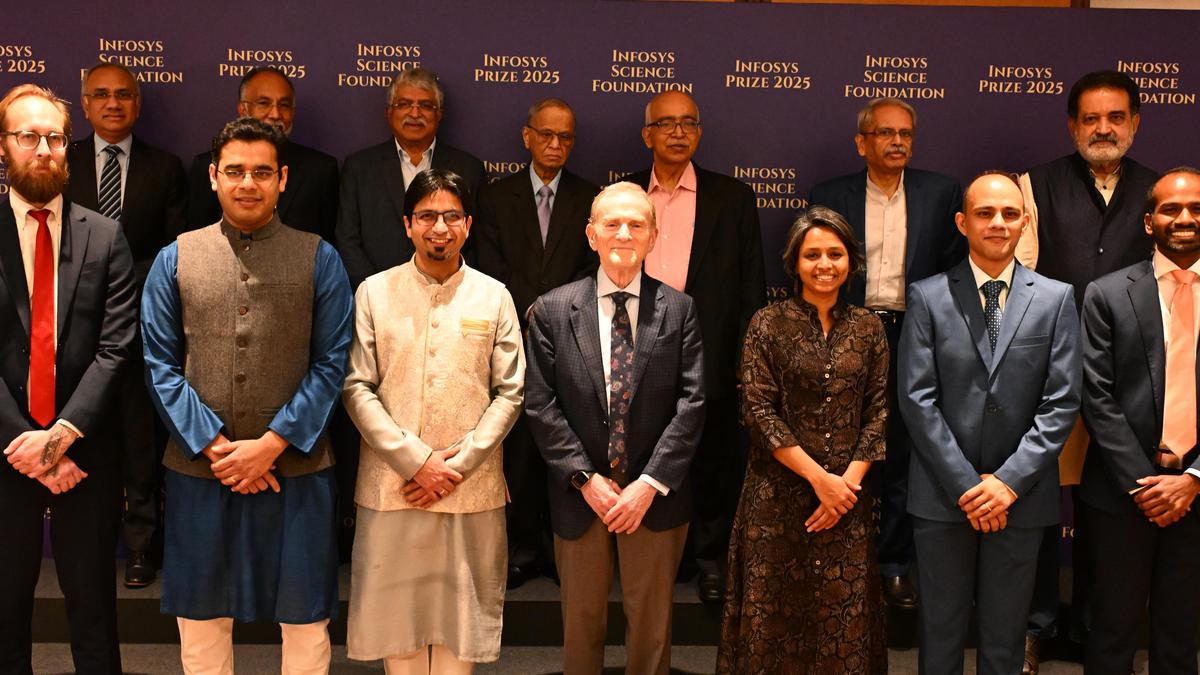
China is projected to account for nearly half of all newly diagnosed Parkinson’s disease cases worldwide within the next decade, a leading Nobel Laureate has warned, describing the trend as one of the most serious and under-recognised public health challenges of the 21st century. The warning underscores the scale of the neurological disease burden that ageing societies are likely to face, particularly in countries undergoing rapid demographic transitions. The Nobel Laureate’s remarks have drawn global attention to the urgent need for early diagnosis, sustained research investment, and stronger healthcare systems to manage Parkinson’s disease, which currently has no cure and progressively affects movement, cognition, and quality of life.
Understanding Parkinson’s Disease
Parkinson’s disease is a chronic, progressive neurological disorder that primarily affects movement. It occurs due to the gradual loss of dopamine-producing neurons in the brain, leading to symptoms such as tremors, stiffness, slowed movement, and balance difficulties. Over time, many patients also experience non-motor symptoms, including depression, sleep disorders, cognitive decline, and autonomic dysfunction. Experts emphasise that Parkinson’s disease is not fatal in itself but significantly reduces quality of life and increases vulnerability to other health complications, especially among elderly populations.
Why China Is at the Centre of the Projection
According to the Nobel Laureate, China’s projected dominance in new Parkinson’s disease cases is primarily driven by its rapidly ageing population. China has one of the fastest-growing elderly populations in the world, a result of increased life expectancy and decades of low fertility following the one-child policy. As age is the strongest risk factor for Parkinson’s disease, the sheer size of China’s ageing population makes the country particularly vulnerable to a surge in cases. Demographers estimate that by 2035, hundreds of millions of Chinese citizens will be over the age of 60, creating unprecedented healthcare demands.
The Demographic Time Bomb
The Nobel Laureate described population ageing as a “neurological time bomb” for China. While infectious diseases once dominated public health planning, non-communicable diseases such as Parkinson’s are now emerging as the dominant threat. Unlike conditions that can be managed through short-term interventions, neurodegenerative diseases require lifelong care, medication, and support. The expert warned that without strategic planning, healthcare systems could be overwhelmed by the cumulative burden of long-term neurological care.
The projected concentration of Parkinson’s cases in China raises ethical questions about equity in research and treatment access. The Nobel Laureate argued that advances in Parkinson’s care must be accessible and affordable, not limited to wealthy populations. Ensuring equitable access to diagnosis, medication, and supportive care will be critical to preventing widening health disparities.
Global Implications of China’s Parkinson’s Burden
Although the projection focuses on China, the Nobel Laureate stressed that the implications are global. A significant proportion of Parkinson’s research, clinical trials, and pharmaceutical production will increasingly depend on data and patient populations from China. Global health systems may also feel indirect effects, as international collaboration becomes essential to address research gaps and develop cost-effective treatments. The scale of China’s burden could shape global priorities in neurology, geriatrics, and public health funding over the coming decades.
Environmental and Lifestyle Factors
Beyond ageing, the Nobel Laureate pointed to environmental and lifestyle factors that may contribute to Parkinson’s disease risk. Long-term exposure to air pollution, industrial chemicals, and certain pesticides has been associated with higher Parkinson’s prevalence in multiple studies. Rapid industrialisation and urbanisation in China have led to sustained exposure to such environmental risks. While causation is complex and still under investigation, experts believe these factors may accelerate disease onset or increase susceptibility in genetically predisposed individuals.
Urbanisation and Health Inequality
China’s rapid urbanisation has created stark health inequalities between urban and rural populations. While large cities may have advanced neurological care and diagnostic facilities, rural areas often lack specialists and early screening programmes. The Nobel Laureate warned that many Parkinson’s cases in rural China are likely underdiagnosed or misdiagnosed, meaning the actual disease burden may be even higher than current estimates suggest. Bridging this urban-rural healthcare gap will be critical in managing the projected surge.
Economic Costs and Productivity Loss
Parkinson’s disease imposes significant economic costs, both direct and indirect. Direct costs include long-term medication, hospital visits, physiotherapy, and specialised care. Indirect costs arise from loss of productivity, early retirement, and the economic impact on caregivers, who are often family members. The Nobel Laureate cautioned that if half of new global cases emerge in China, the economic strain could be immense, affecting not only healthcare budgets but also workforce participation and household incomes.
The Burden on Families and Caregivers
One of the most profound impacts of Parkinson’s disease is borne by families and caregivers. As the disease progresses, patients often require increasing levels of assistance with daily activities. In China, where family-based care remains the norm, this responsibility frequently falls on middle-aged children who may already be balancing work and childcare. The Nobel Laureate emphasised that caregiver burnout, emotional stress, and financial hardship must be recognised as integral components of the Parkinson’s crisis.
Healthcare System Preparedness
Experts note that China’s healthcare system, while rapidly expanding, is still adapting to the demands of chronic neurodegenerative diseases. Historically oriented towards acute care, the system must now develop long-term care models that integrate neurology, rehabilitation, mental health, and social support. The Nobel Laureate urged policymakers to invest in training neurologists, establishing specialised movement disorder clinics, and integrating Parkinson’s care into primary healthcare networks.
The Role of Early Diagnosis
Early diagnosis can significantly improve quality of life for Parkinson’s patients by enabling timely treatment and lifestyle interventions. However, early symptoms are often subtle and easily overlooked. The Nobel Laureate highlighted the need for large-scale awareness campaigns and routine screening for older adults. In China, where healthcare-seeking behaviour varies widely, improving public understanding of early Parkinson’s symptoms could help reduce diagnostic delays.
Research and Innovation Opportunities
Despite the grim projection, experts see opportunities for innovation. China’s large patient population could accelerate clinical research and trials, potentially leading to breakthroughs in treatment. The Nobel Laureate called for increased investment in neuroscience research, including studies on disease mechanisms, biomarkers, and neuroprotective therapies. Advances in artificial intelligence and digital health tools could also play a role in early detection and disease monitoring.
Global Collaboration and Knowledge Sharing
The Nobel Laureate stressed that Parkinson’s disease is a global challenge requiring global solutions. International collaboration in research, data sharing, and policy development will be essential. China’s projected burden makes it a central player in shaping global Parkinson’s strategies. Collaborative efforts could help standardise care protocols, reduce treatment costs, and accelerate the development of disease-modifying therapies.
Policy Planning and Long-Term Strategy
Managing the projected surge in Parkinson’s cases will require long-term policy planning. Experts argue that governments must move beyond short-term healthcare funding cycles and adopt strategies spanning decades. These include investing in geriatric care, supporting caregivers, expanding long-term care insurance, and integrating neurological health into broader ageing policies. The Nobel Laureate warned that failure to plan now will result in higher human and economic costs later.
Social Perceptions and Stigma
In many societies, including parts of China, neurological disorders are still associated with stigma and misunderstanding. Patients may delay seeking care due to fear of discrimination or social isolation. The Nobel Laureate emphasised the importance of changing public attitudes through education and advocacy. Reducing stigma can improve early diagnosis, treatment adherence, and overall well-being for patients and families.
Lessons for Other Ageing Nations
China’s projected experience offers lessons for other countries with ageing populations, including several in Asia and Europe. The Nobel Laureate noted that what China faces today may confront many nations tomorrow. Preparing healthcare systems for neurodegenerative diseases should be a global priority. Countries that invest early in prevention, research, and care infrastructure will be better positioned to manage future disease burdens.
Ethical and Equity Considerations
The projected concentration of Parkinson’s cases in China raises ethical questions about equity in research and treatment access. The Nobel Laureate argued that advances in Parkinson’s care must be accessible and affordable, not limited to wealthy populations. Ensuring equitable access to diagnosis, medication, and supportive care will be critical to preventing widening health disparities.
Hope Through Science and Policy
Despite the daunting projections, the Nobel Laureate struck a note of cautious optimism. Advances in neuroscience, genetics, and digital health offer hope for better treatments and potentially disease-modifying therapies. Policy reforms, if implemented proactively, can mitigate the worst impacts. The expert emphasised that Parkinson’s disease, while currently incurable, is manageable with the right combination of medical, social, and policy interventions.
Conclusion
The warning that China could account for half of the world’s newly diagnosed Parkinson’s disease cases in the next decade is both a statistical projection and a human story. It reflects the profound consequences of ageing societies, environmental exposure, and evolving health challenges. While the scale of the problem is immense, it also presents an opportunity for transformative action. Through early planning, sustained research investment, and compassionate care models, China and the global community can confront this looming neurological crisis. The Nobel Laureate’s message is clear: the time to act is now, before numbers turn into unmanageable human suffering.
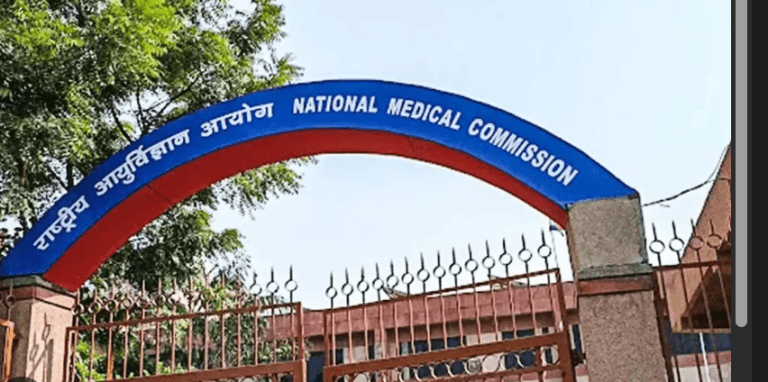
In a significant move aimed at strengthening Karnataka’s public health infrastructure and addressing long-standing regional disparities in medical education, the State government has decided to submit a formal proposal to the National Medical Commission for the establishment of new government medical colleges in Ramanagara and Bagalkot districts. The initiative is being viewed as a strategic step to expand access to quality medical education, improve doctor availability in underserved regions, and enhance healthcare delivery at the district level. Officials describe the proposal as part of a broader vision to decentralise medical education and reduce pressure on existing institutions concentrated in urban centres.
Rationale Behind the Proposal
The government’s decision is rooted in persistent gaps in healthcare access and medical manpower across several districts of Karnataka. Ramanagara and Bagalkot, despite having district hospitals and large populations dependent on public healthcare, do not currently have government medical colleges. Health department officials argue that the absence of teaching hospitals in these districts limits both healthcare quality and opportunities for local students aspiring to pursue medicine. By proposing new colleges, the government aims to address regional imbalances while simultaneously strengthening district-level healthcare systems.
Focus on Regional Equity in Medical Education
Successive studies and policy reviews have highlighted the concentration of medical colleges in Bengaluru and a few other urban centres. This clustering has resulted in uneven distribution of doctors, with rural and semi-urban areas facing chronic shortages. The proposed colleges in Ramanagara and Bagalkot are intended to correct this imbalance. Officials believe that students trained in their home regions are more likely to serve locally after graduation, thereby improving retention of medical professionals in districts that traditionally struggle to attract specialists.
Infrastructure Readiness and Existing Facilities
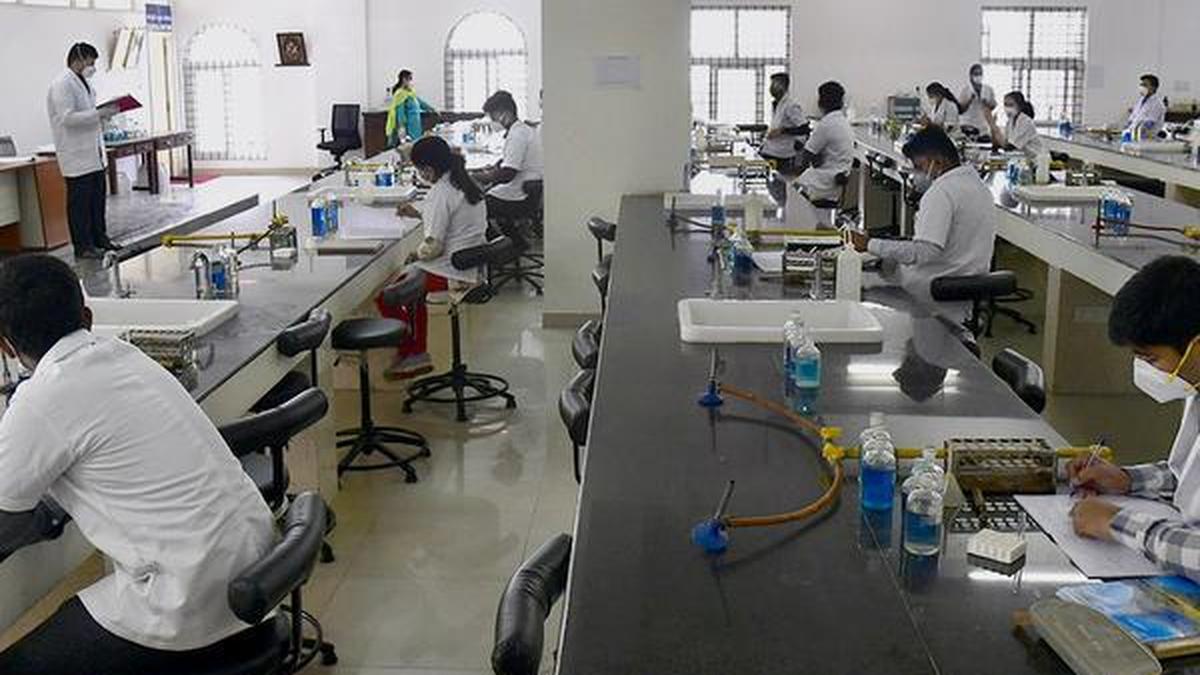
According to officials, both Ramanagara and Bagalkot already possess district hospitals with substantial infrastructure, which can be upgraded to meet teaching hospital standards prescribed by the National Medical Commission. Preliminary assessments have indicated the availability of adequate land, patient inflow, and basic facilities required for undergraduate medical education. The proposal to the NMC is expected to include detailed plans for infrastructure expansion, including lecture halls, laboratories, hostels, staff quarters, and advanced diagnostic facilities.
Compliance With National Medical Commission Norms
The National Medical Commission has stringent norms regarding faculty strength, infrastructure, hospital beds, and academic facilities. State health authorities said the proposal would strictly adhere to these requirements to ensure a smooth approval process. Detailed project reports are being prepared, outlining phased development plans, budgetary allocations, and timelines. Officials acknowledged that securing NMC approval is a rigorous process but expressed confidence that the State’s proposal would meet the necessary standards.
Boost to District Healthcare Services
Beyond education, the establishment of medical colleges is expected to significantly improve healthcare services in Ramanagara and Bagalkot. Teaching hospitals typically offer a wider range of specialties, better diagnostics, and round-the-clock services. Experts note that districts with medical colleges often witness improvements in maternal health, trauma care, and management of chronic diseases. The presence of postgraduate doctors and specialists also enhances the quality of treatment available to local residents, reducing the need to travel long distances for care.
Employment and Economic Impact
The proposed medical colleges are also expected to generate substantial employment opportunities. From teaching and non-teaching staff to ancillary services, the institutions would create hundreds of jobs directly and indirectly. Local economies are likely to benefit from increased demand for housing, transport, food services, and other amenities. District officials said the colleges could become important economic hubs, contributing to sustained development in both regions.
Opportunities for Local Students
For students from Ramanagara, Bagalkot, and neighbouring districts, the proposed colleges could open new pathways to medical education. Many aspiring doctors from rural backgrounds face challenges such as relocation costs and intense competition in urban colleges. Local institutions could make medical education more accessible and inclusive. Education experts believe this could encourage students from diverse socio-economic backgrounds to pursue medicine, ultimately making the healthcare workforce more representative of the population it serves.
Political and Administrative Backing
The proposal reportedly has strong backing from the political leadership and senior bureaucracy. Health department officials said expanding medical education capacity aligns with the government’s commitment to strengthening public health systems. Legislators from the concerned districts have long demanded medical colleges, citing population growth and healthcare needs. The decision to approach the NMC is being seen as a response to these demands and a signal of the government’s intent to invest in long-term health infrastructure.
Addressing Doctor Shortages
Karnataka, like many States, faces shortages of doctors in government hospitals, particularly in rural and remote areas. Experts argue that expanding the number of government medical colleges is a sustainable way to address this challenge. By increasing the intake of undergraduate medical students, the State can gradually improve doctor availability. Officials said the proposed colleges would contribute to this larger objective, complementing existing measures such as compulsory rural service and incentives for government doctors.
Challenges in Faculty Recruitment
While infrastructure development is crucial, experts caution that recruiting qualified faculty remains a major challenge for new medical colleges. The availability of experienced professors, associate professors, and assistant professors is limited nationwide. The State government is expected to outline clear recruitment and retention strategies in its proposal to the NMC. These may include competitive pay scales, academic incentives, and opportunities for research and professional growth to attract and retain faculty.
Financial Commitments and Budgetary Support
Establishing a medical college requires significant financial investment. Officials said the State government is prepared to allocate funds for both capital expenditure and recurring costs. The proposal to the NMC is expected to include detailed financial projections, demonstrating the State’s capacity to sustain the institutions over the long term. Health economists note that while the initial costs are high, the long-term social and economic returns justify the investment.
Lessons From Existing Medical Colleges
The State government is likely to draw lessons from the functioning of recently established government medical colleges in other districts. Experiences related to phased approvals, faculty recruitment, and hospital upgrades will inform the planning process. Officials said the aim is to avoid delays and ensure that once approval is granted, the colleges become operational within the stipulated timeframe.
Public Health Perspective
Public health experts have welcomed the move, stating that medical colleges play a crucial role in disease surveillance, health research, and community outreach. Teaching hospitals often become centres for public health initiatives, training not just doctors but also nurses, technicians, and health workers. The proposed colleges in Ramanagara and Bagalkot could strengthen district-level responses to public health challenges, including infectious diseases and non-communicable illnesses.
Coordination With Other Departments
The establishment of new medical colleges requires coordination across multiple departments, including health, medical education, public works, and finance. Officials said inter-departmental committees are being involved to streamline approvals and execution. Such coordination is critical to ensure timely completion of infrastructure and compliance with regulatory requirements.
Expected Timeline and Approval Process
Once the proposal is submitted, the National Medical Commission will evaluate it through inspections and document verification. Officials cautioned that the approval process may take time, depending on compliance levels and inspection outcomes. However, the government aims to complete preparatory work proactively to address any deficiencies identified by the NMC. If approvals are granted, admissions could begin in a phased manner in the coming academic years.
Reactions From the Medical Community
Sections of the medical community have reacted positively to the announcement, while also urging careful planning. Senior doctors stressed the importance of maintaining academic standards and ensuring adequate clinical exposure for students. They emphasised that rapid expansion should not compromise quality. The government, they said, must ensure that new colleges are adequately staffed and equipped before admitting students.
Concerns and Criticism
Some critics have raised concerns about whether the State can sustain multiple new medical colleges given existing challenges in staffing and funding. They argue that strengthening existing institutions should be prioritised alongside expansion. Government officials responded by stating that the proposal is part of a balanced approach that includes both upgrading existing colleges and establishing new ones in underserved areas.
Long-Term Vision for Medical Education
The proposal for medical colleges in Ramanagara and Bagalkot fits into a broader long-term vision of expanding medical education across Karnataka. The State aims to ensure that every region has access to quality medical training and healthcare services. Officials said this decentralised approach is essential for building a resilient and equitable health system capable of meeting future challenges.
Conclusion
The State government’s decision to submit a proposal to the National Medical Commission for new medical colleges in Ramanagara and Bagalkot marks an important step towards strengthening Karnataka’s healthcare and medical education landscape. If approved, the colleges have the potential to transform healthcare access, create opportunities for local students, and address chronic doctor shortages. While challenges remain in terms of funding, staffing, and regulatory compliance, the initiative reflects a clear commitment to regional equity and long-term public health development. The coming months will be crucial in determining whether this vision translates into functioning institutions that serve both educational and societal needs.
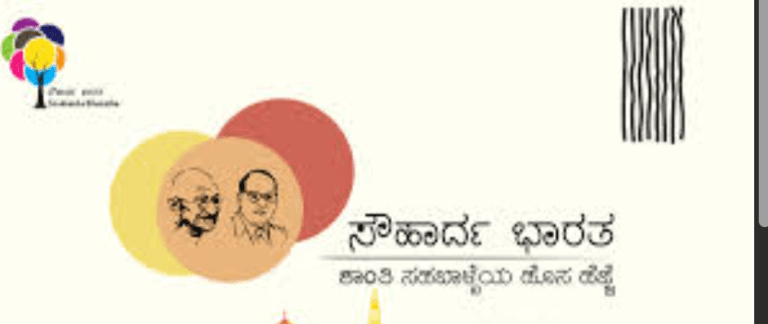
In a rare and symbolically charged cultural moment, Souharda Bharata was released simultaneously at 23 locations across Karnataka, marking one of the most coordinated multi-location launches for a socio-cultural initiative in the State in recent years. The event was not merely about a publication or programme launch but was positioned as a broader call for harmony, constitutional values, and social unity. Organisers described the release as a collective assertion of pluralism at a time when public discourse across the country is marked by deep polarisation. The simultaneous launch underscored the idea that unity cannot be fragmented by geography, language, or political boundaries.
Concept and Vision Behind Souharda Bharata
Souharda Bharata, which translates to “Harmonious India,” is conceived as a movement rooted in dialogue, empathy, and constitutional morality. According to organisers, the initiative aims to counter narratives of division by foregrounding shared histories, inter-community cooperation, and democratic values. The project draws inspiration from India’s freedom movement and the constitutional vision of fraternity. Its creators argue that social harmony is not an abstract ideal but a daily practice that must be consciously nurtured. The release was framed as an invitation to citizens to actively participate in building a more inclusive public culture.
Why a Simultaneous Statewide Release
The decision to release Souharda Bharata at 23 locations at the same time was deliberate and symbolic. Organisers said a staggered launch would dilute the message of collective responsibility. By ensuring that towns, cities, and districts across Karnataka participated simultaneously, the initiative sought to visually and emotionally reinforce the idea of shared commitment. From metropolitan Bengaluru to district headquarters and smaller towns, the coordinated release created a sense of collective ownership, suggesting that harmony is not confined to elite spaces but belongs to everyone.
Geographic Spread and Representation
The 23 locations were chosen to reflect Karnataka’s cultural, linguistic, and regional diversity. Coastal regions, northern Karnataka, Old Mysuru areas, central districts, and urban centres were all represented. This geographic spread was meant to highlight that social cohesion challenges and aspirations are shared across regions, even if they manifest differently. Organisers emphasised that inclusivity was a guiding principle in selecting venues, ensuring representation of both urban and semi-urban populations. The message was clear: harmony must resonate equally in all corners of the State.
Participation of Civil Society and Citizens
Civil society organisations, writers, academics, students, and activists played a key role in the release events. At several locations, the programme included readings, short speeches, and discussions on social unity and democratic values. Ordinary citizens, including senior citizens and youth, participated in large numbers. Organisers said this broad participation demonstrated a hunger for constructive dialogue beyond partisan politics. The atmosphere at many venues was described as reflective rather than celebratory, underscoring the seriousness of the message being conveyed.
Cultural Expression as a Tool for Unity
Music, poetry, and local art forms were woven into the release programmes at several locations. Organisers argued that culture has the power to transcend ideological differences and foster emotional connection. Folk songs, classical recitations, and multilingual readings were used to emphasise shared heritage. These cultural elements were not ornamental but central to the initiative’s philosophy. By rooting the message of harmony in familiar cultural expressions, Souharda Bharata sought to reach people at an emotional level rather than through abstract arguments alone.
Political Undertones and Public Interpretation
While organisers maintained that Souharda Bharata is a non-partisan initiative, its release inevitably carried political undertones in the current climate. Observers noted that the emphasis on constitutional values and fraternity implicitly challenges polarising narratives. Some political commentators described the initiative as a soft yet firm assertion of democratic principles. Organisers, however, reiterated that the project does not align with any political party but stands firmly with the Constitution. They stressed that social harmony should not be reduced to a political slogan but recognised as a civic responsibility.
Youth Engagement and Future Orientation
A significant focus of the initiative is youth engagement. At several release events, young speakers addressed the audience, sharing concerns about social media-driven polarisation and misinformation. Organisers said the youth are both the most affected by divisive narratives and the most capable of challenging them. Educational institutions were encouraged to use Souharda Bharata as a discussion tool. The initiative positions young people not merely as beneficiaries but as active custodians of harmony, capable of shaping a more inclusive future.
Role of Language and Multilingualism
Language diversity was a prominent feature of the release. Portions of Souharda Bharata were presented in Kannada, English, Urdu, and other languages spoken in Karnataka. This multilingual approach reinforced the idea that harmony cannot be imposed through a single linguistic lens. Organisers said respecting linguistic diversity is essential to building trust among communities. By embracing multiple languages, the initiative acknowledged the lived realities of Karnataka’s people and rejected homogenising narratives.
Addressing Misinformation and Fear
Speakers at various locations highlighted how misinformation and fear are often used to fracture communities. They argued that rumours, half-truths, and deliberate falsehoods have become powerful tools for division. Souharda Bharata seeks to counter this by promoting critical thinking, dialogue, and empathy. Organisers said harmony cannot be sustained without addressing the psychological dimensions of fear and suspicion. The initiative encourages citizens to question narratives that portray communities as monolithic threats.
Women’s Voices and Perspectives
Women’s participation was visible and vocal at many release events. Speakers highlighted how women often bear the social cost of communal tensions, whether through restricted mobility, economic insecurity, or emotional stress. The initiative emphasises the importance of including women’s perspectives in conversations about harmony. Organisers said sustainable social cohesion is impossible without gender justice. By foregrounding women’s voices, Souharda Bharata aims to broaden the discourse beyond traditional power structures.
Historical Context and Collective Memory
Several speakers invoked Karnataka’s history of coexistence, pointing to periods when diverse communities lived and worked together despite differences. These historical references were used to challenge narratives that portray conflict as inevitable. Organisers said collective memory can either divide or unite, depending on how it is invoked. Souharda Bharata consciously draws on inclusive histories to remind citizens that harmony is not an alien concept but a lived experience rooted in the past.
Reception and Public Response
The response to the simultaneous release has been largely positive, with many attendees describing the initiative as timely and necessary. Social conversations following the events reflected cautious optimism rather than uncritical enthusiasm. Some participants expressed hope that the initiative would translate into sustained engagement rather than remain a symbolic gesture. Organisers acknowledged these concerns, stating that the release is only the beginning of a longer process involving discussions, workshops, and community engagement.
Challenges Ahead
Despite the enthusiastic launch, organisers are aware of the challenges ahead. Building harmony in a deeply polarised environment requires patience, consistency, and resilience. There is also the risk of misinterpretation or politicisation of the initiative. Organisers said they are prepared for criticism and resistance, viewing them as part of democratic engagement. The success of Souharda Bharata, they emphasised, will depend on sustained grassroots participation rather than high-profile endorsements.
Institutional and Educational Outreach
Plans are underway to take Souharda Bharata into educational institutions, libraries, and community spaces. Organisers believe that early engagement is key to shaping attitudes. Workshops and reading circles are being planned to encourage deeper engagement with the ideas presented. By institutionalising dialogue, the initiative hopes to move beyond episodic events and embed harmony into everyday civic life.
Symbolism of the Number 23
The number 23 itself acquired symbolic significance during the launch. Organisers noted that while the number corresponds to locations, it also came to represent multiplicity within unity. Each location brought its own context and concerns, yet all were connected by a shared message. This symbolism reinforced the initiative’s core idea: unity does not require uniformity.
Media and Public Discourse
The statewide release attracted attention for its scale and coordination. Media observers noted that such synchronised cultural initiatives are rare outside electoral campaigns. The choice to deploy similar messaging across diverse locations without centralised spectacle was seen as a deliberate contrast to performative politics. The initiative’s emphasis on substance over spectacle shaped its public reception.
Ethical and Moral Dimensions
Beyond politics and culture, Souharda Bharata positions harmony as an ethical imperative. Speakers emphasised personal responsibility, urging individuals to reflect on everyday actions, language, and prejudices. Harmony, they argued, begins with small acts of respect and listening. By framing unity as a moral choice, the initiative shifts focus from abstract ideals to lived behaviour.
Conclusion
The simultaneous release of Souharda Bharata at 23 locations across Karnataka stands out as a powerful statement of collective intent. More than a single event, it represents an attempt to reclaim public discourse from fear and fragmentation. Whether the initiative succeeds will depend on its ability to sustain engagement and translate ideals into practice. For now, the coordinated launch has sent a clear message: in a divided time, many voices across Karnataka are choosing harmony, dialogue, and constitutional values as the path forward.