Wednesday, April 29, 2026
Home Blog Page 141

1 Contract Killing Angle Emerges in Magadi Road Wife Murder Case: Chilling Plot Uncovered

What initially appeared to be a case of domestic violence has taken a far more disturbing turn, as investigators probing the murder of a woman on Magadi Road in Bengaluru have uncovered strong evidence pointing towards a contract killing. The revelation has shocked residents of the area and drawn attention to the calculated nature of the crime. Police officials now believe that the murder was not an act of sudden rage but a premeditated plan allegedly orchestrated by the victim’s husband with the involvement of hired assailants. The case has raised serious concerns about criminal conspiracies hidden within seemingly ordinary family lives.

The Crime That Shocked Magadi Road

The murder came to light when the woman was found dead under suspicious circumstances in her residence near Magadi Road. Initial reports suggested a domestic dispute that may have escalated into violence. Neighbours told police they had heard arguments from the house earlier but had not suspected anything beyond a routine family disagreement. However, the brutality of the killing and the nature of the injuries soon prompted investigators to question the domestic violence theory. The crime scene indicated signs of a struggle that did not entirely align with a spontaneous act committed by a single person.

Early Investigation and Initial Assumptions

In the first phase of the investigation, the husband was questioned as the primary suspect, given his presence at the scene and inconsistencies in his statements. He reportedly claimed ignorance about how his wife was killed and suggested intruders may have been involved. Police initially treated the case as a possible domestic murder, a tragic but not uncommon scenario. However, discrepancies in timelines, call records, and witness accounts soon cast doubt on the husband’s version of events, pushing investigators to dig deeper.

Breakthrough Through Call Detail Records

A major breakthrough came when police analysed the call detail records of the husband. Investigators found repeated communication between him and two individuals with known criminal backgrounds in the days leading up to the murder. These calls reportedly intensified just hours before and after the crime. Officers also discovered that the husband’s phone location data placed him away from the scene at critical times, contradicting his earlier claims. This digital trail became a crucial piece of evidence pointing towards a planned killing rather than an impulsive act.

Financial Transactions Raise Suspicion

Further suspicion arose when police scrutinised the husband’s financial records. Investigators allegedly found unusual cash withdrawals and digital transactions made shortly before the murder. These transactions, police believe, were payments made to the hired killers. The timing and pattern of the transfers raised red flags, especially since the husband reportedly had no plausible explanation for the sudden movement of funds. This financial evidence strengthened the theory that the murder was executed for a promised sum of money.

Role of Hired Assailants

Police suspect that the actual act of killing was carried out by contract killers who were familiar with the locality. According to investigators, the assailants may have gained access to the house with ease, possibly with prior knowledge of the victim’s routine. The manner in which the murder was carried out suggested professional involvement rather than an emotional outburst. Officers noted that the attackers appeared to have left minimal evidence behind, indicating a level of planning and experience.

Motive Behind the Murder

The motive behind the killing is believed to be rooted in prolonged marital discord and financial disputes. Police sources indicated that the couple had frequent arguments over property, money, and personal issues. The woman was reportedly aware of certain financial dealings of her husband, which may have led to increased tension between them. Investigators are exploring whether the husband saw the murder as a way to permanently resolve these disputes and gain control over assets without legal complications.620+ Contract Killer Stock Photos, Pictures & Royalty-Free Images - iStock

Attempts to Mislead Investigators

In a bid to divert suspicion, the husband allegedly attempted to stage the crime scene to resemble a domestic fight or robbery gone wrong. Police said there were signs of deliberate tampering, including misplaced household items and misleading clues. However, forensic analysis revealed inconsistencies, such as forced entry marks that did not match the pattern of a genuine break-in. These attempts to mislead investigators ultimately worked against the accused, further exposing the premeditated nature of the crime.What initially appeared to be a case of domestic violence has taken a far more disturbing turn, as investigators probing the murder of a woman on Magadi Road in Bengaluru have uncovered strong evidence pointing towards a contract killing.

Arrests and Custodial Interrogation

Following the emergence of the contract killing angle, police arrested the husband and later took into custody two suspected contract killers. During interrogation, investigators reportedly obtained crucial information linking the accused to the crime. One of the suspects is said to have confessed to receiving payment for carrying out the murder, though police are working to corroborate this confession with independent evidence. The arrests marked a significant development in the case, confirming that the murder was part of a criminal conspiracy.

Evidence Collected So Far

Police have gathered a range of evidence, including call records, financial documents, CCTV footage from nearby areas, and forensic reports from the crime scene. CCTV footage reportedly shows the suspected assailants entering and leaving the vicinity around the time of the murder. Forensic experts have also matched certain physical evidence to the accused, further strengthening the prosecution’s case. Investigators believe the evidence collected so far presents a strong narrative of premeditation and conspiracy.

Legal Charges and Case Proceedings

The accused have been booked under multiple sections of the Indian Penal Code, including murder, criminal conspiracy, and destruction of evidence. Legal experts note that contract killing cases are treated with particular seriousness by courts due to the element of preplanning involved. Prosecutors are expected to argue that the crime was not only heinous but also a calculated attempt to manipulate the justice system. The case is likely to involve a lengthy trial given the number of accused and volume of evidence.

Impact on the Victim’s Family

The murder has left the victim’s family devastated. Relatives have demanded the harshest possible punishment for those involved, stating that the woman trusted her husband and never imagined such a betrayal. Family members described her as resilient and dedicated, adding that her death was not just a personal loss but a reminder of how vulnerable women can be even within their own homes. Their statements have added emotional weight to the case and intensified public scrutiny.

Community Reaction and Public Outrage

Residents of Magadi Road and surrounding areas have expressed shock and anger over the revelations. Many said the case has shattered their sense of safety, as it demonstrates how serious crimes can occur behind closed doors without immediate suspicion. Social activists and women’s rights groups have called for stricter monitoring of domestic violence complaints and faster intervention mechanisms. The case has also sparked conversations about the need for better support systems for women facing marital distress.

Police Perspective on Rising Contract Killings

Senior police officials have noted with concern that contract killings, once associated mainly with organised crime, are increasingly emerging in personal disputes. According to officers, financial stress, property conflicts, and strained relationships are driving individuals to hire criminals rather than resolve issues legally. The Magadi Road case, they said, reflects this worrying trend and highlights the need for improved intelligence gathering and early detection of such conspiracies.1+ Thousand Contract Killing Royalty-Free Images, Stock Photos & Pictures |  Shutterstock

Challenges in Proving Contract Killings

Despite strong circumstantial evidence, police acknowledge that proving a contract killing in court can be challenging. Establishing a direct link between the mastermind and the killers requires clear documentation and corroboration. Investigators are therefore focusing on strengthening the chain of evidence to ensure there are no gaps that the defence can exploit. Confessions, financial trails, and digital evidence will play a crucial role in determining the outcome of the trial.

Role of Forensic and Digital Evidence

Experts involved in the investigation emphasised the importance of forensic science and digital analysis in uncovering the truth. From mobile phone data to forensic examination of the crime scene, technology has been central to exposing the conspiracy. Officers noted that without these tools, the murder might have been dismissed as a domestic crime, allowing the larger plot to remain hidden. The case underscores the growing role of technology in modern policing.

Judicial Scrutiny and Next Stepsനടുറോഡിൽ ബാങ്ക് ഉദ്യോഗസ്ഥയായ യുവതിയെ ഭർത്താവ് വെടിവച്ച് കൊന്ന സംഭവം; തോക്ക്  നൽകിയത് വാടക കൊലയാളി | Contract Killing Angle Emerges In Bengaluru Magadi  Road Wife Murder ...

As the case progresses, the judiciary is expected to closely scrutinise the evidence presented by the prosecution. Bail hearings, remand proceedings, and forensic reports will shape the direction of the trial in the coming months. Police are also investigating whether additional individuals were involved in planning or facilitating the murder. The possibility of more arrests has not been ruled out, depending on what further investigation reveals.

Broader Social Implications

Beyond the courtroom, the Magadi Road murder has prompted broader discussions about marital conflict, mental health, and the misuse of criminal networks for personal gain. Social commentators argue that the case highlights a breakdown in communication and conflict resolution within families. It also raises questions about how easily criminal services can be accessed by ordinary individuals, posing a serious threat to societal safety.

Conclusion

The emergence of a contract killing angle in the Magadi Road wife murder case has transformed it from a tragic domestic incident into a chilling example of calculated violence. As investigators piece together evidence of conspiracy, betrayal, and financial motive, the case stands as a grim reminder of how far personal disputes can escalate. With strong evidence now on record, police are confident of securing justice for the victim. However, the case also serves as a warning about the hidden dangers within fractured relationships and the urgent need for early intervention before conflicts turn fatal.

Follow: Karnataka Government

Also read: Home | Channel 6 Network – Latest News, Breaking Updates: Politics, Business, Tech & More

Why Industry-Aligned Education Is Key to Reducing Youth Unemployment, Says VTU Vice-Chancellor: 1 Strong Decision

Calling for an urgent overhaul of higher education systems, the Vice-Chancellor of Visvesvaraya Technological University (VTU) has stressed the need to provide education that aligns closely with industry expectations to prevent the growing creation of unemployed and underemployed youth. Addressing academicians, students, and policymakers, the Vice-Chancellor warned that a widening mismatch between classroom learning and workplace demands is emerging as one of the biggest challenges facing India’s demographic dividend. With thousands of engineering graduates passing out every year, the focus, he said, must shift from merely awarding degrees to ensuring employability, adaptability, and long-term career relevance.

The Employability Crisis Among Graduates

India produces one of the largest numbers of engineering graduates globally, yet a significant proportion struggle to secure suitable employment. The Vice-Chancellor pointed out that many students possess theoretical knowledge but lack the practical skills, problem-solving ability, and professional exposure required by industries. Employers often report spending months retraining new recruits, leading to frustration on both sides. This gap between education and employment, he noted, results not only in joblessness but also in wasted time, resources, and talent. The issue, therefore, is systemic and demands immediate structural reform.

Degrees Versus SkillsVTU Online Class - Home

According to the Vice-Chancellor, the education system has long prioritised syllabus completion and examination performance over skill development. While grades and degrees remain important, they no longer guarantee success in a rapidly evolving job market. Industries today seek graduates who can communicate effectively, work in teams, adapt to new technologies, and apply knowledge in real-world contexts. Unfortunately, many students emerge from universities without these competencies. He emphasised that universities must redefine success metrics, placing skills, innovation, and employability at the centre of academic outcomes.

Industry Expectations Are Changing Rapidly

The Vice-Chancellor highlighted that technological advancement has transformed industry expectations at an unprecedented pace. Fields such as artificial intelligence, data analytics, automation, renewable energy, and advanced manufacturing are reshaping job roles. Traditional curricula, often revised slowly, struggle to keep up with these changes. As a result, students graduate with outdated knowledge. He argued that continuous curriculum updates, guided by industry trends, are essential to ensure students remain relevant in a competitive global economy.

Need for Stronger Industry-Academia Collaboration

One of the key solutions proposed was strengthening collaboration between universities and industries. The Vice-Chancellor stressed that industries should not be seen merely as recruiters but as partners in education. Their involvement in curriculum design, guest lectures, internships, live projects, and assessments can provide students with real-world exposure. Such collaboration, he said, helps students understand workplace expectations early, reducing the shock of transition from campus to corporate life and improving overall employability.

Internships as a Core Academic Requirement

The Vice-Chancellor advocated making internships a compulsory and meaningful component of all technical programmes. Short-term or superficial internships, he warned, do little to prepare students for employment. Instead, structured, long-term industry engagement should be integrated into academic calendars. Internships allow students to apply theoretical concepts, develop professional discipline, and gain confidence. They also help employers identify talent early. Without this exposure, graduates often enter the job market unprepared for its demands.

Visvesvaraya Technological University (VTU) to offer B.Sc (Honours)  programme at B.E colleges in Karnataka. Medical News | Articles by ICCC  Bharat

Faculty Development Is Equally Crucial

Reforming student education alone is not enough, the Vice-Chancellor said, stressing the importance of continuous faculty development. Many teachers, particularly in technical institutions, may not have direct industry exposure. As technologies evolve, faculty members must be trained and upskilled to deliver contemporary knowledge. Industry sabbaticals, training programmes, and collaborative research projects can help faculty stay updated. Empowered educators, he noted, are essential for producing industry-ready graduates.

Encouraging Problem-Solving and Innovation

The Vice-Chancellor criticised rote learning and examination-oriented teaching, calling for a shift towards problem-based and project-based learning. Students should be encouraged to identify real-world problems and develop practical solutions. Innovation, critical thinking, and creativity must be nurtured from the early stages of education. Hackathons, design challenges, research projects, and startup incubation initiatives, he said, can help students move beyond textbooks and develop an entrepreneurial mindset.

The Role of Soft Skills in Employability

While technical knowledge is important, the Vice-Chancellor emphasised that soft skills often determine long-term career success. Communication, teamwork, leadership, adaptability, and ethical responsibility are increasingly valued by employers. Many graduates, however, lack confidence in expressing ideas or collaborating effectively. Universities must integrate soft skill training into regular coursework rather than treating it as an optional add-on. These skills, he said, are essential not only for employment but also for professional growth and leadership.

Bridging the Rural-Urban Divide

Addressing concerns about inequality, the Vice-Chancellor noted that students from rural and semi-urban backgrounds often face additional challenges in meeting industry expectations. Limited exposure to technology, language barriers, and lack of mentorship can disadvantage them. Universities must provide targeted support through bridge courses, language training, and mentoring programmes. Ensuring equitable access to quality education and opportunities, he said, is critical to preventing unemployment from becoming concentrated among already marginalised groups.

Aligning Education With Local and Global Needs

The Vice-Chancellor also highlighted the importance of aligning education with both local industry needs and global trends. While global competitiveness is important, local industries require skilled professionals who understand regional challenges and opportunities. Universities should tailor programmes to support local economic ecosystems, including manufacturing clusters, startups, and emerging sectors. At the same time, students should be equipped with globally relevant skills to remain mobile and adaptable in an interconnected world.

Promoting Entrepreneurship as a Career Path

Employment generation, the Vice-Chancellor said, should not be limited to placement alone. Universities must actively promote entrepreneurship as a viable career option. Many students possess innovative ideas but lack guidance, funding, and risk-taking confidence. Incubation centres, mentorship networks, and startup support within universities can help convert ideas into enterprises. By nurturing job creators rather than only job seekers, educational institutions can play a direct role in reducing unemployment.Visvesvaraya Technological University

Assessment and Evaluation Reforms

Traditional assessment methods, focused heavily on written examinations, often fail to evaluate practical competence. The Vice-Chancellor called for reforms in evaluation systems to include project work, presentations, teamwork, and real-world problem-solving. Continuous assessment, rather than one-time exams, can better reflect a student’s abilities. Such reforms would also reduce exam-related stress and encourage consistent learning, ultimately producing more confident and capable graduates.

Technology as an Enabler of Reform

Digital tools, the Vice-Chancellor noted, offer immense potential to modernise education. Online platforms, virtual labs, simulation tools, and blended learning models can enhance access and quality. Technology can also help bridge gaps between institutions and industries, enabling remote mentoring and collaboration. However, he cautioned that technology must be used thoughtfully, with a focus on learning outcomes rather than mere adoption for its own sake.

Responsibility of Students in Shaping Careers

While institutional reform is essential, the Vice-Chancellor reminded students that they too bear responsibility for their employability. Passive learning and reliance solely on college curricula are no longer sufficient. Students must take initiative to learn new skills, seek internships, participate in projects, and stay informed about industry trends. Lifelong learning, he said, is no longer optional but a necessity in a rapidly changing job market.

Policy Support and Regulatory Flexibility

The Vice-Chancellor also called for greater policy support and flexibility from regulatory bodies. Universities should be allowed to update curricula quickly, introduce interdisciplinary programmes, and collaborate freely with industries. Excessive bureaucracy, he warned, can slow innovation and adaptation. A supportive regulatory environment is essential for institutions to respond effectively to changing economic and technological realities.

Addressing the Psychological Impact of Unemployment

Beyond economic consequences, the Vice-Chancellor acknowledged the psychological toll of unemployment on young people. Prolonged joblessness can lead to loss of confidence, stress, and social frustration. By ensuring education leads to meaningful employment, universities can contribute to social stability and individual well-being. Career counselling, mental health support, and realistic career guidance should be integral to campus life, he added.

VTU’s Initiatives Toward Reform

Highlighting steps taken by VTU, the Vice-Chancellor pointed to curriculum revisions, industry partnerships, skill development programmes, and faculty training initiatives. The university, he said, is working to embed internships, emerging technologies, and outcome-based education into its programmes. While challenges remain, these efforts reflect a commitment to aligning education with real-world needs and reducing graduate unemployment.

The Way Forward for Indian Higher Education

The Vice-Chancellor concluded by stressing that India stands at a critical juncture. With a young population and growing economy, the country has immense potential. However, without industry-relevant education, this demographic advantage could turn into a liability. Universities, industries, policymakers, faculty, and students must work together to build an ecosystem that values skills, innovation, and adaptability. Education, he said, must empower youth not just to earn degrees, but to build sustainable and meaningful careers.

Conclusion

The call by the VTU Vice-Chancellor underscores a fundamental truth: education cannot exist in isolation from the realities of the job market. As industries evolve, universities must evolve with them. By aligning curricula with industry expectations, strengthening practical exposure, and nurturing holistic skills, higher education can play a decisive role in reducing youth unemployment. The future of India’s workforce depends not on the number of graduates produced, but on how well they are prepared to contribute, innovate, and lead in a dynamic world.

Follow: Karnataka Government

Also read: Home | Channel 6 Network – Latest News, Breaking Updates: Politics, Business, Tech & More

Urban Reality Check: 4 Everyday Struggles Defining Bengaluru’s Health Crisis

Mobility challenges, rising pollution, housing insecurity, and unequal access to basic civic services are emerging as key determinants of public health in Bengaluru, according to urban health experts and researchers. As India’s technology capital continues to expand rapidly, specialists warn that the city’s health outcomes are being shaped less by hospitals and more by everyday living conditions. They argue that unless urban planning and public health policy are aligned, Bengaluru risks facing a deepening health crisis that disproportionately affects its most vulnerable residents.

Inequity Across Neighbourhoods

Experts note that health outcomes in Bengaluru vary sharply depending on where people live. Affluent neighbourhoods with better roads, green cover, and private healthcare options report lower disease burden compared to informal settlements and peripheral layouts. This spatial inequality, researchers say, reflects uneven urban development rather than individual lifestyle choices. Residents in poorly planned areas face greater exposure to pollution, longer travel times, and weaker access to services, all of which cumulatively affect health. Addressing these gaps, experts argue, requires targeted interventions rather than city-wide averages that mask deep disparities.

Climate Stress and Urban Heat

Rising temperatures and loss of tree cover are adding another layer of health stress in Bengaluru. Urban heat islands, caused by dense construction and shrinking green spaces, increase the risk of heat exhaustion, dehydration, and cardiovascular strain. Experts warn that low-income populations, outdoor workers, and the elderly are most vulnerable to heat-related illnesses. Poor housing materials and lack of cooling options worsen the impact. Public health specialists say climate-sensitive urban planning, including green corridors and shaded streets, is now a health necessity, not an environmental luxury.

Informal Workforce at Higher Risk

A significant portion of Bengaluru’s population works in the informal sector, including delivery workers, construction labourers, and domestic workers. Experts say these groups face compounded health risks due to long working hours, unsafe mobility conditions, and lack of social security. Many rely on overcrowded public transport or unsafe two-wheeler travel, increasing accident risk. Limited access to affordable healthcare further aggravates their vulnerability. Researchers stress that urban health policies must explicitly account for informal workers rather than assuming uniform access to resources and protections.

Gendered Dimensions of Urban Health

Urban health challenges affect men and women differently, experts point out. Women often bear the burden of managing household water shortages, caregiving, and long travel for work, which impacts physical and mental health. Safety concerns restrict mobility, limiting access to employment, healthcare, and recreation. Pregnant women in poorly serviced areas face higher risks due to inadequate sanitation and delayed medical care. Experts argue that gender-sensitive planning, including safer transport and accessible healthcare, is essential for improving overall urban health outcomes.

Children and the Cost of Urban Living

Children growing up in congested and polluted neighbourhoods face long-term health consequences, experts warn. Exposure to poor air quality affects lung development, while lack of safe play spaces contributes to sedentary habits and obesity. Inadequate sanitation increases susceptibility to infections, impacting nutrition and school attendance. Public health specialists stress that urban design directly shapes childhood health trajectories. Investments in clean air, safe streets, and accessible parks, they say, are investments in the city’s future human capital.

Elderly Struggle With Accessibility

For the elderly, Bengaluru’s urban challenges translate into isolation and health risks. Poor footpaths, uneven roads, and lack of seating discourage walking and social interaction. Limited access to nearby healthcare facilities makes routine check-ups difficult, particularly for those with mobility issues. Experts note that ageing populations require cities to be designed with accessibility in mind. Without age-friendly infrastructure and community-based health services, the city risks marginalising a growing section of its population.

Fragmented Governance Affects Health

Experts highlight that Bengaluru’s complex governance structure complicates health-focused planning. Multiple agencies handle transport, housing, water, and waste, often with limited coordination. This fragmentation results in policies that address symptoms rather than root causes. Public health researchers argue that health impact assessments should be mandatory for major urban projects. Without institutional mechanisms to integrate health considerations into decision-making, they warn, infrastructure expansion may continue to undermine well-being.

Data Gaps and Invisible Illnesses

Another concern raised by experts is the lack of granular health data at ward and neighbourhood levels. City-wide statistics often fail to capture localised health crises, such as disease clusters or service gaps. Mental health issues, occupational illnesses, and pollution-related conditions frequently go underreported. Researchers stress that better data collection is crucial for targeted interventions. Without reliable information, policy responses remain reactive and uneven, leaving vulnerable communities invisible.

Community Participation as a Health Tool

Experts emphasise that improving urban health is not solely the government’s responsibility. Community participation plays a vital role in identifying problems and sustaining solutions. Resident welfare associations, local groups, and civil society organisations can support initiatives related to waste management, water conservation, and neighbourhood safety. When communities are involved, health interventions are more likely to succeed. Experts argue that empowering citizens strengthens accountability and ensures that policies respond to lived realities.

Rethinking Growth and Well-being

Ultimately, experts say Bengaluru must rethink how it defines progress. Economic growth without parallel investment in health-supporting infrastructure creates hidden costs borne by residents. Mobility, housing, and environmental decisions shape health outcomes as much as medical care. A healthier city, they argue, requires shifting from reactive healthcare to preventive urban planning. Bengaluru’s future well-being will depend on whether health becomes a core metric of development rather than an afterthought.

Experts point out that Bengaluru’s growth has outpaced its infrastructure, creating an environment where daily life itself becomes a health risk. Long commutes, poor air quality, overcrowded housing, and unreliable water and sanitation services are increasingly linked to physical and mental health issues. Public health, they stress, can no longer be viewed in isolation from urban governance and development planning.

Mobility and Pollution as Silent Health Stressors

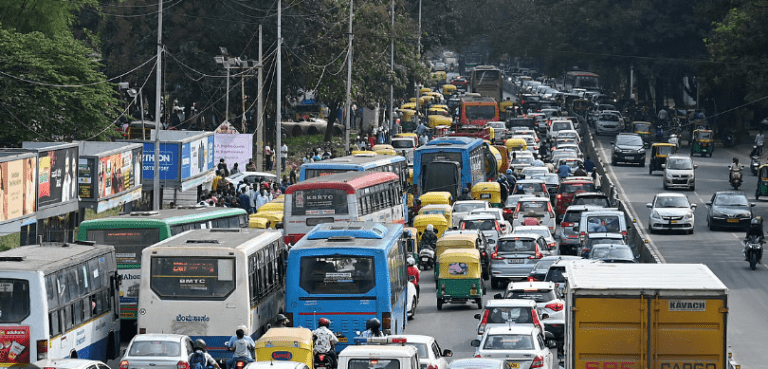
Mobility has emerged as a major factor influencing health in Bengaluru. Long hours spent commuting in congested traffic contribute to stress, fatigue, and sedentary lifestyles. Health professionals say daily exposure to traffic congestion not only affects mental well-being but also reduces time available for exercise, rest, and family life. For many workers, particularly those in informal sectors, long commutes translate into chronic exhaustion and higher vulnerability to lifestyle diseases.

Closely tied to mobility is the issue of pollution. Air quality experts warn that vehicular emissions remain a major contributor to respiratory illnesses in the city. Prolonged exposure to polluted air has been linked to asthma, allergies, cardiovascular problems, and reduced lung function, especially among children and the elderly. Experts note that while pollution affects all residents, those living near busy roads or industrial areas face a far higher health burden.Mobility, pollution, housing, and access to basic services shape  Bengaluru's health, say experts - The Hindu

Noise pollution, often overlooked, is also cited as a growing concern. Constant exposure to honking, construction activity, and traffic noise contributes to sleep disorders, anxiety, and increased blood pressure. Specialists argue that sustainable transport systems and better urban design are essential not just for convenience, but for long-term public health.

Housing and Basic Services Drive Health Inequality

Housing conditions play a critical role in determining health outcomes, experts say. Inadequate housing, overcrowding, and poor ventilation are linked to infectious diseases, heat stress, and mental health issues. In informal settlements and low-income neighbourhoods, residents often face a combination of poor housing quality and limited access to healthcare facilities, compounding health risks.

Bengaluru resident admits the city is full of potholes & problems: Yet  feels 'lucky' to call it home for 1 big reason, netizens agree - The  Economic Times

Access to basic services such as clean water, sanitation, and waste management remains uneven across the city. Public health researchers note that irregular water supply forces many households to rely on unsafe storage practices, increasing the risk of water-borne diseases. Poor sanitation and clogged drains contribute to the spread of infections, particularly during the monsoon season.

Experts also highlight that lack of reliable public healthcare facilities in certain areas forces residents to delay treatment or incur high out-of-pocket expenses. This deepens health inequalities, with low-income families bearing a disproportionate burden of disease and financial stress.

Mental Health and Urban Living

Beyond physical health, experts are increasingly concerned about the mental health impact of urban living in Bengaluru. Social isolation, work pressure, housing insecurity, and long commutes contribute to rising levels of anxiety, depression, and burnout. Mental health professionals say the city’s fast-paced lifestyle, combined with inadequate public spaces for recreation and social interaction, has intensified psychological stress.

They point out that mental health services remain insufficiently integrated into primary healthcare. As a result, many residents struggle without access to timely support, allowing conditions to worsen over time.

Call for Integrated Urban Health Planning

Urban planners and health experts are calling for an integrated approach that places health at the centre of city planning. They argue that policies related to transport, housing, environment, and civic services must be designed with health outcomes in mind. Improving public transport, expanding green spaces, ensuring affordable housing, and strengthening basic services can significantly reduce the city’s health burden.

Experts stress that Bengaluru’s challenges also present an opportunity. With the right interventions, the city can shift towards a healthier urban model that prioritises well-being alongside economic growth. However, they caution that piecemeal solutions will not suffice.

Way Forward for the City

As Bengaluru continues to grow, experts say the choices made today will determine the health of future generations. Addressing mobility, pollution, housing, and access to services requires coordinated action across departments and levels of government. Public participation, transparent planning, and long-term vision are essential to ensure that the city remains liveable and healthy.

Good standard of living, but poor quality of life in Bengaluru': Experts at  IISc

Ultimately, specialists emphasise that health is not just a medical issue but an urban one. Bengaluru’s ability to confront its health challenges will depend on how effectively it reshapes the everyday environments in which its residents live, work, and travel.

Follow: Karnataka Government

Also read: Home | Channel 6 Network – Latest News, Breaking Updates: Politics, Business, Tech & More

1 High-Stakes CID Probe Ordered in Hubballi Disrobing Case: Truth, Trust and Justice

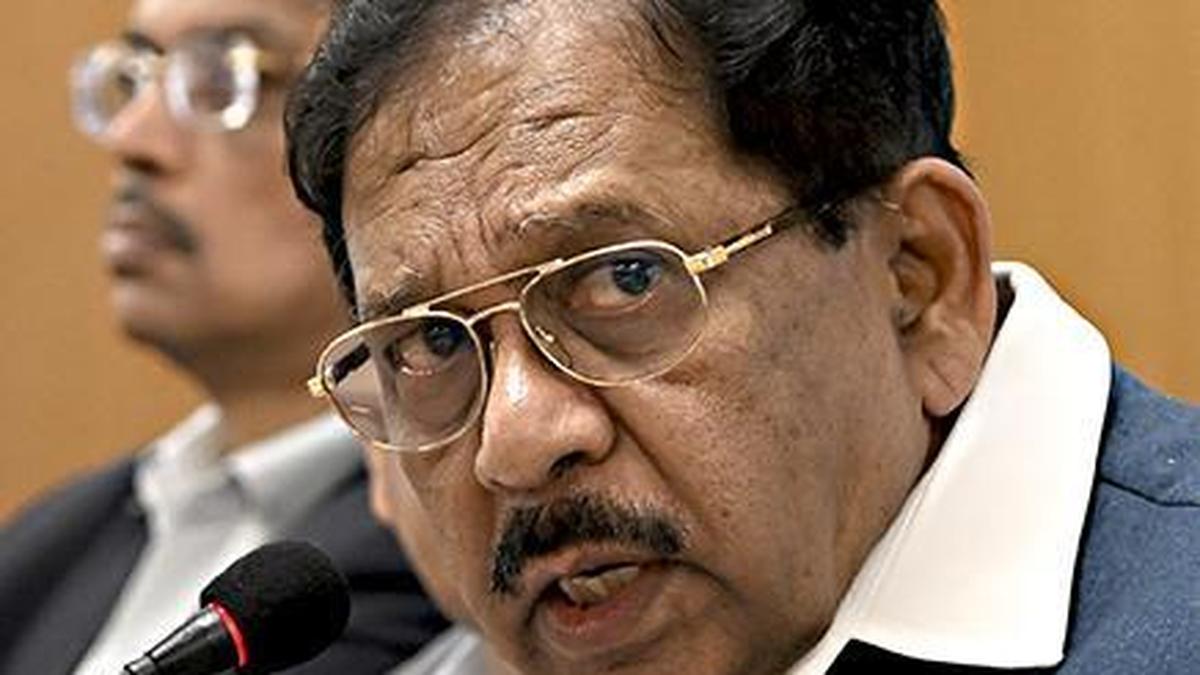
Karnataka Home Minister G. Parameshwara on Tuesday confirmed that a Criminal Investigation Department probe has been ordered into the alleged disrobing of a woman during a police arrest in Hubballi, following approval from Chief Minister Siddaramaiah. The decision comes amid mounting public outrage, political backlash, and serious questions over police conduct, with the incident triggering protests and demands for accountability across the State.

Focus on Custodial Protocols

The CID probe is expected to closely examine whether established custodial and arrest protocols were followed during the Hubballi incident. Officials said particular attention would be paid to compliance with guidelines relating to the arrest of women, including the presence of female police personnel and adherence to privacy norms. Any deviation from these procedures could strengthen the case against those involved. The inquiry is also likely to reconstruct the sequence of events to determine responsibility at each stage of the operation.

Role of Supervisory Officers

Investigators are also expected to assess the role of supervisory officers in the incident. Questions have been raised about whether senior officials were aware of the manner in which the arrest was carried out and whether timely intervention could have prevented the alleged humiliation. The probe may examine command responsibility and whether lapses in supervision contributed to the situation. This aspect is significant, as accountability may extend beyond personnel directly involved in the arrest.BJP worker stripping case: Karnataka govt to hand over case to CID

Impact on Police Image

The allegations have dealt a blow to the public image of the police force, particularly at a time when trust and cooperation from citizens are crucial for maintaining law and order. Retired police officers have acknowledged that incidents of alleged excesses damage morale within the force as well. They argue that while strict action is necessary against guilty personnel, fair investigation is equally important to protect the credibility of honest officers who follow the law.

Women’s Safety and Policing

Women’s rights groups have said the case highlights broader concerns about women’s safety within the criminal justice system. They argue that while laws and guidelines exist, effective implementation remains inconsistent. Activists have demanded compulsory sensitisation training for police personnel handling arrests involving women. They also want independent oversight mechanisms strengthened so that complaints of custodial misconduct are addressed swiftly and without fear of retaliation.

Demand for Structural Reforms

Beyond individual accountability, the incident has renewed calls for structural reforms within the police system. Experts have suggested measures such as mandatory video recording of arrests, stronger internal vigilance units, and faster disciplinary processes. They argue that preventive mechanisms are as important as punitive action. The CID probe, they say, should not only fix blame but also recommend systemic changes to prevent recurrence of similar incidents.

Judicial Scrutiny Possible

Legal observers note that depending on the findings of the CID, the matter could eventually come under judicial scrutiny. If serious violations are established, courts may intervene to ensure compliance with constitutional safeguards. Past cases, they point out, have resulted in courts issuing detailed directions to State governments on custodial conduct. The Hubballi case could similarly influence future legal standards on police accountability.

Political Ramifications Continue

Politically, the issue continues to reverberate, with parties using it to question governance and law enforcement standards. While the government maintains that the CID probe reflects seriousness, opposition leaders insist that only visible punishment will restore public confidence. The issue is likely to remain a point of contention in the Assembly, with demands for debates and statements from senior ministers.CID probe into Hubballi disrobing allegation after approval from CM: Karnataka  Minister - The Hindu

Public Expectations High

Public expectations from the CID probe are high, given the gravity of the allegations and the attention the case has received. Citizens’ groups have stressed that delays or lack of transparency could deepen mistrust. Many believe the outcome will signal how seriously the State treats allegations of custodial misconduct. The government’s handling of the probe will therefore be closely watched by both the public and civil society.

Test Case for Accountability

The Congress government, however, has defended its response, saying due process must be followed. Leaders from the ruling party have argued that ordering a CID probe demonstrates the government’s commitment to uncovering the truth rather than rushing to conclusions. Women’s organisations and civil rights groups have also demanded swift justice, emphasising that such incidents erode public confidence in the police.

Ultimately, the Hubballi disrobing allegation has become a test case for accountability within Karnataka’s law enforcement system. The CID inquiry represents an opportunity to demonstrate that constitutional values and human dignity are non-negotiable. Whether the probe leads to convictions, departmental reforms, or broader policy changes, its findings are likely to have long-term implications for policing standards and public trust in the State.

Addressing the media, the Home Minister said the government had taken the allegations seriously and that an independent probe was necessary to ascertain the truth. He stated that the CID inquiry would examine all aspects of the incident, including the actions of the police personnel involved, the sequence of events during the arrest, and whether established procedures were violated.

CID Probe to Ensure Impartiality

Parameshwara said the decision to hand over the case to the CID was taken to ensure transparency and impartiality, given the sensitivity of the allegations. “The Chief Minister has approved a CID investigation so that there is no doubt about the fairness of the probe. If there has been any wrongdoing, strict action will follow,” he said. He added that the government would not shield anyone found guilty, irrespective of rank or position.

Parameshwara reiterated that the government would cooperate fully with the CID and ensure that the investigation was completed without delay. He said the findings of the probe would be made public to the extent permitted by law, to restore public trust. The Home Minister also indicated that the government would review existing procedures and training modules if systemic lapses were identified.

The alleged incident occurred during a police operation in Hubballi, where a woman was arrested in connection with a case. Allegations soon surfaced that she was subjected to humiliation and disrobing by police personnel, leading to widespread condemnation. Videos and accounts circulating after the incident intensified public anger and raised concerns about custodial dignity and women’s rights.

Action Already Initiated Against Police Officers

The Home Minister noted that preliminary action had already been taken against some police officials as part of immediate departmental measures. He said these steps were necessary to prevent any influence on the investigation and to reassure the public that the government was acting responsibly. However, he clarified that departmental action and a CID probe served different purposes, with the latter focusing on a comprehensive criminal and procedural examination.

Parameshwara stressed that the State government had zero tolerance for excesses by law enforcement personnel. “Police are expected to uphold the law and protect citizens. Any violation of that trust will be dealt with firmly,” he said, adding that the dignity of women must be protected at all times, especially during arrests and custody.Mangalore Today | Latest headlines of mangalore, udupi - Page Hubballi-case- to-be-probed-by-CID-after-CM-approval-says-Home-Minister

Political Reactions and Public Outcry

The incident has sparked sharp political reactions, with opposition parties accusing the government of attempting damage control only after public pressure mounted. BJP leaders staged protests demanding immediate arrests and suspension of senior officers, alleging a breakdown of law and order. They claimed the incident reflected systemic issues within the police force and called for accountability at the highest levels.

The Congress government, however, has defended its response, saying due process must be followed. Leaders from the ruling party have argued that ordering a CID probe demonstrates the government’s commitment to uncovering the truth rather than rushing to conclusions. Women’s organisations and civil rights groups have also demanded swift justice, emphasising that such incidents erode public confidence in the police.

Legal and Human Rights Concerns

Legal experts have pointed out that the allegations, if proven, would amount to serious violations of constitutional rights and established Supreme Court guidelines on arrest and custodial treatment. They have stressed that the law mandates dignity, privacy, and proportionality in police action, particularly involving women.

Human rights activists have said the case underscores the need for better training and accountability mechanisms within the police force. They have called for mandatory body cameras, strict enforcement of arrest protocols, and greater oversight to prevent custodial excesses. According to them, the outcome of the CID probe could become a benchmark for how the State handles allegations of police misconduct.

Government’s Assurance and Way Forward

Parameshwara reiterated that the government would cooperate fully with the CID and ensure that the investigation was completed without delay. He said the findings of the probe would be made public to the extent permitted by law, to restore public trust. The Home Minister also indicated that the government would review existing procedures and training modules if systemic lapses were identified.

The Chief Minister, though not commenting directly, has conveyed through officials that the government stands for justice and constitutional values. As the CID begins its inquiry, attention will remain focused on whether the investigation leads to accountability and reform, or whether it deepens political confrontation.

For now, the CID probe marks a critical step in addressing a case that has shaken public confidence and reignited debate over police conduct, women’s safety, and the responsibility of the State to uphold dignity and the rule of law.

Follow: Karnataka Government

Also read: Home | Channel 6 Network – Latest News, Breaking Updates: Politics, Business, Tech & More

CM Asserts Bold Constitutional Right on Malayalam Bhasha Bill: Firm Stand, 1 Letter, Shared Federal Concern

Follow: Karnataka Government

Also read: Home | Channel 6 Network – Latest News, Breaking Updates: Politics, Business, Tech & More
Safety First: 5 Compassionate Fire Norms Ease Burden on Small Hospitals

In a move aimed at balancing patient safety with operational feasibility, the Karnataka government has prescribed proportionate fire safety measures for hospitals that fall below the high-rise category. The decision is expected to bring relief to hundreds of small and medium healthcare facilities across the State that had been grappling with uniform fire safety norms originally designed for large, multi-storey hospitals. Officials said the revised approach was based on risk assessment, building height, and patient capacity, rather than a one-size-fits-all framework.

Clear Categorisation Brings Clarity

One of the key outcomes of the revised framework is clearer categorisation of hospitals based on height and risk profile. Officials said ambiguity over whether certain buildings qualified as high-rise structures had earlier led to confusion and inconsistent enforcement. With defined thresholds and proportionate requirements, hospital administrators now have greater clarity on compliance expectations. This clarity is expected to reduce discretionary interpretation during inspections and create a more uniform enforcement mechanism across districts, benefiting both regulators and healthcare providers.

Emphasis on Staff Preparedness

The new norms place strong emphasis on human preparedness rather than only infrastructure. Authorities have highlighted that trained staff can significantly reduce casualties during emergencies. Hospitals will now be encouraged to conduct regular mock drills, assign fire safety wardens, and ensure that nurses and support staff are familiar with evacuation protocols. Officials said even smaller hospitals must prioritise staff awareness, as quick and coordinated responses are often more effective than sophisticated equipment that may not be used correctly during panic situations.

Support for Older Buildings

Many hospitals operating in older buildings had expressed concern over structural limitations that made compliance difficult under previous norms. The revised measures acknowledge these constraints by allowing alternative safety arrangements where structural modifications are not feasible. Fire department officials said this approach ensures that safety objectives are met without forcing closures of long-standing facilities. This is particularly relevant in dense urban localities, where space constraints and heritage structures limit extensive retrofitting options.Karnataka prescribes proportionate fire safety measures for hospitals below  high-rise category - The Hindu

Fire Department’s Advisory Role

The Karnataka Fire and Emergency Services Department is expected to play a more advisory role under the new system. Instead of focusing solely on issuing notices, officers will guide hospitals on cost-effective and practical safety solutions. Officials said inspections will include suggestions for improvement and phased compliance plans. This shift is aimed at building cooperation rather than confrontation between hospitals and regulators, thereby improving overall safety standards through collaboration.

Financial Relief for Small Facilities

Hospital associations have noted that proportionate norms will reduce financial strain on small facilities. Installing high-end fire safety systems often involved heavy capital expenditure that smaller hospitals could not afford. With scaled requirements, resources can be directed towards essential patient care while maintaining baseline safety. Experts believe this financial relief could prevent closures of small nursing homes, especially in tier-two and tier-three towns where healthcare options are already limited.

Monitoring and Accountability

Despite the relaxation in certain areas, the government has made it clear that accountability will not be compromised. Hospitals failing to meet even the revised norms may face action, including penalties or suspension of licences. Officials stressed that proportionate does not mean optional. Regular audits and follow-up inspections will continue to ensure compliance. This balanced approach aims to maintain discipline while avoiding excessive regulatory pressure that could hamper healthcare delivery.

Potential Model for Other Sectors

Policy analysts suggest that Karnataka’s risk-based approach to hospital fire safety could influence regulation in other sectors such as schools, hostels, and small commercial establishments. By aligning safety requirements with actual risk, authorities can improve compliance and effectiveness. If successful, the model may encourage a broader shift in regulatory thinking, where safety enforcement is both practical and people-centric, without compromising on core protection standards.

Karnataka enforces stringent fire safety measures in hospitals

According to the new guidelines, hospitals that do not qualify as high-rise structures will now be required to comply with fire safety measures proportionate to their scale and risk profile. The government has clarified that while patient safety remains non-negotiable, regulatory requirements must also be practical and implementable, particularly for neighbourhood hospitals, clinics, and nursing homes that play a critical role in primary and secondary healthcare delivery.

Shift From Uniform to Risk-Based Norms

Until now, many smaller hospitals were expected to comply with stringent fire safety regulations similar to those imposed on large corporate hospitals and high-rise medical complexes. Hospital associations had repeatedly flagged this as impractical, arguing that older buildings and small facilities lacked the structural capacity to install advanced fire-fighting systems mandated under earlier norms.

The revised guidelines mark a shift towards a risk-based regulatory model. Officials said parameters such as building height, number of floors, bed strength, type of medical services offered, and patient mobility have been factored in while prescribing safety measures. Hospitals below the high-rise category will still be required to maintain essential fire safety infrastructure, but without being burdened by requirements disproportionate to their size.

Relief for Small and Medium Hospitals

Healthcare providers have welcomed the move, saying it would reduce compliance stress without compromising safety. Many small hospitals had faced notices and penalties in recent years for failing to meet norms they said were financially and structurally unviable. With the revised measures, hospital managements are hopeful of achieving compliance through affordable upgrades and better internal preparedness.

Doctors and hospital owners noted that smaller facilities often cater to low-income populations and operate on thin margins. “Excessive regulatory pressure can force small hospitals to shut down or reduce services. Proportionate norms help ensure safety while keeping healthcare accessible,” said a senior hospital administrator. The new framework is expected to particularly benefit clinics and nursing homes in older urban areas and semi-urban towns.Shocking! Only 329 of 8,728 hospitals have fire safety approval in Karnataka

What the New Measures Include

Under the updated guidelines, hospitals below the high-rise category will be required to install basic fire detection and alarm systems, maintain clear evacuation routes, and ensure availability of portable fire extinguishers. Staff training and periodic fire drills have been emphasised as critical components of preparedness. However, requirements such as large-scale sprinkler systems or complex smoke management infrastructure will be mandated only where risk assessment justifies them.

Officials said that special attention has been given to facilities with immobile patients, such as maternity hospitals and centres offering post-operative care. Even among smaller hospitals, additional safeguards may be prescribed depending on the nature of services provided. The government has stressed that relaxation does not mean dilution of safety, but rationalisation based on actual risk.

Learning From Past Incidents

The policy shift comes against the backdrop of several fire-related incidents in hospitals across the country, which exposed gaps in preparedness and enforcement. In Karnataka too, fire safety lapses in healthcare facilities have periodically triggered public concern and administrative action. The government said lessons from such incidents had informed the new approach, highlighting the need for realistic yet effective safety frameworks.

Officials pointed out that non-compliance often stemmed from confusion, lack of clarity, and impractical norms rather than deliberate negligence. By clearly defining obligations for different categories of hospitals, the government aims to improve compliance and reduce fire-related risks through achievable standards.

Coordination Between Departments

The revised norms are the result of consultations between the Health Department, Fire and Emergency Services, urban development authorities, and hospital associations. Officials said inter-departmental coordination was crucial to ensure that safety regulations aligned with building by-laws and healthcare licensing requirements.

Fire department officials will continue to conduct inspections, but with a renewed focus on guidance and corrective measures rather than punitive action alone. “Our goal is prevention. If hospitals understand what is expected of them and why, compliance will naturally improve,” a senior official said.

Impact on Licensing and Renewals

The new guidelines are also expected to streamline hospital licensing and renewal processes. Earlier, delays in obtaining fire safety clearances had slowed down licensing, leading to legal disputes and uncertainty for hospital operators. With proportionate norms in place, authorities believe clearances can be processed faster and more transparently.

Health officials said hospitals would be given reasonable timelines to upgrade facilities in line with the revised norms. Awareness programmes and technical guidance are also being planned to help smaller hospitals understand and implement required measures effectively.

Balancing Safety and Access

Public health experts have described the move as a necessary balance between safety and healthcare access. They noted that overly rigid regulations can inadvertently reduce the number of functional healthcare facilities, particularly in underserved areas. At the same time, any dilution of safety standards could have serious consequences.

By adopting a differentiated approach, Karnataka aims to strengthen fire safety culture across healthcare facilities without undermining service delivery. Experts say the success of the policy will depend on consistent enforcement, regular audits, and continuous training of hospital staff.

Way Forward

The government has indicated that the new fire safety framework will be reviewed periodically based on ground-level feedback and emerging risks. As hospital infrastructure evolves and urban landscapes change, officials said regulations must remain dynamic and responsive.

For now, the move is being seen as a pragmatic step that acknowledges the realities faced by smaller hospitals while reaffirming the State’s commitment to patient safety. If implemented effectively, the proportionate fire safety measures could serve as a model for other States grappling with similar regulatory challenges in the healthcare sector.

Follow: Karnataka Government

Also read: Home | Channel 6 Network – Latest News, Breaking Updates: Politics, Business, Tech & More
Maharashtra CM Announces Dharavi Redevelopment Plan, Promises 350 Sq Ft Homes for Every Eligible Resident

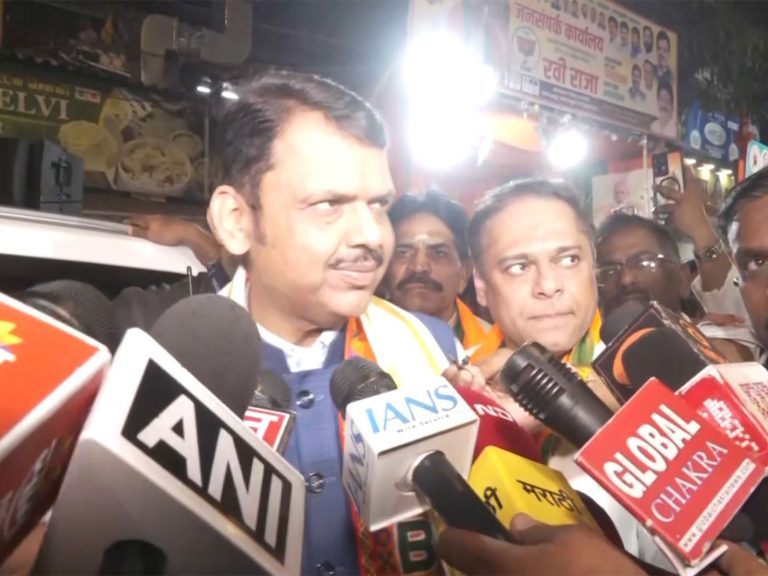
Maharashtra Chief Minister has announced an ambitious plan to redevelop Dharavi, one of Asia’s largest informal settlements, promising that every eligible resident will receive a 350 square foot home under the proposed project. The announcement marks a major step toward transforming the densely populated locality into a modern, well-planned urban neighbourhood while ensuring that current residents are not displaced without rehabilitation.

The redevelopment plan is aimed at improving living conditions in Dharavi, which has long struggled with overcrowding, inadequate sanitation, and lack of basic infrastructure. By guaranteeing a 350 square foot home to eligible families, the government hopes to reassure residents who have historically been wary of redevelopment initiatives that they would lose their homes or livelihoods.

Vision for a Modern Dharavi

According to the Chief Minister, the Dharavi redevelopment project is designed to create a cleaner, safer and more sustainable living environment while preserving the area’s economic and social fabric. Dharavi is not only a residential zone but also a major hub of small-scale industries, leather goods, pottery, recycling units and informal businesses that support thousands of livelihoods.

The redevelopment plan aims to integrate residential buildings with commercial and industrial spaces so that local businesses can continue to function without disruption. The government has said that the project will follow a cluster-based development model, allowing residents to be rehabilitated close to their existing locations rather than being relocated far away.

Maharashtra CM announces a major Dharavi redevelopment plan promising every eligible resident a 350 sq ft home
Maharashtra CM announces a major Dharavi redevelopment plan promising every eligible resident a 350 sq ft home.

350 Sq Ft Homes for Eligible Families

A key highlight of the plan is the promise of a 350 square foot home for every eligible resident. This is being seen as a significant improvement over earlier rehabilitation models, which often offered smaller spaces that were not suitable for large families.

The eligibility criteria will be based on established documentation and cut-off dates, ensuring that long-term residents and their families are given priority. Officials have stated that a detailed survey of households will be carried out to verify residency and determine eligibility. Once verified, families will be allotted homes in newly constructed buildings within the redeveloped Dharavi area.

Infrastructure and Amenities

Beyond housing, the redevelopment plan includes the creation of modern infrastructure and civic amenities. This includes proper sewage systems, clean drinking water supply, wider roads, better drainage, electricity, and green spaces. Schools, healthcare centres, community halls and recreational areas are also expected to be part of the new Dharavi.

The Chief Minister emphasised that redevelopment should not only be about buildings but about creating a livable, dignified environment. By integrating public amenities into the master plan, the government hopes to uplift the quality of life for residents who have lived for decades in cramped and unhygienic conditions.

Economic Upliftment and Job Opportunities

Dharavi is known for its thriving informal economy, and the redevelopment project is expected to formalise and strengthen these economic activities. The government has indicated that special zones will be created for small industries and workshops, allowing entrepreneurs to operate in safer, more organised spaces.

The construction phase of the project is also likely to generate thousands of jobs, offering employment opportunities to local residents. Training programmes may be introduced to help workers acquire skills needed for construction, maintenance and new business opportunities that will emerge in the redeveloped area.

Concerns and Public Response

While the announcement has generated optimism, there are also concerns among residents and activists. In the past, redevelopment projects in Mumbai have faced delays, legal disputes and allegations of inadequate rehabilitation. Some residents worry about the implementation timeline, the transparency of eligibility criteria, and whether the promised housing will be delivered on time.

The Chief Minister has sought to address these concerns by assuring that the redevelopment will be carried out in a transparent manner, with continuous dialogue between authorities and the community. He stated that residents would be kept informed at every stage of the project and that their feedback would be considered during planning and execution.

Urban Planning and Long-Term Impact

Urban planners see the Dharavi redevelopment as a critical step in reshaping Mumbai’s future. Located in the heart of the city, Dharavi occupies prime land that connects key business districts and transport corridors. Redeveloping this area in a planned manner could ease congestion, improve connectivity and enhance Mumbai’s overall urban landscape.

If executed well, the project could become a model for redeveloping other informal settlements across the country. By combining rehabilitation, infrastructure development and economic integration, the Dharavi plan has the potential to demonstrate how inclusive urban renewal can be achieved.

Next Steps in the Project

The government is expected to soon release detailed guidelines, timelines and implementation frameworks for the Dharavi redevelopment. Surveys and mapping exercises will begin to identify eligible households and commercial units. Following this, construction of temporary transit housing may start to ensure residents are accommodated while permanent buildings are constructed.

Authorities have also indicated that partnerships with private developers and financial institutions may be explored to ensure sufficient funding and efficient execution. Strict monitoring mechanisms will be put in place to prevent cost overruns and delays.

A Transformational Moment for Dharavi

The Chief Minister described the redevelopment as a transformational moment for Dharavi and its people. By promising a 350 square foot home to every eligible resident, the government has set a clear benchmark for rehabilitation and housing standards.

As Mumbai continues to grow, projects like Dharavi’s redevelopment will play a crucial role in shaping a more equitable and sustainable city. For the thousands of families who call Dharavi home, the plan offers hope for a future with better living conditions, improved opportunities and a stronger sense of security.

Read More: https://channel6network.com/raj-thackeray-strong-maharashtra-statement/

Champahati Firecracker Factory Blast 2026 – Detailed Analysis of South 24 Parganas Accident, Worker Safety, and Governance Lessons for Bengal’s Informal Industry

The Champahati firecracker factory blast 2026 has once again highlighted the dangers of Bengal’s informal firecracker industry. On January 9, a sudden explosion ripped through a small factory in South 24 Parganas district, injuring four workers and sparking panic in the surrounding area. The incident underscores the urgent need for safety reforms, stricter regulation, and community awareness in industries where hazardous materials are handled without adequate safeguards.


2. Champahati Firecracker Factory Blast 2026: The Incident

  • Location: Champahati, South 24 Parganas, West Bengal.
  • Cause: Preliminary reports suggest improper storage of explosive materials triggered the blast.
  • Casualties: Four workers sustained injuries, rushed to local hospitals.
  • Damage: Factory structure partially collapsed, nearby houses shaken.
  • Response: Fire brigade and police arrived quickly, sealing the site for investigation.

3. Firecracker Industry in Bengal

  • Firecracker production is a seasonal, informal industry concentrated in districts like South 24 Parganas, North 24 Parganas, and Howrah.
  • Factories often operate without proper licenses or safety clearances.
  • Workers are usually daily wage earners, lacking formal contracts or insurance.
  • Demand peaks during festivals like Diwali, Kali Puja, and weddings.
  • Despite repeated accidents, enforcement remains weak due to economic dependence on the trade.

4. Worker Safety Concerns

  • Lack of protective gear (helmets, gloves, fireproof clothing).
  • Poor ventilation and storage facilities.
  • Inadequate training in handling explosives.
  • Absence of emergency exits and fire extinguishers.
  • No health insurance or compensation schemes for injured workers.

5. Governance Challenges

The blast reflects:

  • Weak enforcement of safety norms in informal industries.
  • Licensing loopholes exploited by small operators.
  • Political patronage shielding illegal factories.
  • Community risks as factories are often located near residential areas.

6. Government External Links for Assistance


7. Historical Context of Firecracker Accidents in Bengal

  • 2018: Blast in North 24 Parganas killed several workers.
  • 2020: Illegal factory explosion in Howrah injured dozens.
  • 2023: Firecracker storage mishap in Baruipur led to fatalities.
  • 2026: Current Champahati blast adds to the long list of tragedies.

8. Community Impact

  • Residents fear recurrence of blasts in nearby factories.
  • Families of injured workers face economic hardship due to loss of income.
  • Children and elderly suffer psychological trauma from sudden explosions.
  • Civil society groups demand relocation of hazardous industries away from villages.

9. Global Comparisons

Similar firecracker accidents worldwide:

  • China: Frequent factory explosions due to lax safety enforcement.
  • Pakistan: Informal firecracker units often face deadly accidents.
  • Mexico: Fireworks market blasts have caused mass casualties.

Bengal’s case mirrors these global struggles where informal industries thrive at the cost of worker safety.


10. Governance Lessons

The Champahati blast teaches:

  • Strict licensing and monitoring are essential.
  • Worker training and protective gear must be mandatory.
  • Community awareness campaigns can reduce risks.
  • Compensation schemes must be institutionalised for victims.

11. Future Outlook – Worker Safety in Bengal

India must move towards:

  • Digitised licensing systems to track factories.
  • Smart surveillance using drones and sensors in high‑risk zones.
  • Portable health insurance for informal workers.
  • Eco‑friendly alternatives to hazardous firecrackers.

12. Conclusion

The Champahati firecracker factory blast 2026 is more than an isolated accident—it is a reminder of the systemic failures in Bengal’s informal industries. As four workers recover from injuries, the larger question remains: how many more accidents will it take before safety reforms are prioritised? For Bengal, the lesson is clear: economic survival must never come at the cost of human lives.

Also read: Home | Channel 6 Network – Latest News, Breaking Updates: Politics, Business, Tech & More

Raj Thackeray Makes Striking Political Remark: ‘Willing to Back Even Trump for Strong Maharashtra’

Maharashtra Navnirman Sena (MNS) chief Raj Thackeray has made a striking political statement, saying he is willing to support even a figure like Donald Trump if it helps build a strong and prosperous Maharashtra. The remark, delivered during an interaction amid ongoing political churn in the state, has sparked fresh debate over leadership, development priorities and the direction of Maharashtra’s politics ahead of crucial elections.

Raj Thackeray’s comment was not meant as a literal endorsement of a foreign leader but as a sharp metaphor underscoring his emphasis on decisive leadership and development-focused governance. By invoking a globally recognised political figure, Thackeray sought to underline his belief that strength, clarity of vision and administrative will are more important than party labels or traditional political alignments when it comes to the progress of Maharashtra.

Focus on Strong Leadership and Governance

Elaborating on his remarks, Raj Thackeray stressed that Maharashtra needs leadership that can take firm decisions, ensure law and order, and push rapid development without being bogged down by political compulsions. He argued that people are increasingly frustrated with political indecision and hollow promises, and are instead looking for results on the ground.

According to Thackeray, infrastructure development, industrial growth, employment generation and urban planning should be the core focus of any political force aspiring to lead the state. He maintained that ideological rigidity should not come in the way of progress, suggesting that support should go to anyone capable of delivering tangible outcomes for the people of Maharashtra.

Raj Thackeray and his estranged cousin, Uddhav, have joined hands for the BMC elections.

Criticism of Existing Political Culture

Raj Thackeray also used the opportunity to criticise the prevailing political culture in the state, which he described as overly focused on power struggles rather than public welfare. He said frequent political realignments, internal conflicts and personality-driven politics have distracted leaders from addressing real issues faced by citizens, including rising living costs, traffic congestion, civic infrastructure gaps and unemployment.

The MNS chief reiterated that Maharashtra, with its economic significance and cultural influence, deserves governance that matches its potential. He warned that if politics continues to revolve around short-term gains and symbolism, the state risks losing its competitive edge to other regions aggressively pursuing investment and development.

Positioning of MNS in Maharashtra Politics

Raj Thackeray’s statement is also being viewed as an attempt to reposition the Maharashtra Navnirman Sena within the broader political landscape. While the party has traditionally focused on regional pride and issues concerning Marathi identity, Thackeray has in recent years sought to expand the discourse to include governance, urban planning and economic development.

Political observers believe that such remarks are aimed at projecting Thackeray as a pragmatic leader willing to cross conventional ideological boundaries for the sake of Maharashtra’s growth. By framing his support as conditional on performance rather than party affiliation, he appears to be appealing to voters who are disillusioned with traditional political narratives.

Reactions and Political Implications

The comment has drawn mixed reactions from political circles. Supporters argue that Raj Thackeray is articulating what many voters feel—that leadership effectiveness matters more than ideological purity. They see his remarks as a call for accountability and results-driven governance.

Critics, however, have accused him of making provocative statements to stay politically relevant, questioning whether such rhetoric translates into concrete political action. Some have also pointed out that invoking an international political figure may distract from the need to outline specific policy proposals and roadmaps for Maharashtra’s future.

Development as the Central Theme

Despite the controversy, Raj Thackeray’s central message remained focused on development. He highlighted the need for improved urban infrastructure in cities like Mumbai, Pune and Nashik, better planning to address population pressure, and stronger support for industries that generate employment for local youth.

He also emphasised the importance of administrative efficiency, suggesting that delays in decision-making and lack of coordination between departments have slowed down key projects. According to him, a strong leadership model is essential to cut through bureaucratic inertia and ensure timely execution of development schemes or projects.

Electoral Context and Voter Sentiment

The timing of the remark is significant, as Maharashtra heads toward important electoral battles, including civic and assembly elections. Voter sentiment in urban areas, in particular, is shaped by everyday issues such as transport, housing, water supply and public safety. Raj Thackeray’s focus on strength and governance appears designed to resonate with these concerns.

Analysts note that such statements could help the MNS attract attention from undecided voters who are less attached to traditional party loyalties and more interested in governance outcomes. Whether this translates into electoral gains will depend on how effectively the party can convert rhetoric into a clear political strategy.

Leadership debates often gain momentum ahead of elections, as voters assess governance, accountability and administrative performance. India’s democratic system empowers citizens to choose representatives through free and fair elections conducted under established constitutional norms. These elections play a vital role in shaping policy direction and governance priorities at both state and local levels. Detailed information on the electoral process and democratic framework can be accessed on the Election Commission of India’s official website: https://www.eci.gov.in

Read More: https://channel6network.com/shinde-uddhav-raj-brand-politics/

Looking Ahead

Raj Thackeray concluded by reiterating that his priority remains the welfare and future of Maharashtra. He asserted that political support should be seen as a means to an end, not an end in itself, and that the ultimate goal should be a state that is economically strong, socially stable and administratively efficient.

As political discourse in Maharashtra continues to intensify, statements like these are likely to keep the focus on leadership, development and governance. For now, Raj Thackeray’s remark has succeeded in sparking discussion and placing him back at the centre of the state’s evolving political narrative.

Read More: https://channel6network.com/maharashtra-dharma-unites-bmc-battle-2026/

Rashtriya Khanij Chintan Shivir 2026 Concludes with Focus on National Critical Mineral Mission and Sustainable Mining

The Rashtriya Khanij Chintan Shivir 2026 concluded in Gandhinagar, Gujarat, with the Centre and States reiterating their collective commitment to strengthening India’s mining sector, advancing sustainable mining practices, and securing the country’s critical mineral requirements.

The second day of the Chintan Shivir focused on key priorities for long-term mineral security, including the National Critical Mineral Mission, sustainable mining frameworks, and coordinated approaches to strengthen domestic capabilities across the mining value chain.


National Critical Mineral Mission Framework Outlined

A presentation was made by Shri Vivek Kumar Bajpai, Joint Secretary, Ministry of Mines, outlining the comprehensive framework of the National Critical Mineral Mission. He highlighted initiatives covering:

  • Identification of critical minerals

  • Exploration and auctioning strategies

  • Strengthening domestic mining and processing capacities

  • Promotion of value addition

  • Building resilient supply chains through collaboration with industry and research institutions

These measures aim to enhance India’s strategic autonomy in mineral resources and reduce dependence on imports.


Recovery of Critical Minerals from Waste and Tailings

Shri Pankaj Kulshrestha, Controller General, Indian Bureau of Mines, presented on the recovery of critical minerals from waste dumps and tailings, highlighting the potential of:

  • Advanced technologies

  • Secondary mineral resources

  • Circular mining practices

He emphasised that such approaches can improve mineral availability while ensuring environmentally responsible and sustainable mining.


Need for Timely Operationalisation of Mines

Addressing the gathering, Shri Piyush Goyal, Secretary, Ministry of Mines, stressed the importance of timely operationalisation of mines to increase the contribution of the mining sector to national economic growth. He underlined the need for:

  • Expeditious clearances

  • Greater accountability

  • Streamlined processes

He stated that the Ministry of Mines is actively working to accelerate mining activities in alignment with India’s developmental priorities.


State Perspectives on Mining Sector Development

Punjab Mining Minister Shri Barinder Kumar Goyal highlighted the progress and untapped potential of Punjab’s mining sector and emphasised the adoption of:

  • Modern technologies

  • Sustainable mining practices

  • Effective policy measures

to further strengthen sectoral performance.


Mining as Foundation for Inclusive and Sustainable Development

Union Minister for Coal and Mines Shri G. Kishan Reddy emphasised that a strong mining sector is a cornerstone for inclusive and sustainable development. He highlighted key priorities including:

  • Effective utilisation of District Mineral Foundation (DMF) funds for the welfare of mining-affected communities

  • Robust mine closure planning

  • Timely and transparent auctioning of mineral blocks

He reiterated that States are key partners in advancing mining sector reforms and assured continued support from the Government of India to promote responsible mining and strengthen domestic mineral security, in alignment with the national goals of Aatmanirbhar Bharat and Viksit Bharat @2047.


High-Level Participation Reflects Cooperative Federalism

The two-day conference witnessed participation from senior leadership at both the Centre and State levels, including:

  • Chief Minister of Gujarat Shri Bhupendra Patel

  • Union Minister for Coal and Mines Shri G. Kishan Reddy

  • Union Minister for Jal Shakti Shri C. R. Patil

  • Union Minister for Labour & Employment and Youth Affairs & Sports Dr. Mansukh Mandaviya

  • Deputy Chief Minister of Bihar Shri Vijay Kumar Sinha

Mining Ministers and senior officials from more than eight States, along with senior officers of the Ministry of Mines, participated in the deliberations, reflecting a strong spirit of cooperative federalism in driving mining sector reforms.


Conclusion: Rashtriya Khanij Chintan Shivir

The conclusion of Rashtriya Khanij Chintan Shivir 2026 marks a significant step toward building a future-ready, sustainable, and strategically secure mining ecosystem in India. Through close Centre–State collaboration, technology adoption, and policy alignment, the deliberations reaffirmed a shared commitment to ensuring long-term mineral security in support of India’s economic growth and national development goals. The second day of the Chintan Shivir focused on key priorities for long-term mineral security, including the National Critical Mineral Mission, sustainable mining frameworks, and coordinated approaches to strengthen domestic capabilities across the mining value chain.

 For more real-time updates, visit Channel 6 Network.

Source: PIB